- Best for leopards & big cats: Sabi Sand & Madikwe Photographic Safari — 7 days from around US$6,900pp
- Best for elephants at eye level: Chobe River Photographic Boat — 5 days from around US$3,400pp
- Best for water-level & reflections: Okavango Delta hide & mokoro — 6 days from around US$6,200pp
- Best for the river crossings: Great Migration Serengeti-to-Mara — 8 days from around US$7,800pp
- Best for full creative control: Private-guide, private-vehicle bespoke expedition — 10 days from around US$9,500pp
- Every package runs on a private vehicle or boat, timed to the golden hours and built around the picture you are after
- Migration crossings run July–October; book the Mara and the Delta four to six months ahead
A photographic safari asks for different things than an ordinary one. The light matters more than the mileage. The angle of the vehicle matters more than the species count. How low you can sit when an elephant walks to the water, whether the guide will cut the engine and hold for ten quiet minutes, whether the car is yours to turn into the sun — those are the things that decide what you bring home. A game drive shows you animals. A photographic safari gives you pictures of them.
We have ranked the best African photographic safari packages for 2026 and 2027 the way a photographer actually chooses — by the frame you are after. Leopards at close range in the Sabi Sand. Elephants at eye level from the Chobe boat. Water-level predators and reflections in the Okavango. The Mara crossings. The red graphic walls of the Namib. Each package below is a real, bookable trip with honest ZAR and USD pricing, run on a private vehicle or boat. For which region suits which subject in more depth, our ranking guide to the best African photographic safaris and our note on the best photographic safaris in Africa go deeper. This page is about the packages themselves — what they cost, what is included and how to choose.
How We Ranked These Photographic Safaris
Each package was weighed across five things that matter to a camera, not a checklist: subject and access (how reliably the region delivers the picture, and how close you get), the vehicle or platform (private sole-use vehicle, photographic boat, hide or mokoro), the guiding (a guide who reads a sighting for the frame and knows the light), timing and light (how the itinerary is built around the golden hours and the season) and value (what you receive at the price). The order reflects the best fit by subject and by the kind of photographer you are, not simply the dearest camp.
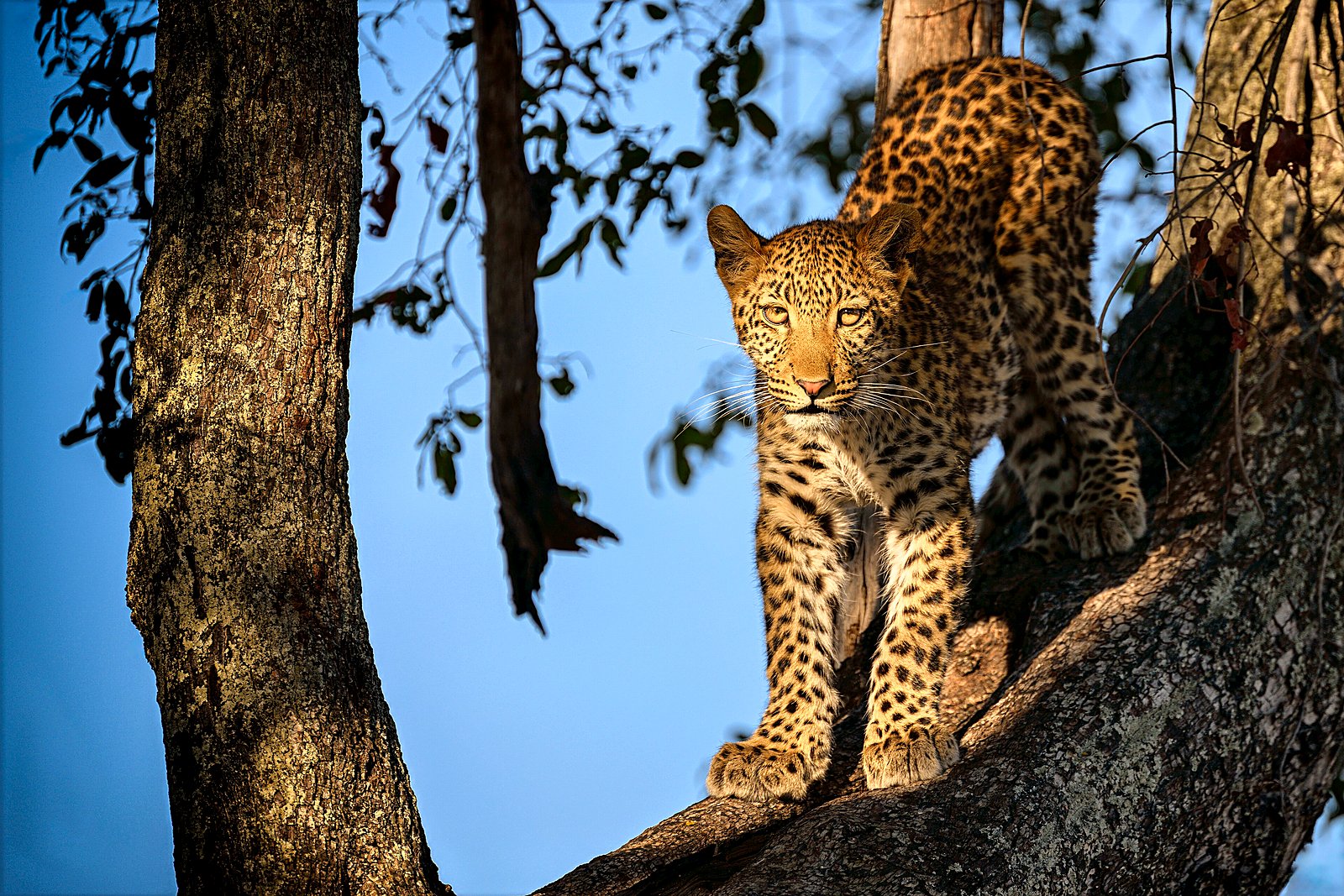
1. Sabi Sand & Madikwe Leopard & Big-Cat Photographic Safari — 7 Days
Best for: Photographers who want leopards and the big cats at close range, on a private vehicle, with painted wolves in the mix.
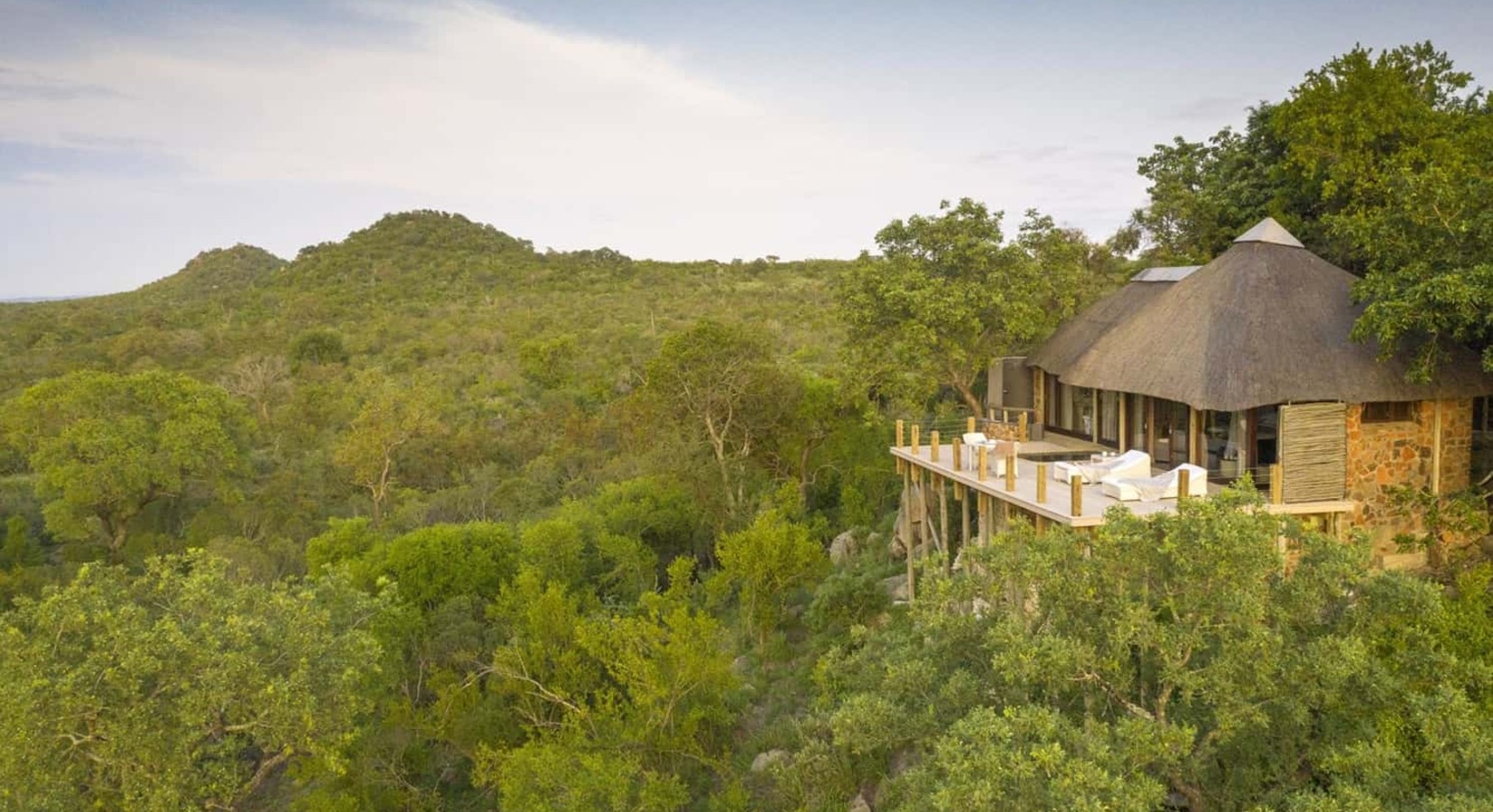
If there is one picture most people come to Africa for, it is a leopard — and the Sabi Sand in the greater Kruger reads leopards better than anywhere on the continent. The cats here are relaxed around vehicles after decades of careful guiding, which is what lets you work a sighting properly: settle the car, drop the angle, wait for the animal to lift its head into the light. This seven-day package pairs the Sabi Sand with Madikwe, a malaria-free reserve to the west that adds lion, elephant and the hardest, best subject of all — a pack of painted wolves on the move at dawn.
You run a private photographic vehicle throughout, with a guide who shoots and knows where the cats den and hunt. Mornings and late afternoons are the working sessions; the warm middle of the day is for backing up cards and resting the long lens. Full itinerary on our 7-Day Painted Wolf Photographic Safari page, and the regional detail is in our best African photographic safaris guide.
Best season: May–October for thin bush and clean backgrounds; year-round for leopards. Ideal for: Big-cat and predator shooters, keen amateurs to pros. Highlights: Private vehicle, Sabi Sand leopards, Madikwe painted wolves, malaria-free Madikwe leg. From: around US$6,900pp for seven days.


2. Chobe River Elephant Photographic Boat Safari — 5 Days
Best for: Elephants, buffalo and birds at water level, shot from a low photographic boat.
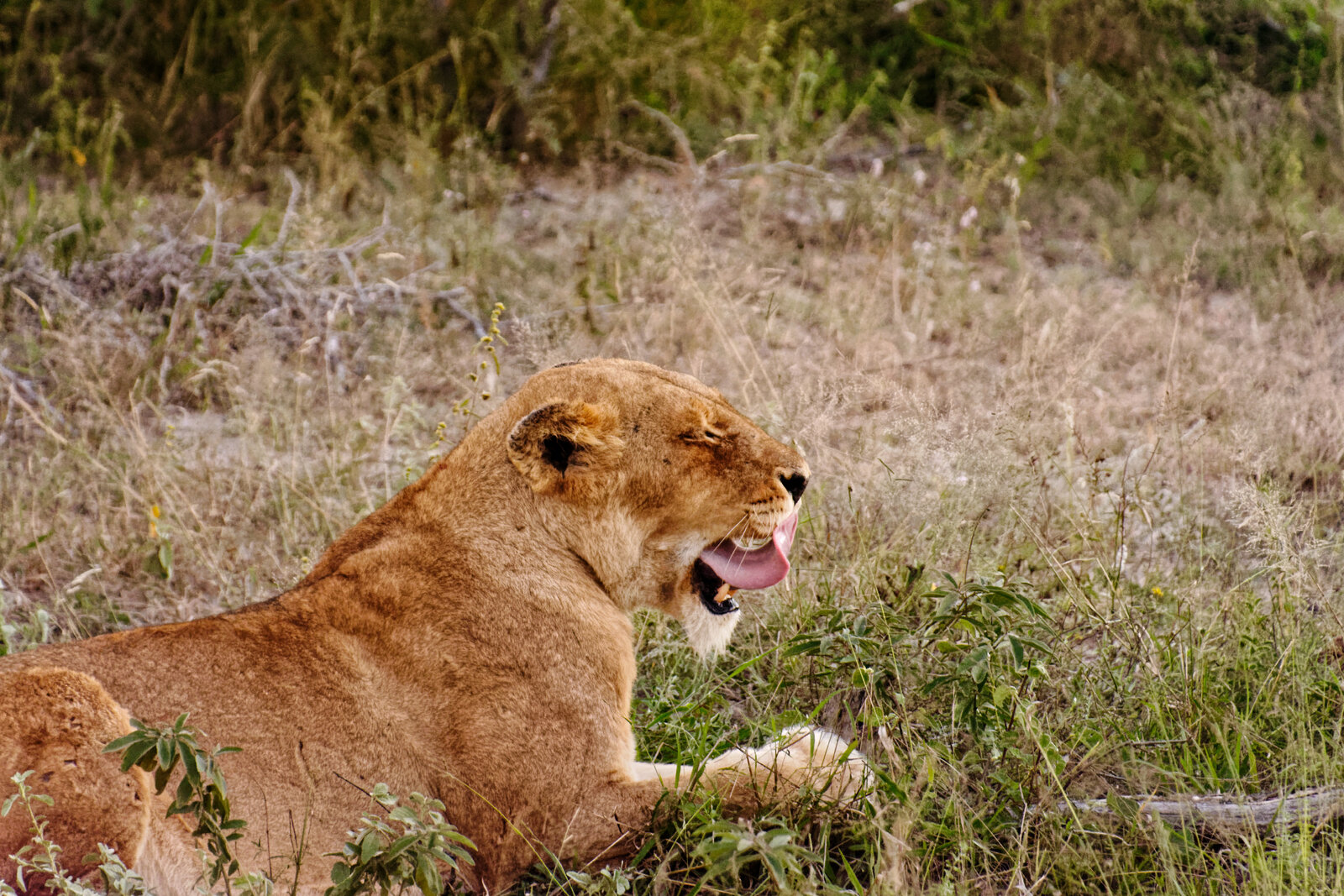
The Chobe in northern Botswana carries one of the densest elephant populations in Africa, and in the dry months the herds come down to the river to drink, bathe and cross. The reason photographers love it is the platform: a purpose-built photographic boat sits you low on the water, level with a drinking herd, with swivel seats and beanbag rails and nothing between the lens and the animal. You shoot reflections, dust, backlight and the rim light of late afternoon from an angle no vehicle can give you.
This five-day package is built around the boat — two cruises a day in the best light, with land drives in Chobe National Park to fill out the Big Five. It sits a short transfer from Victoria Falls, so it pairs naturally with the Falls for a longer trip. Full itinerary on our 5-Day Victoria Falls & Chobe Safari page.
Best season: May–October, when the herds concentrate on the river. Ideal for: Elephant and bird photographers, water-level shooters, Falls combinations. Highlights: Low photographic boat, eye-level elephants, backlit river light, Victoria Falls add-on. From: around US$3,400pp for five days.


3. Okavango Delta Water-Level & Mokoro Photographic Safari — 6 Days
Best for: Reflections, water-level predators and the quiet, graphic work only the Delta gives.
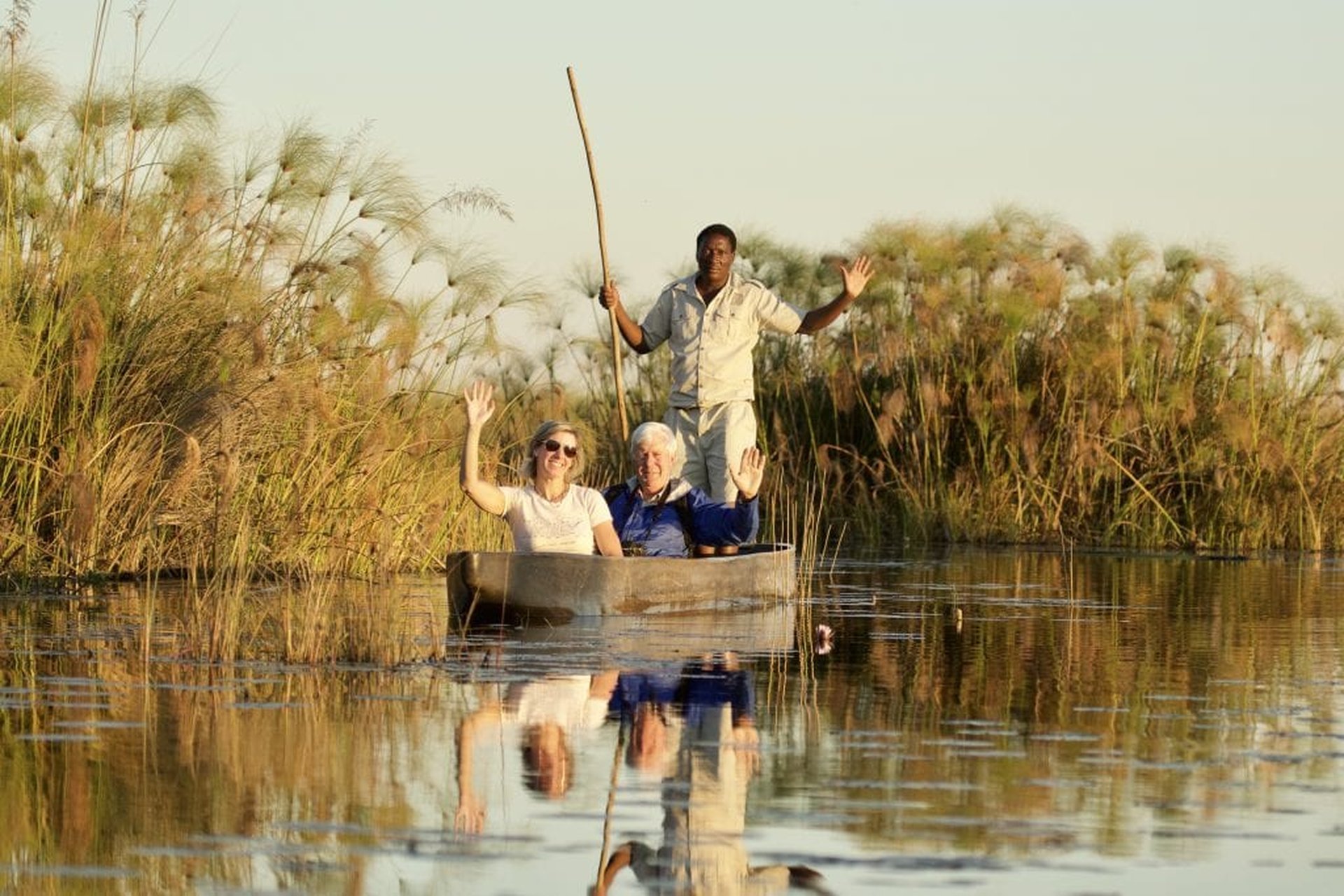
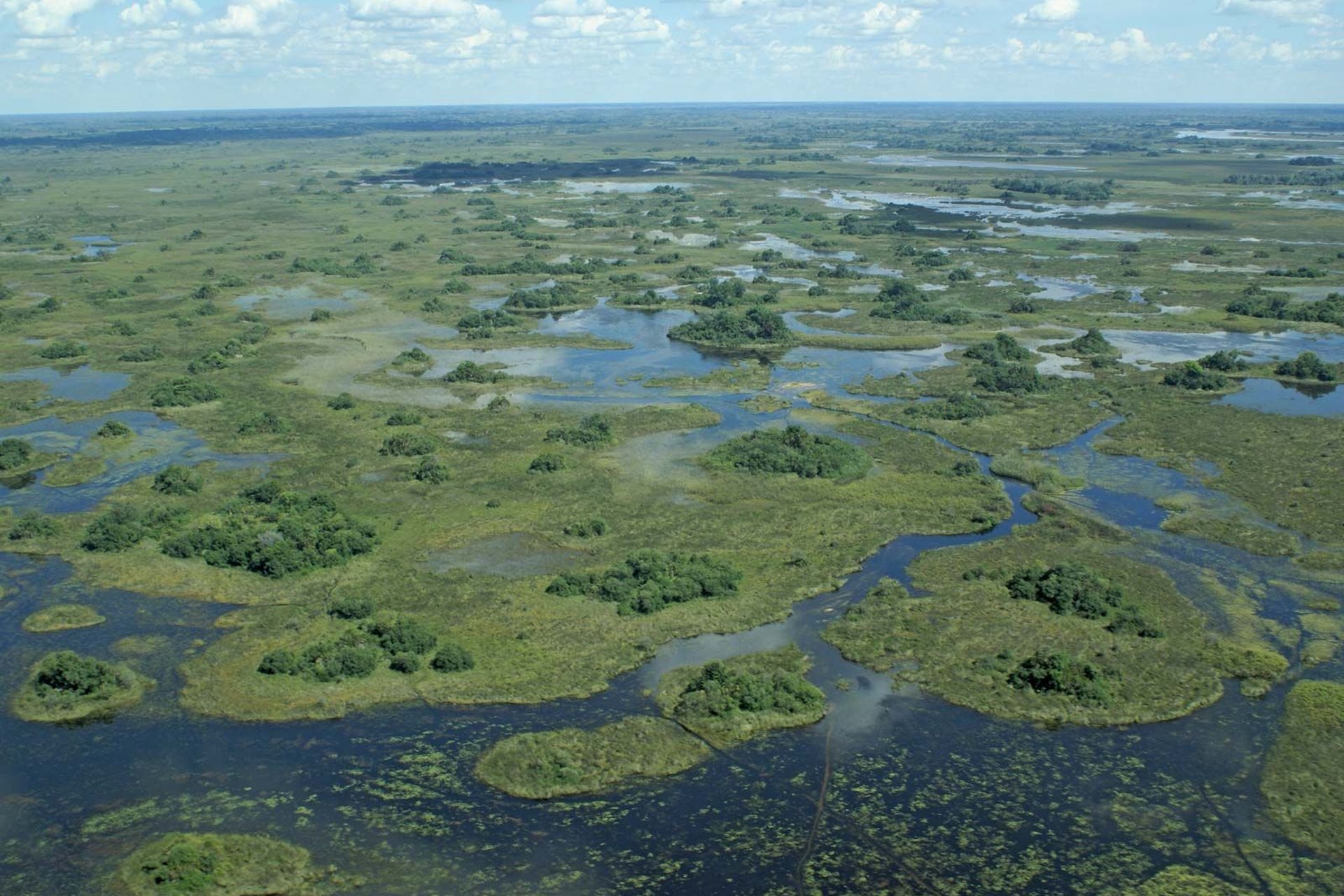
The Okavango is a different kind of photography. When the flood is up, between June and August, the Delta becomes a maze of channels, lagoons and islands, and the pictures come from the water as much as the land. You work from a mokoro at eye level with lily and reed, from a sunken hide where elephant and buffalo come to drink above you, and from a private vehicle on the islands for lion, leopard and the Delta's painted wolves. Reflections, mirror-still dawns and the low green light are what set the Okavango apart.
This six-day package puts you in a water-rich concession where the mokoro, the hide and the drives all work, on a private basis for photographers. It is unhurried by design — fewer, longer sessions in the best light. Full itinerary on our 6-Day Okavango Delta Luxury Safari page, and the Delta is covered in depth in our best photographic safaris in Africa guide.
Best season: June–August for peak flood and water work; May–October overall. Ideal for: Water-level and landscape shooters, reflection work, quiet pace. Highlights: Mokoro eye-level work, sunken hide, private island drives, mirror dawns. From: around US$6,200pp for six days.


4. Great Migration River-Crossing Photographic Safari — 8 Days
Best for: The river crossings, vast herds and the single most dramatic sequence in African wildlife.
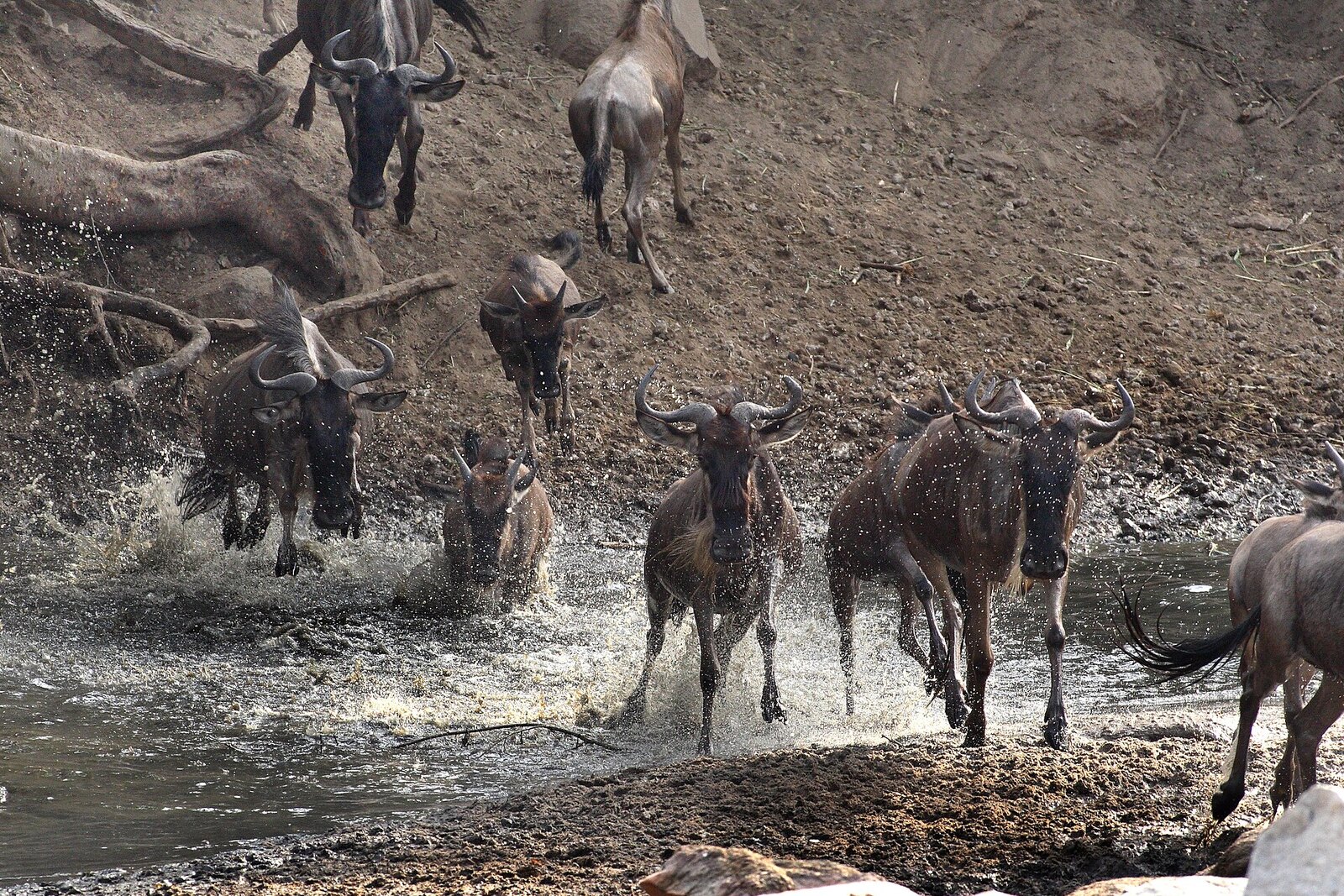
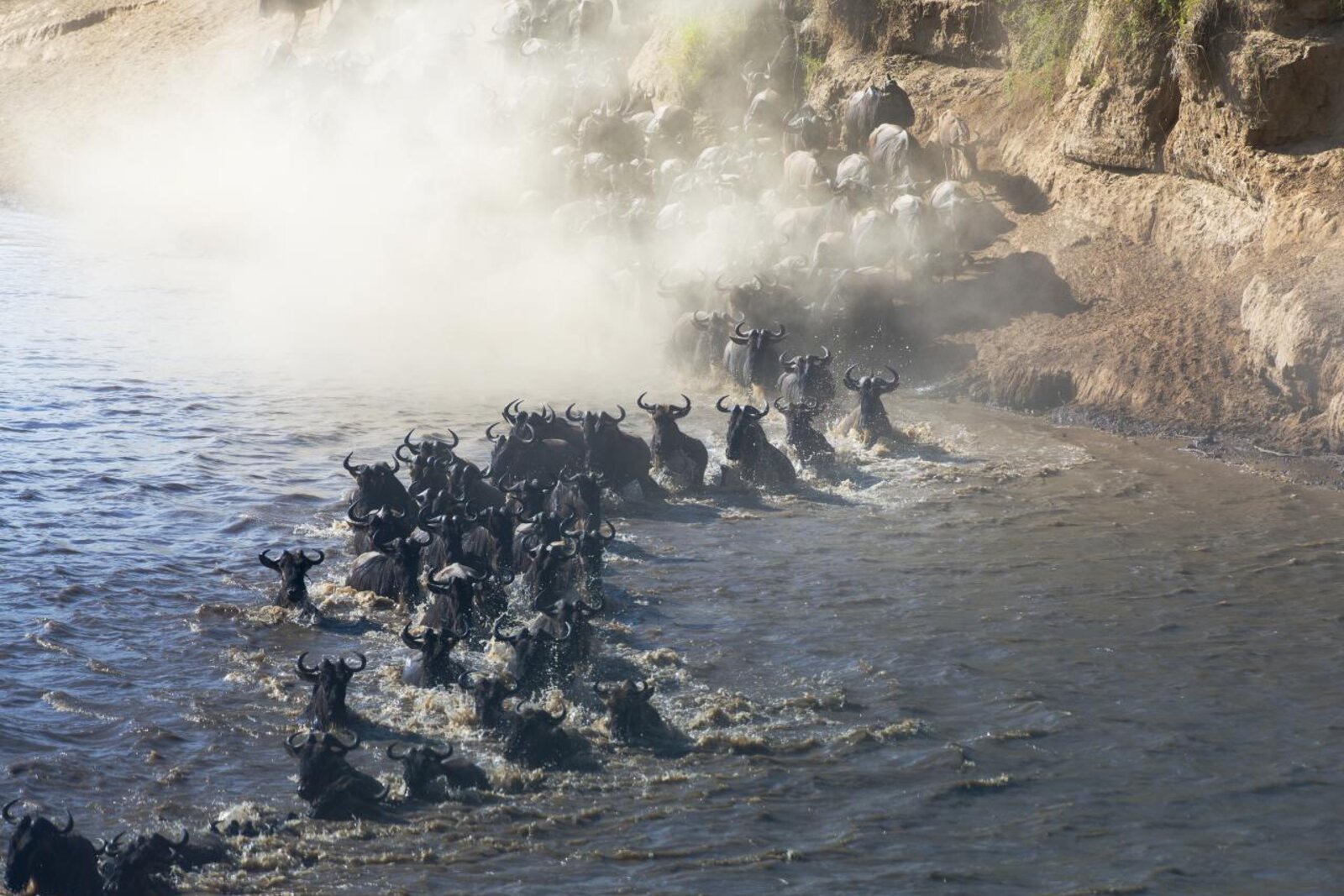
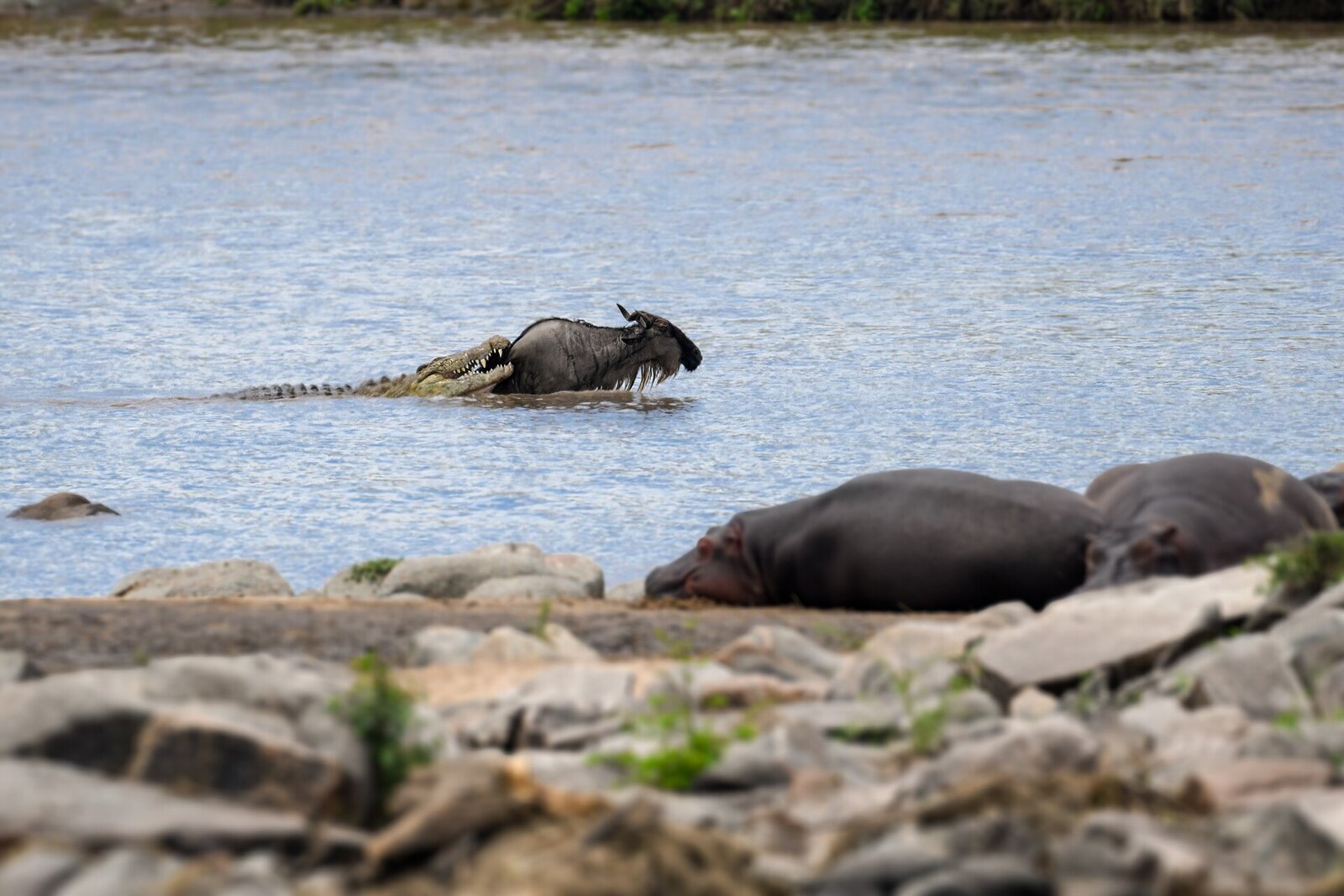
A wildebeest crossing is the hardest thing to shoot well in Africa and the most rewarding when it comes off — the whole column massing on the bank, the first animals plunging in, the spray, the dust, the crocodiles. You cannot rush it. This eight-day package follows the migration across the Serengeti and the Masai Mara in the crossing months, giving you enough days at the river to be there when a crossing finally breaks, rather than one anxious afternoon hoping for luck. Between crossings you have the big cats of the Mara and the Serengeti plains, and the vast layered herds that tell the scale of the thing.
You run a private vehicle positioned by a guide who knows the crossing points and the light, with long sessions held at the river. Full itinerary on our 8-Day Great Migration Masai Mara & Serengeti Safari page; a 7-day Serengeti migration focus is available when you want more time on the Tanzanian side.
Best season: July–October for the Mara crossings; the calving season runs January–March. Ideal for: Action and herd shooters, big-cat photographers, once-in-a-lifetime trips. Highlights: Multiple crossing chances, Mara and Serengeti big cats, vast herd scale, private vehicle. From: around US$7,800pp for eight days.

5. Private Guide & Private Vehicle Bespoke Photo Expedition — 10 Days
Best for: Serious photographers who want full creative control over route, vehicle, guide and light.
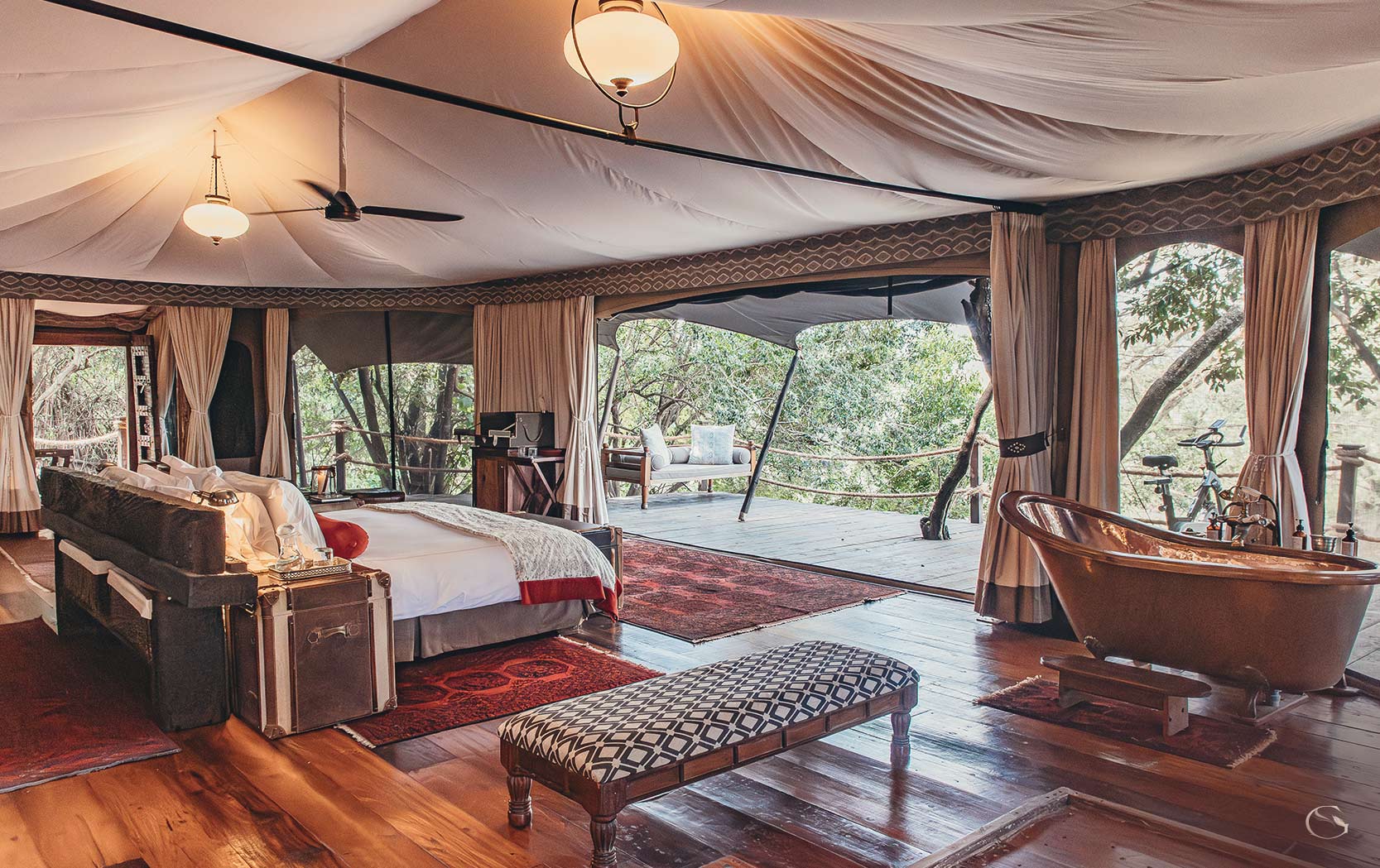
This is the package for a photographer who knows exactly what they are chasing. Ten days, a private vehicle and a private photographic guide throughout, and a route drawn entirely around your subjects — leopards one leg, the Delta the next, a hide and a river boat where they serve the picture. Nothing is shared, nothing is fixed. If a sighting is working, you stay. If the light is better an hour later, you wait. The guide is chosen for how they handle a photographic shoot, and the camps are picked for their access to the subjects rather than their rate card.
It is the most flexible and the most rewarding way to do a photographic safari, and the one serious shooters return to. We build it from a blank page with you — subjects, skill level, gear, the frames on your wish list. Full itinerary and routing options on our 10-Day Photography Safari Expedition page.
Best season: Built to your subjects and the season that suits them best. Ideal for: Dedicated amateurs and professionals, workshop-style travellers. Highlights: Private vehicle and guide throughout, bespoke route, subject-led camps, full control of pace and light. From: around US$9,500pp for ten days.
6. Mana Pools Walking & Water-Level Photographic Safari — 6 Days
Best for: Ground-level work on foot, the famous cathedral light, and elephants among the albida trees.
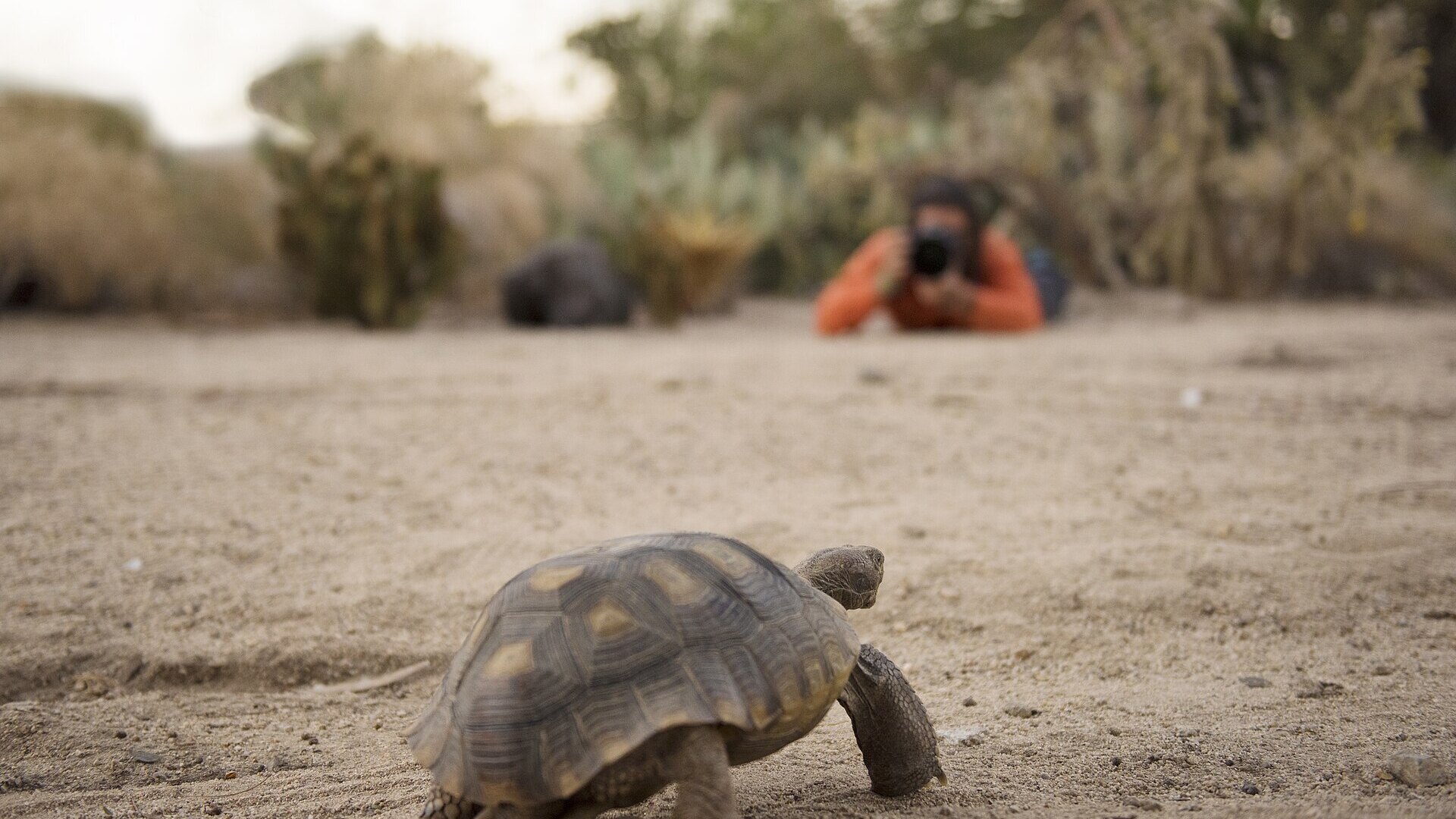
Mana Pools on the Zambezi, in northern Zimbabwe, is where photographers go for a look that no other reserve gives — shafts of light through tall apple-ring albida trees, dust in the air, and the chance to work on foot at ground level with a specialist guide. This is the place where elephants stand on their hind legs to reach the pods, where wild dogs den, and where the floodplain light in the dry season is the stuff of competition-winning frames. A six-day package gives you walking sessions for low-angle ground work and canoe and vehicle time along the river.
It is a wilder, more physical photographic safari than the Sabi Sand or the Delta, and the rewards match. You go with a licensed walking guide and work close to the subject, carefully and on foot. Full itinerary on our 6-Day Mana Pools Photographic Safari page.
Best season: June–October, dry season, for the light and the concentrations along the river. Ideal for: Experienced shooters, walkers, ground-level and light-hunters. Highlights: Walking photography, cathedral albida light, standing elephants, Zambezi canoe work. From: around US$5,600pp for six days.
7. Okavango Wild Dog & Predator Photographic Safari — 6 Days
Best for: Painted wolves, lion and the fast predator action the Delta's drylands deliver.
Painted wolves — African wild dogs — are the most sought-after predator sequence in photography, and the Okavango's drier concessions are one of the best places on earth to find them denning and hunting. This six-day package is built around the predators: a private vehicle in a concession with a known pack, early starts to catch a hunt in the cool first light, and the Delta's strong lion prides and leopards alongside. When a pack moves, it moves fast and low, and a sole-use vehicle is what gives you the chance to keep up and keep shooting.
It pairs well with the water-level Okavango package for a longer Delta trip that covers both the still water and the fast action. Full itinerary on our 6-Day Okavango Delta Wild Dog Safari page, and the Delta's predators feature in our best African photographic safaris guide.
Best season: May–September; the denning months around June–August for reliable pack sightings. Ideal for: Predator and action shooters, wild-dog chasers. Highlights: Private vehicle, known wild-dog packs, early hunts, Delta lion and leopard. From: around US$6,400pp for six days.


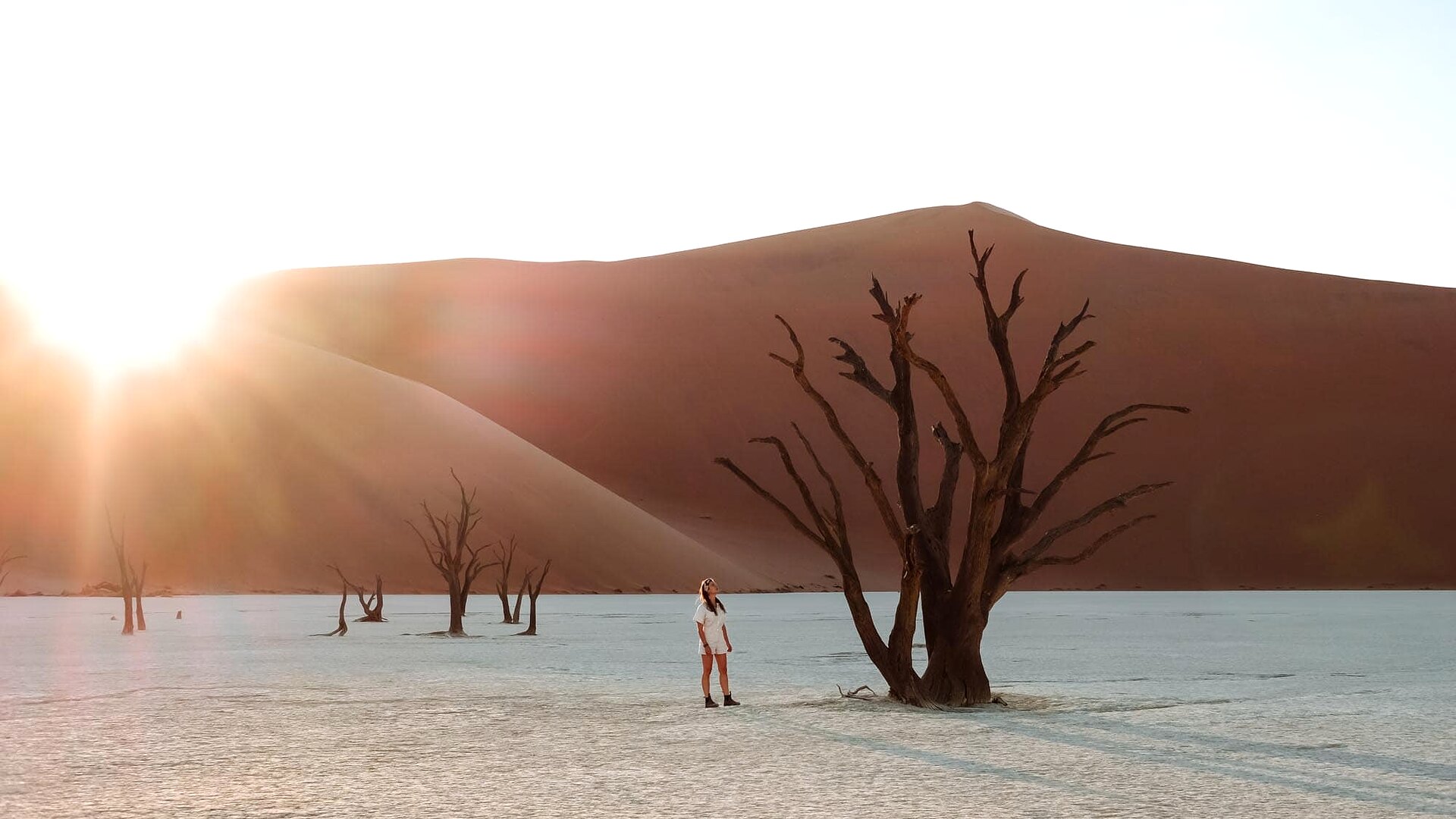
8. Namibia Desert & Deadvlei Landscape Photographic Safari — 10 Days
Best for: Landscape and graphic work — red dunes, Deadvlei's black trees, desert light and wide skies.
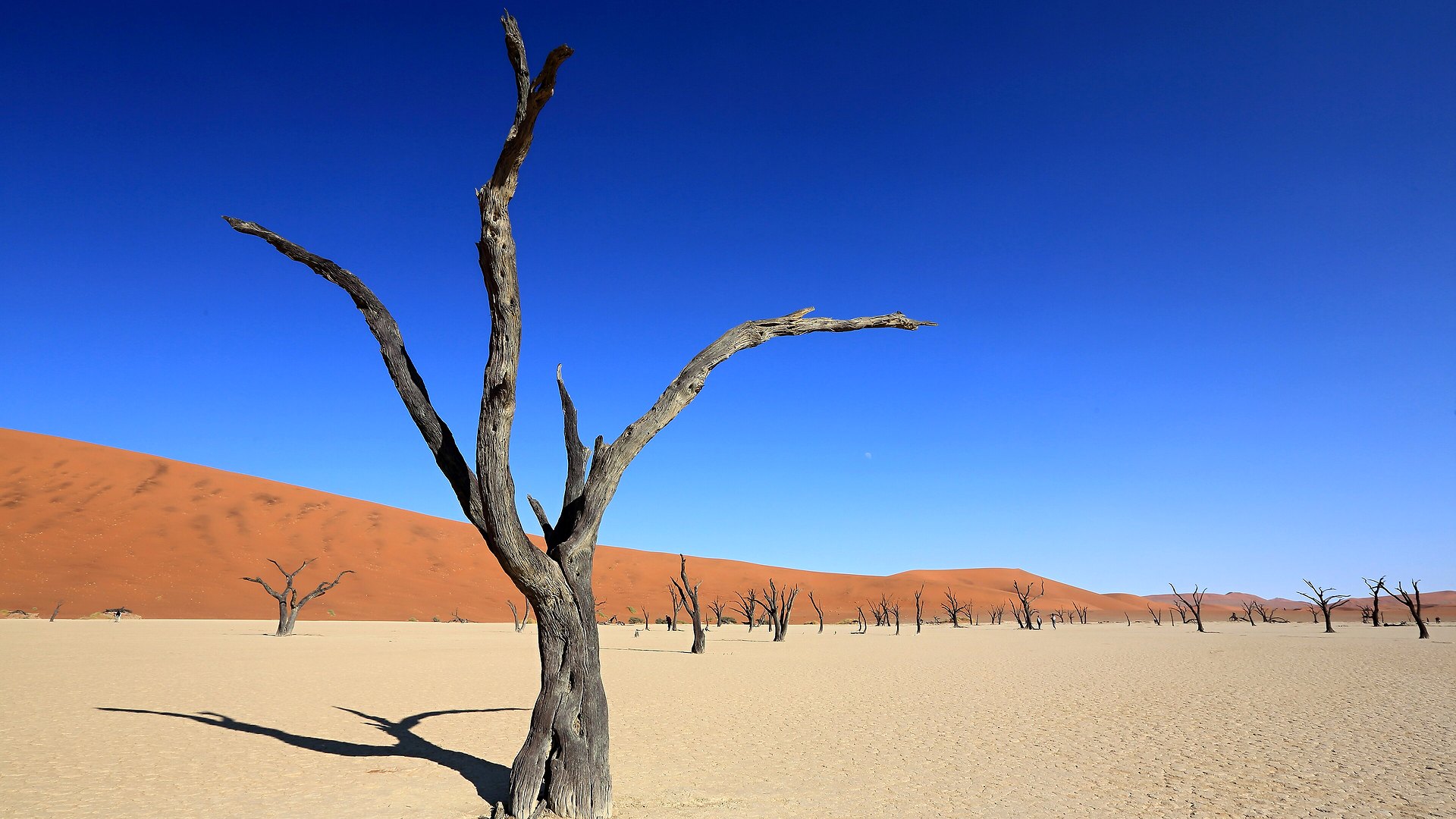
Namibia is the one package on this page where the landscape is the subject. The red dunes of Sossusvlei at first light, the black camel-thorn skeletons of Deadvlei against a white pan and a red wall, the graphic minimalism of the Namib, the ship-wreck coast and the desert-adapted wildlife — this is country made for a photographer who loves line, form and light as much as animals. A ten-day route takes you through the great dune fields, the gravel plains and Damaraland, timed so you are at Deadvlei for the first light that separates the sunlit dune from the shadowed trees.
Because Namibia rewards a flexible, light-led route, we run it as a private, tailor-made trip on the framework of our bespoke photographic expedition, drawn around the dune mornings and the desert's long light. Full routing on our 10-Day Photography Safari Expedition page, and the planning detail is in our Namibia photography safari guide and our note on the best time to photograph Sossusvlei and Deadvlei.
Best season: May–September for the sharpest dune light and cool mornings; year-round for landscape. Ideal for: Landscape photographers, graphic and minimalist shooters, desert lovers. Highlights: Sossusvlei dunes, Deadvlei first light, Damaraland, desert-adapted wildlife, private tailor-made route. From: around US$8,200pp for ten days.


African Photographic Safari Package Prices 2026-2027
The table below shows realistic 2026–2027 pricing per package, per person sharing, on a fully-inclusive ground basis (lodges or camps, meals, game activities, park and conservation fees, and in-country road and light-aircraft transfers where the route needs them). International flights, premium drinks, gratuities, travel insurance and camera or lens hire are excluded. Rates rise over the migration crossing months, the festive season and peak flood.
| Package | Days | From (USD pp) | From (ZAR pp) | Best for |
|---|---|---|---|---|
| Chobe River Elephant Boat | 5 | ~US$3,400 | ~R62,000 | Elephants & water-level work |
| Mana Pools Walking & Water | 6 | ~US$5,600 | ~R102,000 | Ground-level & light-hunters |
| Okavango Water & Mokoro | 6 | ~US$6,200 | ~R113,000 | Reflections & water-level |
| Okavango Wild Dog & Predator | 6 | ~US$6,400 | ~R117,000 | Painted wolves & action |
| Sabi Sand & Madikwe Big Cats | 7 | ~US$6,900 | ~R126,000 | Leopards & big cats |
| Great Migration Serengeti-Mara | 8 | ~US$7,800 | ~R142,000 | River crossings & herds |
| Namibia Desert & Deadvlei | 10 | ~US$8,200 | ~R150,000 | Landscape & graphic work |
| Bespoke Private Photo Expedition | 10 | ~US$9,500 | ~R173,000 | Full creative control |
Prices are per person sharing, indicative, and confirmed on enquiry against your exact dates, camps and group size. Crossing-season Mara travel and peak Okavango flood carry a seasonal premium and should be booked four to six months ahead. We quote every package privately, so the figure you receive reflects your travellers, your route and the frames you are after. To go deeper on which region suits your subject, continue with our best African photographic safaris guide.
How to Choose the Right Photographic Safari
Start with the picture you want. If it is leopards and big cats, the Sabi Sand and Madikwe package is the answer. If it is elephants at eye level, the Chobe boat. For reflections and water-level work, the Okavango; for painted wolves and fast action, the Delta's drier predator concession. For the river crossings, the eight-day migration safari in the July-to-October window. For landscape, line and light, Namibia. And if you want total control over route, vehicle and pace, the ten-day bespoke expedition is built for exactly that. Then match the length to the subject — five to six days for a single region, eight to ten when the picture needs patience or distance.
Every package on this page runs on a private vehicle or boat and is built privately by Beyond Africa Safaris — you are never locked into a crowded group, and we handle each flight, transfer and camp change across the whole trip so the photography days stay the point. We have been arranging this from Cape Town since 2004. Tell us what you shoot, your dates and your budget, and we will build the trip around it, then price it honestly. Reach our team on WhatsApp at +27 78 471 4852 to start planning your 2026 or 2027 photographic safari.