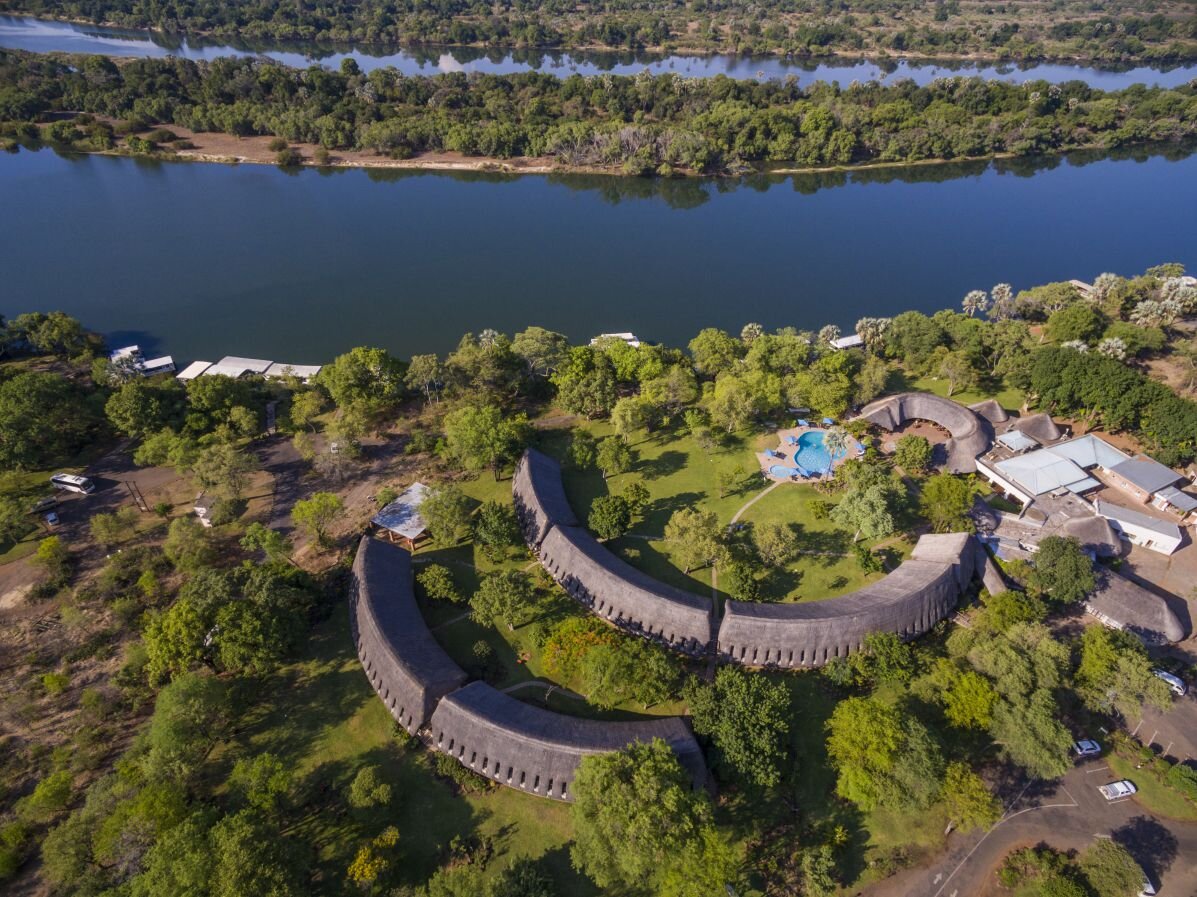
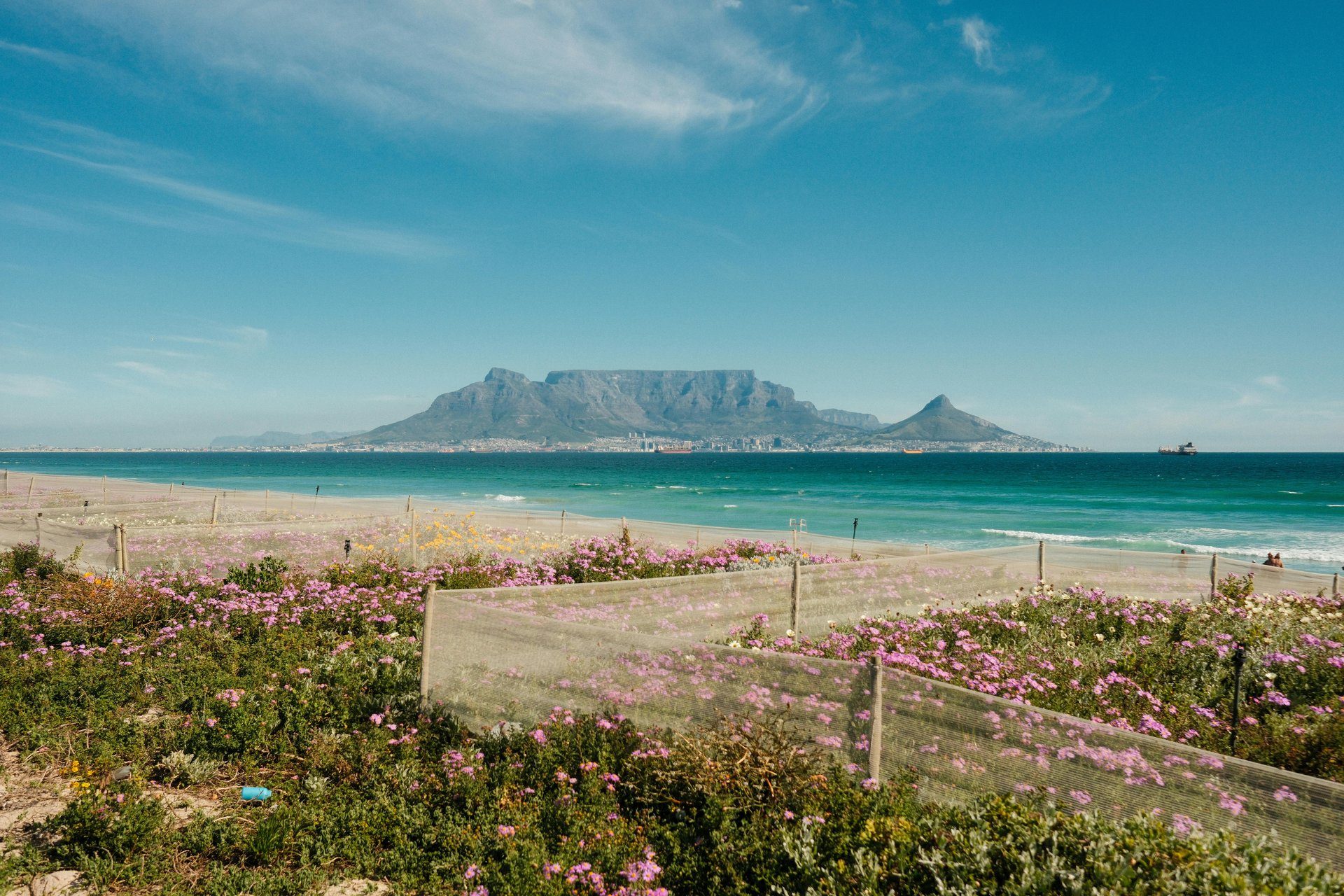
Quick answer: The best African photographic safaris pair private vehicles with lodges in the Sabi Sand (for leopards), Chobe (for elephants), the Okavango Delta (for water-level wildlife) and the Masai Mara / Serengeti (for the Great Migration). Look for off-road permissions, photographic hides at waterholes and guides who understand focal length, shutter speed and light — the three things that turn a game drive into a photography workshop.
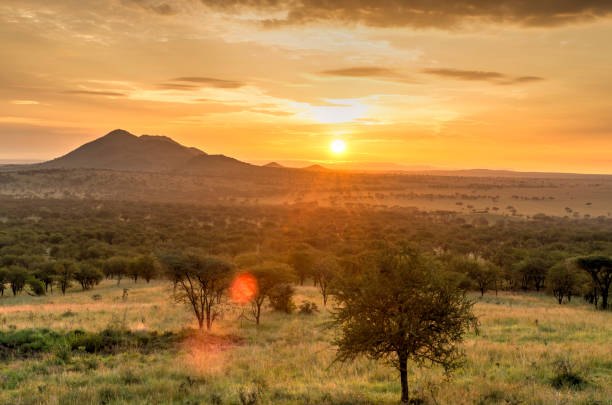
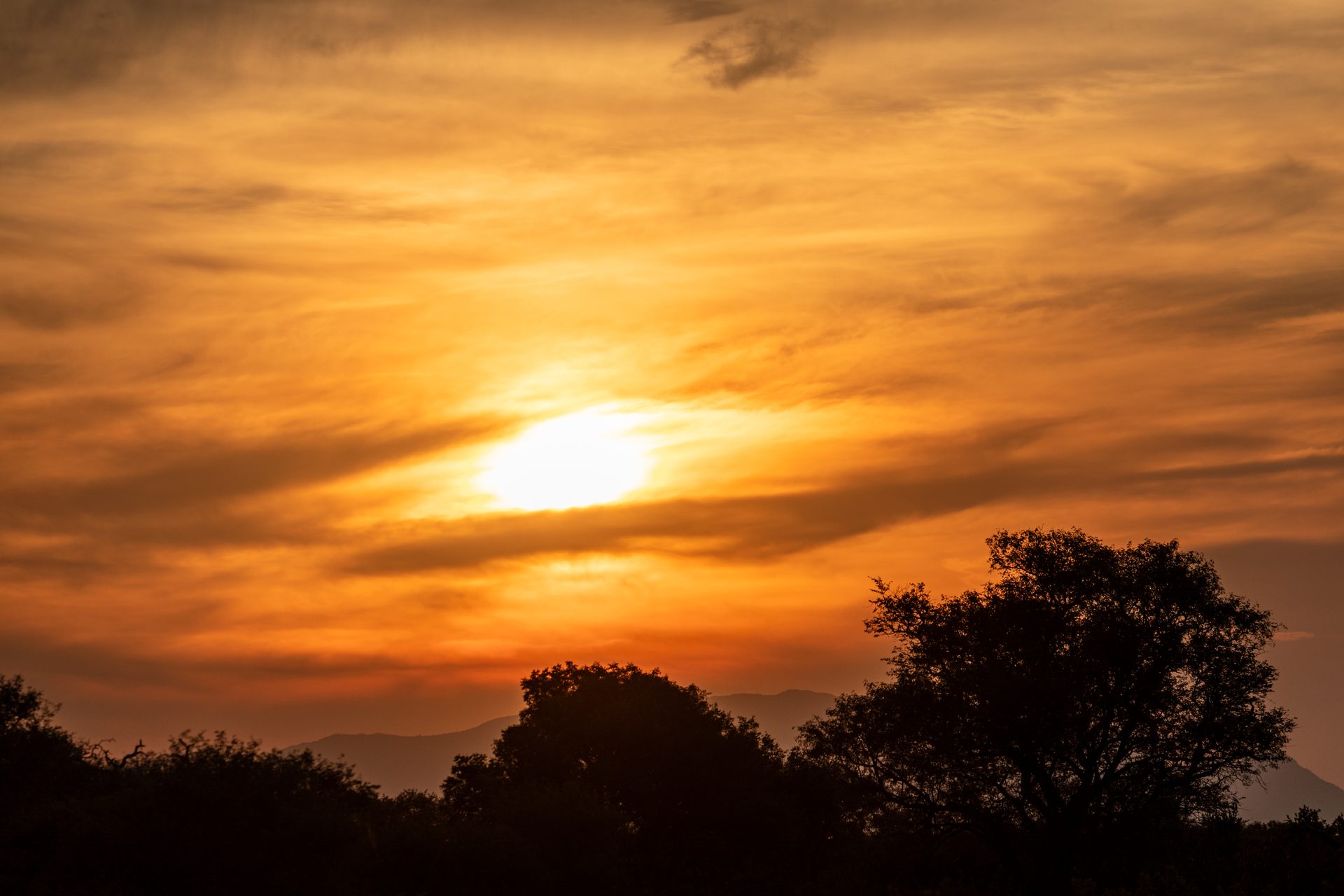
The difference between a good wildlife photograph and one you will frame is almost always light — the low sun slanting through dust as a leopard crosses a clearing, the soft glow before dawn as elephants drink at a waterhole. You cannot schedule that light. But you can place yourself where it happens most, with a guide who understands a photographer's patience and a vehicle you control entirely.
An African photographic safari is not a standard game drive with a camera strapped around your neck. It is a private vehicle where the guide positions you for the shot and waits as long as the leopard stays in the tree. It is a lodge with a permanent hide at a waterhole, so you sit at eye level with drinking lions. It is off-road permissions that let you circle a subject for the light, rather than watch it from the one angle the road allows.
After eighteen years guiding photographers — from first-timers with a 70-200mm to professionals with 600mm primes — this is our complete, honest guide to the best photographic safaris in Africa. Where to go for the shots you want, which lodges take photographers seriously, and what actually matters when you are trying to fill a memory card and a portfolio.
What Makes a Photographic Safari Different
A standard safari is designed around sightings — you see a lion, take a few photos, then move on to find the next animal. A photographic safari is designed around shots — you see a lion, watch the light, reposition the vehicle three times, wait for it to lift its head, and when the sun drops behind the ridge you finally press the shutter and know you have the frame.
A Private Vehicle
You and your guide alone. No strangers ready to move on after two minutes. You control when you stop, where you position, and how long you wait for the light to turn.
Off-Road Permissions
Private reserves let you leave the track and circle a subject to find the angle. National parks lock you to the road — you take the shot the road gives you, or you do not take it.
A Specialist Guide
The best photographic guides understand ISO, shutter speed and lens compression. They know which side of the vehicle to position for backlight, and they never park you facing into the sun.
The Best Destinations for Wildlife Photography
Africa is enormous, and not all of it is made equal for photographers. Here are the places where the light, the wildlife and the permissions align — and where serious photographers consistently get the shots.
1. The Sabi Sand — The Leopard Capital of the World
If you came to Africa to photograph a leopard, you came to the Sabi Sand. This 65,000-hectare private reserve shares an unfenced border with the Kruger, but unlike the Kruger it allows vehicles to leave the road, approach closer to wildlife, and stay as long as you like. The result is the most productive leopard photography on earth — habituated animals, open terrain, and lodges that understand photographers.
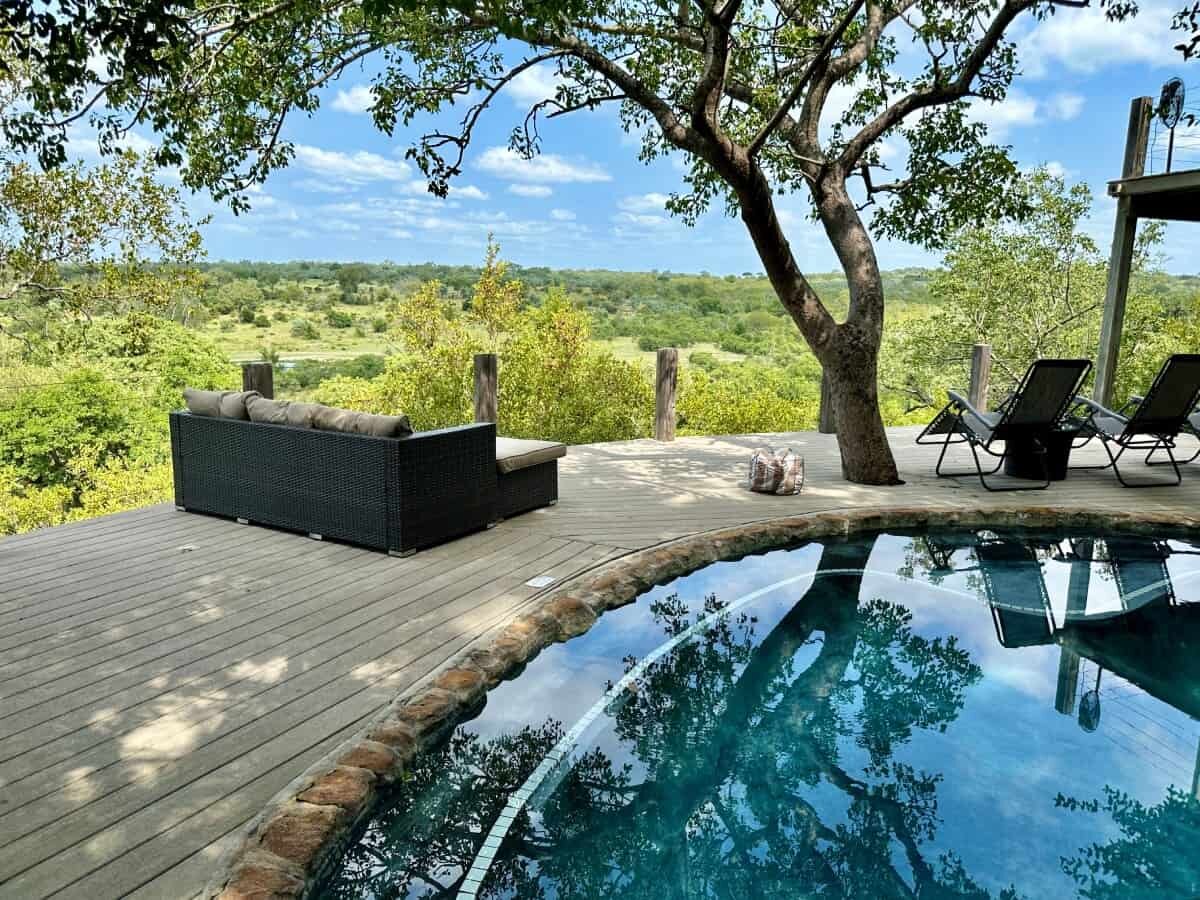
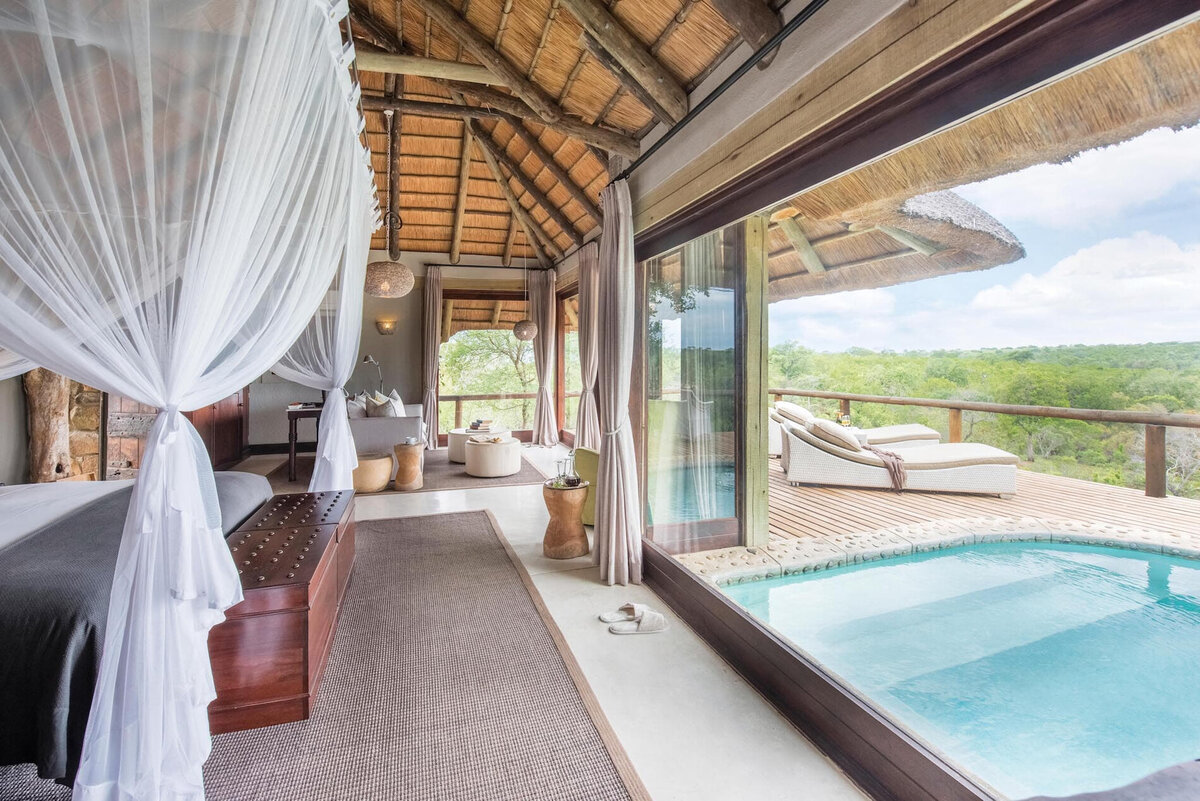
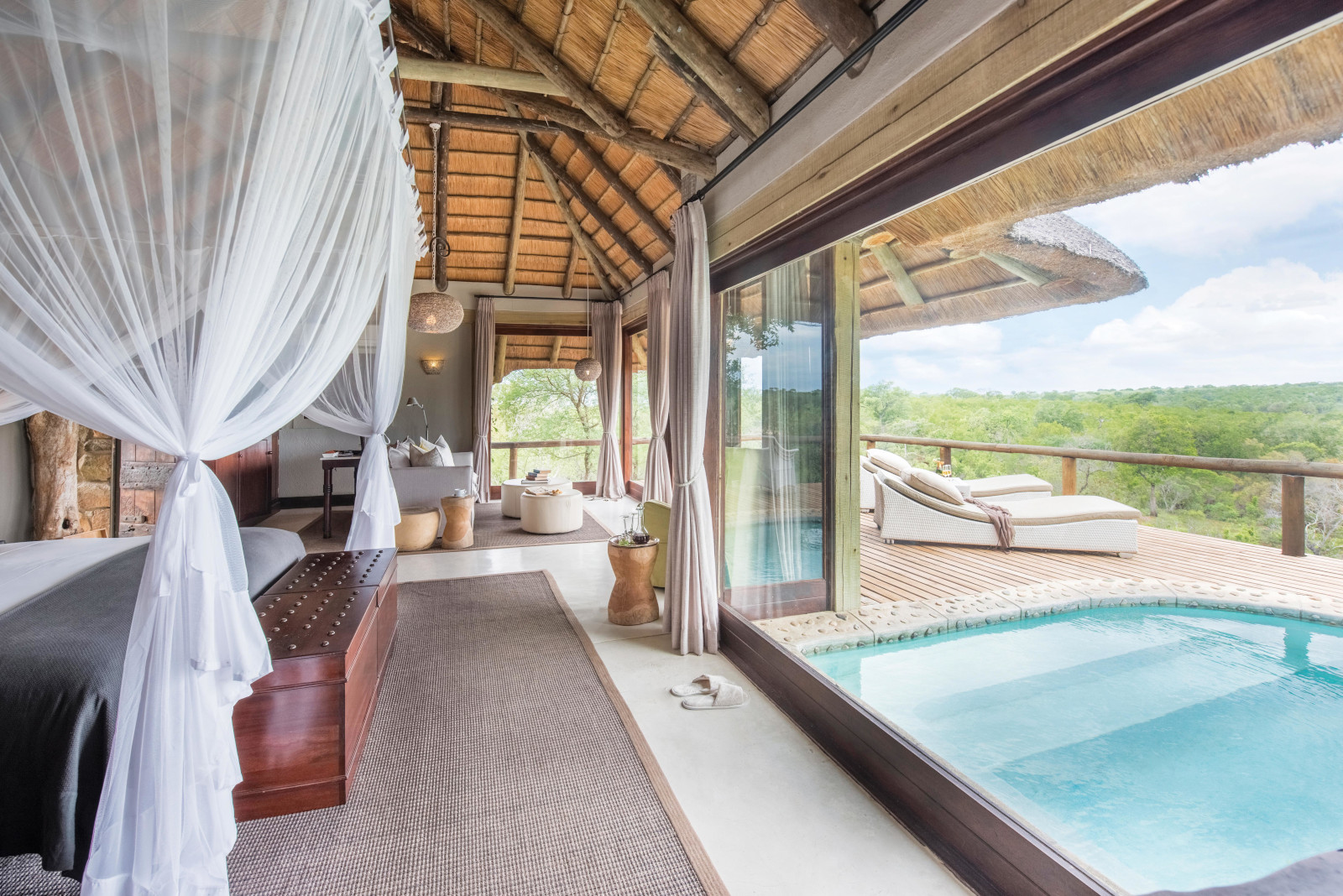
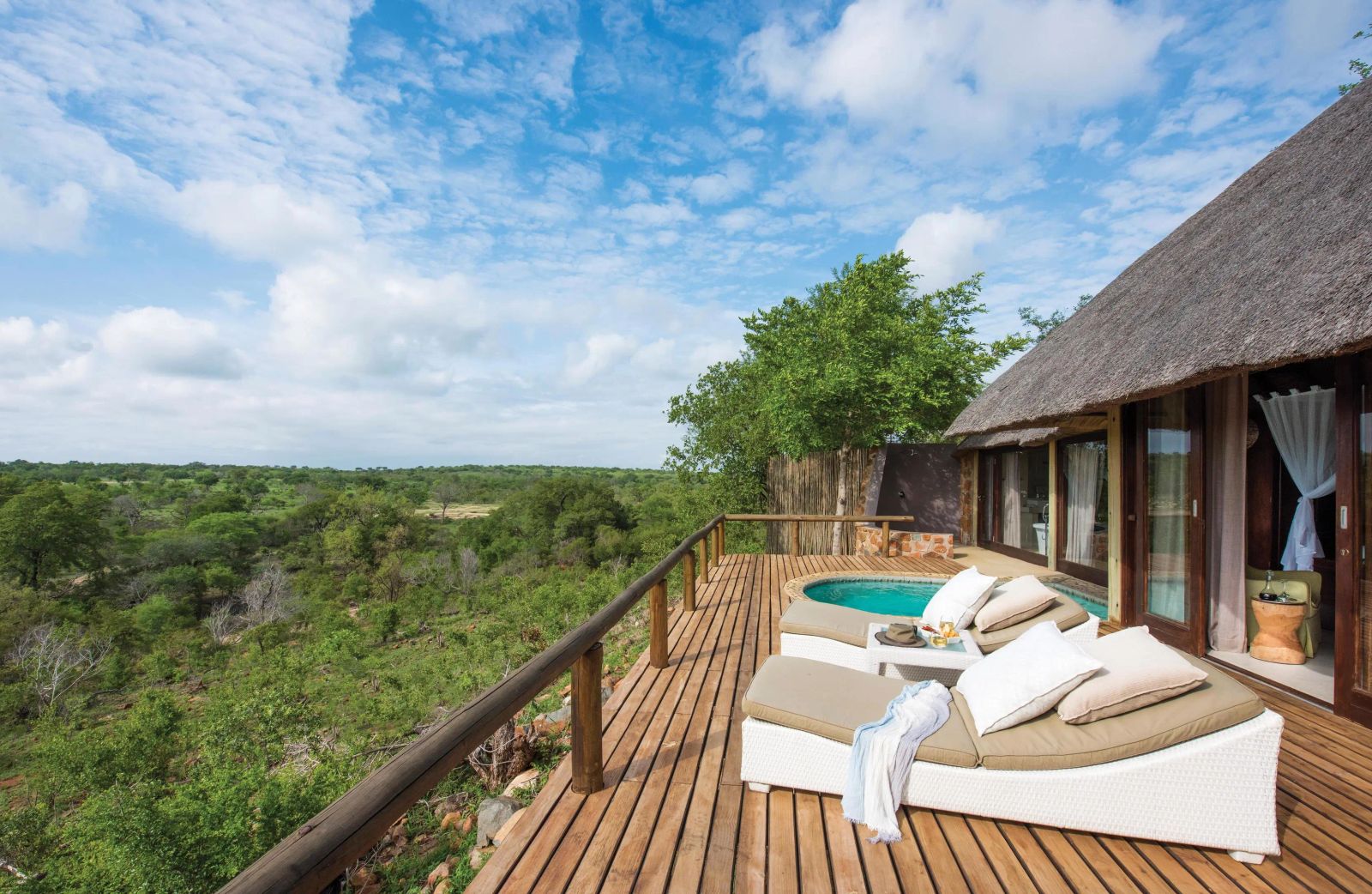
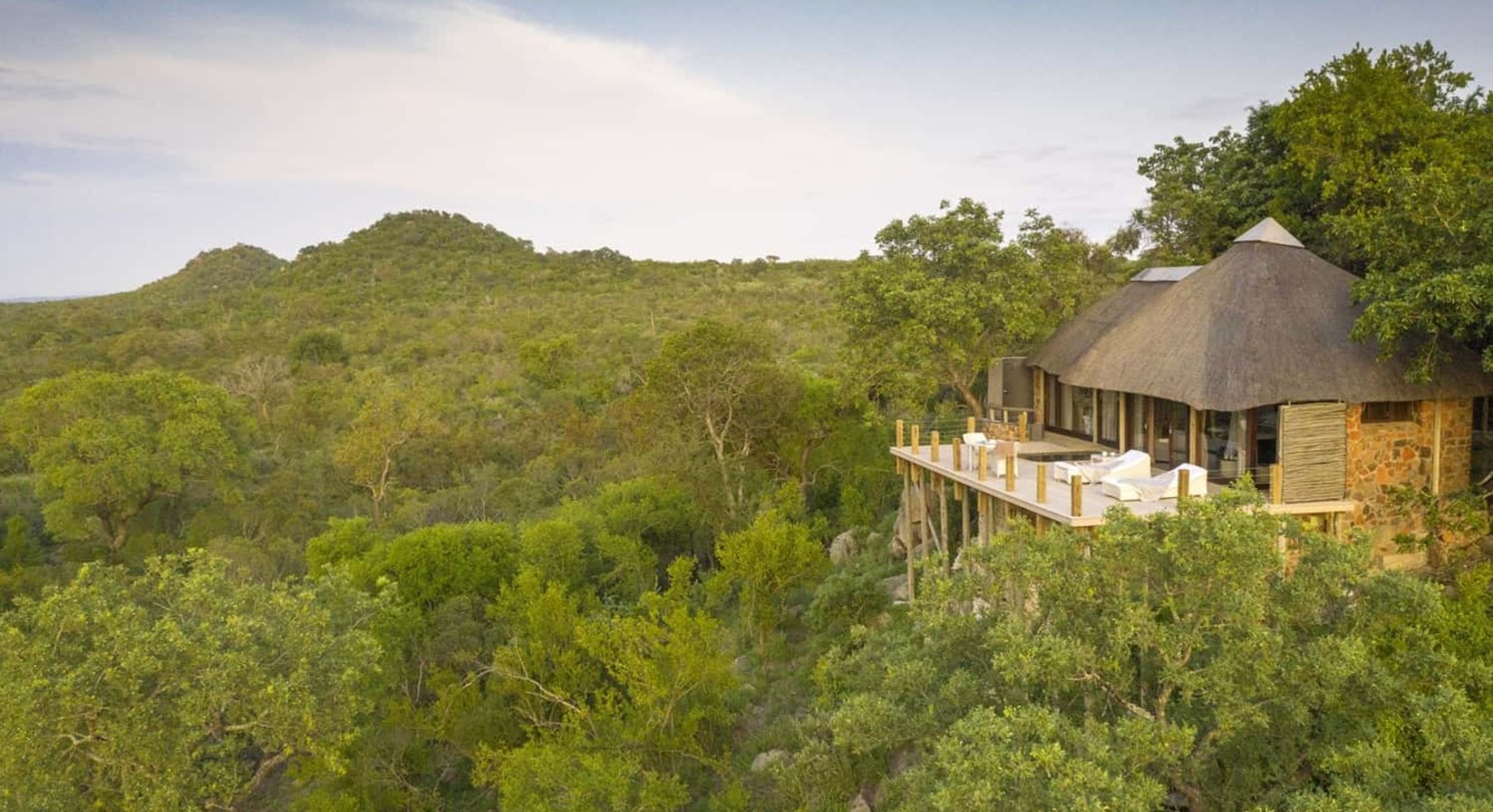
Lodges such as Londolozi (where leopard habituation began), Singita Ebony and Leopard Hills (with its permanent hide) deliver close-range leopard shots, lions, elephants and the freedom to work the light. The Sabi Sand is expensive — reckon on roughly $1,200 to $2,500 per person per night — but for photographers it is worth every rand.
Best for: Leopards, Big Five, close-range photography.
When to go: May to October (dry season, best light).
Feel: The global benchmark for wildlife photography.
2. Chobe River, Botswana — Elephants in Biblical Numbers
For elephants, head to Botswana's Chobe River. In the dry months from May to October, herds of hundreds gather at the water's edge, backlit by the setting sun, wading and drinking as the light turns gold. Boat-based photography along the Chobe delivers angles impossible from a vehicle, and lodges on the Botswana side of the river offer both land and water-based shoots.
Best for: Elephants, river scenes, backlit golden-hour shots.
When to go: May to October (dry season, peak elephant concentrations).
Feel: Epic scale, water reflections and light you cannot replicate anywhere else.
3. Okavango Delta, Botswana — Water-Level Wildlife
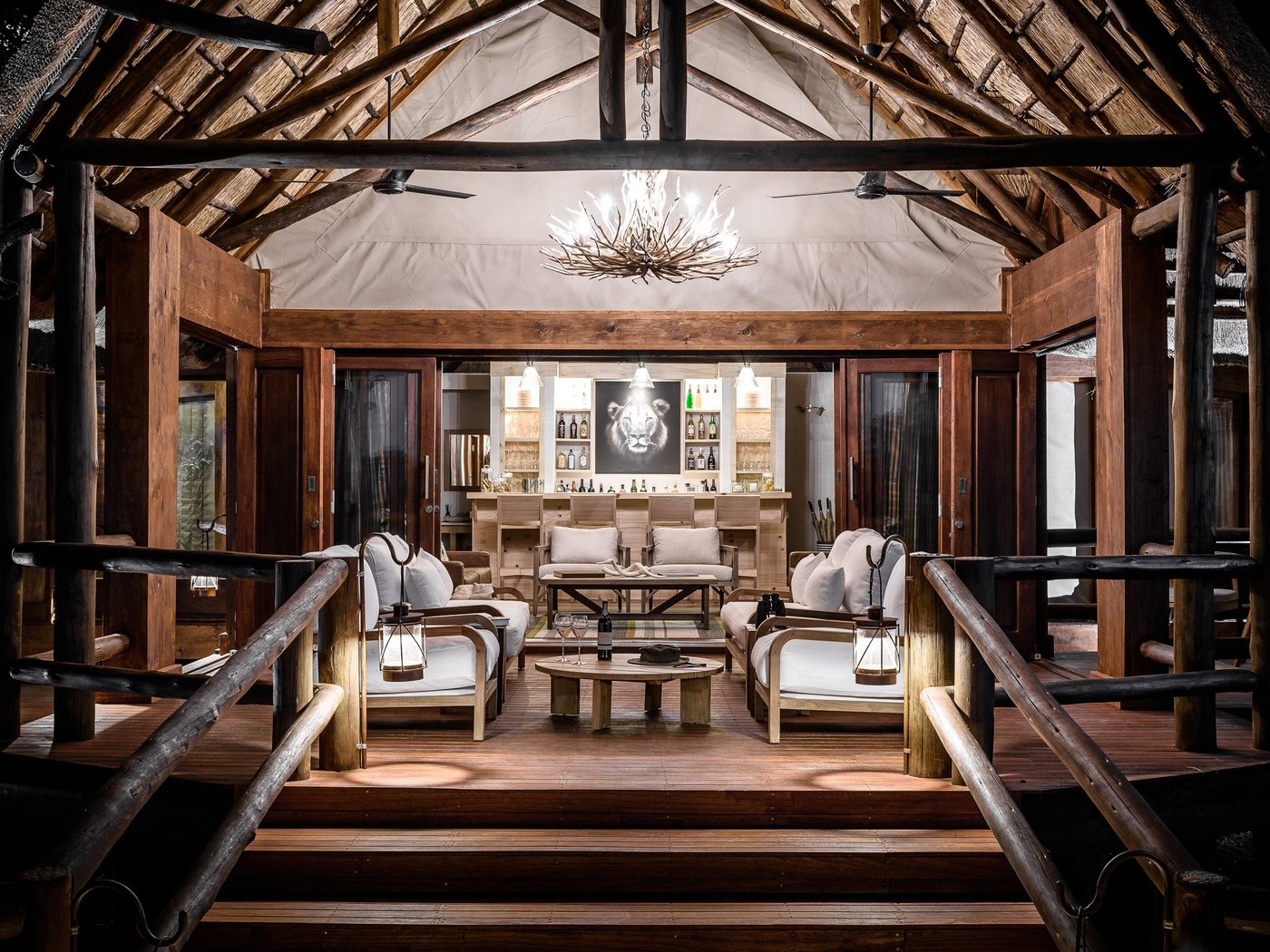
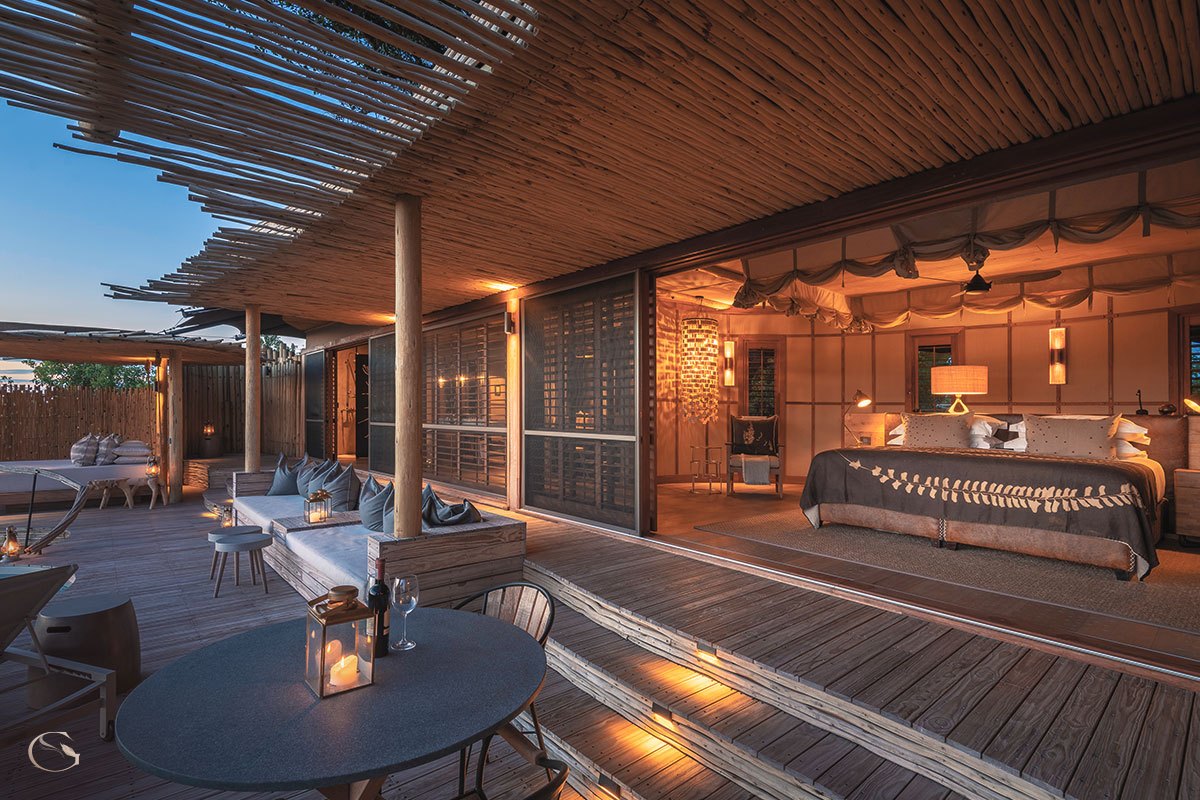
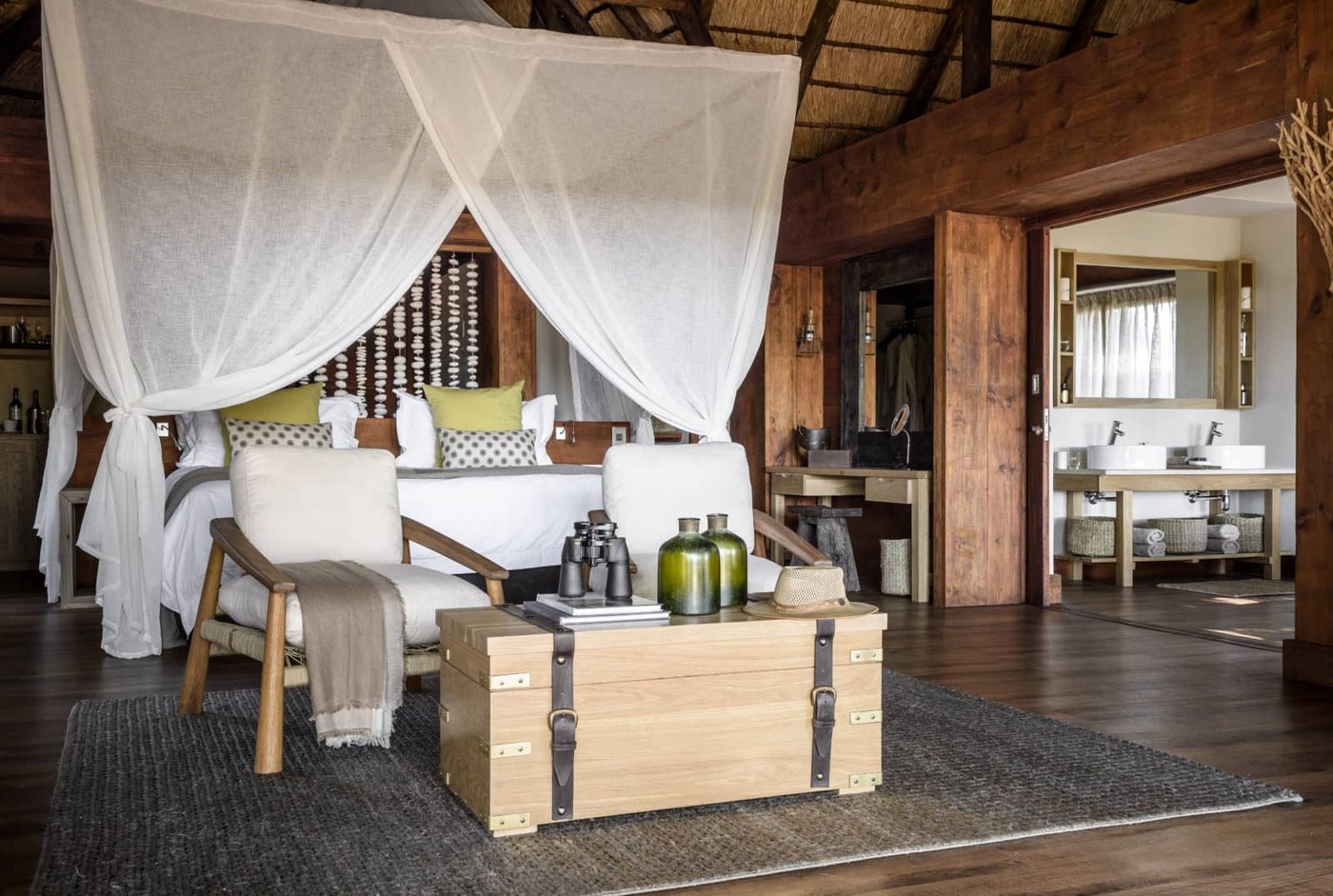
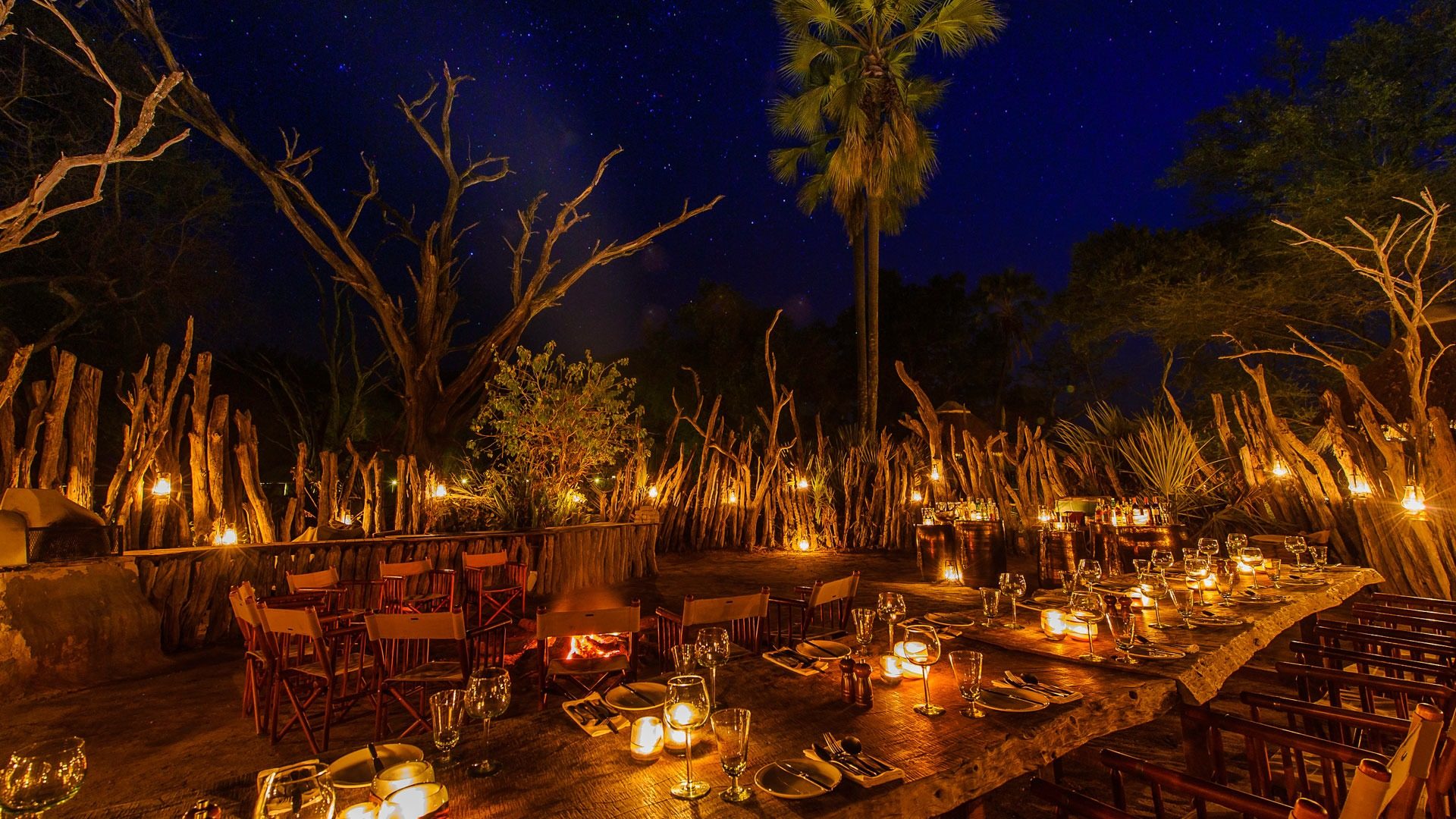
The Okavango Delta is Africa's last great wilderness — a labyrinth of channels, floodplains and islands where lions wade through water and elephants graze on islands. Photography here is different: mokoro (traditional canoe) safaris, water reflections, and a sense of remoteness you feel through the lens. Camps such as Mombo, Sanctuary Chief's Camp and Jao deliver water-level wildlife and cinematic light.
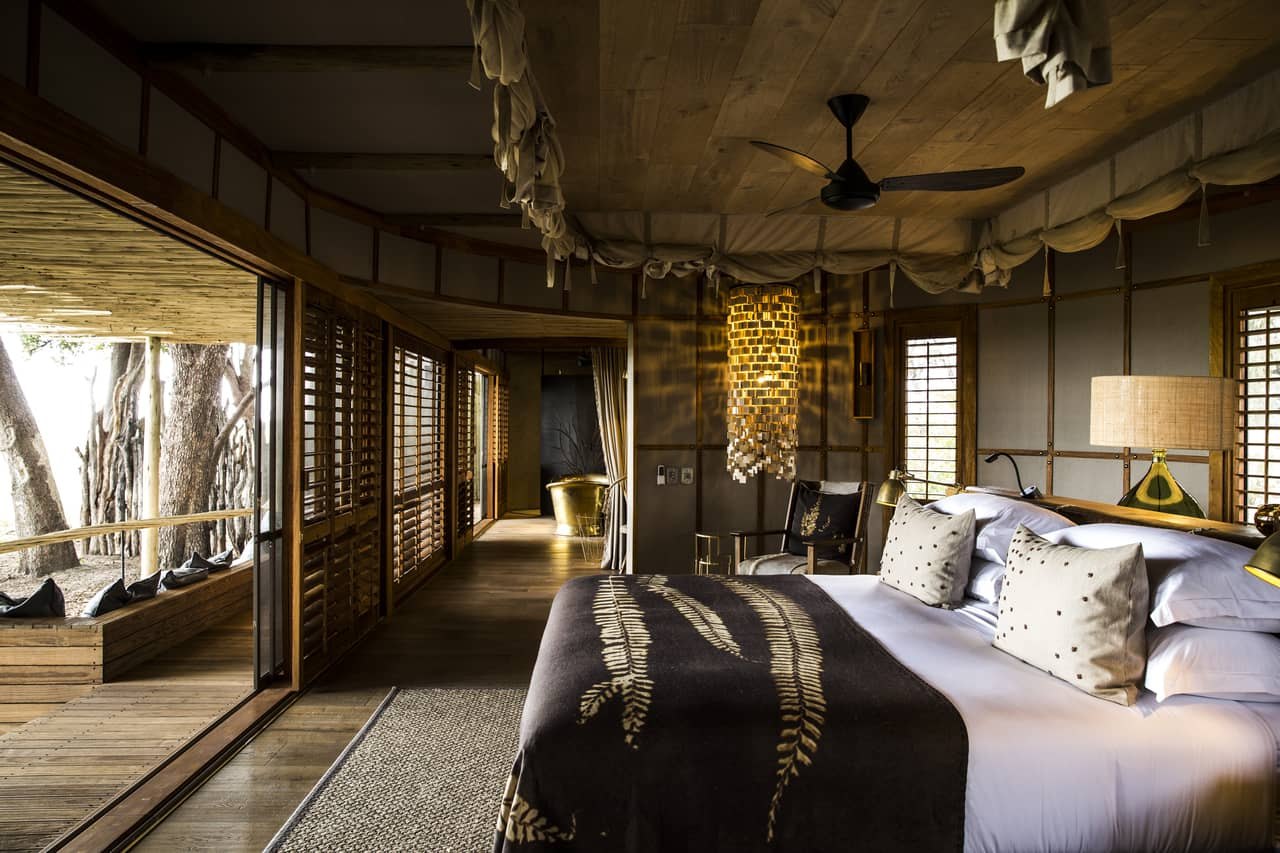
Best for: Water scenes, reflections, remote wilderness photography.
When to go: June to August (flood peak).
Feel: Cinematic, intimate, otherworldly.
4. Masai Mara & Serengeti — The Great Migration
If scale is what you are after — thousands of wildebeest crossing a river, lions on a kill, vultures wheeling overhead — the Great Migration in Kenya's Masai Mara and Tanzania's Serengeti is unmatched. The Mara river crossings (July to October) deliver drama, chaos and the shots that fill documentaries. Lodges such as Angama Mara and Mara Plains in Kenya, and the Four Seasons Serengeti in Tanzania, position you for the action.
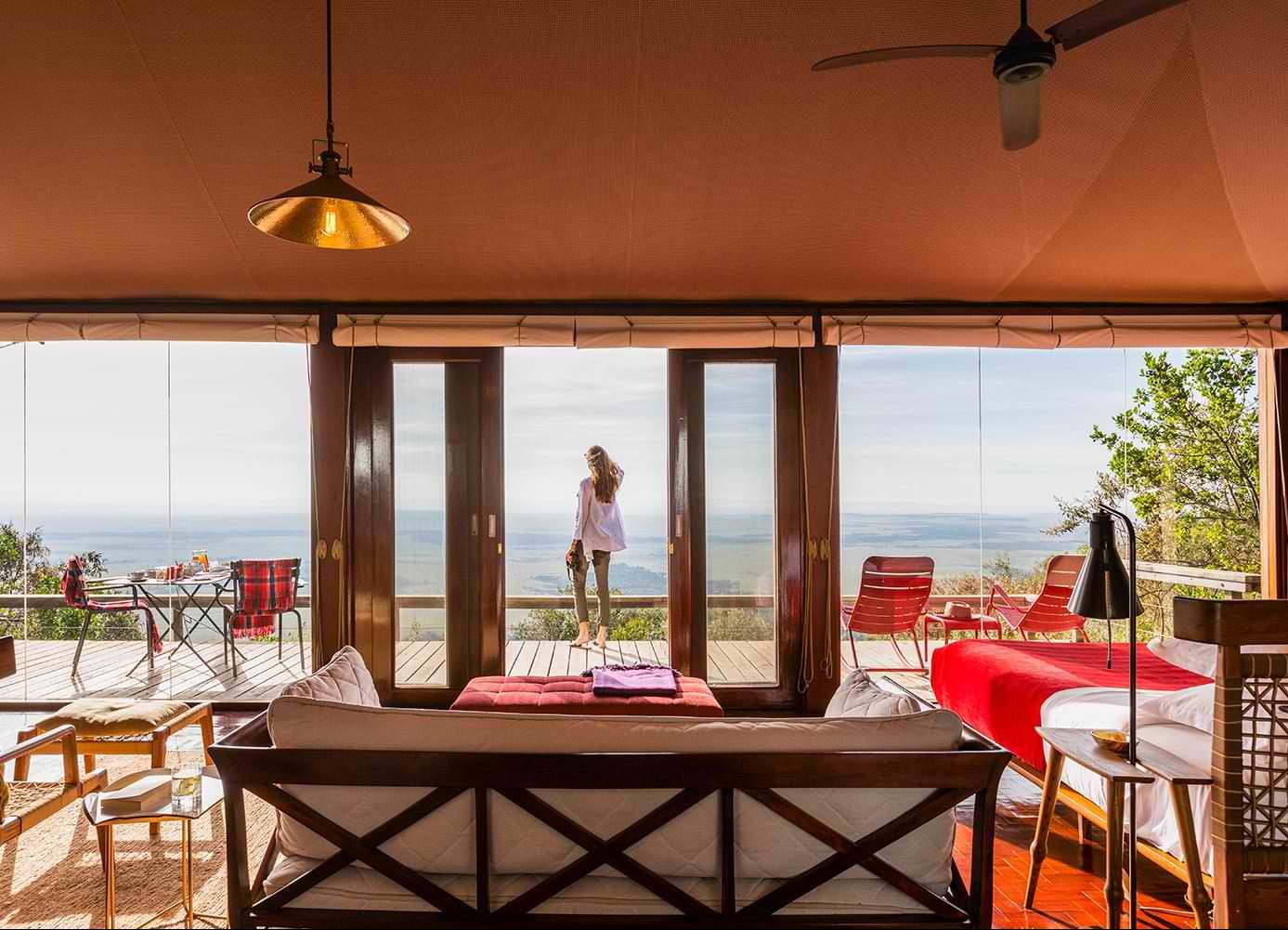
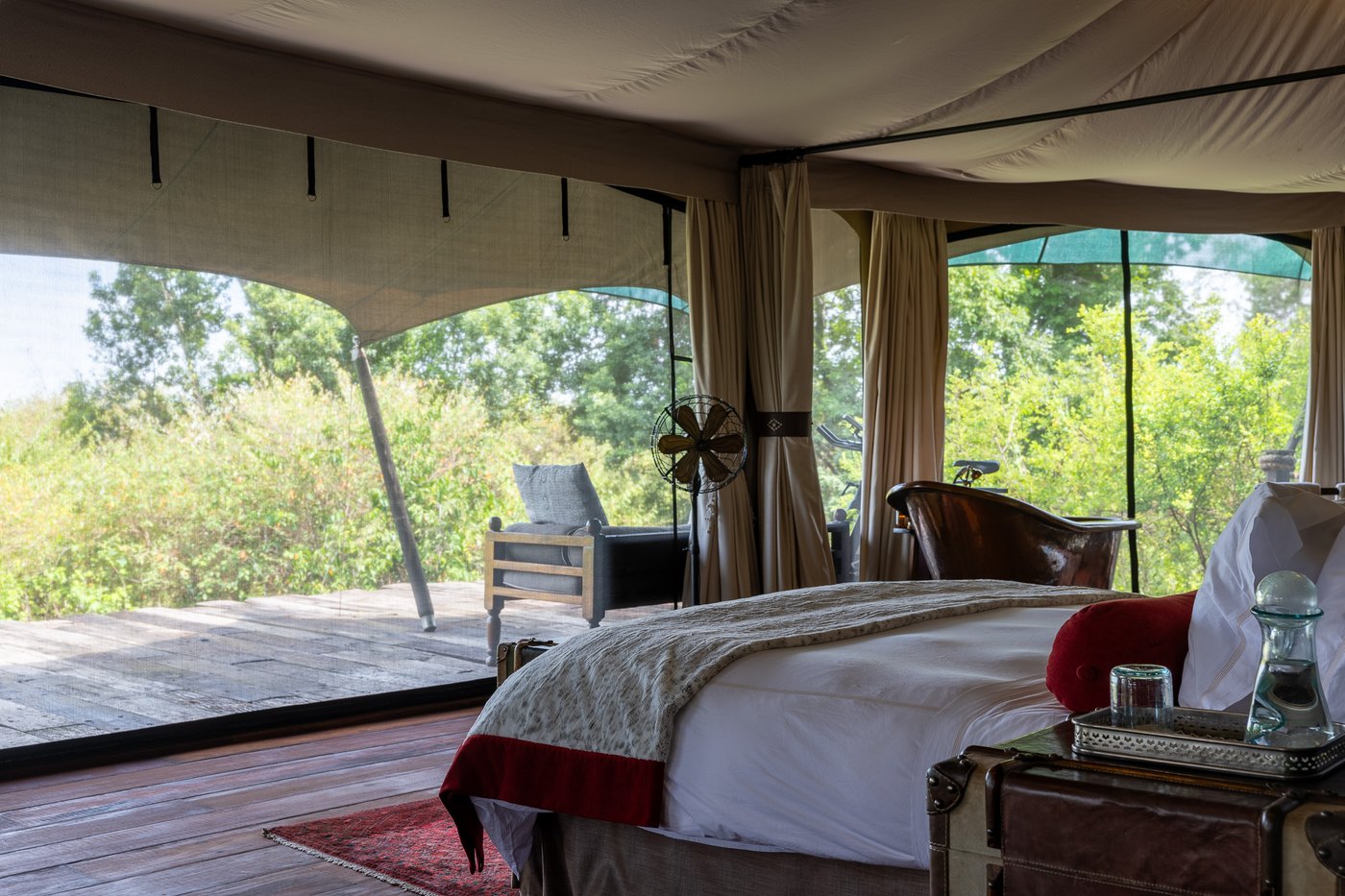
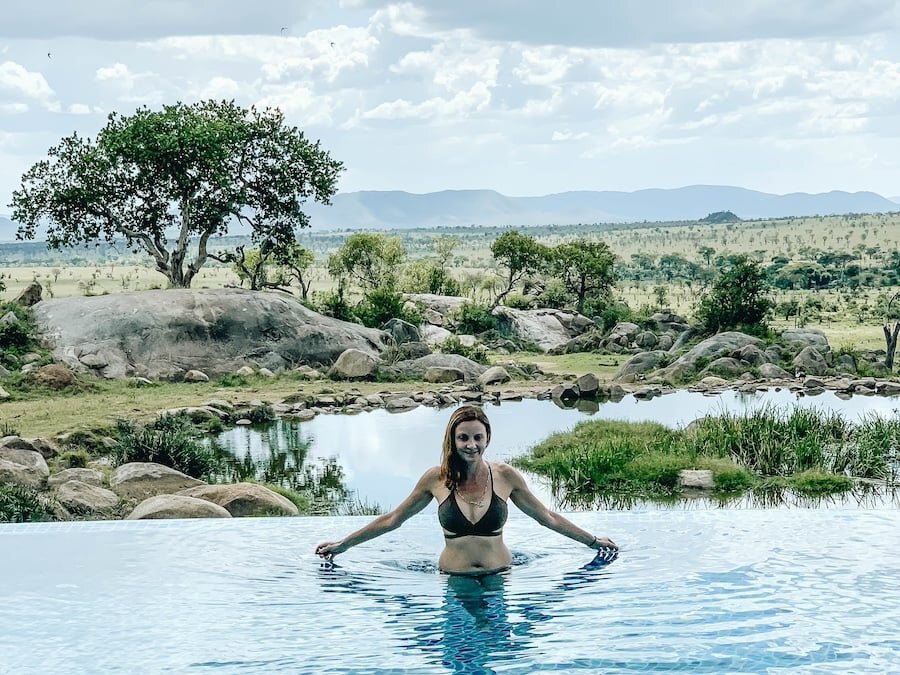
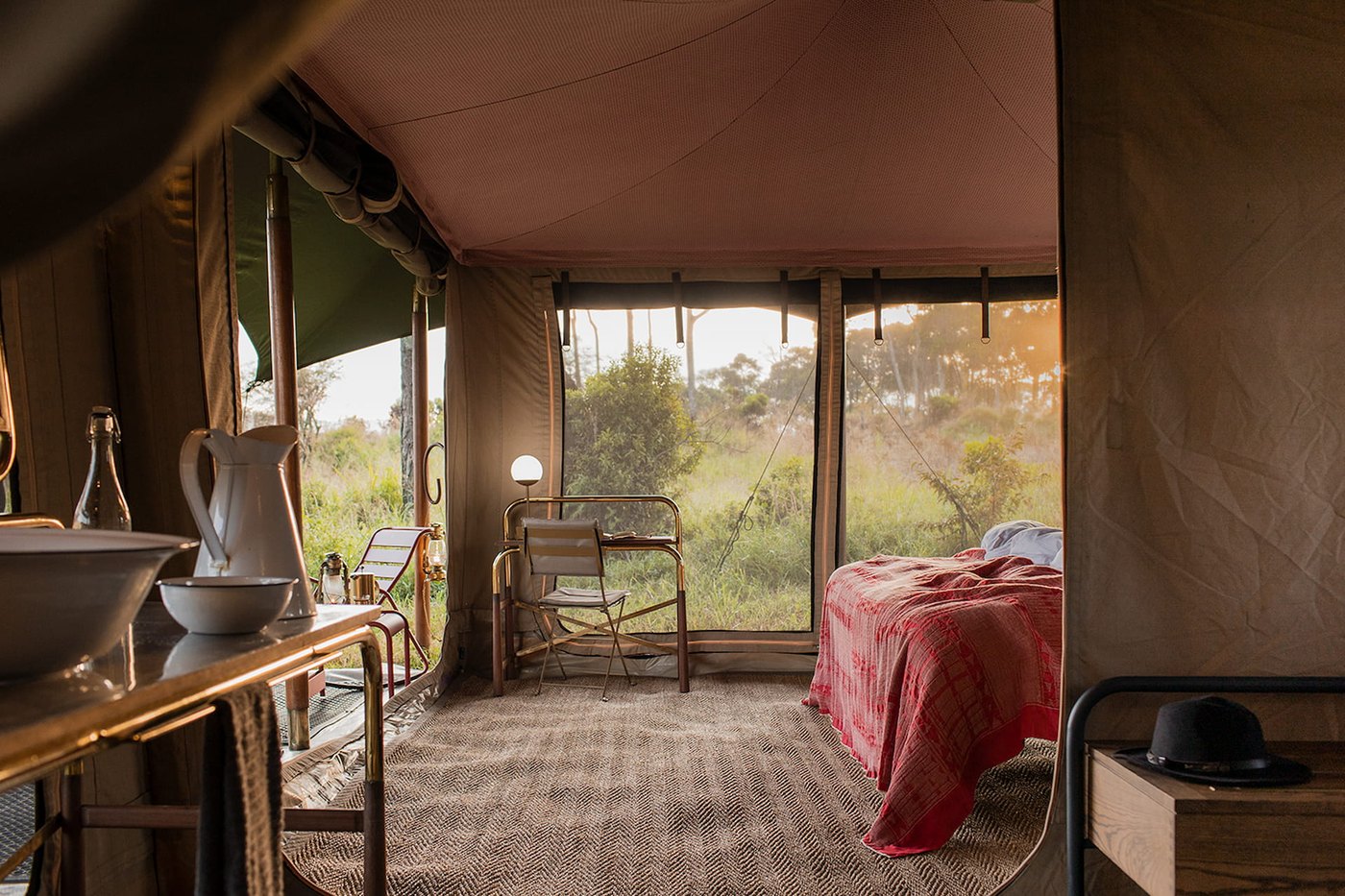
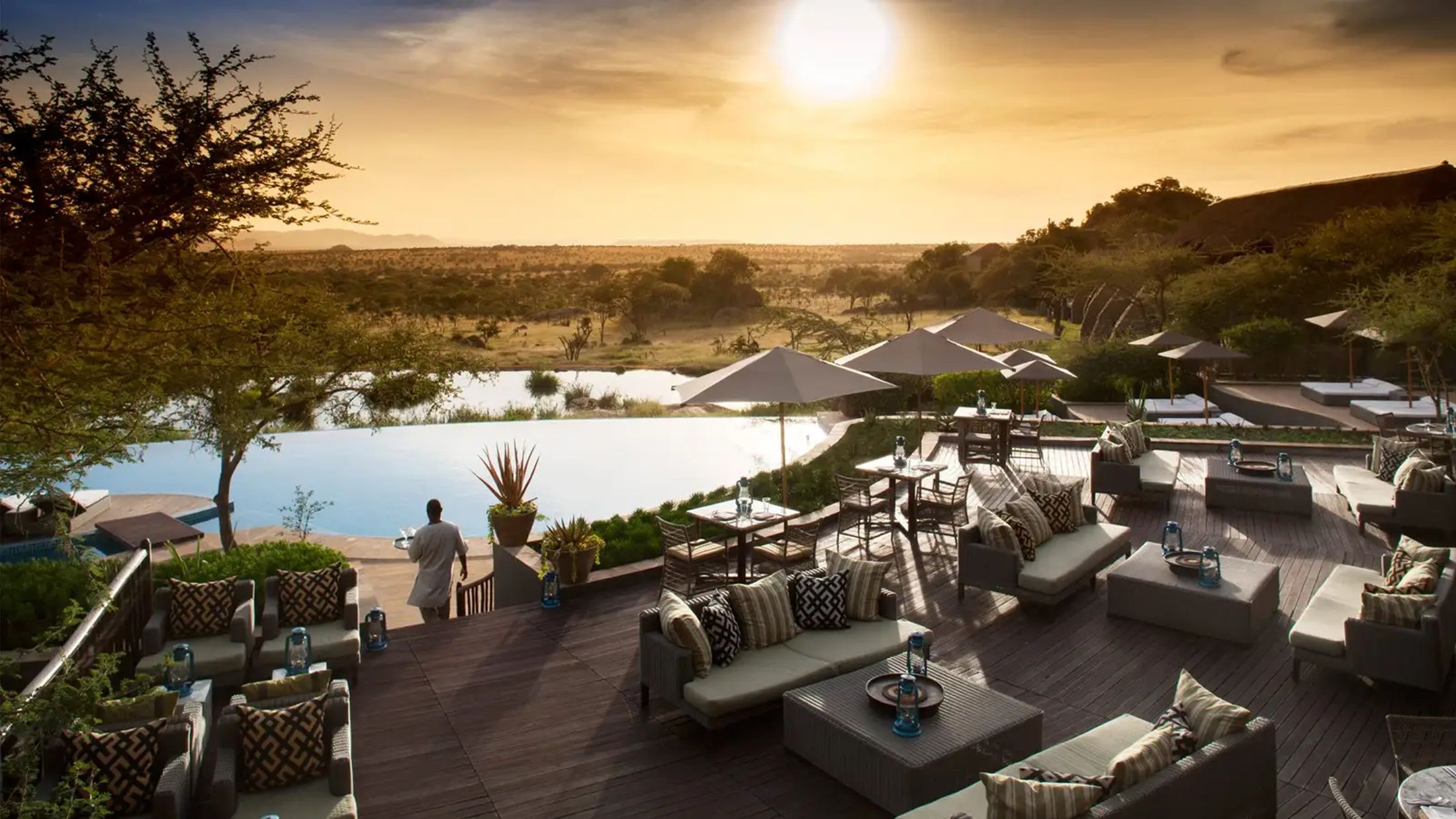
Best for: River crossings, predator action, epic scale.
When to go: July to October (Mara river crossings).
Feel: Drama, scale and the Africa of the documentaries.
The Lodges Where Photographers Get the Shots
A photographic safari succeeds or fails on the details: whether the lodge has a hide, whether the guides know to position you with the sun behind your shoulder, whether the private-vehicle supplement is worth it. These are the lodges we send photographers to, and why.
Londolozi — The Birthplace of Leopard Habituation
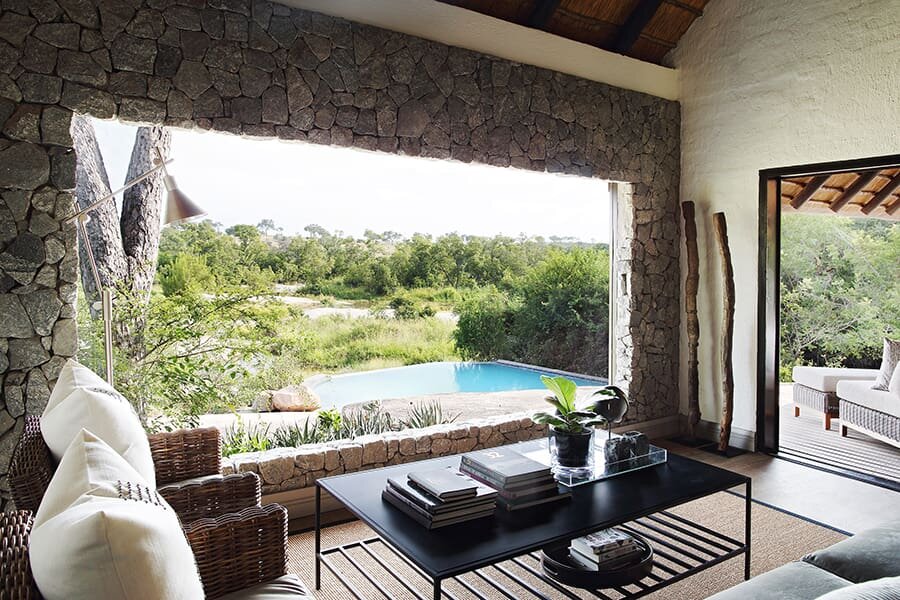
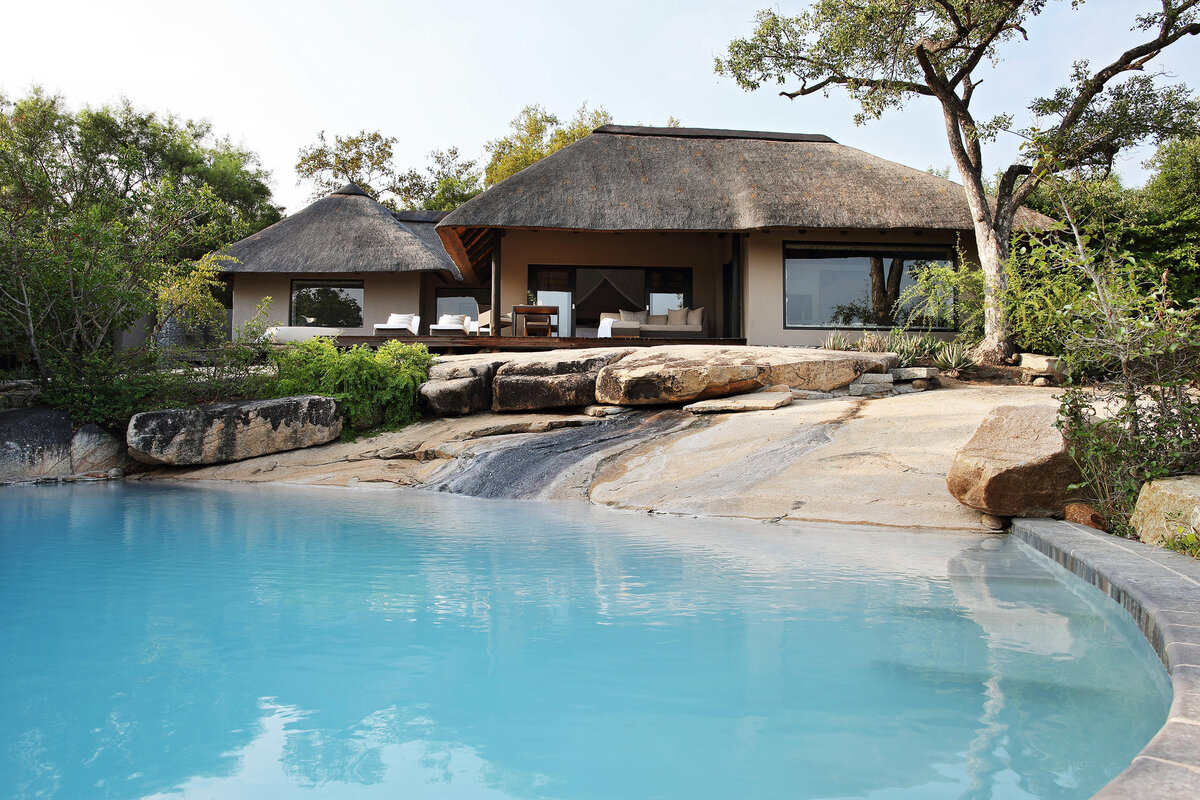
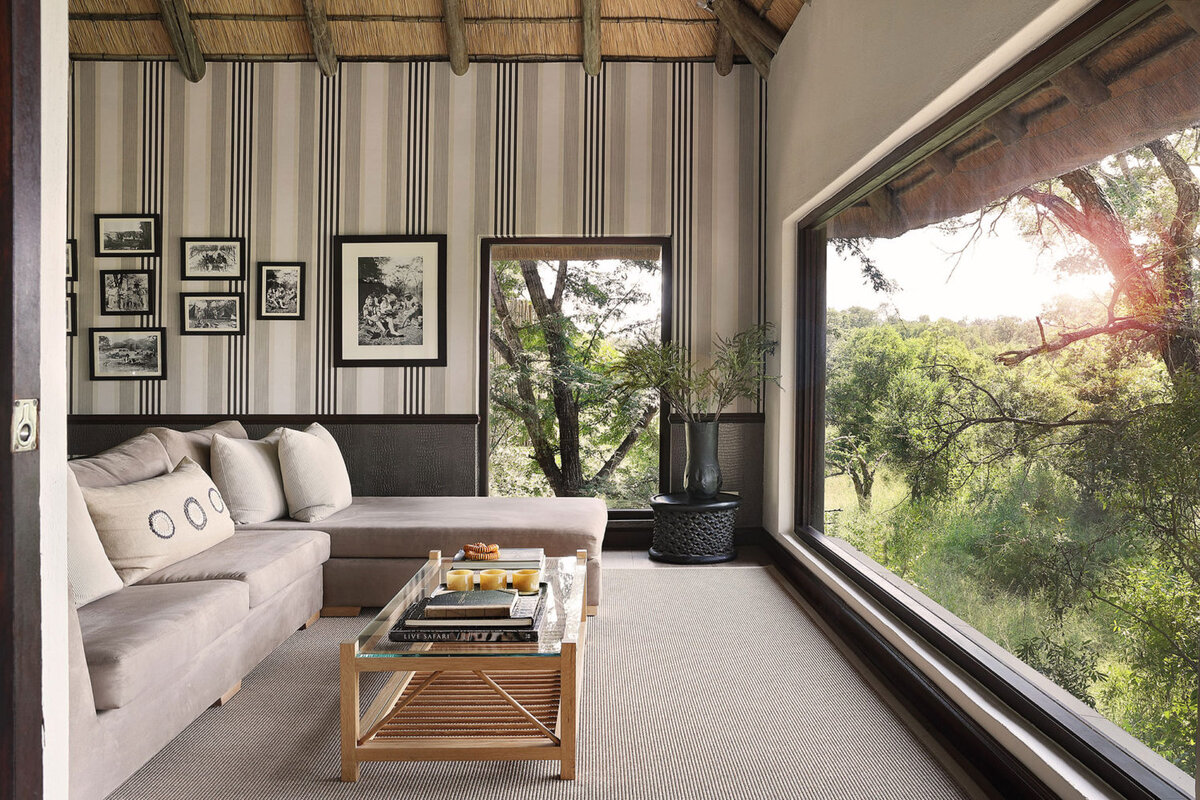
In the 1970s, Londolozi pioneered the habituation of leopards to vehicles, creating the model every other lodge now follows. Today the Granite Suites and Pioneer Camp remain the choice of serious photographers — superb guiding, off-road freedom, and leopards so relaxed you can shoot them at 70mm. It is expensive, intimate and worth it.
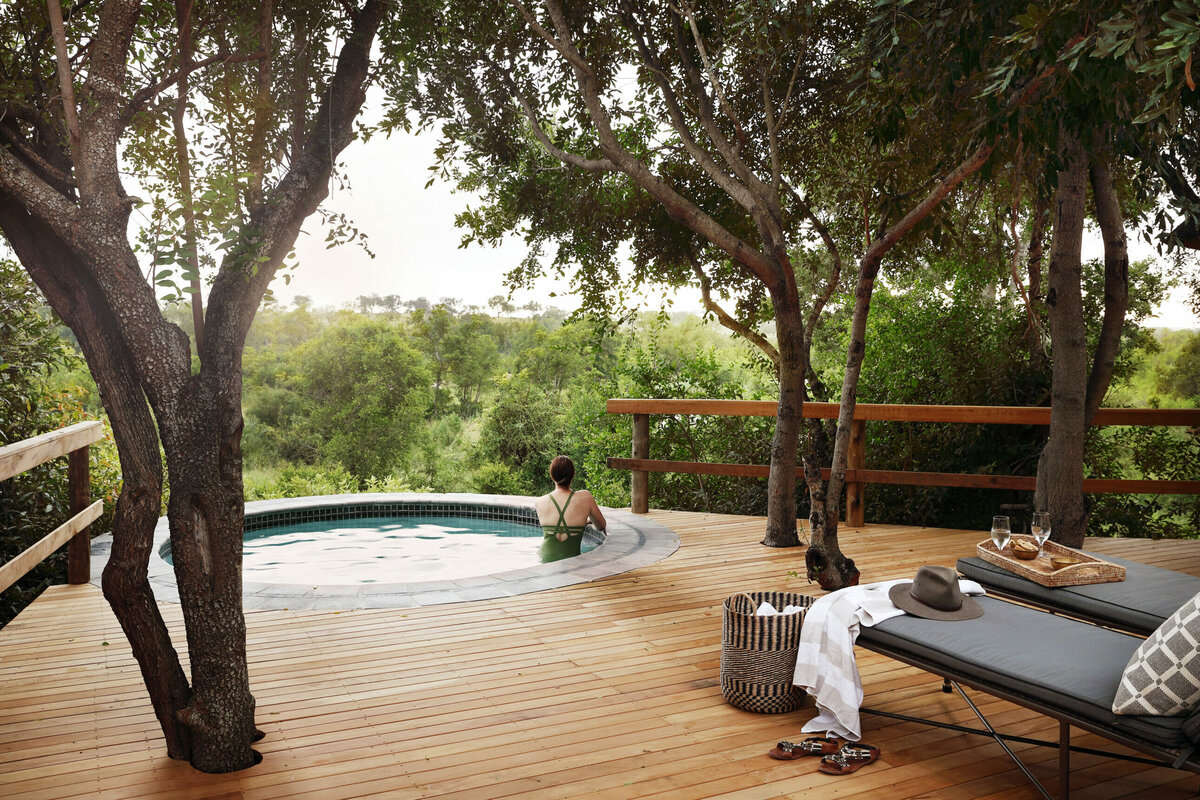
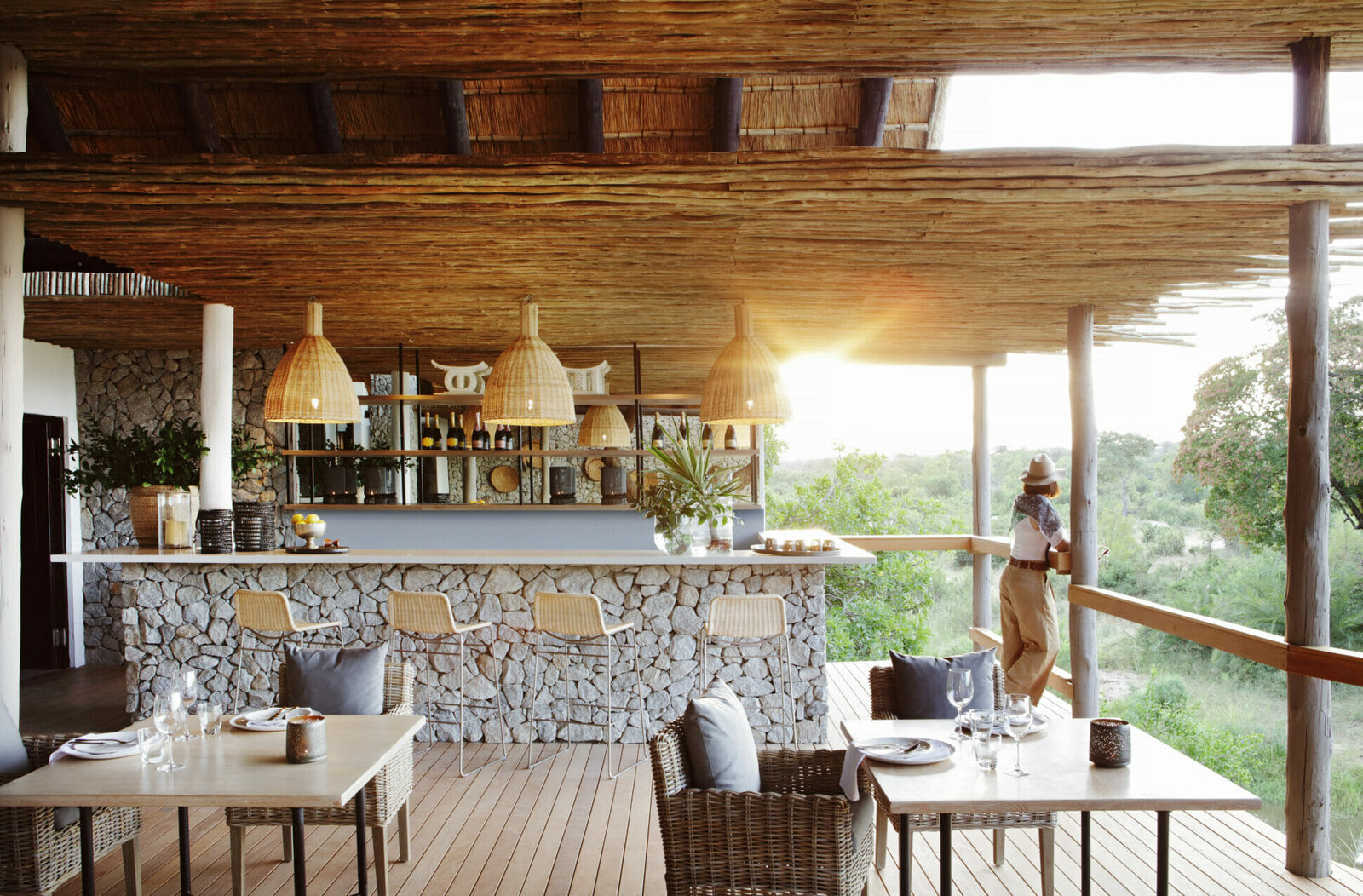
Singita Ebony — Leopards, Design & Service
Singita's Ebony Lodge pairs world-class guiding with design-led luxury — glass-walled suites on the Sand River, an art collection, a wine cellar and the same off-road leopard access as Londolozi. If you want the shots and the suite, Singita delivers both without compromise.
Cheetah Plains — Electric Vehicles for Silent Photography
Cheetah Plains in the Sabi Sand runs electric game-viewing vehicles — silent, emission-free Land Cruisers that let you approach wildlife without the noise and vibration of a diesel engine. For photographers working with skittish subjects, the difference is audible. Or rather, it is not.
Photographic Hides — Eye Level with Elephants
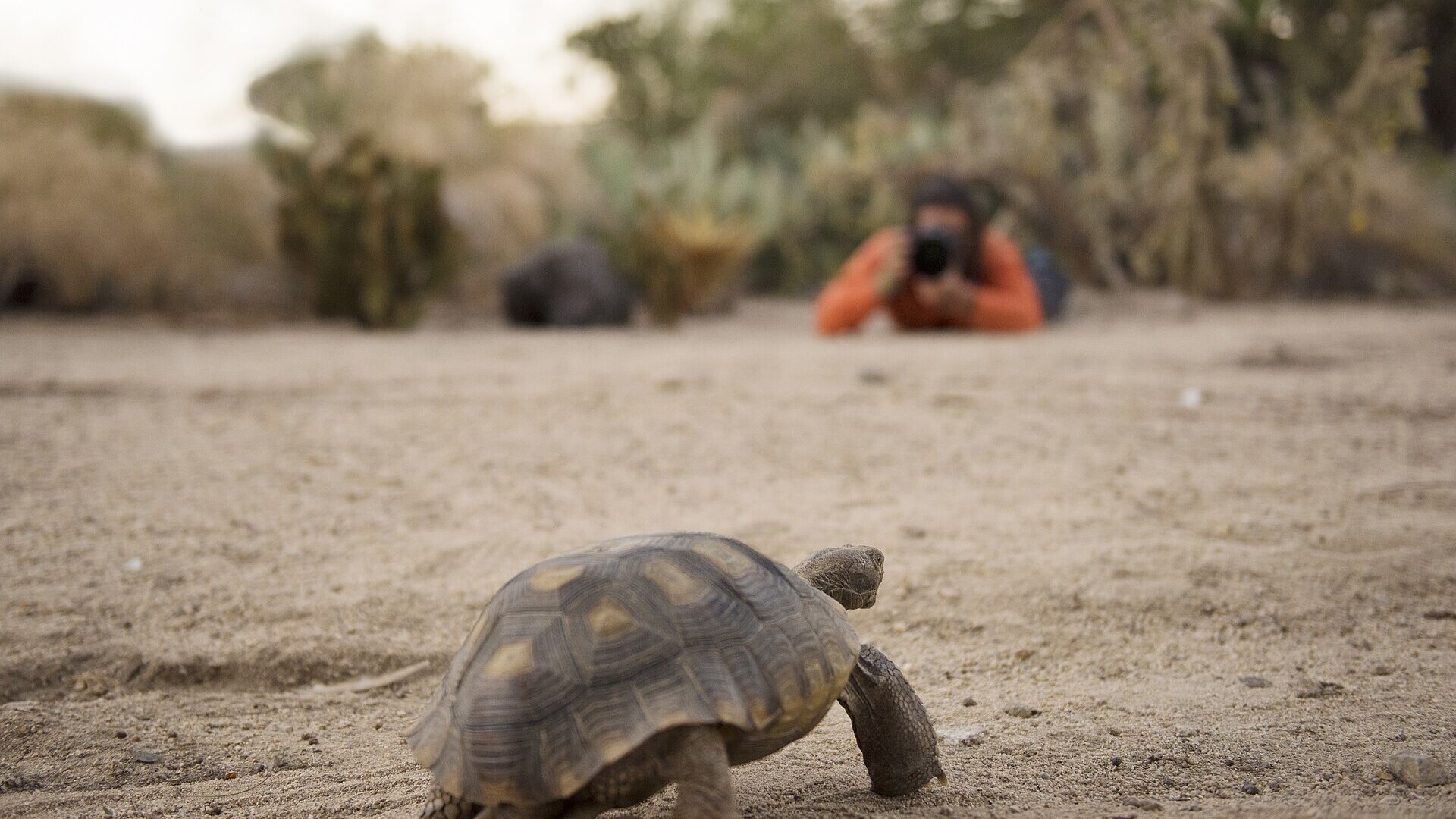
A photographic hide is a low-level, camouflaged shelter at a waterhole where you sit at ground level as elephants, lions and antelope drink a few metres away. The perspective is radically different from a vehicle — you are eye to eye with a lion, not looking down from three metres up. Lodges such as Leopard Hills, Singita and several Kruger camps have permanent hides. A hide is not essential for a photographic safari, but for portfolio-grade images it changes everything.
Private Vehicle — The Single Best Investment
If you upgrade one thing on a photographic safari, make it the vehicle. A private vehicle and guide means:
- You control when you stop and how long you stay.
- The guide positions you for the light without compromise.
- You can circle a subject to find the angle — backlight, side light, silhouette.
- No strangers wanting to leave after two minutes because they are "done" with the leopard.
- The guide learns your style and anticipates the shots you want.
A private vehicle typically costs a per-day supplement of around $250 to $600, depending on the lodge and the destination. For photographers, it is non-negotiable.
What Camera Gear Do You Need?
The gear question obsesses first-timers more than it should, but here is the honest answer: you need a telephoto lens, a fast shutter speed, and a beanbag. That is it.
Lens: A 400mm, 500mm or 600mm telephoto gives you the reach for distant wildlife. A 70-200mm or 100-400mm is lighter and more versatile for landscapes and wider shots. Most photographers bring both.
Shutter speed: 1/1000th of a second or faster for action (running cheetahs, birds in flight), slower for static subjects. Modern cameras handle high ISO beautifully, so do not be afraid to push it in low light.
Beanbag: Lodges provide beanbags for resting your lens on the vehicle rail. A monopod or tripod is useless in a moving vehicle — the beanbag is king.
Backup: Bring spare batteries, twice as many memory cards as you think you need, and a lens cloth. Dust is everywhere on safari, and your sensor will collect it.
When to Go — Light, Season & Migration Timing
The dry winter months, roughly May to October across Southern and East Africa, deliver the finest light for photography — clear skies, low sun angles, golden-hour magic and thin vegetation that does not hide the animals. The Great Migration river crossings in the Masai Mara happen around July to October. For Botswana's Okavango Delta, the flood peaks from June to August.
The green season from November to March brings newborn animals, dramatic storm skies and lower rates, but the light can be harsher and rain unpredictable. For serious portfolio work, stick to the dry months.
How Much Does a Photographic Safari Cost?
Photographic safaris are priced per person per night, all-inclusive, with the private-vehicle supplement added per day. Use these tiers as a planning guide:
| Tier | Per person / night | What you get |
|---|---|---|
| Mid-tier photography | $800 – $1,200 | Greater Kruger lodges, Chobe camps — excellent guiding, private-vehicle option, good wildlife density. |
| Premium photography | $1,200 – $2,500 | Sabi Sand (Londolozi, Singita, Leopard Hills), Okavango Delta (Mombo, Chief's Camp) — the benchmark for serious photographers. |
| Ultra-exclusive | $2,500+ | Private-use villas, exclusive camps, the most intimate photography experiences in Africa. |
Add a private-vehicle supplement of around $250 to $600 per day. A typical five-to-seven night photographic safari in the Sabi Sand or Okavango, with a private vehicle, runs roughly $10,000 to $20,000 per person all-inclusive.
How We Plan Your Photographic Safari
The "best" photographic safari is the one that delivers the shots you came for. Here is how we build it.
We start with the subject. Leopards? Sabi Sand. Elephants? Chobe. Migration? Masai Mara. The destination follows the wildlife.
We match the lodge to your level. First safari with a 70-200mm? We choose differently than we would for a professional with a 600mm prime and twenty African trips behind them.
We arrange the private vehicle. Always. And we confirm the guide's photography experience before you fly.
We handle everything end to end. Flights, lodges, the private-vehicle booking, transfers, and the small logistics that make the difference between five good days and the trip that fills your portfolio.
Let's Plan the Safari That Fills Your Memory Card
Tell us what you want to photograph — leopards, elephants, the migration — and we will match you to the destination, lodge and guide that deliver the shots. Since 2008 we have guided more than 5,700 travellers to a 4.9 out of 5 rating.
Plan Your Photographic SafariBeyond Africa Safaris is a Cape Town-based safari specialist. Speak to our team on +27 74 315 5782 or email res@privatetourscapetown.com to plan the best photographic safari in Africa for the shots you came for.