Quick Answer
A photographic safari is specifically designed for wildlife photographers, offering specialized photo vehicles (beanbag window mounts, swivel seats, low sides for lens clearance), expert guides who understand light and composition, and flexible schedules that prioritize golden hour and action over ticking boxes. Top destinations: Masai Mara and Serengeti (migration, river crossings, big cats), Sabi Sands (off-road leopard tracking), Okavango Delta (water reflections, unique perspectives), and South Luangwa (walking safaris, wild dogs). Best months: dry season for action (June–October), green season for dramatic skies and baby animals (January–March). Expect to pay $600–$1,500/night for dedicated photo lodges and private vehicle hire.
What Makes a Photographic Safari Different?
Most safaris prioritize sightings — tick the Big Five, see a kill, everyone happy. A photographic safari prioritizes the shot. That means:
- Specialized vehicles: Modified Land Cruisers or Land Rovers with beanbag rests on window rails, swivel seats, lowered sides for lens clearance, and space for tripod/gimbal setups.
- Expert photographic guides: Guides who understand light, composition and animal behaviour. They position the vehicle for backlit dust, place you parallel to a stalking leopard, and wait in silence for the decisive moment.
- Flexible timing: You leave camp at 5:30am for sunrise light, stay out through golden hour, return late. No fixed lunch breaks if a lion pride is active.
- Exclusive access: Private vehicles (no sharing with non-photographers who want to move on after 5 minutes). Off-road access in private reserves (get close, change angles).
- Small groups or private hire: Maximum 4 photographers per vehicle (vs 6–9 on regular safaris). Everyone gets a window seat and clean sightlines.
Best Photographic Safari Destinations in Africa
1. Masai Mara & Serengeti — Migration, River Crossings, Big Cat Action
Best for: Great Migration drama, wildebeest river crossings, cheetah hunts, lion pride dynamics.
Peak months: July–September (Mara River crossings), January–February (Serengeti calving season — predators feast on newborn wildebeest).
Why it's legendary for photography:
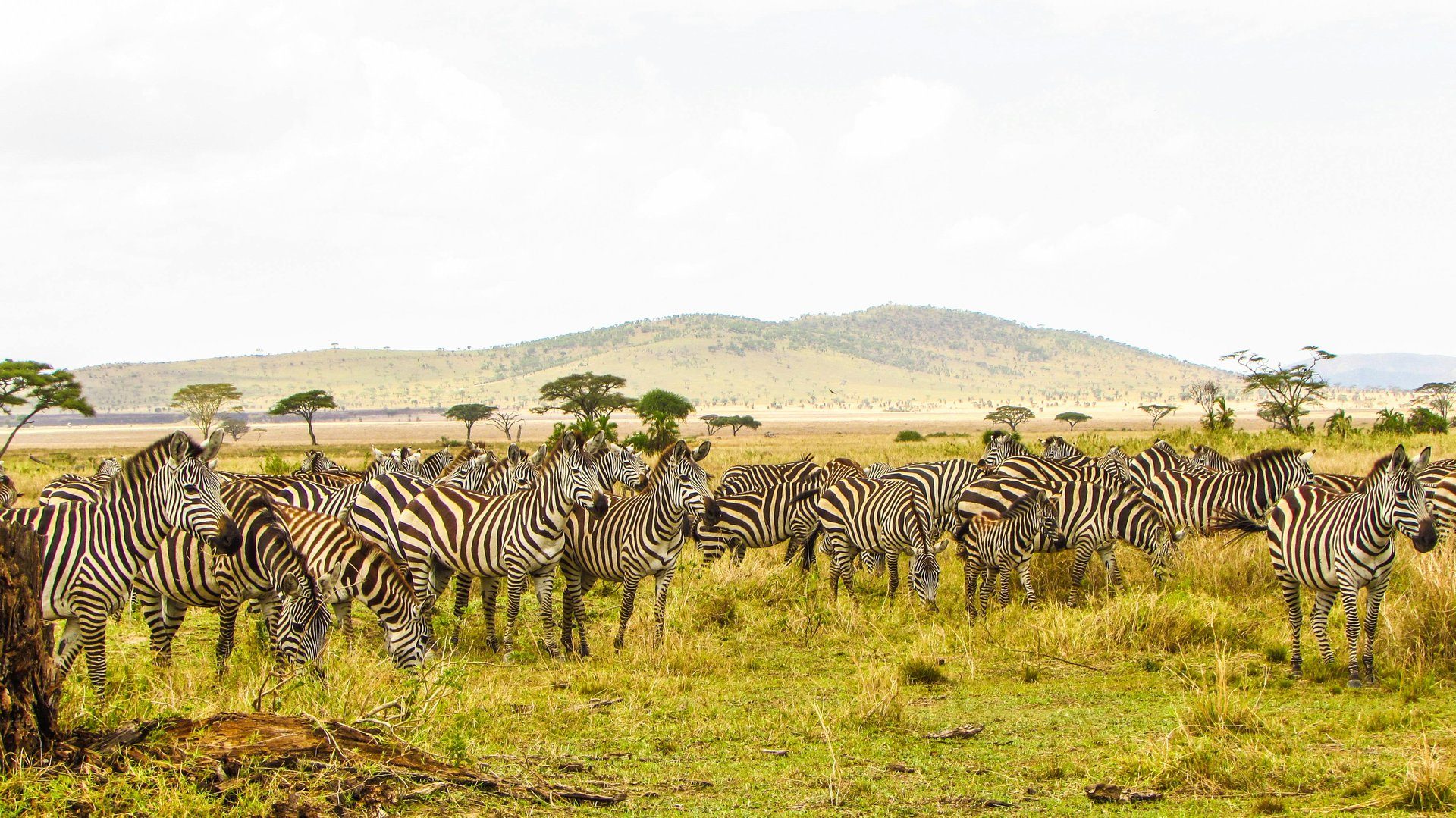
- Action overload: Thousands of wildebeest plunging into crocodile-infested rivers. Lions taking down zebras. Cheetahs sprinting across open plains. Endless opportunities for dramatic storytelling frames.
- Open landscapes: Short grass, wide horizons, clean backgrounds. Perfect for isolating subjects.
- Predator density: The Mara Triangle and Serengeti's central Seronera have some of Africa's highest big cat concentrations.
Photo lodge pick: Mara Plains Camp (Olare Motorogi Conservancy, Kenya) — purpose-built for photographers, private conservancy (off-road freedom), expert guides, max 4 per vehicle. $850–$1,200/night all-inclusive.
2. Sabi Sands Private Reserve (South Africa) — Leopard Heaven
Best for: Leopard photography, intimate big cat encounters, nighttime spotlighting.
Peak months: May–October (dry season, leopards visible and active).
Why it's unbeatable:
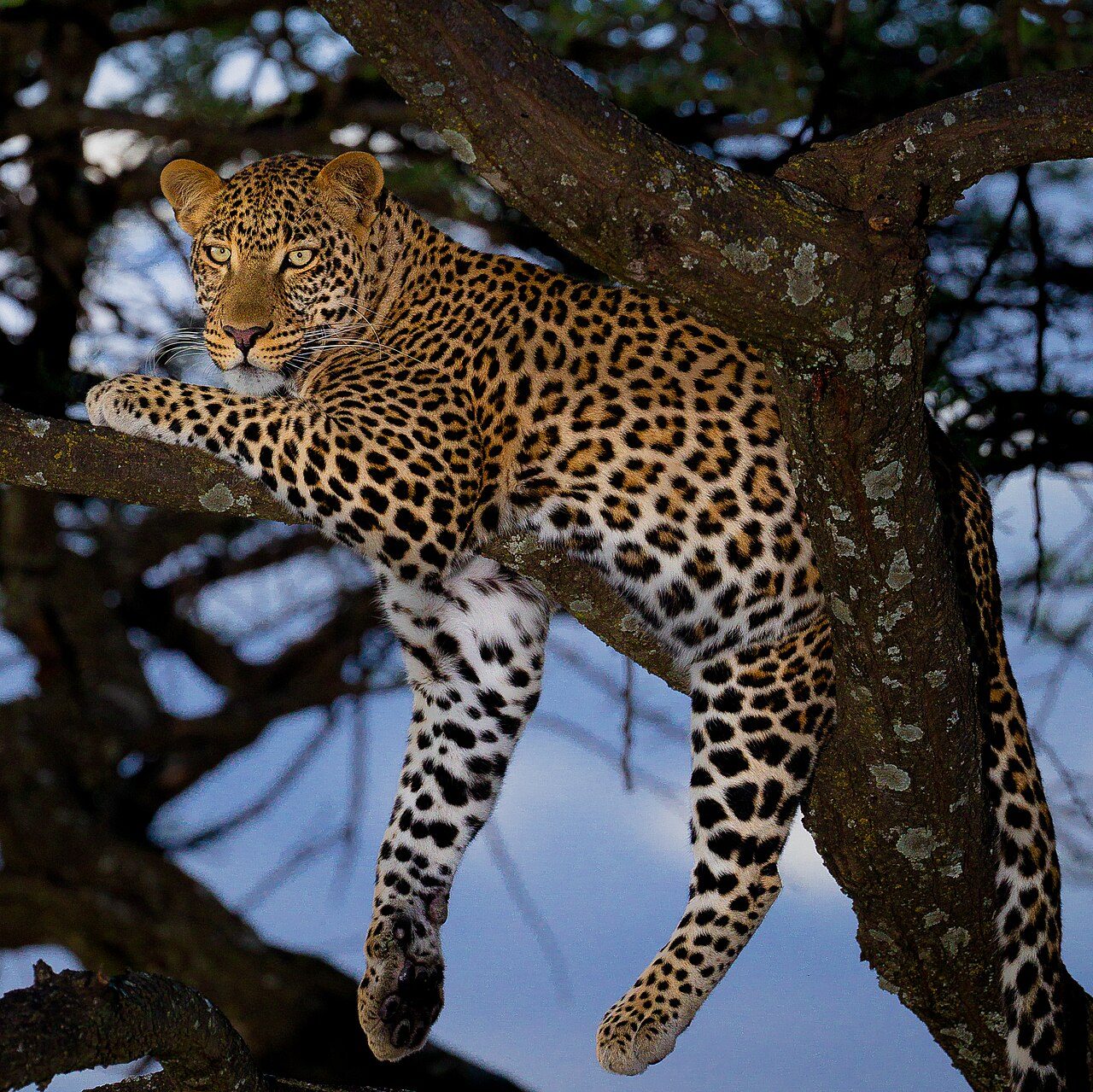
- Leopard guarantee (almost): Sabi Sands is famous for habituated leopards. Guides track individuals by name. You'll get close — 5–10 metres — for frame-filling portraits.
- Off-road freedom: Private reserve rules allow you to leave the road and position the vehicle exactly where you need it. Change angles, wait for eye contact, follow a stalk through the bush.
- Night drives: Spotlighting reveals leopards hunting, hyenas scavenging, genets and civets. Unique opportunities for artificial-light wildlife photography.
Photo lodge pick: Londolozi Tree Camp or Singita Ebony — both offer private vehicles for photographers, expert trackers, and guides trained in photographic safaris. $1,200–$2,400/night all-inclusive.
3. Okavango Delta (Botswana) — Water, Reflections, Aerial Perspectives
Best for: Elephants crossing channels, water reflections, aerial photography (helicopter flips over the delta), unique mokoro (dugout canoe) low-angle shots.
Peak months: June–September (high flood, maximum water for reflections and boat-based photography).
Why it's different:
- Water-based composition: Elephants wading chest-deep, lily-covered channels, perfect mirror reflections at sunrise. The delta offers angles and light you can't get in the dry Serengeti or Kruger.
- Helicopter photography: Many Okavango lodges offer scenic helicopter flights over the flooded plains — abstract patterns of islands, channels and wildlife herds from above.
- Low-angle mokoro safaris: Glide silently in a traditional canoe at water level. Frame birds, hippos and lechwe from a unique, intimate perspective.
Photo lodge pick: Mombo Camp (Wilderness Safaris) — legendary game density, open plains meet water channels, photographic vehicles available. $1,400–$2,200/night all-inclusive.
4. South Luangwa (Zambia) — Walking Safaris, Wild Dogs, Leopards
Best for: Walking safari photography (ground-level, wide-angle wildlife), African wild dogs, leopards, carmine bee-eaters (seasonal bird spectacle).
Peak months: September–October (end of dry season — animals desperate for water, intense predator action). June–August also excellent.
Why it's special:
- Walking safaris: Approach wildlife on foot with an armed guide. Unique wide-angle environmental portraits — elephants, giraffes, buffalo in their habitat, with sky and landscape context.
- Wild dog encounters: South Luangwa has stable wild dog packs. Fast, chaotic, photogenic hunts.
- Night drives: Leopards, lions, hyenas, porcupines, honey badgers. Zambia pioneered night drives, and Luangwa guides are experts.
- Carmine bee-eaters: September–November, thousands of carmine bee-eaters nest in the riverbanks — a birding photographer's dream.
Photo lodge pick: Chinzombo (Norman Carr Safaris) — riverside location, photographic hides, expert guides. $700–$1,100/night all-inclusive.
5. Kruger National Park & Sabi Sands (South Africa) — Big Five Variety
Best for: All Big Five in one trip, diverse landscapes (riverine forest, open savanna, rocky outcrops), affordable self-drive options for budget photographers.
Peak months: May–September (dry season, animals at rivers, clear skies). November–March (green season, dramatic storm clouds, baby animals).
Why it works:
- Accessibility: You can self-drive Kruger in your own vehicle (bring your own beanbag, shoot from the window). Far cheaper than guided safaris.
- Big Five guarantee: Kruger delivers lions, leopards, elephants, rhinos and buffalo reliably. You'll get portfolio shots of all five in a week.
- Sabi Sands add-on: Combine budget Kruger self-drive with 2–3 nights in Sabi Sands (guided, off-road, leopard focus) for the best of both worlds.
Photo lodge pick (Sabi Sands): Sabi Sabi Selati Camp — photographic safaris on request, private vehicles available. $650–$1,000/night all-inclusive.
Best Time of Year for Photographic Safaris
Dry Season (June–October) — Action & Light
- Pros: Animals at waterholes (predictable, close encounters). Sparse vegetation (clean backgrounds). Dust kicked up by herds (backlit magic). Clear skies for sharp, contrasty light.
- Cons: Harsh midday sun (shoot early and late). Dust on your sensor (bring a rocket blower and lens cleaning kit).
- Best for: Big Five, predator-prey action, migration river crossings, low-angle waterhole shots.
Green Season (November–April) — Drama & Mood
- Pros: Dramatic storm clouds (golden-hour rainlight is stunning). Lush, vibrant landscapes. Baby animals (impala, wildebeest, zebra calves). Migratory birds in full breeding plumage. Fewer tourists (you'll have sightings to yourself).
- Cons: Thicker vegetation (harder to spot animals). Afternoon storms cut drives short. Some remote camps close (Okavango, South Luangwa).
- Best for: Mood shots, environmental storytelling, predator-prey hunts (thick cover = ambush opportunities), bird photography.
Our pick for photographers: September–October (dry, warming up, excellent light and action) or January–February (green season calving in the Serengeti, dramatic skies, baby animals).
Camera Gear — What to Bring
Essential Kit
- Telephoto lens: 400mm f/2.8, 500mm f/4, or 600mm f/4 if you can afford it and carry it. Budget option: 100–400mm f/4.5–5.6 or 150–600mm f/5–6.3 (slower but affordable and sharp).
- Mid-range zoom: 70–200mm f/2.8 for closer encounters, portraits, environmental shots.
- Wide-angle: 16–35mm f/2.8 or 24–70mm f/2.8 for landscapes, vehicle interior storytelling, camp life.
- Camera body: High ISO performance matters (low light in thick bush, dawn/dusk). Mirrorless with fast autofocus (tracking moving animals) — Sony A1, Canon R5, Nikon Z9. Bring a backup body.
- Beanbag: Essential. Most photo vehicles have window mounts, but bring your own beanbag (fill it with rice or birdseed at the lodge). Gitzo, Wimberley or DIY from a camera store.
- Memory cards: Bring 3–4 high-capacity, fast cards (128GB or 256GB). You'll shoot thousands of frames. Backup daily to a portable hard drive or laptop.
- Batteries: Bring 3–4 spares. Not all lodges have reliable power (solar-only camps). Charge everything overnight.
Nice to Have
- Teleconverter: 1.4× or 2× to extend your reach (turns a 400mm into 560mm or 800mm). Trade-off: loses light and some sharpness.
- Gimbal head: If you're shooting birds in flight or fast action (cheetah hunts, wild dog chases), a gimbal (Wimberley, Jobu) gives you smooth tracking.
- Circular polarizer: Cuts glare on water (Okavango reflections), deepens blue skies.
- Rocket blower and microfiber cloths: Dust is relentless. Clean your sensor and lenses daily.
What to Leave Behind
- Tripods: Useless in a game vehicle (beanbags are better). Only bring one if you're shooting star trails or timelapses at your lodge.
- Flash: Banned on game drives (disturbs animals). Lodges often ban flash at waterholes too.
Photographic Safari Etiquette & Tips
Work With Your Guide
A great photographic guide anticipates light, knows animal behaviour, and positions the vehicle for clean backgrounds. Communicate what you want: "Can we get lower for a ground-level angle?" or "Let's wait for the lion to look this way." Good guides will hold position for 20–30 minutes if the light and behaviour are right.
Respect the Light
Midday light (10am–3pm) is harsh, flat, unflattering. Use this time for lunch, downloads, battery charging. The magic hours are:
- 6:00–8:30am: Golden light, animals active, dust backlit.
- 4:30–6:30pm: Warm light, long shadows, animals heading to water.
On dedicated photo safaris, you can request extended drives to stay out through the best light.
Anticipate Behaviour
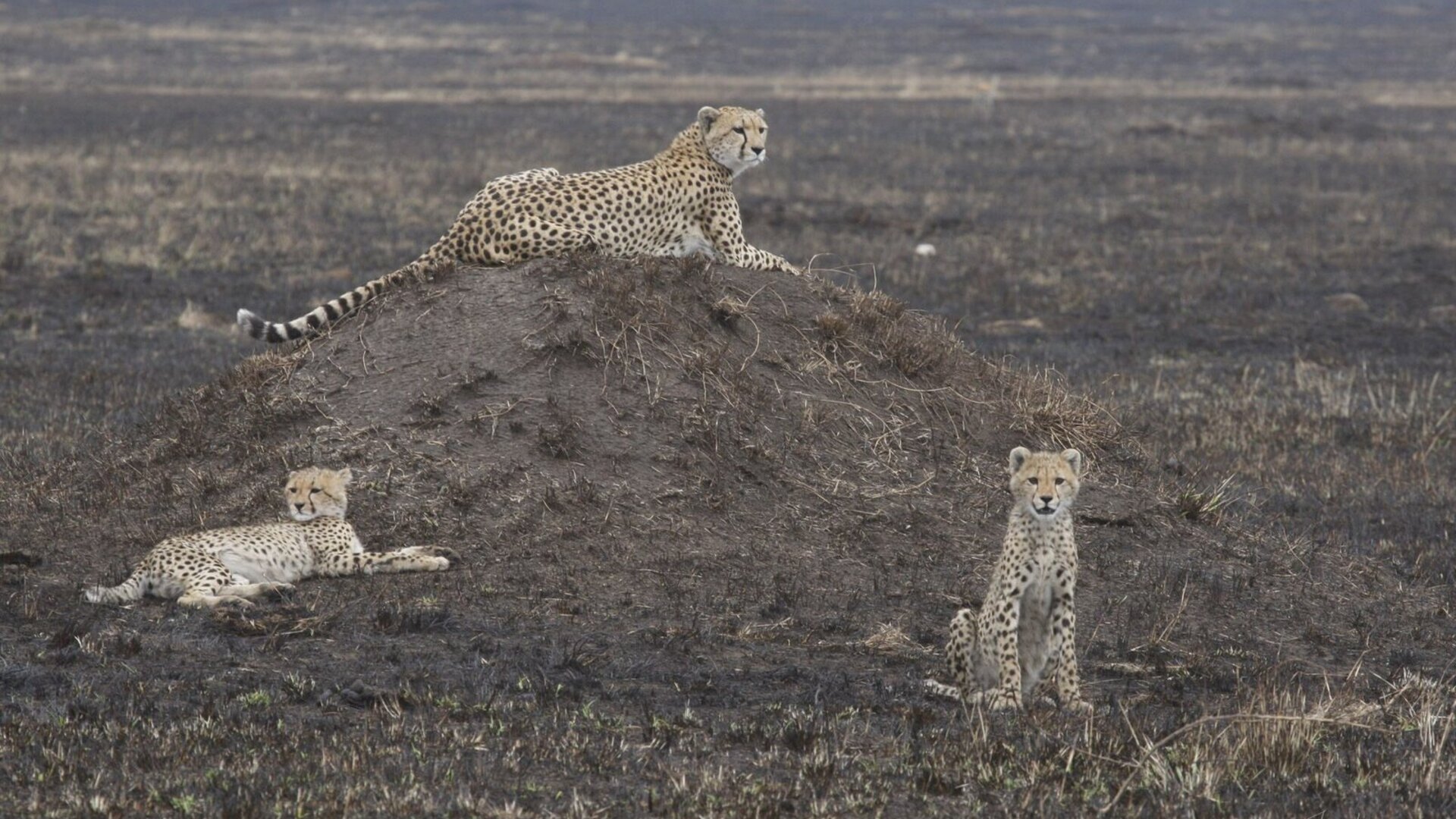
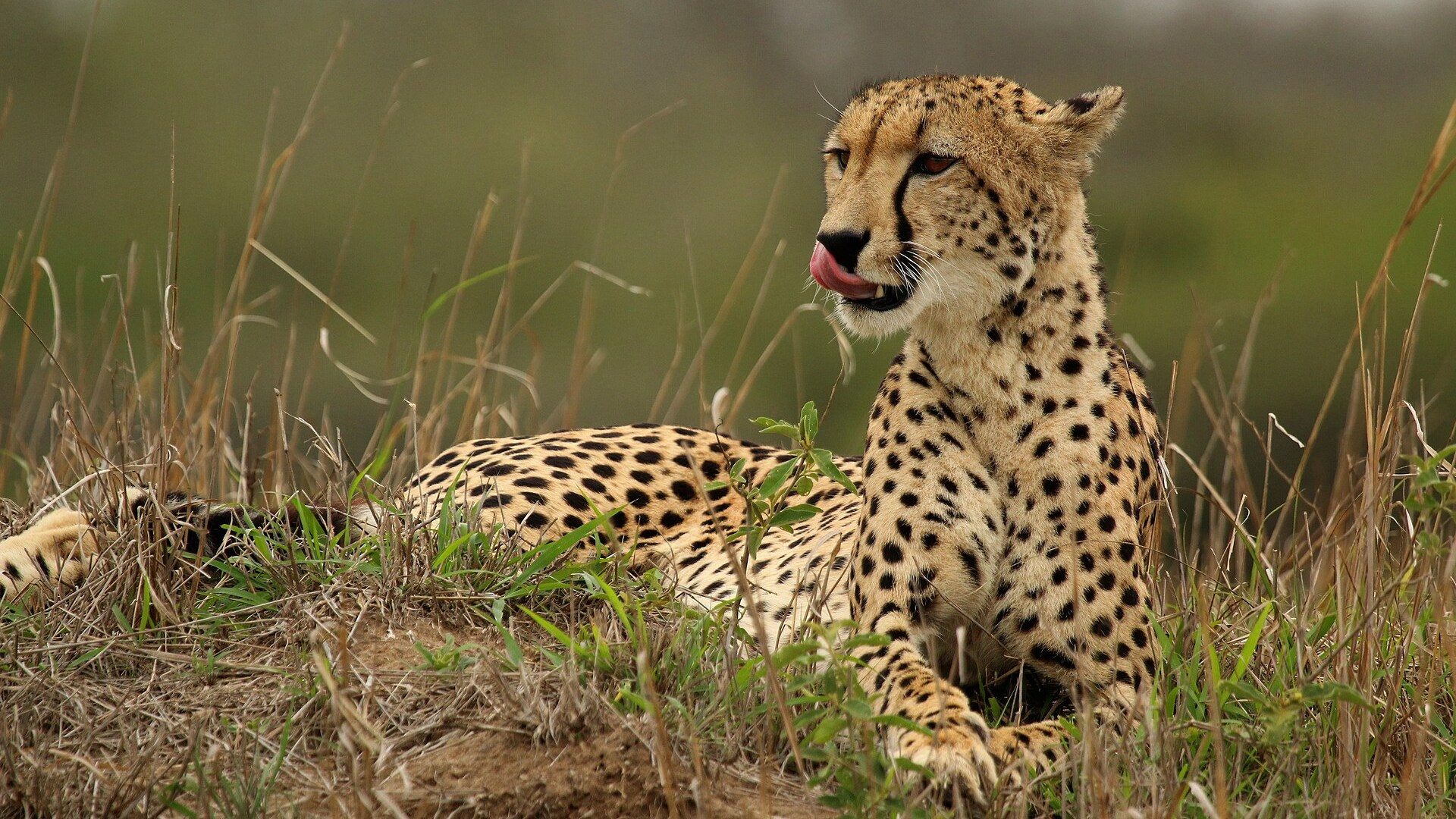
The best shots come from anticipation, not reaction. Watch body language: a lion crouching low = stalk incoming. A cheetah sitting on a termite mound scanning the plains = hunt soon. Ears forward, tail twitching = action.
Shoot RAW
Always. You'll need the latitude to recover blown highlights (bright African skies) and lift shadows (animals in shade). JPEG bakes in camera settings and limits post-processing flexibility.
Don't Chase the Rare
Yes, wild dogs and pangolins are rare. But chasing them burns time and light. The best wildlife photography comes from patience with common subjects in perfect light and behaviour — a backlit elephant, a lion pride interacting, a lilac-breasted roller on a perfect perch.
Private Vehicle vs Small-Group Photographic Safari
Private Vehicle (Best for Serious Photographers)
- Pros: Total control. You decide how long to stay at a sighting, when to leave camp, which angles to shoot. No compromises.
- Cons: Expensive. $400–$800/day vehicle hire on top of lodge costs.
- When to choose: If you're shooting for publication, building a portfolio, or have very specific photographic goals (e.g. "I need backlit elephant silhouettes").
Small-Group Photo Safari (4 Photographers Max)
- Pros: Shared costs. Still photographer-focused (everyone has a window seat, guide understands light). Camaraderie with other shooters.
- Cons: Compromise. If three people want to stay and one wants to move, the guide has to balance priorities.
- When to choose: If you want a dedicated photo safari but can't justify private vehicle costs. Or if you enjoy the group dynamic (sharing sightings, tips, excitement).
Sample Photographic Safari Itineraries
Option 1: 7-Day Masai Mara Migration Photo Safari
- Days 1–6: Mara conservancy (Olare Motorogi or Naboisho). Private photo vehicle, max 4 shooters. Focus on river crossings, cheetah hunts, lion prides. Extended golden-hour drives.
- Day 7: Fly back to Nairobi, depart.
Cost: $6,500–$9,500 per person (July–September, includes private vehicle, conservancy fees, luxury tented camp).
Option 2: 10-Day Sabi Sands Leopard & Kruger Big Five Photo Tour
- Days 1–5: Sabi Sands (Londolozi or Singita). Private vehicle, off-road leopard tracking, night drives.
- Days 6–9: Kruger self-drive (hire a 4×4, shoot from your own vehicle, camp or rest camp accommodation).
- Day 10: Depart Johannesburg.
Cost: $7,000–$11,000 per person (Sabi Sands luxury + Kruger budget self-drive).
Option 3: 12-Day Okavango, Chobe & Victoria Falls Photo Expedition
- Days 1–4: Okavango Delta (Mombo or Vumbura Plains). Water-based photography, aerial helicopter flip.
- Days 5–7: Chobe National Park (elephant mega-herds, boat-based photography on Chobe River).
- Days 8–11: Victoria Falls (long-exposure waterfall shots, sunset over the Zambezi, optional microlight flight).
- Day 12: Fly out of Livingstone.
Cost: $9,000–$15,000 per person (luxury lodges, private vehicles, internal flights).
Specialized Photographic Lodges & Camps
Mara Plains Camp (Kenya)
Why it's built for photographers: Purpose-designed photo vehicles, guides trained in wildlife photography, small camp (7 tents), private Olare Motorogi Conservancy (off-road freedom, no vehicle limits). $850–$1,200/night all-inclusive.
Chinzombo (Zambia, South Luangwa)
Why it's special: Riverside photographic hides (ground-level shooting of animals coming to drink), walking safaris with wide-angle opportunities, expert guides. $700–$1,100/night all-inclusive.
Londolozi Varty Camp (South Africa, Sabi Sands)
Why it delivers: Londolozi pioneered leopard habituation. Private vehicles available, off-road tracking, night drives. Consistently delivers frame-filling big cat portraits. $1,200–$1,800/night all-inclusive.
Sanctuary Chief's Camp (Botswana, Okavango Delta)
Why it's photogenic: Permanent water (year-round boat-based photography), elephants crossing channels, reflections, aerial perspectives via helicopter. $950–$1,500/night all-inclusive.
Post-Processing & Workflow on Safari
You'll shoot 500–2,000 images per day on a photo safari. Here's how to manage the flood:
- Cull daily: Download, review, delete the obvious misses (out of focus, bad composition, chimping mistakes). Keep your keepers organized by day and sighting.
- Backup religiously: Bring a portable hard drive or laptop. Copy everything nightly. Memory cards fail, cameras get dropped.
- Don't over-edit on safari: Lodges have limited WiFi and power. Do rough selects on safari, save the detailed post for home.
- Bring a laptop and card reader: Tablets work for culling, but a laptop with Lightroom or Photo Mechanic is faster for serious volume.
How to Book a Photographic Safari
Most standard safari operators offer "photographic safaris" but don't truly specialize. Look for:
- Dedicated photo vehicles (beanbag mounts, swivel seats, lowered sides).
- Guides with photography training (ask if they shoot themselves, if they've guided professional photographers before).
- Flexible timing (extended drives, priority to golden-hour light).
- Max 4 per vehicle (or private vehicle option).
- Off-road access (private reserves and conservancies allow it; national parks often don't).
We design custom photographic safaris with vetted lodges, guides and vehicles across East and Southern Africa. Whether you want to shoot the Great Migration, Sabi Sands leopards or Okavango water reflections, we'll build you the perfect itinerary.
Get in touch with your photographic goals, dates and budget, and we'll send you a detailed proposal within 24 hours.
Or explore our luxury safari packages for ready-to-book African adventures.