Key Takeaways
- The best affordable safari lodges in Tanzania deliver world-class wildlife at $150–550 per person per night — a fraction of the ultra-luxury tier — giving you the Serengeti migration, the Ngorongoro Crater and Tarangire's elephants without the $1,500+ price tag
- Serengeti Serena and Serengeti Sopa put you inside the park for the Great Migration from around $250–400 per person, sharing the same plains as the $2,000-a-night camps
- The Serena and Sopa lodge groups are Tanzania's value backbone — comfortable, well-run properties inside every major park at $200–500 per person, all meals included
- Green season (April to May and November) slashes rates by 30–40% while still delivering superb wildlife, dramatic storms and the best birding of the year
- Karatu gateway lodges like Ngorongoro Farm House and Highview Coffee Lodge bring crater access within reach at $150–250 per person — the savviest budget strategy in northern Tanzania
- Book 6–12 months ahead for the July–October migration, or just 2–4 months for green season savings — local operators and group-joining departures cut costs further
TL;DR: The best affordable safari lodges in Tanzania are Serengeti Serena, Serengeti Sopa, Ngorongoro Serena, Ngorongoro Sopa, Tarangire Sopa, Lake Manyara Serena, Kirurumu Manyara Lodge, Ngorongoro Farm House, Highview Coffee Lodge, Serengeti Heritage Tented Camp, Ruaha River Lodge, Rufiji River Camp, Selous Kulinda Camp, Lemala Ewanjan and Lake Burunge Tented Camp — delivering the same Great Migration, crater wildlife and elephant herds the ultra-luxury camps command, at $150–550 per person per night instead of $1,500+. The Serena and Sopa groups are the value backbone, Karatu gateway lodges are the budget secret, and the green season (April–May, November) saves 30–40% while still offering superb wildlife and dramatic African skies. Travel in the dry season (June–October) for the migration, or embrace the green season for empty parks, lower rates and newborn wildlife. Below you will find 15 lodge reviews, a value tiers explainer, comparison table, when-to-book strategy, green season deep-dive, and the best lodge for every traveler type. Read this alongside our Tanzania safari guide and Tanzania safari cost guide.
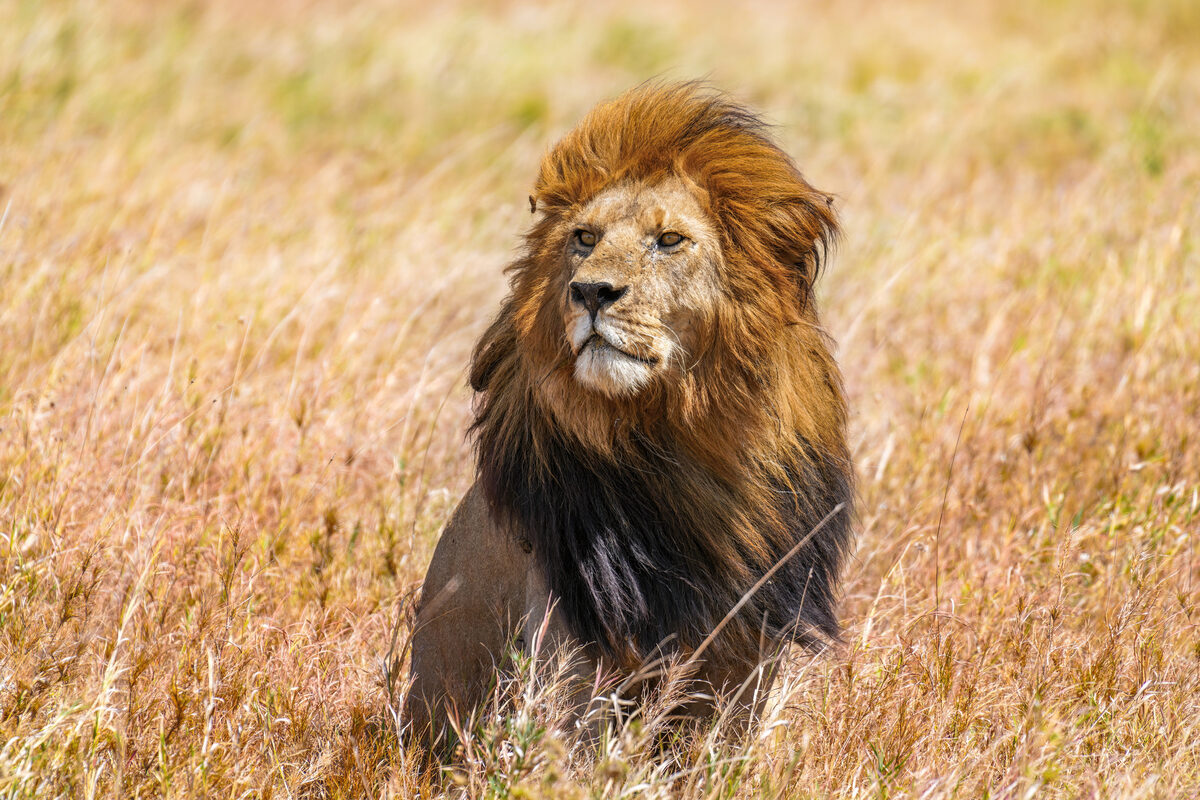
Tanzania is the beating heart of the East African safari. This is where the Serengeti stretches to the horizon, where the Ngorongoro Crater holds more wildlife per square kilometre than almost anywhere on Earth, where Tarangire's elephants gather beneath ancient baobabs in herds that number in the hundreds. It is, by any measure, one of the greatest wildlife destinations on the planet — and for years, the assumption has been that experiencing it costs a fortune.
That assumption is not quite right. Yes, the ultra-luxury tier — the $1,500-to-$3,500-per-person-per-night camps of the northern Serengeti and the exclusive crater rim lodges — dominates the conversation. But beneath that stratosphere lies a deep bench of lodges that deliver the same migration crossings, the same crater floor safari, the same elephant encounters, at rates that start from around $150 per person per night and rarely climb above $550. These are not budget compromises. They are established, well-run properties that trade infinity pools and private butlers for honesty, reliability and a direct connection to the bush.
This guide walks you through the best affordable safari lodges in Tanzania, from the migration plains of the central Serengeti to the rim of the Ngorongoro Crater, from Tarangire's baobab forests to the remote rivers of Ruaha and Nyerere. We explain the value tiers, decode the green season opportunity, compare the northern and southern circuits, and match you to the lodge that fits your style and your budget. By the end, you will know exactly how to experience Tanzania without the ultra-luxury price tag — and why, in the land of the Great Migration, that is a very good idea.
Understanding Value in Tanzania — Why Prices Are High (and Where They Drop)
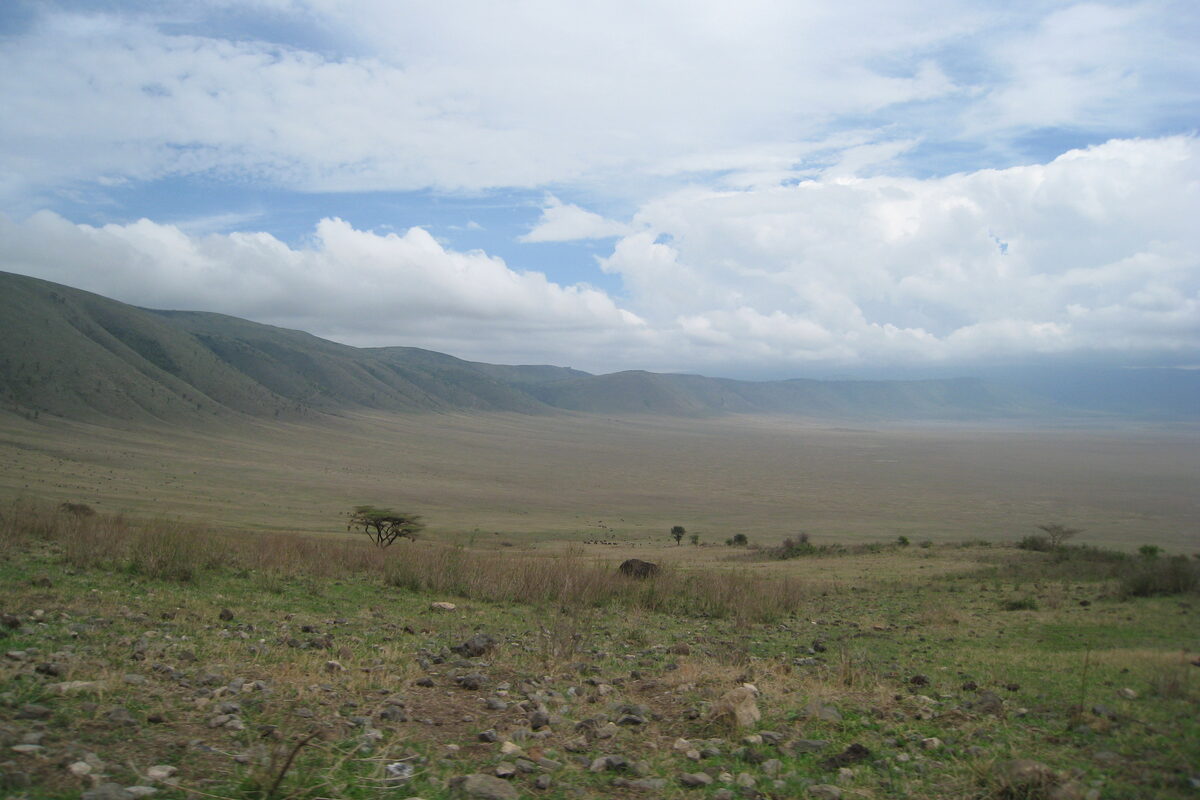
Tanzania's safari model is shaped by two forces: extraordinary parks and significant government fees. The Serengeti alone charges approximately $70–80 per person per day in park fees, and the Ngorongoro Crater adds a separate vehicle descent fee of around $295 per trip. These costs are non-negotiable and are baked into every lodge rate. Add the logistical complexity of remote lodges, charter flights between parks, and a conservation-first philosophy, and you have a country where even "affordable" starts higher than in Kenya or South Africa.
But value exists. It clusters in three places:
- The Serena and Sopa lodge groups, which operate comfortable, full-board lodges inside every major park at consistently fair rates, spreading overhead across larger properties
- The Karatu corridor, a lush highland town between Lake Manyara and the Ngorongoro Crater, where gateway lodges and farm stays offer crater access at a fraction of in-park prices
- Green season (April–May and November), when discounts of 30–40% bring even mid-tier lodges within reach, and the landscape turns vivid green
Affordable in Tanzania means $150 to $550 per person per night, full board. That is more than Kenya, but the parks — the Serengeti, the Crater, Tarangire, Ruaha — are among the richest on the continent, and the wildlife you see from a $300 lodge is the same wildlife the $2,000 camp photographs. The difference is thread count and champagne, not lions.
Best Affordable Safari Lodges in Tanzania — Our Top 15
Serengeti National Park — The Migration Plains
Serengeti Serena Safari Lodge
Location: Central Serengeti (Seronera area), inside the park
Rates: ~$250–400 per person per night full board (green season from $210)
Why affordable: Established group lodge, prime in-park location without private-camp pricing
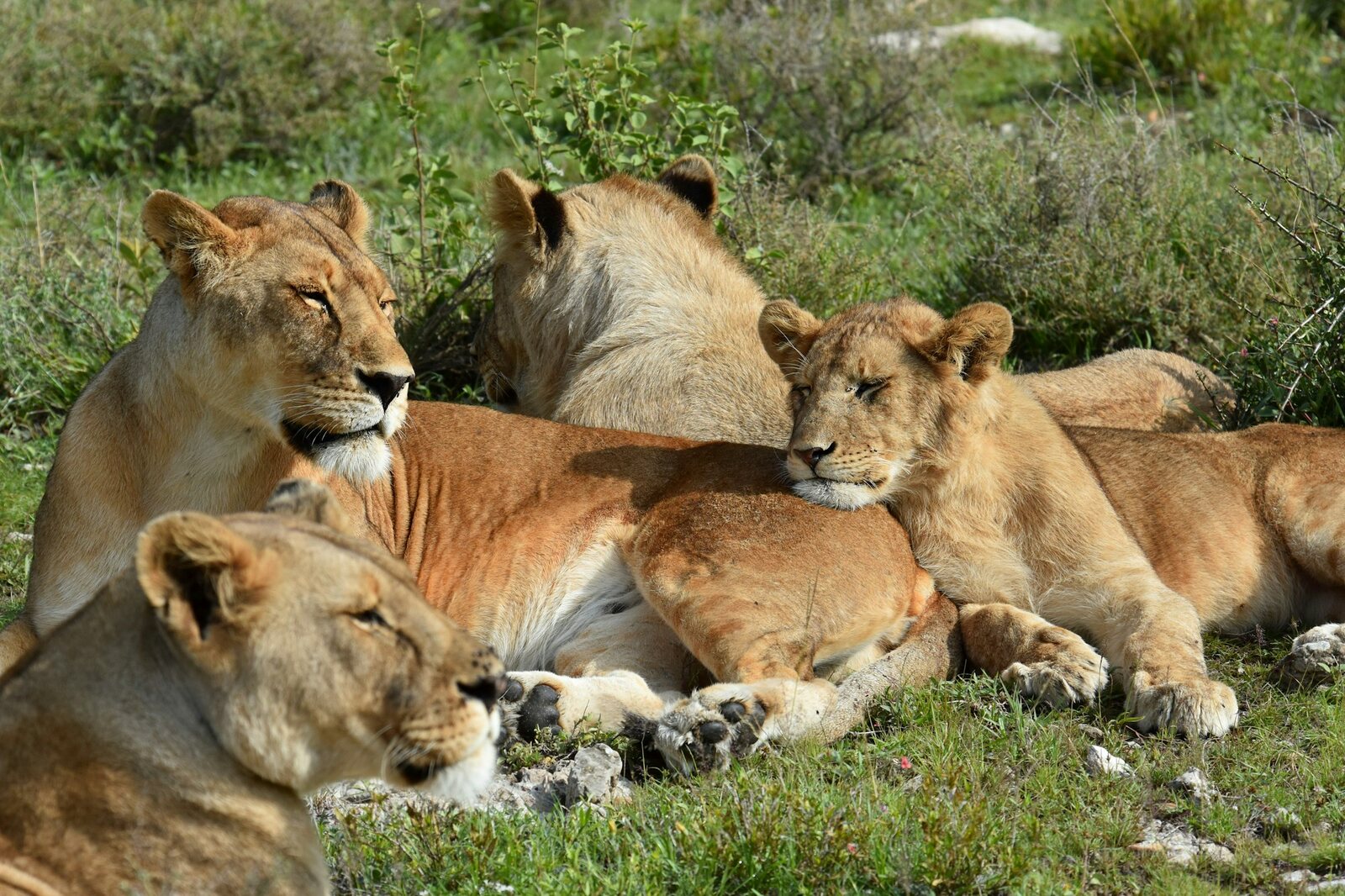
Wildlife: Central Serengeti big cats, resident game year-round, migration corridor
Best for: First-timers, families, migration viewing on a budget
When to go: Year-round; June–October for peak game, December–March for calving
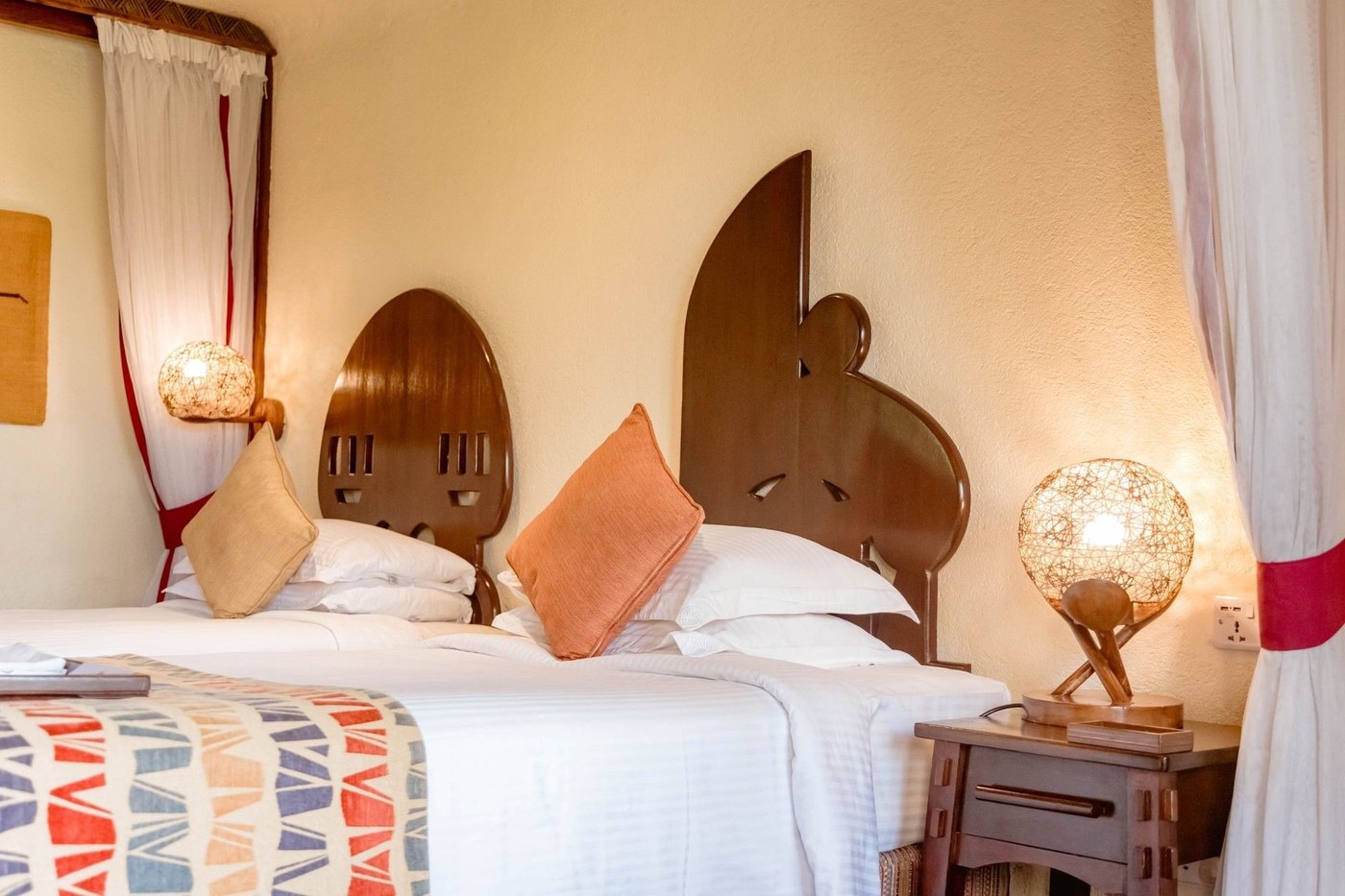
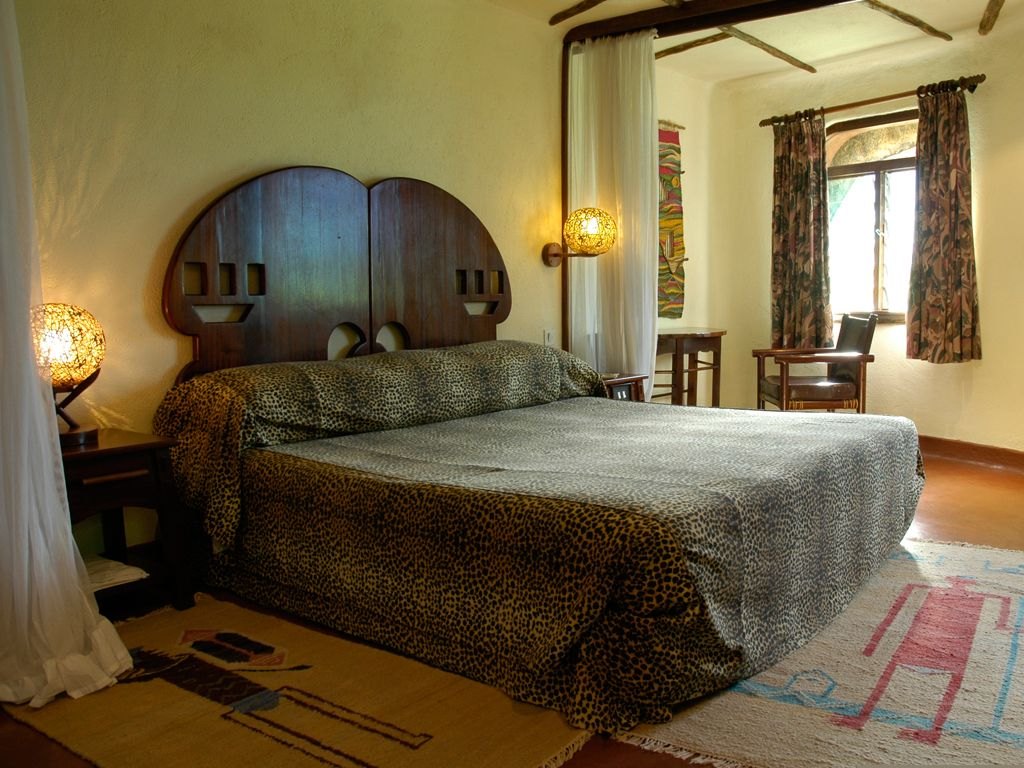
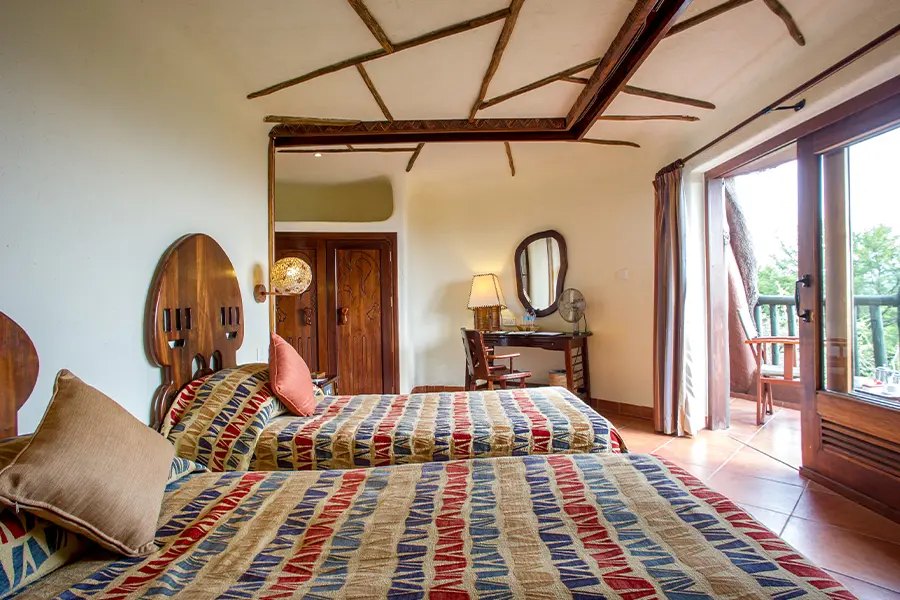
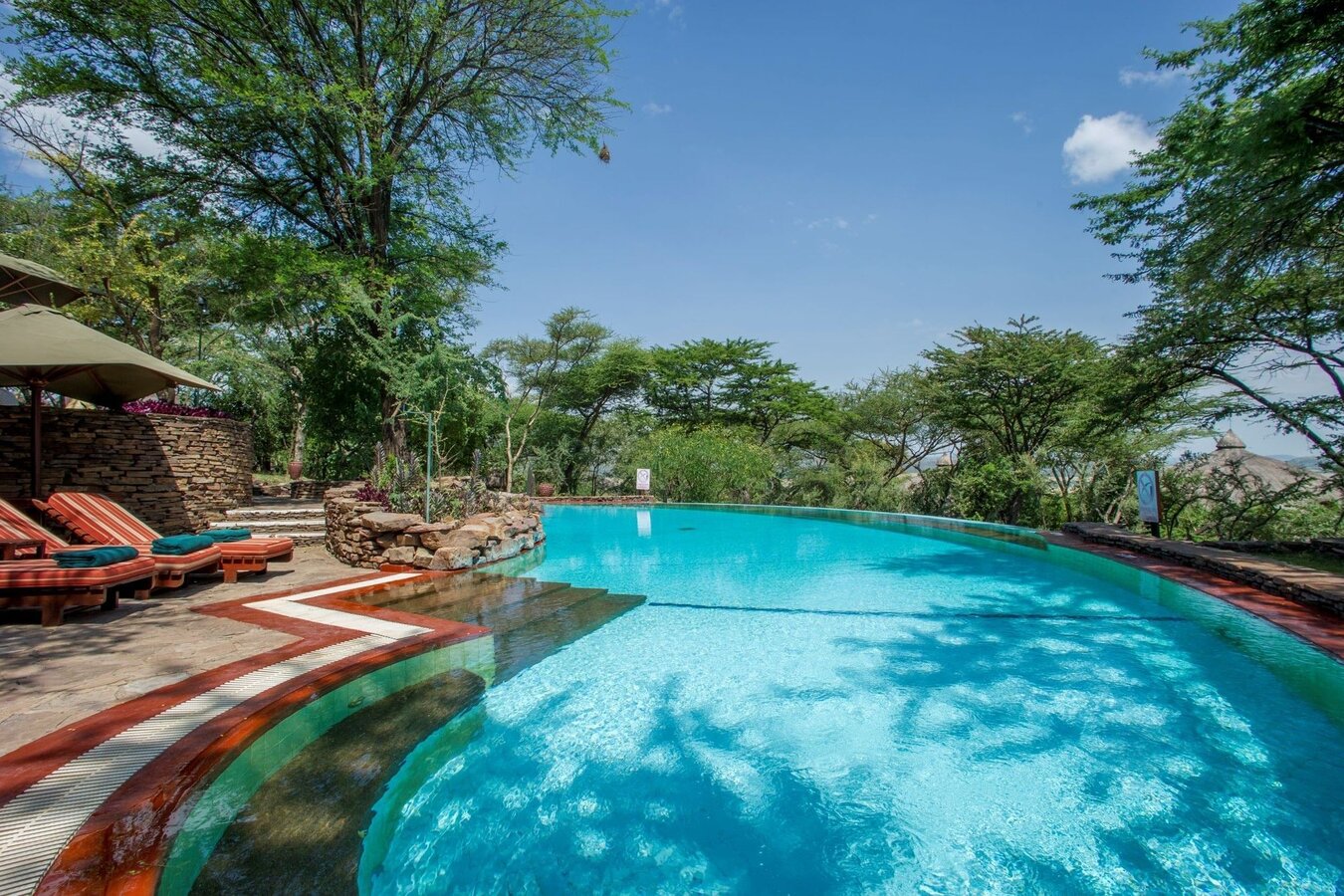
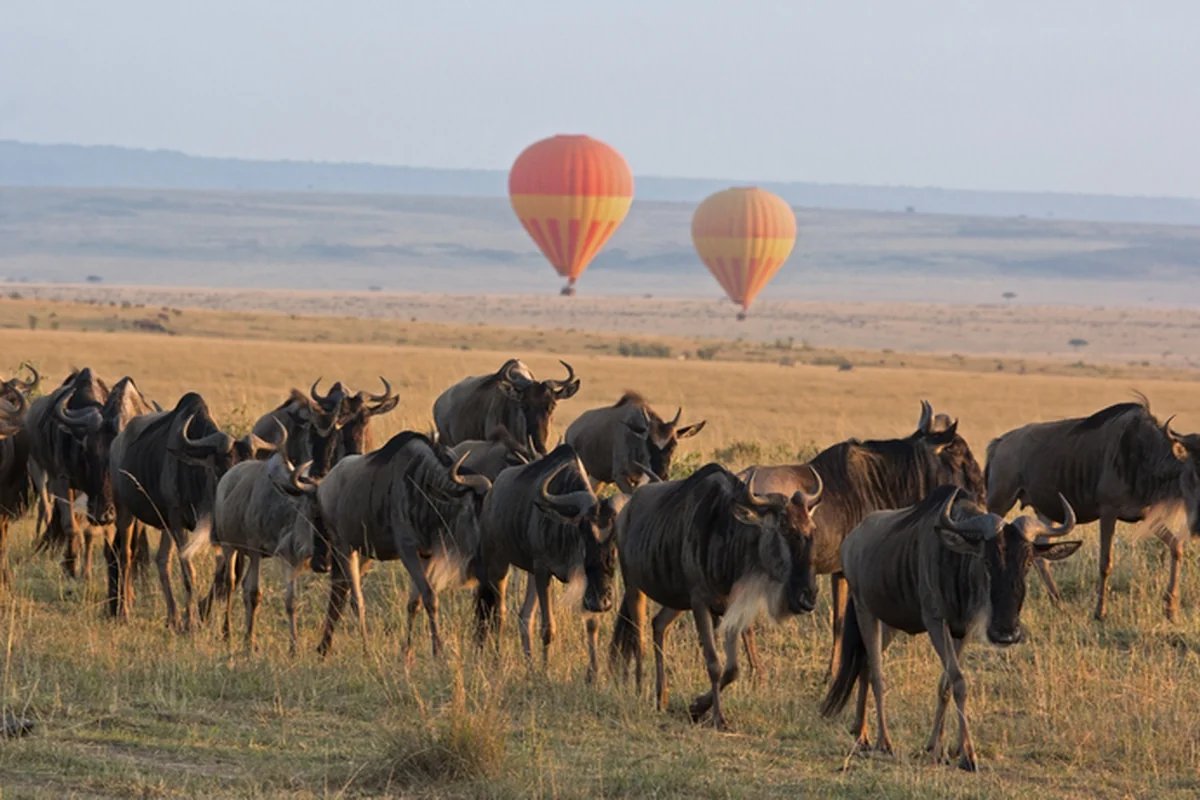
Serengeti Serena is the lodge that proves you do not need to spend $2,000 a night to experience the Serengeti. Perched on a ridge in the central Seronera area, it overlooks the plains where the Great Migration passes through twice a year, and the resident wildlife — lion prides, leopards, cheetahs, elephant herds — is present every month. The architecture is inspired by a traditional Maasai manyatta, rooms are comfortable with private balconies, and the twice-daily game drives are guided by professionals who know every kopje and crossing point. At $250–400 per person, you get a front-row seat to the greatest wildlife show on Earth at a fraction of what the northern Serengeti's exclusive camps charge.
Serengeti Sopa Lodge
Location: Central Serengeti, near Seronera
Rates: ~$250–350 per person per night full board (green season from $200)
Why affordable: Large, long-established lodge with a competitive group rate structure
Wildlife: Prime Seronera big-cat corridor, resident leopards, year-round plains game
Best for: Group-joining safaris, budget-conscious families
When to go: Year-round; June–October for migration traffic through Seronera
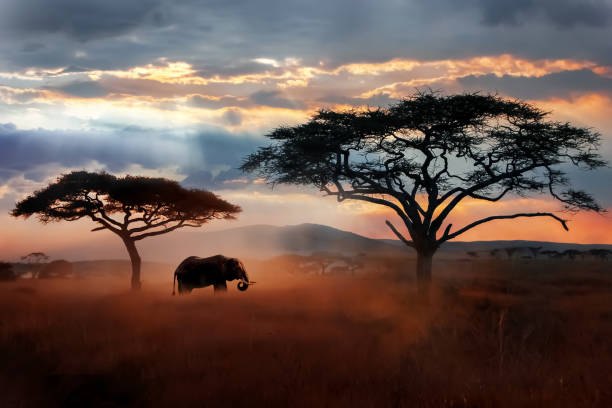
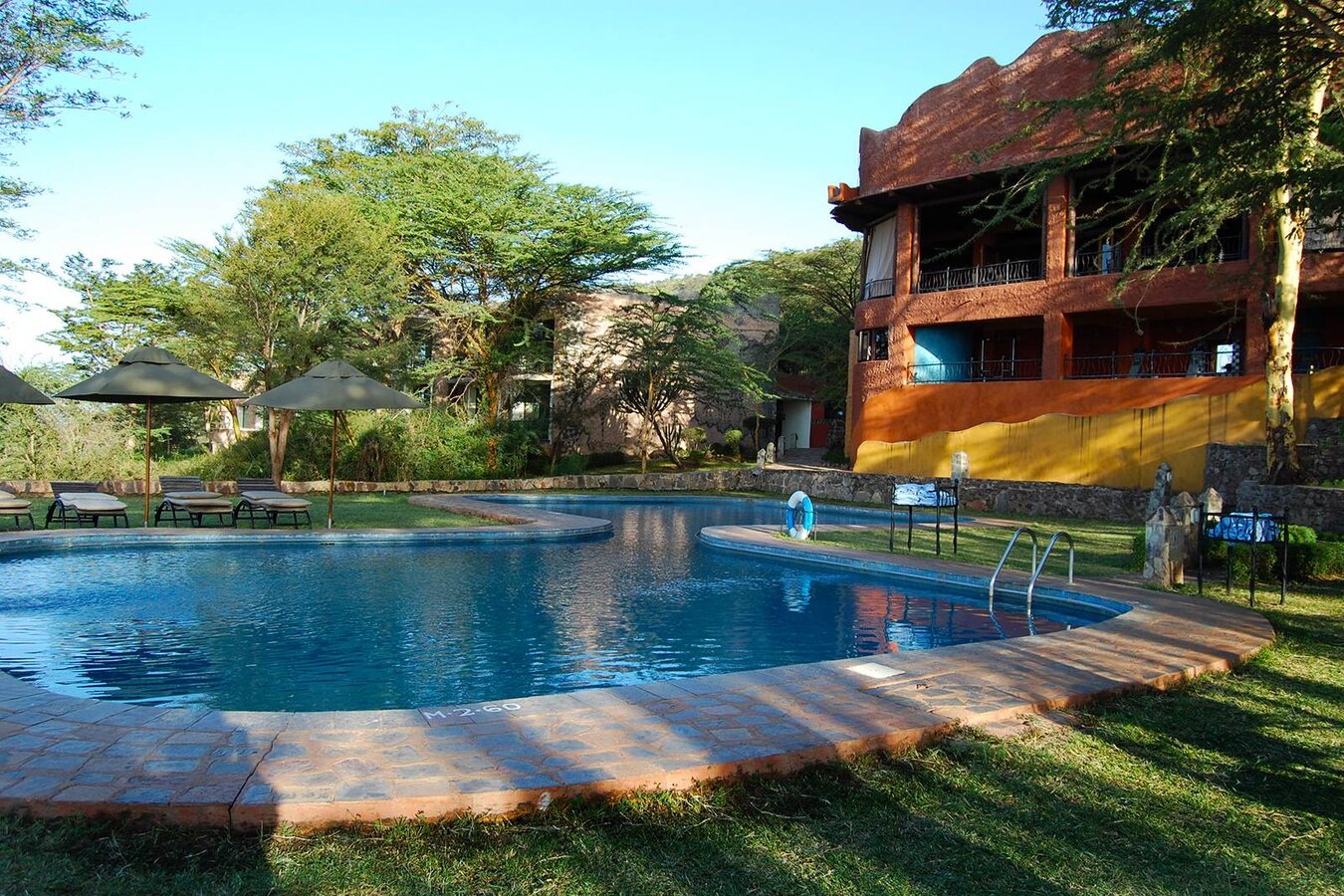
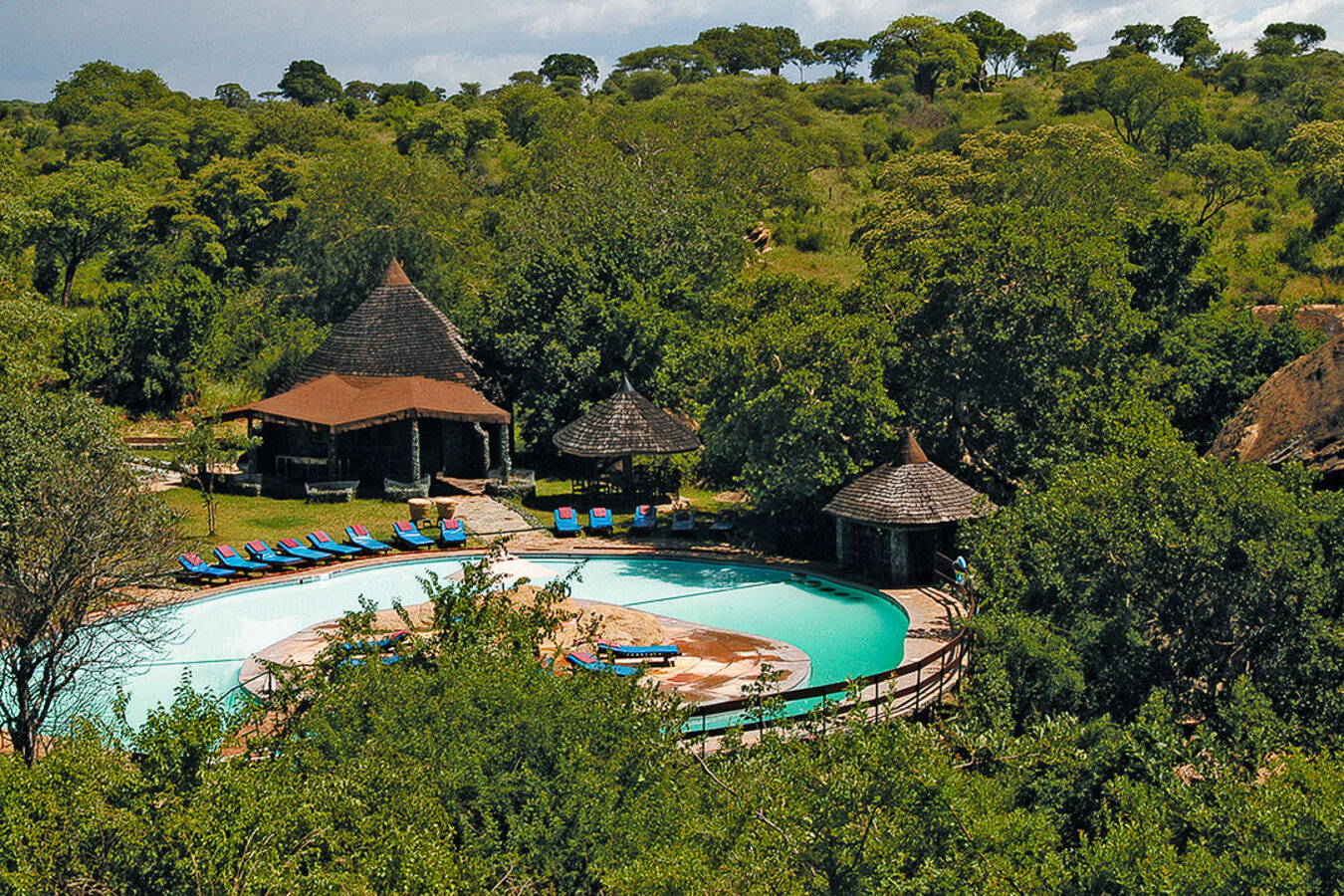
Serengeti Sopa is the workhorse of affordable Serengeti safaris. Set among granite kopjes in the central Serengeti, it is a large lodge with 69 rooms and four suites, a swimming pool, and panoramic views that roll to the horizon in every direction. The sheer size of the property keeps per-person costs down, and the location in the Seronera area — the Serengeti's wildlife crossroads — means you are in the heart of the big-cat action from day one. At $250–350 per person, Sopa delivers a reliable, comfortable Serengeti experience at the best value the park offers.
Serengeti Heritage Tented Camp
Location: Central Serengeti, near Seronera
Rates: ~$300–450 per person per night full board
Why affordable: Boutique tented camp with genuine bush atmosphere at mid-range pricing
Wildlife: Central Serengeti predators, migration corridor access
Best for: Travelers wanting tented-camp romance without ultra-luxury cost
When to go: Year-round; calving season (January–March) for dramatic predator action
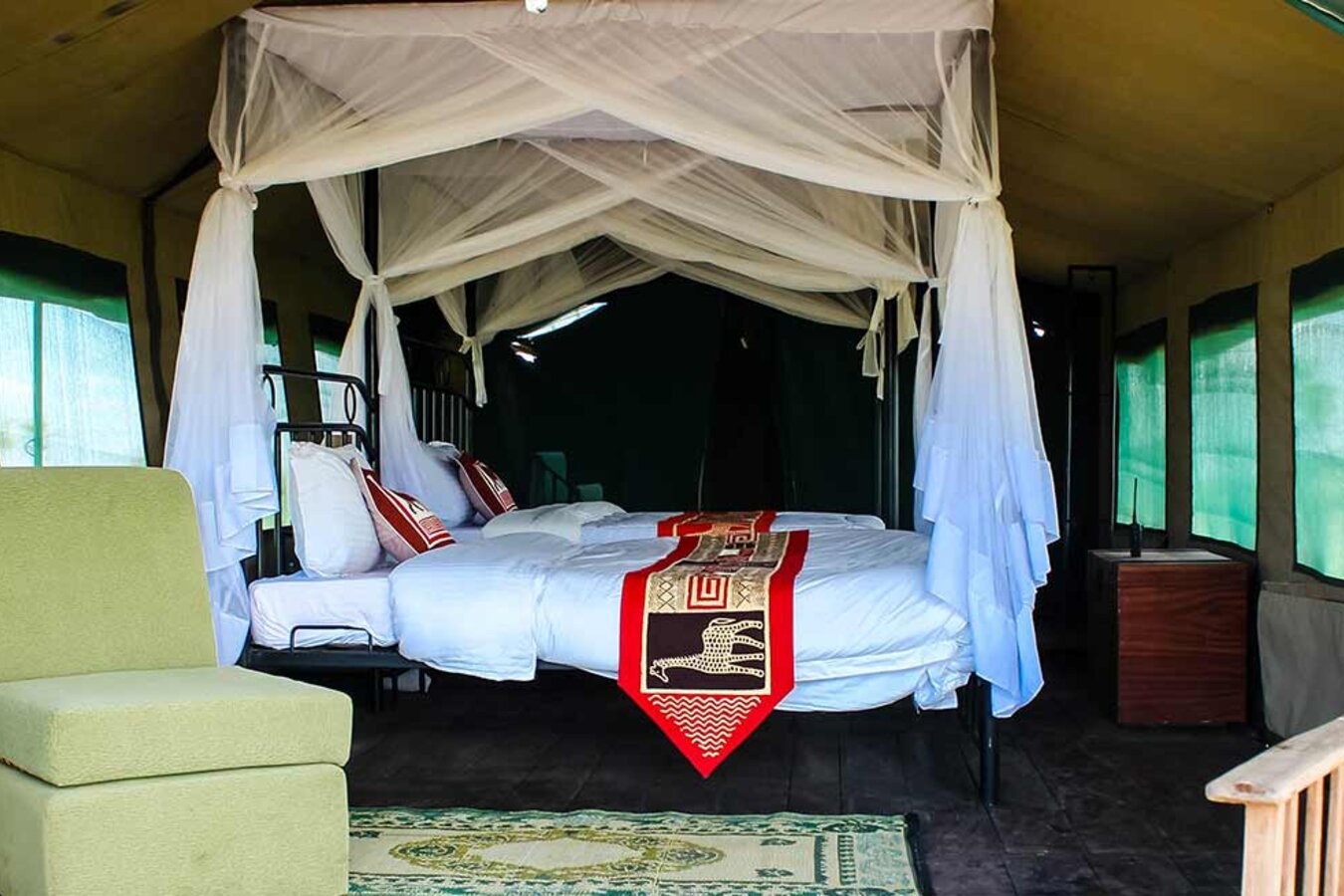
For travelers who want the romance of canvas — the sound of the plains at night, the zip of a tent flap at dawn — without the $1,500-a-night price tag of the private mobile camps, Serengeti Heritage is an excellent choice. This is a permanent tented camp with en-suite safari tents, a central lounge and dining area with campfire, and a bush atmosphere that the big lodges cannot replicate. The location in the central Serengeti puts you in reach of both the Seronera big cats and the migration corridors. At $300–450 per person, Heritage delivers an authentic Serengeti tented experience at genuinely accessible rates.
Lemala Ewanjan Tented Camp
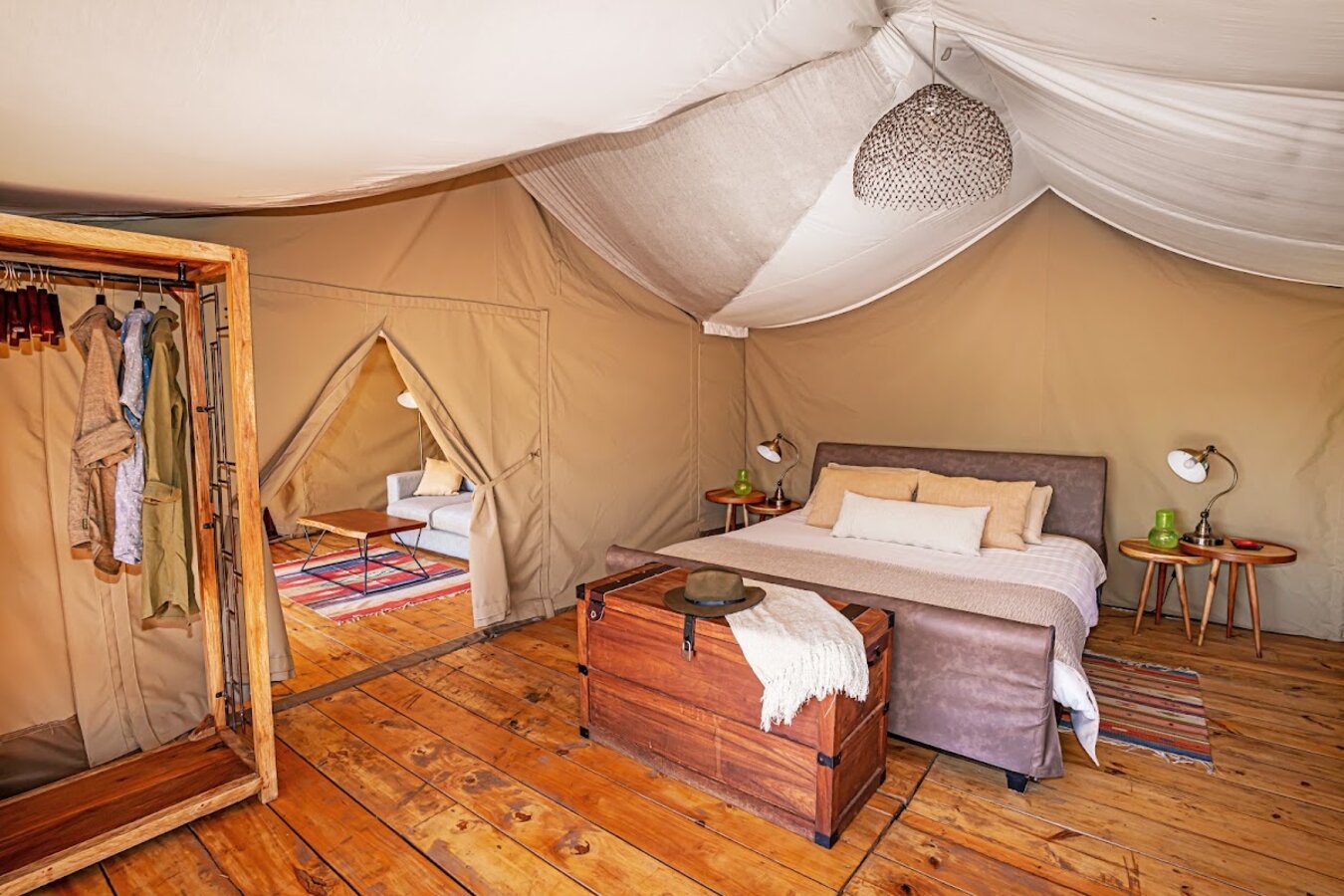
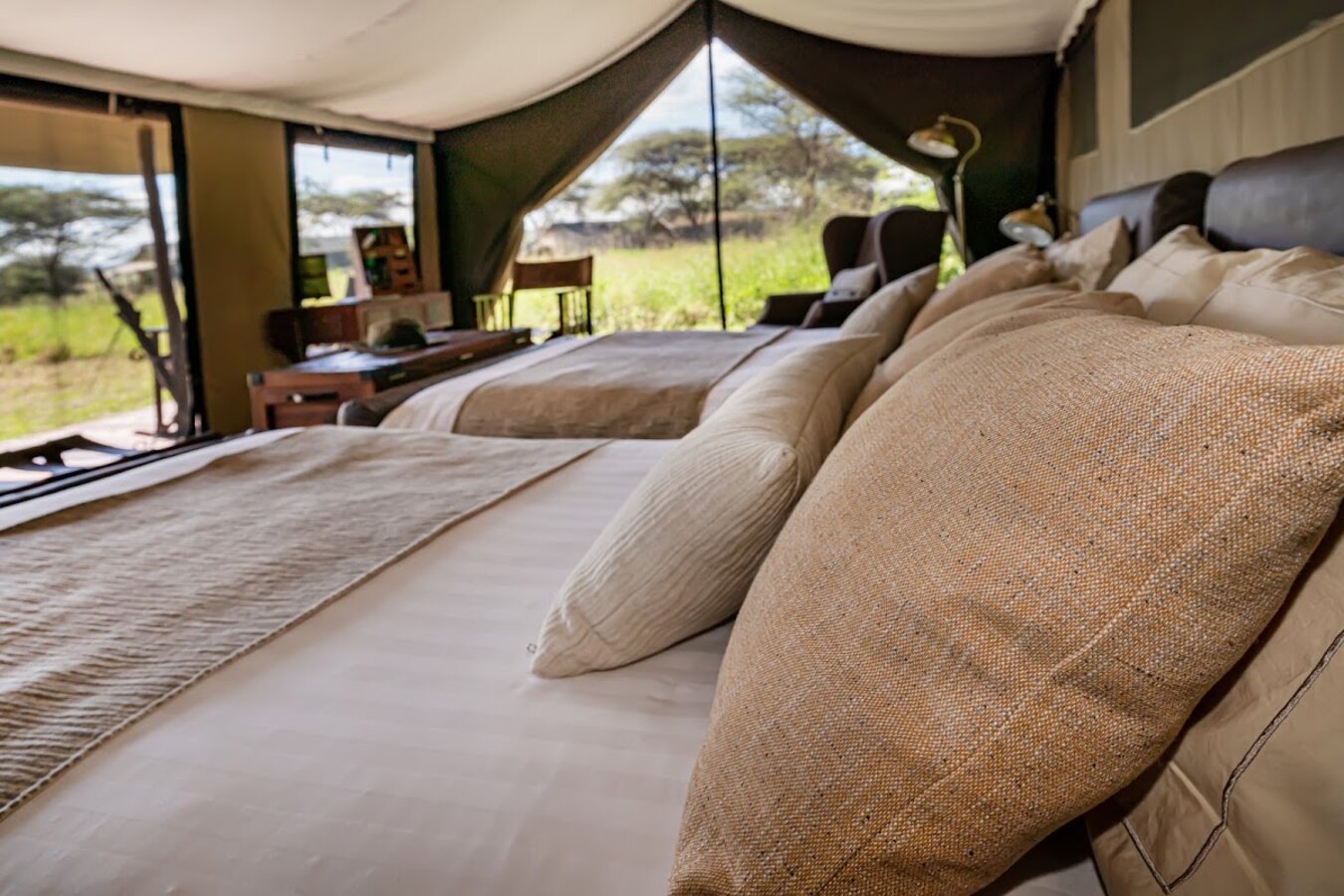
Location: Seronera Valley, central Serengeti
Rates: ~$400–550 per person per night all-inclusive
Why affordable: Boutique 12-tent camp at half the price of ultra-luxury Serengeti camps
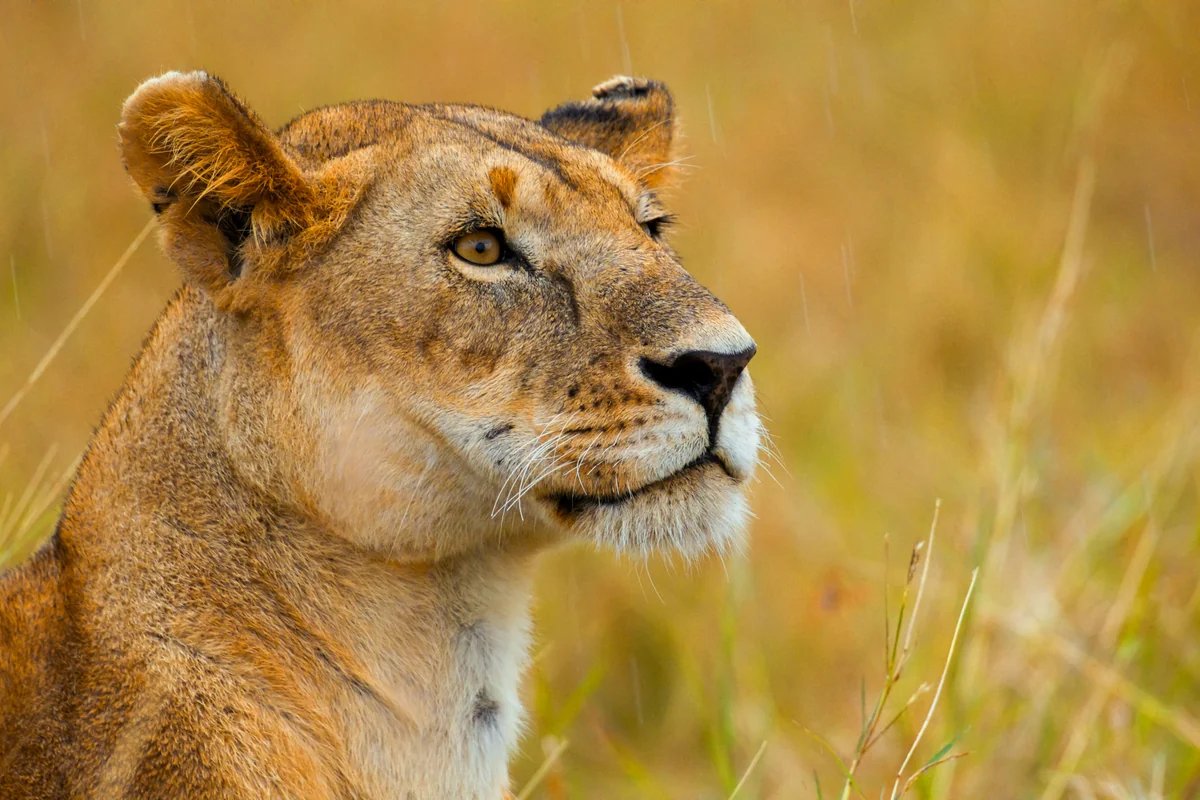
Wildlife: Prime Seronera Valley — one of the Serengeti's top leopard and lion areas
Best for: Couples and photographers wanting intimacy with quality guiding
When to go: Year-round; dry season (June–October) for peak predator sightings
Lemala Ewanjan sits at the top of the affordable spectrum, but what you pay for is intimacy and guiding. This is a small, 12-tent camp hidden in a grove of acacia trees in the Seronera Valley — the Serengeti's most productive wildlife corridor. The tents are spacious and stylish, the food excellent, and the guides among the best in the park. At $400–550 per person, Lemala delivers the boutique Serengeti experience at half the price of the ultra-luxury camps in the northern migration corridors, and for many travelers — especially those who prioritise big cats over big crowds — it is the smarter choice.
Ngorongoro Conservation Area — The Crater Rim
Ngorongoro Serena Safari Lodge
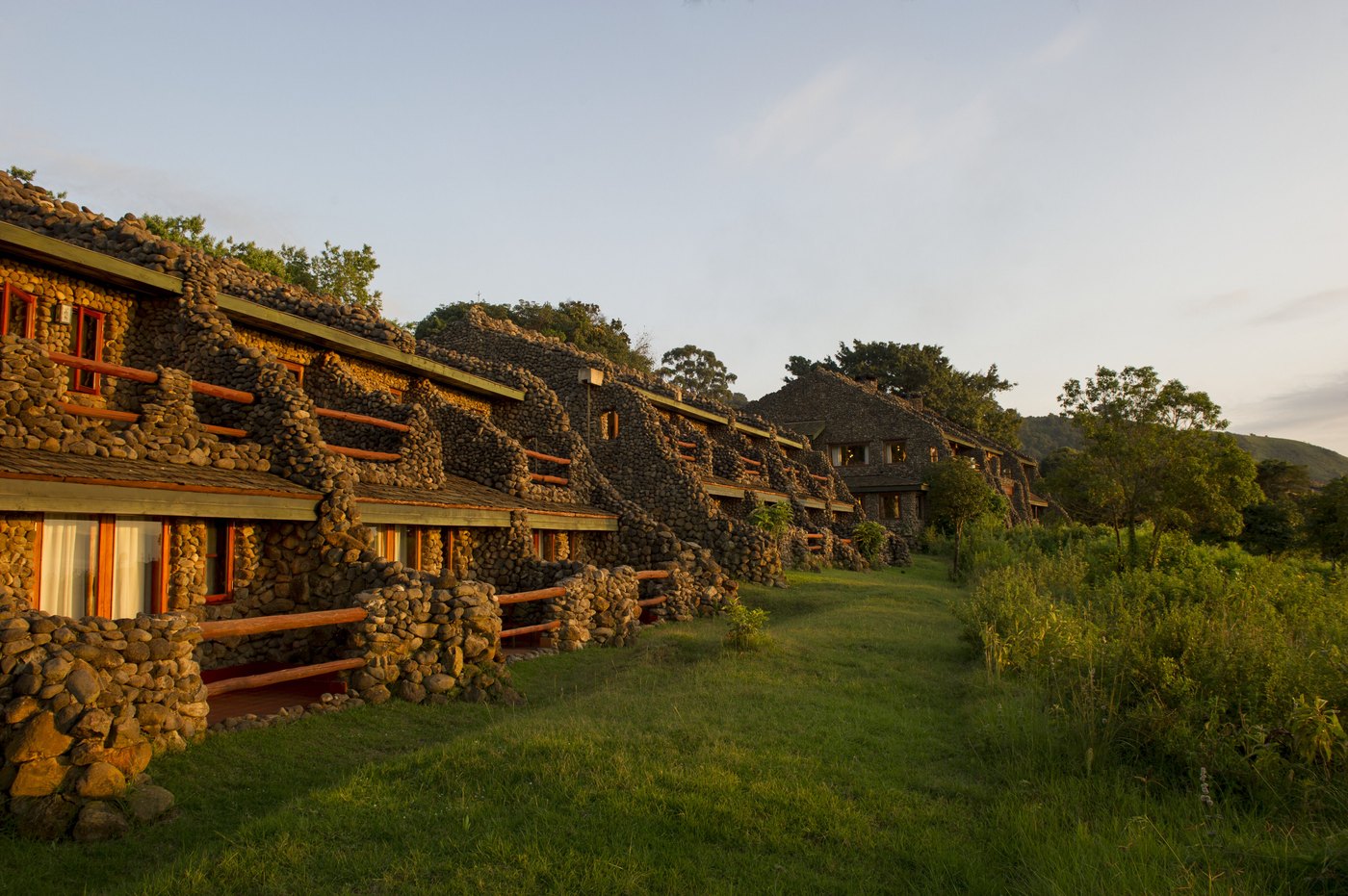
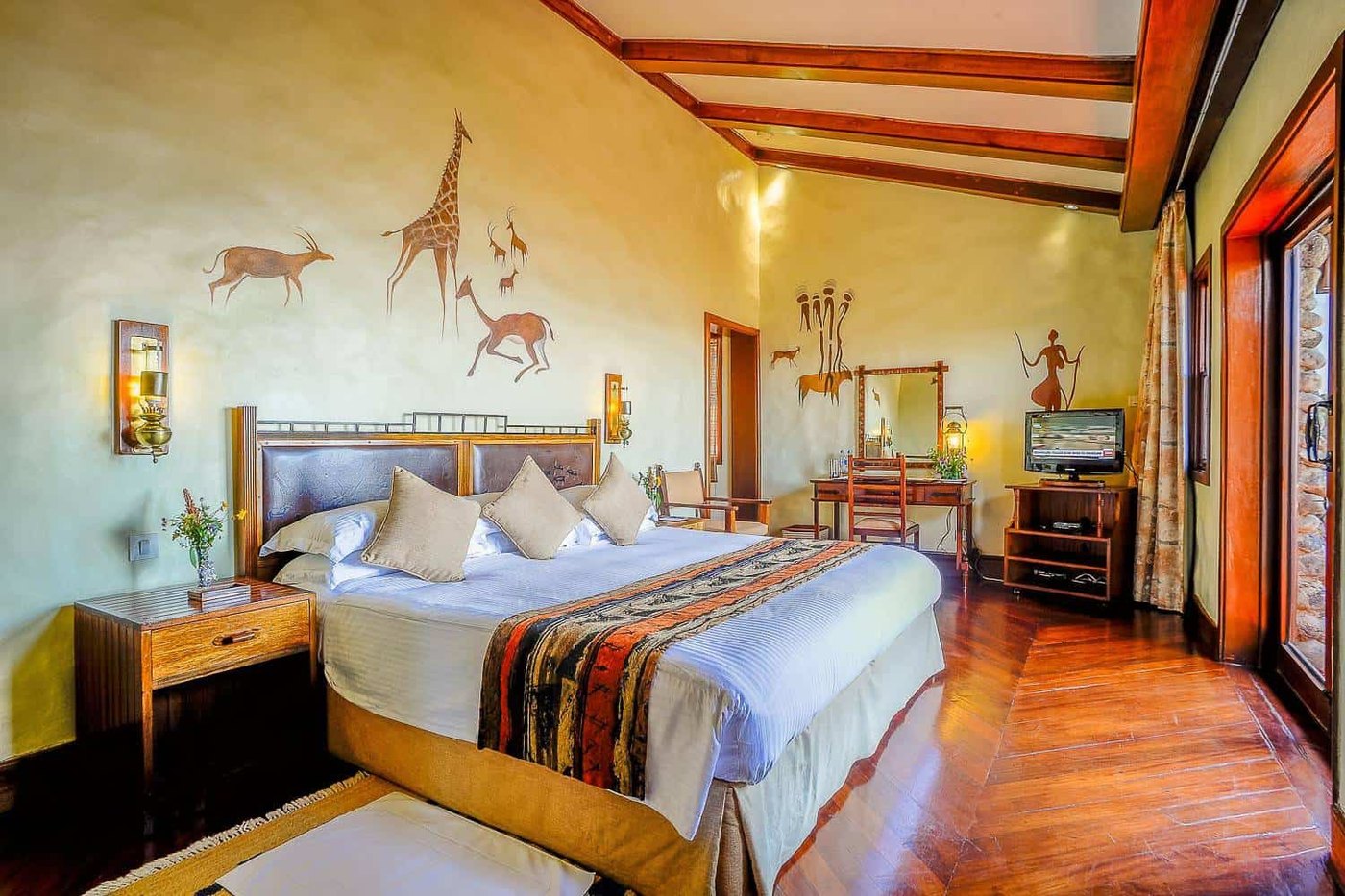
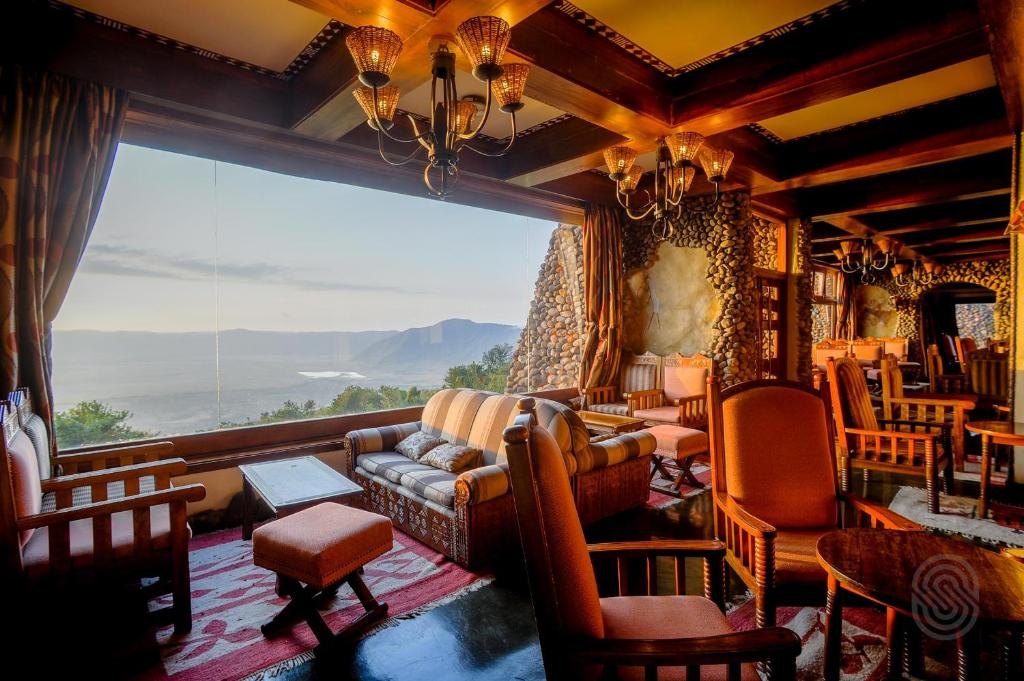
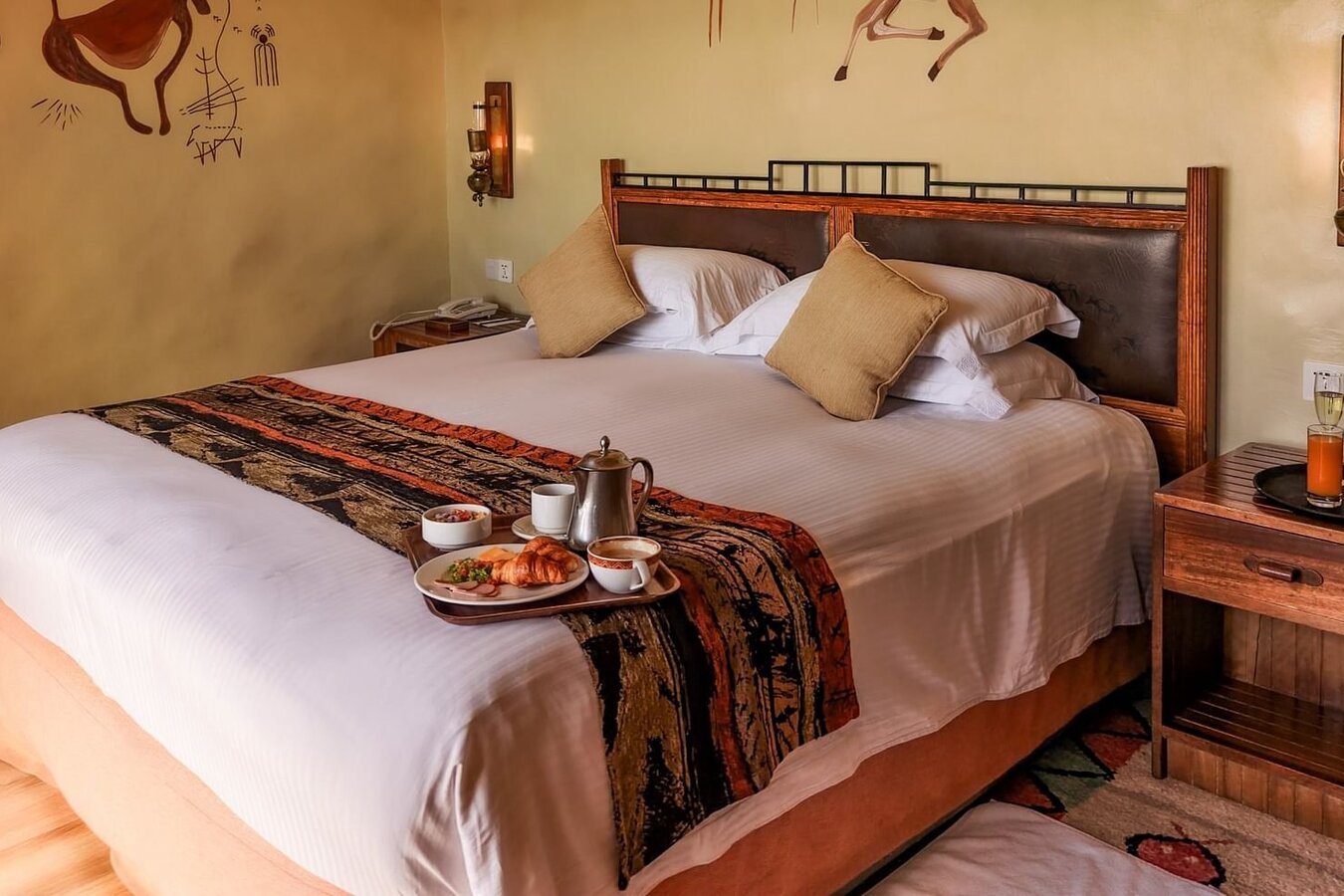
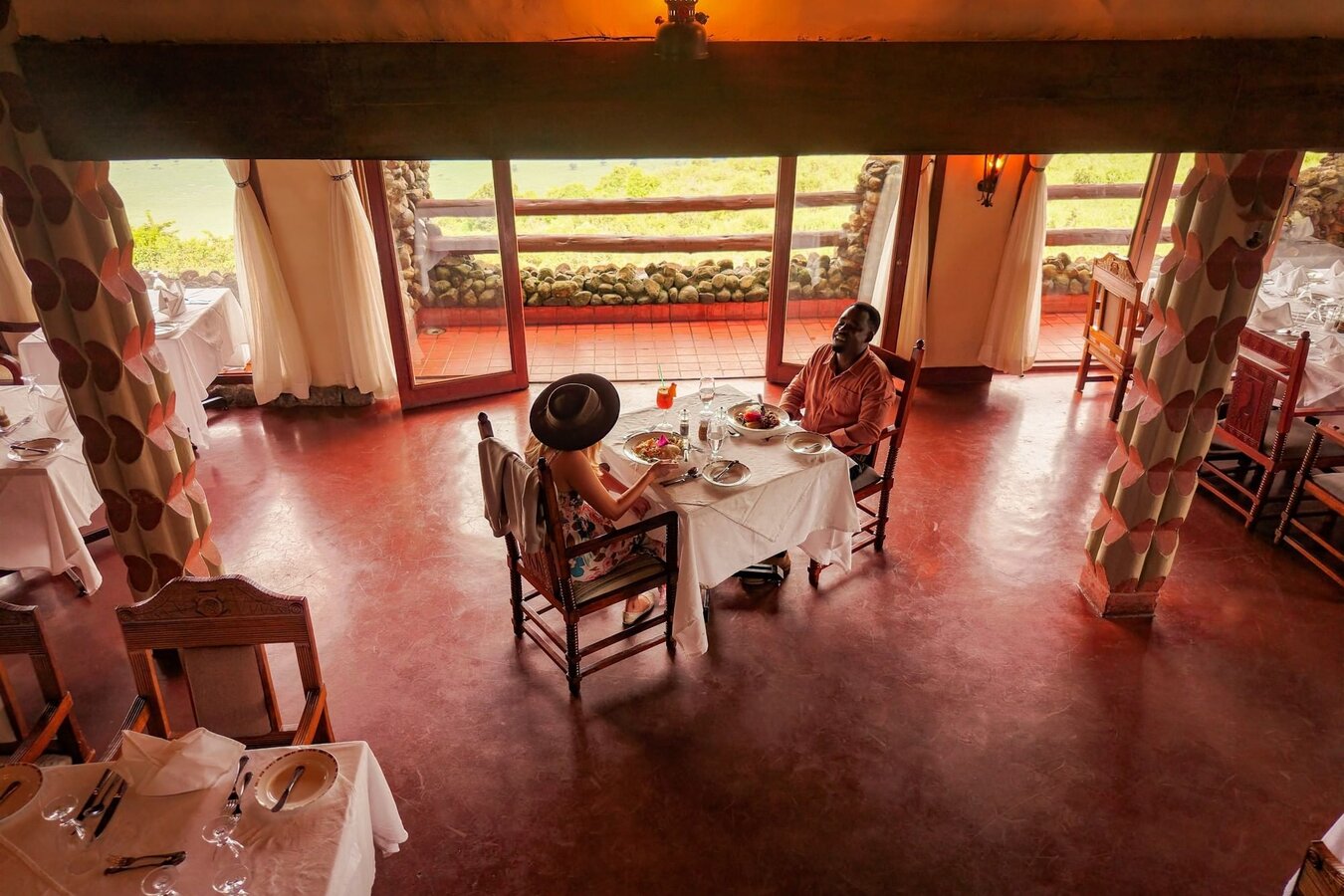
Location: Western rim of the Ngorongoro Crater
Rates: ~$400–550 per person per night full board (green season from $300)
Why affordable: Established crater-rim lodge at half the price of the ultra-luxury rim camps
Wildlife: Full-day crater floor safari — lion, rhino, elephant, buffalo, flamingos
Best for: Crater floor access with rim-top views on a realistic budget
When to go: Year-round; the crater delivers every month
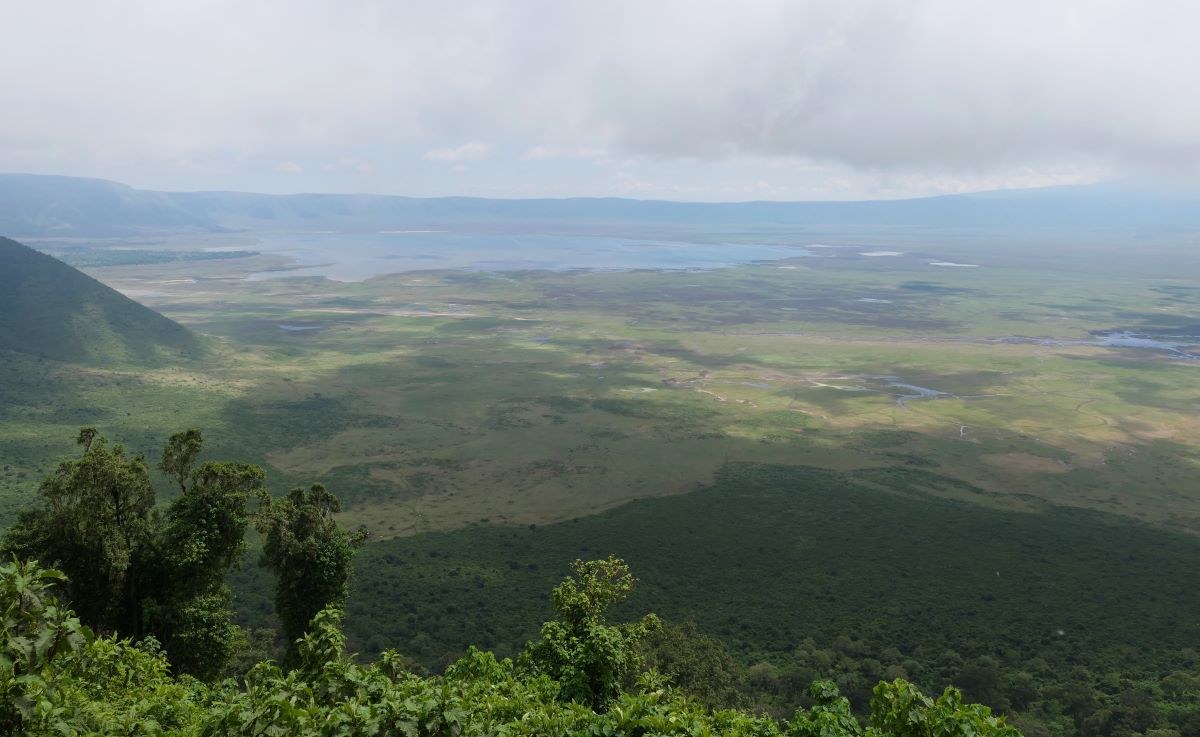
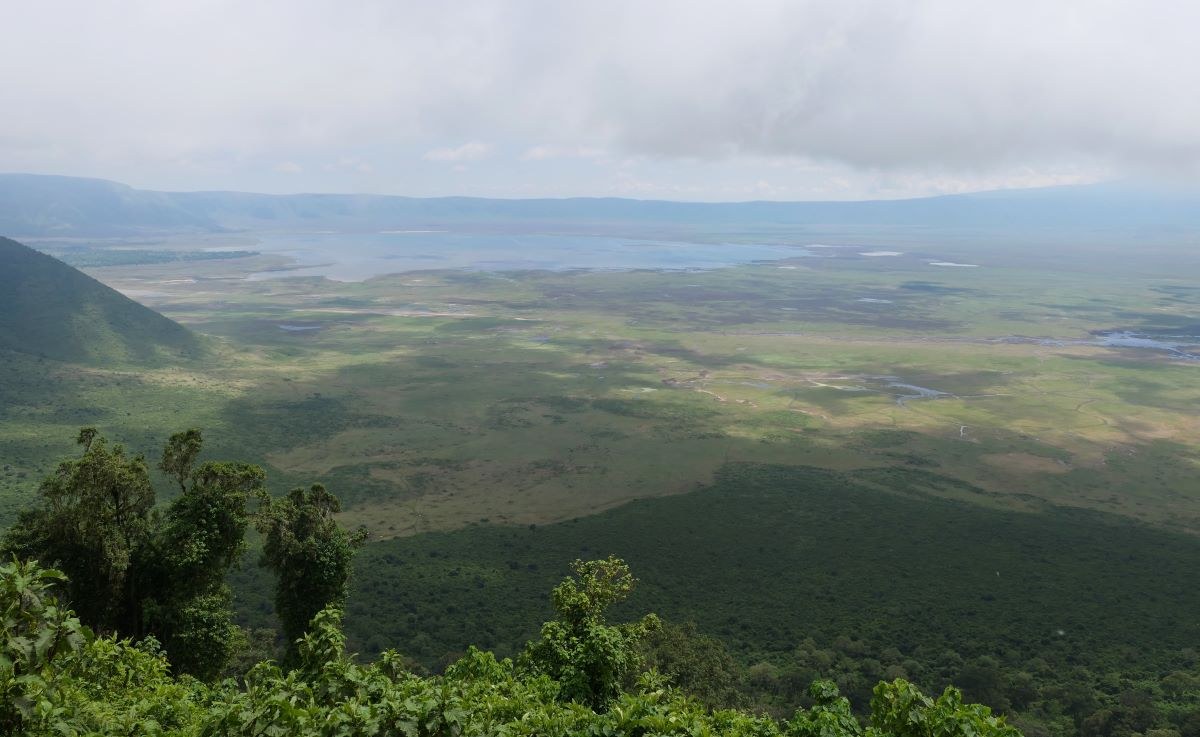
The Ngorongoro Crater is a non-negotiable on any Tanzania safari, and Ngorongoro Serena is the most accessible way to experience it from the rim. Built into the crater wall itself, the lodge blends into the forest with ivy-covered stone walls and a viewing platform that drops away to the crater floor 600 metres below. The rooms are warm and comfortable — you need the blankets at 2,300 metres — and the game drive down to the crater floor, where 25,000 animals share a 260-square-kilometre bowl, is one of the greatest single-day safari experiences on Earth. At $400–550 per person, Serena delivers the crater at half the price of the ultra-luxury rim camps, and the view is identical.
Ngorongoro Sopa Lodge
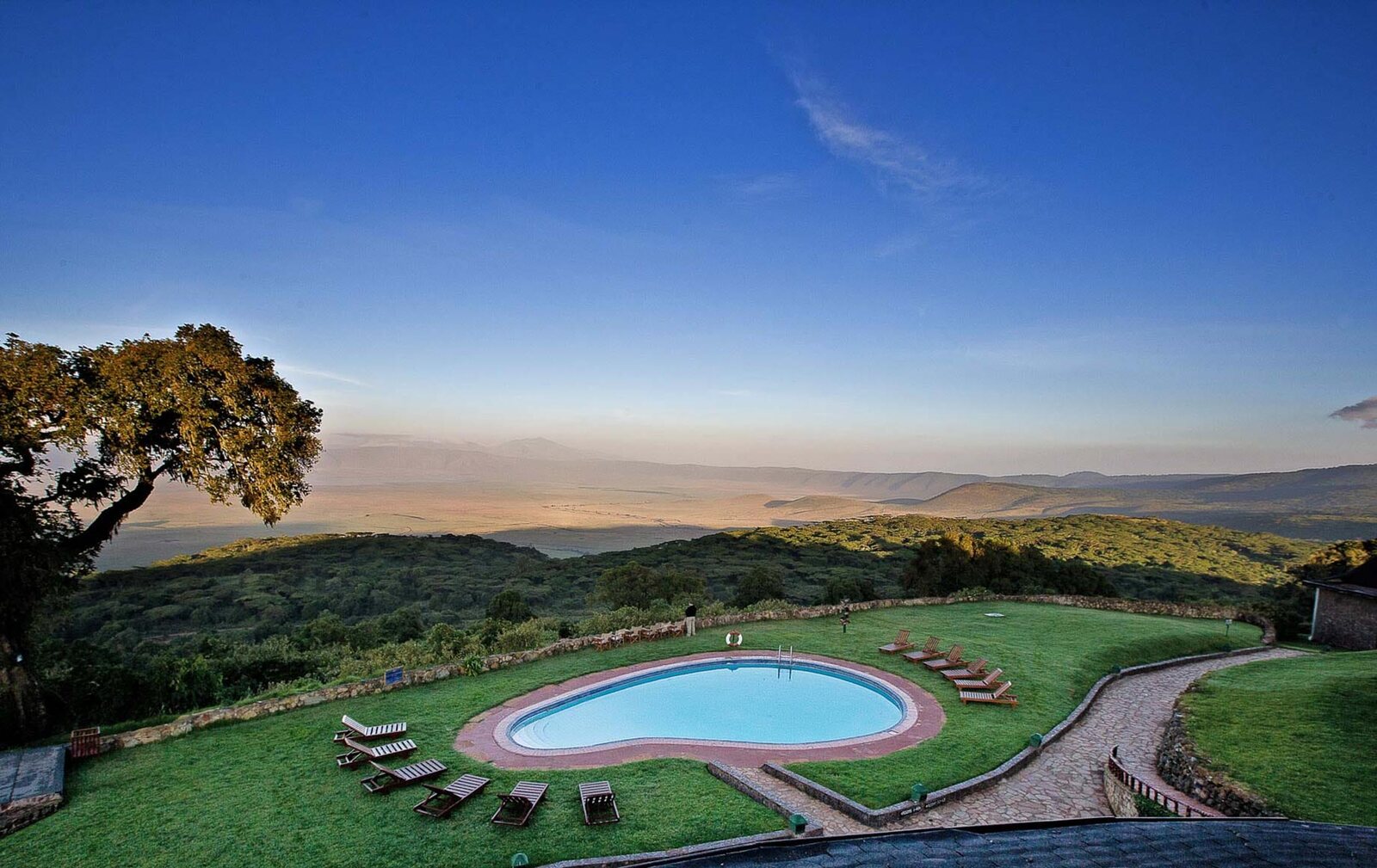
Location: Eastern rim of the Ngorongoro Crater
Rates: ~$350–500 per person per night full board (green season from $280)
Why affordable: Large, well-established rim lodge with competitive group rates
Wildlife: Same crater floor safari — plus the advantage of the eastern descent road
Best for: Budget-conscious travelers who want to sleep on the rim
When to go: Year-round; crater wildlife is resident and non-seasonal
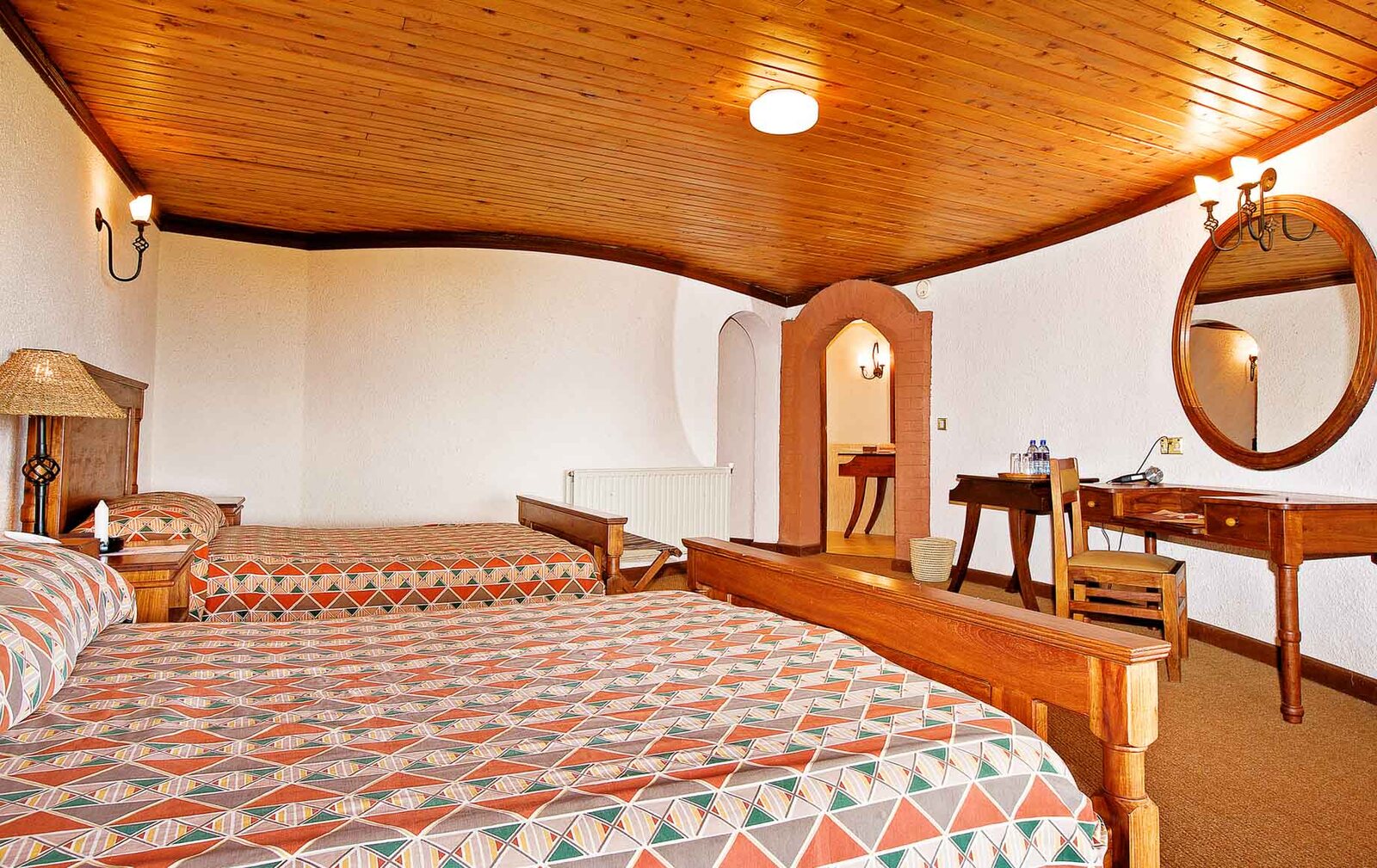
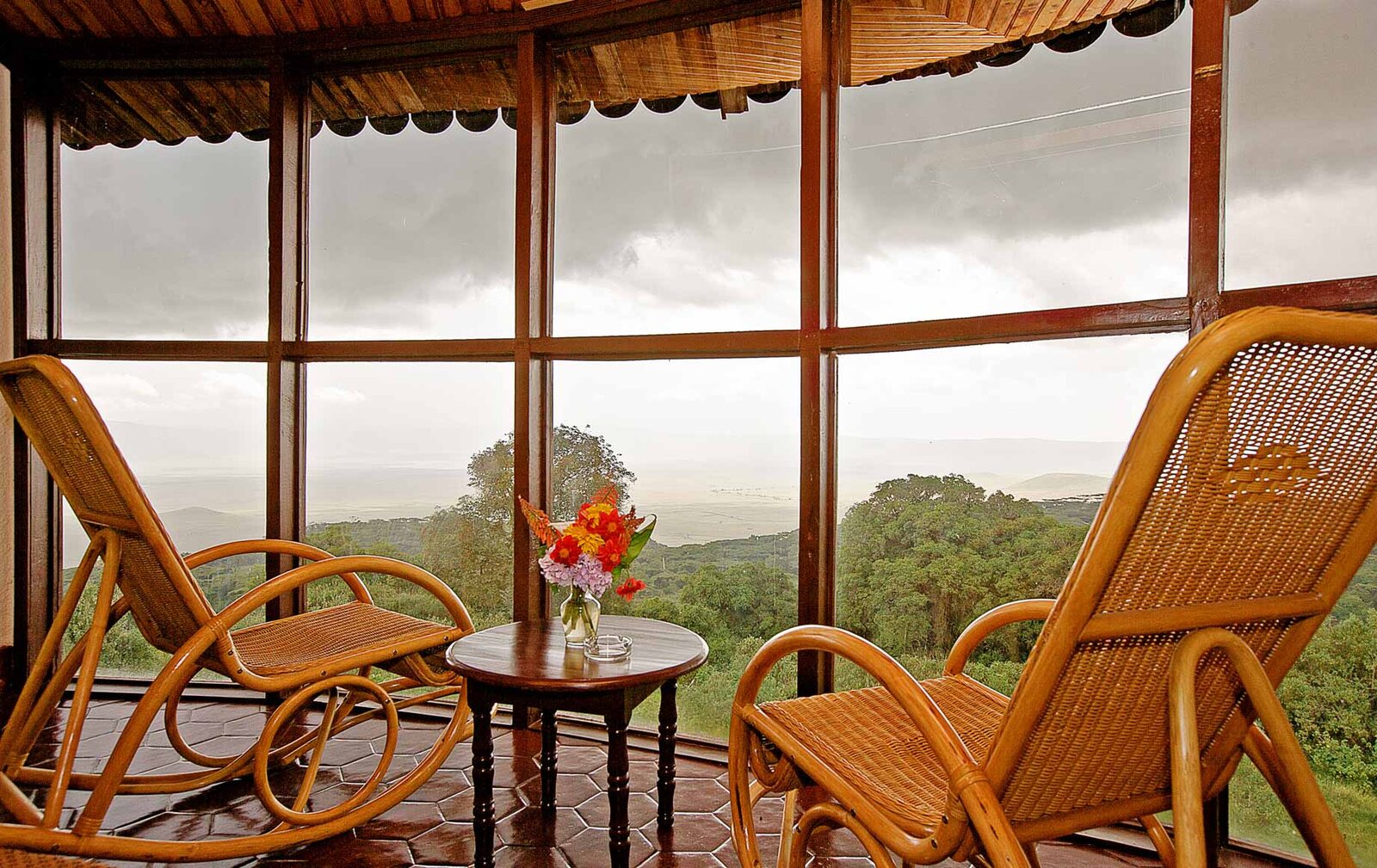
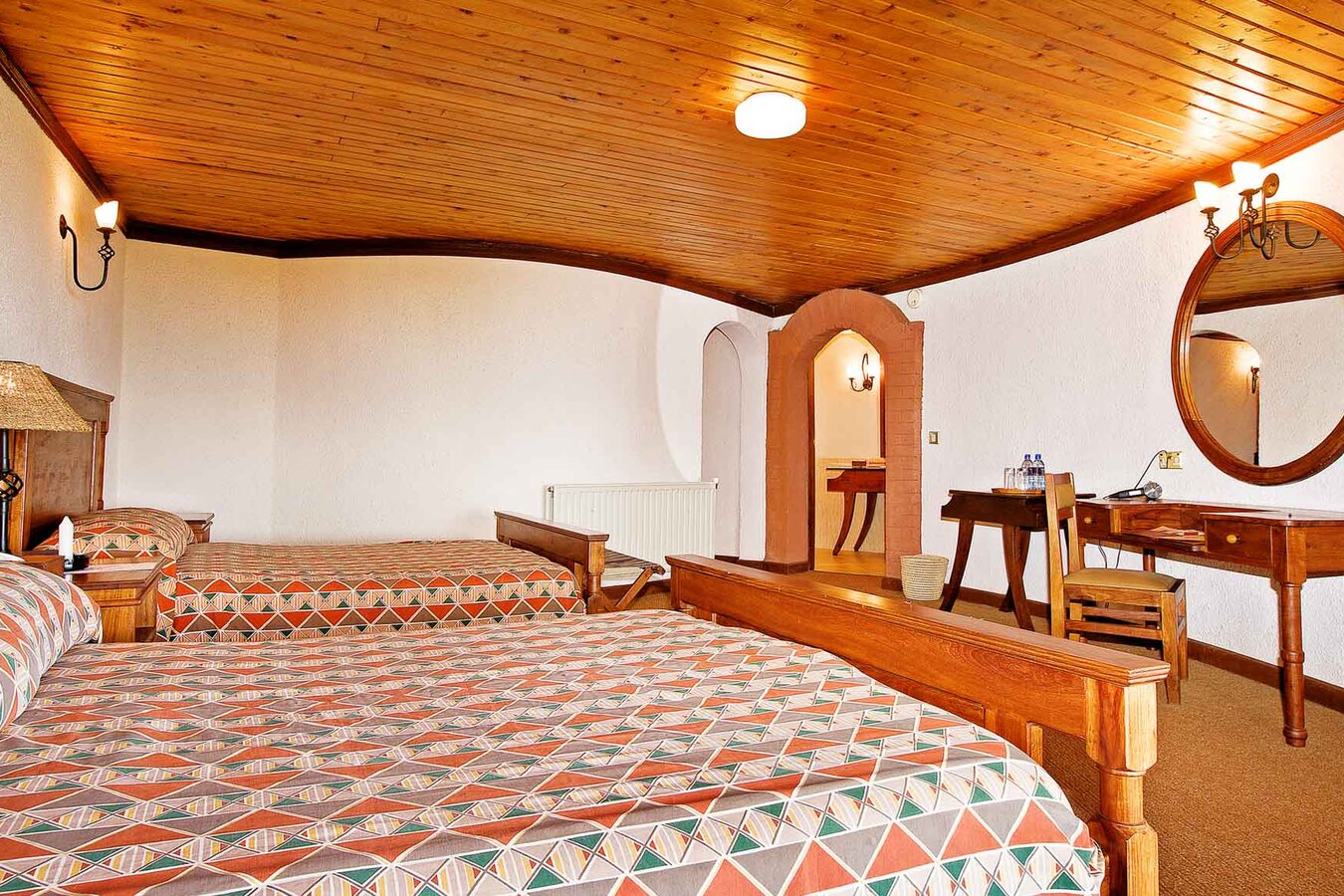
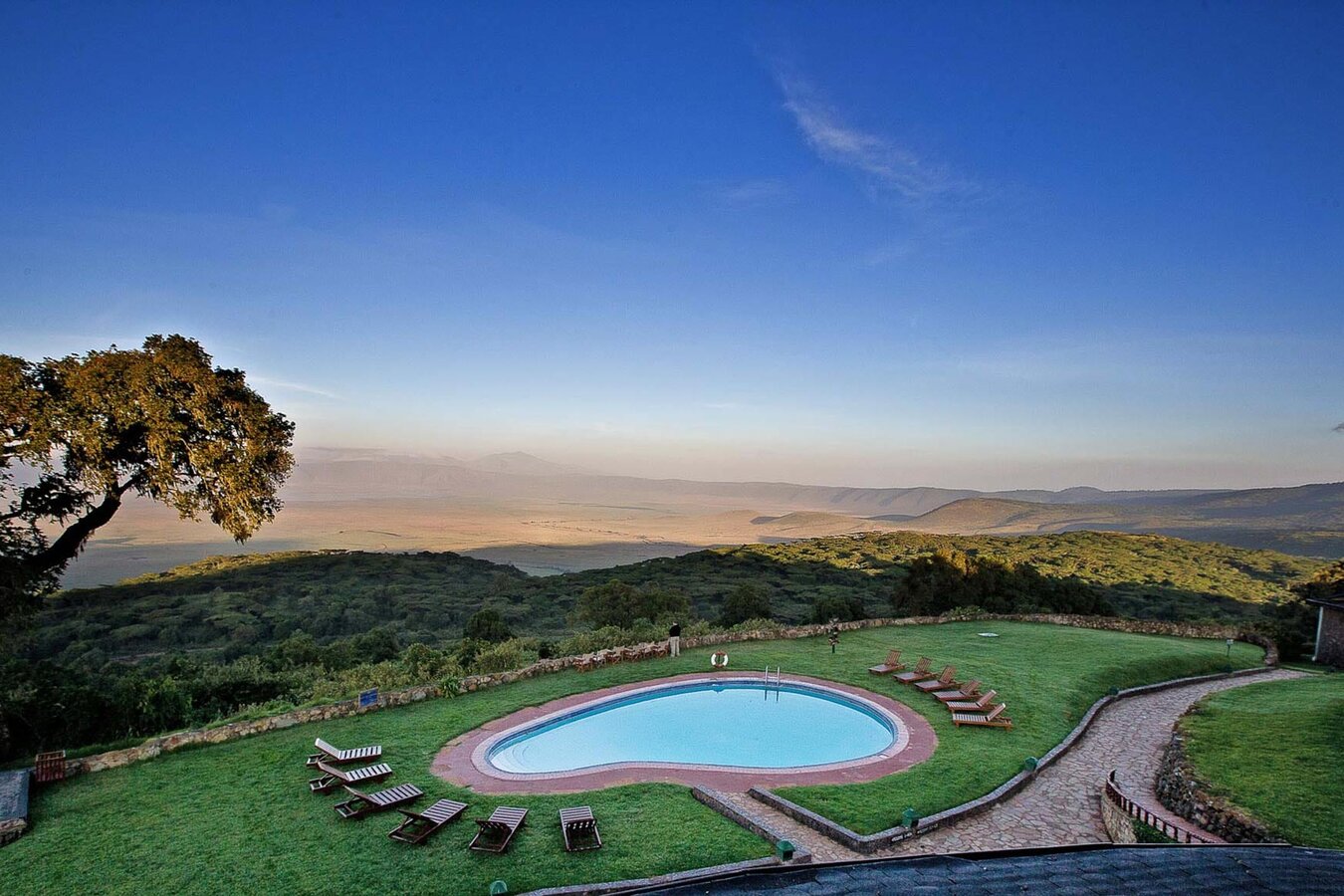
Ngorongoro Sopa occupies the quieter eastern rim, away from the cluster of lodges on the western side, which means a slightly longer drive to the crater floor descent road — but also a more peaceful atmosphere and, often, better rates. The lodge is large (97 rooms), with gardens, a pool, and panoramic rim views, and the game drives down to the crater floor deliver the same lions, rhinos, flamingos and elephant bulls that every rim lodge sees. At $350–500 per person, Sopa is the most budget-friendly way to sleep on the rim itself, and for many travelers, the eastern-rim solitude is a bonus rather than a compromise.
Ngorongoro Farm House
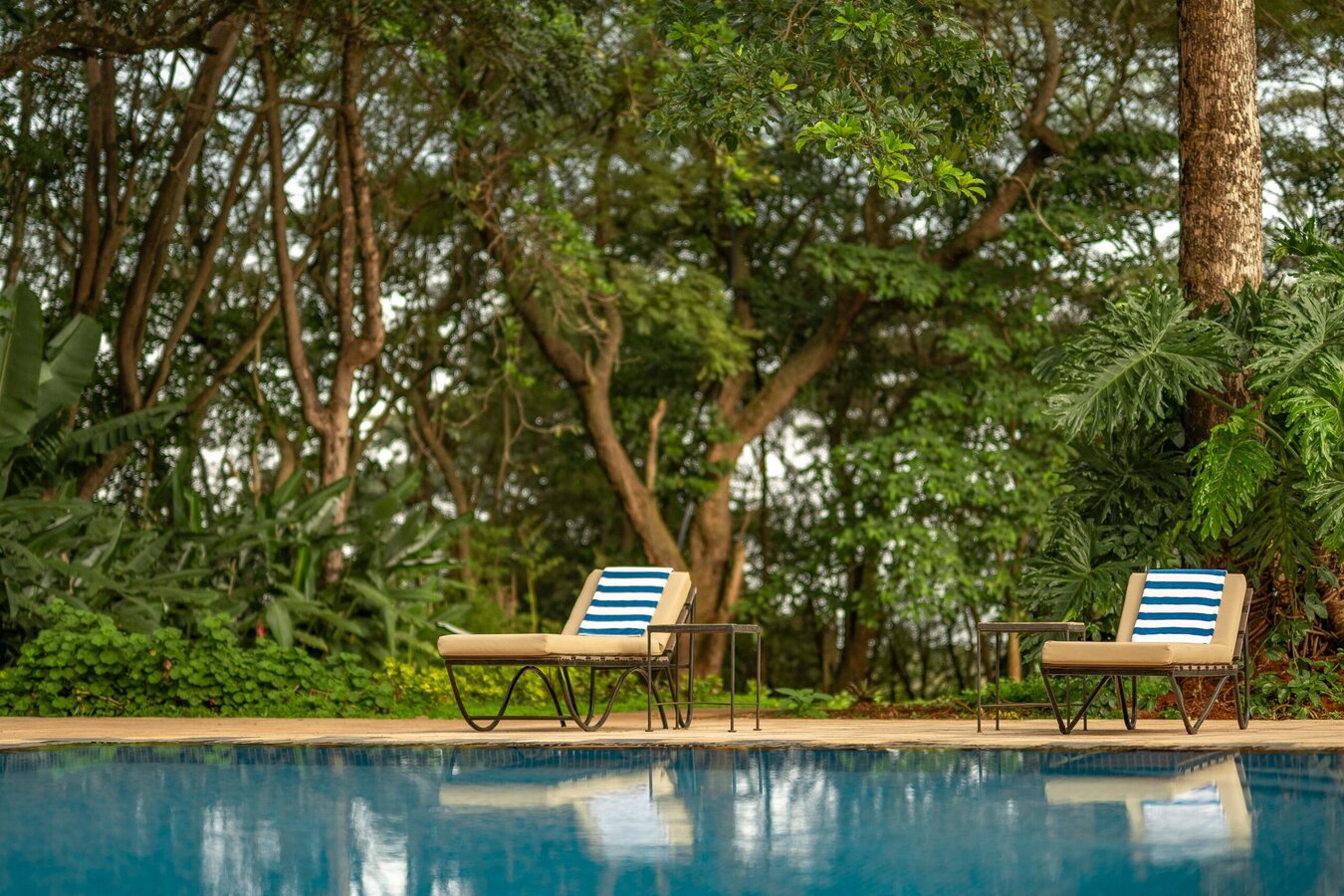
Location: Karatu, on a working coffee plantation between Lake Manyara and the Ngorongoro Crater
Rates: ~$200–350 per person per night full board
Why affordable: Gateway lodge outside the conservation area — no NCA overnight fees
Wildlife: Day trips to the crater floor and Lake Manyara from a comfortable base
Best for: Budget-smart travelers who want crater access without crater-rim prices
When to go: Year-round
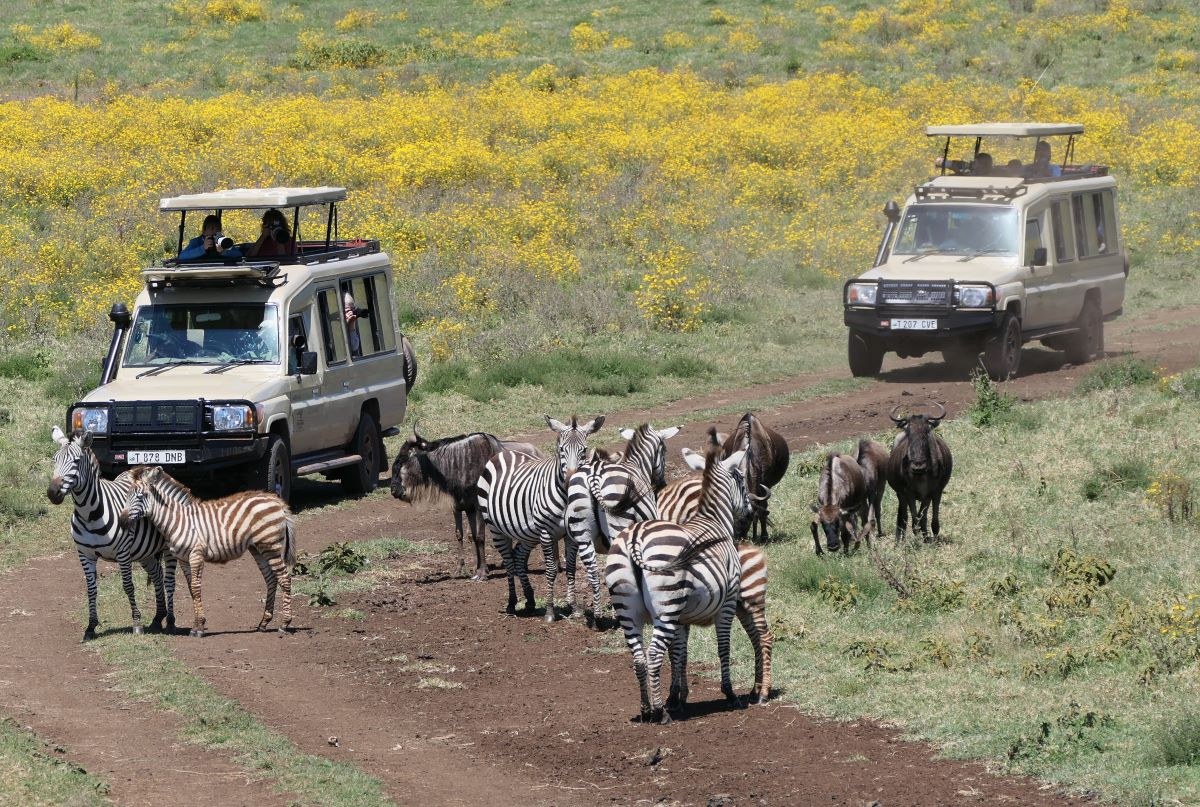
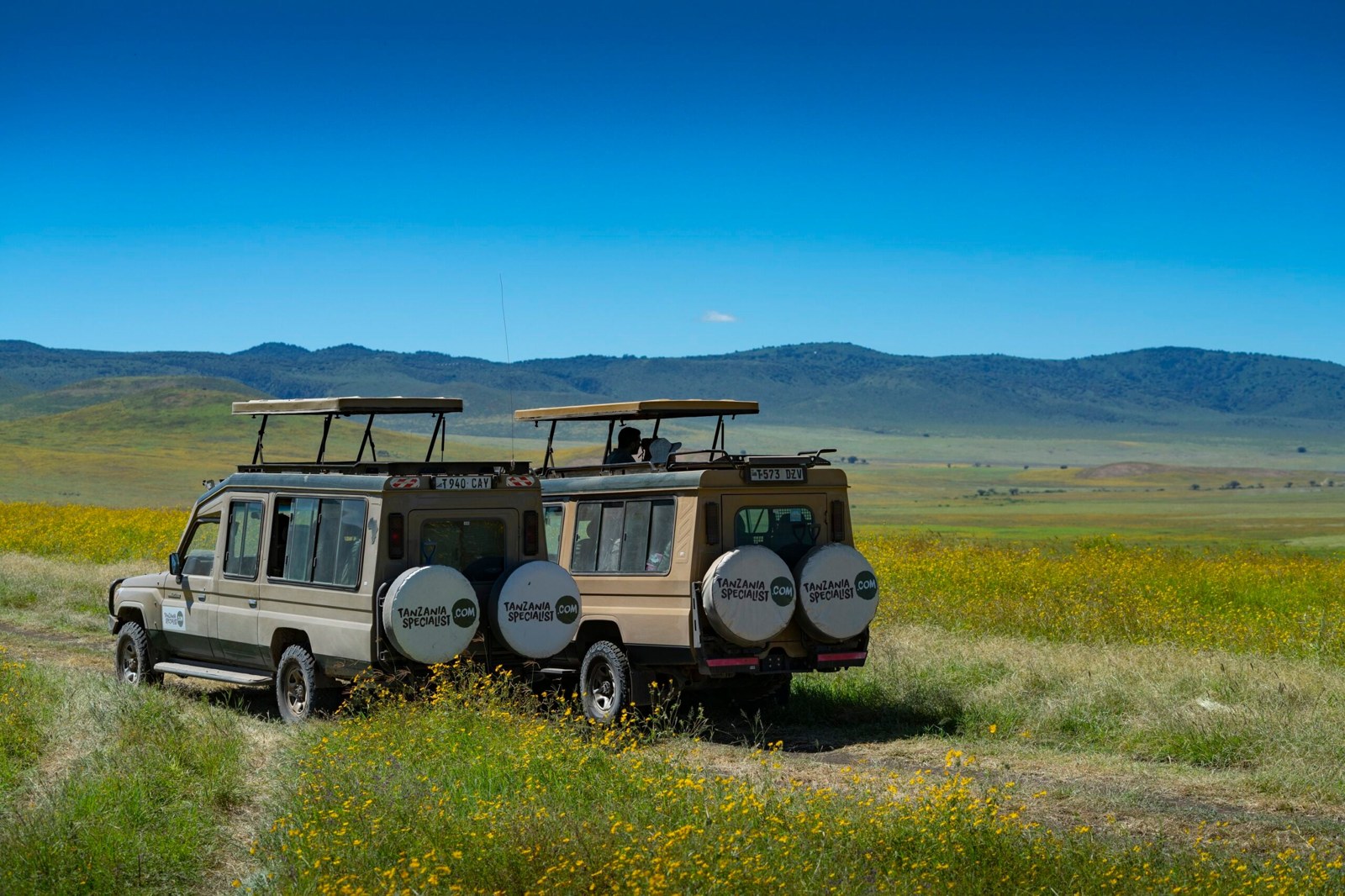
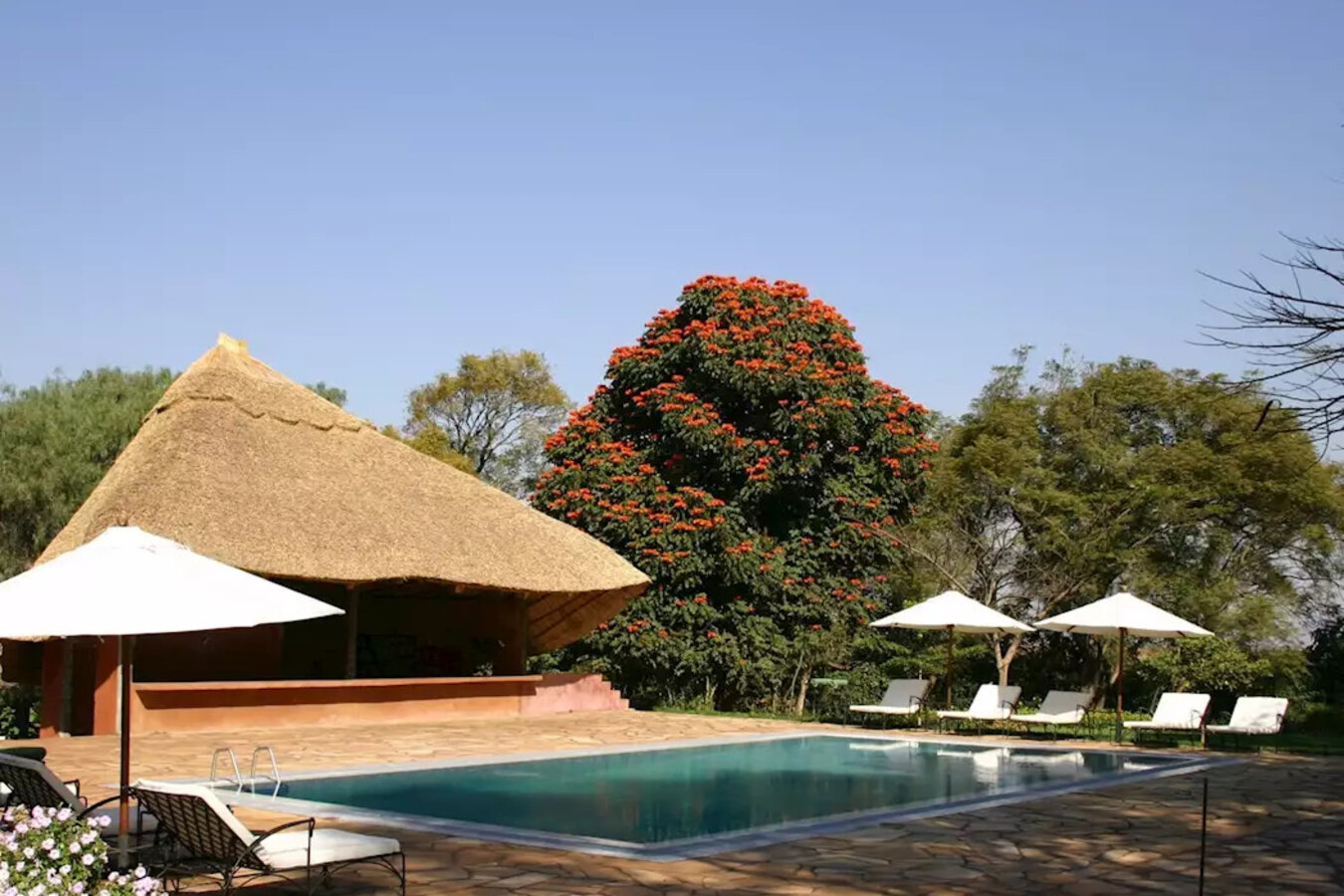
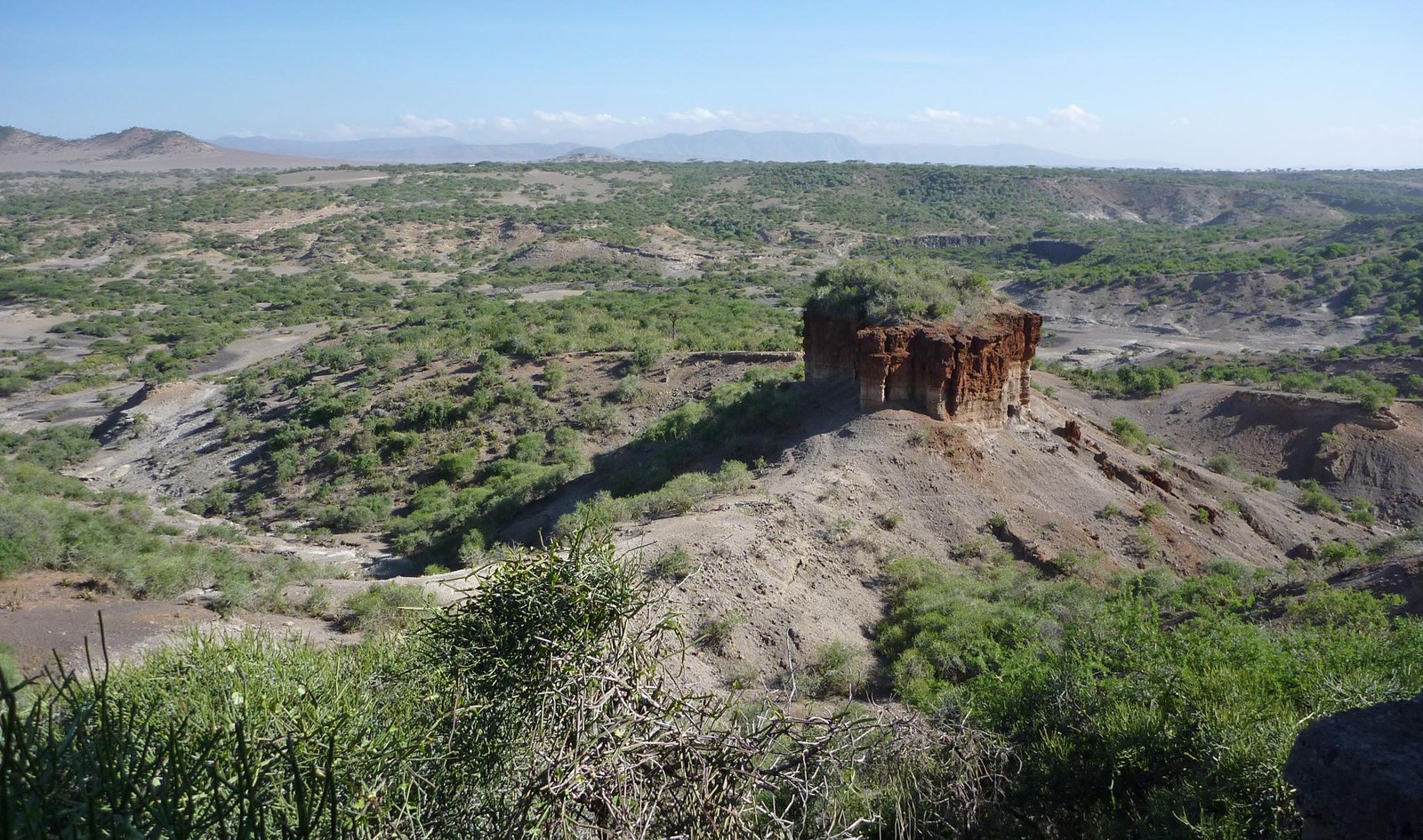
Here is the secret the ultra-luxury crater-rim lodges do not want you to know: you do not have to sleep on the rim to safari the crater. Karatu, the highland town 45 minutes from the crater gate, is home to a collection of charming lodges that offer crater day trips at a fraction of rim prices. Ngorongoro Farm House is the pick — a colonial-era property on a working coffee plantation, with spacious rooms, lush gardens, a pool, and the kind of warm, personal atmosphere that the big rim lodges cannot replicate. You drive to the crater gate, descend to the floor, safari all day, and return to the Farm House for sundowners in the garden. At $200–350 per person, it is the smartest budget play on the northern circuit.
Tarangire National Park — Elephants and Baobabs
Tarangire Sopa Lodge
Location: Inside Tarangire National Park
Rates: ~$250–400 per person per night full board (green season from $200)
Why affordable: Established in-park lodge at the Sopa group's competitive rates
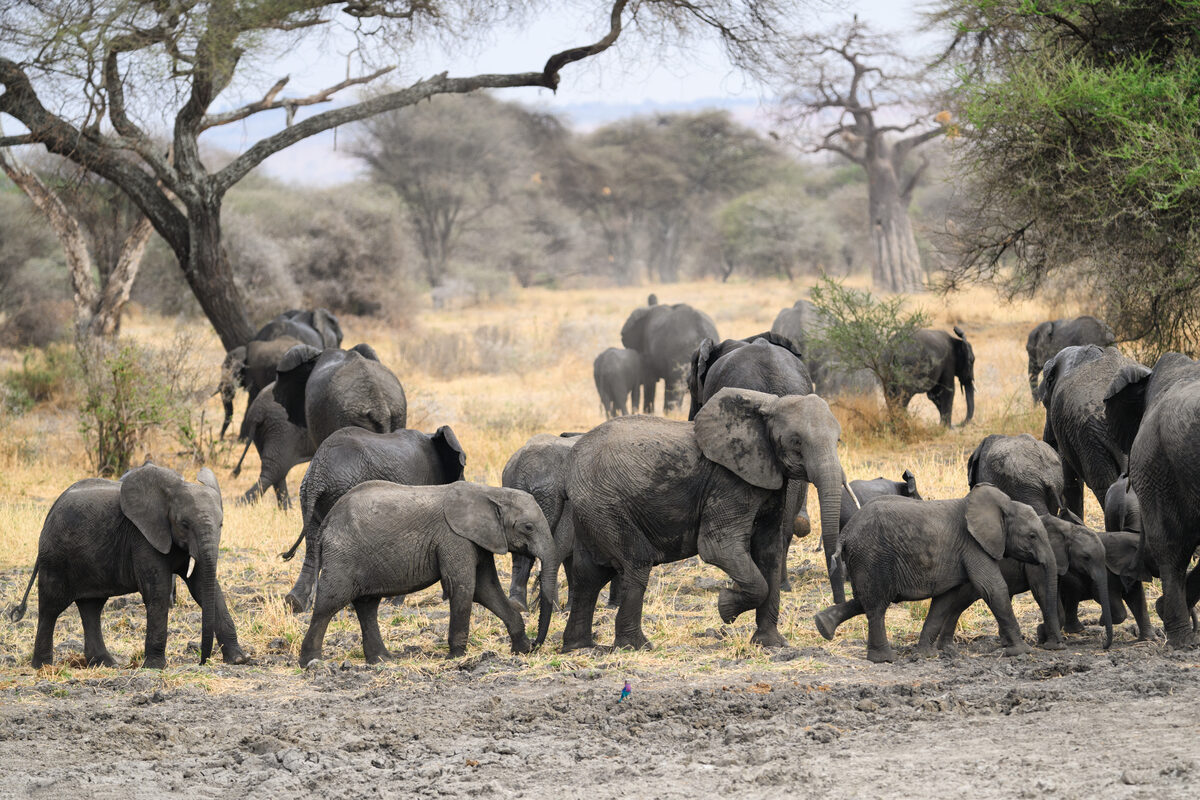
Wildlife: Tarangire's famous elephant concentrations, tree-climbing lions, baobab forests
Best for: Elephant lovers, photographers, northern circuit itineraries
When to go: June–October for massed elephant herds; year-round resident game
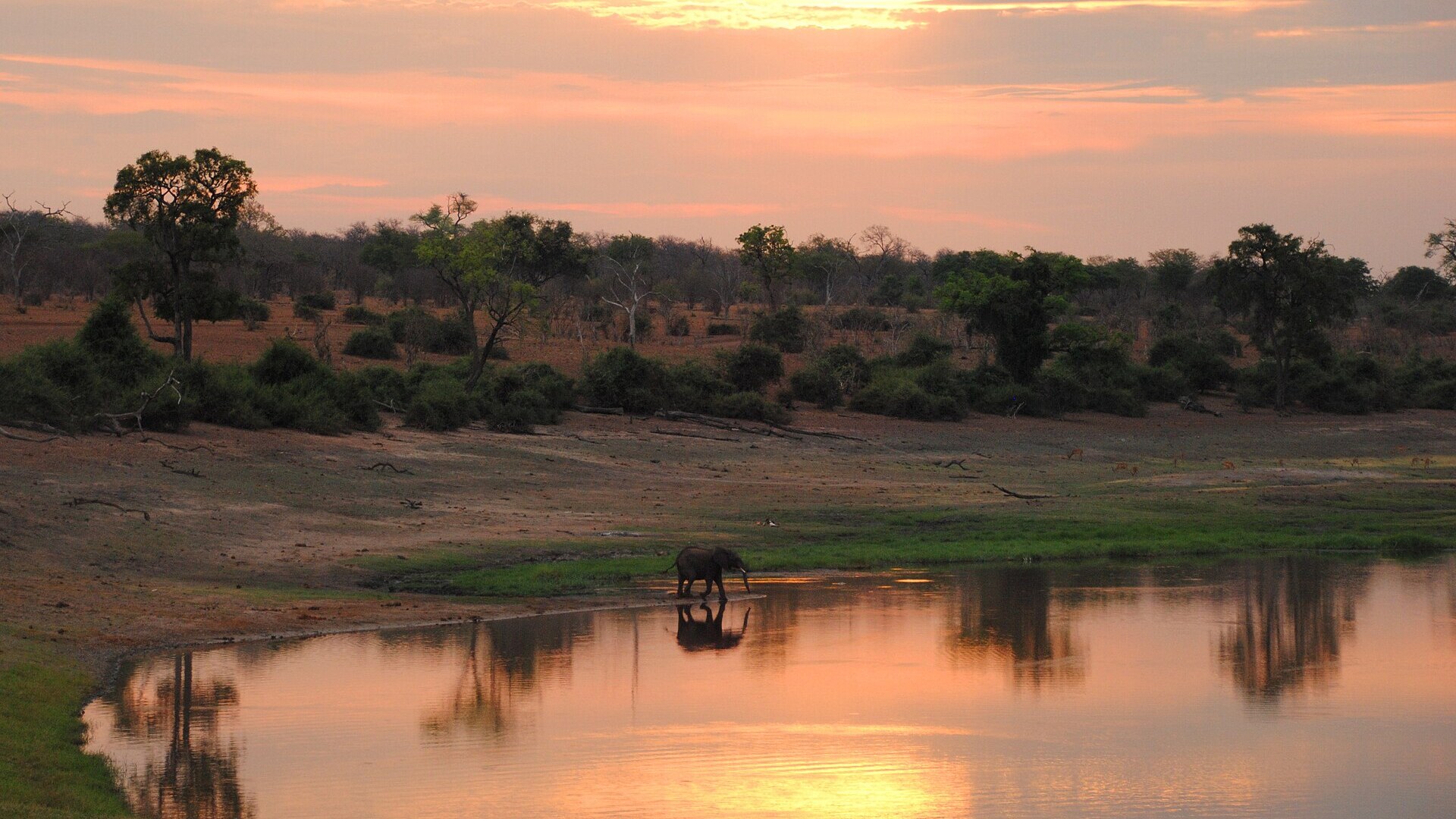
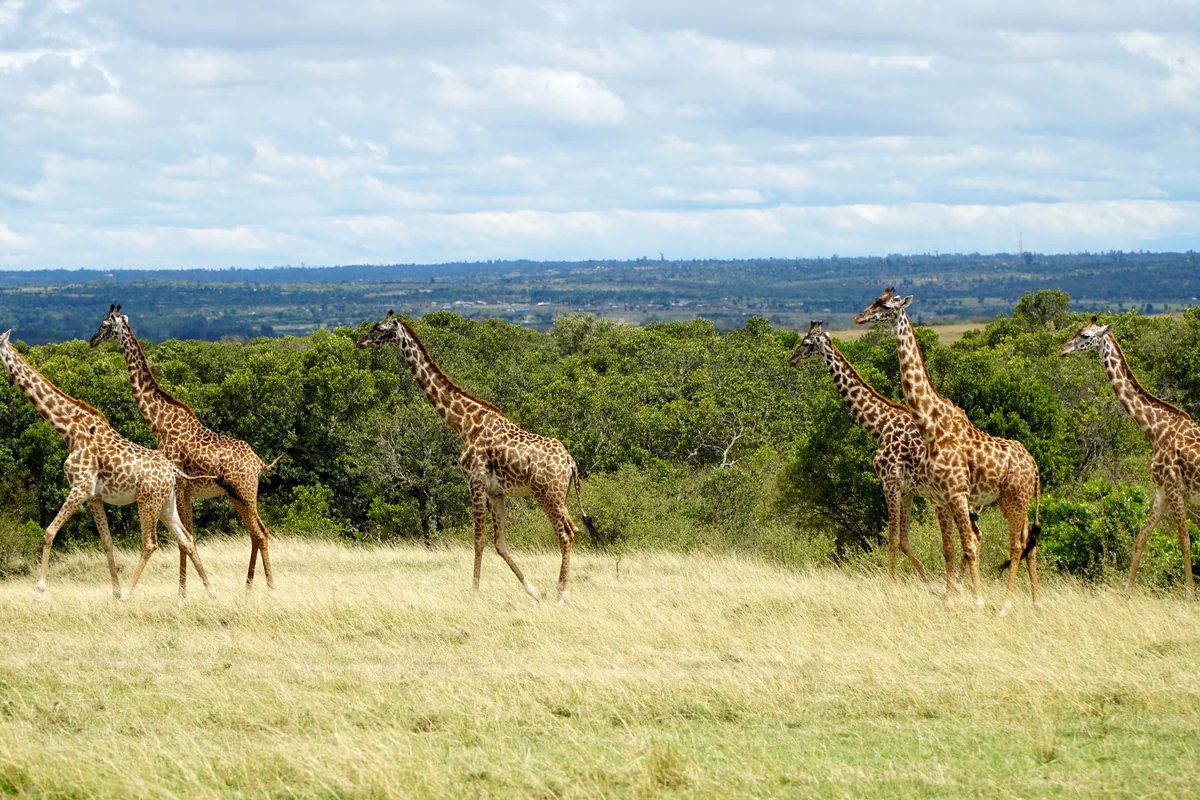
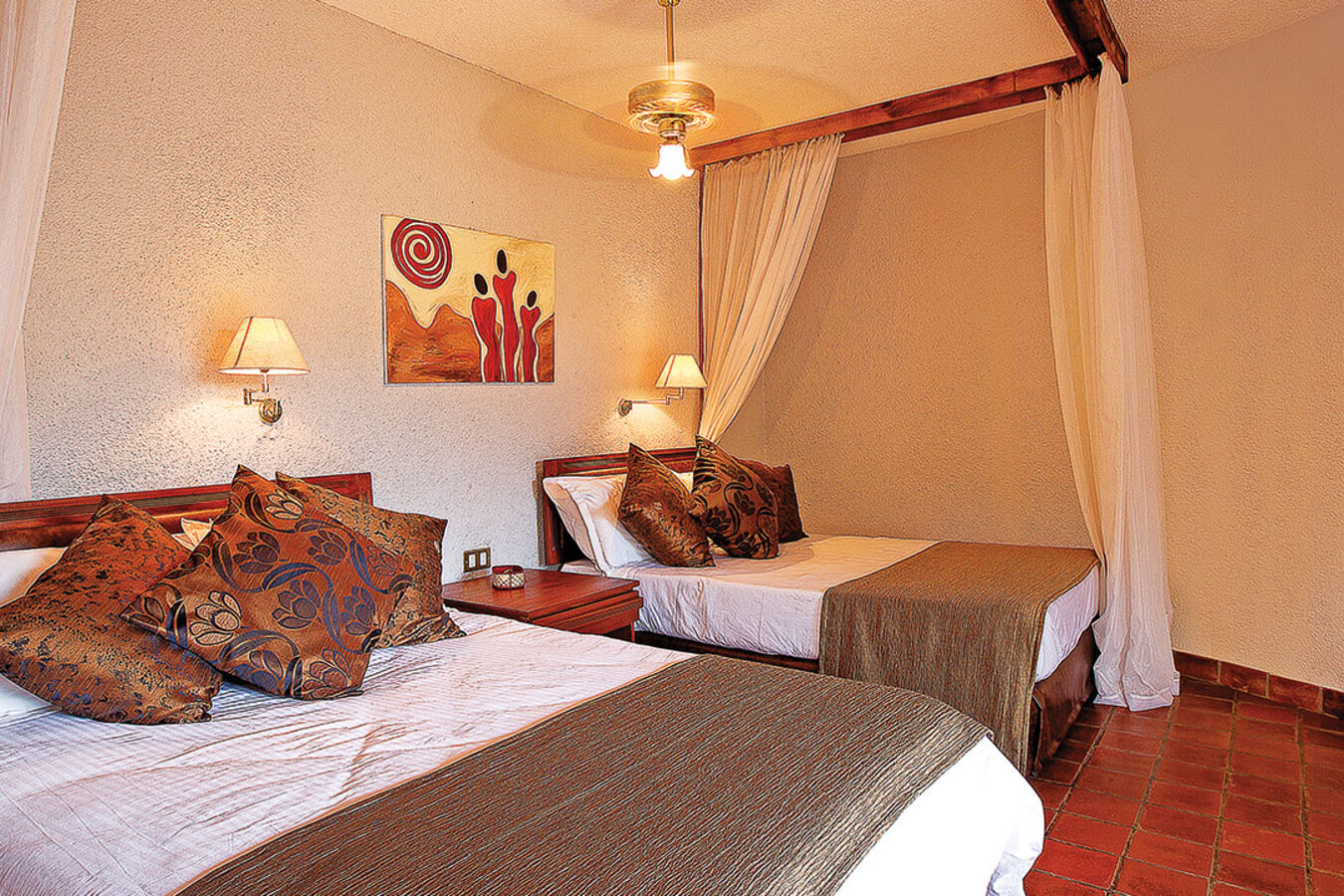
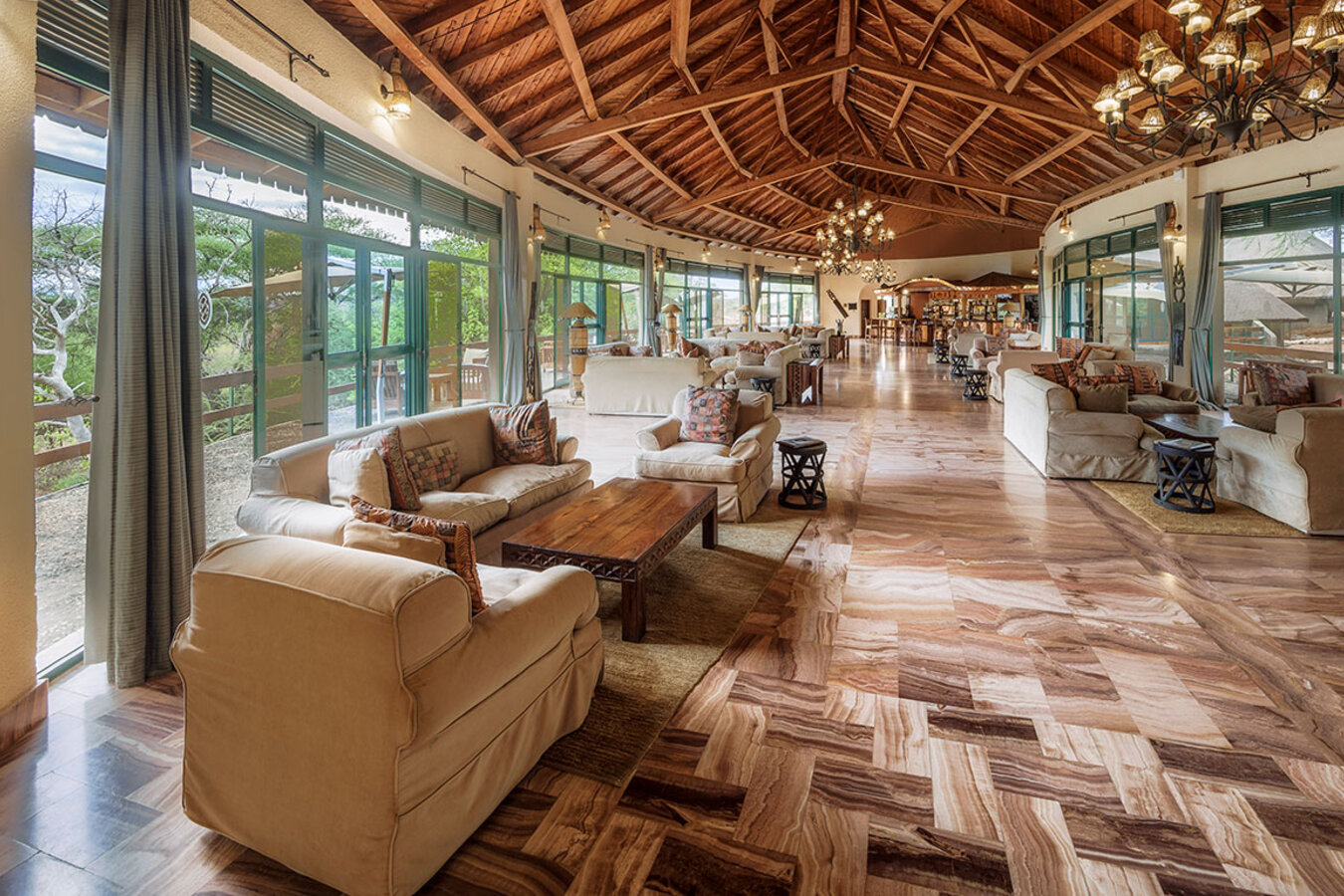
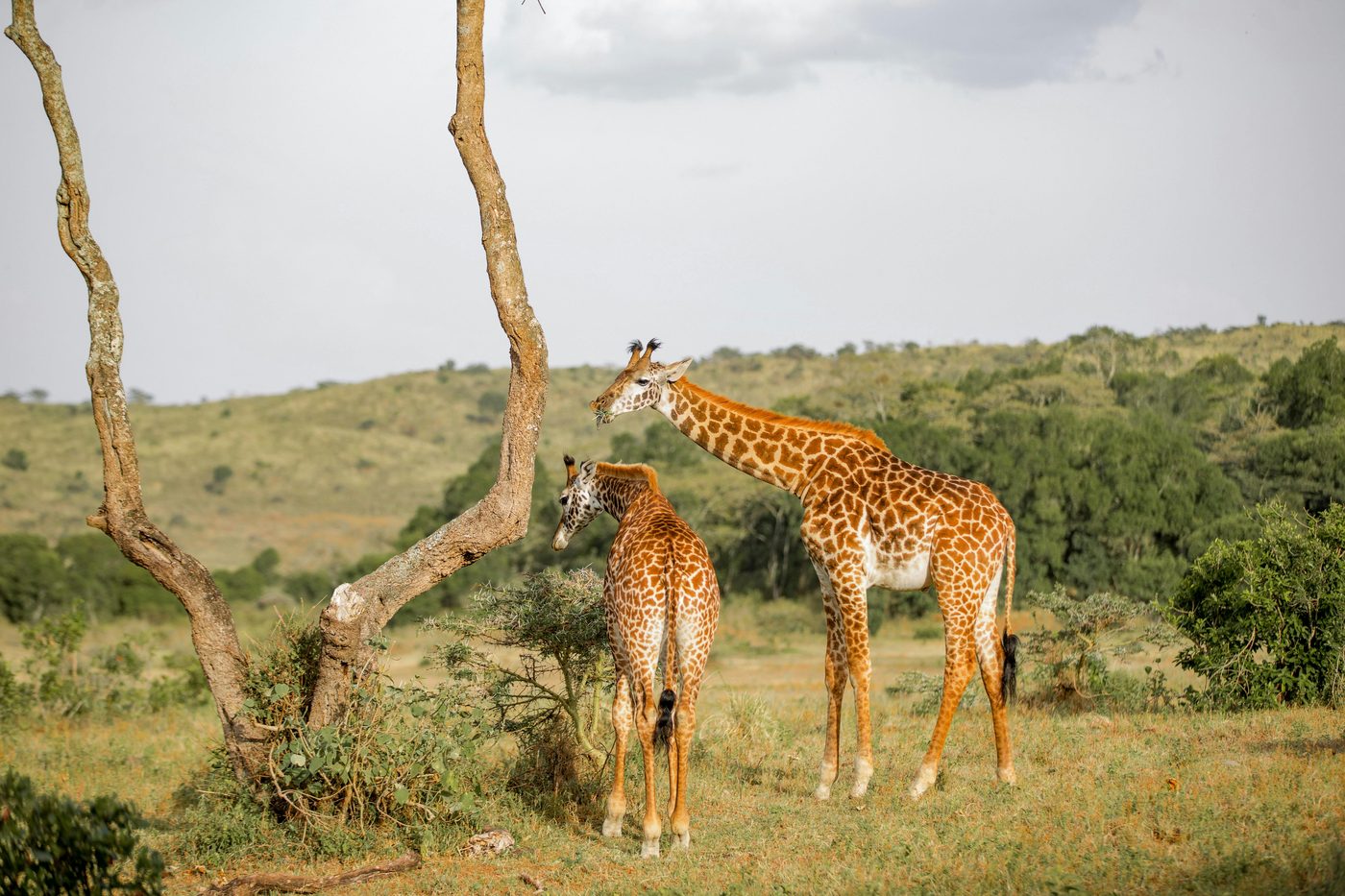
Tarangire is northern Tanzania's underrated jewel — fewer crowds than the Serengeti, elephant concentrations that rival Amboseli, and a landscape of ancient baobabs that gives every photograph a painterly quality. Tarangire Sopa Lodge sits inside the park with views over the Tarangire River, where elephants come to drink in the dry season in herds of 200 or more. The lodge is comfortable, well-run, and the twice-daily game drives deliver superb elephant, giraffe, lion and tree-climbing python sightings. At $250–400 per person, Tarangire Sopa is the most accessible way to experience one of Tanzania's great parks.
Lake Burunge Tented Camp
Location: Burunge Wildlife Management Area, near Tarangire gate
Rates: ~$180–300 per person per night full board
Why affordable: Outside the park in a wildlife corridor — lower fees, same elephants
Wildlife: Tarangire corridor elephants, giraffe, zebra, night drives permitted
Best for: Budget travelers who want Tarangire access plus night drives
When to go: June–October for dry-season elephant migrations through the corridor
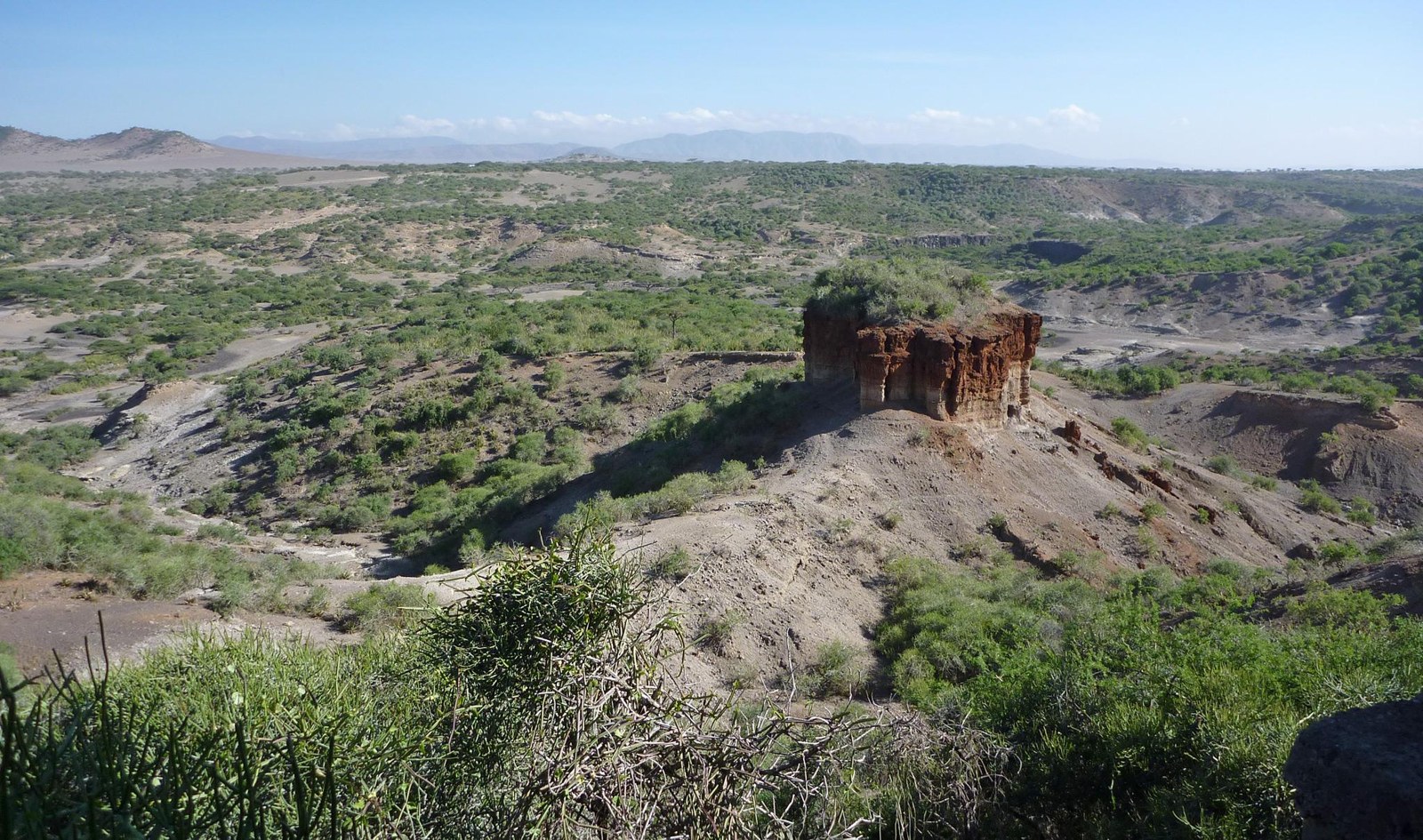
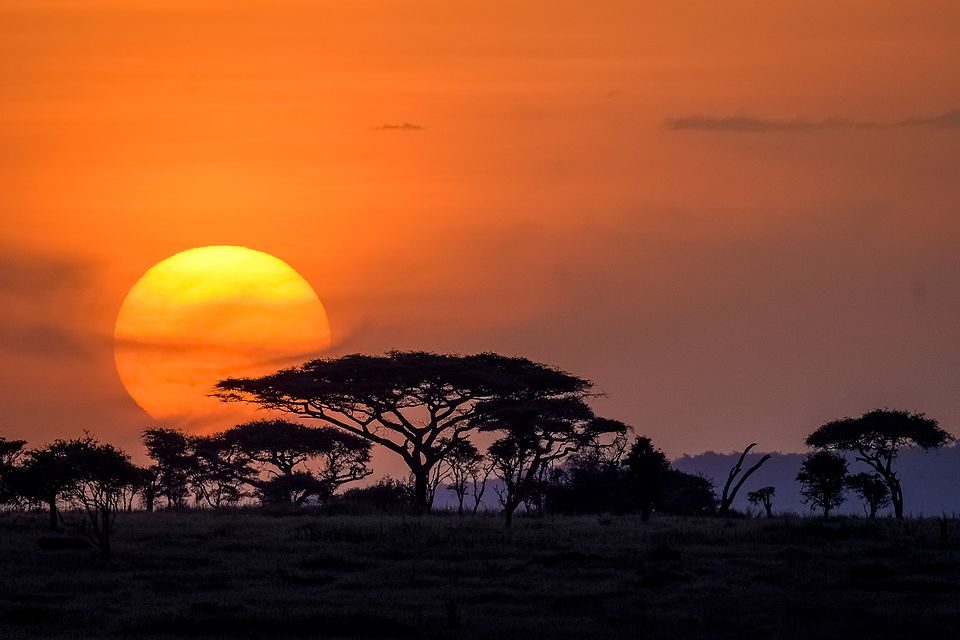
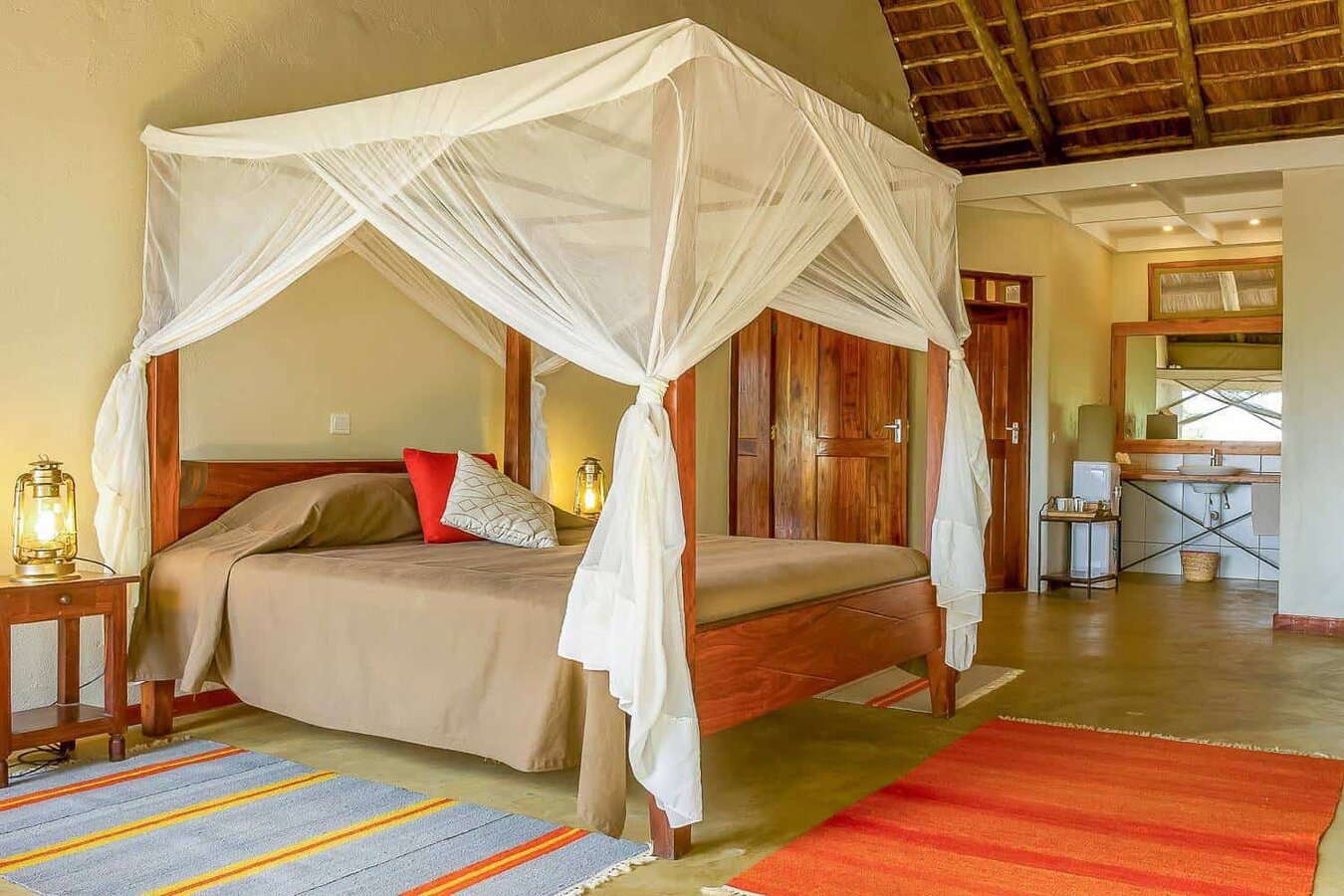
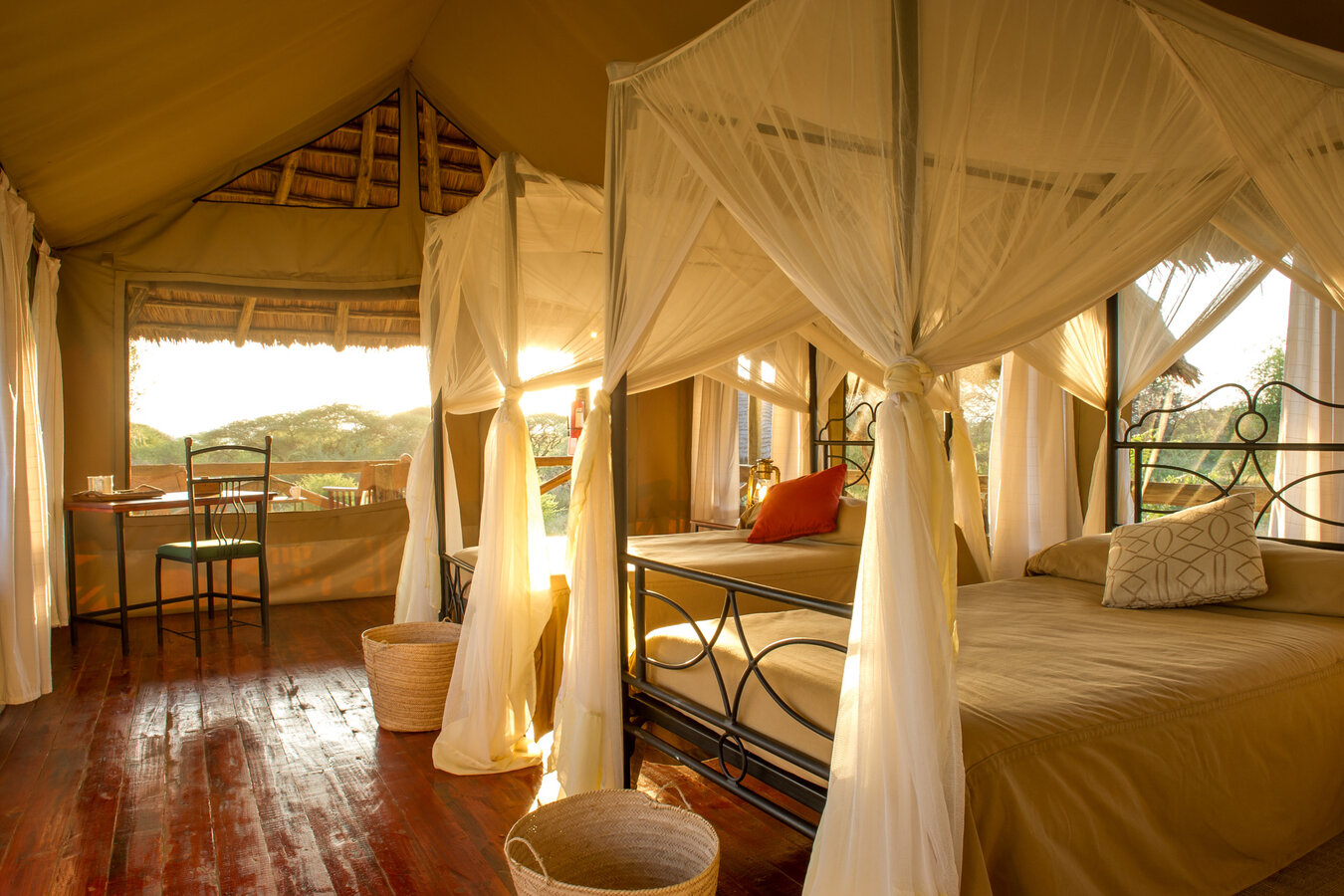
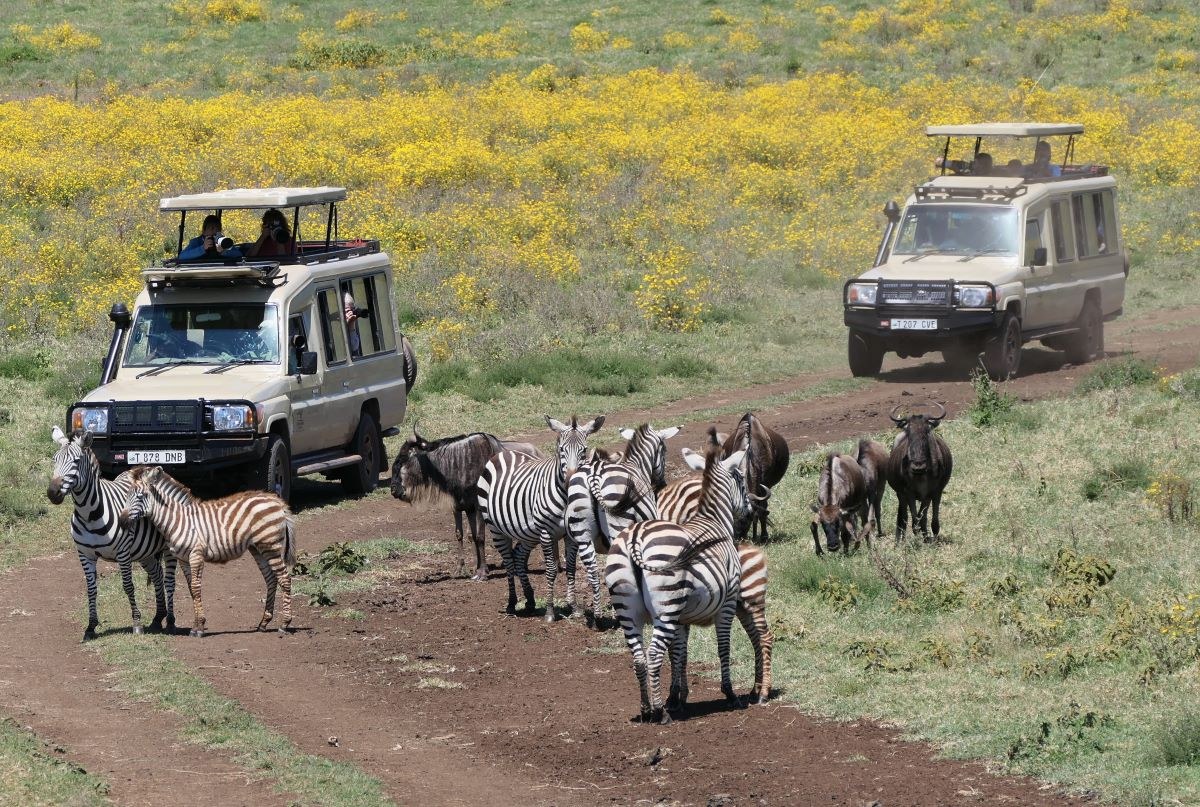
Lake Burunge sits in the wildlife corridor between Tarangire and Lake Manyara, which means elephants, giraffe and zebra migrate through the camp's backyard. Being outside the national park has two advantages: lower fees and the ability to offer night drives and walking safaris that are not permitted inside Tarangire itself. The tents are comfortable and en-suite, raised on platforms with views over the surrounding bush, and the atmosphere is intimate and unhurried. At $180–300 per person, Lake Burunge is one of the best-value bases for Tarangire, especially for travelers who want activities beyond the standard game drive.
Lake Manyara — The Rift Valley Jewel
Lake Manyara Serena Safari Lodge
Location: Rift Valley escarpment above Lake Manyara National Park
Rates: ~$250–370 per person per night full board (green season from $200)
Why affordable: Established escarpment lodge with panoramic views at the Serena group's fair rates
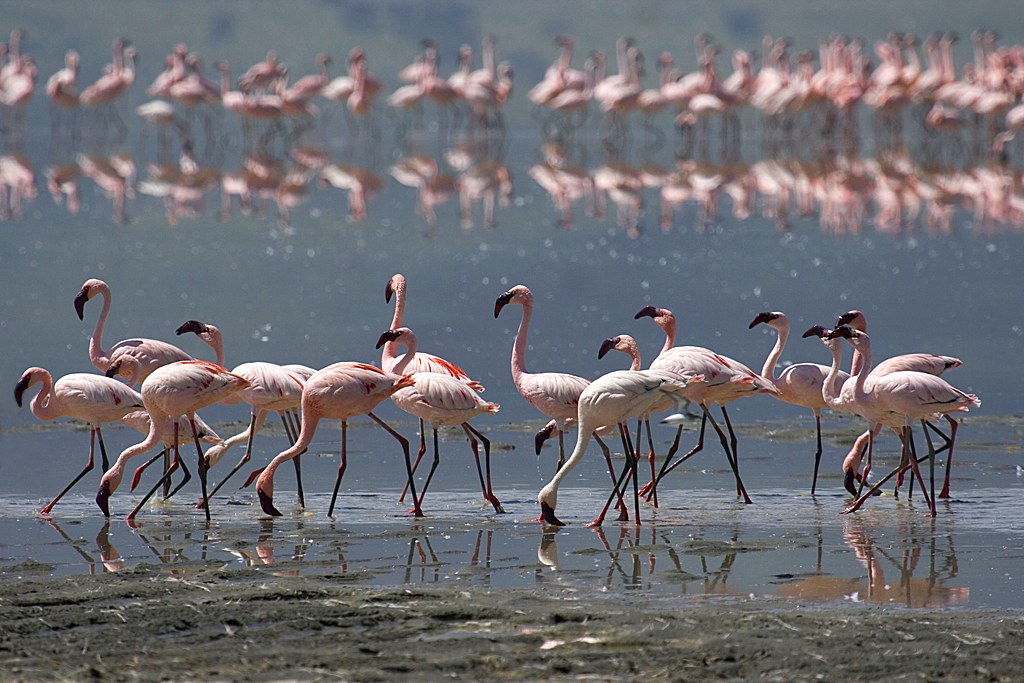
Wildlife: Tree-climbing lions, flamingos, hippos, elephant, prolific birdlife (400+ species)
Best for: Birders, tree-climbing lion seekers, northern circuit stopover
When to go: June–October for dry-season game; November–April for flamingos and birding
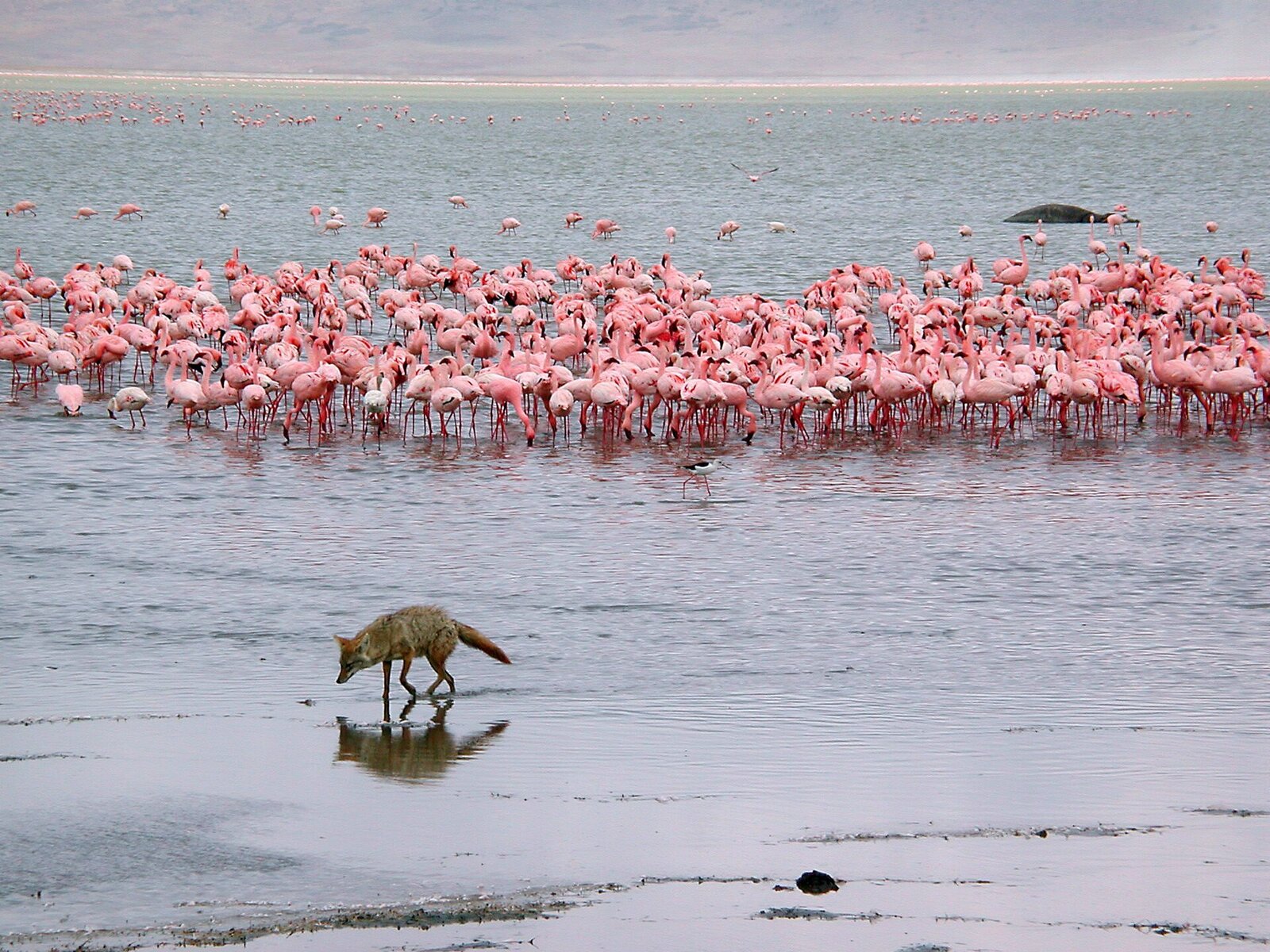
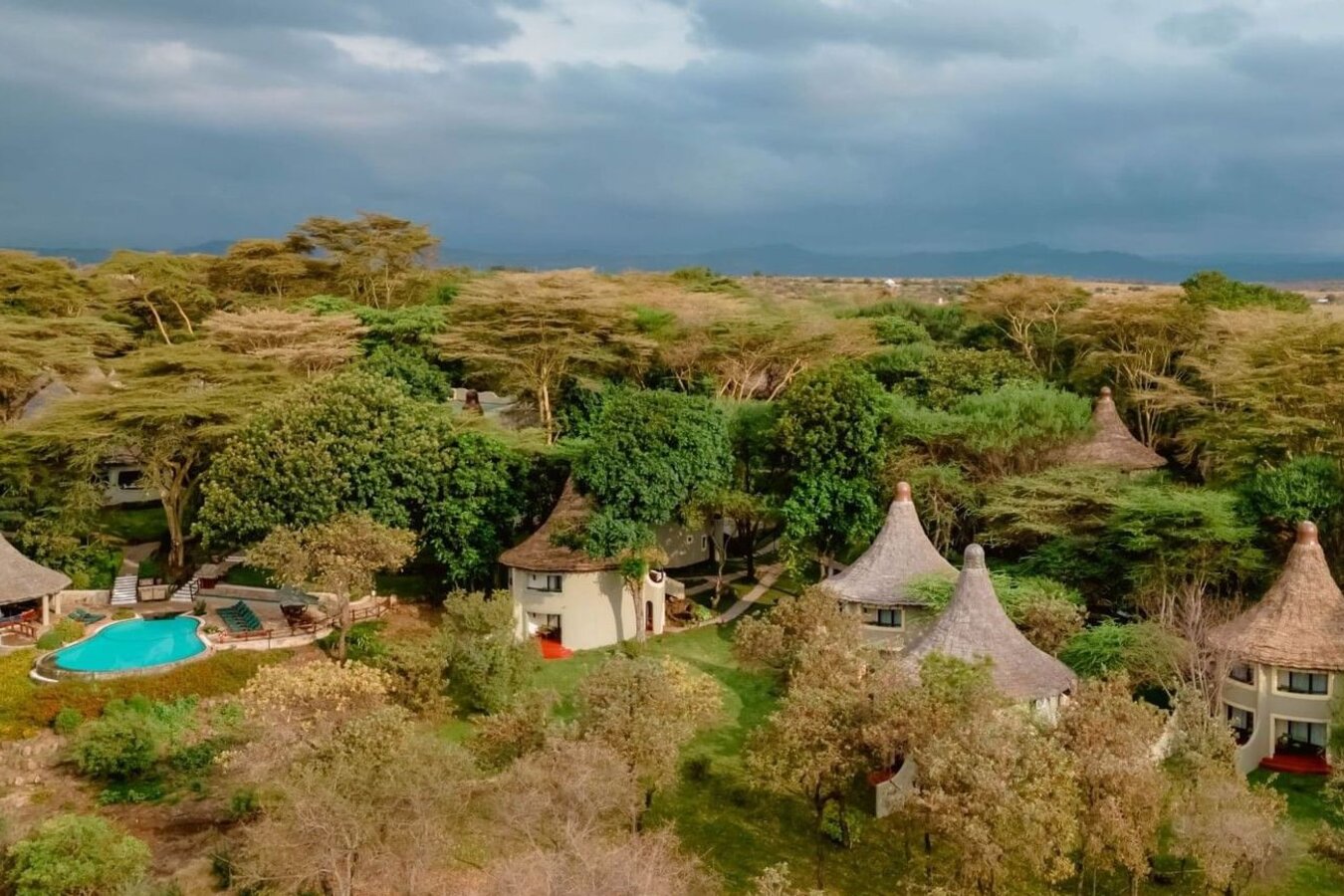
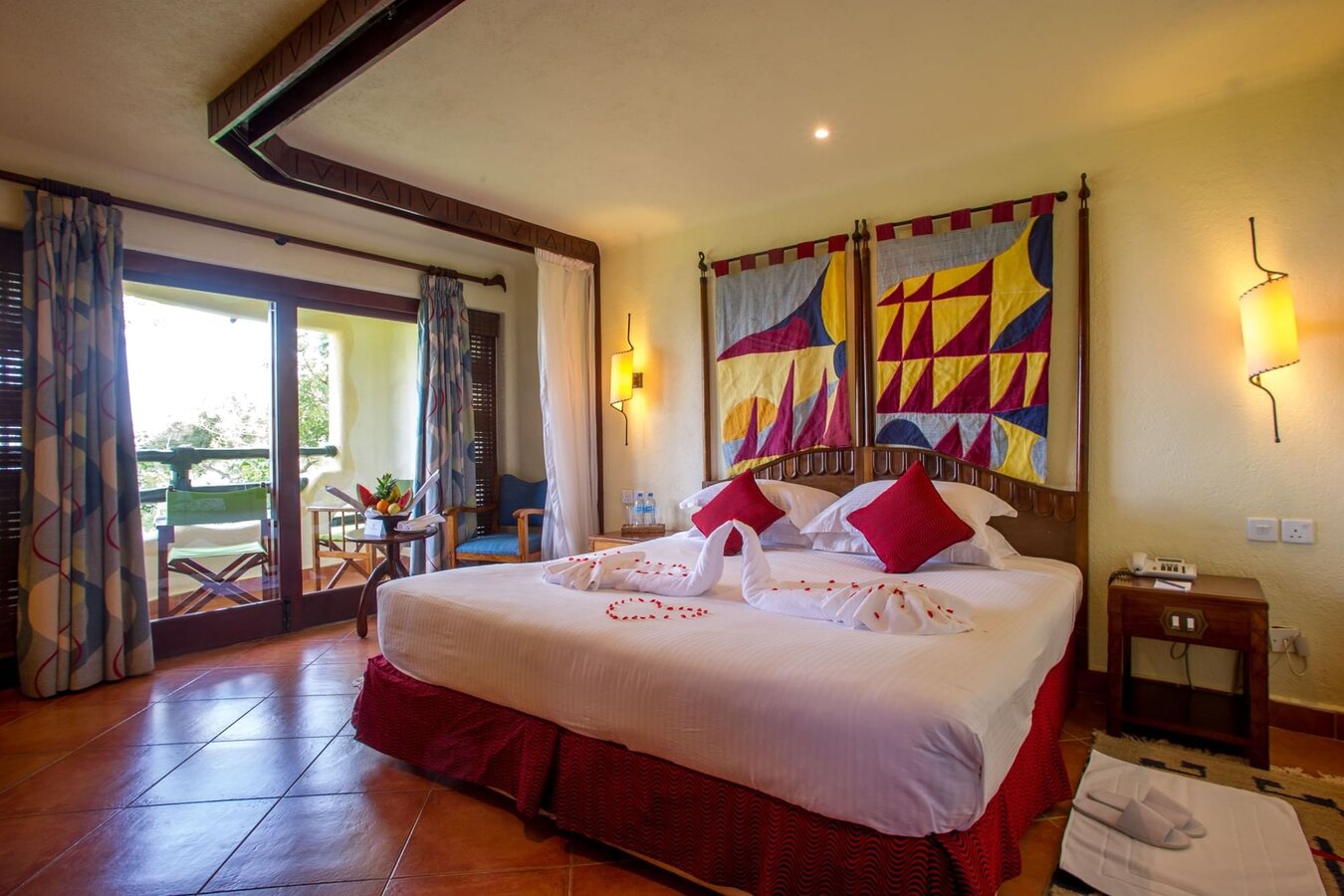
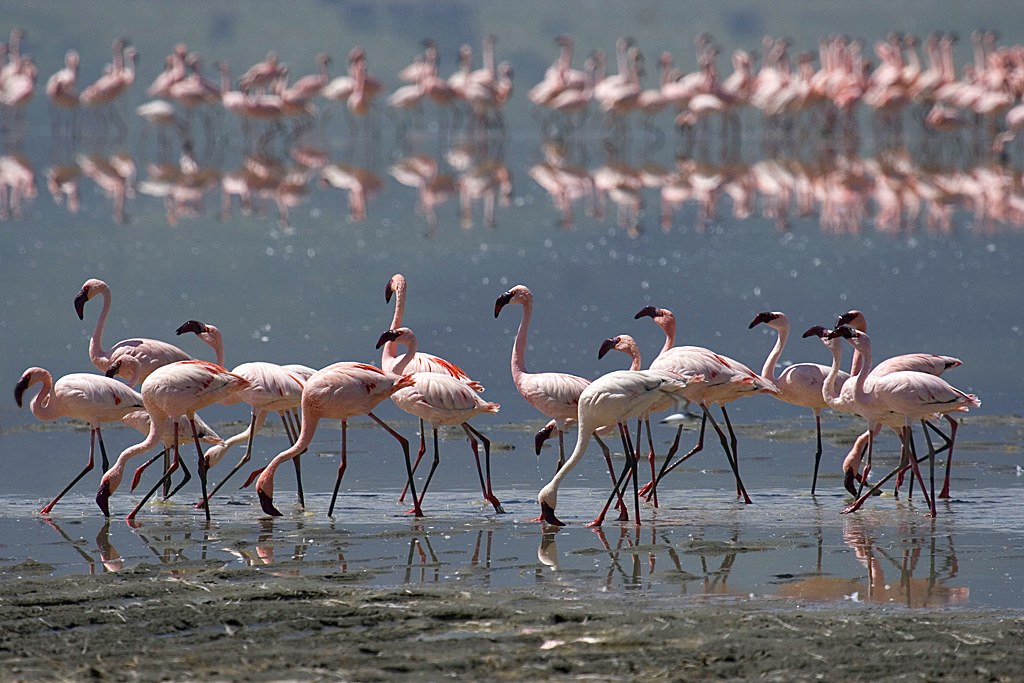
Lake Manyara is one of the smallest but most diverse parks on the northern circuit, famous for its tree-climbing lions, vast flamingo flocks, and the dramatic Rift Valley escarpment that walls its western edge. Lake Manyara Serena sits on top of that escarpment, with views that sweep across the lake, the forest below, and the Rift Valley beyond — one of the finest locations in all of northern Tanzania. The lodge is comfortable and well-run, with a pool on the cliff edge and access to the park below. At $250–370 per person, it is a natural one-night stop on any Serengeti-bound itinerary and a genuinely rewarding safari destination in its own right.
Kirurumu Manyara Lodge
Location: Rift Valley escarpment, 20 minutes from Lake Manyara gate
Rates: ~$150–300 per person per night full board
Why affordable: Intimate owner-run tented lodge at genuinely budget-friendly rates
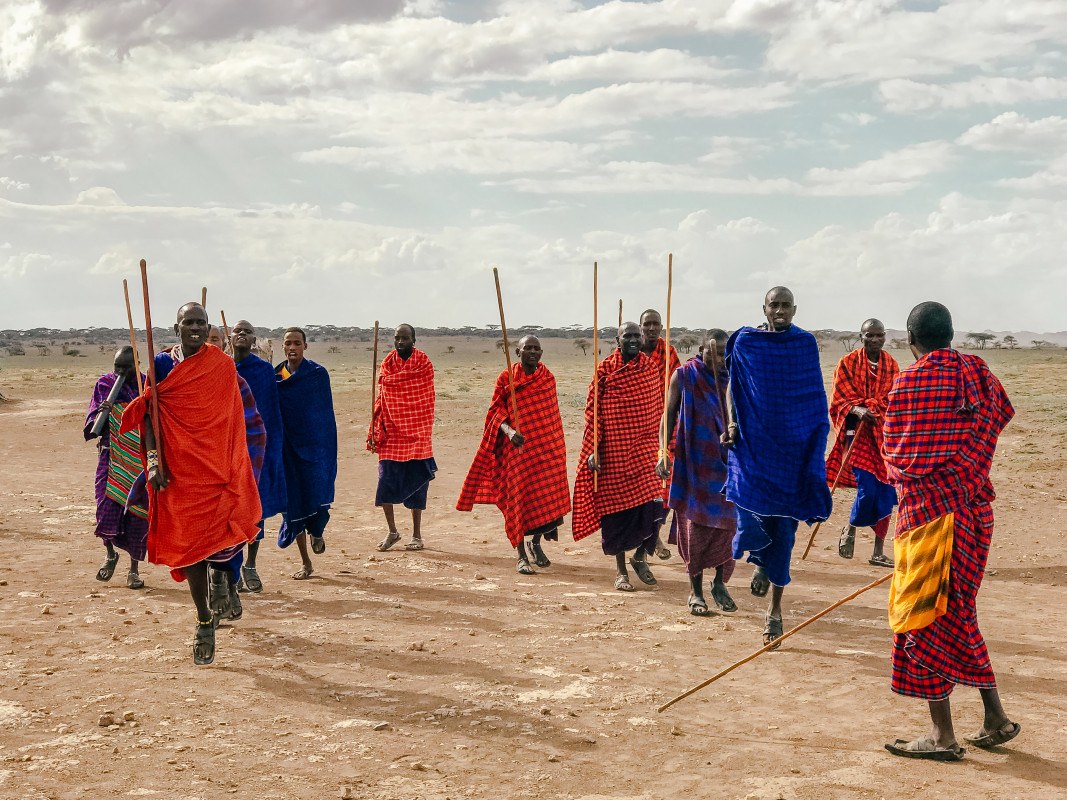
Wildlife: Lake Manyara tree-climbing lions, flamingos, Maasai cultural walks
Best for: Budget travelers wanting escarpment views with cultural extras
When to go: Year-round; green season for birding and value
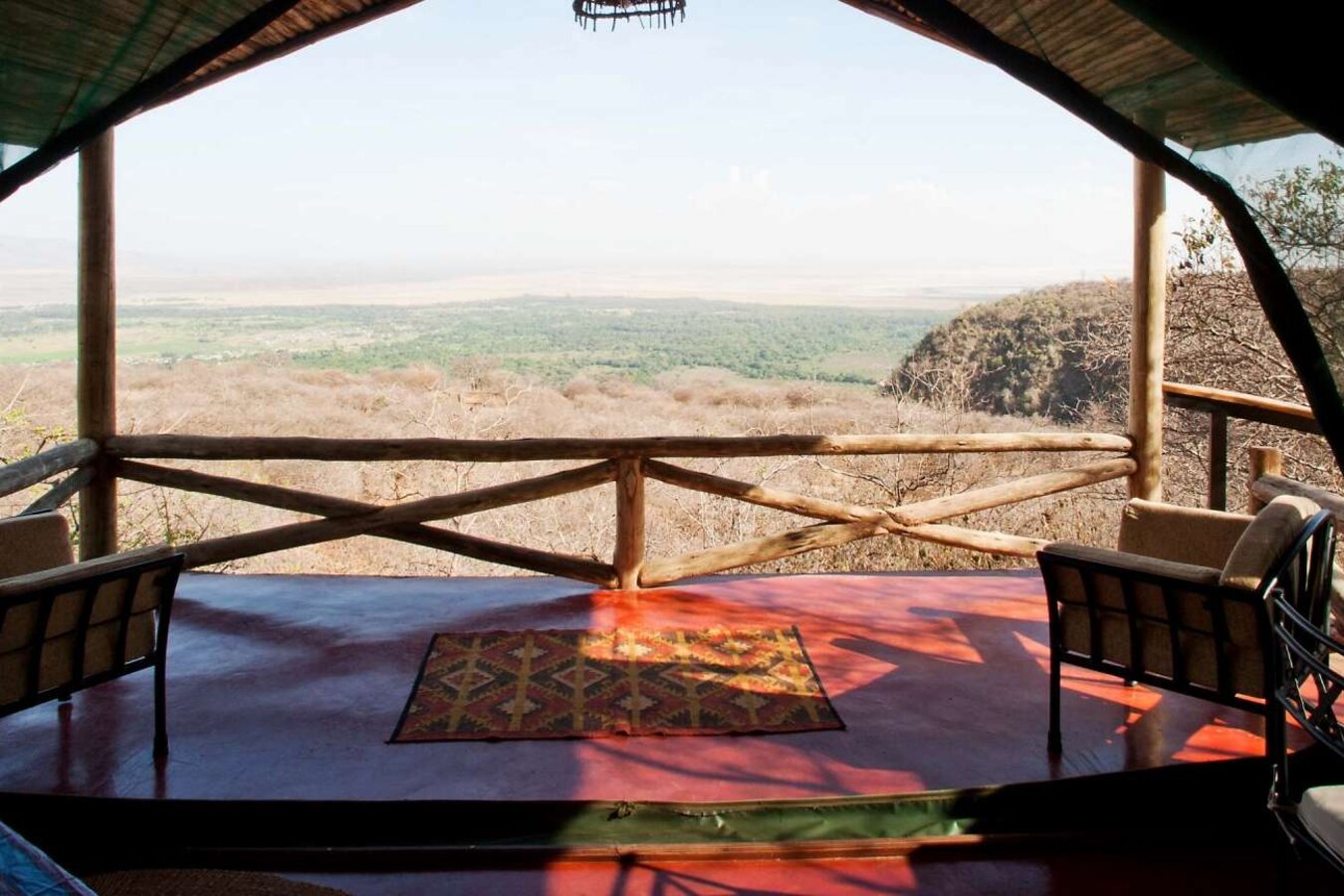
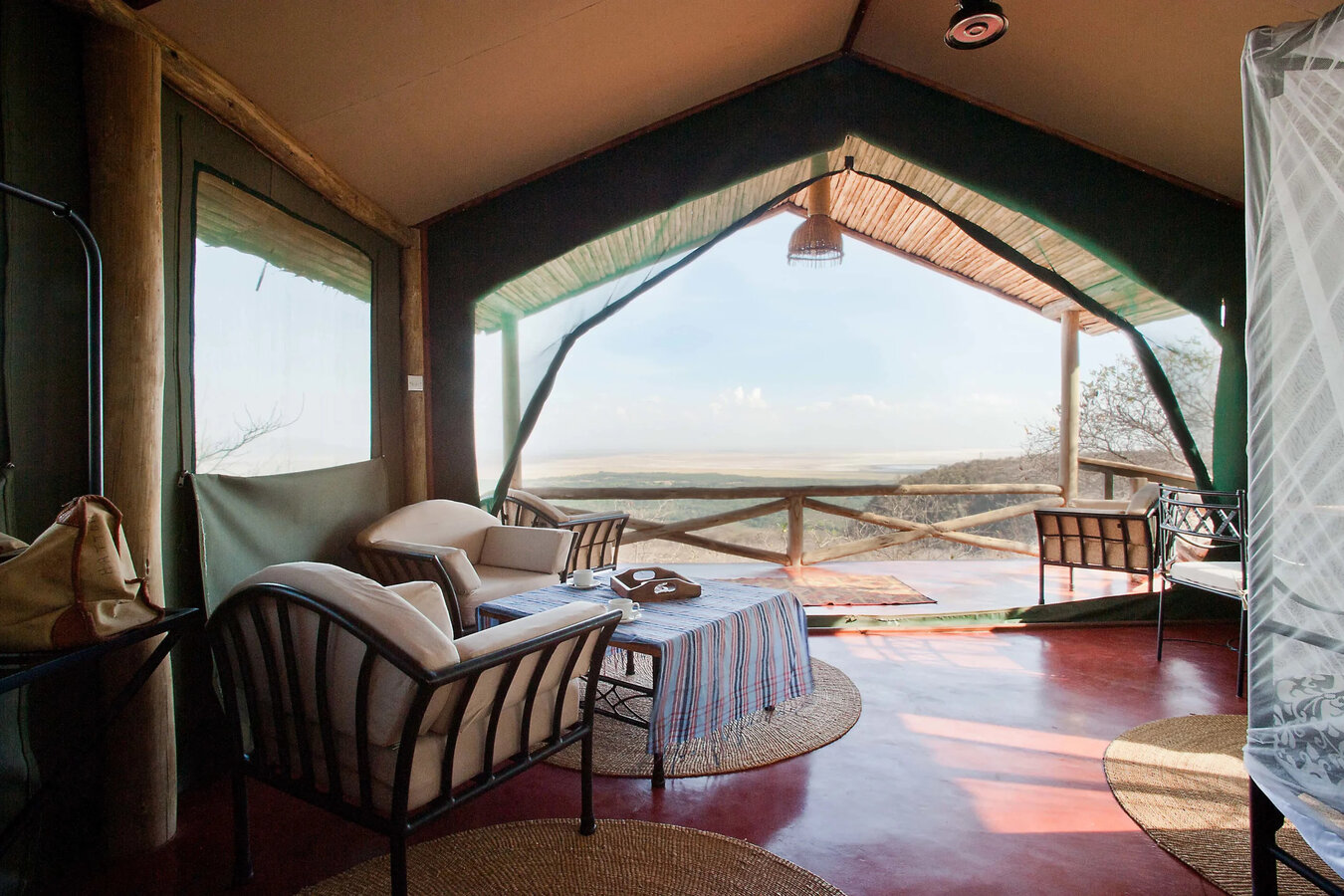
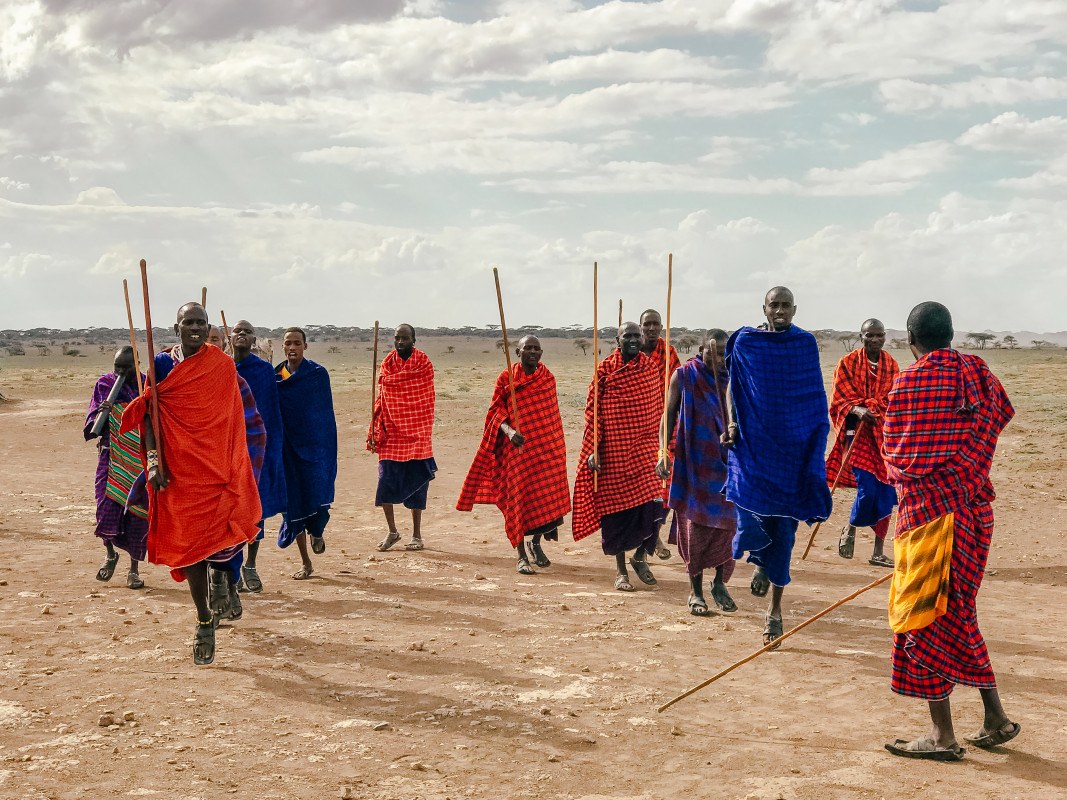
Kirurumu is the intimate alternative to the Serena on the escarpment — a smaller, owner-run tented lodge with 27 rooms perched on wooden decks among indigenous trees, with views over the Rift Valley that stop you in your tracks. What sets Kirurumu apart is the extras: Maasai-guided botanical walks, mountain biking on the escarpment, and cultural visits to the nearby Mto Wa Mbu market, all included or available at low cost. At $150–300 per person, Kirurumu is one of the best-value lodges on the entire northern circuit, and the cultural and walking experiences make it more than just a transit stop between parks.
Karatu Gateway — The Budget Secret
Highview Coffee Lodge
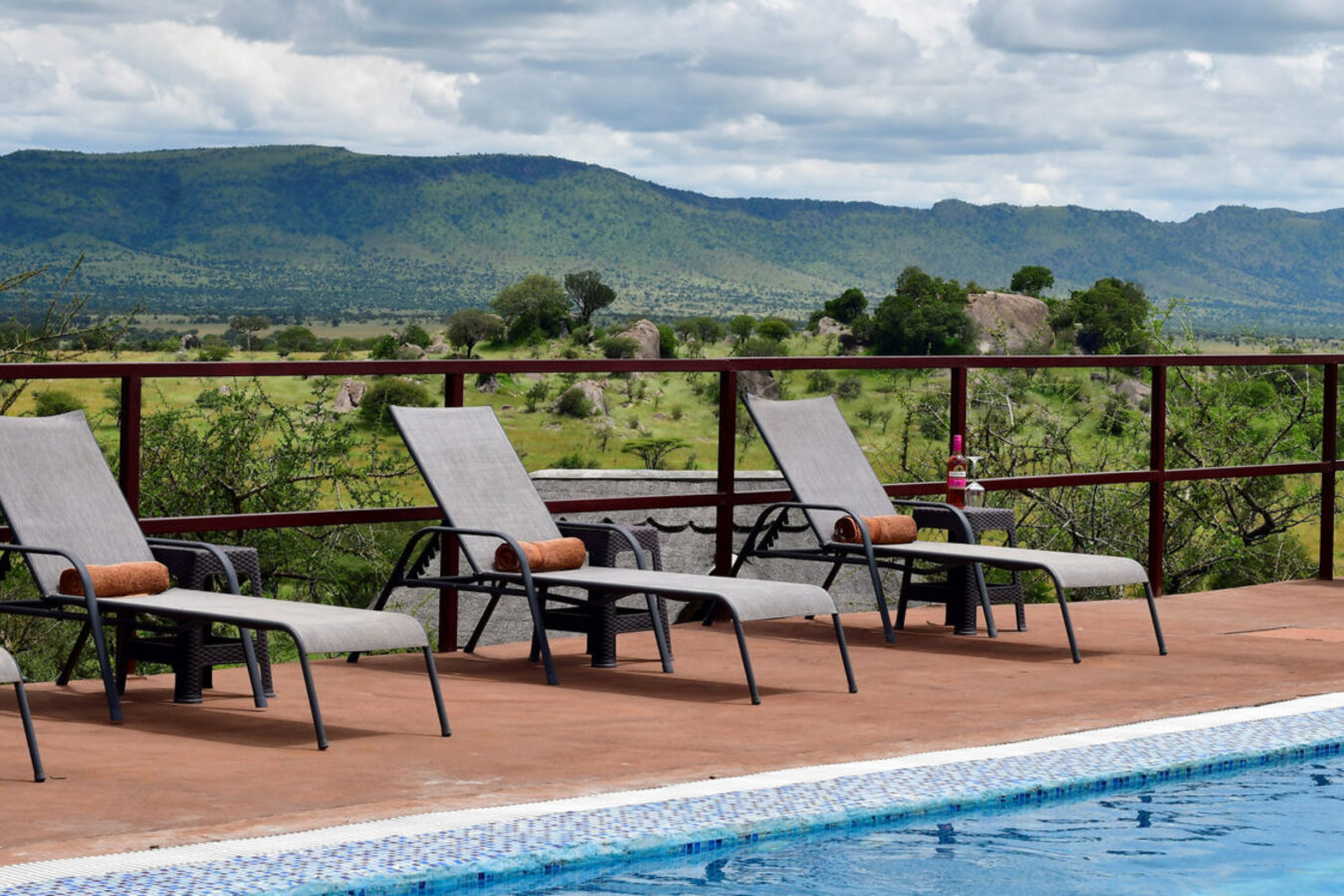
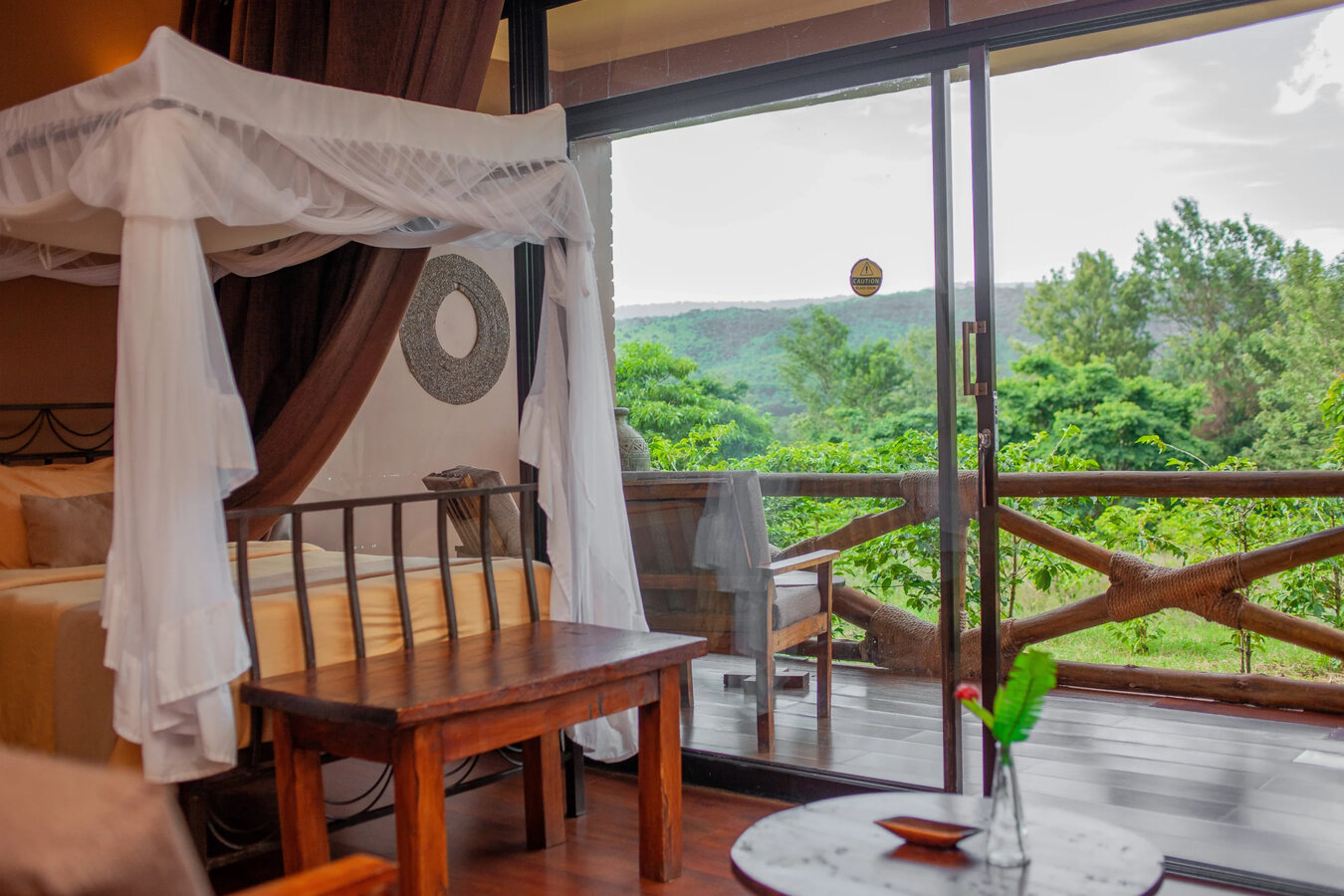
Location: Karatu, between Lake Manyara and the Ngorongoro Crater
Rates: ~$150–250 per person per night full board
Why affordable: Karatu gateway lodge on a coffee estate — no conservation area fees
Wildlife: Day trips to the Ngorongoro Crater and Lake Manyara from a comfortable base
Best for: True budget travelers wanting crater access at the lowest possible rate
When to go: Year-round
Highview Coffee Lodge is the budget traveler's best friend on the northern circuit. Set on a Karatu coffee estate, it offers simple but comfortable rooms, a swimming pool, and easy access to both the Ngorongoro Crater (45 minutes) and Lake Manyara (30 minutes). The coffee-country setting is charming — green hills, cool air, good food — and plantation tours add a cultural dimension to the safari itinerary. At $150–250 per person, Highview is one of the cheapest ways to access the Ngorongoro Crater without sacrificing comfort, and it is the go-to recommendation for group-joining budget safaris.
Ruaha National Park — The Wild South
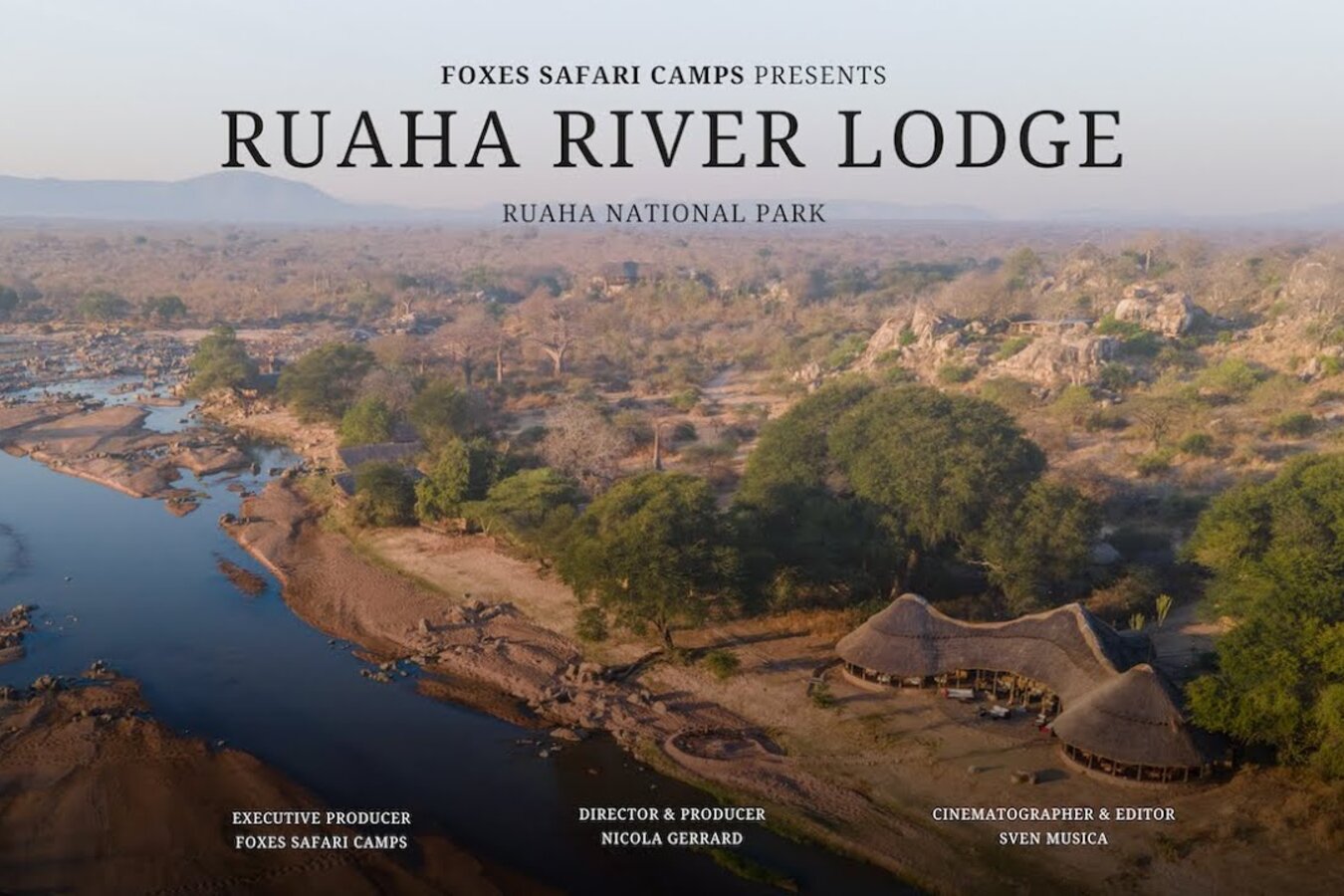
Ruaha River Lodge
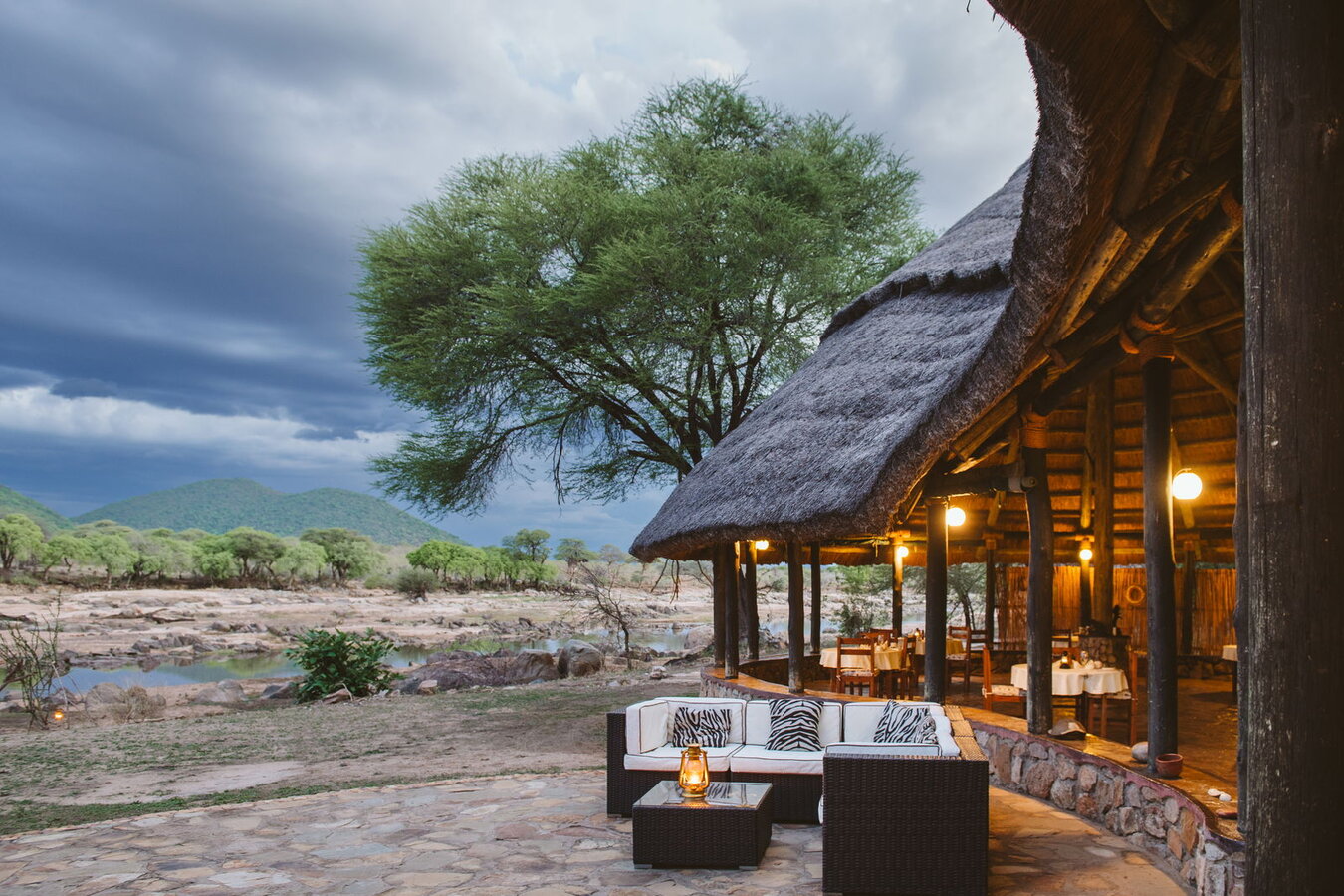
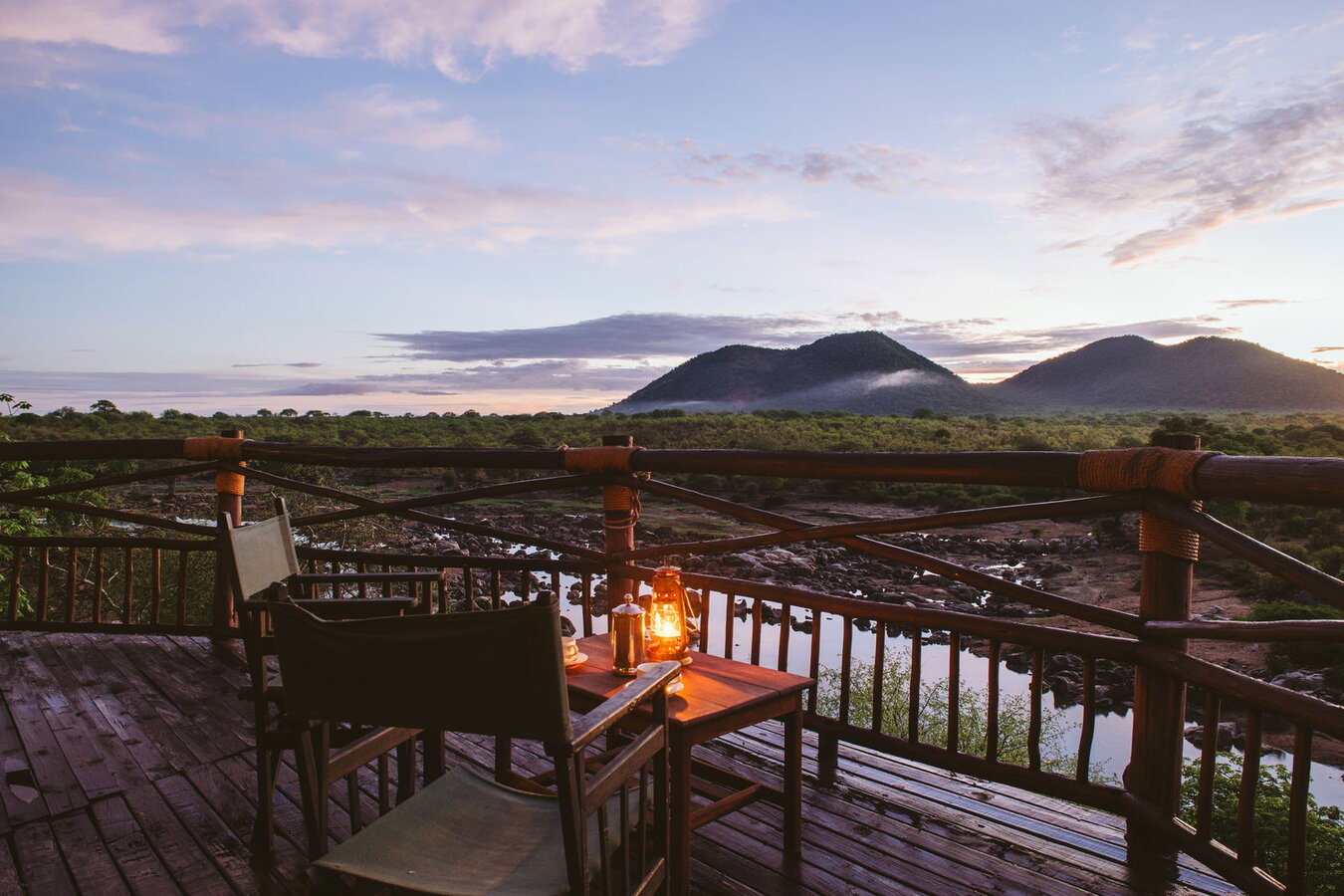
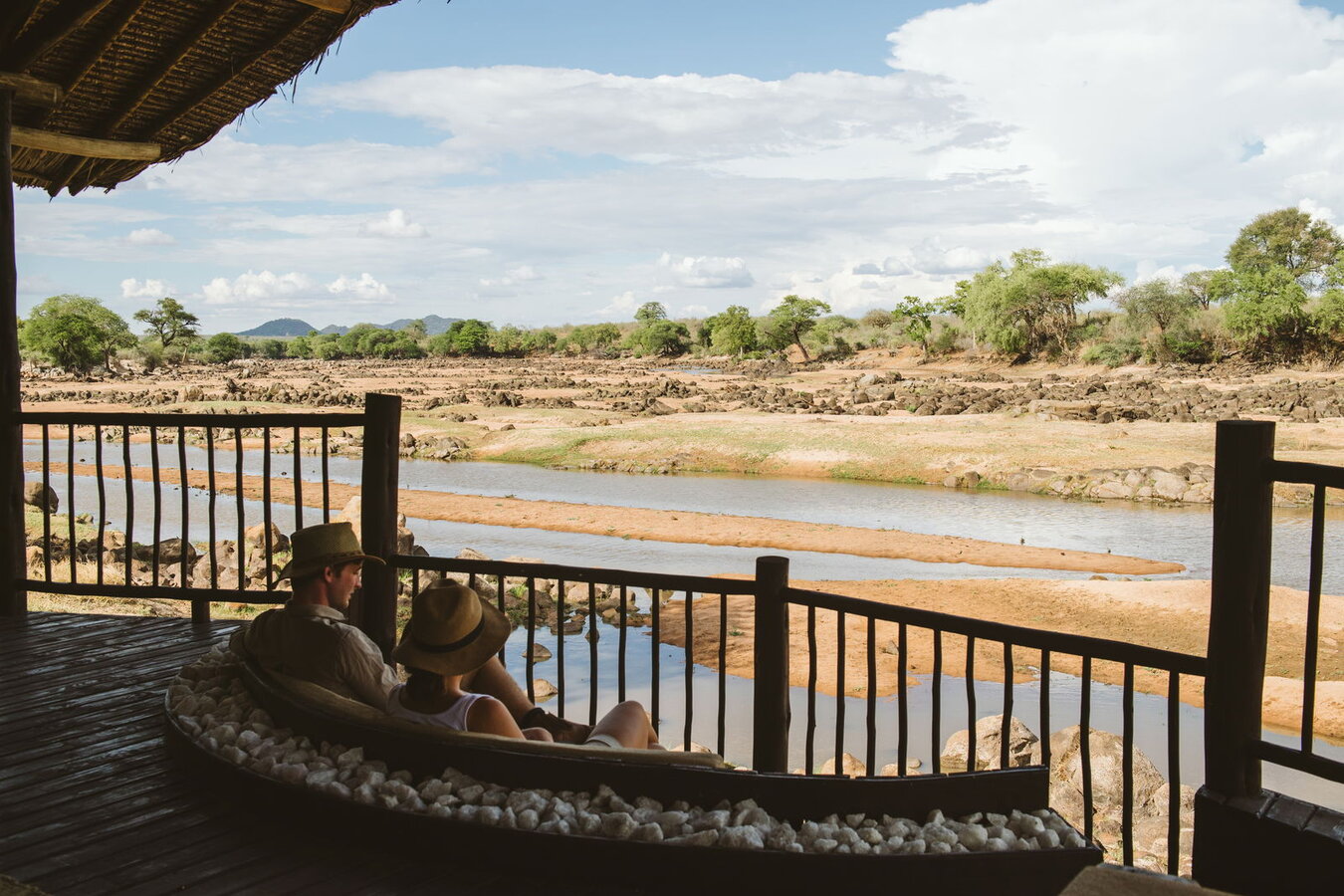
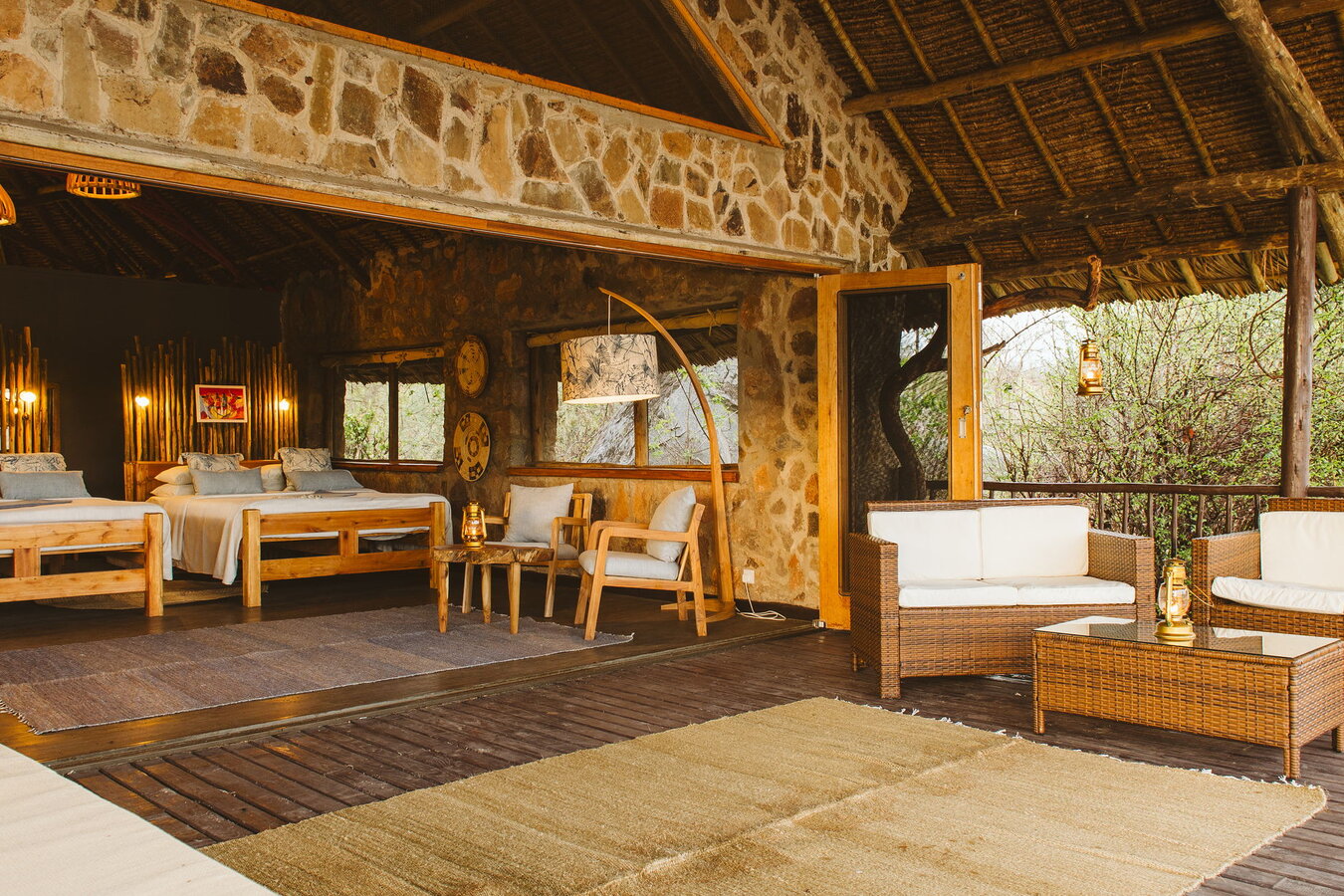
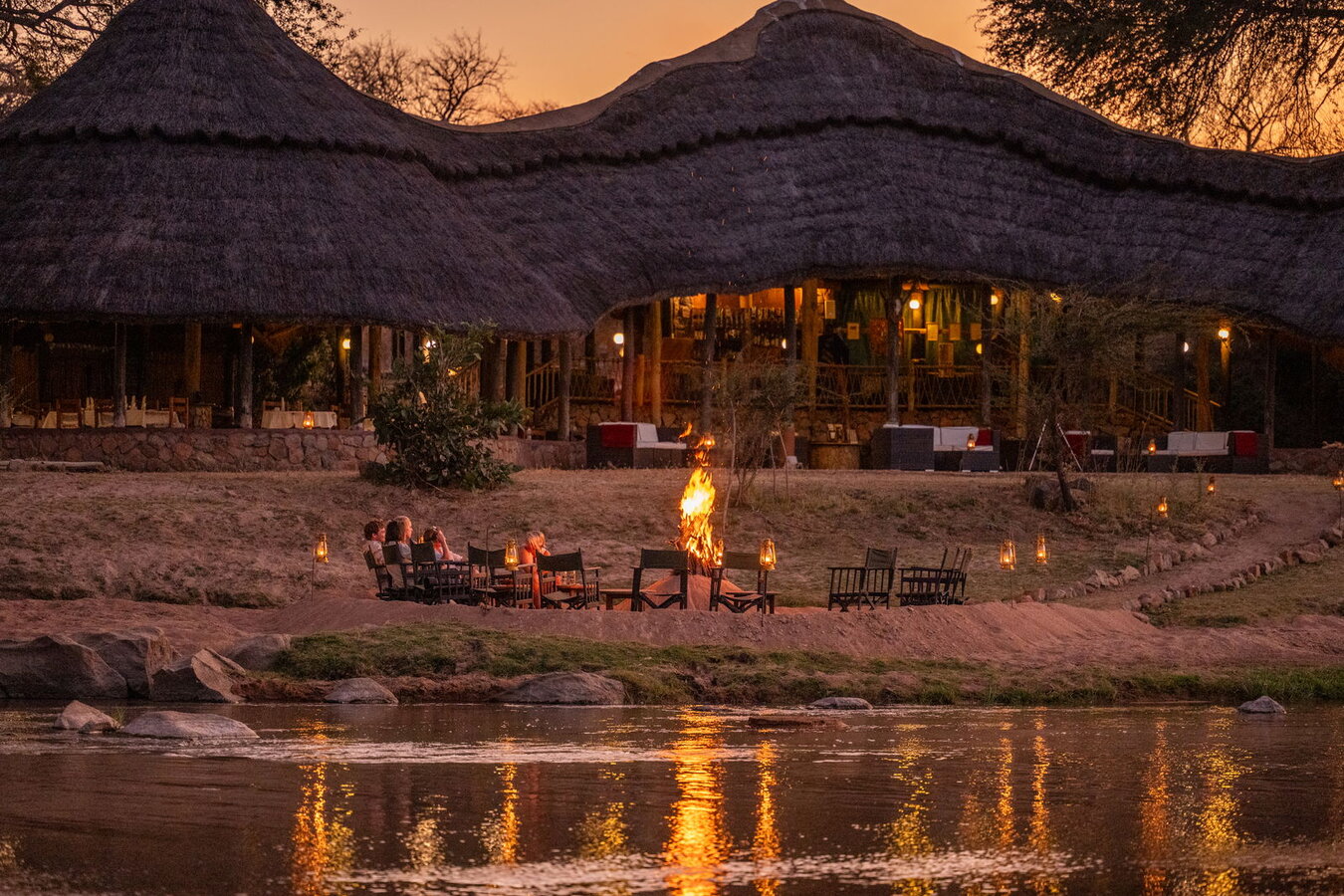
Location: Great Ruaha River, inside Ruaha National Park
Rates: ~$350–420 per person per night full board plus game package
Why affordable: One of the few lodges in Ruaha at mid-range rates — most are ultra-luxury
Wildlife: Large lion and wild dog populations, elephant, greater kudu, sable antelope
Best for: Off-the-beaten-path safari lovers, predator enthusiasts
When to go: June–October for the best game viewing; closed during heavy rains (March–May)
Ruaha is Tanzania's largest national park, a vast wilderness of baobab-studded hills and seasonal rivers where the wildlife density approaches Serengeti levels but the visitor numbers are a fraction. Ruaha River Lodge is the value entry point, set on the banks of the Great Ruaha River where hippos, crocodiles and elephant herds gather. The stone-and-thatch bandas are rustic but comfortable, the guiding is excellent, and the game drives deliver Ruaha's specialities: large lion prides, endangered wild dog packs, and rare antelope species like sable and roan. At $350–420 per person, Ruaha River Lodge offers a genuine wilderness experience at a fraction of what the park's exclusive fly-in camps charge.
Nyerere National Park (Selous) — The River Frontier
Rufiji River Camp
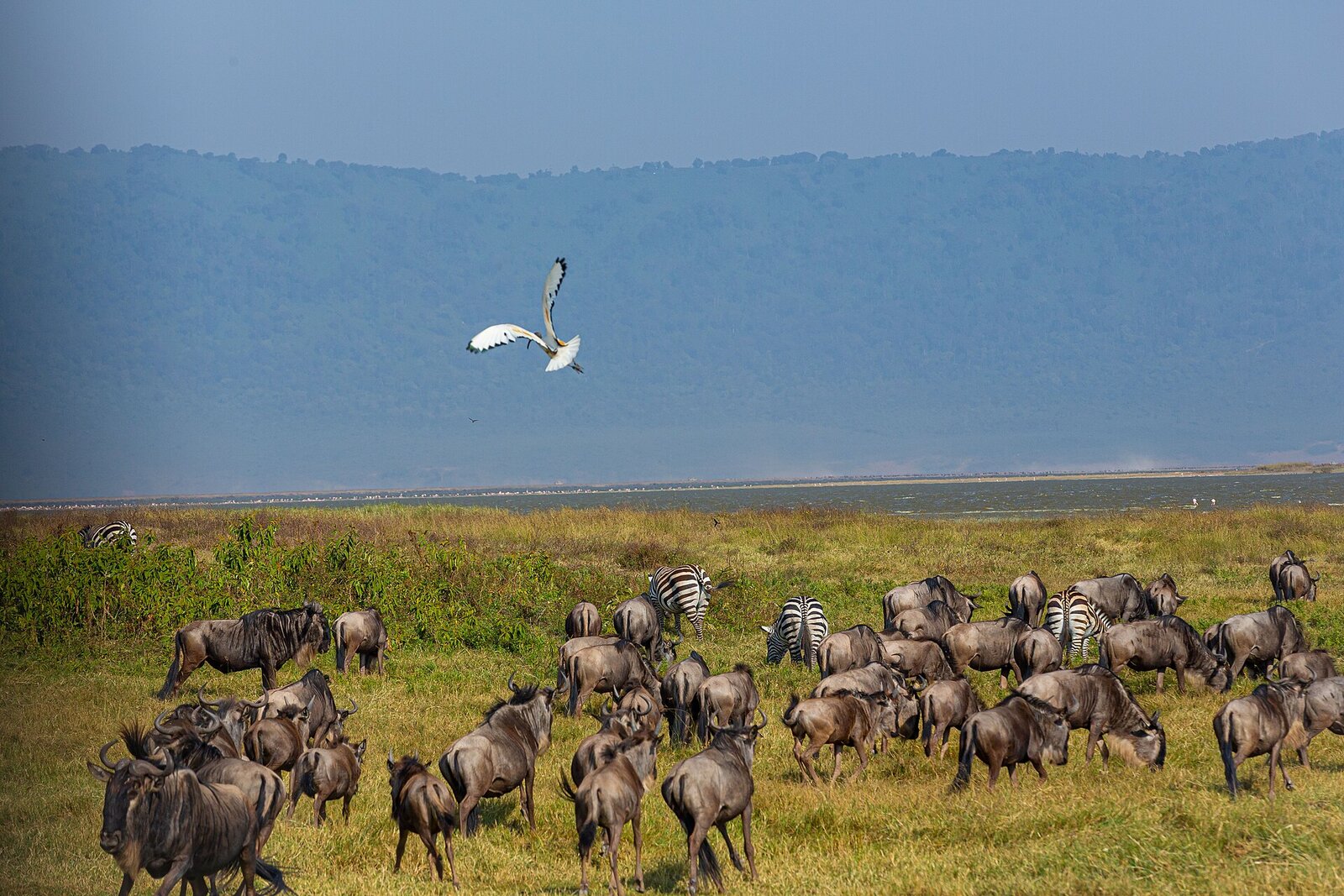
Location: Rufiji River, inside Nyerere National Park (formerly Selous)
Rates: ~$250–400 per person per night full board
Why affordable: One of the longest-serving Nyerere camps at honest mid-range rates
Wildlife: Hippo, crocodile, elephant, wild dog — plus boat safaris and walking safaris
Best for: Travelers wanting boat and walking safaris at value rates
When to go: June–October; camp typically closes during the heavy rains
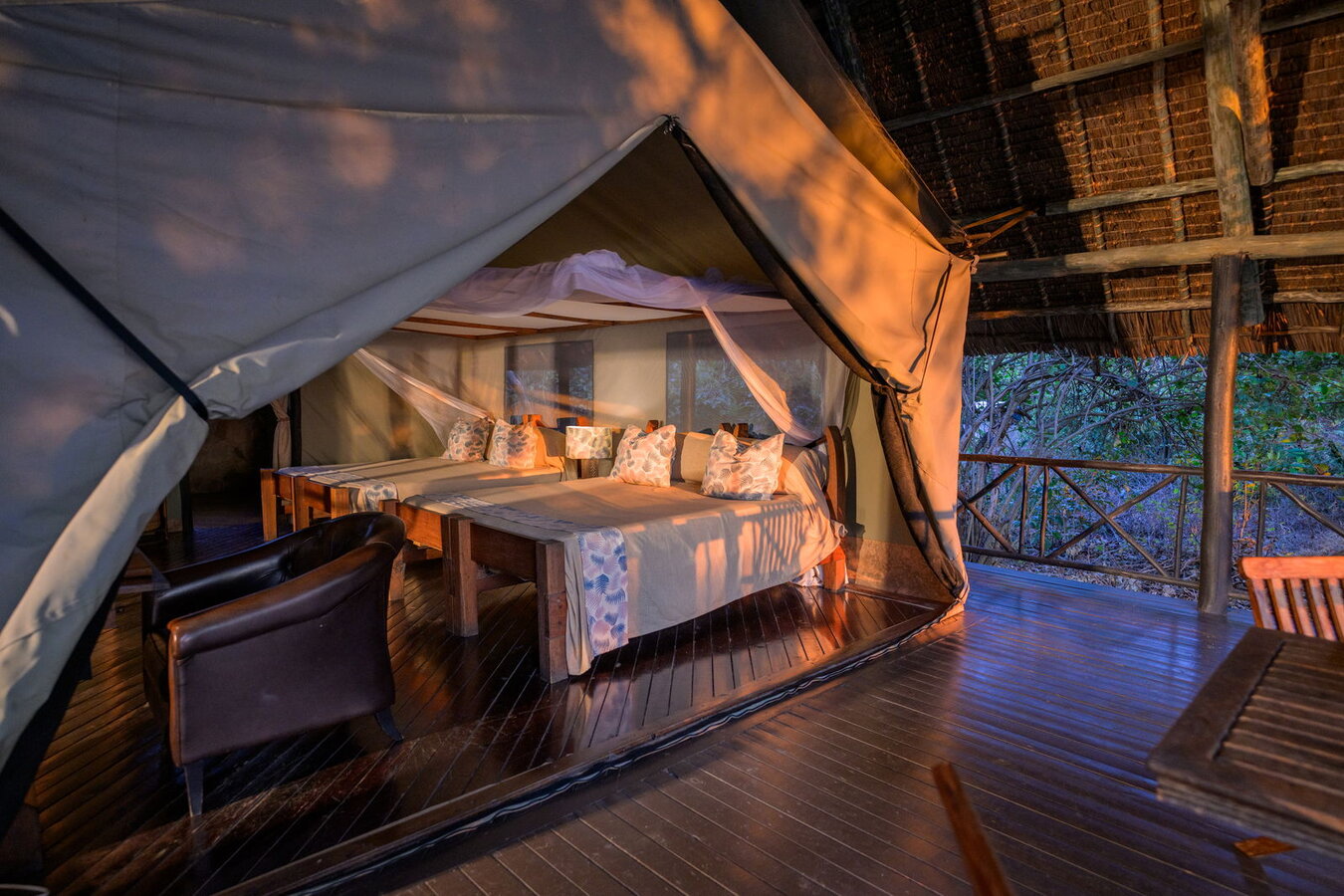
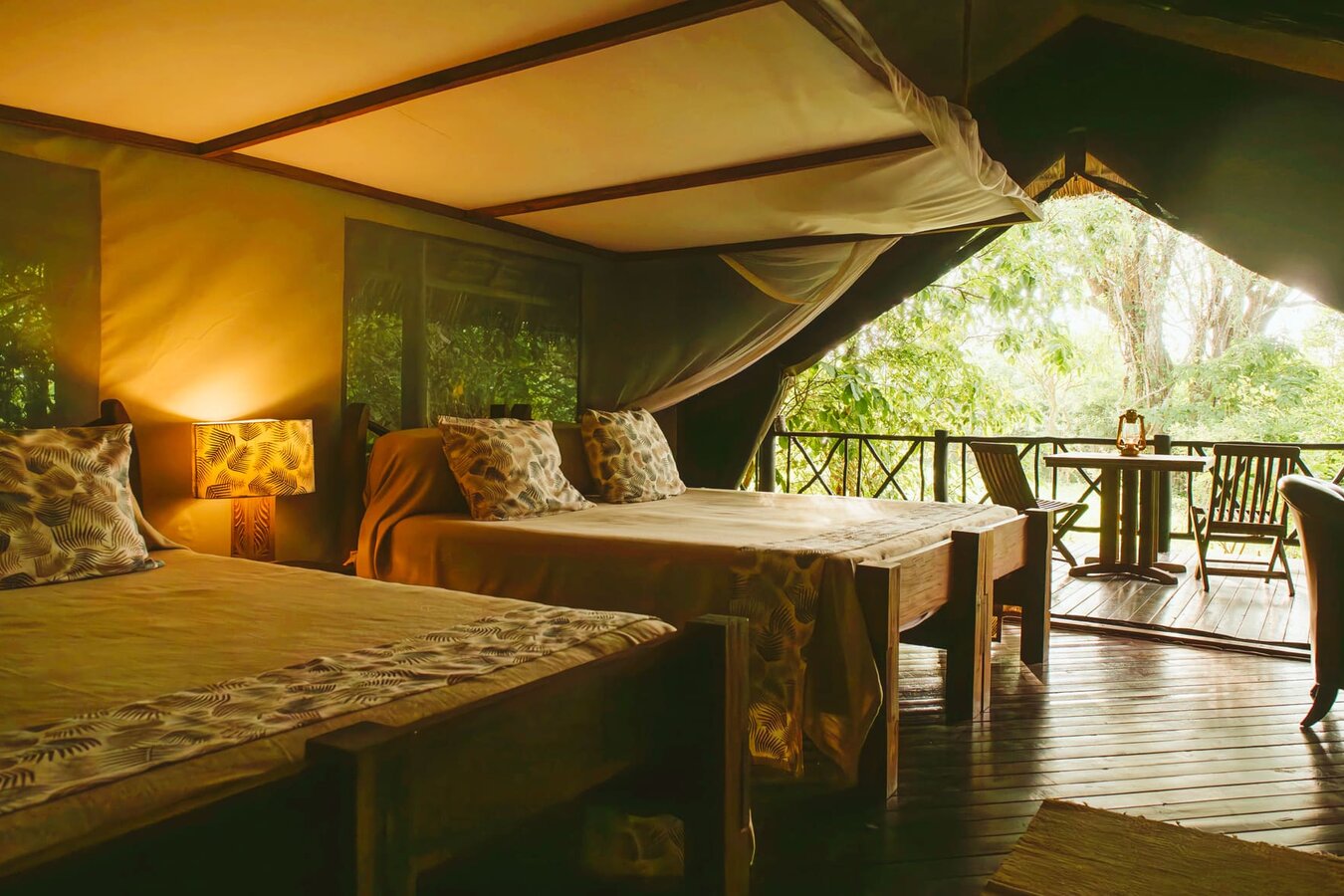
Nyerere (formerly the Selous Game Reserve) is Africa's largest protected area, and its Rufiji River system delivers a style of safari you cannot get in the Serengeti: boat trips past hippo pods and nesting fish eagles, walking safaris through riverine forest, and game drives in a wilderness where you rarely see another vehicle. Rufiji River Camp is the value anchor, a simple but well-positioned tented camp on the river's edge that has operated here for decades. The focus is on the river — boat safaris are the highlight — and the camp's long history means experienced guides and a well-oiled operation. At $250–400 per person, it is the most affordable way to experience one of Africa's great river wildernesses.
Selous Kulinda Camp
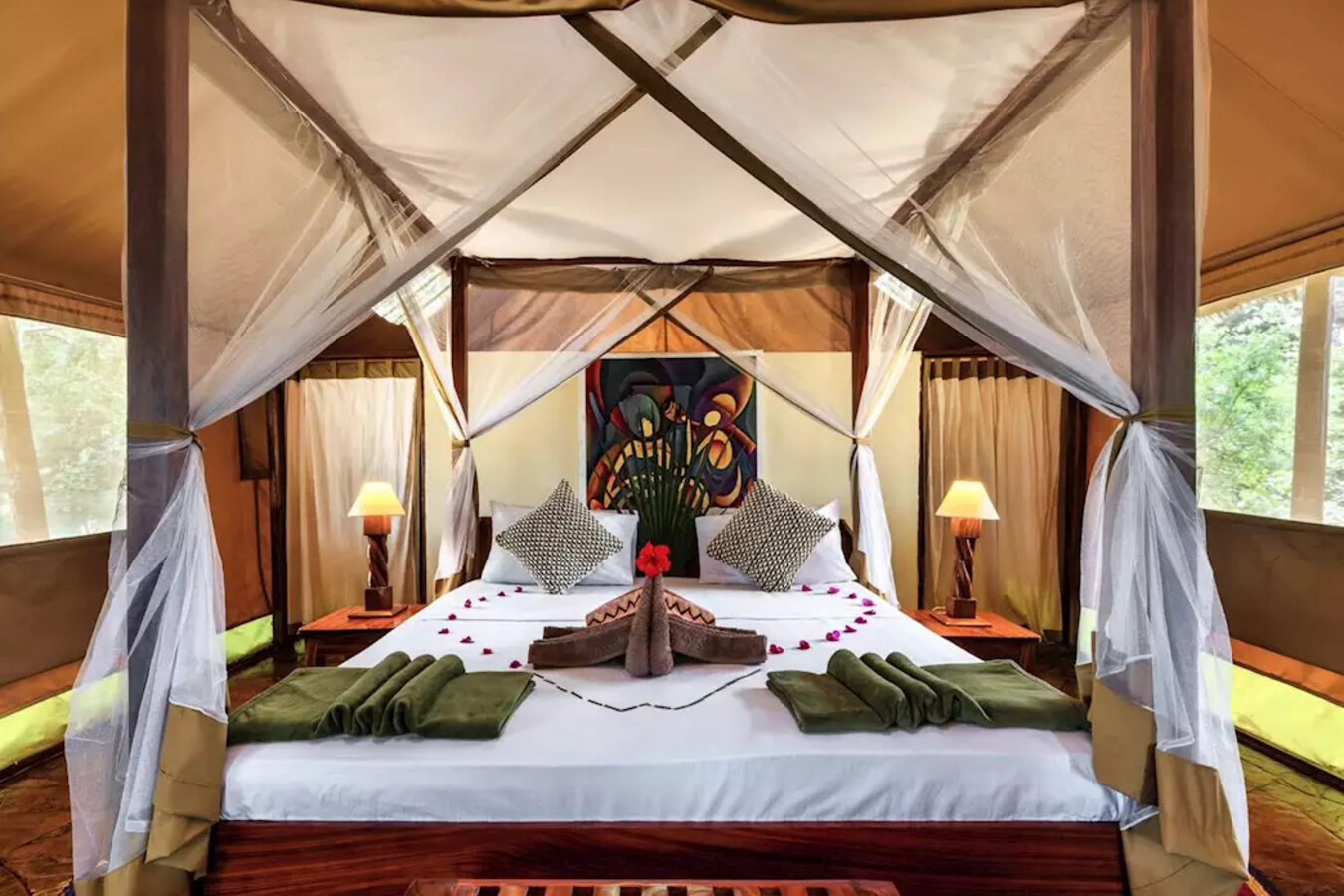
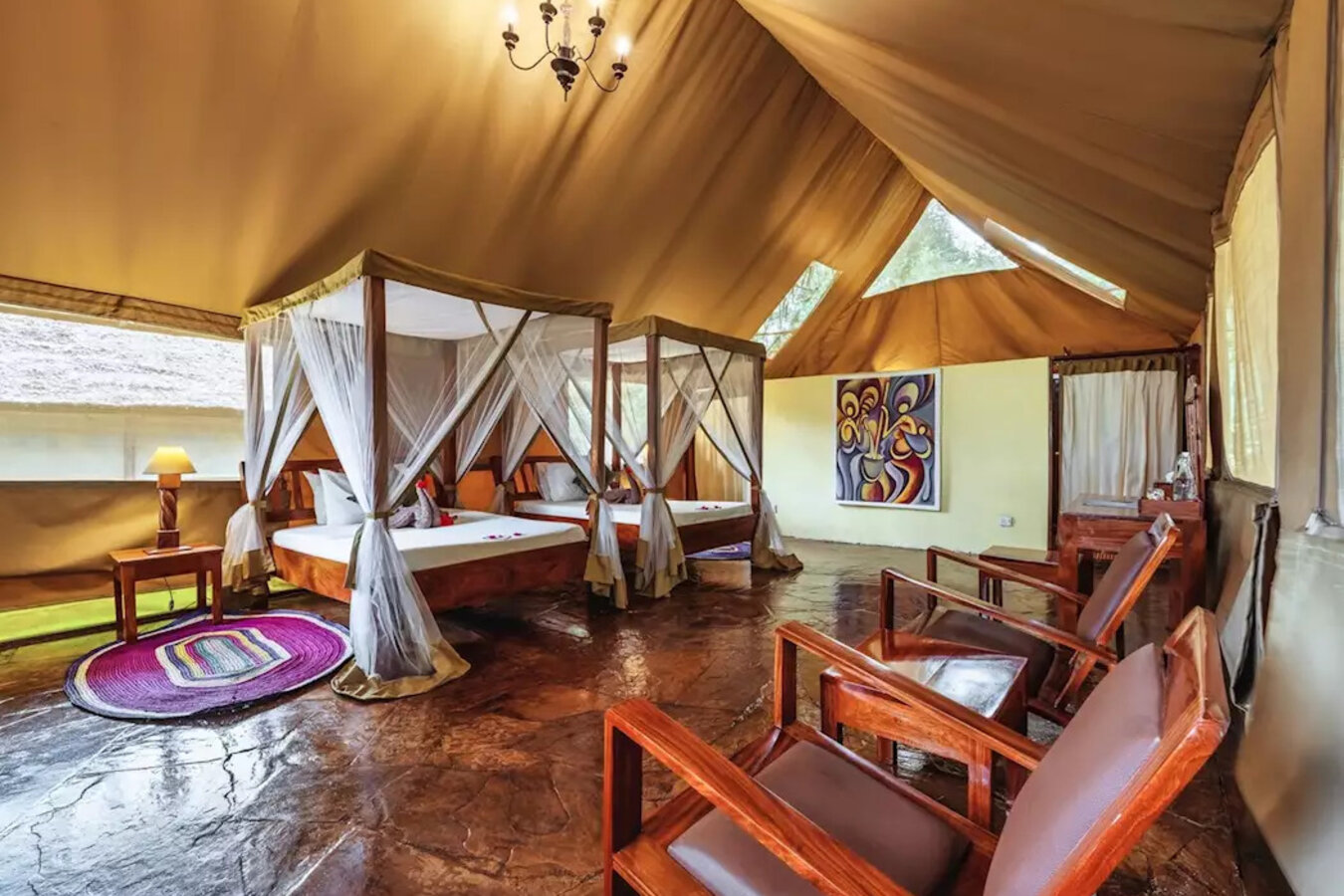
Location: North bank of the Rufiji River, near Mtemere Gate
Rates: ~$200–350 per person per night full board
Why affordable: Family-run camp just outside the park boundary — lower concession fees
Wildlife: Rufiji River wildlife, boat safaris, walking safaris, game drives
Best for: Budget travelers wanting a Nyerere base at the lowest possible rate
When to go: June–October for dry-season river concentrations
Selous Kulinda is the true budget option for Nyerere — a family-run camp on the forested north bank of the Rufiji, roughly five kilometres from the Mtemere Gate. Being just outside the park boundary means lower daily fees, and the camp offers both standard and deluxe tented options to suit different budgets. The boat safaris on the Rufiji are excellent, the walking safaris immersive, and the personal, family-run atmosphere is a welcome contrast to the larger commercial operations. At $200–350 per person, Kulinda is the gateway to one of Africa's most underrated safari destinations at a genuinely accessible rate.
Value Tiers Explained — What You Get at Each Price Point
| Tier | Rate (per person per night) | Accommodation | Activities | Examples |
|---|---|---|---|---|
| Budget | $150–250 | Simple rooms/tents, gateway lodges | Full board, shared game drives | Highview Coffee Lodge, Kirurumu Manyara, Lake Burunge, Selous Kulinda |
| Mid-Range | $250–400 | Comfortable lodges/tented camps | 2 activities per day, in-park locations | Serengeti Serena, Serengeti Sopa, Tarangire Sopa, Lake Manyara Serena, Rufiji River, Ngorongoro Farm House, Ruaha River Lodge |
| Accessible Luxury | $400–550 | Spacious tents, rim lodges, boutique camps | All activities, specialist guides, crater access | Ngorongoro Serena, Ngorongoro Sopa, Lemala Ewanjan, Serengeti Heritage |
When to Book — Green Season vs Dry Season Strategy
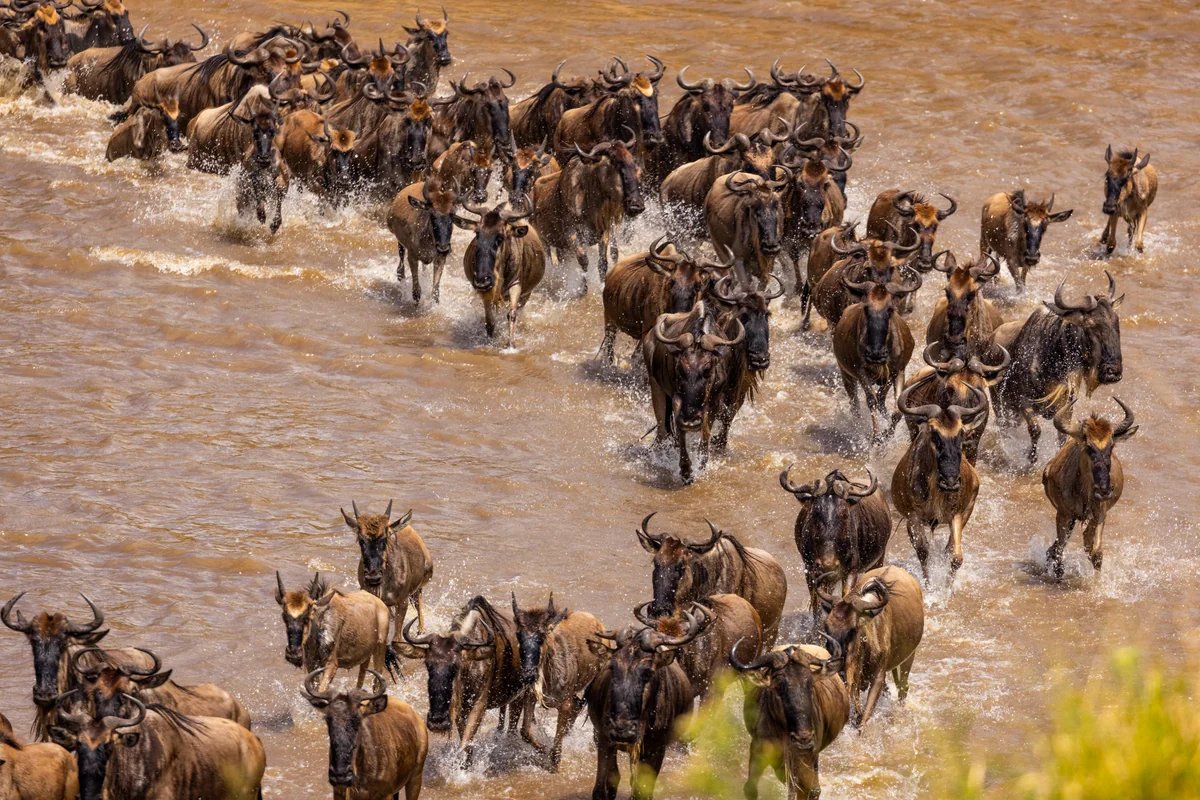
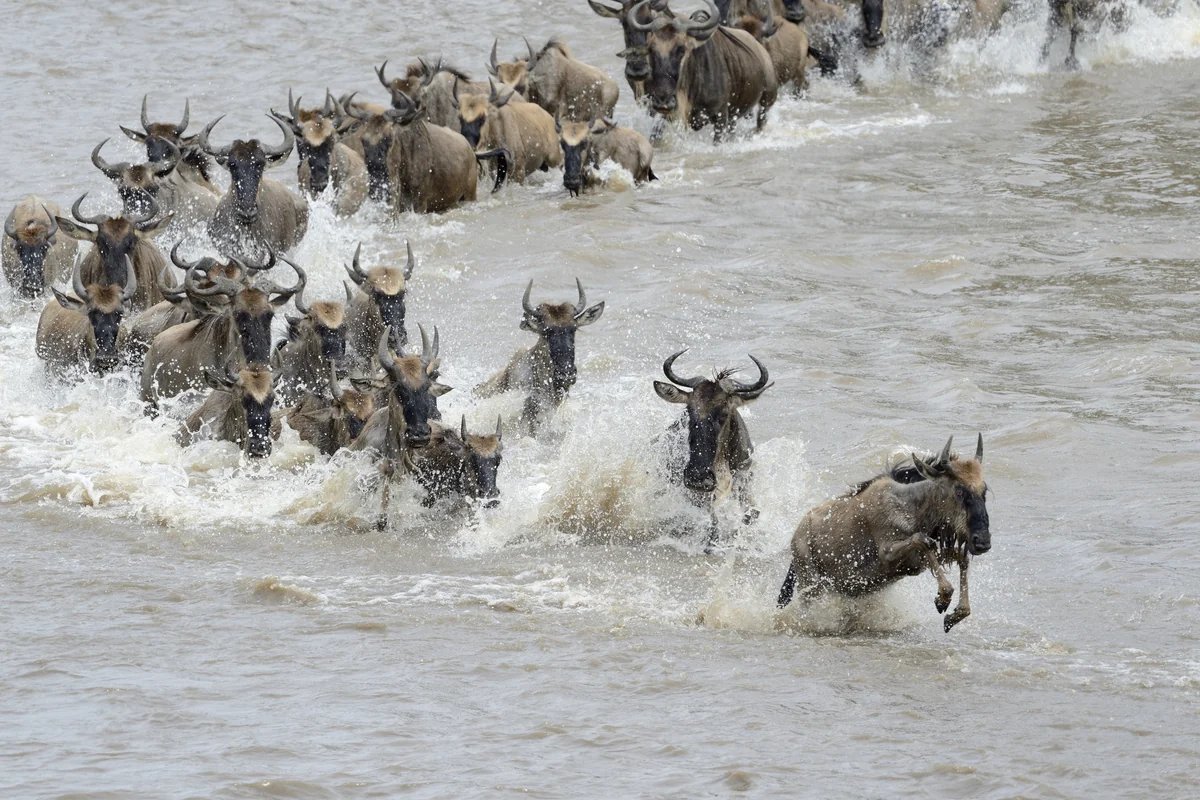
The single biggest lever for affordability in Tanzania is timing. The dry season (June–October) is peak: wildlife concentrates at waterholes, the Great Migration crosses the Mara River (July–September), vegetation thins, and lodges charge top rates. The green season — the long rains of March to May and the short rains of November — is the opposite: the landscape flushes vivid green, newborn animals appear, birding explodes, and lodge rates drop by 30–40%.
Here is the trade: dry season delivers easier game viewing and the migration spectacle, while green season delivers dramatic skies, lush scenery, fewer vehicles and much lower prices. For budget travelers — or anyone who has done a peak-season safari before — the green season is often the smarter choice. You pay less, share the parks with far fewer people, and see Tanzania at its most vivid.
Booking windows:
- Migration season (July–October): Book 6–12 months ahead for in-park Serengeti and crater rim lodges
- Green season (March–May, November): Book 2–4 months ahead; last-minute April–May deals can be excellent
- Calving season (January–February): The sweet spot — dry, dramatic predator action on the southern Serengeti plains, and good rates before peak
Why Book Through Beyond Africa Safaris
We know these lodges personally — we have stayed in them, driven their roads and negotiated their rates. As a specialist operator with direct lodge relationships, we secure rates you will not find on general booking platforms, build multi-park itineraries that link the lodges seamlessly, handle all park fees and logistics, and provide on-the-ground support throughout your trip. Whether you want a 5-day budget Serengeti-and-Crater circuit or a 14-day northern-and-southern grand tour, we build it to your budget and your style. Talk to our Tanzania specialists — a first conversation costs nothing, and the itinerary we build will save you more than you expect.
The Verdict — Can You Safari Tanzania Affordably?
Yes — with the right choices. Tanzania is not the cheapest safari country (Kenya and South Africa offer lower entry points), but the parks are among the richest on the continent, and the value tier delivers an experience that is genuinely world-class. With the Serena and Sopa lodges for in-park value, Karatu gateway properties to cut crater costs, the green season for savings, and local operators to handle logistics, a 7-to-10-day Tanzania safari taking in the Serengeti, the Ngorongoro Crater and Tarangire can cost $4,000 to $6,500 per person instead of $15,000+.
You will see the same migration herds, the same crater-floor rhinos, the same elephant-and-baobab silhouettes the ultra-luxury guests photograph. What you trade is exclusivity, marble bathtubs and private plunge pools. What you gain is the safari of a lifetime at a price that makes it real — and sometimes, when you are watching a million wildebeest pour across the Serengeti and you are the only vehicle at the sighting, the affordable lodge delivers a moment the luxury guests never get.
The best affordable safari lodges in Tanzania are not compromises. They are the established, comfortable, well-run heart of a country that holds some of the greatest wildlife spectacles on Earth. Start with Serengeti Serena or Sopa for the migration, add Ngorongoro Farm House for the crater, and finish with Tarangire Sopa for the elephants — and travel in the green season if you can. That is how you safari Tanzania on a budget that does not feel like one.