Key Takeaways
- Budget Okavango safaris range from $200/day (participation camping) to $530/day (comfortable budget lodges with en-suite facilities)
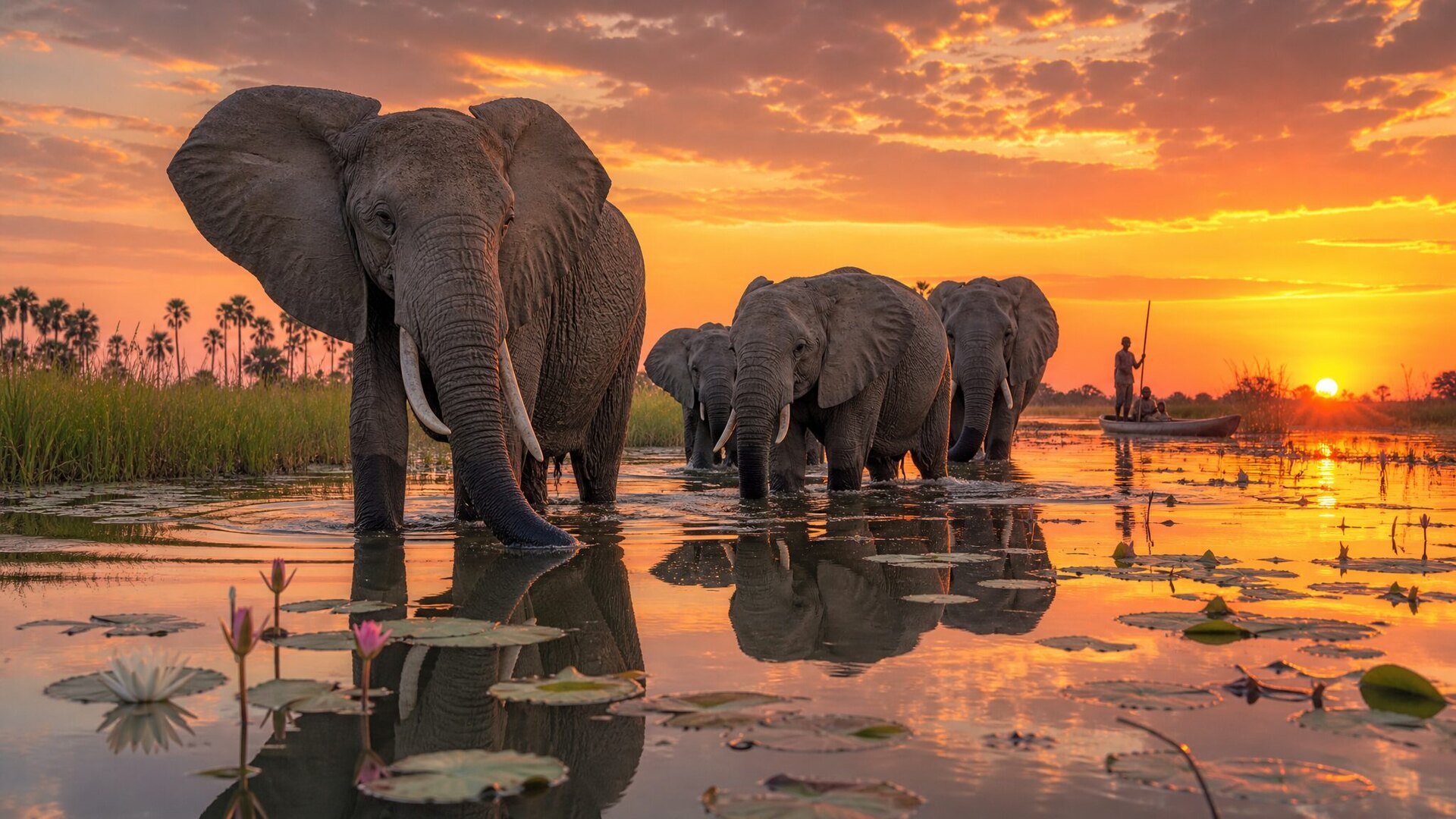
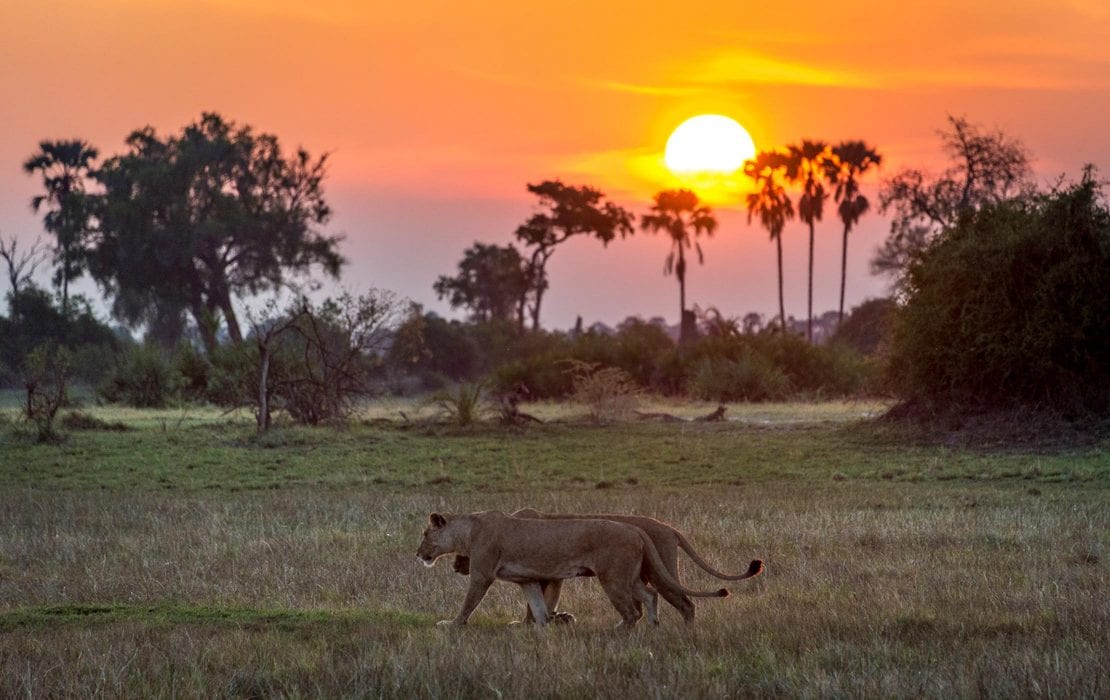
- The same mokoro glides, elephant herds, and lion roars are accessible at every price point — the wildlife does not check your room rate
- Green season (November–March) cuts rates by 30–50% and delivers lush scenery, superb birding, and near-total solitude
- Mobile camping safaris in Moremi Game Reserve offer the deepest wilderness immersion from approximately $1,000–$1,750 per person for five days
- The five best-value permanent camps are Oddballs, Moremi Crossing, Delta Camp, Semowi Lodge, and Guma Lagoon Camp
- Land transfers instead of charter flights save $400–$600 per person each way
- A 7-day budget lodge combination (Oddballs + Moremi Crossing) costs roughly $3,000–$3,700 per person all-inclusive
Why the Okavango Delta Is More Affordable Than You Think
The Okavango Delta’s reputation as a billionaire’s playground is not entirely unearned. Its most famous camps — Mombo, Vumbura Plains, Xigera — charge upwards of $2,500 per person per night, and the region has long been marketed as the pinnacle of ultra-luxury safari travel. But this narrative obscures a parallel reality that Botswana’s tourism board and budget-savvy operators have quietly nurtured for decades: a network of affordable permanent camps, community-run lodges, and mobile camping safaris that deliver the very same wildlife spectacle for a fraction of the cost.
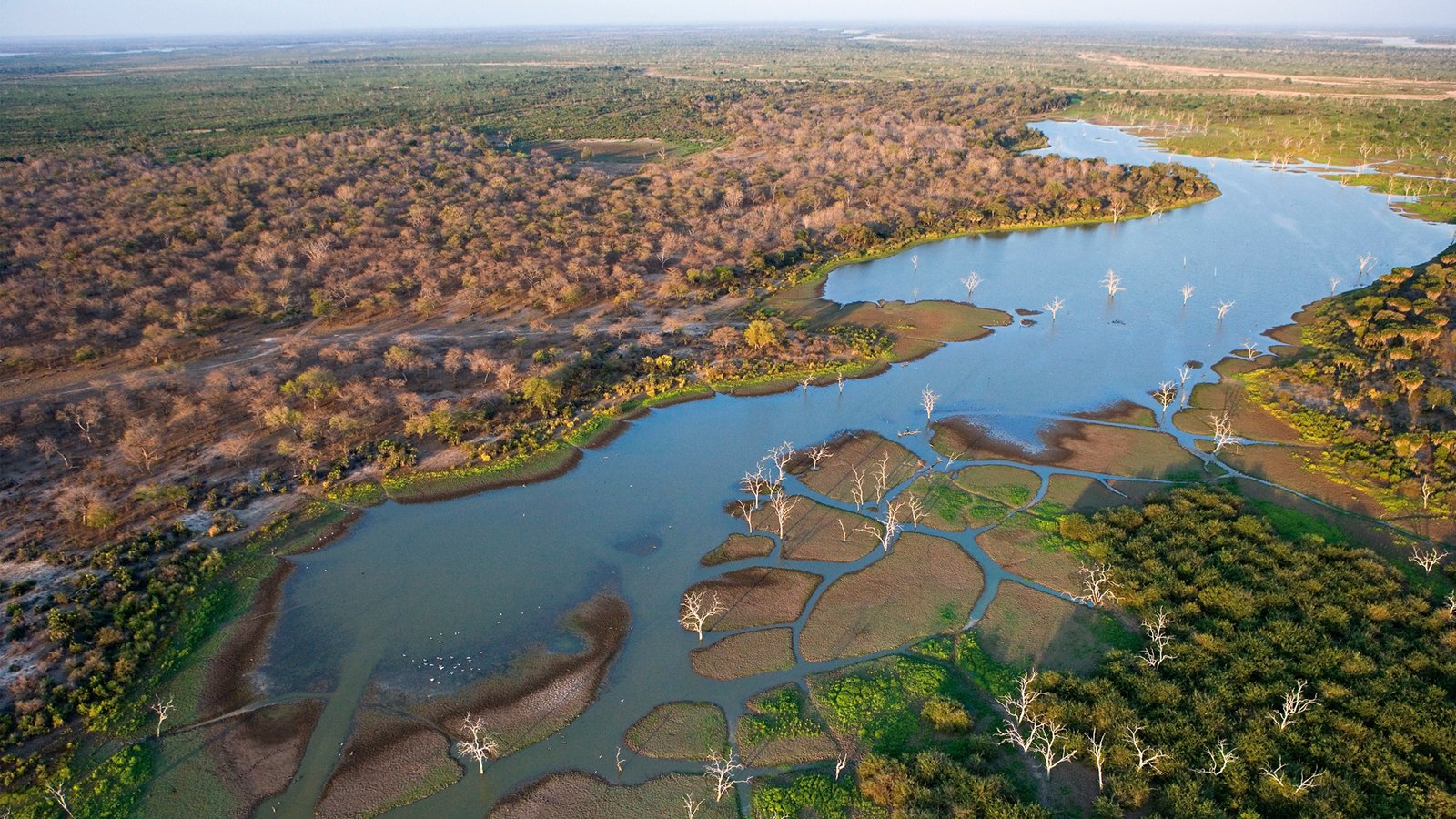
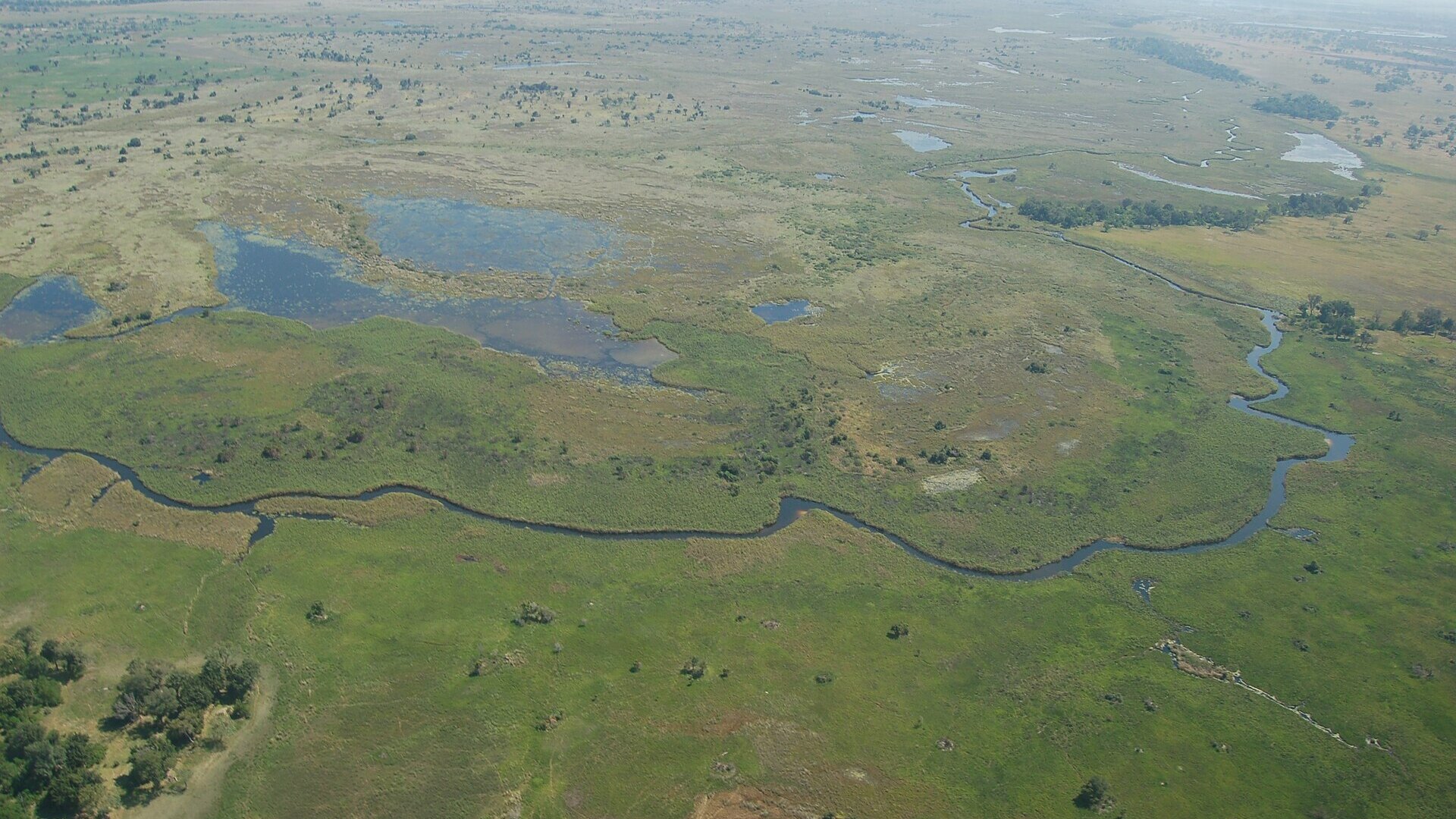
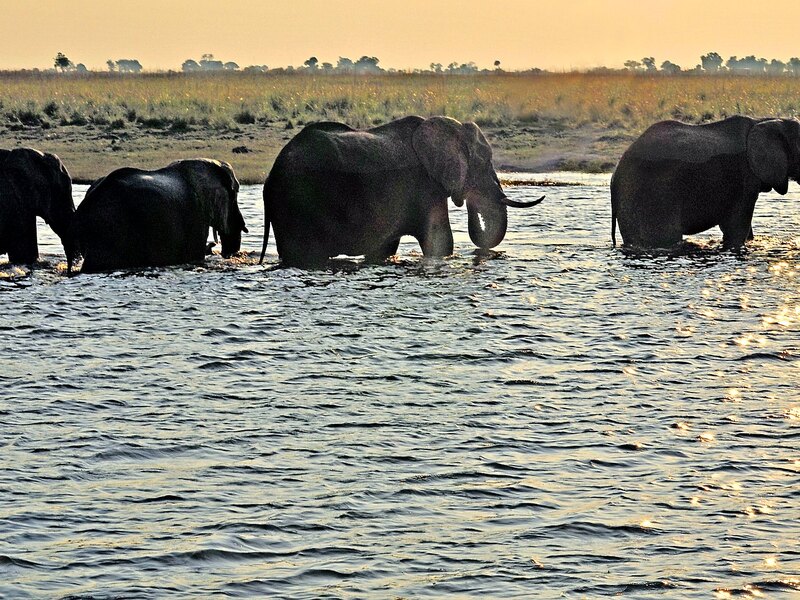
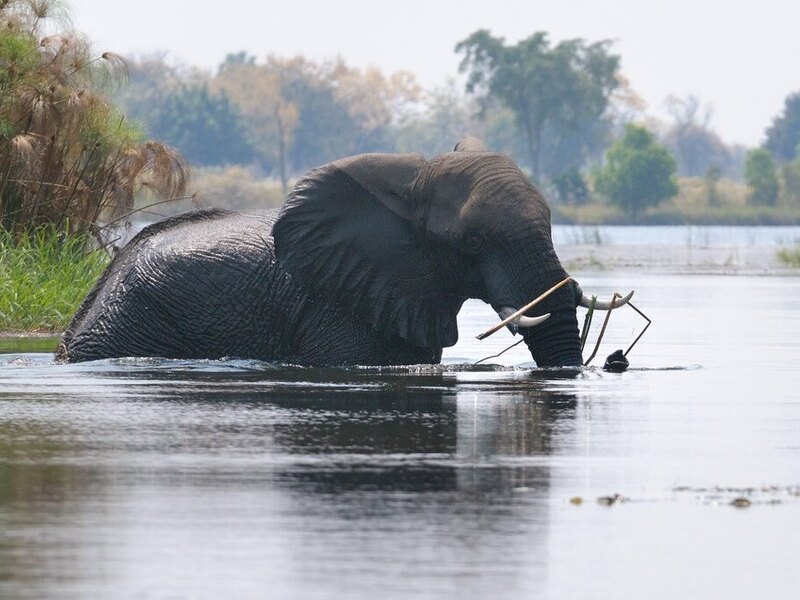
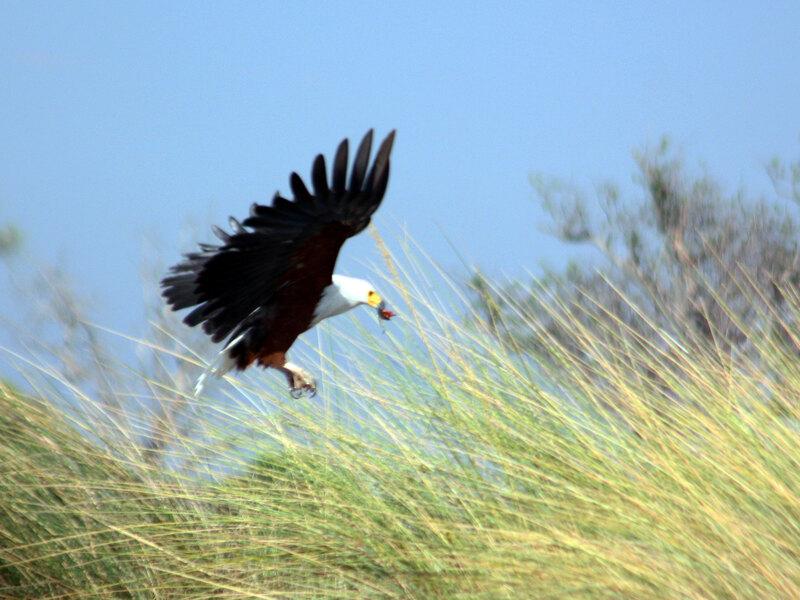
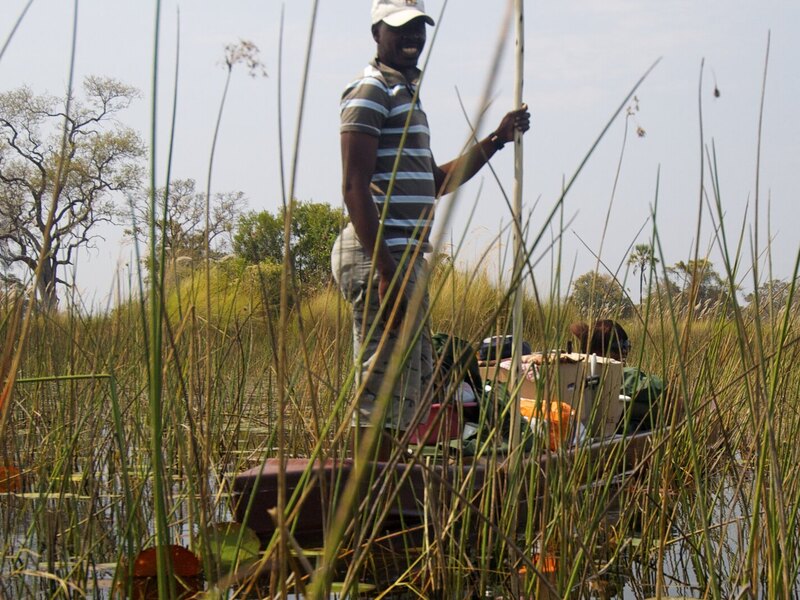
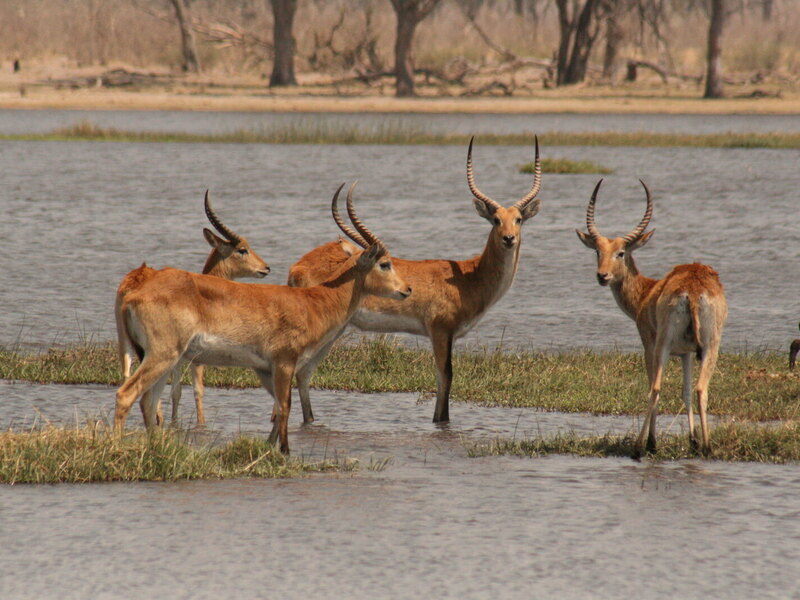
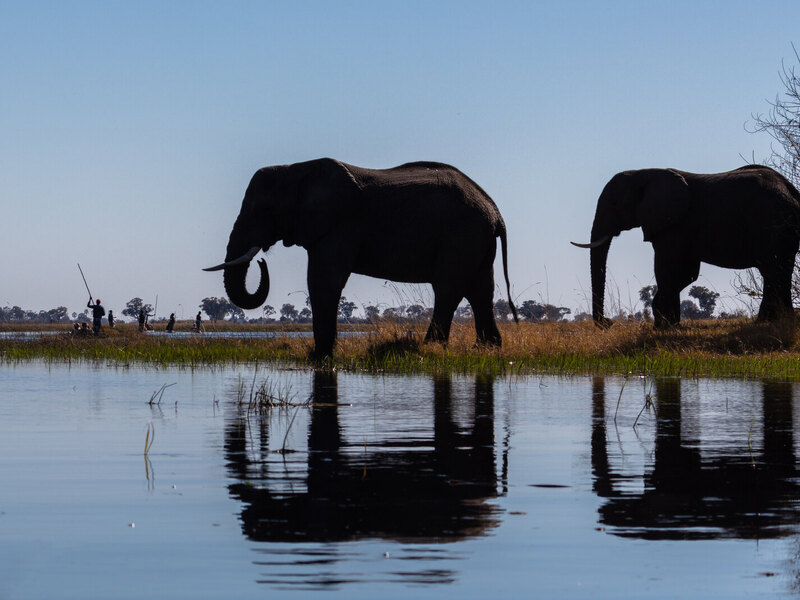
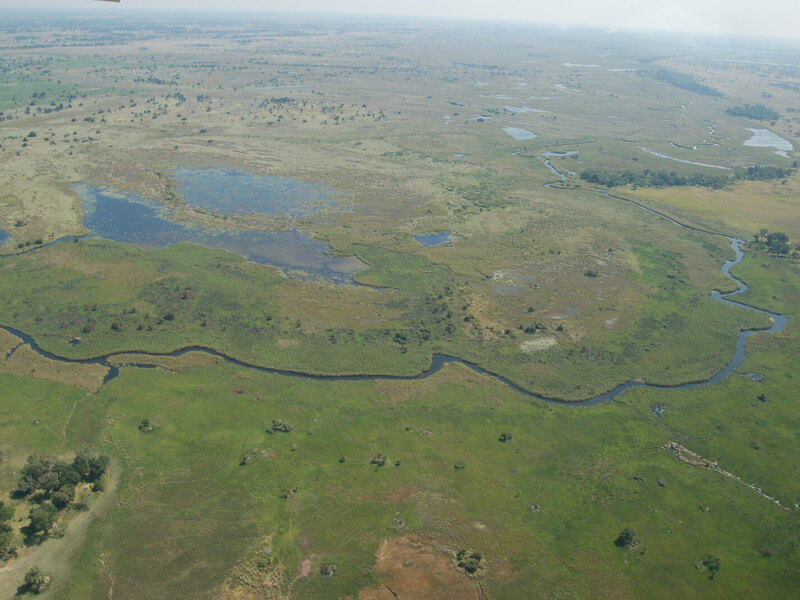
The key insight is simple: the wildlife does not check your room rate. A mokoro gliding through a papyrus channel at dawn encounters the same elephants, hippos, and African fish eagles whether the paddler returns to a $4,000 suite or a $200 dome tent. The Okavango’s magic is the water itself — the seasonal flood pulse from Angola’s highlands that transforms 22,000 square kilometres of Kalahari sandveld into a labyrinth of crystal-clear channels, reed-fringed lagoons, and palm-studded islands — and water is free.
This guide dismantles the luxury-only myth. We review the five best affordable Okavango Delta lodges, explain how mobile camping safaris work, break down every cost tier with transparent pricing, and reveal the value-season strategies that cut rates by up to 50% without compromising the experience. Whether your budget is $200 or $530 per day, the Delta is within reach.
Understanding Okavango Delta Pricing Tiers
Before diving into specific camps, it helps to understand the four broad pricing tiers that define Okavango accommodation. Each tier delivers the same core wildlife — what changes is the accommodation style, transfer method, and level of personal service.
| Tier | Price per Person/Day | Accommodation Style | What’s Included | Best For |
|---|---|---|---|---|
| Basic Camping | $200–$350 | Participation camping: 2-person tents, bucket showers, communal bush kitchen | Guide, mokoro safaris, game walks, meals (you help cook), camping gear, park fees | Adventurous solo travellers, backpackers, budget-maximisers |
| Standard Camping | $400–$500 | Walk-in Meru-style tents with camp beds, warm bucket showers, dedicated crew | Professional guide, mokoro/boat safaris, game drives, all meals cooked by crew, camping gear, park fees | Couples, small groups wanting comfort without lodge prices |
| Budget Lodges | $430–$530 | Permanent tented camps with en-suite bathrooms, hot running water, proper beds | All meals, mokoro safaris, game drives, boat cruises, guided walks, park fees, laundry | Families, comfort-seekers, first-time safari-goers, honeymooners on a budget |
| Luxury Fly-in (for context) | $1,200–$4,000+ | Private suites with plunge pools, wine cellars, personal butlers | Everything plus charter flights, premium spirits, spa treatments, helicopter flips | Special occasions, ultra-luxury travellers (not our focus here) |
The gap between a $200 participation safari and a $4,000 luxury suite is not wildlife quality — it is thread count, transfer method, and wine list. Every tier gives you mokoro, hippos, fish eagles, and the chance to lock eyes with an elephant at water level. This guide focuses on the first three tiers: the real Okavango, minus the five-figure price tag.
The 5 Best Affordable Okavango Delta Lodges
These five permanent camps represent the best value in the Okavango Delta — each delivering genuine delta immersion with en-suite comfort, guided activities, and all-inclusive rates that undercut luxury competitors by 60–80%. We have reviewed each based on location, wildlife access, accommodation quality, activities included, and honest value for money.
1. Oddballs Camp — Chief’s Island, Heart of the Delta
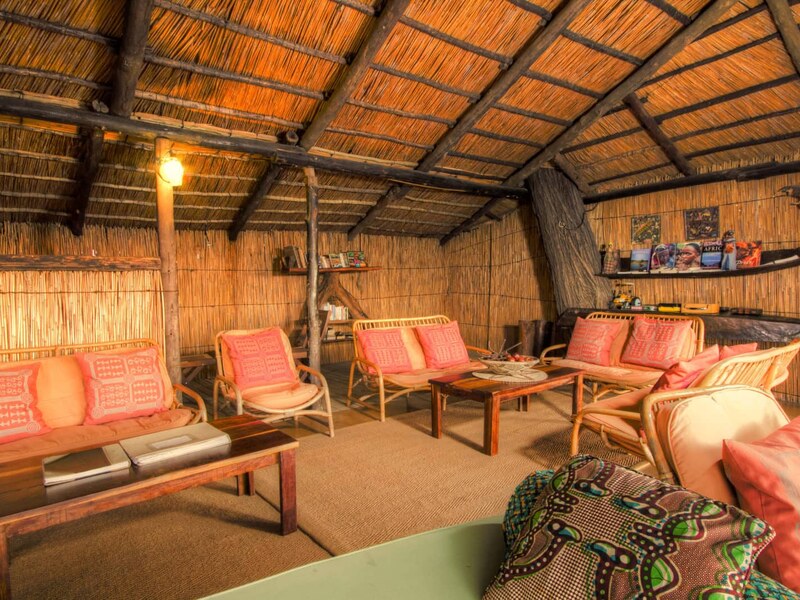
Oddballs Camp is the Okavango’s original budget icon and the property that proved you do not need $3,000 a night to experience the Delta’s magic. Perched on the western edge of Chief’s Island — the largest island in the Delta and one of the most wildlife-dense areas in all of Botswana — Oddballs has been welcoming adventurous travellers since the 1980s.
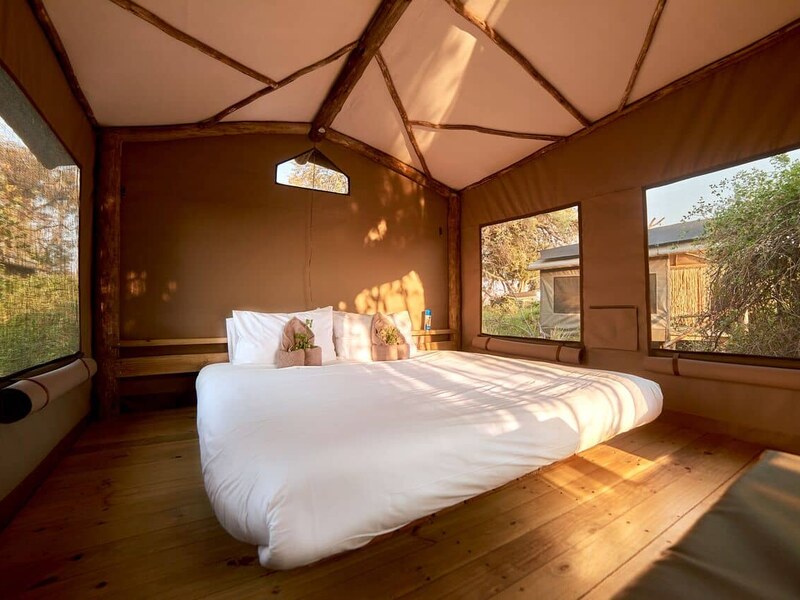
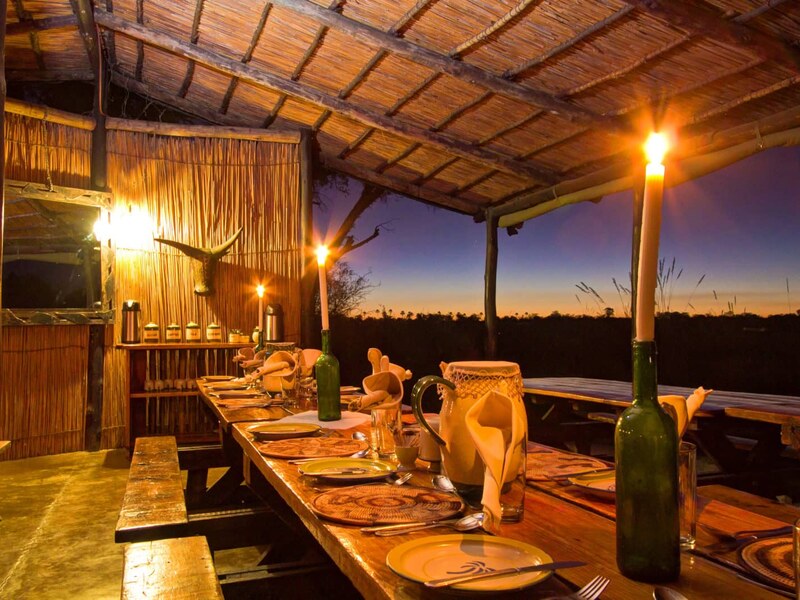
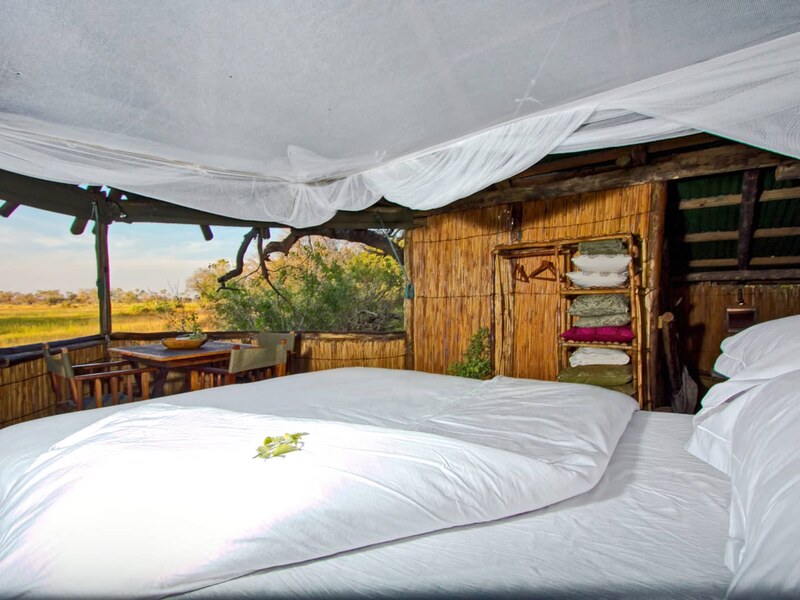
Accommodation is in raised dome tents on wooden platforms overlooking the floodplains, each with proper beds, mosquito netting, and shared ablution facilities with hot water. The simplicity is the point: you fall asleep to hippo grunts and wake to the haunting cry of a fish eagle, with nothing between you and the Delta but a thin canvas wall.
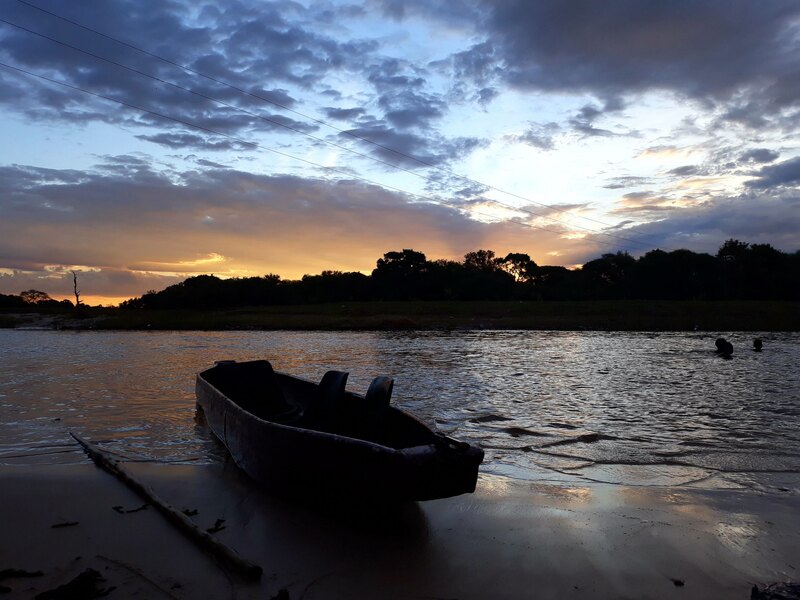
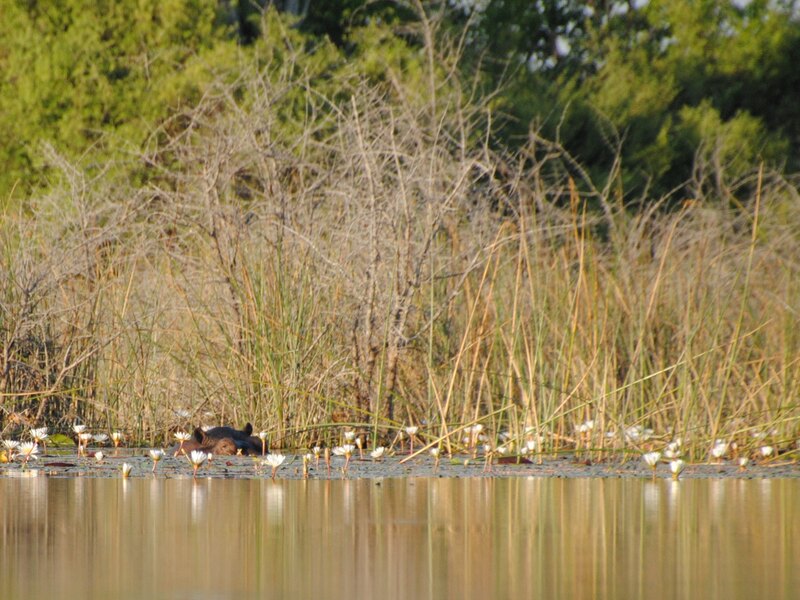
Activities revolve around the water. Mokoro excursions guided by local polers navigate the papyrus channels around Chief’s Island, where you encounter hippo pods, Nile crocodiles, water monitor lizards, and over 400 bird species. Walking safaris on the island itself regularly produce elephant, buffalo, giraffe, and the big cats that hunt them. Game drives in open 4x4s push deeper into Moremi Game Reserve territory.
Rates: Approximately $430–$530 per person per night (green season from $350), fully inclusive of meals, activities, and park fees. Self-catering dome tent options drop further for backpackers.
Who it’s for: Budget-conscious adventurers, solo travellers, backpacking couples, and anyone who values authentic Delta immersion over air conditioning.
2. Moremi Crossing — Eco-Luxury on the Floodplain
Moremi Crossing is the camp that answers the question: can you get genuine eco-luxury in the Okavango for under $600 a night? The answer is an emphatic yes. Situated on the western boundary of Moremi Game Reserve on Ntswi Island, this camp floats between the terrestrial and aquatic worlds of the Delta with 16 spacious Meru-style tents raised on wooden platforms above the floodplain.
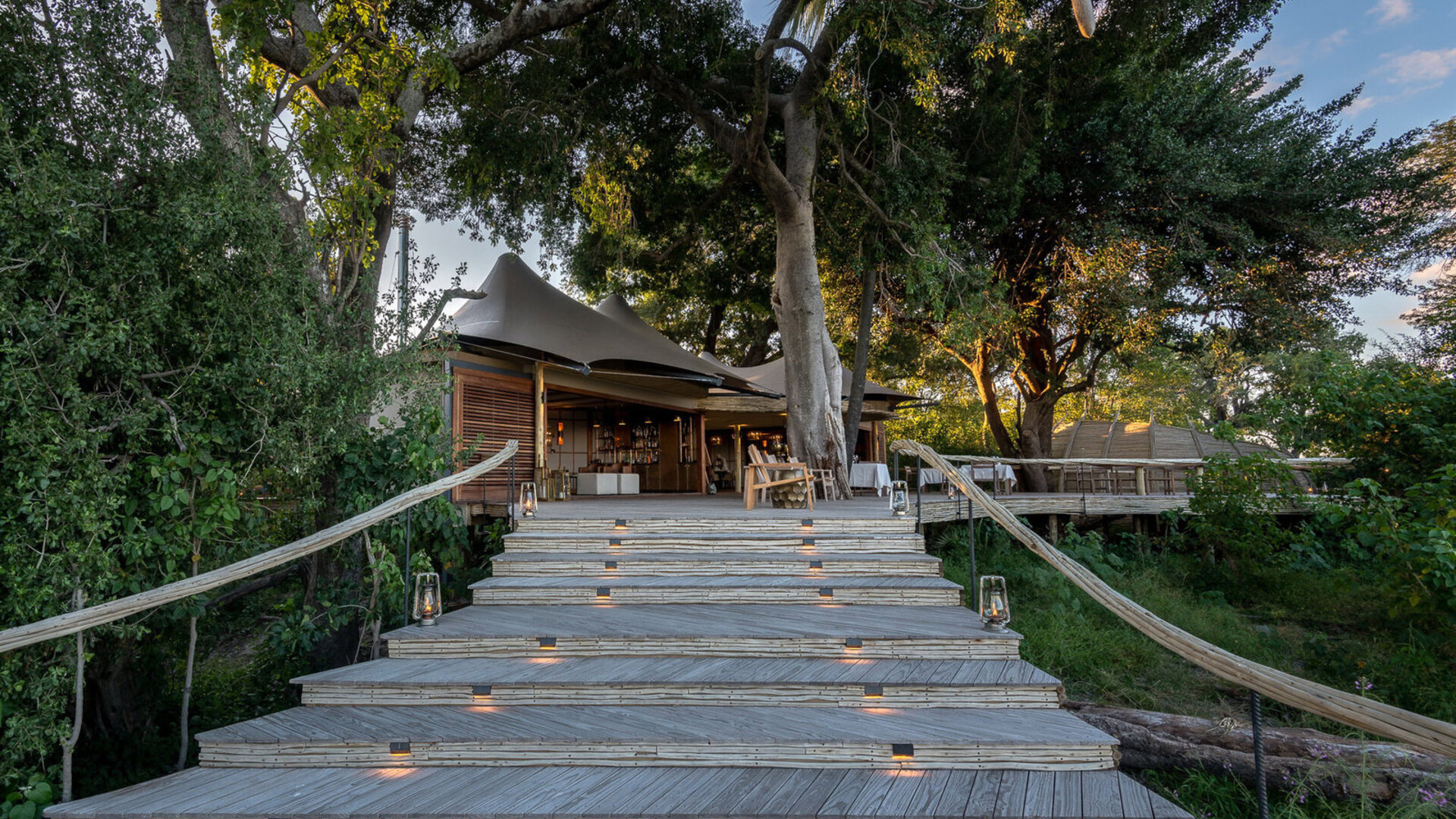
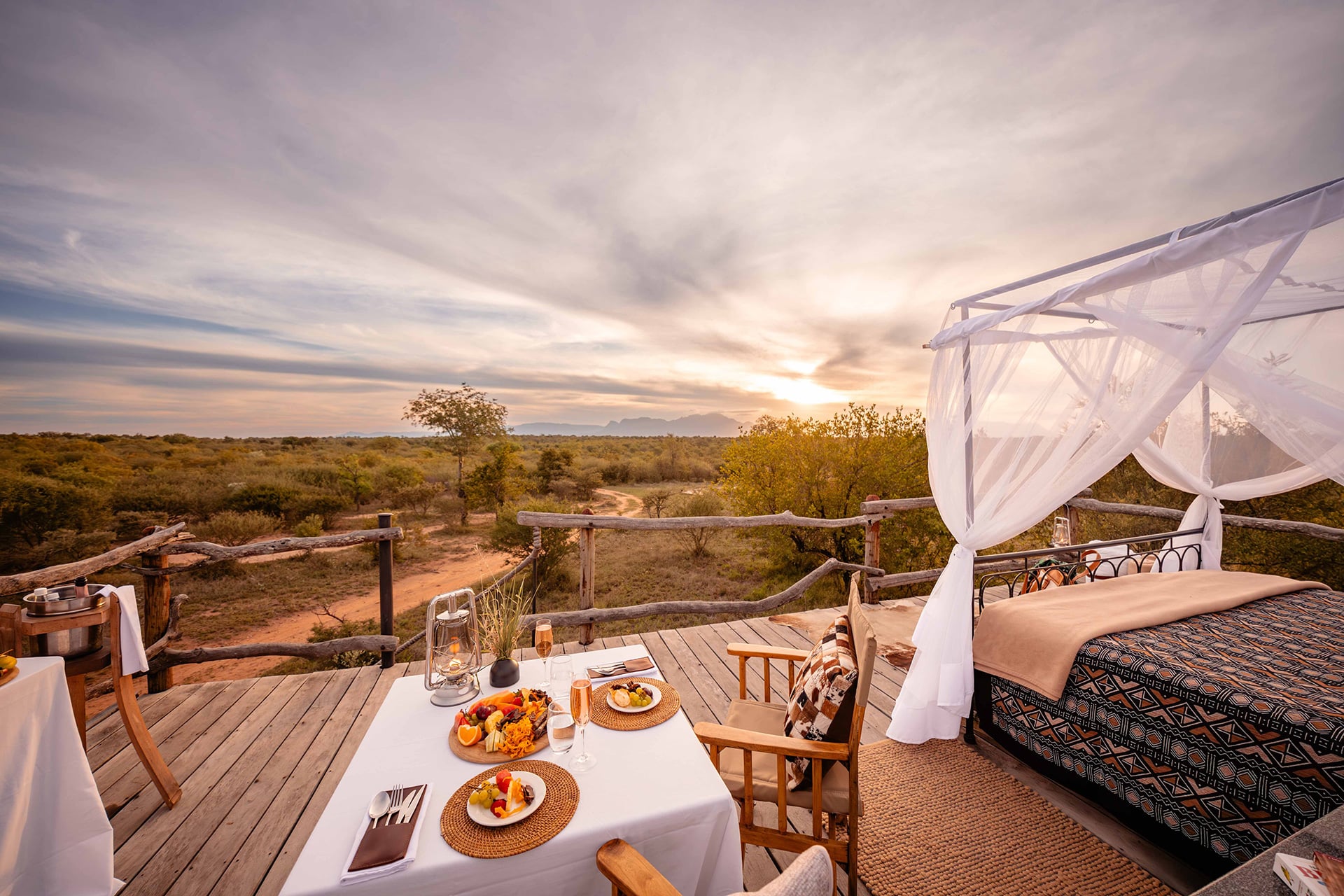
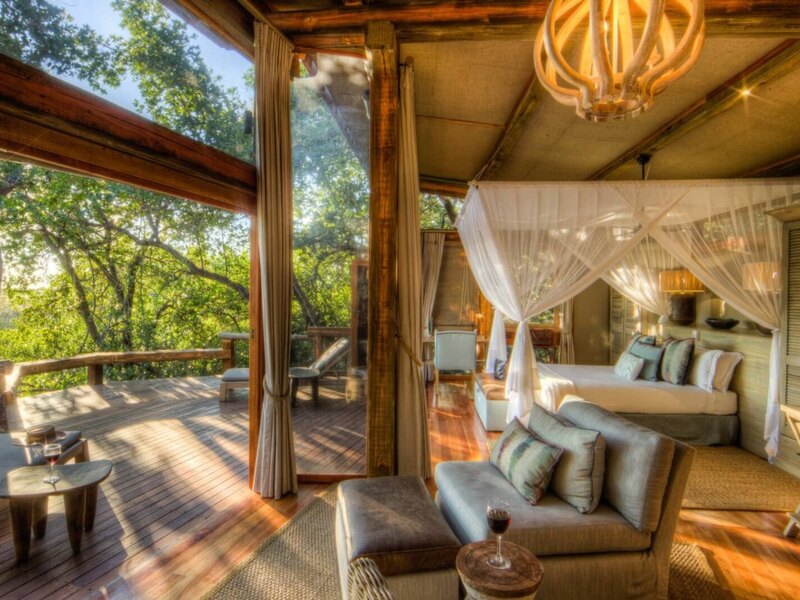
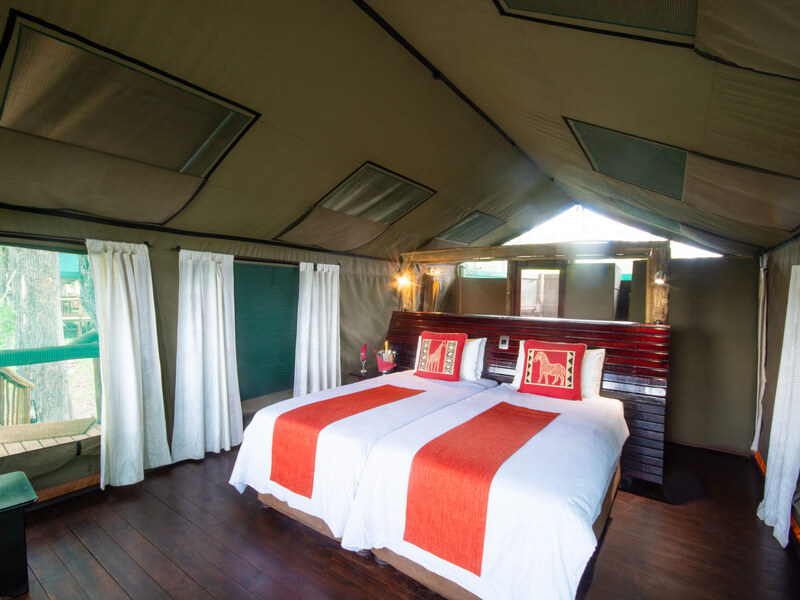
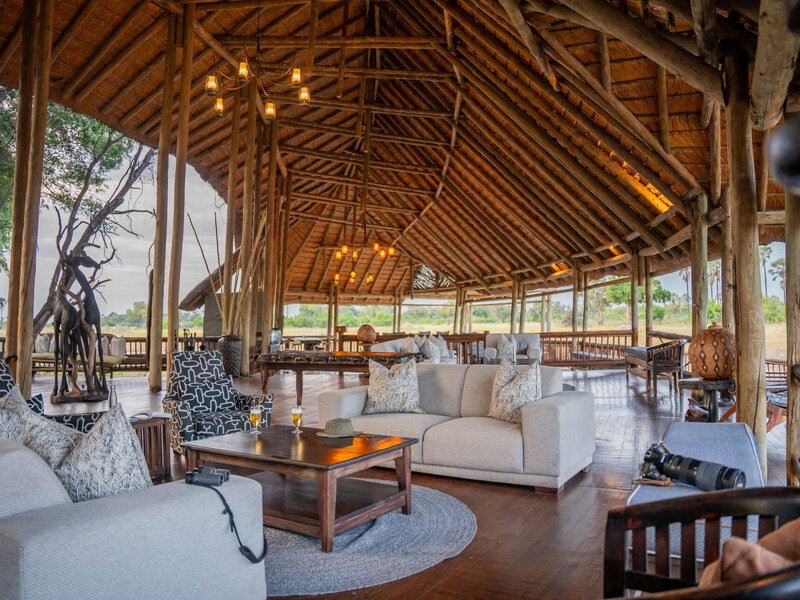
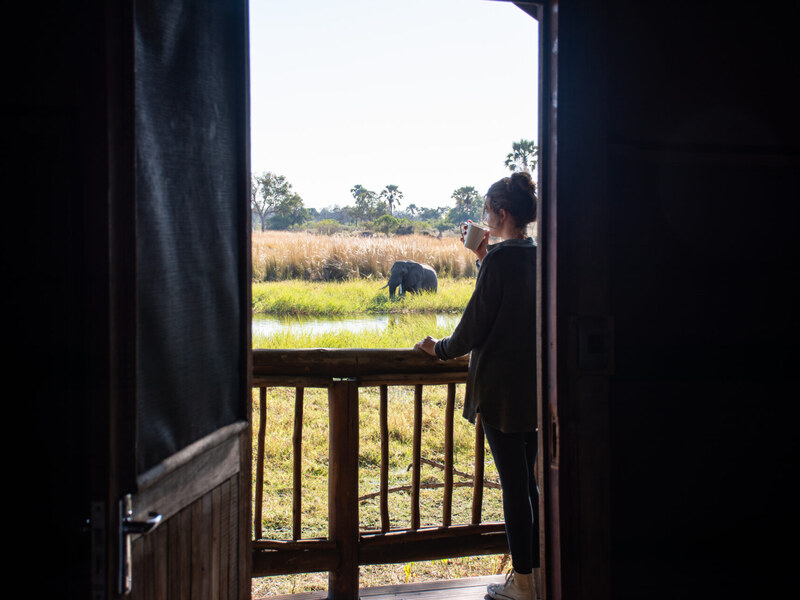
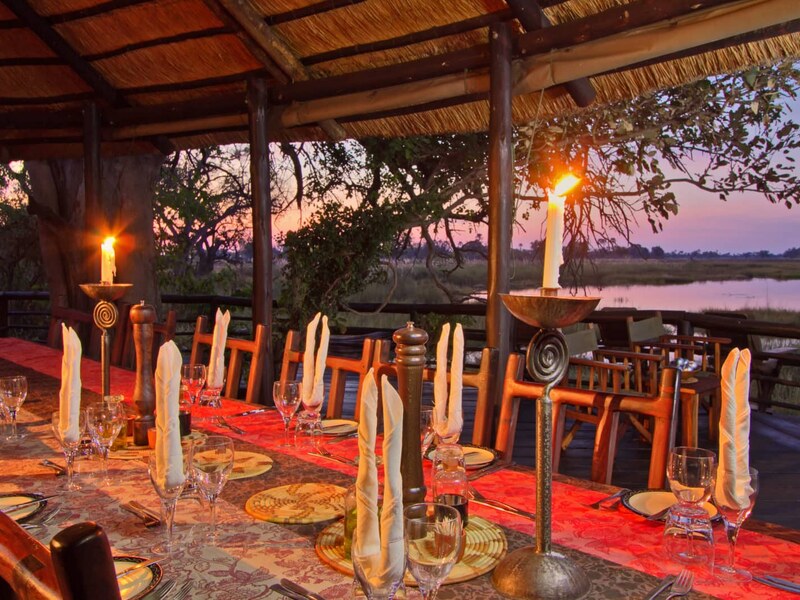
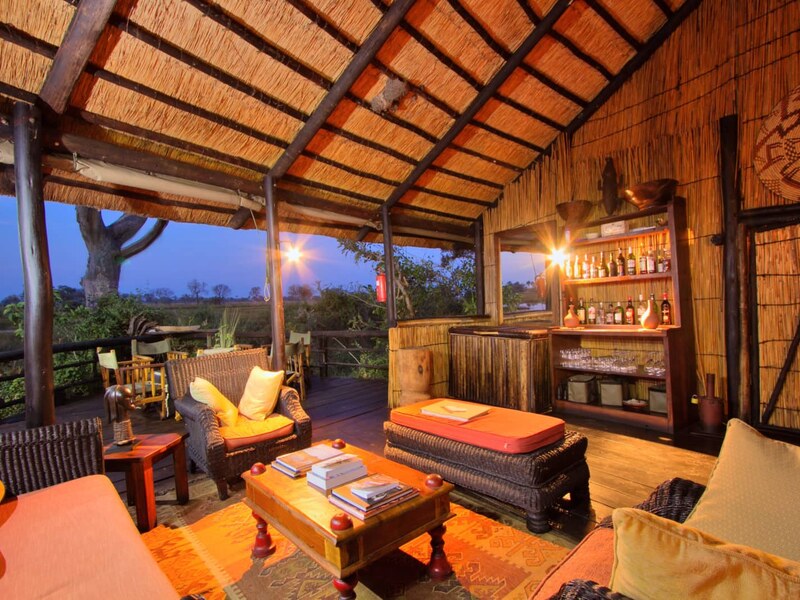
Each tent features en-suite bathrooms with flush toilets and hot showers, comfortable beds with quality linens, a private veranda facing the water, and 240-volt power for charging devices. The main lodge area includes a thatched dining room, a bar with local and imported beverages, a plunge pool, and a viewing deck that doubles as the best sundowner spot in the mid-budget Okavango.
What sets Moremi Crossing apart is its activity range. The camp offers mokoro safaris through the surrounding channels, motorboat cruises on the broader waterways, guided walking safaris on the island, game drives into Moremi Game Reserve (additional vehicle transfer required), and night drives for nocturnal species including serval, civet, and African wild cat. The birding is extraordinary: African skimmers, Pel’s fishing owls, wattled cranes, and the acrobatic malachite kingfisher are all camp regulars.
Rates: Approximately $480–$580 per person per night (green season from $380), fully inclusive.
Who it’s for: Couples seeking romance without the luxury price tag, first-time safari visitors wanting comfort and guidance, photographers drawn to the water-level light.
3. Delta Camp — Family-Friendly Water-World
Delta Camp occupies a private island in the heart of the Okavango’s permanent flood zone, surrounded by deep channels and lily-pad lagoons that keep the water activities running year-round. With just eight tented rooms built from natural materials — reed walls, palm-thatch roofs, canvas openings facing the water — the camp has an intimate, Robinson Crusoe quality that families and small groups particularly love.
Each tent is en-suite with hot-water bucket showers (heated on demand) and eco-flush toilets, and the camp runs on solar power with 12-volt charging in the main area. The atmosphere is barefoot and unpretentious: children are welcome, meal times are flexible, and the guides tailor activities to the group’s pace and interests.
Activities are primarily water-based: mokoro safaris, motorboat cruises, catch-and-release fishing (tiger fish and bream), swimming in clear lagoons (hippo-free zones verified by guides), and walking safaris on surrounding islands. The camp’s deep-water location means it hosts species that drier camps miss: sitatunga (the elusive swamp antelope), painted reed frogs, and spectacular concentrations of herons, egrets, and storks during breeding season.
Rates: Approximately $430–$520 per person per night (green season from $340), fully inclusive.
Who it’s for: Families with children, fishing enthusiasts, couples wanting an intimate water-world experience, travellers who value character over polish.
4. Semowi Lodge — The Panhandle Budget Gateway
Semowi Lodge sits on the banks of the Okavango River in the Panhandle region — the narrow, deep-water channel where the Okavango enters Botswana from Namibia before fanning out into the Delta proper. This location makes it the most affordable permanent lodge in the Okavango system and one of the easiest to reach by road from Maun (approximately 6 hours) or Shakawe (30 minutes).
The lodge offers en-suite chalets and tented rooms with hot running water, air conditioning, and river-facing verandas. The Panhandle’s deep, permanent channels are different from the shallow flood zone further south: the water is faster, the fish are bigger (trophy tigerfish), and the birdlife is staggeringly concentrated. Semowi’s guest list includes serious anglers and birders who come specifically for the Panhandle’s unique ecology.
Activities: Motorboat cruises through the Panhandle channels, mokoro safaris in quieter backwaters, tiger fishing (catch and release), birding excursions (over 400 species including African skimmers, Pel’s fishing owls, and slaty egrets), sunset cruises, and visits to local villages for cultural exchange.
Rates: Approximately $280–$380 per person per night, fully inclusive of meals and activities. One of the lowest permanent-lodge rates in the entire Okavango system.
Who it’s for: Anglers, birders, road-trip travellers combining the Panhandle with the Tsodilo Hills and Makgadikgadi Pans, budget maximisers who want a permanent roof at the lowest Delta price.
5. Guma Lagoon Camp — Community-Based Cultural Immersion
Guma Lagoon Camp is a community-based tourism enterprise on the edge of the Okavango Panhandle, offering a rare combination of affordable Delta access and authentic cultural engagement with the local Hambukushu and Bayei communities. The camp is owner-managed, rustic by design, and deeply embedded in the rhythms of Panhandle village life.
Accommodation ranges from self-catering chalets (the cheapest option in the Delta) to en-suite safari tents and a riverside campsite. The lagoon itself is a vast, shallow expanse of papyrus and water lilies that hosts spectacular birdlife and serves as the launch point for mokoro safaris, fishing trips, and village visits.
Activities: Mokoro safaris with local polers, motorboat birding cruises, tigerfish and bream fishing, visits to Hambukushu villages for basket-weaving demonstrations, traditional cooking, and cultural storytelling, sunset lagoon cruises, and walking safaris on community-managed islands.
Rates: Self-catering chalets from approximately $150 per person per night; fully inclusive packages from $250. Camping from $80 per person. The most affordable way to sleep in the Okavango system.
Who it’s for: Cultural travellers, self-drive adventurers, families on tight budgets, travellers who value community impact and authentic local engagement over polished luxury.
Mobile Camping Safaris: The Deepest Okavango Experience
If the permanent camps are the Okavango’s affordable hotels, mobile camping safaris are its hostels with a Michelin-starred view. A mobile safari takes you into the Moremi Game Reserve — the Delta’s premier wildlife zone — on a fully guided, multi-day camping expedition that pitches and strikes camp daily, following the wildlife and the water wherever they lead.
Meru-Style (Full-Service) vs. Participation Camping
There are two distinct styles, and choosing the right one matters for both budget and experience:
| Feature | Meru-Style (Full-Service) | Participation Camping |
|---|---|---|
| Tents | Large walk-in Meru tents with camp beds, linen, and bedside tables | Small 2-person dome or igloo tents with sleeping mats |
| Showers | Warm bucket showers heated by crew; bush toilet with privacy screen | Bucket showers (sometimes cold); bush toilet shared |
| Meals | All meals cooked by dedicated camp crew; drinks included | Group cooks together; basic but hearty; you help with preparation |
| Crew | Professional guide + camp staff (cook, camp hand, driver) | Professional guide only; guests help with camp setup |
| Transport | Open-sided 4x4 safari vehicle + mokoro | Mokoro primarily; some use open vehicles |
| Cost (5 days) | $2,000–$2,500 per person | $1,000–$1,500 per person |
| Best for | Couples, older travellers, photographers wanting comfort | Solo adventurers, backpackers, budget maximisers |
Best Moremi Campsites for Mobile Safaris
Moremi Game Reserve’s public campsites are among the most spectacular wild camping locations in Africa. The three most sought-after are:
- Third Bridge — Named for the third log bridge crossing into the reserve’s interior. Surrounded by deep channels teeming with hippos and crocodiles, this campsite offers some of Moremi’s best mokoro territory. Lion, leopard, and hyena regularly patrol the camp perimeter at night. Electric fences protect the campsite; bucket-shower ablutions. Advance booking essential — this is Moremi’s most popular site.
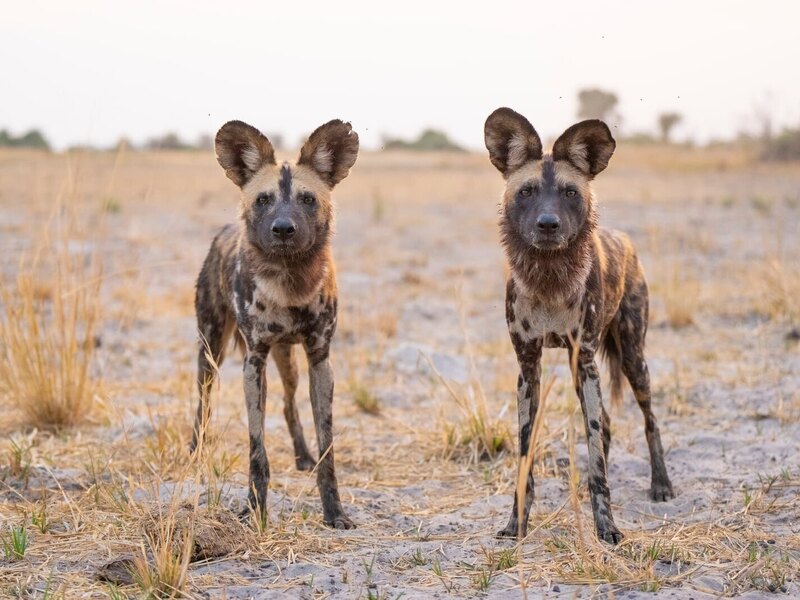
- Xakanaxa — On the edge of the Xakanaxa Lagoon, one of the Delta’s most photogenic water bodies. Heronry Island nearby hosts massive nesting colonies of herons, egrets, storks, and cormorants during breeding season (August–October). Game driving here is exceptional: large herds of buffalo, elephant, and regular wild dog sightings.
- South Gate (Maqwee) — The most accessible campsite (tarmac road from Maun to the gate, then gravel), making it the starting point for most self-drive mobile safaris. Drier habitat means more reliable big-cat sightings. Less crowded than Third Bridge.
Booking note: All Moremi campsites must be pre-booked through the Department of Wildlife and National Parks (DWNP) via the BotswanaTourism.co.bw portal or through a licensed operator. Daily park fees apply: approximately BWP 120 ($9) per person for SADC residents, BWP 800 ($60) per person for international visitors, plus vehicle fees.
Self-Drive Mobile Safaris
For experienced overland travellers, a self-drive mobile safari through Moremi is the ultimate budget option. You rent a fully equipped 4x4 from Maun (complete with rooftop tent, camping gear, fridge, and cooking equipment), pre-book your campsites, and navigate the reserve independently.
Requirements: High-clearance 4x4 with low range (essential — Moremi’s sand tracks are deep), second spare tyre, satellite phone or GPS communicator (no cell coverage), comprehensive vehicle insurance, and genuine off-road driving experience. The tracks flood seasonally, and getting stuck is not a question of if but when — a recovery strap, shovel, and tyre deflator are non-negotiable.
Cost: 4x4 hire (fully equipped) from approximately $180–$250 per day. Park fees approximately $60 per person per day (international). Total for 5-day self-drive mobile safari: roughly $1,200–$1,800 for two people all-in (vehicle, fuel, food, park fees, camping fees).
Value Season Strategy: How to Cut Costs by 30–50%
The single most powerful money-saving lever in the Okavango is when you travel. Botswana’s safari seasons divide into three bands, each with dramatically different pricing, weather, wildlife patterns, and crowd levels.
| Season | Months | Rates vs. Peak | Wildlife & Conditions | Trade-offs |
|---|---|---|---|---|
| Peak Dry | July–October | Full rate (100%) | Maximum wildlife concentrations at water sources; high water for mokoro; sparse vegetation = easy game viewing | Highest prices; busiest lodges; advance booking essential (6–12 months) |
| Shoulder | April–June & November | 15–30% below peak | Excellent wildlife; flood arriving (Apr–Jun) or receding (Nov); mixed conditions | Occasional rain (Nov); some camps close for maintenance; fewer other guests |
| Green (Value) | December–March | 30–50% below peak | Lush, green Delta; calving season (impala, wildebeest); 500+ bird species including migrants; dramatic thunderstorm skies | Afternoon rains (usually 1–2 hours); some roads flooded; mosquitoes more active; wildlife disperses from waterholes |
The green-season sweet spot: December through March delivers rates 30–50% below peak at every camp in this guide. At Oddballs, that drops the nightly rate from $530 to approximately $350. At Guma Lagoon, a self-catering chalet falls to roughly $120 per night. The wildlife trade-off is real but often overstated: animals disperse when water is everywhere, but predator action intensifies (calving season = easy prey), birdlife explodes with Palearctic migrants, and the landscape transforms from dry savanna to a luminous green paradise. For photographers, the dramatic afternoon thunderclouds produce light that dry-season visitors never see.
The shoulder-season compromise: April–June and November offer 15–30% savings with near-peak wildlife viewing. April is the flood’s arrival — when the Okavango’s waters begin their annual surge from Angola — and offers a unique spectacle as dry channels fill before your eyes. November is the “suicide month” for heat (40°C+) but delivers the first rains, migrant birds, and dramatic skies at a significant discount.
Decision Matrix: Which Option Is Right for You?
Every traveller has different priorities, budgets, and comfort thresholds. This matrix cuts through the noise:
| Traveller Type | Participation Camping | Full-Service Mobile | Budget Lodge |
|---|---|---|---|
| Solo Adventurer | ⭐ Best fit | — | ✓ |
| Couple (Romance) | — | ✓ | ⭐ Best fit |
| Family with Children | — | — | ⭐ Best fit |
| Group of Friends | ⭐ Best fit | ⭐ Best fit | ✓ |
| Photographer | — | ⭐ Best fit | ✓ |
| First-Time Safari-Goer | — | ✓ | ⭐ Best fit |
⭐ = best fit for this traveller type. ✓ = good option. — = not recommended unless specifically desired.
Sample Itineraries with Real Cost Breakdowns
Itinerary A: 5-Day Mobile Camping Safari in Moremi — From $1,200 per Person
| Day | Activity | Camp | Cost pp |
|---|---|---|---|
| Day 1 | Maun → South Gate; afternoon game drive | South Gate Campsite | $80 (park + camp fees) |
| Day 2 | Full-day game drive: South Gate → Third Bridge via Paradise Pools | Third Bridge Campsite | $80 |
| Day 3 | Morning mokoro safari; afternoon game drive; night sounds | Third Bridge Campsite | $80 |
| Day 4 | Game drive to Xakanaxa; birding at Heronry; evening game drive | Xakanaxa Campsite | $80 |
| Day 5 | Morning game drive; return to Maun via North Gate | — | $60 |
| Total per person (park + camp fees) | $380 | ||
| 4x4 hire (split between 2): $900 ÷ 2 = $450 pp | $450 | ||
| Fuel + food + supplies | $370 | ||
| Grand Total per Person (2 sharing) | ~$1,200 | ||
Itinerary B: 7-Day Budget Lodge Combination — From $3,200 per Person
| Nights | Lodge | Rate pp/Night | Subtotal pp |
|---|---|---|---|
| Nights 1–3 | Oddballs Camp (Chief’s Island) | $480 | $1,440 |
| Transfer day | Mokoro/boat transfer Oddballs → Moremi Crossing | Included | — |
| Nights 4–7 | Moremi Crossing (Ntswi Island) | $520 | $2,080 |
| Lodge Total pp | $3,520 | ||
| Return light-aircraft transfer (Maun → camps → Maun) | $400–$600 | ||
| Grand Total pp (fly-in) | ~$3,920–$4,120 | ||
| Green-season rate (Dec–Mar): lodges at 30% off | ~$2,860–$3,060 | ||
For comparison, a 7-night luxury combination at Mombo + Vumbura Plains costs approximately $21,000–$28,000 per person. The budget route delivers the same Delta — same channels, same species, same sunsets — at roughly 85% less.
How to Save: 10 Strategies That Actually Work
- Travel in the green season (December–March): 30–50% rate reductions at every camp and lodge. The single biggest saving.
- Choose land transfers over charter flights: A 4x4 transfer from Maun to Moremi costs $100–$200 per person; a charter flight costs $400–$600. Save $200–$400+ each way.
- Travel as a group: Self-drive vehicle costs, charter flights, and guided mobile safaris all split more efficiently with 4–6 people. A group of 4 can save 25–40% per person versus a couple.
- Book participation camping: At $200–$350/day versus $430–$530 for a budget lodge, participation camping halves your accommodation costs.
- Stay at Panhandle camps (Semowi, Guma Lagoon): Road-accessible, lower overheads, rates 30–50% below inner-delta camps.
- Self-cater where possible: Guma Lagoon’s self-catering chalets drop to $150/night; bring your own food from Maun’s Spar supermarket.
- Combine budget and mid-range: 3 nights camping + 4 nights at a budget lodge gives the full range of experiences at a blended rate.
- Book early: Green-season deals and popular campsites (Third Bridge, Xakanaxa) sell out 3–6 months ahead; early booking secures the best rates.
- Skip the internal flights: If your itinerary allows, string together road-accessible camps (Maun → Moremi self-drive → Panhandle road) and eliminate charter costs entirely.
- Use a specialist operator: Companies like Beyond Africa Safaris negotiate contracted rates 10–20% below rack and handle logistics, park bookings, and vehicle arrangements that self-bookers struggle with. Get a free quote or WhatsApp us.
What’s Included vs. What Costs Extra
Transparency matters when budgeting an Okavango safari. Here is what most budget camps and mobile safaris bundle into their quoted rates versus what you pay separately:
| Item | Budget Lodge | Full-Service Mobile | Participation Camping |
|---|---|---|---|
| All meals | ✓ Included | ✓ Included | ✓ Basic included |
| Mokoro safaris | ✓ Included | ✓ Included | ✓ Included |
| Game drives | ✓ Included | ✓ Included | Varies |
| Walking safaris | ✓ Included | ✓ Included | ✓ Included |
| Park fees | ✓ Included | ✓ Included | ✓ Included |
| Camping gear | N/A | ✓ Included | ✓ Included |
| Local drinks (beer, wine) | ✓ Included | ✓ Included | — Extra |
| Charter flights | — Extra ($400–$600 pp) | — Usually extra | — N/A (road access) |
| Premium spirits | — Extra | — Extra | — Extra |
| Laundry | ✓ Included | — N/A | — N/A |
| Tips (guide/staff) | — Extra ($10–20/day) | — Extra ($10–15/day) | — Extra ($5–10/day) |
| Travel insurance | — Extra (essential) | — Extra (essential) | — Extra (essential) |
Budget Okavango vs. Luxury Fly-In: Same Delta, Different Price
The question budget-conscious travellers always ask: am I actually missing out? The honest answer is nuanced. Here is what changes and what does not:
What stays exactly the same:
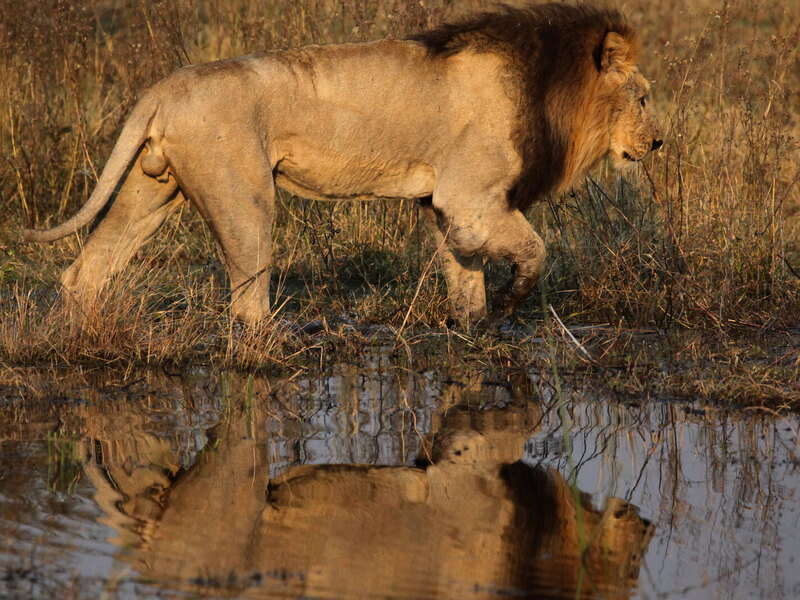
- The wildlife — elephants, lions, leopards, wild dogs, hippos, and 400+ bird species live in the ecosystem, not in the lodge
- The mokoro experience — a hand-poled dugout canoe through papyrus channels is identical at every price point
- The soundscape — hippo grunts, fish eagle cries, and lion roars at 3 a.m. are the same whether you sleep under canvas or Egyptian cotton
- The stargazing — zero light pollution across the entire Delta
- The water — crystal-clear, gin-coloured channels that define the Okavango exist everywhere in the flood zone
What changes:
- Concession exclusivity — luxury camps operate in private concessions with no other lodges; budget camps share Moremi’s public areas with other vehicles (though density is low by African standards)
- Guiding quality — luxury camps attract the most experienced guides with the highest qualifications; budget camps employ skilled but less-seasoned guides (the wildlife knowledge is strong; the storytelling and tracking subtlety can differ)
- Accommodation comfort — the obvious difference: plunge pools, air conditioning, and bath tubs versus dome tents and bucket showers
- Transfer method — charter flights offer aerial Delta views and save hours; road transfers are longer but significantly cheaper
- Cuisine — luxury camps serve multi-course meals with premium wine pairings; budget camps serve hearty, well-prepared bush food
The verdict: budget Okavango delivers 90% of the luxury experience at 15–25% of the cost. The 10% you miss is concession exclusivity, five-star service polish, and interior design — none of which is visible when you are eye-to-eye with an elephant from a mokoro.
Best Time to Visit the Okavango Delta on a Budget
Timing your visit correctly can save more than any other single decision. Here is the month-by-month picture for budget travellers:
- May–October (dry season): Peak wildlife viewing. The annual flood arrives in May–June (transforming dry channels into mokoro highways), and from July onwards animals concentrate around permanent water sources. This is the best time for big-cat sightings, elephant herds, and the classic Okavango experience — but it is also the most expensive period. Budget travellers should target May–June (shoulder rates, flood arriving, fewer tourists) or October (hot but magnificent game viewing, rates dropping as green season approaches).
- November–March (green season): The value season. Rates drop 30–50% across the board. The Delta transforms into a lush, green paradise with dramatic afternoon thunderstorms, superb birdlife (Palearctic migrants arrive), and calving season drama (December–February). Wildlife disperses from permanent water sources but does not disappear — predators follow the newborns, and the islands remain productive. Mosquitoes are more active; malaria prophylaxis is more important.
- April and November (sweet spot): The shoulder months offer the best balance of wildlife, weather, and price. April sees the flood’s first pulse arriving — a unique spectacle — at 15–30% below peak. November delivers pre-rain heat (challenging) but extraordinary game viewing and significant discounts. For the full seasonal breakdown, see our Best Time to Visit the Okavango Delta guide.
Booking Timeline: When to Book for the Best Deals
- 12 months ahead: Lock in green-season rates at Oddballs, Moremi Crossing, and Delta Camp. Moremi campsites (Third Bridge, Xakanaxa) open for booking exactly 12 months before the arrival date — popular dates sell out within days.
- 6–9 months ahead: Standard booking window for dry-season budget lodges. Most availability remains, but premium dates (July school holidays, August peak) fill quickly.
- 3–6 months ahead: Good for green-season trips; some last-minute discounts appear. Self-drive 4x4 hire should be locked in by now (Maun has limited fleet).
- Under 3 months: Last-minute availability is possible in green season and at Panhandle camps. Inner-delta lodges are usually full for dry season. Mobile safari operators may have gaps to fill at reduced rates — worth asking.
Pro tip: Book your Moremi campsites first (they sell out fastest), then your lodge nights, then your vehicle hire, then your flights. The campsites are the bottleneck; everything else has more flexibility.
Getting to the Okavango Delta on a Budget
Maun is the gateway town. International connections via Johannesburg (Air Botswana, Airlink — approximately $200–$400 return) or Gaborone (Air Botswana domestic, approximately $100–$180 return). From Maun, your options are:
- Charter flight (inner delta camps): $400–$600 per person return. Scenic but expensive. Required for camps without road access (Oddballs, Moremi Crossing, Delta Camp).
- 4x4 road transfer (Moremi Game Reserve): Maun to South Gate approximately 100 km (3 hours on sand track). Free if self-driving; guided transfer approximately $100–$200 per person.
- Road to Panhandle (Semowi, Guma): Maun to Shakawe approximately 360 km (5–6 hours on tar). Cheapest Delta access by far — no flights needed.
- Mokoro from Boro: Some operators offer mokoro transfers from the village of Boro (accessible by road from Maun) into inner-delta camps — a 3–4 hour paddle that doubles as a safari activity. Cost: approximately $100–$150 per person.
Budget strategy: Combine a road-accessible camp (Moremi self-drive or Panhandle) with one inner-delta camp reached by mokoro transfer rather than charter flight. This eliminates the $400–$600 flight cost while adding an unforgettable water-level transfer that luxury guests pay extra for.
Frequently Asked Questions
Still have questions? Here are the nine most common queries about affordable Okavango Delta safaris: