Key Takeaways
- Private concessions are the Delta's ultimate secret — exclusive traversing rights, off-road driving, night drives, walking safaris & mokoro trips unavailable in the public Moremi Game Reserve.
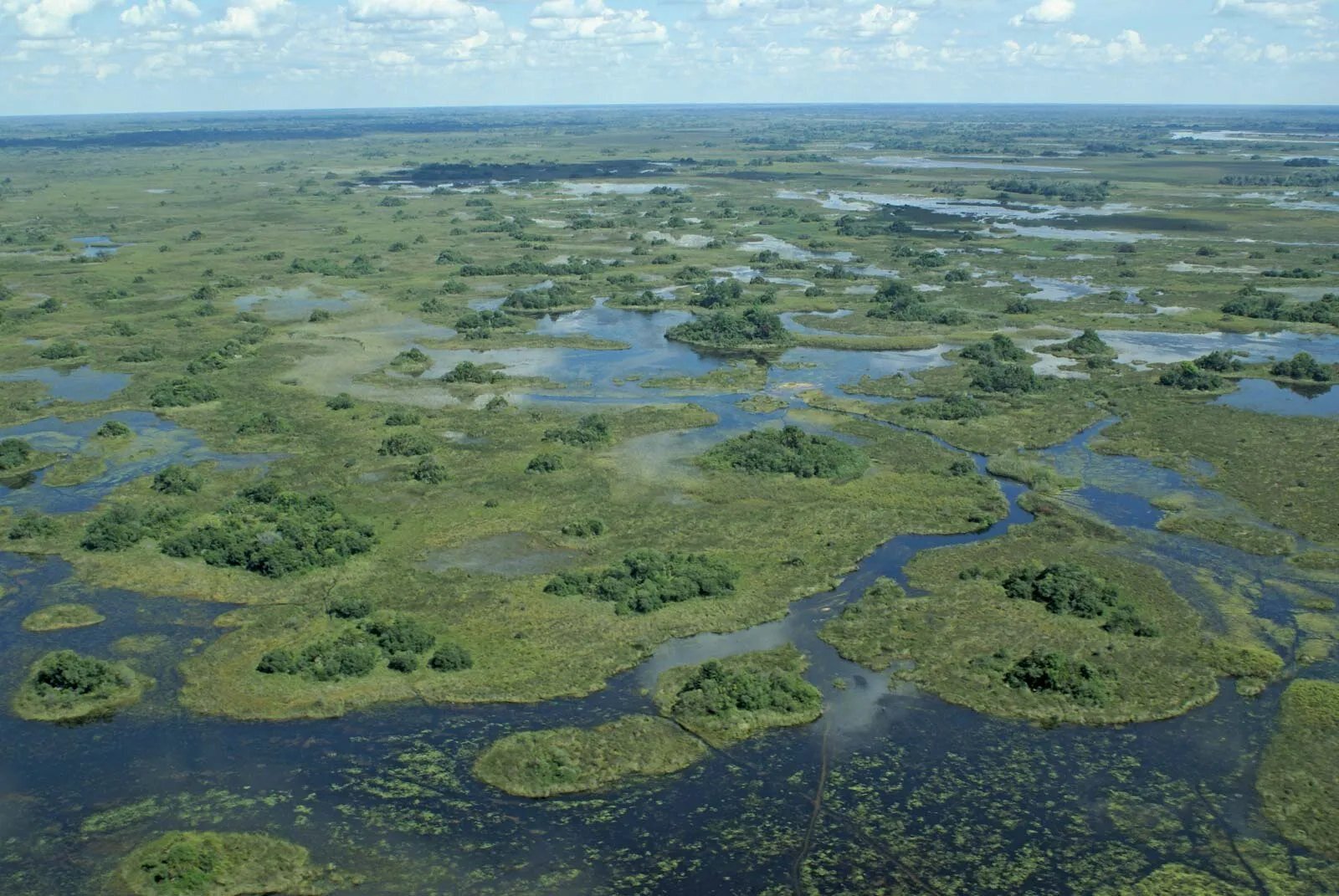
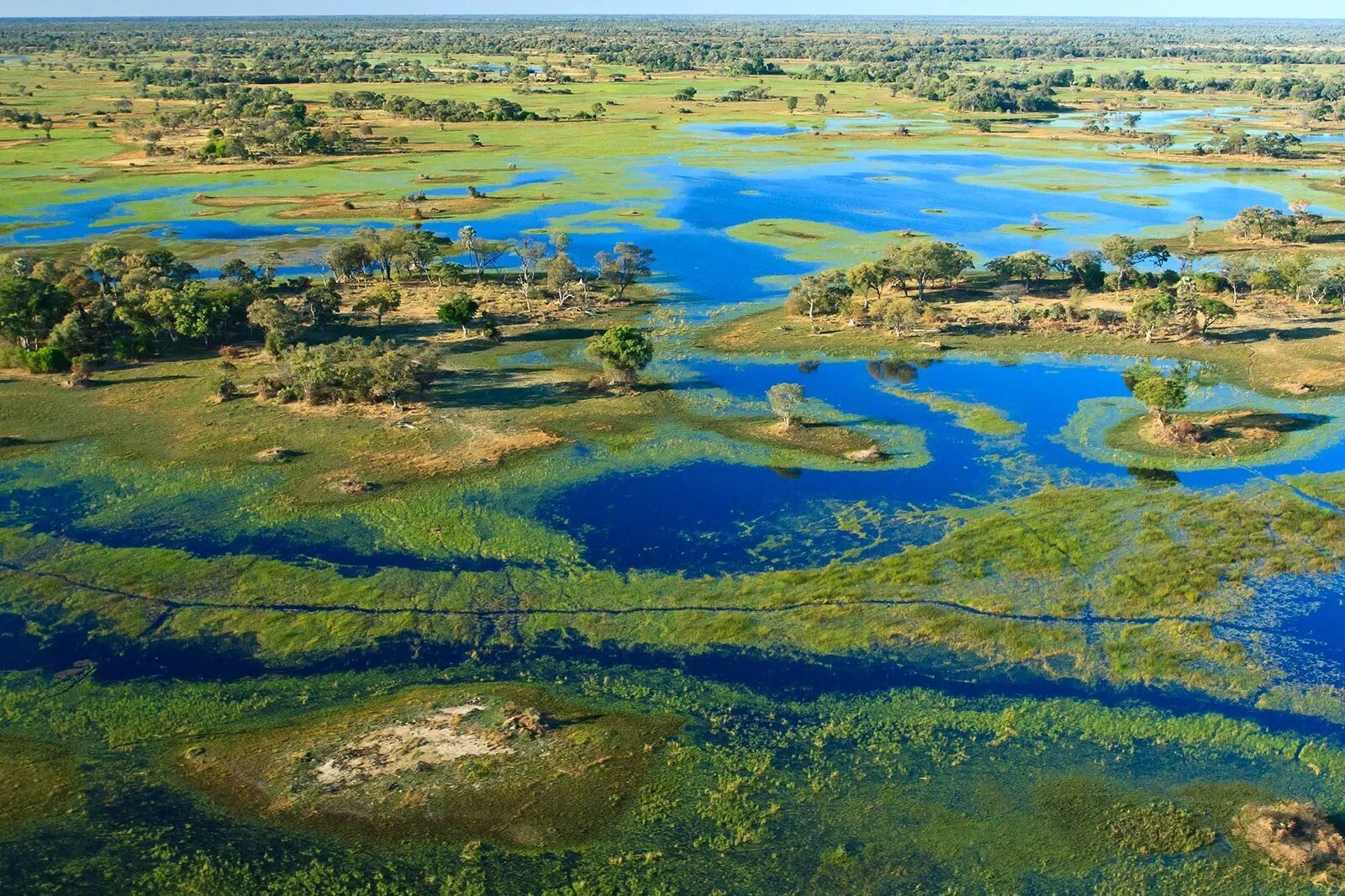
- The Okavango is a water wilderness — the annual flood transforms Kalahari sands into a labyrinth of channels, lagoons and islands teeming with wildlife.
- Top concessions: Mombo (Chief's Island, unrivaled predator density), Vumbura Plains (water & land mix), Abu Concession (elephant-back heritage) — each offers unmatched exclusivity.
- Premier camps include Mombo Camp (the "Place of Plenty"), Vumbura Plains, Chief's Camp, Xigera & Abu Camp — all ultra-luxury island properties.
- Budget $1,200-3,500 per person per night for all-inclusive private concession stays — the Delta is one of Africa's most exclusive (and pricey) safari destinations.
- Fly in by light aircraft — there are no roads into most Delta camps. Scenic flights from Maun airstrip (20-40 minutes) are part of the adventure.
1. Why Private Concessions Beat the Public Reserve
The Okavango Delta is one of Africa's most extraordinary ecosystems — a UNESCO World Heritage Site where a river flows into the Kalahari Desert and evaporates, creating a shifting wetland wilderness the size of a small country. And here's the key to experiencing it: private concessions.
The Delta is divided into the public Moremi Game Reserve and a patchwork of private concessions leased from local communities. The difference in experience is profound.
What you gain on a private Okavango concession safari:
- Off-road driving freedom — Follow a leopard through the treeline, position for the perfect sighting. Prohibited in Moremi where vehicles stay on tracks.
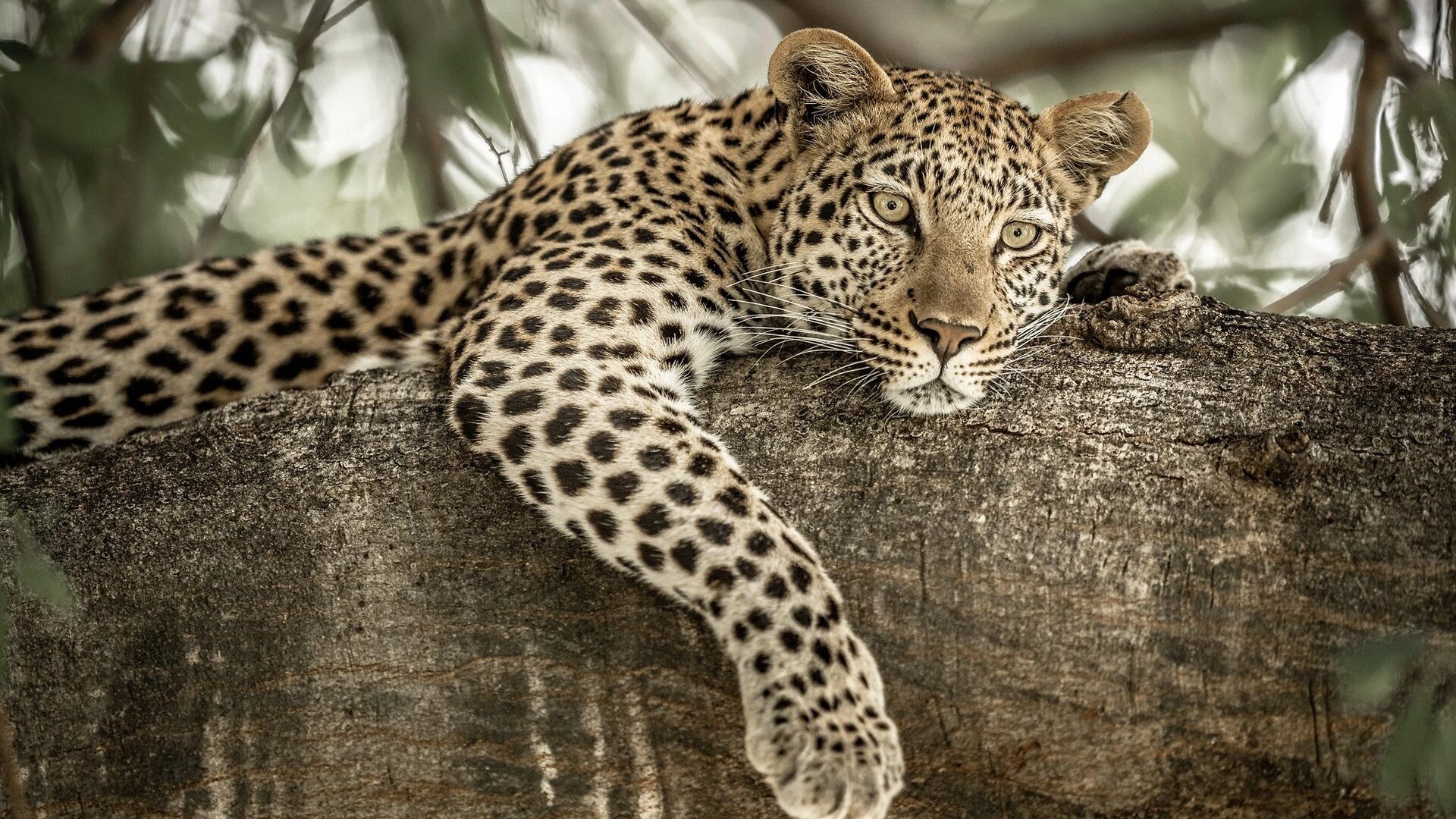
- Night drives — The Delta after dark reveals leopards, servals, honey badgers, aardwolves, bushbabies and porcupines. Not permitted in the public reserve.
- Mokoro & boat safaris — Glide silently through channels in a traditional dugout canoe, poled by an expert guide. The Delta's signature experience.
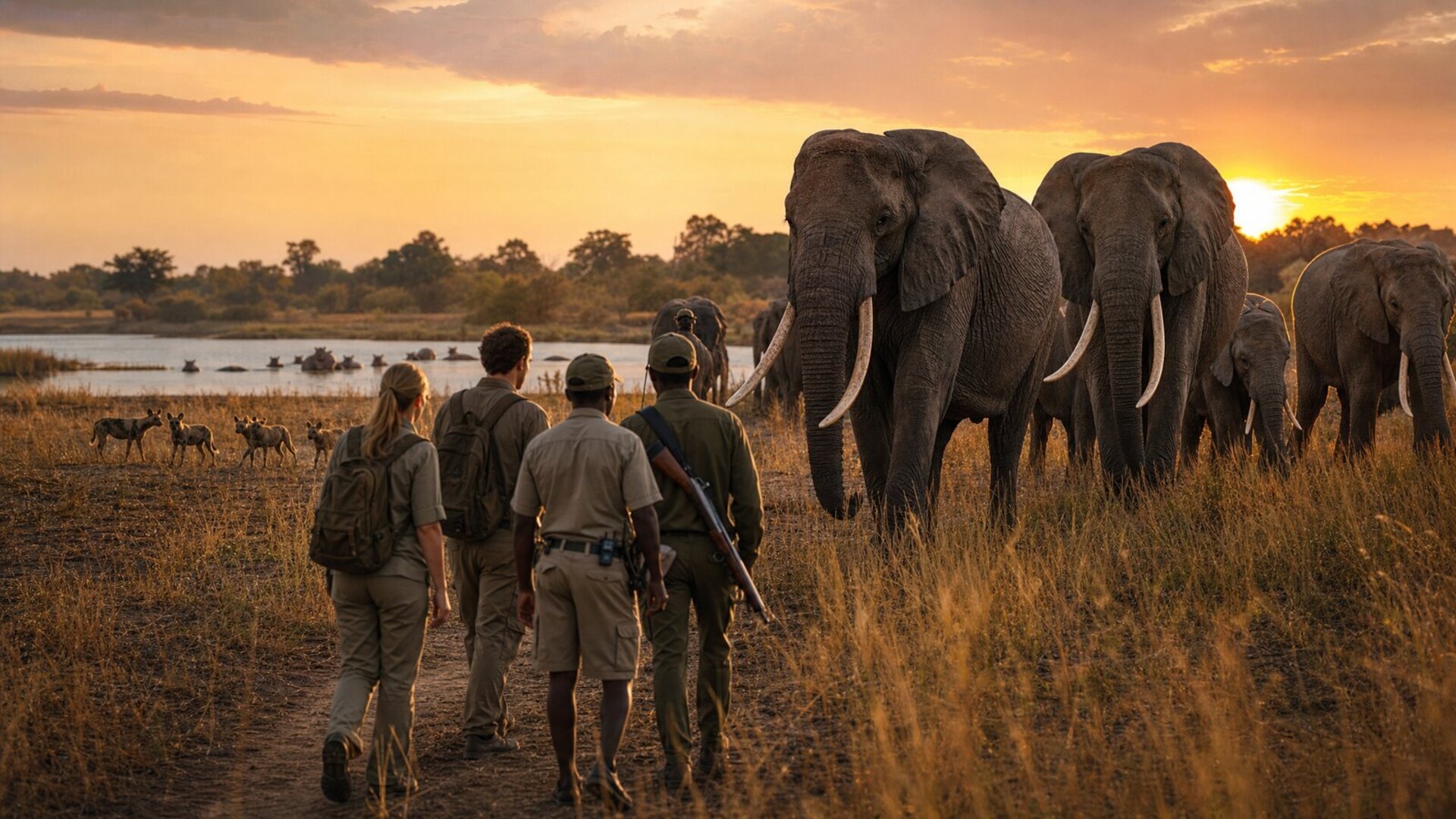
- Walking safaris — Track wildlife on foot across islands with armed guides. Impossible in Moremi.
- Exclusive traversing — Some concessions host just one or two camps across hundreds of thousands of acres. You may not see another vehicle all day.
- Community conservation — Concession fees fund anti-poaching and provide vital income to Botswana's rural communities.
Moremi Game Reserve is superb — but it's shared with self-drive visitors and multiple lodges. For true exclusivity, private concessions are unmatched.
2. Water vs Land: Understanding Delta Safaris
The Okavango is unlike any other safari destination on Earth. Its defining feature is water — and understanding how water shapes your safari is essential to planning the right trip.
Each year, rains falling in the Angolan highlands surge down the Okavango River and spill into the Kalahari, peaking in the Delta around June-August (Botswana's dry winter). This creates a paradox: the Delta floods precisely when the surrounding land is driest, drawing wildlife from hundreds of miles.
Water Safaris — The Delta's Signature
When flood levels are high, water safaris come into their own:
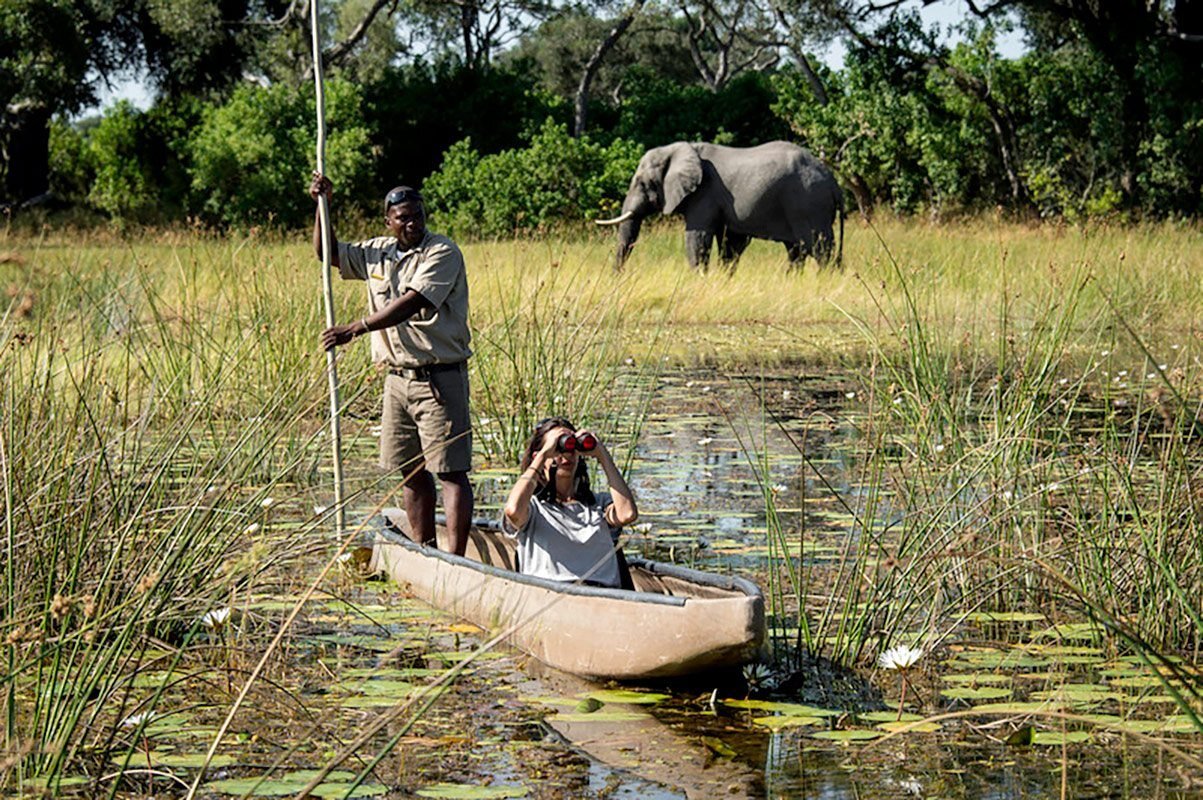
- Mokoro trips — A guide (poler) propels you through reed-lined channels in a traditional dugout canoe. Silent, intimate, magical. You'll drift past hippos, watch frogs and kingfishers, and feel the Delta's pulse.
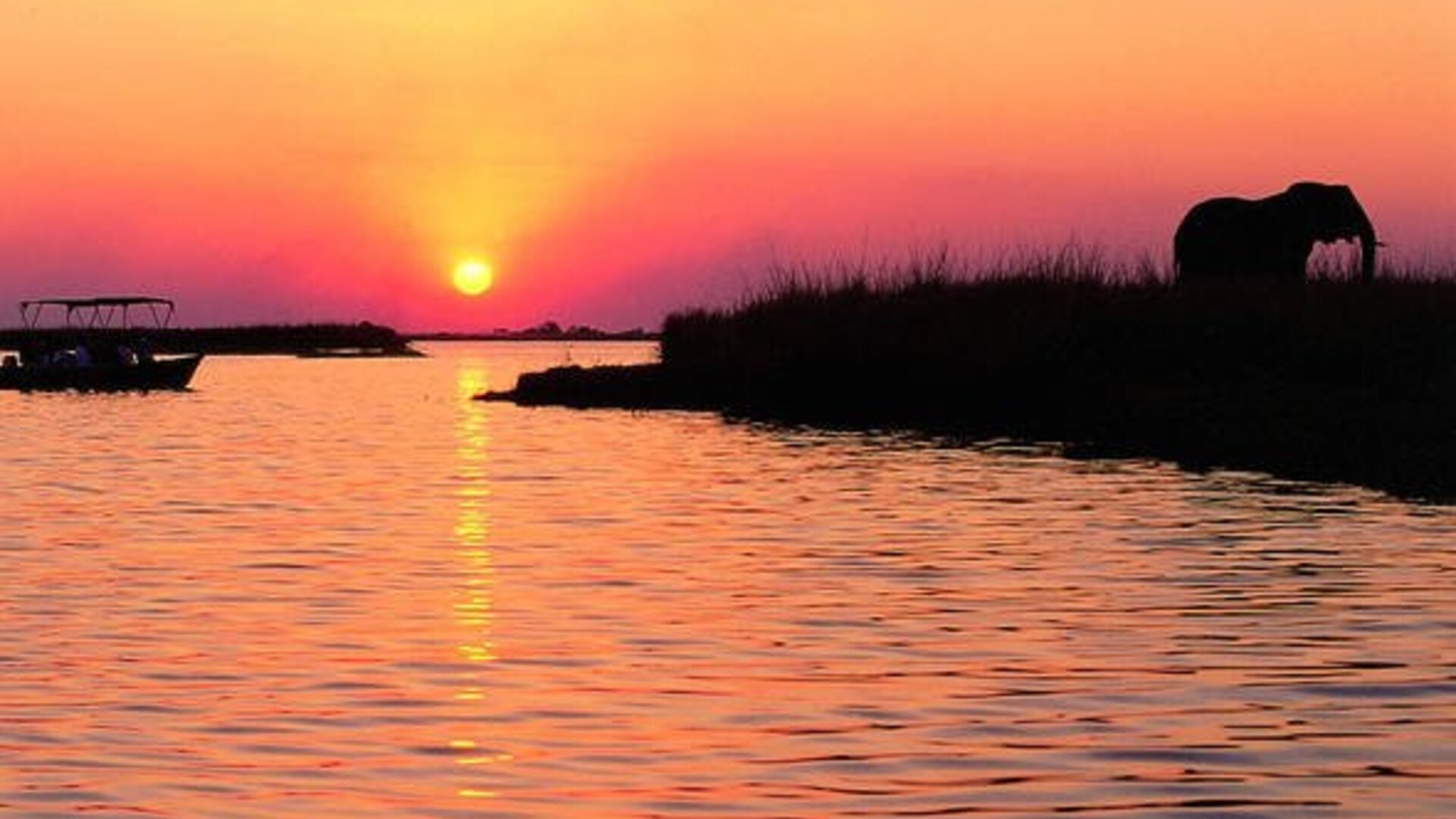
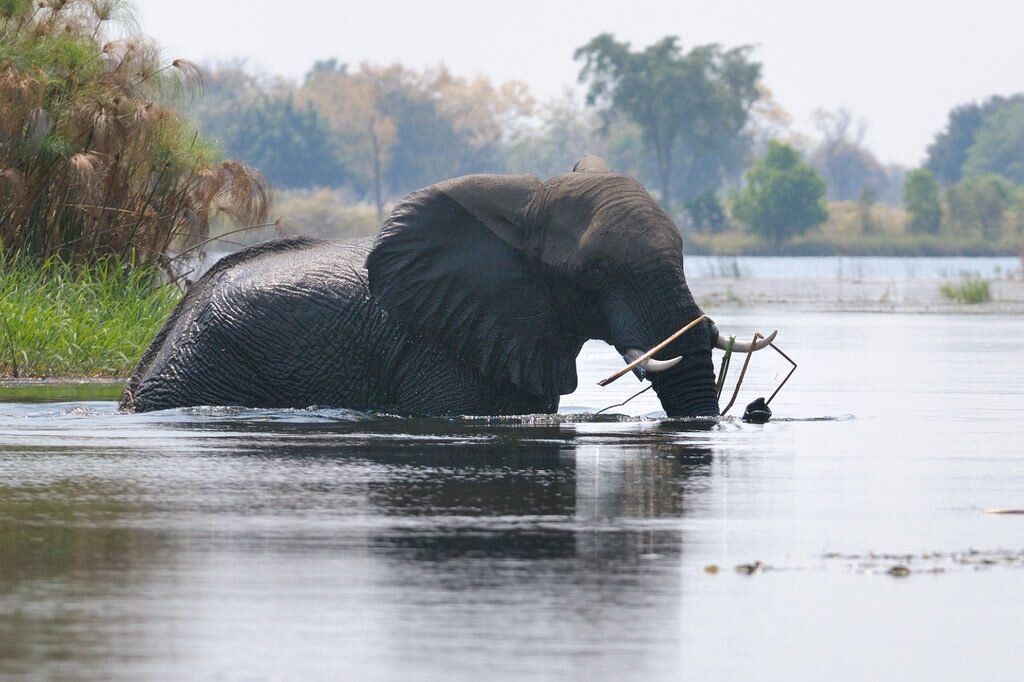
- Boat cruises — Motorboats access deeper channels and lagoons, ideal for hippo pods, crocodiles, elephants crossing, and spectacular birdlife.
Land Safaris — Big Game on the Islands
The Delta's islands and floodplains host classic game drives:
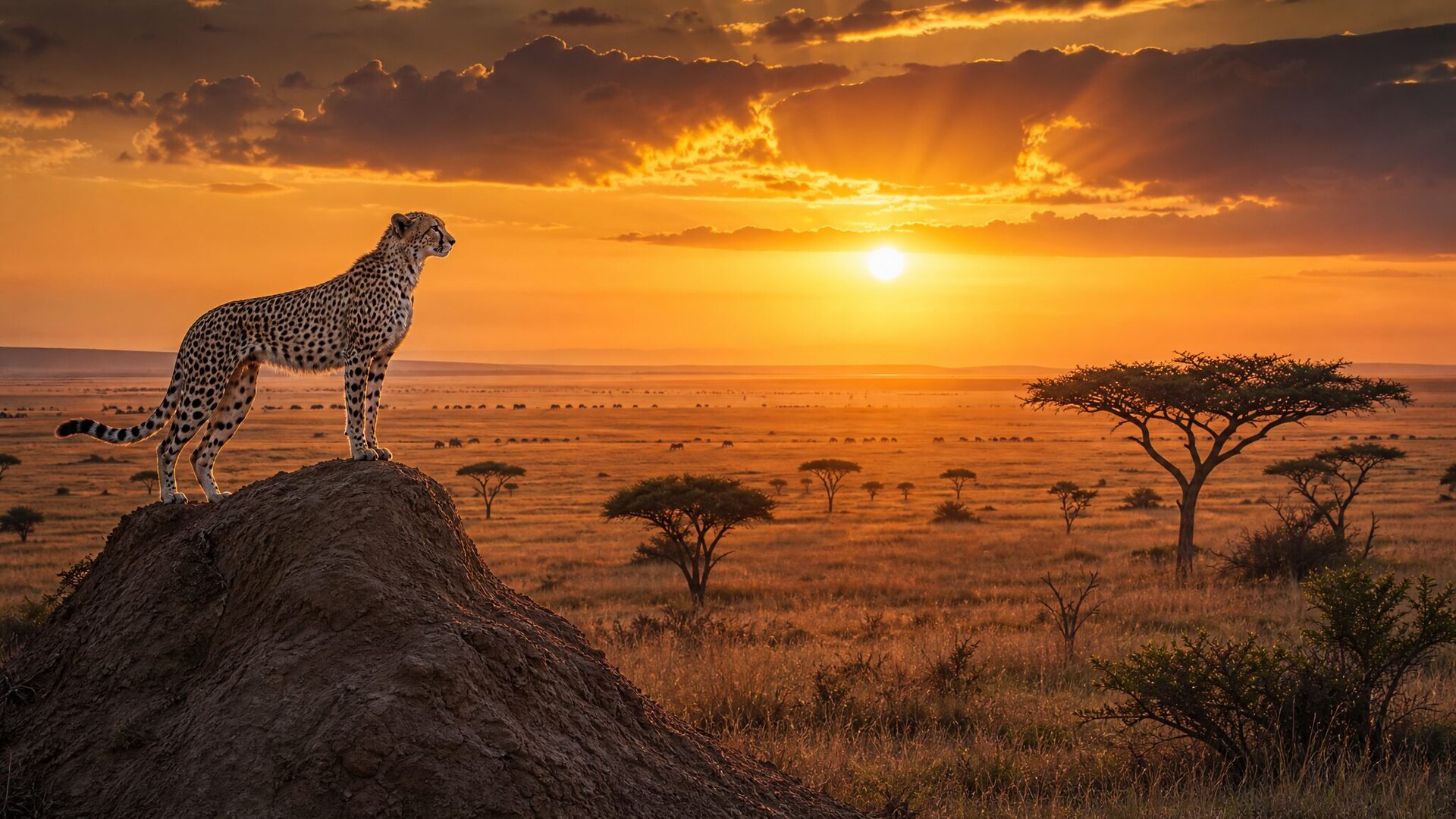
- Big cats — Chief's Island (Mombo) has arguably Africa's highest predator density: lions, leopards, cheetahs and wild dogs.
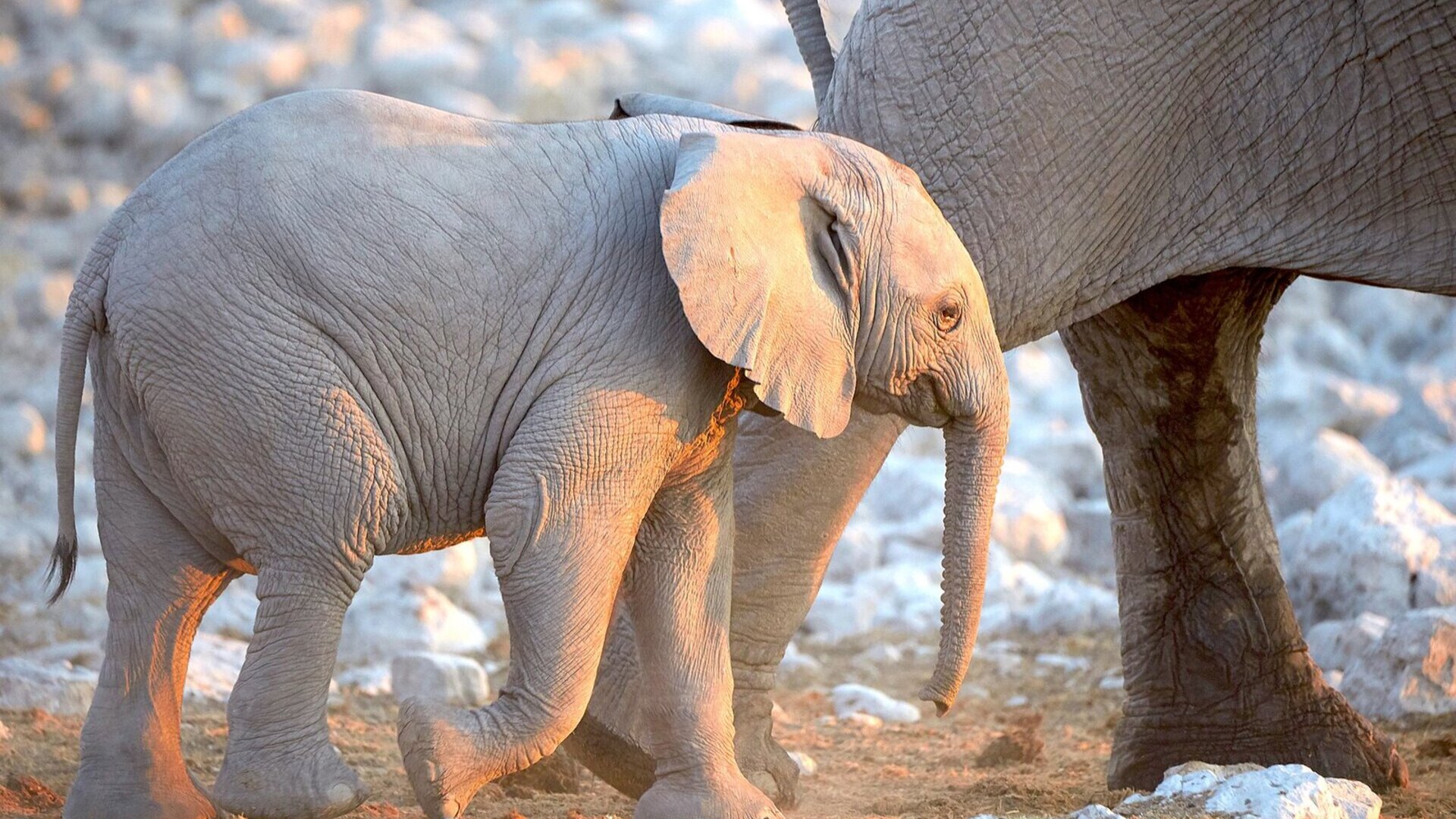
- Elephants — Botswana holds Africa's largest elephant population (~130,000). Herds move through the Delta constantly.
- The full Big Five — Including reintroduced rhino at Mombo, part of a landmark conservation success.
The key insight: Not all concessions offer both. Deep-water concessions (like parts of Jao) focus on mokoro and boat safaris. Drier concessions (like Mombo) excel at game drives. Many premium areas (Vumbura, Kwara) blend both — ideal for first-timers.
Related journey: The Mokoro Canoe Safari Experience →
3. Top 3 Private Concessions in the Delta
Mombo Concession — The Predator Capital of Africa
Located on the northern tip of Chief's Island (the Delta's largest landmass, within Moremi's private-access zone), the Mombo Concession is legendary. It's often called the "Place of Plenty" — and for good reason.
Wildlife: Arguably the highest predator density in Africa. Lion prides, leopards, cheetahs and endangered wild dogs. It's also home to reintroduced black and white rhino, part of Botswana's flagship conservation program.
Camps: Mombo Camp and Little Mombo (Wilderness) — among the most exclusive and expensive camps in Africa.
Best for: Serious wildlife enthusiasts and photographers wanting the ultimate Big Five and big-cat experience. This is bucket-list territory.
Cost: $2,800-3,500 per person per night (all-inclusive).
Vumbura Concession — Water & Land Perfection
The Vumbura Concession, in the northern Delta, offers one of the finest blends of water and land safaris. It spans deep permanent channels and productive floodplains, meaning you get the full Delta experience from a single base.
Wildlife: Excellent year-round game — lions, leopards, elephants, buffalo, red lechwe, sitatunga (a rare aquatic antelope) and abundant birdlife.
Camps: Vumbura Plains (Wilderness) — a contemporary, architecturally striking camp on raised platforms.
Best for: Travelers wanting both water and land safaris in one place, with world-class luxury. Ideal for a first Delta visit.
Cost: $1,800-2,400 per person per night (all-inclusive).
Abu Concession — The Elephant Legacy
The Abu Concession, in the western Delta, is famous for its elephant heritage. Spanning 400,000 acres, it's one of the Delta's largest private areas, offering profound solitude.
Wildlife: Resident elephant herds, lions, leopards, and superb water-based game viewing. The concession's remoteness means genuine wilderness immersion.
Camps: Abu Camp — an intimate, ultra-luxury camp with a rich conservation story.
Best for: Travelers seeking deep exclusivity, elephant encounters and a meaningful conservation connection.
Cost: $2,200-2,900 per person per night (all-inclusive).
Related journey: Best Okavango Delta Camps →
4. Best Private Lodges & Camps
Mombo Camp — The Crown Jewel
Rebuilt in 2018, Mombo Camp is the Delta's most celebrated property. Nine raised tented suites with private plunge pools, sweeping views over the floodplains, and a level of service that consistently ranks it among the world's best safari camps.
Why it's exceptional: The wildlife is simply staggering — you can watch lions, leopards and wild dogs from the main deck. The design is breathtaking, and the guiding is world-class. This is the pinnacle.
Price: From $3,000 per person per night (all-inclusive).
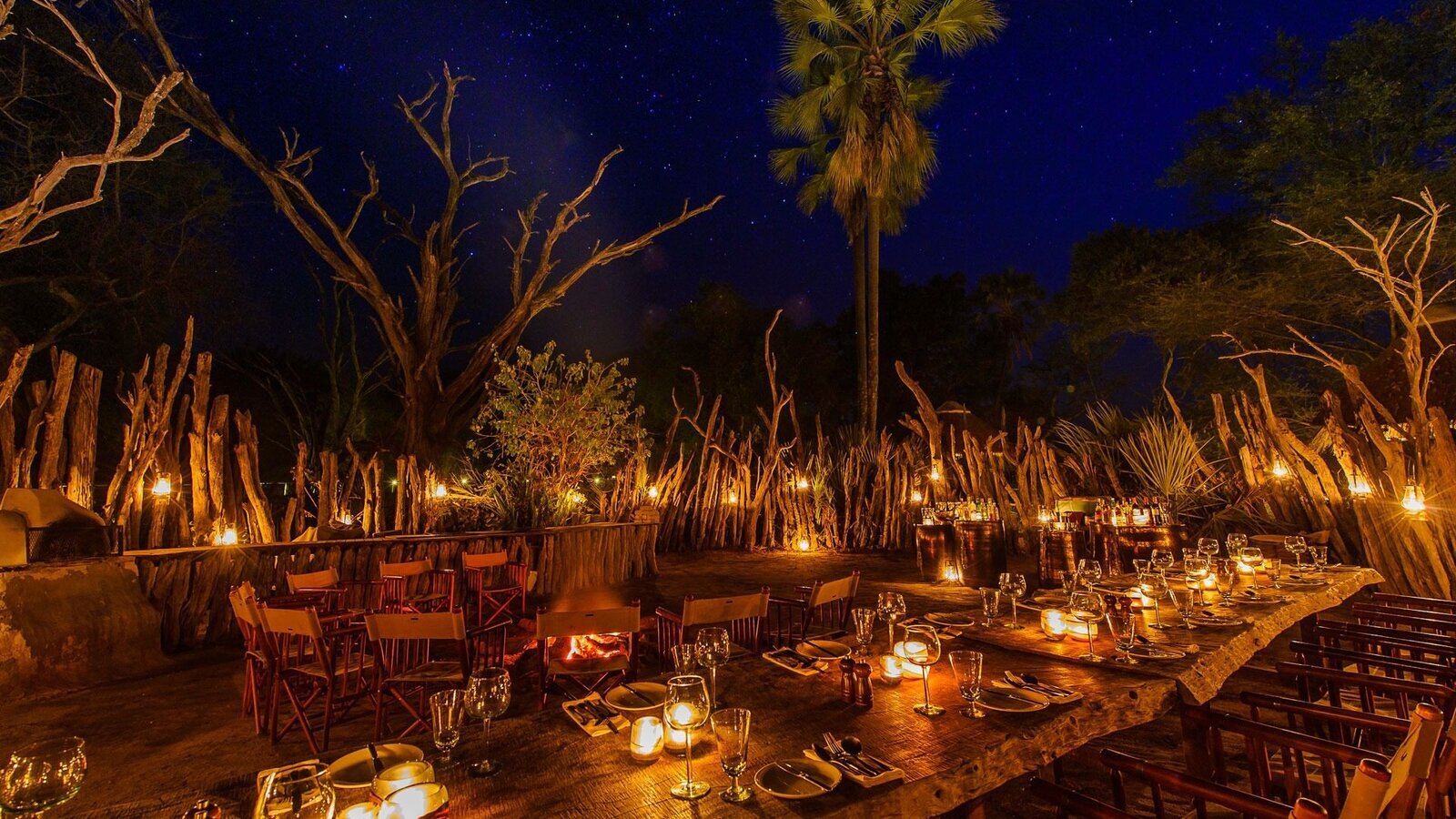
Vumbura Plains — Contemporary Delta Luxury
Vumbura Plains is a design icon — glass, timber and canvas suites raised on platforms above the floodplain, each with a private plunge pool and sala. Two intimate camps of seven suites each.
Why it's exceptional: The blend of water and land activities is unmatched, and the contemporary architecture feels like a modern art gallery in the wild. Superb guiding and cuisine.
Price: From $2,000 per person per night (all-inclusive).
Chief's Camp — Timeless Elegance on Chief's Island
Set on Chief's Island in the Moremi private zone, Chief's Camp offers ten luxurious pavilions with the Delta's superb Big Five game viewing right on the doorstep.
Why it's exceptional: Prime predator territory adjacent to Mombo, with slightly more accessible pricing. Beautifully appointed suites and a strong reputation for guiding.
Price: From $1,900 per person per night (all-inclusive).
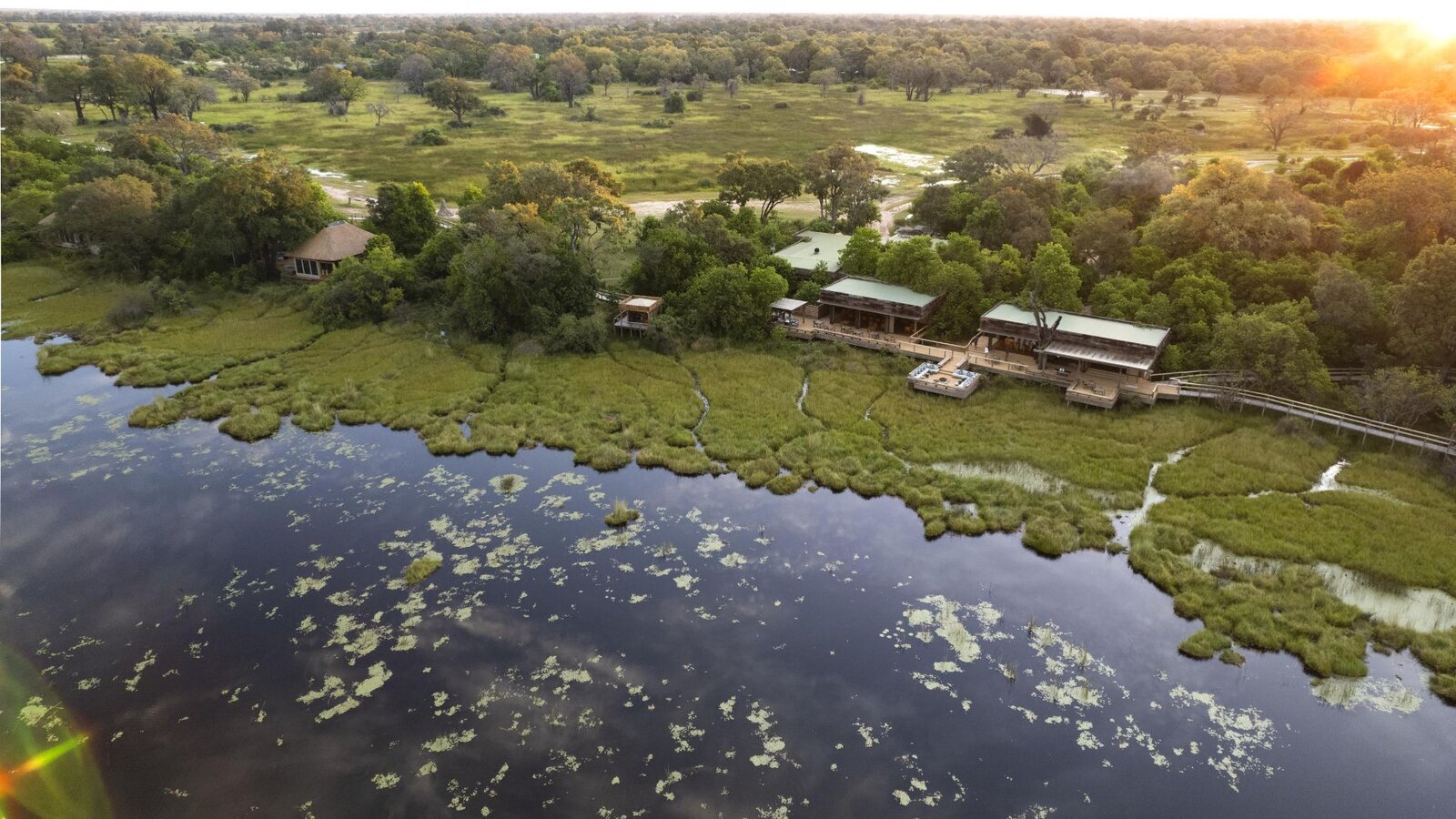
Xigera — Art Meets Wilderness
Xigera Safari Lodge is the Delta's most ambitious luxury statement — twelve suites showcasing bespoke African art and design, set in a permanent water concession with year-round mokoro and boat safaris.
Why it's exceptional: Extraordinary art collection, a treehouse "Baobab" for sleep-outs under the stars, and immersive water-based safaris. A destination in itself.
Price: From $3,200 per person per night (all-inclusive).
Abu Camp — Intimate & Meaningful
Abu Camp's six suites sit in a vast western concession. Beyond superb game viewing, Abu offers a profound sense of wilderness and a legacy of elephant conservation.
Price: From $2,400 per person per night (all-inclusive).
5. When to Visit: Flood Seasons Explained
June to August — Peak Flood & Dry Season (Best Overall)
This is the Delta's prime time. Paradoxically, the flood peaks during Botswana's dry winter, drawing wildlife from the parched surrounds to the water.
What to expect:
- Highest water levels — Best for mokoro and boat safaris across most concessions.
- Concentrated wildlife — Animals gather at the water, making for spectacular game viewing.
- Cool, dry weather — Pleasant days (25°C/77°F), cold mornings (5°C/41°F). Minimal mosquitoes.
- Peak-season prices — Book 12+ months ahead. Camps sell out.
September to October — Late Dry Season (Best for Big Game)
Water levels drop, concentrating wildlife even further around remaining channels and lagoons.
What to expect:
- Exceptional predator action — Game concentrates dramatically.
- Hot weather — October can reach 40°C/104°F.
- Reduced water activities — Some shallower concessions lose mokoro access.
- Superb land safaris — Drier concessions like Mombo shine.
November to March — Green Season (Best for Value & Birds)
The summer rains arrive, transforming the Delta into a lush, green paradise. This is the low season — and a hidden gem.
What to expect:
- Dramatic discounts — 30-50% off peak rates.
- Newborn animals — Impala and other antelope calve, drawing predators.
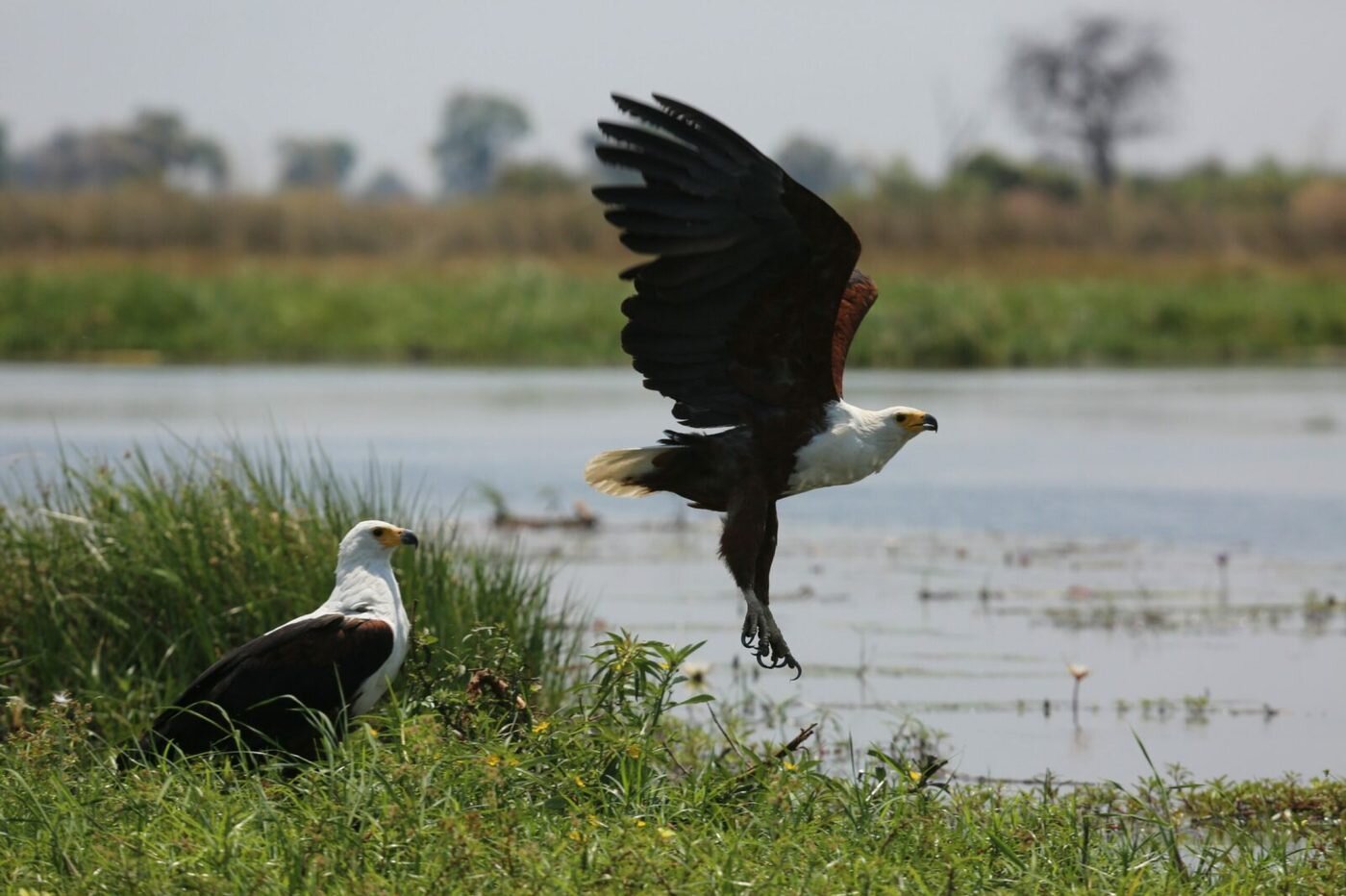
- Spectacular birding — Migratory species arrive; over 480 bird species recorded.
- Lush landscapes — Stunning for photography, with dramatic skies.
- Afternoon storms — Rain is usually brief; mornings are typically clear.
6. How to Book a Private Delta Safari
The Okavango Delta requires careful planning — here's how to get it right:
Choose Your Concession by Activity Preference
- Want the ultimate big cats & Big Five? → Mombo or Chief's Camp (Chief's Island)
- Want water & land in one place? → Vumbura Plains or Kwara
- Want deep water & mokoro focus? → Xigera or Jao
- Want elephants & solitude? → Abu Camp
Fly In — There Are No Roads
Most Delta camps are accessible only by light aircraft. You'll fly from Maun (the Delta's gateway town) on a small plane to your camp's airstrip — a 20-40 minute scenic flight that's a highlight in itself, revealing the Delta's channels from above.
Note: Light aircraft have strict luggage limits (usually 20kg in soft bags). Pack accordingly.
Budget Realistically
The Delta is one of Africa's most exclusive destinations:
- Ultra-luxury (Mombo, Xigera): $2,800-3,500 per person per night
- High-end luxury: $1,800-2,400 per person per night (Vumbura, Chief's, Abu)
- Premium: $1,200-1,700 per person per night (Kwara, Kadizora, others)
- Inter-camp flights: $250-450 per person per leg
A 6-night Delta safari for two guests averages $18,000-35,000 all-in. Botswana's high-value, low-impact tourism model keeps volumes low and quality high.
Combine with Chobe & Victoria Falls
The classic Botswana itinerary pairs the Delta with Chobe National Park (spectacular elephant and river game viewing) and Victoria Falls (a short hop across the border in Zimbabwe/Zambia). A 9-11 day trip covering all three is the gold standard.
Related journey: Luxury African Safaris →
7. Private Safari Activities Beyond Game Drives
Mokoro Safaris — The Delta's Soul
Nothing captures the Okavango like a mokoro. Reclining low in the water as your poler guides you silently through papyrus channels, you experience the Delta at eye level — dragonflies, reed frogs, water lilies and the occasional elephant on the bank. It's meditative and utterly unique.
Walking Safaris — On Foot in the Wild
Available in private concessions, guided walks let you track wildlife on foot, read the bush and appreciate the smaller wonders — tracks, insects, plants and birdlife. An adrenaline-tinged, deeply educational experience.
Helicopter Flights — The Delta from Above
Doors-off helicopter flights reveal the Delta's full majesty — the intricate channels, hippo pods, elephant herds and the sheer scale of this water wilderness. A splurge, but unforgettable.
Night Drives — After Dark in the Concessions
Only permitted in private concessions, night drives reveal the nocturnal Delta: leopards on the hunt, servals, genets, bushbabies, and the eerie call of hyenas. A completely different world.
8. Practical Planning: What You Need to Know
Getting There
Fly into Maun (MUB) via Johannesburg (South Africa) or Kasane. From Maun, light aircraft transfer you to your camp. Some travelers combine with Kasane (for Chobe) and Victoria Falls.
Visa & Entry
Most Western nationalities receive a free 90-day entry stamp on arrival. Ensure your passport has at least six months' validity and two blank pages. A yellow fever certificate is required if arriving from an endemic country.
Malaria Precautions
The Delta is a malaria zone. Take prophylaxis, use repellent, and sleep under provided nets. Risk is highest in the green season (November-April).
What to Pack
Neutral safari colors, warm layers for winter mornings (June-August), a waterproof jacket for green season, quality binoculars, a good camera with telephoto lens, sun protection and insect repellent. Remember the 20kg soft-bag luggage limit for light aircraft.
Tipping Etiquette
Guide: $20-30 per guest per day. Poler (mokoro): $10-15 per activity. Camp staff (pooled): $15-25 per guest per day, given to the manager for distribution.
Connectivity
Most camps offer WiFi in main areas, but coverage is limited by design. Embrace the disconnection — the Delta is a place to be present.
Combine with Other Botswana Highlights
Beyond Chobe and Victoria Falls, consider the Makgadikgadi Salt Pans (surreal landscapes, meerkats, seasonal zebra migration) or the Central Kalahari (desert-adapted wildlife, dramatic solitude) for a diverse Botswana journey.
Ready to Plan Your Private Okavango Delta Safari?
Our team specializes in crafting exclusive Okavango Delta private concession safaris. We'll match you with the perfect camp for your water levels and wildlife priorities, arrange all light-aircraft transfers, and handle every detail from Maun to your final mokoro sunset.