Key Takeaways
- Okavango Delta = the water wilderness: the world's largest inland delta, explored by mokoro, with unmatched exclusivity, wild dogs and pristine wilderness — a premium, fly-in luxury
- Kruger = the classic bushveld: vast, accessible and astonishingly affordable, with reliable high-density Big Five (including rhino) and the freedom to self-drive
- For a unique, one-of-a-kind safari and wild dogs, the Okavango is unbeatable; for reliable Big Five, rhino and value, Kruger wins
- Leopards: greater Kruger's Sabi Sand private reserves offer arguably the world's finest leopard viewing; the Okavango offers wilder, more exclusive predator drama
- Cost is the biggest divide: Kruger works from ~$50/day (self-drive) to $2,000+/night (Sabi Sand); the Okavango is ~$800-$2,500+ per person per night, mostly fly-in
- Access: Kruger is a 4-5 hr drive or short flight from Johannesburg with self-drive freedom; the Okavango is a light-aircraft fly-in via Maun
- Best time: the Okavango's flood peaks June-August (dry winter); Kruger's dry season (May-September) concentrates game at waterholes
- The verdict: choose the Okavango for uniqueness, exclusivity and wild dogs; choose Kruger for Big Five, value and ease — or combine both for the ultimate Southern Africa safari
Southern Africa's Two Safari Icons: The Delta vs The Bushveld
Ask a safari specialist to name the two destinations that define a Southern African safari, and the answer comes quickly: the Okavango Delta and Kruger. They are the icons — and choosing between them is one of the most common questions we are asked. The honest truth is that they sit at opposite ends of the safari spectrum, and that is precisely why so many travellers end up doing both.
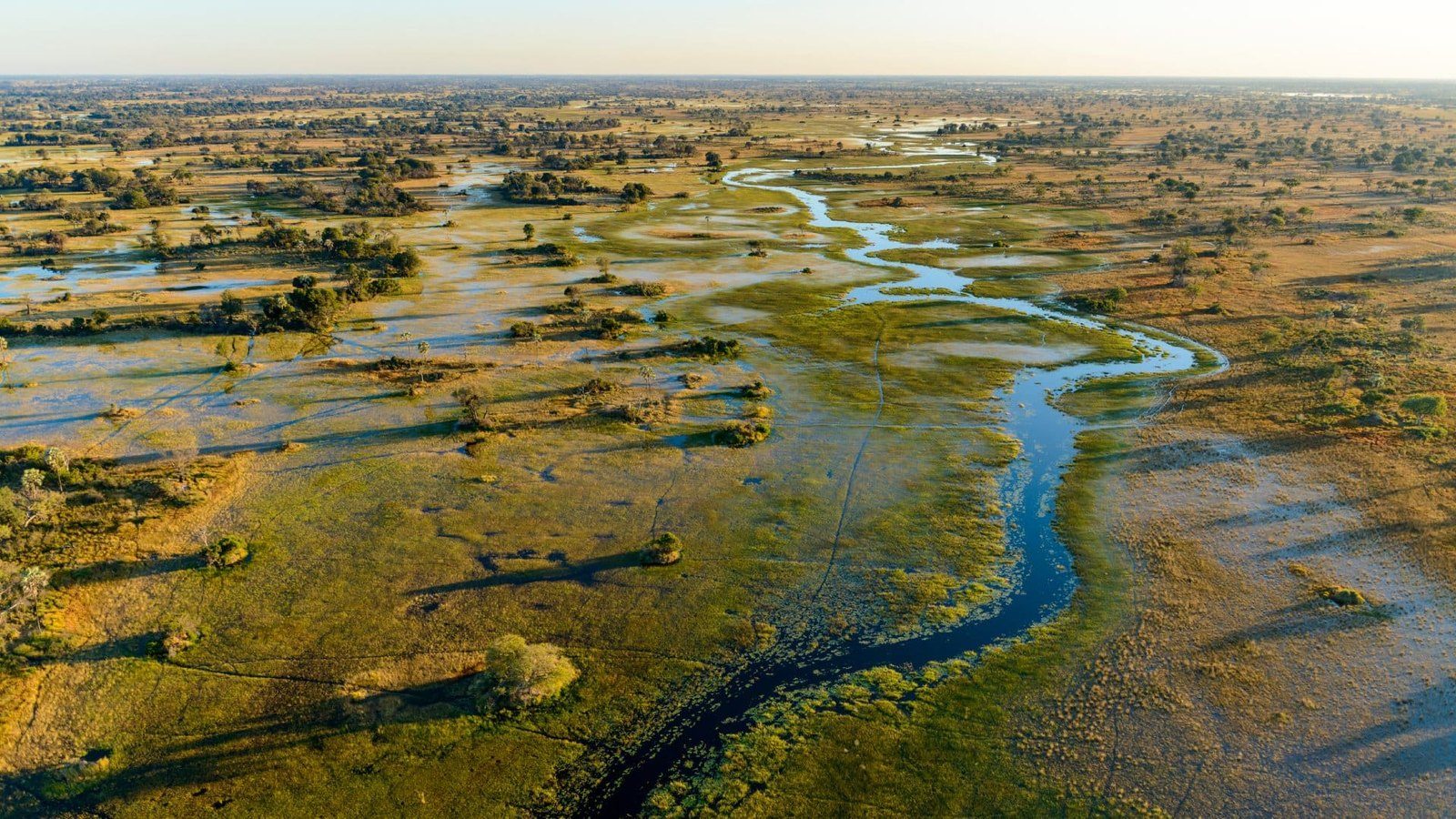
The Okavango Delta is unlike anywhere else on earth — the world’s largest inland delta, where a great river empties not into the sea but across the Kalahari, creating a shimmering water wilderness of islands, channels and floodplains. It is a place of mokoro canoes gliding through papyrus, of wild dogs on the hunt, of near-total exclusivity — and of premium, fly-in prices to match.
Kruger is the archetypal African bushveld — a vast, accessible, extraordinarily affordable park where you can self-drive to a full Big Five, watch game gather at waterholes, and, in the private Sabi Sand reserves along its western edge, enjoy the finest leopard viewing on the planet. It is the safari that works on almost any budget, and it pairs effortlessly with Cape Town.
Below we compare the two across landscape, water, the Big Five, predators, wild dogs, safari style, exclusivity, cost and logistics — backed by a full comparison table, honest price tiers, and the verdict on which to choose, or how to weave both into one perfect trip. Let’s break it down, round by round.
Round 1: Landscape & Setting
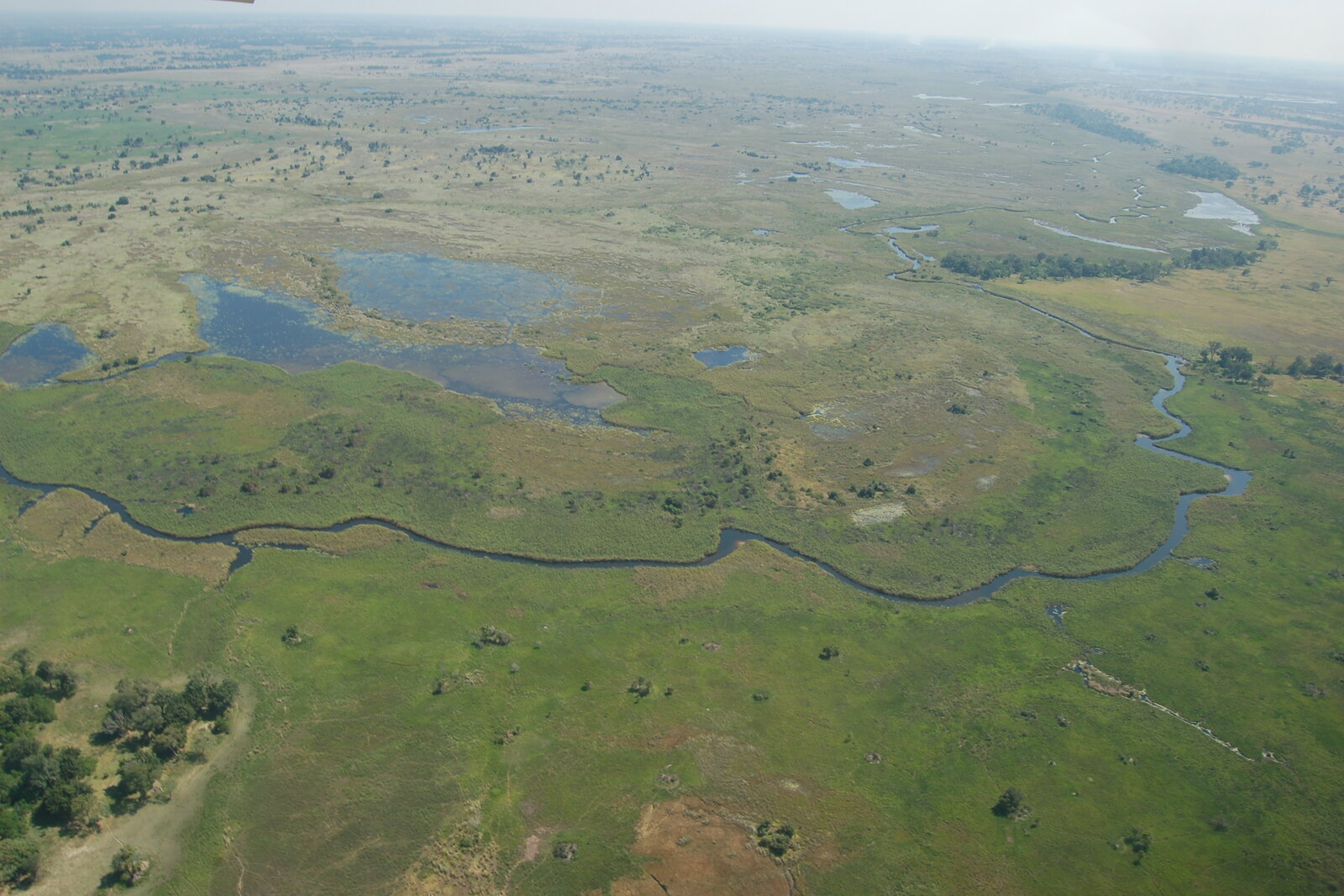
Okavango Delta: The Okavango is unlike anywhere else on earth — the world’s largest inland delta, where the Okavango River, instead of reaching the sea, spills out across the flat Kalahari sands of northern Botswana and simply vanishes into the thirsty desert. The result is a shimmering, ever-shifting mosaic of palm-fringed islands, papyrus channels, floodplains and lily-covered lagoons spread across some 15,000 square kilometres at full flood. It is a water wilderness in the middle of a desert — a UNESCO World Heritage Site of almost impossible beauty, best appreciated from the air, where the delta reveals itself as a labyrinth of silver channels threading between thousands of emerald islands.
Kruger National Park: Kruger is the archetypal African bushveld — a vast, roughly two-million-hectare wilderness the size of Wales or Israel, stretching nearly 360 kilometres along South Africa’s north-eastern border with Mozambique. This is classic savannah country: open grasslands and mixed woodland, granite koppies and fever-tree forests, threaded by seasonal rivers — the Sabie, Olifants, Letaba and Luvuvhu — and dotted with waterholes that become the stage for the greatest wildlife dramas. Where the Okavango is intimate, watery and island-bound, Kruger is expansive, dry-footed and endless.
The split: The Okavango wins for sheer uniqueness and jaw-dropping beauty — there is nothing like a delta in flood. Kruger wins for classic, wide-open bushveld on a scale that takes days to comprehend.
Round 2: The Water & the Annual Flood
This is the Okavango’s defining magic and its single greatest point of difference. Each year the rains that fall in the Angolan highlands, more than a thousand kilometres away, surge slowly down the Okavango River and arrive in the delta around May to August — paradoxically at the height of Botswana’s dry winter. As the surrounding land parches, the delta floods, drawing enormous concentrations of game onto the islands and floodplains. It is one of nature’s great counter-intuitive spectacles: the wettest time in the delta is the driest time in the bush around it, and the wildlife funnels in accordingly.
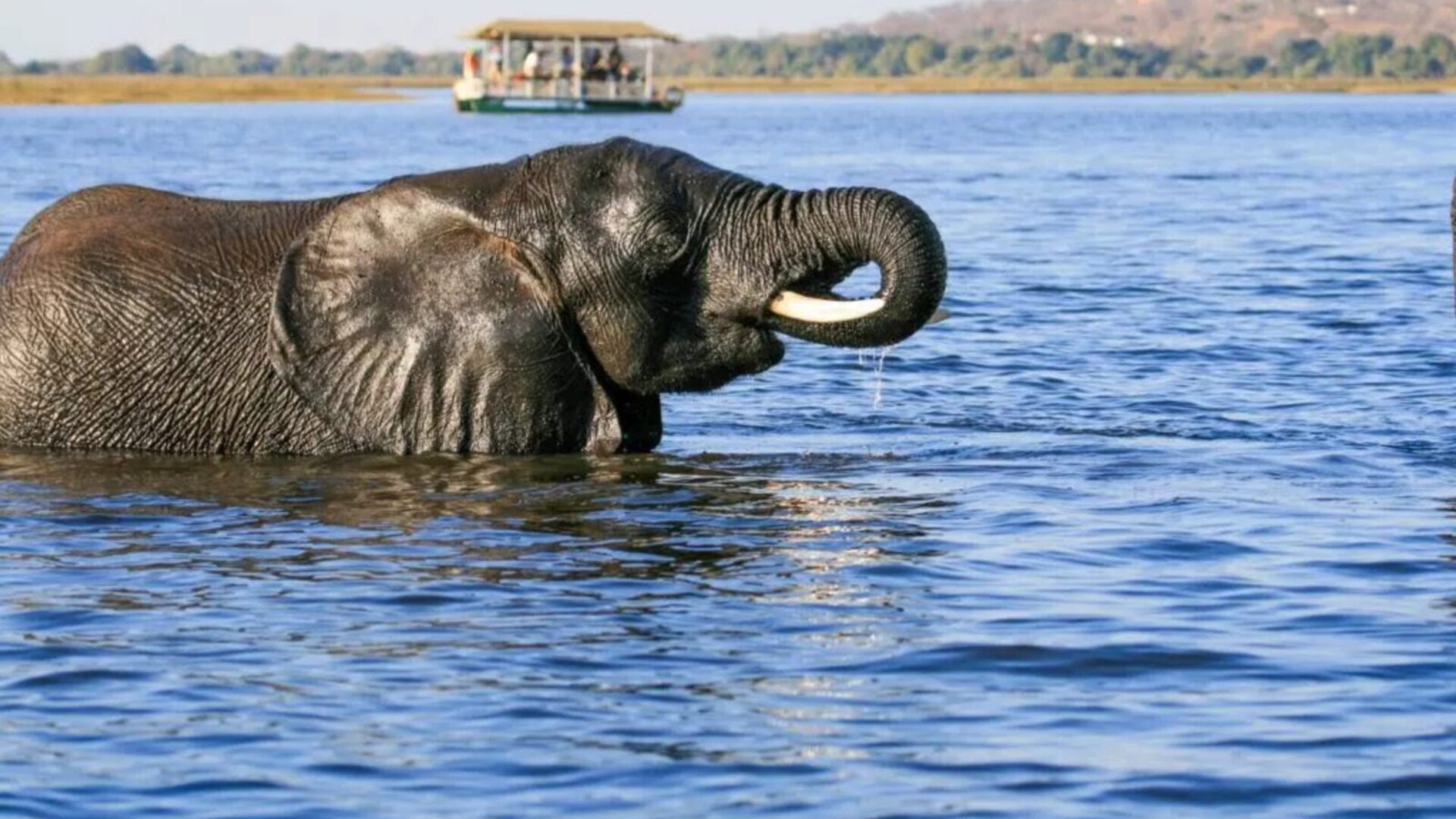
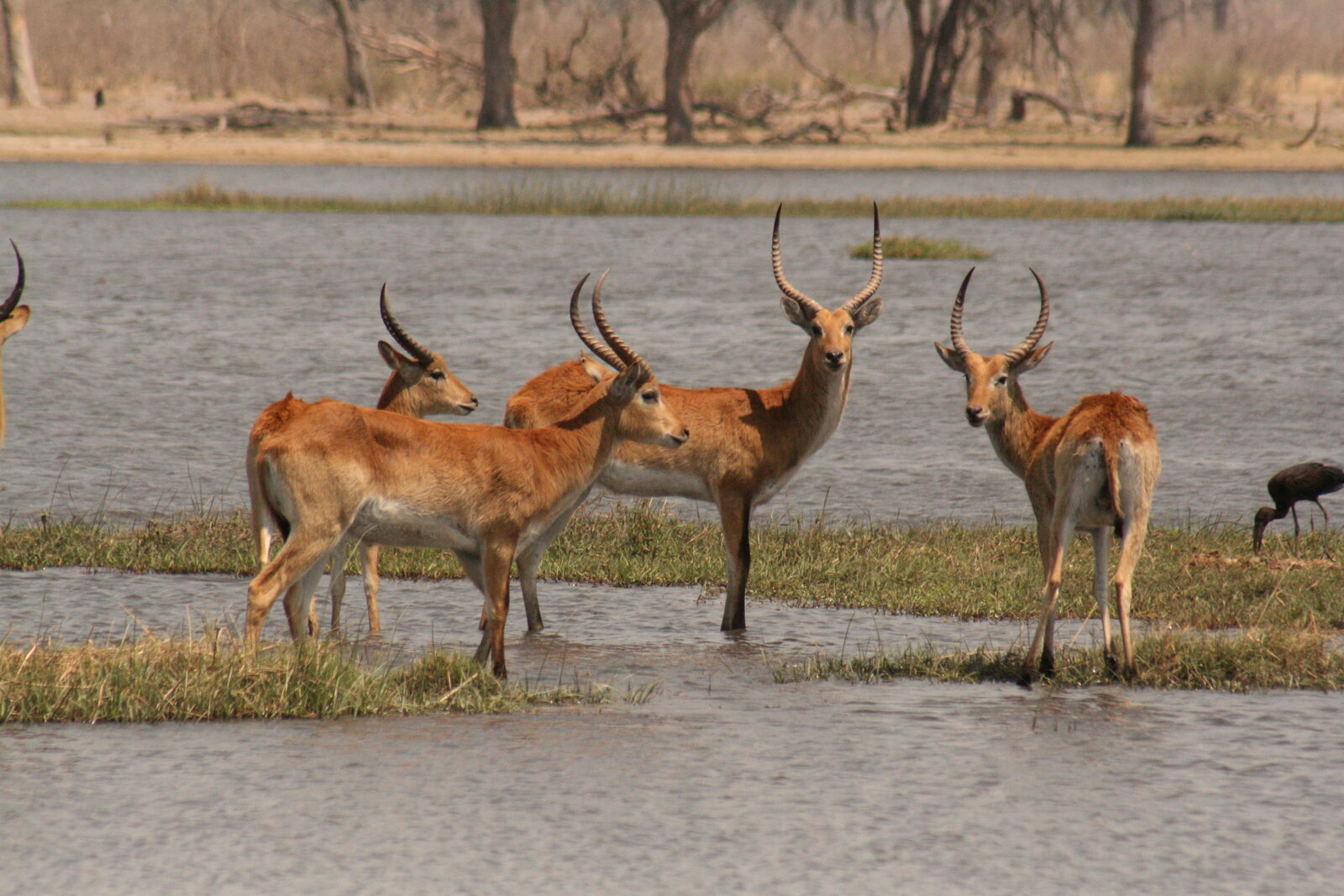
This water transforms the entire safari. Aquatic antelope such as the elegant red lechwe splash through the shallows, sitatunga hide in the papyrus, hippo and crocodile own the deeper channels, and elephants wade shoulder-deep between islands. The delta is defined, animated and ruled by water.
Kruger: Kruger is a dry-land park. Its rivers and man-made waterholes are magnets for game, especially in the dry season when animals gather to drink — superb for sit-and-wait viewing — but there is no flood, no channels, no water-borne wilderness. Water in Kruger is a feature; in the Okavango it is the entire world.
Winner: The Okavango Delta, uniquely and completely. No other safari destination on earth offers the flooded-wilderness experience.
Round 3: The Big Five & Classic Game Viewing
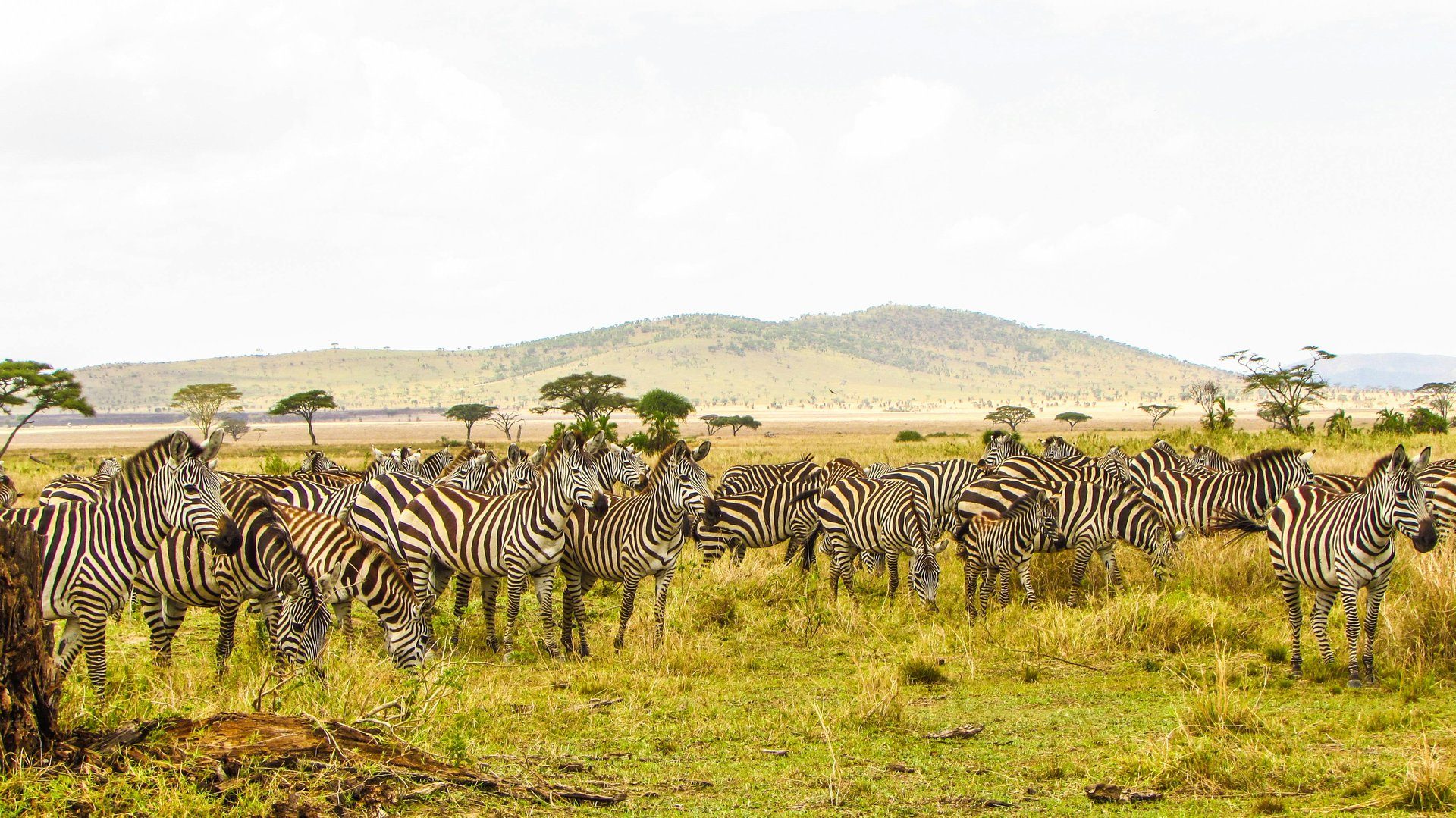
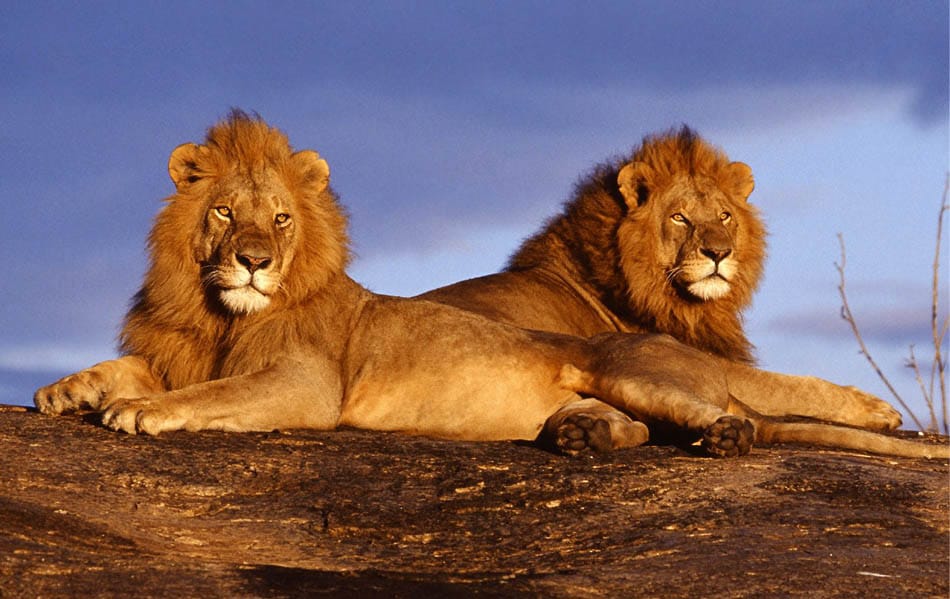
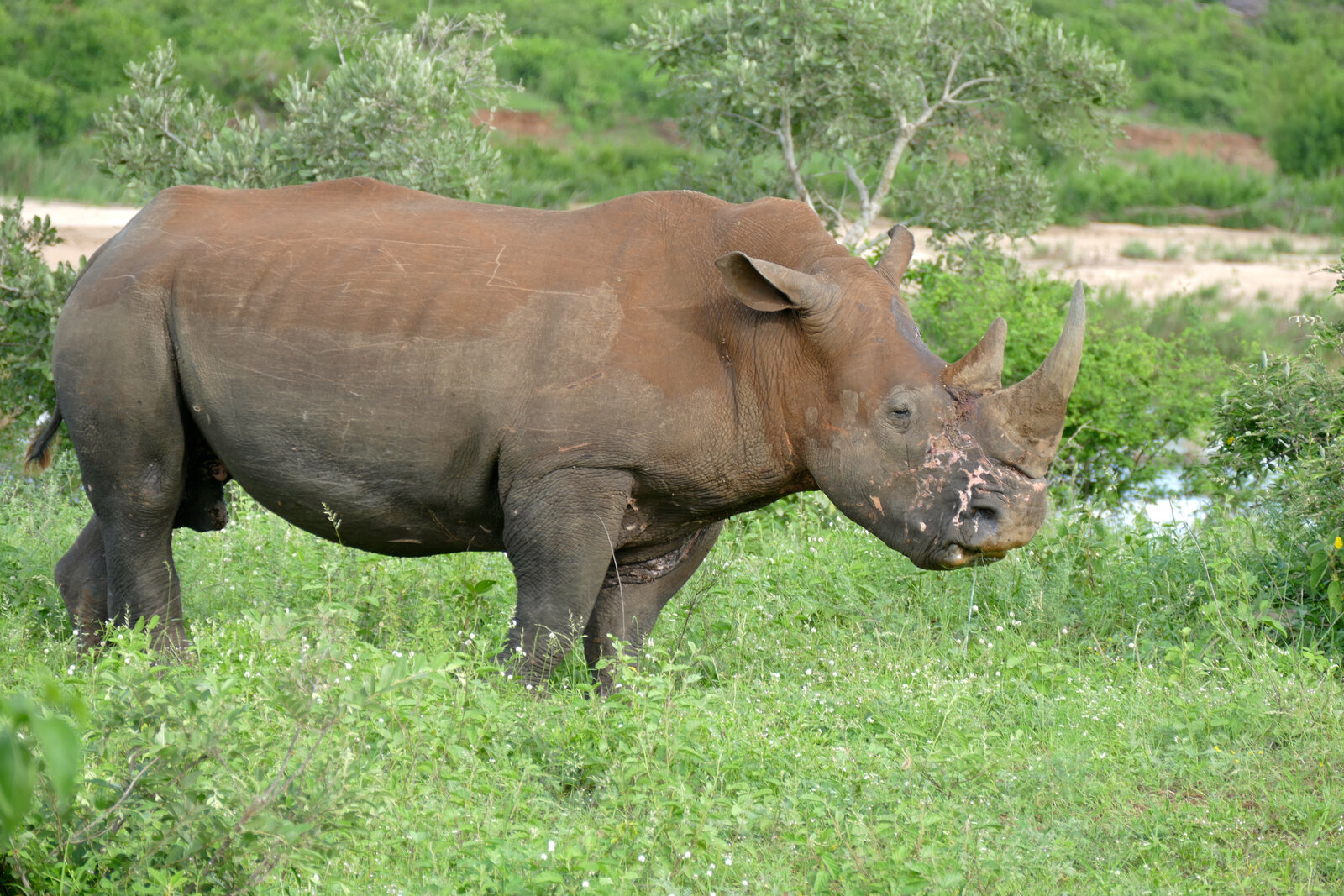
Kruger: For sheer density and reliability of the Big Five, Kruger is one of the finest destinations on the planet. It holds thousands of elephant and buffalo, a healthy lion population, and — critically — some of the best rhino viewing left in Africa, with both white and black rhino present (though poaching pressure has hit hard, sightings remain realistic). Add giraffe, zebra, wildebeest, kudu, hippo and more than 140 mammal species, and Kruger delivers the classic full-house African safari: on a good few days you can reasonably hope to tick off all of the Big Five.
Okavango Delta: The delta has excellent game too — big elephant herds, buffalo, lion and leopard — but the picture is shaped by water. Rhino are scarce (though reintroduction programmes have returned small populations to parts of the delta), and general plains-game viewing can be patchier than Kruger’s sheer abundance. What the Okavango offers instead is quality and drama over quantity: fewer vehicles, wilder encounters, and specialities — wild dog, sitatunga, lechwe — you will struggle to find in Kruger.
Winner: Kruger, for reliable, high-density Big Five viewing — and especially for rhino. If ticking off all five is your mission, Kruger is the surer bet.
Round 4: Predators & Big Cats
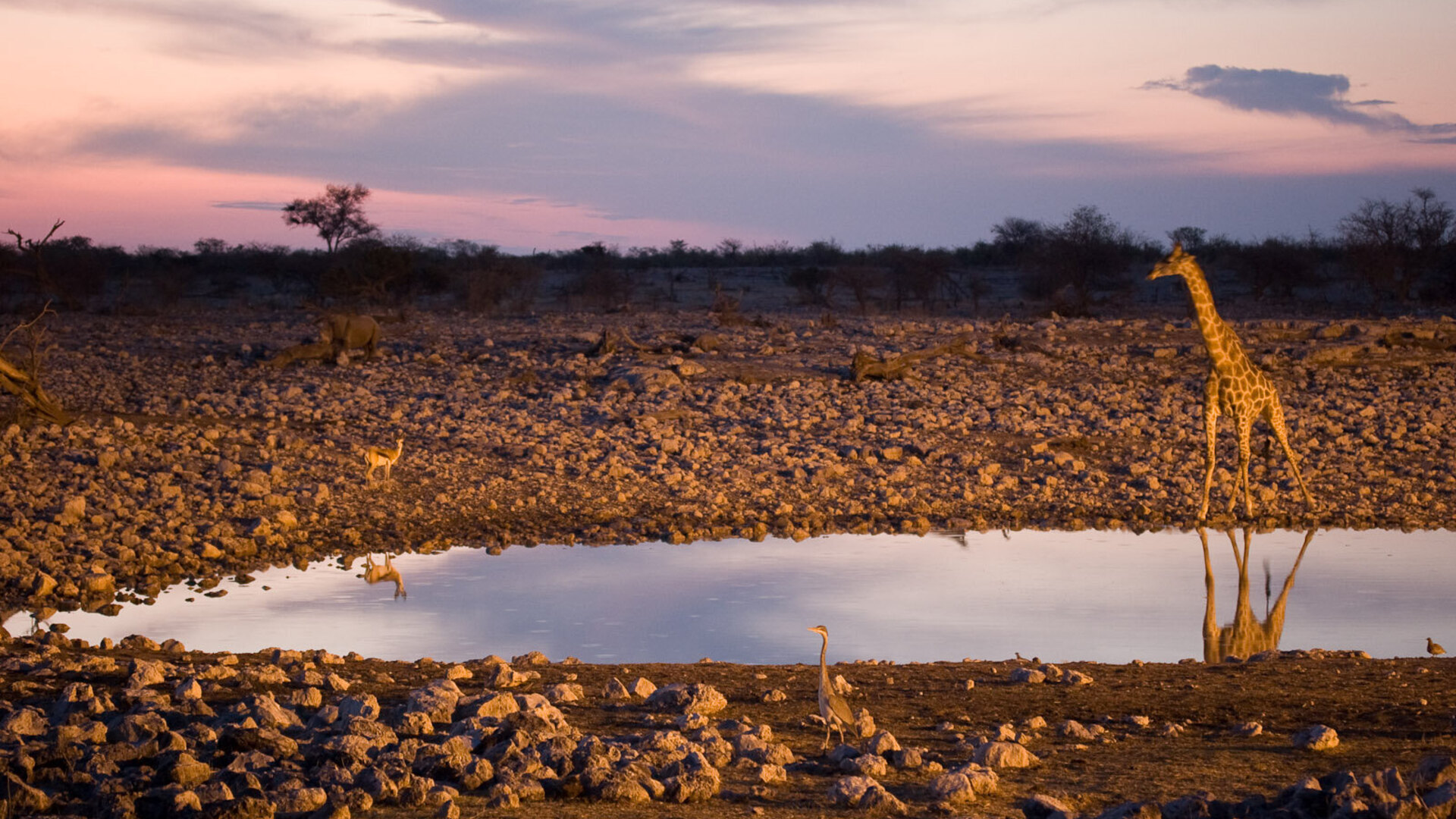
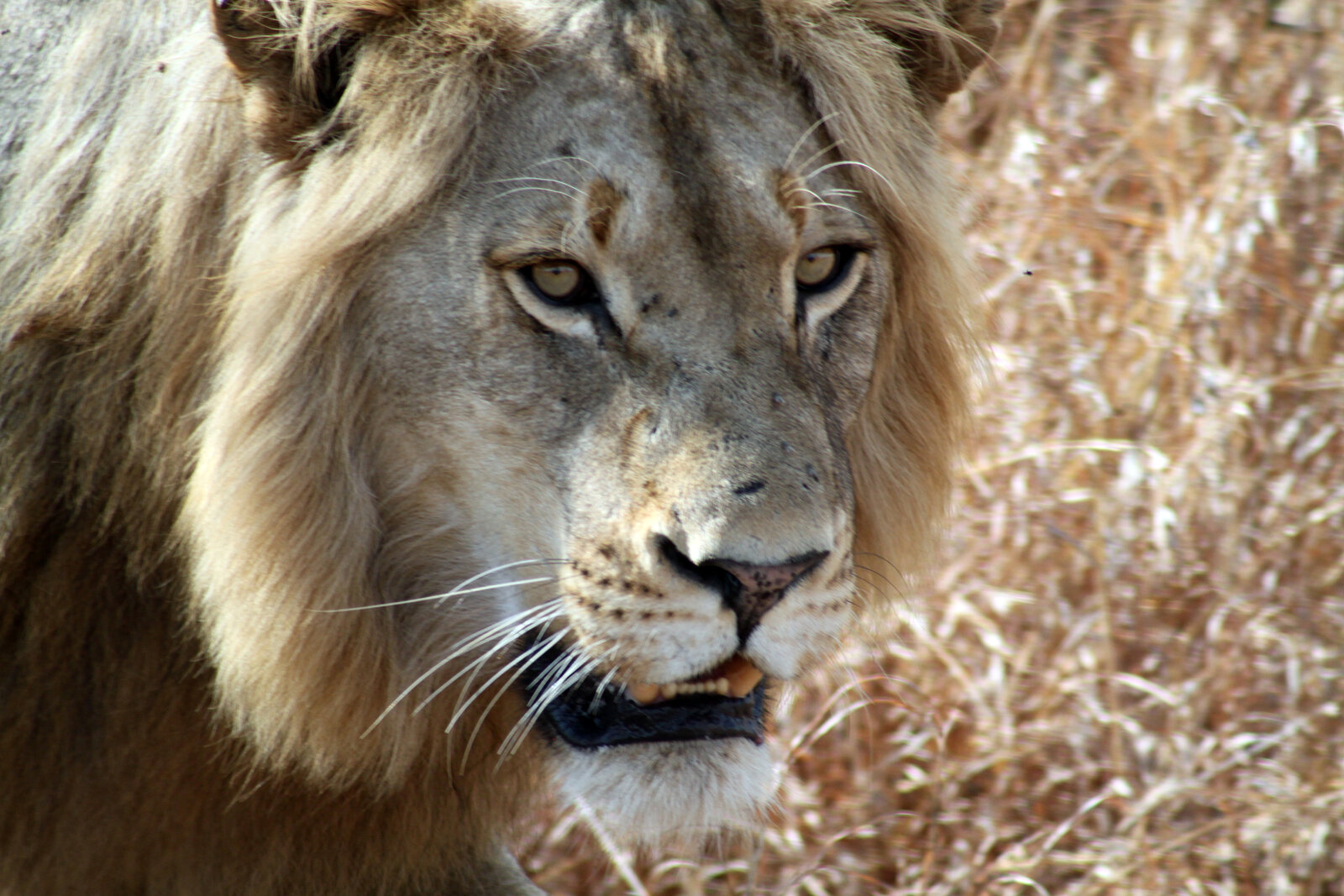
Kruger & its private reserves: Kruger is a world-class predator destination. Lion are abundant and often seen, spotted hyena are everywhere, and the western private reserves — above all the Sabi Sand — deliver arguably the finest leopard viewing on earth, with relaxed, habituated cats that allow astonishingly close encounters. Cheetah are present on the open eastern plains. Whether you self-drive the public park or splurge on a Sabi Sand lodge, the density of big cats is formidable.
Okavango Delta: The delta is superb for predators in a wilder, less habituated key. Lion here are famous for their size and for hunting buffalo and even swimming between islands; leopard haunt the riverine tree-lines; and the mokoro-and-vehicle combination can produce heart-stopping predator sightings in genuine wilderness with no other vehicle in sight. The trade-off is lower density and less predictability than the Sabi Sand’s renowned leopards.
Winner: A split decision. For sheer reliability and the world’s best habituated leopards, Kruger’s Sabi Sand edges it; for wild, exclusive, uncrowded predator drama, the Okavango is unbeatable.
Round 5: Wild Dogs & Rare Species
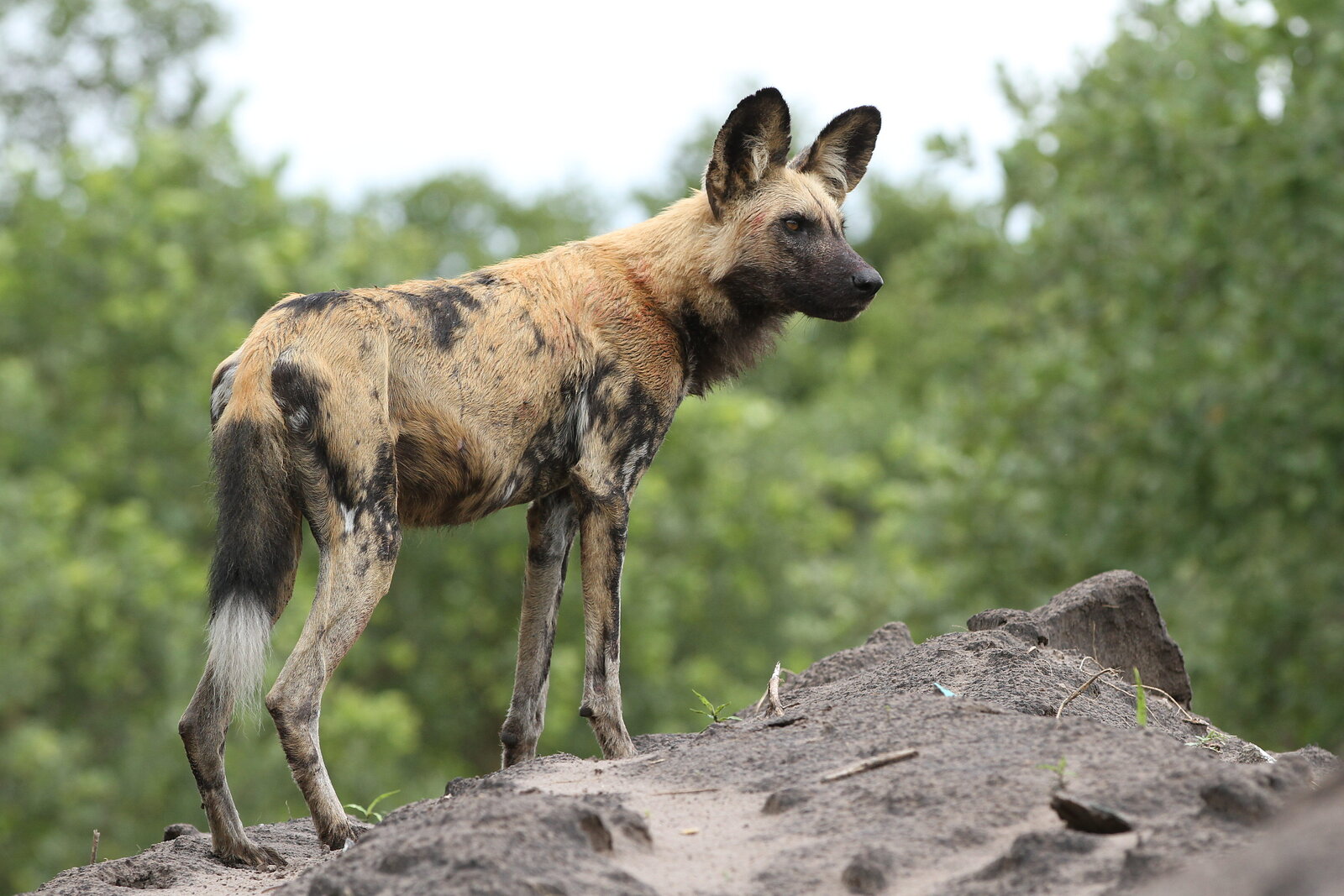
Okavango Delta: If there is one animal that belongs to the Okavango above all others, it is the African wild dog (painted wolf). The delta and the wider northern-Botswana wilderness form one of the last great strongholds of this critically endangered predator, and few places on earth offer a better chance of watching a pack on the hunt — the most successful and most thrilling of all Africa’s carnivores. Add the elusive sitatunga (a swamp-dwelling antelope found almost nowhere else), red lechwe in their thousands, aardwolf, honey badger and the delta’s astonishing birdlife, and the Okavango is a specialist’s paradise.
Kruger: Kruger has wild dogs too — it is one of South Africa’s most important refuges for them — but they are wide-ranging and sightings are far less predictable than in the northern-Botswana wilderness. Kruger’s strength is the classic cast; the Okavango’s is the rare and the endangered.
Winner: The Okavango Delta, decisively. For wild dogs and true rarities, northern Botswana is one of the very best places on the continent.
Round 6: Safari Style — Mokoro & Boats vs Game Drives
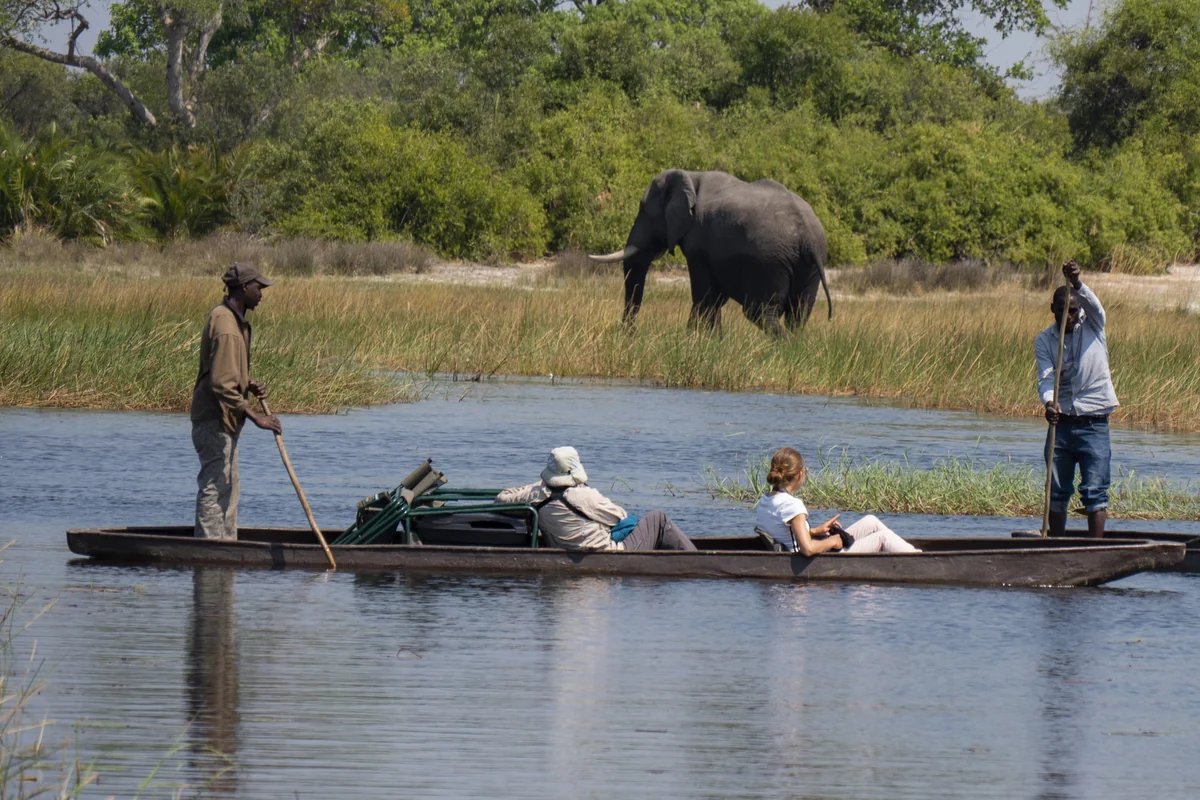
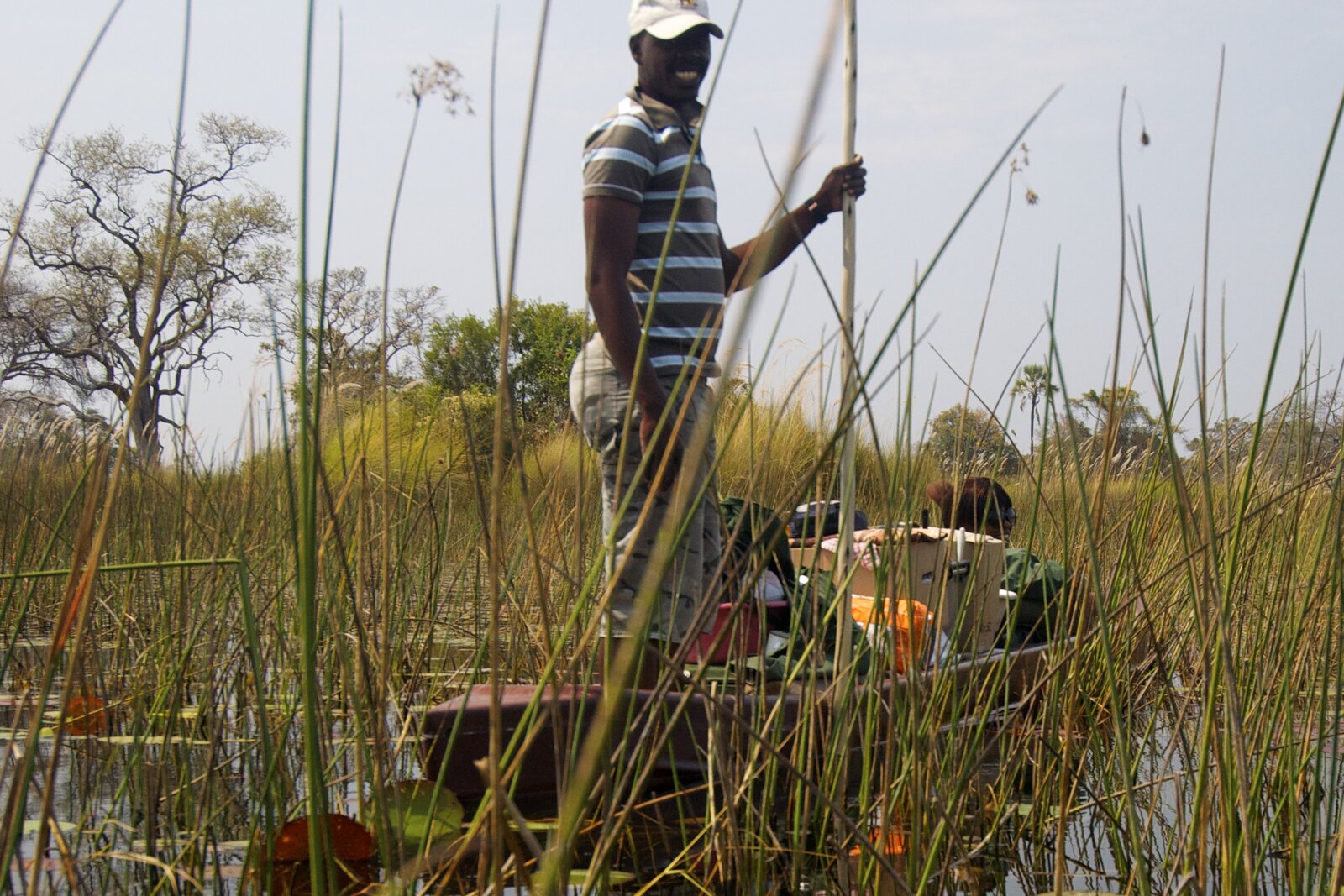
Okavango Delta: The delta offers a way of experiencing Africa found almost nowhere else — the mokoro, a traditional dugout canoe poled silently through the reeds by an expert guide. Gliding at water level through papyrus channels, with frogs calling and jacanas stepping across the lilies, is one of safari’s most serene and soulful experiences. Add motorboat cruises through the deeper channels, guided walking safaris on the islands, and game drives where the land allows, and the Okavango delivers a wonderfully varied, water-borne safari.
Kruger: Kruger is the home of the classic game drive — and, uniquely among Africa’s great parks, of the self-drive safari. You can hire a car, buy a map, and explore nearly 400 kilometres of tarred and gravel roads entirely at your own pace, spotting your own game and staying in affordable rest camps. In the private reserves, expert-guided open-vehicle drives (with off-road access and night drives) take over. Walking safaris and specialist trails round out the offering.
Winner: A split. The Okavango owns the magical, water-borne mokoro experience; Kruger owns the freedom and affordability of the self-drive game drive. They are two utterly different ways to see Africa.
Round 7: Crowds, Exclusivity & Wilderness
Okavango Delta: Botswana’s tourism policy is deliberately ‘high-value, low-impact’. Access to most of the delta is through private concessions, each with only a handful of small camps and strict limits on vehicle numbers, so you routinely have sightings entirely to yourself. This exclusivity is the Okavango’s signature: a genuine sense of pristine wilderness, of being the only humans for miles, that is increasingly rare and precious.
Kruger: The public Kruger National Park is a democratic wilderness — open to everyone, superb value, and rightly beloved — but at peak times its main roads and popular sightings can become congested, with a dozen or more cars crowding a leopard. The solution is well established: the private reserves along Kruger’s western boundary (Sabi Sand, Timbavati, Thornybush and others) deliver exactly the low-vehicle, off-road, exclusive experience that the Okavango offers — at a price much closer to Botswana’s.
Winner: The Okavango Delta for guaranteed, effortless exclusivity across the whole destination. Kruger can match it — but only if you choose a private reserve rather than the public park.
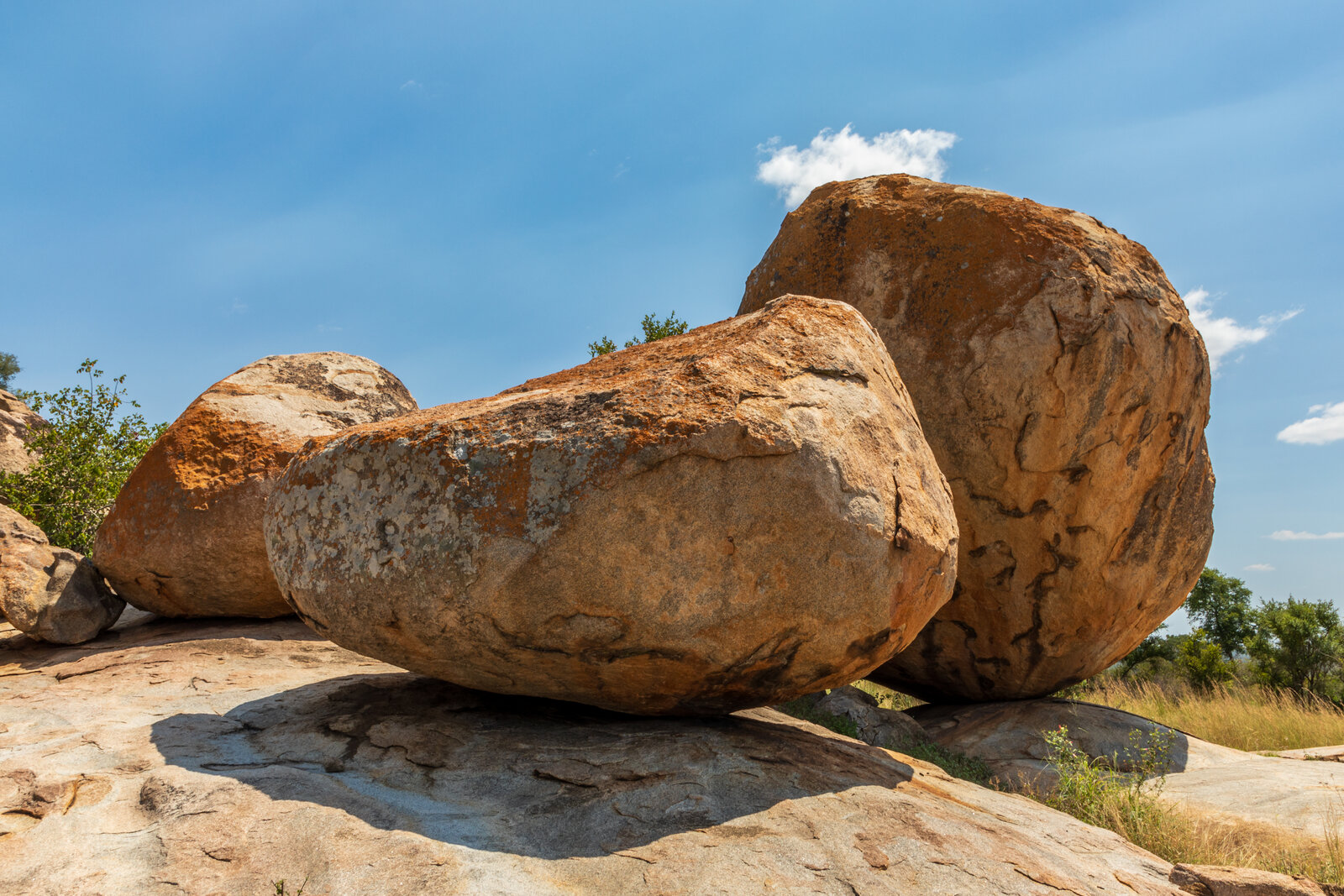
Round 8: Cost & Value
This is where the two destinations diverge most sharply, and for many travellers it is the deciding factor.
Okavango Delta: The delta is a premium, mostly fly-in destination, and Botswana’s low-impact policy keeps prices high by design. There is very little budget accommodation inside the delta; expect roughly $800 to $2,500-plus per person per night at the classic and luxury camps, all-inclusive, plus the light-aircraft transfers needed to reach them. It is one of Africa’s most expensive safari experiences — and, many would argue, one of its most rewarding.
Kruger: Kruger is one of the great safari bargains on earth. Self-drivers staying in the national-park rest camps can enjoy a full Big Five safari for as little as $50 to $150 per person per day including accommodation and park fees — extraordinary value. Mid-range lodges run a few hundred dollars, and even the ultra-luxury Sabi Sand lodges (roughly $700 to $2,000-plus per night) tend to undercut the equivalent Okavango camp. Whatever your budget, Kruger has an option.
Winner: Kruger, decisively, on both value and accessibility. It is one of the only world-class safari destinations that works for a shoestring self-drive and a five-star splurge alike. The Okavango is a luxury few can do on a budget.
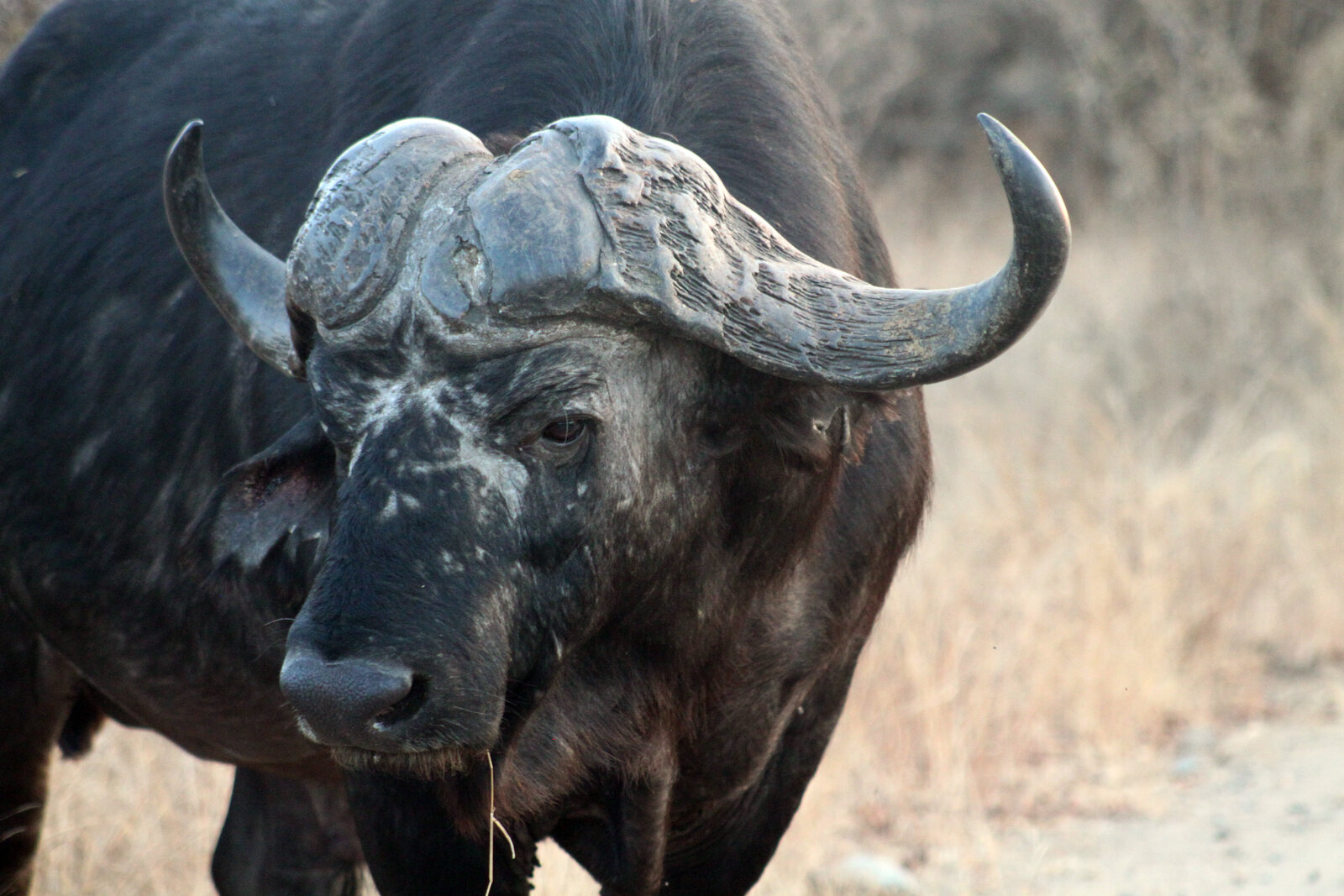
Round 9: Getting There & Logistics
Kruger: Kruger is remarkably easy to reach. It is a roughly four-to-five-hour drive from Johannesburg, or a short flight to one of several airports on its doorstep — Skukuza inside the park, Nelspruit/Mbombela (KMIA) and Hoedspruit — from which lodges are a quick transfer away. Once there, you can self-drive on excellent roads or be guided. This accessibility is a huge part of Kruger’s appeal: it slots easily onto the front or back of a Cape Town and Winelands trip.
Okavango Delta: The delta is remote by design. You fly into Maun (Botswana’s safari gateway), then transfer by light aircraft — a spectacular flight over the channels — to your camp’s bush airstrip, as most of the delta is simply unreachable by road. This adds cost and a little complexity, but the fly-in is part of the magic, and it is what keeps the delta so wonderfully uncrowded.
Winner: Kruger, for its ease, choice of access and self-drive freedom. The Okavango’s fly-in remoteness is a feature, not a bug — but it takes more planning and more budget.
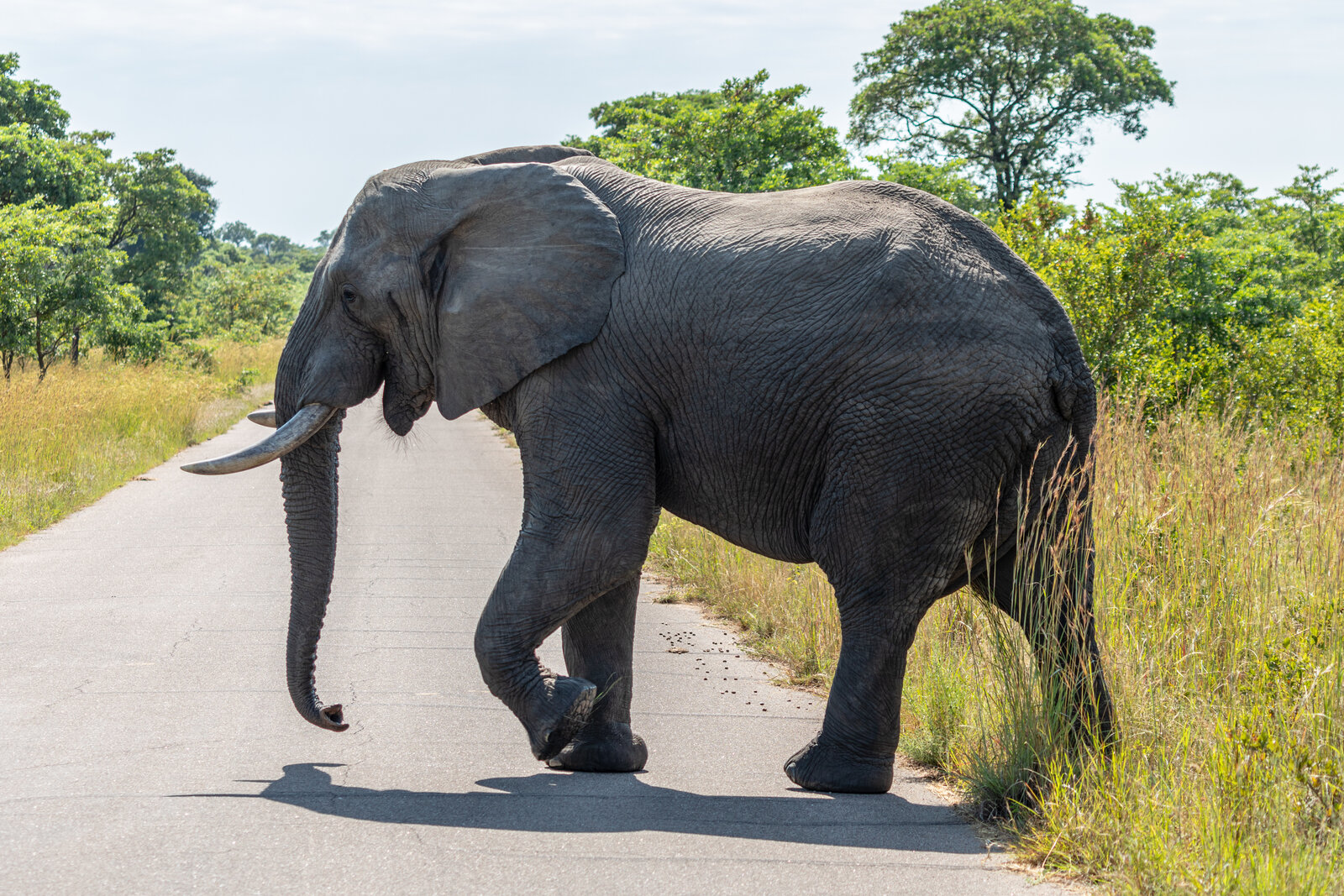
Where to Stay in the Okavango Delta: Chitabe Camp
For a camp that embodies the Okavango's split personality — water and land, predator and prey, exclusive and authentic — Chitabe Camp (Wilderness Safaris) is superb. Set in the private Chitabe concession on the south-eastern edge of the Moremi Game Reserve, the camp enjoys year-round water access plus rich dry-land predator territories, delivering the full delta experience: mokoro excursions through papyrus channels, boat safaris among hippo and crocodile, island walks, and game drives famous for lion, leopard and regular wild-dog sightings. The eight tented suites are stylish and comfortable, the guiding is expert, and the sense of pristine, private wilderness — no other vehicles, no crowds — is exactly what makes the Okavango so special. It is the delta at its finest, without the ultra-luxury price of Mombo or Vumbura.


Where to Stay in the Okavango Delta: Chitabe Camp
For a camp that embodies the Okavango's split personality — water and land, predator and prey, exclusive and authentic — Chitabe Camp (Wilderness Safaris) is superb. Set in the private Chitabe concession on the south-eastern edge of the Moremi Game Reserve, the camp enjoys year-round water access plus rich dry-land predator territories, delivering the full delta experience: mokoro excursions through papyrus channels, boat safaris among hippo and crocodile, island walks, and game drives famous for lion, leopard and regular wild-dog sightings. The eight tented suites are stylish and comfortable, the guiding is expert, and the sense of pristine, private wilderness — no other vehicles, no crowds — is exactly what makes the Okavango so special. It is the delta at its finest, without the ultra-luxury price of Mombo or Vumbura.
Where to Stay in Greater Kruger: Londolozi Private Game Reserve
For a Sabi Sand lodge that delivers the legendary leopard viewing Kruger is famous for — and does so with five-star luxury and a deep conservation ethic — Londolozi is one of the very finest. Set on a beautiful stretch of the Sand River in the heart of the Sabi Sand, Londolozi pioneered the art of habituating leopards for close, relaxed sightings, and decades later it remains the gold standard: you will see leopards here, often at astonishingly close range, often several times a day. Add lion, elephant, buffalo, rhino and the full Kruger cast, off-road game drives, night drives, expert guiding and ultra-luxurious suites (the Private Granite Suites and Tree Camp are exceptional), and Londolozi delivers a world-class safari at a price that undercuts the equivalent Okavango camp. It is the Sabi Sand — and Kruger — at their absolute best.


Round 10: Do Both or Pick One?
Here is the happy truth: the Okavango Delta and Kruger are not really rivals — they are the two ends of the Southern African safari spectrum, and together they make one extraordinary journey. You do not have to choose, and many of the best trips we plan weave both into a single itinerary.
Pick the Okavango Delta if: You want the most unique, exclusive and beautiful safari on the continent, you dream of a mokoro gliding through the reeds, wild dogs are high on your list, you value pristine wilderness and having sightings to yourself, and your budget can stretch to a premium fly-in experience.
Pick Kruger if: You want reliable, high-density Big Five viewing (especially rhino), the freedom and value of a self-drive, the world’s best leopards in the Sabi Sand, an easy trip that pairs with Cape Town, and a safari that works on almost any budget.
Do both if: You possibly can — and it is easier than it sounds. A classic itinerary pairs a few nights in Kruger or a Sabi Sand lodge (Big Five, leopards, self-drive freedom) with a few nights fly-in to the Okavango (water, wild dogs, exclusivity), linked by a short flight via Johannesburg or Maun. You get the bushveld and the delta, the classic and the unique, the affordable and the extraordinary — the two greatest safaris in Southern Africa in one unforgettable trip.
Safari Style: Game Drives vs Mokoro & Boats
The two destinations offer fundamentally different ways of experiencing Africa. Choosing between them often comes down to which style speaks to you — the freedom and classic appeal of the game drive, or the serene, water-borne magic of the mokoro.
| Experience | Kruger (Game Drives) | Okavango (Mokoro & Boats) | Winner |
|---|---|---|---|
| Signature activity | Self-drive or guided 4x4 game drive — open savannahs, waterholes, Big Five at close range | Silent mokoro (dugout canoe) poled through papyrus channels — water-level intimacy with birds, frogs, hippo | Split — entirely different appeals |
| Pace & freedom | Self-drive = total freedom (stop when you want, spend all day at one sighting). Guided drives = expert knowledge but fixed schedule | Guided mokoro + boat safaris — slower, meditative, expert-led. No self-drive option | Kruger for independence; Okavango for immersion |
| Big wildlife up close | Excellent — lion, leopard, elephant, rhino often within metres of the vehicle | Good but water-dependent — elephants wade between islands, hippo & croc own the channels, but rhino sightings rare | Kruger for reliable Big Five proximity |
| Serenity & magic | Beautiful but vehicle-based. Noise, other cars (in public park). Private reserves quieter but still vehicular | Mokoro is near-silent — gliding at water level through reeds, listening to fish eagles, is one of safari's most soulful moments | Okavango for serenity & uniqueness |
| Variety of activities | Game drives (day + night in private reserves), walking safaris, birding, photography hides at waterholes | Mokoro, motorboat cruises, guided island walks, game drives where land allows — the most varied safari | Okavango for activity diversity |
| Affordability | Self-drive game drives = incredibly cheap. Guided luxury drives = premium but competitive | No budget option — mokoro safaris are guided, fly-in, and premium-priced | Kruger decisively |
| Best for first-timers | Yes — classic, reliable, easy to grasp, Big Five-focused | Better as a second safari or for those seeking something unique — less about ticking the Big Five, more about wilderness immersion | Kruger for first safari; Okavango for seasoned travellers or those chasing uniqueness |
Kruger is the home of the classic African game drive — self-drive freedom or expert-guided luxury, with the Big Five at its heart. The Okavango owns the water-borne safari — a mokoro gliding through the reeds at dawn is unlike anything else on earth. If you want both, a combined itinerary gives you game drives in the Sabi Sand and mokoros in the delta, the best of each in one trip.
The Full Comparison: Okavango vs Kruger at a Glance
Everything that matters in one table — use this to make your decision quickly and confidently.
| Aspect | Okavango Delta | Kruger National Park |
|---|---|---|
| Country | Botswana | South Africa |
| Landscape | Water wilderness — islands, channels & floodplains | Classic bushveld — savannah, woodland & koppies |
| Size | ~15,000 km² at full flood | ~19,500 km² (about 2 million hectares) |
| Signature experience | Mokoro canoe through the reeds | Self-drive Big Five game drive |
| The water / flood | Defining — flood peaks Jun-Aug (dry winter) | Rivers & waterholes only — a dry-land park |
| Big Five | Good, but rhino scarce; water-shaped | Excellent, high-density — best chance of rhino |
| Leopards | Wild & exclusive, less predictable | World-class — the Sabi Sand is the best on earth |
| Wild dogs | One of the last great strongholds | Present but wide-ranging, less predictable |
| Rare species | Sitatunga, red lechwe, wild dog | Classic Big Five cast |
| Exclusivity | Exceptional — low-vehicle private concessions | Public park can be busy; private reserves exclusive |
| Self-drive | No — fly-in and guided only | Yes — the home of the self-drive safari |
| Budget option (pppn/day) | Very limited — a premium destination | Excellent — from ~$50/day self-drive |
| Mid-range | ~$800-1,200 pppn | A few hundred dollars pppn |
| Luxury | ~$1,200-2,500+ pppn | ~$700-2,000+ pppn (Sabi Sand) |
| Getting there | Fly-in via Maun (light aircraft) | 4-5 hr drive or short flight from Johannesburg |
| Malaria risk | Present — prophylaxis advised | Present — prophylaxis advised |
| Best time | Jun-Aug (peak flood & dry-season game) | May-Sep (dry season, game at waterholes) |
| Best for | Uniqueness, exclusivity, wild dogs, mokoro | Big Five, rhino, value, self-drive, leopards |
The table makes the divide clear. The Okavango is the exclusive water wilderness — unbeatable for uniqueness, wild dogs, mokoro adventures and pristine, uncrowded wilderness, at a premium fly-in price. Kruger is the accessible bushveld powerhouse — the surest bet for a high-density Big Five (including rhino), the world’s best leopards in the Sabi Sand, and unmatched value and flexibility.
Neither is ‘better’ in the abstract; they answer different dreams and different budgets. If you must choose one, let your priorities — a once-in-a-lifetime delta and wild dogs, or reliable Big Five and value — make the call. If you can manage both, you have the makings of the ultimate Southern African safari.
Detailed Cost Breakdown: Budget to Luxury
Cost is the single biggest divide between the two destinations, and understanding the tiers is essential for realistic trip planning. Here is exactly what you pay — and what you get — at each level.
| Tier | Kruger National Park | Okavango Delta |
|---|---|---|
| Budget | $50–$150 per person per day Self-drive + SANParks rest camps (basic chalets, shared facilities, self-catering or restaurant meals). Full Big Five access, freedom to explore. |
Very limited True budget options inside the delta are nearly non-existent; Botswana's low-impact policy keeps prices high. Maun-based mobile camping starts ~$250/day but misses peak delta exclusivity. |
| Mid-Range | $200–$500 pppn Private lodges bordering Kruger (Thornybush, Klaserie) or 3-4 star Greater Kruger properties. Guided drives, comfortable rooms, some meals included. Excellent value. |
$800–$1,200 pppn Classic delta camps (e.g. Oddballs, Xugana, Moremi Crossing) — tented, all-inclusive, mokoro + game drives + boat safaris, fly-in transfers. Premium baseline. |
| Luxury | $700–$2,000+ pppn Sabi Sand lodges (Londolozi, Singita, Lion Sands) — world's finest leopards, private concessions, off-road drives, ultra-luxury suites, exceptional guiding. Competes with Okavango on quality, undercuts on price. |
$1,200–$2,500+ pppn Top-tier delta camps (Mombo, Vumbura, Duba Plains, Jao) — pristine exclusivity, wild dogs, private concessions, no other vehicles, fly-in, all-inclusive. Among Africa's most expensive — and most rewarding. |
| What it includes | Budget: park fees, accommodation only. Mid-range: some meals, 1-2 drives/day. Luxury: all meals, drinks, drives, laundry, often transfers. | All tiers: typically fully inclusive (meals, bar, activities, laundry, park fees). Light-aircraft transfers extra or bundled depending on package. |
| Verdict | Unbeatable flexibility — world-class safari at nearly any price point. | Premium-only destination — exclusivity and uniqueness come at luxury prices. |
The table tells the story: Kruger is the only world-class safari you can do on a shoestring or a splurge; the Okavango is luxury-priced by design, protecting its wilderness through "low-volume, high-value" tourism. Both deliver excellence — your budget and priorities decide which one you choose.
Logistics & Access: Getting There & Getting Around
How you reach each destination and move within it is a major practical difference — and one that affects both cost and experience.
| Logistics | Kruger National Park | Okavango Delta |
|---|---|---|
| International gateway | Johannesburg (OR Tambo) — South Africa's main hub, excellent connections worldwide | Maun (Botswana's safari gateway) or Kasane — typically via Johannesburg or direct from select cities |
| From gateway to destination | Drive: 4–5 hours from Johannesburg to Kruger gates. Fly: 1 hour to Skukuza (inside park), Nelspruit/KMIA or Hoedspruit (nearby). | Fly-in only: Light aircraft from Maun to camp airstrip (15–45 min scenic flight over delta). Most of delta unreachable by road. |
| Self-drive possible? | Yes — uniquely among Africa's great parks. Hire a car, explore 400+ km of roads at your own pace, spot your own game. Huge cost saver & adds freedom. | No — no roads inside most concessions. All movement by mokoro, boat, guided vehicle or foot. Fly-in transfers essential. |
| Transfer costs | Car hire ~$40–$80/day. Scheduled flights ~$150–$250 one-way. Private lodge transfers often included. | Light-aircraft charter ~$200–$400 per person per leg (often bundled into package). Essential — not optional. |
| Ease of combining with other destinations | Extremely easy — pairs seamlessly with Cape Town, Winelands, Garden Route via short flight or scenic drive. South Africa's infrastructure is excellent. | Requires dedicated focus — fly Johannesburg–Maun–delta–Maun–onward. Best combined with Chobe or Victoria Falls (both nearby) or Kruger/Cape Town via Johannesburg. |
| Time required | Minimum 3–4 days for a good Kruger safari; 5–7 days ideal. Easy weekend add-on from Johannesburg. | Minimum 3 nights (to justify fly-in cost & see the delta properly); 4–5 nights ideal. Feels rushed if shorter. |
| Verdict | Maximum accessibility & flexibility. Self-drive freedom is unmatched. | Deliberately remote & exclusive. Fly-in logistics add cost but protect wilderness — part of the appeal. |
Kruger's accessibility is one of its greatest strengths — easy to reach, easy to explore, and easy to combine with Cape Town or the Winelands for a classic South Africa itinerary. The Okavango's remoteness is central to its magic: the fly-in light-aircraft transfer is expensive and logistically essential, but it is also what keeps the delta pristine, uncrowded and special. Your comfort with fly-in logistics and budget for transfers will influence which you choose.
When to Visit: Flood Timing vs the Dry Season
Okavango Delta: The delta’s prime season is counter-intuitive. The flood arrives from the Angolan highlands and peaks around June to August — the heart of Botswana’s dry, cool winter — so this is when the channels are fullest, mokoro trips are at their best, and game concentrates spectacularly on the shrinking dry land between the water. These winter months are the classic time to visit. The green summer season (November to March) brings lush scenery, superb birding and lower prices, but higher heat, some rain and thinner water.
Kruger: Kruger is at its best in the dry winter season, May to September, when sparse vegetation and thirsty animals gathering at rivers and waterholes make for outstanding, easy game viewing — and the malaria risk is at its lowest. The green summer (October to April) brings dramatic skies, newborn animals, migrant birds and lush landscapes, with the trade-off of thicker bush, heat and afternoon storms.
Bottom line: the two destinations share a peak — the dry winter months of roughly June to August — which is exactly what makes combining them so easy. Travel in that window and you catch the Okavango in full flood and Kruger at its dry-season best, the delta and the bushveld at their finest in a single trip. Matching your dates to what you most want to see is precisely the sort of planning a specialist operator lives for.
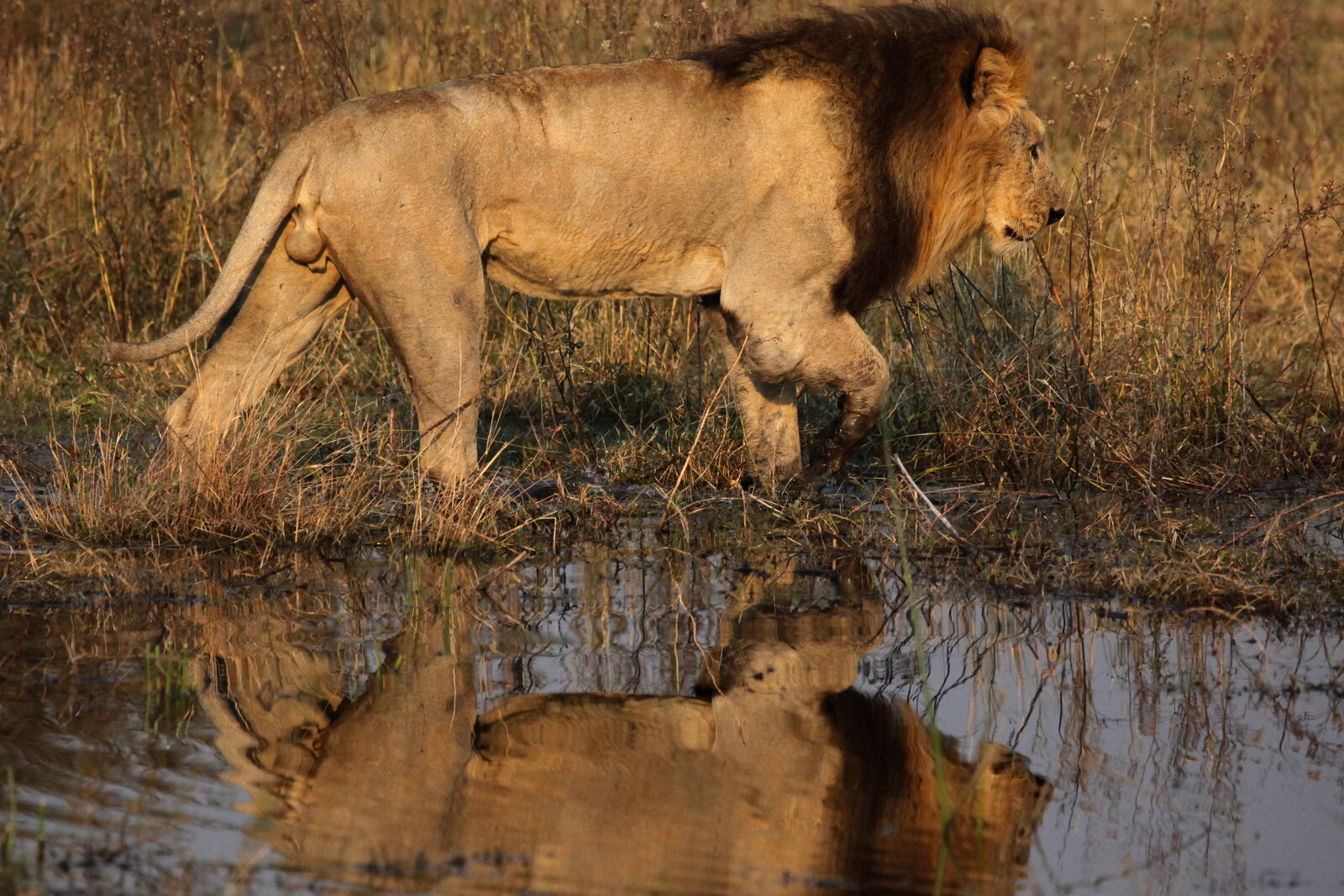
Sample 10-Day Combined Itinerary: The Ultimate Kruger + Okavango Safari
Many of our clients ask: can I do both? The answer is yes — and it makes a phenomenal trip, because the two are so different. Here is a classic 10-day combination that delivers the bushveld and the delta, the Big Five and the wild dogs, the accessible and the exclusive, all in one seamless journey.
| Days | Destination | Highlights | Accommodation | Approx. Cost |
|---|---|---|---|---|
| Day 1 | Johannesburg arrival | Overnight near airport; rest & prep for safari | Airport hotel (3-star) | $100–$150 pppn |
| Days 2–5 | Sabi Sand (Greater Kruger) | 4 nights at a luxury Sabi Sand lodge (Londolozi, Singita or Lion Sands tier) — the world's finest leopard viewing, Big Five game drives, off-road access, night drives, expert guiding, ultra-luxury suites | 5-star Sabi Sand lodge (fully inclusive) | $800–$1,800 pppn Subtotal: $3,200–$7,200 for 4 nights |
| Day 5 | Transfer day | Morning game drive, fly Skukuza/Hoedspruit → Johannesburg → Maun (Botswana) | In transit (lodge checkout AM, overnight Maun or direct to delta) | Flights ~$400–$600 pp |
| Days 6–9 | Okavango Delta | 4 nights at a classic delta camp (Chitabe, Vumbura, Jao tier) — mokoro through the channels, boat safaris, wild dog tracking, island walks, floodplain game drives, near-total exclusivity, water-borne wilderness magic | Luxury delta camp (fully inclusive + fly-in transfers) | $1,000–$2,200 pppn Subtotal: $4,000–$8,800 for 4 nights |
| Day 10 | Maun → Johannesburg → Home | Morning mokoro or final game activity, light-aircraft to Maun, connect to international flight | In transit | Included in package |
| Total trip cost estimate (per person, twin share) | $8,500–$17,500 (Mid-luxury to ultra-luxury tier, including internal flights, excludes international airfare) |
|||
What you get: The world's best leopards and a full Sabi Sand Big Five in Kruger's private reserves, then the world's most exclusive water wilderness and wild dogs in the Okavango Delta — two utterly different safaris, seamlessly linked by a short flight via Johannesburg or direct Nelspruit–Maun. This is the ultimate Southern Africa safari: the bushveld and the delta, the classic and the unique, in ten unforgettable days.
We handle every detail — lodge bookings, internal flights, park fees, transfers and timing — so the whole journey flows as one. Get in touch and we will tailor the camps, the pace and the budget to match your dreams exactly.
Why Book Your Okavango & Kruger Safari with Beyond Africa Safaris
We design Southern African safaris around exactly this question every week, and we know how to get the very best from each destination. If the Okavango is your dream, we will place you in the concessions with the finest water, the best wild-dog territories and the most soulful mokoro guiding, and handle every light-aircraft transfer. If it is Kruger, we will steer you between a value-packed self-drive, a classic lodge, or a Sabi Sand splurge for the world’s best leopards — whatever matches your budget and your dreams.
Best of all, we will show you how to combine the two into one seamless journey — a short flight via Johannesburg or Maun links the bushveld and the delta, and we handle the internal flights, park fees, transfers and timing so it all flows as a single itinerary. You get one plan, one quote, and one point of contact from first enquiry to the moment you fly home.
And because we are African-owned and operated from Cape Town, you plan directly with specialists who live and breathe this continent — not a distant middleman. Get in touch, and let’s build your perfect Southern Africa safari — the Okavango, Kruger, or the unbeatable combination of both.
Ready to Choose Your Southern Africa Safari?
Tell us whether you are chasing the exclusive water wilderness of the Okavango and its wild dogs, the reliable Big Five and value of Kruger, or the best of both — and we will build the itinerary that matches, with camps and lodges secured, flights arranged and every detail handled. The delta, the bushveld, or both.