Key Takeaways
- The best affordable safari lodges in Botswana deliver world-class wildlife at $200–700 per person per night — a fraction of the ultra-luxury tier — without compromising on the experience
- Chobe Safari Lodge and Khwai Guest House are the most accessible entry points, offering Big Five encounters from around $200–250 per person in the green season
- The Khwai Community Concession is Botswana's value heartland, home to excellent mid-range lodges like Sango Safari Camp, Saguni and Elephant Pan at $435–595 per person
- Green season (November to March) slashes rates by 30–50% while still delivering exceptional wildlife, dramatic storms and the best birding of the year
- Kanana, Oddballs and Rra Dinare bring the magic of the Okavango Delta within reach at $300–650 per person, far below the $1,500+ ultra-luxury camps charge for the same water and wildlife
- Book 6–12 months ahead for the dry season (May–October), or just 2–4 months for green season savings — last-minute December–February deals can drop below $300 per person
TL;DR: The best affordable safari lodges in Botswana are Chobe Safari Lodge, Kanana, Khwai Guest House, Sango Safari Camp, Oddballs, Chobe Bakwena, Rra Dinare, Ghoha Hills, Saguni, Elephant Pan and Nxai Pan — delivering the same elephants, predators and Okavango magic the ultra-luxury camps command, at $200–700 per person per night instead of $1,500+. The Khwai Concession is the value heartland, Chobe is the most accessible Big Five gateway, and the green season (November–March) saves 30–50% while still offering superb wildlife and dramatic African skies. Travel in the dry season (May–October) for the classic Botswana experience, or embrace the green season for empty camps, lower rates and phenomenal birding. Below you will find 15 lodge reviews, a value tiers explainer, comparison table, when-to-book strategy, green season deep-dive, self-drive vs fly-in notes, and the best lodge for every traveler type. Read this alongside our affordable Botswana safari strategy guide and affordable Okavango Delta lodges.
Botswana has earned its reputation as Africa's most exclusive safari destination, and for good reason — the wildlife is extraordinary, the landscapes otherworldly, and the lodges meticulously crafted. But that exclusivity comes at a cost, and for years the common wisdom has been that Botswana simply is not for travelers on a budget. We are here to tell you that is not quite true.
Yes, the ultra-luxury tier — the $1,500-to-$3,000-per-person-per-night camps — dominates the Botswana safari conversation. But beneath that stratosphere lies a collection of lodges that deliver the same elephants, the same predators, the same sunsets over the Okavango, at rates that start from around $200 per person per night and rarely climb above $700. These are not budget compromises. They are mid-range and accessible-luxury properties that trade marble and champagne for authenticity, intimacy and a fiercer connection to the bush.
This guide walks you through the best affordable safari lodges in Botswana, from the Big Five gateway of Chobe Safari Lodge to the quiet Delta immersion at Oddballs, from the community warmth of the Khwai lodges to the panoramic Savuti views at Ghoha Hills. We explain the value tiers, decode the green season opportunity, compare self-drive and fly-in access, and match you to the lodge that fits your style and your budget. By the end, you will know exactly how to experience Botswana without the ultra-luxury price tag — and why sometimes, that is when the magic hits hardest.
Understanding Value in Botswana — Why Prices Are High (and Where They Drop)
Botswana's safari model is built on a low-volume, high-value philosophy. The government charges tourism operators steep concession fees to limit the number of visitors and protect the wilderness. Most lodges are small — 8 to 16 rooms — and remote, requiring costly fly-in logistics. The result: the typical Botswana safari lodge charges $800 to $2,500 per person per night, and the ultra-luxury flagships — Mombo, Abu Camp, Singita — easily exceed $3,000.
But value exists. It clusters in three places:
- Chobe riverfront lodges near Kasane, where road access eliminates fly-in costs and larger properties spread overhead across more guests
- The Khwai Community Concession, where community-run and owner-led lodges keep rates reasonable while delivering prime Moremi wildlife access
- Green season (November–March), when discounts of 30–50% bring even mid-tier lodges within reach
Affordable in Botswana means $200 to $700 per person per night, all-inclusive. That is still a serious investment, but it is attainable, and the wildlife you see — the elephant concentrations, the predator action, the Delta channels — does not know the difference between your $400 camp and the $2,000 one next door.
Best Affordable Safari Lodges in Botswana — Our Top 15
Chobe National Park & Kasane Area
Chobe Safari Lodge
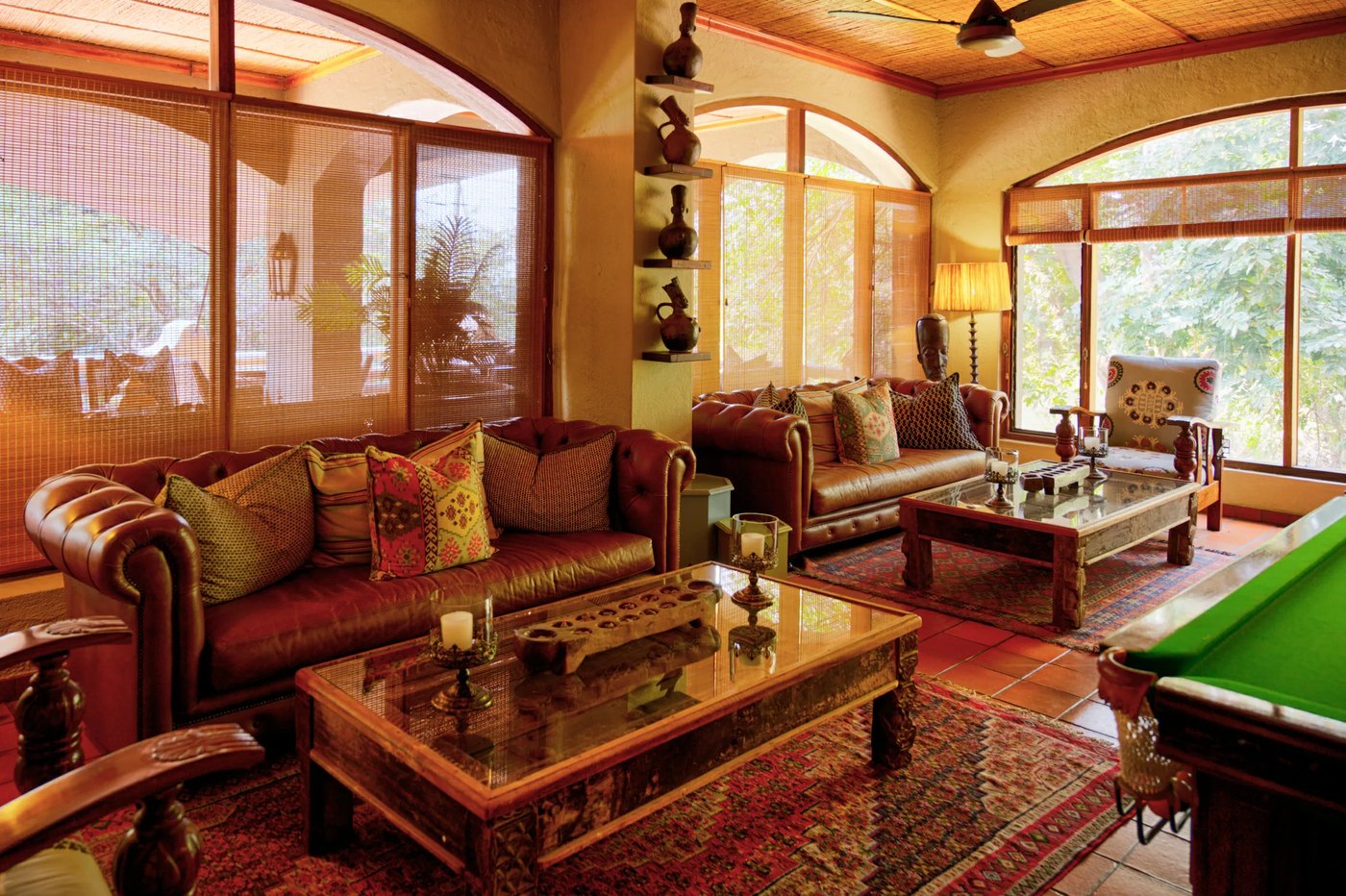
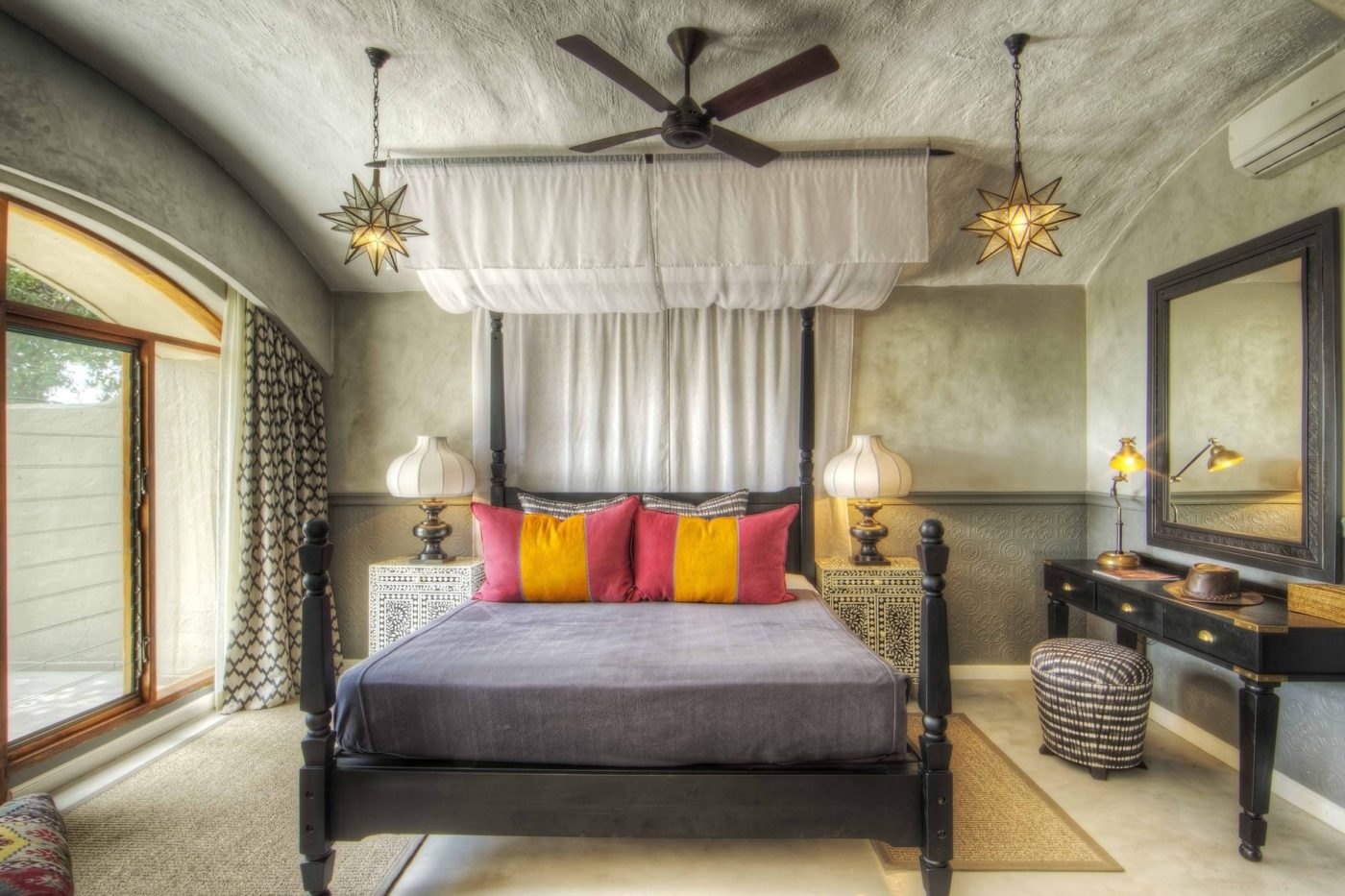
Location: Kasane, inside Chobe National Park gate
Rates: ~$250–400 per person per night all-inclusive (green season from $200)
Why affordable: Large resort-style property, Botswana's most accessible lodge
Wildlife: Riverfront elephants, boat safaris, year-round Big Five
Best for: First-timers, families, Victoria Falls combo
When to go: Year-round; dry season (May–October) for peak elephant herds
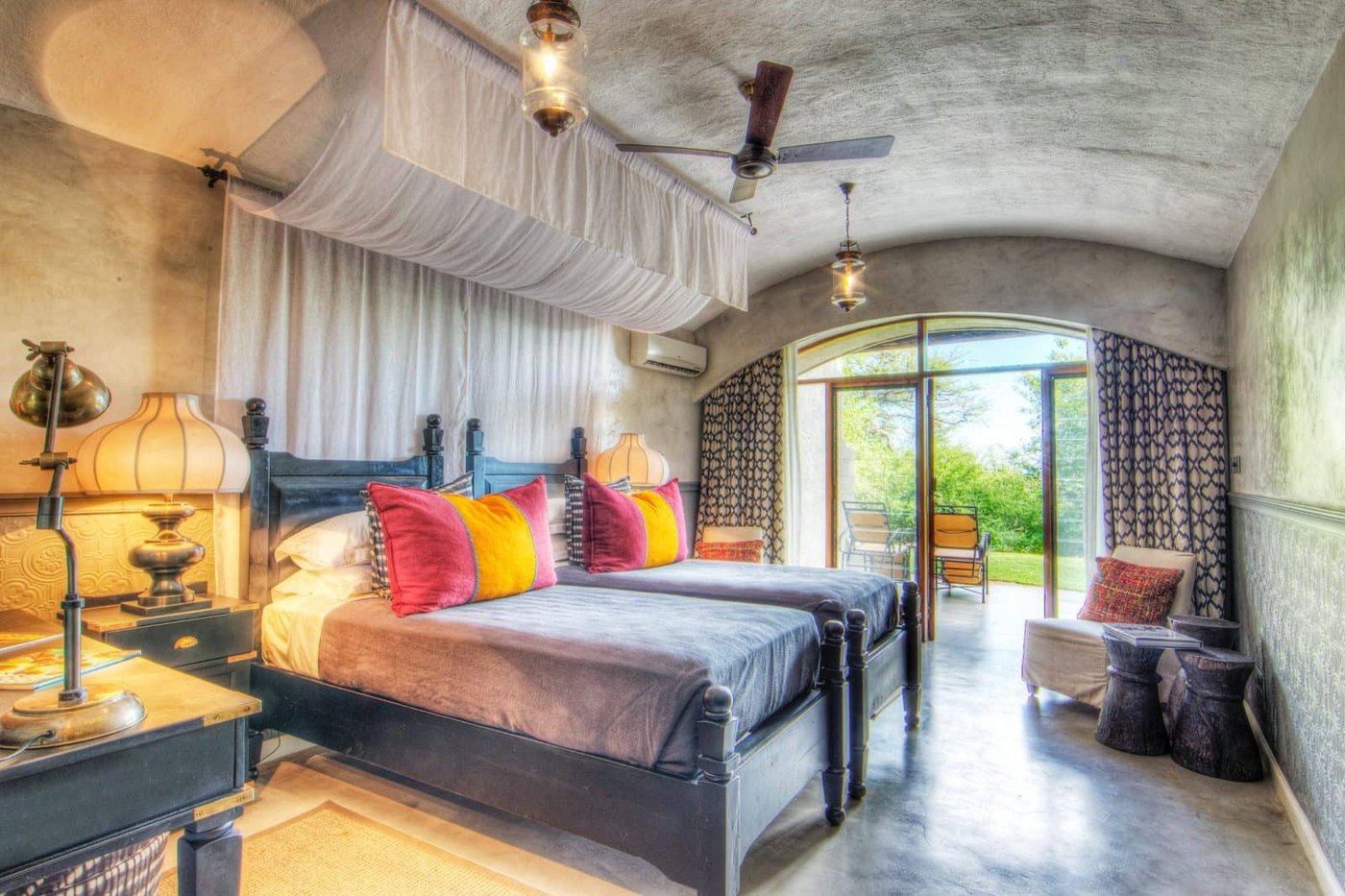
Chobe Safari Lodge is the gateway lodge — the one that proves Botswana is within reach. Perched on the banks of the Chobe River inside the national park, it is the only lodge in the region that sits inside the park gate, meaning you wake to elephants at the water's edge. The property is large by Botswana standards — closer to 100 rooms than 10 — which keeps per-person costs down, and the all-inclusive rate includes game drives, boat cruises, meals and drinks.
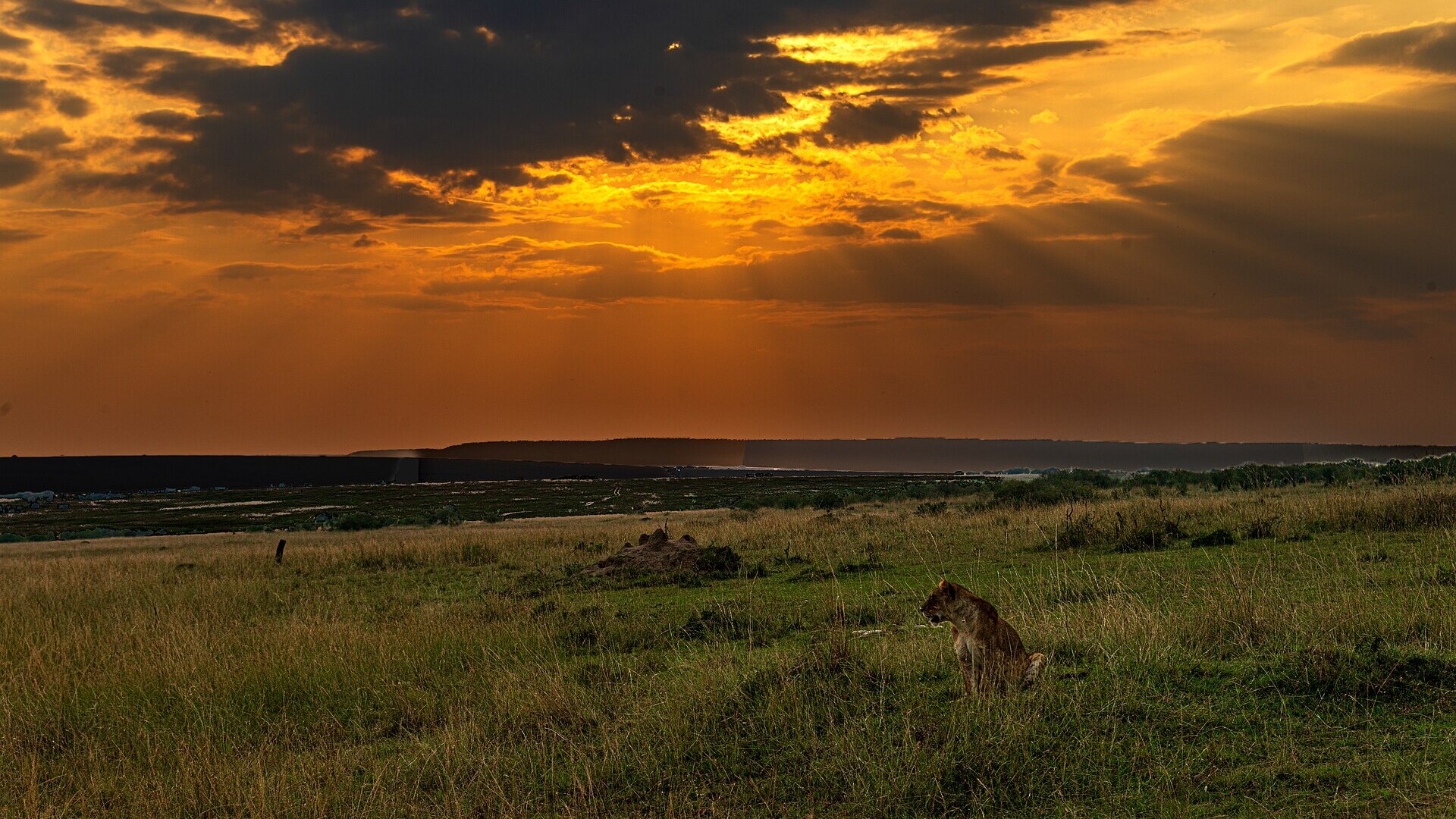
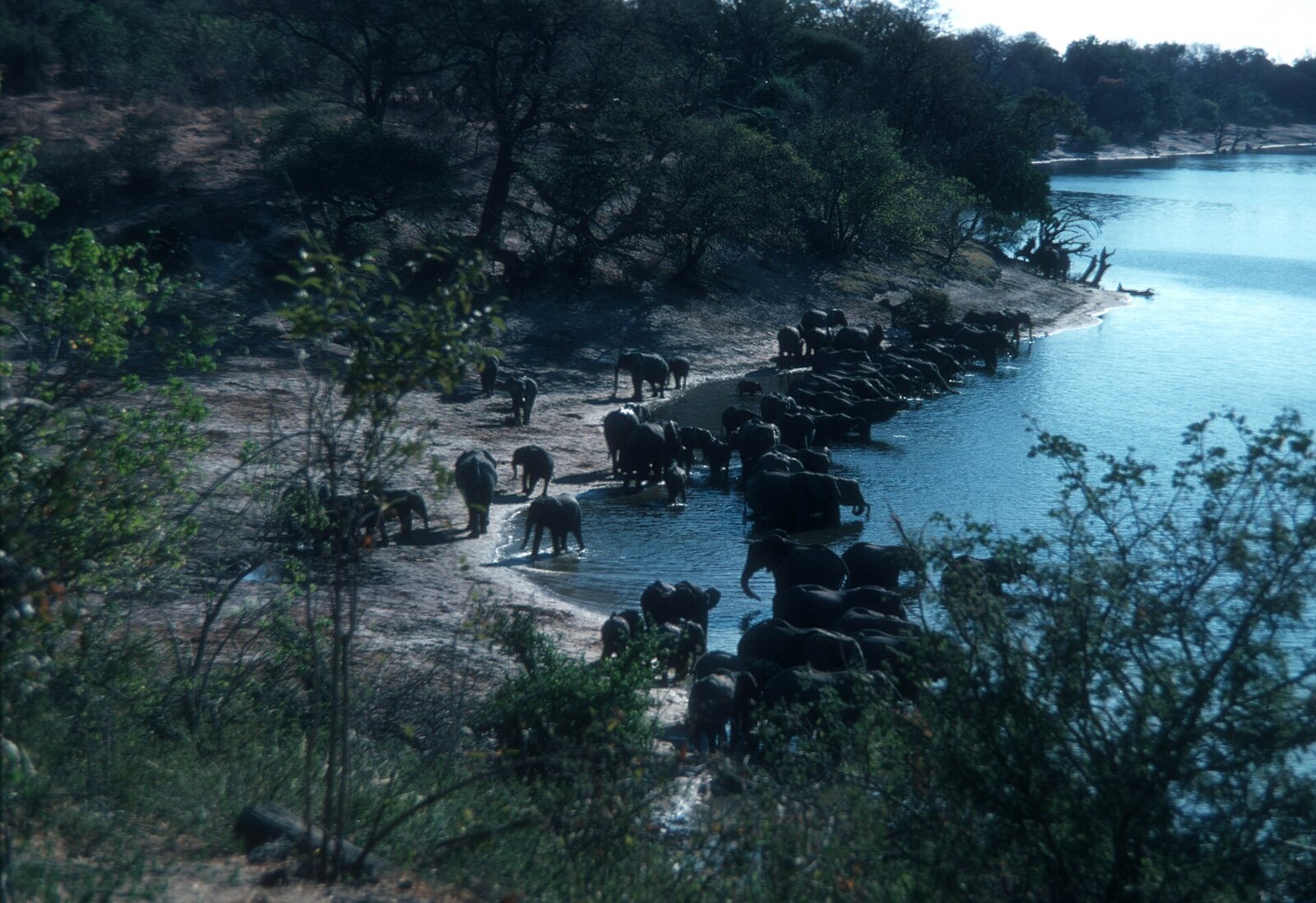
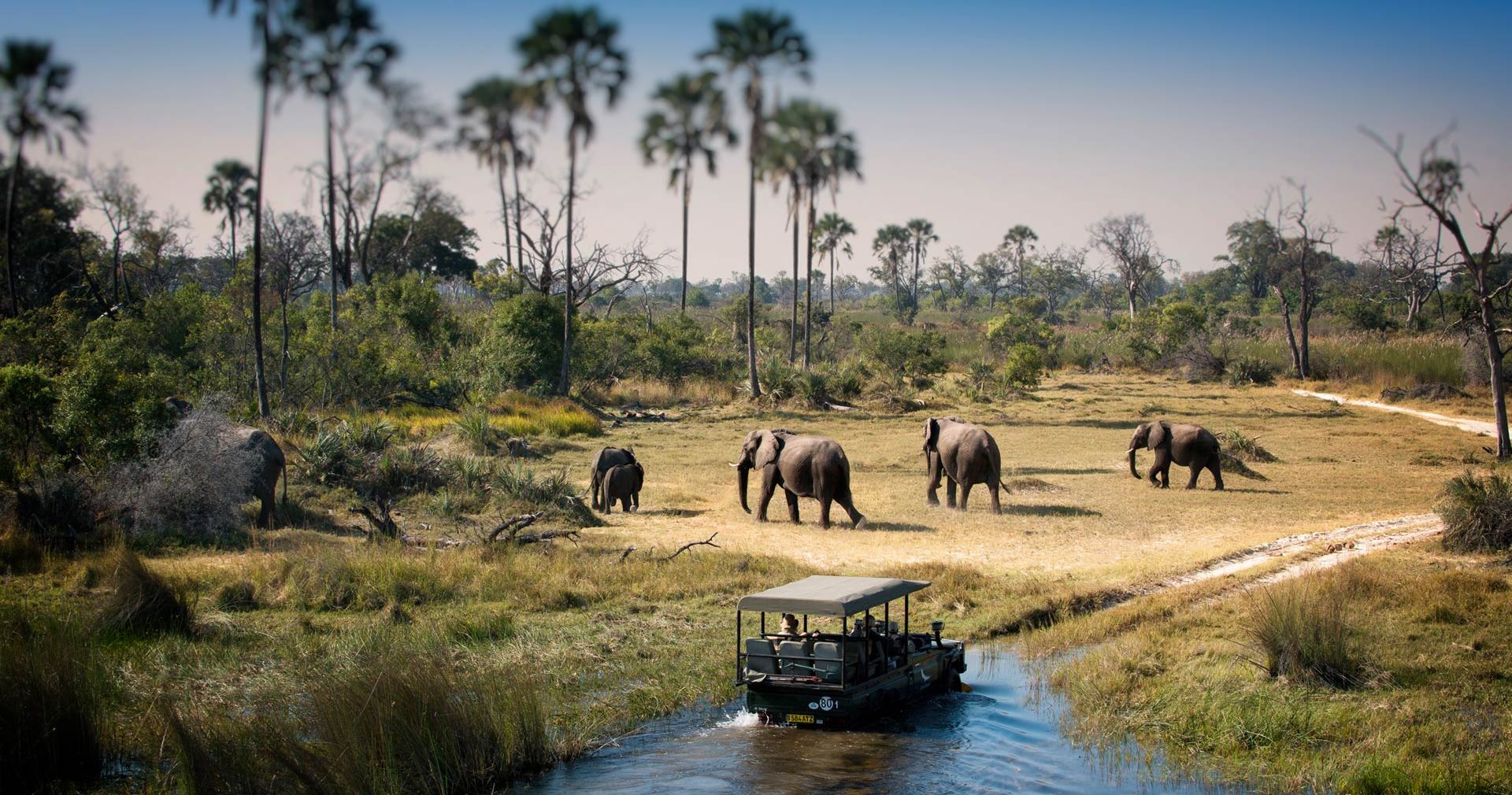
This is not the intimate tented camp experience the ultra-luxury tier sells. It is a comfortable, well-run river lodge that happens to occupy one of the most wildlife-rich stretches of river in Africa. During the dry season, elephant herds number in the hundreds, gathering to drink at the Chobe. Lions patrol the floodplains. Hippos bellow through the night. The wildlife does not care that you paid a third of what the luxury lodges charge.
Chobe Bakwena Lodge
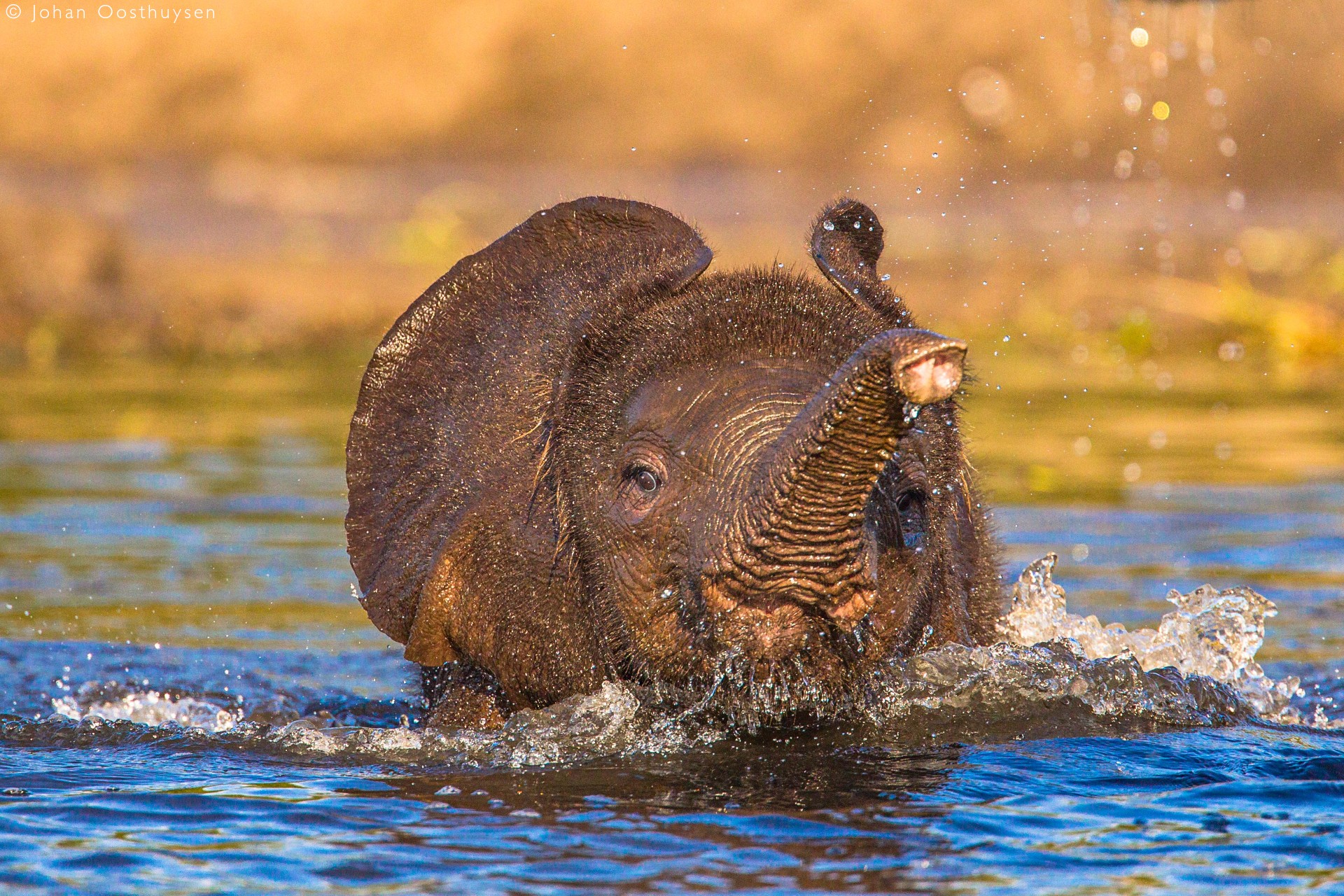
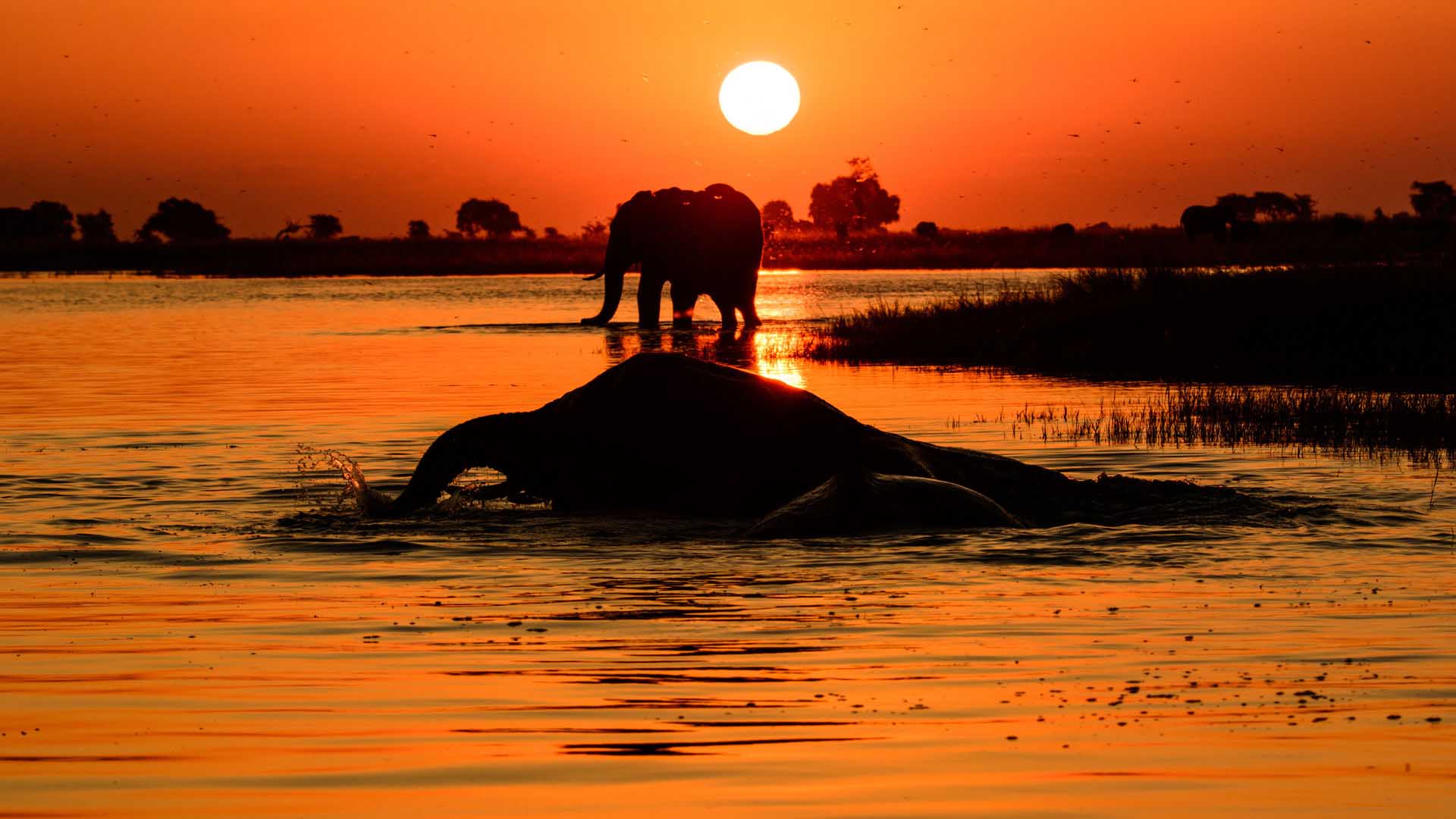
Location: Chobe riverfront, near Kasane
Rates: ~$300–450 per person per night
Why affordable: Community-minded, eco-focused, personal lodge-style
Wildlife: Same Chobe elephant concentrations as luxury lodges
Best for: Conscious travelers, couples
When to go: Dry season (July–October) for massed elephant herds
Where Chobe Safari Lodge leans into accessibility, Chobe Bakwena leans into intimacy. This is a smaller, community-run property that feels more like a lodge than a resort, with a strong environmental ethos and personal service. You are still on the Chobe River, still watching the same elephant herds, still taking boat cruises at golden hour — but the atmosphere is quieter, the groups smaller, and the rates sit in the accessible mid-range rather than budget.
Okavango Delta
Kanana Camp
Location: Xudum Concession, western Okavango Delta
Rates: ~$450–650 per person per night (green season from $350)
Why affordable: Boutique owner-led, "affordable Delta luxury"
Wildlife: Water and land game drives, mokoro, leopard sightings
Best for: Delta immersion without $1,500+ tier
When to go: Flood season (June–August), dry season (May–October)
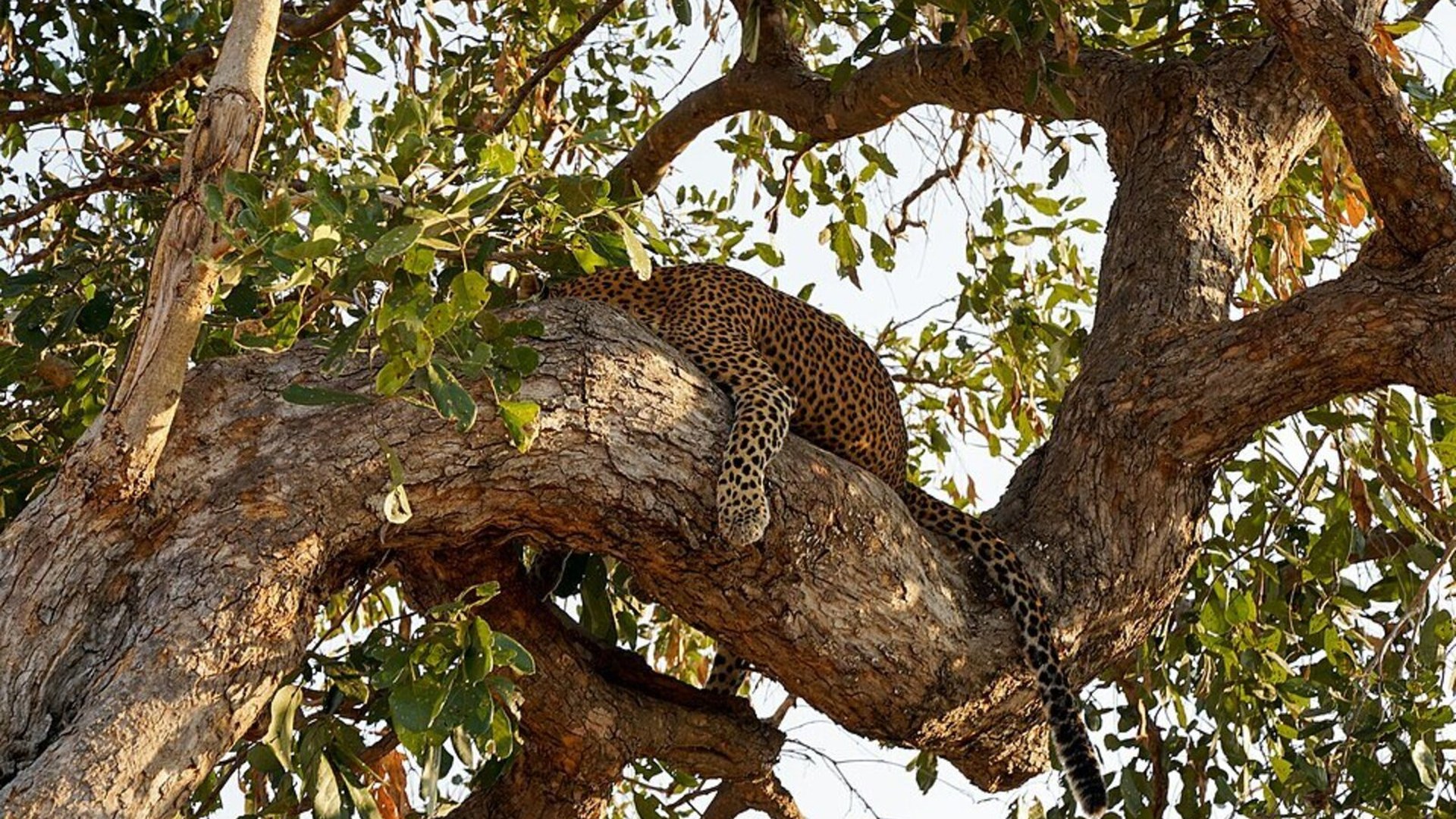
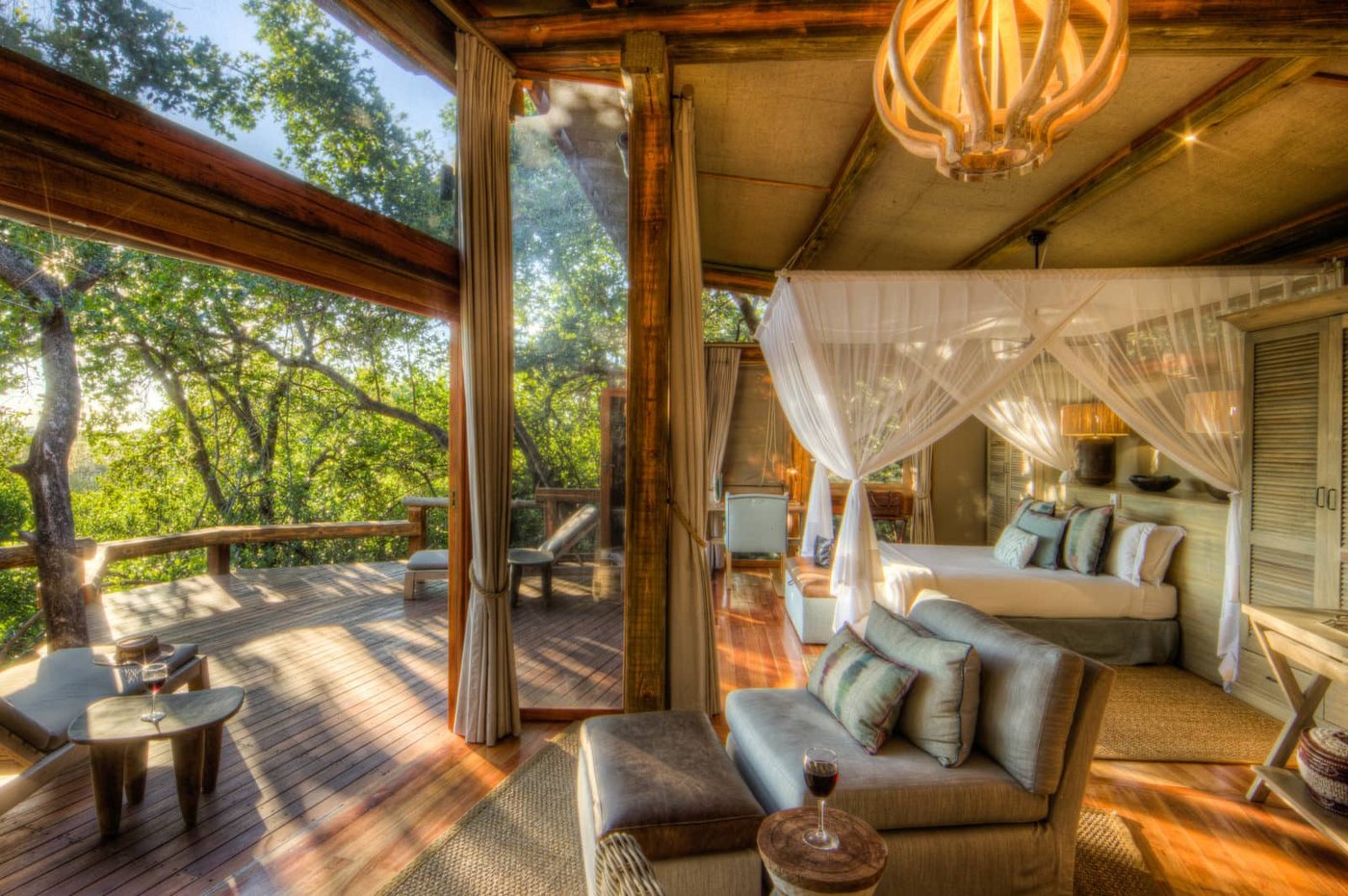
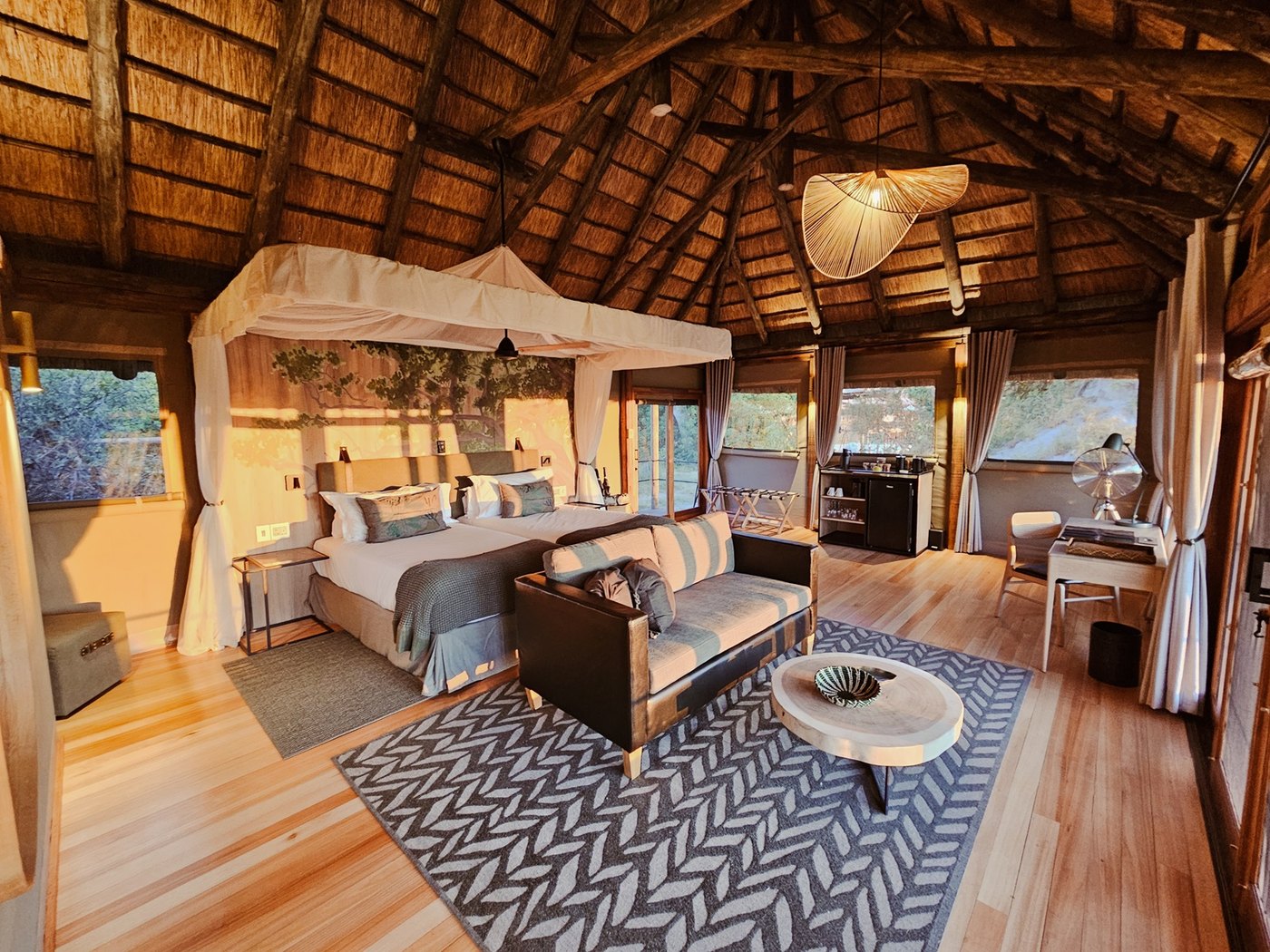
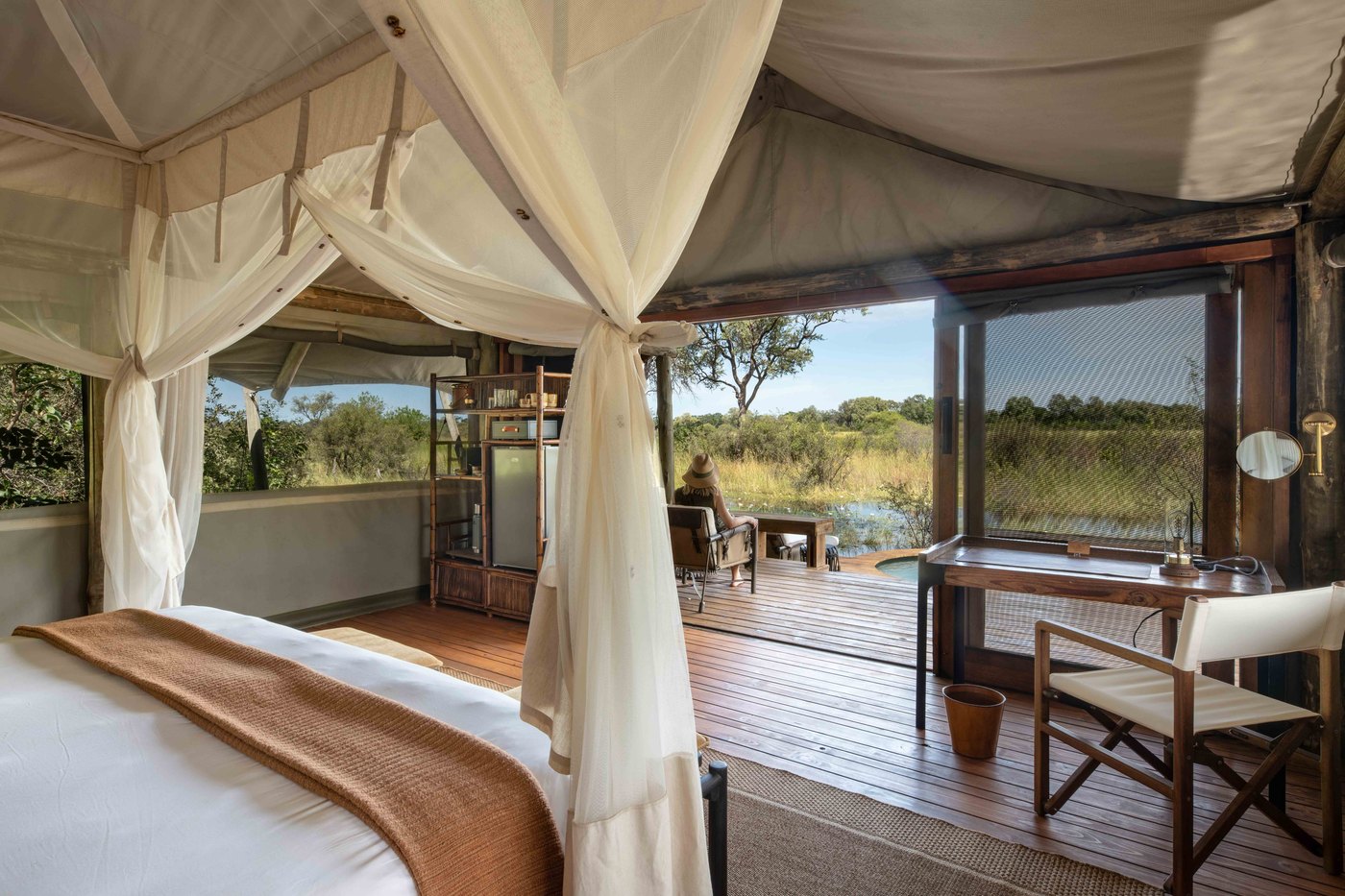
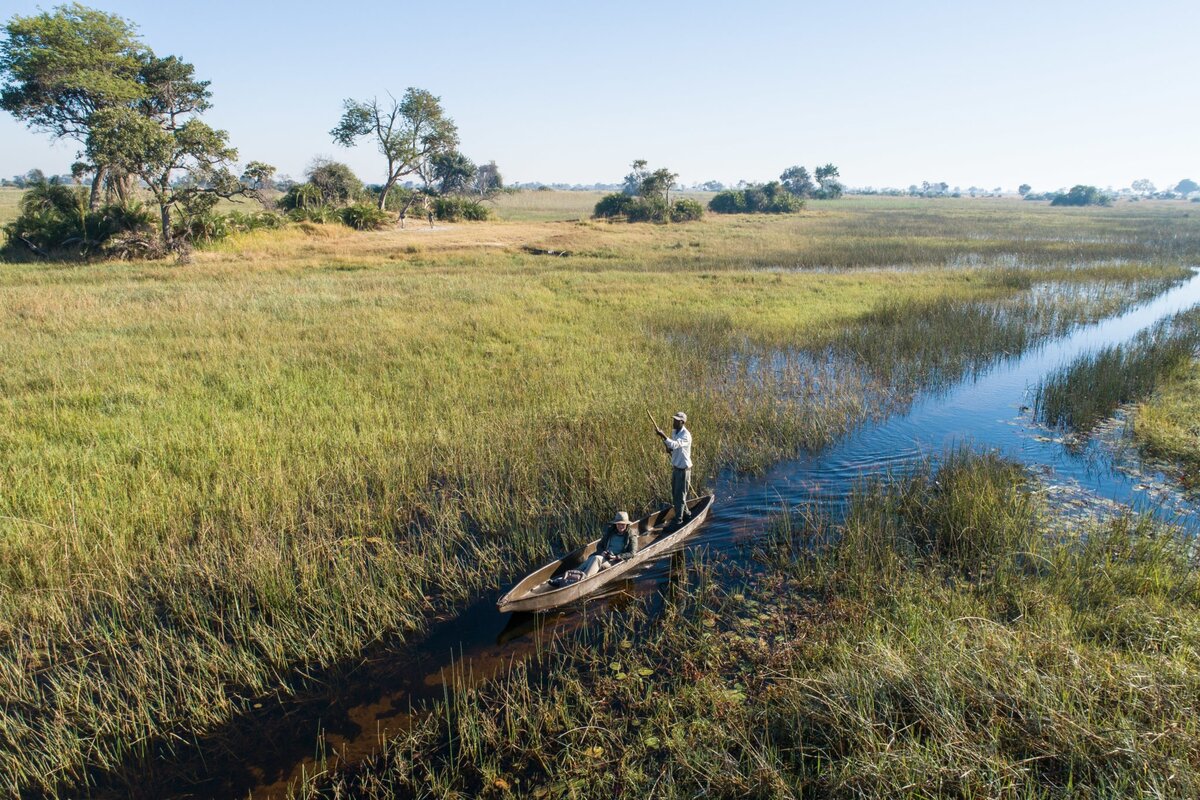
Kanana is the lodge safari specialists whisper about — the one that delivers the Okavango Delta at half the price of the flagships. It is small (nine tents), owner-led and beautifully positioned in the Xudum, a private concession in the western Delta. You get the full Delta experience: mokoro excursions through papyrus channels, game drives in open 4x4s, sightings of elephant, lion, leopard, wild dog. The tents are spacious, the food excellent, the guiding superb. What you do not get is the $1,800-per-night price tag — and for most travelers, that is the best trade in Botswana.
Oddballs Camp
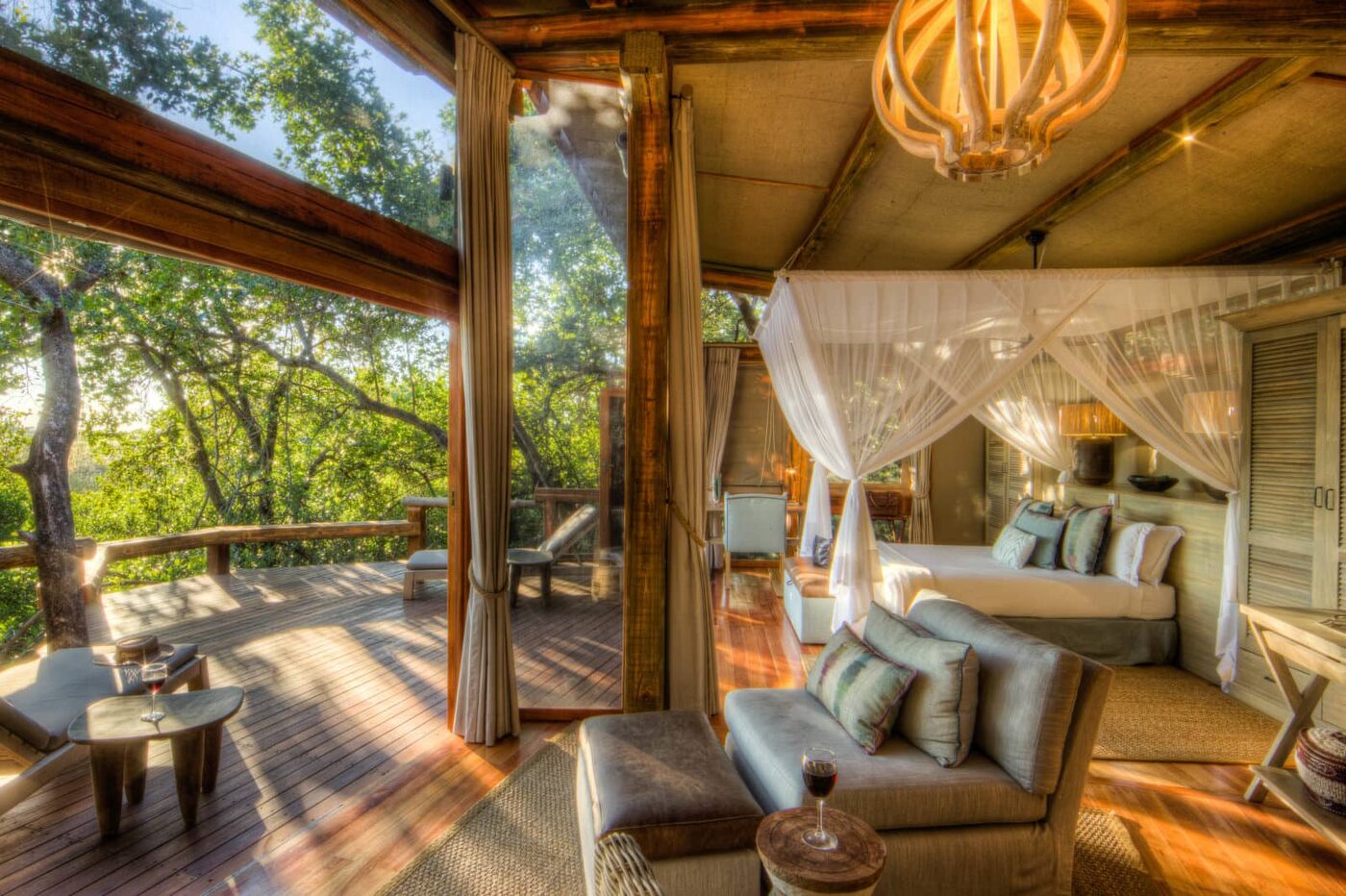
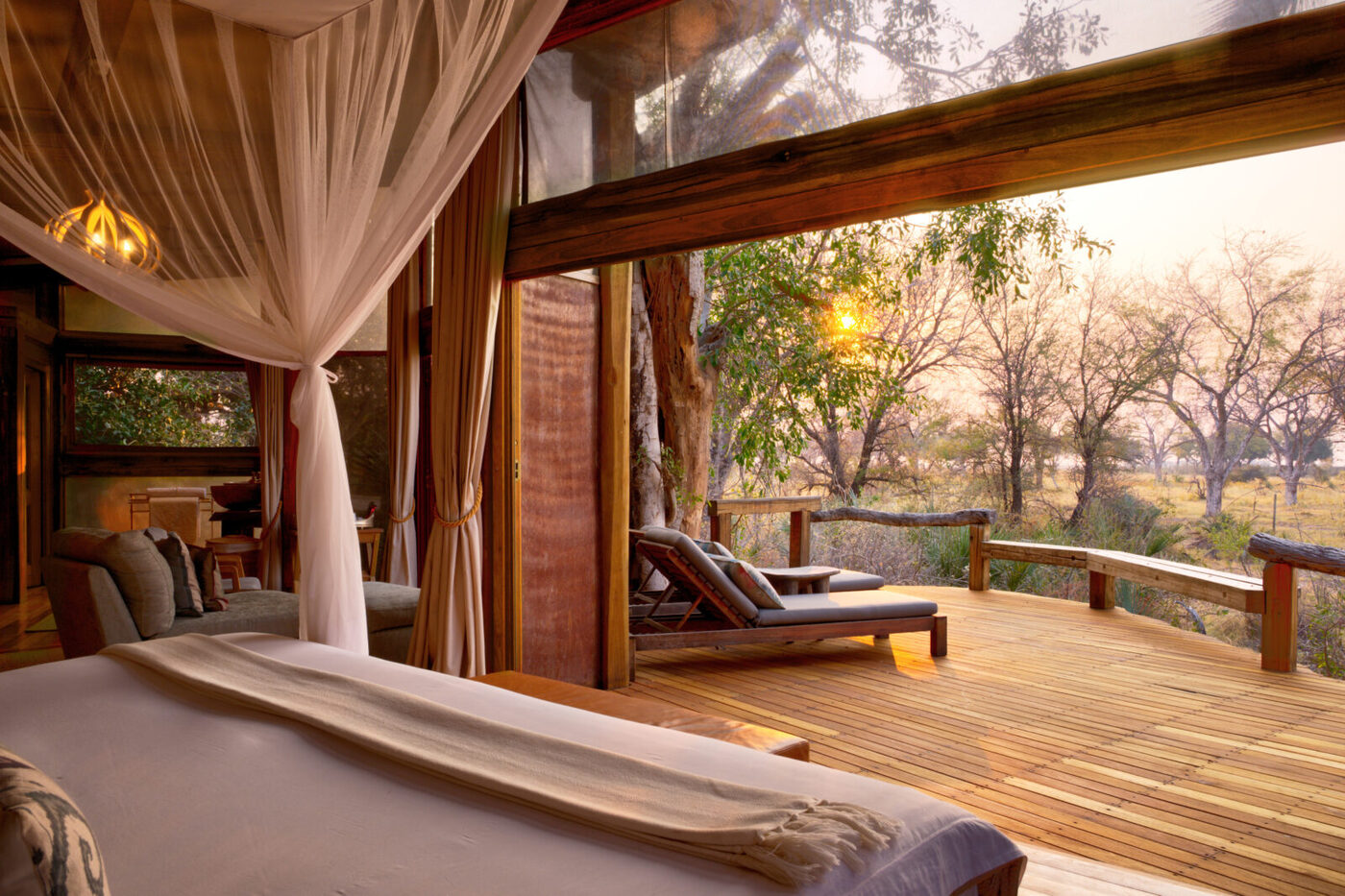
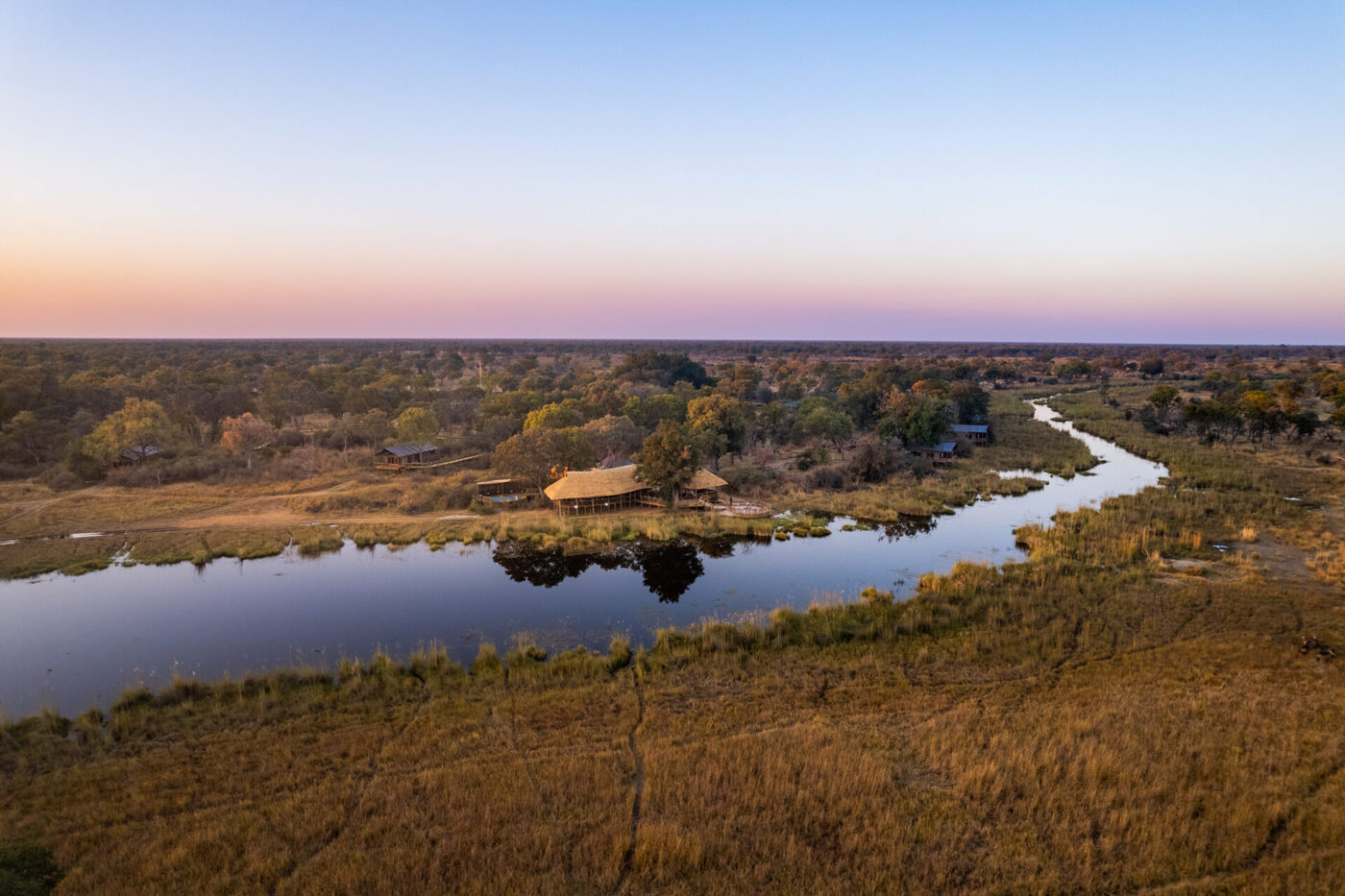
Location: Chief's Island area, Okavango Delta
Rates: ~$300–500 per person per night
Why affordable: Rustic-chic tented camp, quieter Delta experience
Wildlife: Slow Delta immersion, mokoro focus, birding
Best for: Nature lovers, non-Big Five priority
When to go: Flood season (June–September) for mokoro
Oddballs is for travelers who want the Delta's serenity more than its predator action. This is a rustic, intimate camp — simple safari tents, bucket showers, solar power — that strips the safari back to its essentials: water, silence, birds, the occasional elephant crossing the floodplain. The focus here is mokoro safaris, gliding through the reeds at walking pace, listening to the Delta breathe. It is not a Big Five lodge — though you will see plenty of wildlife — and it is all the better for it. The price reflects that focus: accessible, honest, worth every cent.
Rra Dinare Camp
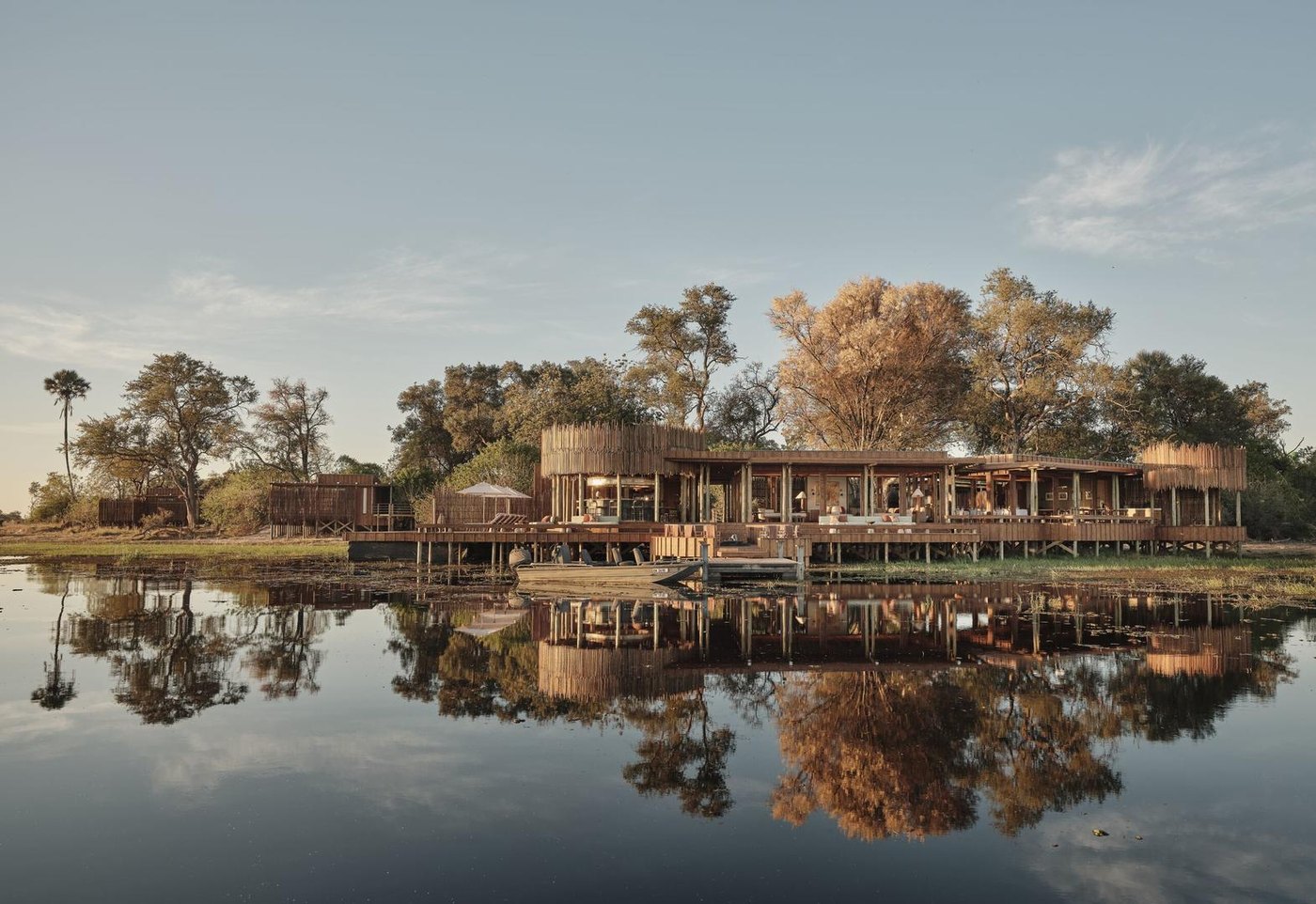
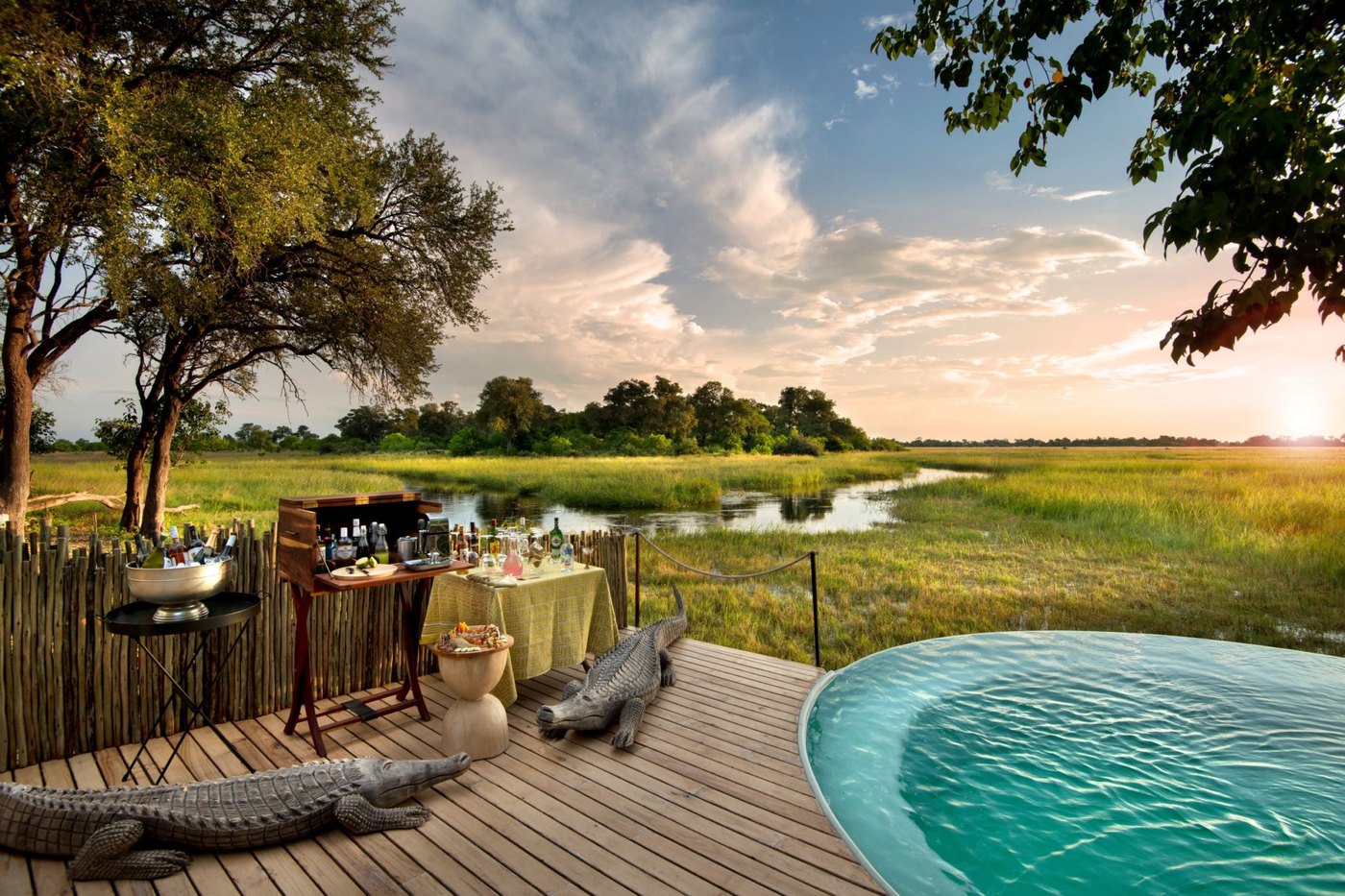
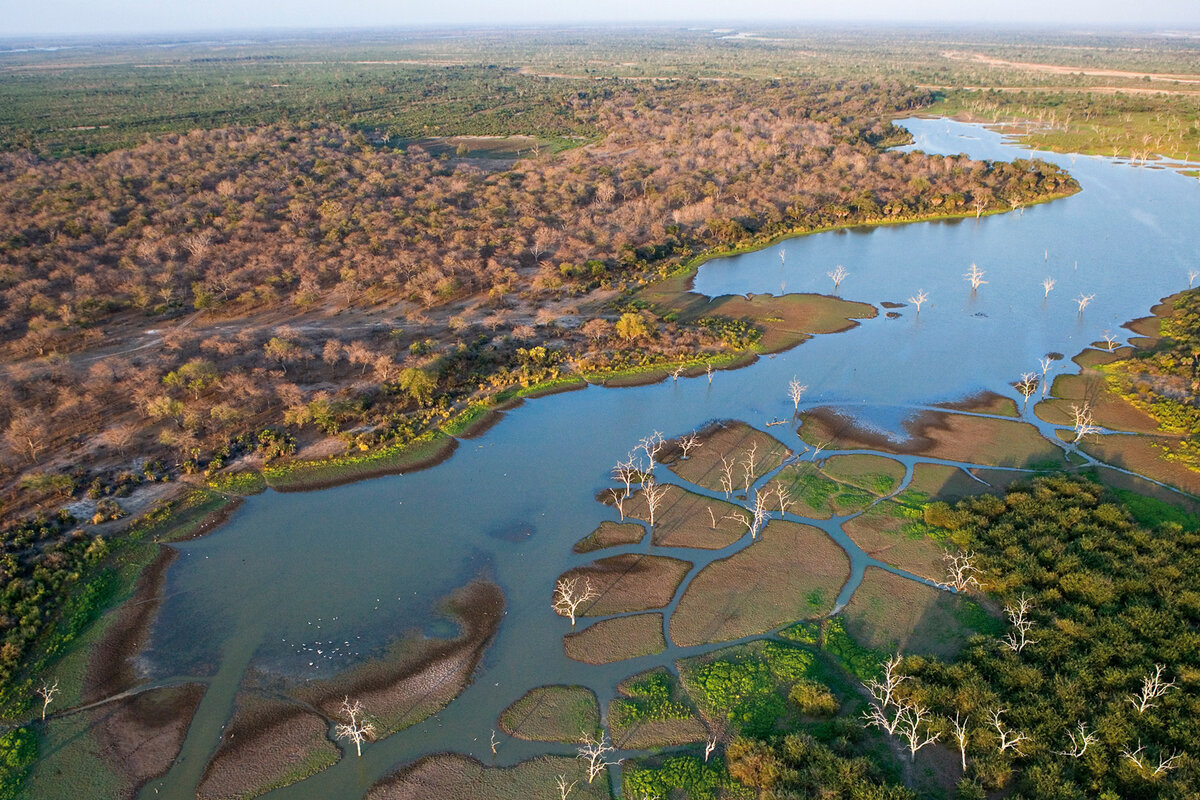
Location: Southern Delta, private concession
Rates: ~$400–600 per person per night
Why affordable: Smaller camp, land and water balance
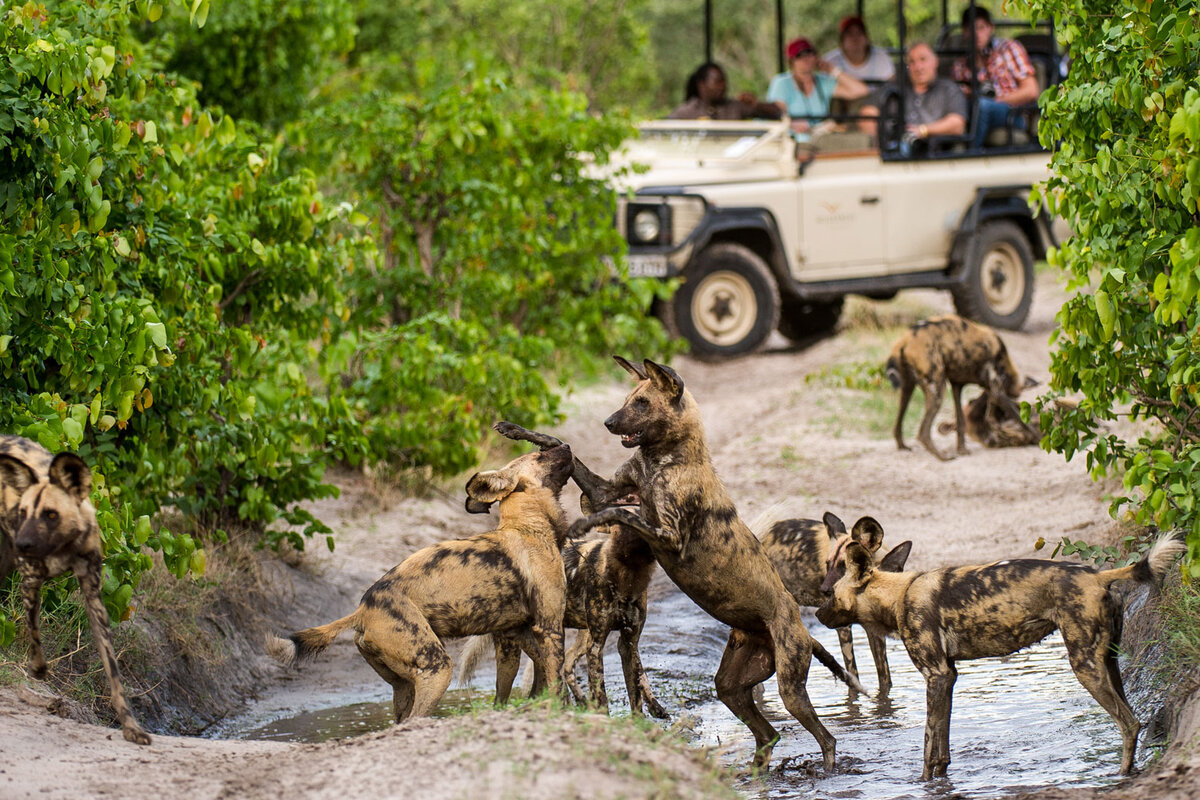
Wildlife: Excellent predator area, mokoro, night drives
Best for: All-rounder Delta experience
When to go: Year-round; dry season (July–October) best game
Rra Dinare is the balanced Delta lodge — enough water for mokoro, enough dry land for excellent game drives, and a private concession that allows night drives and off-road tracking. The southern Delta is prime predator country, and Rra Dinare's guides know where the leopards den and when the wild dogs are denning. At $400–600 per person, it sits in the accessible-luxury bracket — not cheap, but delivering far more than its price suggests, and a fraction of what the ultra-luxury camps in the same ecosystem charge.
Khwai Community Concession — The Value Heartland
Khwai Guest House
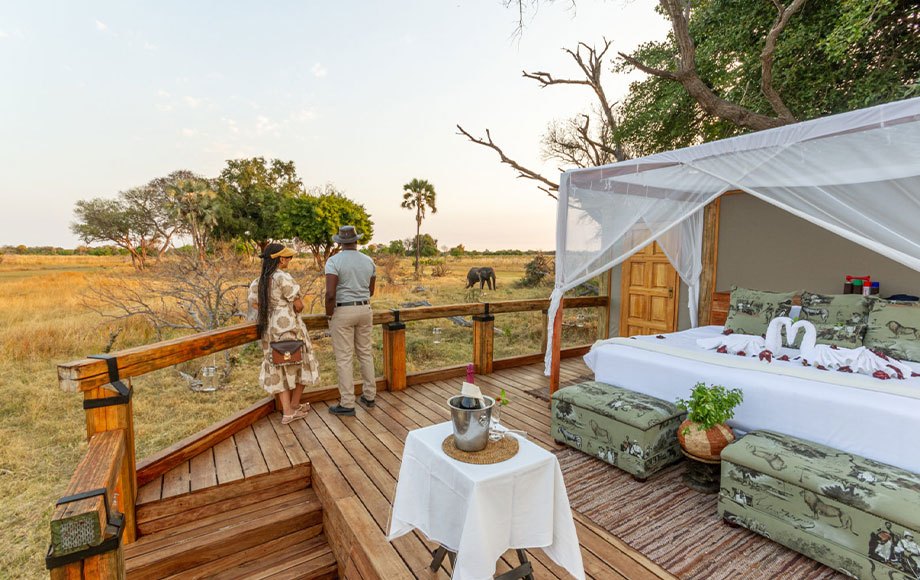
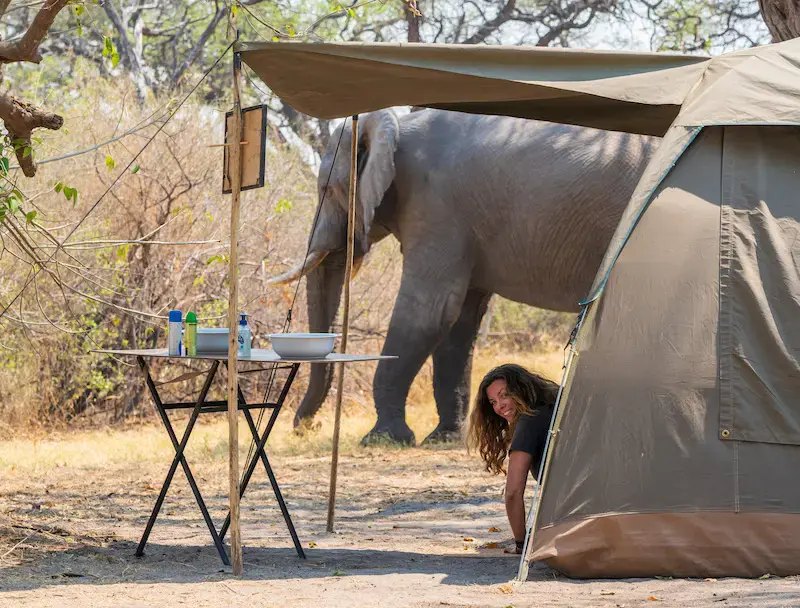
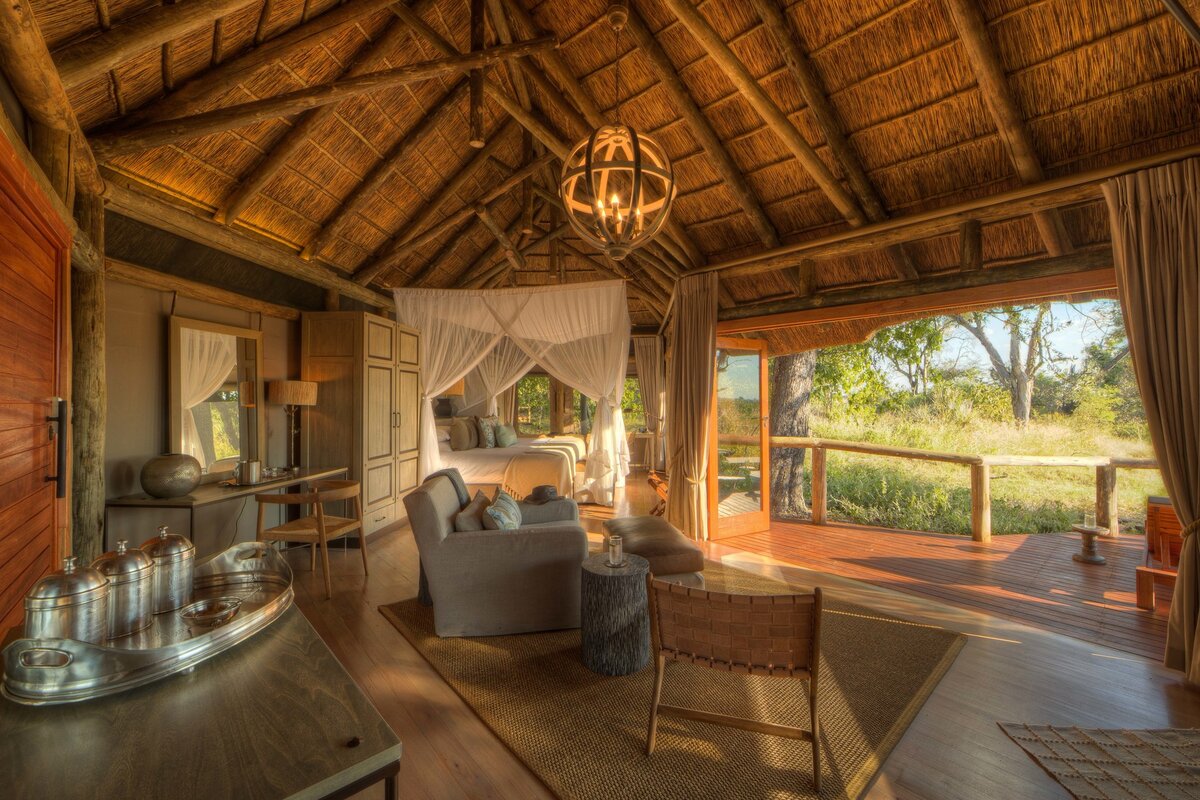
Location: Khwai village
Rates: ~$166–250 per person per night
Why affordable: Simple bungalows, community-run, authentic
Wildlife: Moremi and Khwai access, excellent predator country
Best for: Budget-conscious, adventurous travelers
When to go: Dry season (May–October)
Khwai Guest House is as close to budget as Botswana gets without crossing into camping. The accommodation is simple — en-suite bungalows, no frills — and the property is in the village itself rather than deep in the concession. But the wildlife access is first-rate: Moremi Game Reserve is a short drive away, and the Khwai floodplain — one of the most productive wildlife corridors in Botswana — is on your doorstep. Lions, leopards, wild dogs, elephants: they all pass through. At $166–250 per person, this is the entry point, and it is a genuine one.
Sango Safari Camp
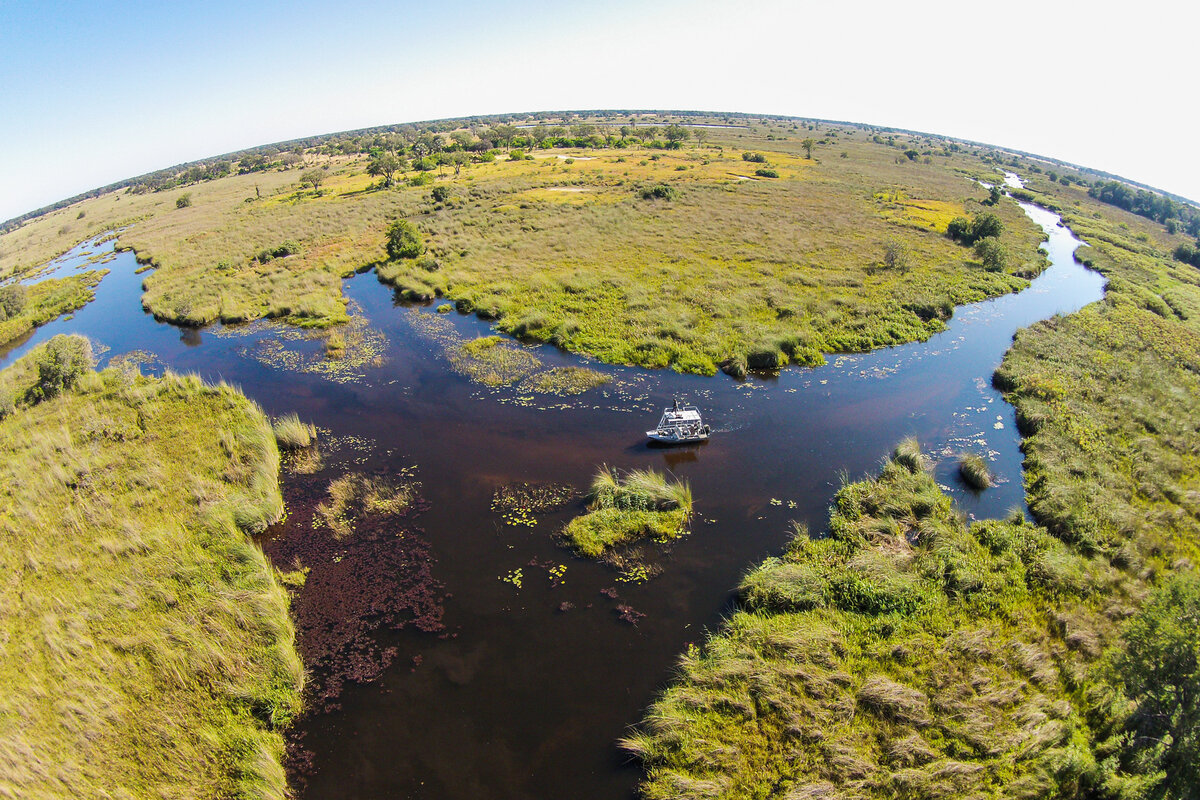
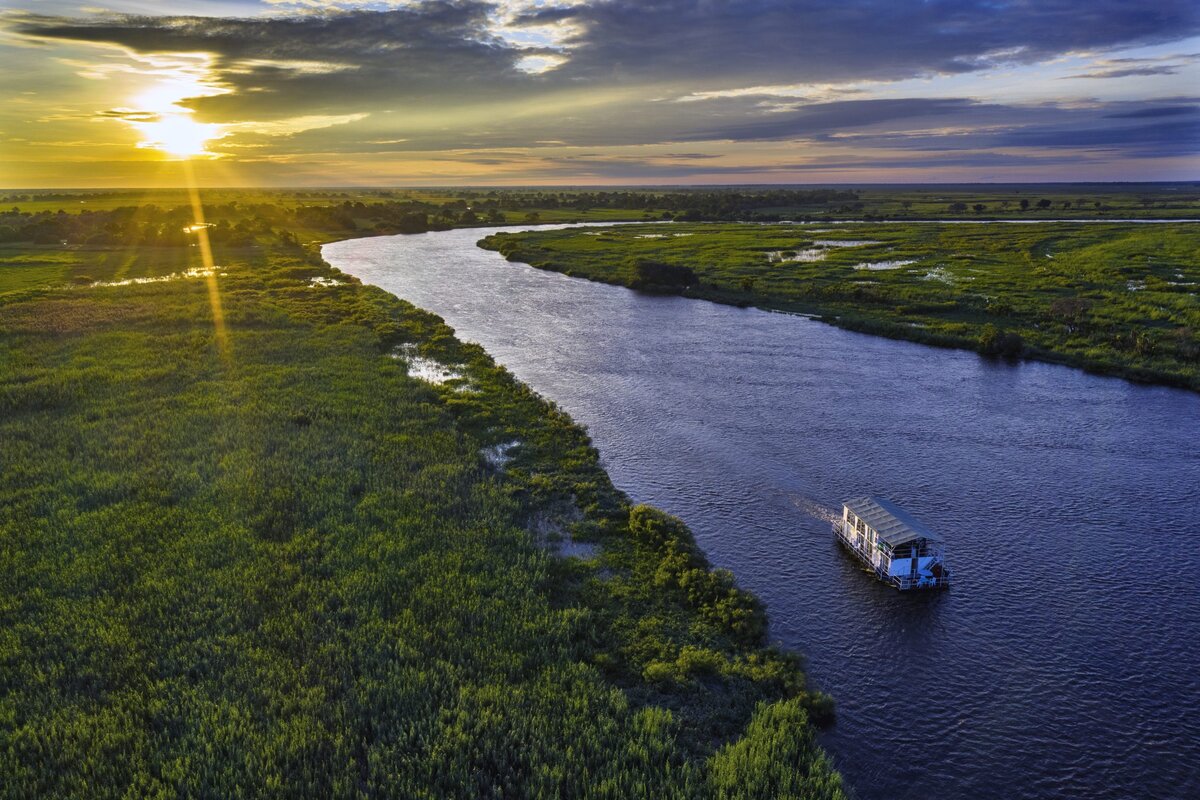
Location: Khwai River banks
Rates: ~$435–550 per person per night
Why affordable: Community-owned, intimate atmosphere
Wildlife: Prime Moremi wildlife corridor
Best for: Supporting local community plus quality safari
When to go: Dry season (June–September)
Sango takes the Khwai value proposition and adds a layer of comfort. It is community-owned, beautifully sited on the Khwai River, and delivers the same wildlife as Khwai Guest House but in a more intimate tented-camp setting. The guiding is excellent, the food honest, and the atmosphere warm. At $435–550 per person, it sits in the mid-range — more expensive than Khwai Guest House, cheaper than most Delta lodges, and offering a wildlife experience that punches well above its weight.
Makgadikgadi & Nxai Pans
Nxai Pan Camp
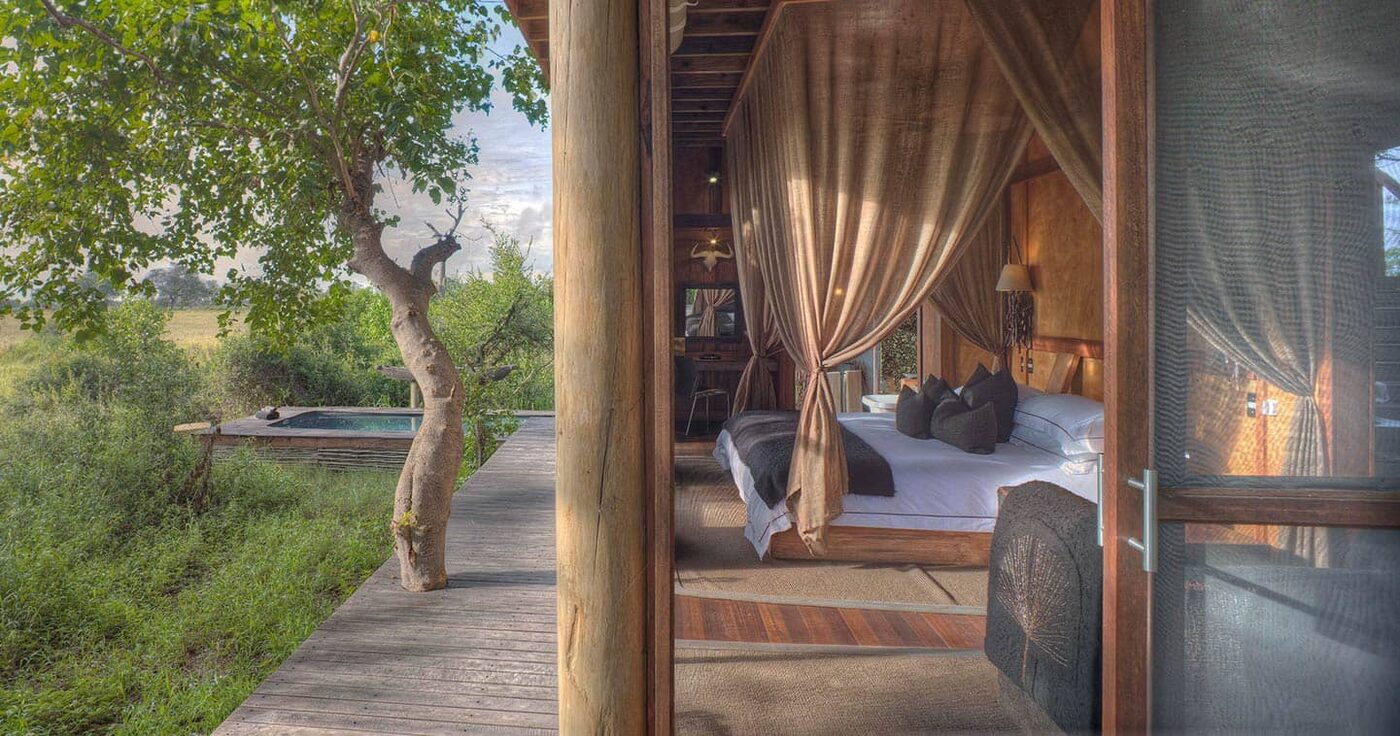
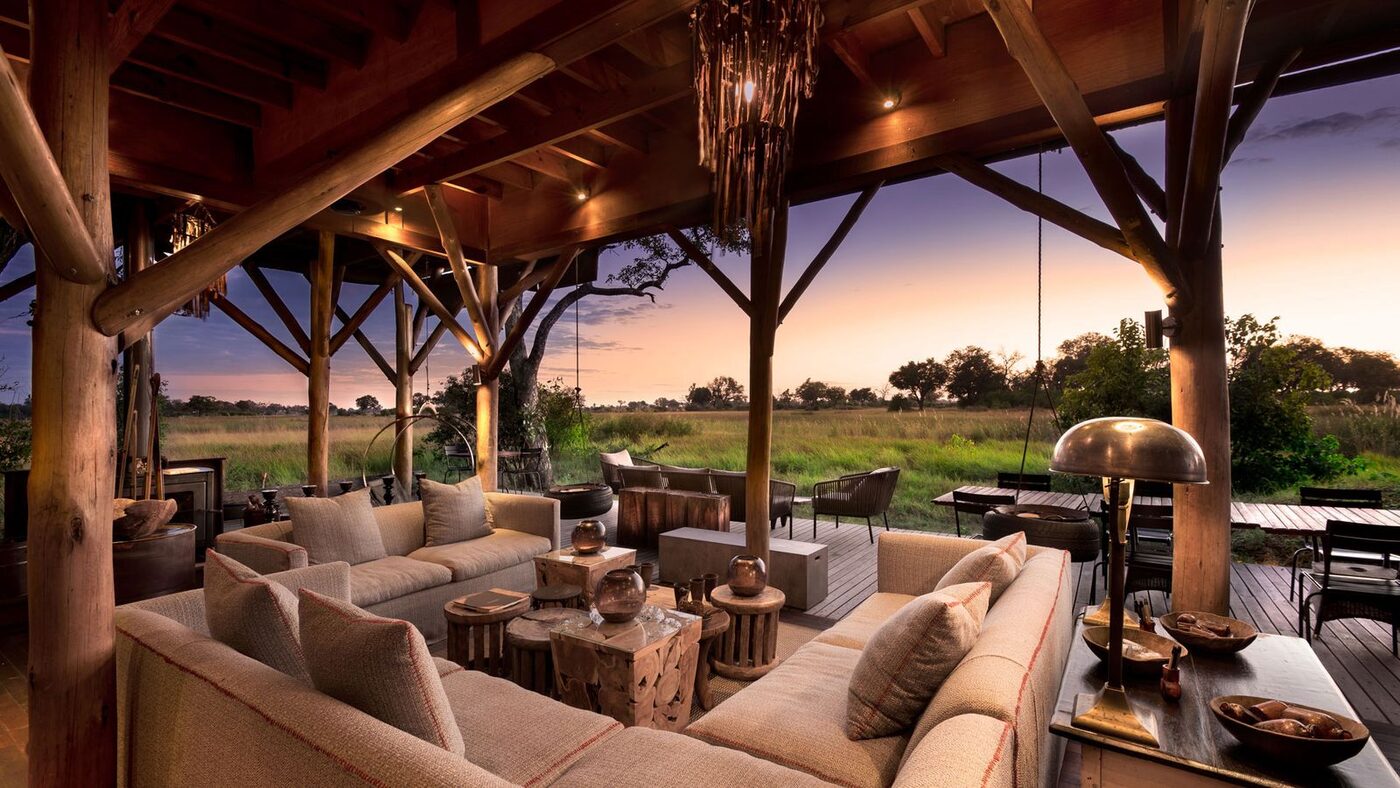
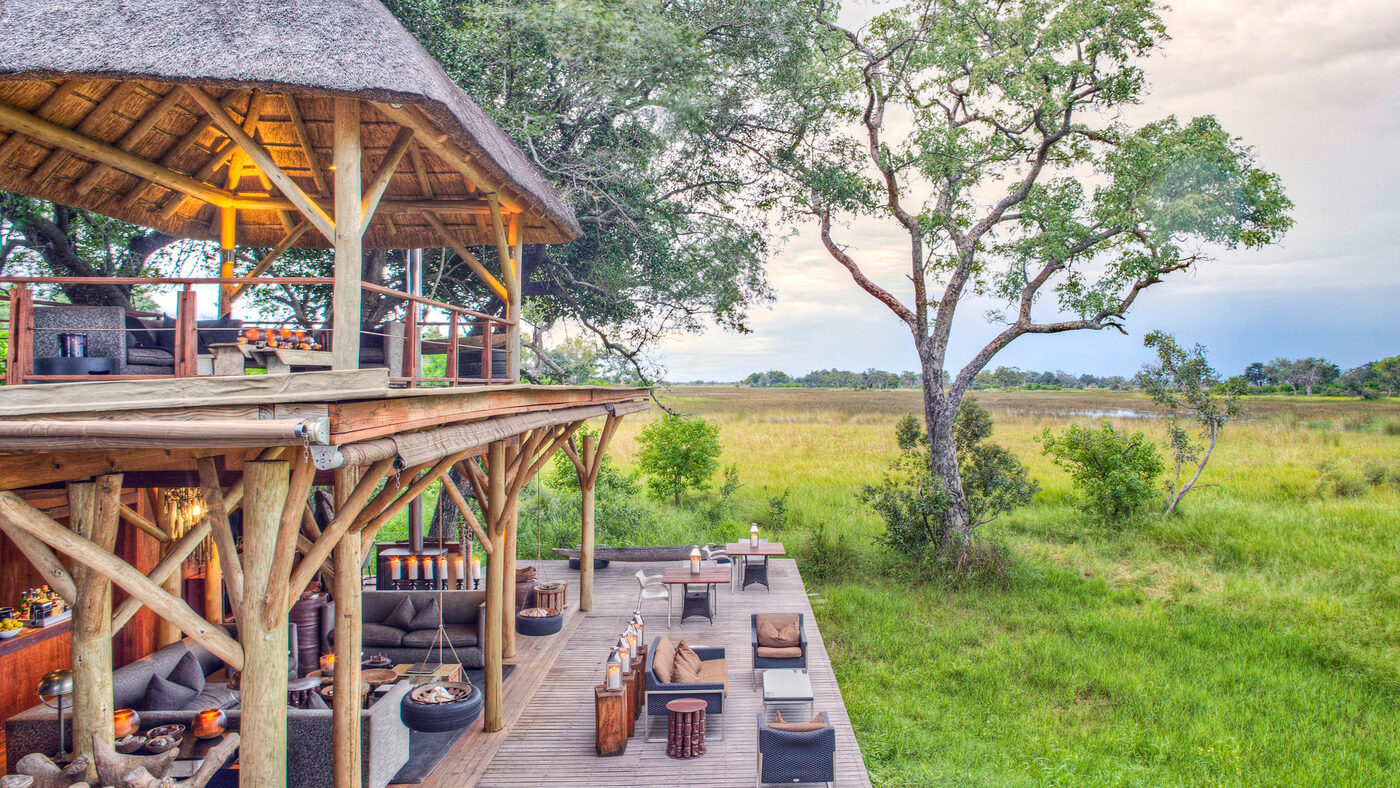
Location: Nxai Pan National Park
Rates: ~$400–600 per person per night
Why affordable: Remote desert experience, excellent value
Wildlife: Zebra and wildebeest migration (November–March), Baines' Baobabs
Best for: Desert safari lovers, off-beaten-path
When to go: Green season (November–April) for migration
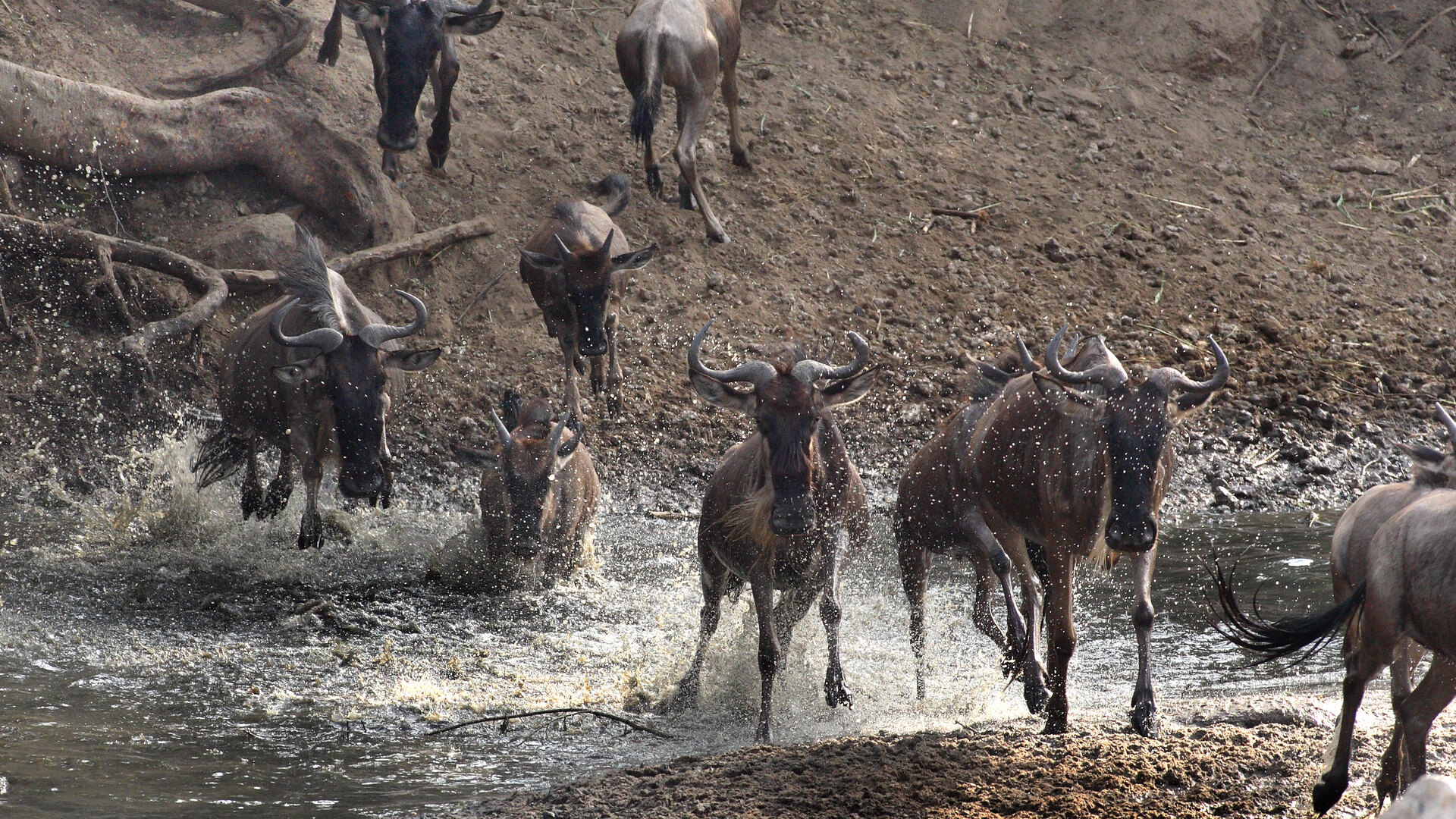
Nxai Pan is the desert counterpoint to the Delta — a remote, seasonal pan where zebra and wildebeest gather in vast herds during the wet season, and predators follow. The camp is simple but beautifully positioned, and the landscape — especially Baines' Baobabs — is iconic. This is one of Botswana's great value-for-money experiences: you get a private concession, excellent guiding, and wildlife that most Botswana safaris never see, at rates that sit firmly in the affordable-to-mid-range bracket.
Savuti
Ghoha Hills Savuti Lodge
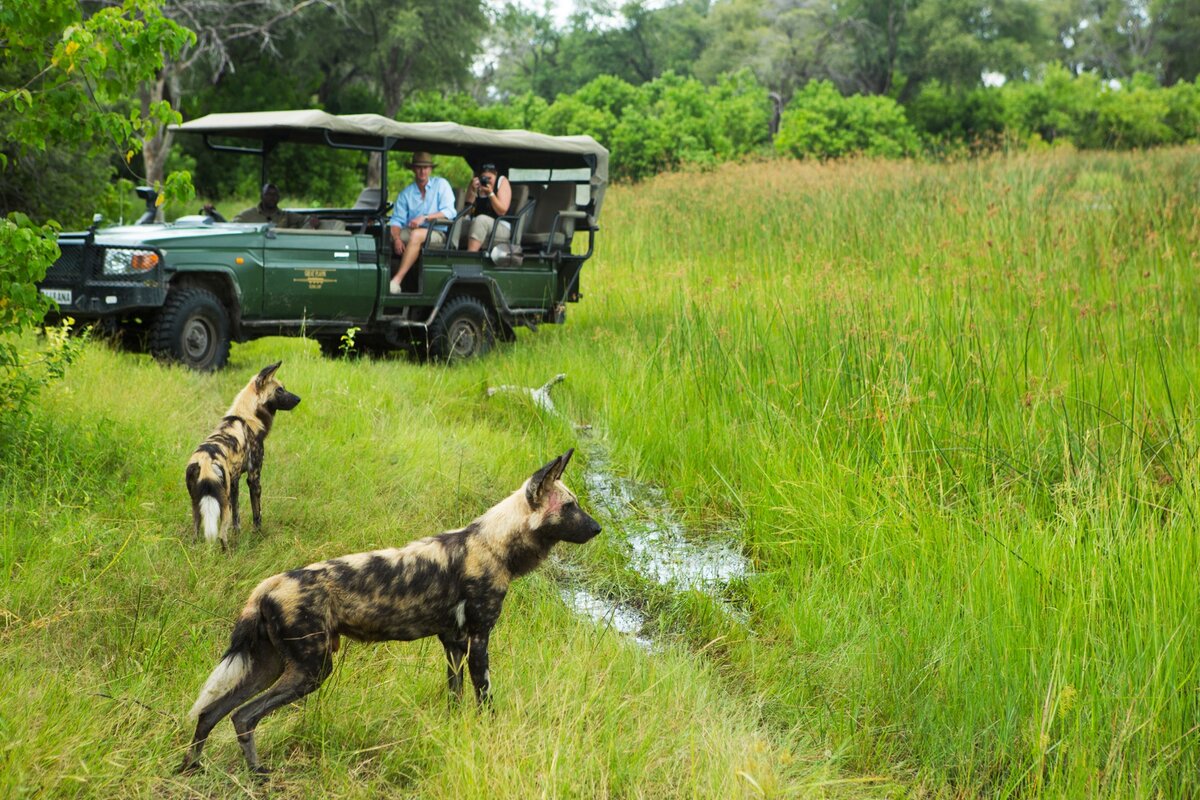
Location: Savuti hills, away from central Savute
Rates: ~$500–700 per person per night
Why affordable: Panoramic views, quality service, exclusive location
Wildlife: Savuti predator action, elephant bulls
Best for: Photographers, wildlife enthusiasts
When to go: Dry season (July–October) predator peak
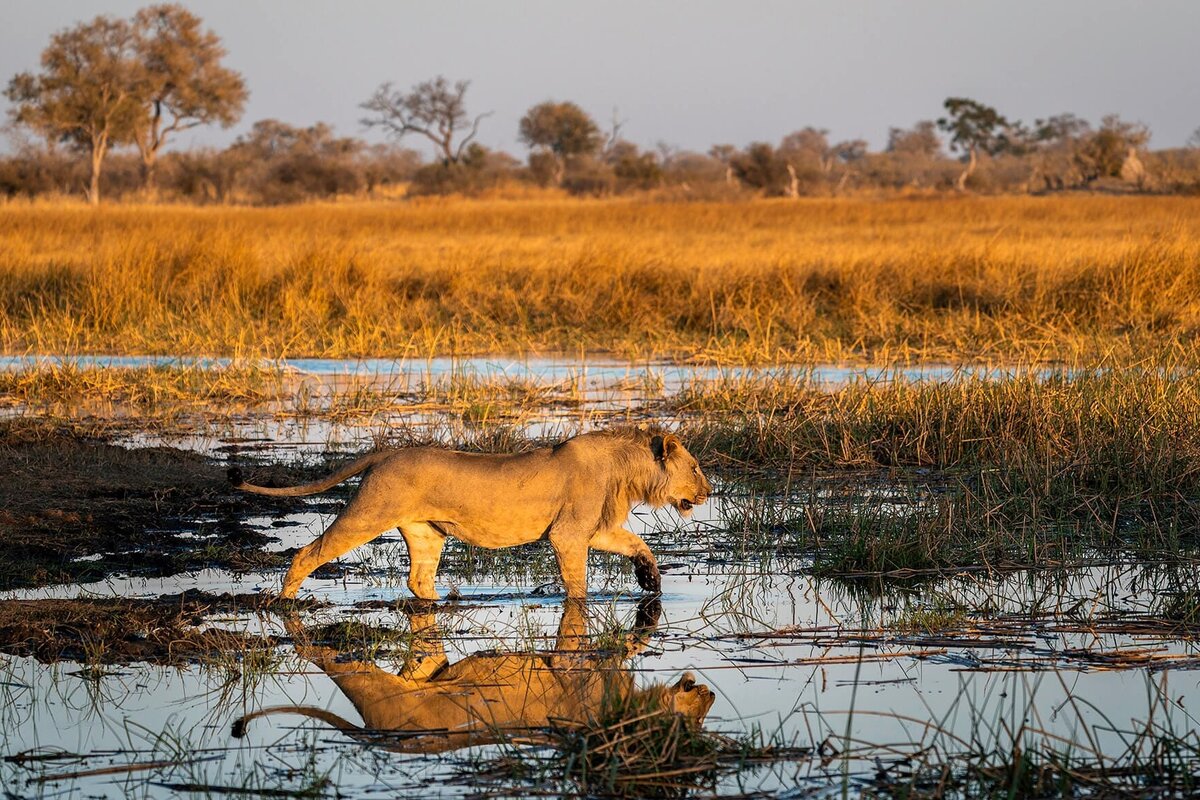
Ghoha Hills sits on the higher end of the affordable spectrum, but what you pay for is location and guiding. The lodge is perched on a ridge overlooking the Savuti Channel, away from the busier central Savute area, with panoramic views and prime predator access. Savuti is famous for lion prides that hunt elephant, and Ghoha's guides know where to find them. At $500–700 per person, this is accessible luxury — more expensive than Khwai or Chobe, but still half the price of the ultra-luxury tier, and worth every cent if predators are your priority.
Value Tiers Explained — What You Get at Each Price Point
| Tier | Rate (per person per night) | Accommodation | Activities | Examples |
|---|---|---|---|---|
| Budget | $150–250 | Simple rooms/bungalows | Basic game drives included or extra cost | Khwai Guest House, Elephant Trail |
| Mid-Range | $250–500 | Comfortable tents/chalets | 2 activities per day included | Chobe Safari Lodge, Kanana, Oddballs, Sango |
| Accessible Luxury | $500–700 | Spacious tents, pools | All activities, specialist guides | Ghoha Hills, Rra Dinare, Nxai Pan |
When to Book — Green Season vs Dry Season Strategy
The single biggest lever for affordability in Botswana is timing. The dry season (May–October) is peak: wildlife concentrates at waterholes, vegetation thins, and lodges charge peak rates. The green season (November–March) is the opposite: afternoon storms roll across the bush, the landscape flushes vivid green, and lodge rates drop by 30–50%.
Here is the trade: dry season delivers easier game viewing (animals are predictable), while green season delivers drama, birding, and empty lodges. For many travelers — especially those who have done a dry-season safari before — the green season is the smarter choice. You see fewer vehicles, pay half the price, and witness Botswana at its most raw.
Booking windows:
- Dry season (May–October): Book 6–12 months ahead for first choice of lodges
- Green season (November–March): Book 2–4 months ahead; last-minute December–February deals can be spectacular
- Shoulder months (April, November): The sweet spot — lower rates, good conditions, fewer crowds
The Verdict — Can You Safari Botswana Affordably?
Yes. With the right choices — Chobe for accessibility, Khwai for value, green season for savings — a 7-to-10-day Botswana safari can cost $3,000 to $6,000 per person instead of $12,000+. You will see the same elephants, the same sunsets over the Okavango, the same lion prides that the ultra-luxury guests photograph. What you trade is exclusivity, marble and champagne. What you gain is authenticity, lower prices, and sometimes — when the storm breaks over the floodplain and you are the only vehicle in sight — the wild, unfiltered version of Botswana that no amount of luxury can buy.
The best affordable safari lodges in Botswana are not cheap. But they are attainable, honest, and worth every cent. Start with Chobe Safari Lodge or Khwai Guest House, add a few nights at Kanana or Oddballs, and book in the green season. That is how you safari Botswana on a budget that does not feel like one.