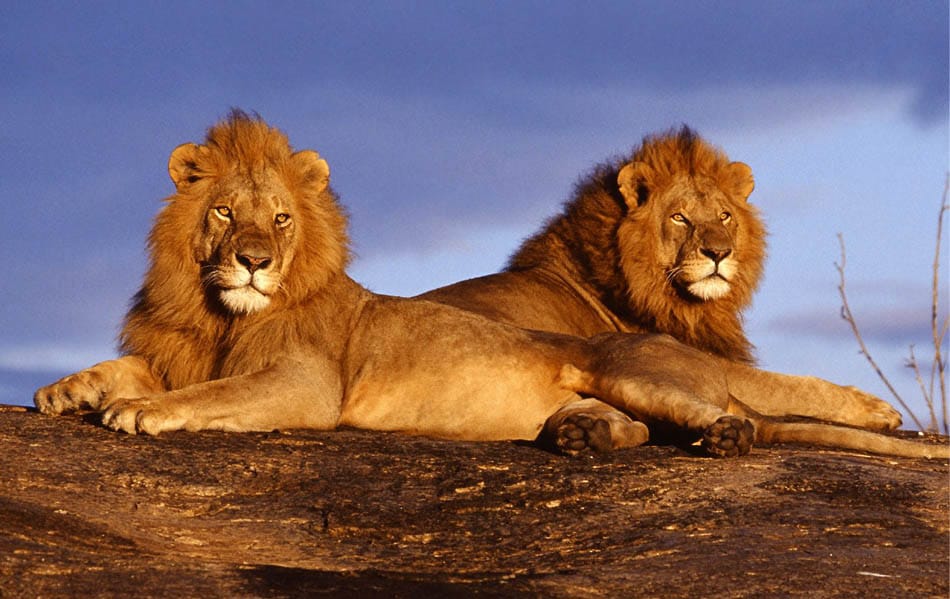
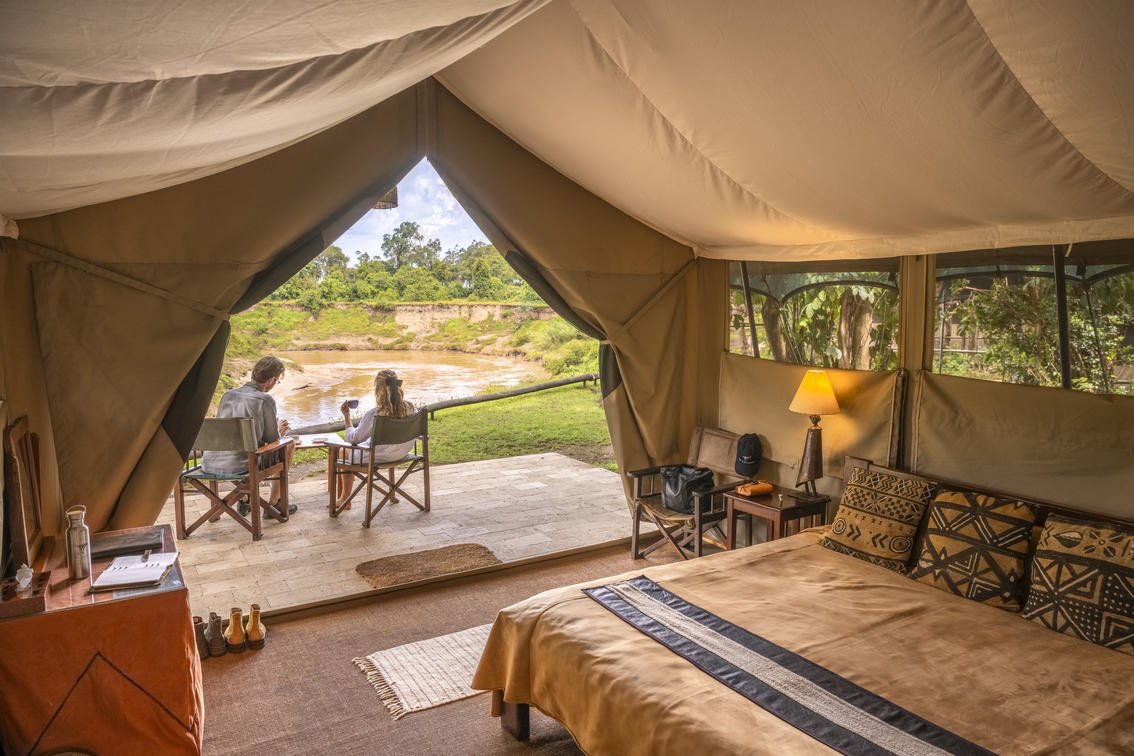
The Ngorongoro Crater is one of the natural wonders of Africa — the largest intact volcanic caldera on earth, its forested walls rising two thousand feet above a self-contained world of grassland, soda lake and yellow-barked acacia. Down on that crater floor lives one of the densest concentrations of wildlife on the continent, including dense lion prides, big tusker elephants and one of Africa's last strongholds of the black rhino. Small wonder it is so often called Africa's Garden of Eden.
🦓 Planning Your Tanzania Safari?
For the complete tanzania safari resource - expert guides, honest costs, luxury lodges, curated itineraries, and everything you need to plan your trip - visit our comprehensive hub:
View Complete Tanzania Safari Hub →This complete Ngorongoro Crater safari guide covers exactly when to go, where to find the wildlife on the crater floor, the difference between the crater and the wider conservation area, the finest crater rim lodges, honest 2026 costs, sample itineraries and how to plan a private safari that has you descending into the caldera at first light.
Northern Tanzania — the Ngorongoro Crater, the Serengeti plains and the wildlife of one of Africa's greatest safari circuits.
Why a Ngorongoro Crater Safari Is So Special
Quick Answer
The Ngorongoro Crater is the world's largest intact volcanic caldera and one of the only places on earth to see all of the Big Five — including the rare black rhino — in a single morning's game drive.
Best time: June–October for the easiest game viewing; November–March for green, quiet beauty. Wildlife is resident year-round. Cost: roughly $500–$2,500 per person per day depending on lodge tier. Ideal length: one full crater day, two nights on the rim, within a 6–10 day northern circuit. Reached by road from Arusha in 3–4 hours. A near-guaranteed Big Five day.
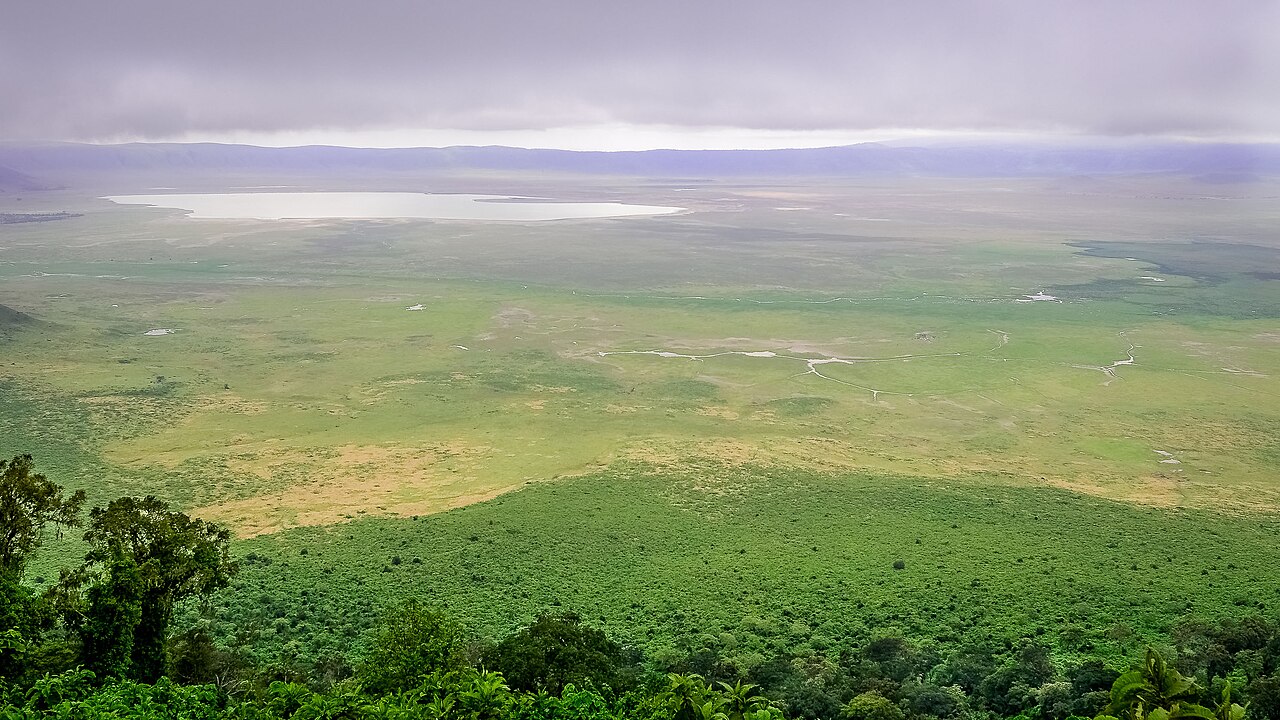
The crater formed when a giant volcano collapsed in on itself some two to three million years ago, leaving a flat-bottomed bowl around 20 kilometres across and 260 square kilometres in area. Because the walls are steep, much of the wildlife stays year-round, creating an extraordinary density of animals in a relatively small, contained space. The result is a game drive unlike any other in Africa — a single, scenic stage on which the whole cast appears.
A near-guaranteed Big Five day
Few destinations offer such reliable Big Five viewing. Lion prides on the crater floor are large and accustomed to vehicles, buffalo move in great herds, and elephant — often old bulls with magnificent tusks — frequent the Lerai Forest. Most prized of all are the black rhino, grazing the open grassland in full view, a sight that has become rare almost everywhere else on the continent. Leopard are present on the wooded rim but are the hardest of the five to find on the open floor.
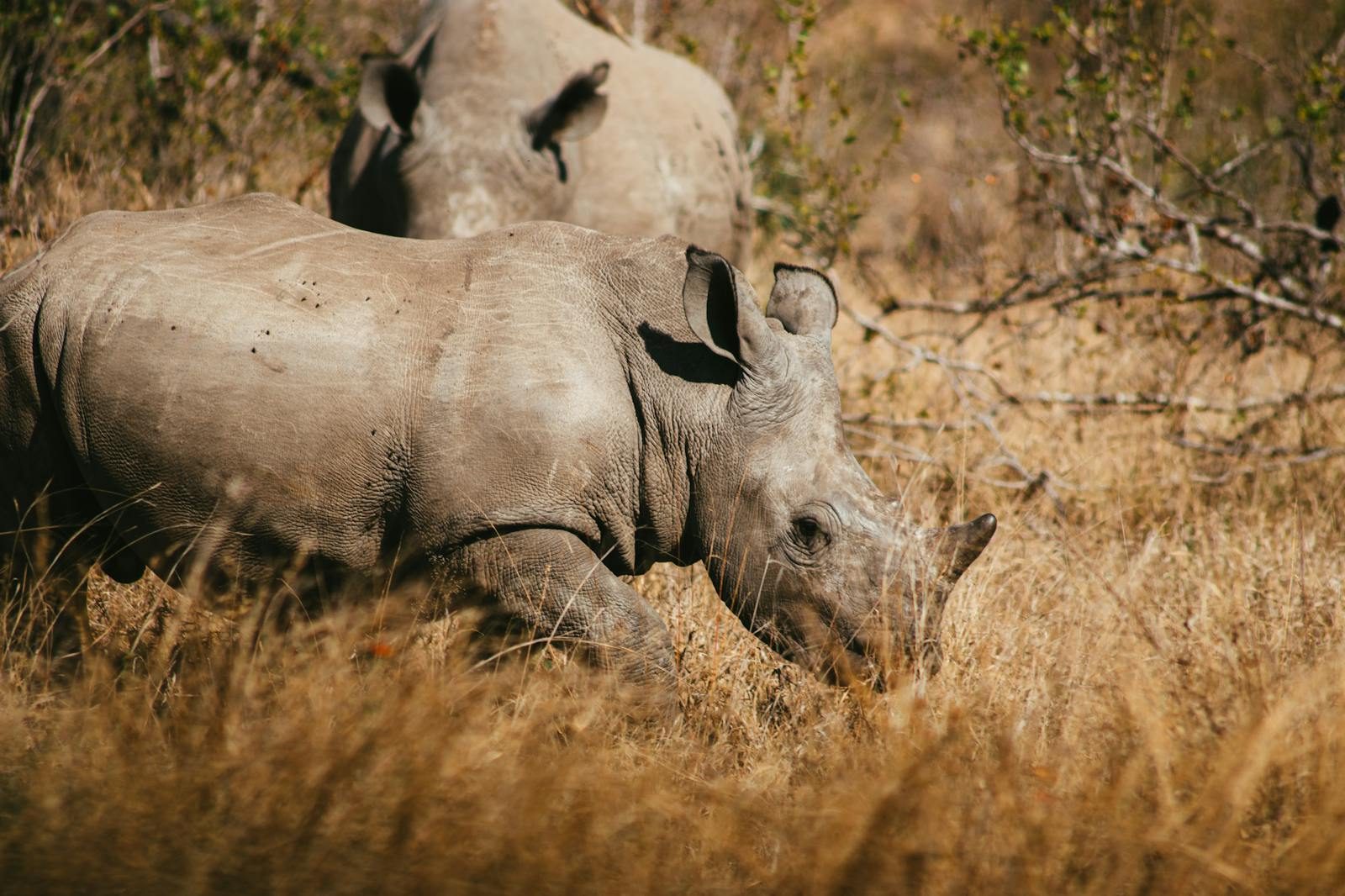
The Ngorongoro Crater is one of the last reliable places in Tanzania to see the critically endangered black rhino.
A landscape like nowhere else
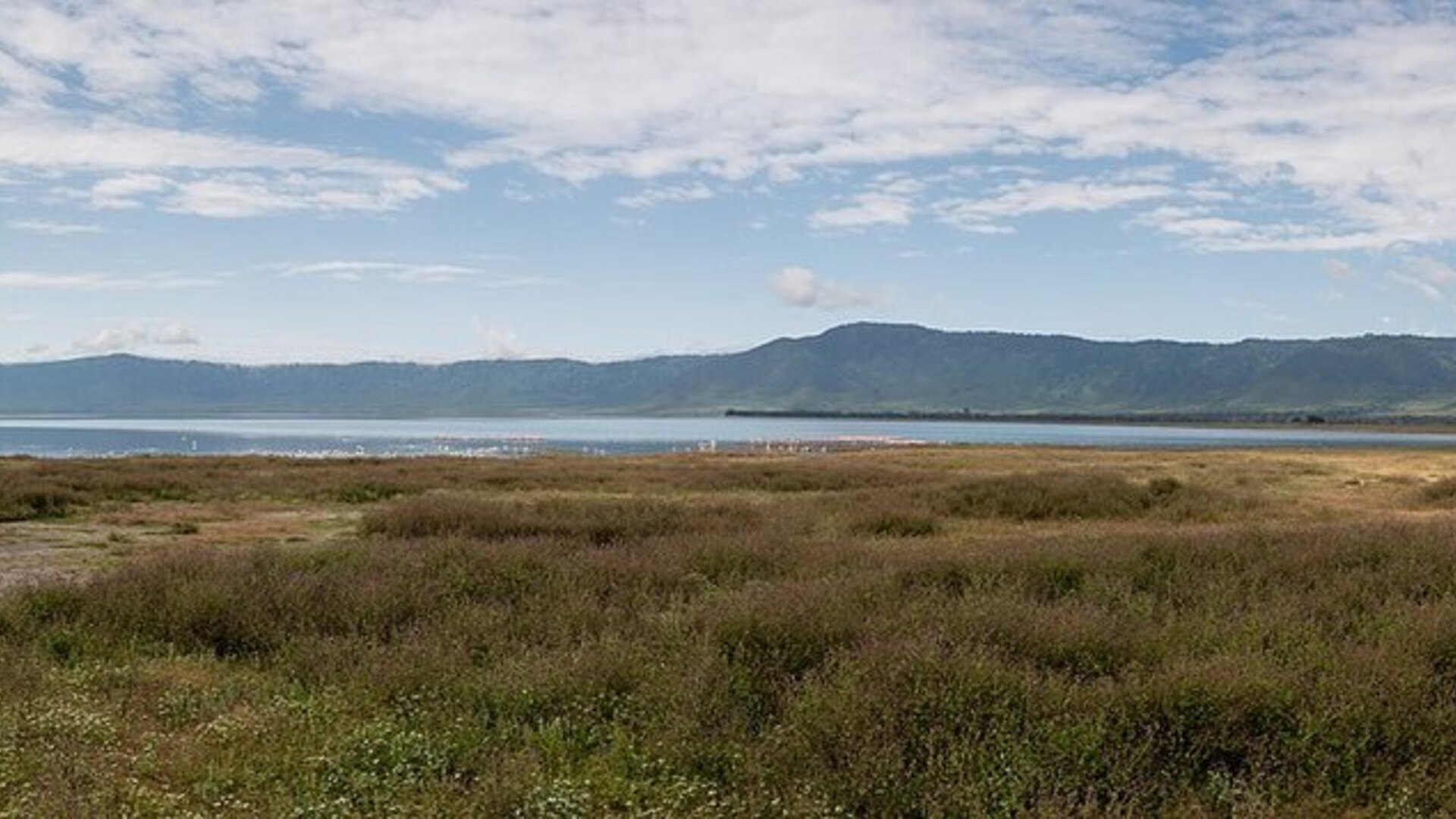
The drama is not only in the animals. The descent road winds down through montane forest before the floor opens out in a sweep of golden and green grassland, fringed by the shallow, flamingo-pink soda waters of Lake Magadi. Fever-tree forest, freshwater springs and the towering crater walls frame every sighting. Standing on the rim at dawn, with cloud spilling over the edge and the floor far below, is one of the great views in Africa.
The wider Ngorongoro Conservation Area
The crater sits within the much larger Ngorongoro Conservation Area, a pioneering reserve where wildlife and the semi-nomadic Maasai and their cattle share the land. Here too is Olduvai Gorge, one of the most important prehistoric sites on earth, where early human fossils were unearthed. A visit adds real depth — this is a living cultural landscape as much as a wildlife sanctuary.
Best Time to Visit the Ngorongoro Crater
Because the crater's wildlife is resident rather than migratory, there is no bad time to visit. The season shapes the scenery and the crowds more than the game viewing itself.
| Season | Months | What to Expect |
|---|---|---|
| Dry season | Jun–Oct | Peak season. Short grass, clear skies, easy viewing, busy floor by mid-morning. Pairs with the Serengeti dry season. |
| Green season | Nov–Mar | Lush, quiet and beautiful. Newborn animals, dramatic skies, fewer vehicles, excellent value. |
| Long rains | Apr–May | Wettest months, mist on the rim, lowest prices, very quiet. Wildlife remains resident. |
Whatever the season, the single most valuable tip is to descend early. Be on the floor at sunrise, when the predators are still active and the day-trip vehicles from Karatu have yet to arrive, and you will have the crater closer to yourself.
What to See on the Crater Floor
A typical crater drive covers the open grassland, the soda lake shore, the Lerai fever-tree forest and the Gorigor Swamp, each with its own cast.
Predators and big game
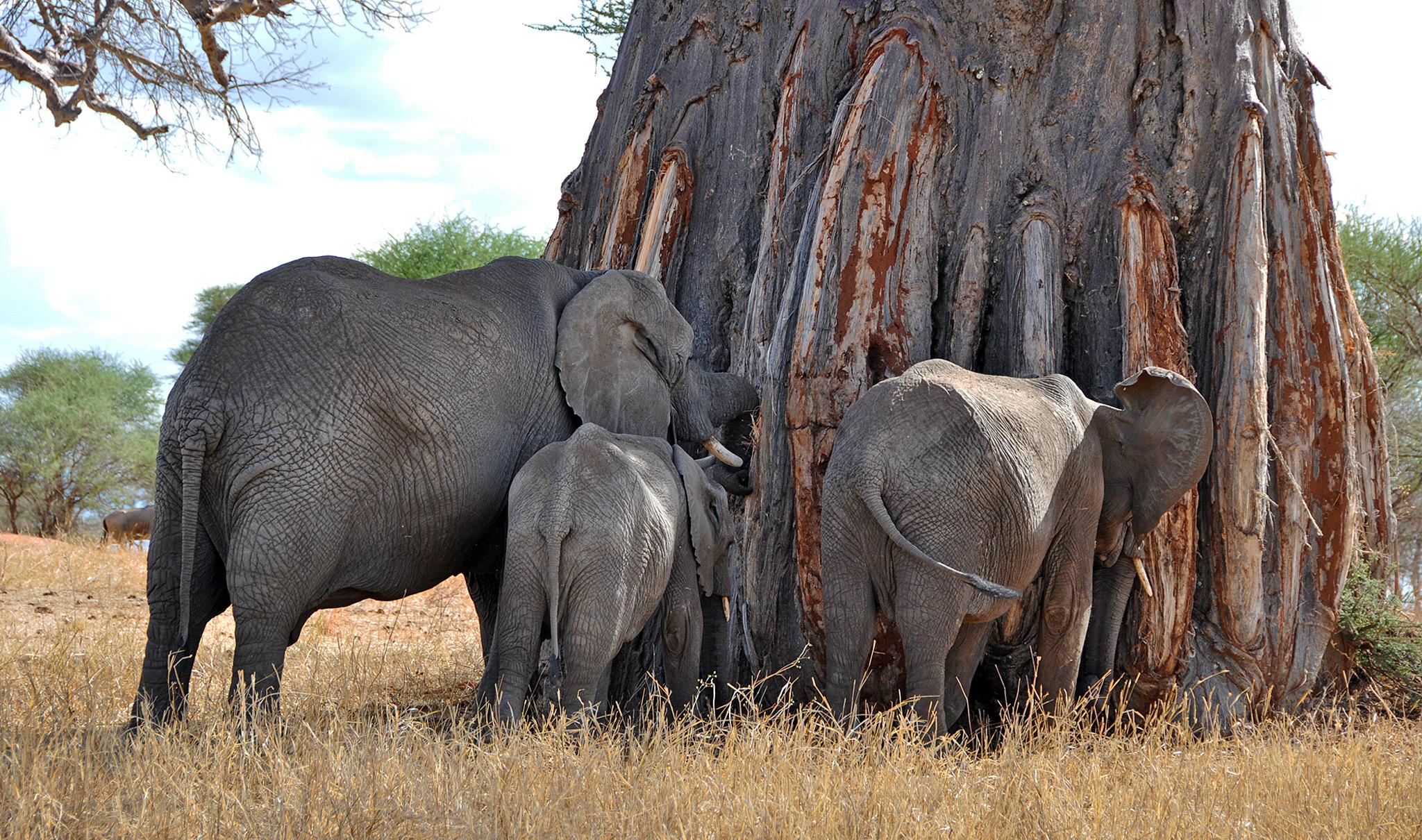
The grassland holds the famous lion prides and frequent sightings of spotted hyena, while cheetah are occasionally seen on the more open stretches. Elephant bulls favour the forest, buffalo gather in herds across the floor, and hippo wallow in the swamps and springs.
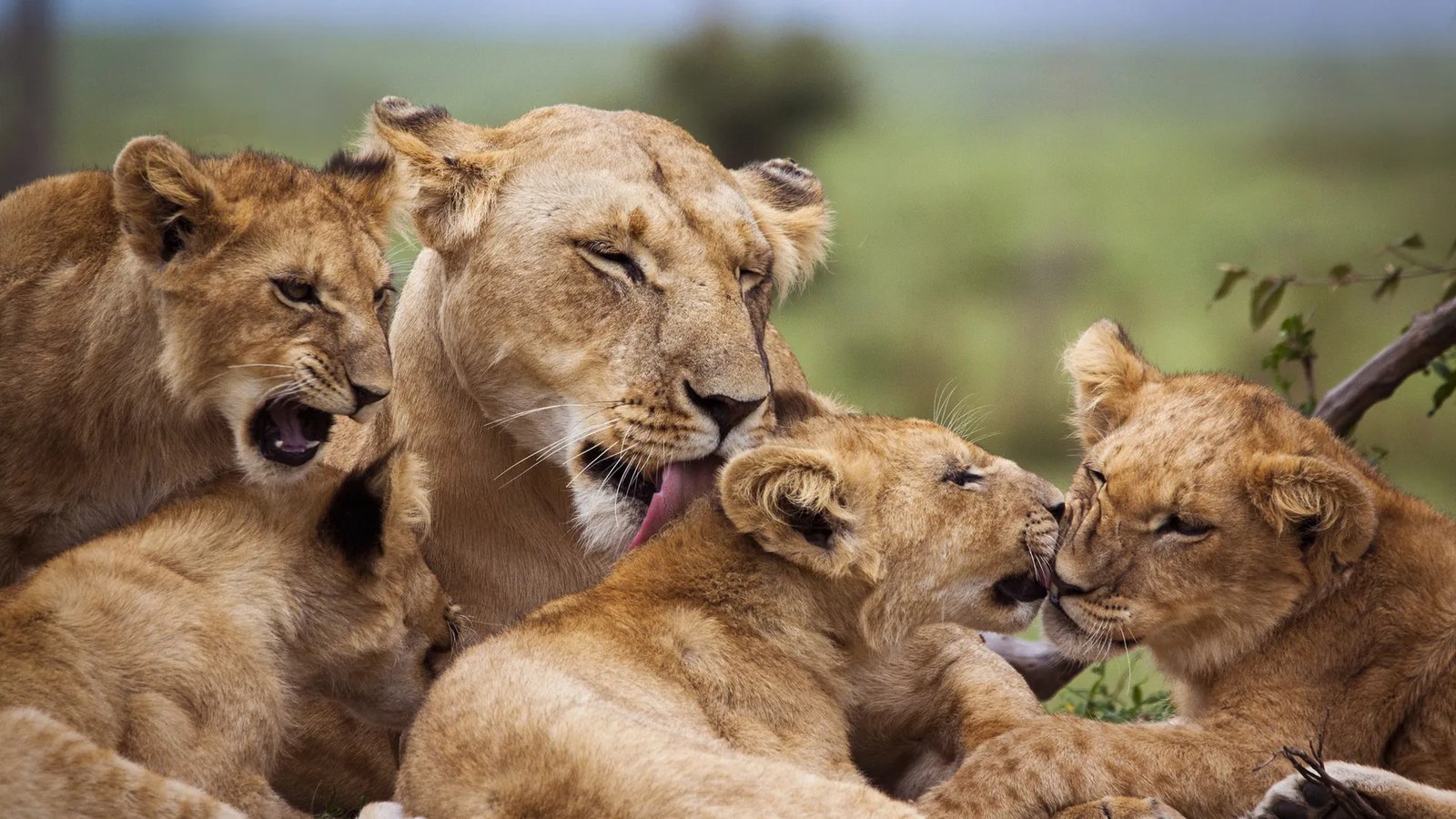
The crater floor holds some of the densest, most relaxed lion prides anywhere in Tanzania.
Birds and the soda lake
Lake Magadi draws flocks of flamingo that wash the shoreline pink, along with pelicans, storks, crowned cranes and dozens of other water birds. With over 500 bird species recorded across the conservation area, the crater is a paradise for birders as well as big-game enthusiasts.
| Feature | Ngorongoro Crater | Serengeti |
|---|---|---|
| Size & Scale | Compact, 100 sq miles — one contained bowl | Vast, 5,700 sq miles — endless plains |
| Big Five | Often all in one day, including black rhino | Lions abundant; rhino very rare |
| The Migration | No migration — resident wildlife only | Year-round home of the Great Migration |
| Time Needed | 1 descent (4–6 hours) is enough | 3–5 nights to explore properly |
| Experience | Concentrated Big Five theatre | Scale, migration & big-cat drama |
Where to Stay: Crater Rim Lodges and Camps
Where you sleep shapes how early you reach the floor. Broadly, accommodation falls into three tiers. Below are three of our favourites, one for each style — and we hand-pick the exact lodge, at the right position, for your budget.
Classic and comfortable
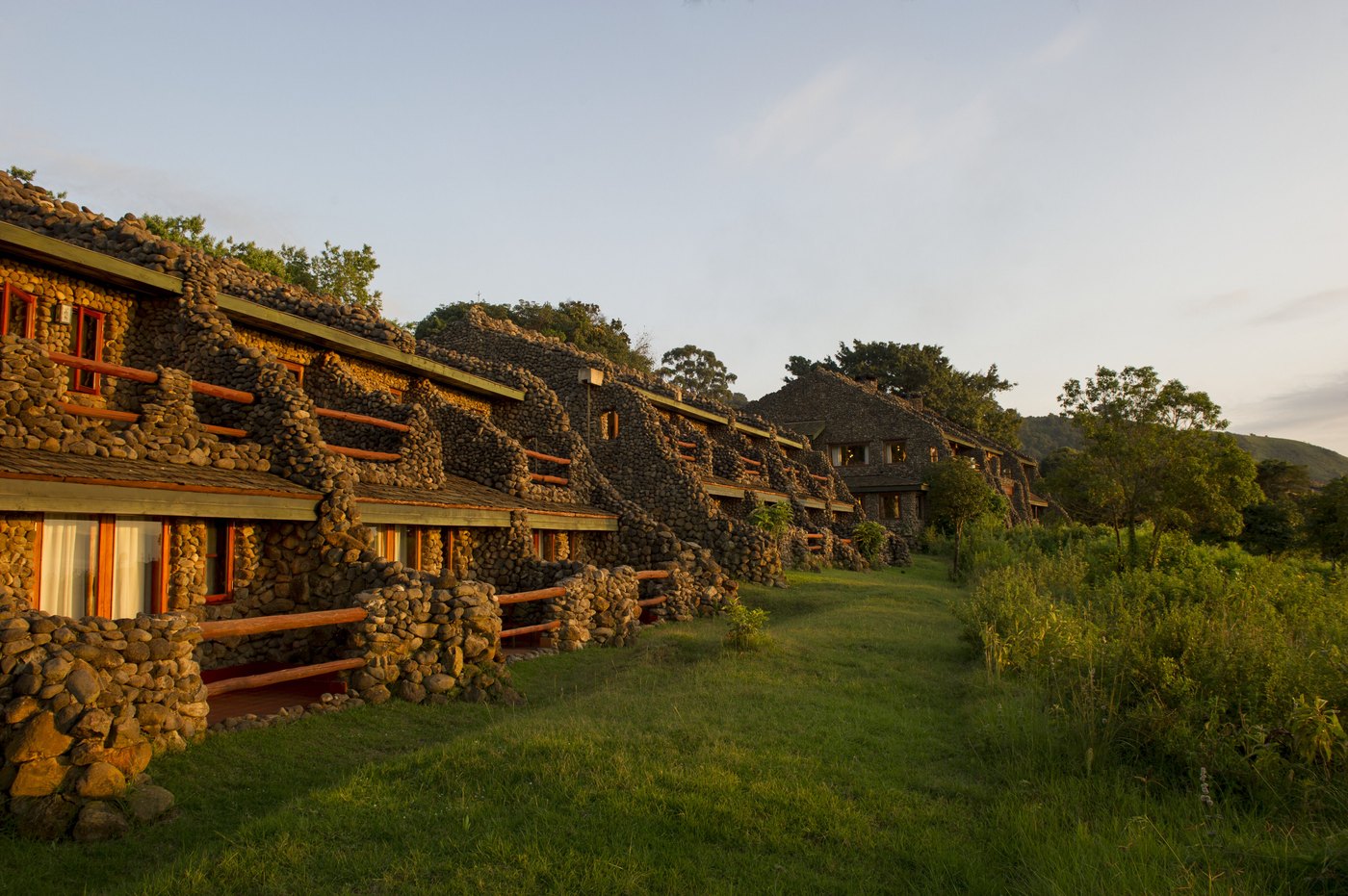
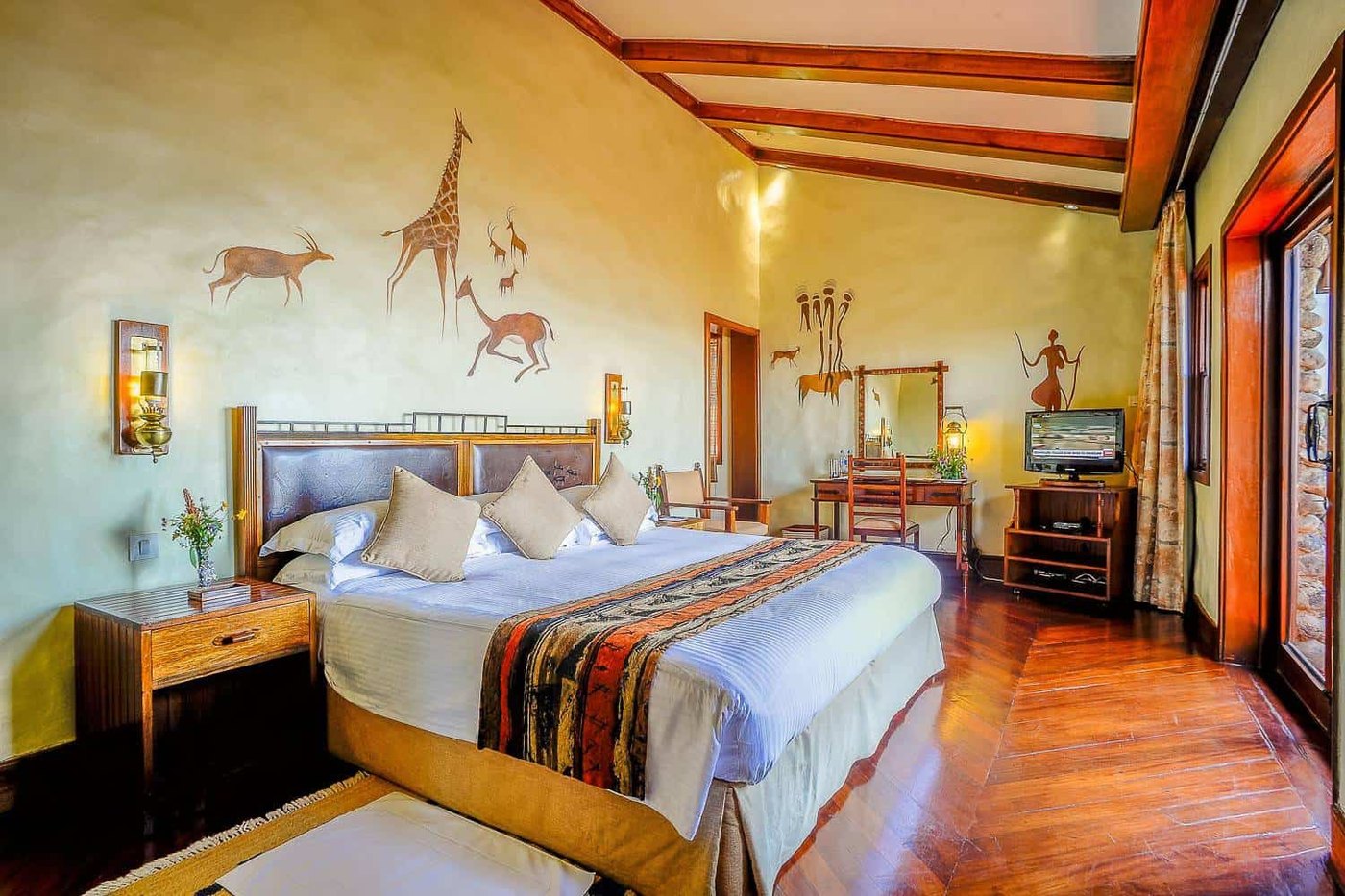
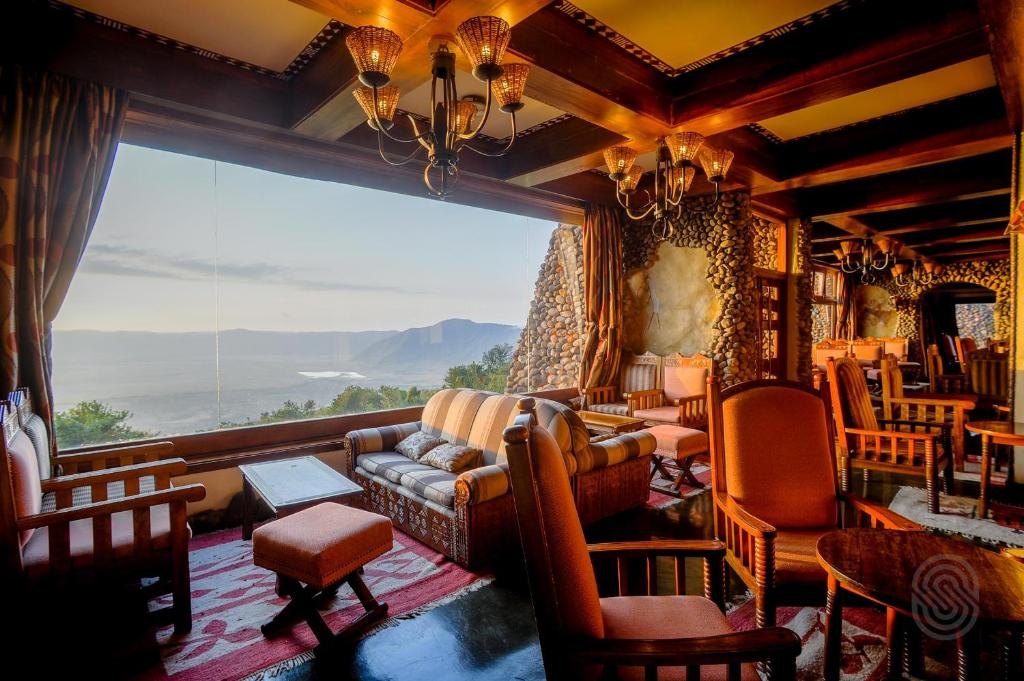
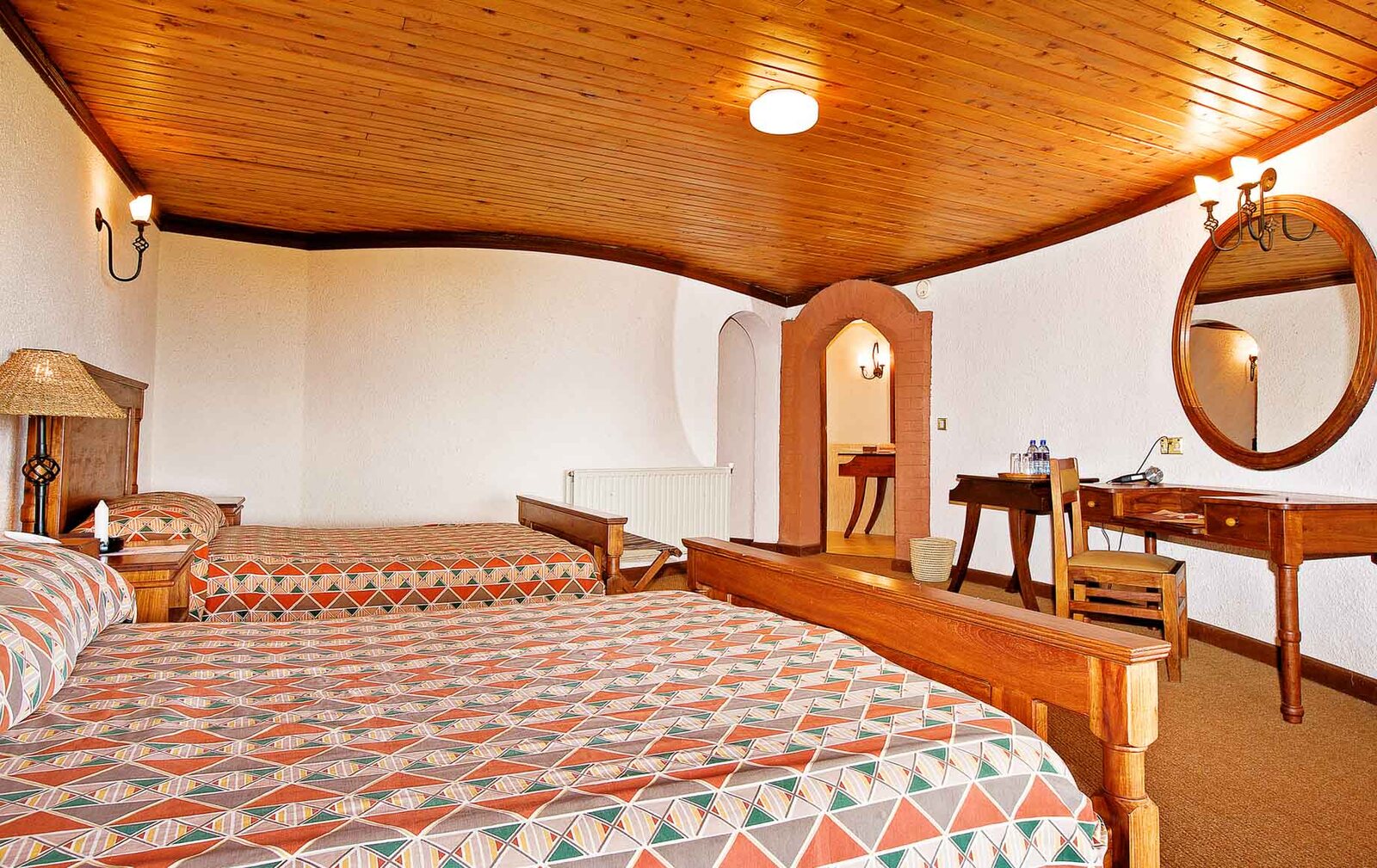
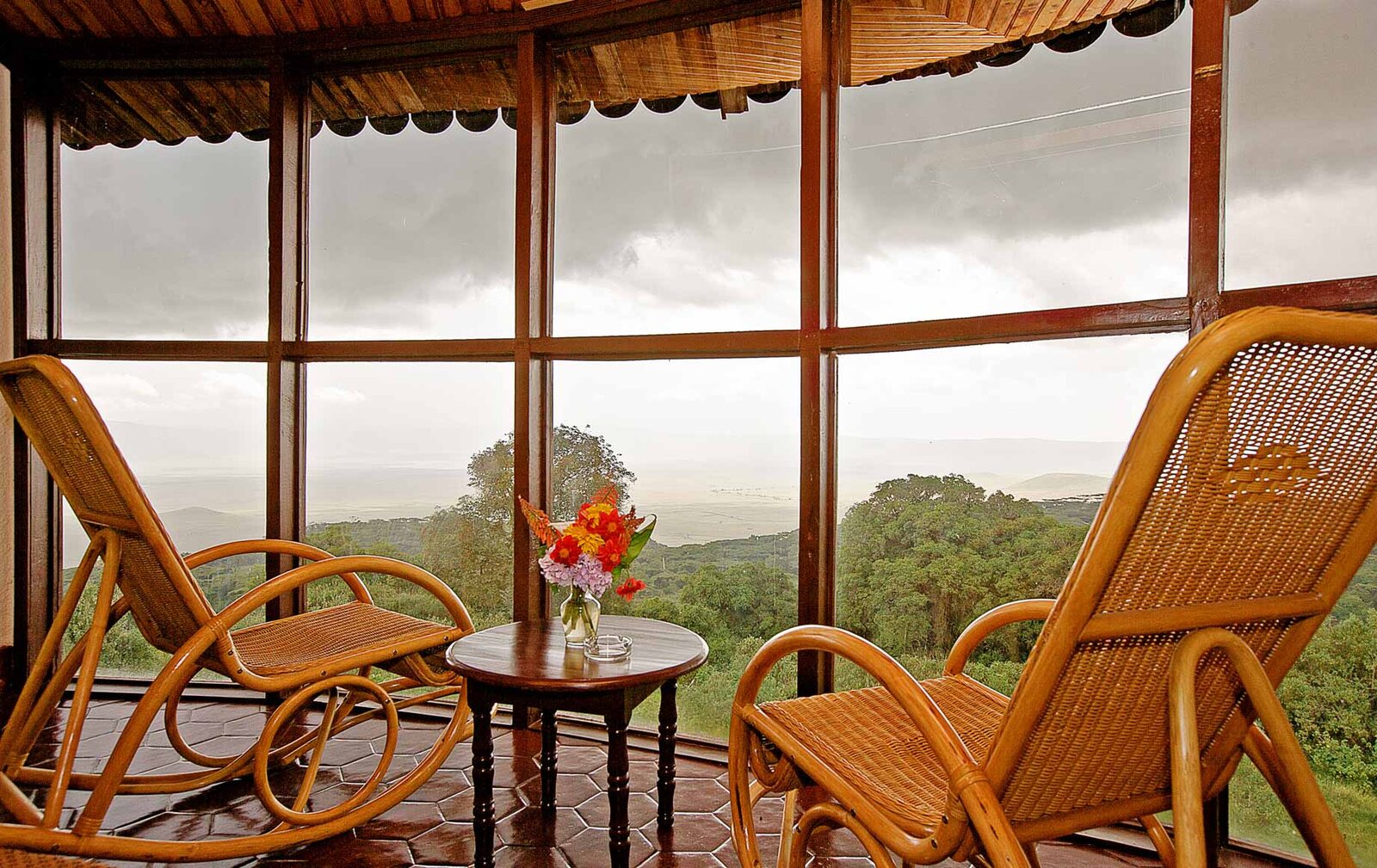
Lodges and tented camps in the highlands and around Karatu offer dependable comfort and good value, around 30 to 45 minutes from the descent road — ideal for travellers balancing budget with a single crater day. The Ngorongoro Serena Safari Lodge is a standout in this tier — a circular stone lodge built into the rim with dramatic crater views from the lounge, comfortable rooms and a swimming pool. Its location on the rim means you descend faster than off-rim properties while keeping costs sensible.
Crater rim lodges
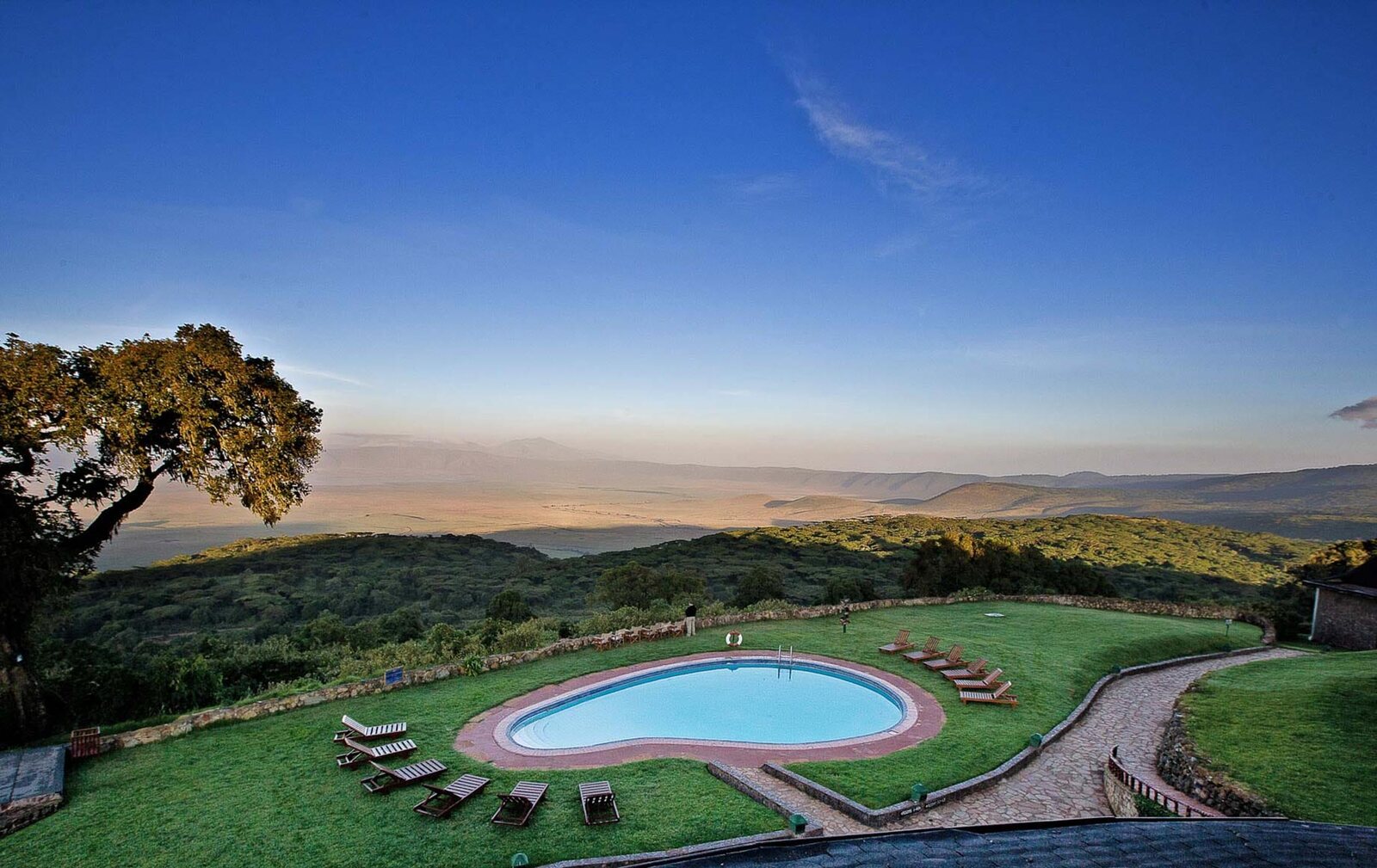
Lodges set right on the rim let you wake to the view into the caldera and descend within minutes of sunrise. This proximity is the single biggest advantage money can buy at Ngorongoro, and it transforms the experience. Ngorongoro Sopa Lodge is a reliable mid-tier choice — tucked onto the eastern rim with stunning crater vistas, spacious rooms, a pool overlooking the valley and warm hospitality. It balances rim access with value.
The finest luxury lodges
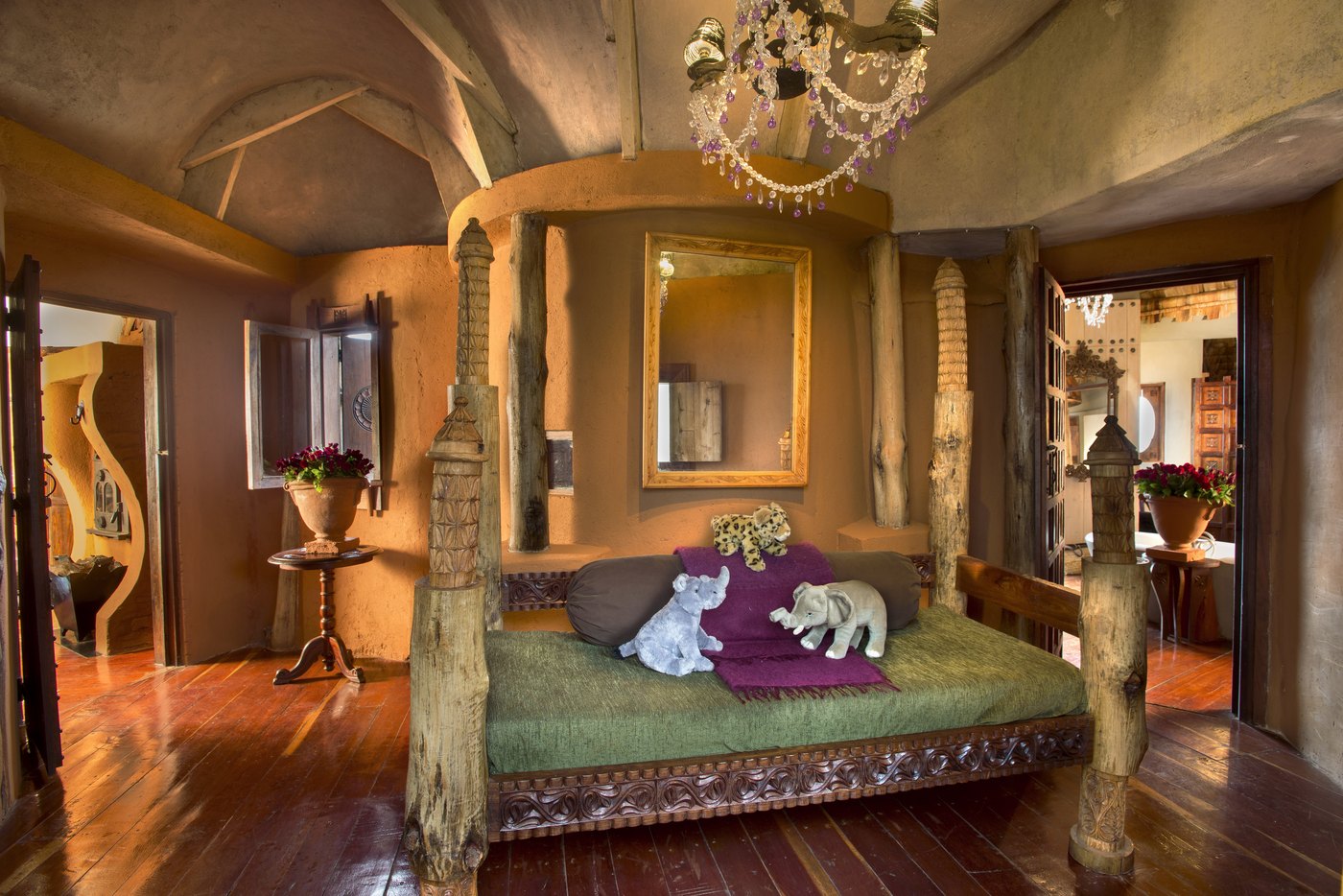
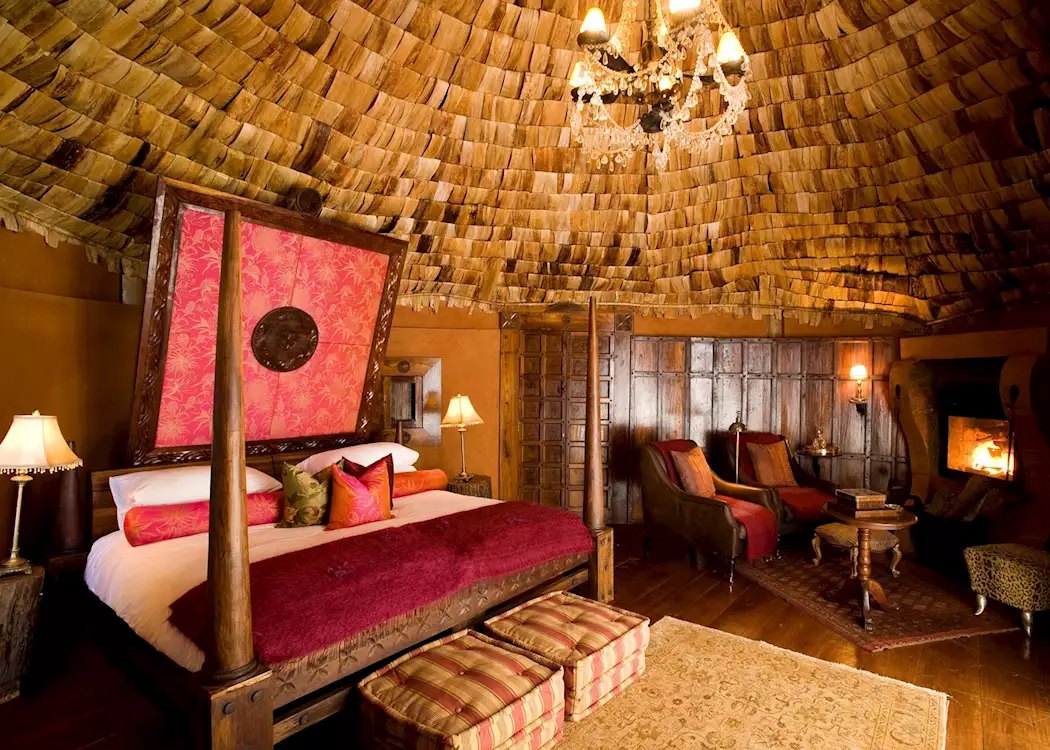
At the top sit a handful of architecturally extraordinary lodges with butler service, roaring fires against the highland chill and sweeping crater views — superb for honeymoons and milestone trips. &Beyond Ngorongoro Crater Lodge is the crown jewel: sumptuous Maasai-inspired suites with floor-to-ceiling windows framing the caldera, personal butlers, exquisite dining and one of the most dramatic lodge settings in Africa. It is as close to perfection as crater rim accommodation gets.
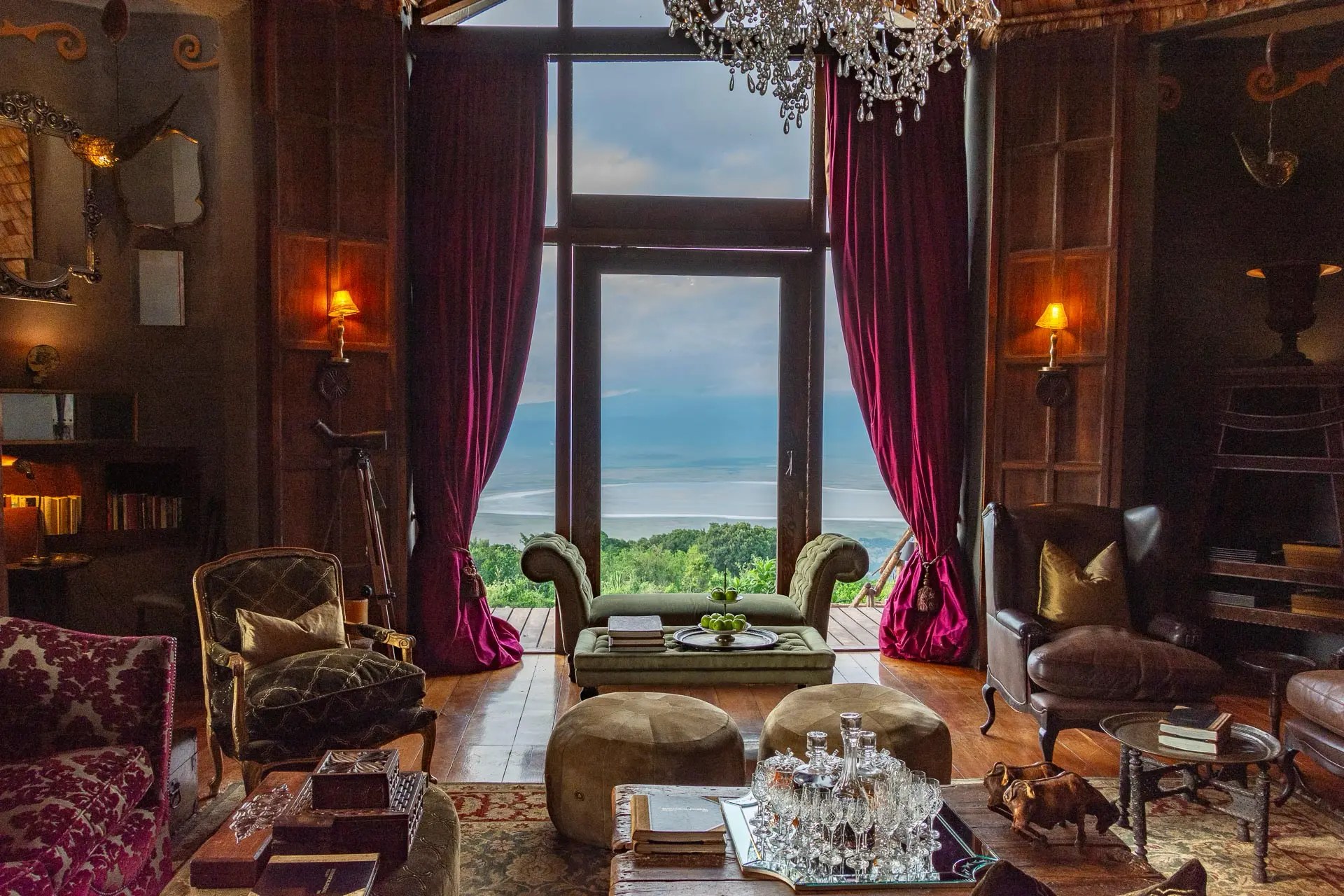
| Tier | Example Lodges | Per Person / Night | Position |
|---|---|---|---|
| Classic & Comfortable | Ngorongoro Serena, highlands tented camps | $500–$900 | Rim or 30–45 min from descent |
| Crater Rim | Ngorongoro Sopa, mid-tier rim lodges | $800–$1,400 | On the crater rim |
| Luxury Rim | &Beyond Ngorongoro Crater Lodge, premium | $1,100–$2,500 | Prime rim with crater views |
Top Experiences at Ngorongoro
- A sunrise crater descent — the floor at first light, when the predators are active and the crowds are absent.
- Big Five game viewing — lion, elephant, buffalo, leopard and the rare black rhino in one contained landscape.
- Olduvai Gorge — one of the world's most important prehistoric sites, the cradle of early humankind.
- A Maasai village visit — meet the people who share this living cultural landscape.
- Highland walks and Empakaai Crater — guided walks on the forested rim and to lesser-known craters nearby.
- Birdwatching at Lake Magadi — flamingos and water birds against the backdrop of the crater walls.
Sample Northern Tanzania Itinerary (7 Nights)
The crater shines brightest as part of a classic northern circuit. A beautifully paced example:
- Day 1: Arrive in Arusha; overnight at a country lodge.
- Day 2: Drive to Tarangire National Park for big elephant herds and baobab landscapes.
- Day 3: Continue to the Ngorongoro Highlands; afternoon at leisure on the rim.
- Day 4: Sunrise descent for a full game drive on the crater floor; visit Olduvai Gorge en route to the Serengeti.
- Days 5–6: Explore the Serengeti, tracking big cats and, in season, the Great Migration.
- Day 7: Final morning drive and fly from the Serengeti back to Arusha for onward travel.
This easily extends with the forests of Lake Manyara, a Lake Eyasi cultural day, or a Zanzibar beach finale on the Indian Ocean.
How Much Does a Ngorongoro Safari Cost?
Costs depend on the season, the lodge tier and the wider itinerary. As a guide for a fully private, professionally guided safari in 2026:
- Comfortable to premium lodges: roughly $500–$1,000 per person per day, all-inclusive of game drives, meals and fees.
- Luxury crater rim lodges: roughly $1,100–$2,500 per person per day.
- A classic 7-night northern circuit: typically $4,000–$12,000 per person depending on tier and whether you fly between parks.
The Ngorongoro Conservation Area charges separate conservation and crater service fees, which your operator folds into the quote. A private safari is excellent value when you consider it includes your guide, vehicle, all park and crater fees, accommodation and meals.
Ngorongoro Crater or Serengeti?
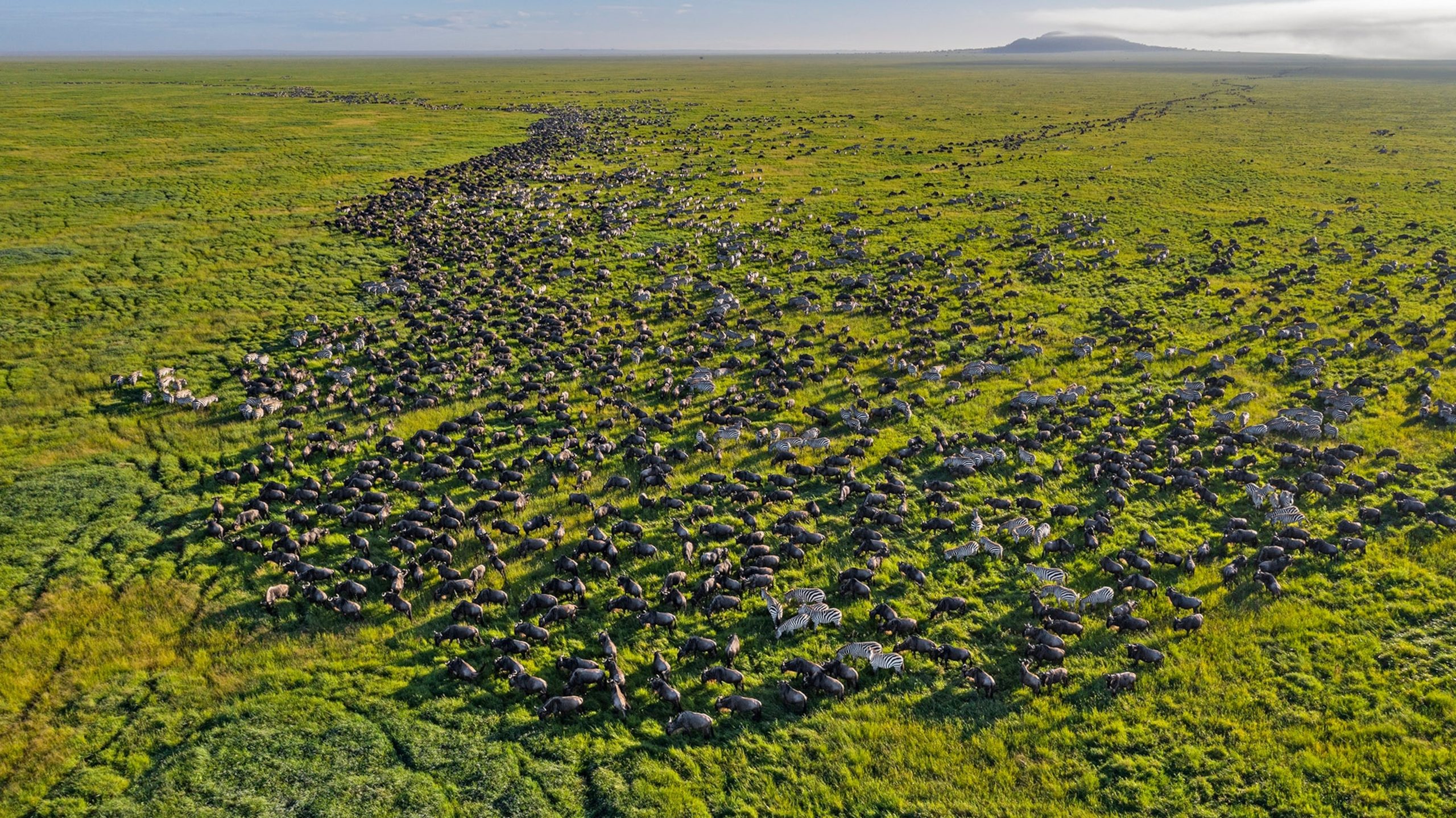
This is the most common question on a northern circuit, and the happy answer is that you do not have to choose. The crater is compact, scenic and astonishingly dense — a near-guaranteed Big Five day in a single contained bowl. The Serengeti is vast and open, home to the Great Migration and endless plains that reward several days. The crater delivers a concentrated highlight; the Serengeti delivers scale. Most travellers experience both, and our Great Migration guide explains how the herds move through the wider ecosystem across the year.
Combining Ngorongoro With the Rest of Tanzania
The crater pairs naturally with Tarangire's elephants, the forests and flamingos of Lake Manyara, the migration of the Serengeti and the white sands of Zanzibar. Our Tanzania safari guide covers the whole country, and our specialists weave any of these into one smooth, fully private journey.
How to Plan Your Ngorongoro Crater Safari
The Ngorongoro Crater rewards travellers who plan with intent — a lodge on the rim, an early descent and a guide who knows the floor intimately. That is exactly what we do. Explore the Serengeti destination guide, read about private safari tours in Tanzania, use the trip planner, or contact our specialists for a tailor-made, fully private safari built around you.