Key Takeaways
- The H4-1 between Skukuza and Lower Sabie — the leopard triangle — has Kruger's highest leopard density plus lion, elephant and hippo.
- The S100 and H7 around Satara are the park's celebrated lion and cheetah roads.
- The great elephant herds gather along the Sabie, Olifants and Letaba rivers.
- The far-southern roads around Berg-en-Dal and Malelane remain the most reliable for rhino.
- Buffalo move with the water, so waterholes and open plains are the places to wait.
- Drive the proven roads at first and last light, move slowly, and the Big Five odds tilt firmly your way.
Lion: Satara and the Central Plains
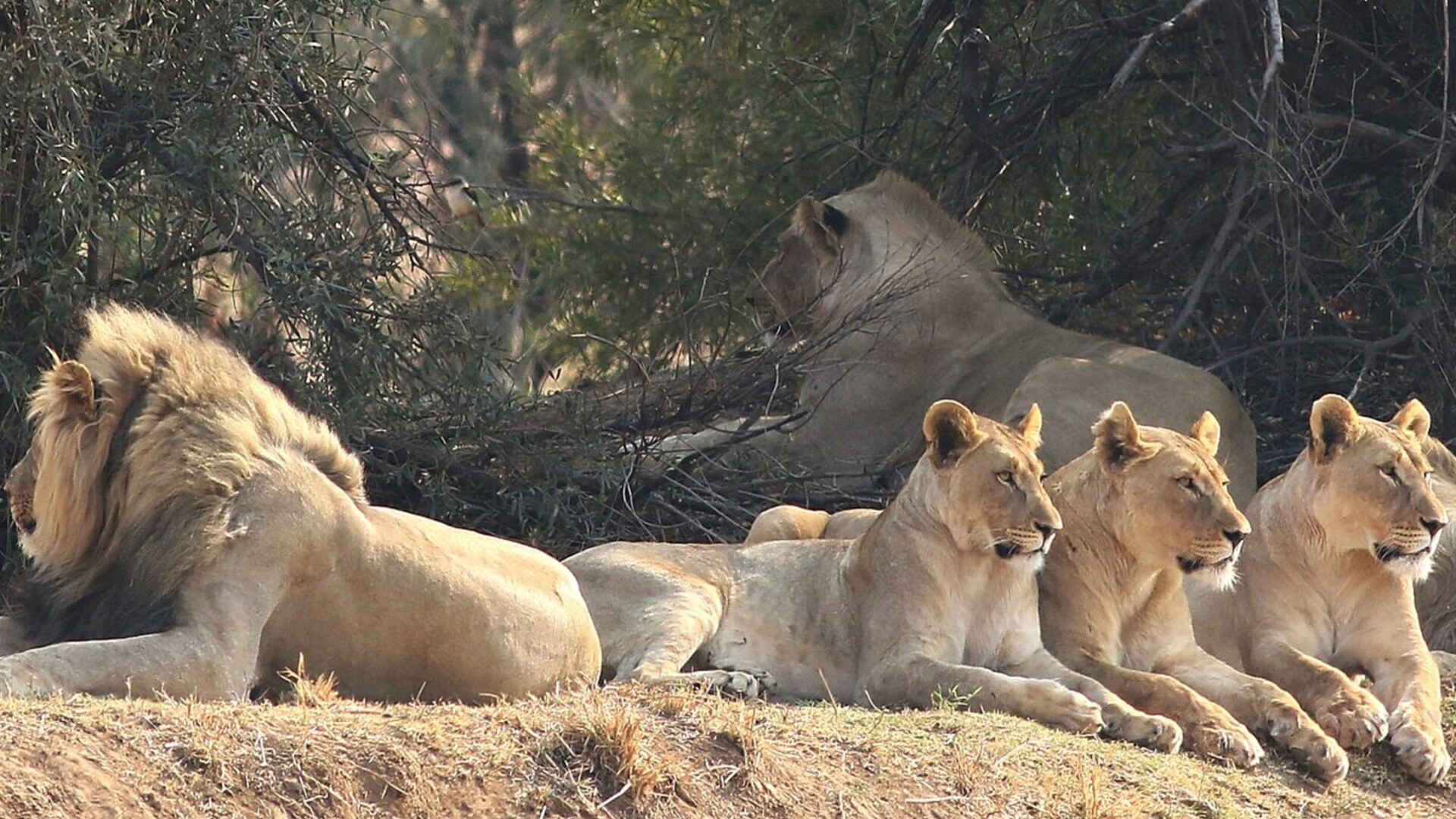
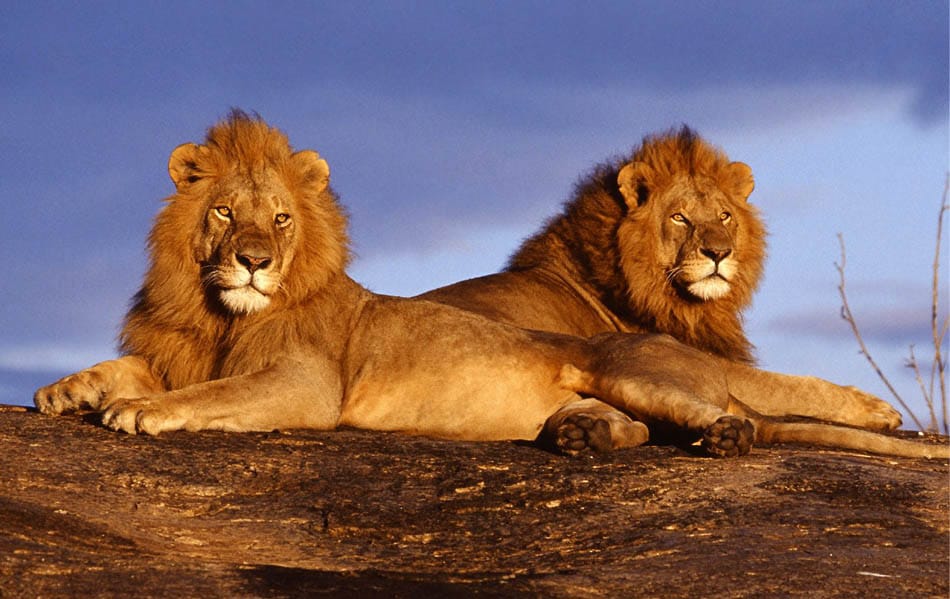
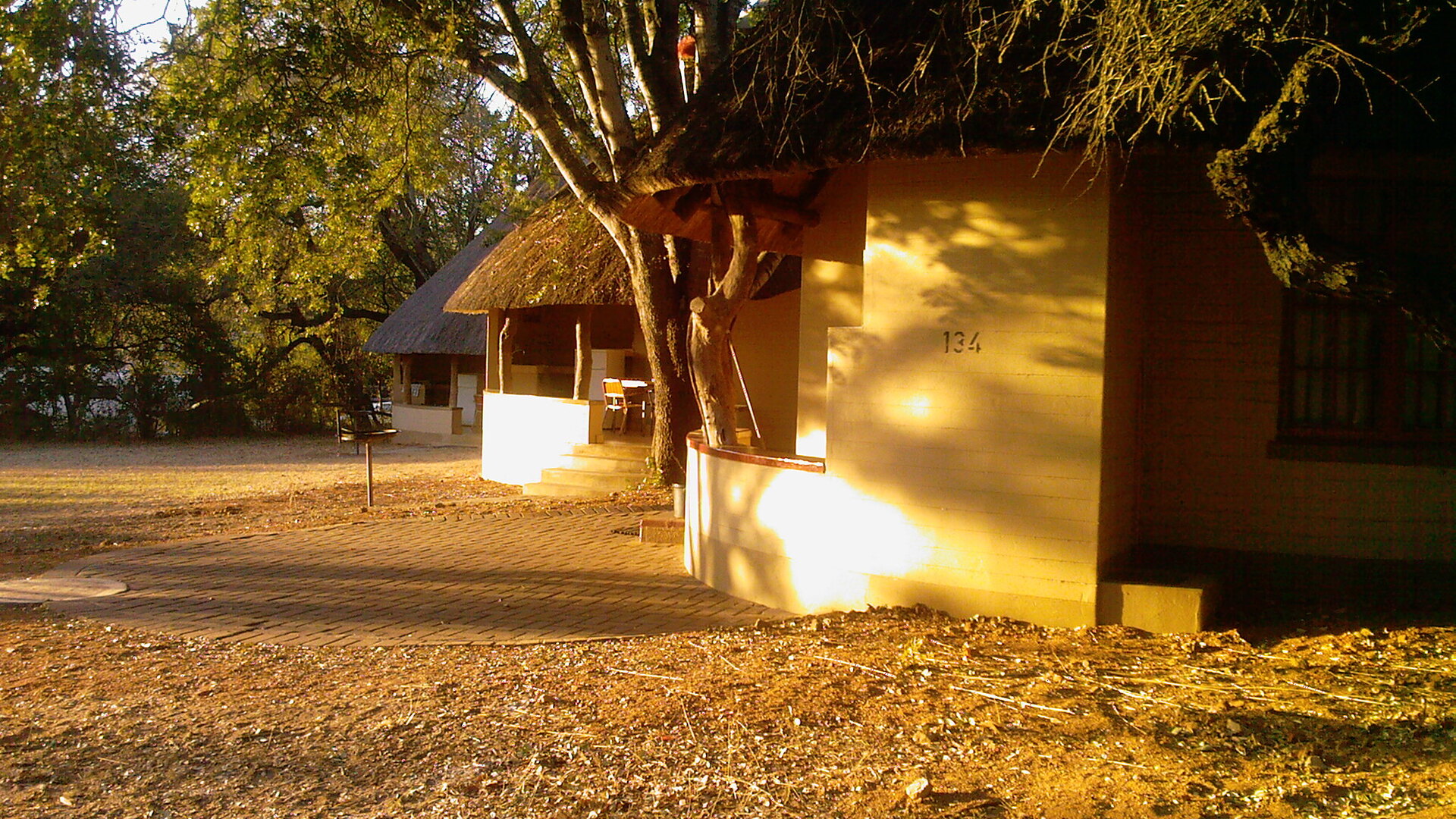
If there is one animal that defines a Kruger safari, it is the lion, and the park's heartland of lion country lies in the central grasslands around Satara. Here the open plains and the herds of zebra, wildebeest and impala that graze them support some of the largest prides in the park, and the drama of the hunt plays out across country open enough to watch it unfold. Satara rest camp makes the perfect base, putting you within a short drive of the region's best roads at the hours that matter.
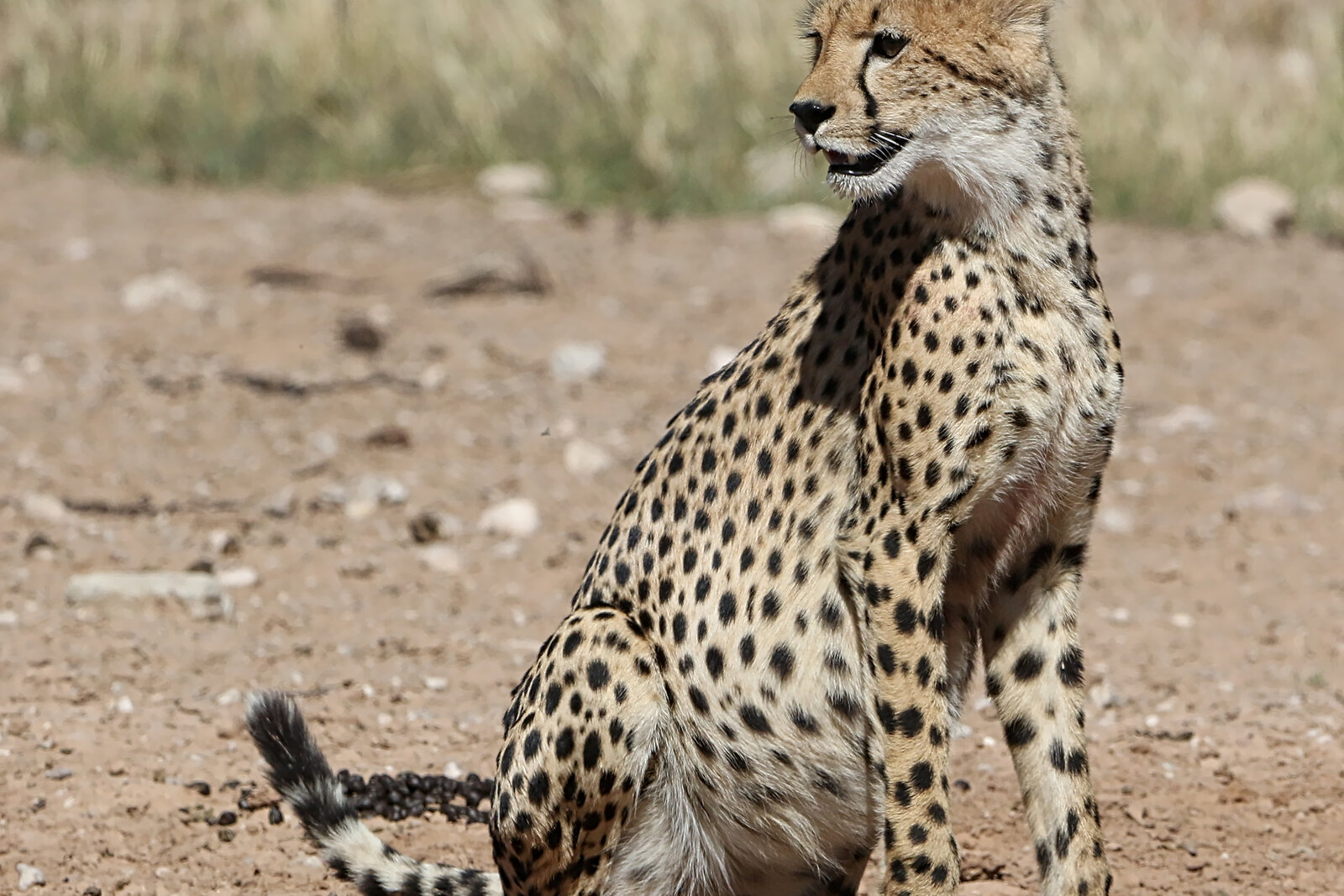
The single most famous of those roads is the S100, a gravel track that follows the N'wanetsi River east of Satara. Guides speak of it in reverent tones, and for good reason: its combination of water, open ground and prey makes it arguably the finest lion and cheetah road in Kruger. The H7 between Orpen and Satara is nicknamed Lion Country and lives up to it, while the tar of the H1-3 north of Satara, dotted with waterholes such as Mazithi and Kumana, adds leopard and elephant to the mix. Drive them at dawn, when lions are still active or lying on the warm road, and again in the last golden hour.
Leopard: The Skukuza to Lower Sabie Triangle
Leopard is the connoisseur's animal — elusive, solitary and heart-stoppingly beautiful — and Kruger holds one of the densest leopard populations anywhere on earth. The epicentre is the southern triangle between Skukuza and Lower Sabie, stitched together by the H4-1 as it traces the Sabie River. The riverine thickets, tall trees and rocky outcrops here are exactly the cover leopards love, and the density of sightings along this road has earned it the affectionate name of the leopard triangle.
Finding one is a matter of technique as much as luck. Drive slowly and scan the trees as often as the ground, because a leopard will as readily drape itself along a horizontal branch or a warm rock as walk the road. Look for a dangling tail, an out-of-place shape in the fork of a tree, or the sudden alarm calls of impala and monkeys that betray a predator nearby. Dawn and the final hour of daylight are prime, when leopards move between rest and hunt. Even seasoned guides feel the thrill every time — and spotting your own from a self-drive car is one of Kruger's great triumphs.
Elephant: Rivers, Central and North
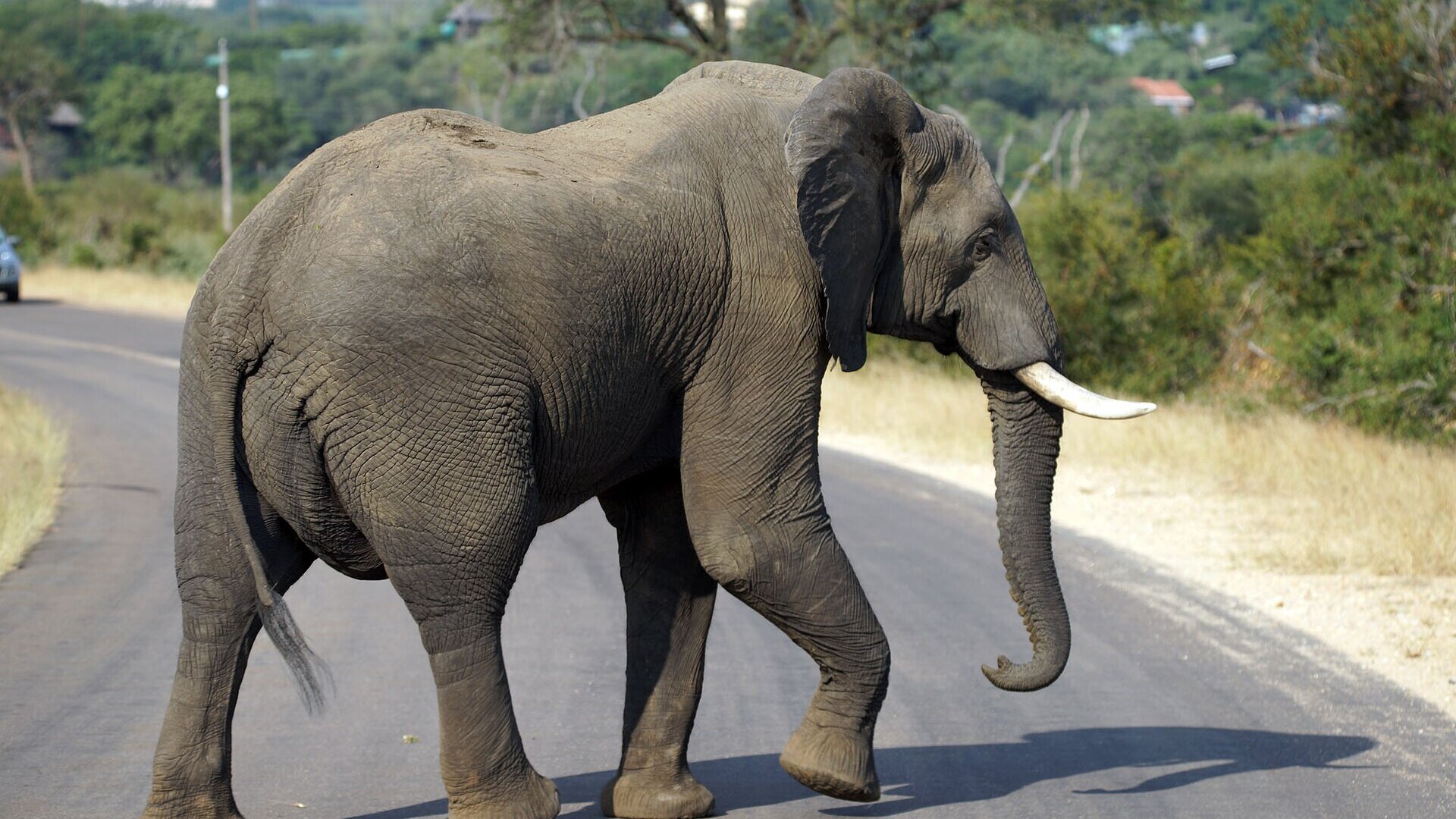
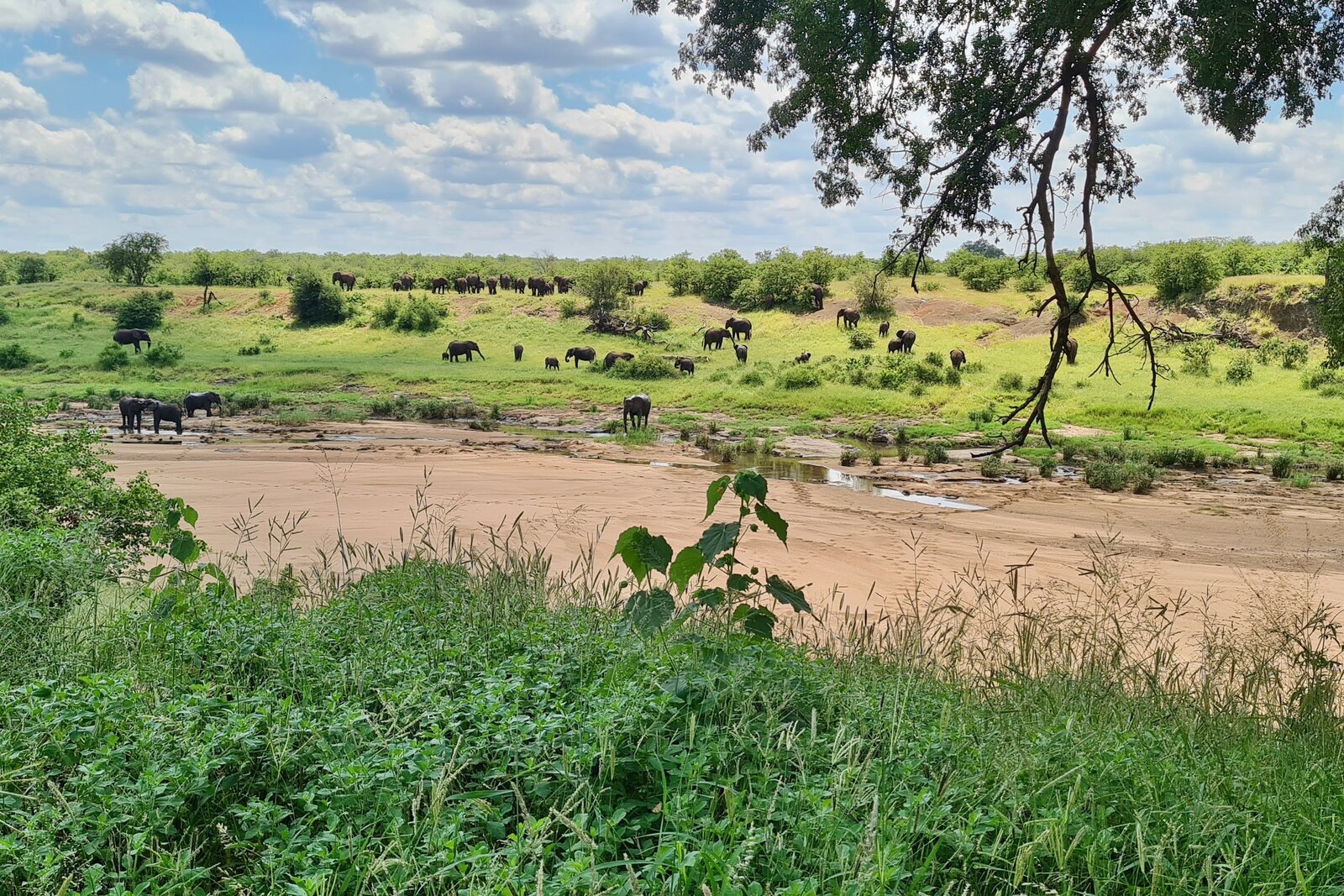
Elephant are among the easiest of the Big Five to find in Kruger, and among the most moving to watch, and they follow the water. The great breeding herds gather along the park's rivers — the Sabie in the south, the Olifants on its dramatic gorge, and the Letaba in the central-north, whose camp even keeps an elephant museum in honour of the region's legendary tuskers. Anywhere a road shadows a river or crosses a bridge, you stand a fine chance of watching a herd drink, bathe and shepherd their calves.
The central and northern reaches of the park hold the highest elephant numbers, so a drive north of Satara towards Olifants and Letaba almost always delivers. Give them room and switch off the engine: a relaxed herd will often cross the road around you, and there is nothing in the bush quite like the hush of a family of elephants moving past close enough to hear their stomachs rumble. In the dry season they concentrate near the rivers and remaining waterholes, making the water's edge the surest place to find them.
Rhino: The Southern Rhino Roads
Kruger remains one of the most important rhino strongholds on the planet, and the far south of the park is the heart of rhino country. The open grasslands and mixed bushveld around Berg-en-Dal, Malelane and Pretoriuskop have long offered the most reliable white rhino sightings, with the animals grazing in the open in the cool of the morning; the shyer, more solitary black rhino haunts the thicker bush and rewards a sharper eye. The southern roads such as the S114, S110 and the routes out of Berg-en-Dal are the ones to work.
A word on responsibility, because it matters. Rhino are relentlessly targeted by poachers, and the conservation fee you pay helps fund the anti-poaching effort that protects them. For that reason, guides are deliberately discreet about precise rhino locations, and we ask every traveller never to post live rhino sightings on social media with location tags. See them, treasure the moment, photograph them — but keep them safe by keeping their whereabouts to yourself. It is a small courtesy that helps keep these extraordinary animals alive.
Buffalo: Waterholes and Open Plains
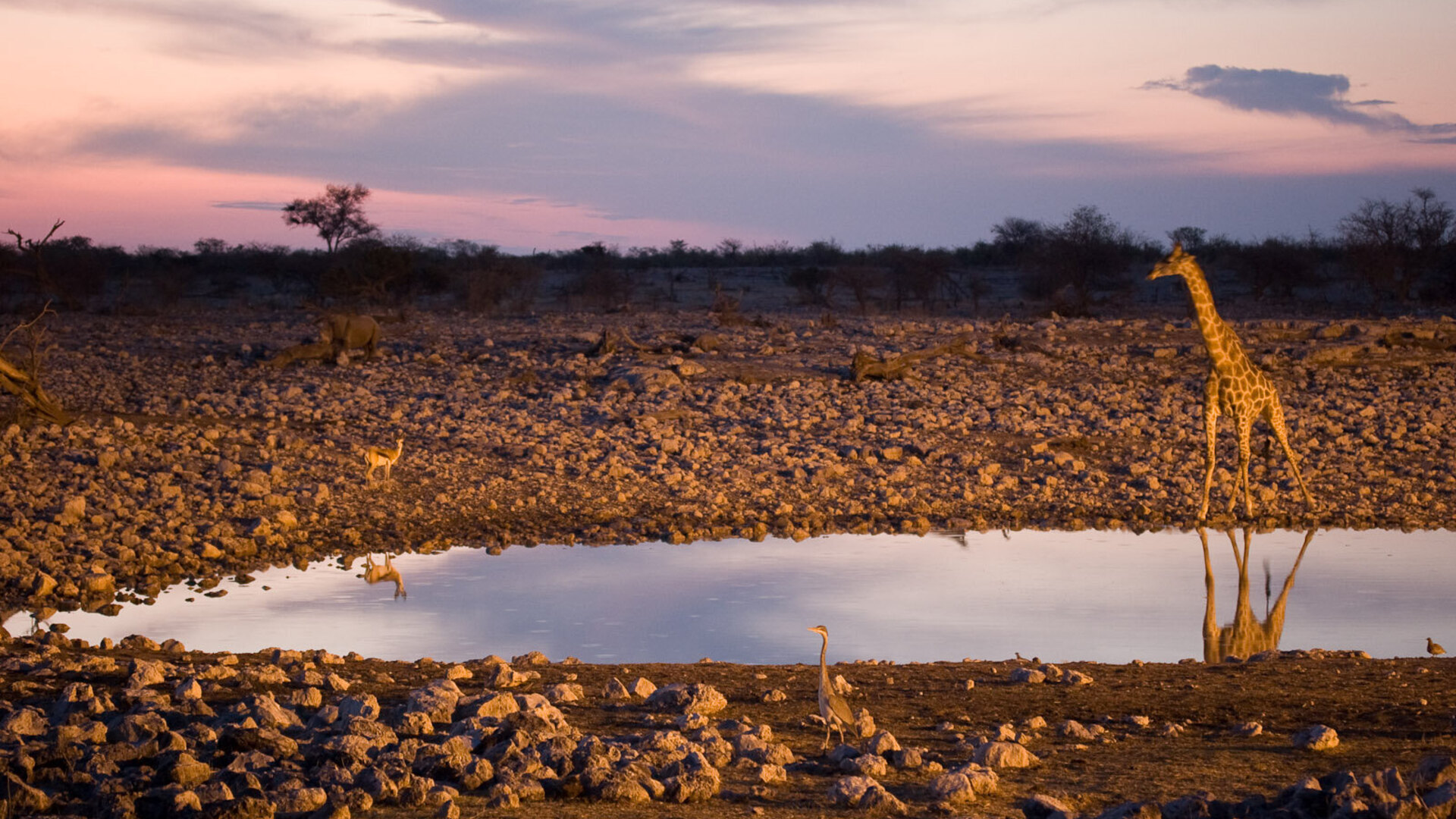
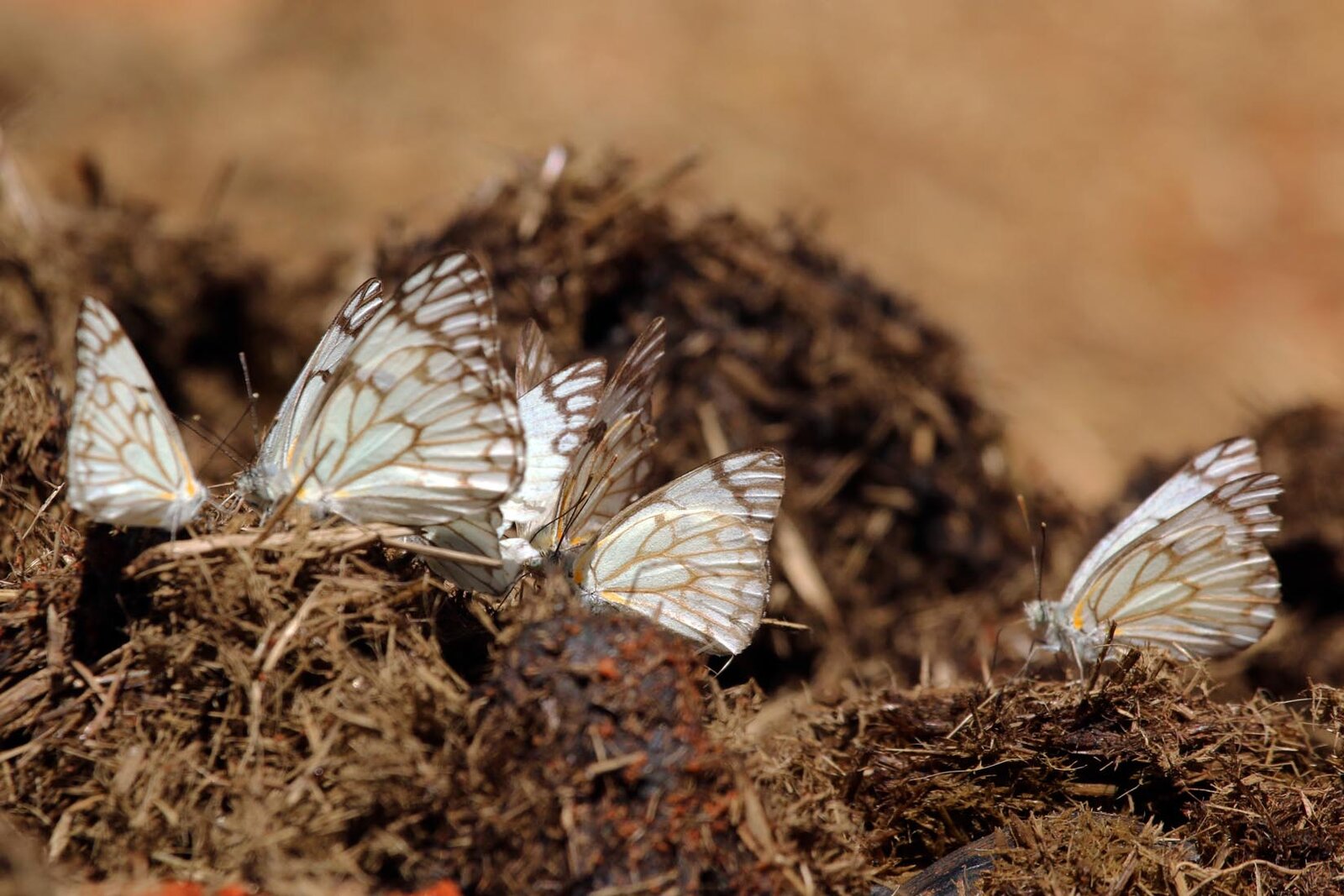
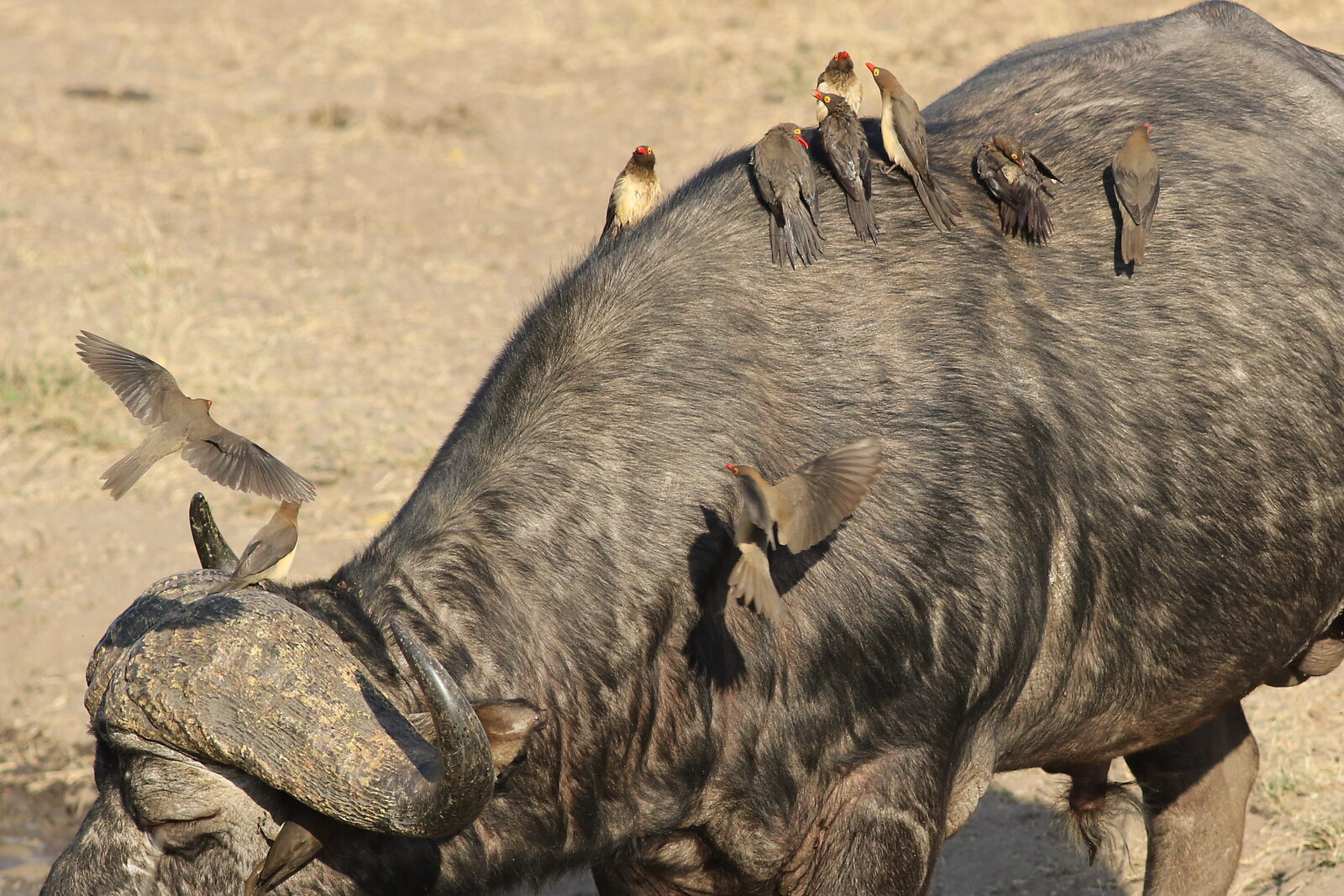
The buffalo is the most underrated of the Big Five and, in the great herds, one of the most impressive sights in the park. Kruger's buffalo move in herds that can number many hundreds, a slow brown river of horns and dust flowing across the plains, and where they go the lions often follow. They are tied closely to water, needing to drink daily, so the waterholes and river frontages of the central and southern park are the places to find them, particularly in the dry season when the herds bunch around the remaining water.
Look for them on the open plains around Satara and Lower Sabie, and along the rivers where they come down to drink morning and evening. A big herd on the move is a spectacle in itself, but it also raises the odds of drama, because a herd of buffalo is a walking larder for lions, and some of the park's most memorable sightings are the tense stand-offs between the two. Park near a waterhole in the golden hours, switch off, and let the bush come to you — patience at water is one of the surest strategies in Kruger.
| Big Five Species | Best Roads and Hotspots |
|---|---|
| Lion | S100, H7 and H1-3 around Satara; central grassland plains |
| Leopard | H4-1 Skukuza to Lower Sabie — the leopard triangle; riverine bush |
| Elephant | Sabie, Olifants and Letaba rivers; central and northern park |
| Rhino | Southern roads around Berg-en-Dal, Malelane and Pretoriuskop |
| Buffalo | Waterholes and open plains around Satara and Lower Sabie |
| Best times | First light and the last golden hour; dry season near water |
Planning a Big Five Route
The art of a Big Five safari is to stitch these hotspots into a route rather than dashing between them at random. Because the south holds the leopard triangle and the rhino roads, and the centre holds the great lion and buffalo plains, a classic self-drive plan starts in the south around Skukuza and Lower Sabie, then works north to Satara for a night or two, giving you the best of both worlds. Drive the proven roads at first and last light, keep midday for the pool and a rest, and always slow down for a cluster of stopped cars — it is the bush telegraph announcing a sighting.
If you would rather not leave it to chance, this is exactly the kind of route we plan for a living. We know which camps position you for which species, how many nights each region deserves, and when a guided drive or a private-reserve add-on will lift your odds of the trickier sightings such as leopard. Whether you want a self-drive itinerary mapped road by road or a fully guided Big Five safari, tell us what you most long to see, and we will build the days around it so you drive with a plan and come home with the full set.
Want to See the Full Big Five?
Our specialists map Big Five safaris road by road — the leopard triangle, the lion plains, the rhino country — as self-drive itineraries or fully guided trips, timed and routed to give you the best possible chance of all five.
Ready to explore? Browse our safari tours and packages →