Key Takeaways
- Four of the five are excellent. Lion, leopard, elephant and buffalo are abundant and reliably seen across South Luangwa, the Lower Zambezi and Kafue.
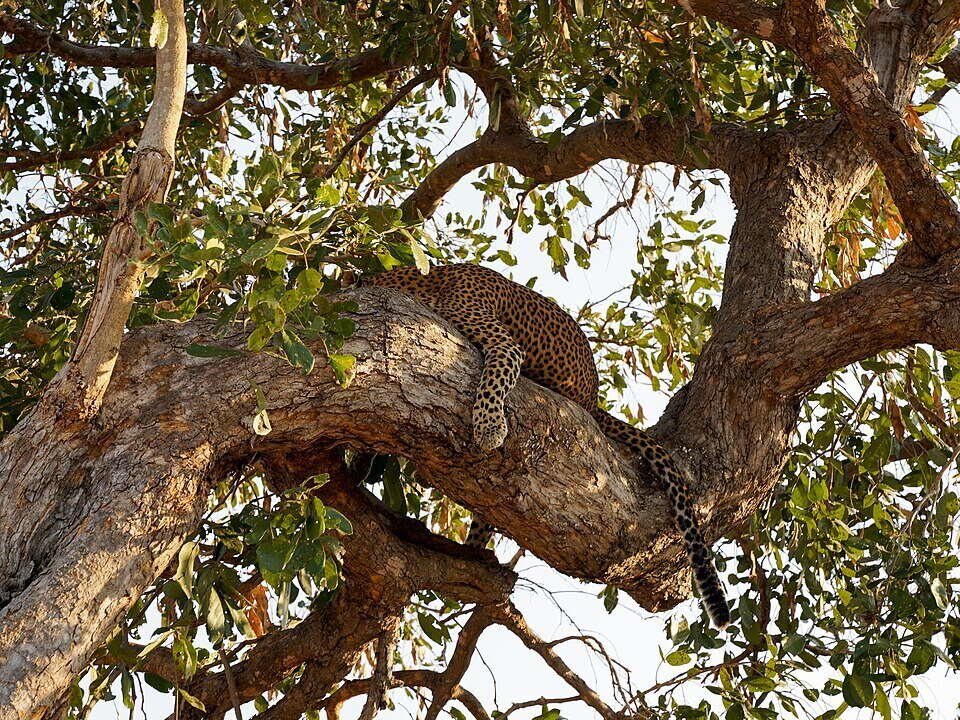
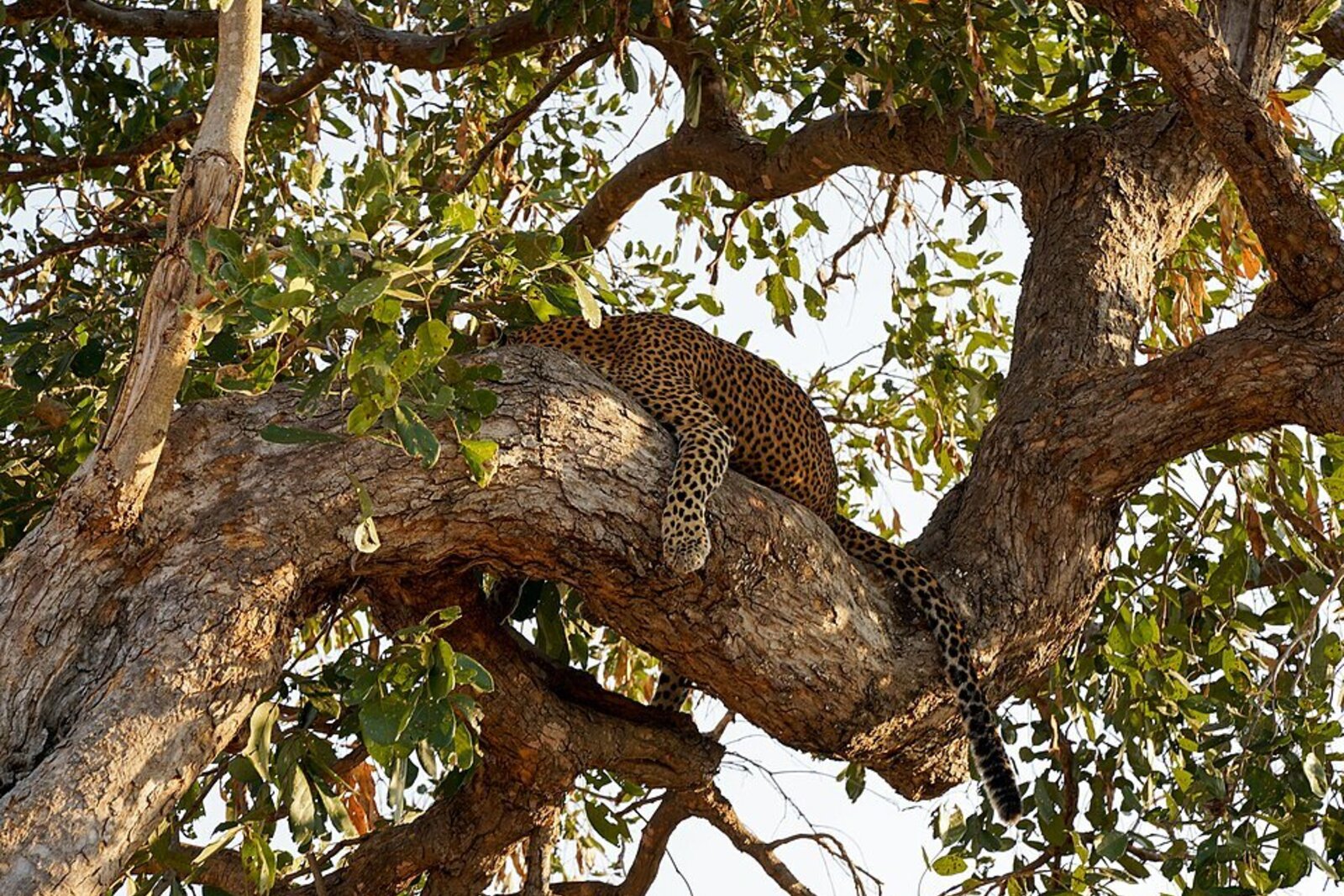
- Leopard is Zambia's superpower. South Luangwa holds one of the highest leopard densities in Africa, and its pioneering night drives make it the finest leopard destination on the continent.
- Rhino is the honest challenge. Poaching wiped them out; reintroduced black rhino now survive only in North Luangwa National Park, and reintroduced white rhino in Mosi-oa-Tunya near Victoria Falls.
- Best single park for four of five: South Luangwa — the birthplace of the walking safari and a leopard, lion, elephant and buffalo stronghold.
- Best time: the dry season, May to October, when the bush thins and wildlife concentrates on the rivers.
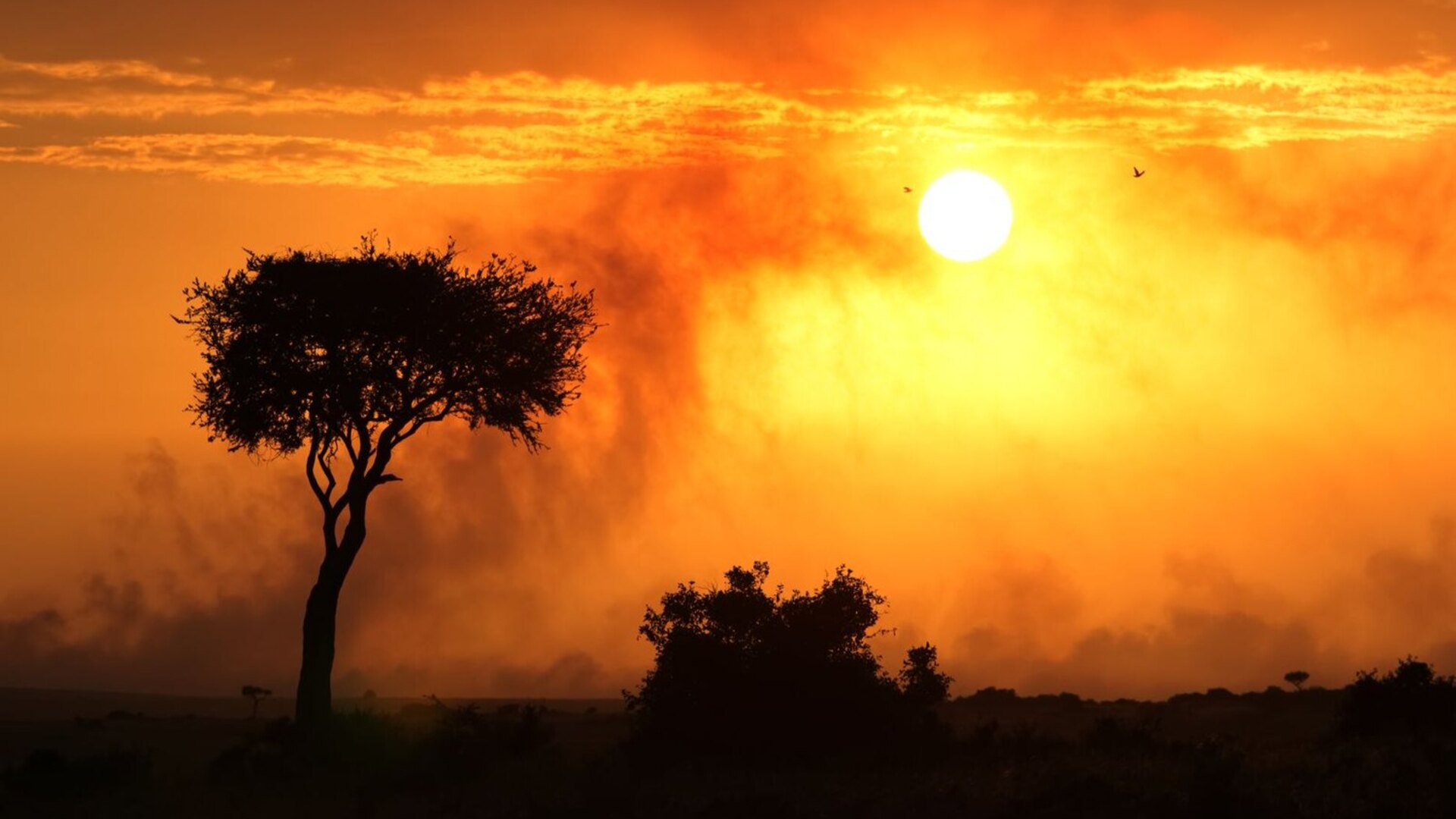
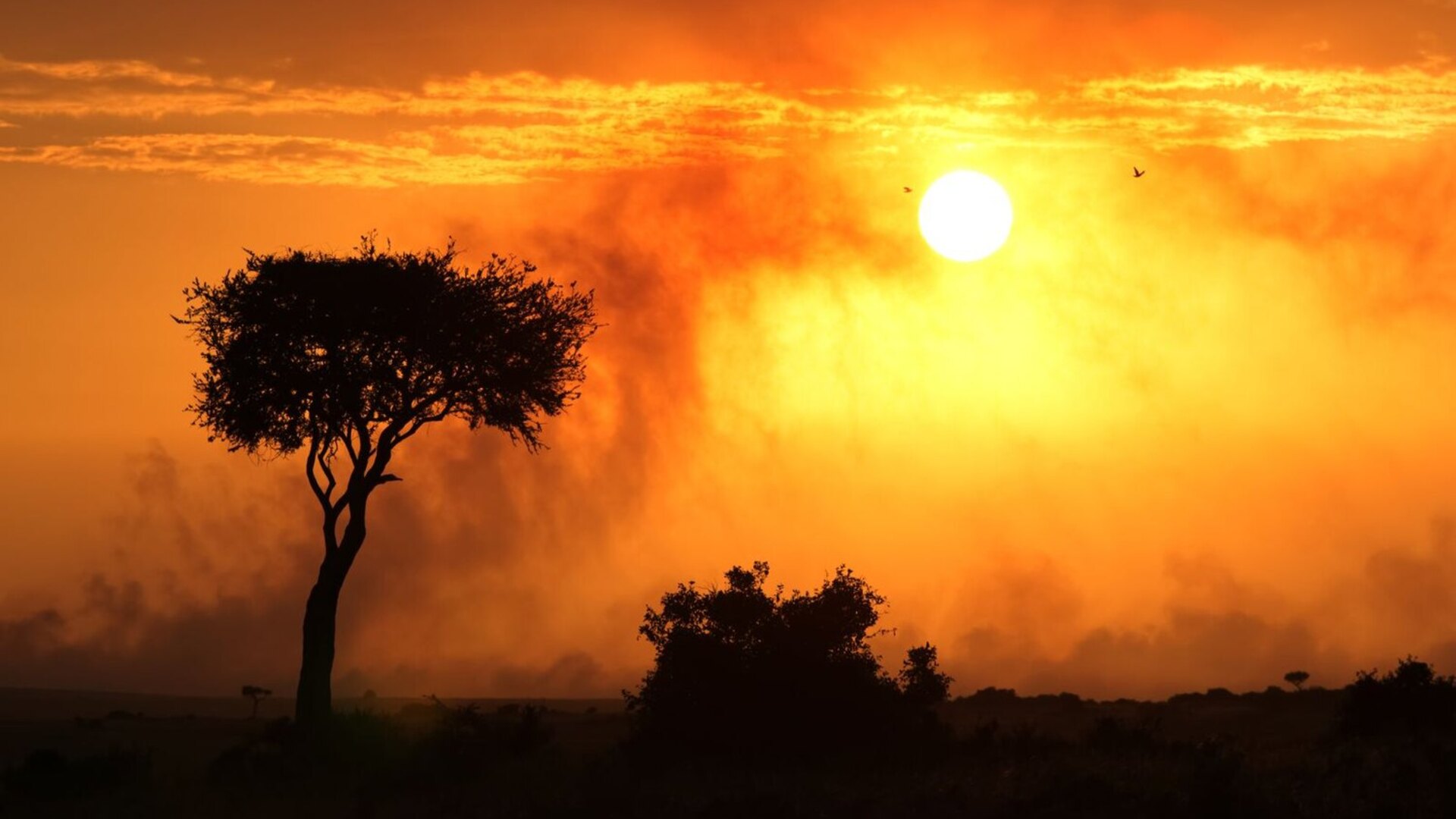
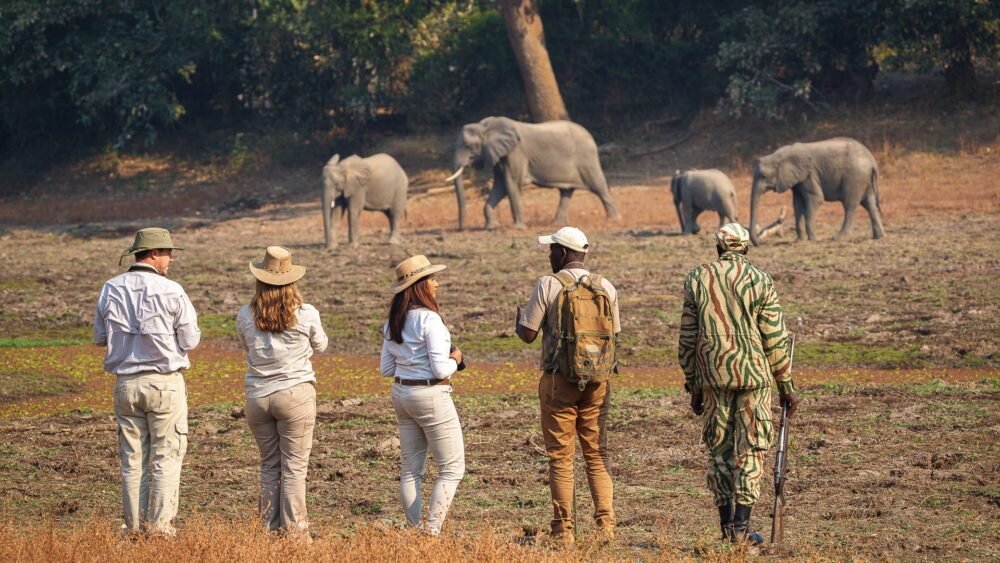
Zambia is where the walking safari was born, and it still feels that way — raw, unhurried and gloriously wild. This is the country of Norman Carr and the Luangwa Valley, of leopards hunting in the beam of a spotlight, of canoes drifting past elephants on the Zambezi, and of guides who track on foot rather than through a windscreen. For the Big Five safari traveller, that translates into some of the most intimate lion, leopard, elephant and buffalo sightings in Africa — and a rhino story that deserves to be told honestly rather than oversold.
This guide does exactly that. We go species by species — where each of the five lives, how reliable the sighting is, and the best time and place to find it. Then we answer the question every traveller actually asks: can you realistically see all Big Five in one Zambia safari? The answer is yes, but only if you plan around the rhino rather than assuming it.
The Big Five in Zambia — Species by Species
Zambia's Big Five are not spread evenly. Leopard, lion, elephant and buffalo are abundant across the great river valleys; rhino cling to two guarded sanctuaries. Here is the honest picture for each, with a sighting-reliability rating out of five stars.
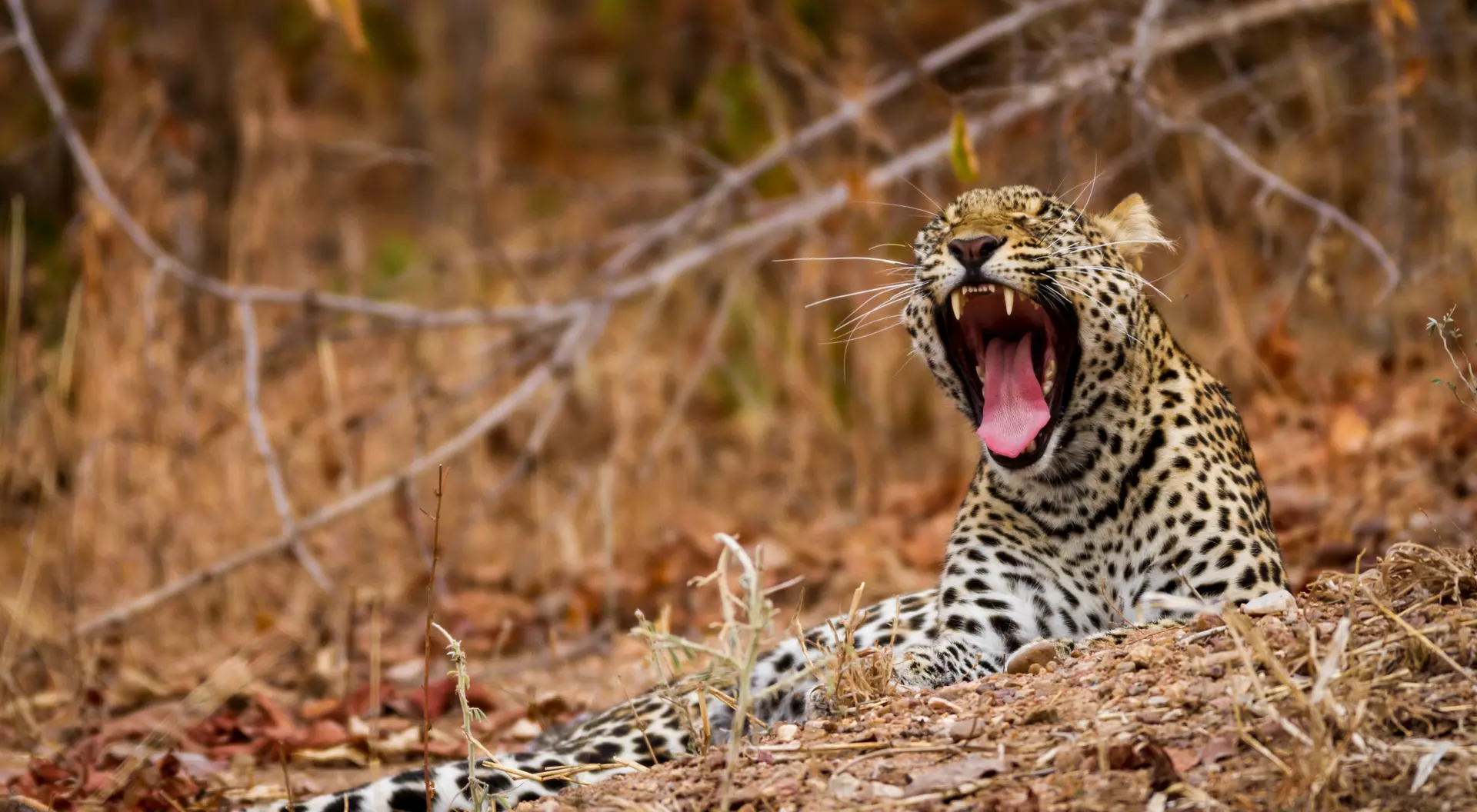
🐆 Leopard — ★★★★★ (Zambia's Superpower)
No country does leopard quite like Zambia. The South Luangwa Valley holds one of the highest leopard densities on the continent, and because Zambia pioneered the night drive, you can follow these cats into their most active hours. Sightings of leopard hunting, hauling kills into sausage trees, and moving through the riverine woodland are routine here in a way they simply are not elsewhere. The Lower Zambezi and Kafue are excellent too, but Luangwa is the leopard capital of Africa.
- Best locations: South Luangwa (supreme), Lower Zambezi, Kafue
- Best time: Dry season (May–October) for visibility; leopard are resident year-round
- Reality: The best leopard viewing in Africa — helped enormously by legal night drives.
🦁 Lion — ★★★★★ (Excellent)
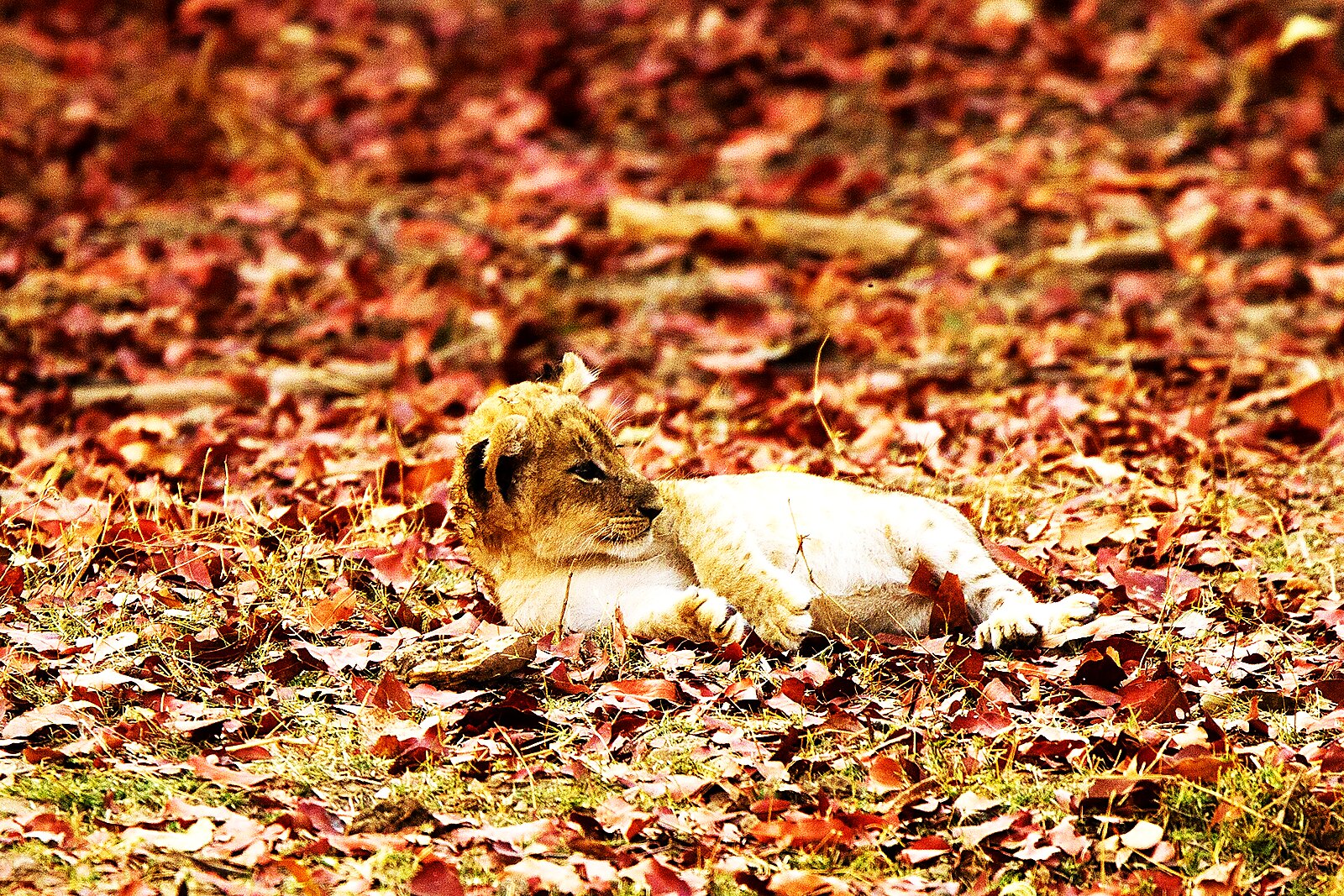
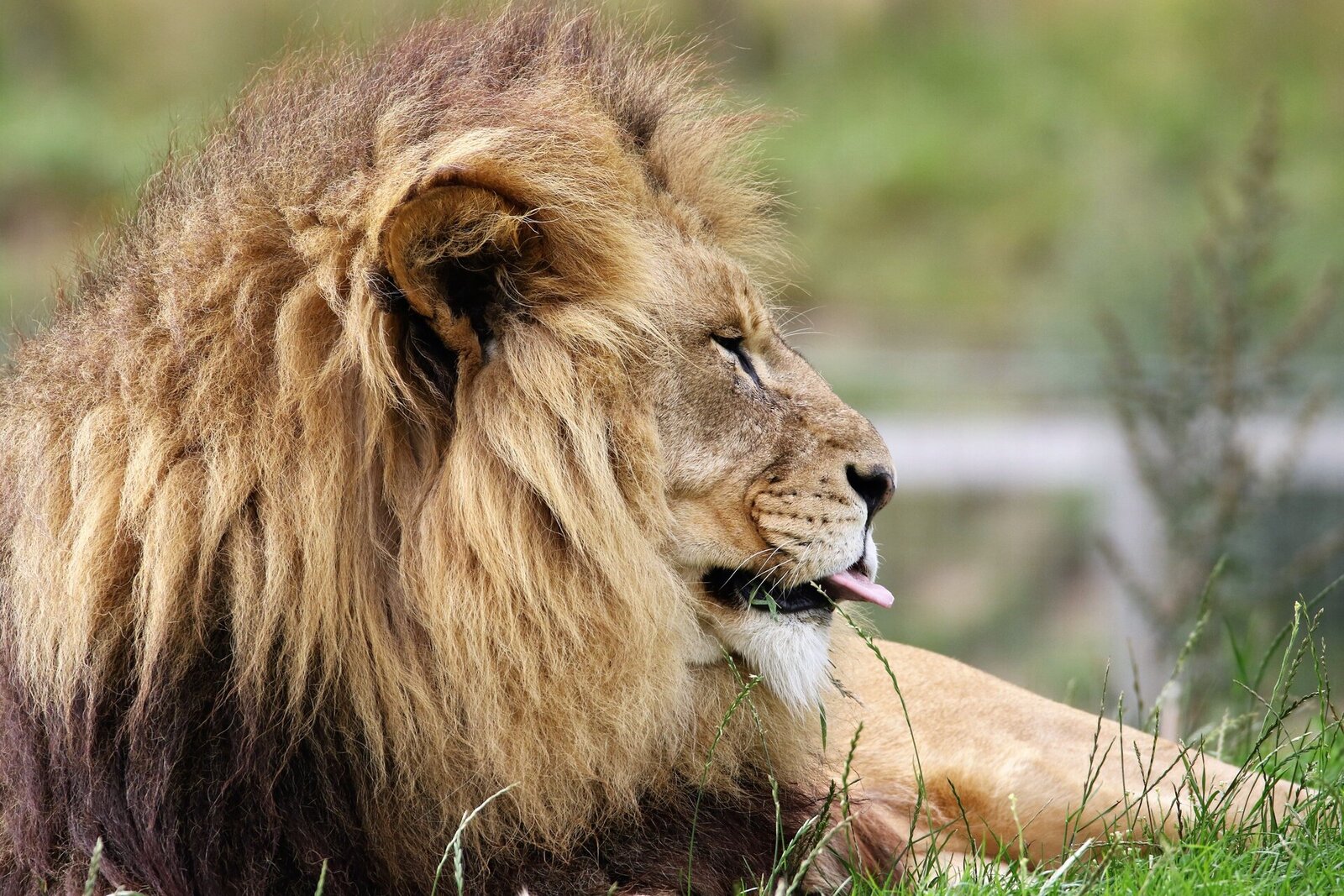
Lion are found across all of Zambia's major parks. The South Luangwa prides are large and well-studied, often seen on the riverbanks and open plains. In Kafue, the Busanga Plains deliver one of Africa's great lion spectacles — prides hunting across seasonally flooded grassland, sometimes climbing trees. The Lower Zambezi holds lion too, frequently seen along the river terraces.
- Best locations: South Luangwa, Kafue (Busanga Plains), Lower Zambezi
- Best time: Year-round; dry season for concentrated sightings, Busanga best July–October
- Reality: Excellent. A few days in Luangwa or Kafue reliably deliver lion.
🐘 Elephant — ★★★★★ (Guaranteed)
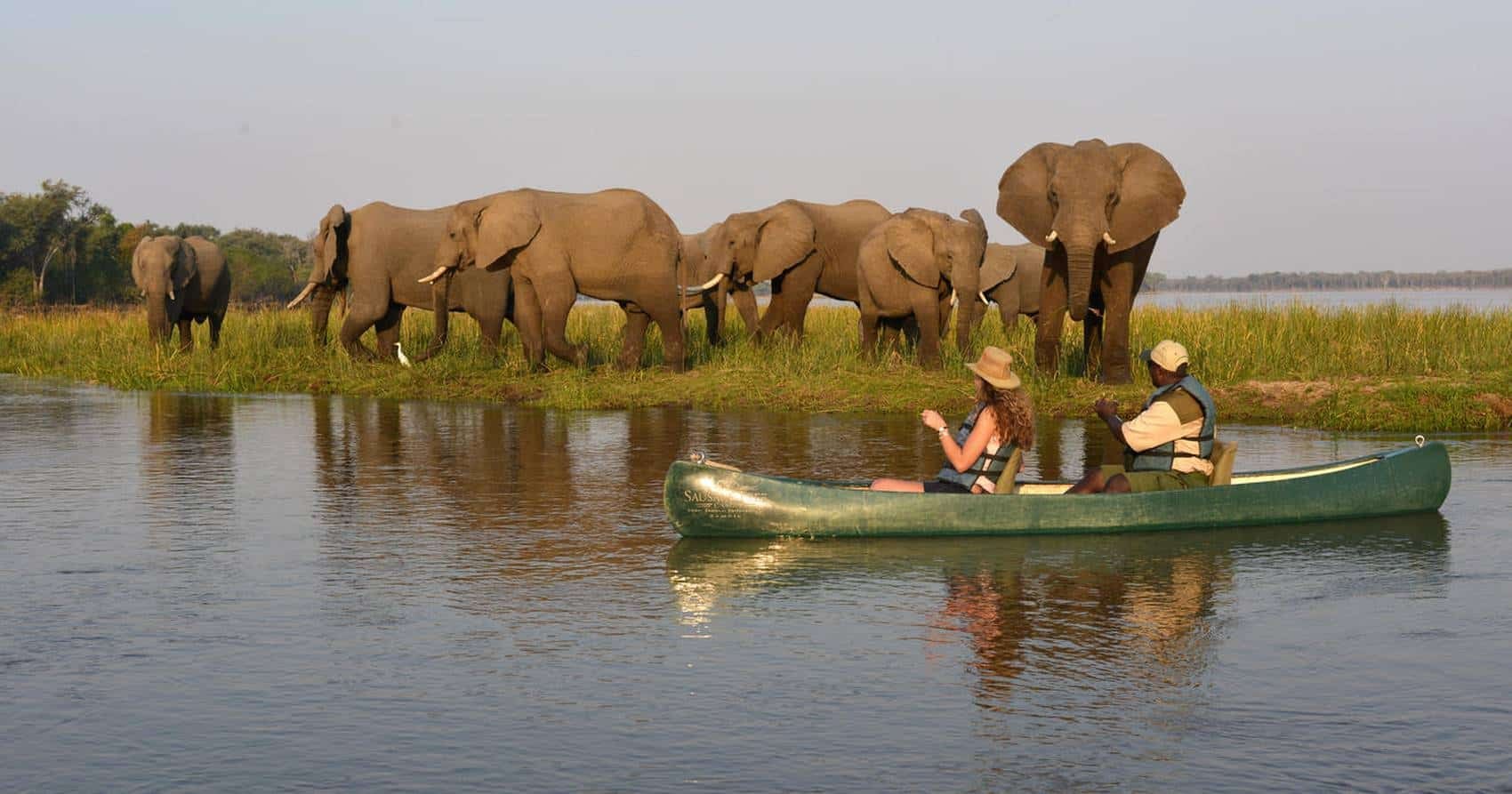
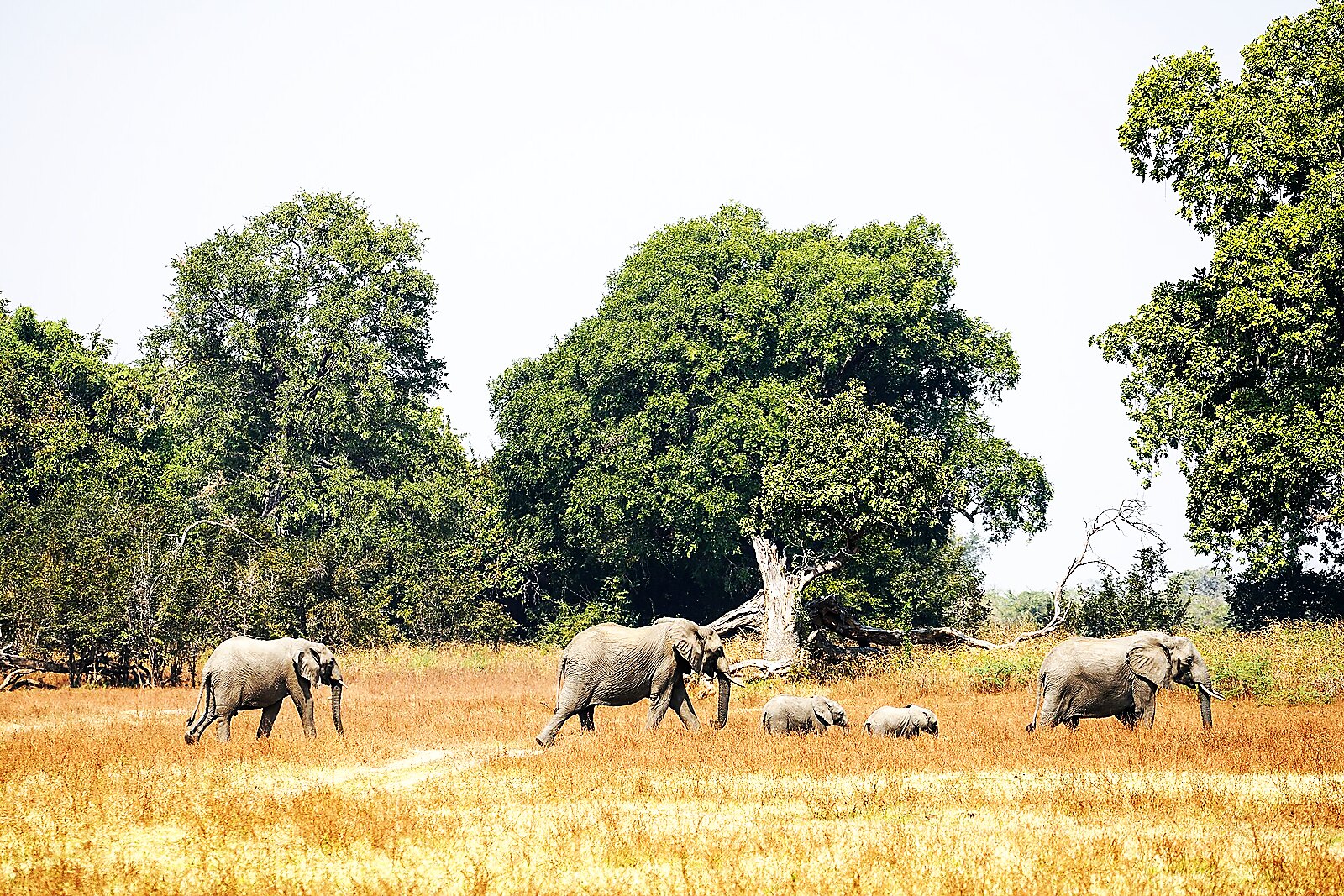
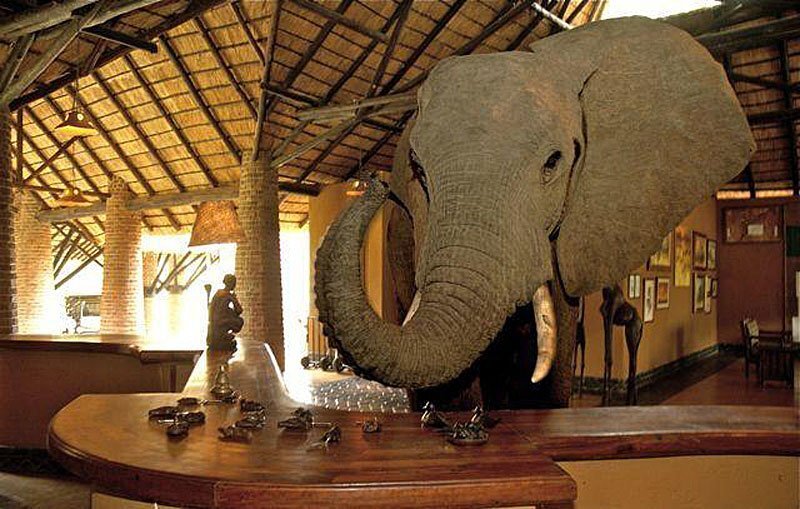
Elephant are abundant across Zambia's parks. South Luangwa is famous for its elephants — including the celebrated herds that walk straight through Mfuwe Lodge's reception during the mango season. The Lower Zambezi offers the extraordinary experience of watching elephants from a canoe as they swim between islands, while Kafue holds large numbers across its vast wilderness.
- Best locations: South Luangwa, Lower Zambezi, Kafue
- Best time: Dry season (May–October), when herds concentrate on permanent water
- Reality: One of the most reliable Big Five sightings in Zambia — you will not miss elephant.
🐃 Buffalo — ★★★★★ (Excellent)
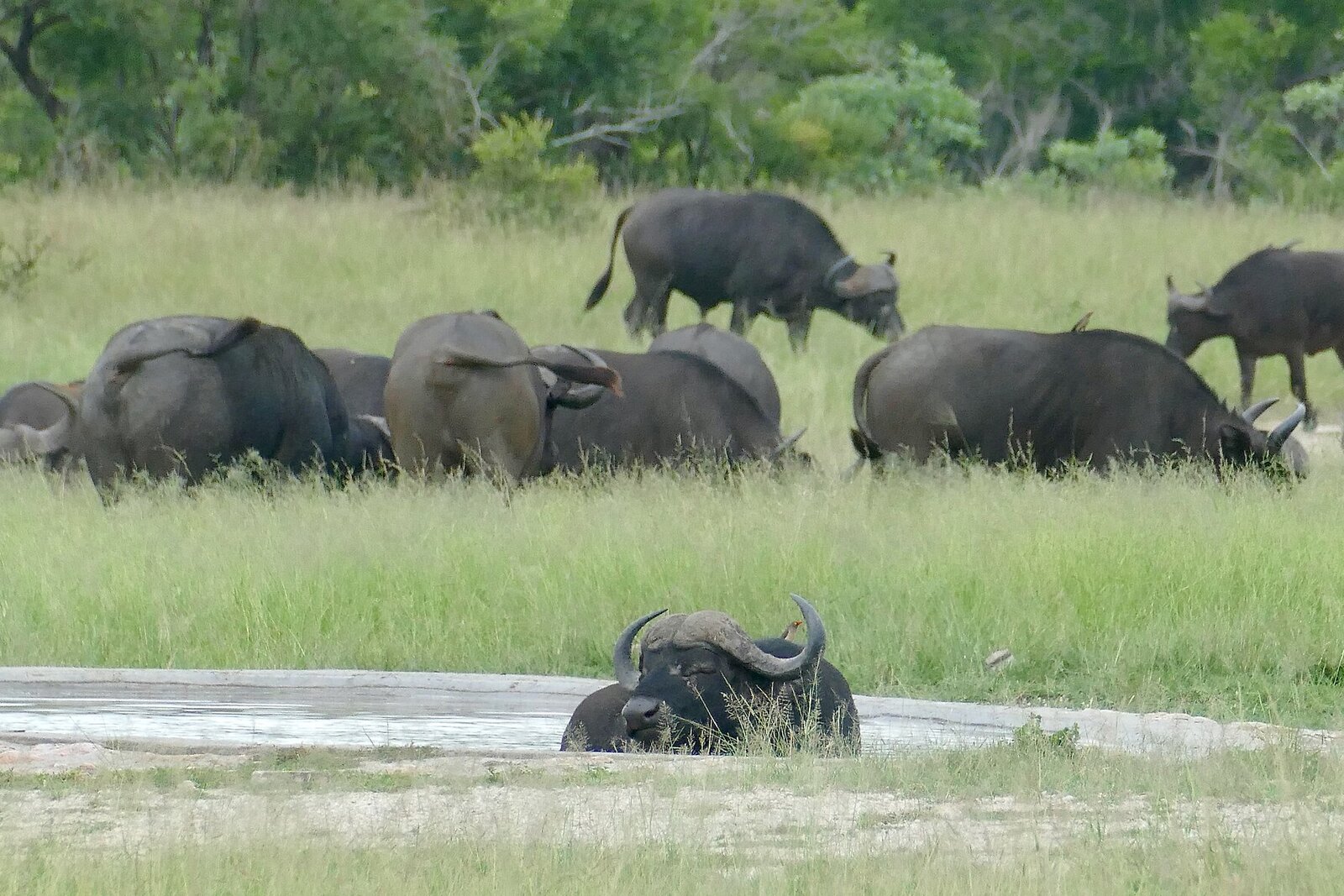
Cape buffalo move through the Luangwa and Zambezi valleys in herds that can number over a thousand. In South Luangwa, huge dust-shrouded herds crossing the river at dusk are one of the valley's signature sights, and they draw the lion prides that hunt them. Kafue and the Lower Zambezi hold big herds too, especially in the dry months.
- Best locations: South Luangwa, Kafue, Lower Zambezi
- Best time: Dry season, when herds concentrate near permanent water
- Reality: Excellent — large herds are a near-certainty in the river valleys.
🦏 Rhino — ★★☆☆☆ (The Honest Challenge)
Here is the truth other guides skate over. Zambia's rhino were poached to local extinction in the twentieth century. They have since been carefully reintroduced, but they survive only in two intensively protected places — and this is not a country where you casually drive up to a rhino the way you might see elephant.
Realistic rhino sightings come from just two areas:
- North Luangwa National Park — a dedicated black rhino sanctuary, the only place in Zambia where black rhino roam, accessible on limited, tightly managed safaris.
- Mosi-oa-Tunya National Park — a small park beside Victoria Falls where white rhino have been reintroduced and are protected around the clock, offering the most reliable rhino sighting in the country.
- Best locations: North Luangwa (black rhino), Mosi-oa-Tunya (white rhino)
- Best time: Dry season for movement and access
- Reality: Possible but requires planning. Four come easily; for the fifth you must add a rhino sanctuary. Treat any rhino sighting as a privilege, not a promise.
South Luangwa — The Leopard Capital of Africa
Where to See the Big Five: Zambia Park-by-Park
Zambia's parks each play a different role in a Big Five safari. Use this matrix to build a route that stacks the odds in your favour. Stars reflect realistic sighting reliability for each species in each area.
| Region | Lion | Leopard | Elephant | Buffalo | Rhino |
|---|---|---|---|---|---|
| South Luangwa | ★★★★★ | ★★★★★ | ★★★★★ | ★★★★★ | ☆☆☆☆☆ |
| Lower Zambezi | ★★★★☆ | ★★★★☆ | ★★★★★ | ★★★★★ | ☆☆☆☆☆ |
| North Luangwa | ★★★★☆ | ★★★★☆ | ★★★★☆ | ★★★☆☆ | ★★★☆☆ |
| Kafue (Busanga) | ★★★★★ | ★★★★☆ | ★★★★☆ | ★★★★☆ | ☆☆☆☆☆ |
| Mosi-oa-Tunya | ☆☆☆☆☆ | ☆☆☆☆☆ | ★★★☆☆ | ★★★☆☆ | ★★★★☆ |
How to read this matrix: South Luangwa is unbeatable for four of the five — leopard, lion, elephant and buffalo — but holds no rhino. North Luangwa is the only place to add wild black rhino, while Mosi-oa-Tunya beside Victoria Falls is the reliable spot for reintroduced white rhino. The Lower Zambezi and Kafue are magnificent for the other four and for canoeing and Busanga's lions, but they are not rhino grounds.
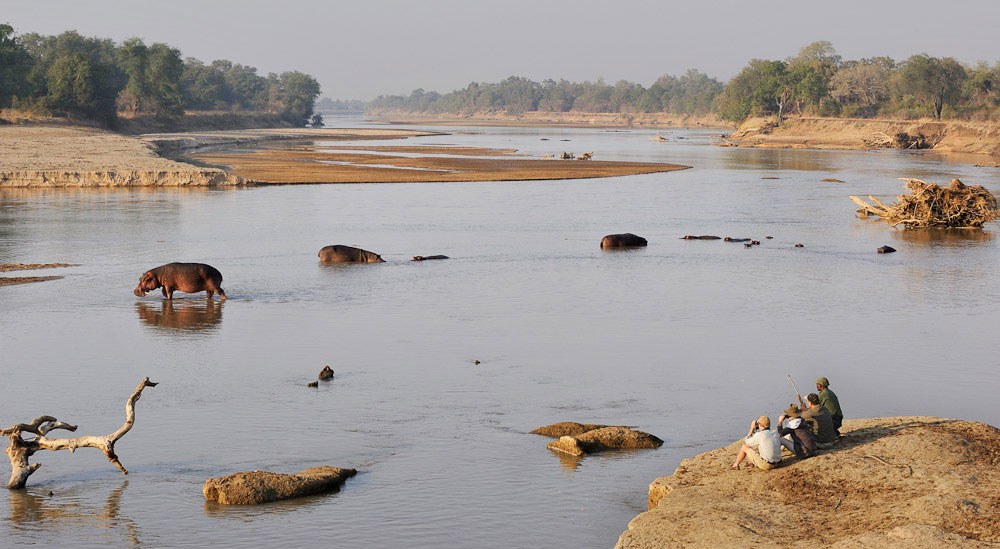
Lower Zambezi & Kafue — Rivers of Game
Best Time for a Big Five Safari in Zambia
Zambia's wildlife rhythm follows the water. In the long dry season the bush thins, the rivers shrink, and animals concentrate along permanent water — ideal for the Big Five. In the green season the valleys transform into a lush wonderland, superb for birds and newborns but harder for game viewing.
| Season | Months | Big Five Viewing | Notes |
|---|---|---|---|
| Peak Dry | Jul–Oct | ★★★★★ Exceptional | Thin bush, wildlife massing on rivers, best leopard night drives, Busanga at its peak |
| Late Dry / Hot | Oct–Nov | ★★★★☆ Very Good | Very hot but superb concentrated game before the rains; excellent value |
| Emerald / Green Season | Dec–Mar | ★★★☆☆ Good | Lush landscapes, newborn game, superb birding, lower rates; some camps close, thicker bush |
| Shoulder | Apr–Jun | ★★★★☆ Very Good | Drying land, improving sightlines, fewer crowds, camps reopening |
Verdict: The dry season (May–October) is objectively the best window for a Big Five safari in Zambia, offering:
- Thinner vegetation and clear sightlines
- Wildlife concentrated on the Luangwa, Zambezi and Kafue rivers
- The finest leopard night drives on the continent at their peak
- Busanga Plains lions and the best access to the rhino sanctuaries
Budget-conscious travellers: the emerald season (December–March) brings lower rates, dramatic skies, newborn animals and outstanding birdlife — just accept taller grass, some camp closures and the possibility of rain.
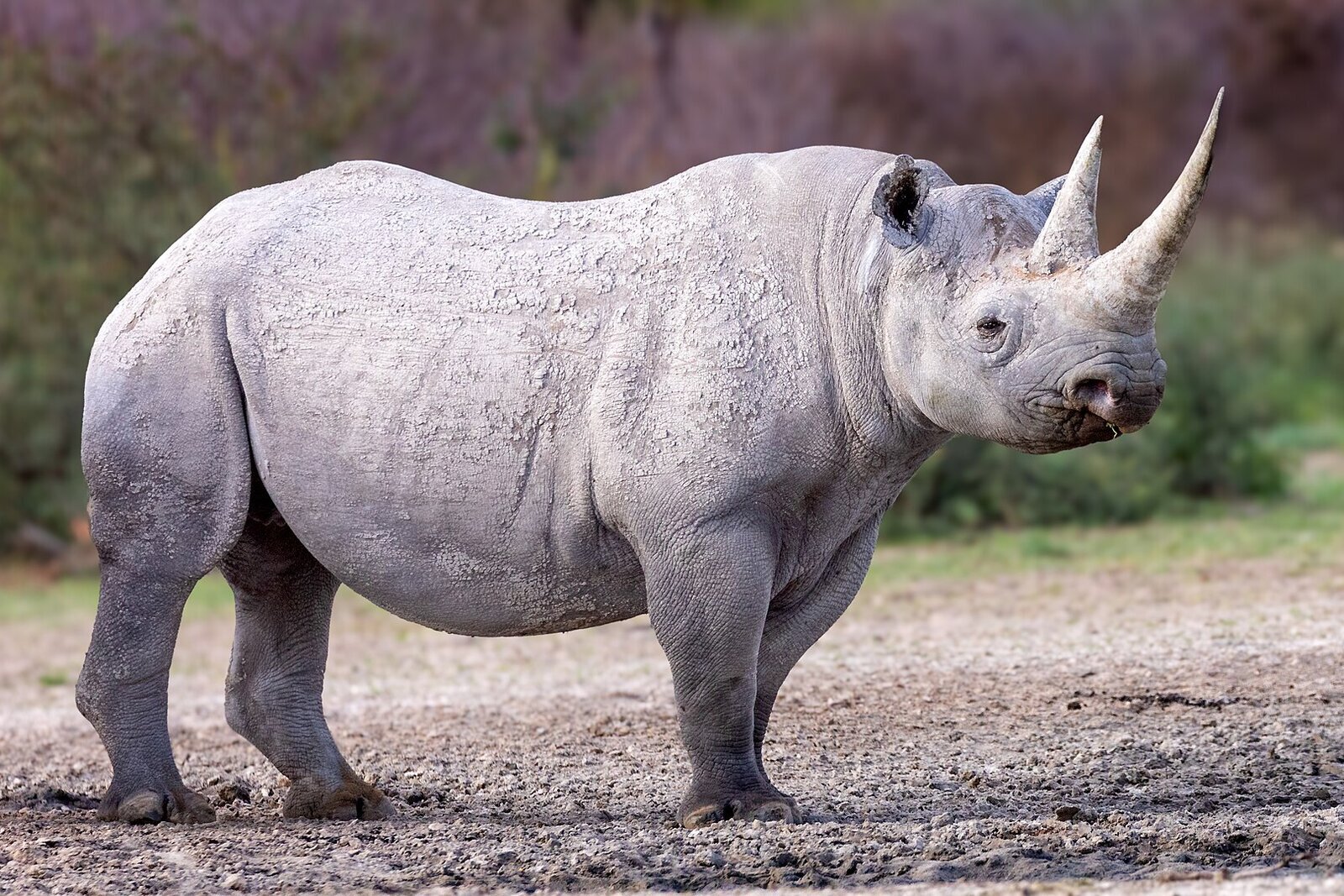
North Luangwa & Mosi-oa-Tunya — Rhino Country
Honest Assessment: Can You See All Big Five in One Zambia Safari?
The honest answer is yes — but you have to plan for the rhino, not hope for it. Here is the reality.
Four of Five is Easy
Lion, leopard, elephant and buffalo are present and reliable across South Luangwa, the Lower Zambezi and Kafue. A few days in Luangwa alone will deliver these four species comfortably — and the leopard viewing will be better than almost anywhere else in Africa.
Rhino is the Fifth Wheel
Because Zambia's rhino were poached out and then reintroduced, they survive only in two protected areas. Unlike Kenya, where fenced sanctuaries make rhino almost guaranteed, Zambia keeps its rhino in a remote wild sanctuary (North Luangwa) and a small guarded park (Mosi-oa-Tunya). To complete the Big Five you must deliberately add one of these to your route.
Where to Complete Your Big Five:
- South Luangwa + Mosi-oa-Tunya (via Victoria Falls) — the easiest all-five route. Luangwa secures leopard, lion, elephant and buffalo; a short stop at Mosi-oa-Tunya beside the Falls adds reliable white rhino. Recommended: 4–5 nights Luangwa plus a Livingstone/Falls stopover.
- South Luangwa + North Luangwa — for purists who want wild black rhino. North Luangwa's black rhino sanctuary is remote and tightly managed, combined with the walking and game viewing of the wider valley. Recommended: 3–4 nights South Luangwa plus a North Luangwa extension.
- Lower Zambezi + Livingstone — canoeing and game among elephant and buffalo on the Zambezi, finished with rhino at Mosi-oa-Tunya near the Falls. Recommended: 3–4 nights Lower Zambezi plus a Falls stopover.
Sample All-Five Itinerary (8 Days):
- Days 1–4: South Luangwa (leopard, lion, elephant, buffalo) — the leopard capital and walking safari heartland
- Days 5–6: Lower Zambezi (elephant, buffalo, lion, canoeing)
- Days 7–8: Livingstone / Mosi-oa-Tunya (white rhino to complete the set, plus Victoria Falls)
This route chains Zambia's strongest Big Five ecosystems and finishes at the one place where the rhino reliably completes the set.
💡 Planning Tip: Zambia's rhino live in tightly protected sanctuaries. For the most reliable sighting, add a guided Mosi-oa-Tunya rhino walk near Victoria Falls, where rangers protect the white rhino around the clock. For wild black rhino, book a specialist North Luangwa operator well in advance — access is limited by design. Never book operators who promise "guaranteed" wild rhino or off-road pursuit — it is both dishonest and harmful.
Sample Big Five Safari Itineraries for Zambia
Classic Luangwa & Falls Big Five (8 Days)
Best for: First-time Big Five seekers, photographers, couples
- Days 1–4: South Luangwa (leopard, lion, elephant, buffalo)
- Days 5–6: Lower Zambezi (elephant, buffalo, lion, canoeing)
- Days 7–8: Livingstone / Mosi-oa-Tunya (white rhino, Victoria Falls)
Why it works: Pairs the finest leopard and predator viewing in Africa (Luangwa) with reliable rhino at Mosi-oa-Tunya, giving the highest realistic chance of all five.
South Luangwa Walking & Wildlife Focus (6 Days)
Best for: Purists, walking-safari enthusiasts, seasoned travellers
- Days 1–3: South Luangwa main area (leopard, lion, elephant, buffalo, night drives)
- Days 4–6: A remote Luangwa bush camp for walking safaris and immersive wilderness
Why it works: Concentrates the trip in the birthplace of the walking safari, delivering superb leopard, lion, elephant and buffalo on foot and by vehicle. Add a Falls or North Luangwa extension to complete the rhino.
Luangwa, Kafue & Zambezi Grand Circuit (11 Days)
Best for: Adventurous travellers, repeat visitors seeking the full range of Zambia
- Days 1–3: South Luangwa (leopard, lion, elephant, buffalo)
- Days 4–6: Kafue / Busanga Plains (tree-climbing lions, vast wilderness)
- Days 7–9: Lower Zambezi (elephant, buffalo, canoeing)
- Days 10–11: Livingstone / Mosi-oa-Tunya (white rhino, Victoria Falls)
Why it works: Showcases Zambia's astonishing range — three great river systems and the Busanga floodplains — while building in the rhino stop to complete the Big Five.
Luxury Fly-In Big Five & Victoria Falls (10 Days)
Best for: Honeymooners, luxury travellers
- Days 1–3: South Luangwa luxury camp (leopard, lion, elephant, buffalo)
- Days 4–6: Lower Zambezi river camp (elephant, buffalo, canoeing, fishing)
- Days 7–8: Kafue / Busanga (lions on the plains)
- Days 9–10: Livingstone (white rhino at Mosi-oa-Tunya and Victoria Falls)
Why it works: Completes the Big Five in Zambia's finest fly-in camps, then finishes at the thundering Victoria Falls — the classic luxury combination.
Luangwa Lodges & Camps — Where to Stay
Big Five Safari Planning Tips for Zambia
Choose the Right Parks and Camps
Main areas vs. remote bush camps: South Luangwa's main sector around Mfuwe offers reliable game and excellent leopard on night drives; remote bush camps deeper in the valley deliver walking safaris and true wilderness. For a Big Five safari, a mix of both is ideal.
Land camps vs. river camps: Luangwa's land camps deliver the leopard, lion and buffalo action; Lower Zambezi river camps add canoeing and elephant-among-islands. Choose Luangwa if the cats are your priority, and add the Zambezi for the water experience.
Hire Expert Guides and Do the Night Drives
Zambian guides are among the best-trained in Africa — the country's walking-safari tradition demands it. To maximise Big Five success:
- Always do the night drives — Zambia pioneered them, and they are the single best way to see leopard hunting
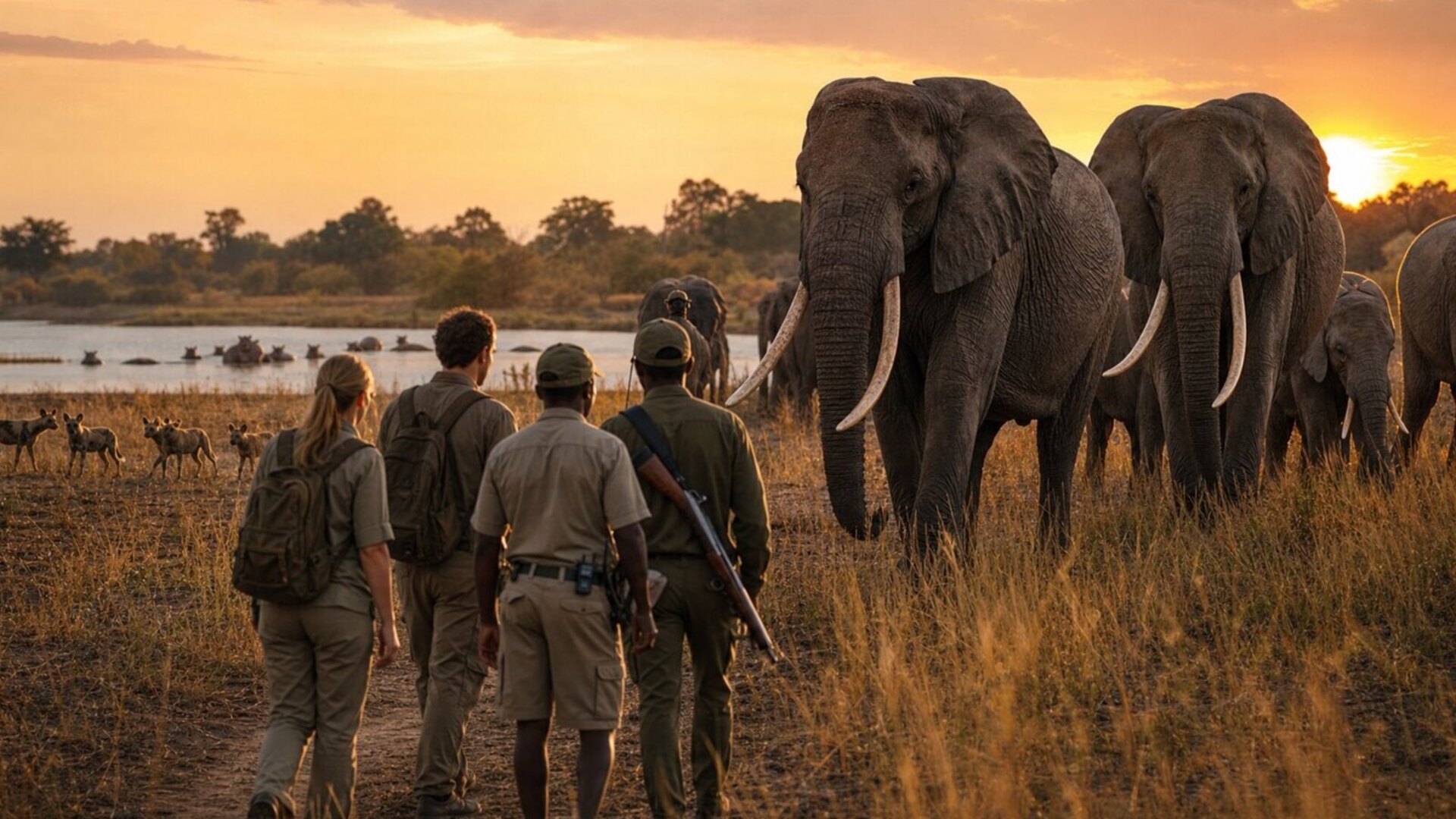
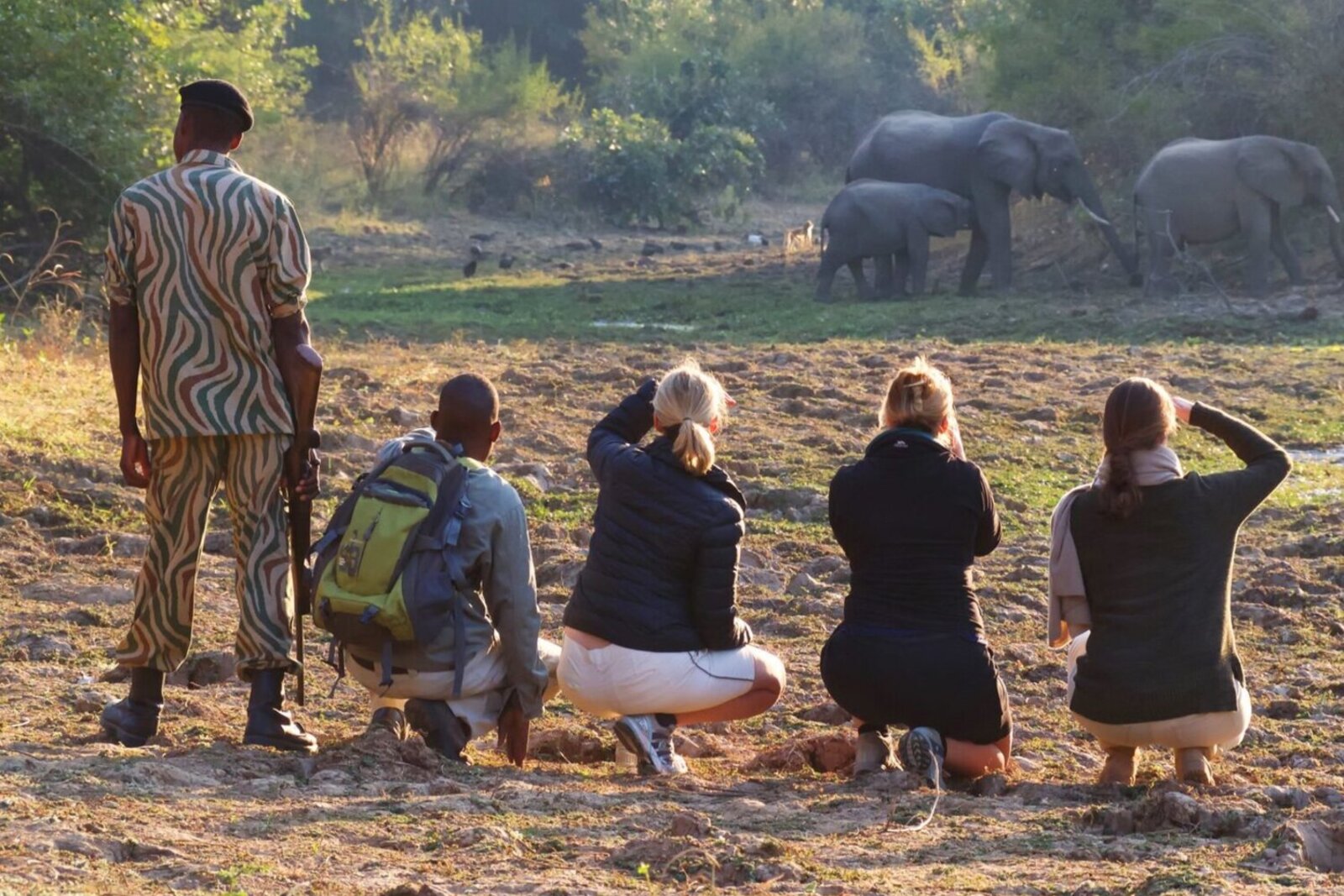
- Walk with an armed guide — reading spoor, dung and alarm calls on foot is a Luangwa specialty
- Trust local knowledge — guides track resident leopard territories and lion prides day to day
Manage Expectations for Rhino
The rhino demands realism in Zambia. Wild black rhino exist only in North Luangwa's remote sanctuary, and reintroduced white rhino only in Mosi-oa-Tunya. For the fifth animal:
- Add a Mosi-oa-Tunya rhino walk near Victoria Falls for the most reliable sighting
- Book a specialist North Luangwa operator far in advance for wild black rhino
- Accept that the other four are the heart of a Zambia safari — the rhino is a deliberate add-on
Pack Appropriately
Big Five safaris in Zambia demand:
- Neutral-coloured clothing (khaki, olive, beige) — essential for walking safaris
- Binoculars — for distant rhino and tree-dwelling leopard
- Camera with telephoto lens — 200mm+ for wildlife photography and night-drive cats
- Layers — dry-season dawns are cold on open vehicles, midday is hot
- Light luggage in soft bags — fly-in bush camps enforce strict weight limits on light aircraft
Respect Safety Protocols
The Big Five earned their name as Africa's most dangerous animals — and Zambia's walking safaris bring you closer than most. Never:
- Walk ahead of or away from your armed guide on a walking safari
- Approach buffalo herds on foot (unpredictable and aggressive when cornered)
- Stand up or make sudden movements during big cat sightings
- Pressure a rhino sighting or share its location — Zambia's rhino are closely guarded for good reason
Support Conservation
Zambia's Big Five — especially its reintroduced rhino — exist thanks to intensive protection and conservation partnerships. Support it by:
- Choosing responsible operators — park and community fees fund anti-poaching and local livelihoods
- Respecting rhino discretion — never post locations or pressure guides for guarantees
- Avoiding unethical operators — never book companies offering off-road pursuit or close-approach rhino "encounters"
Combine with Other Zambia Highlights
Big Five safaris pair beautifully with:
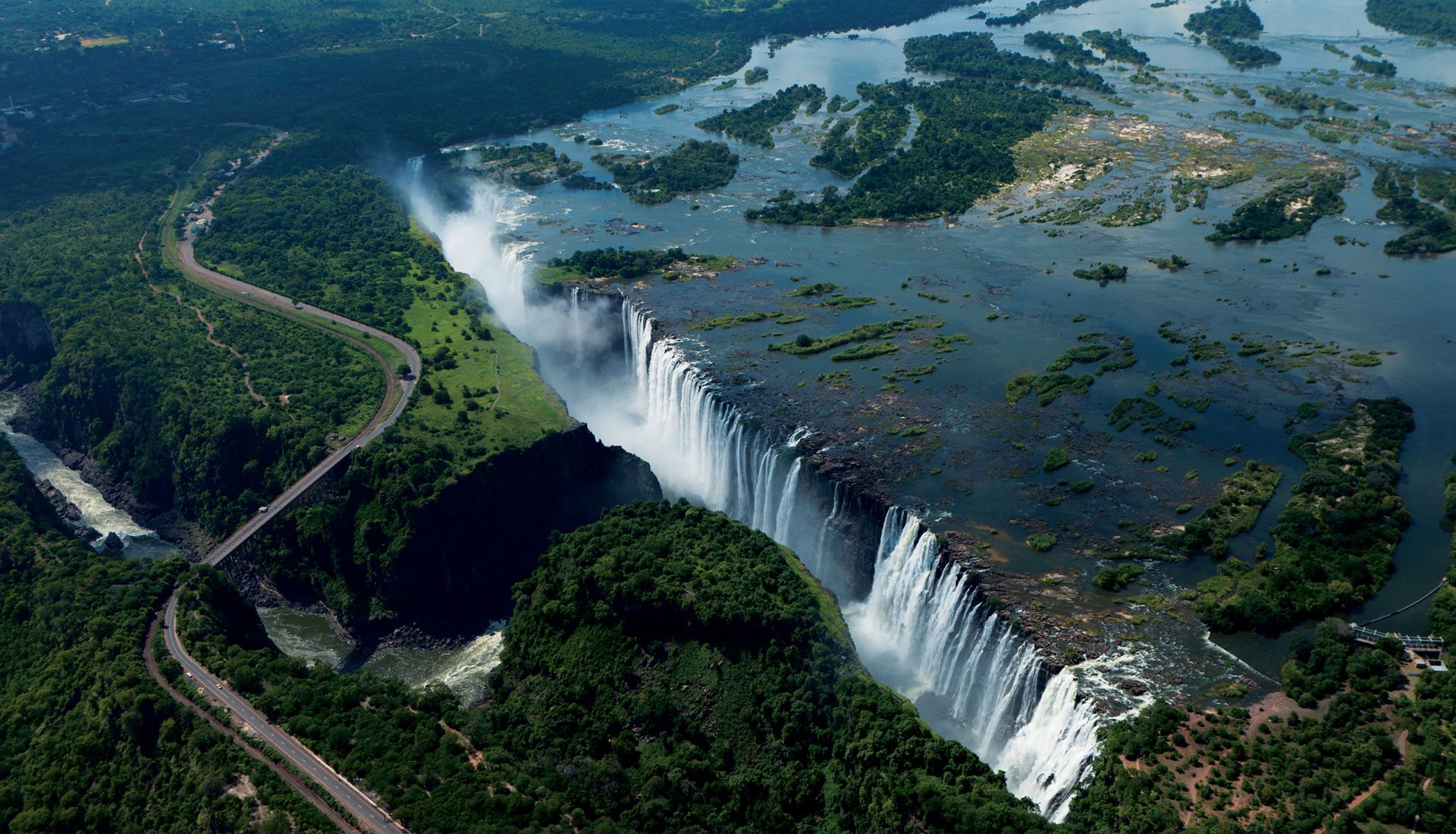
- Victoria Falls (Mosi-oa-Tunya) — one of the Seven Natural Wonders, and the reliable white-rhino stop
- Canoeing the Lower Zambezi — drifting past elephant and hippo at water level
- Walking safaris — Zambia's signature experience, born in the Luangwa Valley
🦁 Already planning your Zambia Big Five safari? Explore our Zambia Safari Tours Guide for pre-designed itineraries, or check How Much Does a Zambia Safari Cost for detailed pricing. For premium experiences, see our Luxury Safari Zambia and Private Safari Tours Zambia articles, or browse the Best Zambia Safari Lodges. Focused on a single park? Start with the South Luangwa Safari Guide or the Ultimate Zambia Travel Guide.
Big Five Safari Zambia: Frequently Asked Questions
Can you see the Big Five in Zambia?
Yes — but with an honest caveat. Lion, leopard, elephant and buffalo are abundant and reliable across South Luangwa, the Lower Zambezi and Kafue, and Zambia's leopard viewing is among the best on Earth. Rhino are the exception: poached to local extinction and since reintroduced, they now live only in North Luangwa (black rhino) and Mosi-oa-Tunya near Victoria Falls (white rhino). To see all five in one trip, add a rhino sanctuary to your route.
Where can you see rhino in Zambia?
There are two places. North Luangwa National Park is a dedicated black rhino sanctuary — the only place in Zambia with wild black rhino, accessible on limited, tightly managed safaris. Mosi-oa-Tunya National Park beside Victoria Falls holds reintroduced white rhino protected around the clock, offering the most reliable rhino sighting in the country. Four of the five come easily; the rhino requires a deliberate add-on.
Which Zambia park is best for seeing the Big Five?
South Luangwa is the finest single park, delivering leopard, lion, elephant and buffalo superbly — it is the leopard capital of Africa and the birthplace of the walking safari. It holds no rhino, however, so to complete all five you combine it with Mosi-oa-Tunya (white rhino, beside Victoria Falls) or a specialist North Luangwa black-rhino safari.
Why is South Luangwa famous for leopard?
South Luangwa holds one of the highest leopard densities in Africa, and Zambia pioneered the night drive, which lets you follow these nocturnal cats into their most active hours. The combination of dense leopard population, riverine woodland habitat and legal spotlit night drives makes Luangwa the best leopard-viewing destination on the continent — sightings of leopard hunting and resting in trees are routine.
What is the best time of year for a Big Five safari in Zambia?
The dry season, roughly May to October, offers the best conditions: thinner vegetation, clear sightlines, and wildlife concentrated on the Luangwa, Zambezi and Kafue rivers. July to October is peak, when leopard night drives are at their best and the Busanga Plains lions are most active. The emerald season (December–March) brings lush scenery, newborn game and superb birding at lower rates, but taller grass and some camp closures make Big Five viewing harder.
How many days do you need for a Big Five safari in Zambia?
Plan on at least 7–8 days to see all five with a good chance. That allows four nights in South Luangwa for leopard, lion, elephant and buffalo, a couple of nights in the Lower Zambezi or Kafue, and a stop at Mosi-oa-Tunya near Victoria Falls to add rhino. Shorter 5–6 day trips focused on Luangwa still deliver four of the five superbly, but leave less room for the rhino.
Is Zambia good for walking safaris?
Zambia is the birthplace of the modern walking safari — the tradition was pioneered by Norman Carr in the Luangwa Valley. Walking with an armed, expert guide, tracking on foot and reading the smaller signs of the bush, is Zambia's signature experience and one of the most immersive ways to encounter elephant, buffalo and the valley's plains game. Big cats are usually watched from vehicles, especially on the celebrated night drives.
Why are rhinos so hard to see in Zambia?
Zambia's rhino were poached to local extinction in the twentieth century. Both black and white rhino have since been reintroduced, but they remain under threat and are therefore confined to two intensively protected areas — North Luangwa for black rhino and Mosi-oa-Tunya for white rhino. Unlike elephant or lion that roam freely, rhino are geographically restricted and closely guarded, which is why they are the hardest of the five to see.
What is the average cost of a Big Five safari in Zambia?
Zambia follows a low-volume, high-value model, so it sits at the premium end. Mid-range safaris typically run about $500–900 per person per night, and luxury fly-in camps from $1,000 to $2,500+ per person per night, including game activities, meals and often park fees. A 7–8 day Big Five safari commonly costs $5,000–12,000+ per person depending on camp choice and season. For detailed breakdowns, see our Zambia Safari Cost guide.
Final Verdict: Zambia Delivers Big Five Safaris with Wilderness and Honesty
Zambia stands among Africa's premier Big Five destinations — on its own uncompromising terms:
- ✅ Four of five with ease — lion, leopard, elephant and buffalo are reliable and often astonishingly intimate
- ✅ The best leopard on Earth — South Luangwa's density plus pioneering night drives are unmatched
- ✅ The birthplace of the walking safari — the most immersive way to meet the Big Five on foot
- ✅ Rhino, honestly told — reintroduced and possible in North Luangwa and Mosi-oa-Tunya, never casual
- ✅ Wild river valleys — the Luangwa, Zambezi and Kafue at their most untamed
The honest answer: Can you see all Big Five in Zambia? Yes — if you plan for the rhino. Build your trip around South Luangwa for the cats and the walking, add the Lower Zambezi or Kafue for more of the four, finish with rhino at Mosi-oa-Tunya near Victoria Falls, travel in the dry season, and the complete set is genuinely achievable.
A Zambia Big Five safari isn't about ticking a checklist in the shortest possible time — it's about a leopard moving through the spotlight on a Luangwa night drive, elephants swimming between Zambezi islands, buffalo crossing the river in a wall of dust, and — if you plan for it — a rhino stepping quietly through a sanctuary that brought it back from the brink.
Ready to plan your Zambia Big Five safari? Browse our curated Zambia Safari Tours Guide, explore the Best Zambia Safari Lodges for accommodation insight, or start with the comprehensive Ultimate Zambia Travel Guide.