Key Takeaways
- Namibia is a rhino superpower. Unlike most Big Five countries, here the rhino is a genuine highlight — Etosha holds one of the world's largest black rhino populations, and Damaraland offers free-roaming desert black rhino tracked on foot.
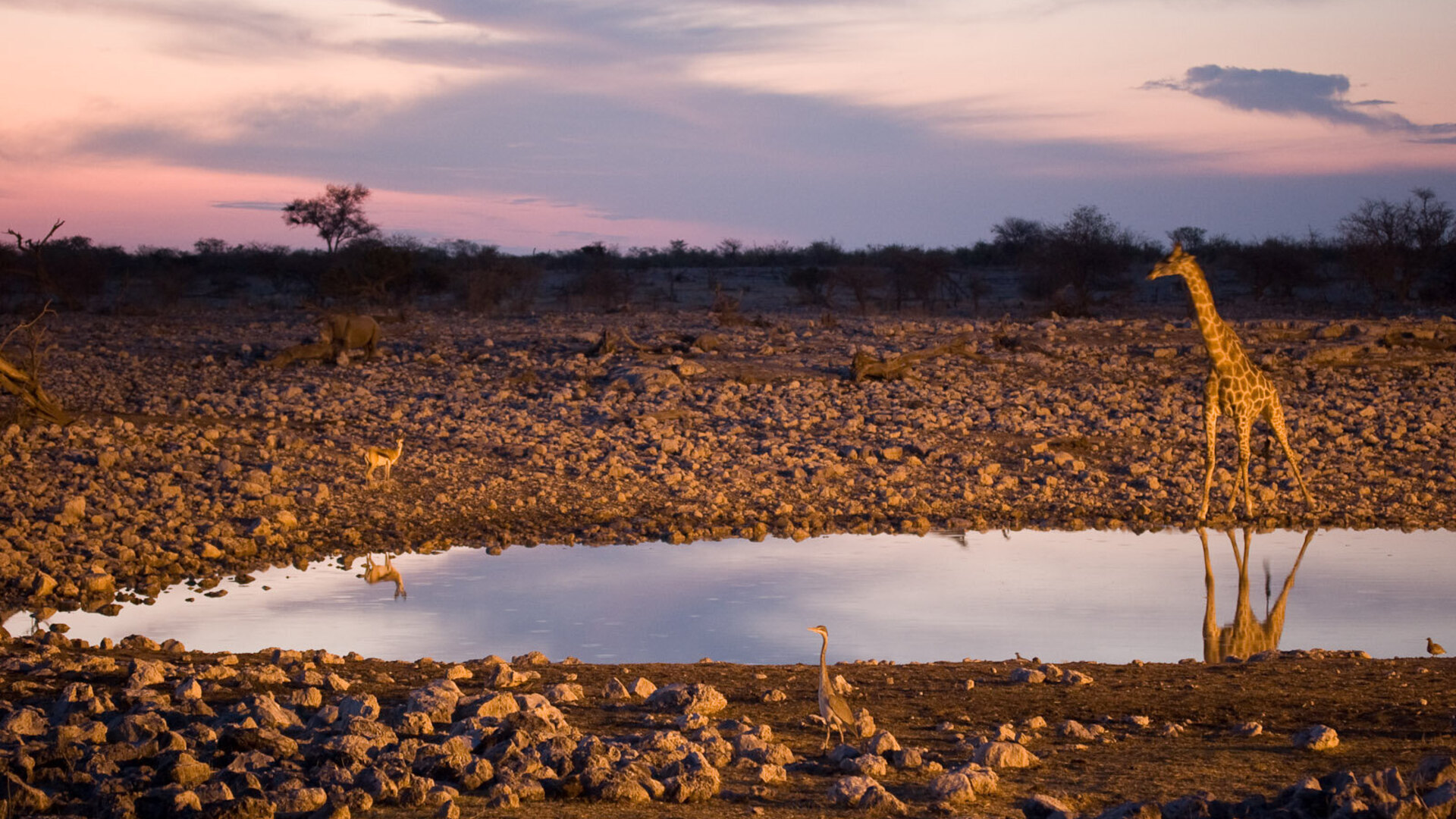
- Etosha delivers four of the five. Lion, leopard, elephant and rhino all live around its floodlit and daytime waterholes, where wildlife comes to you.
- Buffalo is the honest exception. Cape buffalo do not live in arid Etosha — for the fifth animal you head to the lush Zambezi Region (Caprivi) or the Waterberg Plateau.
- Desert-adapted wildlife is a Namibia signature. Damaraland and Kunene hold desert-adapted elephant and lion found almost nowhere else on Earth.
- Best time: the dry season, roughly May to October, when animals mass on Etosha's waterholes.
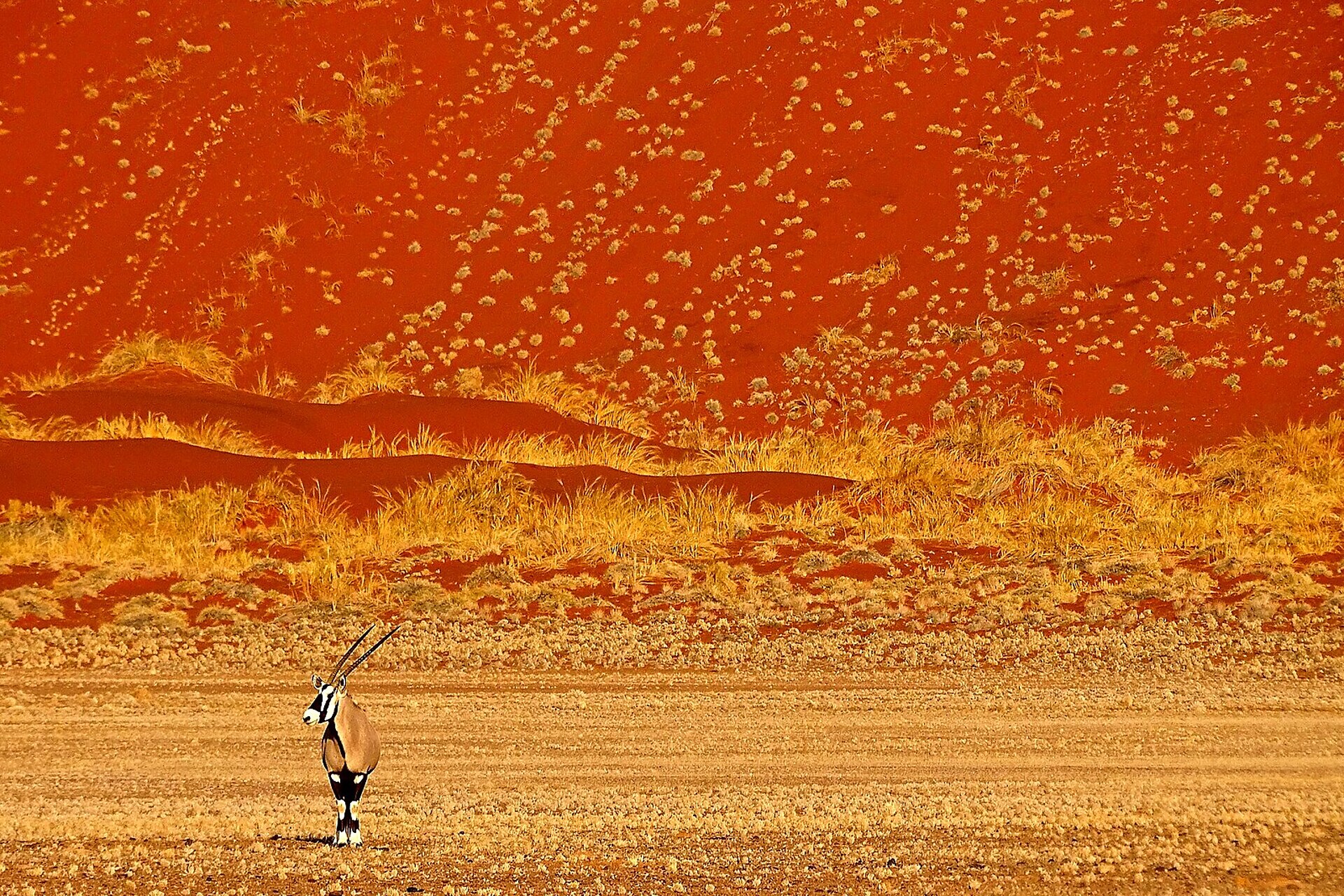
Namibia is a safari country like no other — a land of vast horizons, apricot dunes and floodlit waterholes where the wildlife walks out of the shimmering heat to drink at your feet. For the Big Five safari traveller, it offers something genuinely rare: one of the finest rhino experiences in Africa, alongside excellent lion, leopard and elephant, all set against some of the most cinematic landscapes on the continent. And it does it with space, silence and a self-drive freedom few destinations can match.
But Namibia also demands honesty, because its Big Five picture is unusual. In most safari countries, rhino is the hard-to-find fifth animal. In Namibia, the tables are turned: rhino is a highlight, and buffalo is the deliberate add-on. This guide goes species by species — where each of the five lives, how reliable the sighting is, and how to build a route that genuinely completes the set.
The Big Five in Namibia — Species by Species
Namibia's Big Five are spread across three very different worlds — the great white pan and waterholes of Etosha, the desert mountains of Damaraland and Kunene, and the lush, watery Zambezi Region in the far northeast. Here is the honest picture for each species, with a sighting-reliability rating out of five stars.
🦏 Rhino — ★★★★★ (Namibia's Superpower)
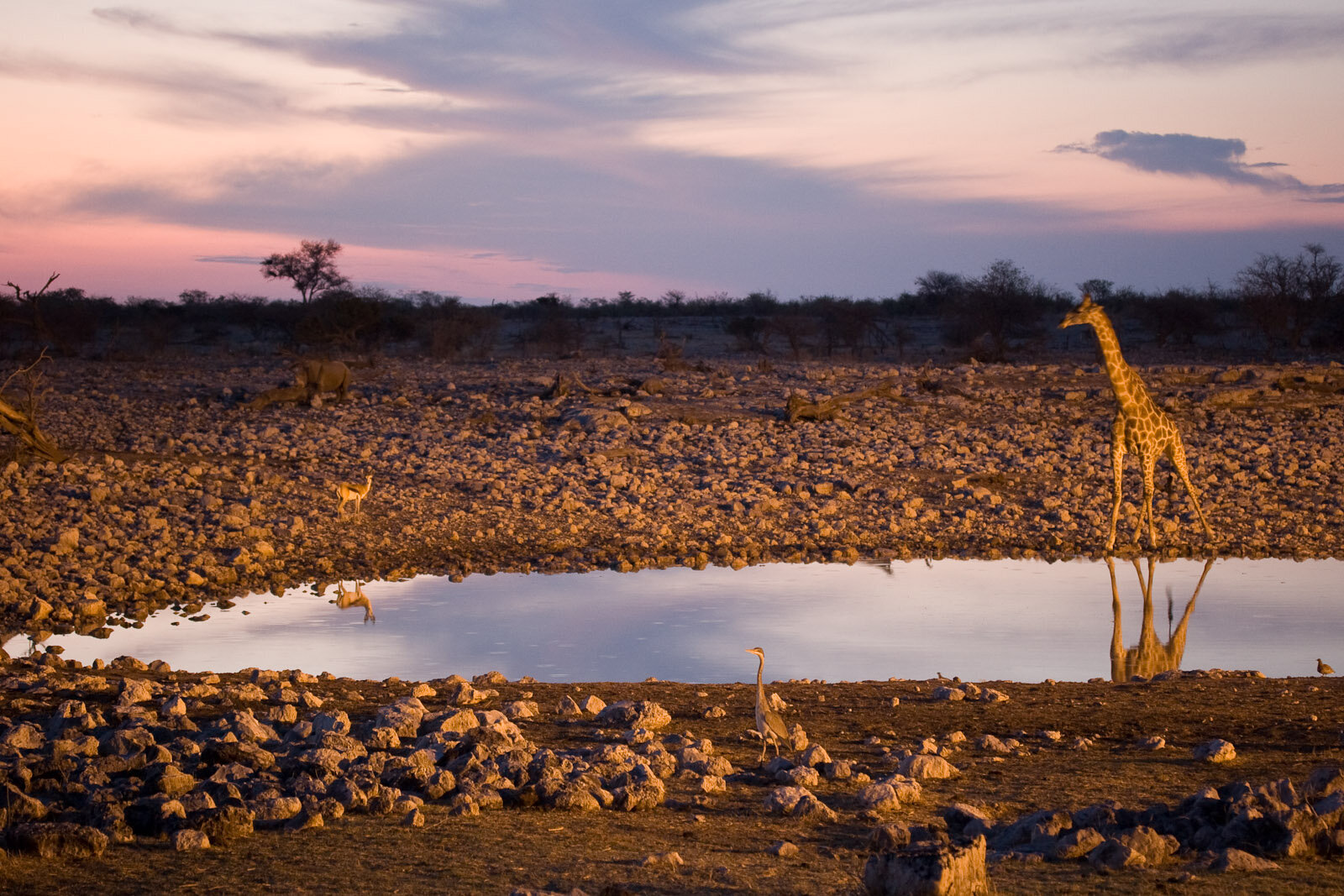
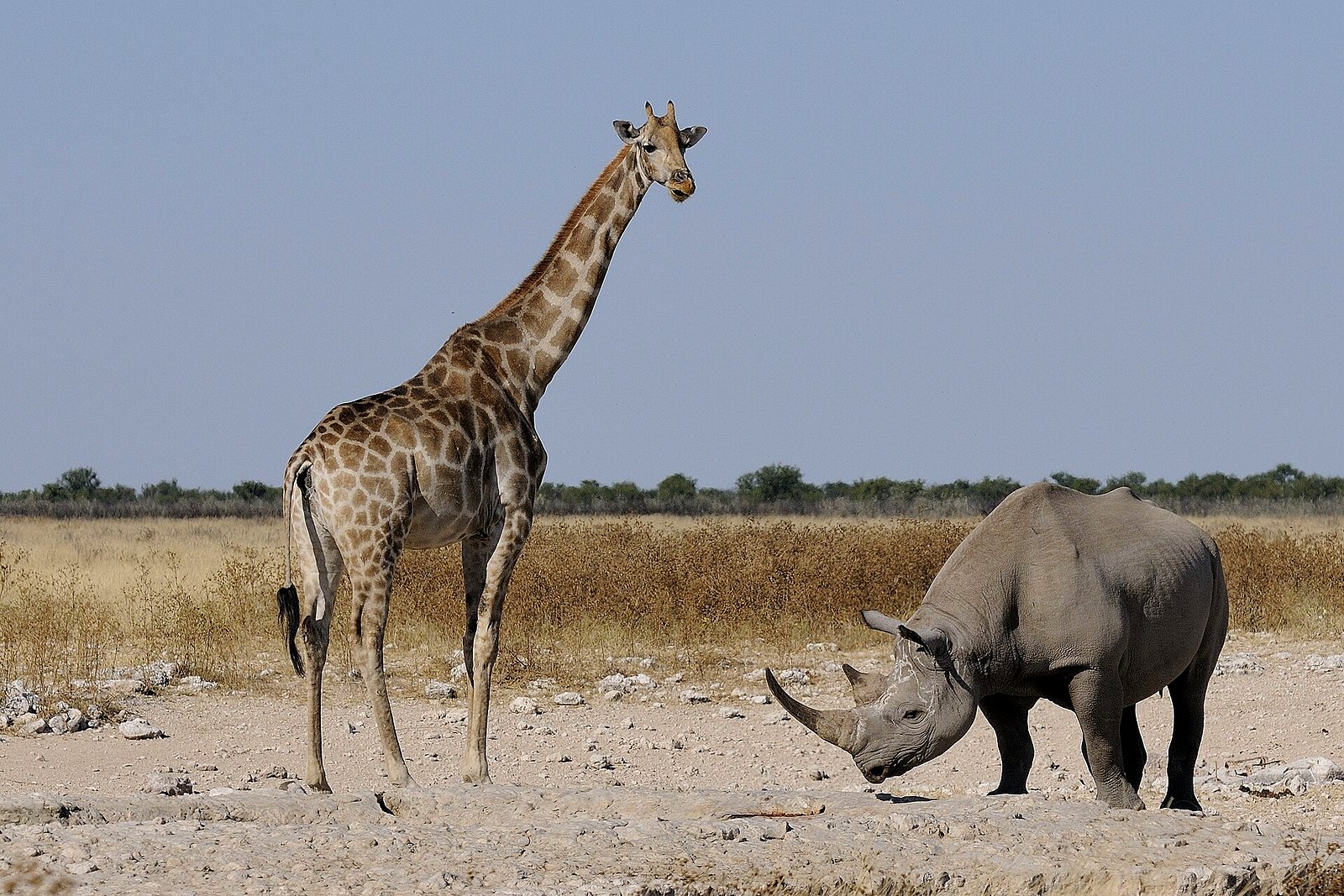
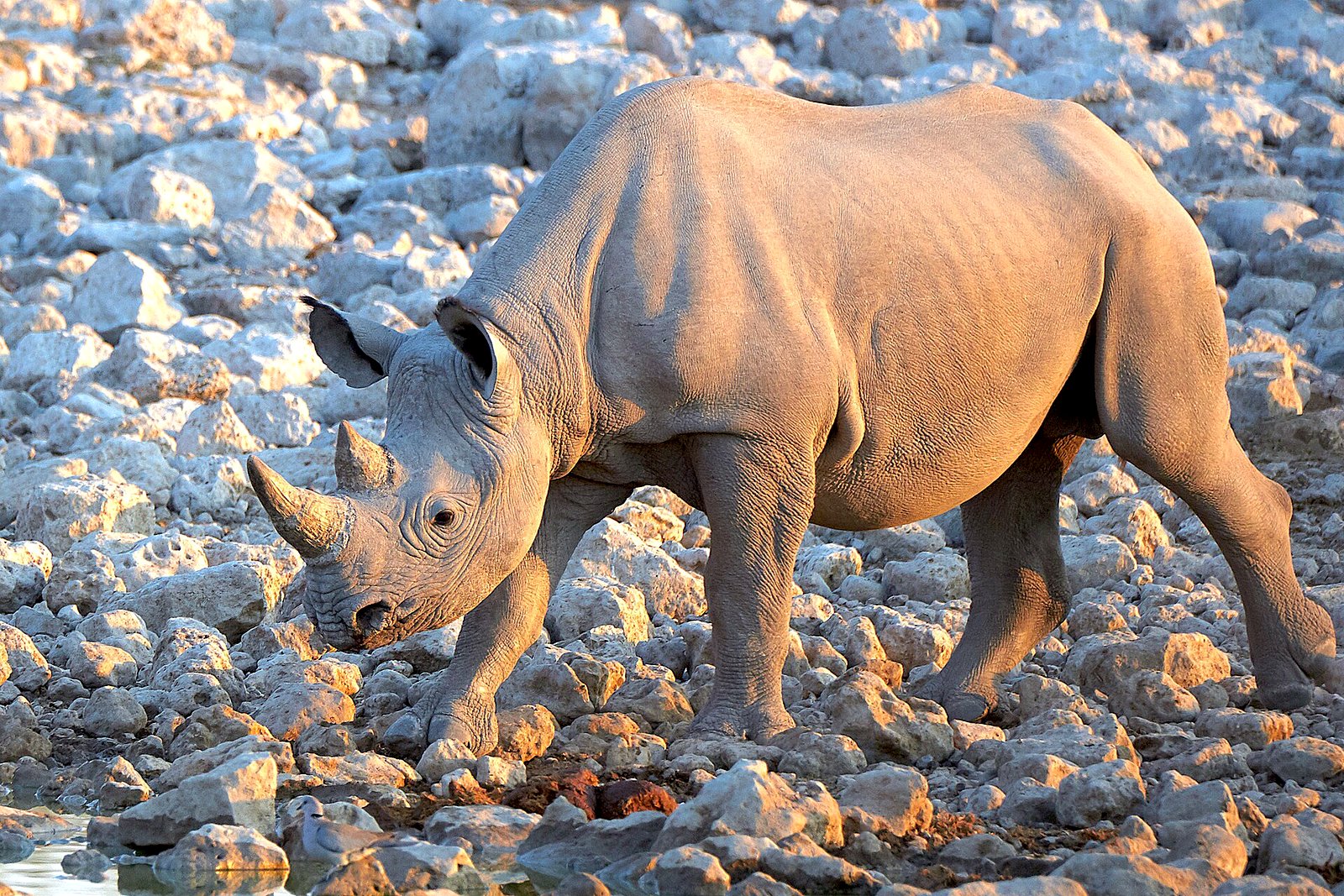
This is where Namibia rewrites the usual Big Five script. The country is one of the world's most important rhino strongholds. Etosha National Park holds one of the largest black rhino populations anywhere, and its floodlit waterholes at camps such as Okaukuejo and Halali are famous for close, quiet night-time rhino sightings. In Damaraland and Kunene, meanwhile, you can track free-roaming desert-adapted black rhino on foot — the last truly wild, unfenced black rhino on Earth, protected by community conservancies and dedicated trackers. White rhino are present too. Nowhere makes the fifth animal feel less like a long shot.
- Best locations: Etosha (floodlit waterholes), Damaraland/Kunene (on foot)
- Best time: Dry season for waterhole action; year-round for desert tracking
- Reality: Outstanding — Namibia is among the best places in Africa to see both black and white rhino.
🐘 Elephant — ★★★★★ (Excellent)
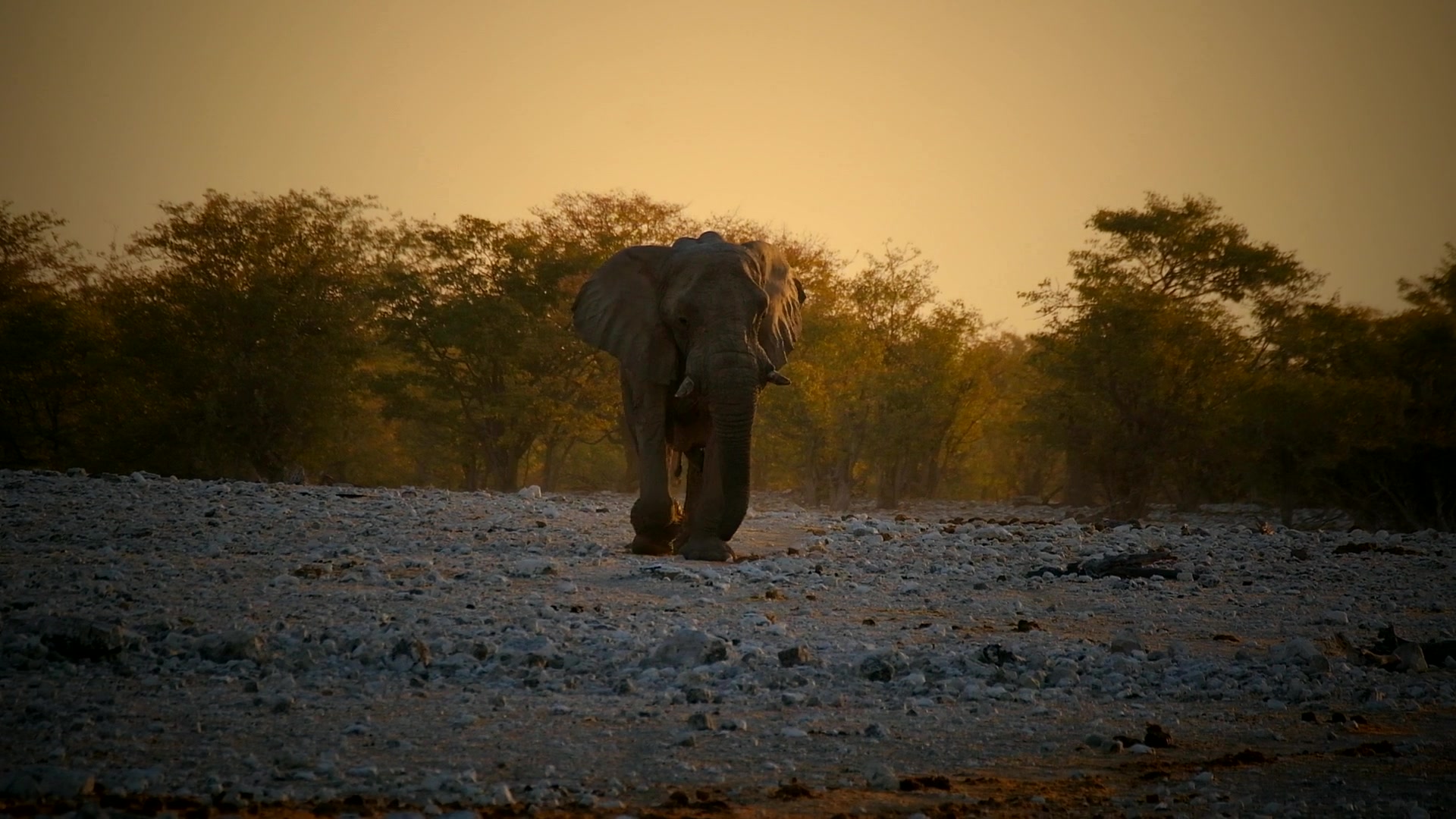
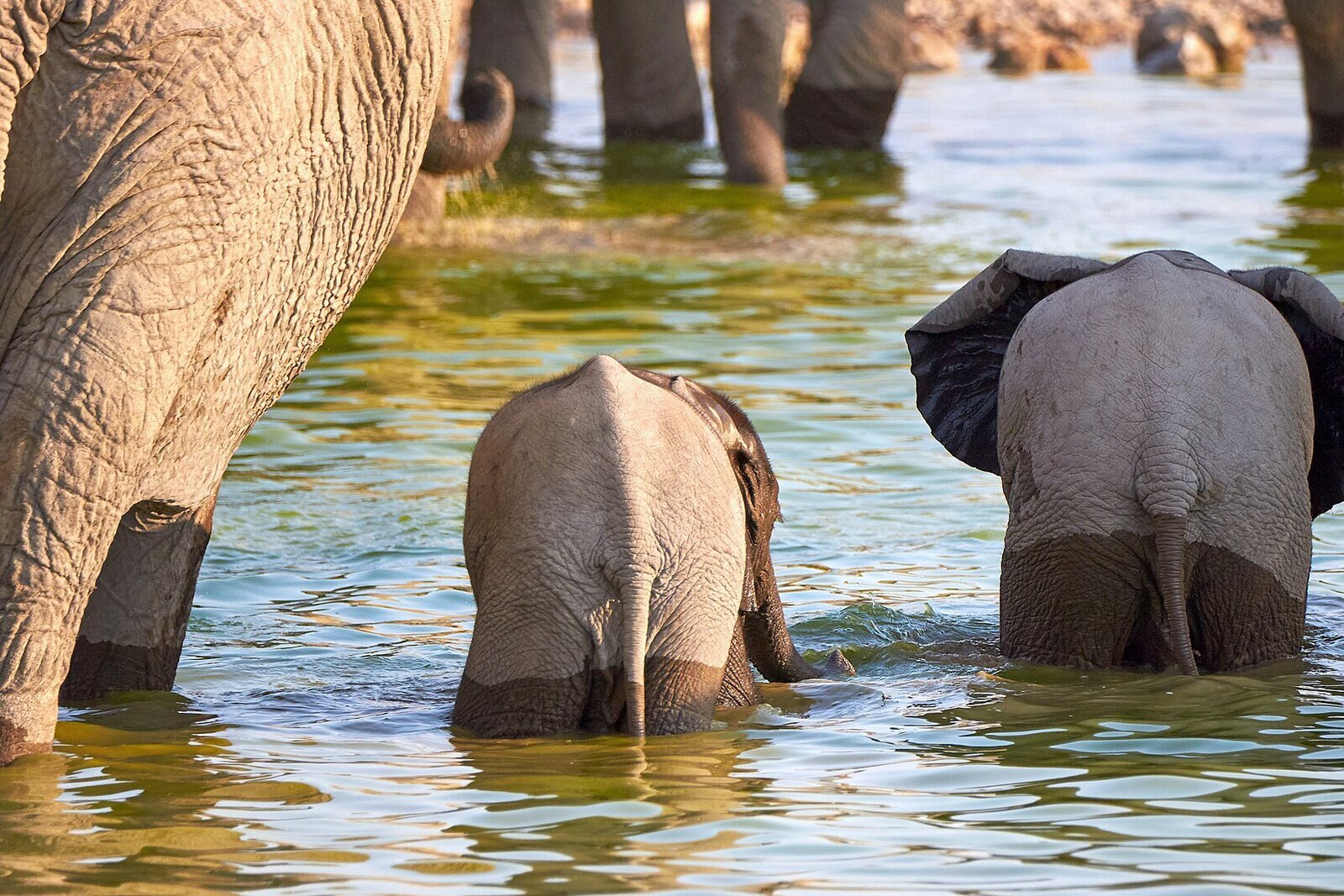
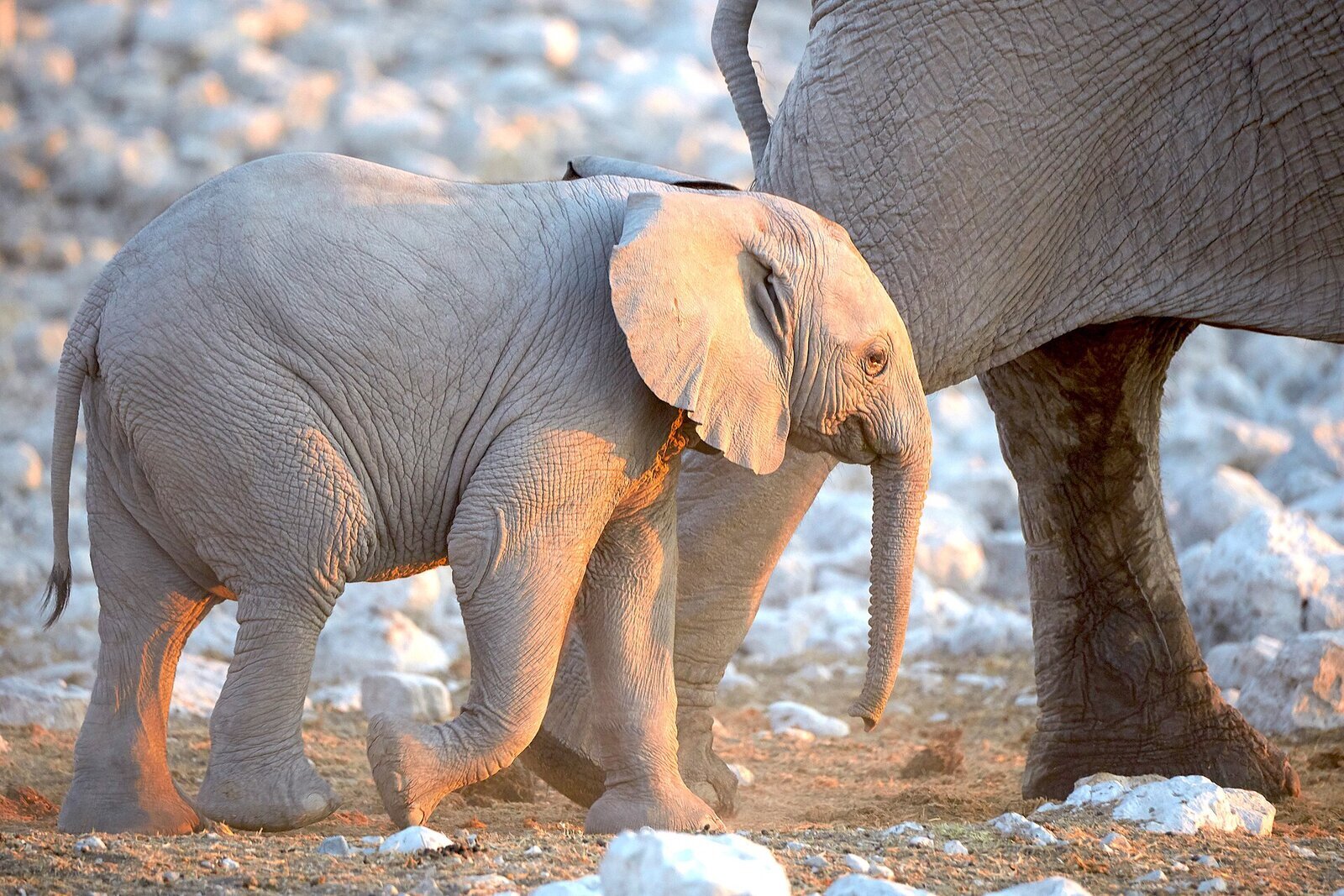
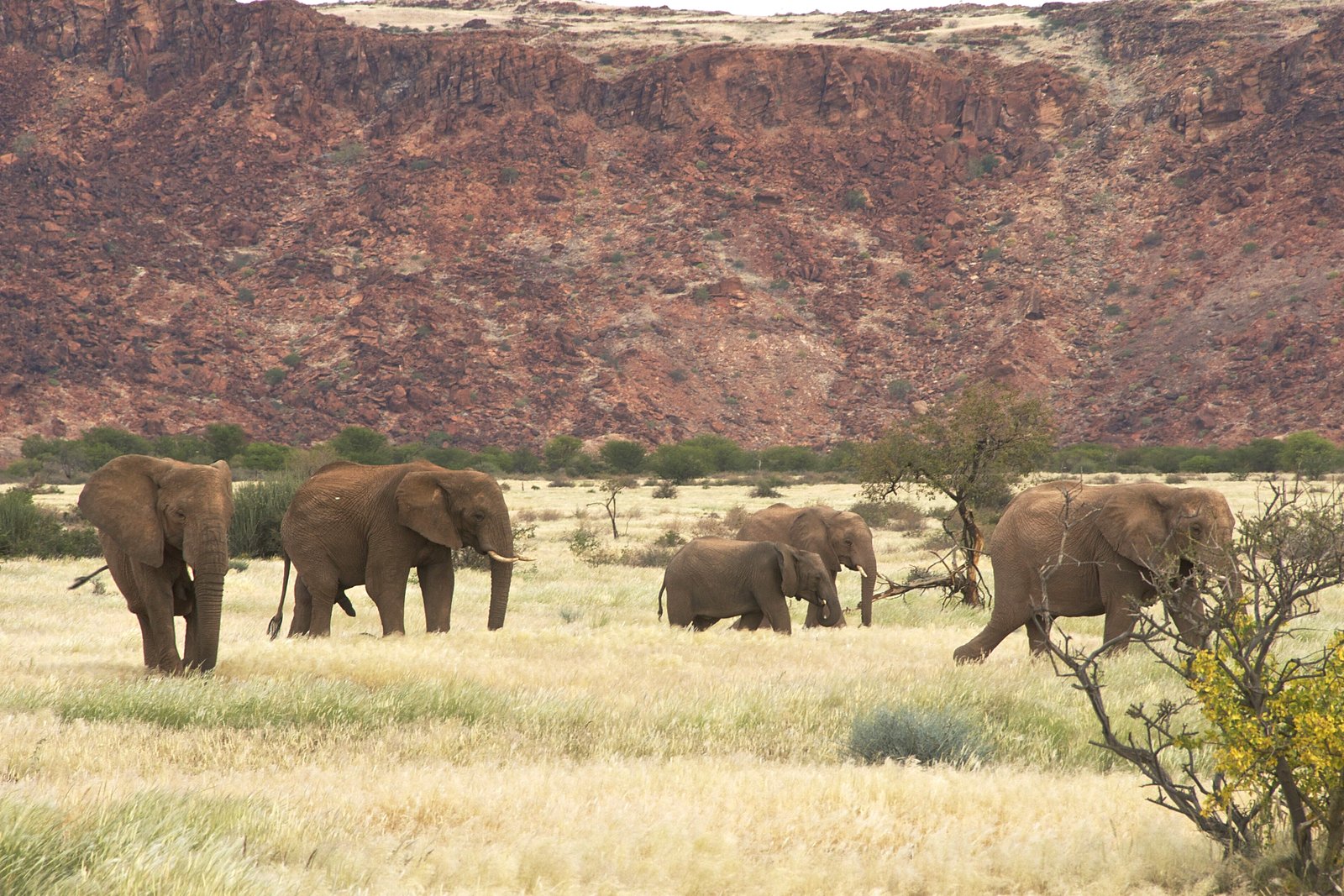
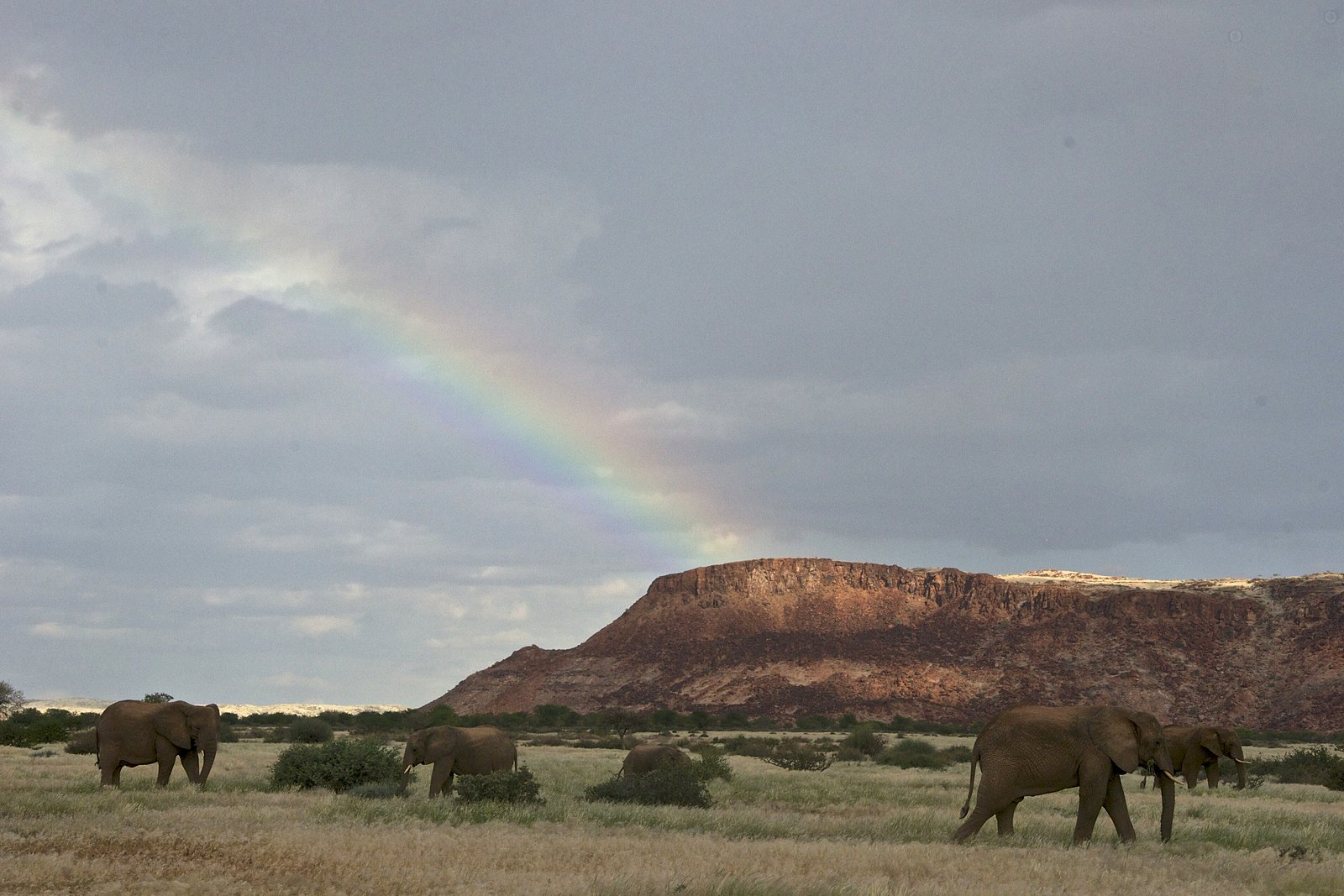
Elephant are abundant and reliable in Namibia. In Etosha, big herds arrive at the waterholes through the dry season, often pale grey-white from dusting in the pan's mineral clay. In Damaraland and the Kunene, the celebrated desert-adapted elephant roam dry riverbeds and gravel plains, travelling huge distances between scarce water — one of the most remarkable elephant populations in the world. You will not miss elephant in Namibia.
- Best locations: Etosha (supreme), Damaraland/Kunene (desert-adapted), Zambezi Region
- Best time: Dry season (Jul–Oct), when herds mass on Etosha's waterholes
- Reality: Excellent and reliable, with the bonus of the world-famous desert elephants.
🦁 Lion — ★★★★☆ (Very Good)
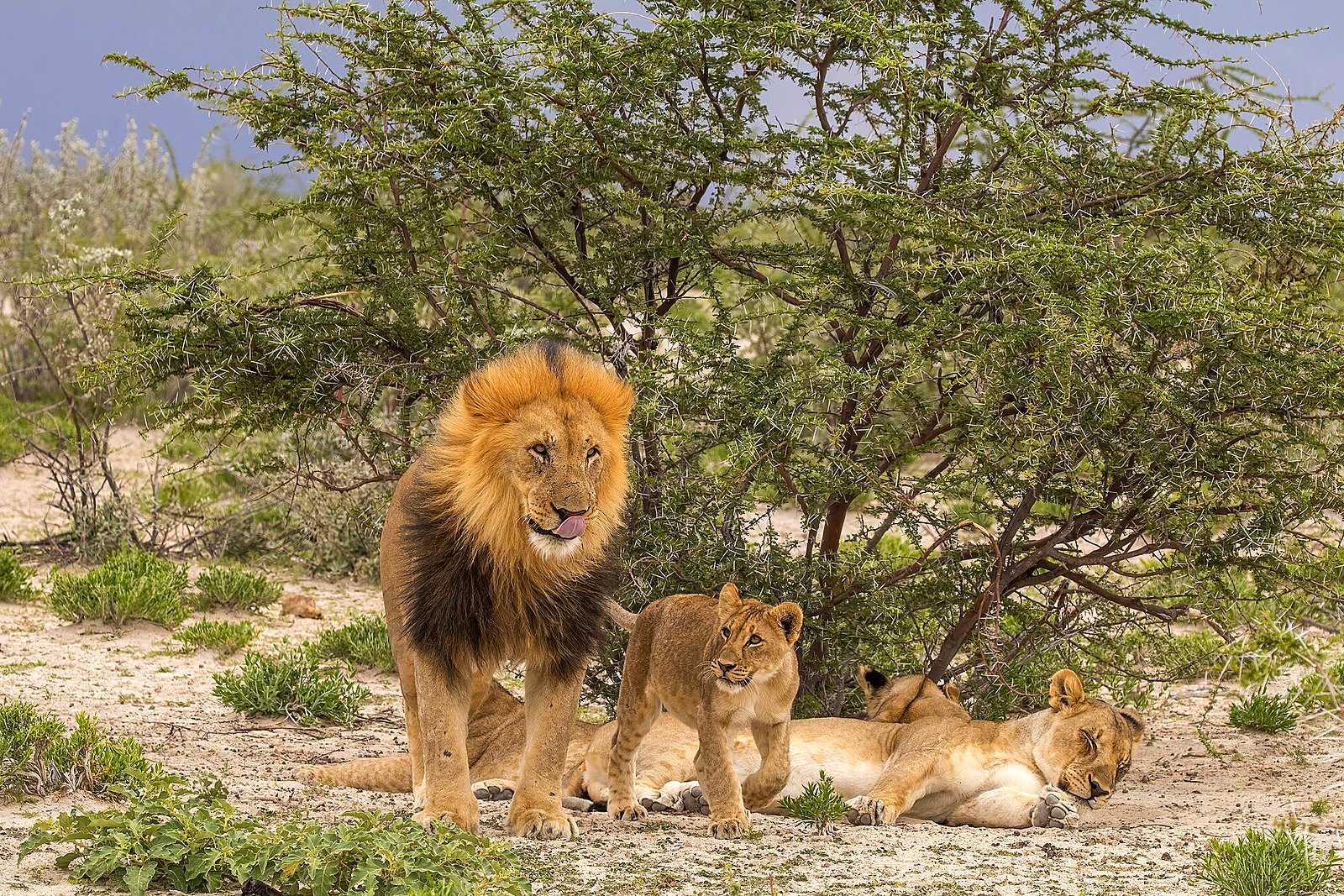
Etosha holds a healthy lion population, regularly seen on the open plains and, most memorably, ambushing game at the waterholes. The park's thin cover and concentrated water make lion sightings reliable in the dry season. Namibia also has one of the planet's most extraordinary lion stories: the desert-adapted lions of the Kunene, which range across the northwest deserts and even down to the Skeleton Coast — rare and hard-won, but unforgettable.
- Best locations: Etosha (supreme), Kunene (desert-adapted), Zambezi Region
- Best time: Dry season for concentrated sightings around water
- Reality: Very good — a few days in Etosha reliably delivers lion around the waterholes.
🐆 Leopard — ★★★☆☆ (Present but Elusive)
Leopard are present across Etosha and much of Namibia, but as everywhere they are shy and largely nocturnal, and the open terrain can make daytime sightings harder-won than in a riverine woodland. The floodlit waterholes give you a genuine chance after dark, and the Waterberg Plateau and private reserves hold good leopard densities. Patience and a sharp-eyed guide tilt the odds in your favour.
- Best locations: Etosha (waterholes at night), Waterberg Plateau, private reserves
- Best time: Dry season for visibility; leopard are resident year-round
- Reality: Present but elusive — treat a leopard sighting as a thrilling bonus rather than a certainty.
🐃 Buffalo — ★★☆☆☆ (The Honest Exception)
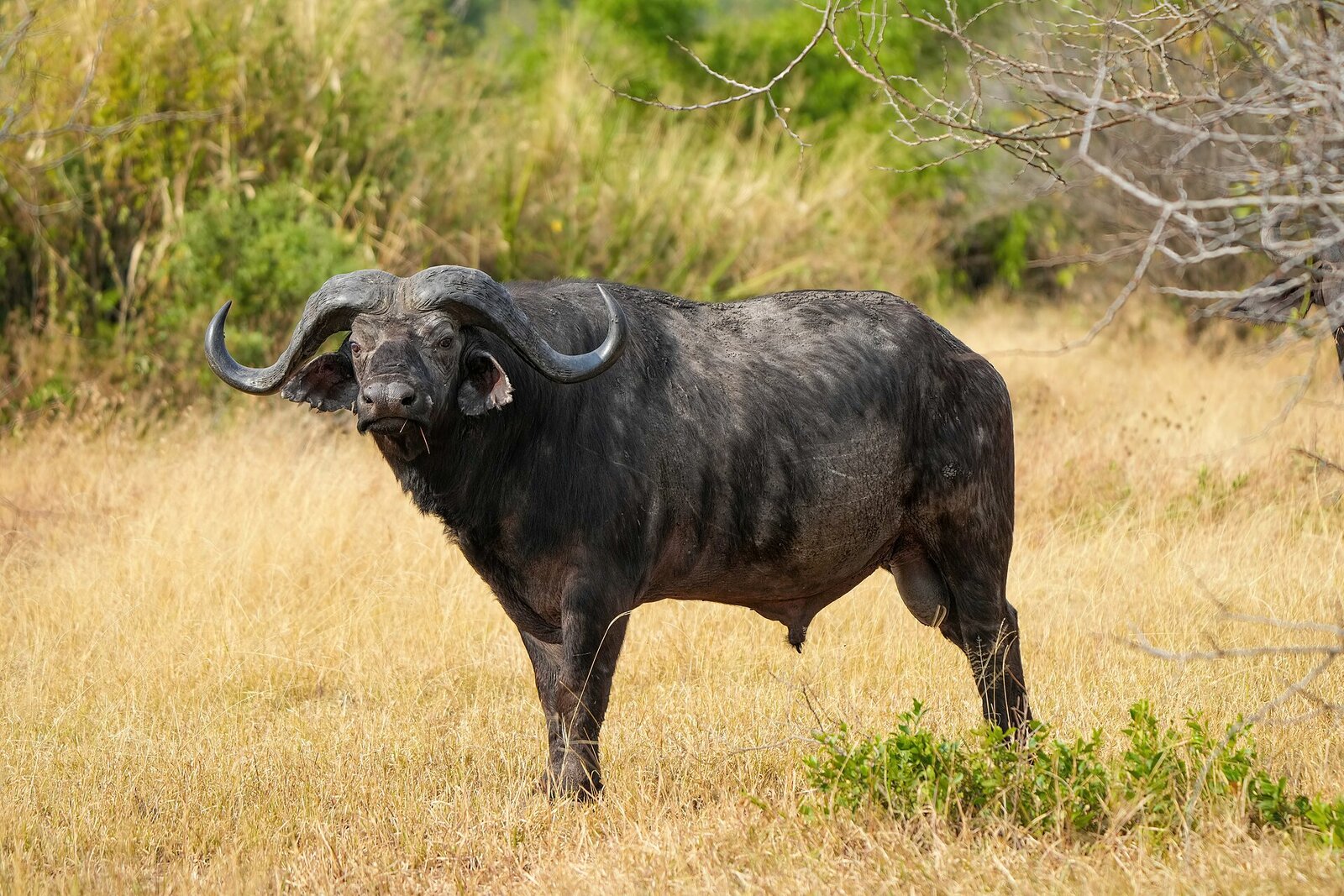
Here is the honest picture, and it is the reverse of most Big Five countries. Cape buffalo need water and grazing, and they do not live in arid Etosha at all. To see buffalo in Namibia you must travel to the country's greener corners:
Realistic buffalo sightings come from two main options:
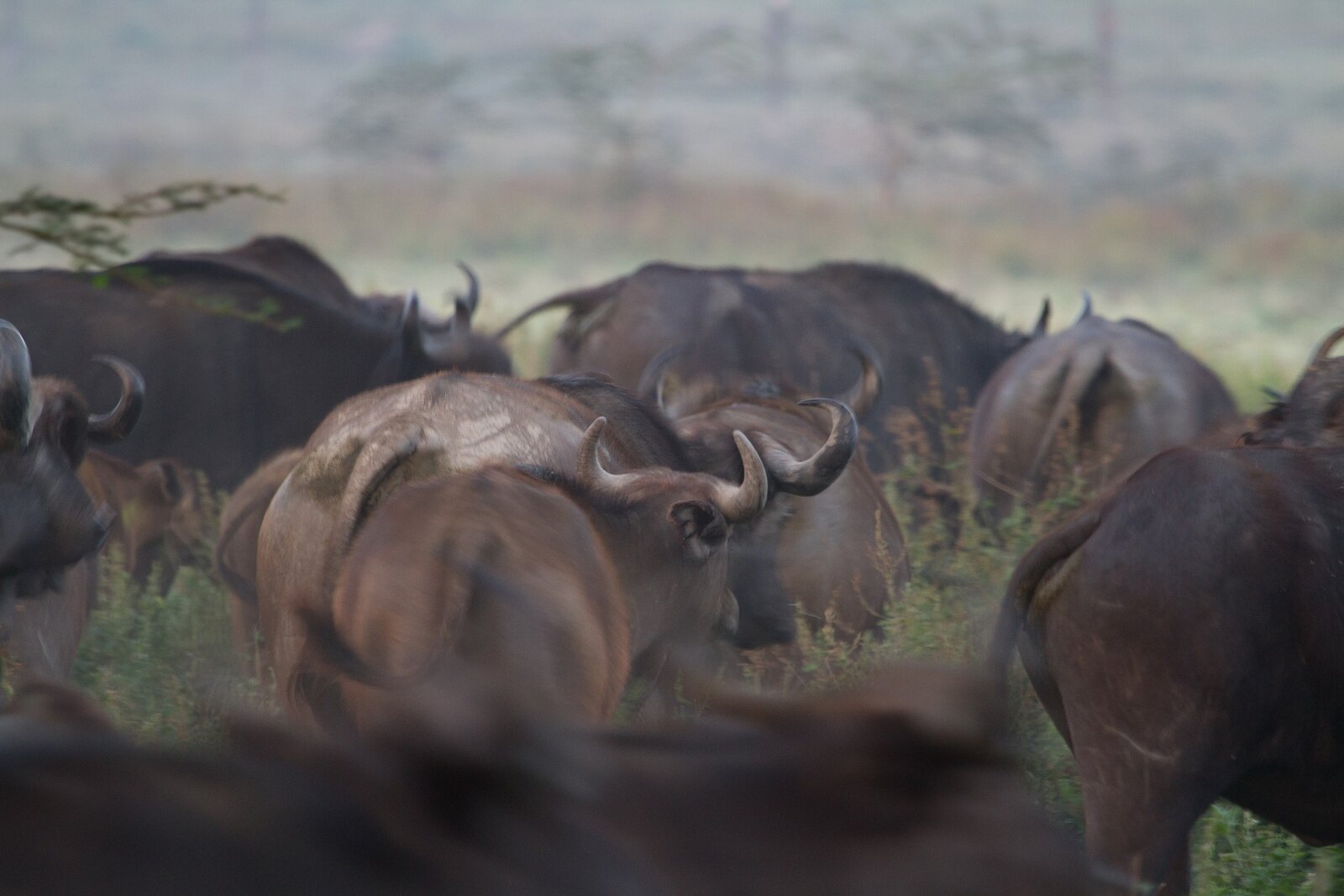
- The Zambezi Region (Caprivi Strip) — the standout. In the lush, watery parks of the far northeast — Bwabwata, Nkasa Rupara and Mudumu — buffalo herds thrive alongside elephant, and this is where Namibia feels like the Okavango. This is the surest place to complete the Big Five.
- The Waterberg Plateau — a reintroduced population lives on this table-mountain reserve, which also holds white rhino, making it a convenient buffalo-and-rhino stop between Windhoek and Etosha.
- Best locations: Zambezi Region (Caprivi), Waterberg Plateau
- Best time: Dry season for concentrated game near water
- Reality: The deliberate add-on — genuinely achievable, but it must be built into your route.
Etosha — Namibia's Waterhole Theatre
Where to See the Big Five: Namibia Region-by-Region
Namibia's regions each play a different role in a Big Five safari. Use this matrix to build a route that stacks the odds in your favour. Stars reflect realistic sighting reliability for each species in each area.
| Region | Lion | Leopard | Elephant | Buffalo | Rhino |
|---|---|---|---|---|---|
| Etosha | ★★★★☆ | ★★★☆☆ | ★★★★★ | ☆☆☆☆☆ | ★★★★★ |
| Damaraland / Kunene | ★★☆☆☆ | ★★☆☆☆ | ★★★★☆ | ☆☆☆☆☆ | ★★★★☆ |
| Zambezi Region (Caprivi) | ★★★☆☆ | ★★★☆☆ | ★★★★★ | ★★★★☆ | ☆☆☆☆☆ |
| Waterberg Plateau | ☆☆☆☆☆ | ★★★☆☆ | ☆☆☆☆☆ | ★★★☆☆ | ★★★☆☆ |
How to read this matrix: Etosha delivers four of the five superbly — lion, leopard, elephant and, above all, rhino — but holds no buffalo. Damaraland/Kunene adds desert-adapted elephant and on-foot desert rhino. For the buffalo, you turn to the Zambezi Region or the Waterberg Plateau. The classic all-five route therefore pairs Etosha with either a Zambezi Region extension or a Waterberg stop.
Damaraland & Kunene — Desert Rhino & Elephant
Best Time for a Big Five Safari in Namibia
Namibia's wildlife rhythm follows the water. In the long dry season the bush thins, the pans and springs shrink, and animals concentrate on permanent water — ideal for the Big Five, especially at Etosha's famous waterholes. In the green season the land greens up, the game disperses, and viewing becomes harder even as the landscapes turn dramatic.
| Season | Months | Big Five Viewing | Notes |
|---|---|---|---|
| Peak Dry | Jul–Oct | ★★★★★ Exceptional | Thin bush, big elephant herds and rhino massing on Etosha's waterholes, superb predator action |
| Late Dry / Hot | Oct–Nov | ★★★★☆ Very Good | Very hot but spectacular concentrated game at the last waterholes before the rains |
| Green / Rainy Season | Dec–Mar | ★★★☆☆ Good | Lush landscapes, newborn game, superb birding, dramatic skies; game disperses from the waterholes |
| Shoulder | Apr–Jun | ★★★★☆ Very Good | Drying land, improving sightlines, fewer crowds, pleasant temperatures |
Verdict: The dry season (May–October) is objectively the best window for a Big Five safari in Namibia, offering:
- Thinner vegetation and clear sightlines across Etosha's pans
- Elephant, rhino and plains game concentrating on the pumped and spring-fed waterholes
- Active predators and excellent floodlit-waterhole viewing after dark
- Ideal, cooler conditions for tracking desert rhino on foot in Damaraland
Budget-conscious travellers: the green season (December–March) brings lower rates, dramatic skies, newborn animals and outstanding birdlife — just accept dispersed game and thicker cover that make waterhole viewing less concentrated.
Zambezi Region & Waterberg — Where the Buffalo Are
Honest Assessment: Can You See All Big Five in One Namibia Safari?
The honest answer is yes — but Namibia's all-five is a different puzzle from most, because the hard animal is buffalo, not rhino. Here is the reality.
Four of Five Come Together Superbly
Lion, leopard, elephant and rhino are all found around Etosha and the northwest — and, remarkably, the rhino is among the easiest and most memorable of the four. A few days in Etosha reliably delivers elephant, lion and black rhino, with a genuine chance of leopard at the floodlit waterholes. Add Damaraland for desert elephant and on-foot desert rhino and the northwest alone gives you four of the five in spectacular fashion.
Buffalo is the Deliberate Add-On
Because buffalo do not live in arid Etosha, the fifth animal calls for a specific stop. The best answer is the Zambezi Region (Caprivi Strip), where the lush parks of the far northeast hold thriving buffalo herds — or the Waterberg Plateau, a convenient buffalo-and-rhino reserve between Windhoek and Etosha. Build one of these into your route and the Big Five is genuinely complete.
Where to Complete Your Big Five:
- Etosha + Waterberg — the most convenient all-five route. Etosha secures lion, leopard, elephant and rhino; the Waterberg adds buffalo (and more rhino) en route from Windhoek. Recommended: 3–4 nights Etosha plus 2 nights Waterberg.
- Etosha + Zambezi Region — the wildest all-five route, pairing Etosha's waterholes with the water-rich Caprivi for big buffalo herds. Recommended: 3–4 nights Etosha, 3 nights Zambezi Region.
- Etosha + Damaraland + Waterberg — the grand northwest circuit: Etosha's four, Damaraland's desert rhino and elephant, and a Waterberg buffalo finale. Recommended: 3 nights Etosha, 2–3 nights Damaraland, 2 nights Waterberg.
Sample All-Five Itinerary (9 Days):
- Days 1–2: Waterberg Plateau (buffalo, white rhino) — a gentle start from Windhoek
- Days 3–6: Etosha (lion, leopard, elephant, black rhino) — the waterhole theatre
- Days 7–9: Damaraland (desert-adapted elephant and on-foot desert rhino)
This route chains Namibia's strongest Big Five ecosystems and builds in the Waterberg buffalo stop that completes the set.
💡 Planning Tip: For the most reliable buffalo without the long haul to the Caprivi, add the Waterberg Plateau — a reintroduced buffalo and white rhino reserve that sits neatly between Windhoek and Etosha. For the ultimate rhino experience, book a guided desert rhino tracking outing in Damaraland with a community conservancy; never choose operators who publish rhino locations or promise off-road pursuit, as this endangers the animals.
Sample Big Five Safari Itineraries for Namibia
Classic Etosha & Waterberg Big Five (9 Days)
Best for: First-time Big Five seekers, self-drivers, families
- Days 1–2: Waterberg Plateau (buffalo, white rhino)
- Days 3–6: Etosha (lion, leopard, elephant, black rhino)
- Days 7–9: Damaraland (desert-adapted elephant, on-foot desert rhino)
Why it works: Pairs Etosha's superb four-species waterhole viewing with a Waterberg buffalo stop and Damaraland's desert wildlife, giving the highest realistic chance of all five.
Etosha & Zambezi Region Wild Circuit (10 Days)
Best for: Adventurous travellers, birders, seasoned safari-goers
- Days 1–4: Etosha (lion, leopard, elephant, black rhino)
- Days 5–7: Zambezi Region / Caprivi (buffalo, elephant, water-based wildlife)
- Days 8–10: A riverfront camp on the Kwando or Chobe frontage for more buffalo and elephant
Why it works: Combines Etosha's four with the water-rich Caprivi, Namibia's surest place for big buffalo herds — a genuine all-five in the country's wildest corner.
Grand Namibia Big Five & Desert Circuit (13 Days)
Best for: Repeat visitors, photographers seeking the full range of Namibia
- Days 1–2: Waterberg Plateau (buffalo, white rhino)
- Days 3–6: Etosha (lion, leopard, elephant, black rhino)
- Days 7–9: Damaraland (desert elephant, on-foot desert rhino)
- Days 10–13: Sossusvlei and the Namib dunes (the great desert landscapes)
Why it works: Showcases Namibia's astonishing range — plateau, pan, desert mountains and the world's oldest dunes — while completing the Big Five along the way.
Luxury Fly-In Big Five & Namib (10 Days)
Best for: Honeymooners, luxury travellers
- Days 1–3: Etosha luxury lodge (lion, leopard, elephant, black rhino)
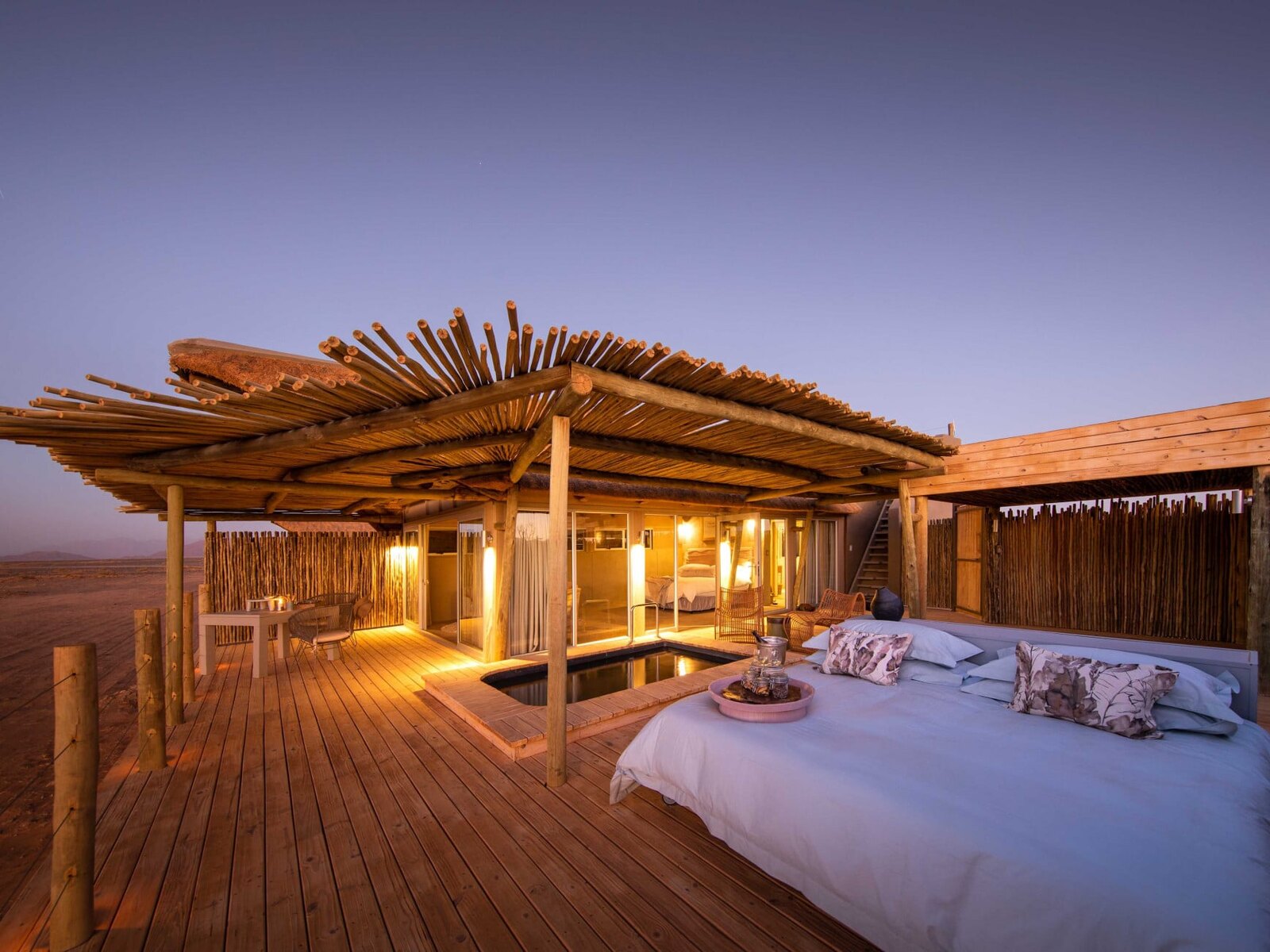
- Days 4–6: Damaraland desert camp (desert elephant, on-foot rhino tracking)
- Days 7–8: Waterberg or a private reserve (buffalo, white rhino)
- Days 9–10: Sossusvlei fly-in camp (the great dunes)
Why it works: Completes the Big Five in Namibia's finest fly-in camps, then finishes among the apricot dunes of the Namib — the classic luxury combination.
Namibia Lodges & Camps — Where to Stay
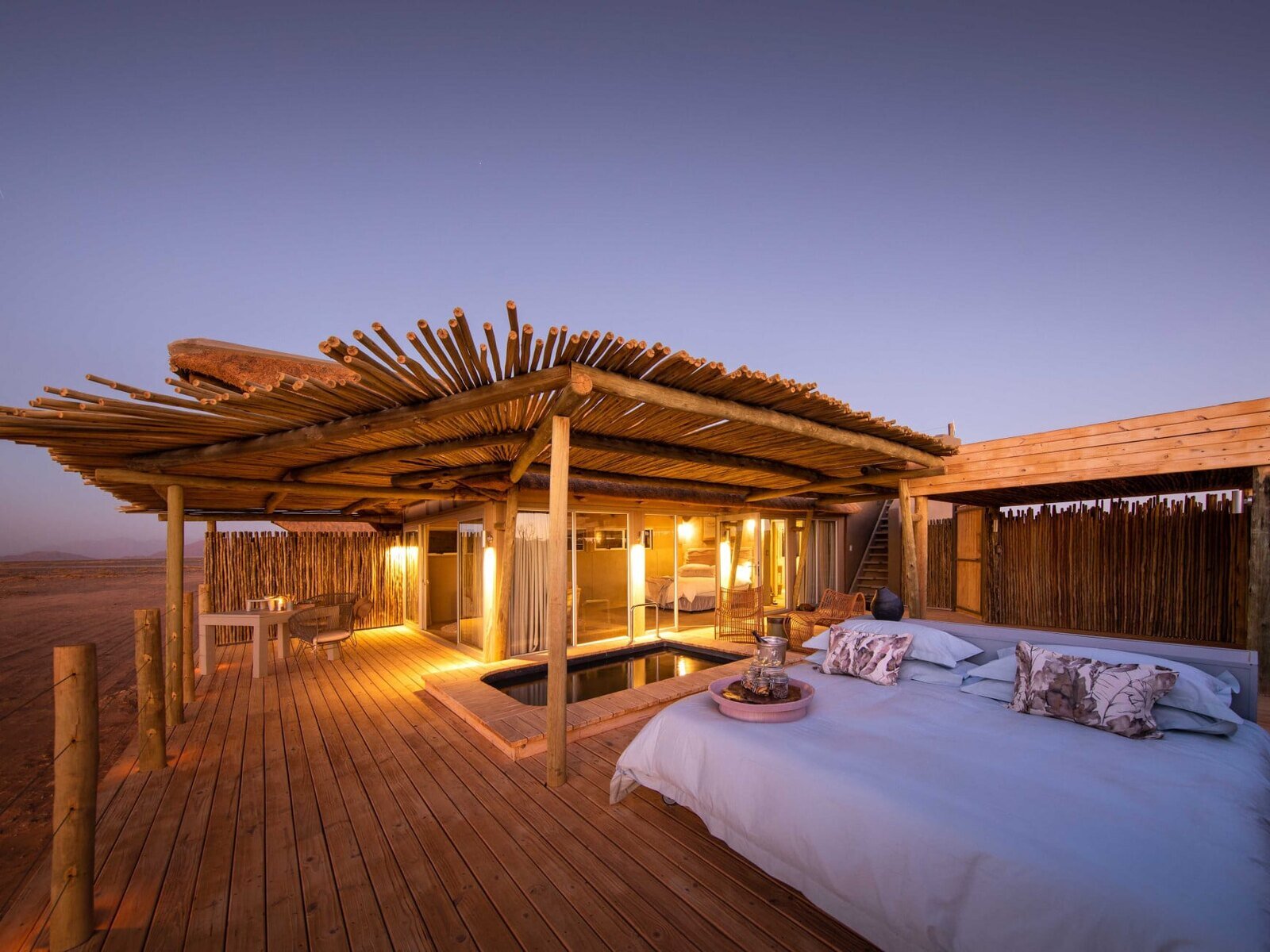
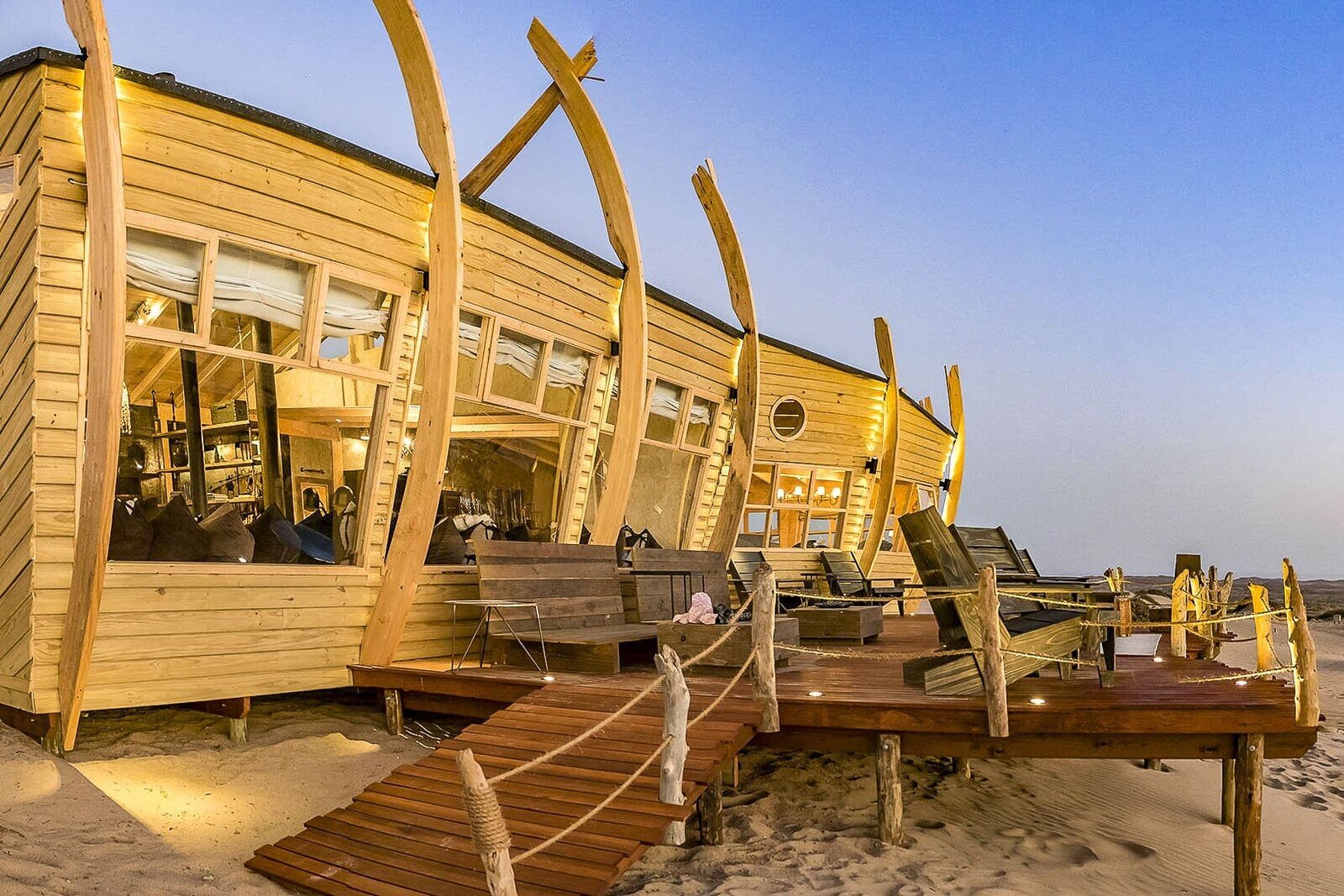
Big Five Safari Planning Tips for Namibia
Choose the Right Regions
Waterholes vs. buffalo country: Etosha's game revolves around its waterholes, where lodges positioned on productive pans deliver superb dry-season viewing of four species — but not buffalo. For the fifth animal, plan a deliberate stop in the Zambezi Region or the Waterberg. For a Big Five safari, combining Etosha with one of these is essential.
Etosha vs. the desert northwest: Etosha delivers four of the five at its waterholes; Damaraland and Kunene add the extraordinary desert-adapted elephant and on-foot desert rhino, plus landscapes found nowhere else. A route that links Etosha with the northwest is the surest path to a rich, varied safari.
Consider Self-Drive vs. Guided
Namibia is Africa's premier self-drive safari country — its roads are good and Etosha is superbly set up for independent travel. To maximise Big Five success:
- Stay inside Etosha to be first at the waterholes at dawn and to enjoy the floodlit waterholes after dark
- Book a guided desert rhino tracking outing in Damaraland — you cannot do this on your own
- Use expert guides in the Zambezi Region, where the terrain and water make guided game viewing far more productive
Manage Expectations for Buffalo (and Leopard)
Two species call for realistic expectations in Namibia. Buffalo require a deliberate trip to the greener northeast or the Waterberg, and leopard — though present — are shy and largely nocturnal. For the toughest two:
- Build in a Waterberg or Zambezi Region stop specifically for buffalo
- Spend time at Etosha's floodlit waterholes after dark for your best leopard chance
- Accept that Etosha's four — especially the rhino — are the heart of the safari, and buffalo is the rewarding add-on
Pack Appropriately
Big Five safaris in Namibia demand:
- Neutral-coloured clothing (khaki, olive, beige) — essential for rhino tracking on foot
- Binoculars — for distant game across Etosha's open pans
- Camera with telephoto lens — 200mm+ for wildlife photography
- Sturdy walking shoes — for Damaraland's rocky desert rhino tracking
- Layers and sun protection — desert dawns are cold, midday is fierce
Respect Safety Protocols
The Big Five earned their name as Africa's most dangerous animals — and Namibia's desert rhino tracking brings you close on foot. Never:
- Walk ahead of or away from your armed guide on a tracking outing
- Approach buffalo herds on foot (unpredictable and aggressive when cornered)
- Stand up or make sudden movements during big cat or rhino sightings
- Pressure a rhino sighting or share its location — Namibia's desert rhino are closely guarded for good reason
Support Conservation
Namibia's Big Five — especially its world-class rhino — exist thanks to intensive protection and pioneering community conservancies. Support it by:
- Choosing responsible operators — park and conservancy fees fund anti-poaching and local livelihoods
- Respecting rhino discretion — never post locations or pressure guides for guarantees
- Avoiding unethical operators — never book companies offering off-road pursuit or close-approach rhino "encounters"
Combine with Other Namibia Highlights
Big Five safaris pair beautifully with:
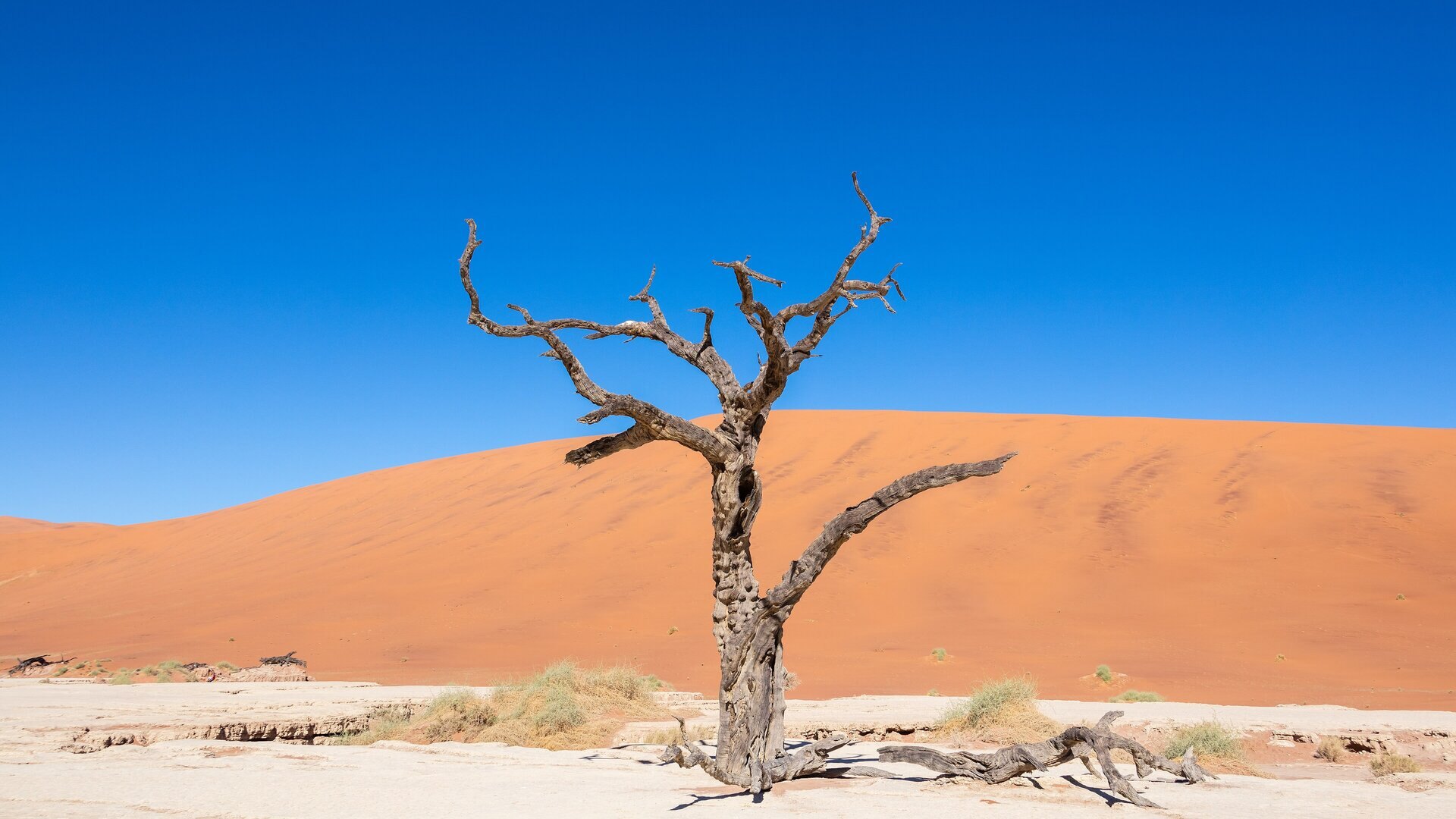
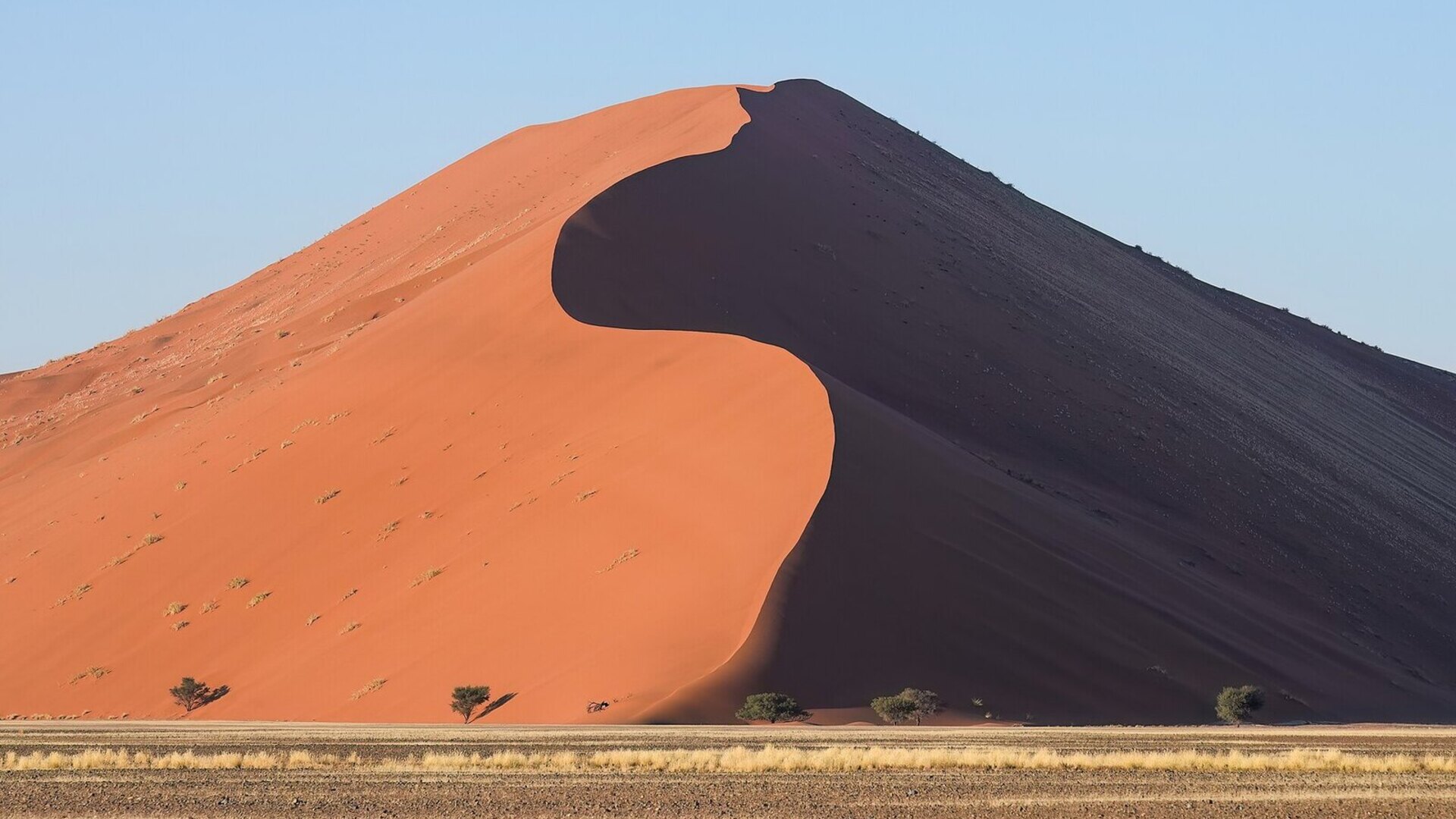
- Sossusvlei and Deadvlei — the towering apricot dunes and ghostly clay pans of the Namib
- The Skeleton Coast — shipwrecks, seal colonies and stark Atlantic wilderness
- Namibia's dark skies — among the best stargazing on Earth from the desert lodges
🦁 Already planning your Namibia Big Five safari? Explore our Namibia Safari Packages for pre-designed itineraries, or check How Much Does a Namibia Safari Cost for detailed pricing. For premium experiences, see our Luxury Safari Namibia and Private Safari Tours Namibia articles, or browse the Best Namibia Safari Lodges. Focused on a single region? Start with the Etosha National Park Safari Guide, the Sossusvlei & Deadvlei Guide, the Damaraland Safari Guide, or the Ultimate Namibia Travel Guide.
Big Five Safari Namibia: Frequently Asked Questions
Can you see the Big Five in Namibia?
Yes, but it takes a well-planned route. Lion, leopard, elephant and rhino are all found around Etosha and the northwest — and rhino is one of Namibia's greatest highlights. Buffalo, however, do not live in arid Etosha, so to complete all five you add a stop in the Zambezi Region (Caprivi) or the Waterberg Plateau, where buffalo herds thrive.
Where can you see rhino in Namibia?
Namibia is one of the best rhino destinations in Africa. Etosha National Park holds one of the world's largest black rhino populations, famously seen at the floodlit waterholes of Okaukuejo and Halali after dark. In Damaraland and Kunene you can track free-roaming desert-adapted black rhino on foot — the last truly wild, unfenced black rhino on Earth. White rhino are also present, including on the Waterberg Plateau.
Where can you see buffalo in Namibia?
Buffalo are the hardest of the Big Five to find in Namibia because they do not live in arid Etosha. The surest place is the Zambezi Region (Caprivi Strip) in the far northeast — the lush parks of Bwabwata, Nkasa Rupara and Mudumu hold thriving buffalo herds. A reintroduced population also lives on the Waterberg Plateau, a convenient buffalo-and-rhino reserve between Windhoek and Etosha.
Which Namibia park is best for seeing the Big Five?
Etosha is the finest single park, delivering four of the five — lion, leopard, elephant and rhino — around its waterholes, with the rhino a genuine highlight. It holds no buffalo, however, so to complete all five you pair Etosha with the Waterberg Plateau or the Zambezi Region. Damaraland is the standout for desert-adapted elephant and on-foot desert rhino.
What is the best time of year for a Big Five safari in Namibia?
The dry season, roughly May to October, offers the best conditions: thin vegetation, clear sightlines and wildlife concentrated on Etosha's waterholes. July to October is peak, when elephant, rhino and plains game mass at the pans and predators are most active. The green season (December–March) brings lush scenery, newborn game and superb birding at lower rates, but the game disperses from the waterholes, making Big Five viewing harder.
How many days do you need for a Big Five safari in Namibia?
Plan on at least 9–10 days to see all five with a good chance. That allows three to four nights in Etosha for lion, leopard, elephant and rhino, two nights at the Waterberg or in the Zambezi Region for buffalo, and a couple of nights in Damaraland for desert elephant and on-foot rhino. Shorter Etosha-focused trips still deliver four of the five superbly, but leave no room for buffalo.
What are Namibia's desert-adapted elephants and rhino?
In Damaraland and the Kunene, elephant and black rhino have adapted to survive in one of the driest inhabited landscapes on Earth, travelling huge distances between scarce water across gravel plains and dry riverbeds. The desert black rhino are the last truly free-roaming, unfenced population in the world, tracked on foot with community conservancy guides — one of the most extraordinary wildlife experiences in Africa.
Is Namibia good for a self-drive Big Five safari?
Exceptionally. Namibia is Africa's premier self-drive safari country, with good roads and an Etosha National Park superbly set up for independent travel — you can drive between waterholes and stay at floodlit camps for four of the five species. For the desert rhino tracking in Damaraland, however, you must join a guided outing, and the Zambezi Region rewards expert guiding.
What is the average cost of a Big Five safari in Namibia?
Namibia offers a wide range. Self-drive and mid-range lodge safaris can run about $250–600 per person per night, while luxury fly-in camps range from $700 to $1,800+ per person per night, including game activities and meals. A 9–10 day Big Five safari commonly costs $4,000–12,000+ per person depending on lodge choice, self-drive versus fly-in, and season. For detailed breakdowns, see our Namibia Safari Cost guide.
Final Verdict: Namibia Delivers Big Five Safaris with World-Class Rhino
Namibia stands among Africa's most distinctive Big Five destinations — and rewrites the usual script:
- ✅ Rhino as a highlight, not a long shot — one of the world's great black rhino strongholds
- ✅ Etosha delivers four of the five — lion, leopard, elephant and rhino at the waterholes
- ✅ Desert wildlife found nowhere else — desert-adapted elephant and on-foot desert rhino
- ✅ Buffalo, honestly told — the deliberate add-on in the Zambezi Region or Waterberg
- ✅ Space, silence and self-drive freedom — world-class wildlife without the crowds
The honest answer: Can you see all Big Five in Namibia? Yes — comfortably, if you add a buffalo stop. Build your trip around Etosha for lion, leopard, elephant and rhino, add Damaraland for the desert wildlife, include the Waterberg or Zambezi Region for buffalo, travel in the dry season, and the complete set is genuinely achievable.
A Namibia Big Five safari isn't about ticking a checklist in the shortest possible time — it's about a black rhino stepping out of the dark into the glow of a floodlit waterhole, a pale-dusted elephant herd drinking at dawn, a desert lion crossing the gravel plains, and — when you plan for it — a buffalo herd raising dust in the green heart of the Caprivi.
Ready to plan your Namibia Big Five safari? Browse our curated Namibia Safari Packages, explore the Best Namibia Safari Lodges for accommodation insight, or start with the comprehensive Ultimate Namibia Travel Guide.