Key Takeaways
- All five live in one park. Akagera National Park is Rwanda's only Big Five destination — and it holds lion, leopard, elephant, buffalo and rhino in a single reborn ecosystem.
- It is a genuine comeback story. Lion were reintroduced in 2015 and eastern black rhino in 2017, joining resident elephant, buffalo and leopard, under the African Parks and Rwanda Development Board partnership.
- Buffalo and elephant are the surest. Big buffalo herds and lakeside elephant are reliable; lion sightings have grown steadily; leopard and rhino remain the elusive prizes.
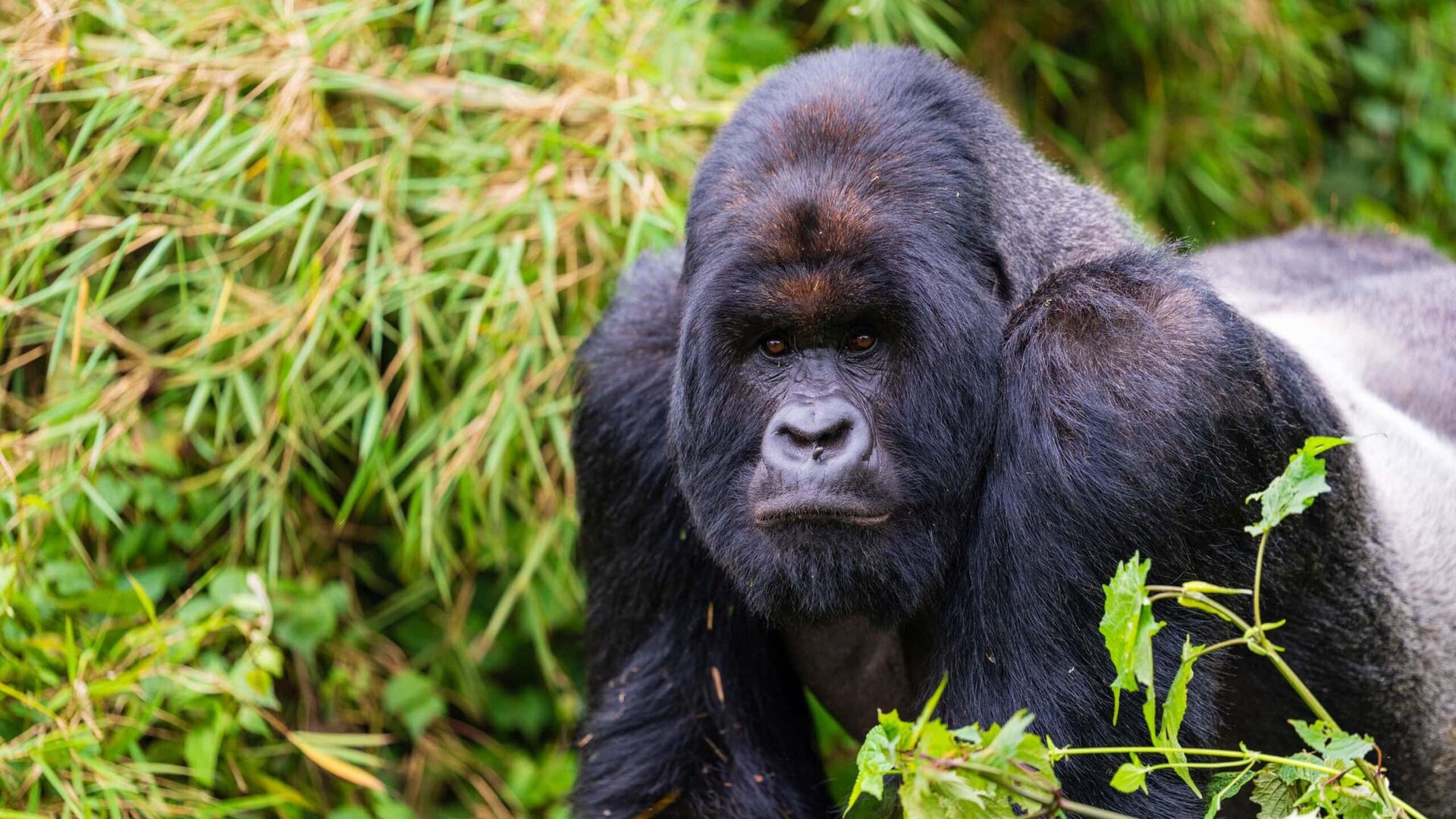
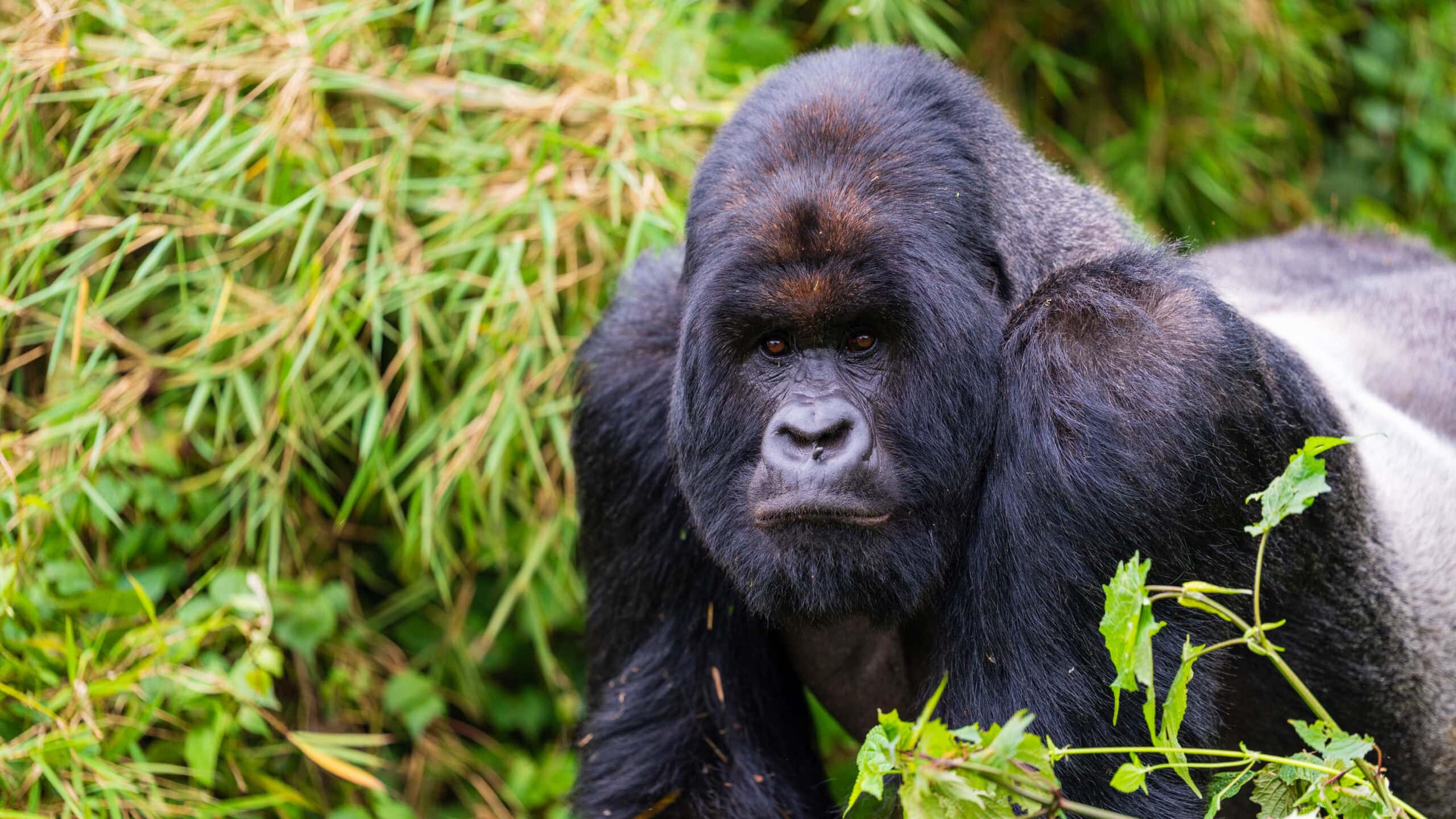
- The gorilla bonus is unmatched. Only Rwanda and Uganda let you pair the Big Five with mountain gorilla trekking — here in the misty Volcanoes National Park.
- Best time: the dry seasons, roughly June to September and December to February, for the best game viewing and gorilla trekking.
Rwanda has rewritten its wildlife story. Once known to travellers almost entirely for its mountain gorillas, the Land of a Thousand Hills is now a full Big Five safari destination — and it earned that status through one of the most ambitious conservation turnarounds on the continent. In the savannah and lakes of the east, in a park that had lost its lions and rhinos to decades of upheaval, all five of the great animals once again roam wild.
But Rwanda's Big Five picture is unusual, and honesty matters. Unlike the sprawling park systems of Kenya or Tanzania, Rwanda's entire Big Five lives in a single reserve — Akagera National Park. Lion and rhino were both brought back deliberately, and while buffalo and elephant are reliable, the big cats and rhino ask for time and a little luck. In Rwanda, the story is not many parks but one reborn one — and a gorilla finale that only two countries on Earth can add. This guide goes species by species: where each of the five lives, how reliable the sighting is, and how to build a route that completes the set.
The Big Five in Rwanda — Species by Species
Rwanda's Big Five all share one address: the rolling savannah, papyrus swamps and chain of lakes that make up Akagera National Park in the east. Here is the honest picture for each species, with a sighting-reliability rating out of five stars.
🐃 Buffalo — ★★★★★ (Excellent)
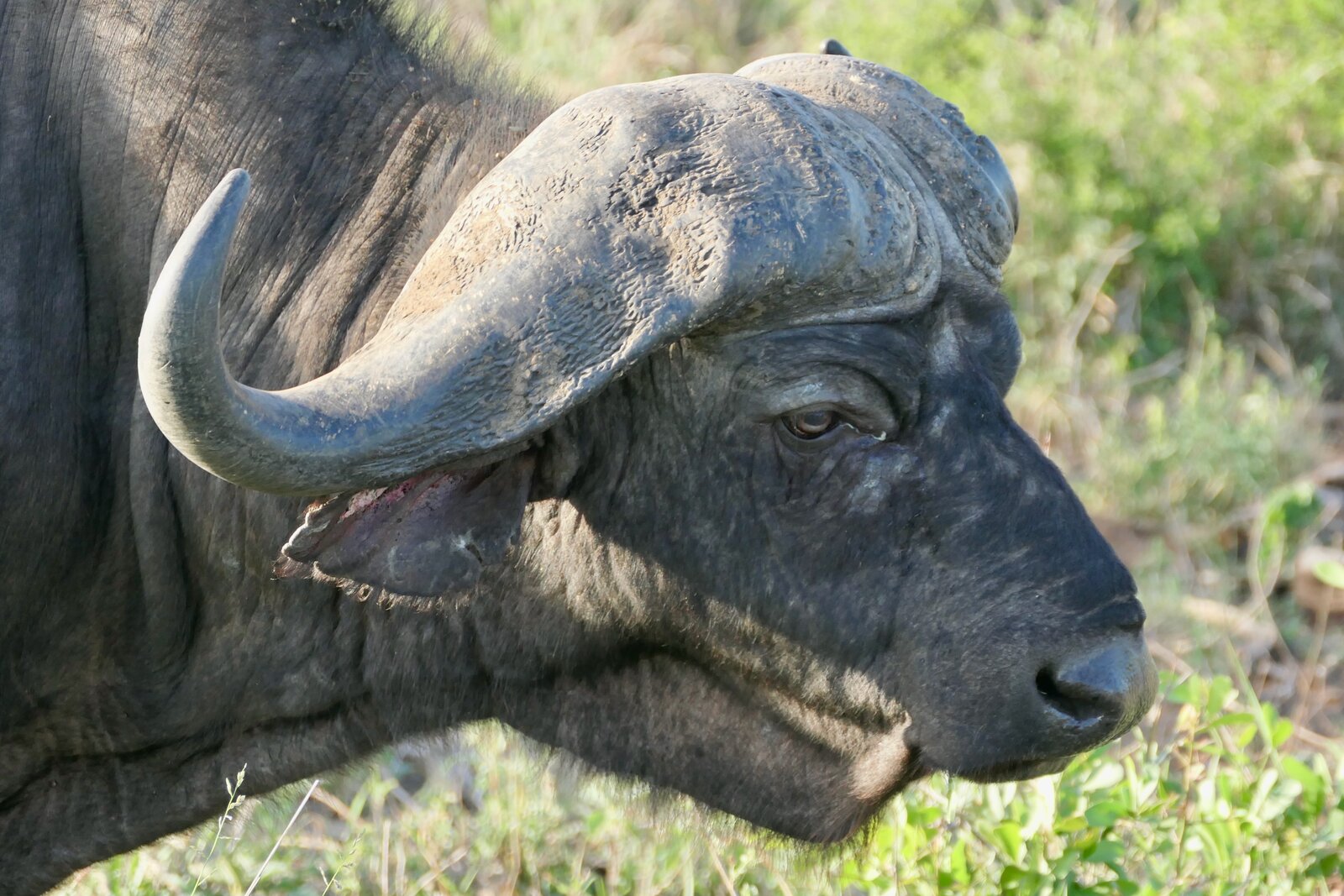
Cape buffalo are Akagera's surest Big Five sighting. Large herds graze the open savannah and the fringes of the park's lakes, and lone dagga boys are a common sight in the woodland. Buffalo never left Akagera through its difficult years, and today they thrive across the length of the park, from the southern plains to the northern hills.
- Best locations: Southern plains, Lake Ihema shoreline, central savannah
- Best time: Year-round; dry seasons for concentrated herds near water
- Reality: Excellent — buffalo are the most reliable of Akagera's Big Five.
🐘 Elephant — ★★★★☆ (Very Good)
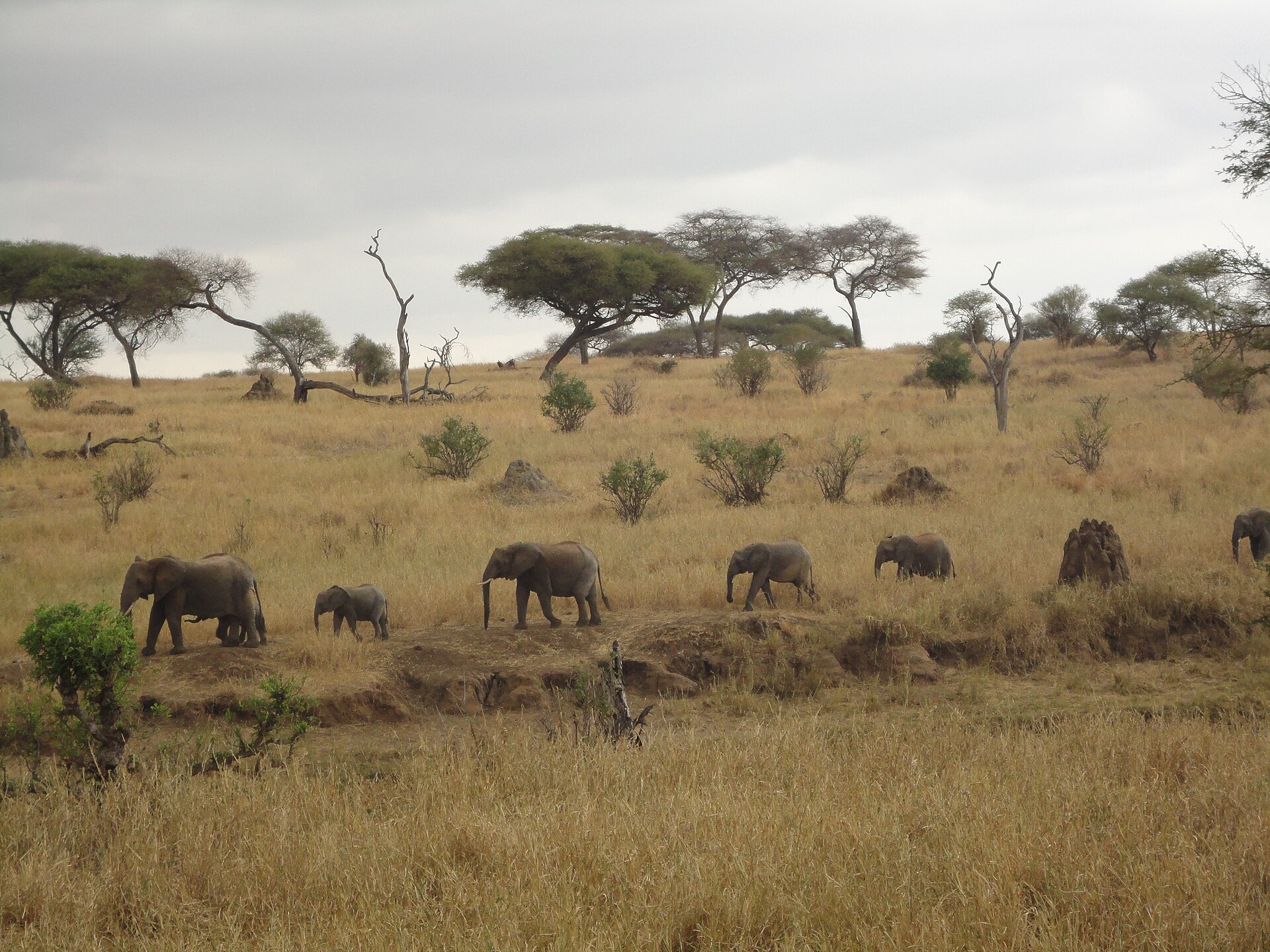
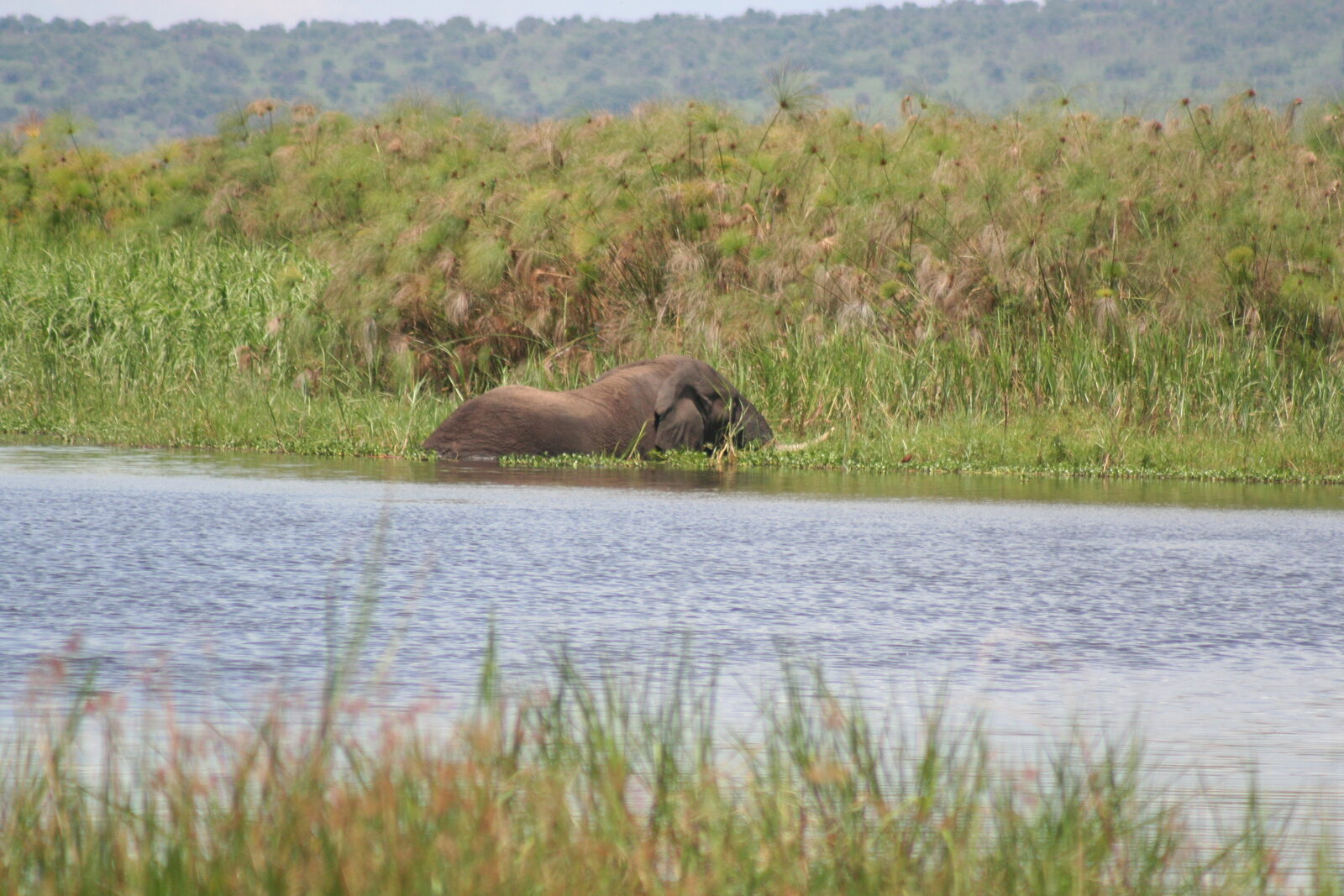
Elephant range through Akagera and are especially associated with the lakes, where herds come down to drink and bathe along the shores of Lake Ihema and the wetlands of the Akagera river system that forms the park's eastern boundary with Tanzania. Sightings are good and improving as the population grows within the park's restored, fully fenced boundary.
- Best locations: Lake Ihema, the southern lakes, riverine woodland
- Best time: Dry seasons when herds concentrate along the water
- Reality: Very good — reliable around the lakes, with memorable lakeside encounters.
🦁 Lion — ★★★★☆ (Very Good)
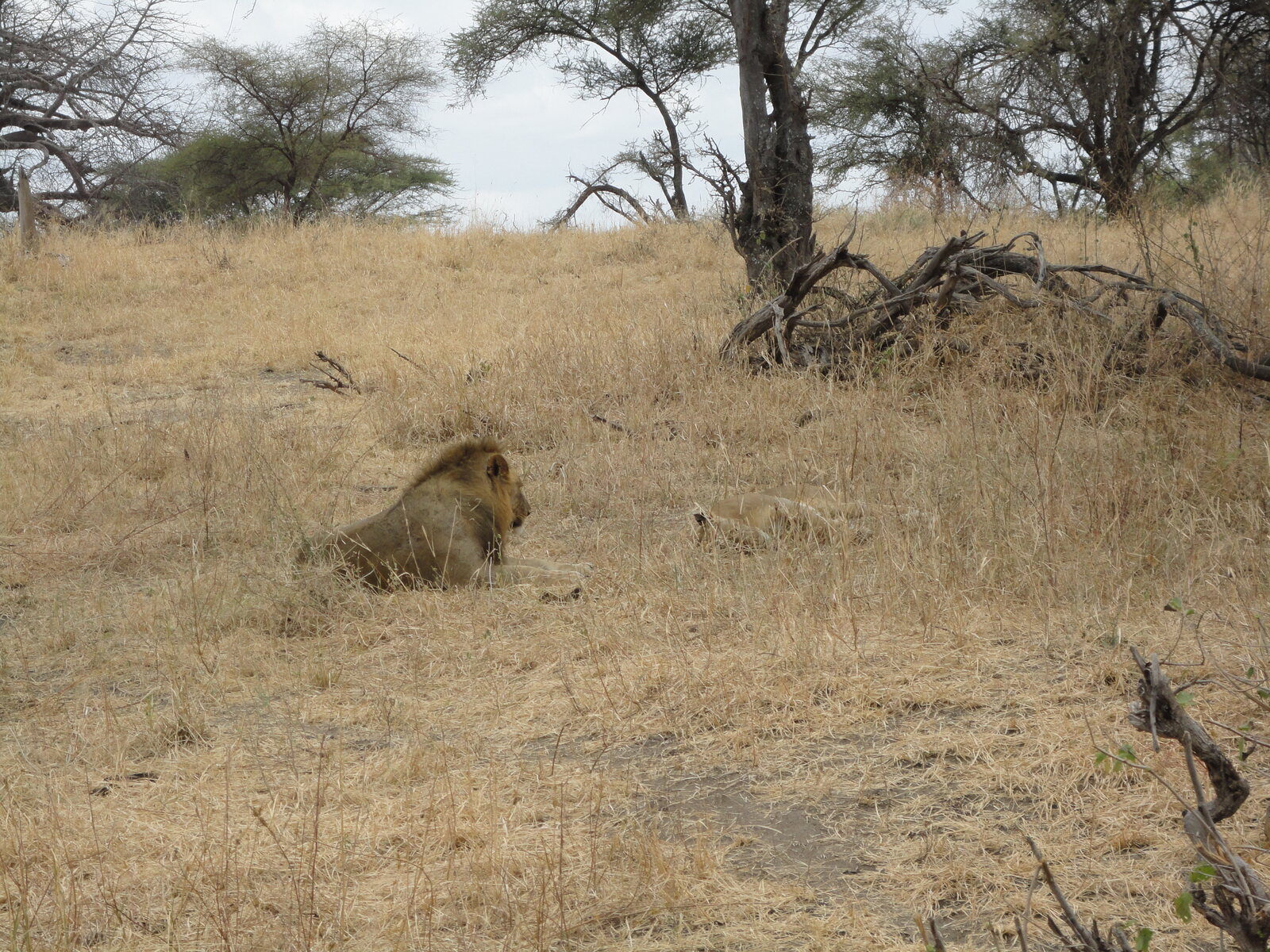
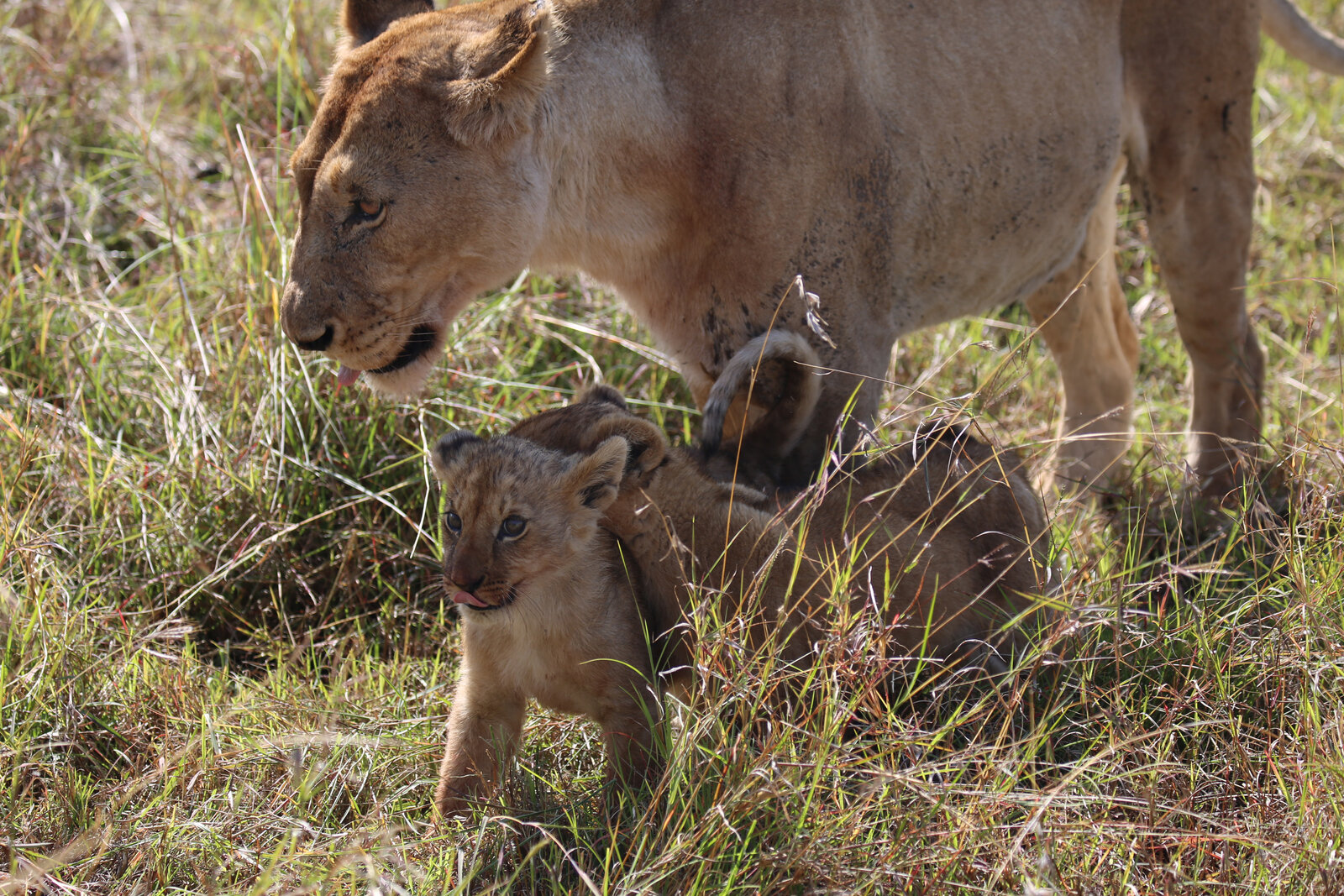
Lion are the emblem of Akagera's revival. They had vanished from the park by the early 2000s, and in 2015 they were reintroduced from South Africa — the first lions in Rwanda in nearly two decades. The prides have bred and expanded ever since, and today lion are seen regularly on the southern plains and central savannah, especially at first light. It remains a young, growing population, so sightings take a good guide and an early start, but they are increasingly reliable.
- Best locations: Southern plains, central savannah, Kilala plains
- Best time: Dry seasons; early morning and late afternoon for active prides
- Reality: Very good and improving — a genuine conservation success, best in the south.
🐆 Leopard — ★★★☆☆ (Present but Elusive)
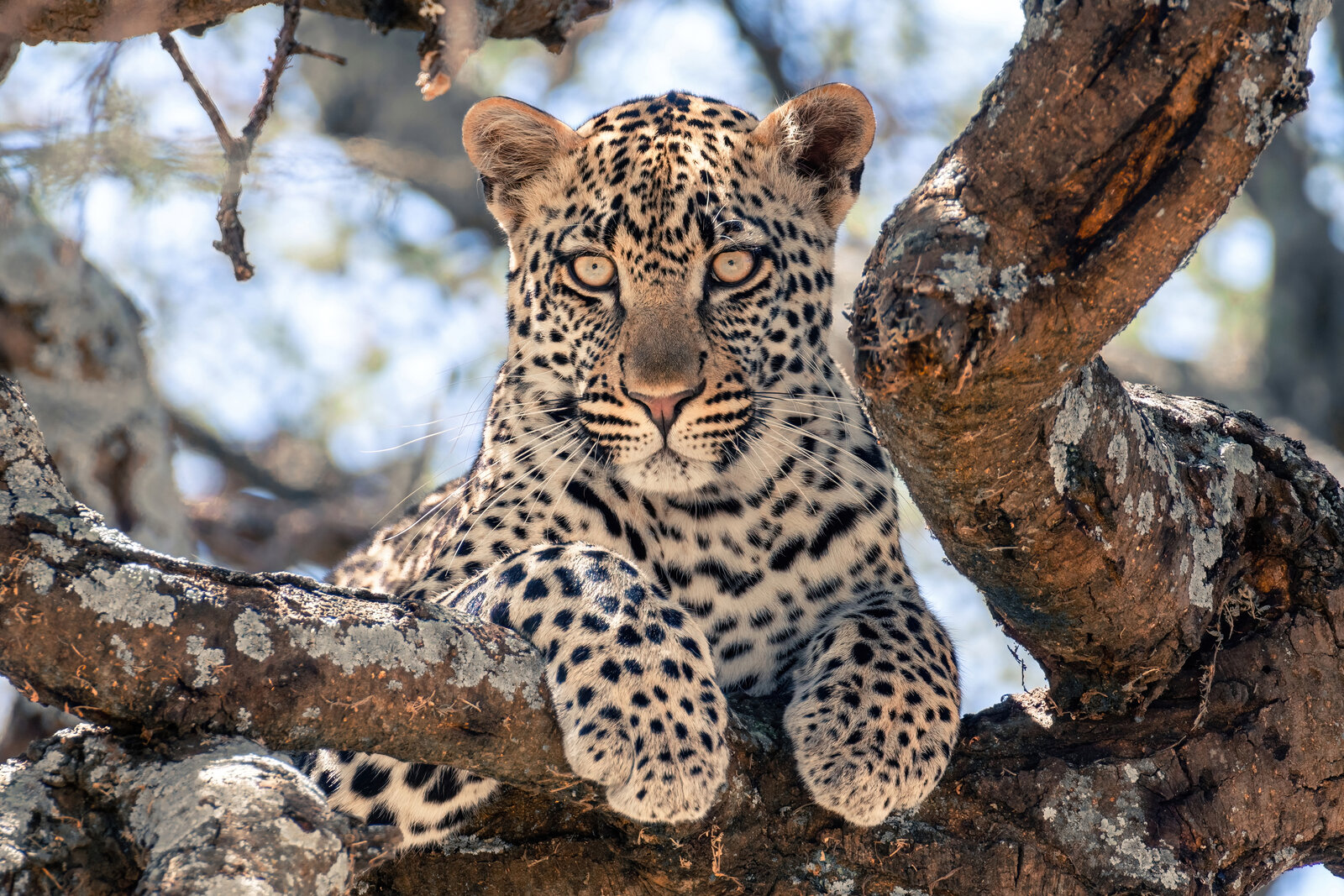
Leopard are resident in Akagera and never disappeared, but as everywhere they are shy, largely nocturnal and harder-won than the herds. The riverine woodland, rocky outcrops and the wooded hills of the park's centre and north offer the best chances, especially on early-morning drives. A leopard in Akagera is a genuine thrill rather than a certainty.
- Best locations: Riverine woodland, central and northern hills, rocky kopjes
- Best time: Dry seasons for visibility; leopard are resident year-round
- Reality: Present but elusive — treat a leopard sighting as a rewarding bonus.
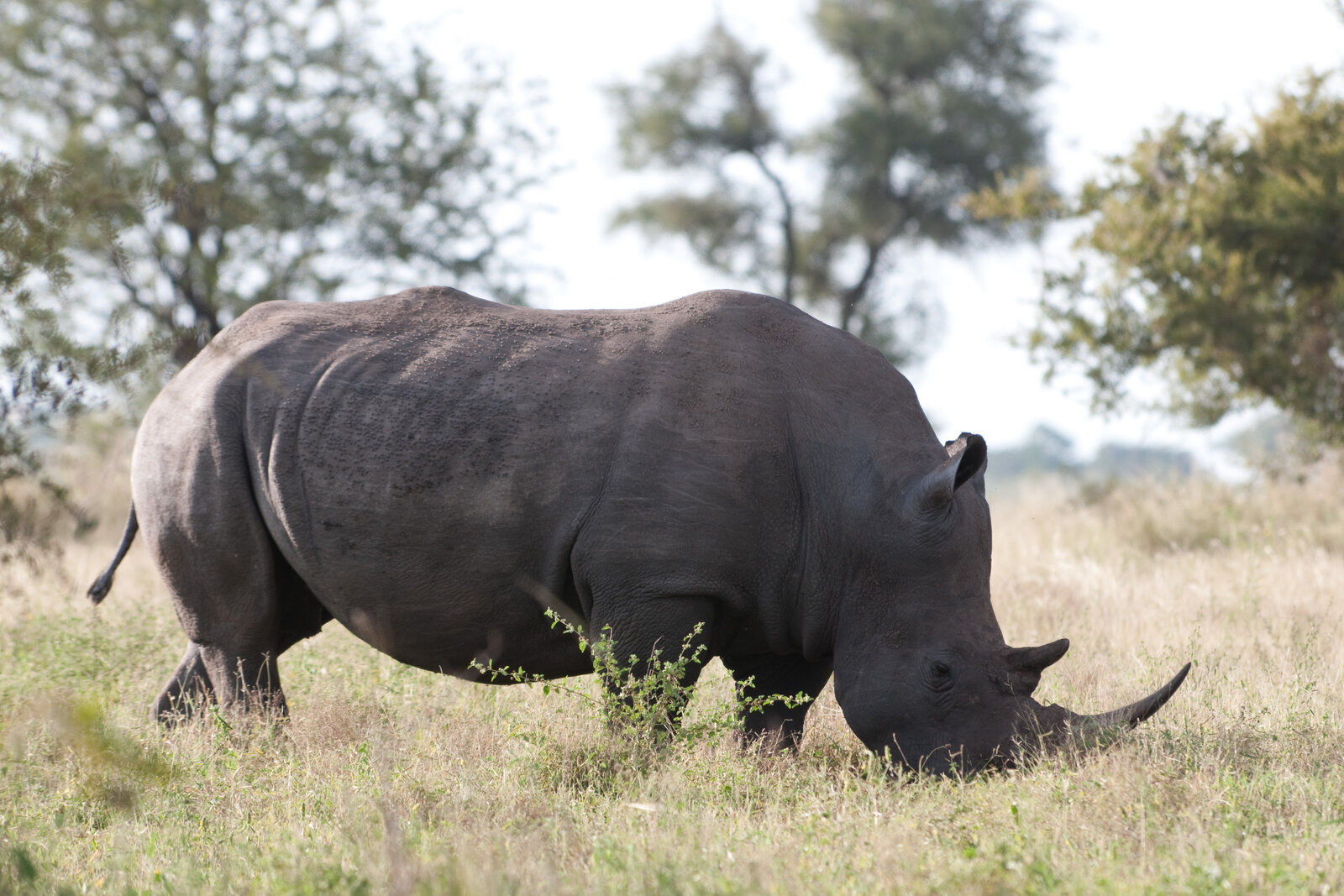
🦏 Rhino — ★★☆☆☆ (The Elusive Comeback)
Here is the honest picture, and it is part of what makes Akagera remarkable. Rhino were wiped out in Rwanda decades ago, and their return has been deliberate and hard-won:
- Eastern black rhino were reintroduced in 2017, when a founder population was flown in from South Africa — the first rhinos in Rwanda in ten years — with further animals added since to strengthen the gene pool.
- Southern white rhino followed in 2021, in one of the largest single rhino translocations ever attempted, giving Akagera both African rhino species.
This makes Akagera a true Big Five park. But be realistic: rhino roam a large, wild park at low density, and sightings are genuinely lucky rather than expected. They are most often encountered on dedicated tracking activities and in the more open central and southern areas — a prize, not a promise.
- Best locations: Central and southern Akagera; dedicated rhino tracking where offered
- Best time: Dry seasons for access and visibility
- Reality: The elusive comeback — genuinely wild and present, but low density makes a sighting a matter of luck.
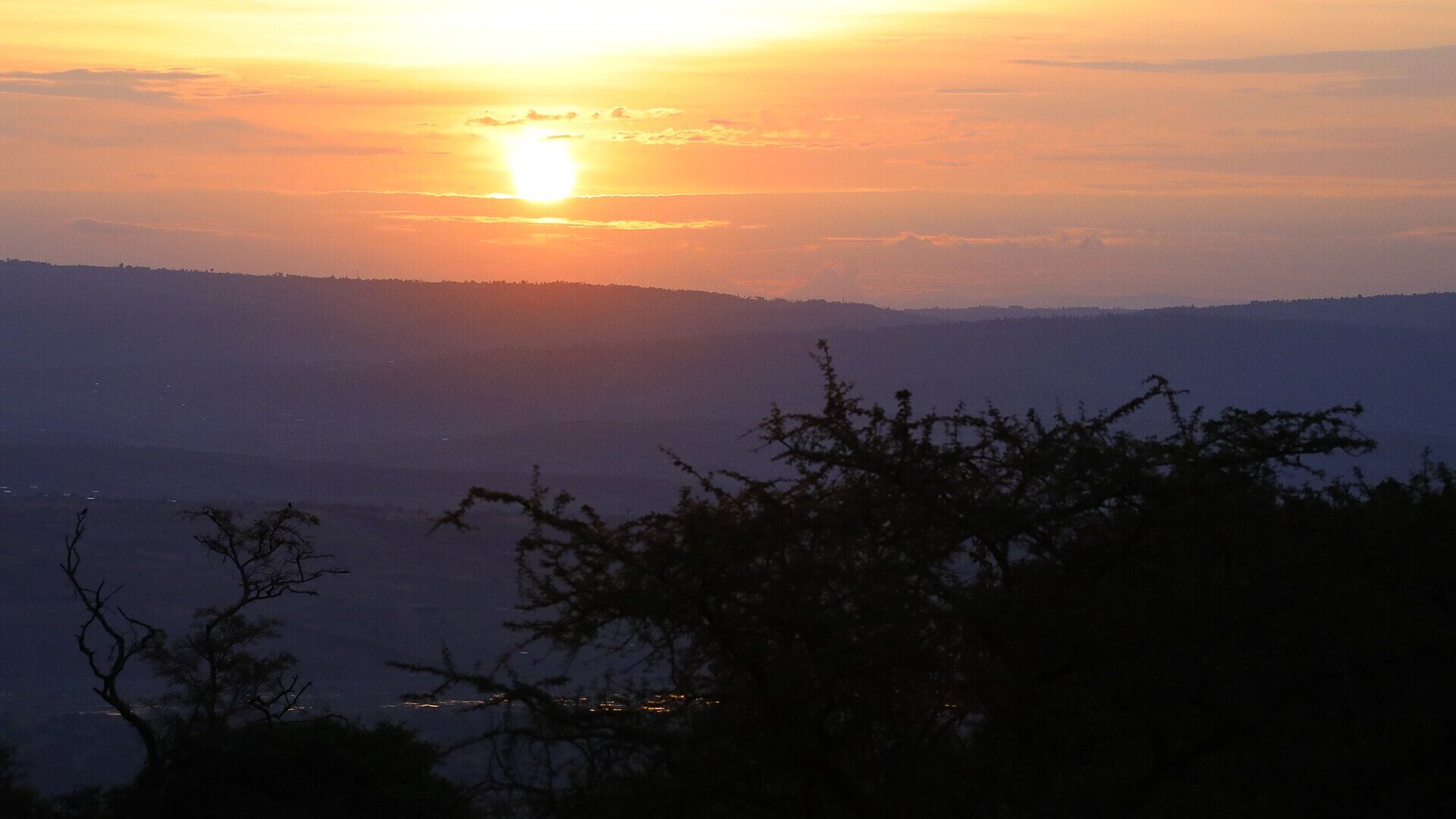
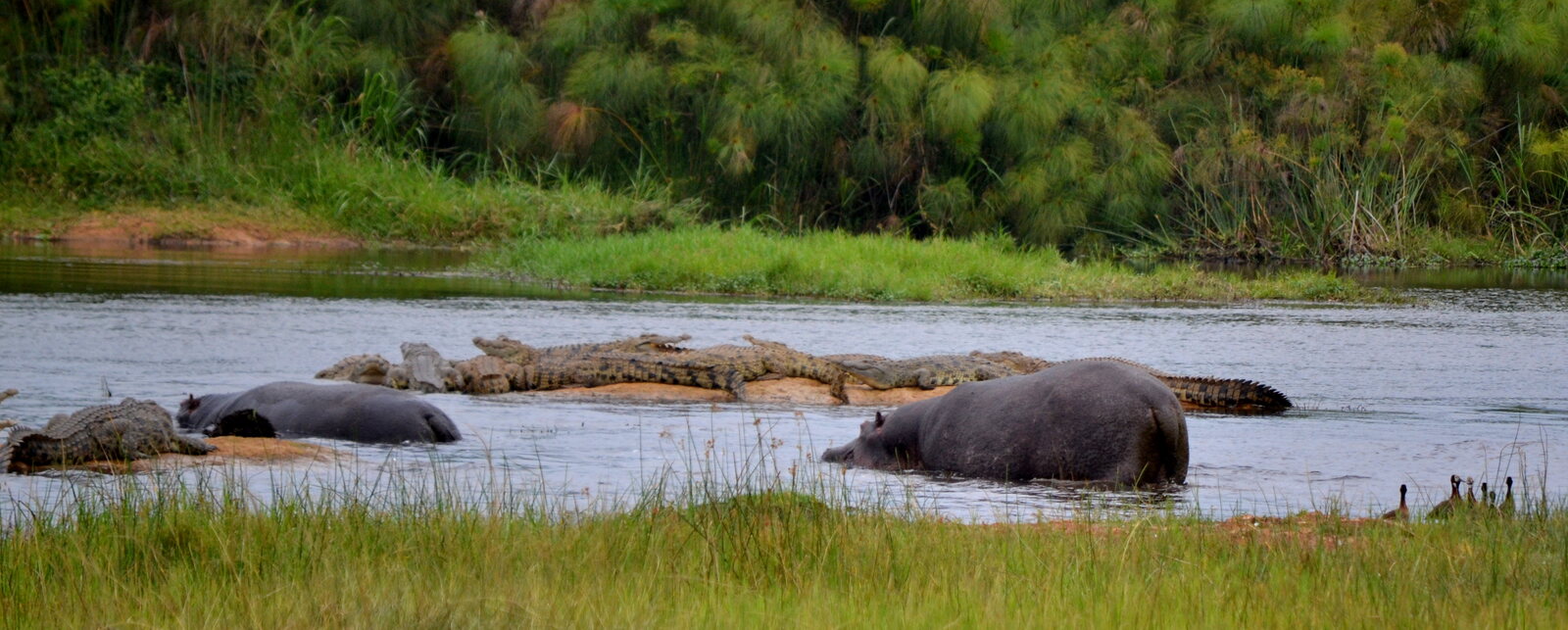
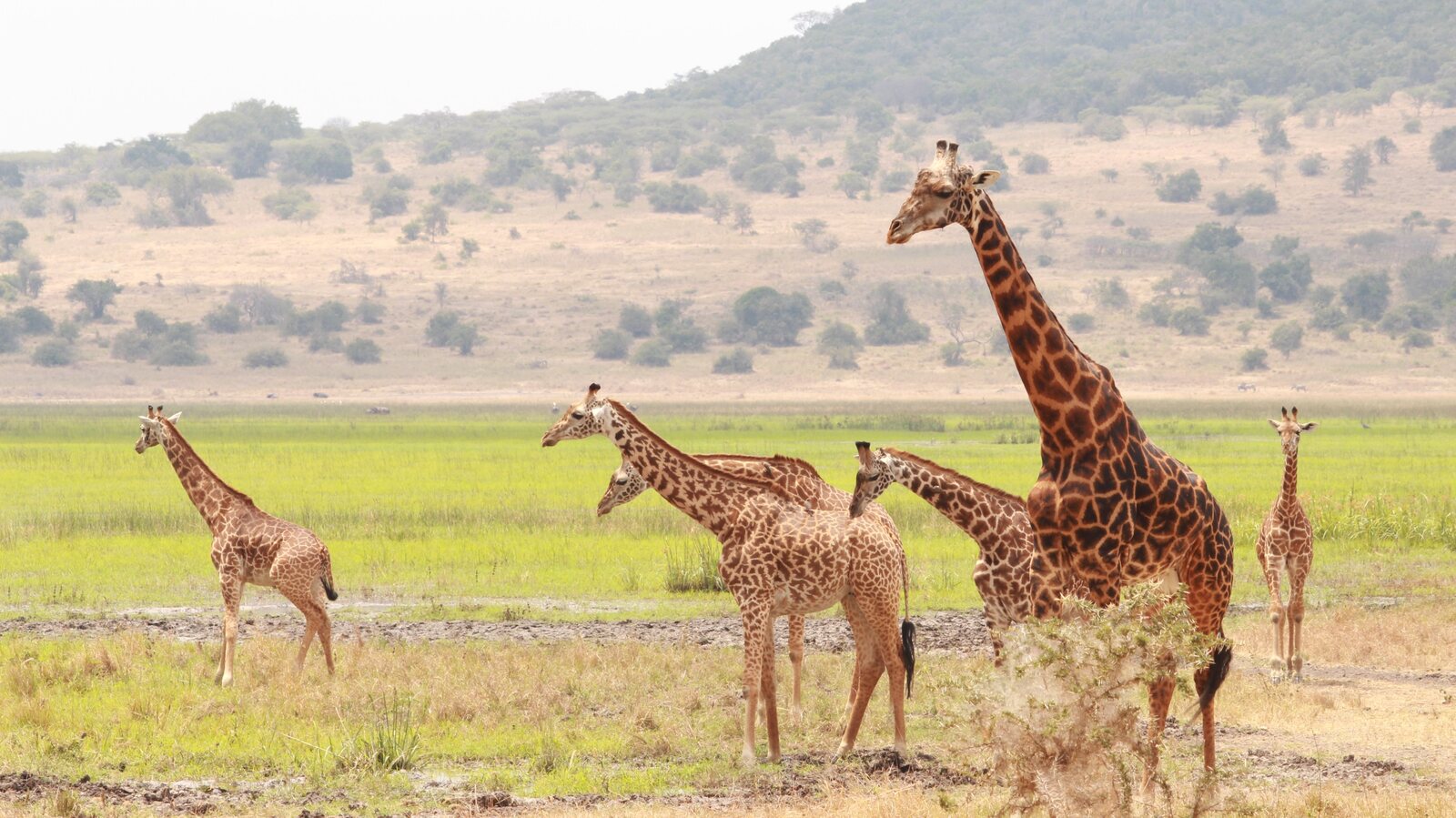
Akagera — Lions, Lakes & the Comeback Story
Where to See the Big Five: Rwanda Park-by-Park
Rwanda's Big Five story is really the story of one park. Akagera in the east holds all five; the country's other great parks are primate and forest destinations rather than Big Five reserves. Use this matrix to understand what each delivers. Stars reflect realistic Big Five sighting reliability.
| Park | Lion | Leopard | Elephant | Buffalo | Rhino |
|---|---|---|---|---|---|
| Akagera | ★★★★☆ | ★★★☆☆ | ★★★★☆ | ★★★★★ | ★★☆☆☆ |
| Volcanoes NP | ☆☆☆☆☆ | ☆☆☆☆☆ | ☆☆☆☆☆ | ★☆☆☆☆ | ☆☆☆☆☆ |
| Nyungwe Forest | ☆☆☆☆☆ | ★☆☆☆☆ | ☆☆☆☆☆ | ☆☆☆☆☆ | ☆☆☆☆☆ |
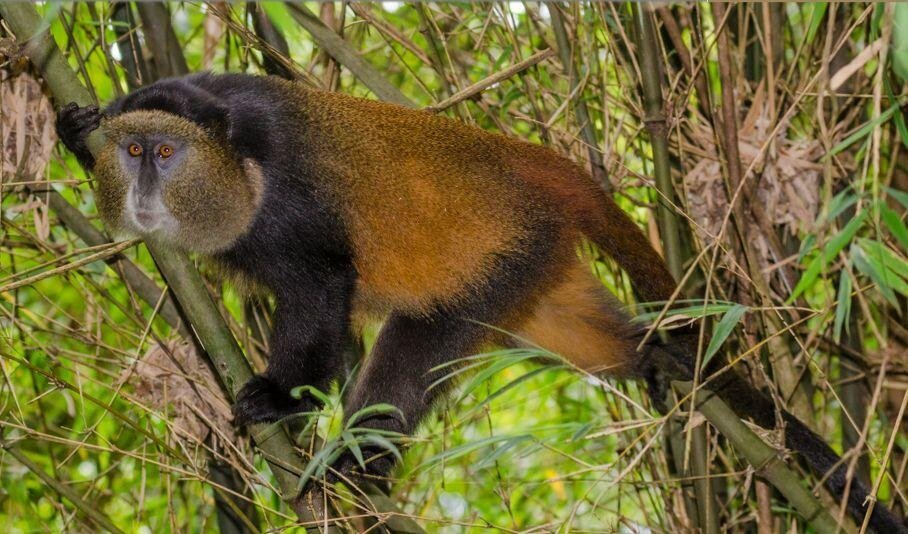
How to read this matrix: Akagera is Rwanda's one and only Big Five park — and it delivers all five, superbly for buffalo and elephant, well and improving for lion, and as a lucky prize for leopard and rhino. Volcanoes National Park in the northwest is gorilla-and-golden-monkey country, with only shy forest buffalo and elephant deep in the bamboo; Nyungwe Forest in the southwest is a chimpanzee and canopy destination. The classic Rwanda journey therefore pairs Akagera for the Big Five with Volcanoes for the gorillas.
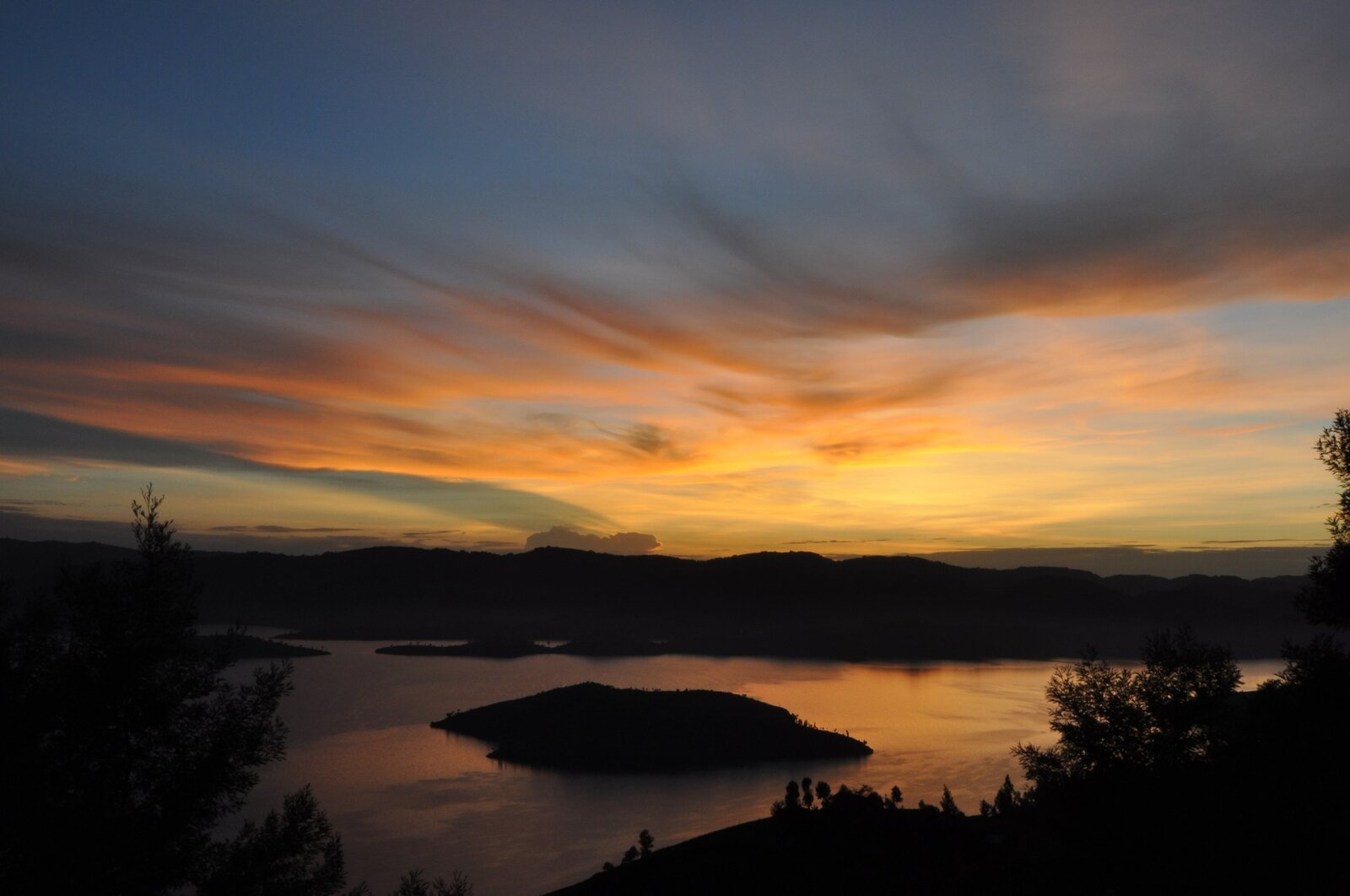
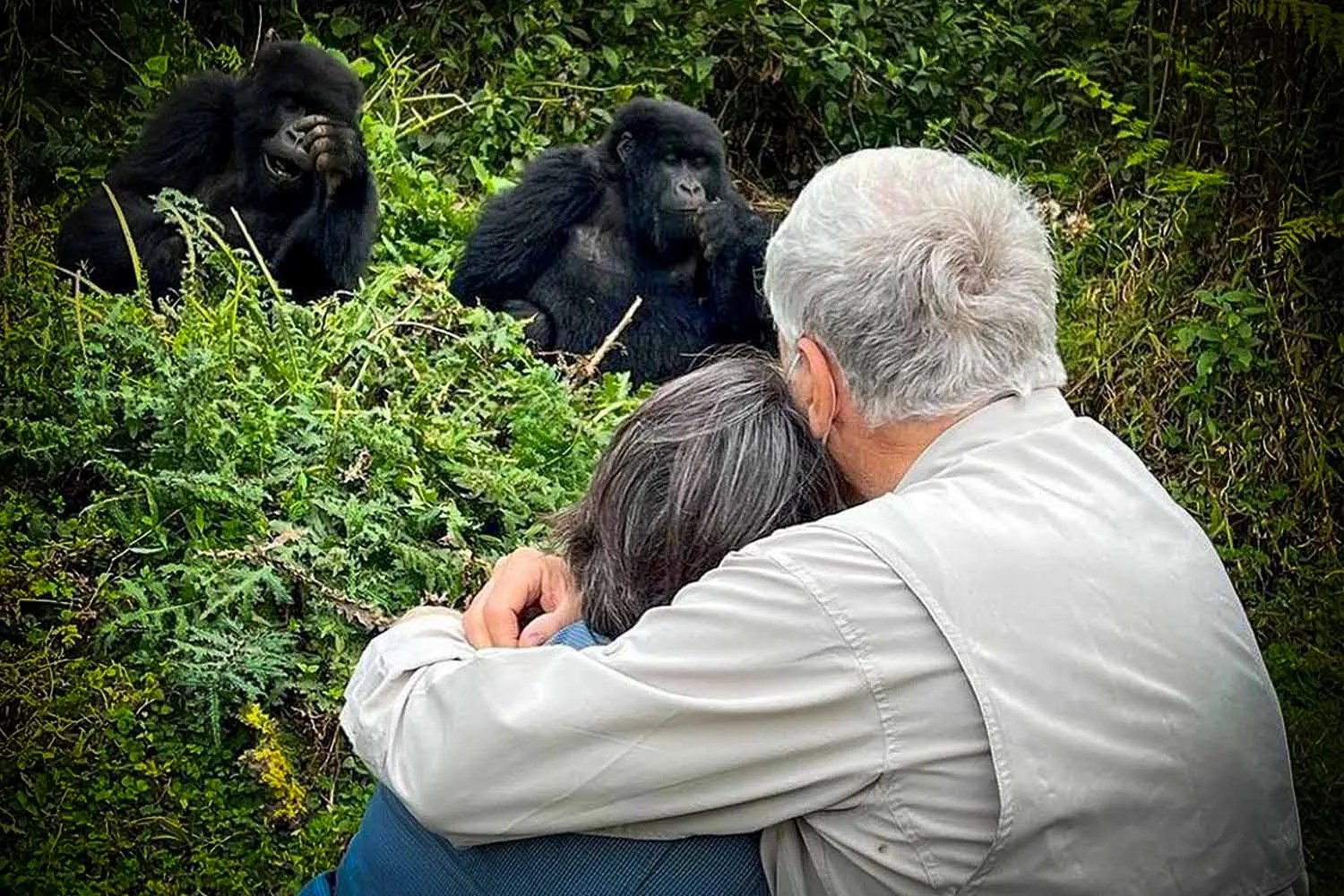
Volcanoes — Gorillas & the Golden Monkeys

Best Time for a Big Five Safari in Rwanda
Rwanda sits just south of the equator, so it is temperate and green year-round, with wildlife viewing shaped by two rainy and two drier spells rather than one long dry season. In the drier months the savannah thins, tracks firm up and game concentrates near Akagera's lakes — ideal for the Big Five and for gorilla trekking alike. In the wet months the land turns lush and dramatic, but forest trails become slippery and savannah game disperses.
| Season | Months | Big Five Viewing | Notes |
|---|---|---|---|
| Long Dry | Jun–Sep | ★★★★★ Exceptional | Firm tracks, thinner bush, concentrated game at Akagera's lakes and the best gorilla trekking conditions |
| Short Dry | Dec–Feb | ★★★★★ Exceptional | Warm, drier and excellent for both savannah game and forest trekking |
| Long Rains | Mar–May | ★★★☆☆ Good | Lush landscapes, fewer visitors and lower rates; muddy forest trails and dispersed savannah game |
| Short Rains | Oct–Nov | ★★★★☆ Very Good | Brief afternoon showers, green scenery, good game viewing between the rains |
Verdict: The dry seasons (June–September and December–February) are objectively the best windows for a Big Five safari in Rwanda, offering:
- Firm, passable tracks across Akagera's savannah and drier forest trails in Volcanoes
- Elephant, buffalo and plains game concentrating along Akagera's lakes
- Better lion sightings on the southern plains at first light
- The most comfortable conditions for gorilla trekking in the Virunga foothills
Budget-conscious travellers: the wetter months (March–May and October–November) bring lower rates, green landscapes and fewer crowds — just accept slippery forest trails, occasional downpours and more dispersed savannah game.
Akagera's Big Five — Lion, Leopard, Elephant, Buffalo & Rhino
Honest Assessment: Can You See All Big Five in One Rwanda Safari?
The honest answer is yes — all five live in Akagera, and seeing them in one trip is realistic — but Rwanda's all-five is a single-park pursuit, and two of the five ask for luck. Here is the reality.
Three of Five Come Easily
Buffalo, elephant and lion are the backbone of an Akagera safari. Buffalo herds are everywhere, elephant gather reliably along the lakes, and the reintroduced lion prides — now well established — are seen regularly on the southern plains with an early start and a good guide. A couple of full days in Akagera reliably delivers these three in fine style.
Leopard and Rhino Are the Prizes
The final two call for realistic expectations. Leopard are resident but shy and nocturnal; rhino, though genuinely wild since their 2017 and 2021 reintroductions, roam a large park at low density. Both are possible — and Akagera offers dedicated activities that improve your odds — but neither is a certainty. Give the park time, take the early and late drives, and treat a leopard or rhino sighting as the triumph it is.
Where to Complete Your Big Five:
- Akagera core safari — the only place in Rwanda to pursue all five. Two to three days of game drives across the southern plains and the lakes give you the best realistic shot at the complete set. Recommended: 3 nights Akagera.
- Akagera + rhino tracking — add a dedicated rhino-tracking activity where available to lift your chances of the toughest of the five. Recommended: 3 nights Akagera with a rhino focus.
- Big Five + Gorillas — Rwanda's crowning route: the Akagera Big Five paired with mountain gorilla trekking in Volcanoes. Recommended: 3 nights Akagera plus 2 nights Volcanoes.
Sample All-Five Itinerary (7 Days):
- Days 1–3: Akagera National Park (lion, leopard, elephant, buffalo, rhino) — southern plains and the lakes
- Day 4: Transfer across the hills toward the Virungas
- Days 5–6: Volcanoes National Park (mountain gorilla trekking, golden monkeys)
- Day 7: Return to Kigali
This route pairs Rwanda's one Big Five ecosystem with its signature gorilla trek — the two experiences that define a Rwandan safari.
💡 Planning Tip: Because all of Rwanda's Big Five live in Akagera, give the park enough time — two to three days rather than a single rushed drive — to stack the odds for leopard and rhino. Then finish with mountain gorilla trekking in Volcanoes National Park; permits are limited and premium-priced, so book well in advance, especially for the June–September and December–February peaks.
Sample Big Five Safari Itineraries for Rwanda
Classic Rwanda Big Five (5 Days)
Best for: First-time Big Five seekers, wildlife photographers
- Day 1: Kigali to Akagera National Park
- Days 2–3: Akagera game drives (lion, leopard, elephant, buffalo, rhino) and a boat safari on Lake Ihema
- Day 4: Final morning drive and return toward Kigali
- Day 5: Kigali city and departure
Why it works: Concentrates your time in Akagera — Rwanda's only Big Five park — for the best realistic chance of all five without spreading the trip thin.
Rwanda Big Five & Gorilla Circuit (7 Days)
Best for: Bucket-list travellers wanting the five plus mountain gorillas
- Days 1–3: Akagera National Park (lion, leopard, elephant, buffalo, rhino)
- Day 4: Scenic transfer across the Land of a Thousand Hills
- Days 5–6: Volcanoes National Park (mountain gorilla trekking, golden monkeys)
- Day 7: Return to Kigali
Why it works: Rwanda's signature journey — the complete Big Five in Akagera followed by the unforgettable gorilla trek that only Rwanda and Uganda can add.
Akagera in Depth (6 Days)
Best for: Keen safari-goers chasing leopard and rhino
- Day 1: Kigali to Akagera
- Days 2–5: Extended Akagera game drives, boat safari and a dedicated rhino-tracking activity where available
- Day 6: Return to Kigali
Why it works: Trades a rushed circuit for real time in the one park, giving the elusive leopard and rhino the best possible odds.
Luxury Rwanda Big Five & Gorillas (8 Days)
Best for: Honeymooners, luxury travellers
- Days 1–3: Akagera luxury lodge (lion, leopard, elephant, buffalo, rhino)
- Day 4: Transfer to the Virunga foothills
- Days 5–7: Volcanoes luxury lodge (mountain gorilla trekking, golden monkeys)
- Day 8: Return to Kigali
Why it works: Completes the Big Five and gorilla trek from Rwanda's finest lodges, blending savannah game with the intimacy of the misty forest.
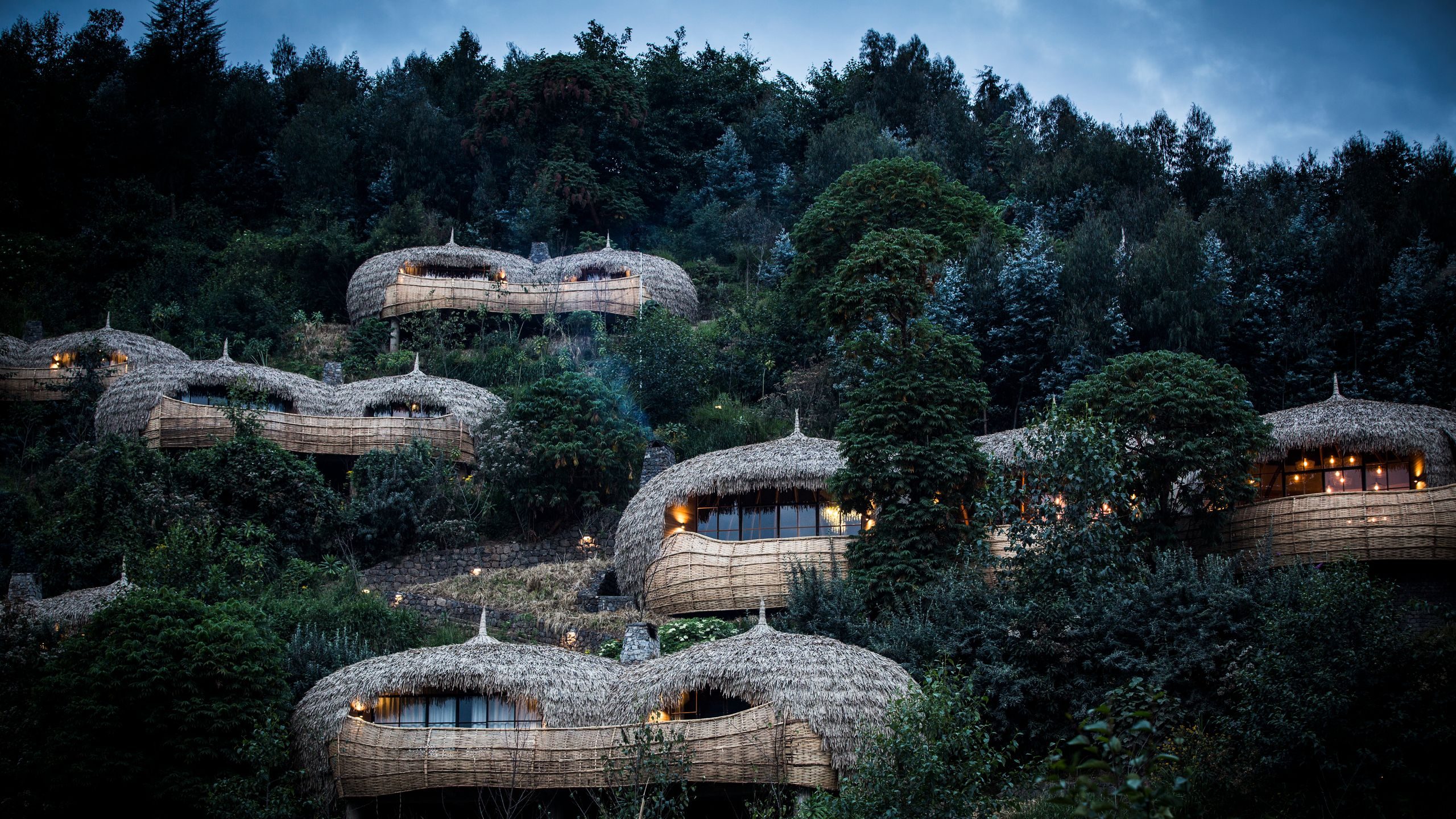
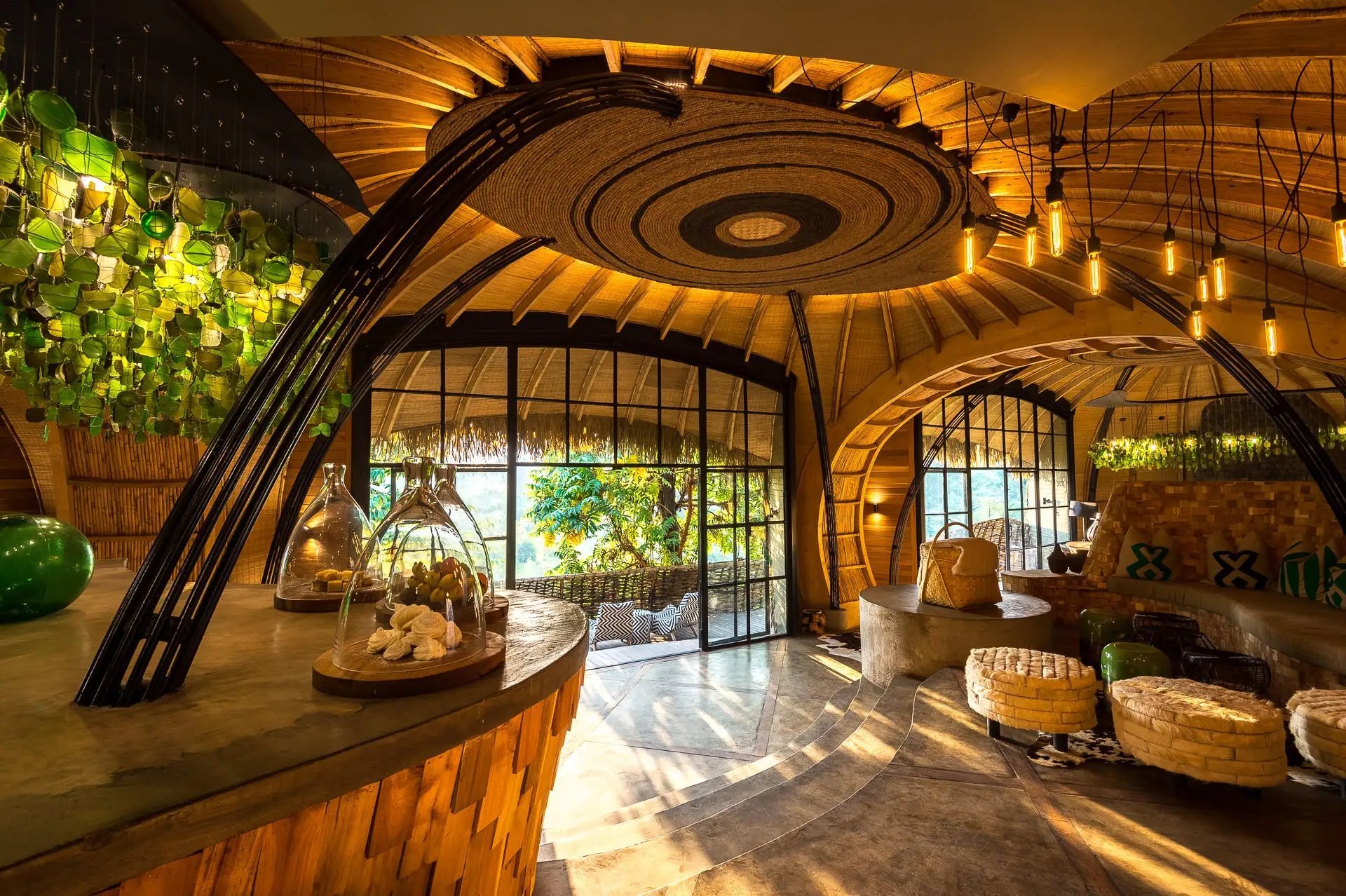
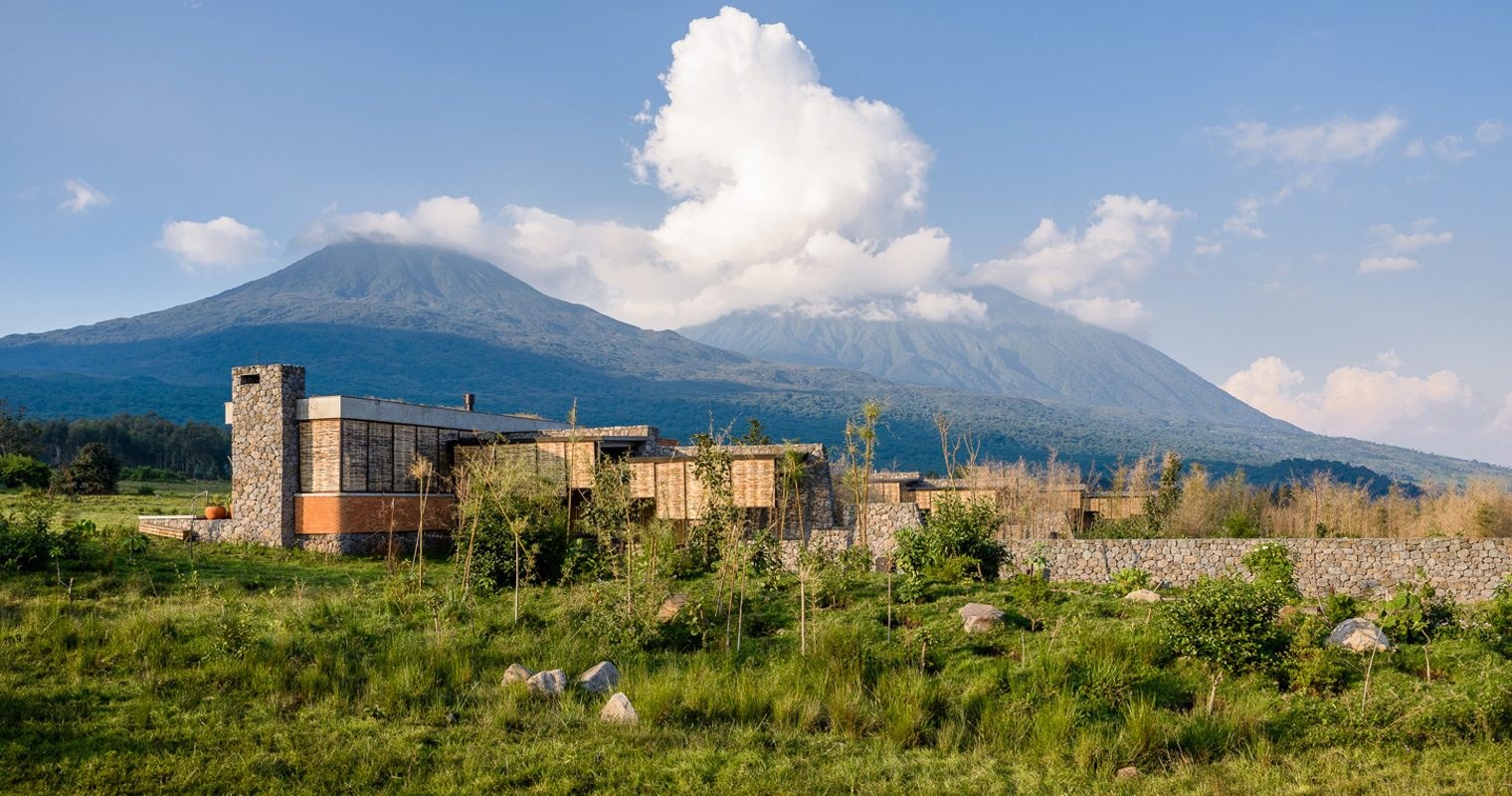
Rwanda Lodges & Camps — Where to Stay
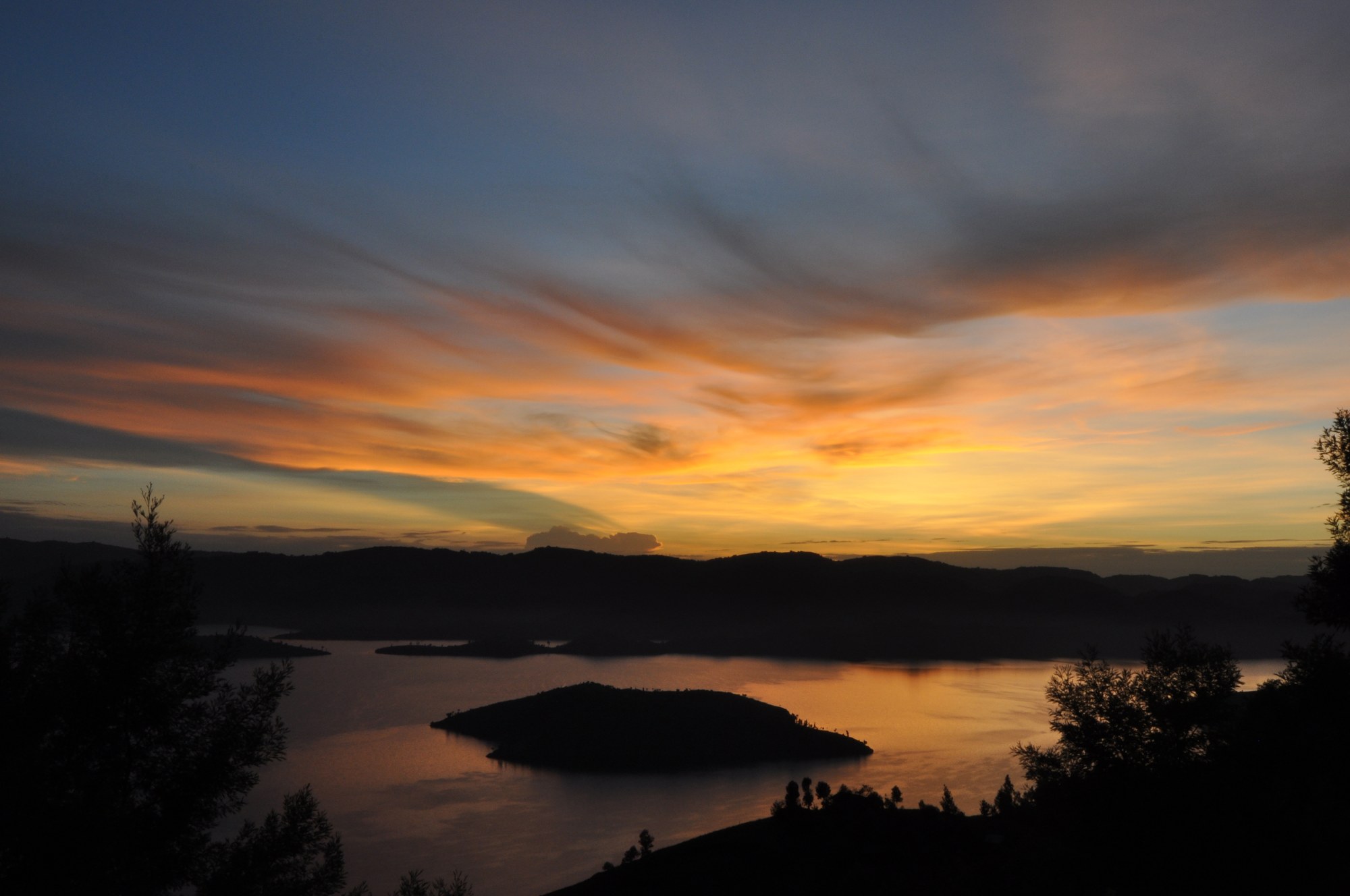
Big Five Safari Planning Tips for Rwanda
Focus Your Time on Akagera
One park, all five: Unlike multi-park destinations, Rwanda's Big Five all live in Akagera, so there is no need to shuttle between reserves for the animals — but you do need to give Akagera enough time. Two to three days of game drives, split between the southern plains for lion and the lakes for elephant and buffalo, is the surest path to a rich safari.
Mix your activities: Combine morning and afternoon game drives with a boat safari on Lake Ihema — superb for elephant, buffalo, hippo and birdlife — and, where offered, a dedicated behind-the-scenes or rhino-tracking activity to boost your chances of the toughest of the five.
Add the Gorilla Trek
Rwanda's unique advantage is that, with neighbouring Uganda, it is one of only two countries where you can pair the Big Five with mountain gorilla trekking. To make the most of it:
- Book gorilla permits early — they are strictly limited and premium-priced, and sell out for the June–September and December–February peaks
- Allow at least two nights near Volcanoes to build in a spare day and reduce travel pressure
- Consider adding golden monkey tracking in the same park for a fuller Virunga experience
Manage Expectations for Leopard and Rhino
Two of Akagera's five call for realistic expectations. Leopard are resident but shy and largely nocturnal, and rhino — though genuinely wild since their reintroduction — roam a large park at low density. For the toughest two:
- Take early-morning and late-afternoon drives, when leopard are most active
- Book a dedicated rhino-tracking activity where available to lift your rhino odds
- Accept that buffalo, elephant and lion are the heart of the safari, and leopard and rhino are the rewarding prizes
Pack Appropriately
Big Five and gorilla safaris in Rwanda demand:
- Neutral-coloured clothing (khaki, olive, beige) — for game drives and forest trekking
- Sturdy waterproof hiking boots — essential for the muddy, steep Volcanoes forest trails
- Lightweight rain jacket — showers are possible year-round near the equator
- Binoculars and a telephoto lens — 200mm+ for wildlife and distant savannah game
- Gardening gloves and long sleeves — for gripping vegetation on gorilla treks
Respect Safety Protocols
The Big Five earned their name as Africa's most dangerous animals, and Rwanda adds gorilla trekking in steep forest. Never:
- Walk ahead of or away from your ranger on a rhino-tracking or gorilla trek
- Approach buffalo herds on foot (unpredictable and aggressive when cornered)
- Stand up or make sudden movements during big cat sightings
- Break the seven-metre distance rule or trek to gorillas if you are unwell
Support Conservation
Rwanda's Big Five exists because of one of Africa's boldest restorations — the return of lion in 2015 and rhino in 2017 and 2021 to Akagera under the African Parks and Rwanda Development Board partnership. Support it by:
- Choosing responsible operators — park fees and gorilla permits fund anti-poaching and local livelihoods
- Visiting Akagera — tourism revenue directly funds the lion and rhino programmes and community projects around the park
- Respecting community partnerships that give wildlife tangible local value across Rwanda
Combine with Other Rwanda Highlights
Big Five safaris pair beautifully with:
- Mountain gorilla trekking — Volcanoes National Park, Rwanda's signature experience
- Chimpanzee tracking and the canopy walk — Nyungwe Forest in the southwest
- Lake Kivu and Kigali — for lakeside downtime and Rwanda's moving, thoughtful capital
🦁 Already planning your Rwanda Big Five safari? Explore our Rwanda Safari Packages for pre-designed itineraries, or check How Much Does Rwanda Gorilla Trekking Cost for detailed pricing. For premium experiences, see our Private Safari Tours Rwanda and Best Rwanda Safari Lodges articles. Focused on a single park? Start with the Akagera National Park Safari Guide, the Volcanoes National Park Gorilla Trekking guide, or the Ultimate Rwanda Travel Guide.
Big Five Safari Rwanda: Frequently Asked Questions
Can you see the Big Five in Rwanda?
Yes. All five of the great animals — lion, leopard, elephant, buffalo and rhino — live wild in Akagera National Park in eastern Rwanda. It is the country's only Big Five destination. Buffalo and elephant are the surest sightings, lion are increasingly reliable since their 2015 reintroduction, and leopard and rhino are the elusive prizes that reward time and a good guide.
Where can you see rhino in Rwanda?
Only in Akagera National Park. Eastern black rhino were reintroduced there in 2017 and southern white rhino in 2021, giving Akagera both African rhino species after decades without any. They roam a large, wild park at low density, so sightings are genuinely lucky rather than expected — a dedicated rhino-tracking activity, where available, offers the best chance.
How did Akagera get its lions and rhinos back?
Through one of Africa's most celebrated restorations. Since 2010, Akagera has been managed by a partnership between African Parks and the Rwanda Development Board. Lion were reintroduced from South Africa in 2015 after being absent for around 15 years, eastern black rhino followed in 2017, and southern white rhino in 2021 — turning a depleted park back into a full Big Five reserve.
Which Rwanda park is best for seeing the Big Five?
Akagera National Park is the only choice — it holds all five. Rwanda's other famous parks are not Big Five reserves: Volcanoes National Park in the northwest is mountain gorilla and golden monkey country, and Nyungwe Forest in the southwest is a chimpanzee and canopy destination. A complete Rwanda safari pairs Akagera for the Big Five with Volcanoes for the gorillas.
Can you combine the Big Five with gorilla trekking in Rwanda?
Yes — and with Uganda, Rwanda is one of only two countries where you can. A classic circuit spends two to three days in Akagera for the savannah Big Five, then transfers across the hills to Volcanoes National Park for mountain gorilla trekking. Many travellers also add golden monkey tracking in the same park or chimpanzees in Nyungwe Forest.
What is the best time of year for a Big Five safari in Rwanda?
The dry seasons, roughly June to September and December to February, offer the best conditions: firm tracks, thinner bush, concentrated game at Akagera's lakes and the most comfortable gorilla trekking. The wetter months (March–May and October–November) bring lush scenery, fewer crowds and lower rates, but muddy forest trails and more dispersed savannah game. Rwanda sits near the equator, so it is temperate and green year-round.
How many days do you need for a Big Five safari in Rwanda?
Plan on at least 4 to 5 days to give Akagera enough time for a good chance at all five — two to three days of game drives, ideally including a boat safari on Lake Ihema and, where offered, a rhino-tracking activity. To add mountain gorilla trekking in Volcanoes, allow around 7 days for the full Big Five and gorilla circuit.
Is Rwanda good for a first Big Five safari?
Rwanda is superb for travellers who value a great conservation story and the chance to add gorillas. Akagera is compact, well managed and easy to reach from Kigali, buffalo and elephant are reliable, and lion sightings keep improving. The honest caveats are that leopard and rhino are elusive and that all five live in a single park — but for a safari paired with mountain gorilla trekking, few destinations are as rewarding.
What is the average cost of a Big Five safari in Rwanda?
Rwanda sits at the premium end of African safaris, largely because of gorilla permit pricing. Mid-range lodge safaris commonly run about $300–600 per person per night, while luxury lodges range from $700 to $2,000+ per person per night, including game activities and meals. A gorilla permit is a separate, significant cost. A 5–7 day Big Five (and gorilla) safari typically costs $4,000–12,000+ per person depending on lodge choice, gorilla trekking and season.
Final Verdict: Rwanda Delivers a Reborn Big Five With a Gorilla Finale
Rwanda stands among Africa's most inspiring Big Five destinations — a country that lost its lions and rhinos and deliberately brought them back:
- ✅ All five in one reborn park — Akagera holds lion, leopard, elephant, buffalo and rhino
- ✅ Buffalo and elephant among the surest — big herds across the savannah and the lakes
- ✅ Lion, honestly told — reintroduced in 2015 and now a growing, increasingly reliable population
- ✅ Leopard and rhino as the prizes — genuinely wild, elusive and worth the patience
- ✅ Mountain gorillas as the finale — the experience only Rwanda and Uganda can add
The honest answer: Can you see all Big Five in Rwanda? Yes — in a single park, if you give it time. Build your trip around two to three days in Akagera for lion, buffalo and elephant, take the early and late drives for a shot at leopard and rhino, travel in the dry season, and the complete set is genuinely achievable — with gorillas waiting in Volcanoes to finish the journey.
A Rwanda Big Five safari isn't about ticking a list in the shortest possible time — it's about a lion pride on the southern plains where none walked a decade ago, an elephant herd wading the shallows of Lake Ihema, a rhino grazing the country that fought to bring it home, and — when you plan for it — a silverback gorilla meeting your eye in the misty green of the Virungas.
Ready to plan your Rwanda Big Five safari? Browse our curated Rwanda Safari Packages, explore the Best Rwanda Safari Lodges for accommodation insight, or start with the comprehensive Ultimate Rwanda Travel Guide.