Key Takeaways
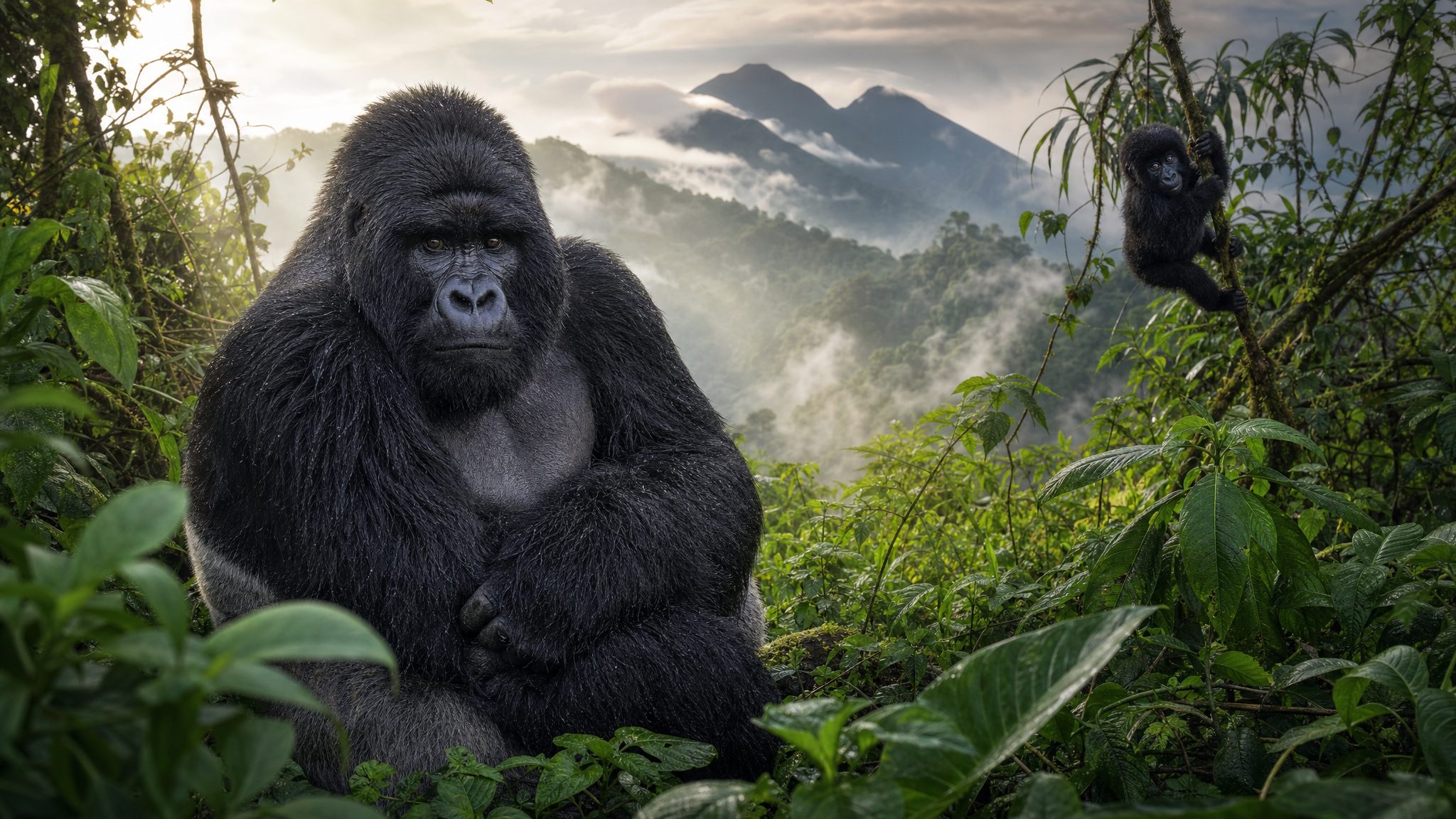
- Volcanoes National Park protects the Rwandan slopes of the Virunga Massif, home to around a dozen habituated mountain gorilla families.
- A Rwanda gorilla trekking permit costs US$1,500 per person and includes one hour with a habituated family, guides and park fees.
- It is the most accessible gorilla destination on Earth — just a two- to three-hour drive from Kigali International Airport.
- This is Dian Fossey’s park; you can hike to her tomb and the ruins of the Karisoke Research Center she founded.
- Beyond gorillas, the park offers golden monkey trekking, twin crater lakes and the scenic Musanze caves.
- Gorilla trekking runs year-round; the drier months of June to September and December to February offer the firmest trails.
Why Volcanoes National Park Is Special
Rwanda calls itself the Land of a Thousand Hills, and nowhere is more beautiful than its northwestern corner, where five of the eight great Virunga volcanoes rise in a wall of green above the farmland. This is Volcanoes National Park — Parc National des Volcans — the Rwandan heart of the Virunga Massif and one of the last refuges of the mountain gorilla. To trek here is to walk in the footsteps of Dian Fossey, whose decades of work on these very slopes helped save the species from extinction.
What sets Volcanoes apart is not only the gorillas but the sheer accessibility and polish of the experience. From Kigali’s modern international airport it is a scenic two- to three-hour drive to the park gate at Kinigi, and the lodges lining the volcanoes are among the finest in all of Africa. It is gorilla trekking at its most refined — raw wilderness reached in comfort.
Dian Fossey’s Volcanoes
The story of the mountain gorilla and the story of Volcanoes National Park are inseparable. It was here, in the saddle between the Karisimbi and Visoke volcanoes, that American primatologist Dian Fossey founded the Karisoke Research Center in 1967 and spent 18 years studying and defending the gorillas. Her work, immortalised in Gorillas in the Mist, transformed the world’s understanding of these great apes and laid the foundations for the conservation that keeps them alive today.
That legacy is felt on every trek. Mountain gorillas are the only great ape whose numbers are rising, and the permit fees travellers pay flow directly into protecting the forest and supporting the surrounding communities. Your hour with a gorilla family is, quite literally, part of the reason they still exist.
The Gorilla Permit & Cost
A Rwanda gorilla trekking permit costs US$1,500 per person, set by the Rwanda Development Board. The fee includes park entry, expert guides and trackers, and one hour with a habituated gorilla family. It is more expensive than Uganda’s US$800 permit — a deliberate premium-tourism strategy that keeps visitor numbers low, funds conservation and community projects, and delivers a highly polished experience with shorter, more accessible treks.
As in all gorilla parks, only eight visitors are allowed per family per day, so permits are limited and demand is high. We recommend securing yours six to twelve months ahead, especially for the peak dry months. We arrange your permits, lodges and transfers together as one seamless package so your trek day is completely stress-free.
Related journey: Gorilla Trekking Experience Rwanda — 3 Days →
What the Trek Day Is Really Like
The morning begins at the park headquarters in Kinigi, where trekkers gather from around 7:00 AM for coffee, a briefing and — uniquely to Rwanda — a welcome of traditional Intore dancers and drummers. Rangers allocate you to one of the habituated gorilla families based on your fitness and the family’s location, then you drive to the trailhead at the forest edge.
From there you climb. Treks in Volcanoes tend to be shorter than in Bwindi — often one to four hours — but the terrain is steep, the altitude is real (up to around 3,000 metres and beyond), and the bamboo and Hagenia forest is thick. Trackers who monitor each family radio their position, and the closer you get, the quieter and more electric the air becomes.
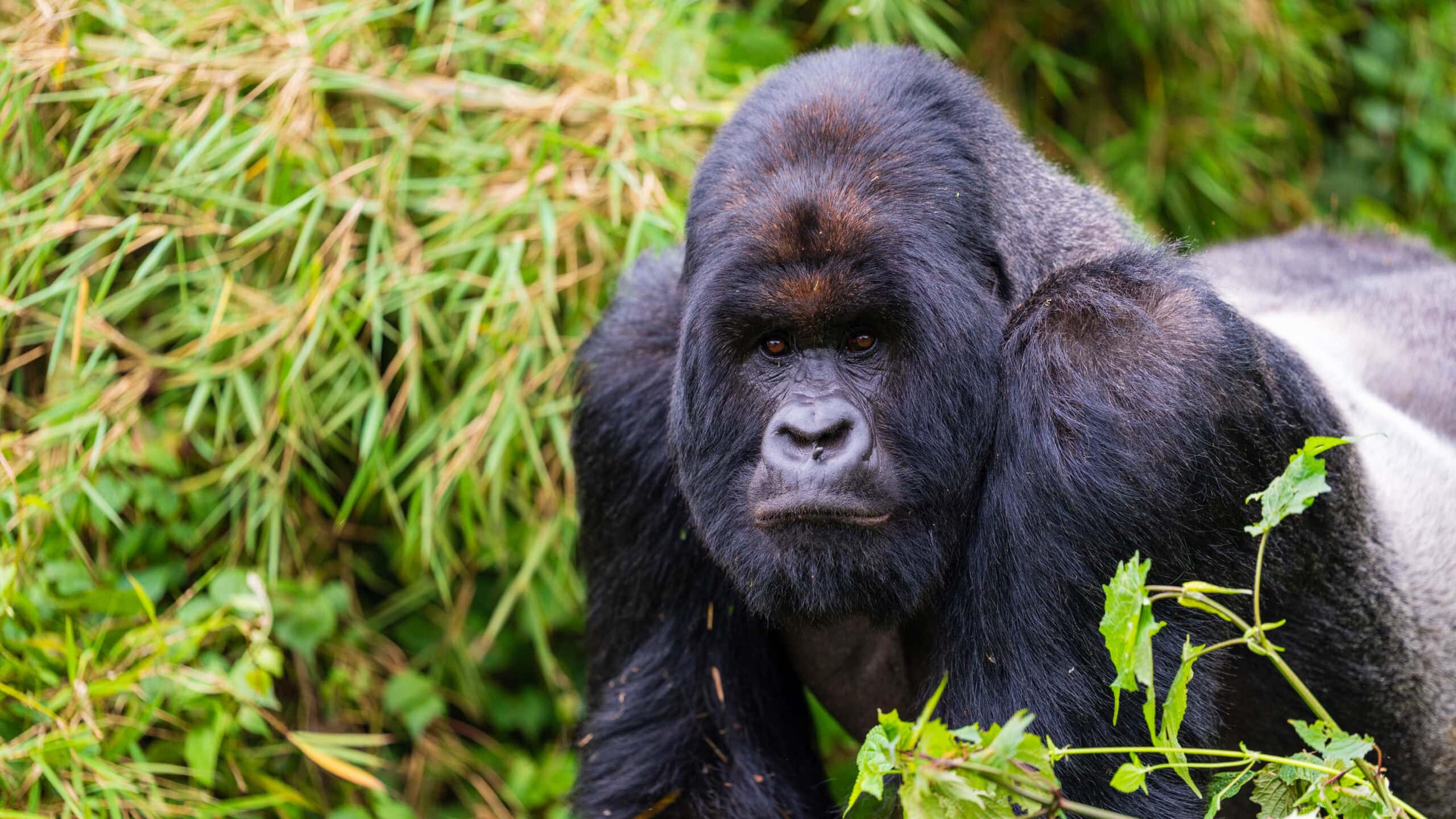
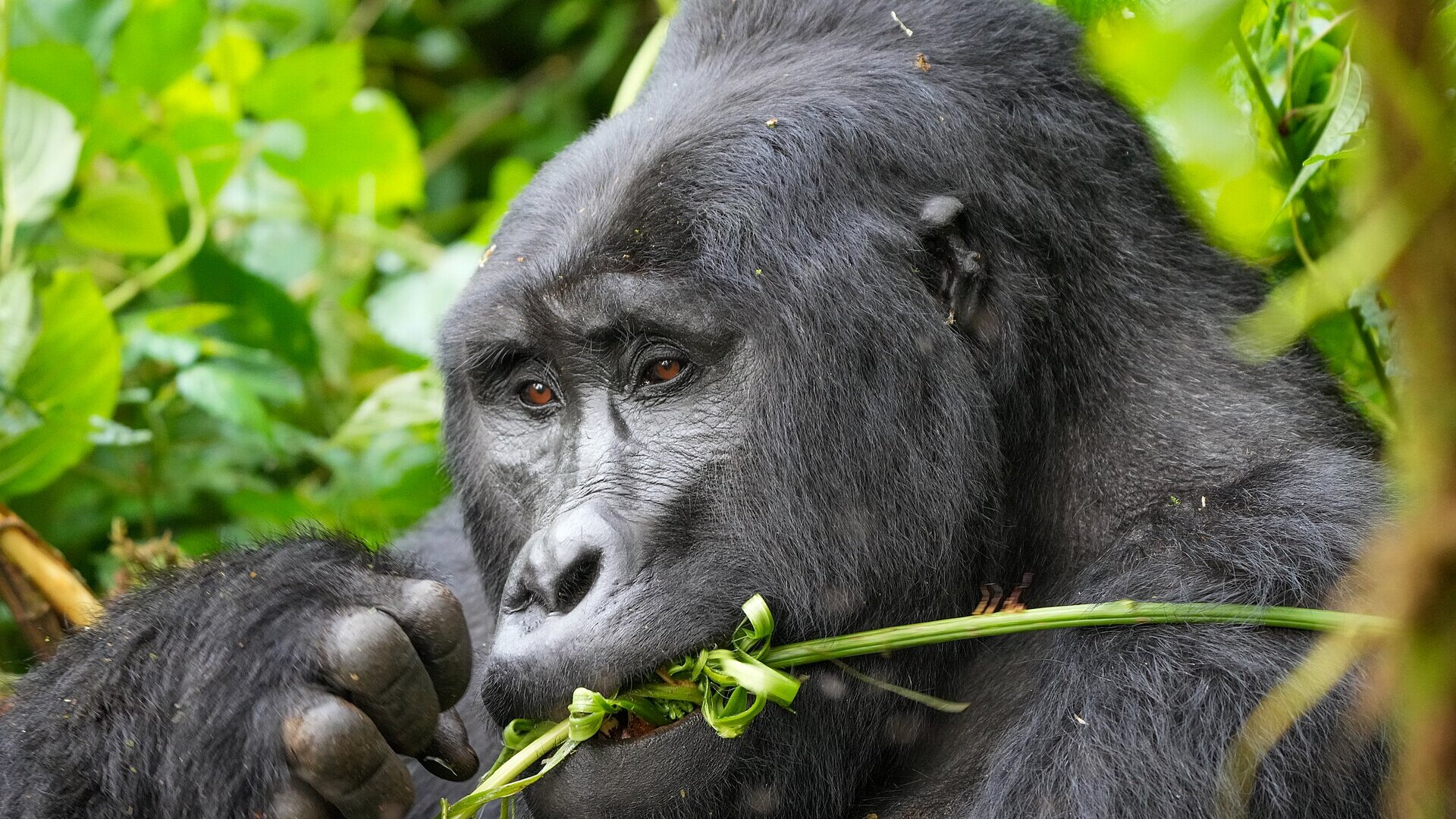
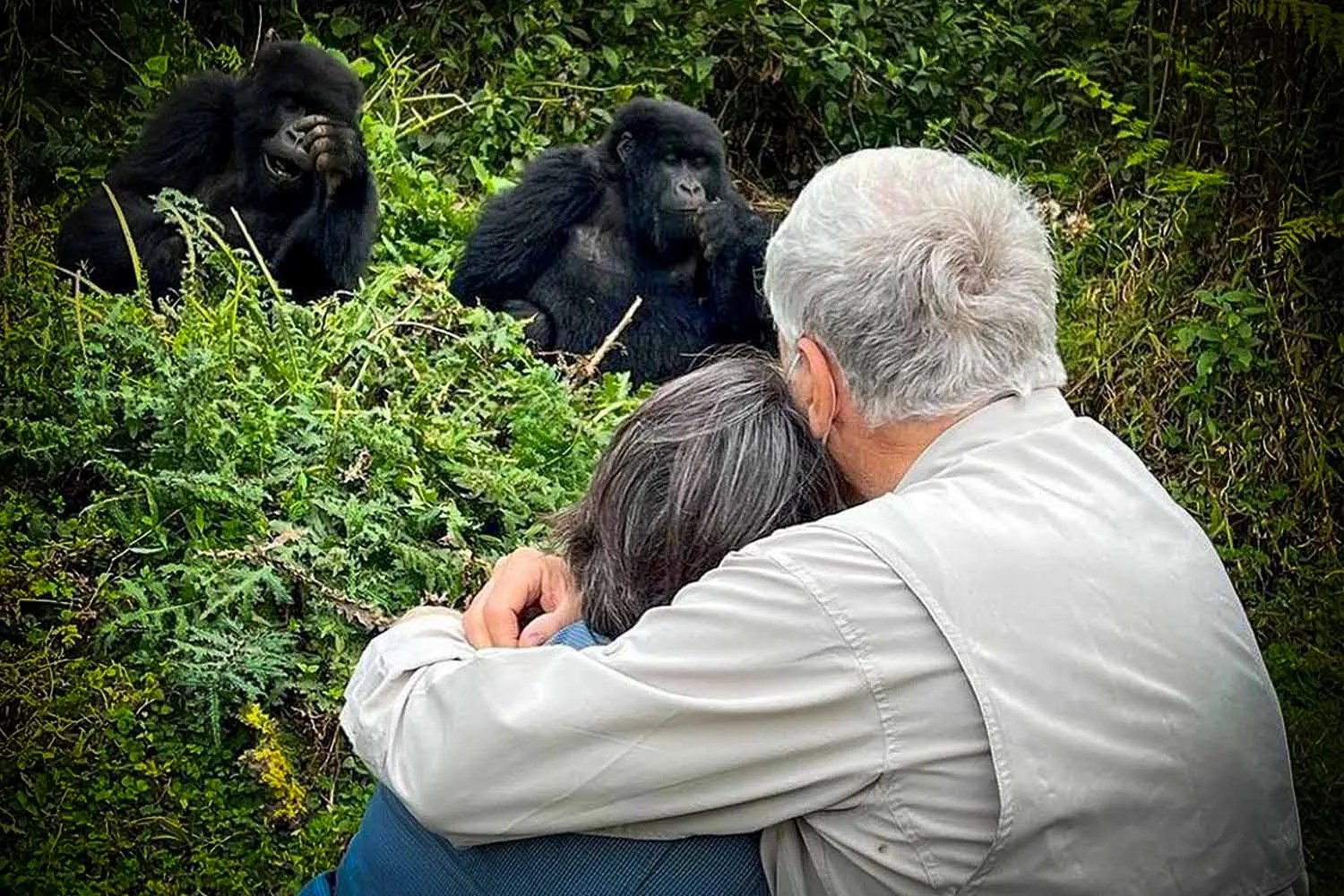
Then the forest opens and you are with them. For exactly one hour you stand about seven metres from a gorilla family — a vast silverback, watchful and serene; mothers with infants clinging to their chests; youngsters wrestling and rolling. They regard you with a calm, knowing gaze, and the hour disappears in what feels like minutes. It is, for almost everyone who does it, the most moving hour of their travelling lives.
Beyond Gorillas — Golden Monkeys & Dian Fossey
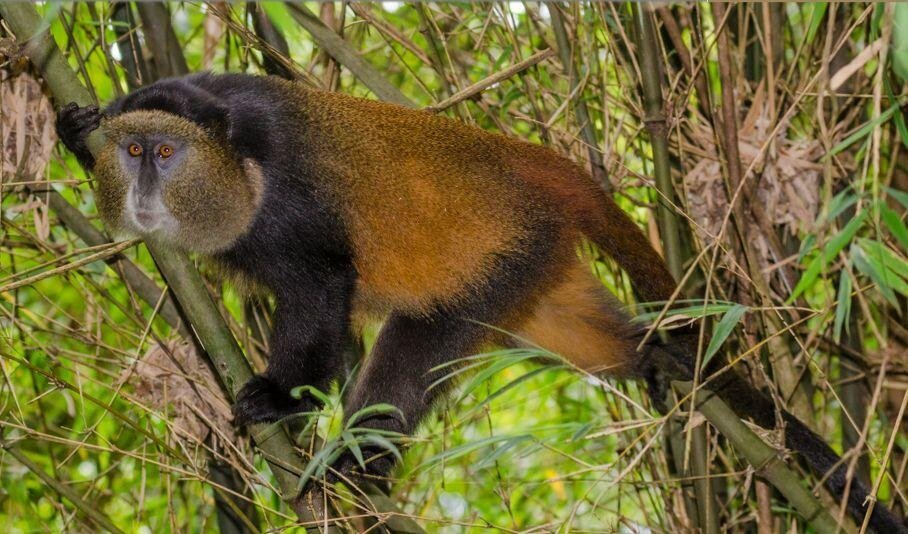
Volcanoes rewards a longer stay. Golden monkey trekking is a joyful half-day alternative or add-on: these endangered, bright-coated primates live in large, playful troops in the bamboo forest, leaping and tumbling in a whirl of gold and black — far more active and comical than the stately gorillas. A separate, cheaper permit covers the experience.
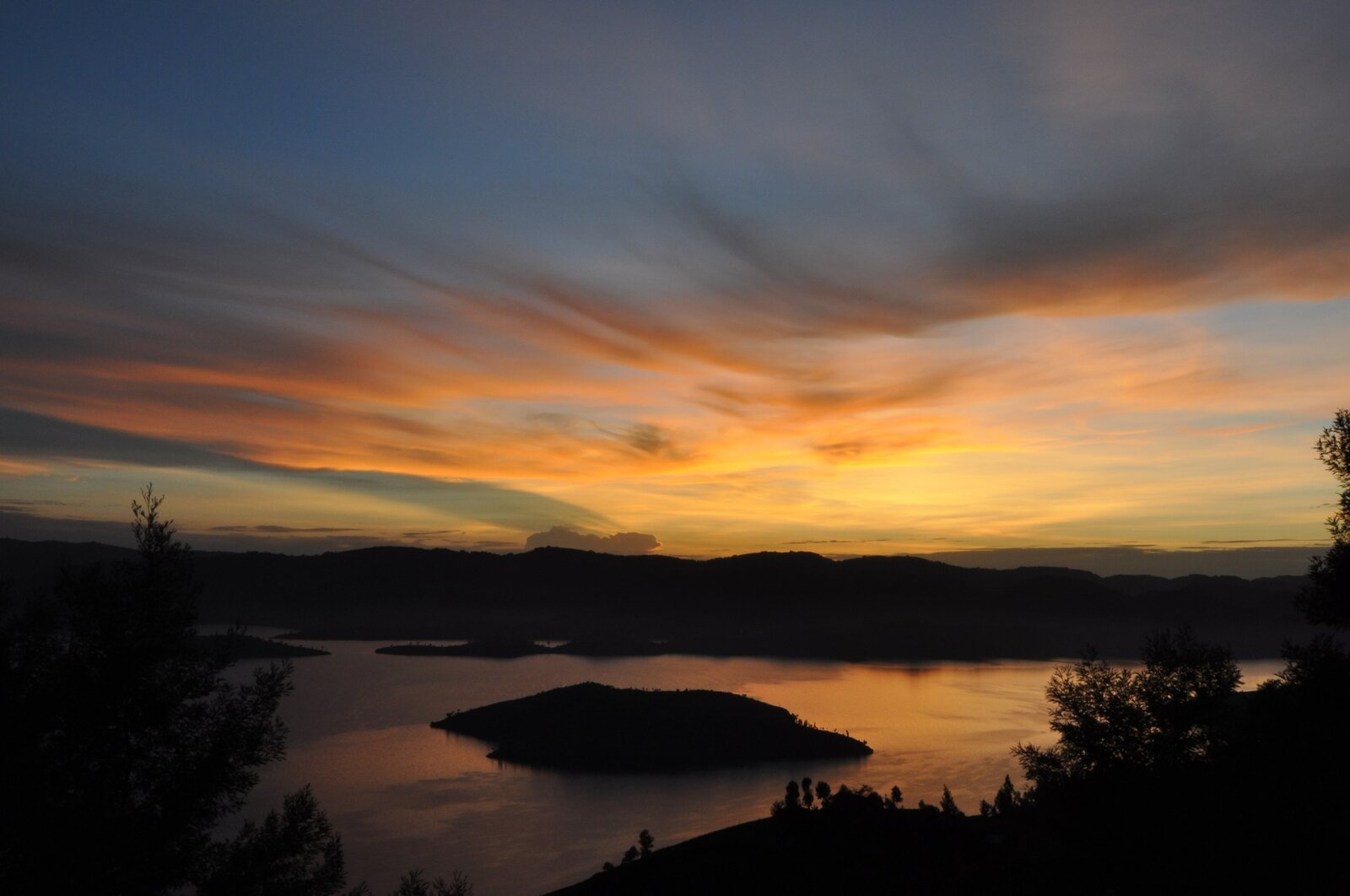
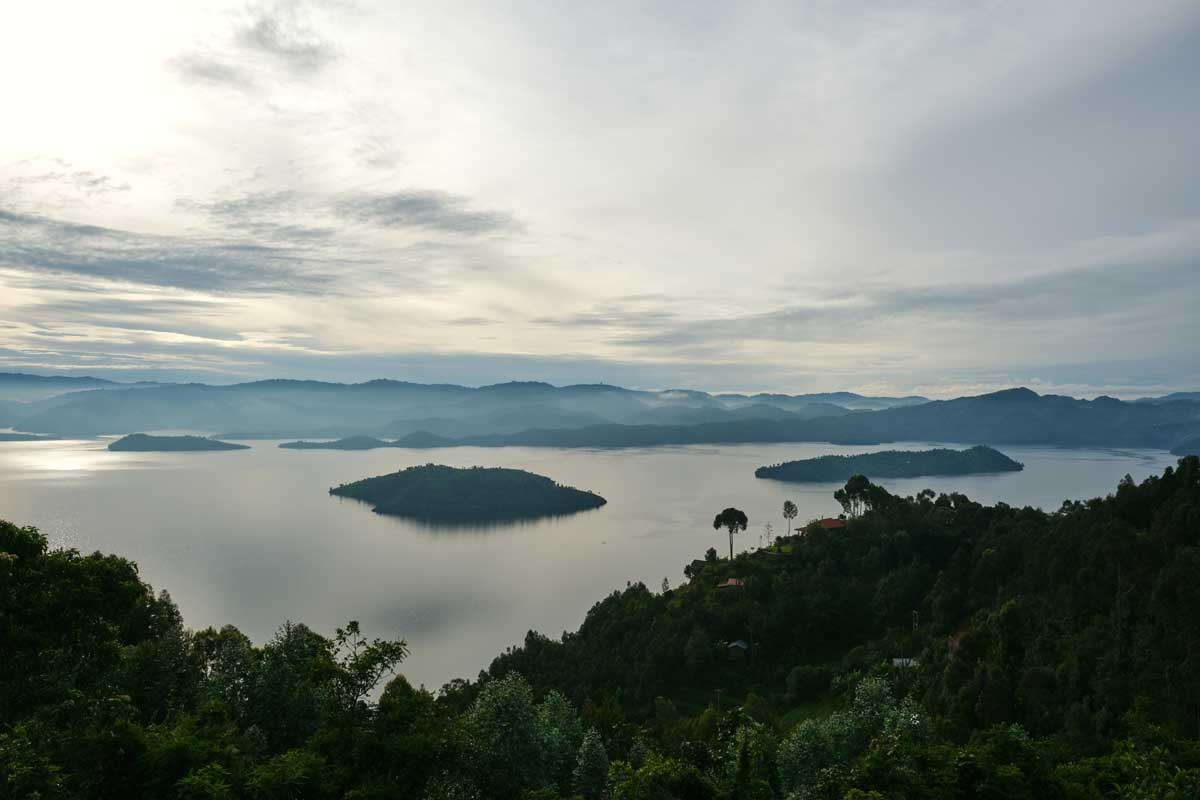
The Dian Fossey tomb hike is a moving pilgrimage: a steep three-to-four-hour round trip to the site of the old Karisoke Research Center, where Fossey is buried among the gorillas she loved, beside her beloved silverback Digit. Add the twin lakes of Ruhondo and Burera, the Musanze caves and the vibrant local culture, and the park easily fills three or four days.
The Finest Lodges & Best Time to Go
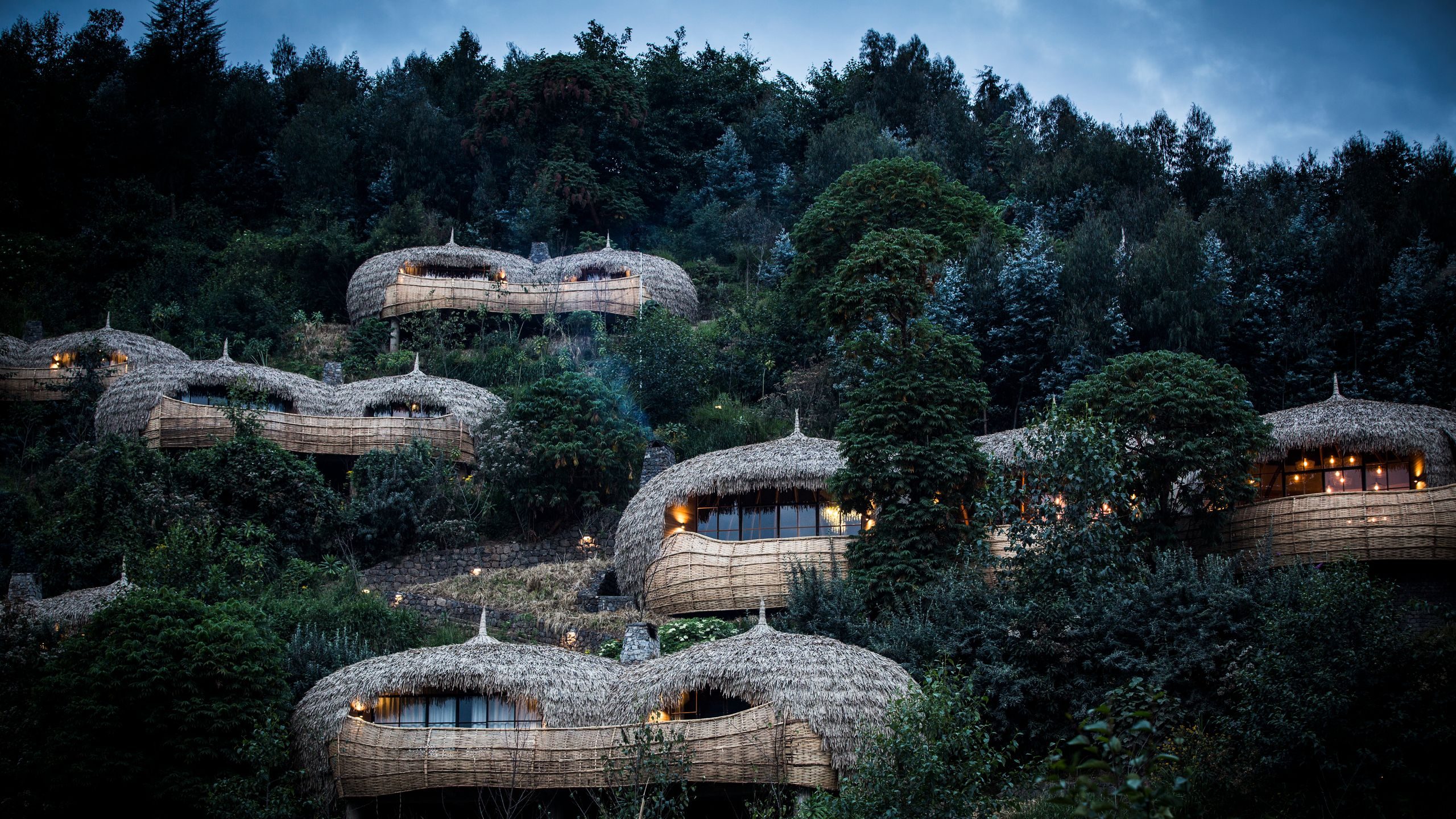
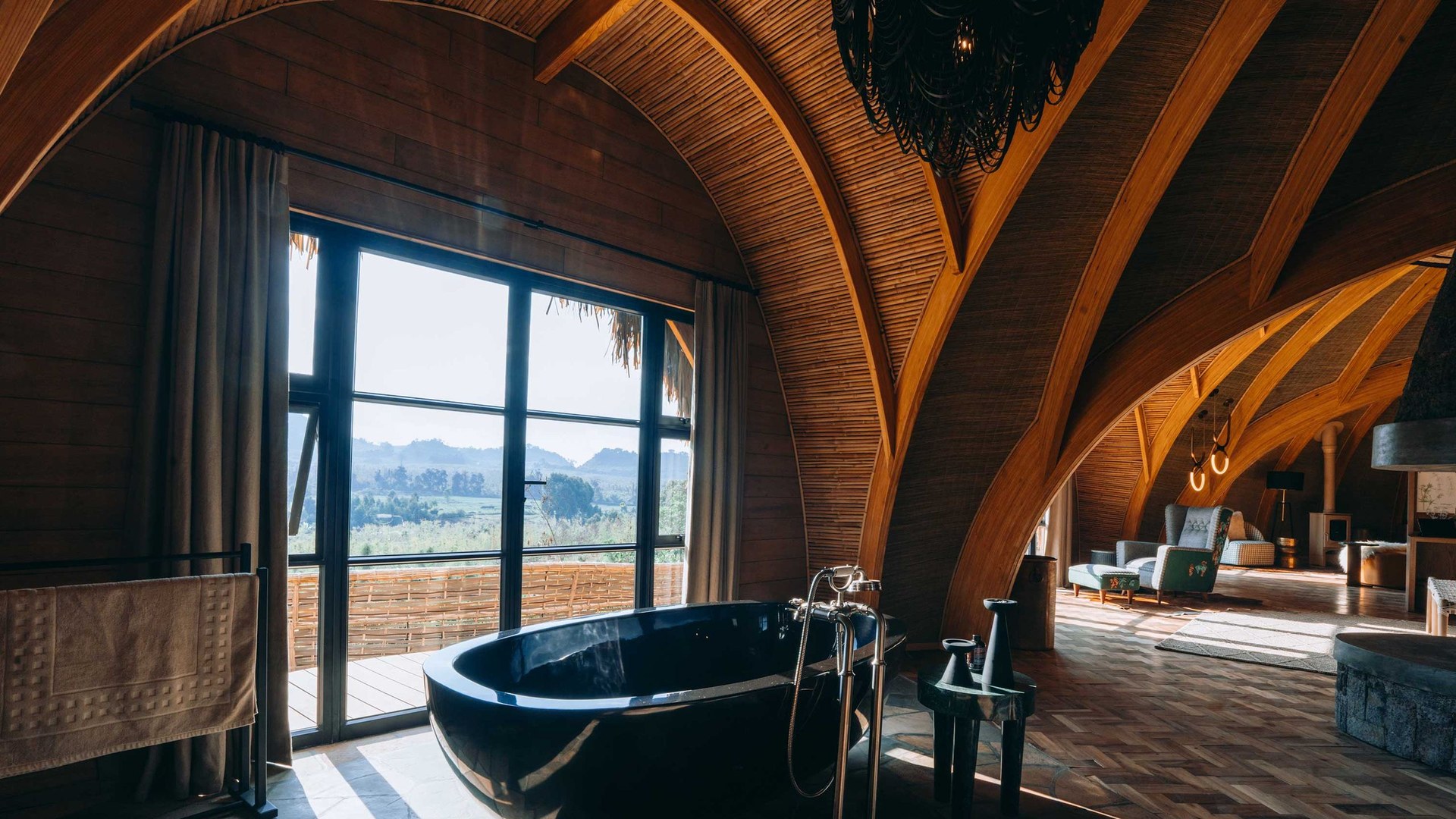
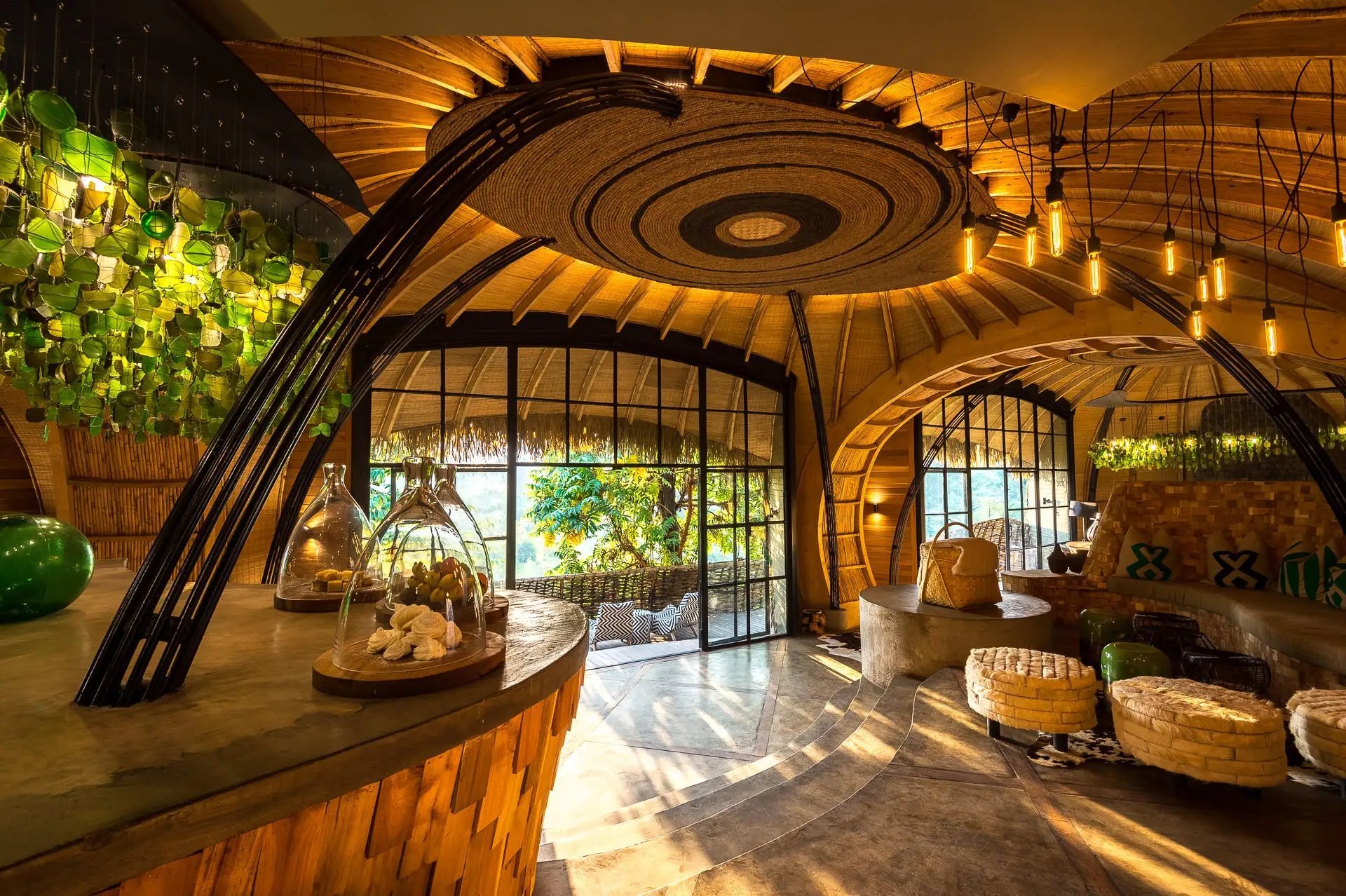
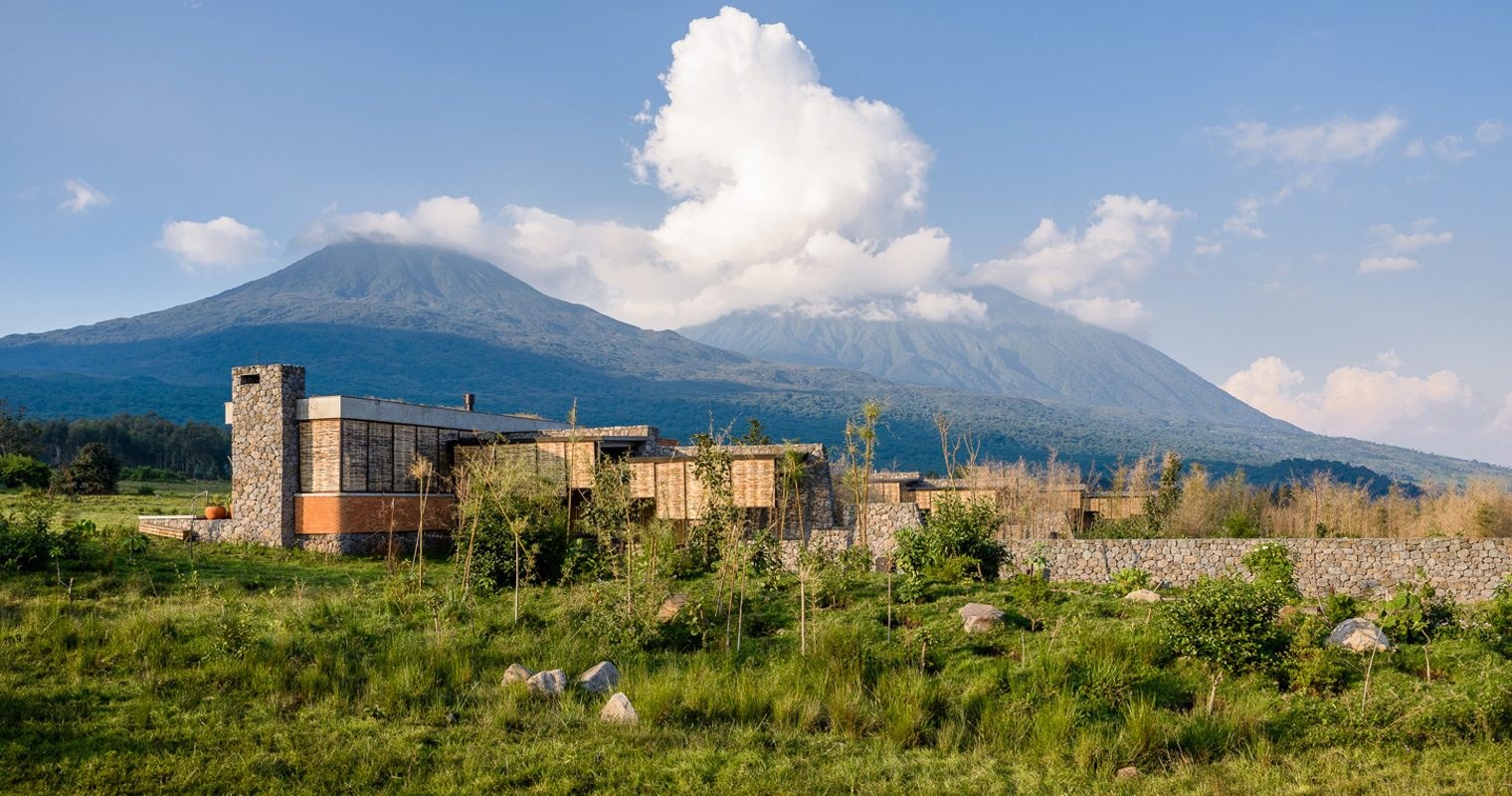
Nowhere on Earth does gorilla-country luxury like Volcanoes National Park. Bisate Lodge, with its dramatic forest-dome villas set in a reforested volcanic amphitheatre, and Singita Kwitonda, all volcanic-stone suites and vast views to the peaks, are two of the most celebrated lodges in Africa. Virunga Lodge commands a ridge between the twin lakes with some of the finest views on the continent, while a growing collection of superb camps completes the picture.
Gorilla trekking is possible year-round, but the two drier seasons — June to September and December to February — offer firmer trails and clearer views of the peaks, making them peak season. The wetter months (March to May, October to November) bring muddier treks and mist, but also lush scenery and fewer visitors. Whatever the month, dress in layers, expect rain, and bring good boots and gloves.
Related journey: Ultimate Gorilla Encounter Rwanda — 5 Days →
Planning Your Rwanda Gorilla Safari
Rwanda’s great advantage is its simplicity. Fly into Kigali, spend a night exploring the clean, safe, moving capital and its Genocide Memorial, then drive two to three hours to the volcanoes. A focused gorilla trip can be done in three or four days, while a fuller Rwanda journey adds Akagera for Big Five savanna, Nyungwe Forest for chimpanzees and canopy walks, and the shores of Lake Kivu.
Rwanda also combines superbly with a wider adventure — gorillas here, then a classic safari in Kenya or Tanzania, or a second gorilla trek across the border in Uganda. We handle permits, transfers, lodges and flights as one seamless plan.
Why Book Your Volcanoes Gorilla Trek With Us
We plan Rwanda the way we would want our own family to travel — securing your permits early, matching your fitness to the right family and lodge, and handling every flight, transfer and briefing so your trek day is effortless. We book direct with the finest gorilla lodges on Earth, protect the permits that sell out first, and build Volcanoes into a complete Rwanda or East Africa journey.
Ready to Plan Your Volcanoes Gorilla Trekking Safari?
Our specialists design tailor-made Rwanda gorilla safaris — permits secured, the finest lodges matched to you, and every detail handled. We book direct, protect the permits that sell out first, and stitch Volcanoes National Park into a wider Rwanda journey so all you do is arrive and be moved.