Key Takeaways
- Mozambique is Africa's newest Big Five frontier. After a civil war that wiped out up to 95% of its large mammals, the country is rebuilding its wildlife — and as of 2026 all five of the great animals are present once more.
- Four of the five are reborn across two great parks. Lion, leopard, elephant and buffalo range across the restored Gorongosa National Park and the vast, wild Niassa Special Reserve.
- The rhino is the newest arrival. White rhino returned to rewilded Zinave National Park in June 2026, completing Mozambique's first modern Big Five in a single park.
- Buffalo and elephant are the surest. Gorongosa's floodplain buffalo herds and recovering elephant are the flagship of the restoration; lion and leopard are recovering and elusive.
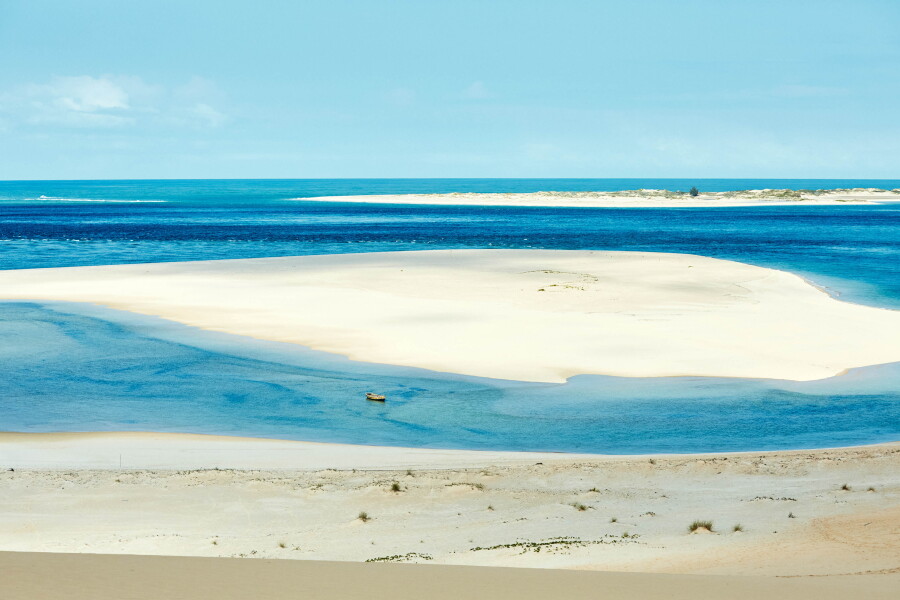
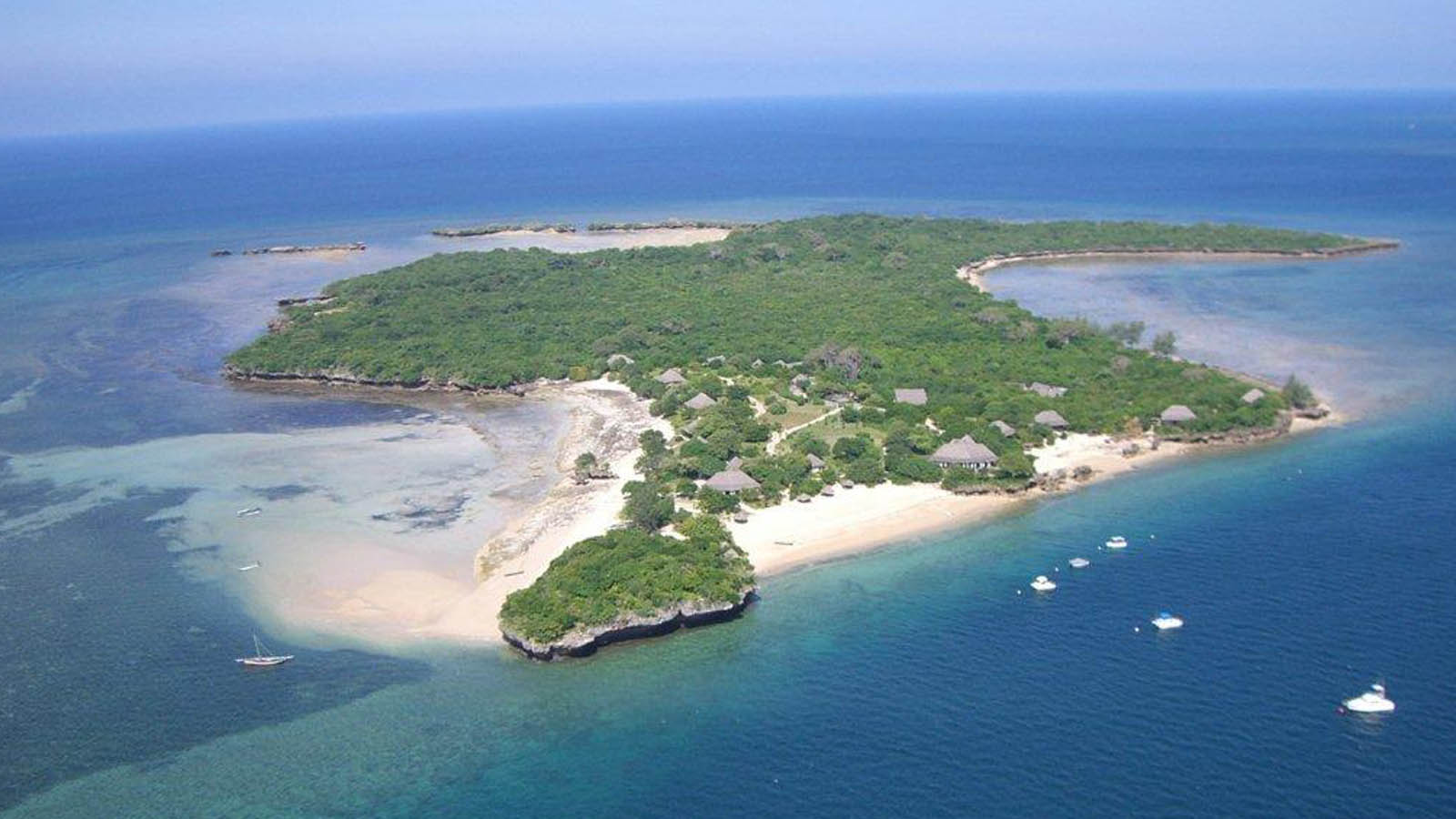
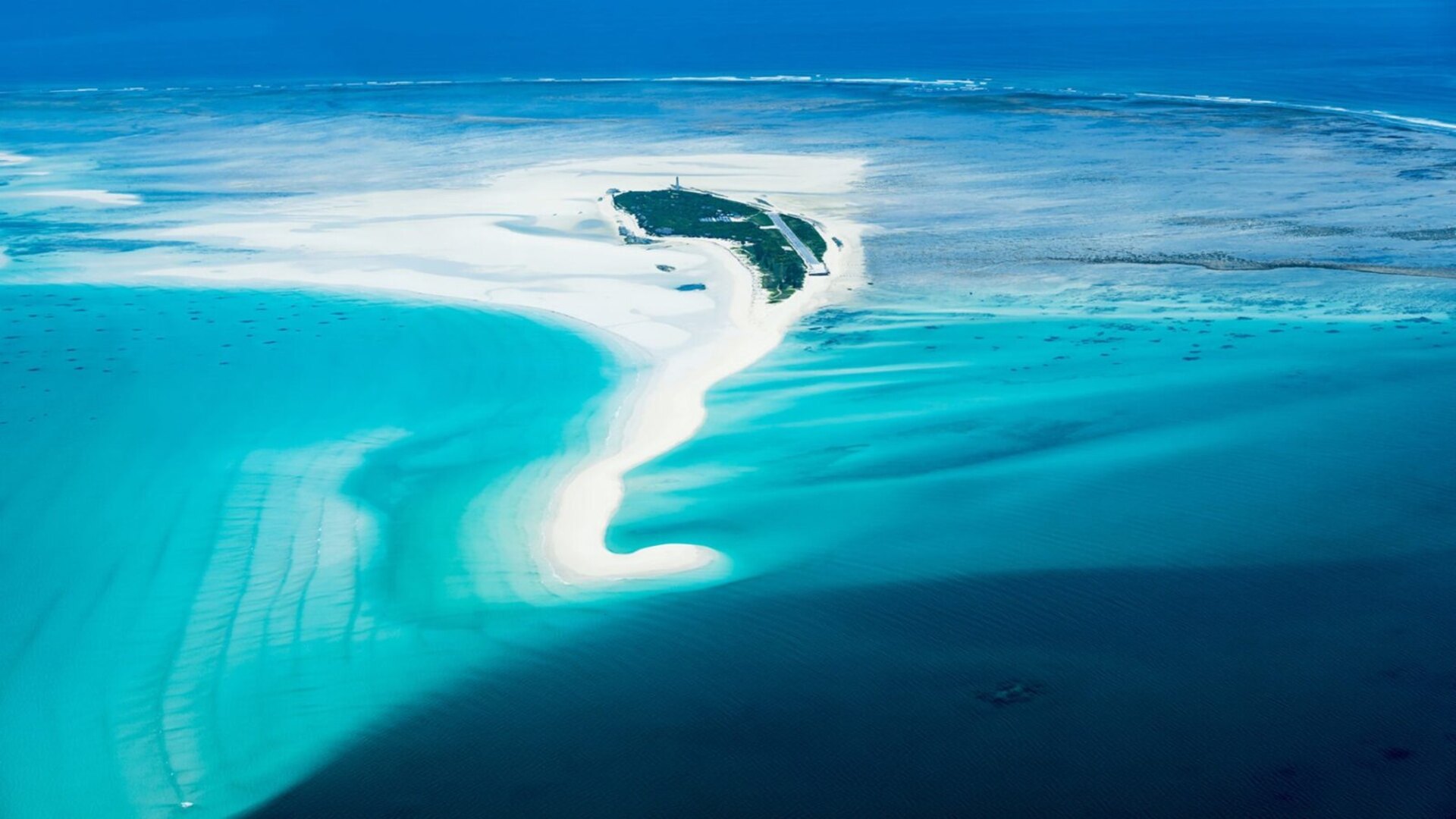
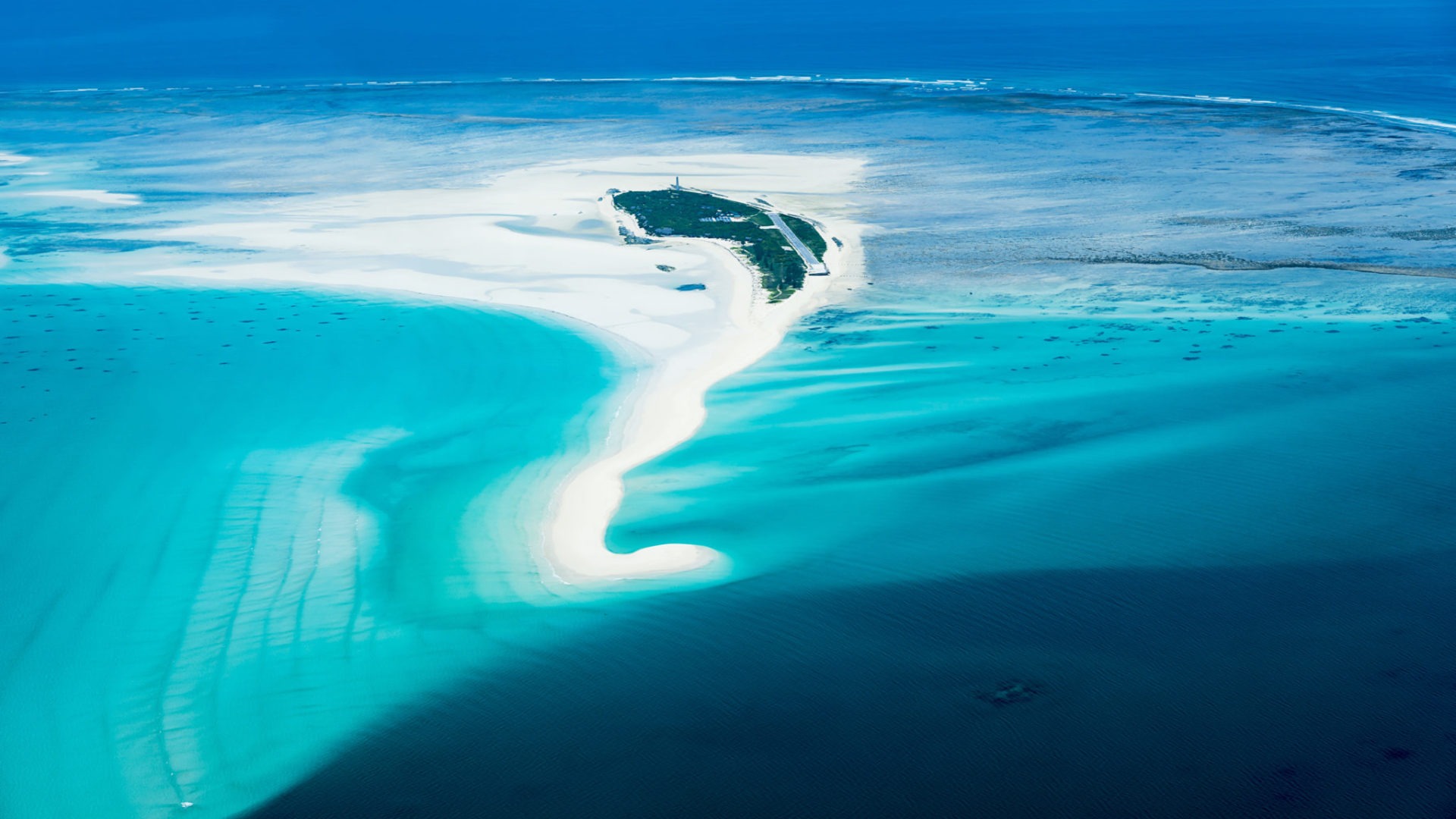
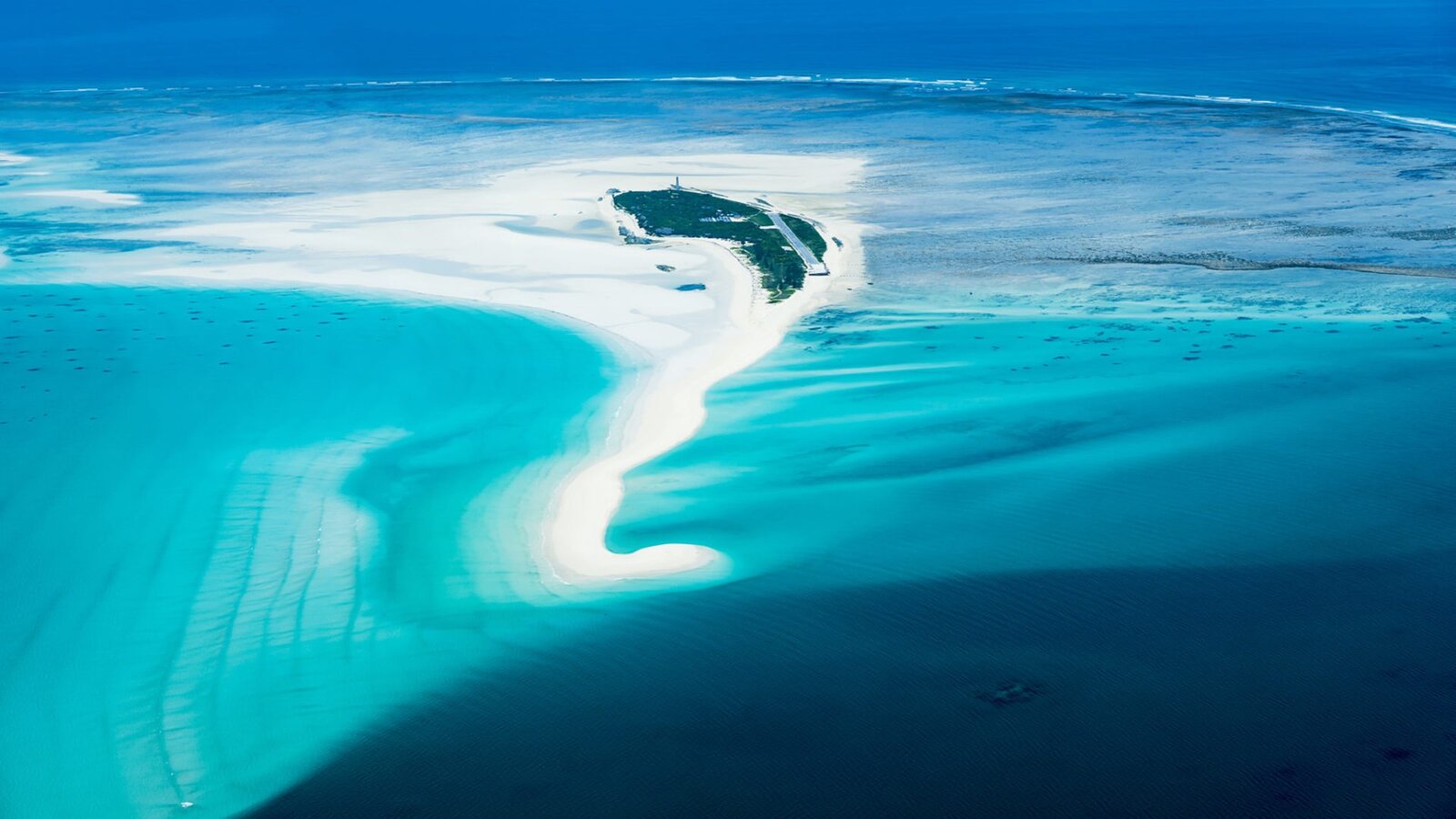
- Bush meets beach. Mozambique's unmatched advantage is pairing a wilderness safari with the Bazaruto and Quirimbas archipelagos — some of the finest beaches in Africa.
- Best time: the dry season, roughly May to October (September–October peak), for the best game viewing.
Mozambique has rewritten its wildlife story from almost nothing. A brutal civil war from 1977 to 1992 emptied the country's great parks, destroying up to 95% of their large mammals. For years, Mozambique was known to travellers for its Indian Ocean beaches rather than its bush. That has changed. Through some of the boldest restoration projects on the continent, lion, leopard, elephant and buffalo have returned to the interior — and in 2026 the rhino came home too, making Mozambique a genuine Big Five safari destination once more.
But Mozambique's Big Five picture is unusual, and honesty matters. The five are not yet found together in every park the way they are in Kenya or South Africa. Instead, four of the five — lion, leopard, elephant and buffalo — range across the reborn Gorongosa and the wild Niassa, while the fifth, rhino, was reintroduced only in June 2026 to rewilded Zinave National Park, which became the country's first park to hold all five in the modern era. In Mozambique, the story is not one classic circuit but a frontier being stitched back together — and a coastline like nowhere else to finish on. This guide goes species by species: where each of the five lives, how reliable the sighting is, and how to build a route that pairs the bush with the beach.
The Big Five in Mozambique — Species by Species
Mozambique's Big Five are spread across a handful of restored and rewilded reserves rather than concentrated in one famous park. Here is the honest picture for each species, with a sighting-reliability rating out of five stars, judged across the country's best wildlife areas.
🐃 Buffalo — ★★★★☆ (Very Good)
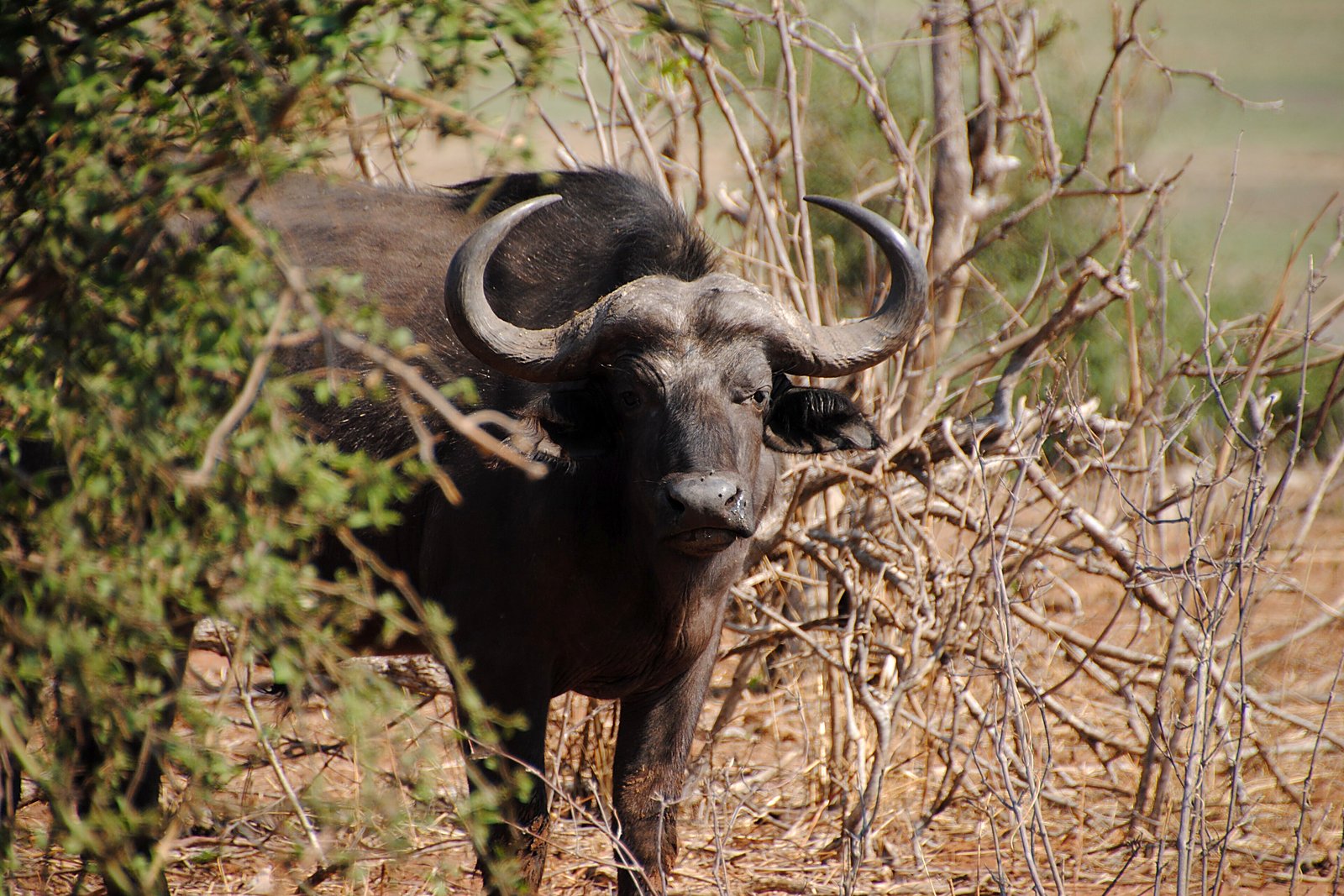
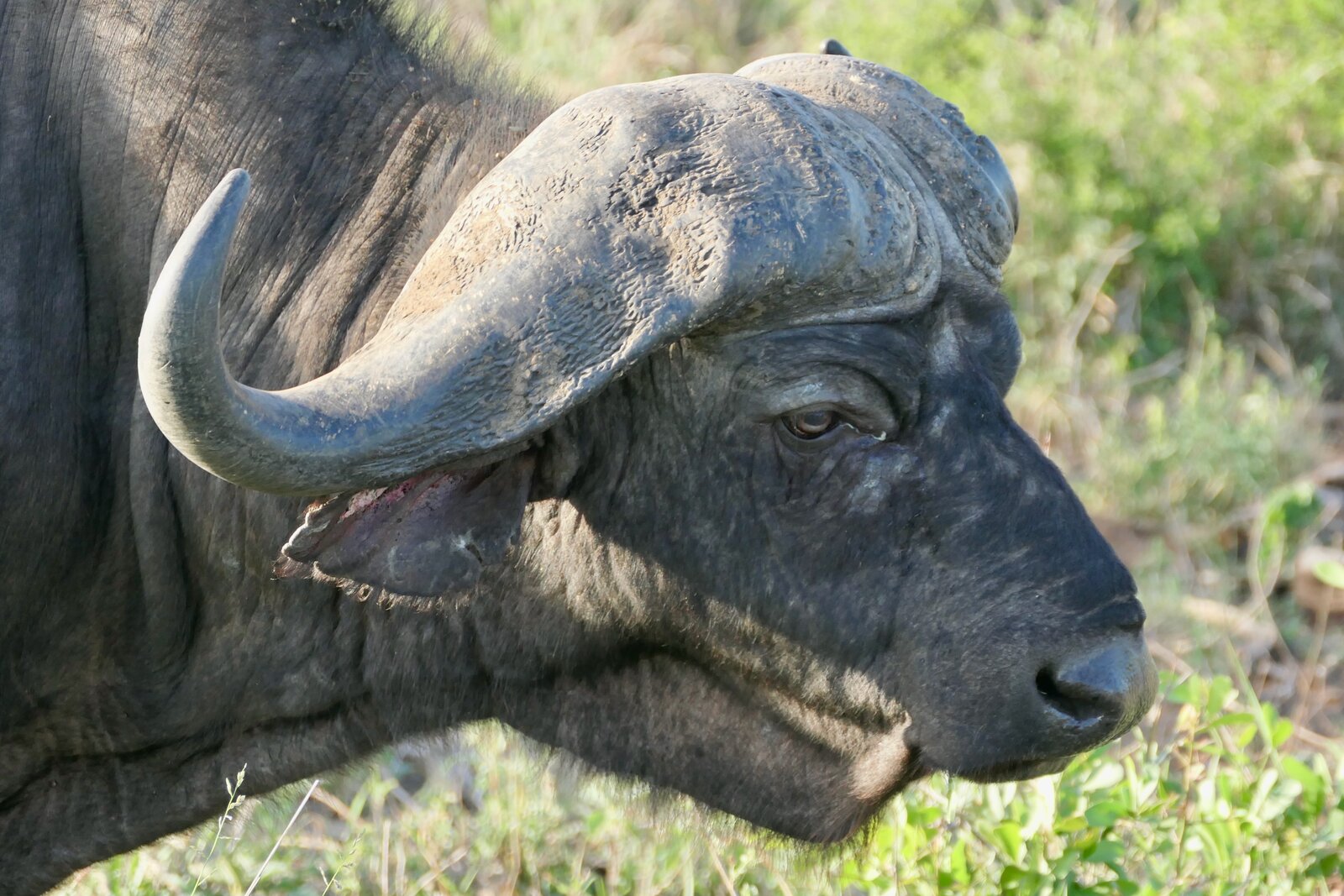
Cape buffalo are the flagship of Mozambique's restoration. In Gorongosa National Park, buffalo were reduced to a tiny remnant after the war and have rebounded into large herds that once again move across the Urema floodplain — one of the great symbols of the park's recovery. Buffalo are also well established in the wild north of the Niassa Special Reserve and among the species rewilded into Zinave. Of the country's Big Five, buffalo and elephant are the most reliable sightings.
- Best locations: Gorongosa's Urema floodplain, Niassa's river systems, Zinave
- Best time: Dry season (May–October) when herds concentrate near water
- Reality: Very good — buffalo are among the surest of Mozambique's Big Five, especially in Gorongosa.
🐘 Elephant — ★★★★☆ (Very Good)
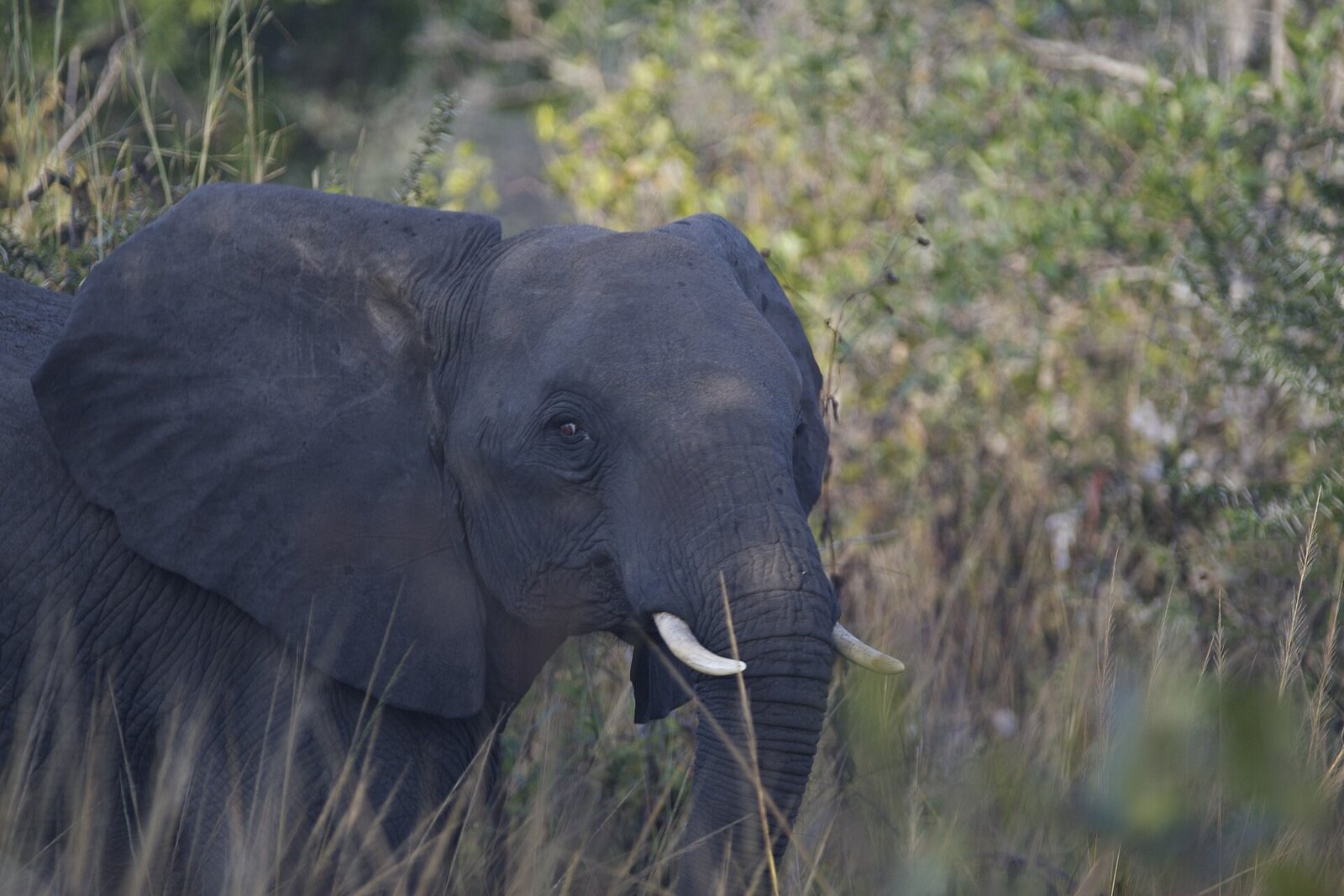
Elephant survived Mozambique's difficult years in remnant populations and are now recovering strongly. Gorongosa's elephant, once deeply traumatised by war-era poaching, have grown calmer and more numerous as protection has taken hold. The Niassa Special Reserve in the far north holds one of the country's most important elephant strongholds across its vast miombo wilderness, and elephant were among the first species translocated into Zinave. Sightings are good and improving across all three.
- Best locations: Gorongosa floodplain and woodland, Niassa's Lugenda river country, Zinave
- Best time: Dry season, when herds gather along rivers and pans
- Reality: Very good — reliable in Gorongosa and a genuine stronghold in remote Niassa.
🦁 Lion — ★★★☆☆ (Good and Recovering)
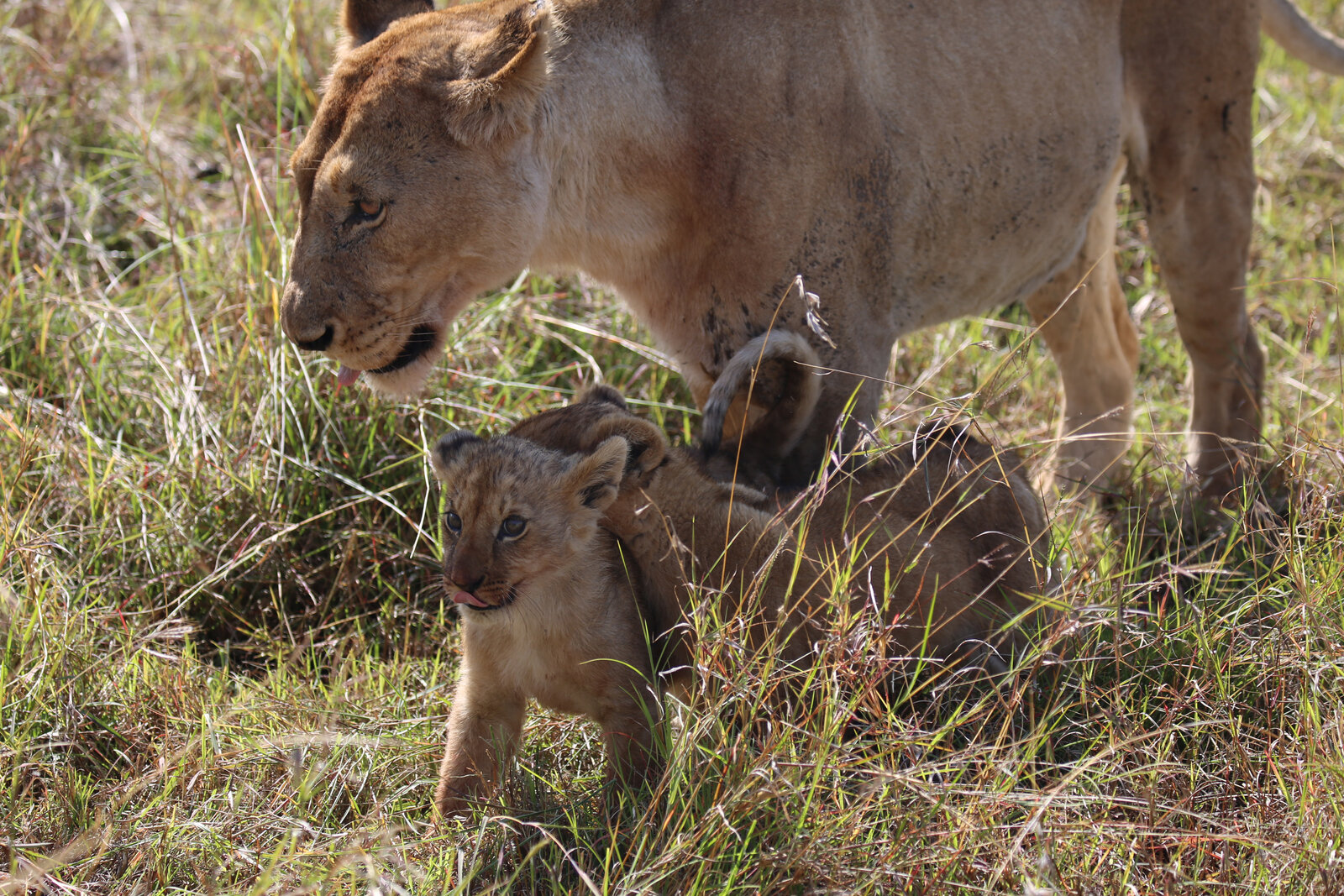
Lion are one of the great success stories of Mozambique's recovery. In Gorongosa, the lion population survived the war as a tiny remnant and has since rebounded strongly under intensive protection, and lion are now seen with growing regularity on the floodplain and in the woodland. The Niassa Special Reserve holds one of Africa's most significant wild lion populations across its enormous, lightly visited wilderness. Densities are lower and the parks wilder than the classic reserves of East and Southern Africa, so sightings reward time and a good guide — but they are increasingly rewarding.
- Best locations: Gorongosa's Urema floodplain and woodland, Niassa's wilderness
- Best time: Dry season; early morning and late afternoon for active prides
- Reality: Good and recovering — a real conservation comeback, best in Gorongosa and wild Niassa.
🐆 Leopard — ★★★☆☆ (Present but Elusive)
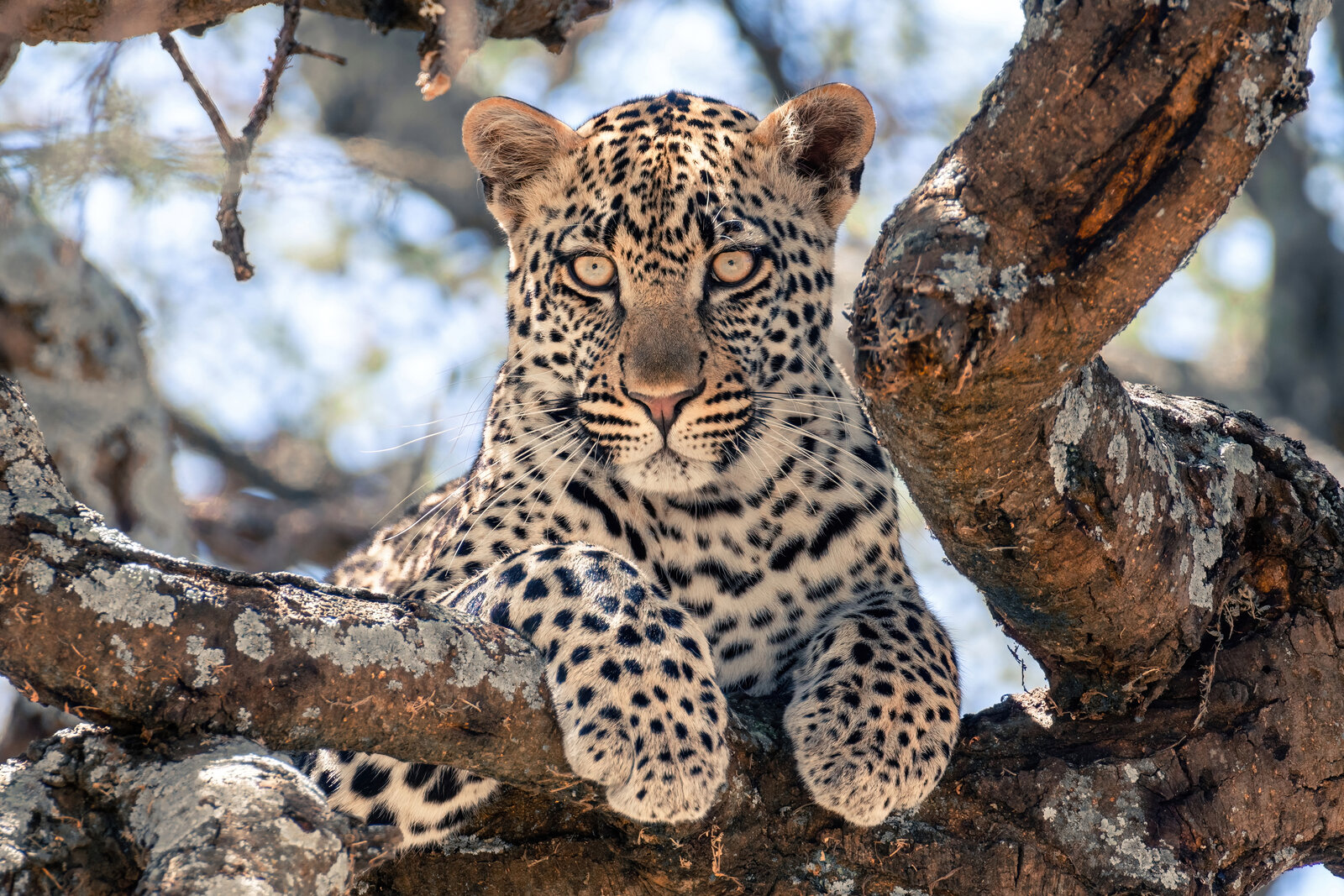
Leopard are resident across Mozambique's wildlife areas and, being the most adaptable of the big cats, held on through the hard years better than lion. They are present in Gorongosa, well distributed across the wild Niassa Special Reserve, and among the predators of the rewilded reserves. As everywhere, they are shy, largely nocturnal and harder-won than the herds — a leopard sighting in Mozambique is a genuine thrill rather than a certainty.
- Best locations: Gorongosa's woodland and Niassa's rocky inselbergs and river valleys
- Best time: Dry season for visibility; leopard are resident year-round
- Reality: Present but elusive — treat a leopard sighting as a rewarding bonus.
🦏 Rhino — ★★☆☆☆ (The New Arrival)
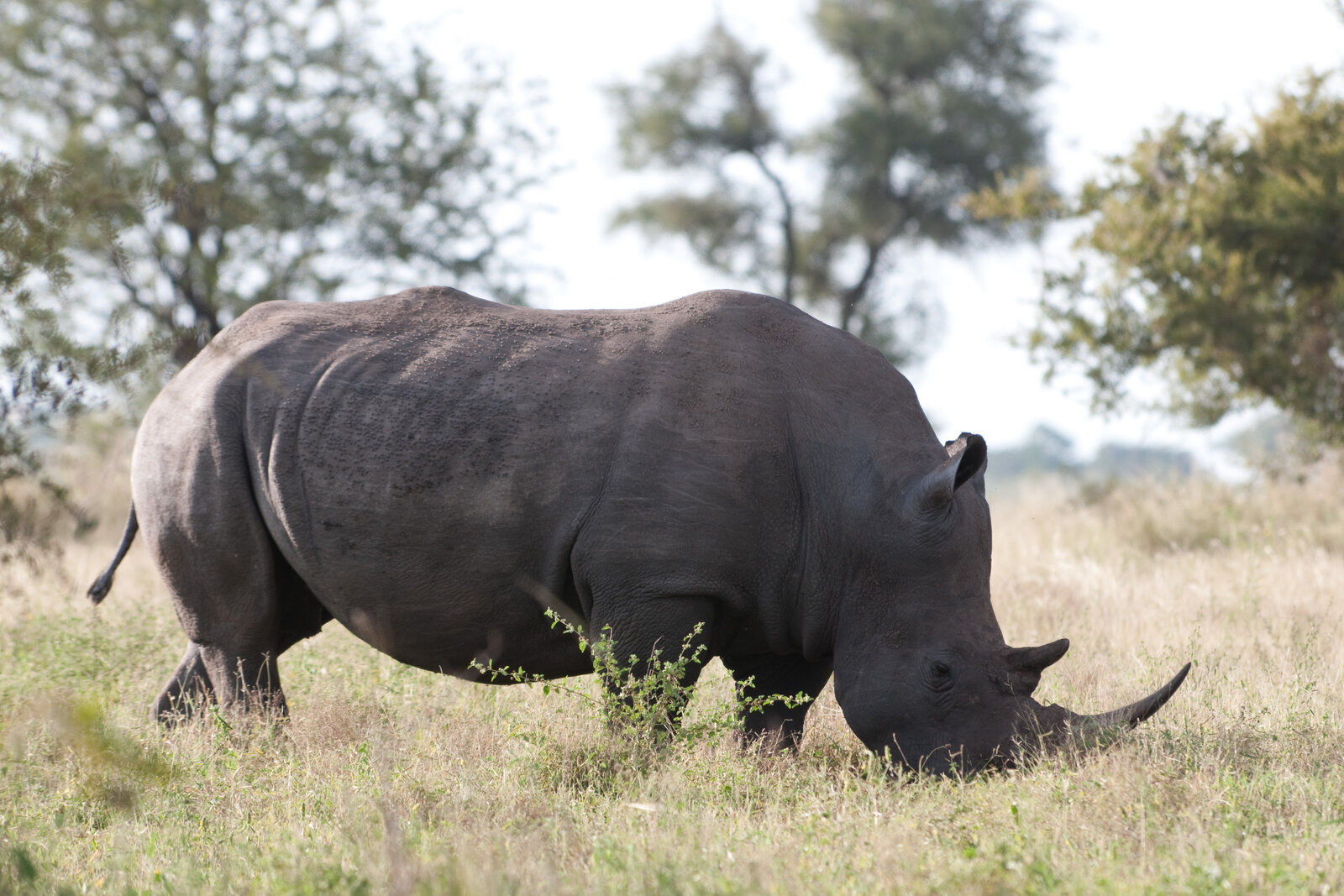
Here is the honest picture, and it is the newest chapter in Mozambique's comeback. Rhino were wiped out of the country decades ago, poached to local extinction, and for years a Mozambique safari simply could not offer the fifth of the Big Five. That changed in 2026:
- Zinave National Park, rewilded over the past decade by Mozambique's ANAC together with the Peace Parks Foundation, completed its Big Five in June 2026 with the arrival of nine white rhinos — the first rhino to walk Mozambican soil in a generation, translocated in from South Africa.
- This makes Zinave the only park in Mozambique where all five of the great animals are present, and a landmark in the country's transfrontier conservation story.
But be realistic. This is a brand-new, small founder population in a single, large, wild park — and rhino remain absent from Gorongosa and Niassa, the country's headline safari destinations. Seeing rhino in Mozambique means visiting Zinave specifically, and even there sightings of a young, low-density population are a matter of luck and patience — a prize, not a promise.
- Best locations: Zinave National Park only, along the Save River wilderness
- Best time: Dry season for access and visibility
- Reality: The new arrival — genuinely back at Zinave since June 2026, but a young, single-park population, so a sighting is a rare privilege.
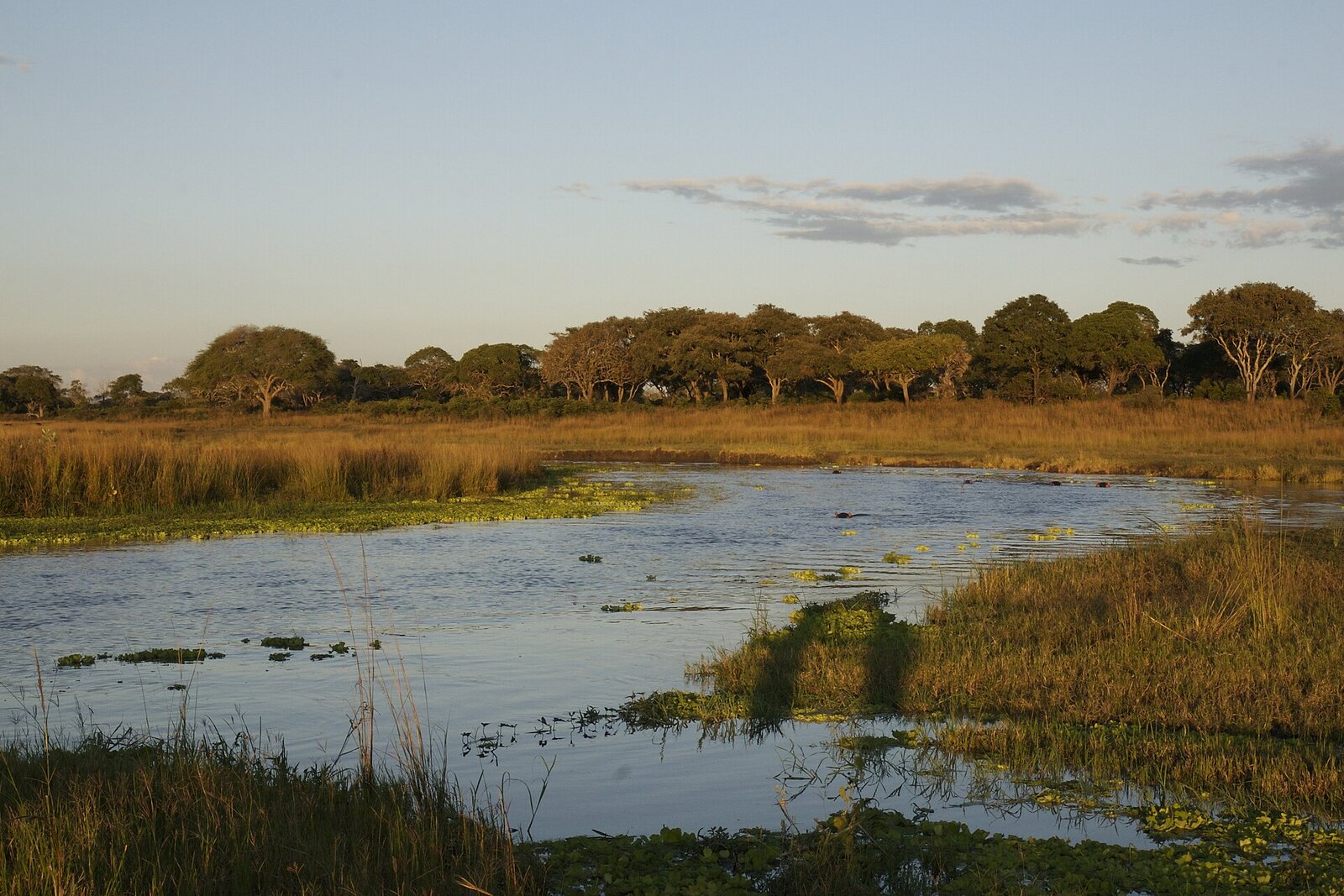
Gorongosa — The Great Restoration
Where to See the Big Five: Mozambique Park-by-Park
Mozambique's Big Five is a story of several reserves, each at a different stage of recovery. No single famous park holds all five easily; instead you match the park to the species you most want to see. Use this matrix to understand what each delivers. Stars reflect realistic Big Five sighting reliability.
| Park | Lion | Leopard | Elephant | Buffalo | Rhino |
|---|---|---|---|---|---|
| Gorongosa NP | ★★★☆☆ | ★★★☆☆ | ★★★★☆ | ★★★★★ | ☆☆☆☆☆ |
| Niassa Reserve | ★★★★☆ | ★★★☆☆ | ★★★★☆ | ★★★★☆ | ☆☆☆☆☆ |
| Zinave NP | ★★☆☆☆ | ★★☆☆☆ | ★★★★☆ | ★★★★☆ | ★★☆☆☆ |
How to read this matrix: Gorongosa is Mozambique's flagship safari park and its restoration masterpiece — superb for buffalo, very good for elephant, and steadily improving for lion and leopard, but without rhino. Niassa is a vast, remote wilderness in the far north with a genuinely wild population of lion, leopard, elephant and buffalo, for the adventurous traveller — but again, no rhino. Zinave, the rewilding project on the Save River, is the one park where all five are now present following the June 2026 arrival of white rhino, though its cat populations are young and low in density. A complete Mozambique wildlife journey therefore combines these reserves — and finishes on the coast.
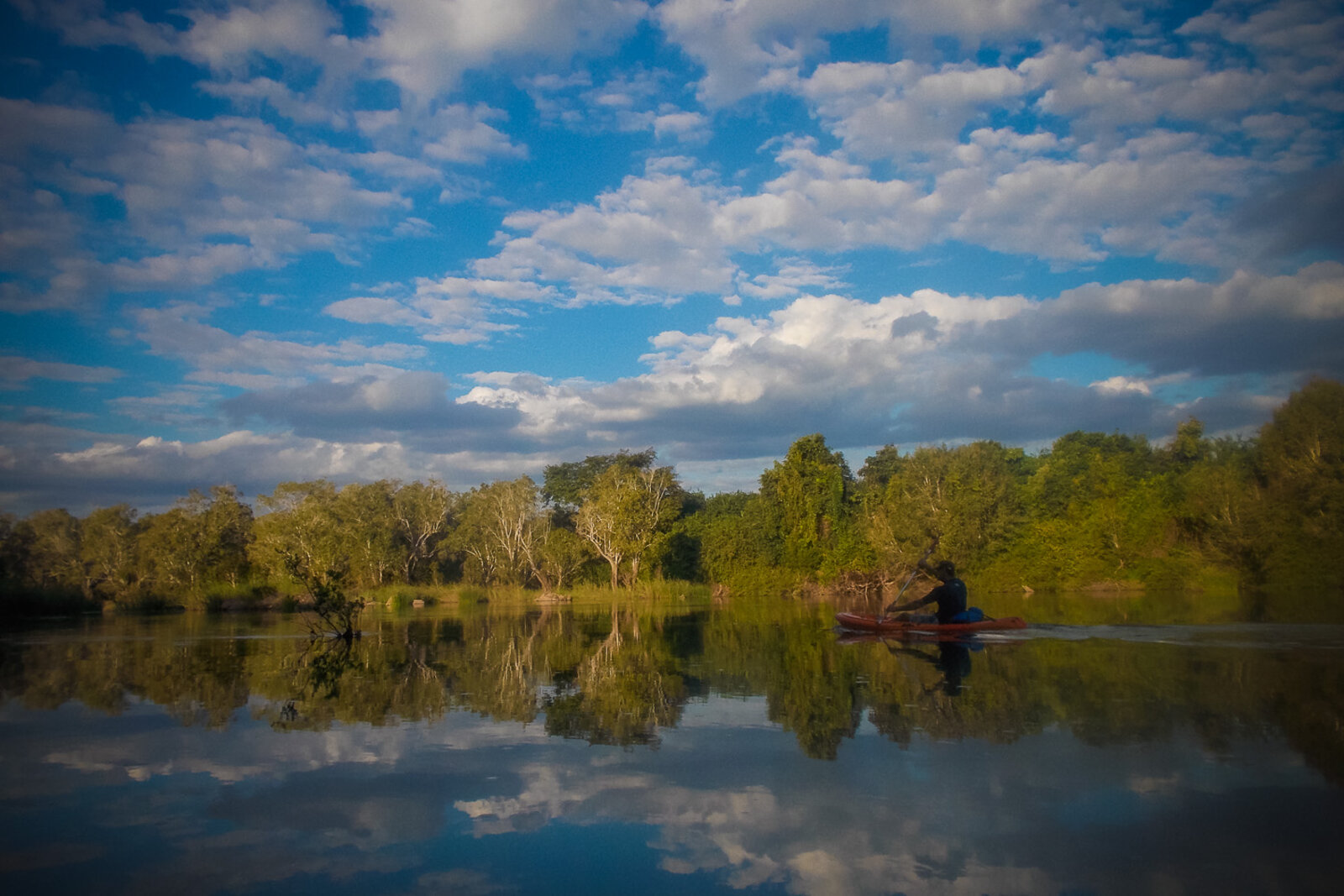
Niassa — The Wild North
Best Time for a Big Five Safari in Mozambique
Mozambique has a warm, tropical climate with a distinct dry season and a wet season. For the interior wildlife parks, the dry months are far better for game viewing: the bush thins, water sources shrink and animals concentrate, and the sandy tracks of remote reserves like Niassa and Zinave become passable. The wet season brings lush landscapes and superb birding but heavy rain, dispersed game and roads that can close entirely in the wildest parks.
| Season | Months | Big Five Viewing | Notes |
|---|---|---|---|
| Peak Dry | Sep–Oct | ★★★★★ Exceptional | Thinnest bush, concentrated game at water, best access to remote reserves — and glorious beach weather |
| Dry Season | May–Aug | ★★★★☆ Very Good | Cool, dry and comfortable, with good game viewing and firm tracks; ideal for combining bush and coast |
| Early Wet | Nov–Dec | ★★★☆☆ Good | Green flush, newborn game and superb birding; building heat and the first storms |
| Wet Season | Jan–Apr | ★★☆☆☆ Variable | Lush and dramatic but wet; dispersed game and some remote reserves close as tracks flood |
Verdict: The dry season (May–October, peaking in September and October) is objectively the best window for a Big Five safari in Mozambique, offering:
- Firm, passable tracks across Gorongosa, Niassa and Zinave
- Elephant, buffalo and plains game concentrating along rivers and pans
- Better lion and leopard sightings as the bush thins
- Warm, dry, blue-sky conditions for the Bazaruto and Quirimbas beaches
Budget-conscious and birding travellers: the shoulder months of November and December bring the green season's newborn animals, migrant birds and lower rates — just accept building heat, afternoon storms and more dispersed game, and be aware that the wildest reserves become hard to reach in the deep wet months of January to April.
Mozambique's Big Five — Lion, Leopard, Elephant, Buffalo & Rhino
Honest Assessment: Can You See All Big Five in One Mozambique Safari?
The honest answer is yes, all five are present in Mozambique as of 2026 — but seeing them is a country-wide pursuit across several wild reserves, not a single easy circuit, and rhino in particular ask for a dedicated leg and a good deal of luck. Here is the reality.
Four of Five Are Genuinely Achievable
Lion, leopard, elephant and buffalo can all be seen on a good Mozambique safari built around Gorongosa and, for the adventurous, Niassa. Buffalo and elephant are reliable, the recovering lion of Gorongosa are increasingly seen, and leopard reward patience. A few days in these reborn wildernesses realistically delivers a strong four of the five.
Rhino Is the Specialist Prize
The fifth calls for realistic expectations and a specific plan. Rhino exist in only one Mozambican park — Zinave — and only since June 2026, as a small, young founder population in a large, wild reserve. To have any chance at rhino you must include Zinave specifically, and even then a sighting is far from guaranteed. For most travellers, Mozambique is best approached as a superb Big Four safari with the rhino as a pioneering bonus for those who make the journey to the Save River.
Where to Complete Your Big Five:
- Gorongosa core safari — the flagship restoration park and the easiest place to see buffalo, elephant, recovering lion and leopard. Recommended: 3 nights Gorongosa.
- Niassa wilderness add-on — for the adventurous, a remote-fly-in leg into one of Africa's great untouched wildernesses for wild lion, leopard, elephant and buffalo. Recommended: 3 nights Niassa.
- Zinave for rhino — the only way to add the fifth, in the rewilded park that completed its Big Five in 2026. Recommended: 2–3 nights Zinave.
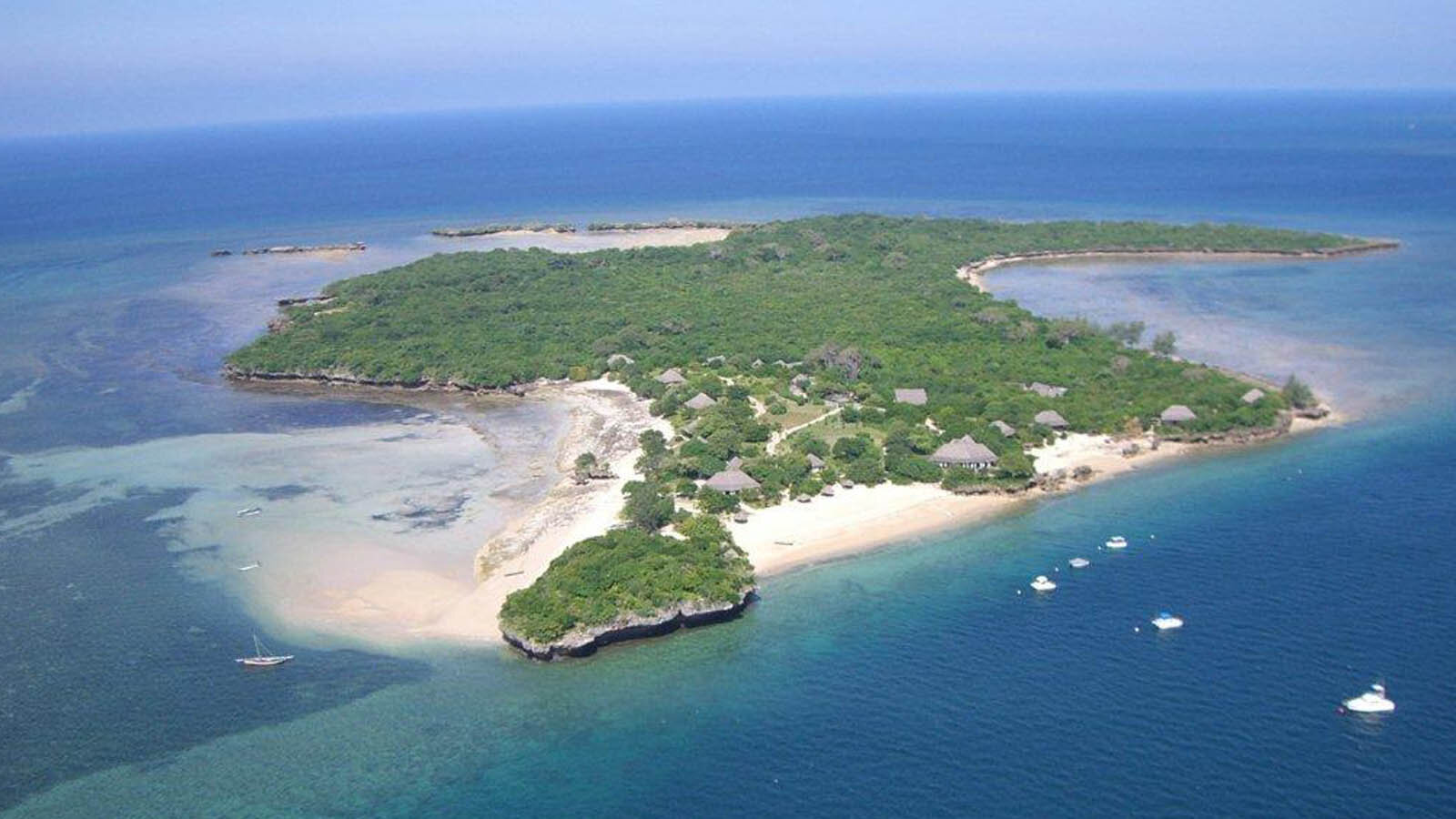
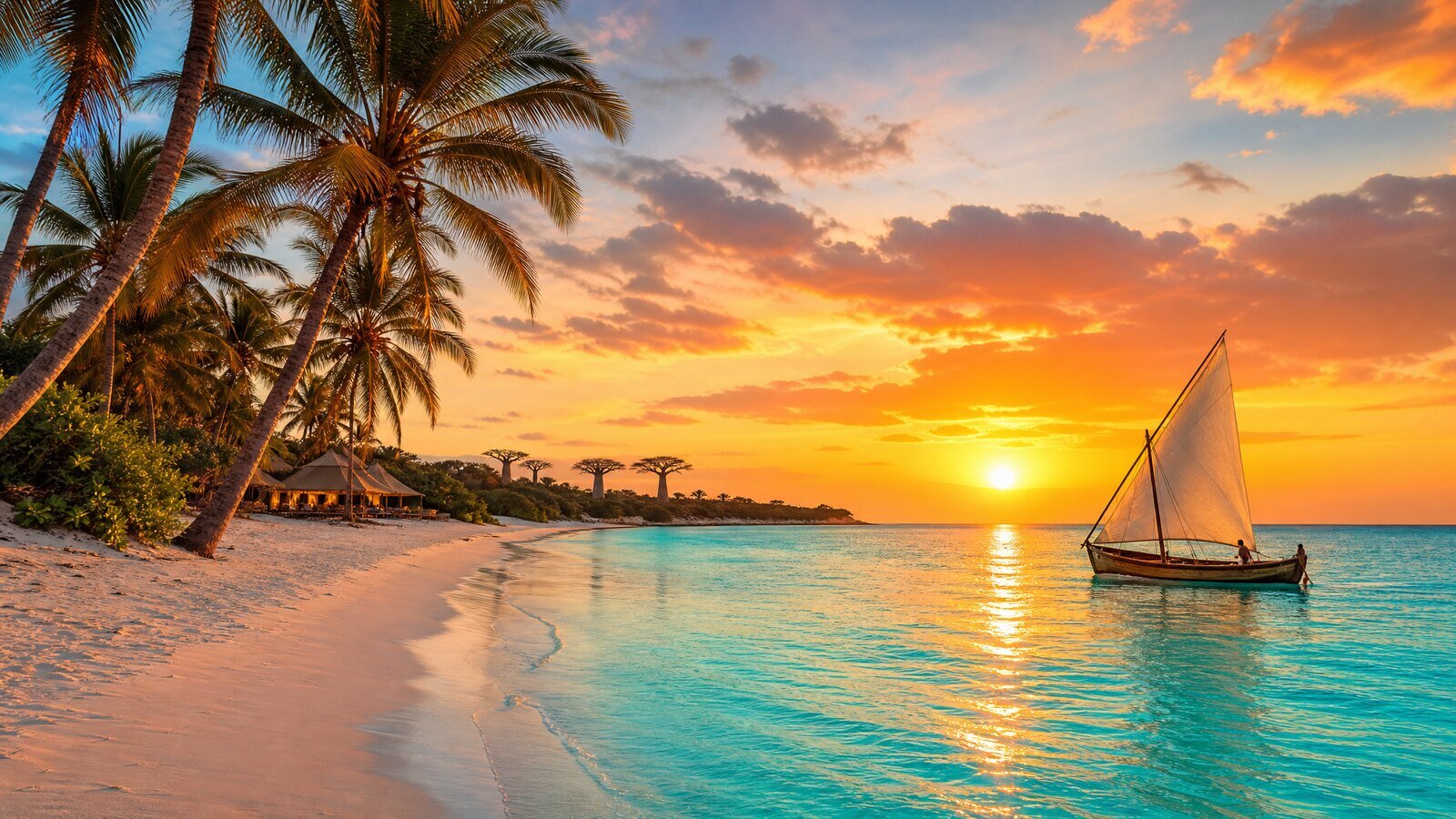
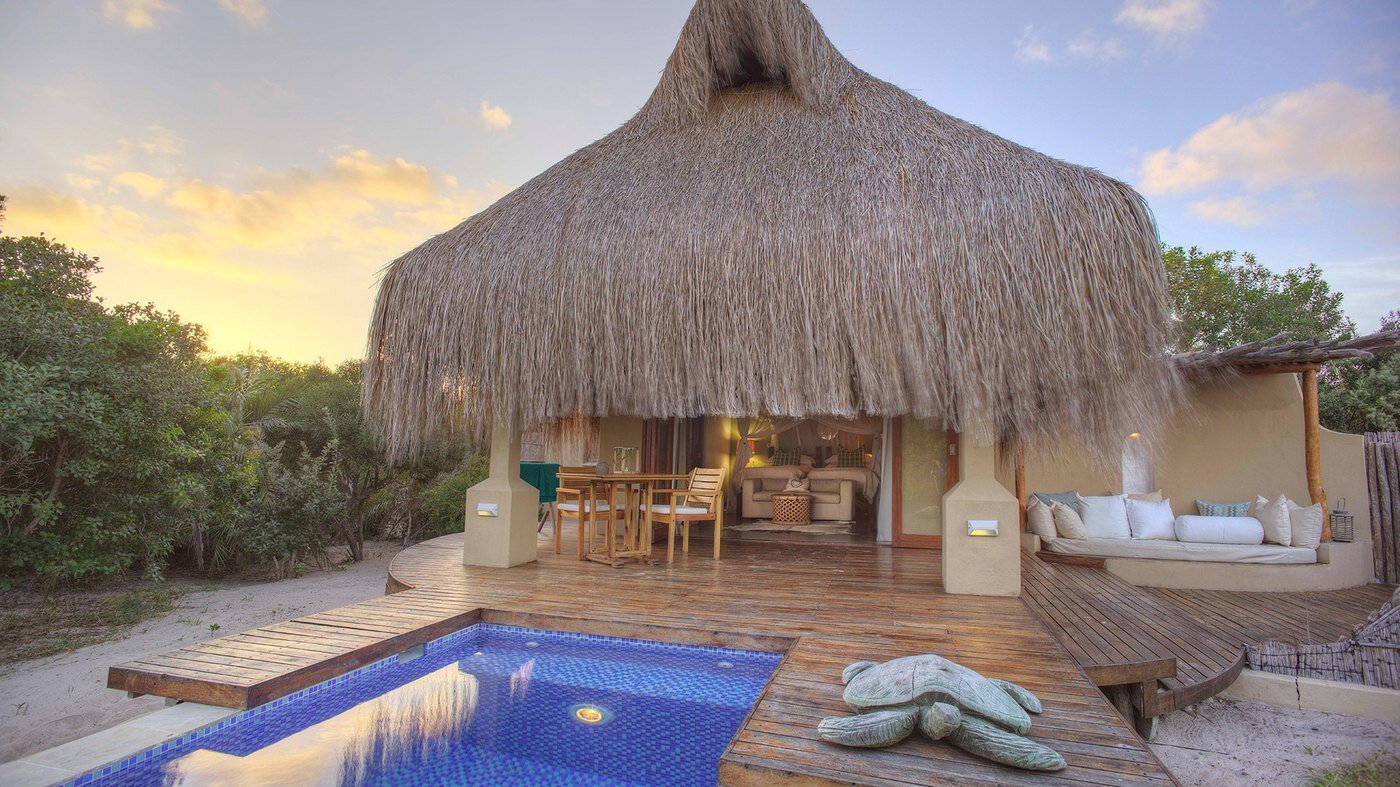
- Bush and beach — Mozambique's signature finale: pair any safari leg with the Bazaruto or Quirimbas archipelago for world-class Indian Ocean beaches.
Sample All-Five Itinerary (10 Days):
- Days 1–3: Gorongosa National Park (lion, leopard, elephant, buffalo) — the Urema floodplain and woodland
- Days 4–6: Zinave National Park (elephant, buffalo and the reintroduced rhino, with the chance of lion and leopard)
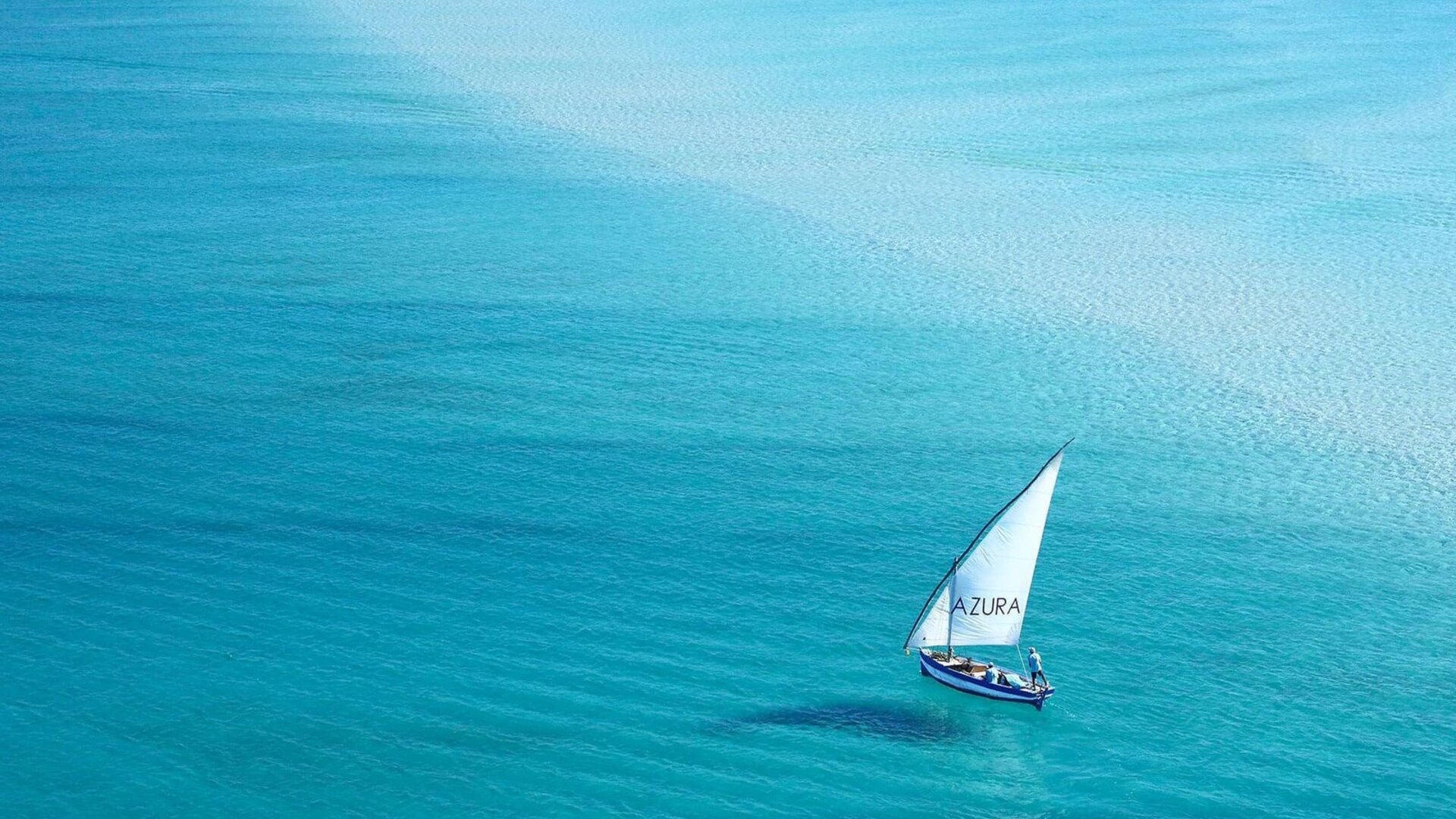
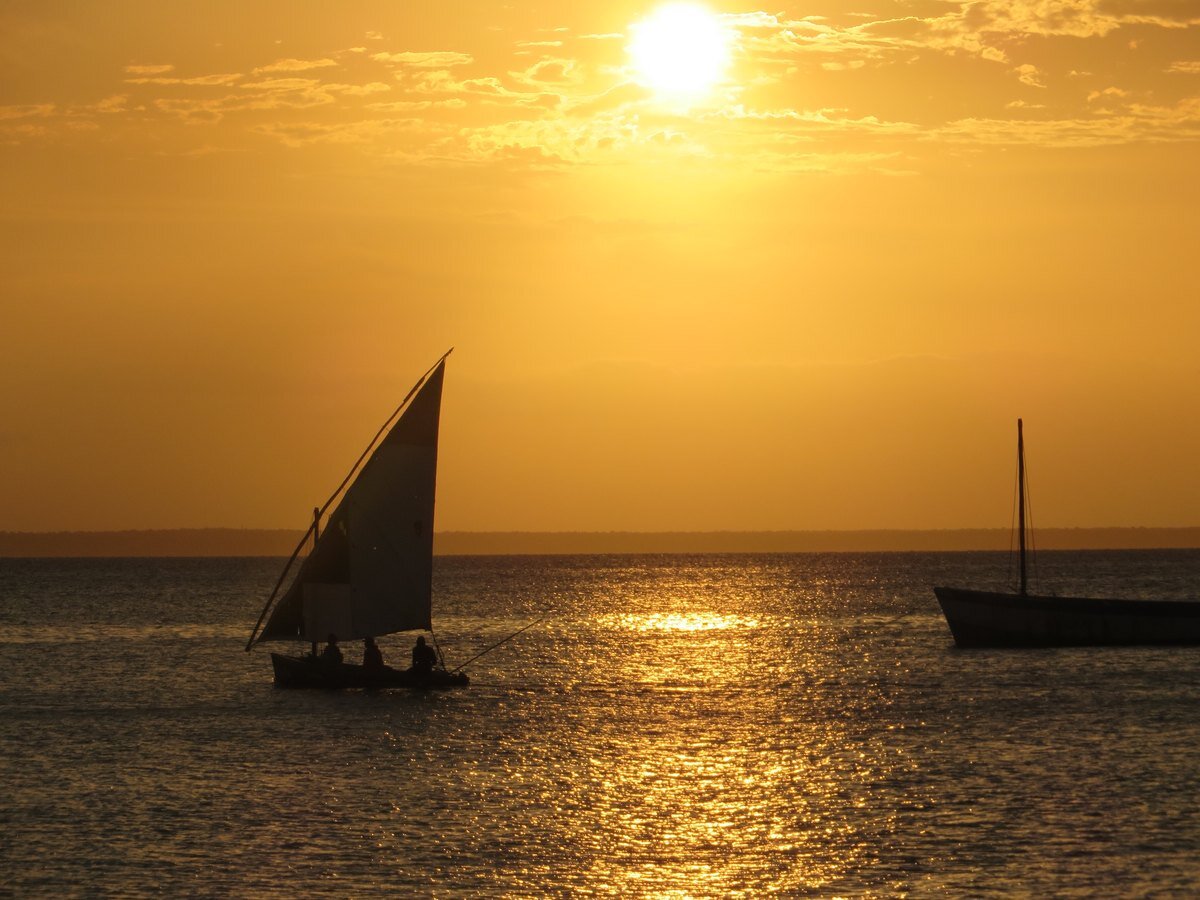
- Days 7–9: Bazaruto Archipelago (Indian Ocean beaches, snorkelling and dhow sailing)
- Day 10: Departure from Vilanculos
This route stitches together the best of the country's reborn bush with its legendary coast — the true shape of a modern Mozambique safari.
💡 Planning Tip: Treat Mozambique as a superb Big Four safari — lion, leopard, elephant and buffalo across Gorongosa and Niassa — with rhino as a pioneering bonus that means adding Zinave specifically. Because these reserves are wild and far apart, most itineraries combine one or two bush legs with a Bazaruto or Quirimbas beach finale reached by light aircraft, rather than trying to see every park in one trip.
Sample Big Five Safari Itineraries for Mozambique
Gorongosa Big Four Safari (5 Days)
Best for: First-time visitors wanting Mozambique's flagship wildlife park
- Day 1: Fly into Chitengo and settle into Gorongosa National Park
- Days 2–3: Gorongosa game drives (lion, leopard, elephant, buffalo) across the Urema floodplain and woodland
- Day 4: Walking safari and a visit to the park's conservation and community projects
- Day 5: Final morning drive and departure
Why it works: Concentrates your time in the restoration masterpiece of Gorongosa, where buffalo and elephant are reliable and lion and leopard reward patient game drives.
Mozambique Big Five & Beach (10 Days)
Best for: Bucket-list travellers wanting all five plus the Indian Ocean
- Days 1–3: Gorongosa National Park (lion, leopard, elephant, buffalo)
- Days 4–6: Zinave National Park (elephant, buffalo and the reintroduced rhino)
- Days 7–9: Bazaruto Archipelago (beaches, snorkelling, dhow sailing)
- Day 10: Departure from Vilanculos
Why it works: Mozambique's signature journey — the reborn Big Five completed in Gorongosa and Zinave, then finished on some of the finest beaches in Africa.
Niassa Wilderness Expedition (7 Days)
Best for: Adventurous safari-goers chasing genuine wilderness
- Day 1: Fly into the Niassa Special Reserve, one of Africa's last great wildernesses
- Days 2–5: Game drives, walking safaris and boating on the Lugenda for wild lion, leopard, elephant and buffalo
- Day 6: Final wilderness morning and birding among the inselbergs
- Day 7: Fly out via Pemba
Why it works: Trades comfort and crowds for raw, remote wilderness and a Big Four seen almost entirely alone in the vast miombo of the far north.
Luxury Bush & Beach Honeymoon (9 Days)
Best for: Honeymooners and luxury travellers
- Days 1–3: Gorongosa luxury camp (lion, leopard, elephant, buffalo)
- Day 4: Fly to the coast
- Days 5–8: Benguerra or Bazaruto island lodge (beaches, spa, snorkelling and sailing)
- Day 9: Departure from Vilanculos
Why it works: Blends a reborn bush safari with barefoot island luxury — the bush-and-beach combination that Mozambique does better than almost anywhere on Earth.
Bazaruto — The Indian Ocean Finale
Big Five Safari Planning Tips for Mozambique
Match the Park to the Species
No single park has it all easily: Mozambique's Big Five is spread across several reserves at different stages of recovery, so plan around what you most want to see. Gorongosa is the surest all-round wildlife park and the flagship of the restoration; Niassa is for genuine wilderness and a wild Big Four; Zinave is the only place to add rhino. Build a route that combines the parks that suit your priorities rather than expecting all five in one drive.
Fly between reserves: The parks are remote and far apart, so light-aircraft transfers are the norm and save days of hard driving — factor them into the budget and the plan.
Add the Beach
Mozambique's unmatched advantage is its coastline. To make the most of it:
- Finish on the coast — pair any safari leg with the Bazaruto or Quirimbas archipelago for world-class beaches, reefs and diving
- Allow at least three nights on the islands to unwind after the bush and enjoy the water
- Time it for the dry season so bush and beach are both at their best in the same trip
Manage Expectations for Lion, Leopard and Rhino
Mozambique's parks are wilder and less densely stocked than the classic reserves of East and Southern Africa, so the predators and rhino call for realistic expectations. For the toughest of the five:
- Take early-morning and late-afternoon drives, when lion and leopard are most active
- Include Zinave specifically if rhino matter to you — it is the only park where they occur
- Accept that buffalo and elephant are the backbone of the safari, with lion, leopard and rhino the rewarding prizes
Pack Appropriately
Big Five safaris in Mozambique's remote reserves demand:
- Neutral-coloured clothing (khaki, olive, beige) — for game drives and walking safaris
- Lightweight, breathable layers — for hot days and cooler mornings in the dry season
- Effective insect repellent and antimalarials — the bush and coast are malaria areas; consult your doctor
- Binoculars and a telephoto lens — 200mm+ for wildlife in wild, open country
- Beach kit and reef-safe sunscreen — for the island finale
Respect Safety Protocols
The Big Five earned their name as Africa's most dangerous animals, and Mozambique's reserves are genuinely wild. Never:
- Walk ahead of or away from your guide on a walking safari
- Approach buffalo herds on foot (unpredictable and aggressive when cornered)
- Stand up or make sudden movements during big cat sightings
- Leave your vehicle in a game area except where your guide confirms it is safe
Support Conservation
Mozambique's Big Five exists because of extraordinary restoration — the rebuilding of Gorongosa through the government and Carr Foundation partnership, and the rewilding of Zinave by ANAC and the Peace Parks Foundation that brought rhino home in 2026. Support it by:
- Choosing responsible operators — park fees fund anti-poaching, rewilding and local livelihoods
- Visiting the restored parks — tourism revenue directly funds the recovery of lion, elephant and the returning rhino
- Respecting community partnerships that give wildlife tangible local value across Mozambique
Combine with Other Mozambique Highlights
Big Five safaris pair beautifully with:
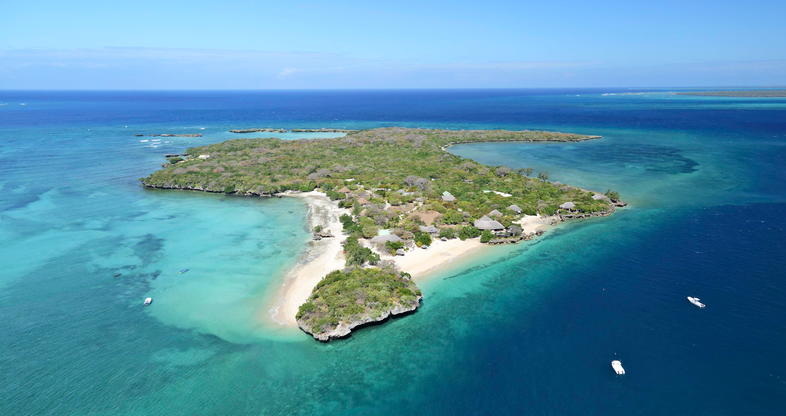
- The Bazaruto Archipelago — turquoise lagoons, dhow sailing and superb reefs off the central coast
- The Quirimbas Archipelago — a remote chain of coral islands in the far north for true castaway seclusion
- Neighbouring Kruger — many travellers combine a South African Big Five safari with a Mozambique beach finale
🦁 Already planning your Mozambique Big Five safari? Explore our Mozambique Safari Tours Guide for pre-designed itineraries, or check Best Time to Visit Mozambique for seasonal planning. Focused on the wildlife parks? Start with the Gorongosa National Park Safari Guide or the Wild North Guide. For the coast, see the Bazaruto Archipelago Guide, or read the comprehensive Ultimate Mozambique Travel Guide.
Big Five Safari Mozambique: Frequently Asked Questions
Can you see the Big Five in Mozambique?
Yes, as of 2026 all five of the great animals are present in Mozambique — but not yet together in one easy park. Lion, leopard, elephant and buffalo range across the restored Gorongosa National Park and the wild Niassa Special Reserve, while rhino returned to rewilded Zinave National Park in June 2026. Buffalo and elephant are the surest sightings; lion and leopard are recovering and elusive; rhino means visiting Zinave specifically.
Where can you see rhino in Mozambique?
Only in Zinave National Park. Rhino had been poached to local extinction across the country, and Zinave completed its Big Five in June 2026 with the arrival of nine white rhinos, translocated from South Africa by Mozambique's ANAC and the Peace Parks Foundation. This makes Zinave the only park in Mozambique where all five occur — though it is a young, low-density population, so a sighting is a rare privilege rather than a certainty.
How did Mozambique get its wildlife back?
Through some of Africa's boldest restoration projects. A civil war from 1977 to 1992 destroyed up to 95% of the large mammals in parks like Gorongosa. Since then, a landmark government and Carr Foundation partnership has rebuilt Gorongosa into a conservation success, while ANAC and the Peace Parks Foundation have rewilded Zinave — culminating in the 2026 return of rhino. Niassa in the north survived as a vast wilderness stronghold throughout.
Which Mozambique park is best for seeing the Big Five?
It depends on your priorities. Gorongosa National Park is the best all-round wildlife park and the easiest place to see buffalo, elephant, recovering lion and leopard, but it has no rhino. Niassa is unmatched for genuine wilderness and a wild Big Four. Zinave is the only park with all five present, following the 2026 rhino reintroduction, though its cat populations are young. A complete trip combines these reserves.
Can you combine a Mozambique safari with the beach?
Yes — and it is Mozambique's signature strength. The classic journey pairs a bush safari in Gorongosa, Niassa or Zinave with a stay in the Bazaruto or Quirimbas archipelago, reached by light aircraft, for world-class Indian Ocean beaches, reefs and diving. Many travellers also combine a South African Kruger safari with a Mozambique beach finale.
What is the best time of year for a Big Five safari in Mozambique?
The dry season, roughly May to October and peaking in September and October, offers the best game viewing: thinner bush, concentrated game, firm tracks into remote reserves and glorious beach weather. The wet season from January to April brings lush landscapes and superb birding but heavy rain, dispersed game and roads that can close in the wildest parks. November and December are a good green-season shoulder.
How many days do you need for a Big Five safari in Mozambique?
Plan on at least 5 days for a strong Big Four safari focused on Gorongosa. To pursue all five you need to add Zinave for the rhino, and most travellers also want a beach finale — so a complete Big Five and beach journey typically runs about 9 to 10 days, using light-aircraft transfers between the remote parks and the coast.
Is Mozambique good for a first Big Five safari?
Mozambique is best for travellers who love a conservation story, genuine wilderness and the chance to pair bush with world-class beaches, rather than those wanting the highest possible game densities. Its parks are wild and recovering, so lion, leopard and rhino take patience. For a first, high-volume Big Five trip, established circuits in Kenya, Tanzania or South Africa are easier — but for a pioneering, uncrowded safari with an Indian Ocean finale, Mozambique is uniquely rewarding.
What is the average cost of a Big Five safari in Mozambique?
Mozambique's remote reserves and fly-in logistics place it at the higher end of African safaris. Mid-range lodge safaris commonly run about $400–700 per person per night, while luxury camps and island lodges range from $800 to $2,500+ per person per night, including activities and meals. Light-aircraft transfers between the parks and the coast add a significant cost. A 9–10 day Big Five and beach journey typically costs $7,000–15,000+ per person depending on lodges, flights and season.
Final Verdict: Mozambique Is Africa's Newest Big Five Frontier
Mozambique stands among Africa's most inspiring wildlife comebacks — a country that lost almost everything and is bringing it back, one reserve at a time:
- ✅ All five present as of 2026 — four reborn across Gorongosa and Niassa, and rhino back at Zinave
- ✅ Buffalo and elephant among the surest — the flagship of Gorongosa's restoration
- ✅ Lion and leopard, honestly told — recovering and increasingly seen, but wild and elusive
- ✅ Rhino as the pioneering prize — returned to Zinave in June 2026, a single young population
- ✅ The Indian Ocean finale — the bush-and-beach combination Mozambique does better than anywhere
The honest answer: Can you see all Big Five in Mozambique? Yes — but as a country-wide adventure, not a single circuit. Build your trip around Gorongosa for a strong Big Four, add Zinave if the rhino matters to you, travel in the dry season, and finish on the Bazaruto or Quirimbas coast — and you will have experienced one of the great conservation stories of our age from the front row.
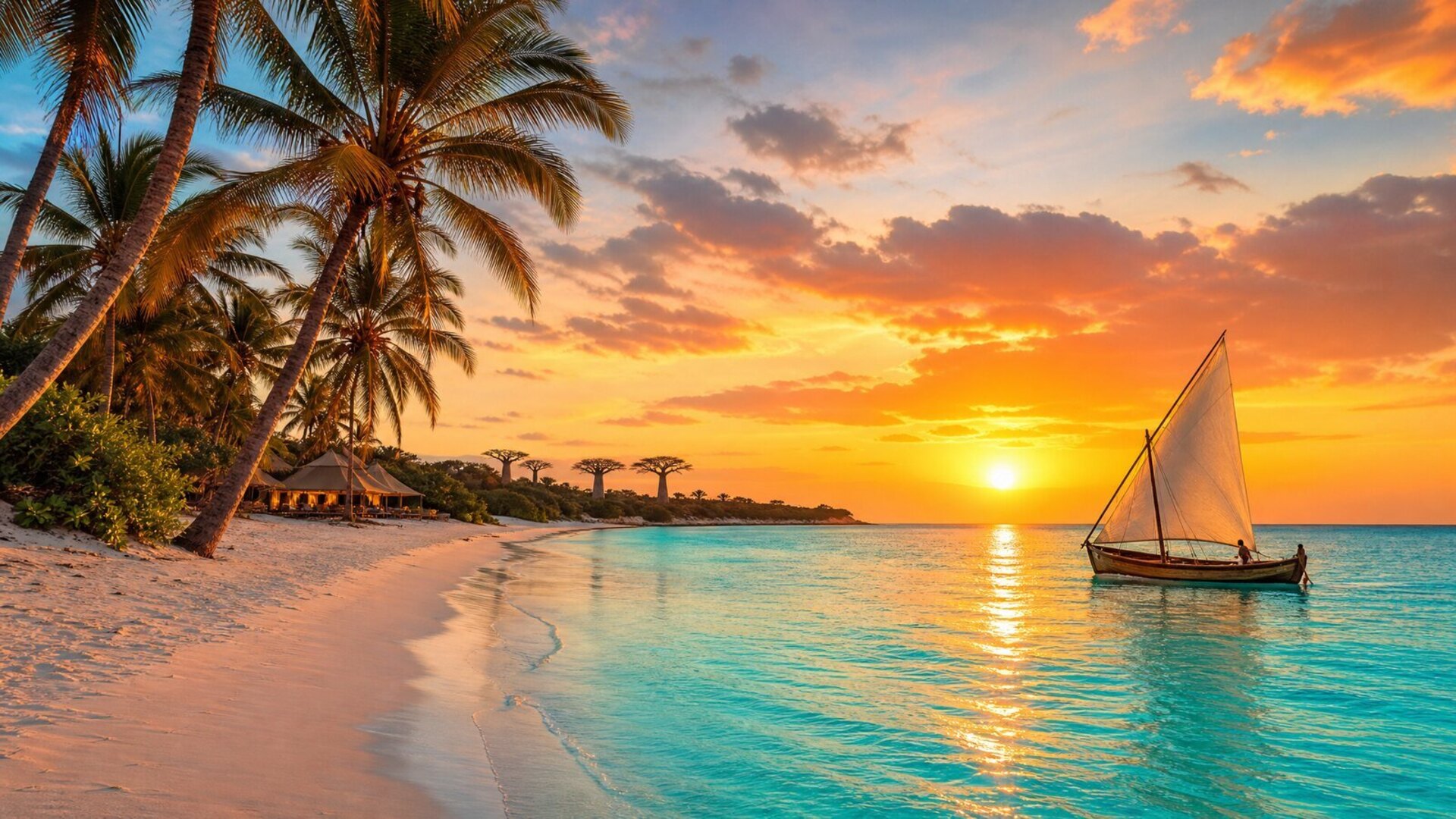
A Mozambique Big Five safari isn't about ticking a list in a well-worn park — it's about a buffalo herd flooding back across the Urema plain where war once emptied the land, an elephant family calm again in the miombo of Niassa, a white rhino grazing Zinave for the first time in a generation, and a dhow drifting home across a turquoise lagoon as the safari ends on the shore of the Indian Ocean.
Ready to plan your Mozambique Big Five safari? Browse our curated Mozambique Safari Tours Guide, explore the Gorongosa National Park Safari Guide for the flagship park, or start with the comprehensive Ultimate Mozambique Travel Guide.