Key Takeaways
- All Big Five live wild in Zimbabwe. Lion, leopard, elephant, buffalo and rhino are all present — this is a genuine all-five country, not a four-plus-sanctuary compromise.
- Hwange is the engine room. One of Africa's largest elephant populations and a formidable lion stronghold, with buffalo and leopard alongside.
- Mana Pools is for connoisseurs. Walking and canoeing among elephant, buffalo and leopard on the Zambezi floodplain — one of the most immersive safaris on Earth.
- Rhino means the Matobo Hills. Zimbabwe's most reliable rhino experience is tracking both black and white rhino on foot among the granite kopjes of Matobo National Park.
- Best time: the dry season, roughly May to October, when wildlife concentrates on Hwange's waterholes and the Zambezi.
Zimbabwe is a safari country of quiet greatness. It has the best-trained guides in Africa, some of the continent's largest elephant and lion populations, and a walking-safari tradition to rival any. Yet it is still gloriously uncrowded. For the Big Five safari traveller, that combination is rare and precious: astonishing wildlife, world-class guiding, and space to enjoy it. And unlike some of its neighbours, Zimbabwe can offer all five species genuinely in the wild — you just need to know which corner of the country holds each one.
This guide does exactly that. We go species by species — where each of the five lives, how reliable the sighting is, and the best time and place to find it. Then we answer the question every traveller actually asks: can you realistically see all Big Five in one Zimbabwe safari? The answer is a confident yes — provided you build in the Matobo Hills for the rhino.
The Big Five in Zimbabwe — Species by Species
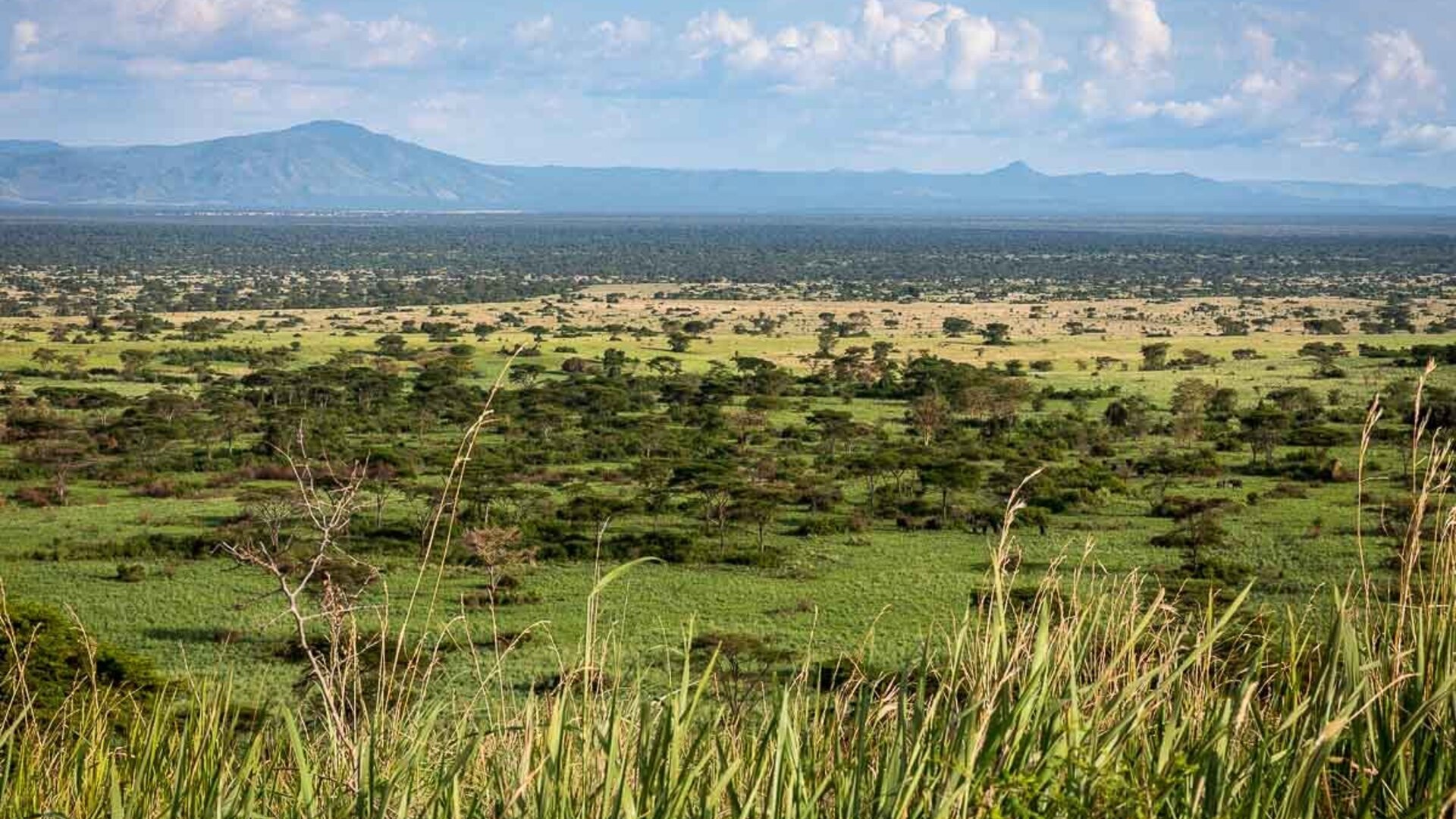
Zimbabwe's Big Five are spread across three flagship regions — the vast teak woodlands of Hwange, the Zambezi floodplain of Mana Pools, and the granite wilderness of the Matobo Hills. Here is the honest picture for each species, with a sighting-reliability rating out of five stars.
🐘 Elephant — ★★★★★ (Zimbabwe's Superpower)
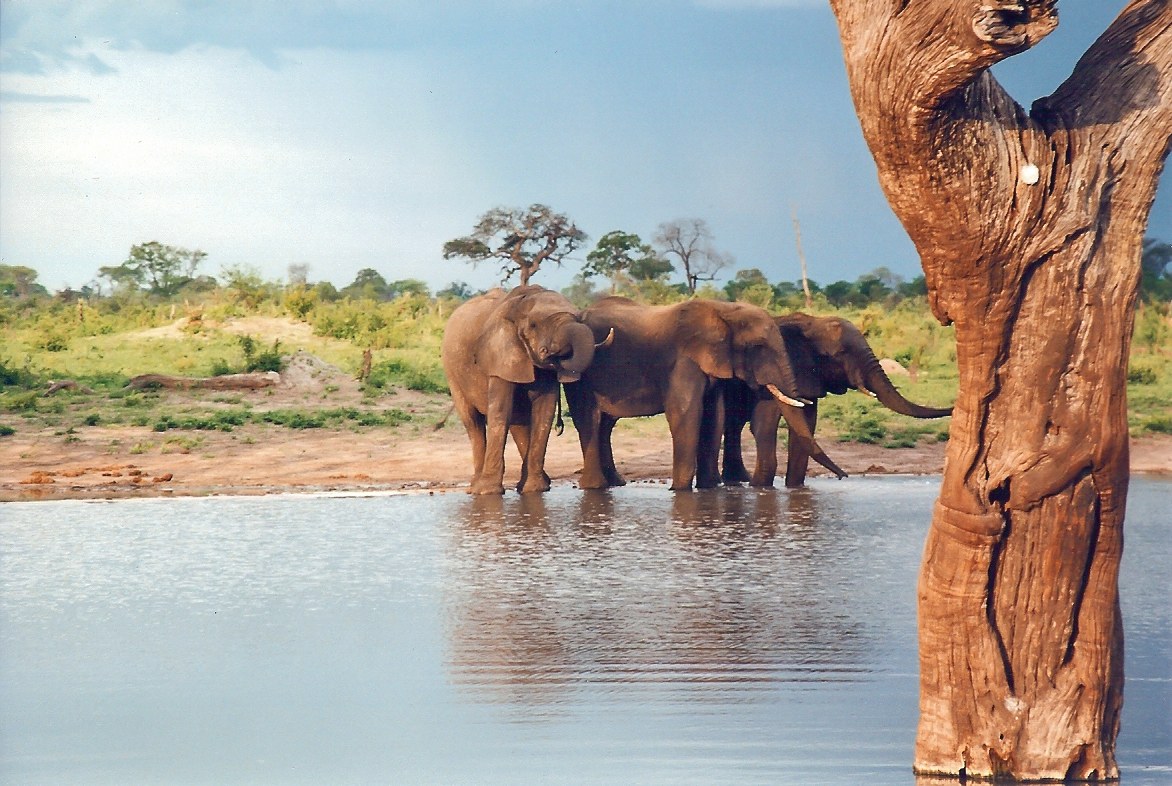
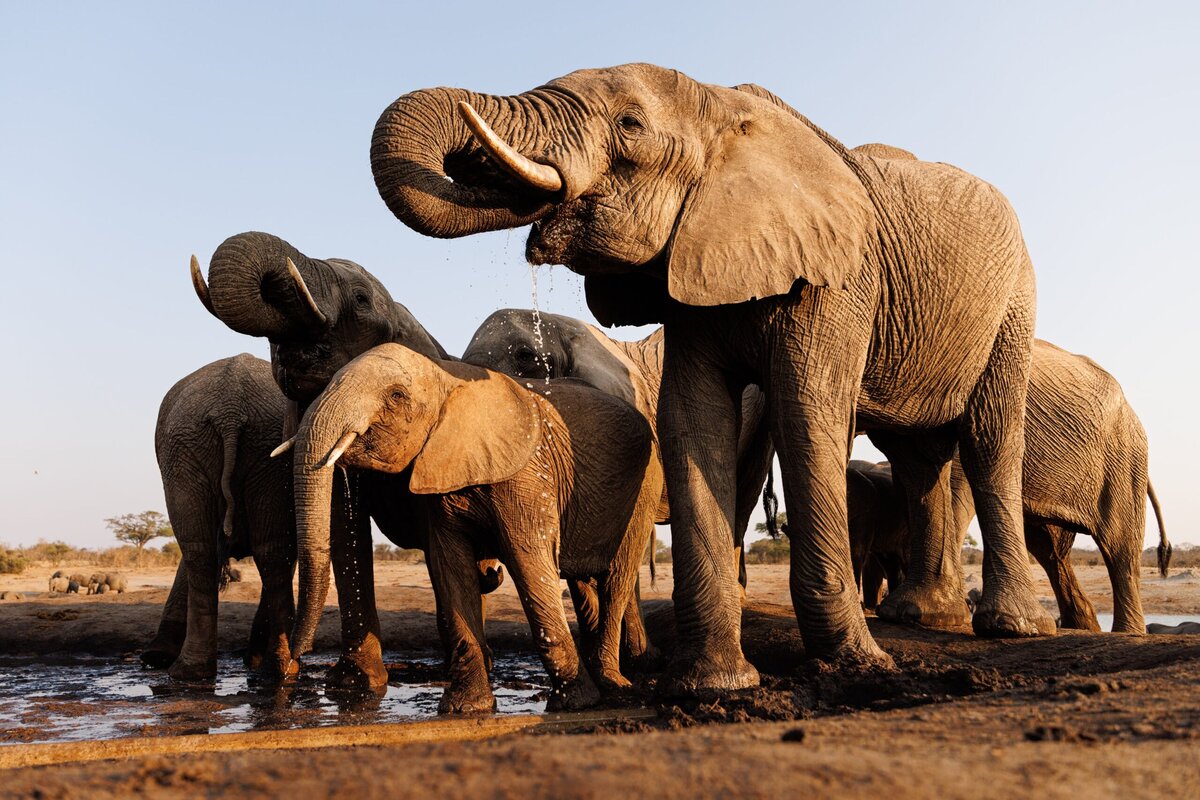
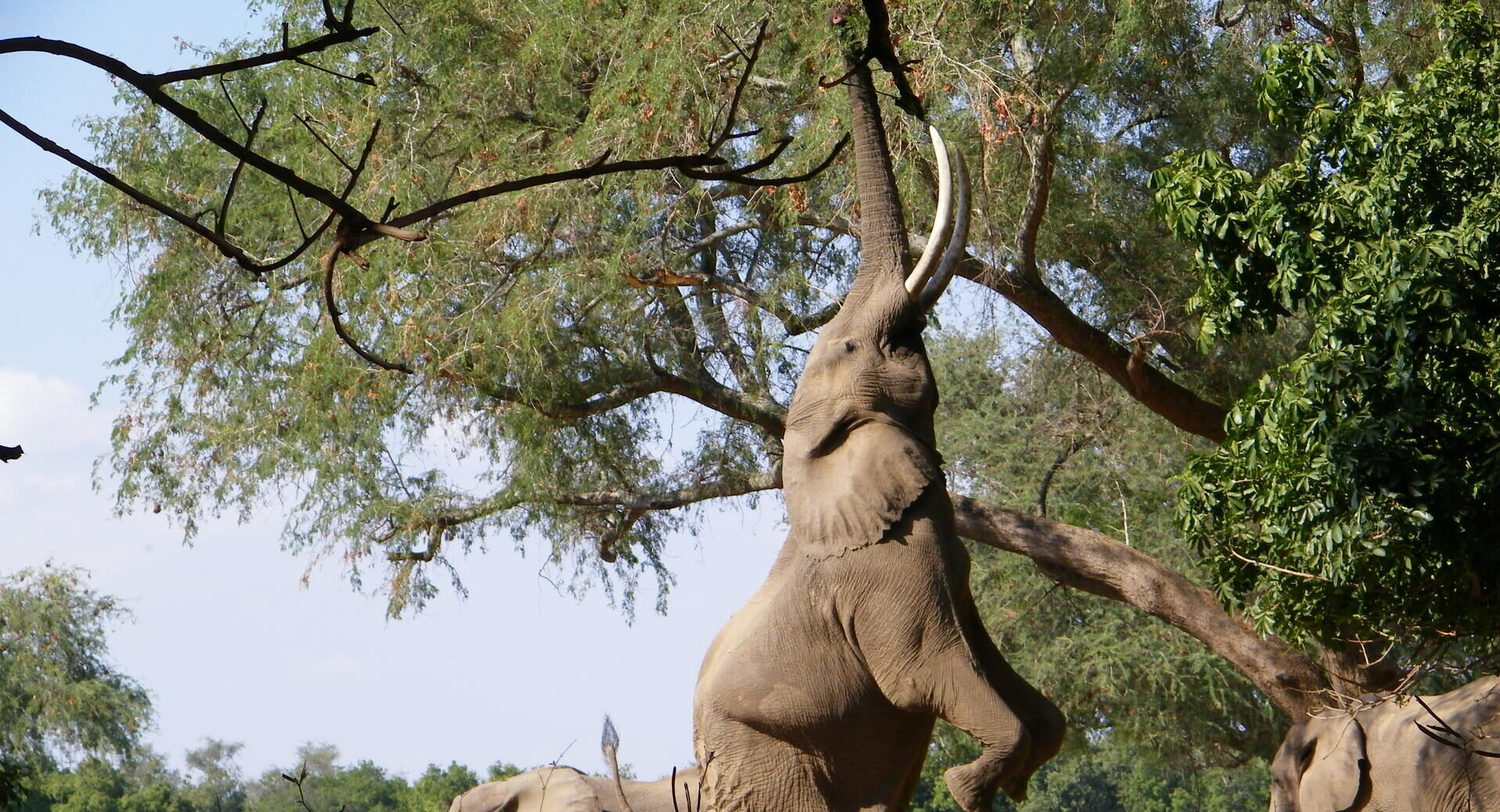
Zimbabwe holds one of the largest elephant populations on the continent, and Hwange National Park is its beating heart — home to tens of thousands of elephant that gather at the park's pumped waterholes in the dry season in numbers that can take your breath away. In Mana Pools, elephants have famously learned to stand on their hind legs to reach the seed pods of the albida trees — a spectacle found almost nowhere else. You will not miss elephant in Zimbabwe.
- Best locations: Hwange (supreme), Mana Pools, Zambezi National Park
- Best time: Dry season (Jul–Oct), when herds mass on the waterholes
- Reality: The most reliable Big Five sighting in the country — and among the greatest elephant experiences in Africa.
🦁 Lion — ★★★★★ (Excellent)
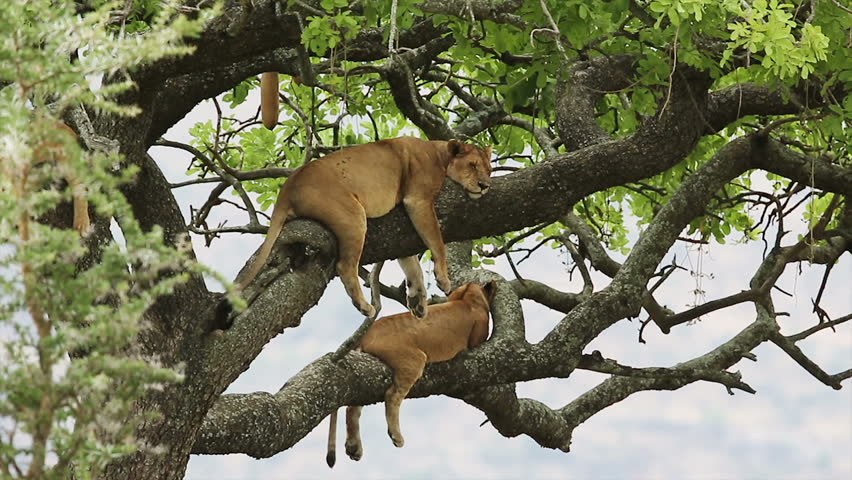
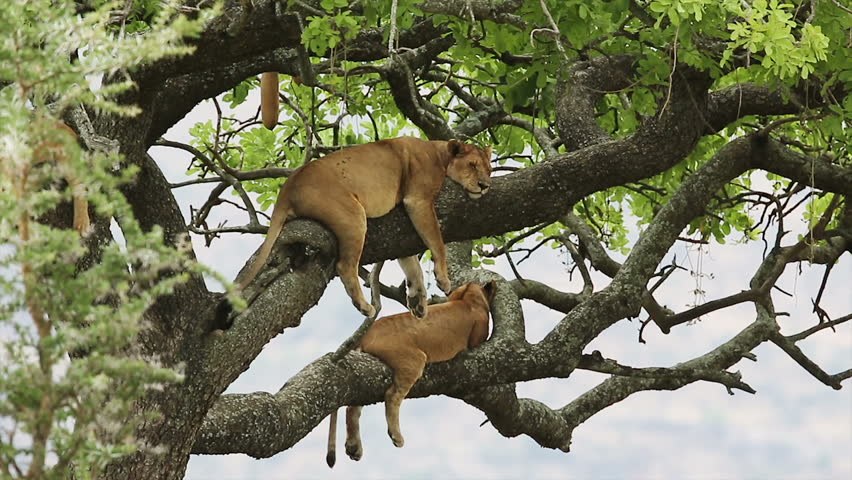
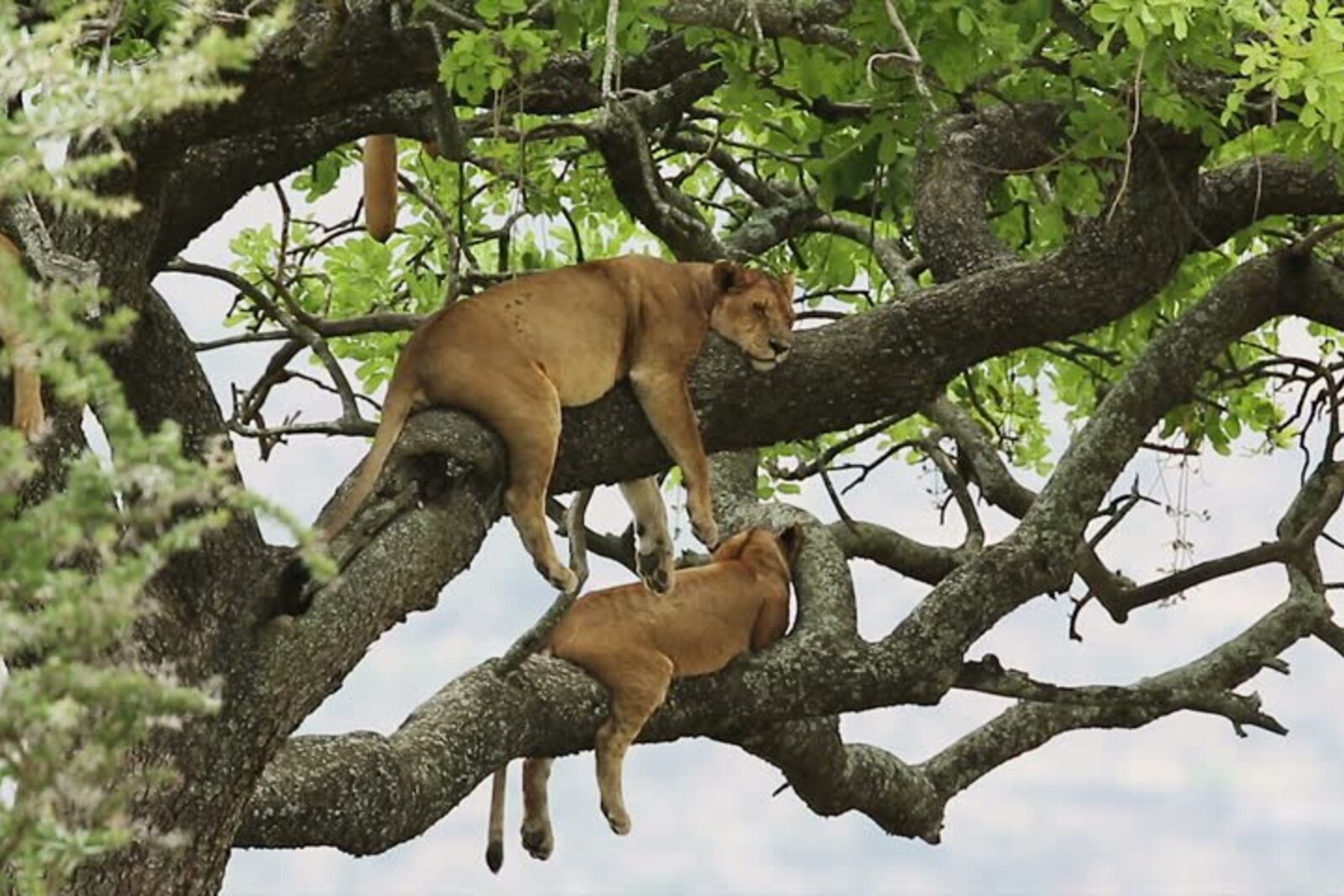
Hwange holds one of the most significant lion populations in Africa, well-studied for decades and often seen on the open pans and around the waterholes. Prides here are large and confident, and the dry-season concentration of prey keeps them active and visible. Mana Pools lions are superb too, frequently encountered on foot with an expert guide — a heart-stopping, unforgettable way to meet the king of beasts.
- Best locations: Hwange (supreme), Mana Pools, Gonarezhou
- Best time: Year-round; dry season for concentrated sightings around water
- Reality: Excellent. A few days in Hwange reliably delivers lion, often in big prides.
🐃 Buffalo — ★★★★★ (Excellent)
Cape buffalo move through Hwange and the Zambezi valley in herds that can number over a thousand. In the dry season, dust-shrouded buffalo columns marching to Hwange's waterholes are one of the park's signature sights, and they draw the lion prides that shadow them. Mana Pools and Gonarezhou hold big herds too, and buffalo are a regular, thrilling feature of walking safaris.
- Best locations: Hwange, Mana Pools, Gonarezhou
- Best time: Dry season, when herds concentrate near permanent water
- Reality: Excellent — large herds are a near-certainty in the dry months.
🐆 Leopard — ★★★★☆ (Very Good)
Leopard are present across Zimbabwe's parks, though as everywhere they demand patience and a good guide. Mana Pools and Hwange both hold healthy leopard populations, and the Matobo Hills — with their granite kopjes and caves — are famed for one of the highest leopard densities in the country, even if the terrain makes sightings harder-won. Zimbabwe's outstanding guides tilt the odds firmly in your favour.
- Best locations: Mana Pools, Hwange, Matobo Hills
- Best time: Dry season for visibility; leopard are resident year-round
- Reality: Very good with time and a skilled guide — a few days across two parks makes leopard likely.
🦏 Rhino — ★★★☆☆ (The Matobo Experience)
Here is the honest picture. Poaching hit Zimbabwe's rhino hard, and today they survive in intensively protected areas rather than roaming freely across every park. The good news is that Zimbabwe offers one of Africa's most memorable rhino experiences: tracking rhino on foot in the Matobo Hills.
Realistic rhino sightings come from two main options:
- Matobo (Matobos) National Park — the standout. Guided rhino tracking on foot among ancient granite kopjes brings you close to both white and black rhino, protected by dedicated rangers. This is Zimbabwe's most reliable and most moving rhino encounter.
- Private conservancies and reintroduction areas — several protected reserves and parts of Hwange hold reintroduced rhino under close guard, though sightings there are less predictable than a dedicated Matobo tracking outing.
- Best locations: Matobo National Park (on foot), select private conservancies
- Best time: Dry season for tracking conditions
- Reality: Genuinely achievable — Matobo makes the fifth animal a highlight rather than a long shot, but it must be deliberately built into your route.
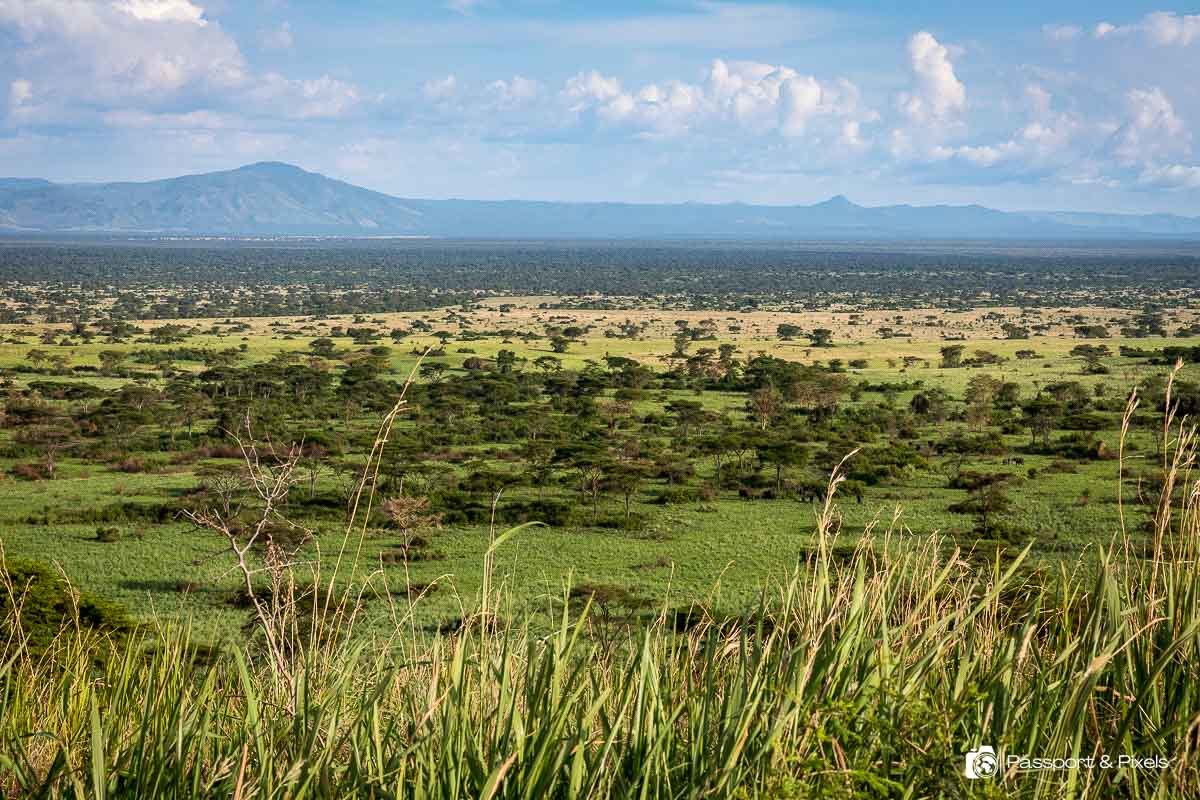
Hwange — Zimbabwe's Big-Game Stronghold
Where to See the Big Five: Zimbabwe Park-by-Park
Zimbabwe's parks each play a different role in a Big Five safari. Use this matrix to build a route that stacks the odds in your favour. Stars reflect realistic sighting reliability for each species in each area.
| Region | Lion | Leopard | Elephant | Buffalo | Rhino |
|---|---|---|---|---|---|
| Hwange | ★★★★★ | ★★★★☆ | ★★★★★ | ★★★★★ | ★★☆☆☆ |
| Mana Pools | ★★★★★ | ★★★★☆ | ★★★★★ | ★★★★★ | ☆☆☆☆☆ |
| Matobo Hills | ☆☆☆☆☆ | ★★★★☆ | ★★☆☆☆ | ★★☆☆☆ | ★★★★★ |
| Zambezi / Vic Falls | ★★★☆☆ | ★★★☆☆ | ★★★★☆ | ★★★★☆ | ☆☆☆☆☆ |
| Gonarezhou | ★★★★☆ | ★★★☆☆ | ★★★★★ | ★★★★☆ | ☆☆☆☆☆ |
How to read this matrix: Hwange and Mana Pools deliver four of the five superbly — lion, leopard, elephant and buffalo — but are not where you reliably find rhino. Matobo Hills is the rhino stronghold, offering both black and white rhino on foot. The classic all-five route therefore pairs Hwange (or Mana Pools) with a Matobo rhino-tracking finale.
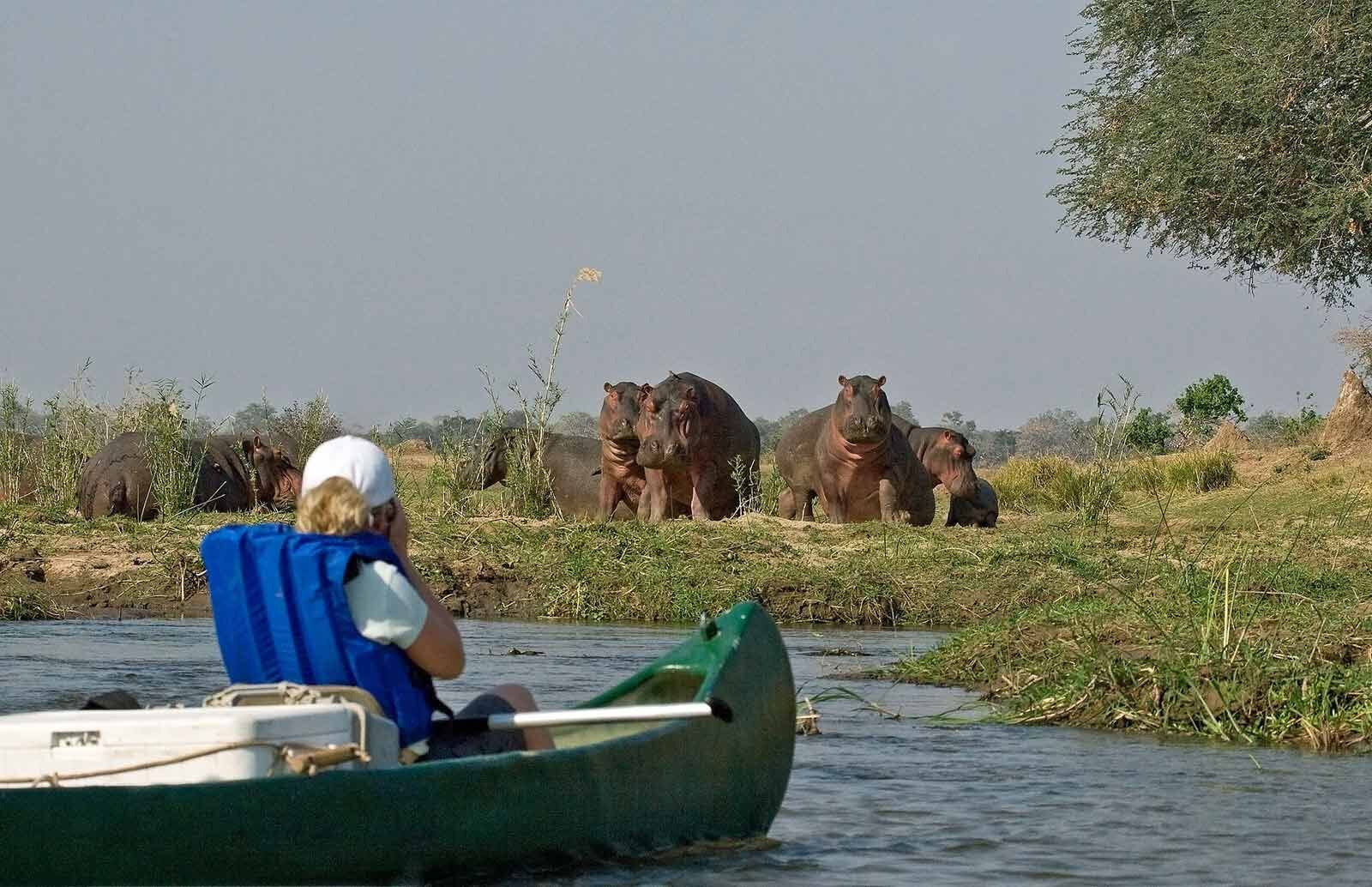
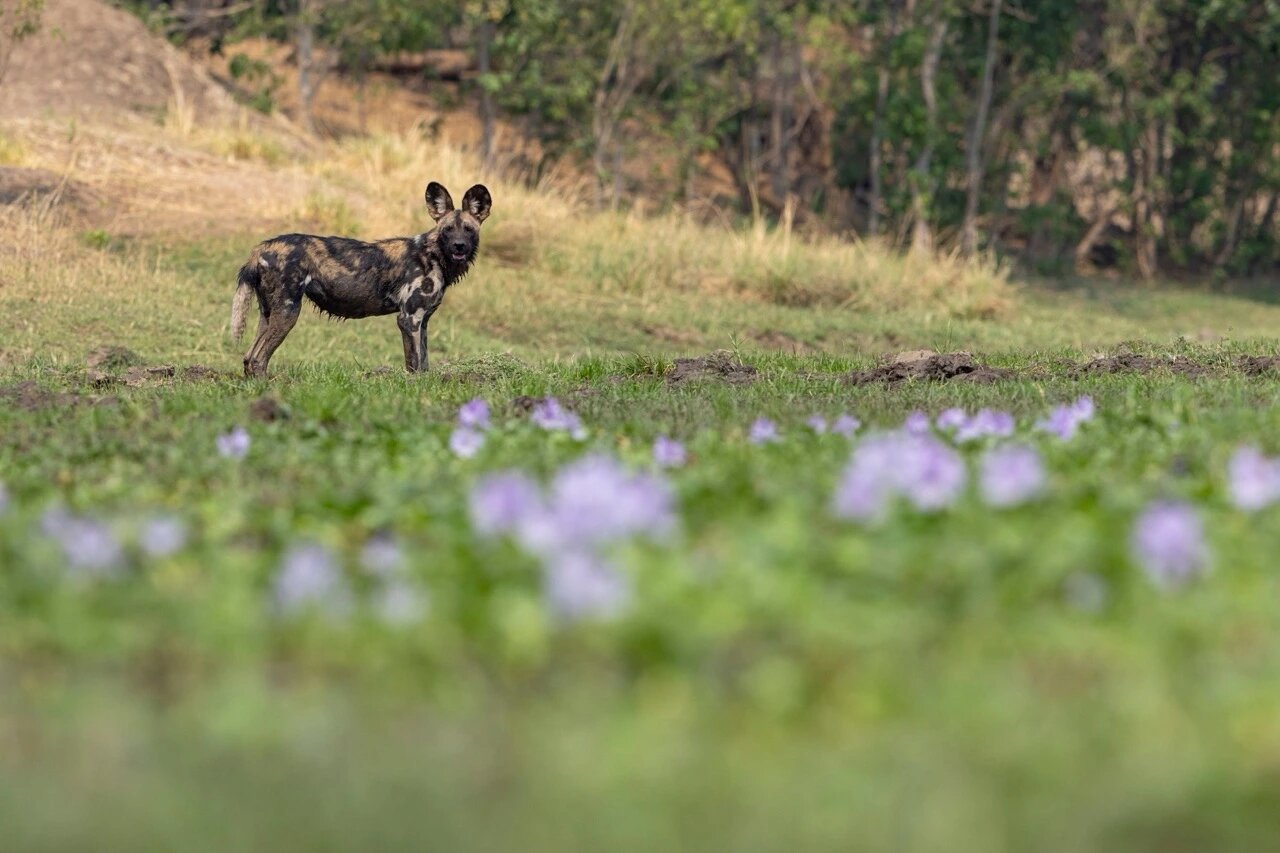
Mana Pools — Canoes, Walking & Painted Wolves
Best Time for a Big Five Safari in Zimbabwe
Zimbabwe's wildlife rhythm follows the water. In the long dry season the bush thins, the pans and rivers shrink, and animals concentrate on permanent water — ideal for the Big Five, especially at Hwange's famous waterholes. In the green season the land transforms into a lush wonderland, superb for birds and newborns but harder for game viewing.
| Season | Months | Big Five Viewing | Notes |
|---|---|---|---|
| Peak Dry | Jul–Oct | ★★★★★ Exceptional | Thin bush, huge elephant and buffalo herds massing on Hwange's waterholes, superb predator action |
| Late Dry / Hot | Oct–Nov | ★★★★☆ Very Good | Very hot but spectacular concentrated game before the rains; excellent value |
| Green / Emerald Season | Dec–Mar | ★★★☆☆ Good | Lush landscapes, newborn game, superb birding, lower rates; thicker bush and some remote camps close |
| Shoulder | Apr–Jun | ★★★★☆ Very Good | Drying land, improving sightlines, fewer crowds, pleasant temperatures |
Verdict: The dry season (May–October) is objectively the best window for a Big Five safari in Zimbabwe, offering:
- Thinner vegetation and clear sightlines
- Enormous elephant and buffalo herds concentrating on Hwange's pumped waterholes
- Active predators and excellent walking conditions in Mana Pools
- Ideal, cooler tracking conditions for rhino in the Matobo Hills
Budget-conscious travellers: the green season (December–March) brings lower rates, dramatic skies, newborn animals and outstanding birdlife — just accept taller grass, some camp closures and the possibility of rain.
Matobo Hills — Tracking Rhino on Foot
Honest Assessment: Can You See All Big Five in One Zimbabwe Safari?
The honest answer is yes — and more comfortably than in many safari countries, provided you include the Matobo Hills. Here is the reality.
Four of Five is Easy
Lion, leopard, elephant and buffalo are present and reliable across Hwange and Mana Pools. A few days in Hwange alone will deliver elephant and lion in extraordinary numbers, with buffalo herds and a good chance of leopard. Mana Pools adds intimate, on-foot encounters with the same four species.
Rhino is the Deliberate Add-On
Because Zimbabwe's rhino are concentrated in protected areas rather than roaming every park, the fifth animal calls for a specific stop. The best answer is the Matobo Hills, where guided tracking on foot brings you to both black and white rhino — one of the most rewarding rhino experiences anywhere in Africa. Build it into your route and the Big Five is genuinely complete.
Where to Complete Your Big Five:
- Hwange + Matobo Hills — the easiest all-five route. Hwange secures elephant, lion, buffalo and leopard; a Matobo rhino-tracking outing adds both rhino species on foot. Recommended: 3–4 nights Hwange plus 2 nights Matobo (via Bulawayo).
- Mana Pools + Hwange + Matobo — the connoisseur's grand tour, pairing Mana Pools walking and canoeing with Hwange's herds and a Matobo rhino finale. Recommended: 3 nights Mana Pools, 3 nights Hwange, 2 nights Matobo.
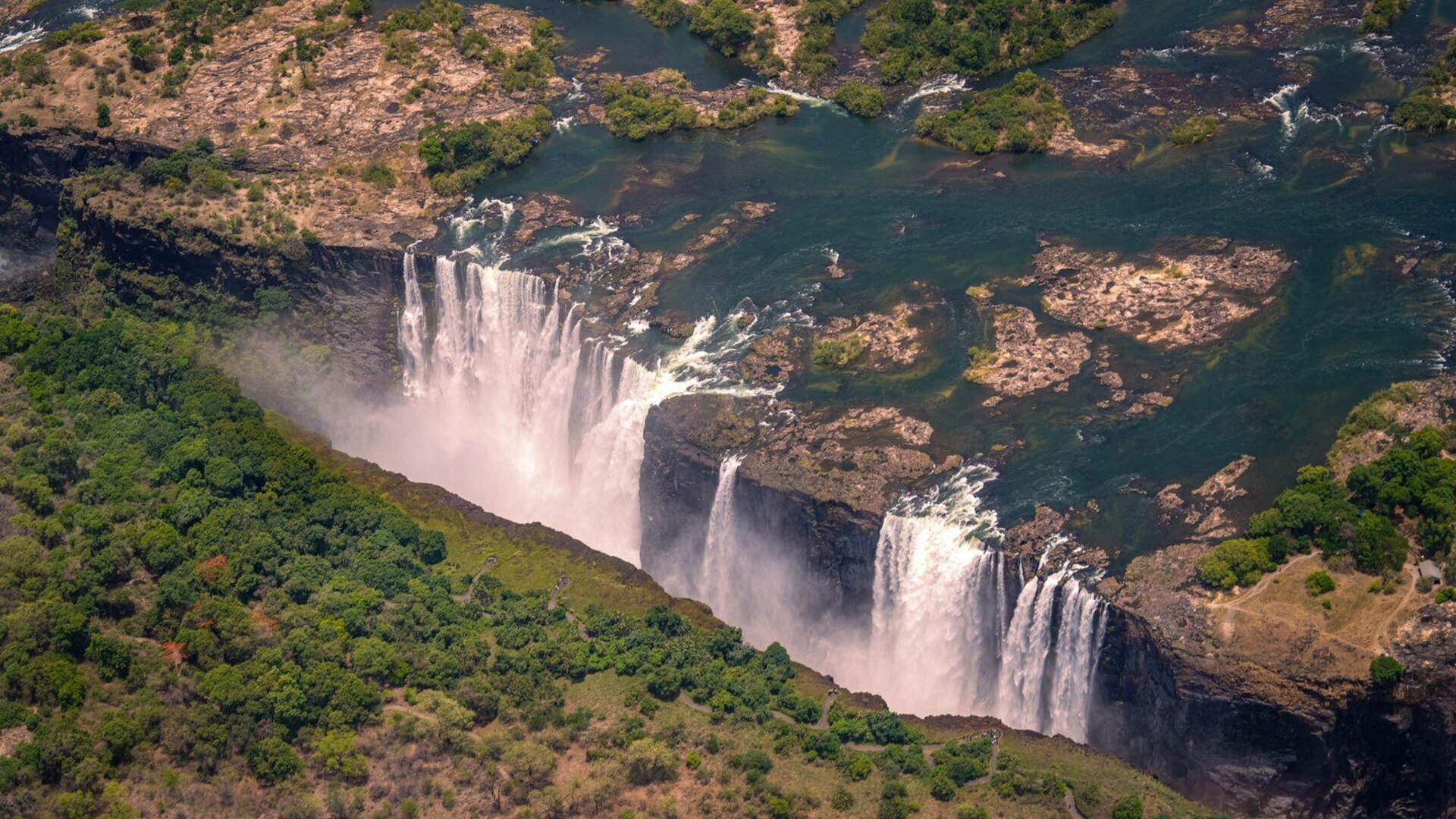
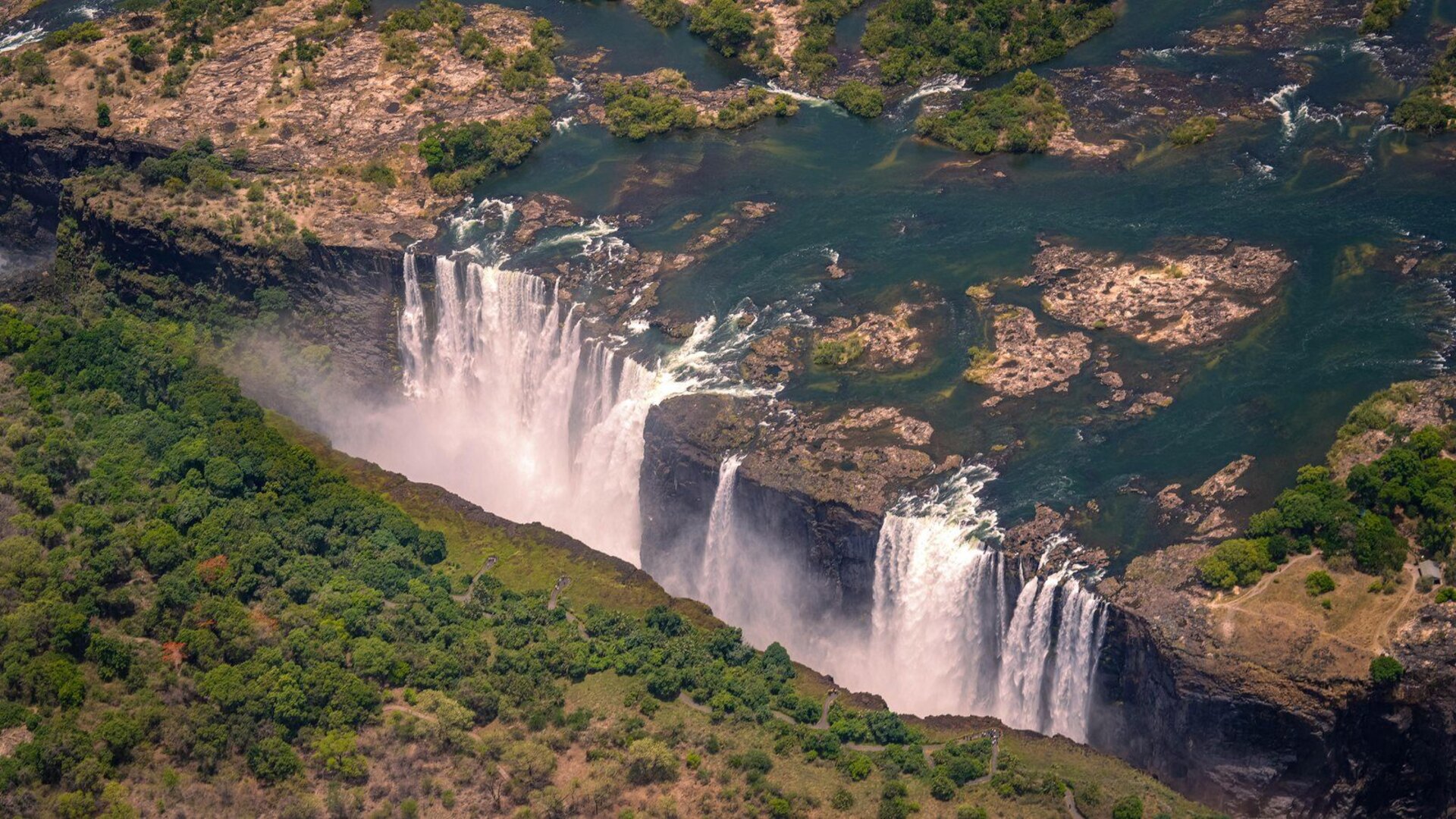
- Hwange + Victoria Falls + Matobo — combines Big Five game with one of the Seven Natural Wonders and rhino on foot. Recommended: 3–4 nights Hwange, 2 nights Victoria Falls, 2 nights Matobo.
Sample All-Five Itinerary (8 Days):
- Days 1–4: Hwange (elephant, lion, buffalo, leopard) — the big-game stronghold
- Days 5–6: Mana Pools or Victoria Falls (more of the four, walking, canoeing or the Falls)
- Days 7–8: Matobo Hills (black and white rhino on foot to complete the set)
This route chains Zimbabwe's strongest Big Five ecosystems and finishes at the one place where rhino reliably completes the set.
💡 Planning Tip: For the most reliable — and most moving — rhino encounter, add a guided Matobo Hills rhino-tracking outing, where rangers protect both black and white rhino and lead you to them on foot. Book responsible operators only; never choose companies that promise off-road pursuit or that publish rhino locations, as this endangers the animals. Matobo is easily reached via Bulawayo, a short hop from Hwange.
Sample Big Five Safari Itineraries for Zimbabwe
Classic Hwange & Matobo Big Five (8 Days)
Best for: First-time Big Five seekers, photographers, couples
- Days 1–4: Hwange (elephant, lion, buffalo, leopard)
- Days 5–6: Victoria Falls (the Falls, plus more game along the Zambezi)
- Days 7–8: Matobo Hills (black and white rhino on foot)
Why it works: Pairs the greatest elephant and lion viewing in Zimbabwe (Hwange) with reliable rhino tracking in Matobo, giving the highest realistic chance of all five plus Victoria Falls.
Mana Pools Walking & Canoe Focus (6 Days)
Best for: Purists, walking-safari enthusiasts, seasoned travellers
- Days 1–3: Mana Pools main area (elephant, buffalo, lion, leopard, walking)
- Days 4–6: A remote Mana Pools bush camp for canoeing and immersive wilderness
Why it works: Concentrates the trip in one of Africa's finest walking-safari wildernesses, delivering superb elephant, lion, buffalo and leopard on foot and by canoe. Add a Matobo extension to complete the rhino.
Mana Pools, Hwange & Matobo Grand Circuit (11 Days)
Best for: Adventurous travellers, repeat visitors seeking the full range of Zimbabwe
- Days 1–3: Mana Pools (elephant, buffalo, lion, walking, canoeing)
- Days 4–6: Hwange (huge elephant herds, lion, buffalo, leopard)
- Days 7–9: Victoria Falls (the Falls and Zambezi game)
- Days 10–11: Matobo Hills (black and white rhino on foot)
Why it works: Showcases Zimbabwe's astonishing range — floodplain, teak woodland, mighty river and granite wilderness — while building in the rhino stop to complete the Big Five.
Luxury Fly-In Big Five & Victoria Falls (10 Days)
Best for: Honeymooners, luxury travellers
- Days 1–3: Hwange luxury camp (elephant, lion, buffalo, leopard)
- Days 4–6: Mana Pools river camp (walking, canoeing, elephant, buffalo)
- Days 7–8: Matobo Hills (rhino on foot, ancient rock art)
- Days 9–10: Victoria Falls (one of the Seven Natural Wonders)
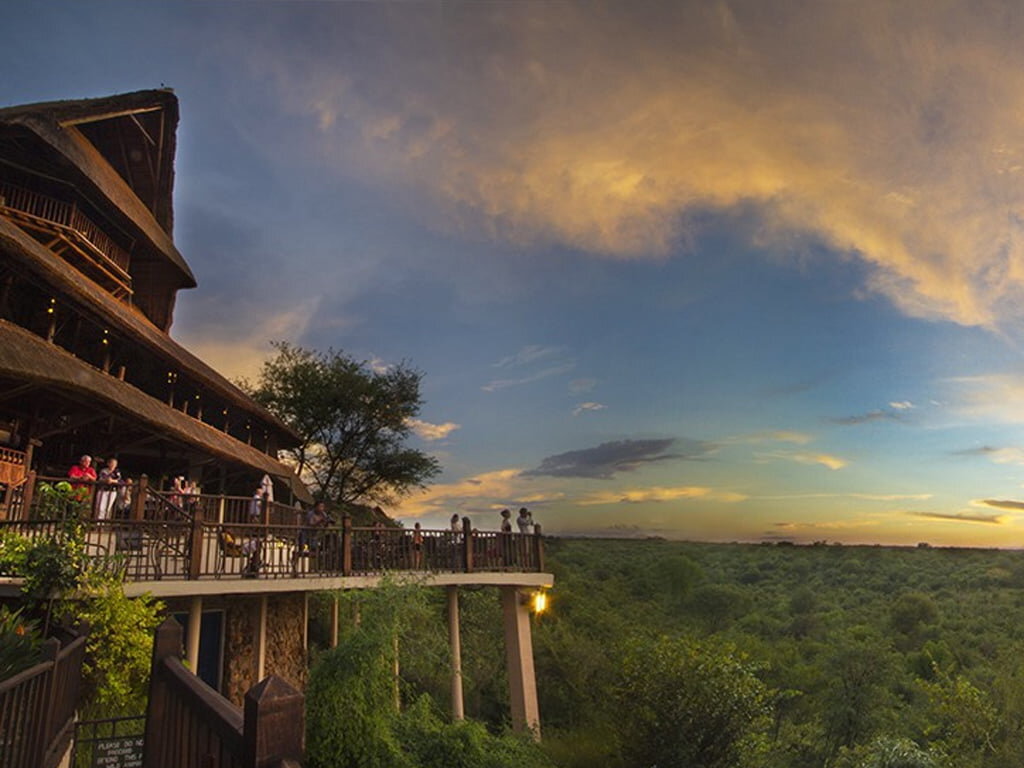
Why it works: Completes the Big Five in Zimbabwe's finest fly-in camps, then finishes at the thundering Victoria Falls — the classic luxury combination.
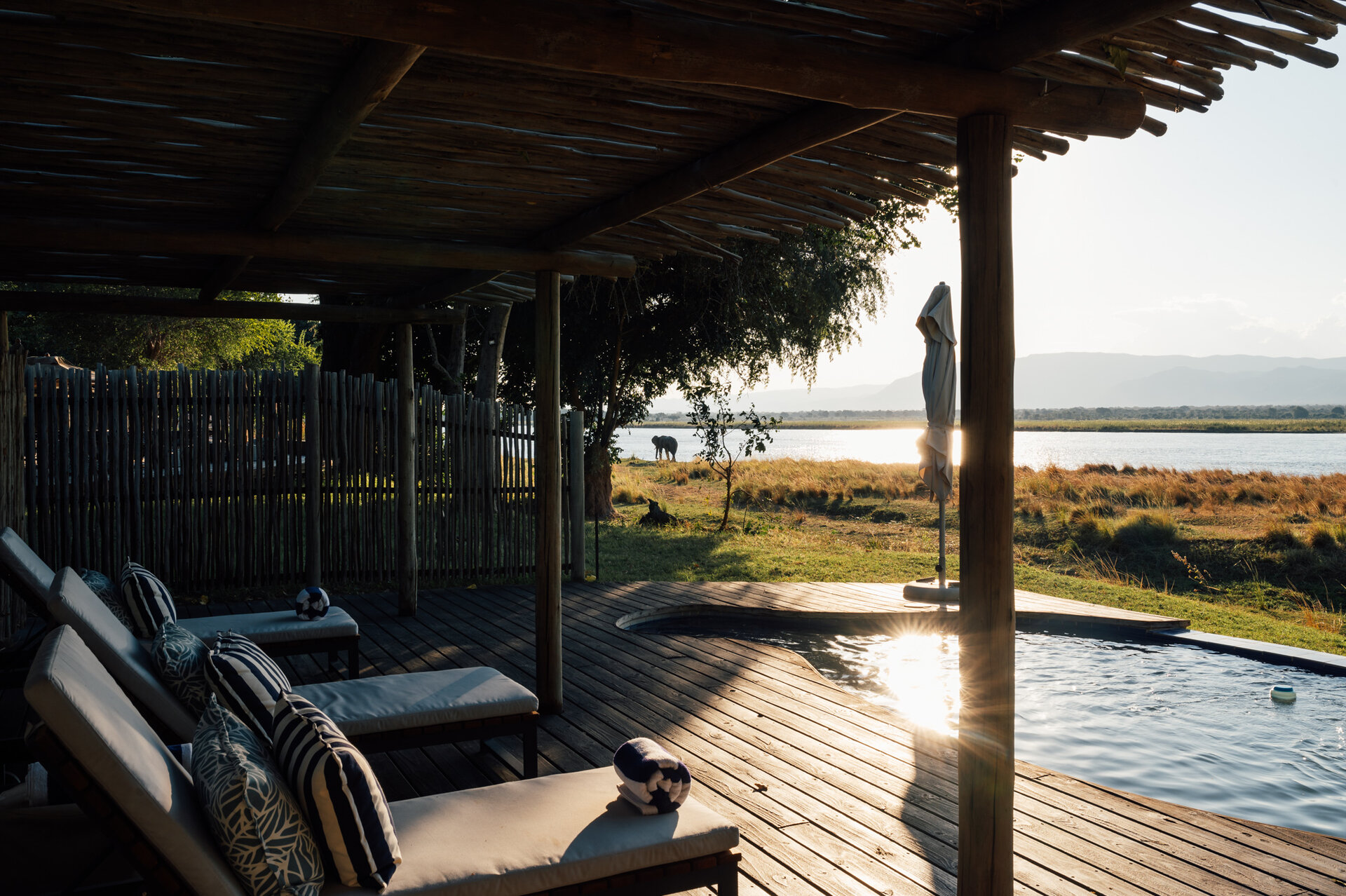
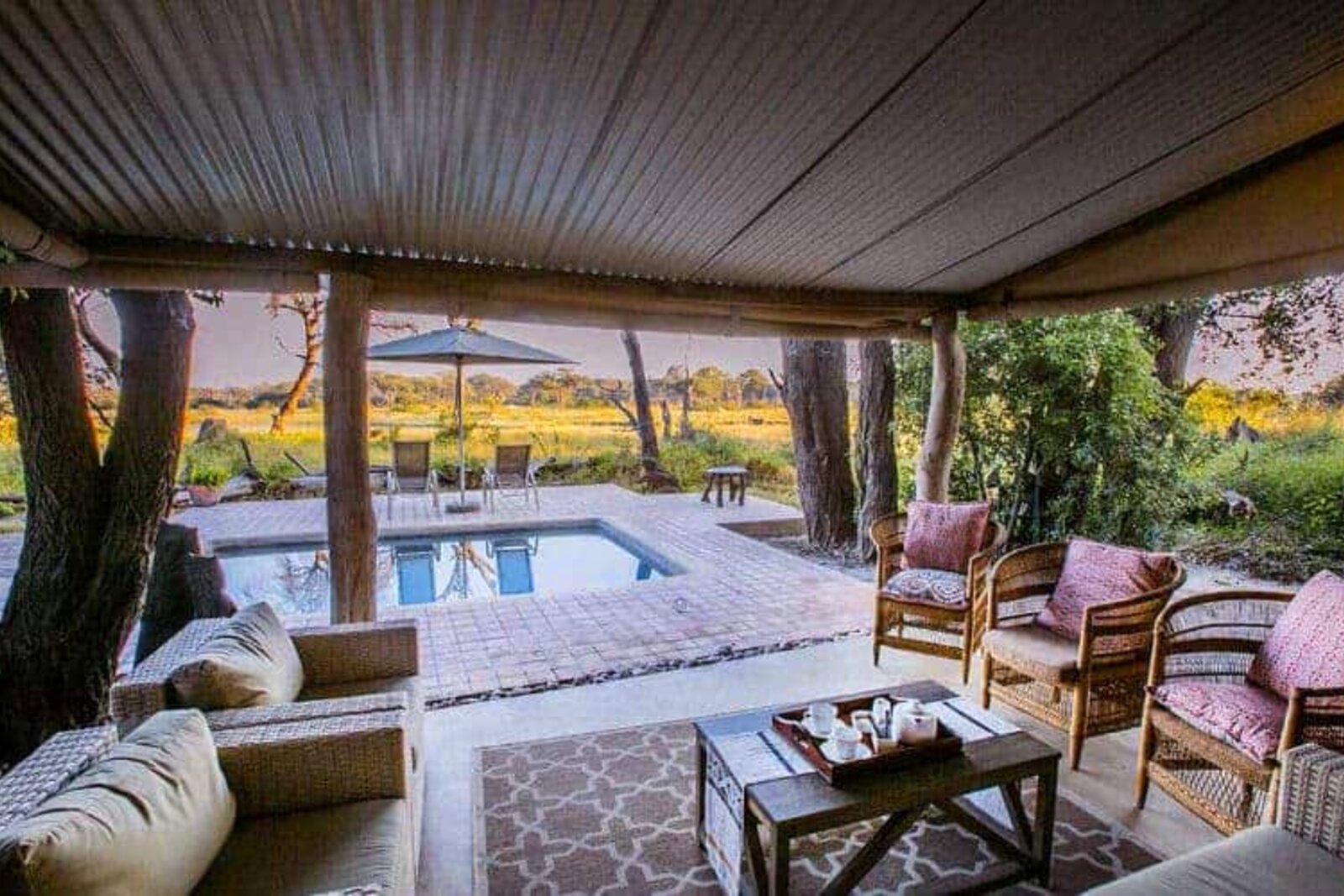
Zimbabwe Lodges & Camps — Where to Stay
Big Five Safari Planning Tips for Zimbabwe
Choose the Right Parks and Camps
Waterholes vs. floodplain: Hwange's game revolves around its pumped waterholes, where camps positioned on productive pans deliver superb dry-season viewing; Mana Pools revolves around the Zambezi floodplain and its walking and canoeing. For a Big Five safari, combining both is ideal.
Big parks vs. Matobo: Hwange and Mana Pools deliver four of the five; the Matobo Hills add the rhino and a completely different landscape of granite kopjes and ancient rock art. A route that links a big game park with Matobo is the surest path to all five.
Hire Expert Guides and Walk the Wild
Zimbabwe's guides are widely regarded as the best-trained in Africa — the country's rigorous licensing demands it. To maximise Big Five success:
- Do a walking safari in Mana Pools — approaching elephant and buffalo on foot with a professional guide is unforgettable
- Spend time at Hwange's waterholes — patience at a productive pan delivers elephant, lion and buffalo
- Trust local knowledge — guides track resident leopard territories and lion prides day to day
Manage Expectations for Rhino
The rhino calls for a plan in Zimbabwe. The reliable answer is the Matobo Hills, where tracking on foot brings you to both species. For the fifth animal:
- Add a guided Matobo Hills rhino-tracking outing for the most reliable sighting
- Choose reputable, conservation-minded operators far in advance
- Accept that Hwange and Mana Pools are the heart of the safari — the rhino is a deliberate, rewarding add-on
Pack Appropriately
Big Five safaris in Zimbabwe demand:
- Neutral-coloured clothing (khaki, olive, beige) — essential for walking safaris and rhino tracking
- Binoculars — for distant game and tree-dwelling leopard
- Camera with telephoto lens — 200mm+ for wildlife photography
- Sturdy walking shoes — for Mana Pools walks and Matobo's rocky terrain
- Layers — dry-season dawns are cold on open vehicles, midday is hot
Respect Safety Protocols
The Big Five earned their name as Africa's most dangerous animals — and Zimbabwe's walking safaris bring you closer than most. Never:
- Walk ahead of or away from your armed guide on a walking safari
- Approach buffalo herds on foot (unpredictable and aggressive when cornered)
- Stand up or make sudden movements during big cat sightings
- Pressure a rhino sighting or share its location — Zimbabwe's rhino are closely guarded for good reason
Support Conservation
Zimbabwe's Big Five — especially its rhino — exist thanks to intensive protection and community conservation. Support it by:
- Choosing responsible operators — park and community fees fund anti-poaching and local livelihoods
- Respecting rhino discretion — never post locations or pressure guides for guarantees
- Avoiding unethical operators — never book companies offering off-road pursuit or close-approach rhino "encounters"
Combine with Other Zimbabwe Highlights
Big Five safaris pair beautifully with:
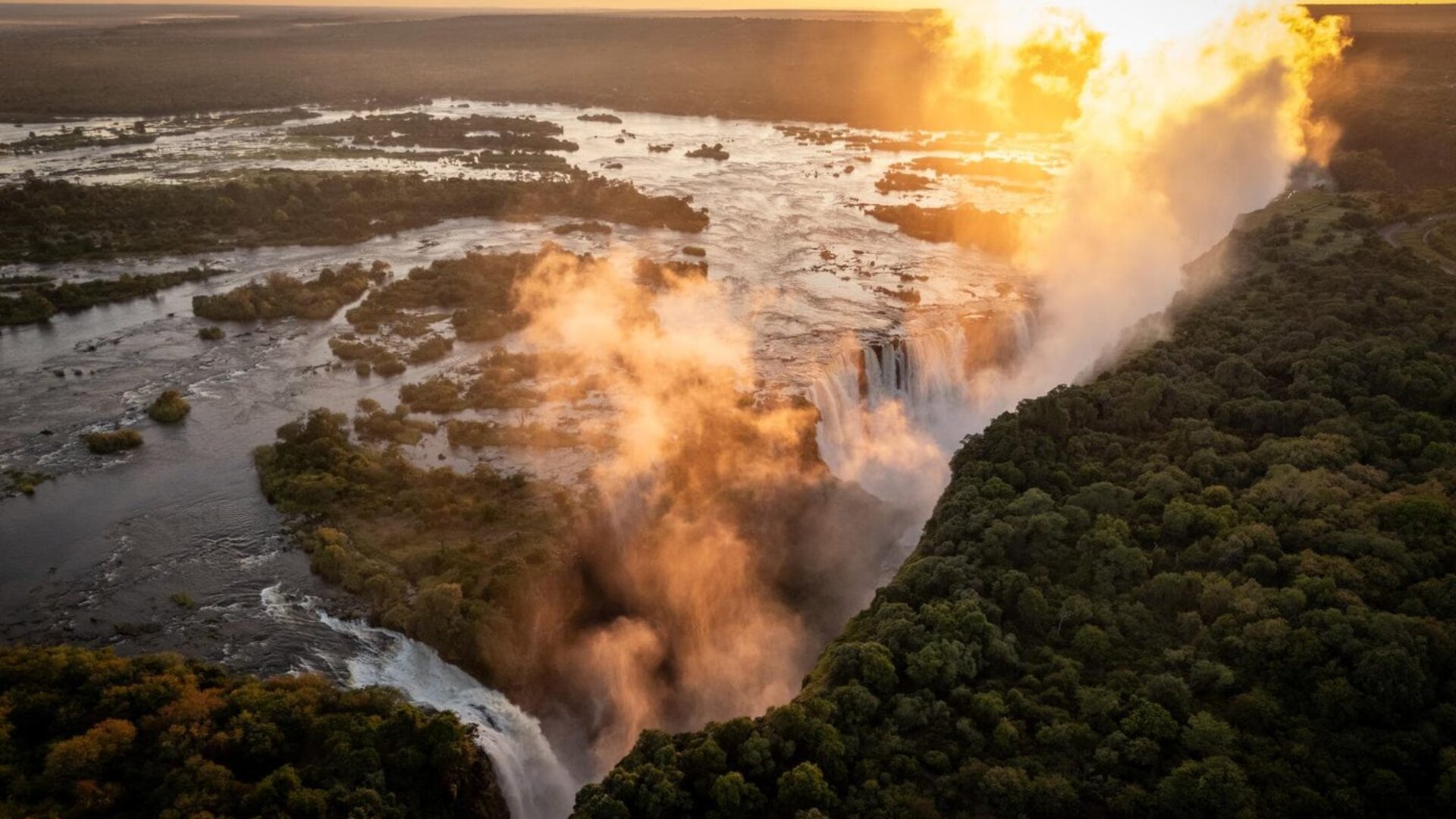
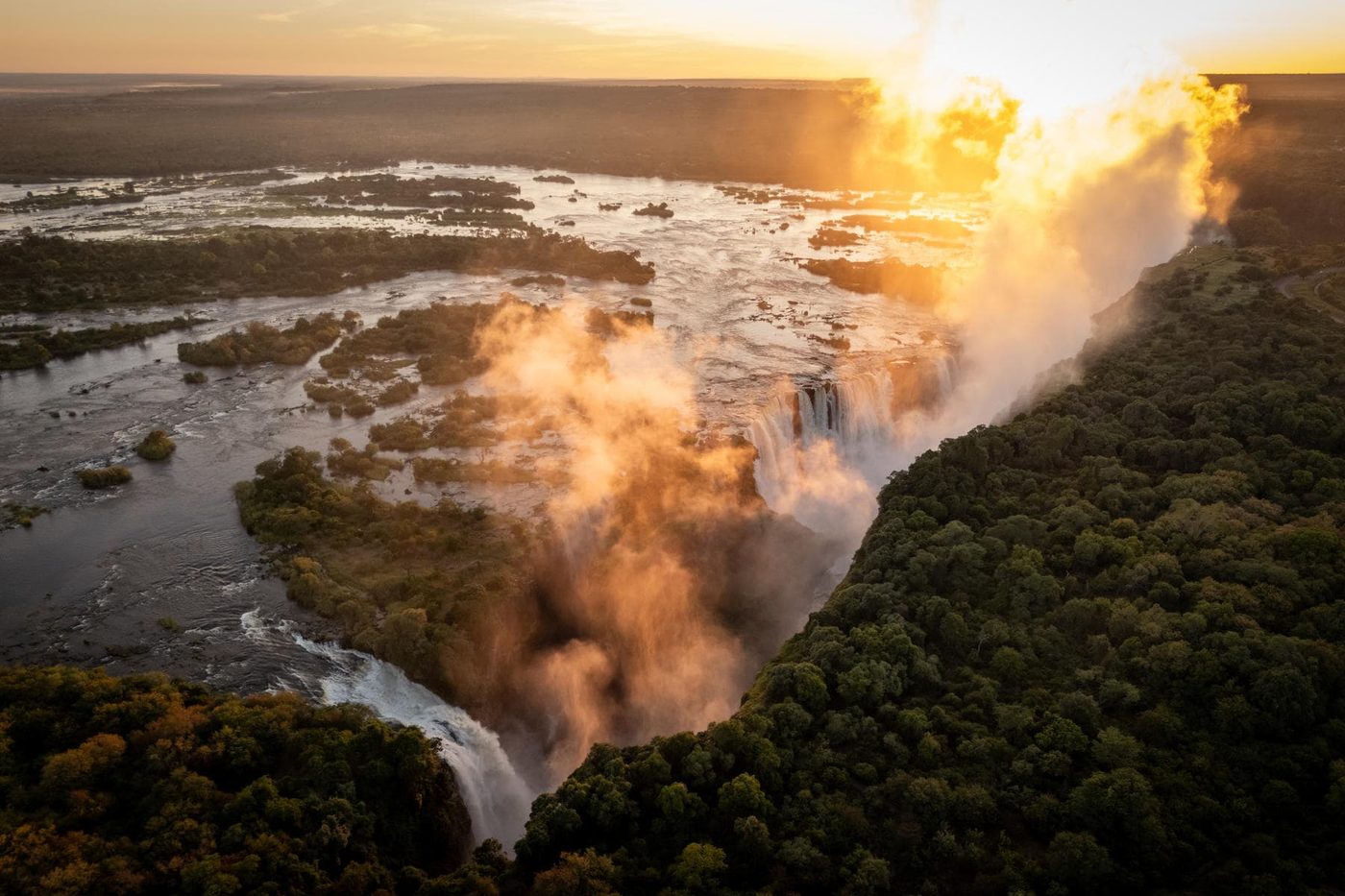
- Victoria Falls — one of the Seven Natural Wonders, on Zimbabwe's north-western edge
- Canoeing the Zambezi in Mana Pools — drifting past elephant and hippo at water level
- Matobo's rock art and history — ancient San paintings and Cecil Rhodes' grave among the granite domes
🦁 Already planning your Zimbabwe Big Five safari? Explore our Zimbabwe Safari Packages for pre-designed itineraries, or check How Much Does a Zimbabwe Safari Cost for detailed pricing. For premium experiences, see our Luxury Safari Zimbabwe and Private Safari Tours Zimbabwe articles, or browse the Best Zimbabwe Safari Lodges. Focused on a single park? Start with the Hwange National Park Safari Guide, the Mana Pools Safari Guide, the Matobo Hills Safari Guide, or the Ultimate Zimbabwe Travel Guide.
Big Five Safari Zimbabwe: Frequently Asked Questions
Can you see the Big Five in Zimbabwe?
Yes. All five species live wild in Zimbabwe. Lion, elephant and buffalo are abundant in Hwange, leopard is very good across Hwange and Mana Pools, and rhino — both black and white — are reliably tracked on foot in the Matobo Hills. To see all five in one trip, combine a big-game park such as Hwange or Mana Pools with a Matobo rhino-tracking outing.
Where can you see rhino in Zimbabwe?
The standout is the Matobo (Matobos) Hills National Park near Bulawayo, where guided tracking on foot brings you close to both white and black rhino under ranger protection — Zimbabwe's most reliable and most memorable rhino experience. Reintroduced rhino are also protected in several private conservancies and parts of Hwange, though a dedicated Matobo tracking outing is the surest way to add the fifth animal.
Which Zimbabwe park is best for seeing the Big Five?
Hwange is the finest single park for big game, delivering elephant and lion in extraordinary numbers plus buffalo and leopard. It is not, however, a reliable rhino park, so to complete all five you pair Hwange with the Matobo Hills for rhino on foot. Mana Pools is the connoisseur's alternative for the other four, superb on foot and by canoe.
Why is Hwange famous for elephant?
Hwange National Park holds one of the largest elephant populations in Africa, sustained through the dry season by a network of pumped waterholes. In the dry months, hundreds of elephant can gather at a single pan, creating one of the continent's greatest wildlife spectacles. It is the most reliable place in Zimbabwe to see elephant in remarkable numbers.
What is the best time of year for a Big Five safari in Zimbabwe?
The dry season, roughly May to October, offers the best conditions: thinner vegetation, clear sightlines, and wildlife concentrated on Hwange's waterholes and the Zambezi. July to October is peak, when elephant and buffalo herds mass at the pans and predators are most active. The green season (December–March) brings lush scenery, newborn game and superb birding at lower rates, but taller grass and some camp closures make Big Five viewing harder.
How many days do you need for a Big Five safari in Zimbabwe?
Plan on at least 7–8 days to see all five with a good chance. That allows three to four nights in Hwange for elephant, lion, buffalo and leopard, a couple of nights in Mana Pools or at Victoria Falls, and two nights in the Matobo Hills to track rhino on foot. Shorter 5–6 day trips focused on Hwange still deliver four of the five superbly, but leave less room for the rhino.
Is Zimbabwe good for walking safaris?
Exceptionally. Zimbabwe's professional guides are among the best-trained in Africa, and Mana Pools is one of the continent's premier walking-safari destinations — approaching elephant, buffalo and even lion on foot with an expert guide is a signature Zimbabwe experience. The Matobo Hills also offer superb rhino tracking on foot, and Hwange has excellent guided walks.
What makes Mana Pools special for a Big Five safari?
Mana Pools is a UNESCO World Heritage Site on the Zambezi floodplain where you can walk and canoe among big game. It is famous for its albida forests — where elephants stand on their hind legs to reach seed pods — and for its painted wolves (African wild dogs). Lion, elephant, buffalo and leopard are all present, and the immersive, on-foot nature of the safari makes it one of the most rewarding wildlife experiences in Africa.
What is the average cost of a Big Five safari in Zimbabwe?
Zimbabwe offers strong value for a premium safari. Mid-range safaris typically run about $400–800 per person per night, and luxury fly-in camps from $800 to $2,000+ per person per night, including game activities, meals and often park fees. A 7–8 day Big Five safari commonly costs $4,000–10,000+ per person depending on camp choice and season. For detailed breakdowns, see our Zimbabwe Safari Cost guide.
Final Verdict: Zimbabwe Delivers Big Five Safaris with Space and Honesty
Zimbabwe stands among Africa's premier Big Five destinations — and on genuinely all-five terms:
- ✅ All five live wild — a true Big Five country, not a four-plus-fence compromise
- ✅ Elephant and lion at their best — Hwange's dry-season waterholes are among Africa's great spectacles
- ✅ The finest guiding on the continent — walking safaris in Mana Pools are second to none
- ✅ Rhino, honestly told — reliably tracked on foot in the Matobo Hills, a highlight rather than a long shot
- ✅ Space to enjoy it — world-class wildlife without the crowds
The honest answer: Can you see all Big Five in Zimbabwe? Yes — comfortably, if you include the Matobo Hills. Build your trip around Hwange for the great herds and prides, add Mana Pools or Victoria Falls, finish with rhino on foot in the Matobo Hills, travel in the dry season, and the complete set is genuinely achievable.
A Zimbabwe Big Five safari isn't about ticking a checklist in the shortest possible time — it's about hundreds of elephant at a Hwange waterhole at dusk, a lion pride padding across a golden pan, an elephant standing tall in a Mana Pools forest, and — when you plan for it — a rhino stepping quietly through the granite hills of Matobo, tracked on foot in the country that brought it back.
Ready to plan your Zimbabwe Big Five safari? Browse our curated Zimbabwe Safari Packages, explore the Best Zimbabwe Safari Lodges for accommodation insight, or start with the comprehensive Ultimate Zimbabwe Travel Guide.