Key Takeaways
- Largest Waterfall on Earth: Victoria Falls spans 1,708 metres wide and drops 108 metres — twice the height of Niagara — with peak flow of 500 million litres per minute.
- Elephant Kingdom: Hwange National Park protects 45,000 elephants, the largest population in Africa, plus 100+ lion prides.
- Walking Safari Capital: Mana Pools is one of Africa's premier walking and canoeing safari destinations along the Zambezi River floodplain.
- Ancient Civilization: Great Zimbabwe ruins (11th-15th century) are the largest ancient stone structures in sub-Saharan Africa.
- Adventure Hub: Victoria Falls offers white-water rafting, bungee jumping (111m), helicopter flights, devil's pool swimming, and sunset cruises.
- Best Value: Zimbabwe offers exceptional safari value — luxury camps at 30-40% less than Botswana/South Africa equivalents.
Why Zimbabwe Is Africa's Best-Kept Safari Secret
Zimbabwe combines three world-class experiences most countries can only dream of: Victoria Falls (the planet's most spectacular waterfall), Hwange National Park (45,000 elephants, 100+ lion prides), and Mana Pools (pristine wilderness where you walk among elephants and canoe past hippos). Add Great Zimbabwe's 800-year-old stone ruins, Matobo Hills' San rock art, and Lake Kariba sunsets, and you have Africa's most diverse single-country safari.
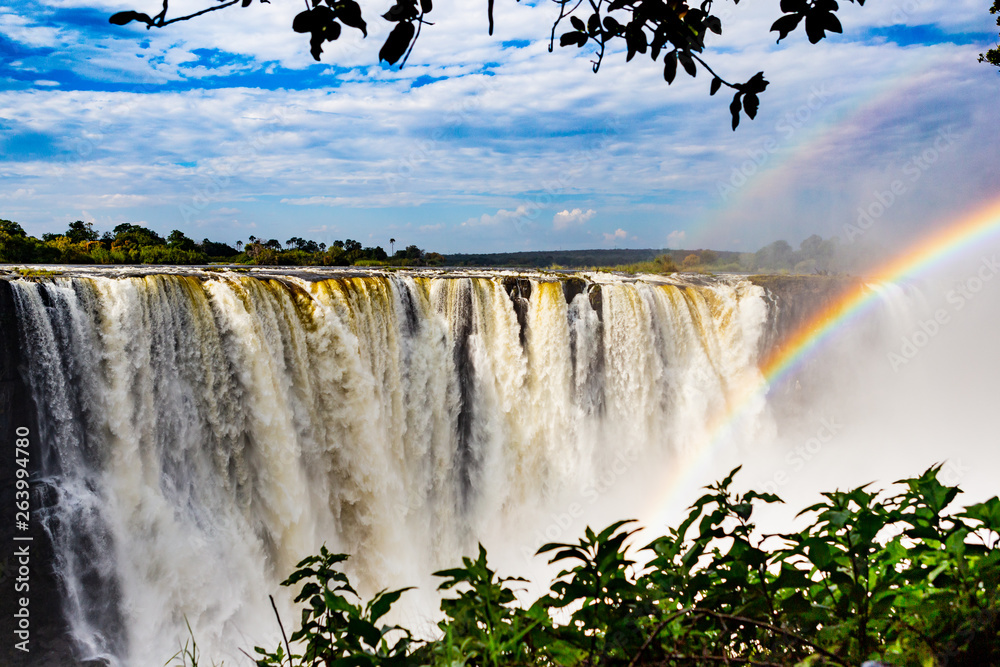
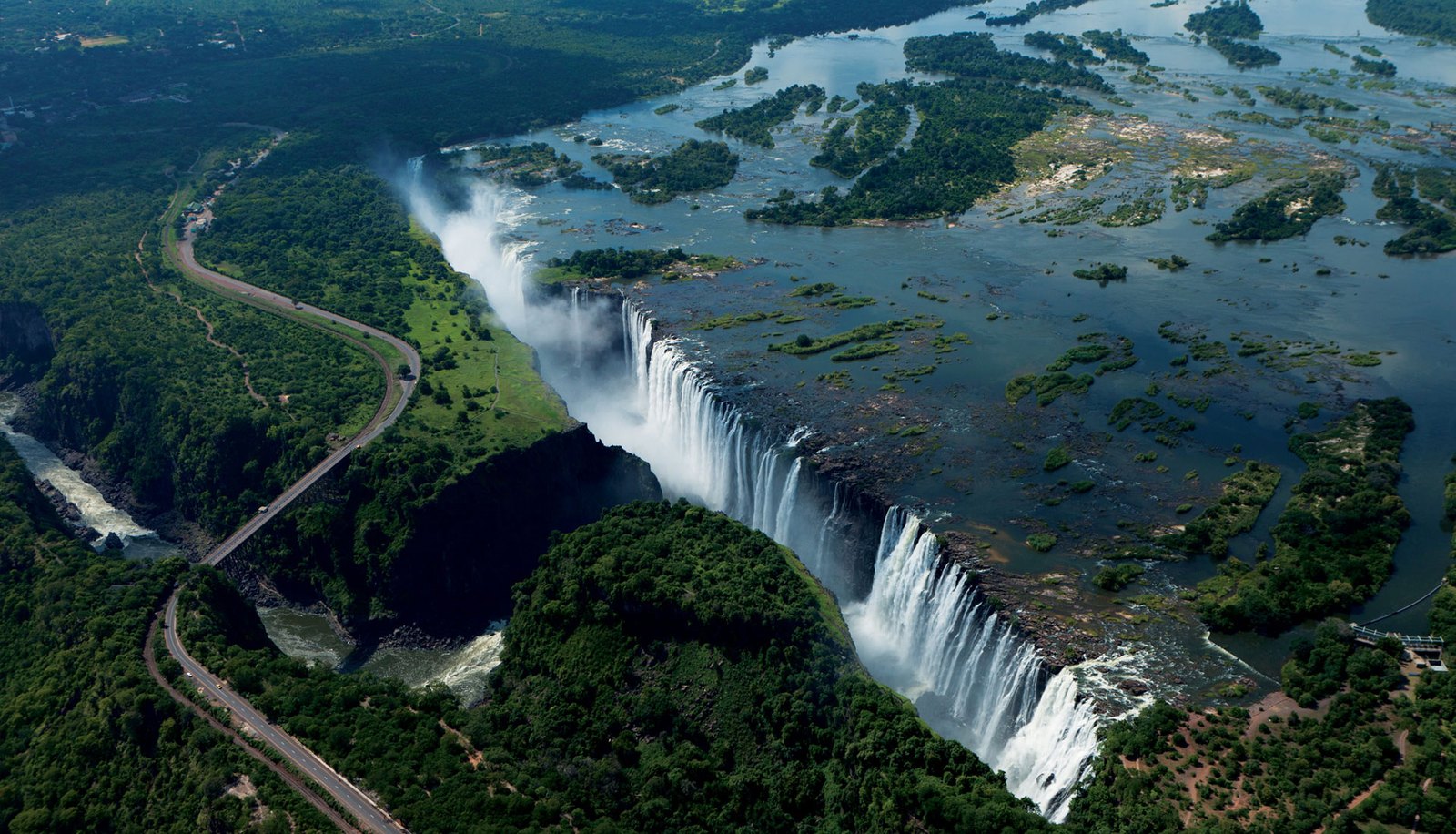
Victoria Falls — Mosi-oa-Tunya ("The Smoke That Thunders") in the local Lozi language — is the world's largest sheet of falling water, a 1.7-kilometre-wide curtain of white water plunging 108 metres into the Zambezi Gorge. The spray rises 400 metres, visible 50 kilometres away, and creates permanent rainbows.
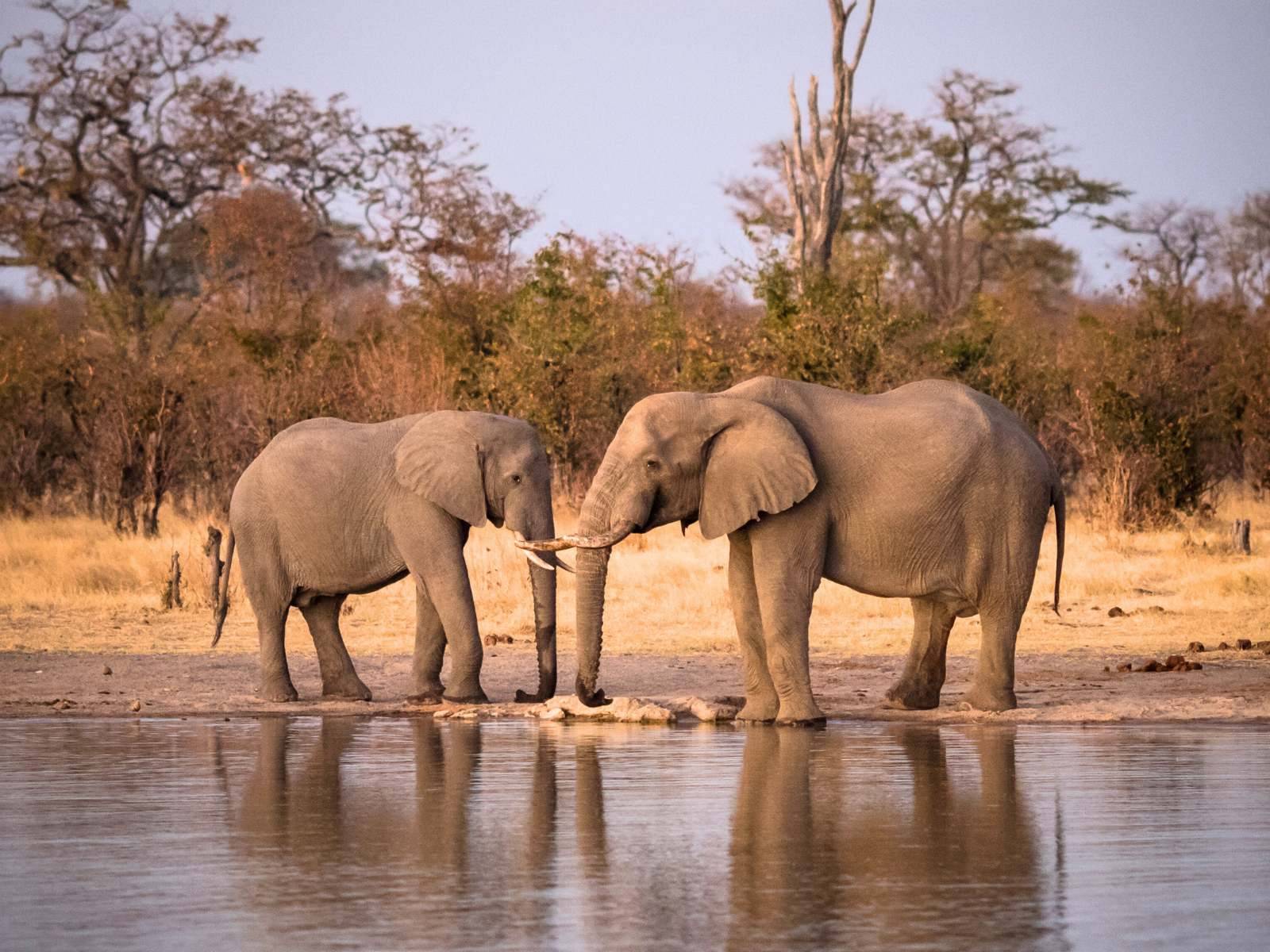
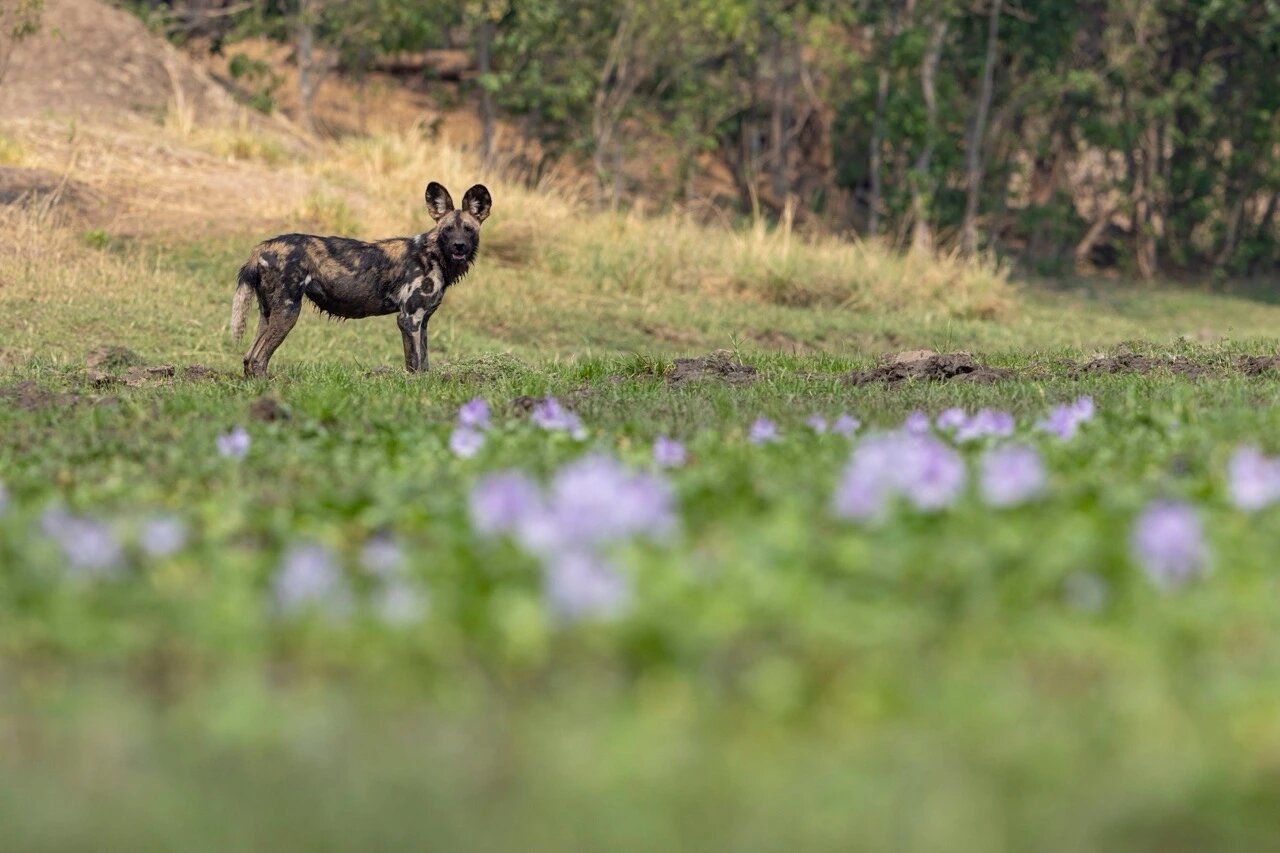
Hwange National Park, Zimbabwe's flagship reserve, sprawls across 14,651 km² of Kalahari sandveld and mopane woodland. It protects Africa's largest elephant population (45,000+), thriving lion prides, endangered African wild dogs, and over 400 bird species. The park's network of natural pans (seasonal waterholes) creates spectacular dry-season concentrations: 300+ elephants drinking at a single pan at sunset.
Mana Pools National Park on the Zambezi River is a UNESCO World Heritage Site and one of Africa's few parks permitting unguided walking safaris. You'll walk among elephants feeding on albida pods, canoe past hippos and crocodiles, and camp under ancient mahogany trees. The name "Mana" means "four" in Shona, referencing the four permanent pools left behind when the Zambezi floods.
Zimbabwe's safari camps offer extraordinary value — expect luxury tented camps with full-board, private game drives, and qualified guides at 30-40% less than comparable Botswana or South Africa camps. Combined with warm Zimbabwean hospitality and minimal tourist crowds, this is Africa's best-kept safari secret.
Victoria Falls — The Smoke That Thunders
Victoria Falls is the earth's largest waterfall by combined width and height. The Zambezi River, 1,800 metres wide at this point, drops 108 metres into a narrow basalt gorge, creating a curtain of falling water 1,708 metres wide. Peak flow (March-May) reaches 500 million litres per minute — enough to fill 200 Olympic swimming pools every 60 seconds.
The Zimbabwe side offers 16 viewpoints along a 2-kilometre rainforest trail: Main Falls, Devil's Cataract, Rainbow Falls, Horseshoe Falls, and Eastern Cataract. The spray sustains a lush rainforest (unique in this arid region) with ferns, ebony, and fig trees. Bring waterproof gear — you'll be drenched at peak flow. The Knife-Edge Bridge viewpoint delivers the most dramatic frontal perspective.
Adventure activities:
- Devil's Pool (dry season only, Aug-Jan): Swim to the edge of Victoria Falls in a natural rock pool. Guides escort you across Livingstone Island to the lip of the falls where you float above the 108m drop. The ultimate infinity pool.
- White-water rafting: Grade 5 rapids below the falls in Batoka Gorge. Full-day trips run the wildest commercial rapids on Earth.
- Bungee jumping: 111-metre jump from the Victoria Falls Bridge spanning the Zambezi Gorge. Fourth-highest commercial bungee in the world.
- Helicopter flights: 13-minute "Flight of Angels" — see the falls' full 1.7km width from above. Book morning flights for best light.
- Sunset cruises: Glide upriver from the falls at dusk, sipping sundowners while hippos surface and elephants wade to islands.
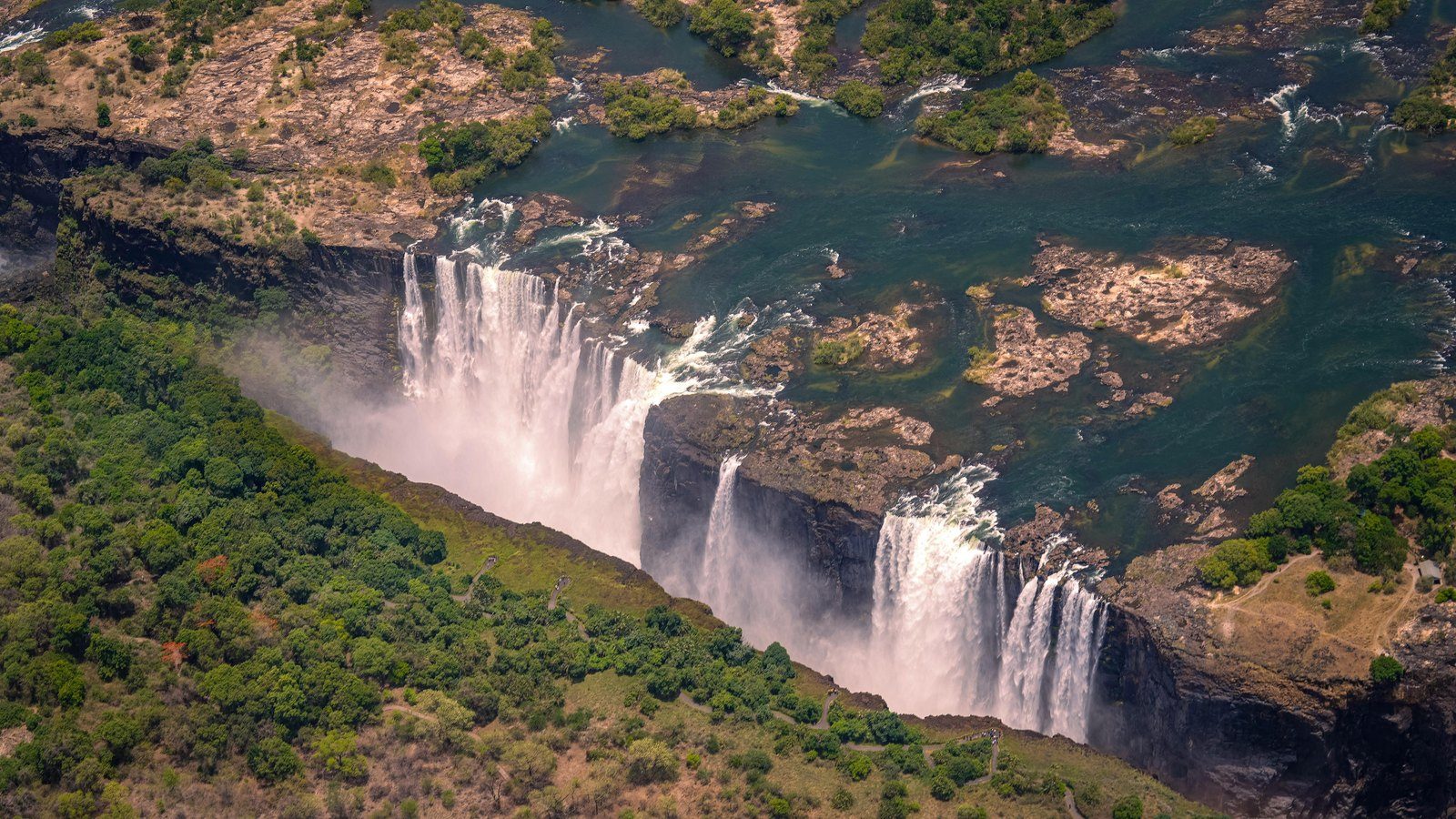
Timing: High water (Feb-May) delivers maximum volume and spray, but mist obscures views. Low water (Oct-Dec) reveals rock formations and creates Devil's Pool access, but less dramatic flow. April-May is the compromise — big water with some visibility.
Victoria Falls town offers hotels, lodges, and adventure operators. The falls themselves are in Victoria Falls National Park (entry US$30). Budget 2-3 nights: one day for the falls walk + one adventure activity + one sunset cruise. Many combine Falls (2-3 nights) with Hwange safari (3-4 nights).
Hwange National Park — Elephant Kingdom & Lion Stronghold
Hwange National Park (14,651 km²) is Zimbabwe's largest and most diverse reserve, protecting the continent's biggest elephant population — 45,000+ individuals — plus over 500 bird species, 100+ lion prides, and thriving populations of buffalo, sable antelope, African wild dogs, and cheetahs.
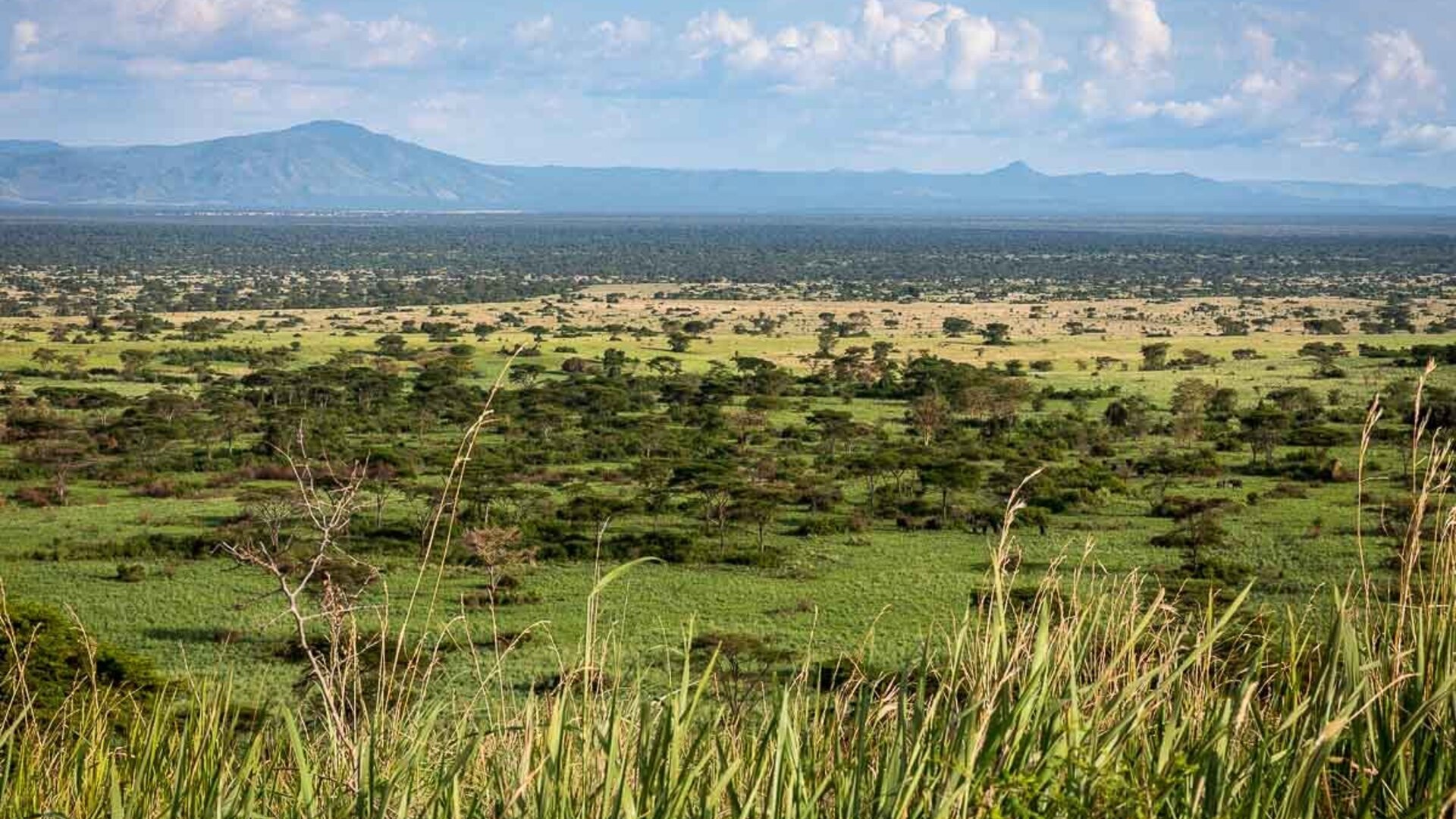
The park spans three distinct ecosystems: Kalahari sandveld (north), mopane woodland (central), and mixed woodland (south). This diversity creates phenomenal wildlife variety. Hwange's secret weapon is its 60+ artificial waterholes (pumped from underground aquifers), which concentrate animals during the dry season (May-October) when natural pans dry up.
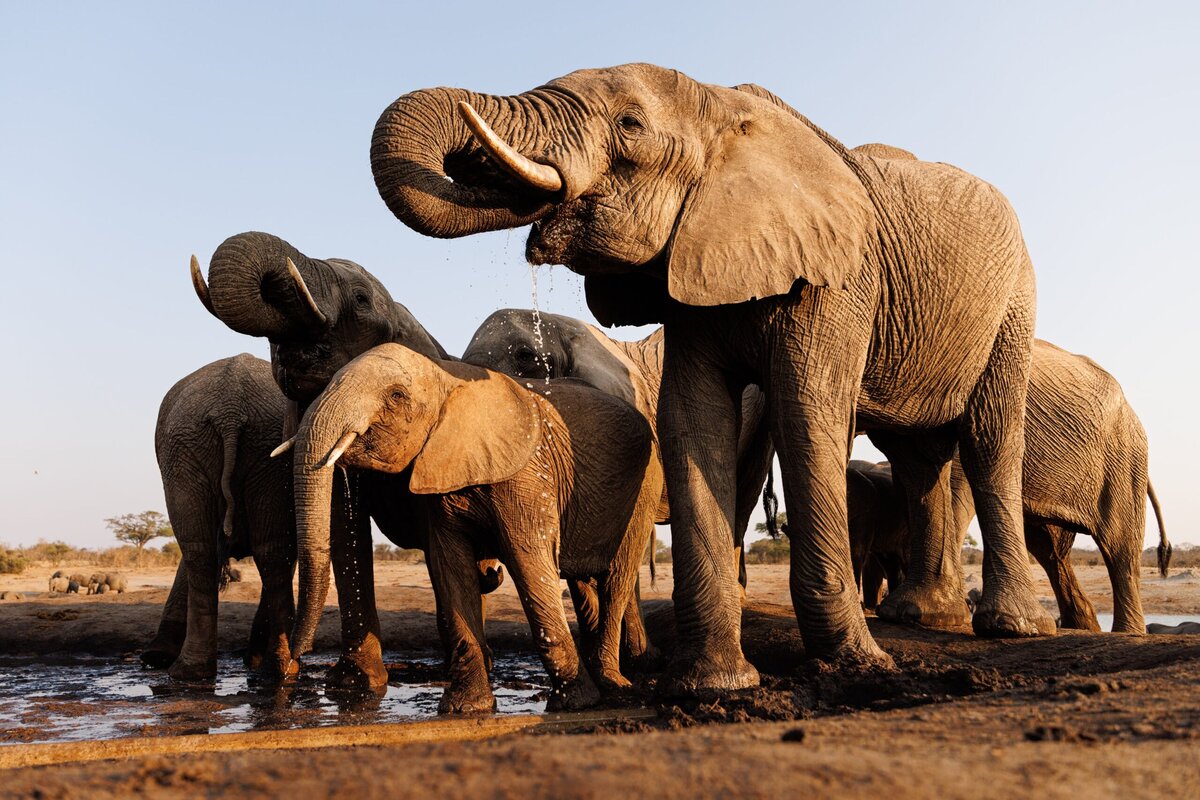
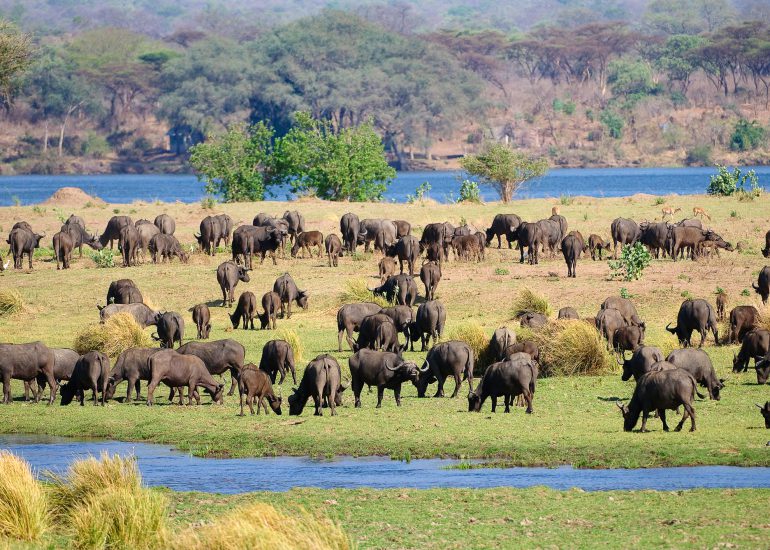
Prime game viewing centres around these waterholes: Ngweshla, Kanondo, Kennedy, and Mandavu. Late afternoon drives position you at a pan as the sun drops and herds converge: 200+ elephants, buffalo herds 500-strong, giraffe, zebra, wildebeest, and predators waiting in ambush. It's Africa's greatest waterhole theatre.
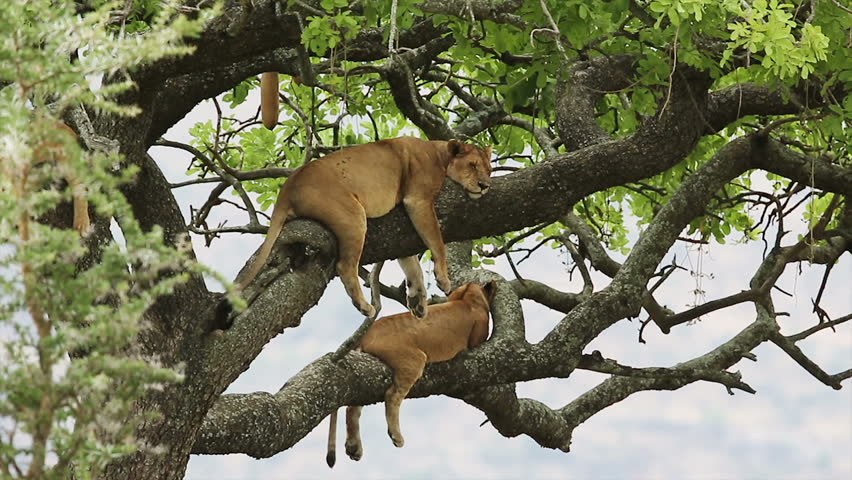
Hwange's lion population (800-1,000 individuals) is one of Africa's healthiest. Prides here specialize in hunting buffalo — you'll witness dramatic nighttime buffalo kills if staying at camps like Somalisa or Little Makalolo. The park also protects Zimbabwe's largest concentration of African wild dogs (endangered, ~500 left in Zimbabwe).
Birding: Hwange's 500+ species include Kori bustards, secretary birds, southern ground hornbills, and raptors (bateleurs, martial eagles). The northern mopane woodlands host specials like Bradfield's hornbill and violet-eared waxbills.
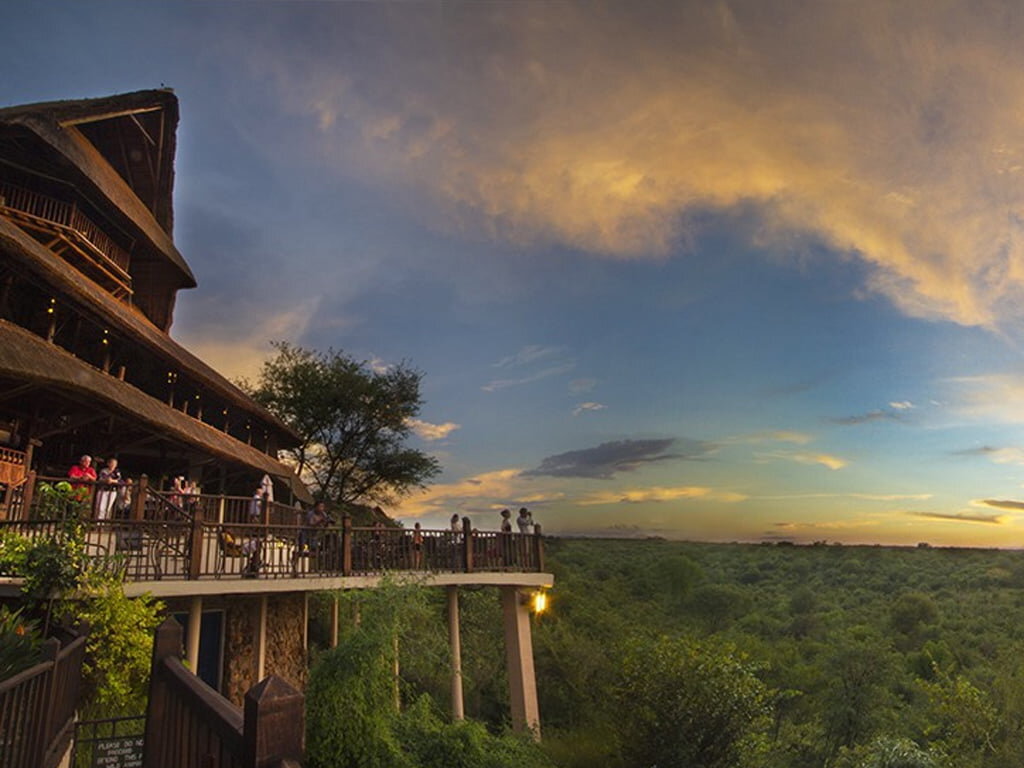
Most luxury camps cluster in private concessions adjoining the park: Somalisa Camp, Linkwasha, Little Makalolo, and The Hide. These offer walking safaris, night drives (not permitted in the park itself), and exclusive game-viewing areas. Budget 3-4 nights for full Hwange immersion.
Mana Pools National Park — Walking & Canoeing Safaris
Mana Pools National Park (2,196 km²) is a UNESCO World Heritage Site on the southern bank of the Zambezi River, renowned as one of Africa's premier walking and canoeing safari destinations. The park's name derives from four large permanent pools formed when the Zambezi floods and then recedes, leaving oxbow lagoons.
Mana Pools is one of Zimbabwe's few parks permitting unguided walking (with licensed guides accompanying for safety). You'll walk on foot through mopane and albida woodland, approaching elephants, buffalo, zebra, and impala at ground level. The park's flat terrain and open canopy make it ideal for walking safaris — you can see danger approaching.
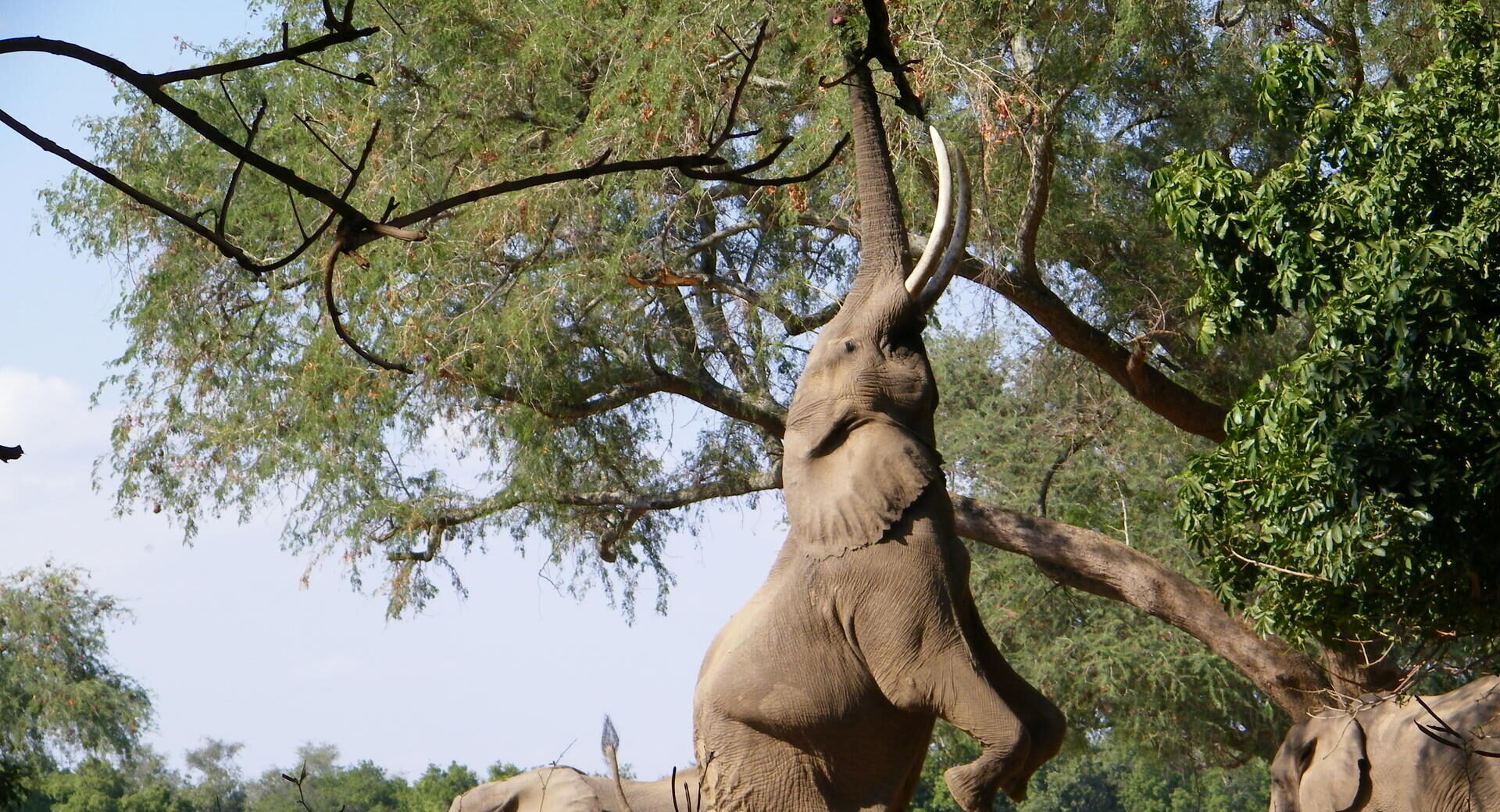
The park's signature experience is watching elephants stand on hind legs to reach albida (Acacia albida) seed pods in the canopy — a behaviour unique to Mana Pools' bull elephants. These gentle giants tolerate close human presence (10-20 metres) during pod season (May-October).
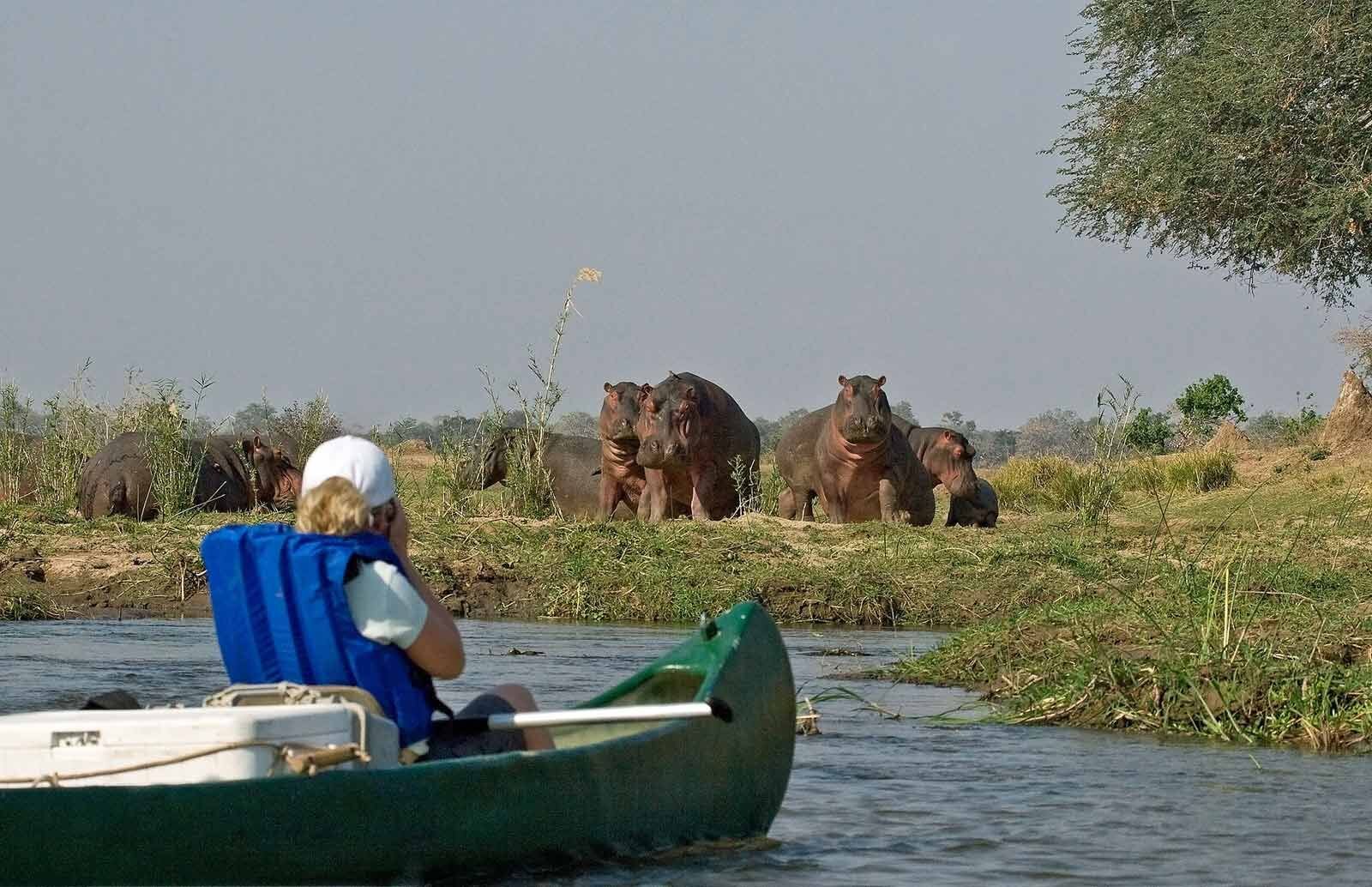
Canoeing safaris: Multi-day canoe trips paddle 70-80 kilometres downstream from Kariba to Mana Pools, camping on Zambezi islands and sand banks. You'll glide past hippos, crocodiles (some 5+ metres), elephants wading to drink, and vast buffalo herds. African fish eagles and carmine bee-eaters line the riverbanks. Most canoe safaris run 4-6 days, fully catered.
Predators thrive here: lion prides patrol the floodplain, leopards lounge in sausage trees, and Mana Pools is one of Africa's best parks for African wild dog sightings. The endangered pack of 12-15 dogs ranges widely, hunting impala in coordinated pursuits.
Access is via light aircraft to Mana Pools airstrip (May-October only; park closes November-April due to flooding). Top camps: Ruckomechi, Vundu Camp, John's Camp, and Kanga Camp. Budget 3-4 nights for walking safaris, or 5-7 days for canoe+walking combo.
Lake Kariba, Matobo Hills & Great Zimbabwe
Lake Kariba is the world's largest man-made lake by volume (180 cubic kilometres), created in 1959 when the Kariba Dam flooded the Zambezi gorge. The lake stretches 220 kilometres between Zimbabwe and Zambia, dotted with drowned forests where elephants swim between islands and fish eagles patrol the skies.
Kariba offers houseboat safaris — multi-day floating lodges with ensuite cabins, chefs, and tender boats for fishing, game viewing, and sunset cruises. You'll moor in secluded bays, watch elephants wade ashore at dawn, and fish for tiger fish and bream. Matusadona National Park (1,470 km²) on Kariba's southern shore protects rhinos, lions, and large elephant herds.
Matobo Hills (Matopos) National Park near Bulawayo is a UNESCO World Heritage Site protecting 3,000-year-old San rock art, massive granite kopjes, and Cecil Rhodes' grave at "World's View." The park has the world's highest concentration of black eagles and protects a sanctuary population of black and white rhinos — rhino tracking on foot is the headline activity.
Great Zimbabwe is the ruins of an 11th-15th century stone city that was the capital of the Kingdom of Zimbabwe. The site covers 722 hectares and includes the Great Enclosure (the largest ancient structure south of the Sahara), Hill Complex, and Valley Ruins. Dry-stone walls up to 11 metres high were built without mortar — a testament to Shona engineering. UNESCO World Heritage Site, 30 km from Masvingo.
Gonarezhou National Park in southeastern Zimbabwe (5,053 km²) is the country's second-largest park, part of the Greater Limpopo Transfrontier Conservation Area with South Africa and Mozambique. Red sandstone Chilojo Cliffs tower 180 metres above the Runde River, and elephant populations are recovering after poaching. Remote and rarely visited.
Best Time to Visit Zimbabwe & Practical Planning
Zimbabwe's climate varies by altitude and region. Victoria Falls and lowveld parks (Hwange, Mana Pools) are hot, while the highveld plateau (Harare, Matobo) is cooler year-round.
| Season | Months | Weather & Conditions | Best For |
|---|---|---|---|
| Dry Season (Peak) | May – Oct | Minimal rain, 25-30°C days, cool nights (10-15°C), best game viewing | Hwange waterholes, Mana Pools walking, Victoria Falls low water (Devil's Pool open Aug-Jan). |
| Green Season (Hot) | Nov – Dec | 35-40°C heat, sparse rain, animals stressed, Victoria Falls low | Lowest lodge rates, photography (storm skies), fewer tourists. |
| Wet Season (Summer) | Jan – April | Afternoon rains, lush green, Victoria Falls peak flow (Feb-May) | Falls at maximum volume, birding, newborn animals, Hwange still good. |
Peak safari season: July-October for Hwange (elephant concentrations at waterholes) and Mana Pools (dry, cool, best walking). Victoria Falls: April-May for high water + visibility compromise, or August-December for low water and Devil's Pool access.
Visa: Zimbabwe offers e-visas (US$60 single-entry, US$45 KAZA UniVisa for Zimbabwe+Zambia). Apply online or pay on arrival at Vic Falls/Harare airports. Vaccinations: Yellow fever not mandatory unless arriving from endemic countries. Malaria prophylaxis essential for lowveld parks. Typhoid, hepatitis A/B recommended.
Getting there: Victoria Falls International Airport (VFA) and Harare International (HRE) are gateways. Regional flights: South African Airways, Kenya Airways, Ethiopian Airlines. Domestic: Fastjet connects Vic Falls–Harare. Charter flights serve Hwange, Mana Pools, Kariba. Many combine Vic Falls (Zimbabwe) with Chobe (Botswana) — 1 hour apart.
Currency: US Dollar is the primary currency (Zimbabwe dollar unstable). Bring small-denomination USD cash — US$1, $5, $10 notes for tips and markets. Credit cards accepted at lodges but cash needed for park fees and activities.
Sample 9-day itinerary: Victoria Falls (2 nights: falls walk, helicopter, sunset cruise) → Hwange (3 nights: game drives, waterhole hides) → Mana Pools (3 nights: walking safaris, canoeing) → Vic Falls (1 night) → depart.
Zimbabwe Safari Costs, Lodges & Booking Tips
Zimbabwe offers exceptional safari value. Luxury camps cost US$400-800 per person per night (full-board, game drives, guiding) — 30-40% less than equivalent Botswana/South Africa camps. Mid-range camps start at US$250 per night.
Package safaris including Victoria Falls, Hwange, and Mana Pools start at US$3,200 per person for 9 days (mid-range lodges, shared transfers) and reach US$7,500+ for luxury fly-in safaris with private guides. Our Zimbabwe safari packages include all internal flights, game drives, park fees, and full-board accommodation.
Top luxury lodges:
- Somalisa Camp (Hwange) — 7 safari tents on elevated platforms, private concession, walking safaris, night drives.
- Linkwasha Camp (Hwange) — Wilderness Safaris flagship, overlooks Linkwasha waterhole, extraordinary elephant sightings.
- Ruckomechi Camp (Mana Pools) — 10 tents on Zambezi riverbank, walking and canoeing safaris, wild dog territory.
- The Victoria Falls Hotel (Vic Falls) — historic 1904 colonial hotel, views of the falls bridge, afternoon tea on terrace.
- Ilala Lodge (Vic Falls) — only hotel within walking distance of the falls (10 minutes), family-friendly.
- Amalinda Lodge (Matobo Hills) — built into granite kopjes, rock art tours, rhino tracking.
Booking tips: Zimbabwe camps are smaller (6-10 tents) and book out 6-12 months ahead for July-October. Green season (Nov-Feb) offers 30-40% discounts and availability 2-3 months out. Mana Pools camps close November-April (wet season flooding). Always book with licensed operators offering Zimbabwe Tourism Authority registration.
For Victoria Falls activities, book helicopter flights and Devil's Pool (when open) 2-3 days ahead — same-day slots fill fast. White-water rafting requires moderate fitness (Grade 5 rapids). Sunset cruises accept walk-ins.
Contact us on WhatsApp (+27 74 315 5782) or request a custom itinerary — we'll design your Zimbabwe safari and Falls adventure.
Victoria Falls National Park
Best for: World's largest waterfall (1,708m wide, 108m drop), 16 viewpoints, Devil's Pool (Aug-Jan), white-water rafting, bungee jumping, helicopter flights. 2-3 nights recommended. Peak flow March-May. View Victoria Falls packages.
Hwange National Park
Best for: Africa's largest elephant population (45,000), 100+ lion prides, waterhole concentrations (dry season), wild dogs, sable antelope. 60+ pumped waterholes. 3-4 nights ideal. Best May-October.
Mana Pools National Park
Best for: Walking and canoeing safaris, elephants standing on hind legs, wild dogs, UNESCO World Heritage Site. Unguided walking permitted. 3-4 nights (or 5-7 days canoe combo). Open May-Oct only.
Lake Kariba & Matusadona
Best for: Houseboat safaris on world's largest man-made lake, Matusadona rhinos and lions, fishing (tiger fish), sunset cruises, swimming elephants. 2-3 nights houseboat recommended.
Matobo Hills National Park
Best for: Black and white rhino tracking on foot, 3,000-year-old San rock art, Cecil Rhodes' grave, massive granite kopjes. Near Bulawayo. 1-2 nights stopover.
Great Zimbabwe Ruins
Best for: UNESCO World Heritage Site — 11th-15th century stone city, largest ancient structure south of Sahara, Kingdom of Zimbabwe capital. Day visit or overnight in Masvingo. Combine with Gonarezhou.