Key Takeaways
- Zimbabwe is a safari of specialists. Hwange for elephants and Big Five, Mana Pools for canoeing and walking, Matobo for rhino on foot, Kariba and Gonarezhou for raw wilderness — each destination does one thing supremely well.
- Zimbabwe is famous for guiding. Its guides sit among the most rigorously qualified in Africa, which is why walking and canoe safaris here are the best on the continent.
- Victoria Falls is the gateway. Most trips begin or end at the Falls, with Hwange a short hop away — the classic, easy Zimbabwe combination.
- Go wild in the south and east. Gonarezhou, Malilangwe and the Eastern Highlands reward second-time visitors with solitude and scenery few travellers ever see.
- Best time: the dry season, roughly May to October (with August–October the peak), when wildlife concentrates around water and the bush thins out.
Zimbabwe punches far above its size. In a single country you can watch thousands of elephants crowd a Hwange waterhole, walk within a breath of them on the floodplains of Mana Pools, track rhino on foot through Matobo's balancing granite, drift the great inland sea of Lake Kariba, and stand in the spray of one of the seven natural wonders of the world. The question is never whether Zimbabwe is worth it — it is which of its remarkable destinations to choose, and how to string them together.
This guide ranks the ten safari destinations in Zimbabwe worth building a trip around — not as a dry checklist of parks, but as trip-planning building blocks. For each, we tell you what it is genuinely best for, when to go, how easy it is to reach, and how to chain it with the others. If wildlife species are your focus, our Big Five Safari Zimbabwe guide goes animal by animal, and for the full country picture start with the Ultimate Zimbabwe Travel Guide. This article answers the bigger question: where should you go, and in what order?
How to Read Zimbabwe: Four Kinds of Destination
Before choosing where to go, understand how Zimbabwe's safari areas group together. Knowing these four families makes every other decision simple.
| Region | Headline Destinations | Best For |
|---|---|---|
| The Northwest | Victoria Falls, Hwange, Zambezi National Park | First-timers, the Falls, big elephant herds, easy logistics |
| The Zambezi Valley | Mana Pools, Lake Kariba, Matusadona | Canoeing, walking, houseboats, wild river wilderness |
| The South | Matobo, Gonarezhou, Malilangwe | Rhino, remote wilderness, private conservancies, culture |
| The East | Eastern Highlands, Great Zimbabwe | Mountain scenery, heritage, a different, greener Zimbabwe |
Most first safaris combine the Northwest — Victoria Falls and Hwange — perhaps with a few nights on the Zambezi at Mana Pools. Return visitors head south and east for solitude, rhino and scenery. Below, the ten destinations that make each region sing — ranked by how much they should shape your trip.
The 10 Best Safari Destinations in Zimbabwe
1. Hwange National Park — The Great Elephant Kingdom
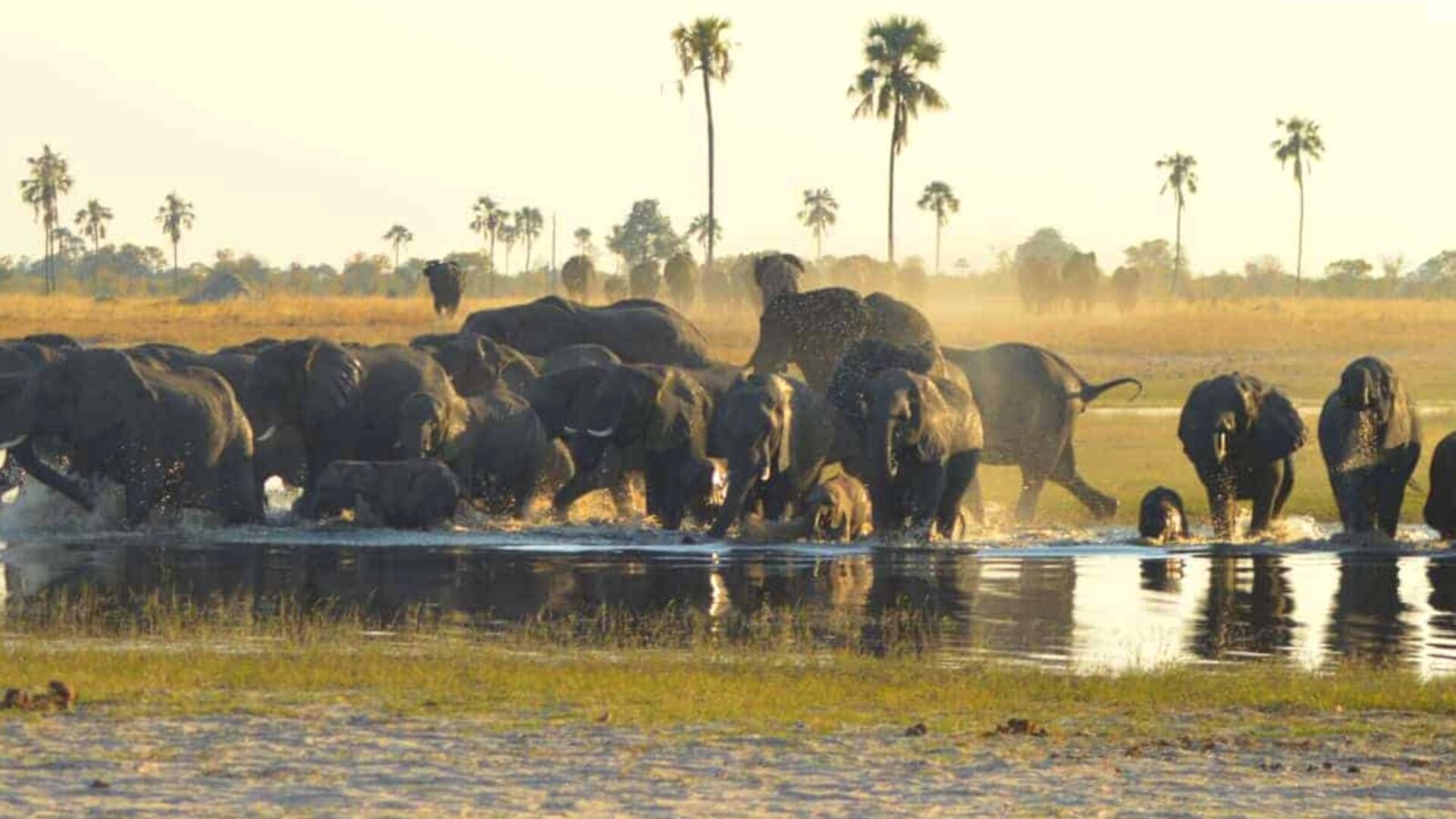
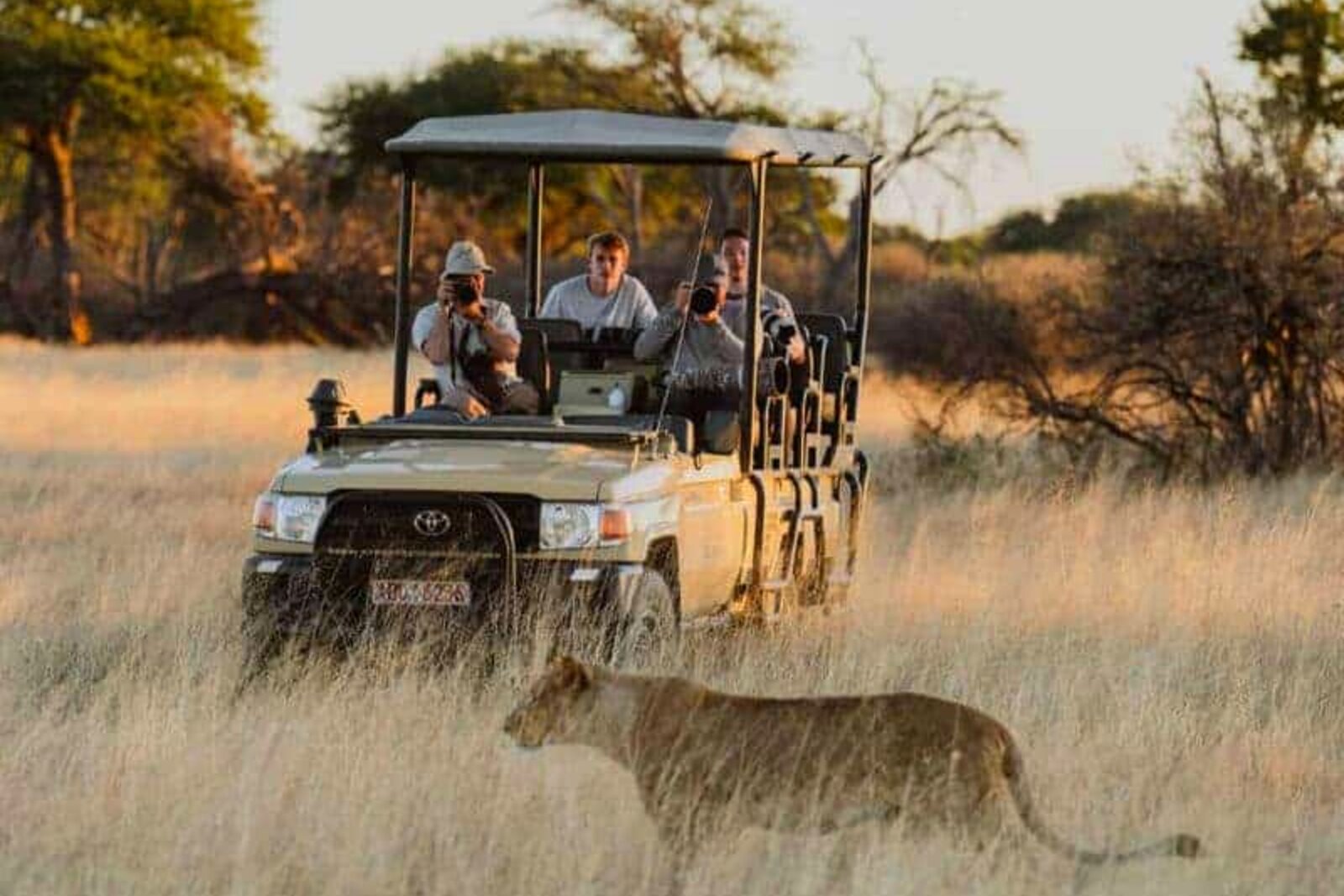
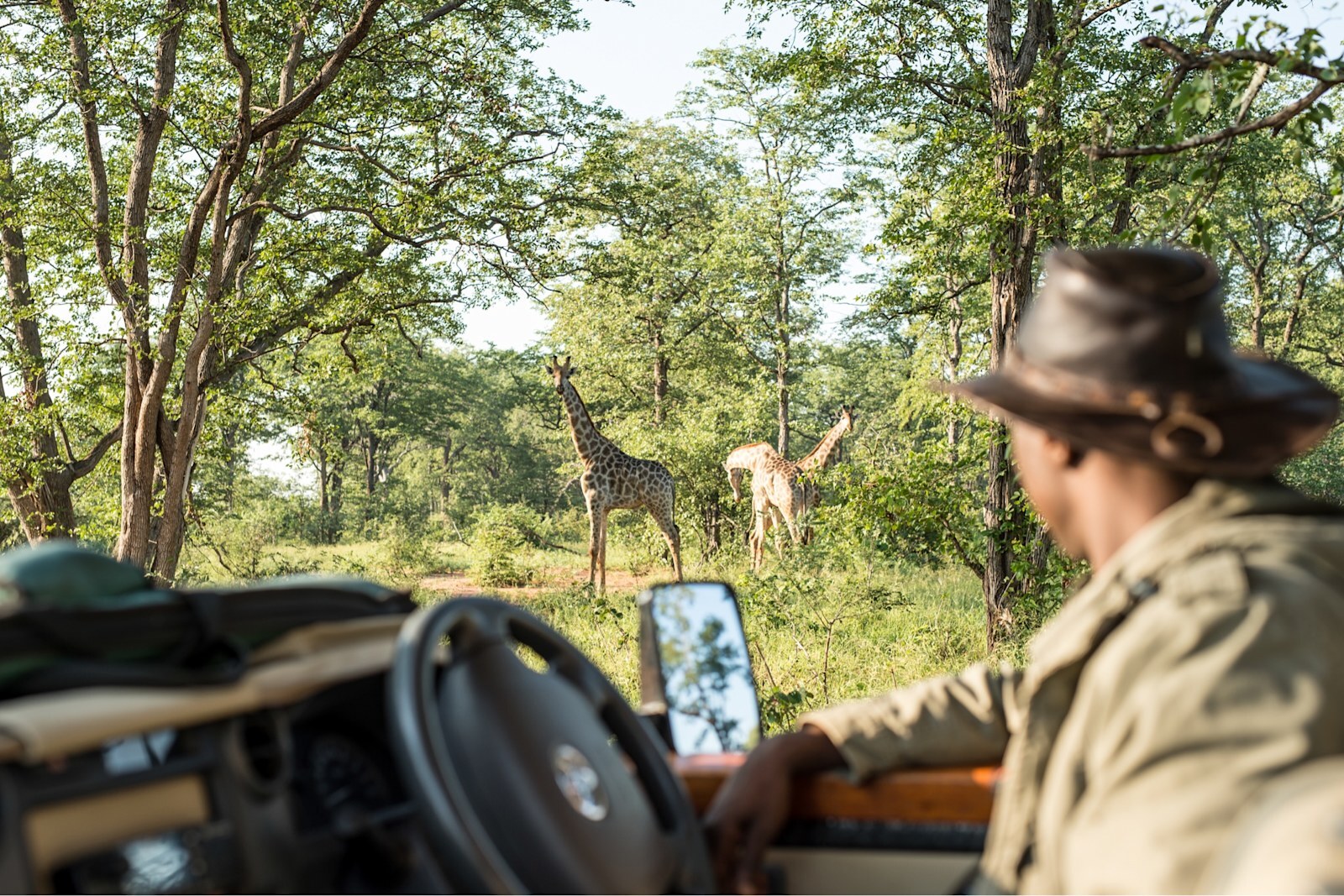
Zimbabwe's largest and most celebrated park, Hwange is elephant country on an epic scale — home to one of Africa's biggest elephant populations, with herds many thousands strong gathering at pumped waterholes in the dry season. Add the full Big Five, famous Hwange lion prides, painted dogs and vast teak-and-grassland vistas, and you have the essential Zimbabwe safari.
- Best for: Elephants, Big Five, lion prides, first-time safari wow-factor
- When to go: July–October, when wildlife packs the waterholes; green season (Nov–Apr) for birds and newborns
- Access: Easy — a short drive or flight from Victoria Falls, or fly into Hwange's own airstrips
- Reality: The natural first stop of any Zimbabwe trip. For the full detail see our Hwange National Park Safari Guide.
2. Mana Pools National Park — Wild Zambezi Walking & Canoeing
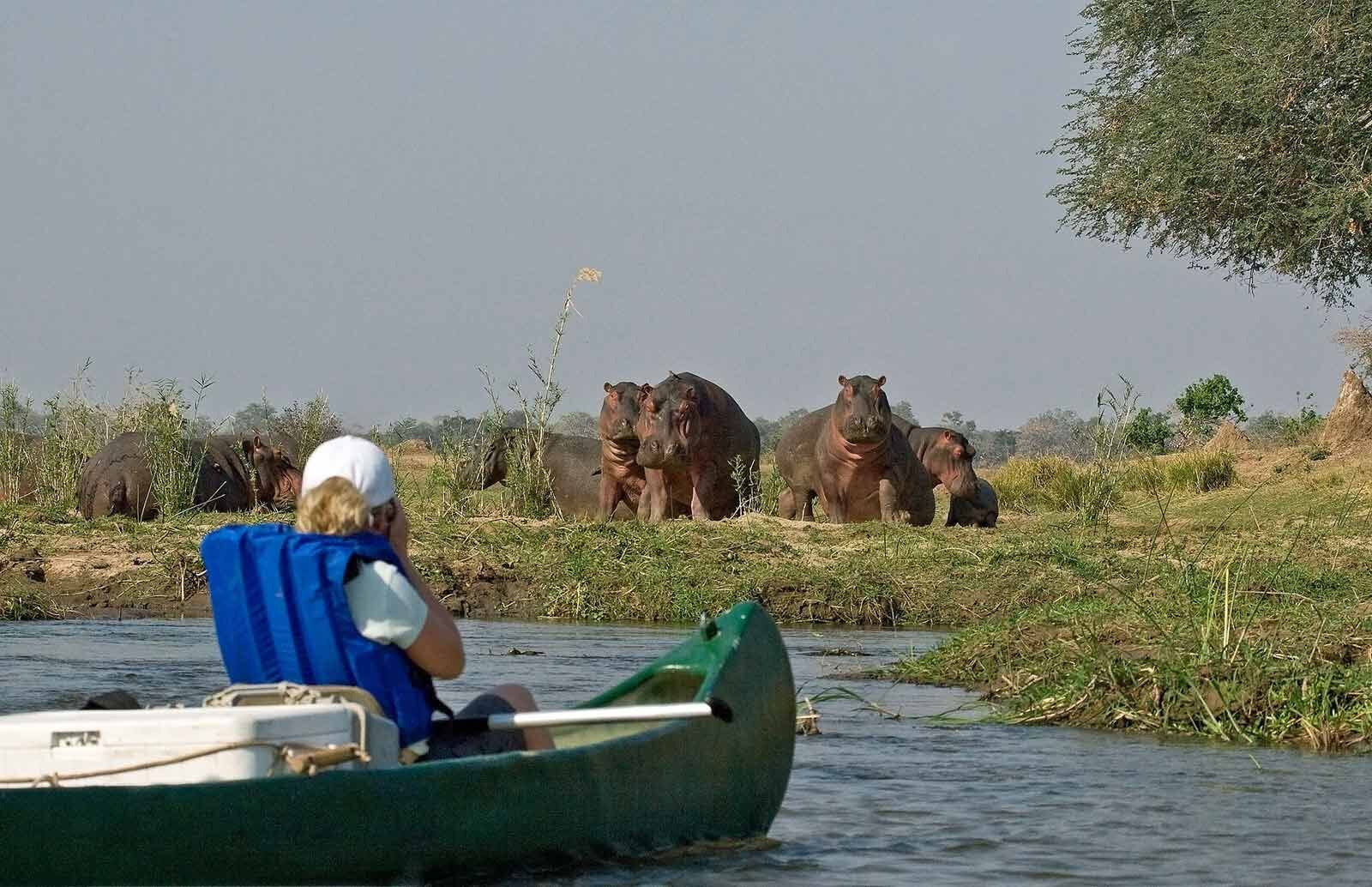
A UNESCO World Heritage Site on the banks of the lower Zambezi, Mana Pools is where Zimbabwe's safari legend was made. This is the home of the continent's finest walking and canoe safaris — drifting past hippo and elephant, or approaching game on foot with a master guide. Its winter-thorn floodplains, standing elephants and endangered painted dogs make it a photographer's dream.
- Best for: Walking safaris, canoeing the Zambezi, painted dogs, wild self-reliant adventure
- When to go: June–October, the dry season, when game concentrates on the floodplain
- Access: Fly-in to the park's airstrips, or a long drive from Kariba — remote by design
- Reality: Wild and low-density, not a first-timer's easy game-drive park. See the Mana Pools Safari Guide for details.
3. Victoria Falls — The Gateway & Adventure Capital
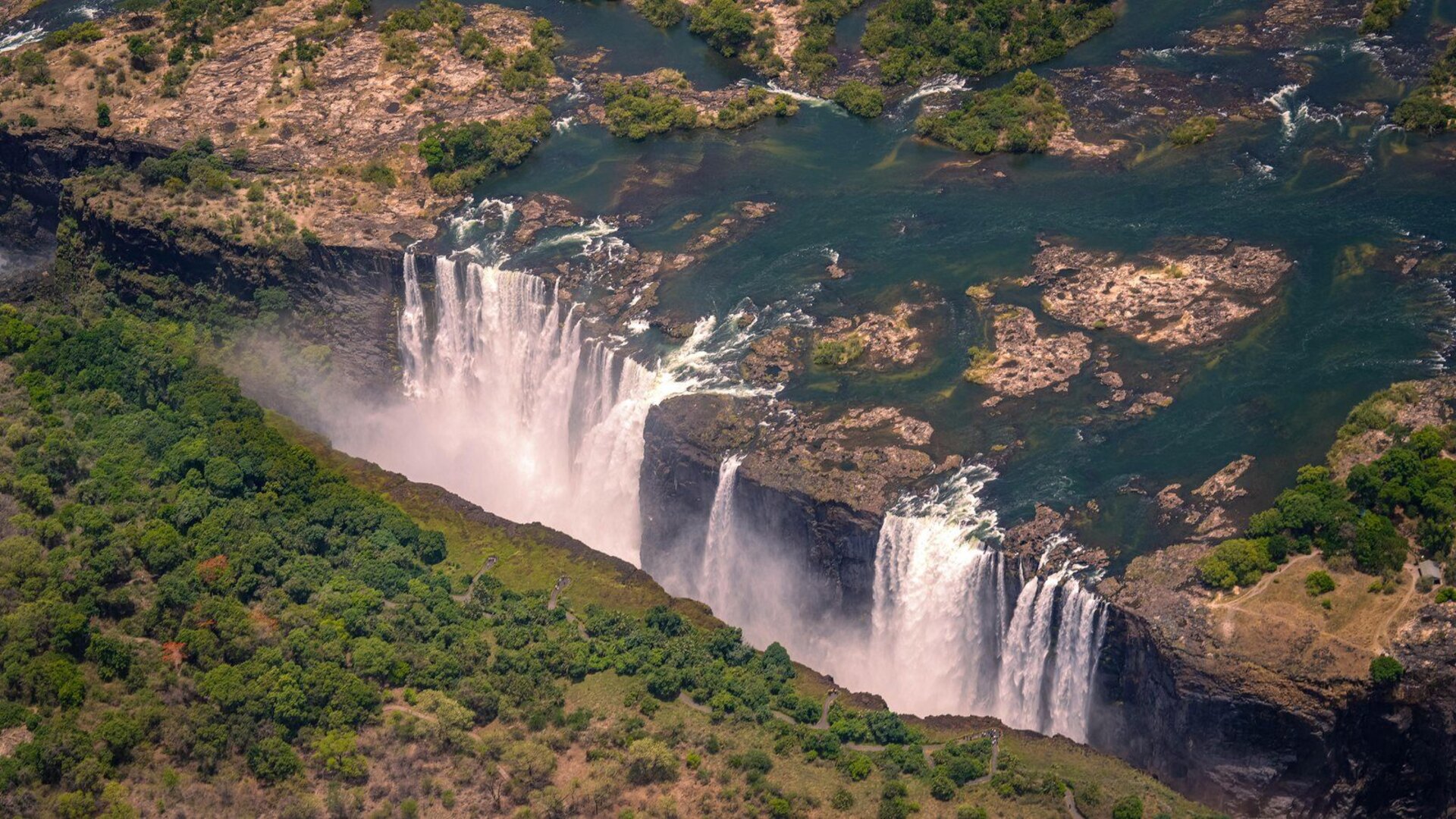
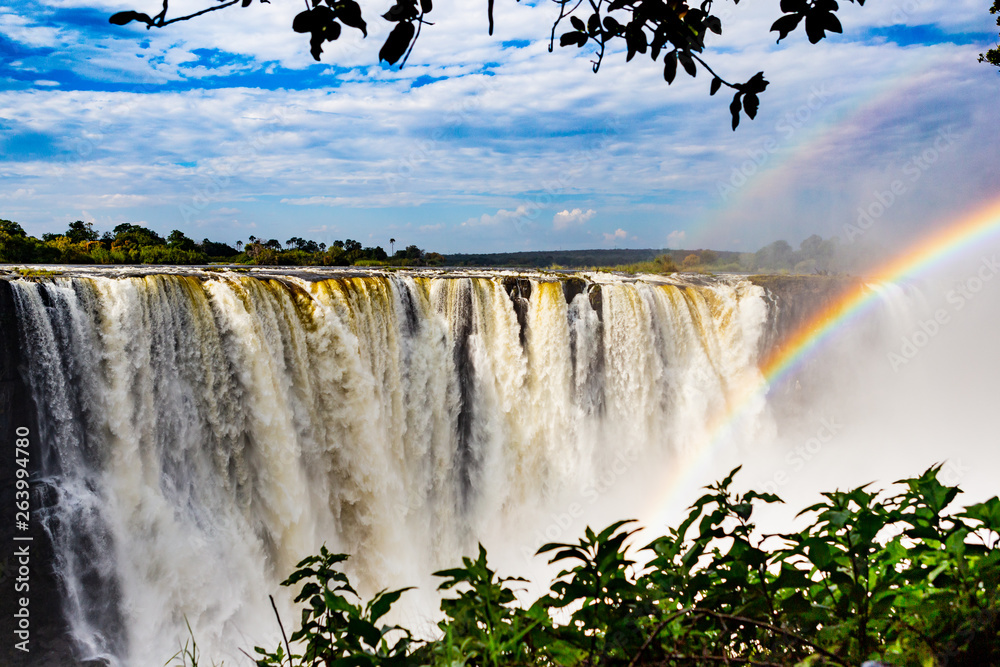
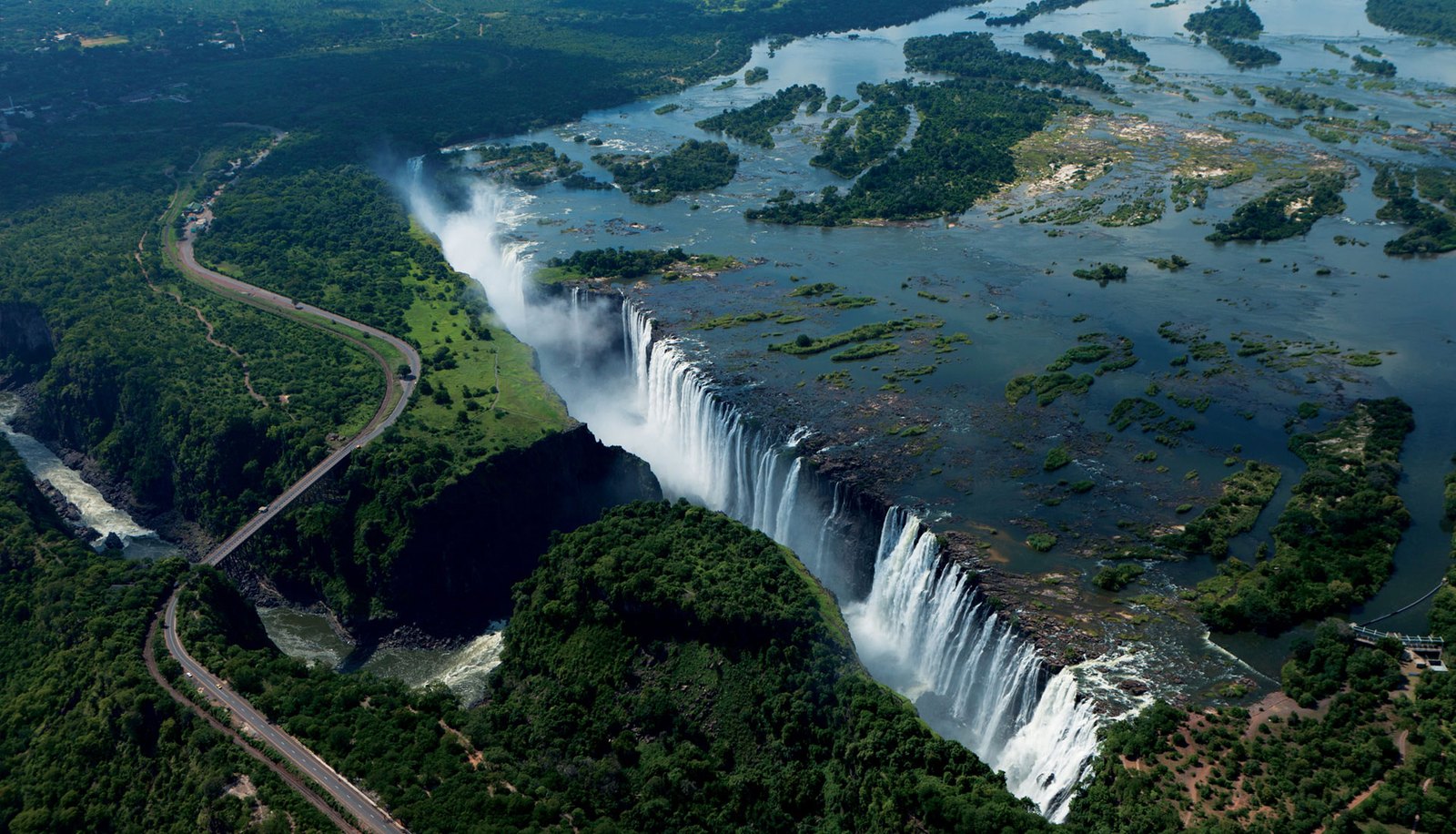
Zimbabwe's northwestern corner holds the country's grand entrance: Victoria Falls, "the Smoke that Thunders," one of the seven natural wonders of the world. Beyond the falls themselves lies Africa's adventure capital — white-water rafting, sunset cruises, helicopter flights and bungee jumping — and easy access to Hwange, Zambezi National Park and the Chobe borderlands.
- Best for: The Falls, adventure activities, a start/finish base, honeymoons and families
- When to go: Feb–May for peak water flow; Aug–Dec for lower, clearer water and the Devil's Pool
- Access: Very easy — Victoria Falls Airport has regional and international flights
- Reality: Two to three nights is ideal, easily combined with Hwange for the classic northwest circuit.
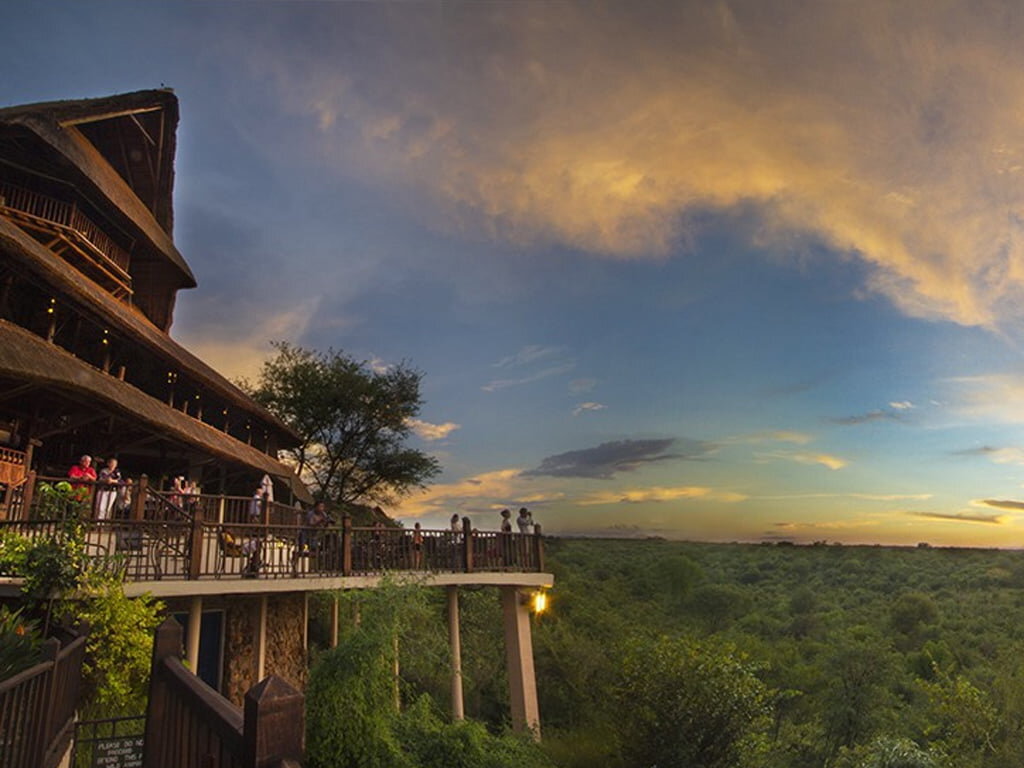
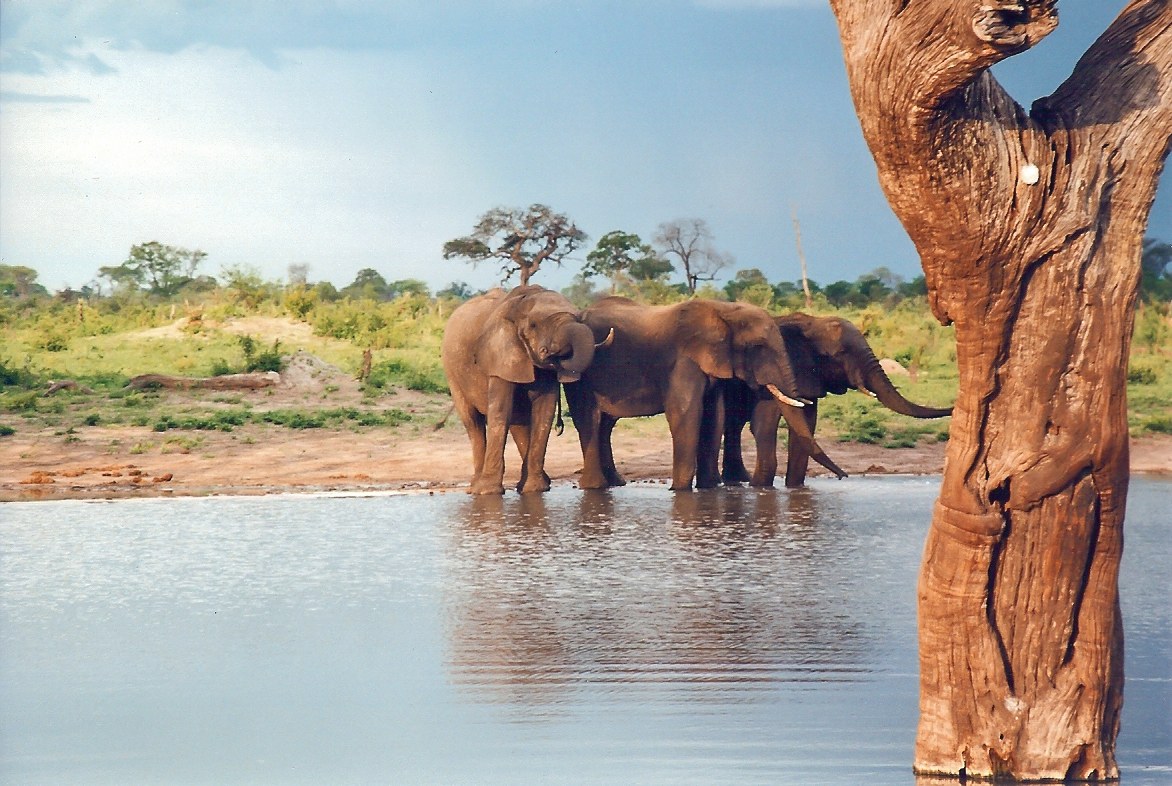
The Classic Northwest — Hwange, Mana Pools & Victoria Falls
4. Matobo National Park — Rhino Tracking & Ancient Granite
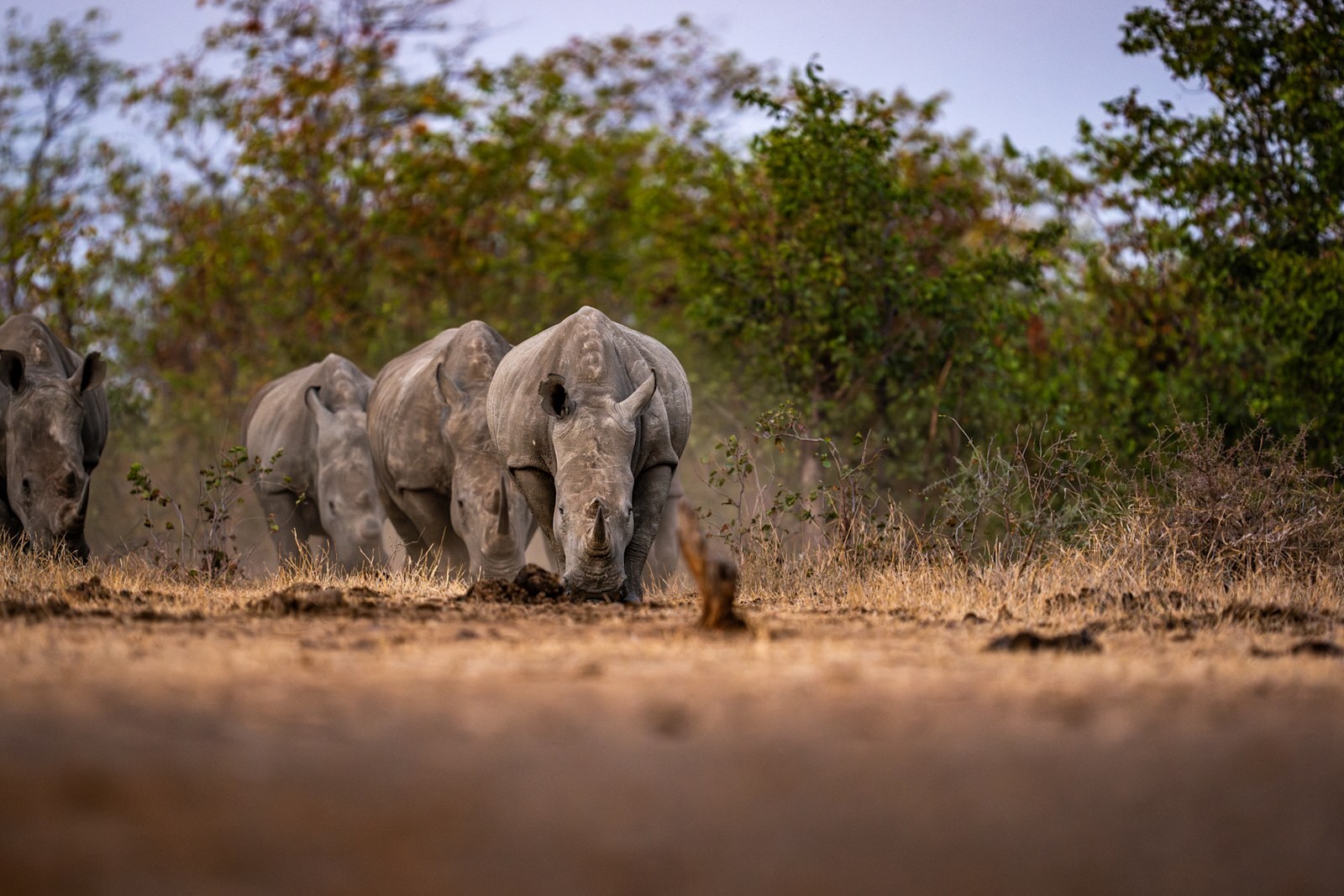
In the south near Bulawayo, Matobo (Matopos) is unlike anywhere else in Zimbabwe: a mystical landscape of balancing granite whalebacks and boulder-strewn kopjes, sacred to the Ndebele. It holds one of Africa's densest populations of both black and white rhino — tracked on foot with expert guides — plus leopard, eagles and some of the continent's finest San rock art.
- Best for: Rhino tracking on foot, granite scenery, rock art, culture and history
- When to go: Year-round; the dry season is easiest for rhino tracking and hiking
- Access: An easy drive from Bulawayo, which has domestic flights
- Reality: One of the surest rhino experiences in Africa. See the Matobo Hills Safari Guide for the full picture.
5. Lake Kariba & Matusadona National Park — Africa's Inland Sea
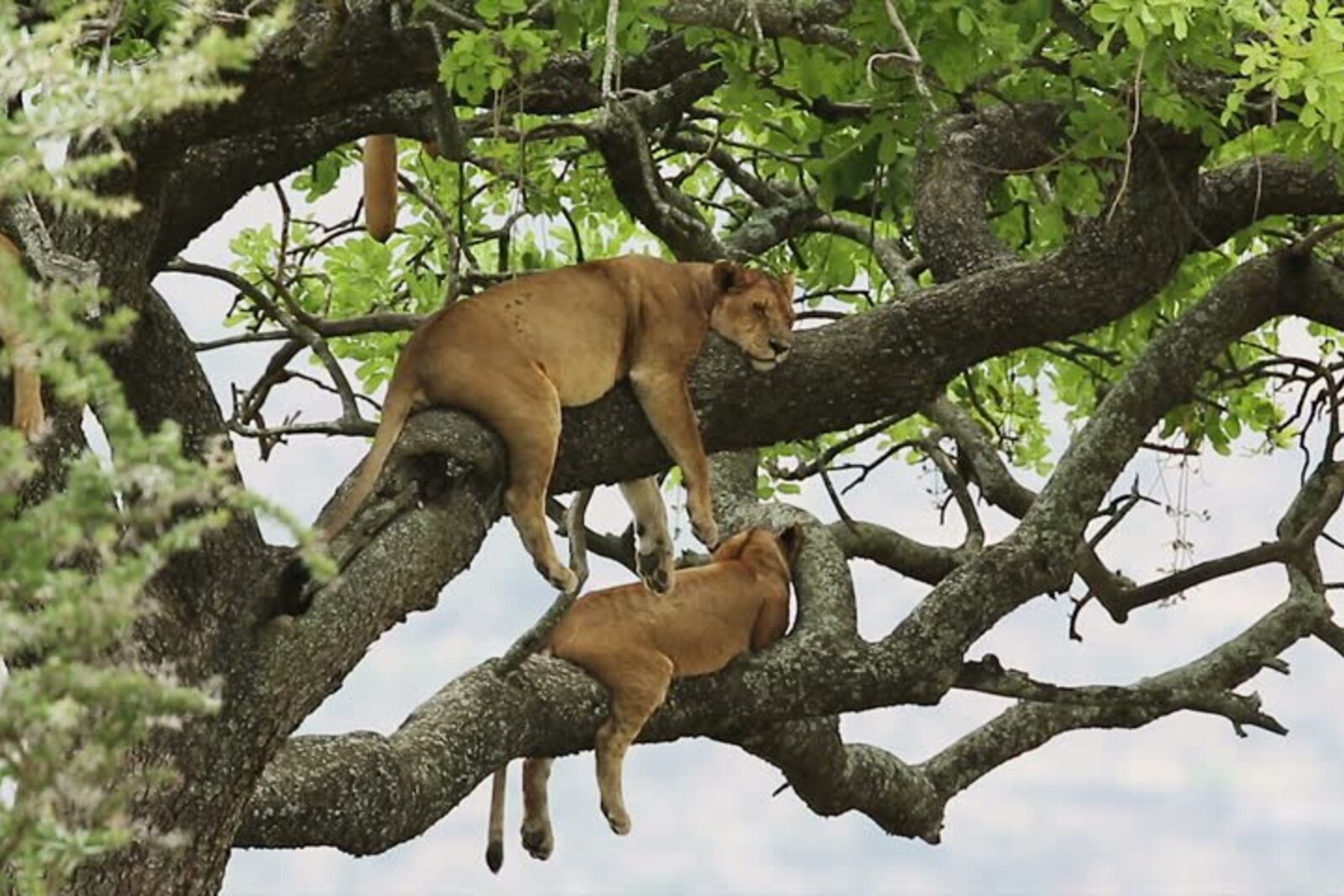
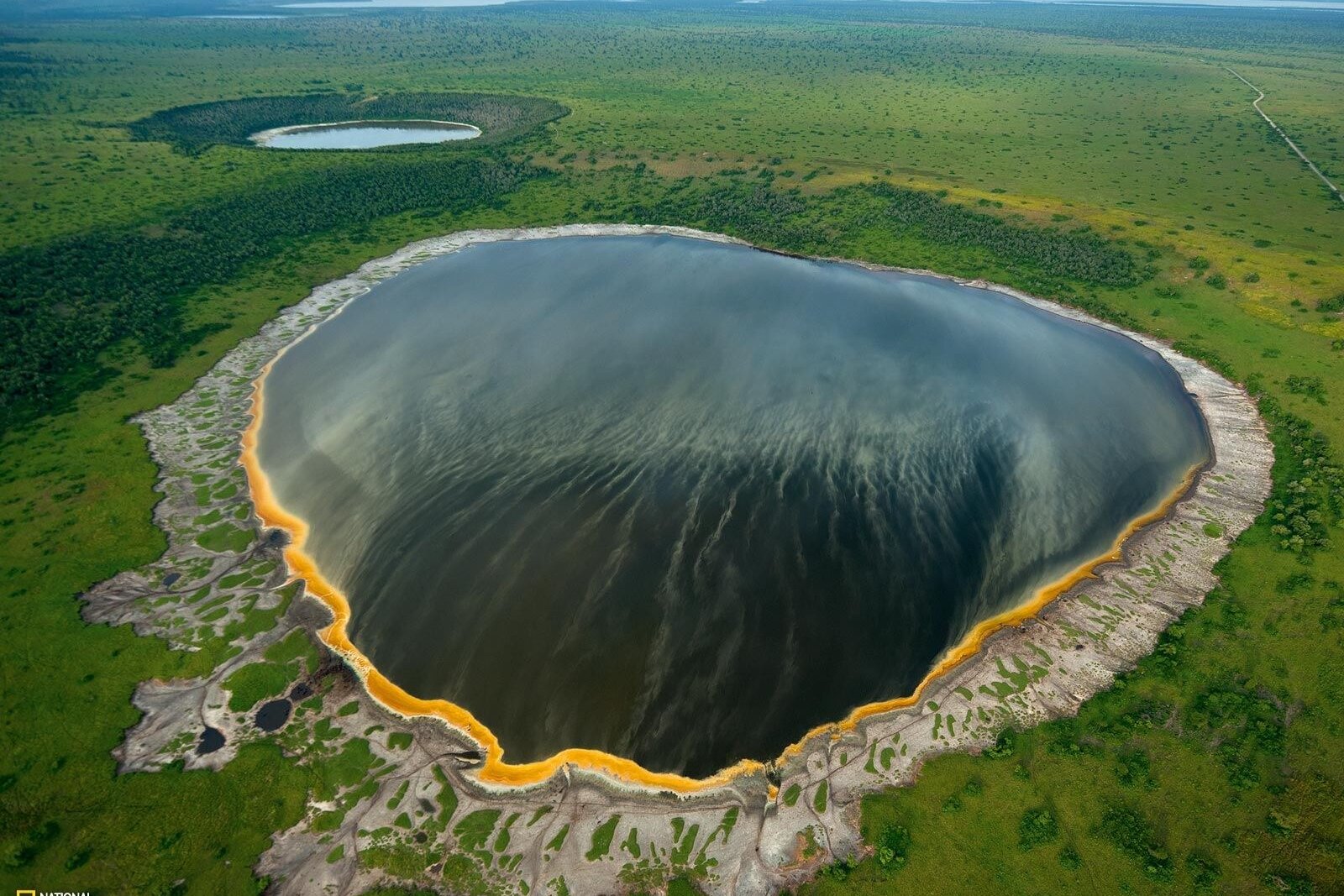
Lake Kariba is one of the world's largest man-made lakes — a vast inland sea of drowned forests, fiery sunsets and elephant-lined shores. On its southern bank, Matusadona National Park offers lakeshore game viewing, and the whole region is best explored the Zimbabwean way: aboard a houseboat, drifting between fishing for tigerfish, sundowner cruises and shoreline game.
- Best for: Houseboats, water-based safari, tiger fishing, sunsets, a relaxed pace
- When to go: May–October for game; the lake is a year-round escape
- Access: Fly-in to Kariba town or the Matusadona airstrips, or drive from Harare
- Reality: A completely different rhythm to a game-drive safari — pair it with Mana Pools for a full Zambezi Valley journey.
6. Gonarezhou National Park — The Wild Southeastern Frontier
Zimbabwe's second-largest park, remote Gonarezhou — "the place of elephants" — is a raw, crowd-free wilderness of dramatic red Chilojo Cliffs, the Runde and Save rivers, and big herds of elephant and buffalo. Part of the Great Limpopo Transfrontier Conservation Area, it is the frontier of Zimbabwe safari, rewarding travellers who value solitude over easy sightings.
- Best for: True remoteness, dramatic scenery, elephants, adventurous return visitors
- When to go: May–October, the dry season, when the rivers draw wildlife and roads are passable
- Access: Fly-in, or a long drive from the south — this is a genuine wilderness
- Reality: Not a first safari, but for wild Africa with almost no other vehicles it is hard to beat.
7. Zambezi National Park — Riverfront Game Beside the Falls
Often overlooked in the rush to Hwange, Zambezi National Park begins just upstream of Victoria Falls and follows the great river's forested banks. Game drives and boat cruises here deliver elephant, buffalo, sable, lion and superb birdlife within minutes of town, while the private Matetsi concessions on its edge offer some of the region's finest riverfront lodges.
- Best for: An easy add-on to Victoria Falls, riverfront game drives and boat cruises
- When to go: July–October for dry-season game; year-round for river cruising
- Access: Very easy — minutes from Victoria Falls town
- Reality: The perfect way to fold real bush time into a Falls stay without a long transfer.
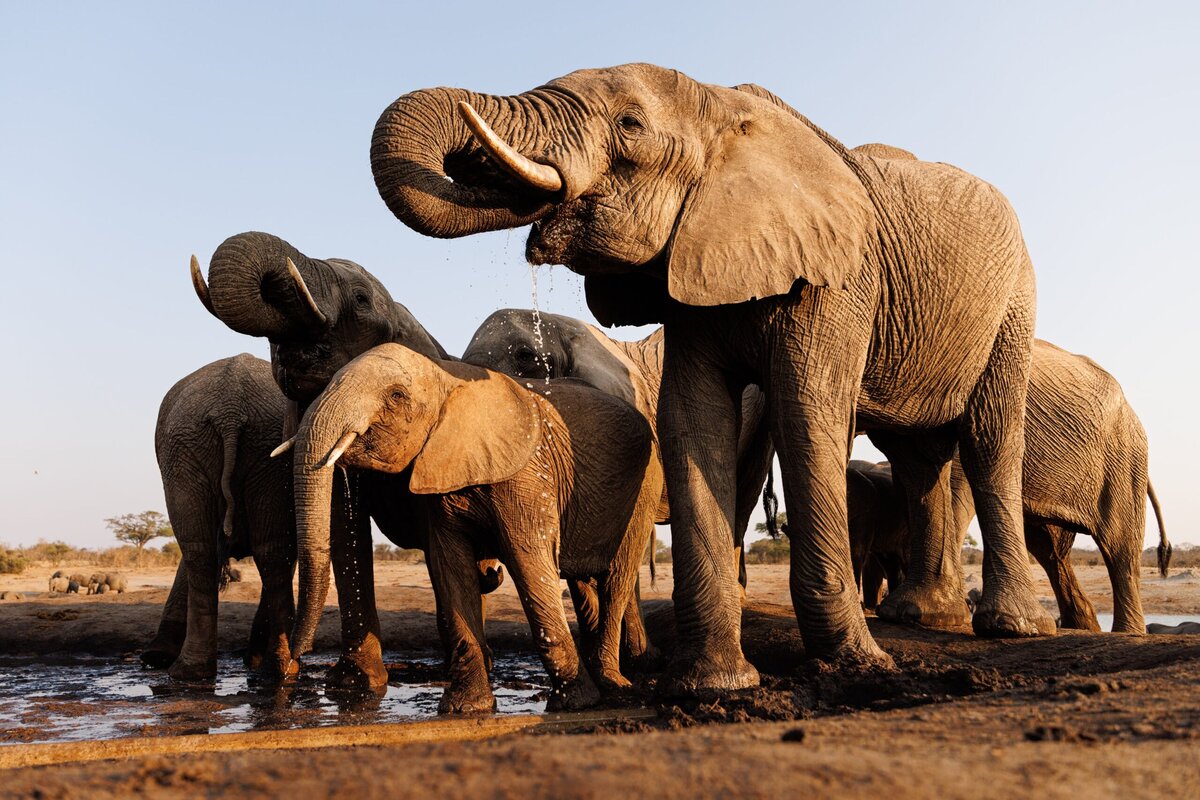
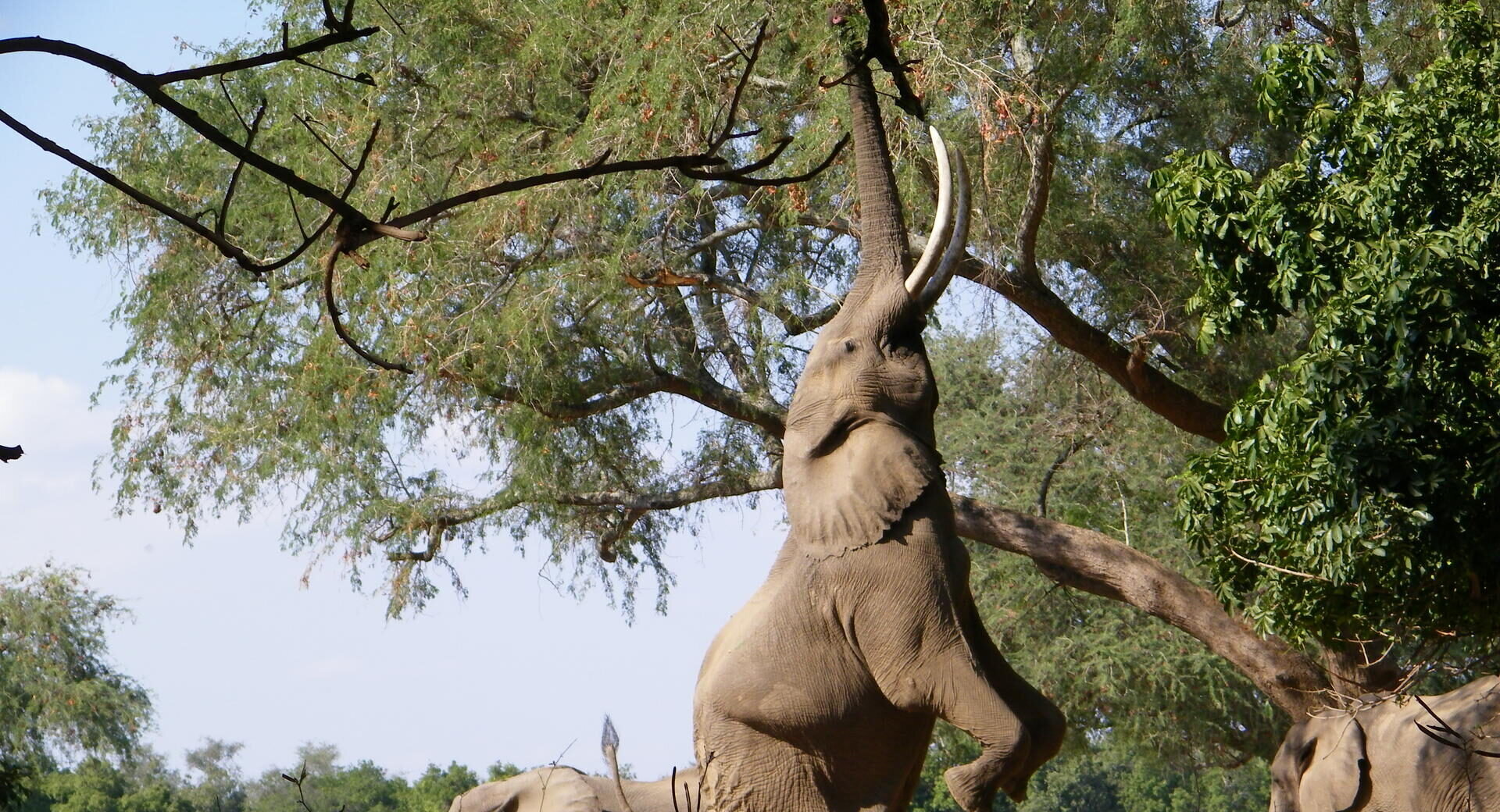
The Wild Corners — Matobo, Kariba, Gonarezhou & the Zambezi
8. Malilangwe Wildlife Reserve — Private Conservancy & Singita Pamushana
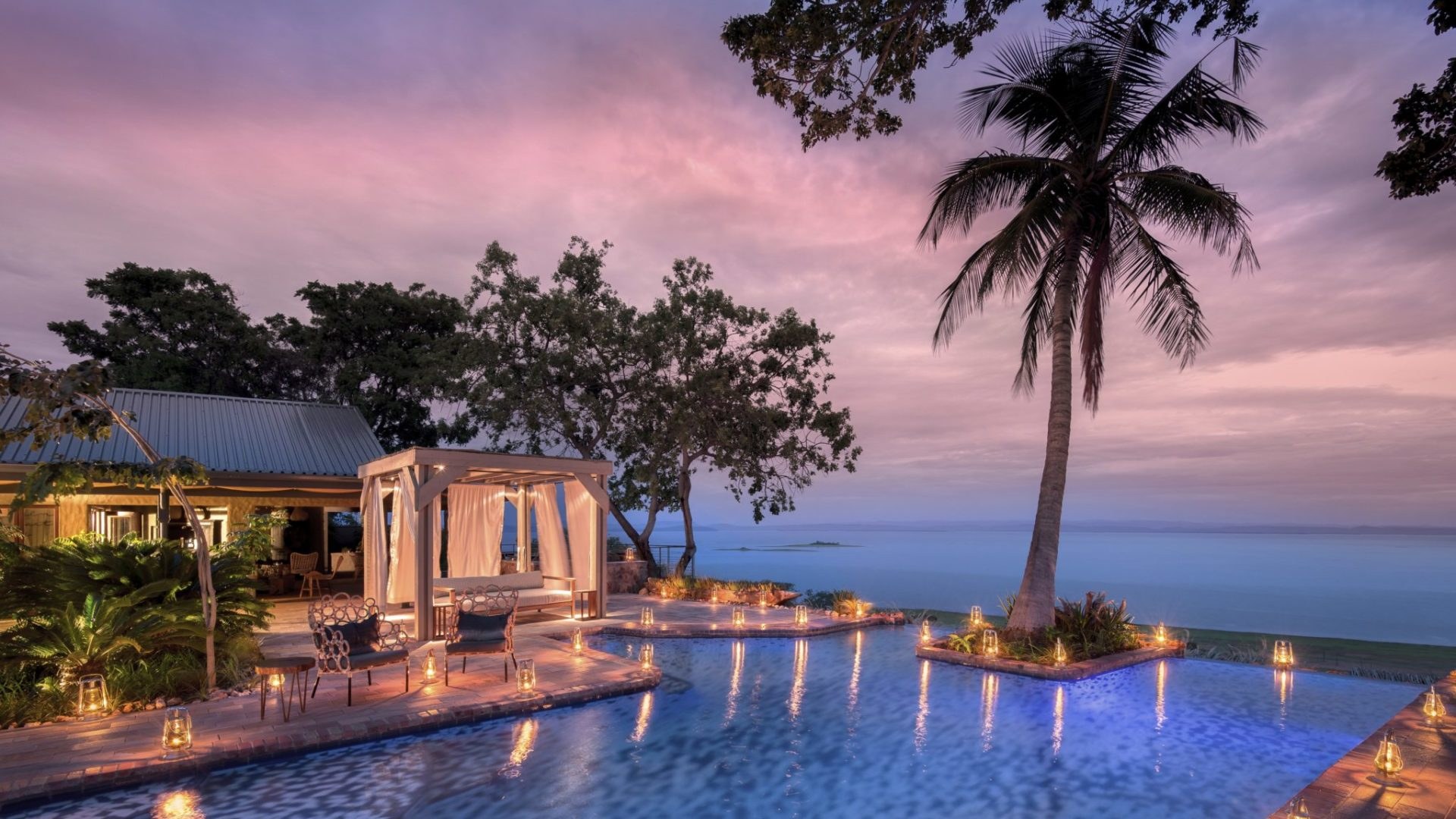
Bordering Gonarezhou in the southeastern lowveld, the private Malilangwe Wildlife Reserve is a conservation triumph and the setting for one of Africa's most exclusive lodges, Singita Pamushana. Here, on a malaria-managed reserve of sandstone kopjes and a private dam, guests enjoy black and white rhino, big cats, painted dogs and near-private access to the wildlife — a true bush-luxury sanctuary.
- Best for: Ultra-luxury, rhino and predators, exclusivity, families (managed malaria risk)
- When to go: May–October for peak game; green season for lush landscapes and birding
- Access: Fly-in to the reserve's private airstrip
- Reality: A splurge destination — pair it with Gonarezhou for a wild-and-luxurious southeastern combination.
9. Eastern Highlands — Nyanga & a Greener Zimbabwe
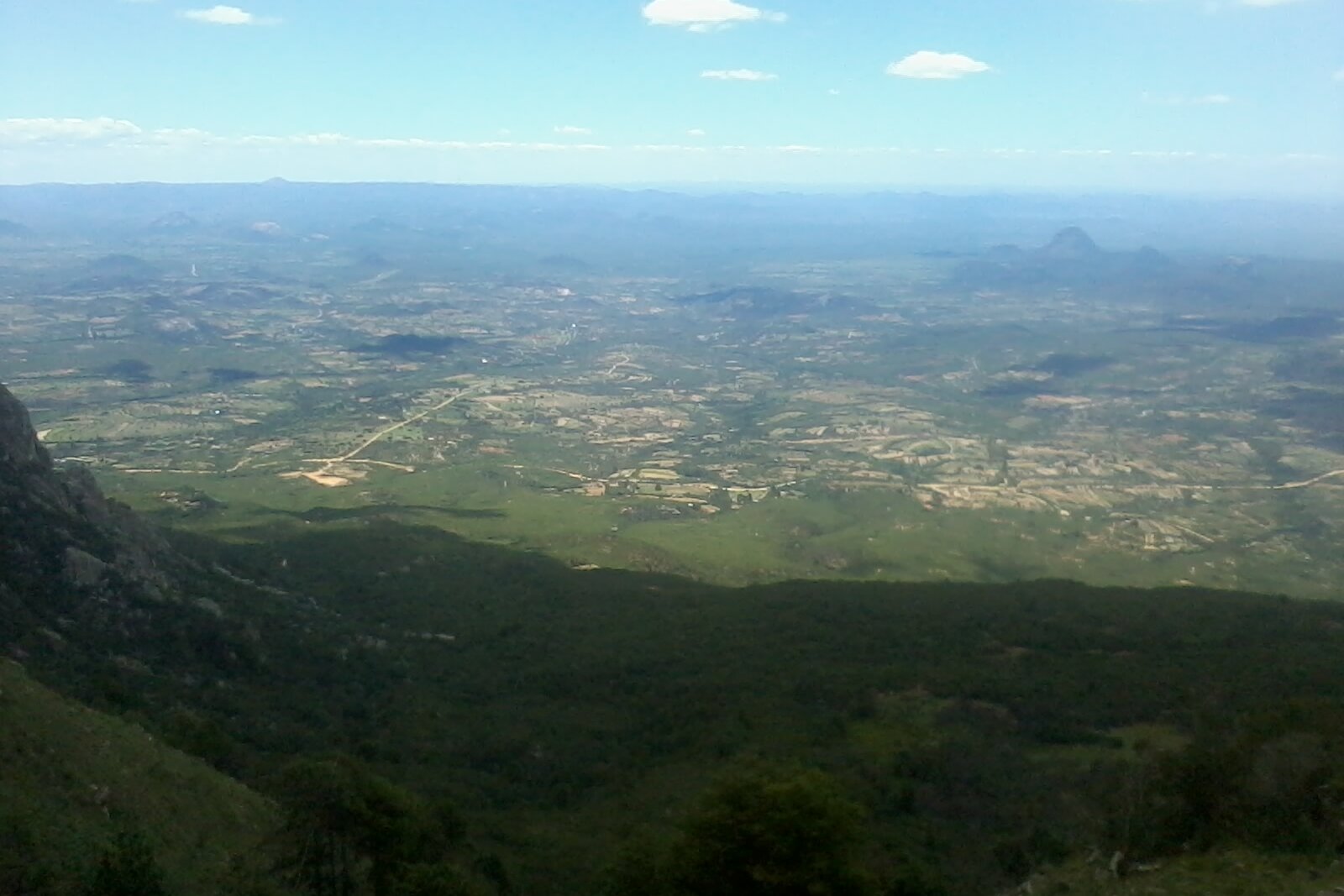
For a completely different Zimbabwe, head east to the misty Eastern Highlands along the Mozambique border. This is not Big Five country — it is a landscape of montane forest, trout streams, tumbling waterfalls (including Mutarazi, one of Africa's highest) and the rolling downs of Nyanga National Park. Come for hiking, horse riding, birding and cool mountain air after the heat of the bush.
- Best for: Mountain scenery, hiking, waterfalls, birding, a restful change of pace
- When to go: April–September for clear skies; the highlands are green and lush after the rains
- Access: By road from Harare or Mutare — a scenic drive rather than a fly-in
- Reality: A superb, low-cost way to add landscape and variety to a wildlife-focused trip.
10. Great Zimbabwe & the Southern Heritage — The Cultural Finale
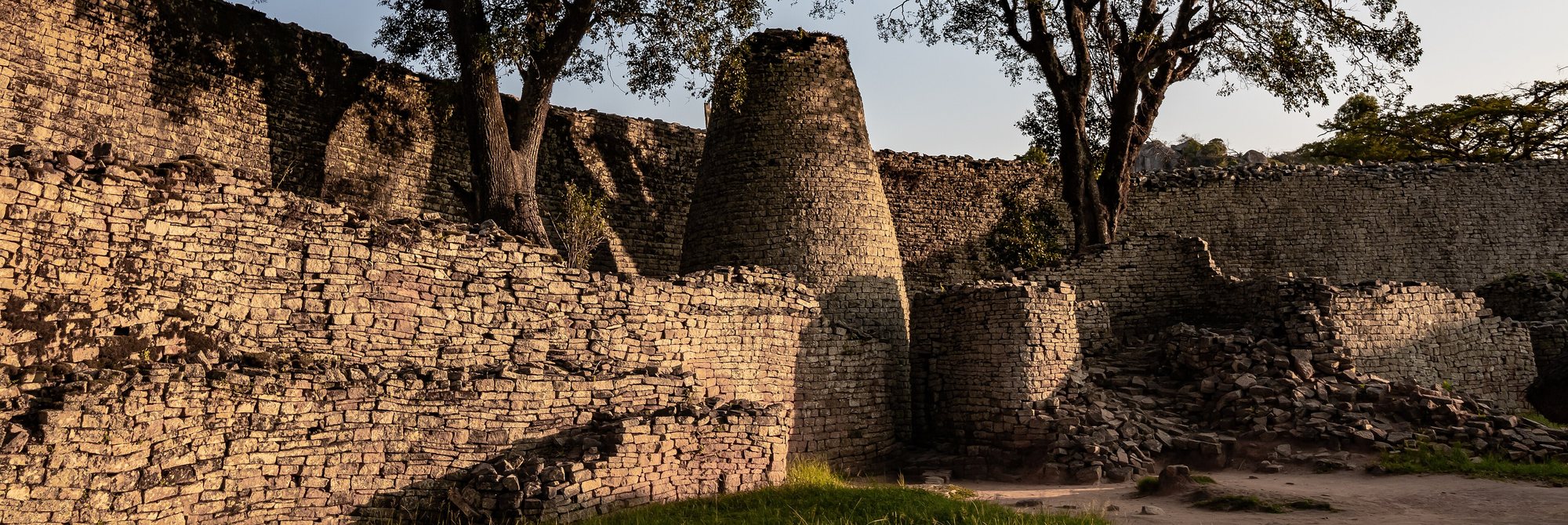
No trip that carries the country's name is complete without Great Zimbabwe, the vast medieval stone city near Masvingo that gave the nation its identity — a UNESCO World Heritage Site of soaring dry-stone walls and the iconic Conical Tower. Paired with cultural encounters and the lowveld's conservancies, it turns a safari into a deeper journey through the country's living history.
- Best for: History, culture, photography, adding depth and meaning to a safari
- When to go: Year-round; the dry season is most comfortable for exploring the ruins
- Access: By road from Masvingo, which links to the southern and eastern routes
- Reality: A rewarding cultural stop that pairs naturally with the Eastern Highlands or the southern conservancies. Start planning with the Zimbabwe Safari Tours guide.
The South & East — Malilangwe, the Highlands & Great Zimbabwe
Building Your Zimbabwe Safari: How to Combine the Destinations
The art of a Zimbabwe safari is combination. Here are the routes that work best, matched to how much time you have. These are frameworks — for fully costed, pre-designed trips see our Zimbabwe Safari Tours guide, and for tailor-made departures our Private Safari Tours Zimbabwe page.
The Classic Northwest (7 days): Victoria Falls → Hwange. The definitive first Zimbabwe safari — the world's greatest waterfall and Africa's finest elephant country, with easy, short transfers.
The Zambezi Valley (7–8 days): Victoria Falls → Mana Pools → Lake Kariba. Walking, canoeing and houseboats along the wild lower Zambezi — for travellers who want an active, water-based safari.
Rhino & Wilderness (8–10 days): Matobo → Gonarezhou → Malilangwe. Rhino on foot, ancient granite and the remote southeastern frontier — an outstanding second Zimbabwe trip.
The Grand Tour (12–14 days): Victoria Falls → Hwange → Mana Pools → Matobo → Great Zimbabwe or the Eastern Highlands. The full country, north to south, wildlife to heritage.
💡 Planning Tip: Zimbabwe's parks are spread out and many are best reached by light aircraft. Rather than a long overland dash, pick one or two regions and give them time — the northwest (Falls + Hwange) for a first trip, the Zambezi Valley or the south for a second. For a realistic budget, see How Much Does a Zimbabwe Safari Cost.
Best Time to Visit Zimbabwe's Safari Destinations
| Season | Months | Game Viewing | Notes |
|---|---|---|---|
| Peak Dry | Aug–Oct | ★★★★★ Exceptional | Wildlife packs the waterholes; thin bush; hot by October; book early |
| Early Dry | May–Jul | ★★★★☆ Very Good | Cooler, comfortable days; game concentrating; excellent all-round conditions |
| Green Season | Nov–Mar | ★★★☆☆ Variable | Lush landscapes, newborns and superb birding; some remote camps close; peak Falls water |
| Falls High Water | Feb–May | ★★★★☆ Spectacular (Falls) | Victoria Falls at maximum thunder and spray; drier game viewing improves later |
Verdict: For a first Zimbabwe safari, aim for the dry season (May–October), with August–October the peak for wildlife around water. If Victoria Falls in full flood is your priority, add February–May. For detailed, month-by-month timing, see Best Time to Visit Zimbabwe.
🦁 Ready to plan your Zimbabwe safari? Browse pre-designed trips in our Zimbabwe Safari Tours guide, compare accommodation in the Best Zimbabwe Safari Lodges, or design a tailor-made trip via Private Safari Tours Zimbabwe. Want it animal by animal? See the Big Five Safari Zimbabwe guide.
Zimbabwe Safari Destinations: Frequently Asked Questions
What is the best safari destination in Zimbabwe?
For most travellers Hwange National Park is the single best destination, thanks to one of Africa's largest elephant populations and the full Big Five. But the honest answer depends on your trip: Mana Pools is unbeatable for walking and canoe safaris, Matobo for tracking rhino on foot, Lake Kariba for a relaxed houseboat safari, and Gonarezhou for raw wilderness. The strongest trips combine two or three complementary destinations, usually starting at Victoria Falls.
Where should a first-timer go on safari in Zimbabwe?
First-time visitors should choose the northwest — Victoria Falls and Hwange National Park. It combines the world's greatest waterfall and Africa's finest elephant country with the easiest logistics, thanks to short transfers and Victoria Falls' well-connected airport. Add a few nights on the Zambezi at Mana Pools if you want to include a walking or canoe safari.
How many days do you need for a Zimbabwe safari?
Plan on at least 6–7 days to combine Victoria Falls with Hwange and do both justice. Add 3–4 nights for Mana Pools or Lake Kariba, or 8–10 days for a wilder southern loop through Matobo, Gonarezhou and Malilangwe. A full grand tour from the Falls to the Eastern Highlands takes around 12–14 days.
Which Zimbabwe destination is best for walking safaris?
Mana Pools National Park is Zimbabwe's — and arguably Africa's — premier walking-safari destination, thanks to its open floodplains and exceptionally qualified guides. Matobo is outstanding for tracking rhino on foot, and Hwange and the private conservancies also offer superb guided walks. Zimbabwe's rigorous professional guiding standards make it the continent's best country for exploring the bush on foot.
Where can you see rhino in Zimbabwe?
Matobo National Park near Bulawayo holds one of Africa's densest rhino populations and is famous for tracking both black and white rhino on foot. The private Malilangwe Wildlife Reserve (home to Singita Pamushana) in the southeastern lowveld is another rhino stronghold with near-private access. Both offer far better rhino odds than Zimbabwe's larger, unfenced wilderness parks.
Can you combine Victoria Falls with a Zimbabwe safari?
Yes — it is the classic way to travel. Victoria Falls is Zimbabwe's main gateway, and Hwange National Park is only a short drive or flight away, making the Falls-and-Hwange combination the country's most popular safari. From the Falls you can also reach Zambezi National Park within minutes and connect easily to Chobe across the border in Botswana.
Which Zimbabwe safari destination is best for avoiding crowds?
Gonarezhou National Park in the remote southeast and the wild sections of Mana Pools receive a tiny fraction of the visitors that Hwange and Victoria Falls see, so you can enjoy sightings with few or no other vehicles. Private conservancies such as Malilangwe also guarantee exclusivity, while Lake Kariba's houseboats let you drift far from any crowds.
Is Zimbabwe or Zambia better for safari?
Both share the Zambezi and Victoria Falls and are often combined. Zimbabwe offers greater variety within one country — Hwange's elephants, Mana Pools' walking safaris, Matobo's rhino, Kariba's houseboats and Great Zimbabwe's heritage — with exceptional guiding. Zambia is renowned for the walking safaris of South Luangwa and the wild Lower Zambezi. For breadth of destinations and world-class guiding, Zimbabwe is hard to beat. See our Zambia vs Zimbabwe safari comparison for a full breakdown.
How much does a Zimbabwe safari to these destinations cost?
Costs vary widely by region and comfort level. Mid-range Hwange and Victoria Falls safaris typically run about $350–600 per person per night, while remote fly-in camps in Mana Pools and exclusive lodges such as Singita Pamushana can reach $1,200–1,800+ per person per night, driven up by charter flights. A week-long northwest safari commonly costs $3,500–8,000+ per person. For a detailed breakdown, see our How Much Does a Zimbabwe Safari Cost guide.
Final Word: Choosing Your Zimbabwe Safari Destinations
Zimbabwe's greatness lies in its variety and its guiding. You can watch thousands of elephants at a Hwange waterhole, walk within a breath of them in Mana Pools, track rhino on foot through Matobo's ancient granite, drift a vast inland sea at Kariba, explore the remote red cliffs of Gonarezhou, and stand in the thunder of Victoria Falls — all in one remarkable country.
- ✅ First safari? The northwest — Victoria Falls and Hwange — for the Falls and Africa's finest elephant country
- ✅ Want adventure? The Zambezi Valley — Mana Pools and Lake Kariba — for walking, canoeing and houseboats
- ✅ Been before? The south — Matobo, Gonarezhou and Malilangwe — for rhino, solitude and conservancies
- ✅ Want it all? A grand tour from the Falls to Great Zimbabwe and the Eastern Highlands over 12–14 days
The honest advice: pick the region that matches who you are as a traveller, give it enough days to breathe, and let the destinations you choose tell a single, coherent story rather than a rushed checklist. Do that, and Zimbabwe will give you the safari of a lifetime.
Ready to start planning? Explore our Zimbabwe Safari Tours guide, browse the Best Zimbabwe Safari Lodges, or begin with the comprehensive Ultimate Zimbabwe Travel Guide.