Key Takeaways
- Zimbabwe packs five kinds of travel into one country — a world-class natural wonder, superb Big Five wildlife, ancient stone heritage, dramatic mountains and hills, and a great lake.
- Victoria Falls is the headline — one of the Seven Natural Wonders of the World and the adventure capital of Africa — while Hwange and Mana Pools deliver the wildlife.
- Great Zimbabwe, the largest ancient stone ruins in sub-Saharan Africa, gives the country its name and its soul — a side of Zimbabwe most visitors miss.
- For something different, walk the granite hills and rock art of Matobo, hike the waterfalls of the Eastern Highlands, or drift on a houseboat across Lake Kariba.
- Best time: the dry season, roughly May to October, is ideal for wildlife and the Falls at a gentler flow; the Falls thunder at their fullest from March to May.
Ask most travellers what they know about Zimbabwe and they will say two words: Victoria Falls. They are right — but only partly. This is the country of the Smoke That Thunders, yes, but it is also home to Hwange, one of Africa's great elephant sanctuaries; to Mana Pools, where you can walk and canoe among wildlife on the Zambezi; to Great Zimbabwe, an ancient city built of stone without mortar; to the granite wilderness of Matobo; and to the cool, green Eastern Highlands. Zimbabwe is not one holiday. It is five.
This guide ranks the ten best places to visit in Zimbabwe — not as a park checklist, but as a traveller's map of the whole country. For each place we tell you what it is genuinely best for, when to go, how easy it is to reach, and how it fits with the others. If your trip is purely about game drives and safari routing, our companion Top 10 Best Safari Destinations in Zimbabwe covers the circuits in depth. This article is the bigger picture: everywhere worth going in Zimbabwe, and why.
How to Read Zimbabwe: Five Kinds of Place
Zimbabwe is compact by African standards, and the country divides naturally into five kinds of experience. Knowing them makes planning simple — most great trips combine two or three.
| Experience | Headline Places | Best For |
|---|---|---|
| Natural Wonder & Adventure | Victoria Falls, the Zambezi | First-timers, honeymooners, rafting and adrenaline |
| Iconic Wildlife | Hwange, Mana Pools, Gonarezhou | Big Five, elephants, walking & canoe safaris |
| Ancient Stone & Culture | Great Zimbabwe, Matobo, Bulawayo | History, rock art, heritage and living culture |
| Mountains & Highlands | Nyanga, Chimanimani, the Vumba | Hikers, waterfalls, cool air and scenery |
| Lake & City | Lake Kariba, Harare | Houseboats, lakeshore game, arts and markets |
The classic Zimbabwe trip pairs Victoria Falls with a wildlife park — the Falls, then Hwange or Mana Pools. But the country rewards imagination: add Great Zimbabwe for history, Matobo for granite and rock art, the Eastern Highlands for mountain air, or Kariba for a houseboat. Below, the ten places that should shape your trip.
The 10 Best Places to Visit in Zimbabwe
1. Victoria Falls — The Smoke That Thunders
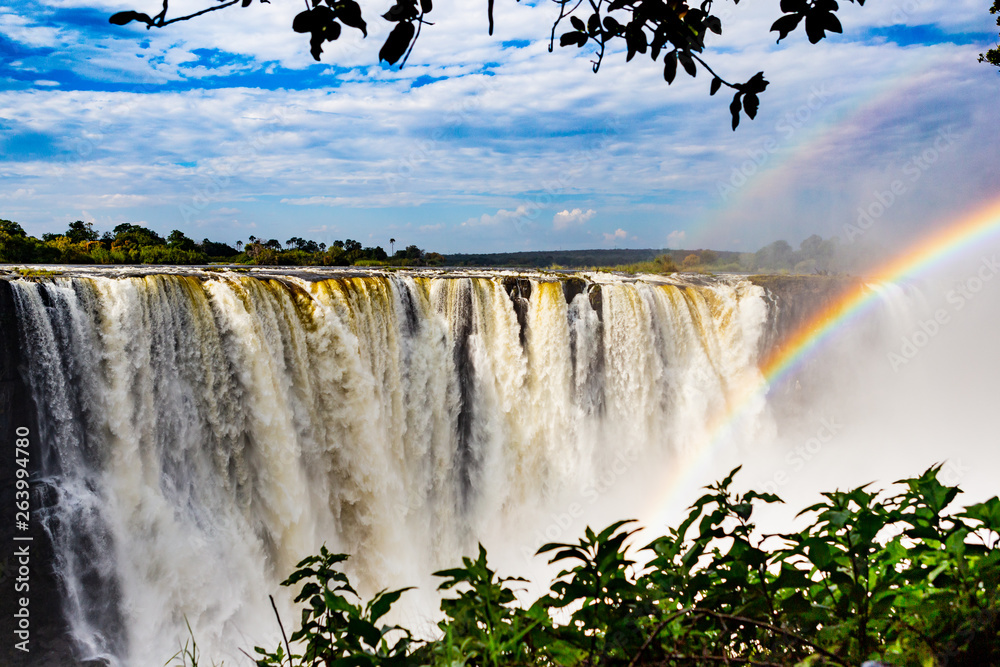
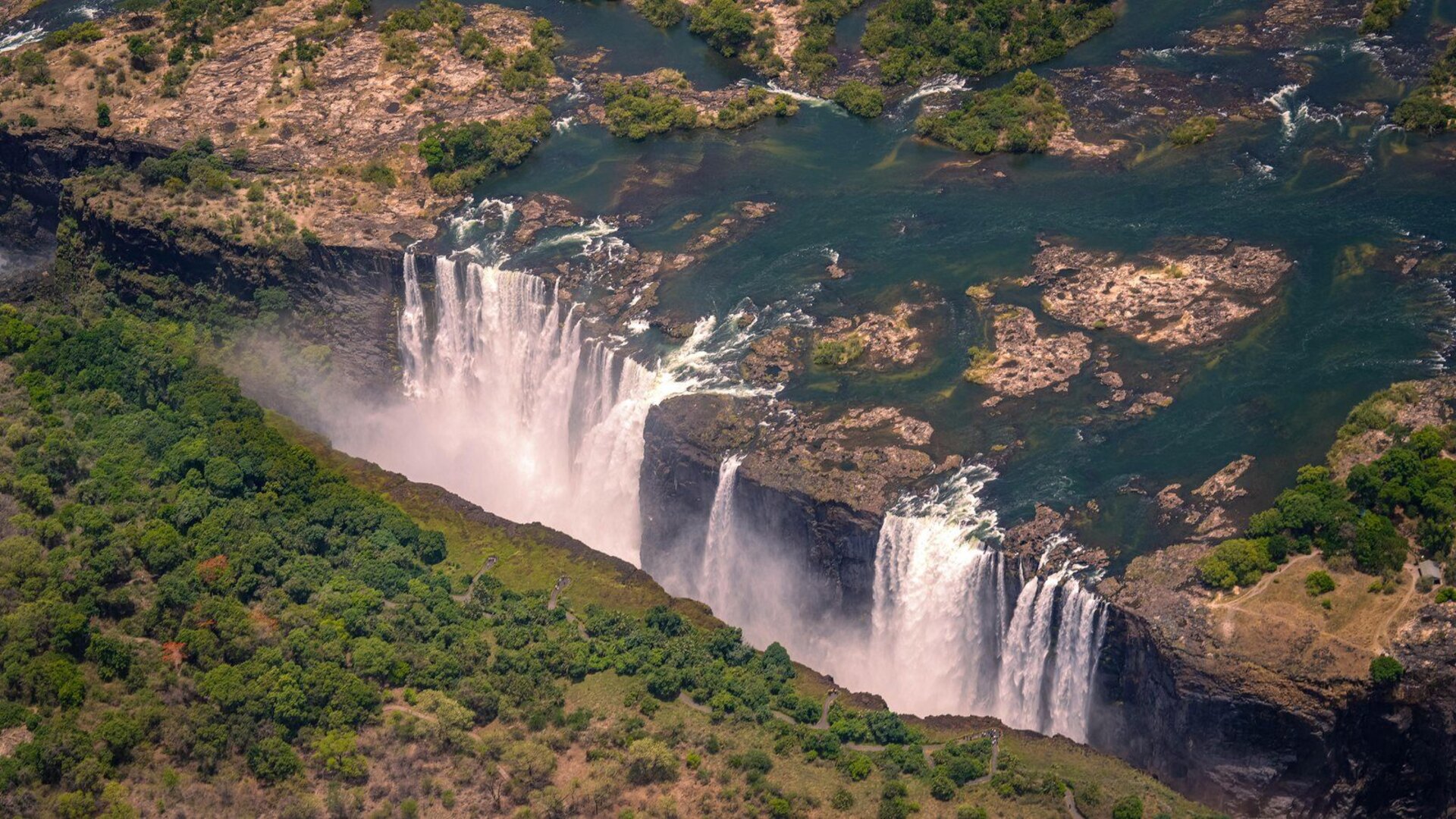
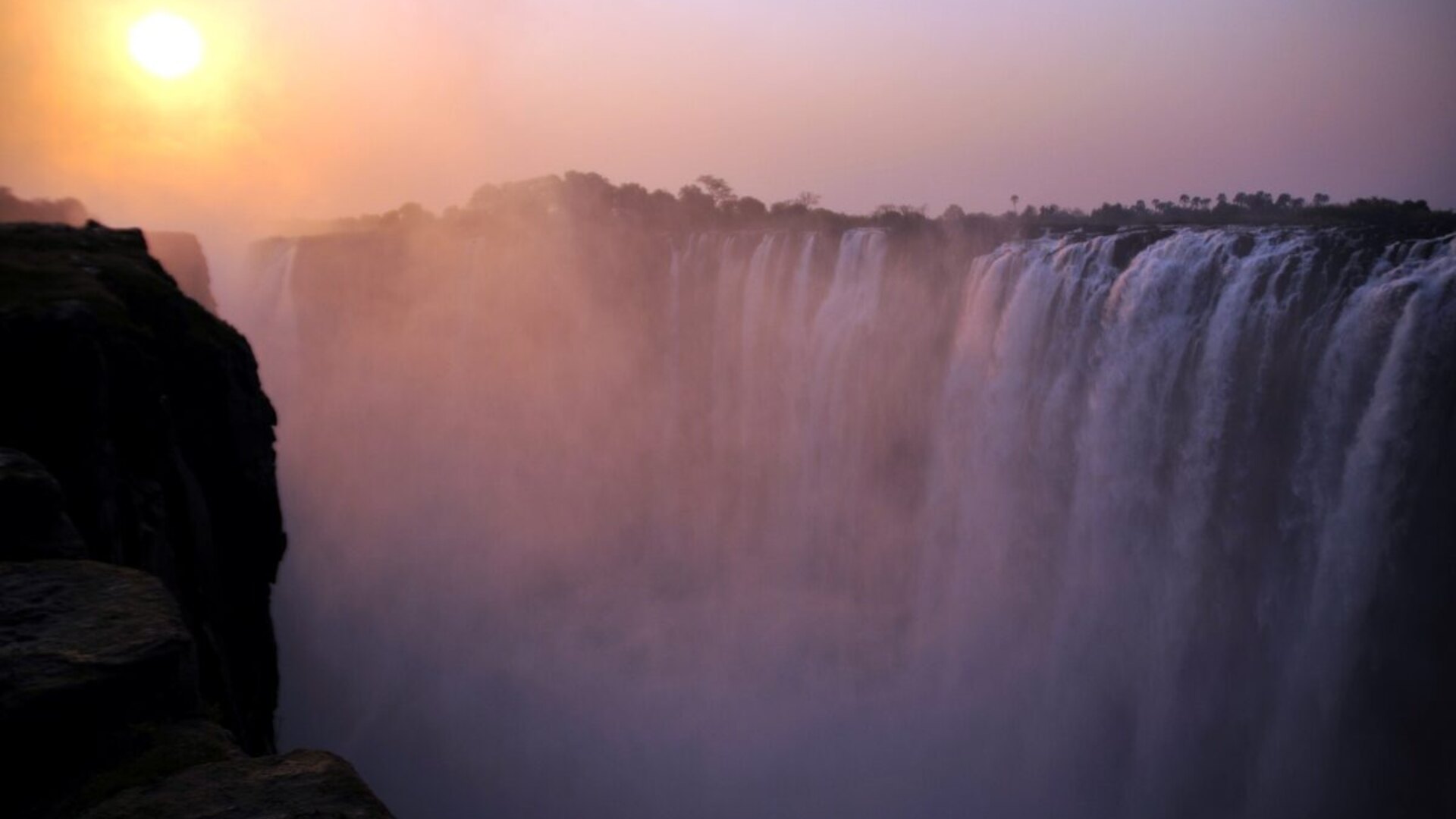
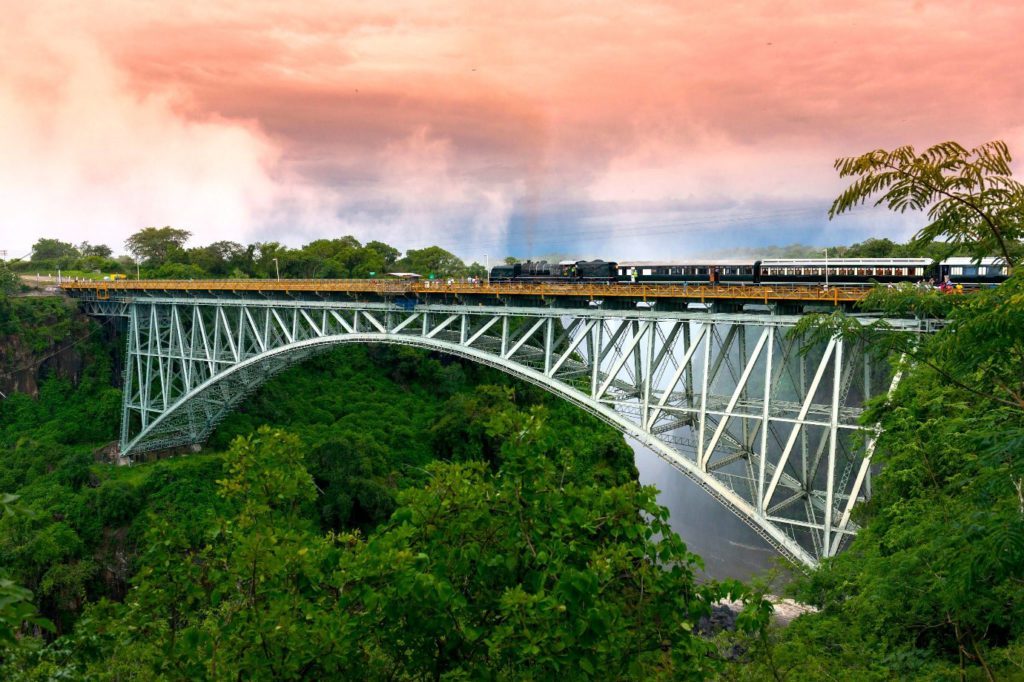
No place in Zimbabwe is more famous, and the reputation is deserved. Victoria Falls — Mosi-oa-Tunya, "the Smoke That Thunders" — is one of the Seven Natural Wonders of the World and a UNESCO World Heritage Site, where the Zambezi plunges over a mile-wide basalt cliff in a curtain of spray visible for miles. It is also the adventure capital of Africa: white-water rafting, bungee jumping from the bridge, helicopter flips over the gorge, sunset cruises and the daredevil Devil's Pool. The town itself is the country's easiest, most polished base.
- Best for: First-timers, honeymooners, adventure and the ultimate photograph
- When to go: March–May for peak flow; June–October for gentler spray, clearer views and rafting
- Access: Very easy — Victoria Falls Airport has regional flights; the town is walkable
- Don't miss: A sunset cruise on the Zambezi. Deciding which side? See Victoria Falls: Zimbabwe or Zambia Side?
2. Hwange National Park — Zimbabwe's Great Elephant Country
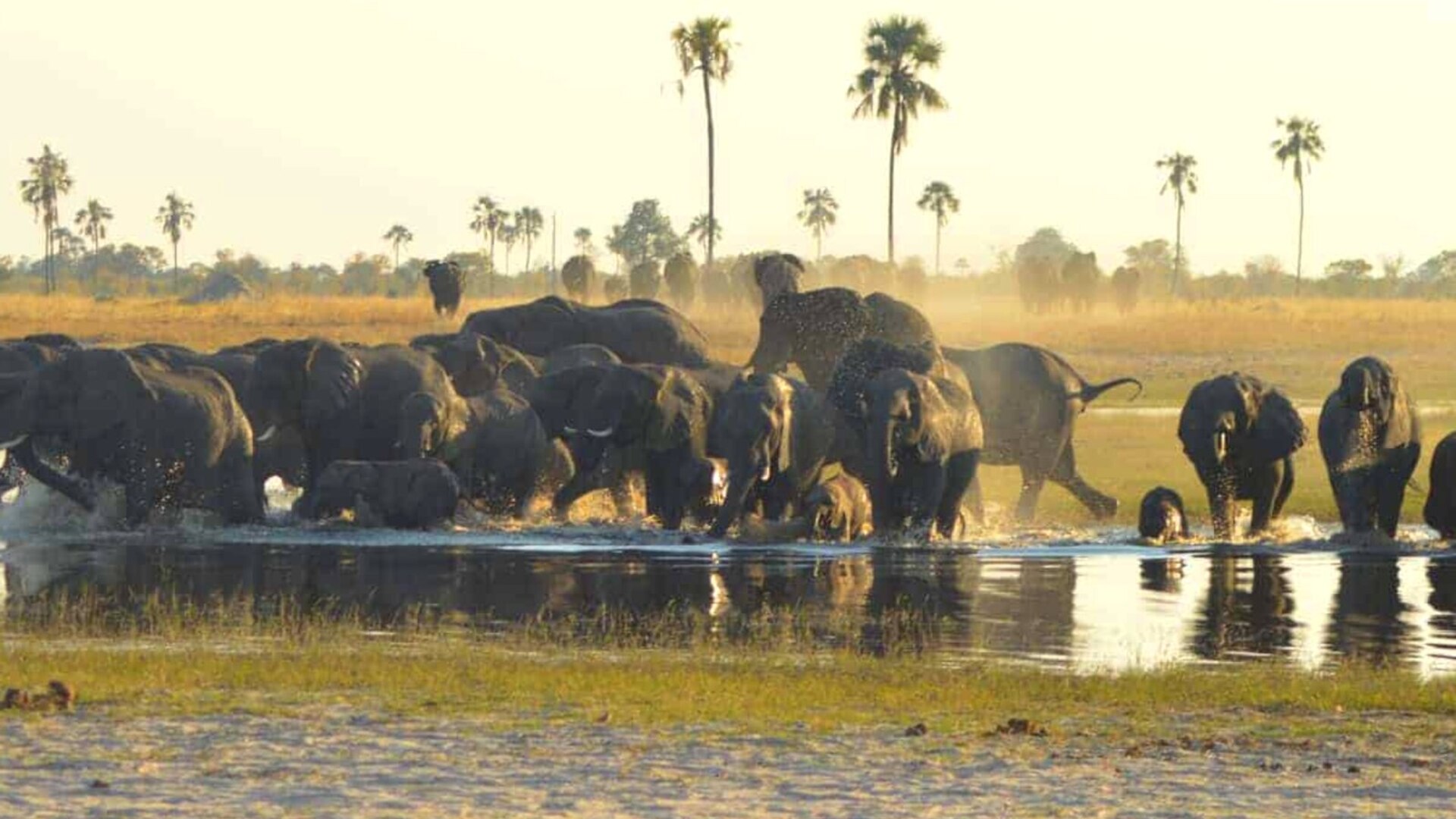
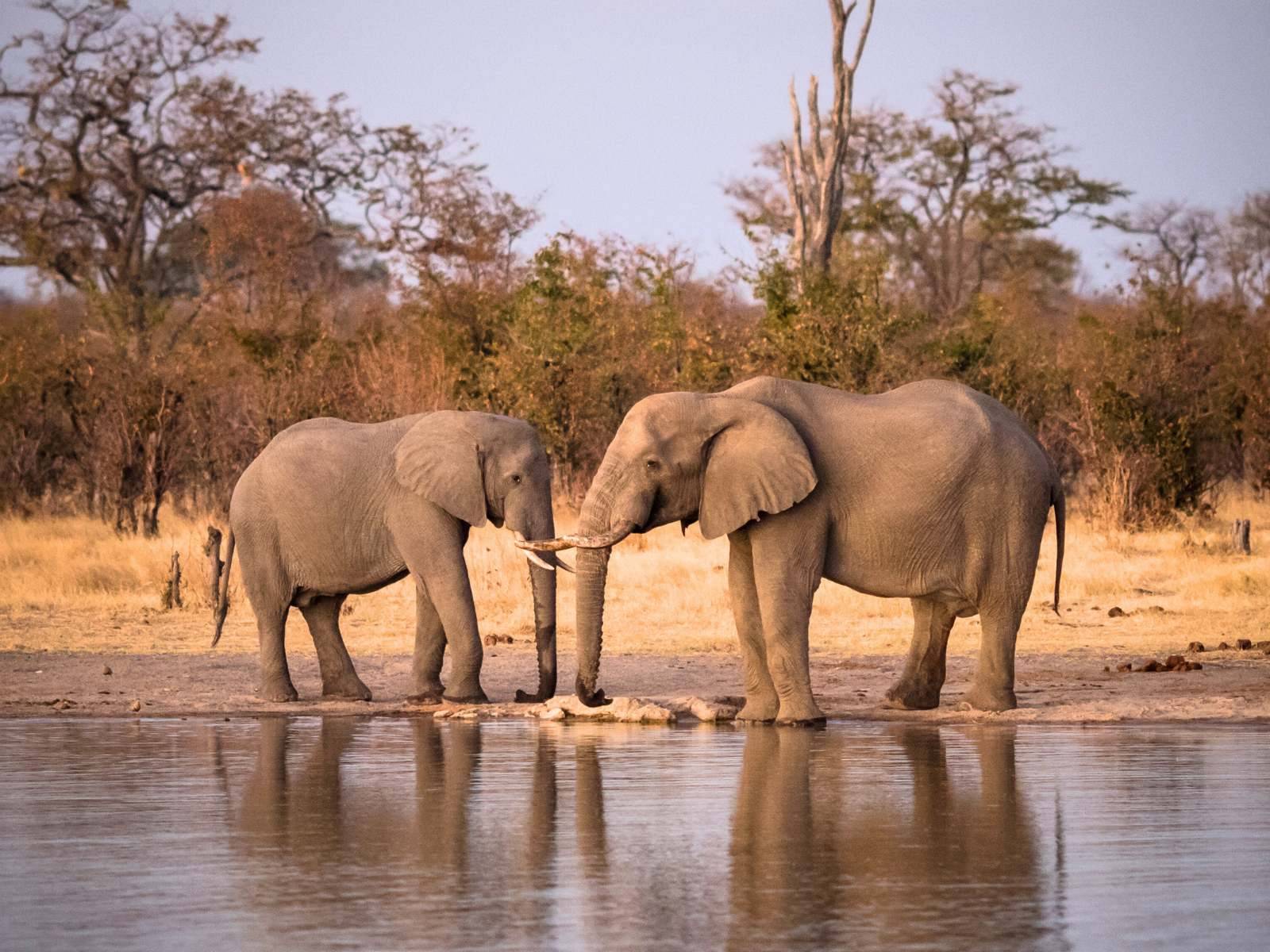
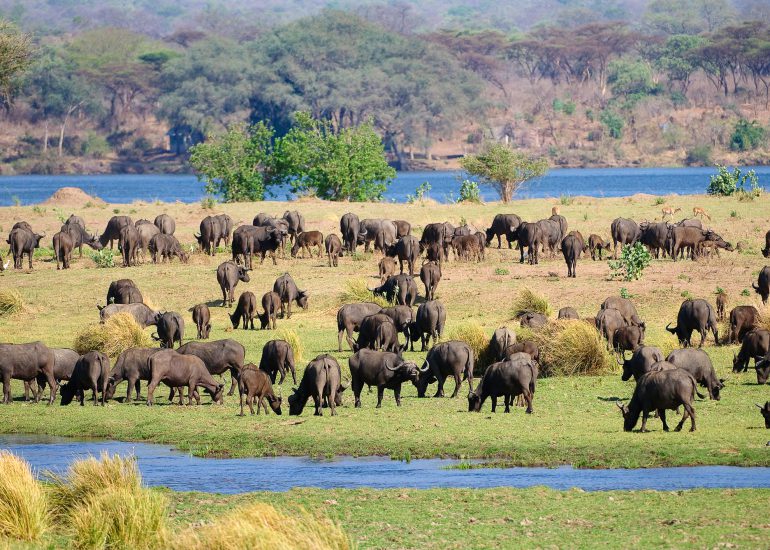
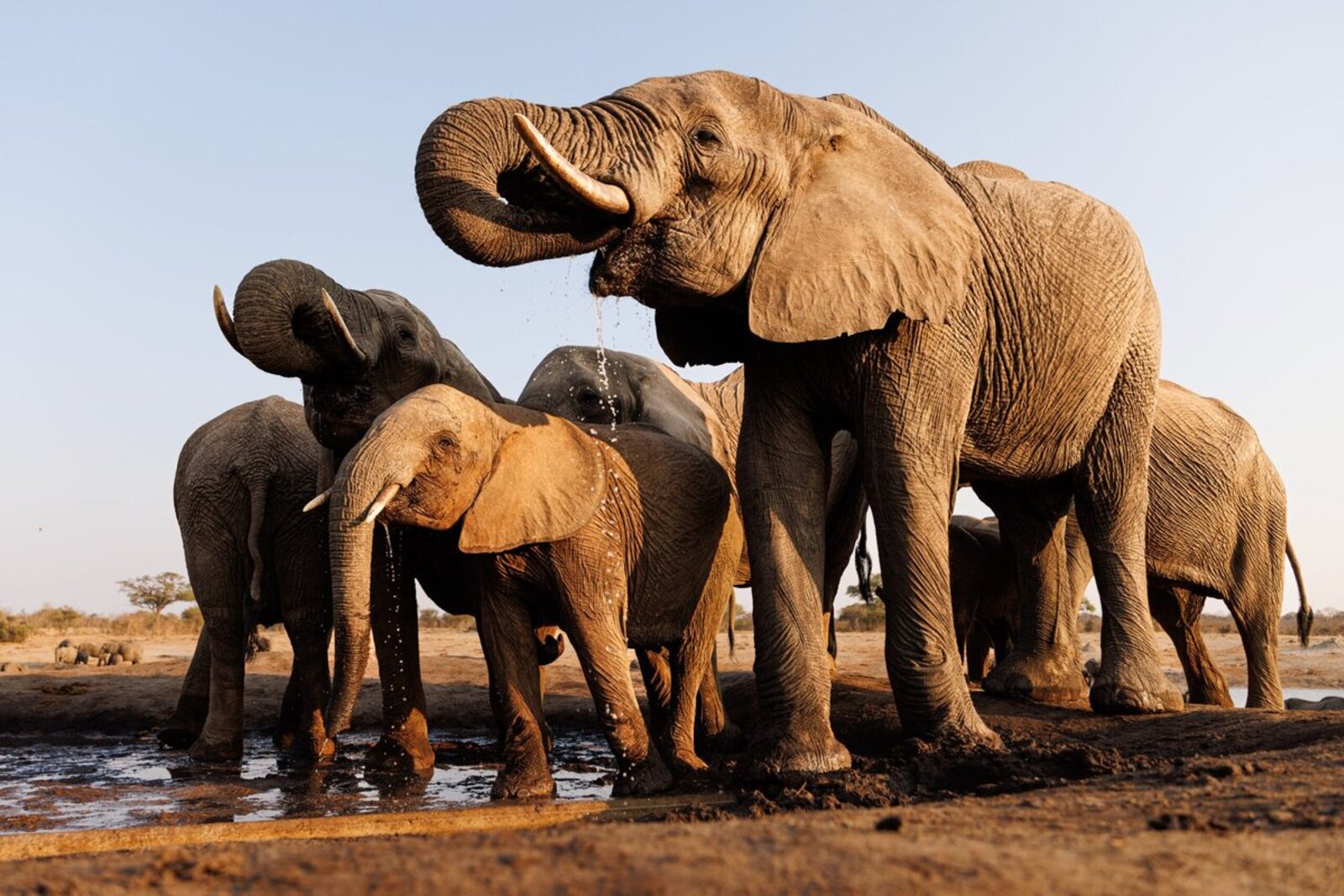
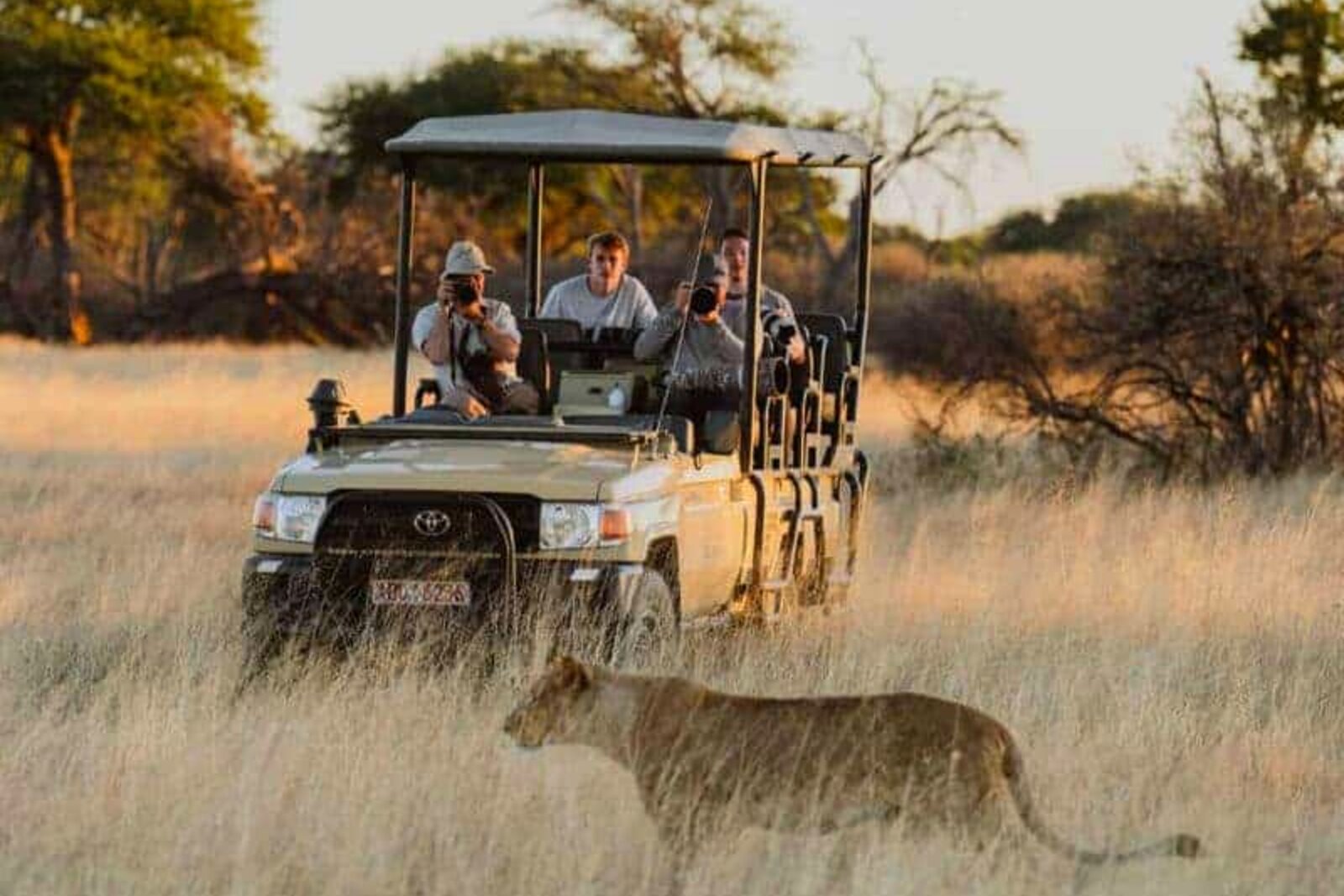
Hwange is Zimbabwe's largest national park and one of Africa's finest, famous above all for its elephants — the population runs into the tens of thousands, and in the dry season they gather in vast herds around the pumped waterholes. It is also full Big Five country, with strong lion prides (made famous by long-term research), buffalo, leopard and painted wolves. An easy add-on to Victoria Falls, Hwange turns a Falls trip into a genuine safari.
- Best for: Elephants, Big Five game viewing, an easy safari beside the Falls
- When to go: July–October, the dry season, when animals crowd the waterholes
- Access: Easy — a short flight or scenic road transfer from Victoria Falls
- Don't miss: A waterhole hide at dusk. For the full park, see our Hwange National Park guide.
3. Mana Pools National Park — Walking & Canoeing on the Zambezi
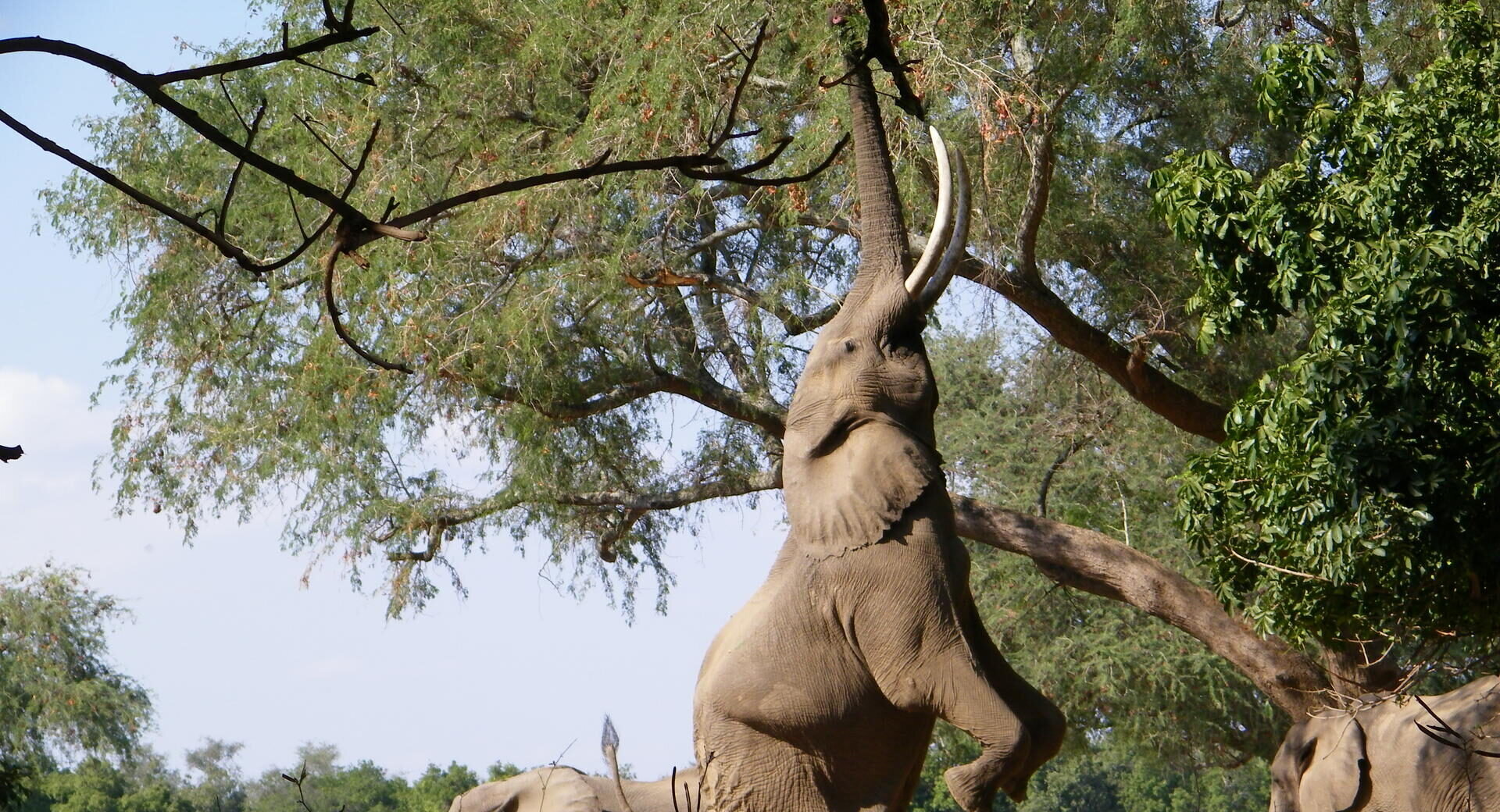
A UNESCO World Heritage Site on the banks of the lower Zambezi, Mana Pools is where Zimbabwe's guiding tradition shines. This is one of the few great parks where you can explore on foot and by canoe, drifting past hippos and drinking elephants beneath towering albida trees. The park is renowned for its painted wolves (wild dogs), its famous standing "Boswell" elephants that rise on their hind legs to reach pods, and a raw sense of wilderness the busier parks have lost.
- Best for: Walking and canoe safaris, wild dogs, experienced safari-goers
- When to go: June–October for concentrated game and the best canoeing conditions
- Access: Fly-in is easiest, into the valley airstrips; road access is long and seasonal
- Reality: Zimbabwe's professional walking guides are among the best in Africa — this is the place to trust them.
The Wildlife & the Mighty Zambezi — Victoria Falls, Hwange & Mana Pools
4. Great Zimbabwe — The Ancient City That Named a Nation
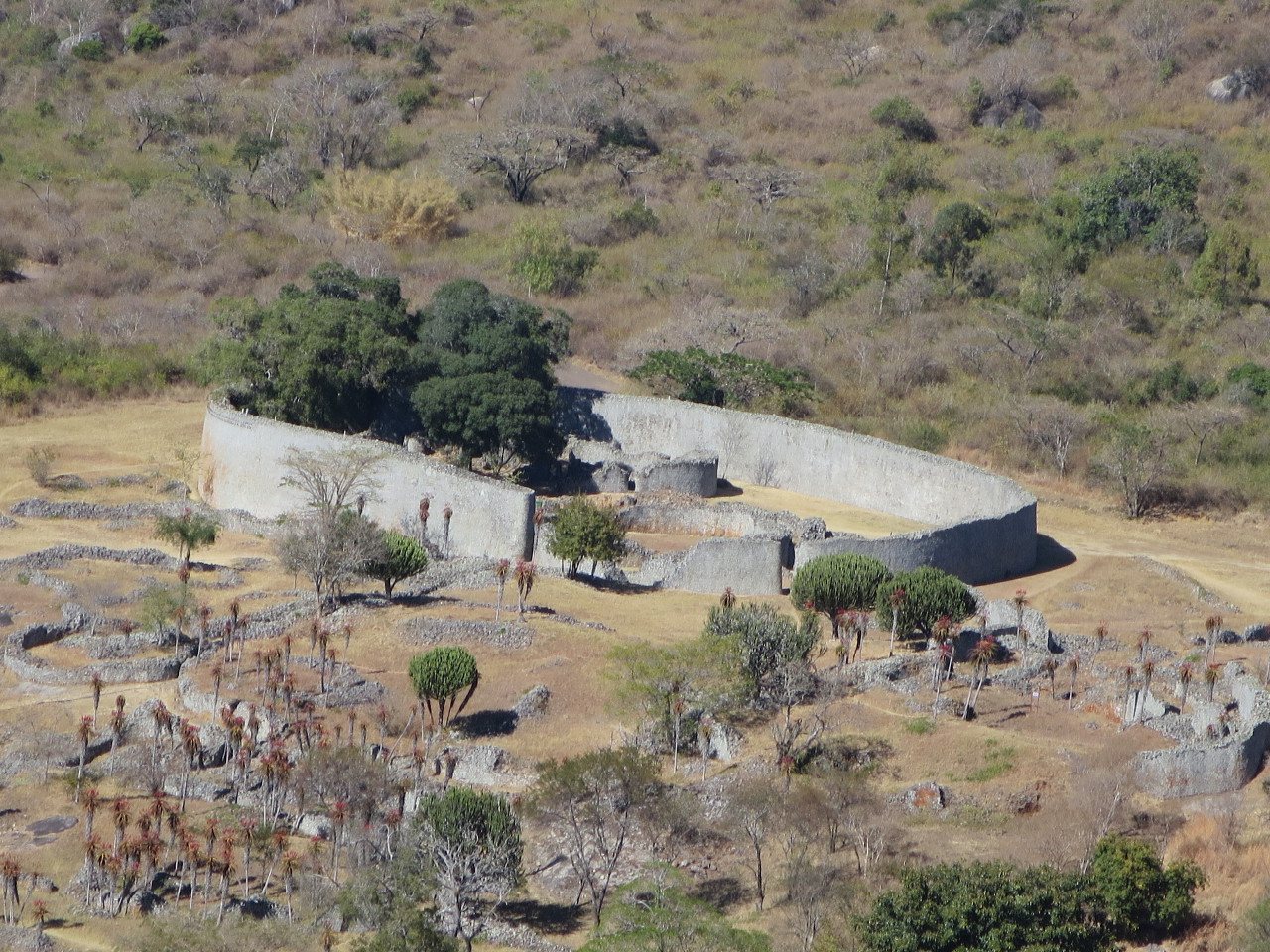
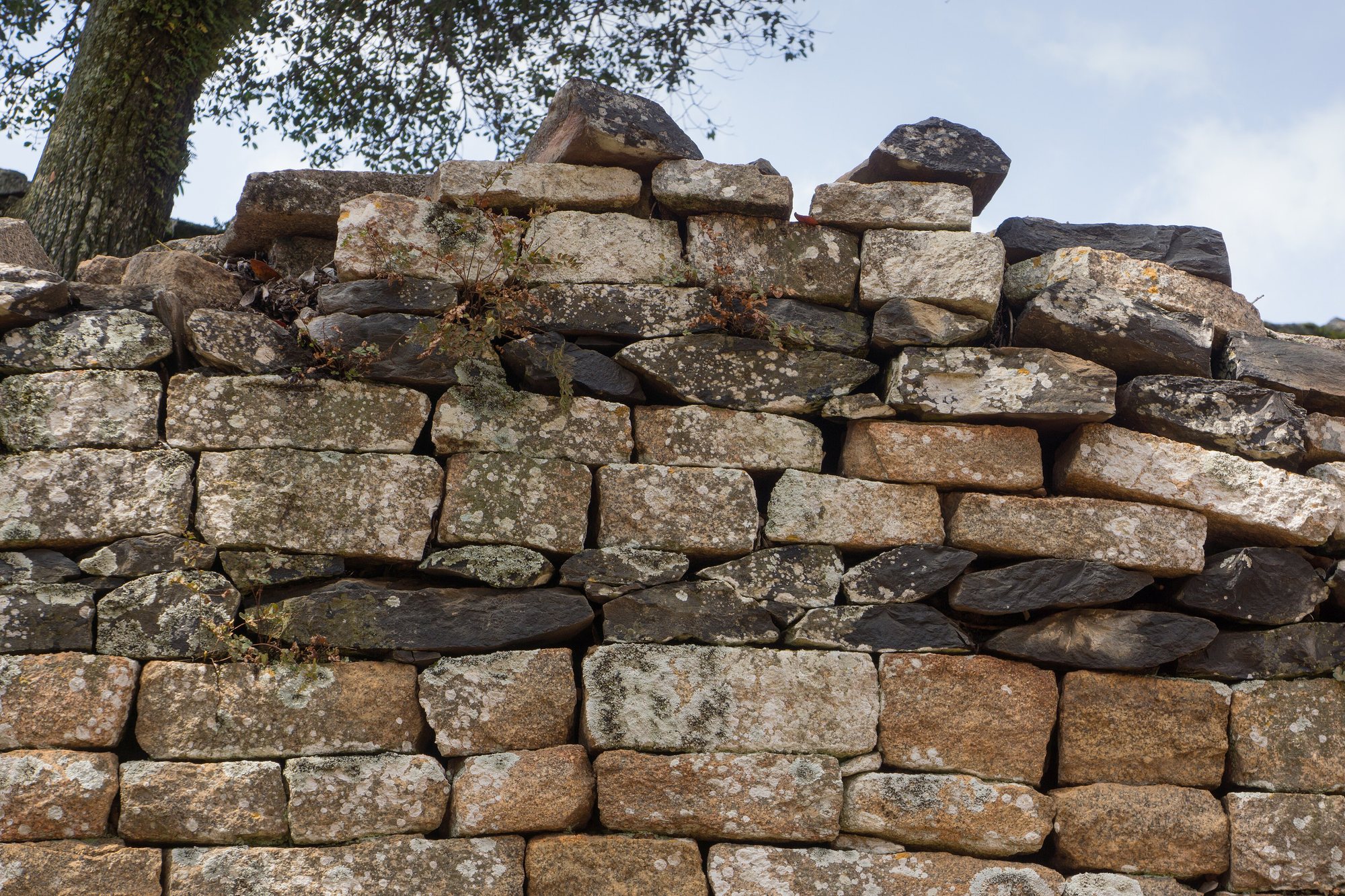
Near the town of Masvingo stand the Great Zimbabwe ruins — the largest ancient stone structures in sub-Saharan Africa and the source of the country's very name. Built between roughly the 11th and 15th centuries by the ancestors of the Shona people, this was the capital of a powerful trading kingdom, its soaring granite walls raised without mortar. Walking the Great Enclosure and the Hill Complex is a humbling reminder that Africa's history was written in stone long before Europeans arrived.
- Best for: History, culture, architecture and a deeper understanding of Zimbabwe
- When to go: Year-round; the cooler dry months (May–September) are most comfortable for exploring on foot
- Access: Near Masvingo in the south-east, reached by road or a short domestic flight
- Don't miss: Climbing to the Hill Complex at golden hour. For depth, see our Great Zimbabwe guide.
5. Matobo National Park — Granite Hills, Rock Art & Rhino
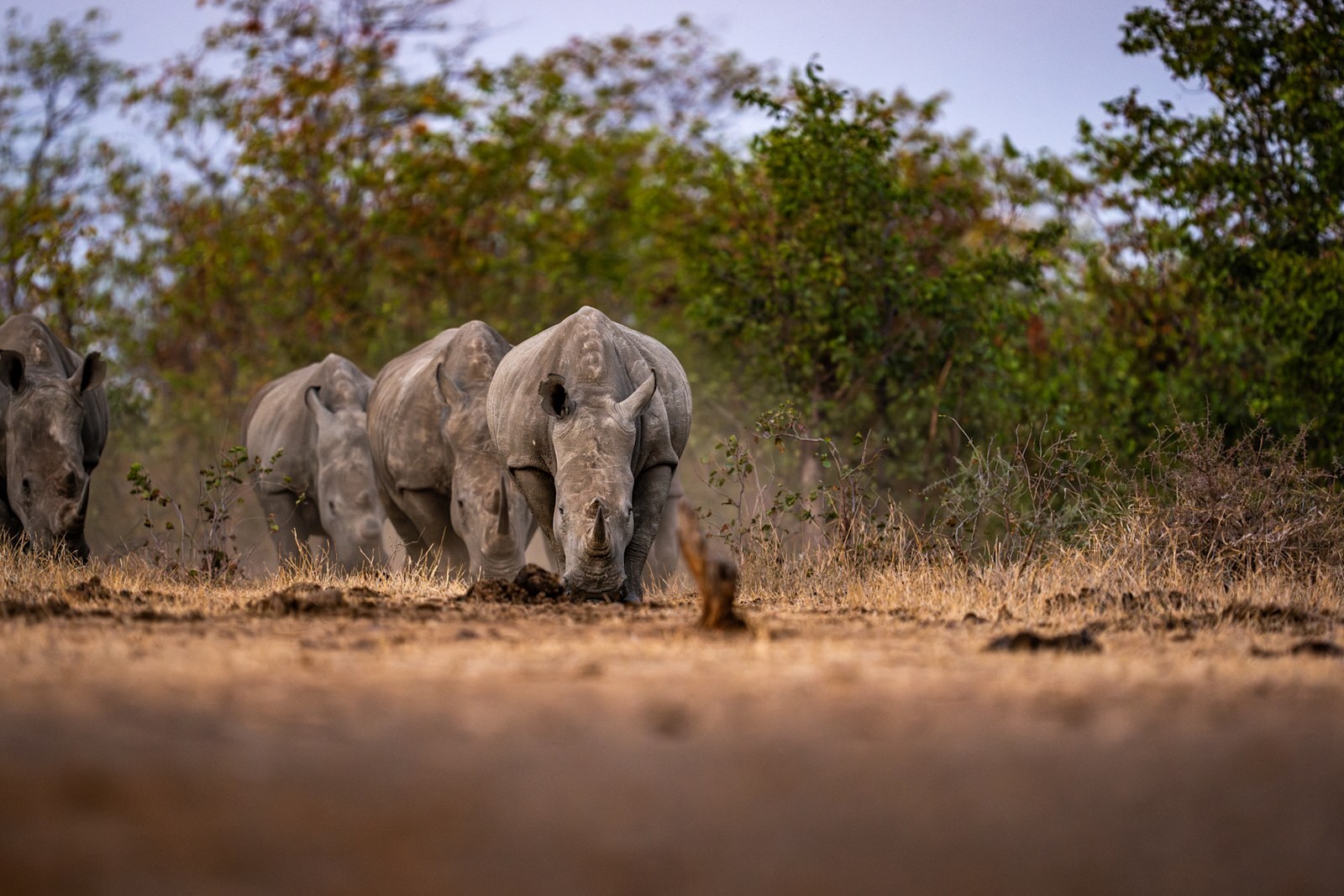
South of Bulawayo, Matobo (the Matopos) is one of the most atmospheric landscapes in Africa — a sea of balancing granite boulders and whale-backed hills, sacred to the Ndebele and painted by the San thousands of years ago. It is a UNESCO World Heritage Site for both its geology and its rock art, holds one of Zimbabwe's most reliable populations of white and black rhino (often tracked on foot), and shelters a famous density of leopard and eagles. The grave of Cecil John Rhodes sits atop "World's View," a granite dome with a panorama that stops you cold.
- Best for: Rhino tracking on foot, ancient rock art, dramatic granite scenery
- When to go: Year-round; May–October is driest and best for walking
- Access: An easy drive from Bulawayo, Zimbabwe's second city
- Reality: Combine wildlife and culture in a single day — few parks blend the two so powerfully.
6. The Eastern Highlands — Mountains, Waterfalls & Cool Green Air
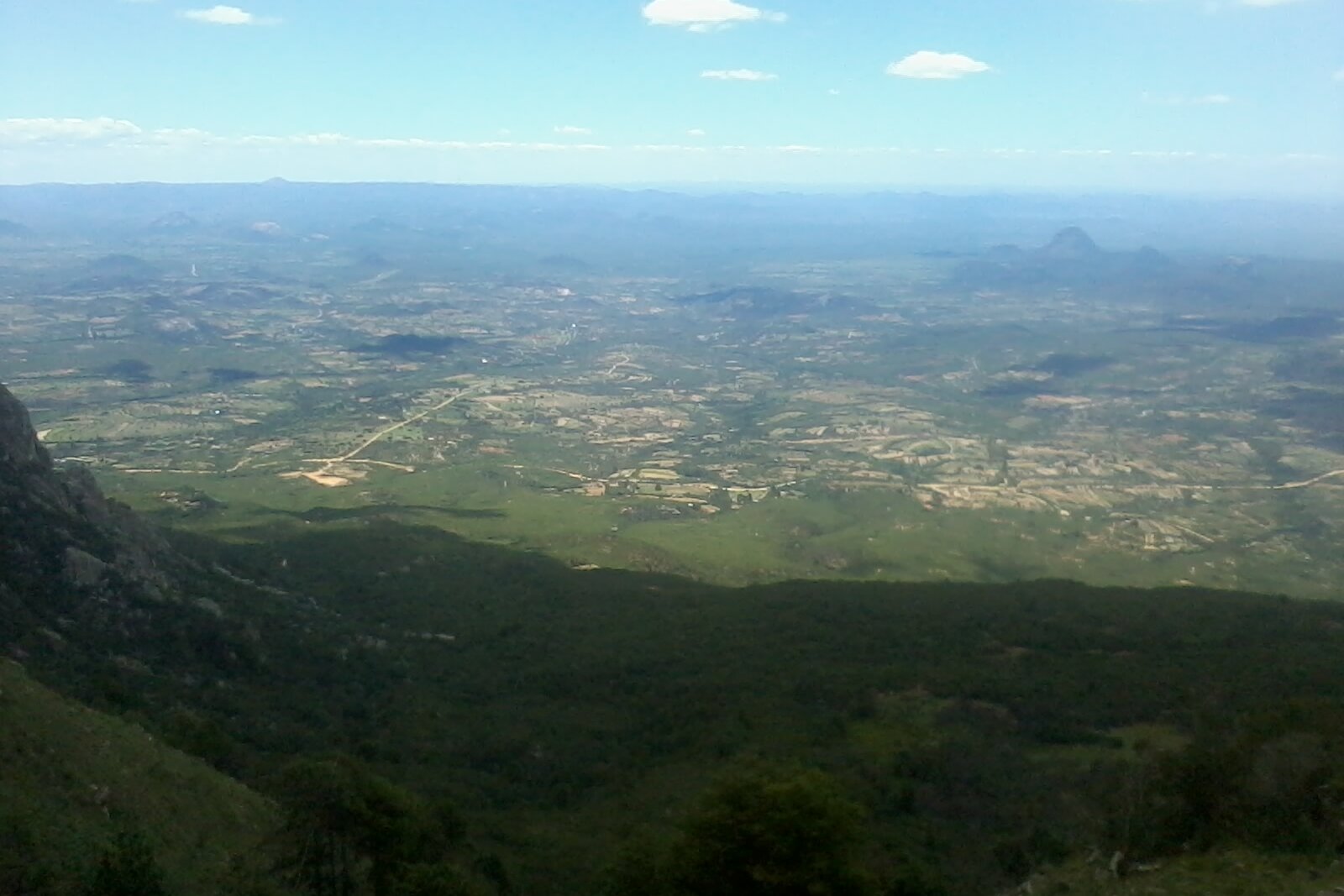
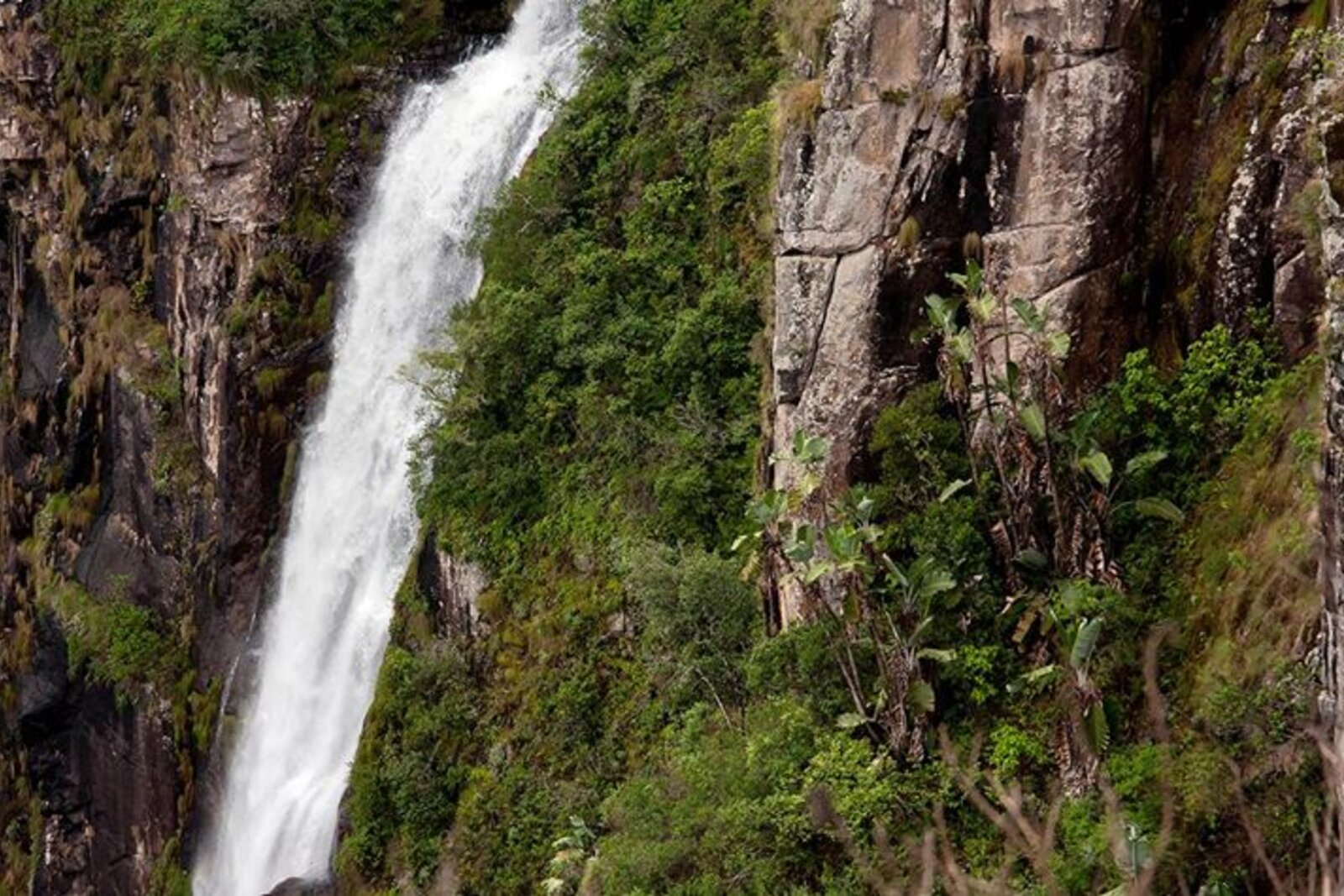
Along the Mozambique border rise the Eastern Highlands, a chain of misty mountains that feels like another country entirely. This is Zimbabwe for hikers: Nyanga, with Mount Nyangani (the country's highest peak) and the plunging Mutarazi Falls; the rugged wilderness of Chimanimani; and the gentle, forested Vumba with its gardens and views. Trout streams, pine forests, tea estates and cool nights make it the perfect green counterpoint to the hot lowveld.
- Best for: Hiking, waterfalls, scenery, cool-climate escapes and photography
- When to go: April–September for clear skies; the hills are green and lush just after the rains
- Access: Road-based from Mutare, the eastern gateway city
- Don't miss: The view from World's View in Nyanga. For more, see our Nyanga & Eastern Highlands guide.
7. Lake Kariba & Matusadona — Houseboats & Lakeshore Game
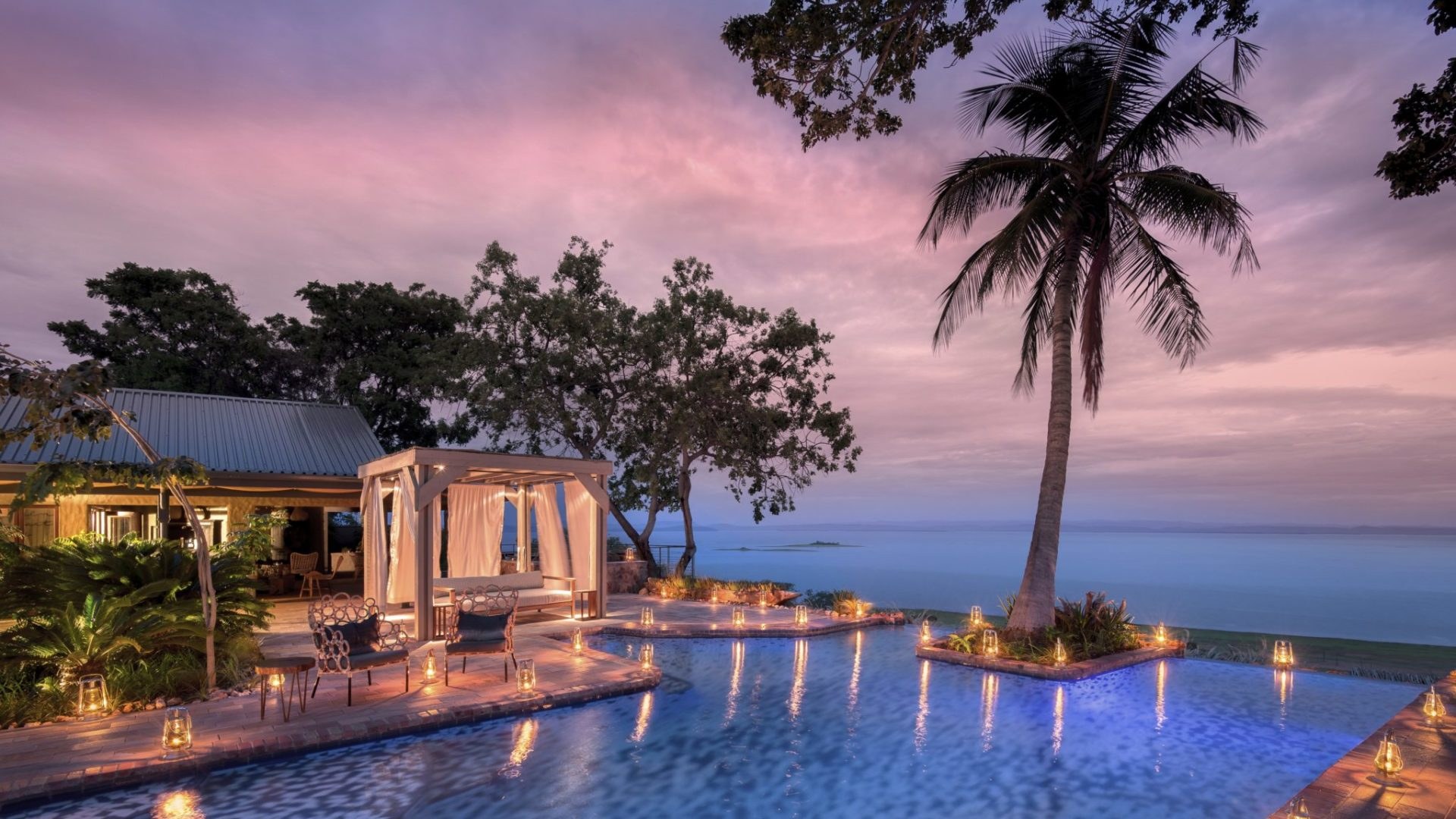
One of the world's largest man-made lakes, Lake Kariba is Zimbabwe's inland sea — a vast expanse of water studded with the ghostly drowned trees of the Zambezi valley, famous for flaming sunsets and the gentle drift of houseboats. Along its southern shore, Matusadona National Park brings elephant, buffalo and lion down to the water's edge, while the fishing (for tigerfish) and birdlife are superb. It is safari at a slower, floating pace.
- Best for: Houseboat holidays, sunsets, lakeshore game and fishing
- When to go: May–October for game and comfortable weather; the lake is beautiful year-round
- Access: Fly into Kariba town, or reach the lodges and houseboats by boat transfer
- Reality: A day or two afloat is one of the most relaxing experiences in the country.
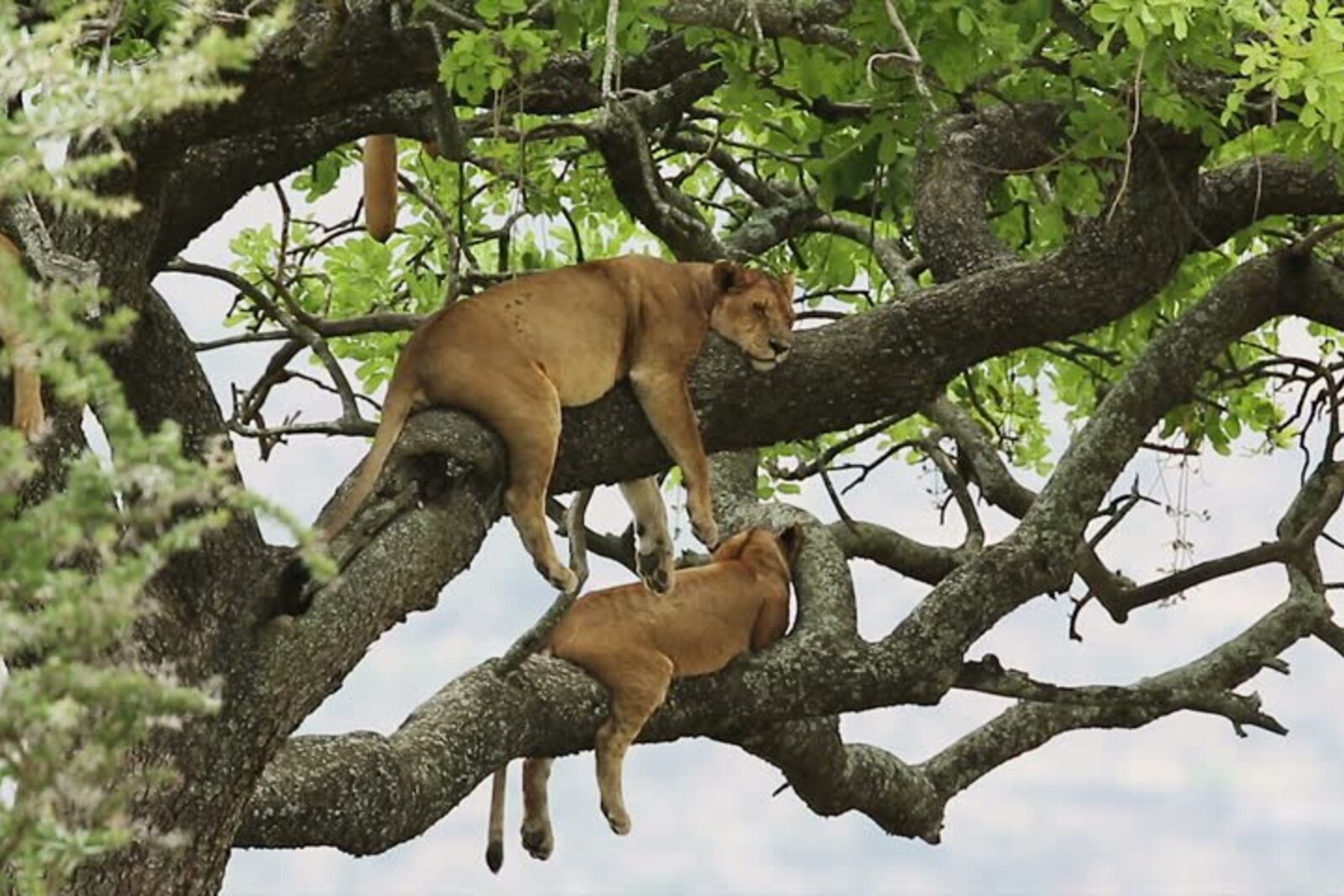
Ancient Stone & Highland Air — Great Zimbabwe, Matobo & the Eastern Highlands
8. Harare — The Capital: Galleries, Gardens & Markets
Most international journeys touch down in Harare, and the leafy, high-altitude capital deserves more than a night in transit. Famous for its jacaranda-lined avenues that turn purple each spring, Harare is the country's cultural engine — home to the National Gallery of Zimbabwe and its celebrated stone sculpture, the buzzing Mbare Musika market, craft villages, lively restaurants and a warm, unhurried city energy. It is the best place to feel modern Zimbabwe and pick up authentic art.
- Best for: Arts and sculpture, markets, food, a first or last city night
- When to go: Year-round; the jacarandas bloom around September–October
- Access: Robert Gabriel Mugabe International Airport is the country's main hub
- Reality: Give it a day to browse the galleries and markets before flying out to the bush.
9. Gonarezhou National Park — The Remote Place of Elephants
In Zimbabwe's wild south-east lies Gonarezhou — "the Place of Elephants" — the country's second-largest park and its most remote frontier. Part of the vast Great Limpopo Transfrontier Conservation Area, it is defined by the towering red sandstone Chilojo Cliffs glowing above the Runde River, big herds of elephant, and a genuine sense of untamed Africa with almost no other vehicles. For travellers who have done the classics and want raw wilderness, nowhere in Zimbabwe delivers it better.
- Best for: Remoteness, dramatic scenery, elephants, adventurous return visitors
- When to go: May–October, the dry season, when tracks are open and game concentrates on the rivers
- Access: Fly-in or a serious 4x4 drive; this is the least-visited major park in the country
- Reality: Go for the solitude and the Chilojo Cliffs at sunset — an image you will never forget.
10. Bulawayo & Khami — Heritage, History & the Gateway to Matobo
Zimbabwe's second city, Bulawayo, is a graceful place of wide colonial-era streets, historic architecture and a slower Ndebele heartbeat. It is a city of museums — the excellent Natural History Museum and the Bulawayo Railway Museum — and the natural gateway to Matobo. Just west lie the Khami Ruins, a UNESCO World Heritage Site and the stone capital that rose after Great Zimbabwe declined. Together they make Bulawayo the cultural anchor of the south-west.
- Best for: History and museums, heritage architecture, the base for Matobo
- When to go: Year-round; pair with Matobo in the dry season for the best walking
- Access: Bulawayo has its own airport and good road links; central for the south-west
- Reality: Use it as a one- or two-night hub to explore Matobo and Khami without rushing.
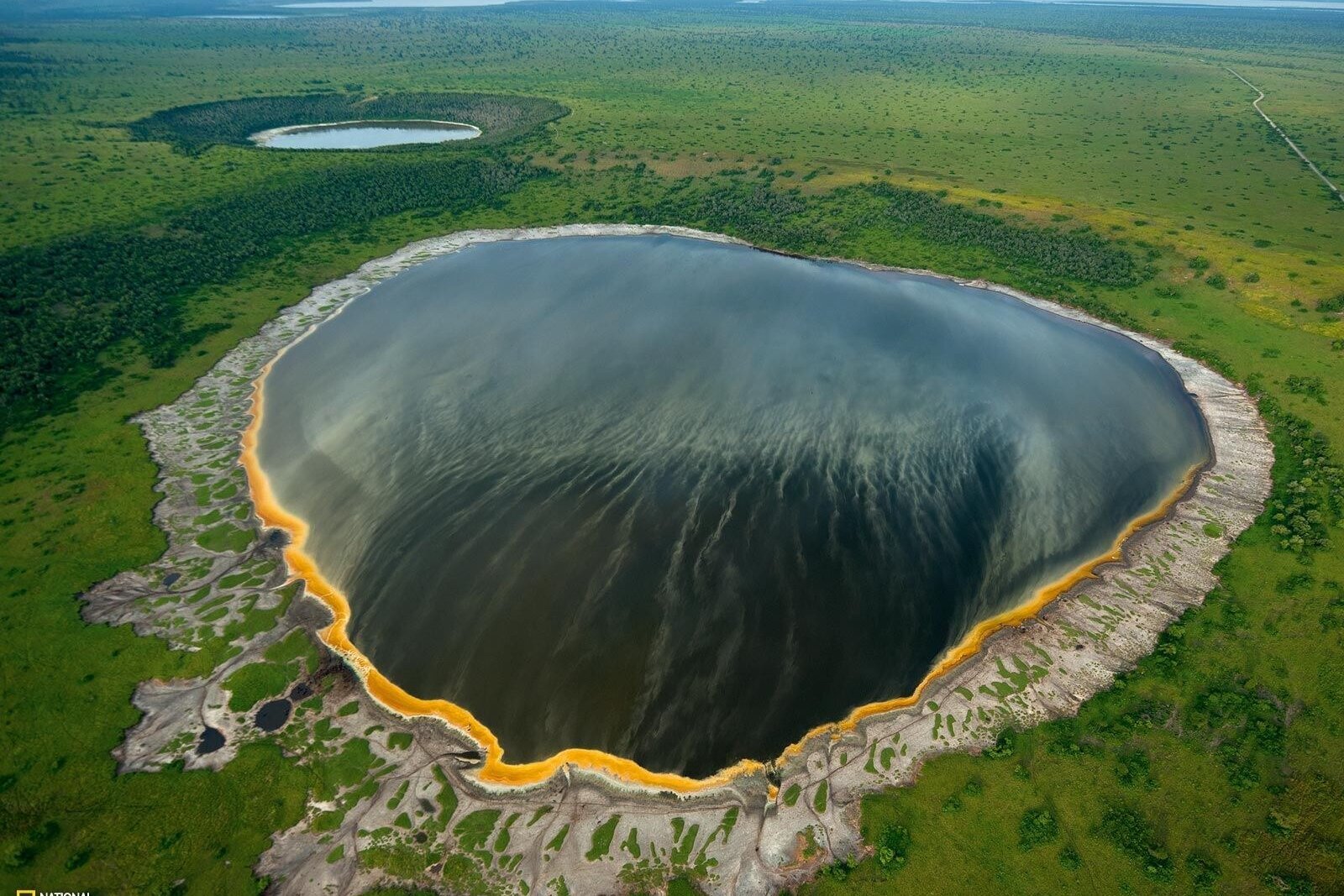
Lake, Frontier & Ancient Stone — Kariba, Gonarezhou & the Heritage South
Building Your Trip: How to Combine Zimbabwe's Best Places
The art of a Zimbabwe trip is combination — pairing contrasting experiences so each one feels sharper. Here are the routes that work best, matched to how much time you have. For fully costed, pre-designed trips, see our Zimbabwe Safari Tours guide, or design a tailor-made itinerary via Private Safari Tours Zimbabwe.
The Classic (7 days): Victoria Falls → Hwange. The definitive first trip — the natural wonder and the adventure town, then Zimbabwe's greatest elephant country, with easy logistics.
Falls & the Wild Zambezi (8–9 days): Victoria Falls → Hwange → Mana Pools. Add walking and canoe safaris on the Zambezi for a deeper wildlife trip.
Wildlife & Heritage (10–12 days): Victoria Falls → Hwange → Matobo & Bulawayo → Great Zimbabwe. The trip that shows the country's soul as well as its game.
The Explorer (12–14 days): Add the Eastern Highlands for mountain air, Lake Kariba for a houseboat, or remote Gonarezhou for solitude — for travellers who want the wildest and least-visited corners.
💡 Planning Tip: Zimbabwe's regions are reached by different flights, so rather than racing to tick every box, choose two or three complementary places — the Falls, a wildlife park, and a slice of history or highland — and give each enough time to breathe. For a realistic budget, see How Much Does a Zimbabwe Safari Cost.
Best Time to Visit Zimbabwe
| Season | Months | Best For | Notes |
|---|---|---|---|
| Peak Dry | Aug–Oct | ★★★★★ Wildlife & walking | Best game viewing as animals crowd waterholes; hot by October; book early |
| Early Dry | May–Jul | ★★★★★ All-rounder | Pleasant days, cool nights; good game and the Falls still strong; ideal for most trips |
| Falls at Full Flow | Mar–May | ★★★★☆ Victoria Falls | The Falls thunder at their fullest; heavy spray can obscure views but the power is unforgettable |
| Green / Rains | Nov–Mar | ★★★☆☆ Birds, value & lush scenery | Lush landscapes, superb birding and newborn game; some camps close; afternoon storms |
Verdict: For a first Zimbabwe trip covering the Falls and wildlife, aim for the dry season (May–October). To see Victoria Falls at its most powerful, come March to May. For detailed, month-by-month timing, see Best Time to Visit Zimbabwe.
🦁 Ready to plan your Zimbabwe trip? Browse pre-designed journeys in our Zimbabwe Safari Tours guide, compare accommodation in the Best Zimbabwe Safari Lodges, or design a tailor-made trip via Private Safari Tours Zimbabwe. Focused on game drives? See the Top 10 Best Safari Destinations in Zimbabwe.
Best Places to Visit in Zimbabwe: Frequently Asked Questions
What is the number one place to visit in Zimbabwe?
For most travellers Victoria Falls is the single best place to visit — one of the Seven Natural Wonders of the World and the adventure capital of Africa. But Zimbabwe's magic is its range: Hwange for elephants and Big Five game, Mana Pools for walking and canoe safaris, Great Zimbabwe for ancient history, and Matobo for granite hills and rock art. The best trips combine the Falls with a wildlife park and a slice of culture rather than chasing a single highlight.
How many days do you need to visit Zimbabwe?
Plan on at least 7 days to combine Victoria Falls with Hwange, the classic first trip. Add 2–3 nights for Mana Pools, a few days for Matobo, Bulawayo and Great Zimbabwe to add history, or extend to 12–14 days to include the Eastern Highlands, Lake Kariba or remote Gonarezhou. Ten days to two weeks lets you weave together a wonder, a safari and a piece of the country's heritage comfortably.
What are the best non-safari places to visit in Zimbabwe?
Beyond the wildlife parks, Zimbabwe's standout non-safari places are Victoria Falls for the natural wonder and adventure, Great Zimbabwe for the largest ancient stone ruins in sub-Saharan Africa, the Eastern Highlands (Nyanga, Chimanimani and the Vumba) for mountains and waterfalls, Lake Kariba for houseboats and sunsets, and the cities of Harare and Bulawayo for art, museums and heritage such as the Khami Ruins.
Can you combine Victoria Falls, a safari and history in one trip?
Yes — it is the ideal Zimbabwe itinerary. A typical route starts at Victoria Falls, flies to Hwange for a Big Five safari, then adds Matobo and Bulawayo for granite hills and rock art before finishing at Great Zimbabwe near Masvingo. Allow around 10–12 days. This blends the country's natural wonder, its finest wildlife and its ancient heritage into one journey.
Is Victoria Falls better on the Zimbabwe or Zambia side?
The Zimbabwe side offers the broader, more panoramic views — roughly two-thirds of the Falls face lies in Zimbabwe — along with a more developed, walkable town and easy access to Hwange and Mana Pools. The Zambia side is best for the up-close Devil's Pool experience and the Knife-Edge Bridge. Many travellers cross the border to see both, but for scenery and safari combinations the Zimbabwe side is the stronger base.
Which places in Zimbabwe are best for avoiding crowds?
The wild south and east. Gonarezhou National Park is the country's most remote major park and receives a tiny fraction of the visitors the Falls and Hwange see, so you enjoy the Chilojo Cliffs and big elephant herds almost alone. Mana Pools feels wonderfully wild despite its fame, while the Eastern Highlands and Lake Kariba are peaceful, scenic escapes far from the safari crowds.
What is Great Zimbabwe and is it worth visiting?
Great Zimbabwe is a complex of medieval stone ruins near Masvingo, built between roughly the 11th and 15th centuries and the largest ancient stone structures in sub-Saharan Africa. It was the capital of a wealthy Shona trading kingdom and gives the modern country its name. For anyone interested in African history and architecture it is absolutely worth visiting — its mortarless granite walls are among the most important heritage sites on the continent.
Is Zimbabwe safe to visit?
Zimbabwe is widely regarded as one of the friendlier and safer destinations in the region, particularly within the established tourist areas — Victoria Falls, Hwange, Mana Pools, Matobo and the main cities. Zimbabweans are known for their warm hospitality and the country has a strong guiding culture. As anywhere, take normal precautions in cities, use reputable operators, and follow guide advice on safari. Most visits are trouble-free.
When is the best time to visit Zimbabwe?
The dry season from May to October is the best all-round time, offering excellent wildlife viewing as animals gather at waterholes, pleasant days and cool nights. For Victoria Falls at its most powerful, visit between March and May when the Zambezi is in full flood. The green season (November to March) brings lush scenery, superb birding and lower prices, though some camps close and afternoon storms are common.
Final Word: Choosing the Best Places to Visit in Zimbabwe
Zimbabwe's greatness lies in its range. In one compact country you can stand before one of the Seven Natural Wonders of the World, watch thousands of elephants gather at a Hwange waterhole, walk and canoe among wildlife on the Zambezi, wander the mortarless walls of an ancient African city, track rhino through granite hills, and hike misty mountains — all within a fortnight. Few destinations offer such contrast so easily.
- ✅ First visit? Victoria Falls, then Hwange for the elephants
- ✅ Wildlife lover? Add Mana Pools for walking and canoe safaris
- ✅ Want history and culture? Great Zimbabwe, Matobo and Bulawayo
- ✅ Craving something different? The Eastern Highlands, Lake Kariba or remote Gonarezhou
The honest advice: don't try to see everything. Choose the places that match who you are as a traveller, give each enough time, and let your trip tell one coherent story. Do that, and Zimbabwe will give you the journey of a lifetime.
Ready to start planning? Explore our Zimbabwe Safari Tours guide, browse the Best Zimbabwe Safari Lodges, or begin with the comprehensive Ultimate Zimbabwe Travel Guide.