Key Takeaways
- The Mara is run by two authorities: Narok County runs the main eastern and central reserve, and the Mara Conservancy runs the western Mara Triangle. The gate you use depends on which side your camp is on.
- There are seven road gates. Sekenani, on the road up from Nairobi, is the main one; Oloololo is the gateway to the Mara Triangle.
- Your fee buys twelve hours, from 06:00 to 18:00. If you leave by road you must be out of the gate by 10:00, or you pay another full day.
- The non-resident adult fee is US$100 per day in low season and US$200 per day from July to December — the single biggest cost to plan around.
- The gates are cashless. Bring your passport for identification and a card or M-Pesa; the Mara Triangle takes no cash at all.
- Fly-in guests leave from Wilson Airport in Nairobi, not the big international one, landing at the airstrip nearest their camp.
How the Mara Works
Most of the confusion about the Masai Mara comes down to one fact nobody explains up front: the reserve is run by two separate hands. The main body of the Mara — the eastern and central ground where Sekenani, Talek and Keekorok sit — is managed by Narok County Government. The western slice, the famous Mara Triangle tucked against the Oloololo Escarpment, is run by a non-profit called the Mara Conservancy on behalf of Trans-Mara County. Same grassland, same herds moving across it, but two offices, two sets of rangers, and two ticket counters. Which one you deal with depends entirely on which side of the Mara River your camp is on, and that is the first thing to get straight before anything else.
Three rules govern every entry, and they are the same on both sides. First, the gates run from 06:00 to 18:00, and your ticket is valid for twelve hours. Second — and this is the one that catches people out — if you leave the reserve by road, you must be through the gate by 10:00 in the morning, or you are charged for another full day. The clock is tied to the calendar day, not to when you entered, so a late checkout costs you. Third, if you fly out, you need to be at your airstrip by 10:00 for the same reason. Guests who understand the ten o'clock rule plan a last early-morning game drive and then move on; guests who do not end up paying twice.
One more detail saves trouble at the barrier: the Mara is cashless. The Mara Triangle is strict about it — you pay by M-Pesa, Visa or Mastercard through the KAPS system and the gate takes no notes whatsoever. The Narok side strongly prefers cards and mobile money too. You will also need your passport, because it is used as the identification on your ticket and a driver's licence is not accepted. On an organised safari your operator settles all of this in advance and it sits inside your trip price, which is the smoothest way to handle it. Arranging your own entry means a working card, your phone set up for M-Pesa, and your passport in your hand at the window.
The Seven Gates, One by One
Sekenani Gate is the one you will most likely use. It sits on the eastern boundary and it is the main entrance for everyone driving up from Nairobi and Narok town on the C12 road. It opens straight into the central reserve near Keekorok, where the resident lion prides and the open plains are, so it is busy in peak season — expect a short wait while permits are processed — but it is the natural front door to the Mara. Talek Gate lies to the north, on the Talek River, and serves the central and north-eastern reserve and the many camps clustered along that river; it is handy if you are staying in the Talek area or heading for the northern conservancies.
Musiara Gate is up in the north-east, the entrance for the Musiara Marsh and the Governors' Camp country — superb big-cat ground and close to the northern stretch of the Mara River. Oloolaimutia Gate sits in the south-east, near the Oloolaimutia settlement and the lodges on that corner, a useful entrance if you are coming from that side. Enoompuai Gate is the newer road gate serving the Talek-to-Musiara corridor in the north, easing pressure on the older entrances.
Oloololo Gate is the important one to understand, because it is the only road entrance to the Mara Triangle. It sits in the west, below the Oloololo Escarpment, and it is run by the Mara Conservancy rather than Narok County — different rangers, different ticket office, strictly cashless. If your camp is in the Triangle, this is your gate, and you reach it either across the Mara River bridge from the main reserve or down from the escarpment.
Sand River Gate, in the far south on the Tanzania border, is the one people most often misunderstand. It sits right by the country where the wildebeest cross from the Serengeti, and its position on the frontier makes travellers assume they can drive through it into Tanzania. You cannot. It works as an official reserve entry gate and a ranger post, but it has long been closed as a tourist border crossing — there is no drive-through land crossing between the Mara and the Serengeti for visitors. A Kenya-to-Tanzania safari is done by air, or overland through the public border posts at Isebania or Namanga, never through Sand River. Plan around that, because it trips people up every season.

The Mara by Air
For most guests who value their time, flying is the better way into the Mara, and the reserve is well served from the air. Roughly eleven airstrips are scattered across the plains, and the one you use is decided by which camp you are booked into rather than by season — the Mara is compact enough that every strip sits near its cluster of lodges. The key ones are Keekorok in the central reserve, Ol Kiombo near the Talek River and the eastern camps, Musiara in the north near the marsh, Mara Serena and Kichwa Tembo serving the Mara Triangle, and Angama up on the escarpment.
The single most important thing to know is where you fly from. Light aircraft to the Mara leave from Wilson Airport in Nairobi, a small domestic field, not from Jomo Kenyatta International where your overseas flight lands. The two are about forty minutes apart across the city, so if you are connecting from an international arrival you want to allow a good three hours between landing and your bush flight. The hop itself is short — 45 to 60 minutes from Wilson to most Mara strips — and the carriers are Safarilink, AirKenya and Mombasa Air Safari, flying scheduled departures each morning and afternoon.
The planes are small, which means a strict luggage rule: usually around 15 kilograms total per person in a soft-sided bag, because hard suitcases will not fit the hold. The sensible order of booking is to choose your camp first and then confirm which airstrip serves it, rather than picking a strip and hunting for beds nearby. Get that right and the flying becomes one of the real pleasures of a Mara trip — you lift off from the city and land among the herds inside the hour.

Park Fees at the Gate
Here is what you actually hand over at the barrier, and it is the number that surprises people most. The Masai Mara reserve fee is charged per person per day, and it changes with the season. For 2026 the non-resident adult rate is US$100 per person per day in the low season, which runs from 1 January to 30 June, and it jumps to US$200 per person per day in the high season, from 1 July to 31 December. That high-season doubling lines up with the Great Migration, and it is the single biggest cost to plan around — a family of four on a July trip is paying US$800 a day in park fees alone before a bed or a game drive is counted. Children aged 9 to 17 pay US$50 a day year-round, and children of eight and under enter free. The same seasonal structure applies on both the Narok side and in the Mara Triangle.
What the ticket does not cover catches people out just as often. The reserve fee is entry only. It does not include the separate conservancy fees if your camp is in one of the private conservancies ringing the reserve, nor the vehicle fees, the balloon-landing fee if you take a dawn flight, or camping and ranger fees for special activities. Those are billed on top, which is why two quotes for the "same" Mara trip can look so different — one has folded in the conservancy and activity fees and the other has not. On an organised safari all of it is itemised and settled for you; arranging your own entry means budgeting each line separately.
This section is about paying at the gate, not about costing a whole safari — the full economics of a Mara trip, from vehicle and guide to lodge tiers and conservancy fees, is a bigger subject. If you want the complete picture of what a private Mara safari costs and how the fees stack up against everything else, read our dedicated guide to Masai Mara safari costs. For the gate itself, the rule is simple: know your dates, know if your trip falls in high season, carry your passport, and have the card or M-Pesa ready.
| Reserve Fee (per person, per day) | Rate (US$) |
|---|---|
| Non-resident adult — low season (1 Jan–30 Jun) | US$100 |
| Non-resident adult — high season (1 Jul–31 Dec) | US$200 |
| Child 9–17 (year-round) | US$50 |
| Child 8 and under | Free |
| Not included — conservancy, vehicle, balloon-landing and ranger fees | Billed separately |
Nairobi to the Mara
Almost every Kenyan safari starts in Nairobi, and the question is always the same: drive or fly? Both work, and the honest answer depends on how much time you have and how you feel about rough roads. By road it is a 5 to 7 hour run to the Mara, heading out on the A104 and B3 past Mai Mahiu, down the floor of the Rift Valley, and through Narok town — which is your last reliable fuel, lunch and supplies stop before the reserve. The tarmac is good as far as Narok; beyond it the road to the gates turns to rough murram that can be slow and dusty in the dry months and properly muddy after rain, which is why a 4x4 is the sensible vehicle for the final stretch.
The drive has its rewards — the drop into the Rift Valley is one of the great road views in Africa, and you get a real sense of the country changing from highland farms to open rangeland — but it is a long day, and the last two hours are hard going. Families with young children and anyone short on time often find it more than they bargained for.
Flying trades the scenery for time. A light aircraft from Wilson Airport reaches the Mara in 45 to 60 minutes, which turns a full travel day into a morning and gives you an afternoon game drive on the day you arrive. It costs more than the road, but for a short trip, or for guests who would rather not spend seven hours in a vehicle before the safari has even started, it is usually the better call. A lot of our guests do the sensible middle thing — fly in to save the long haul, and build the trip around the time the flight gives back. We will lay out both options honestly against your dates and your budget.

Which Gate for Your Safari?
The simplest way to choose is to start with your camp and work back to a gate or airstrip, because in the Mara the bed decides the entrance. If you are staying in the central or eastern reserve — the Keekorok, Talek and Sekenani country — you come in through Sekenani by road or land at Keekorok or Ol Kiombo by air. If your camp is in the north, around Musiara Marsh and the Governors' area, Musiara Gate and its airstrip are your arrival. And if you have chosen the Mara Triangle, with its quieter tracks and its own strict rules, you enter through Oloololo Gate and fly into Mara Serena or Kichwa Tembo — and you deal with the Mara Conservancy, not Narok County.
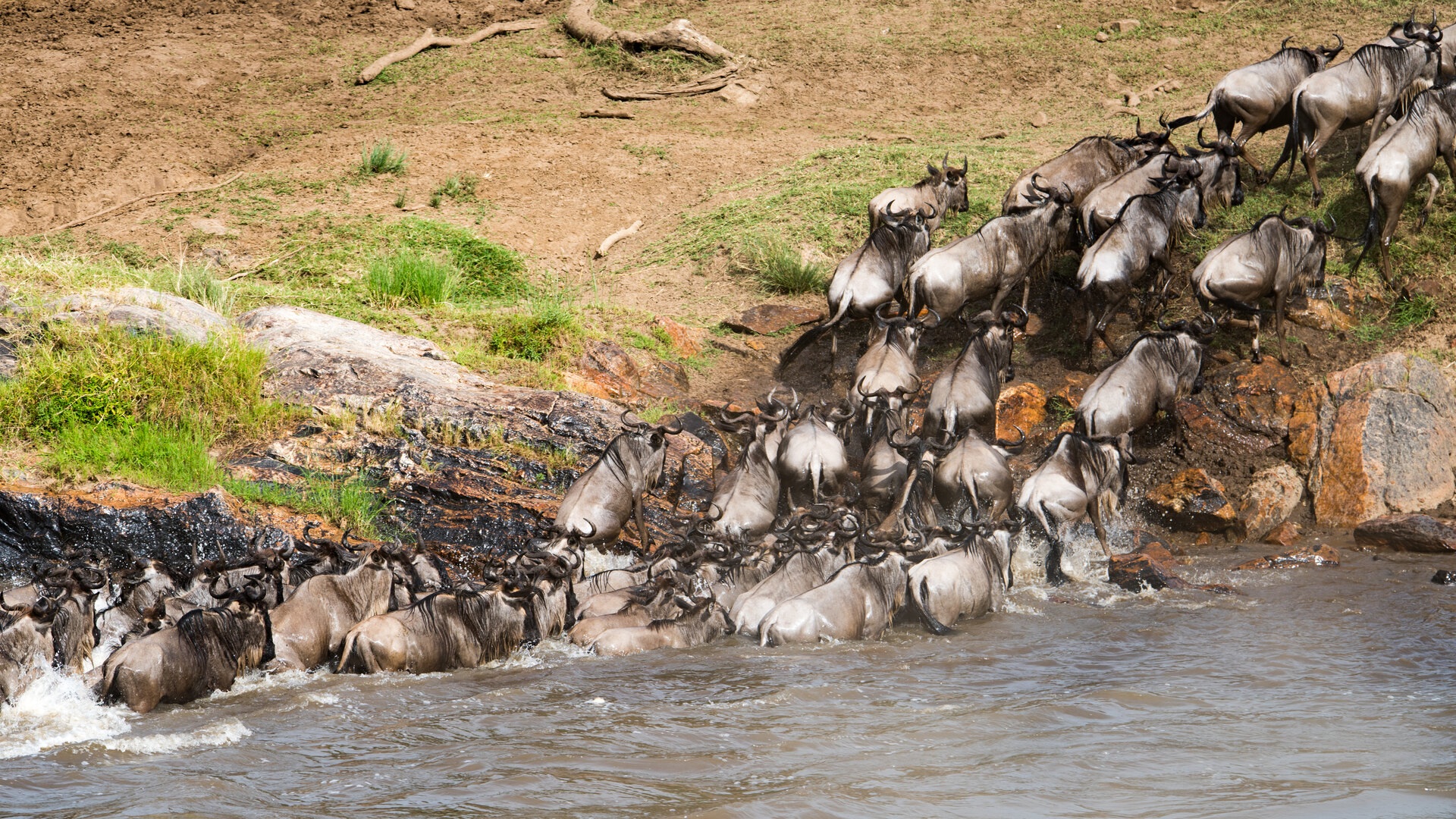
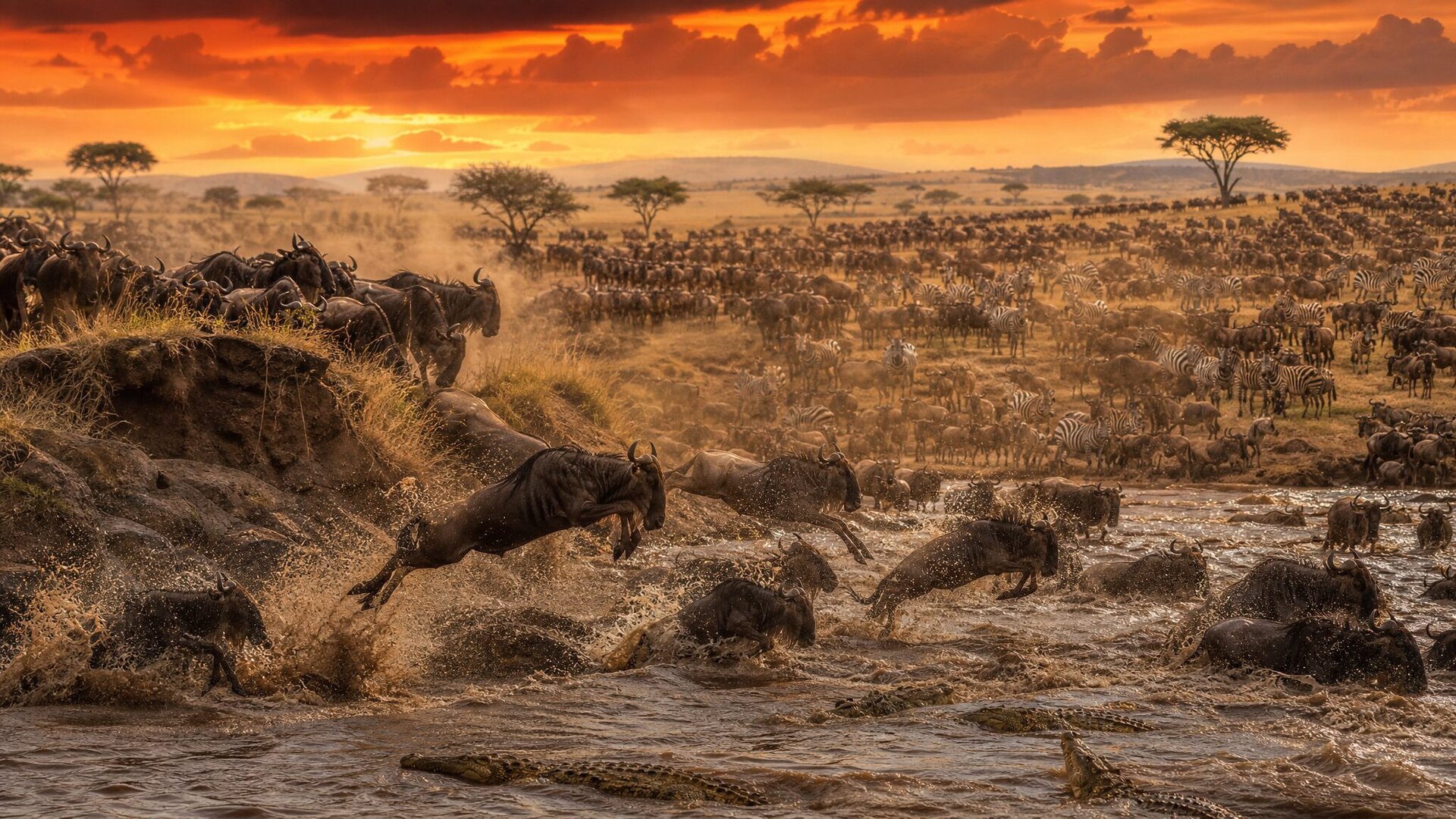
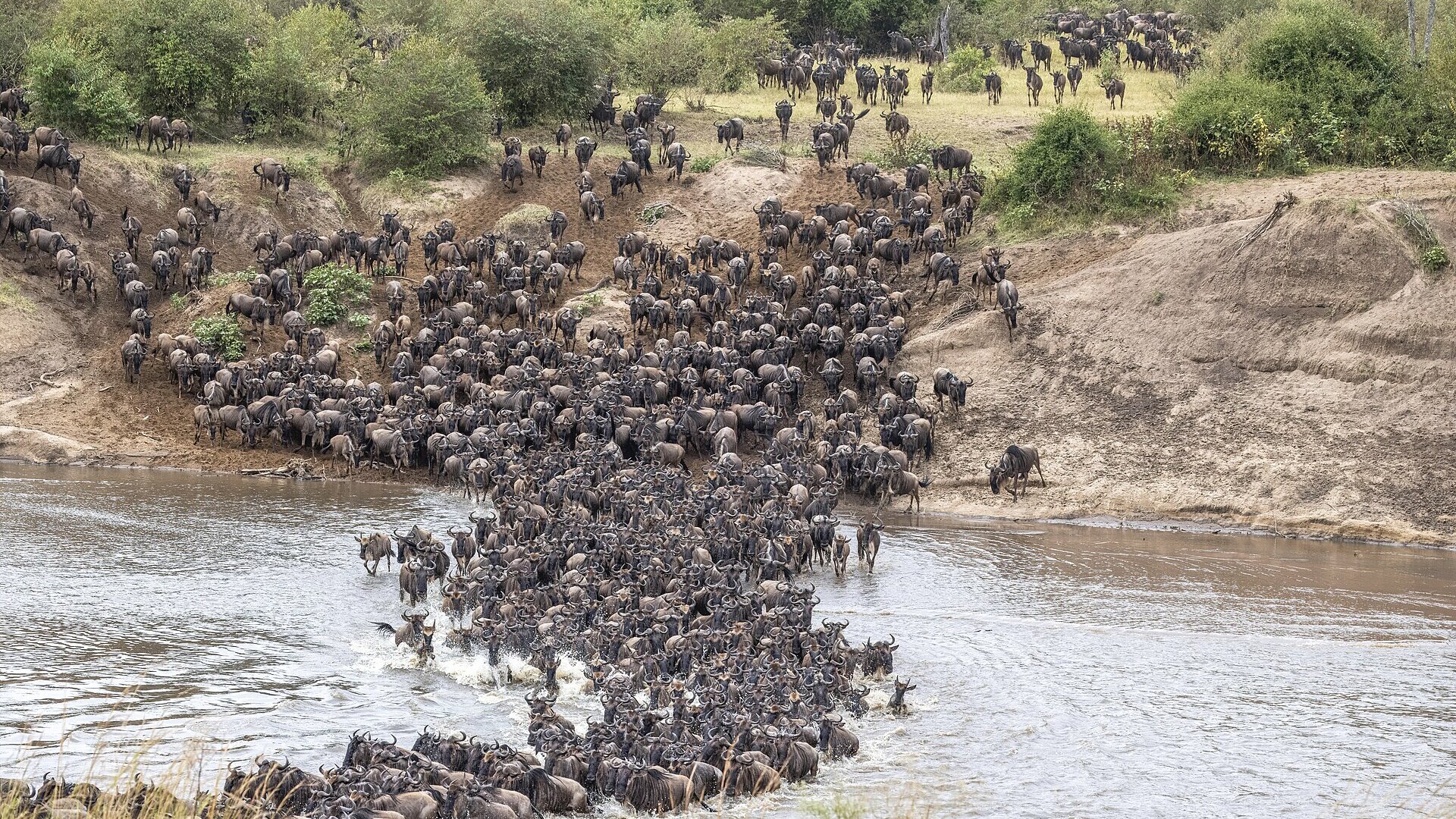
Season matters less for the gate than it does in the Serengeti, because the Mara is small enough to cross in a game drive, but it still shapes the choice. For the Great Migration river crossings between roughly July and October, the Mara Triangle and the Musiara area give you the best position on the Mara River, which argues for Oloololo or Musiara. For resident big cats and open plains at any time of year, the central reserve around Keekorok through Sekenani is the reliable choice. If you are combining the Mara with Amboseli, Samburu or a Tanzanian leg, we will tie the gates and the flights together so you are never backtracking. Get the side, the gate and the airstrip right and the Mara delivers from your first afternoon — which is exactly what we plan for every guest, down to the gate and the strip.

Let Us Get Your Mara Arrival Right
Two managements, seven gates, a fee that doubles in July, a ten o'clock exit rule and the choice between a long drive and a short flight — these are the moving parts that decide whether your first day is spent among the herds or lost to logistics. We know every one of them: which side your camp sits on, which gate serves it, which airstrip lands you closest, and when the drive from Nairobi is worth it over the flight. Tell us when you want to travel and who is coming, and we will build the arrival into a full Mara itinerary that puts you in the right place from the first afternoon.
Planning a Masai Mara Safari?
Our specialists build private Masai Mara and Kenya safaris around the right gate, the right airstrip and the right camps for your exact dates — with the fees, the flights and the logistics handled for you.
Ready to plan? Browse our Masai Mara safari packages →