Zimbabwe is the safari connoisseur's Africa — the country where you walk on foot through winterthorn forests beside standing elephants, canoe the Zambezi past yawning hippo, watch 45,000 elephants funnel to Hwange's waterholes, and stand at the smoking edge of the greatest curtain of falling water on earth. It is also a country of sharply defined seasons, and timing your journey well is the difference between a good safari and the trip of a lifetime. This is the definitive month-by-month guide to the best time to visit Zimbabwe in 2026 — from the safari specialists at Beyond Africa Safaris.
The Short Answer: Best Time to Visit Zimbabwe by Priority
The single best time to visit Zimbabwe for wildlife is July to October — the dry season, when game concentrates at the waterholes and along the Zambezi, walking and canoeing camps are open, and the bush is thin and easy to read. But the perfect month depends on what you came for:
| Your priority | Best window | Why |
|---|---|---|
| Overall best game viewing (Hwange) | August – October | Peak dry season; elephant herds packed around pumped waterholes |
| Mana Pools walking & canoeing | June – October | Camps open ~1 May to mid-Nov; peak game August–October |
| Victoria Falls at full power | February – July | Zambezi at peak flow; thunderous spray, peaks March–April |
| Victoria Falls clear views & Devil's Pool | August – January | Low water reveals the rock face; Devil's Pool best Sep–Nov |
| White-water rafting | August – January | Low water opens the Batoka Gorge rapids |
| Green season, birding & newborns | November – March | Migrants arrive, lush landscapes, calving, dramatic skies |
| Best value & fewest crowds | April – May & November | Shoulder months: good conditions, softer rates, quiet camps |
| Comfortable temperatures | May – August | Cool, dry winter days; pack warm layers for morning drives |
Zimbabwe's genius is that it packs two very different headline experiences — the wildlife wilderness of Hwange and Mana Pools, and the spectacle of Victoria Falls — into one country, and they peak on slightly different calendars. Understanding that overlap is the key to timing your trip.
Understanding Zimbabwe's Two Seasons
Zimbabwe sits in the southern tropics, so its year divides cleanly into a dry season (roughly April to October) and a wet or "green" season (November to March). Almost everything about a safari here — where the animals are, which camps are open, how the Falls look, what you pay — flows from that single rhythm.
The dry season (April – October): the classic safari window
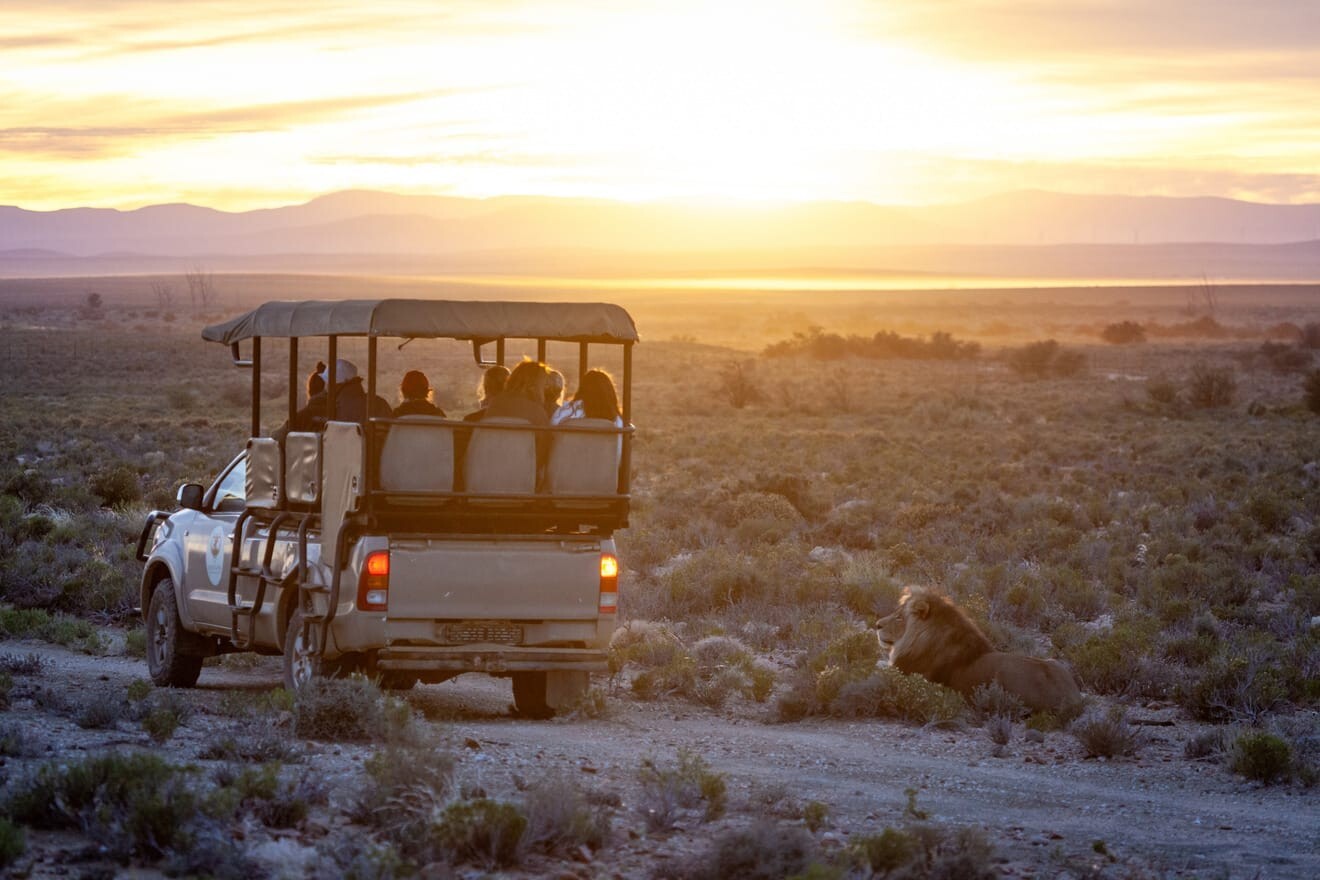
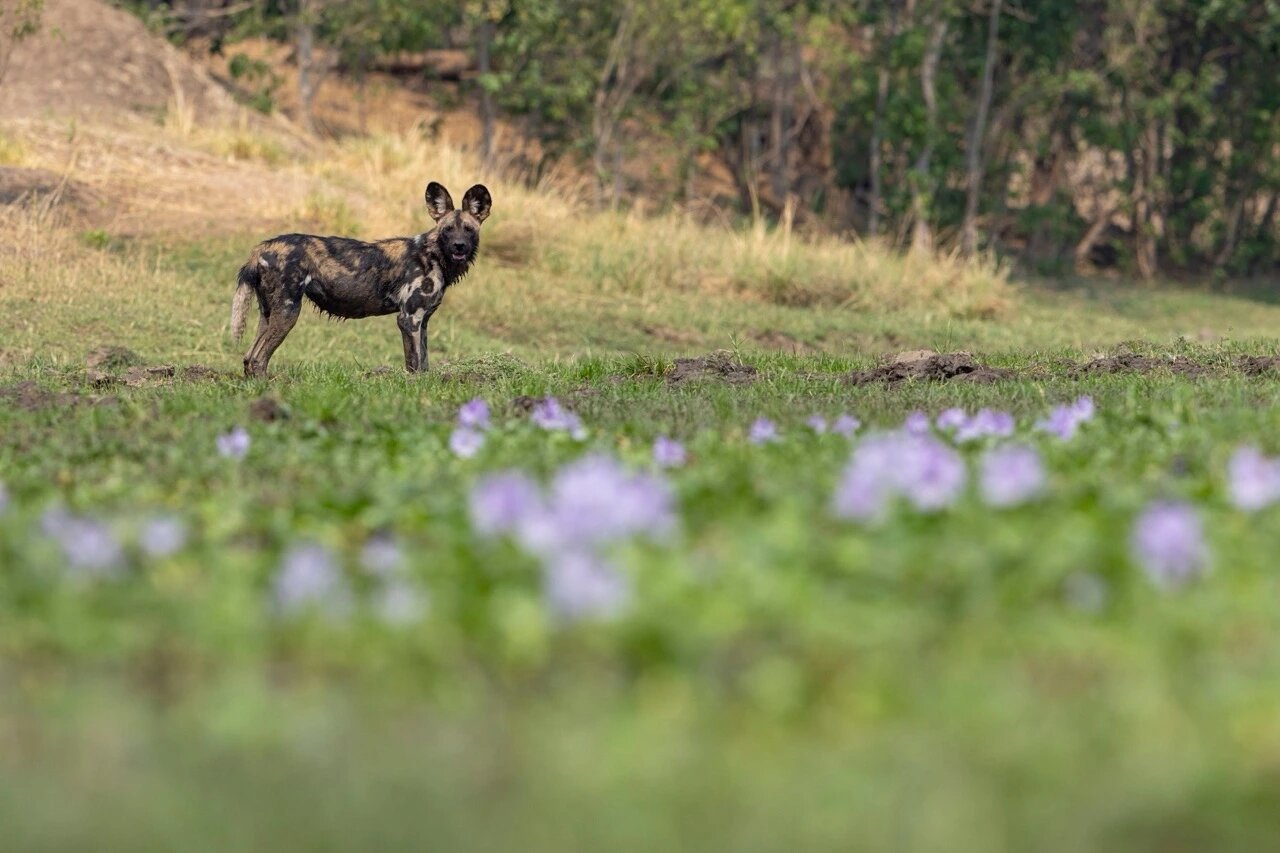
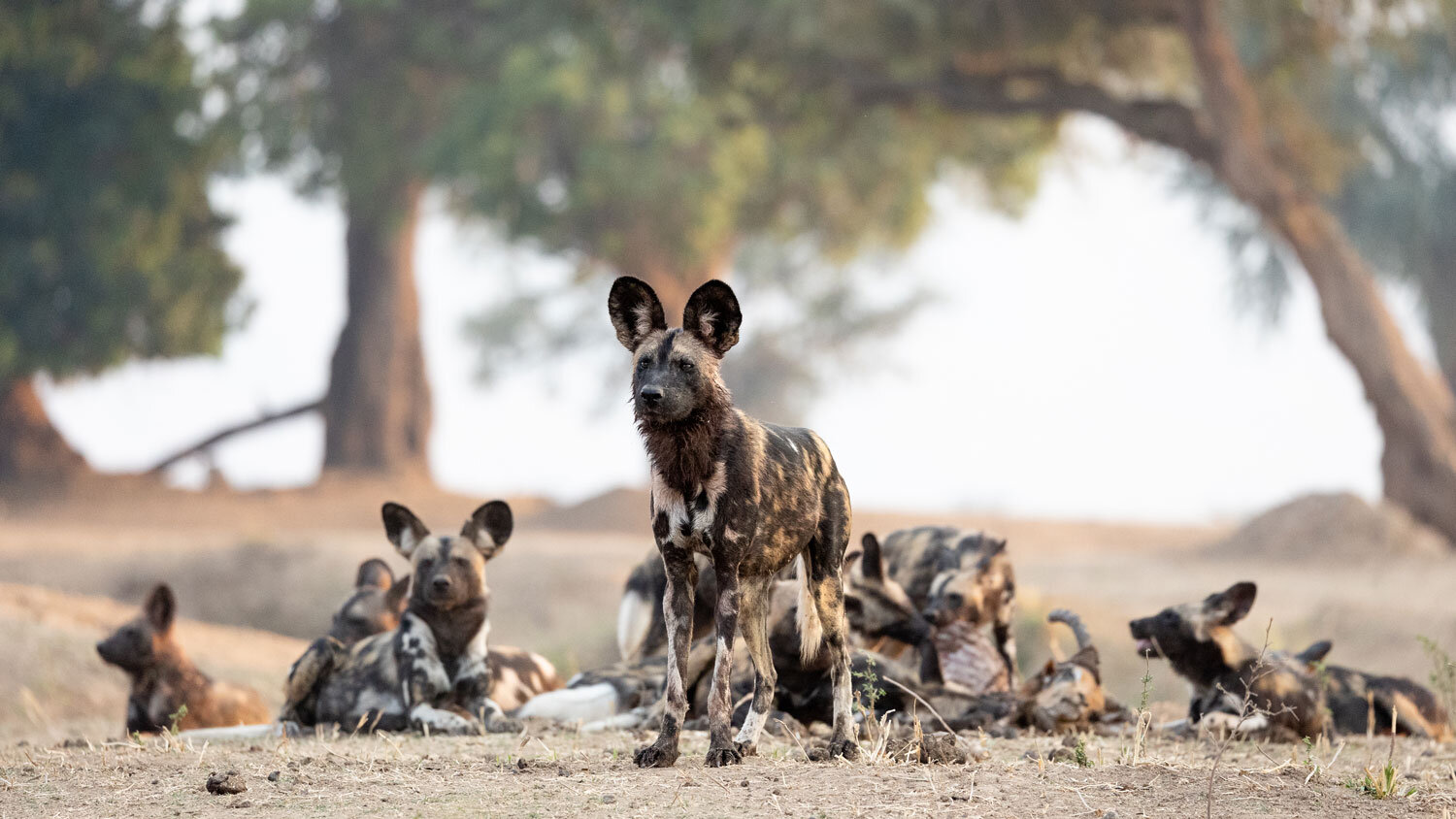
As the rains end in April, the bush begins to dry and thin. Surface water disappears, and in parks like Hwange — which has almost no natural rivers — wildlife is forced to gather at the network of pumped waterholes that keep the park alive. By August, September and October, the concentrations are extraordinary: herds of hundreds of elephants queuing to drink, lions and wild dogs shadowing the game, and visibility so clear you can watch it all unfold from a log-pile hide. Nights and early mornings are cold (pack a fleece and a beanie), but the days are sunny, dry and malaria risk is at its lowest. This is peak season for a reason.
The green season (November – April): birth, birds and dramatic skies
The first storms usually break in November, and the transformation is fast. The bush turns emerald, migratory birds pour in, and the plains fill with newborn impala, zebra and wildebeest — and the predators that follow them. Photographers love the towering cloudscapes and the saturated light. The trade-offs are real: wildlife disperses as water becomes widely available, some remote camps (especially in Mana Pools) close entirely because roads flood, and January to March can be genuinely wet. But rates soften, crowds vanish, and the country is at its most beautiful. For birders and photographers on a budget, the green season is a secret worth keeping.
Month-by-Month: Zimbabwe Through the Year
| Month | Season | What to expect |
|---|---|---|
| January | Green (wet) | Peak rains; lush, hot and humid. Excellent birding and newborns; many Mana Pools camps closed. Victoria Falls building toward high water. |
| February | Green (wet) | Rains continue; the Zambezi rises and Victoria Falls enters its high-water phase. Vivid green landscapes, superb birding, low prices. |
| March | Green tailing off | Rains ease; Victoria Falls approaches peak flow with thunderous spray. Hwange still green and dispersed but beautiful. |
| April | Shoulder (drying) | The bush begins to dry; Victoria Falls near its most powerful. A lovely, quiet, good-value month as the safari season opens. |
| May | Early dry | Cool, clear and green-gold. Mana Pools camps open; excellent for early-season walking safaris. Falls still strong. |
| June | Dry (winter) | Cold mornings, sunny days. Wildlife starting to concentrate; superb, comfortable game viewing with fewer crowds than peak. |
| July | Peak dry | Prime safari conditions across Hwange and Mana Pools. Cold at dawn; excellent big-game viewing. Falls transitioning to lower water. |
| August | Peak dry | Outstanding game viewing; elephants massing at Hwange waterholes. Devil's Pool opens; rafting season begins on the Zambezi. |
| September | Peak dry | Arguably the best all-round month: superb wildlife, clear Falls views, Devil's Pool at its best, warm days. Book early. |
| October | Late dry ("suicide month") | Very hot but spectacular — the greatest wildlife concentrations of the year at the waterholes. The Falls are at their lowest and clearest. |
| November | Shoulder (first rains) | The heat breaks with early storms; dramatic skies, newborns, great value. Some Mana Pools camps close mid-month. |
| December | Green (wet) | Rains established; lush, hot, quiet and affordable. Excellent birding; Victoria Falls beginning to rise again. |
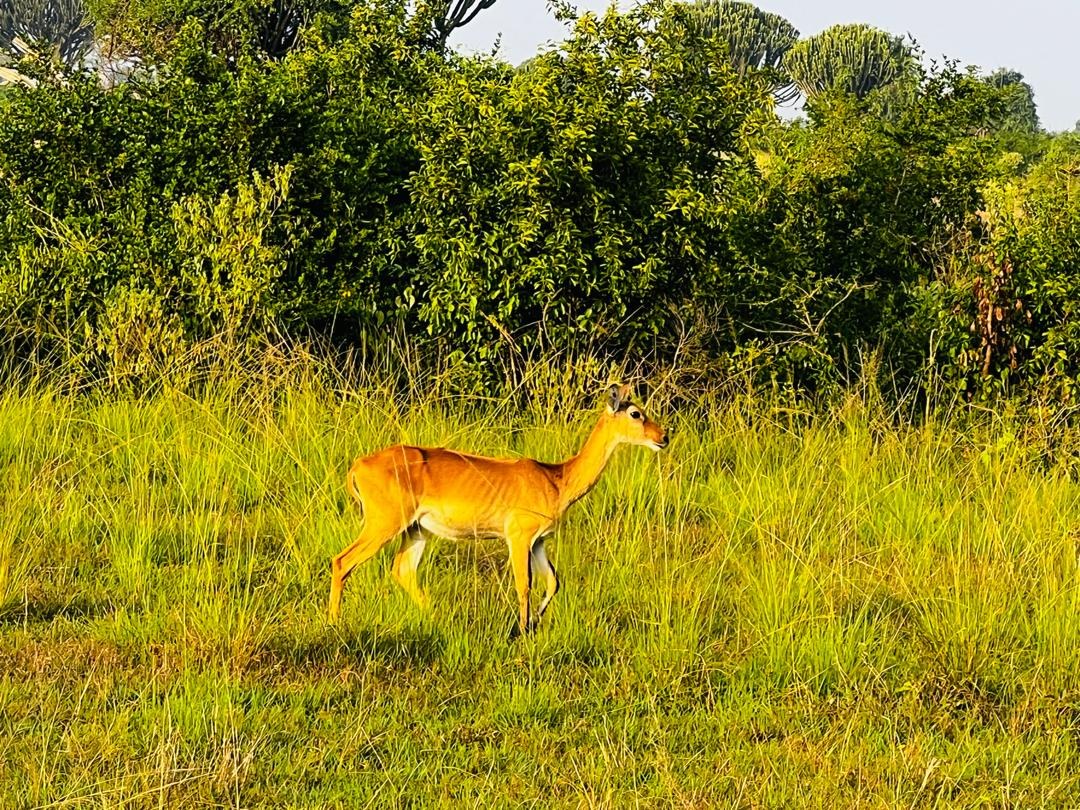
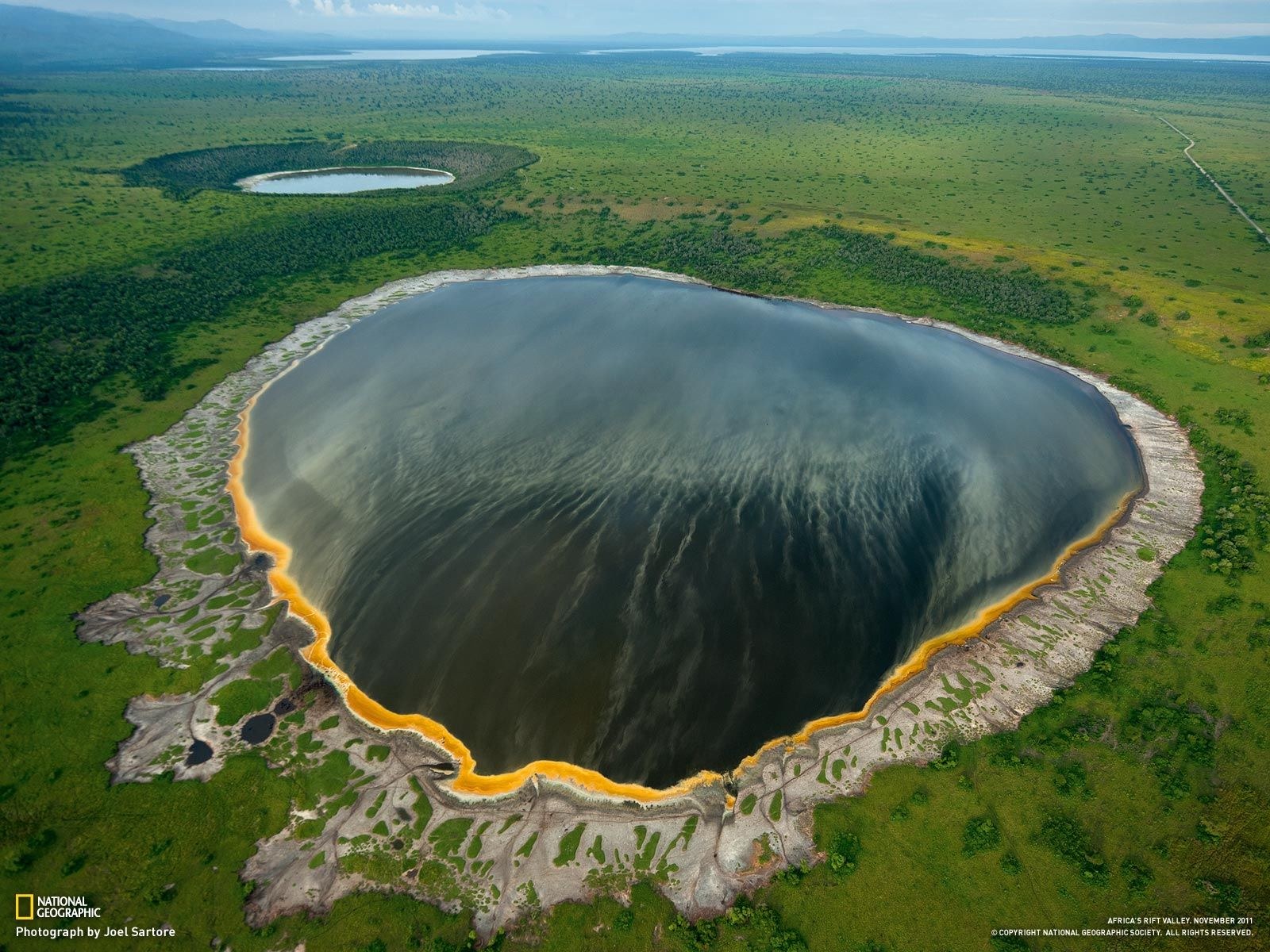
Best Time to Visit Zimbabwe by Region
Zimbabwe's headline destinations each have their own ideal window. Here is how to time the ones that matter most.
Hwange National Park — July to October
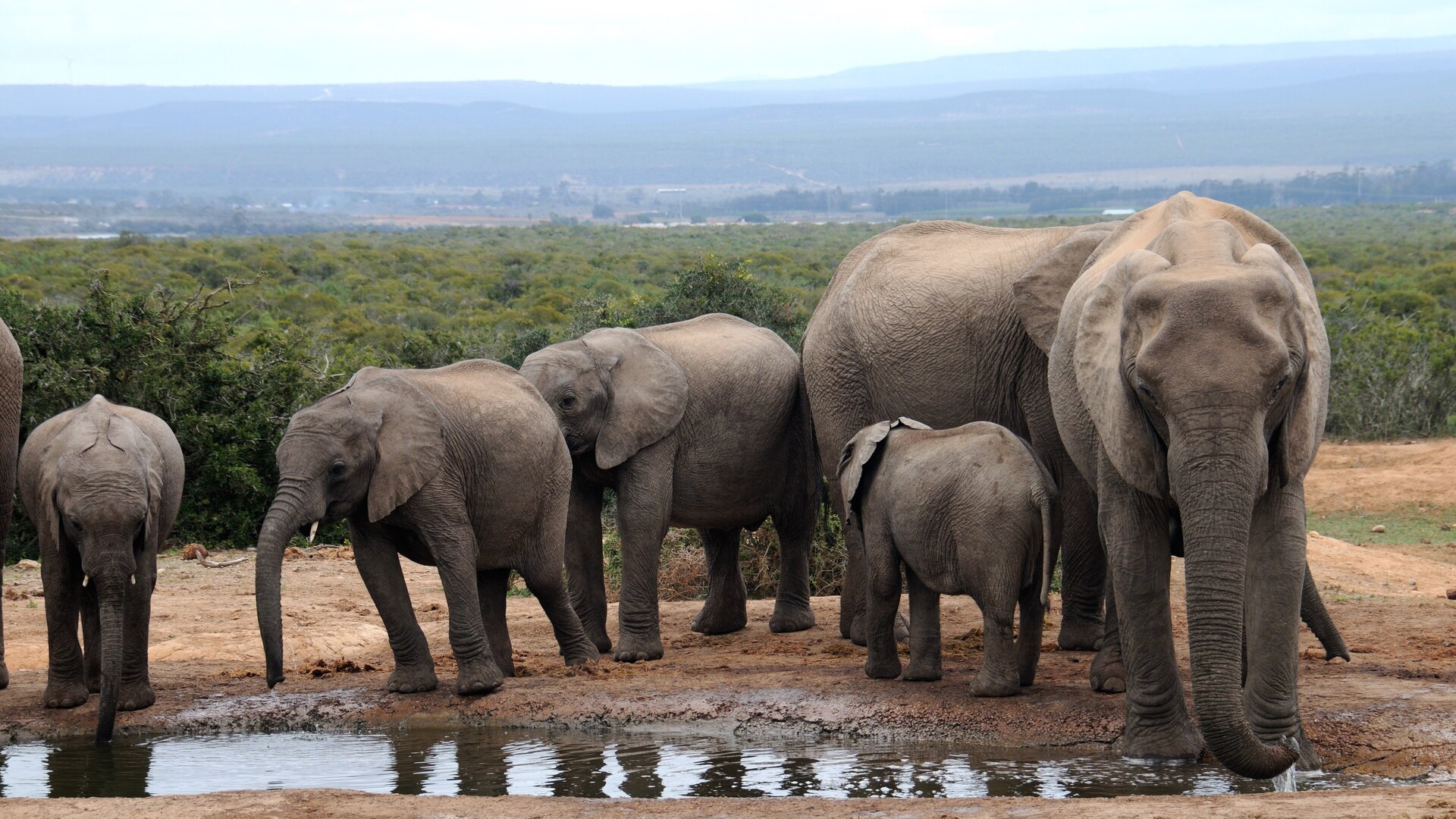
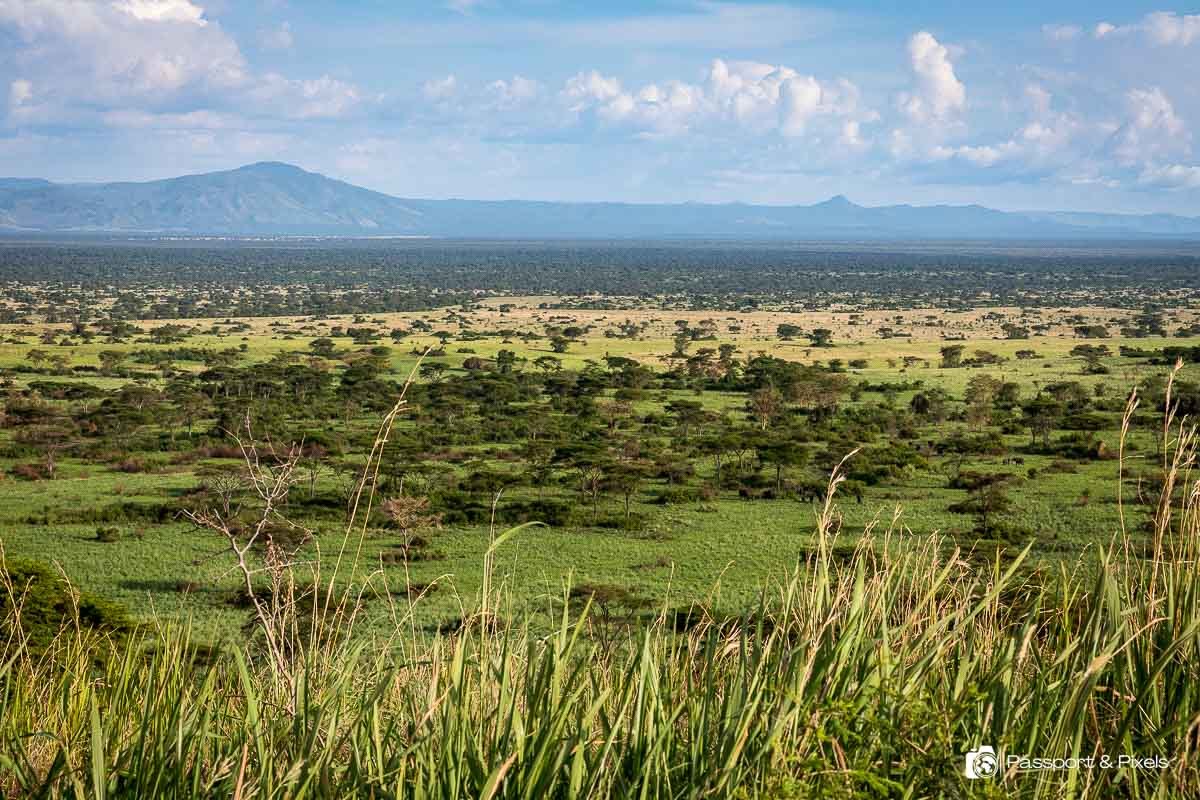
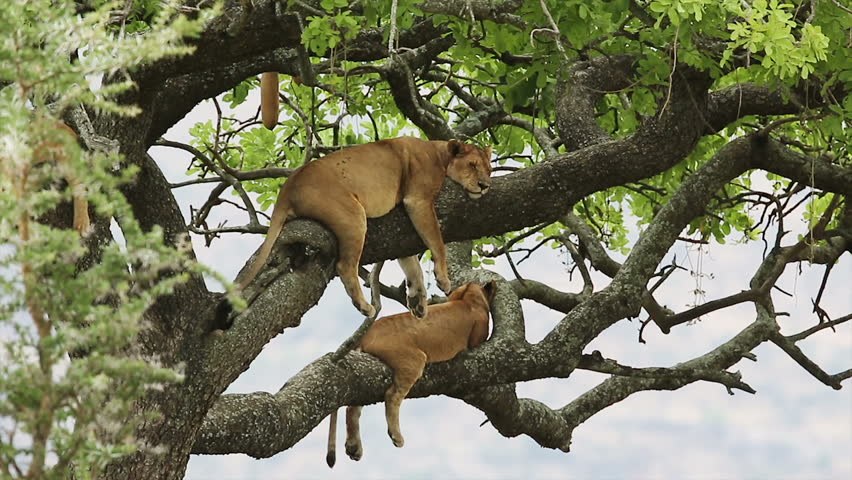
Zimbabwe's largest park and one of Africa's great elephant strongholds, Hwange holds more than 45,000 elephants and almost no permanent natural water. That single fact defines its calendar: in the dry months the animals must come to the pumped waterholes, and by August to October the scenes are simply staggering — hundreds of elephants at a single pan, with lion, buffalo, sable, roan and wild dog drawn to the same magnet. Many camps are built beside waterholes or log-pile hides for eye-level viewing. The green season (November–March) is quieter and greener with superb birding, but the game disperses.
Mana Pools — June to October
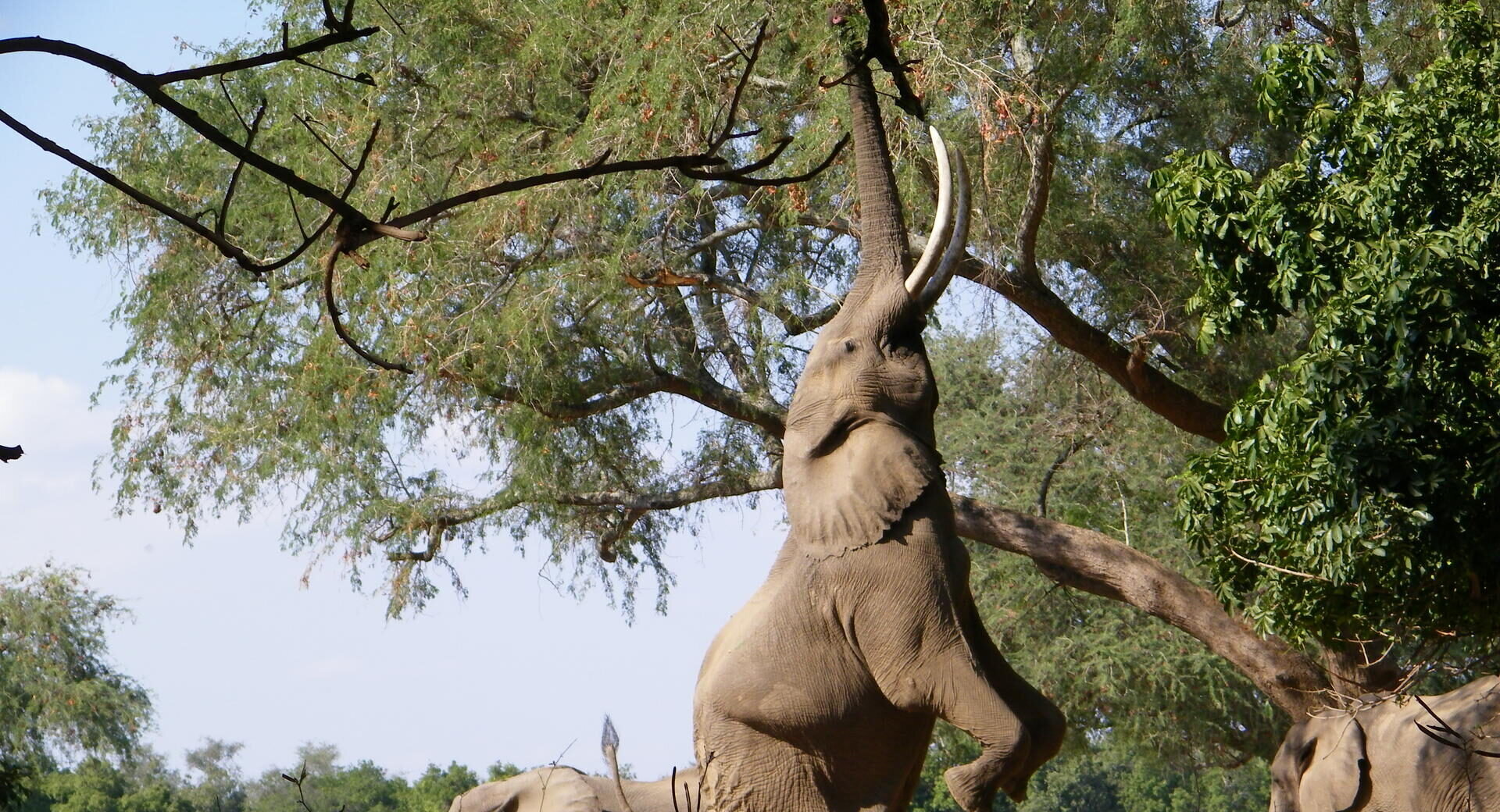
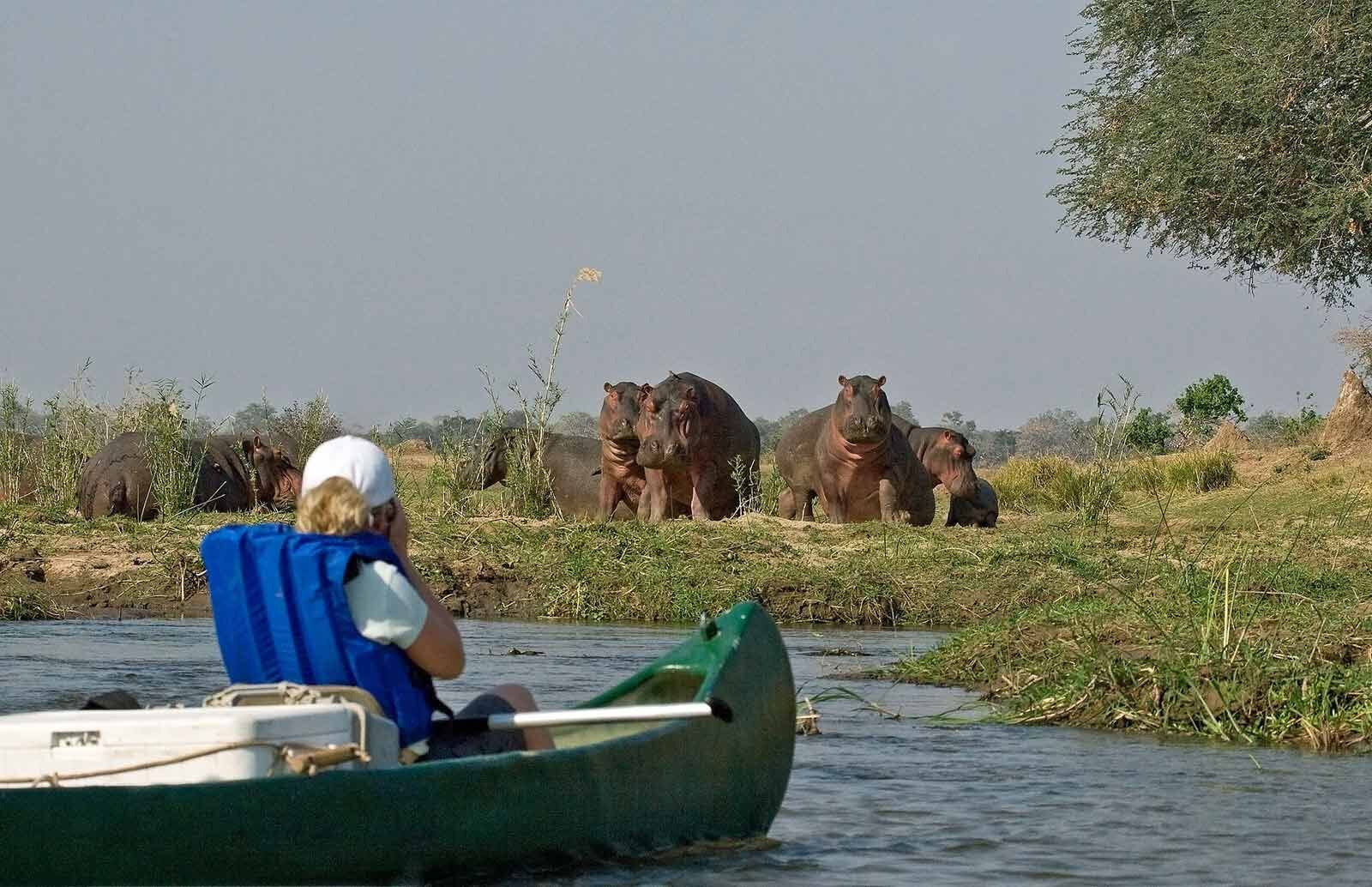
A UNESCO World Heritage Site on the Zambezi, Mana Pools is the spiritual home of the walking safari and the famous "standing" elephants that rear onto their hind legs to feed. Because the floodplain roads become impassable in the rains, the park operates seasonally: most camps open around 1 May and close by mid-November, and the park is effectively shut from January to March. May to July offers cooler, greener walking; August to October brings hot days but the finest concentrations along the river, plus world-class canoeing past hippo and croc. If Mana is your dream, book far ahead — the camps are few and demand is high.
Victoria Falls — it depends what you want
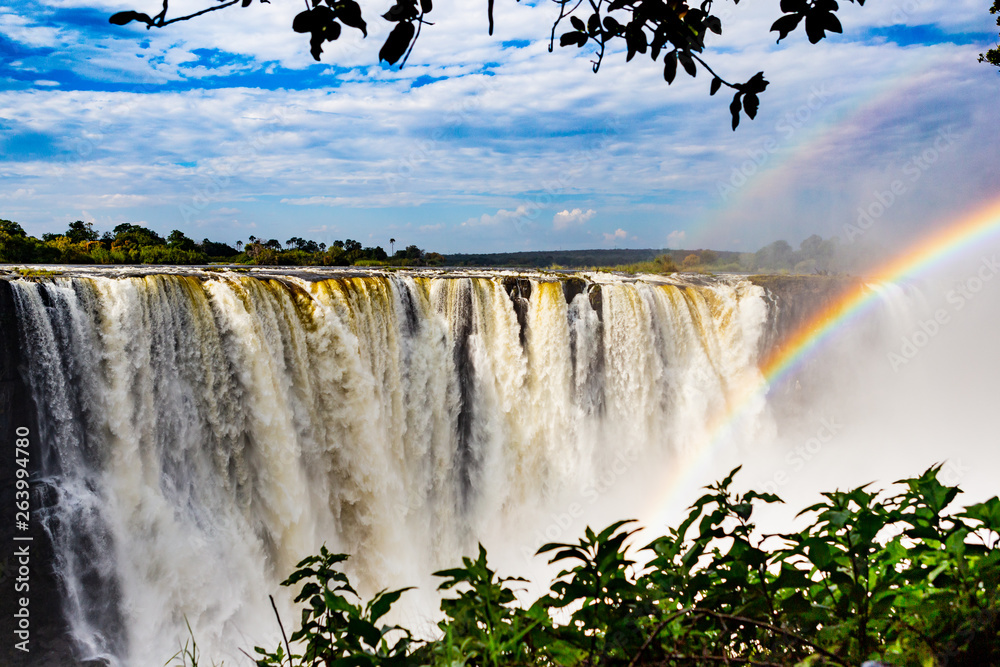
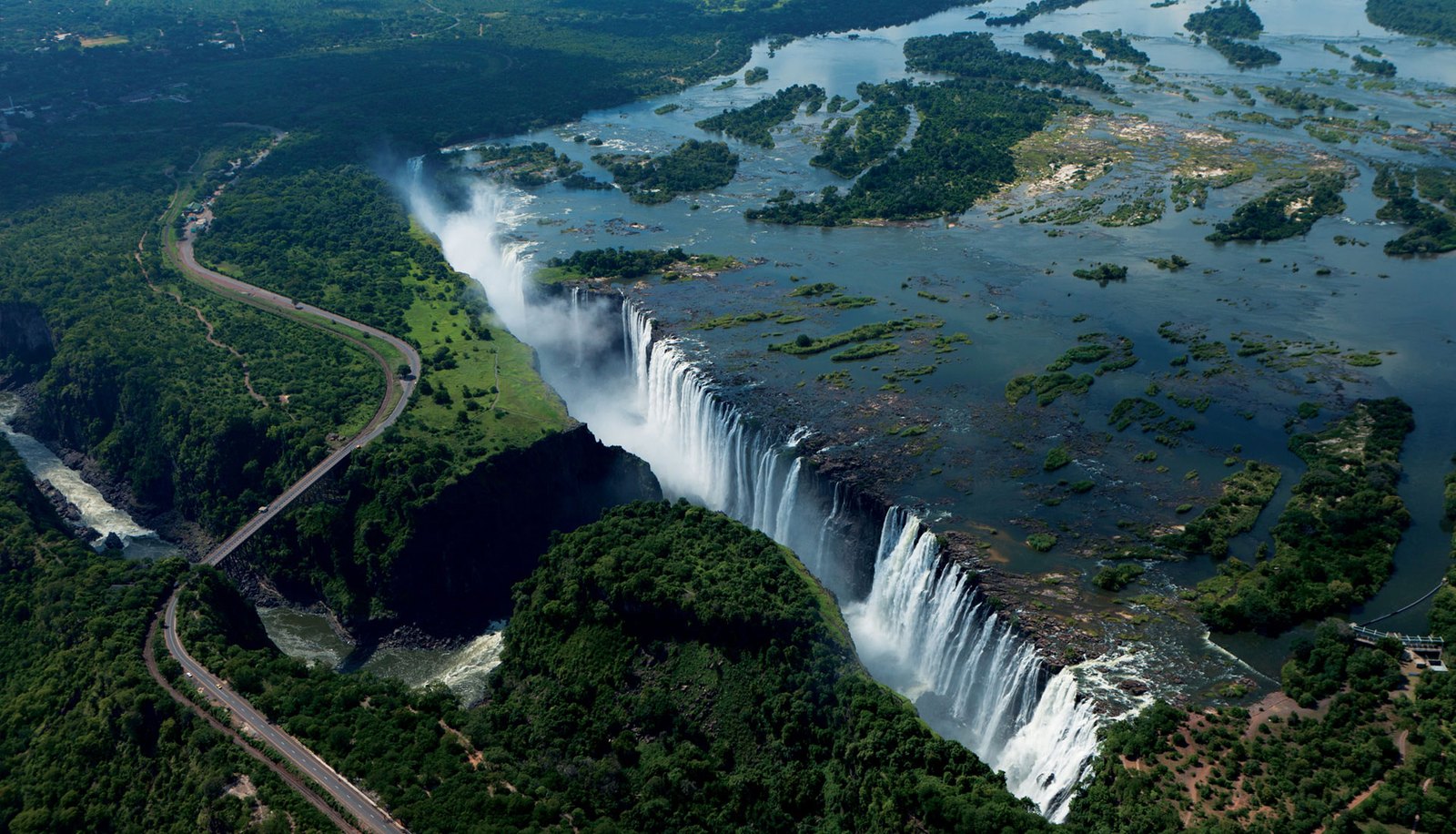
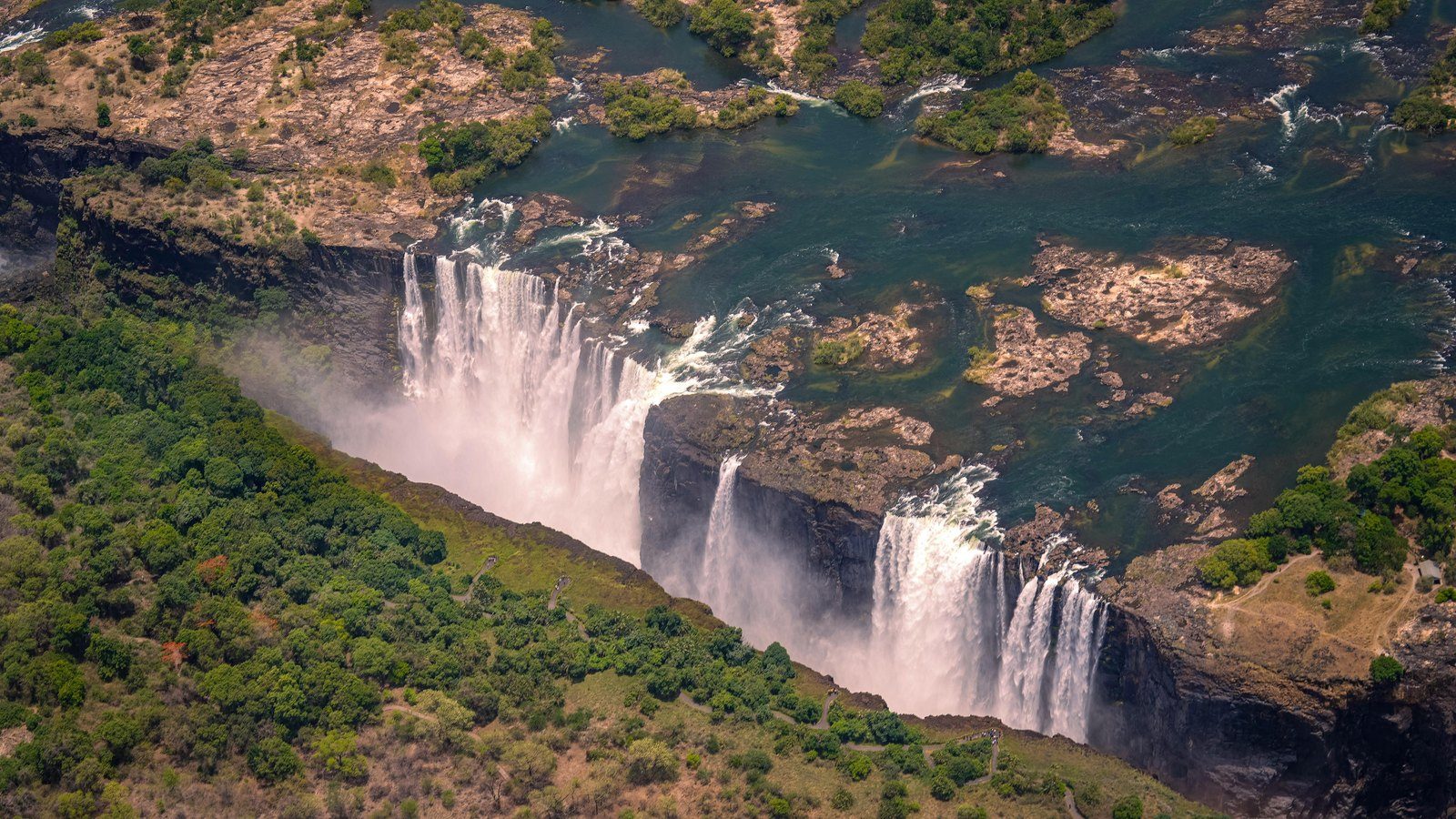
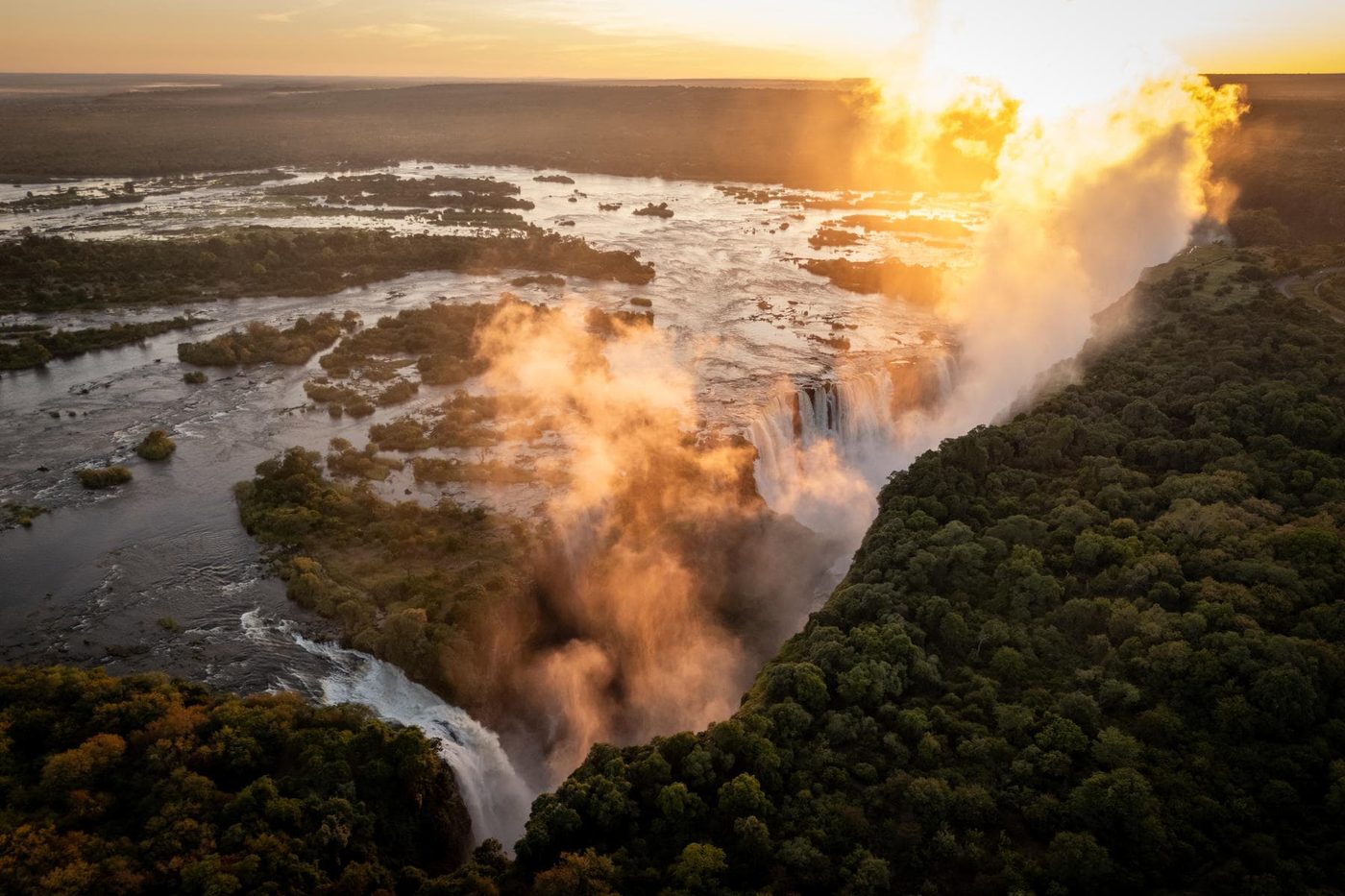
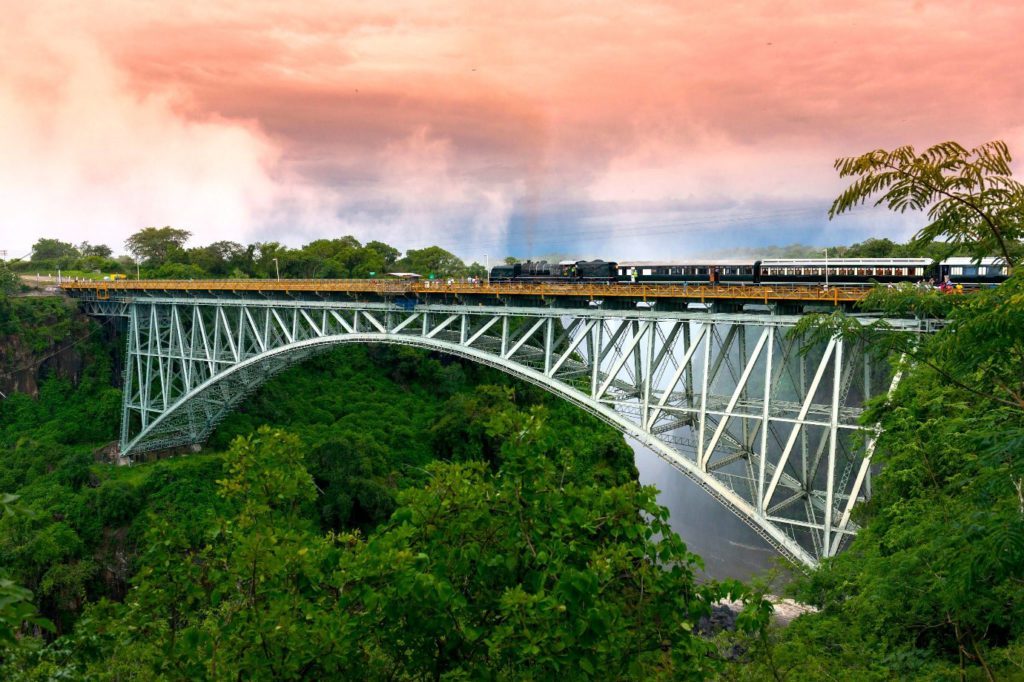
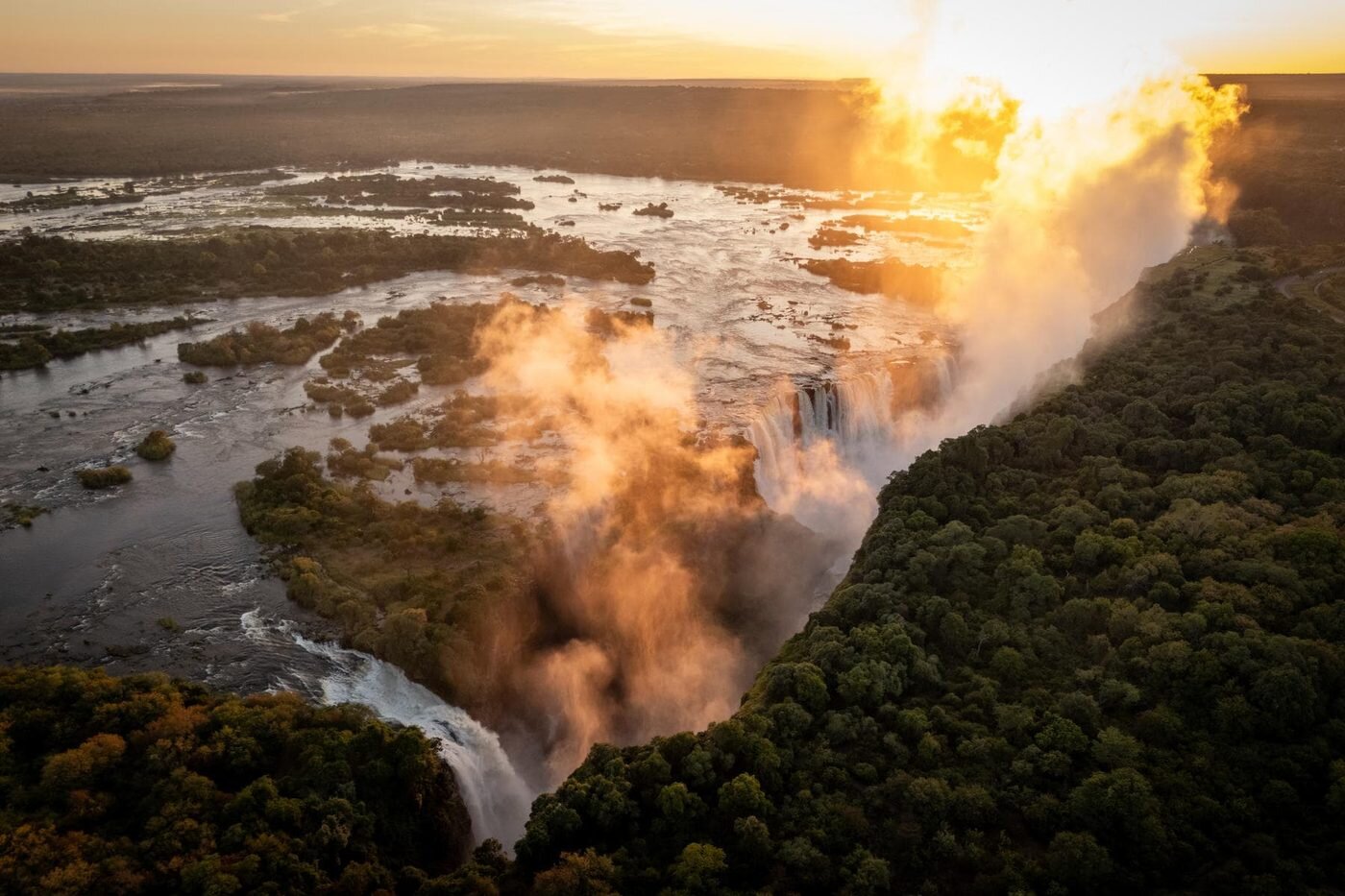
Victoria Falls is the one destination where the "best" time genuinely splits in two. In the high-water season (February to July, peaking March–April), the Zambezi is in full flood and the Falls are pure spectacle — a mile-wide curtain of thundering water, towering spray visible for miles, and rainbows in the mist (bring a poncho; you will get soaked, and views can be obscured). In the low-water season (August to January), the flow recedes to reveal the sculpted rock face and gorge, opening up crystal-clear photography, white-water rafting through the Batoka Gorge, and the legendary Devil's Pool — best from September to November. Many travellers time a Zimbabwe safari for September, threading the needle: superb wildlife and the Falls at their clearest.
For a detailed month-by-month breakdown of Victoria Falls timing — including the Zambia side, Devil's Pool windows and activity calendars — see our dedicated Best Time to Visit Victoria Falls guide.
Matobo Hills & the rest — year-round
The granite kopjes of Matobo Hills — home to some of Africa's best rhino tracking, ancient San rock art and Cecil Rhodes' grave — reward visits in every season, though the dry winter is most comfortable. Combine it with Hwange for a rich southern-Zimbabwe circuit.
Best Time to Visit Zimbabwe for Your Kind of Trip
| Traveller | Best window | Why it works |
|---|---|---|
| First-time safari-goer | August – October | Reliable, dramatic big-game viewing at Hwange with the Falls clear and Devil's Pool open |
| Walking-safari purist | May – October (Mana Pools) | The only window Mana's camps are open; cooler May–July, biggest game Aug–Oct |
| Photographer (wildlife) | September – October | Peak concentrations, thin bush, golden dust light at the waterholes |
| Photographer (Falls in full power) | March – April | Maximum flow and spray for the classic "Smoke that Thunders" shot |
| Adventure seeker | August – January | Devil's Pool, rafting the Batoka Gorge and bungee at low water |
| Birder | November – March | Migrants arrive; carmine bee-eaters and waterbirds in peak plumage |
| Honeymooners | May – September | Warm days, cool nights, romantic Zambezi sunsets and open camps |
| Value hunters & families | April – May & November | Green-gold shoulder months with softer rates and quiet camps |
Weather & What to Pack
Most of Zimbabwe's safari country sits on a high plateau, so the winter (May–August) days are pleasant and sunny while dawn game drives can be genuinely cold — think 5–10°C at sunrise, warming to the low-to-mid 20s°C by midday. October is the hottest, driest month (often 35°C+), earning its nickname "suicide month" before the rains bring relief. The green season (November–March) is warm to hot and humid with afternoon thunderstorms.
- Dry season (May–Oct): warm layers for early mornings — fleece, beanie, gloves — plus neutral daytime safari clothing, sun protection and a good camera.
- Green season (Nov–Mar): lightweight breathable clothing, a light rain jacket, insect repellent and quick-dry fabrics.
- Victoria Falls: in high water (Feb–Jul) bring a waterproof poncho and a dry bag for your phone — the spray is torrential.
- Year-round: take antimalarials (consult your doctor), especially for the low-lying Zambezi Valley and green season; binoculars are essential.
Best Time to Visit Zimbabwe for Value
Peak season (July–October) commands the highest rates and the camps book out months ahead, particularly the limited walking camps of Mana Pools. For the best balance of price and experience, target the shoulder months of April–May and November: the wildlife viewing is still very good, the landscapes are green-gold and photogenic, and rates and crowds both drop noticeably. The deep green season (December–March) offers the lowest prices of all — ideal for birders, photographers and repeat visitors who don't mind the rain and the occasional camp closure.
Whichever season you choose, a well-planned private itinerary lets you combine Hwange's game, the drama of Victoria Falls and the wilderness of Mana Pools in a single seamless journey. Our team builds every Zimbabwe safari around the exact month you travel, so you are always in the right place at the right time.
Plan Your Zimbabwe Safari
Ready to time your journey to perfection? Whether you dream of walking beside Mana's standing elephants, watching Hwange's herds at a floodlit waterhole, or feeling the thunder of Victoria Falls, our specialists will craft a private, tailor-made itinerary around the ideal season for your priorities. Contact Beyond Africa Safaris to start planning, or explore our Zimbabwe safari packages.