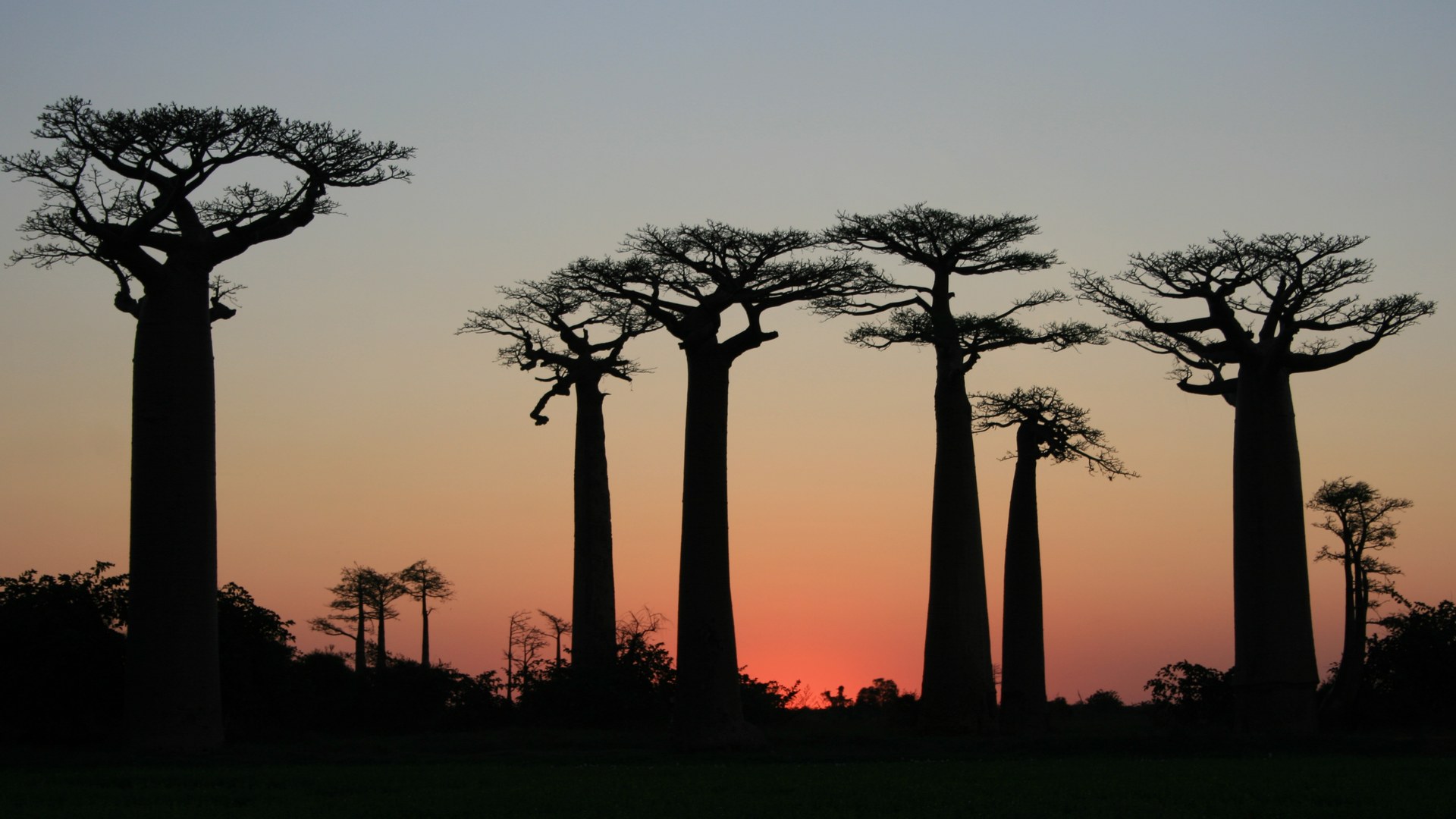
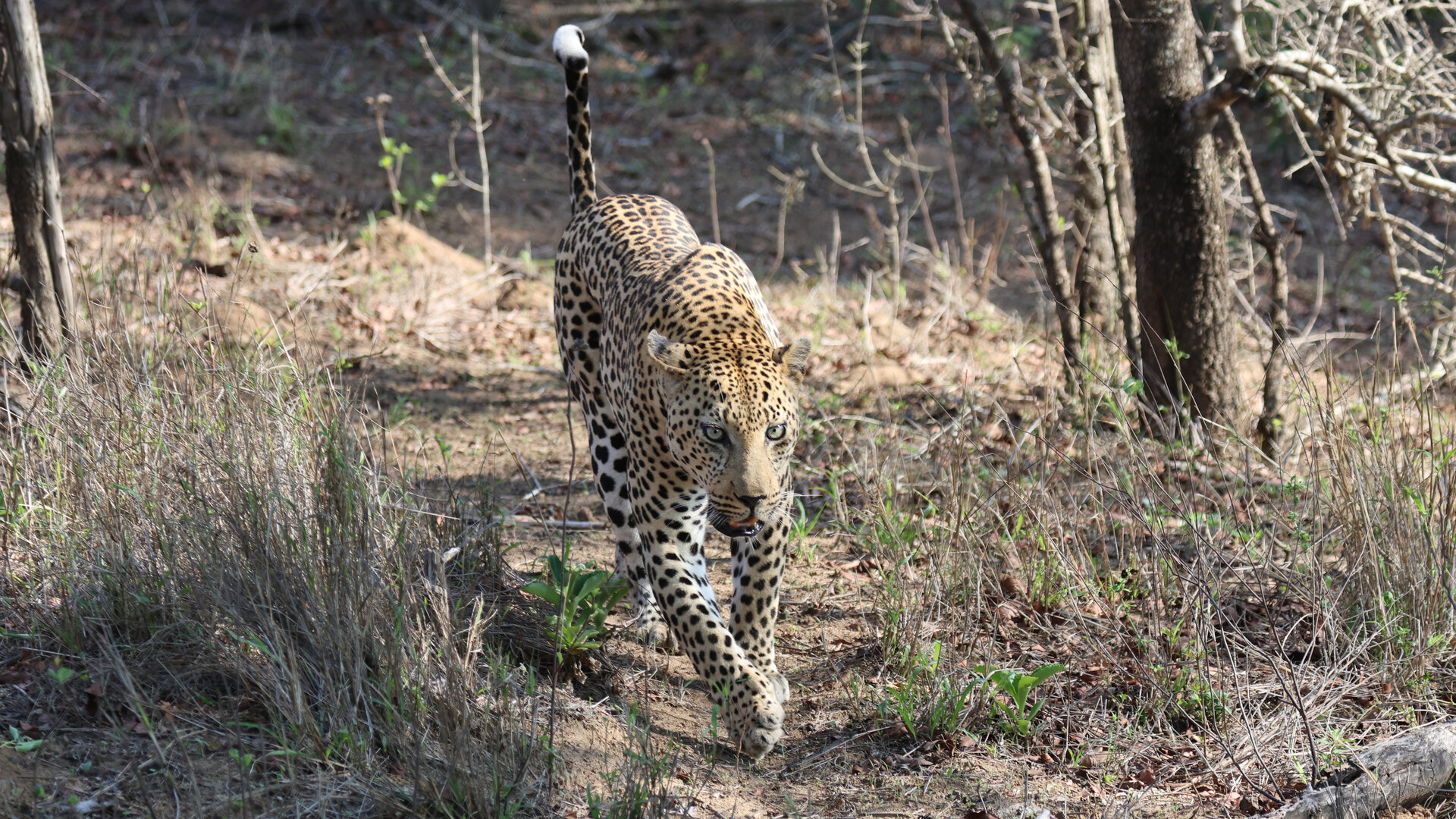
Namibia is Africa distilled to its most elemental — the oldest desert on earth, apricot dunes that dwarf the human eye, floodlit waterholes ringed with elephant, and night skies so clear they feel close enough to touch. It is also one of the easiest safari countries to time, if you understand its two rhythms: the bone-dry winter that packs Etosha's waterholes, and the green summer that transforms the desert and, once in a rare while, floods the great white pan of Sossusvlei. This is the definitive month-by-month guide to the best time to visit Namibia in 2026 — from the safari specialists at Beyond Africa Safaris.
The Short Answer: Best Time to Visit Namibia by Priority
The single best time to visit Namibia is May to October — the dry winter, when wildlife concentrates at Etosha's waterholes, skies are clear, and the desert is at its most photogenic. But the perfect month depends on what you came for:
| Your priority | Best window | Why |
|---|---|---|
| Overall best game viewing (Etosha) | July – October | Peak dry season; wildlife packed around permanent waterholes |
| Sossusvlei & dune photography | May – September | Cool, crisp light, clear skies, morning fog on the dunes |
| Desert green & storm skies | January – April | Lush contrast on the red dunes, dramatic clouds, calving |
| Rare Sossusvlei flood | January – February | Exceptional-rainfall years fill the pans with mirror pools |
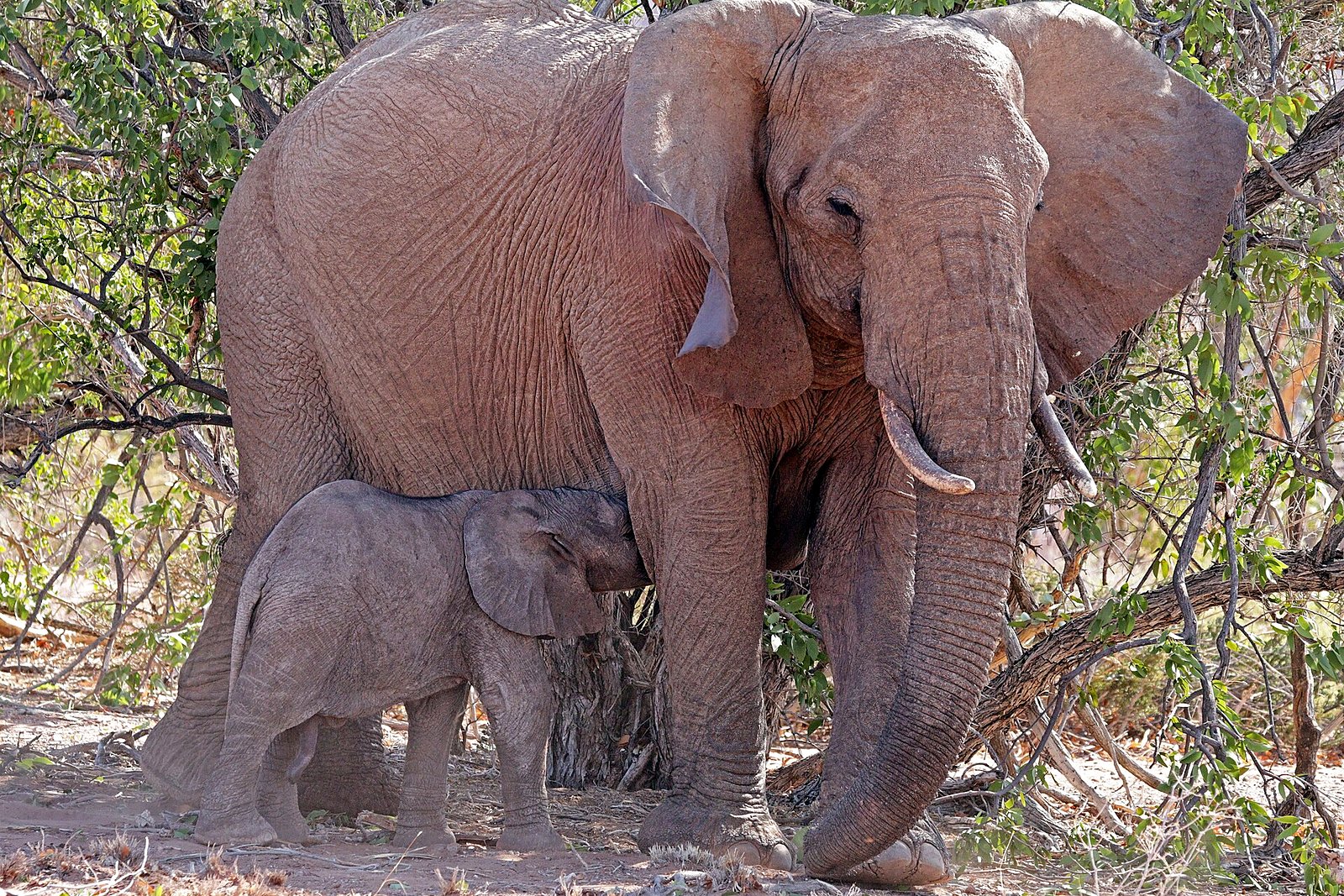
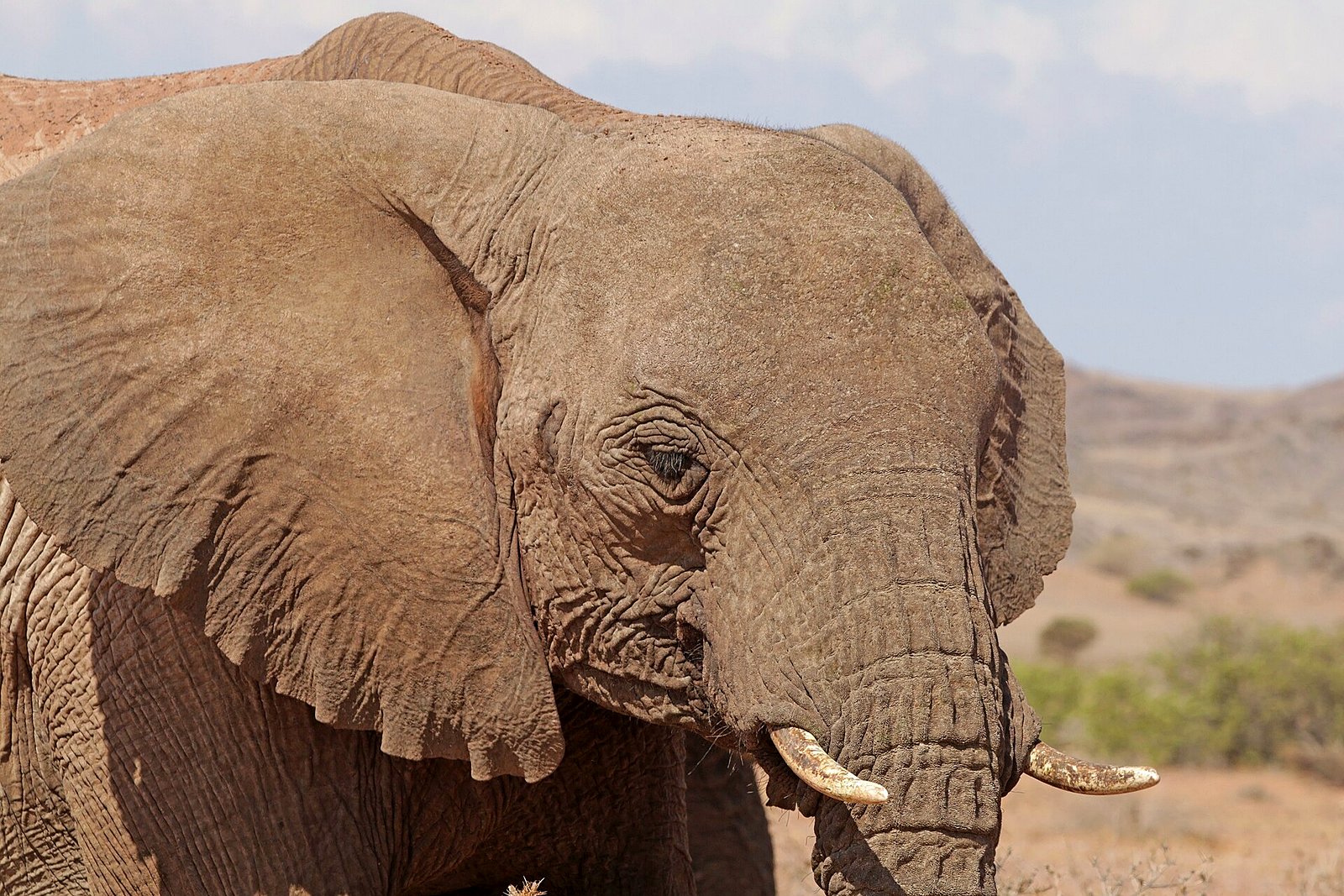
| Damaraland desert elephant & rhino | May – October | Wildlife concentrates along ephemeral rivers; easier tracking |
| The coast (Swakopmund, Skeleton Coast) | November – March | Mildest, sunniest window on the cool, foggy coast |
| Birding | November – March | Migrants arrive; flamingos on a flooded Etosha Pan |
| Best value & fewest crowds | April – May & November | Shoulder months: good conditions, softer rates, quiet roads |
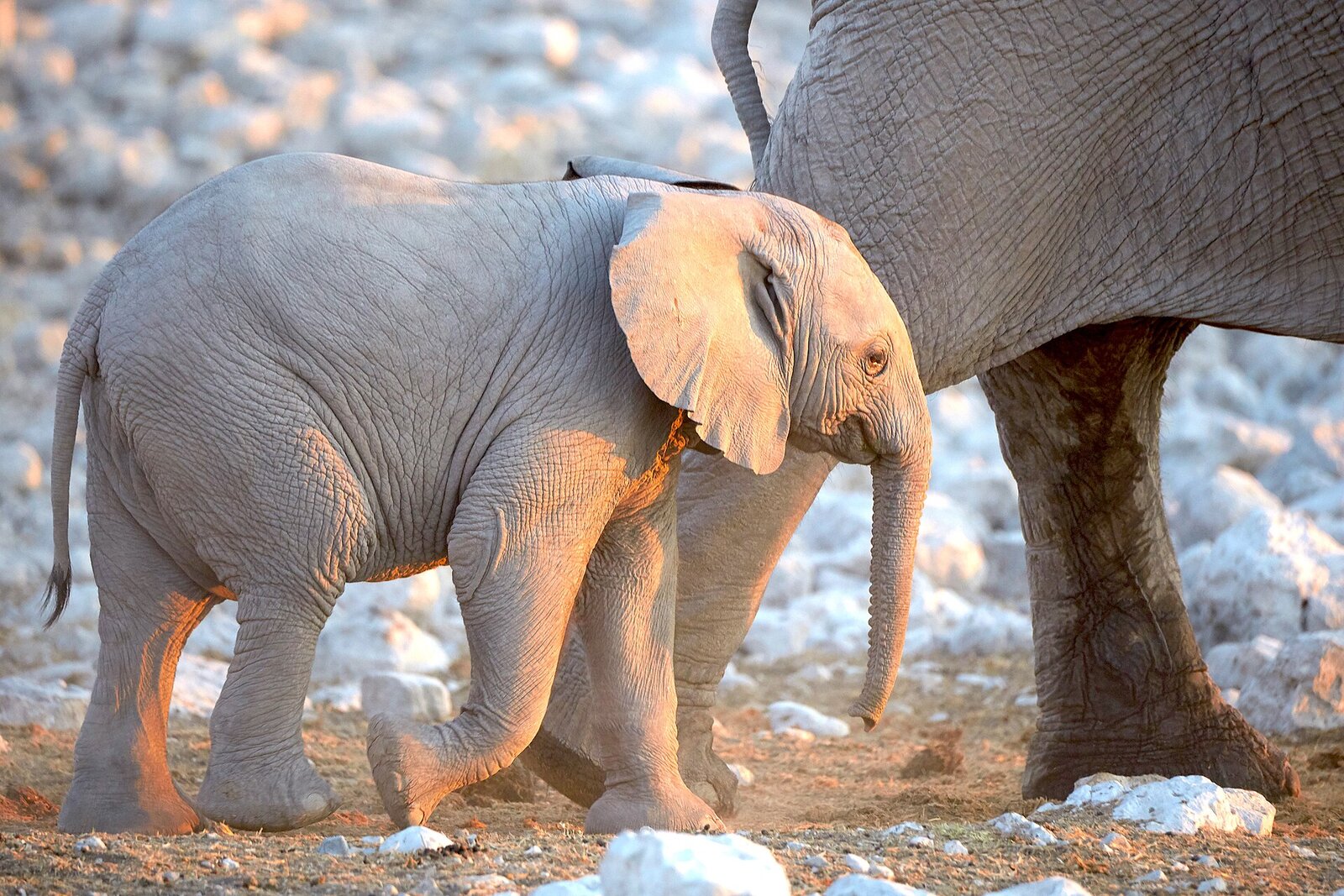
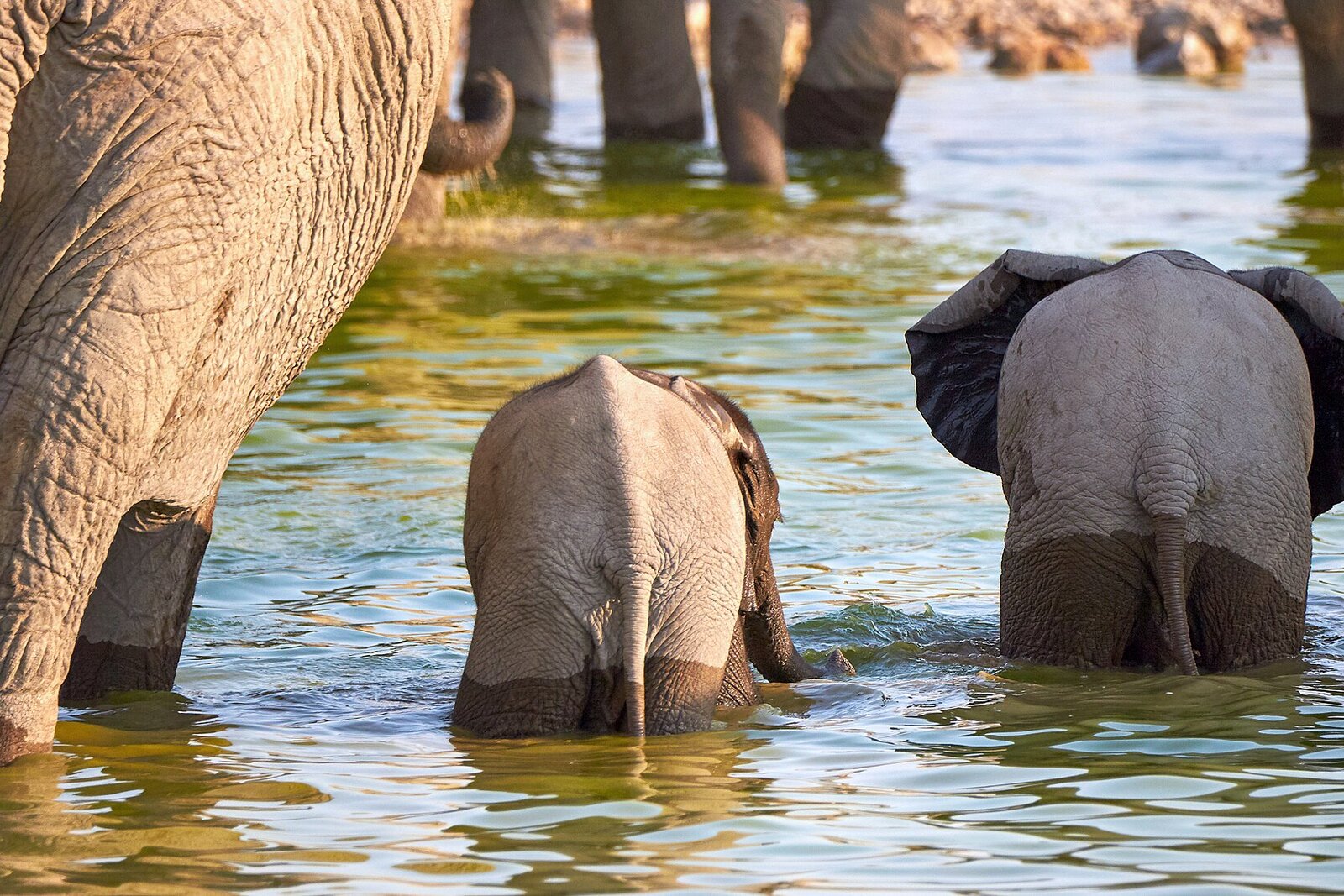
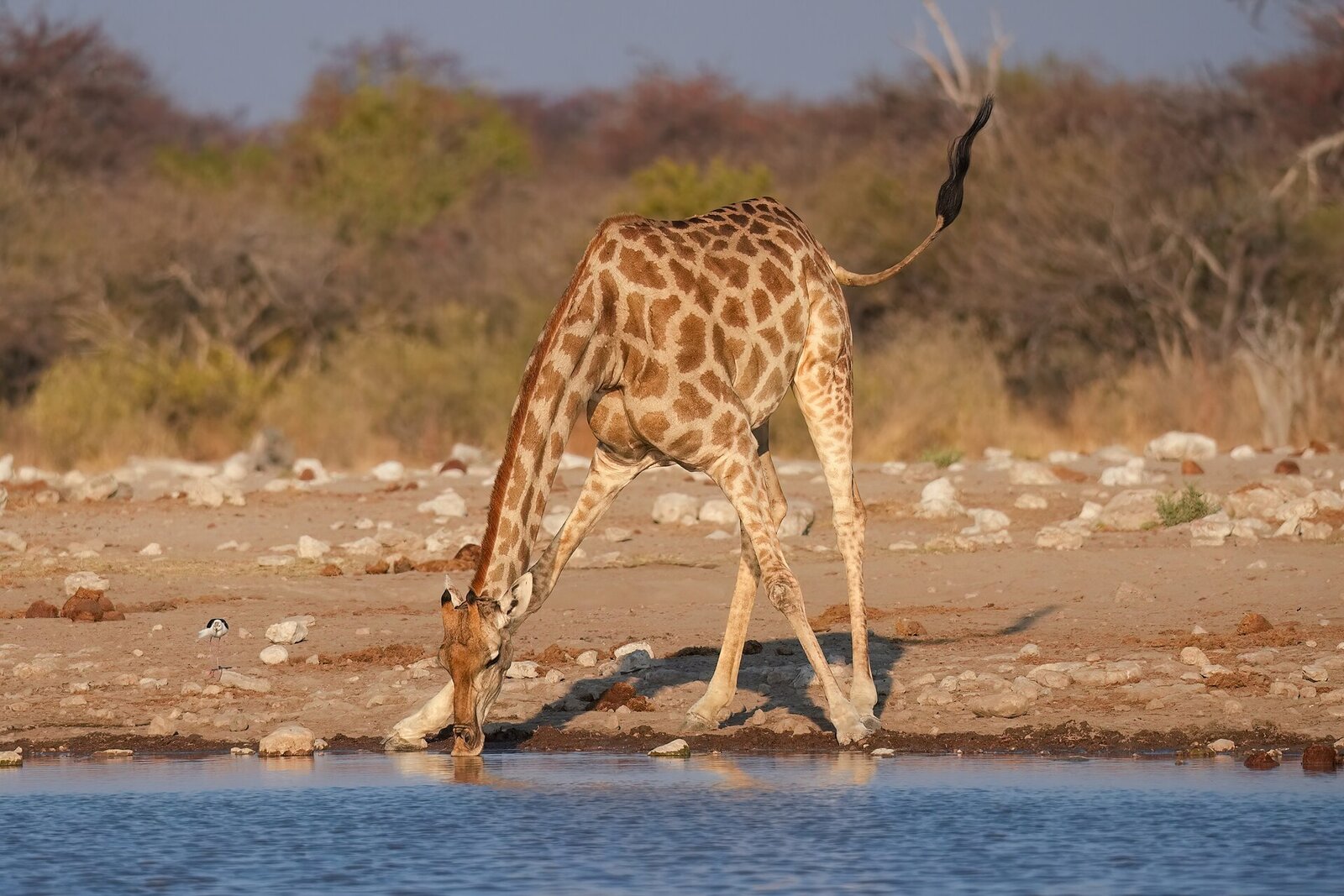
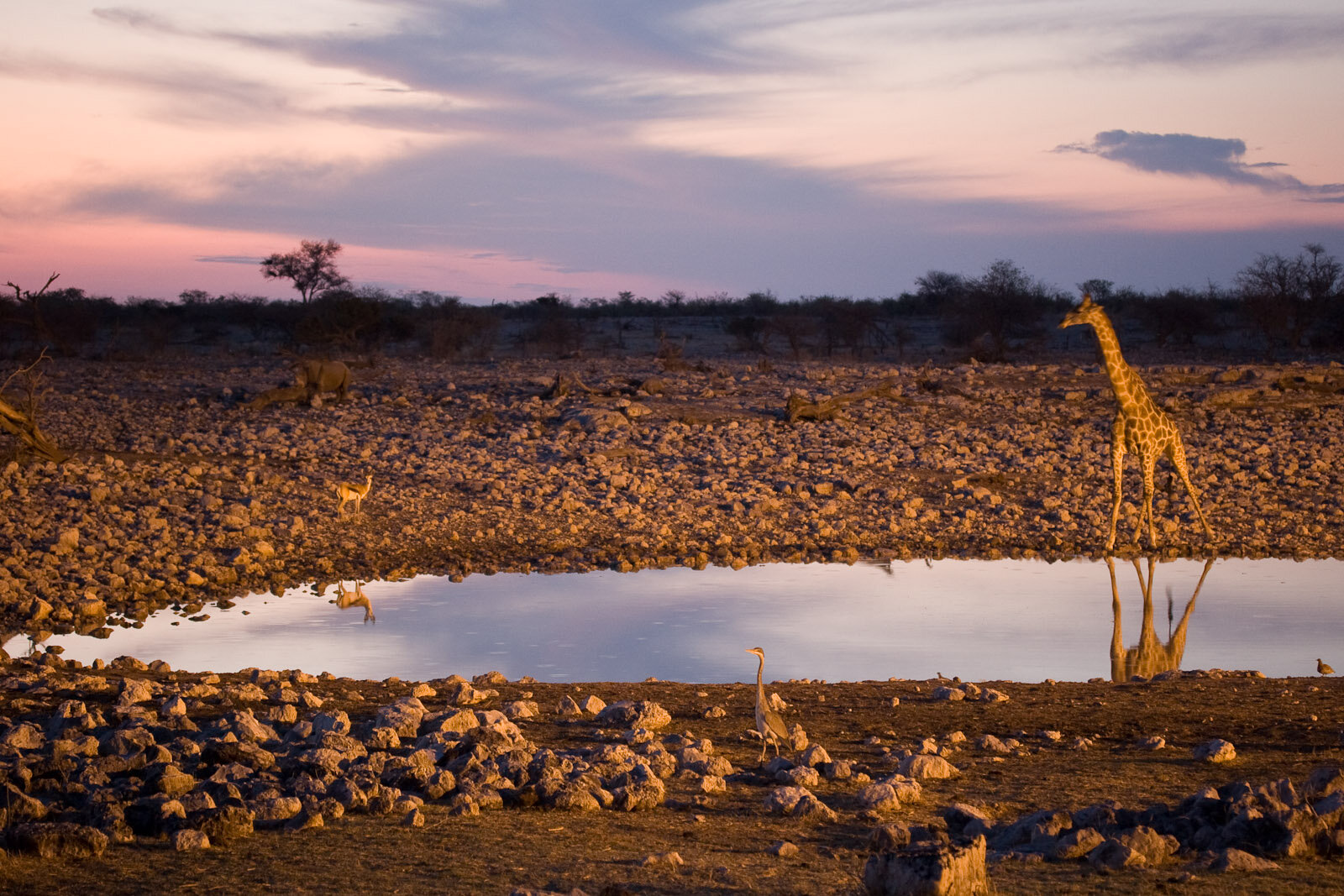
The Dry Season (May–October): Etosha's Waterhole Theatre
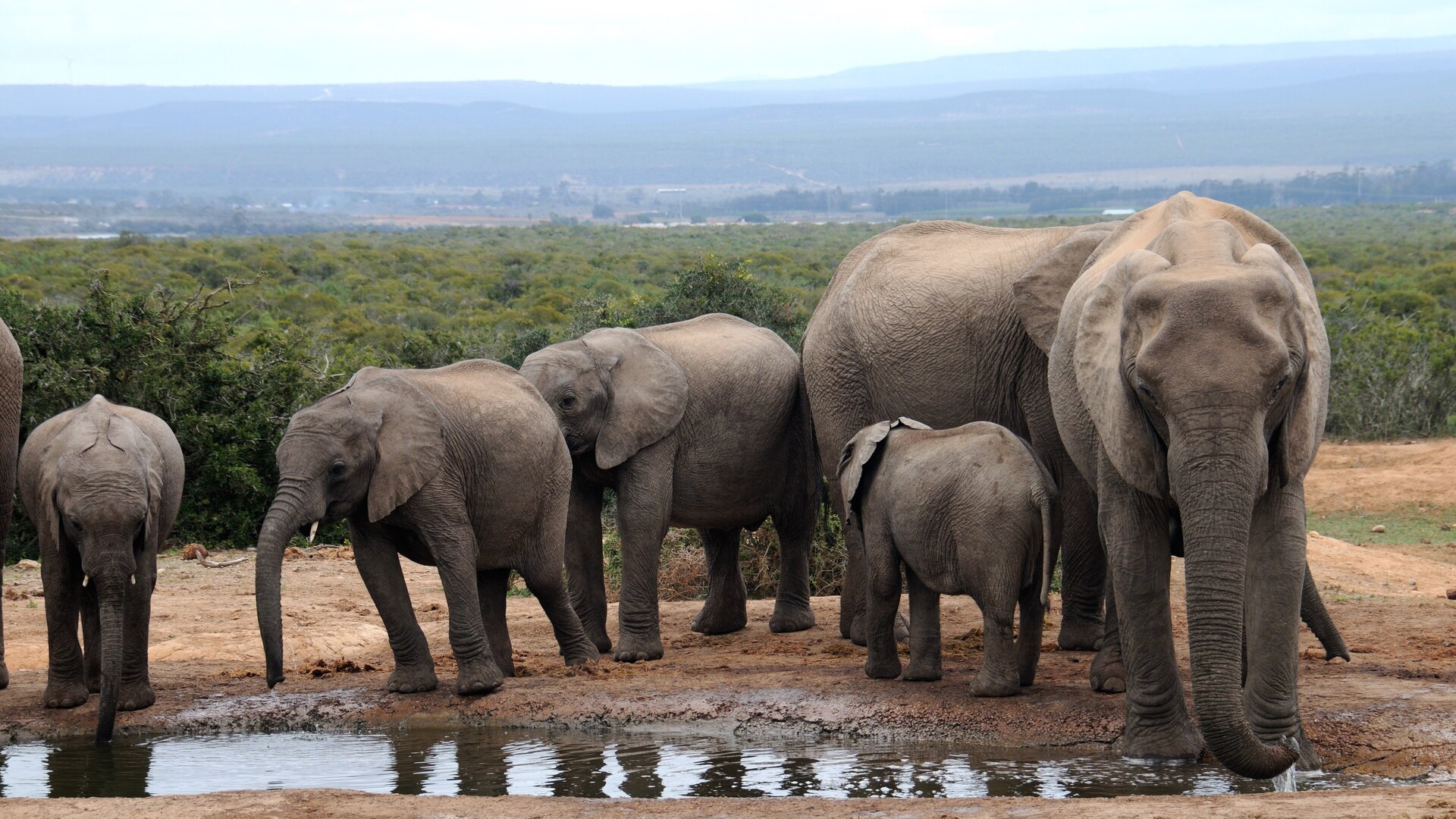
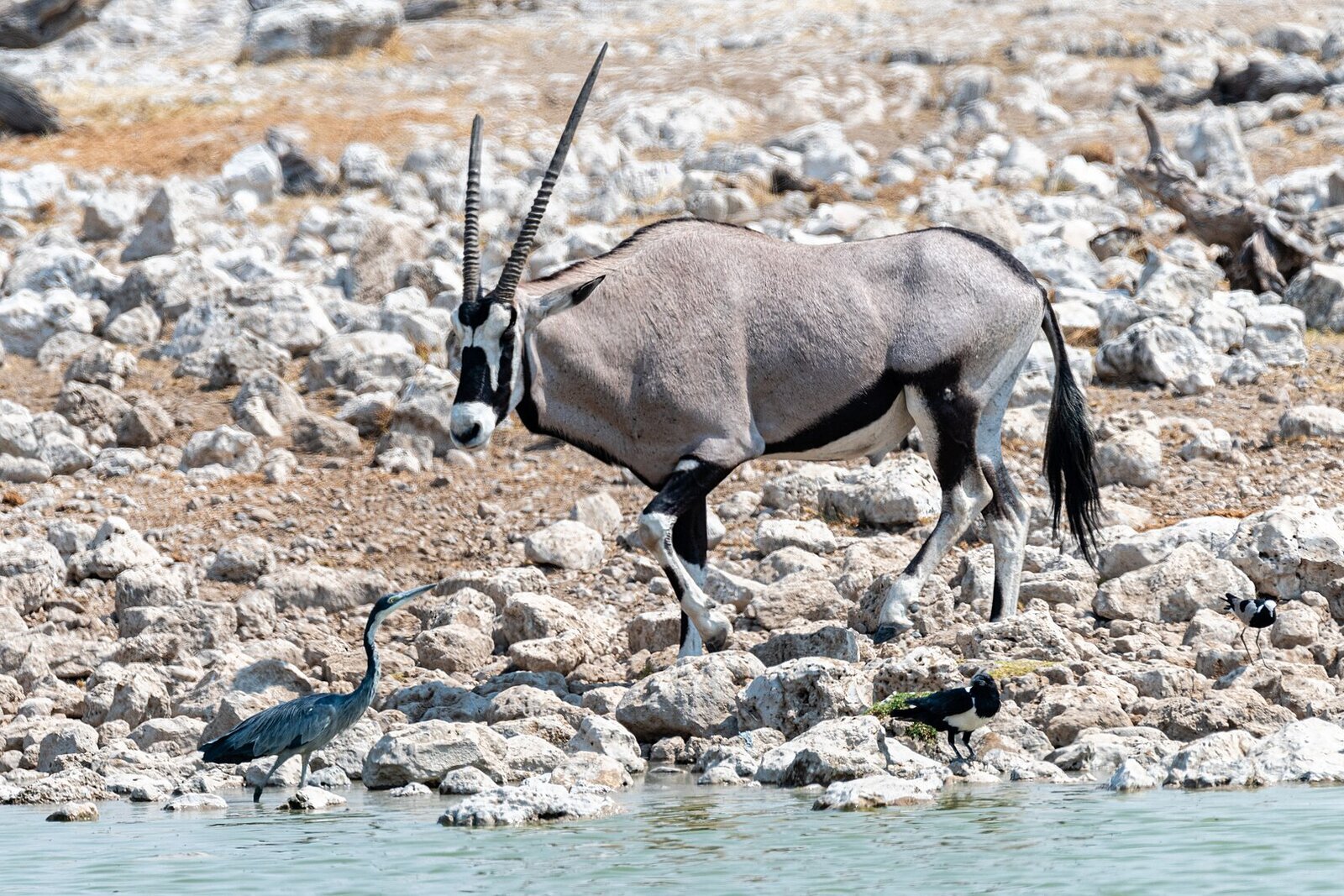
This is Namibia's headline safari season. As the last summer rains fade in April, the land dries, seasonal pools evaporate, and wildlife is drawn to the permanent, spring-fed waterholes of Etosha National Park — over 40 of them, ringing the vast, shimmering salt pan. Sit at a waterhole like Okaukuejo and you can watch elephant, giraffe, oryx, springbok, zebra, black rhino and lion arrive in a steady procession. Several rest camps have floodlit waterholes, turning the show into an all-night spectacle.
May is a beautiful, uncrowded shoulder month — comfortable temperatures (roughly 11–28°C) and thinning bush. June, July and August are the cool, dry winter heart: sunny days, cold nights (near freezing in the desert interior), and superb game viewing. September and October are the driest, hottest and most dramatic months, with October often topping 35°C — but the waterholes are at their most crowded and the wildlife density is unbeatable. Beyond Etosha, the dry season is also prime for tracking Damaraland's desert-adapted elephants and rhino, which concentrate along the ephemeral riverbeds.
Best for: first-time safari-goers, big-game viewing, desert photography with clear skies, comfortable touring temperatures, self-drive road trips. Trade-offs: peak-season prices July–October, cold dawns in mid-winter, October heat.
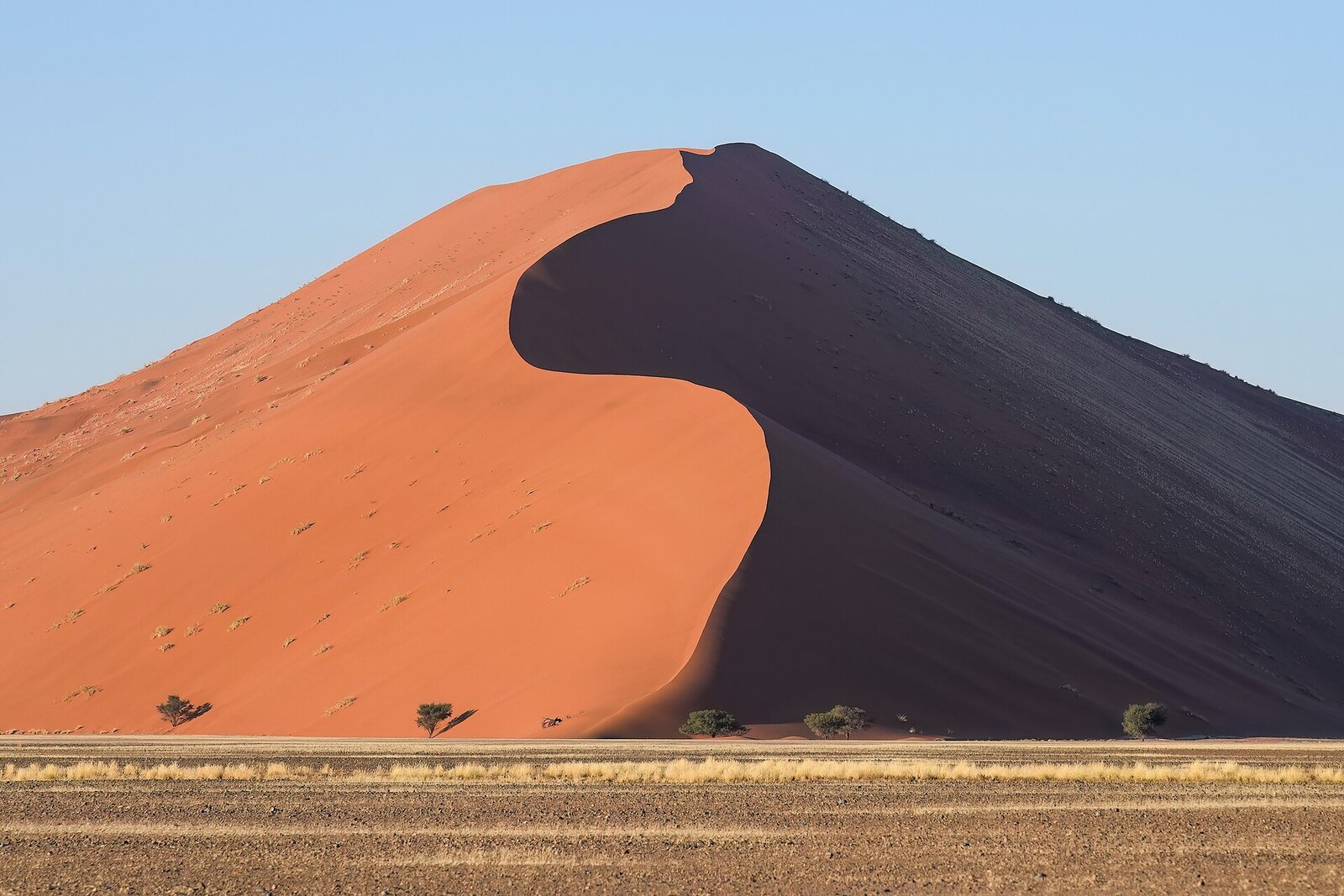
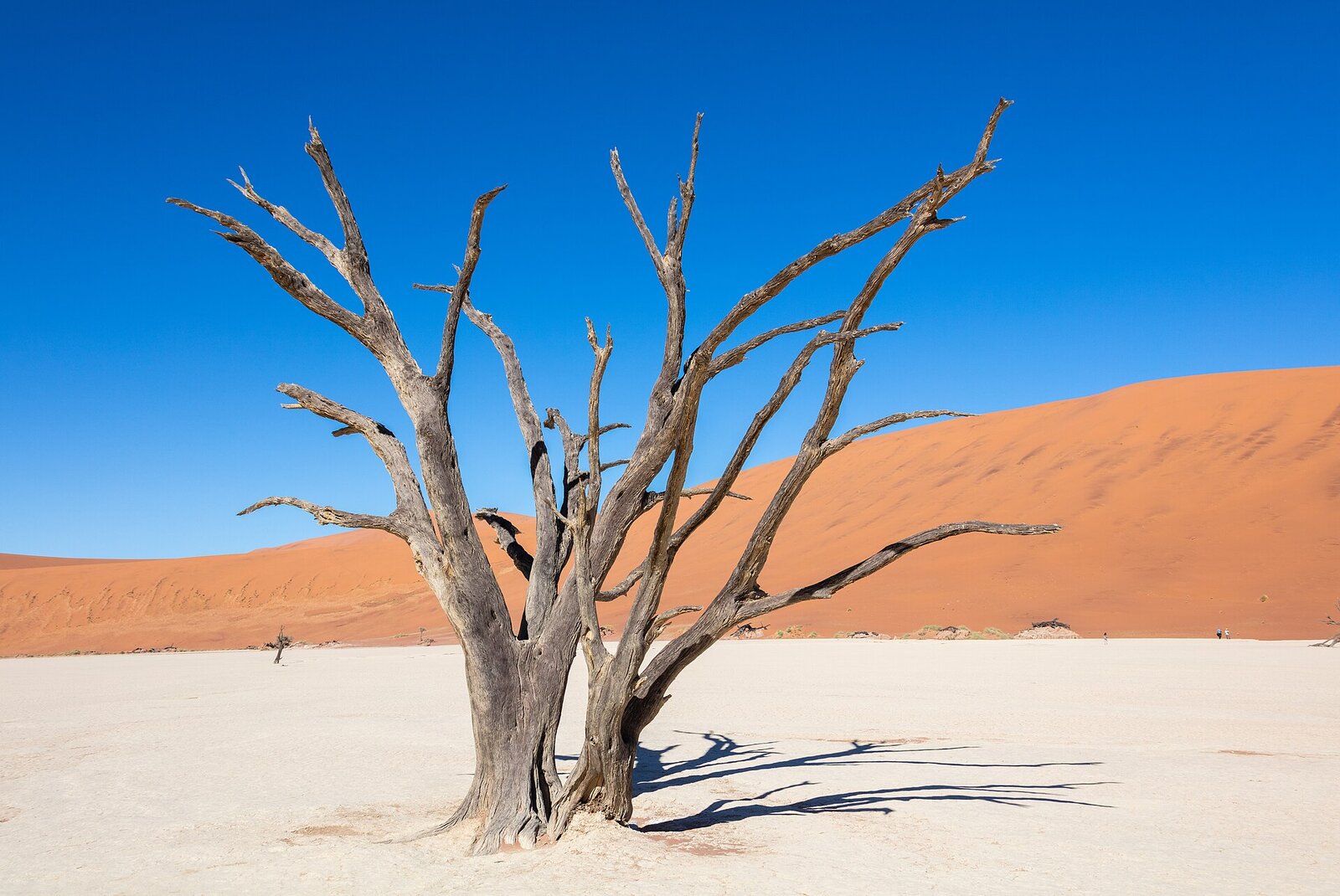
The Green Season (November–April): Storm Skies, Calving & a Rare Flood
Namibia's green season — the summer rains — is a completely different, and deeply photogenic, experience. The first storms usually break in November, and by January to March the normally tawny landscape flushes green, migratory birds arrive, and antelope drop their calves, drawing predators. Etosha Pan can fill with shallow water and turn into a temporary lake fringed with flamingos and pelicans — a birder's dream, even if the big game disperses across the now-watered plains.
In the Namib, the green season delivers the country's most cinematic light: towering thunderheads over the red dunes, brief flushes of desert grass, and — in exceptional-rainfall years, typically January to February — the once-in-a-few-years flooding of Sossusvlei, when the Tsauchab River reaches the pans and mirrors the dunes in shallow water. It is never guaranteed, but for landscape photographers it is the holy grail.
Rain here falls mostly as short, spectacular afternoon storms, so touring continues. The trade-offs: hot days (30–40°C inland), dispersed Etosha wildlife, and the small chance that heavy rain briefly affects gravel roads. In return you get dramatic skies, lush contrasts, superb birding, lower rates and near-empty parks.
Best for: photographers chasing storm light, birders, the rare desert flood, calving-season predators, value-seekers, and travellers who want Namibia's epic spaces almost to themselves.
Sossusvlei & the Namib: The Desert Doesn't Follow the Rules
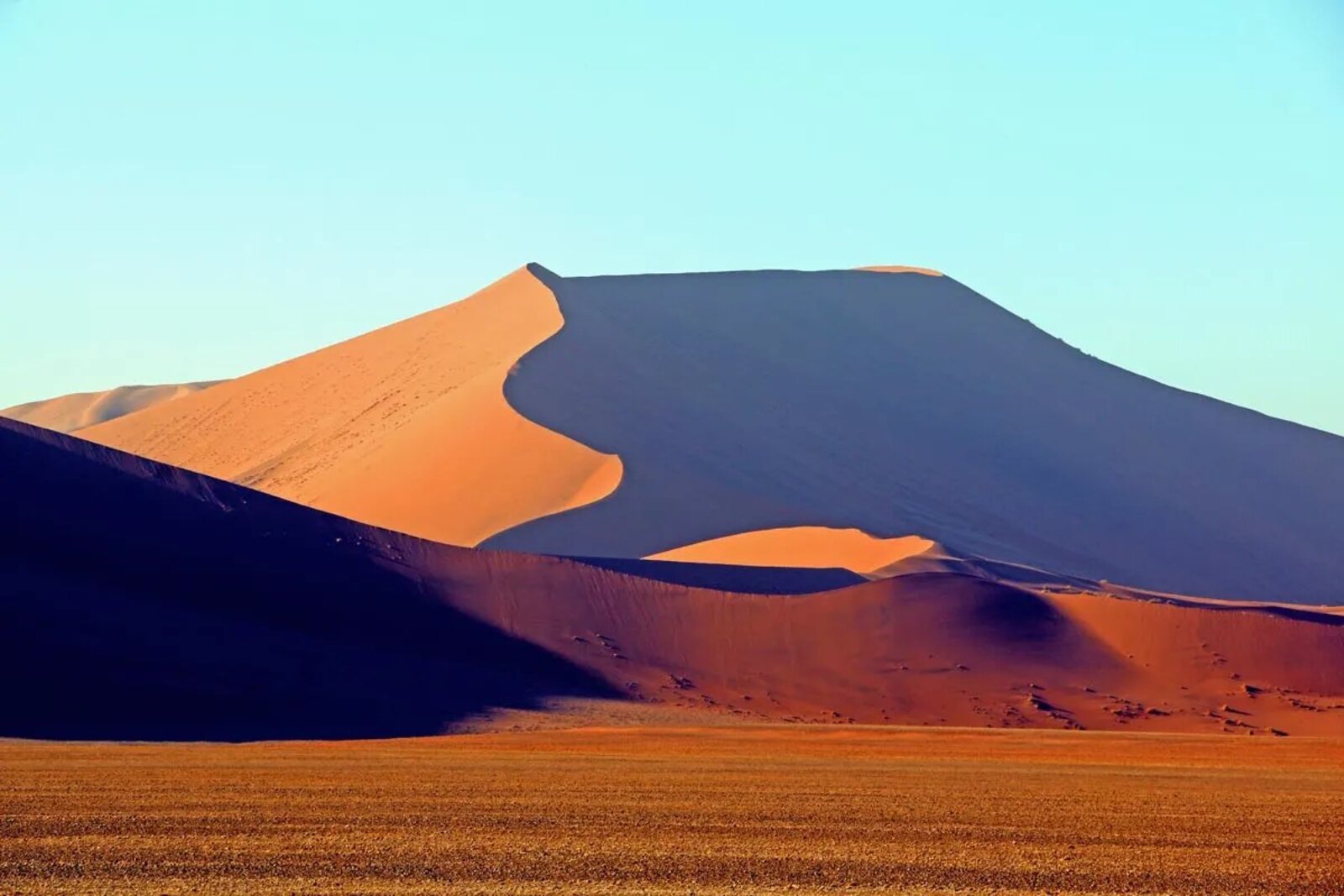
Sossusvlei is the reason many travellers come to Namibia, and it is a year-round destination — but the experience shifts with the season. The dry winter (May–September) brings the crispest air, clearest skies and the best chance of atmospheric morning fog rolling in off the Atlantic, which drapes the red dunes in a soft, otherworldly light. Cold pre-dawn starts are rewarded with sharp, shadow-carved dunes at sunrise — the classic Dune 45 and Deadvlei shots.
The green season (November–April), by contrast, is for drama: brooding storm clouds, the rare green flush across the sand, punishing midday heat, and the slim, thrilling possibility of a flooded vlei. March and April are a sweet spot — the desert can still be greened up from the rains, but without the fiercest heat. Whatever the month, one rule never changes: to photograph Sossusvlei well you must be at the dunes at first light, so stay at a lodge inside the park gates for early access.
Namibia Month by Month
| Month | Season | What to expect |
|---|---|---|
| January | Green (wet) | Hot with afternoon storms; lush, dramatic skies. Best chance of a Sossusvlei flood; calving & birding. Quiet parks, low rates. |
| February | Green (wet) | Peak rains; greenest landscapes; flamingos on Etosha Pan. Superb photography; dispersed big game. Hot and humid. |
| March | Green tail | Rains easing, desert still green. Excellent value; storm light lingers; comfortable-ish coast. A photographer's favourite. |
| April | Shoulder | Dry-down begins; fresh green fading. Mild days, cool nights. Great value, quiet roads, good all-round game viewing. |
| May | Early dry | Crisp, clear, comfortable. Waterholes filling with game. One of the best-value peak-quality months. |
| June | Peak dry | Cold nights, sunny days; excellent Etosha game viewing; crisp dune photography with possible fog. Demand rising. |
| July | Peak dry | Cool winter peak; superb waterhole action. Freezing dawns — pack layers. Book well ahead; school-holiday demand. |
| August | Peak dry | Warming, very dry; wildlife concentrating. The classic Namibia touring month; clear skies for the desert. |
| September | Peak dry | Warm and bare; wildlife packed at waterholes. Arguably the best all-round month for game density. High demand. |
| October | Late dry | Hottest month (35°C+); intense, concentrated game viewing before the rains. Spectacular but hot. |
| November | First rains | Storms break; the land begins to green. Mildest coast; good value and birding; a rewarding transitional month. |
| December | Green (wet) | Warm, green and lush; dramatic desert skies. Festive-period rates rise late in the month; otherwise quiet and good value. |
Best Time by Region
Etosha National Park
Namibia's wildlife heart. Best July to October, when the dry season forces game to the permanent waterholes for extraordinary, easy viewing. The green season (Nov–Apr) is quieter and better for birding and flamingos on the flooded pan, but big game disperses.
Sossusvlei & the Namib Desert
The great dune sea. Best in the cool dry months (May–September) for crisp light, clear skies and possible fog, though it is a year-round icon. The green season adds storm drama and, rarely, a flooded vlei.
Damaraland & Kaokoland
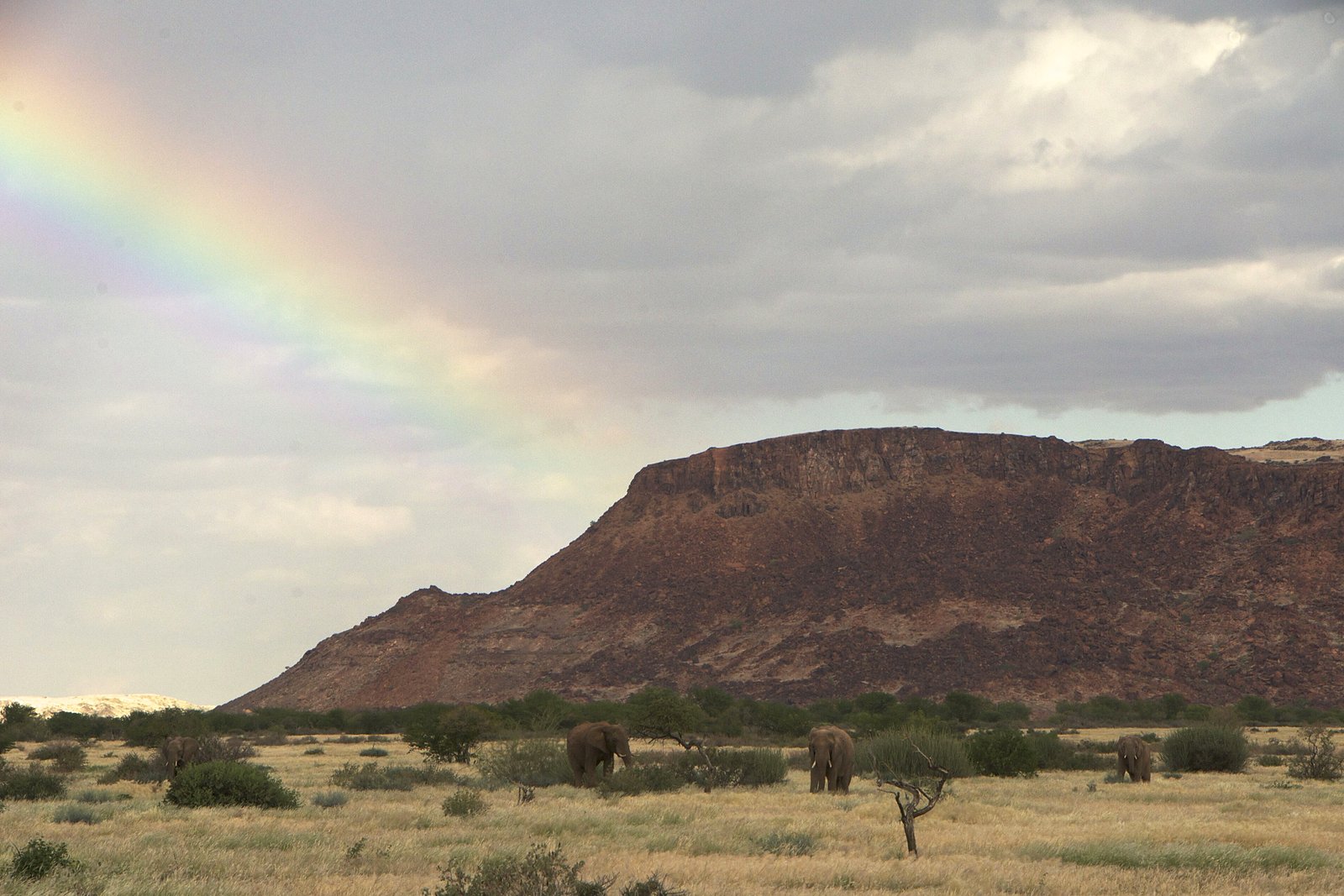
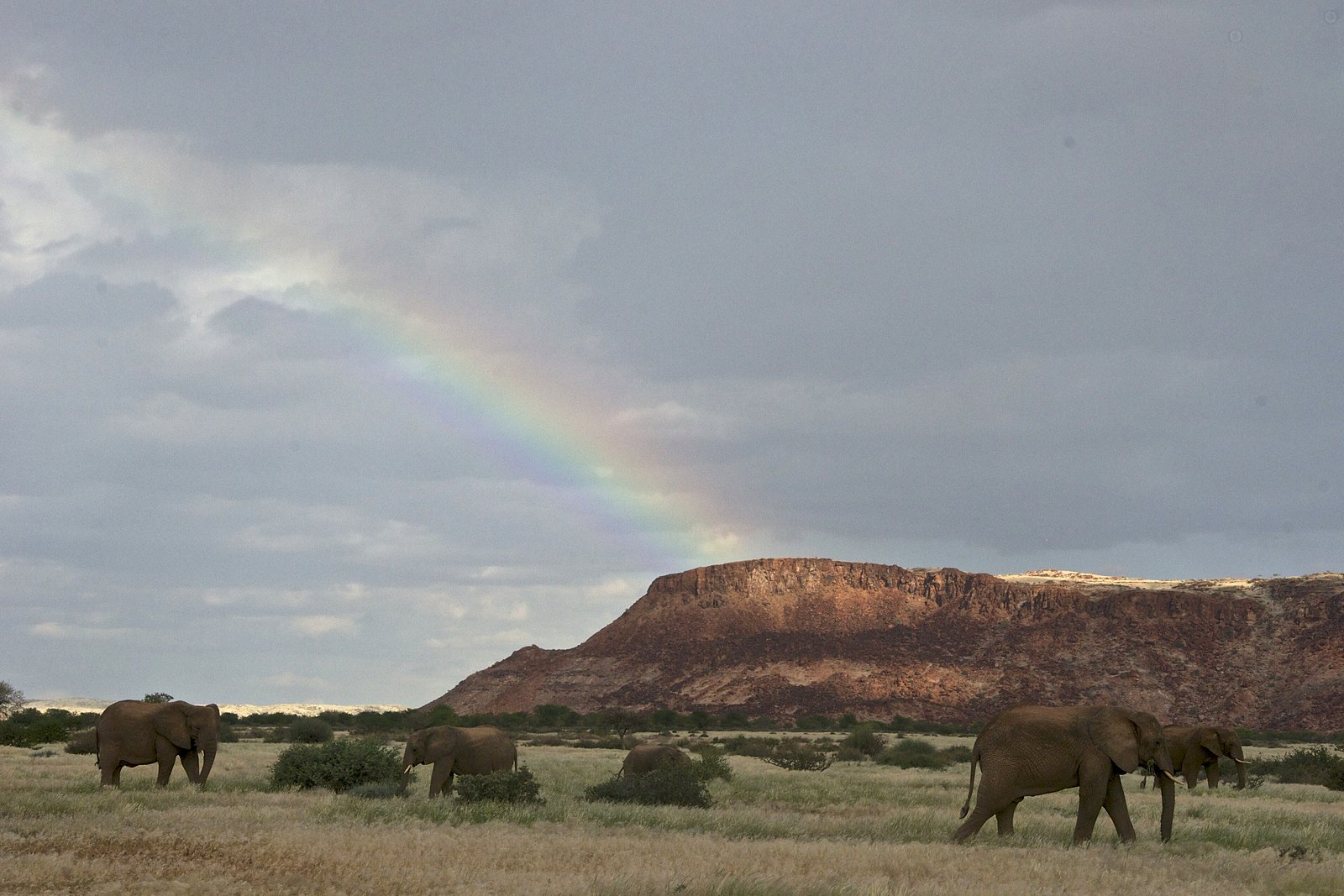
Desert-adapted elephant and black rhino country. Best May to October, when wildlife concentrates along the ephemeral rivers, making rhino tracking and elephant sightings more reliable.
Skeleton Coast & Swakopmund
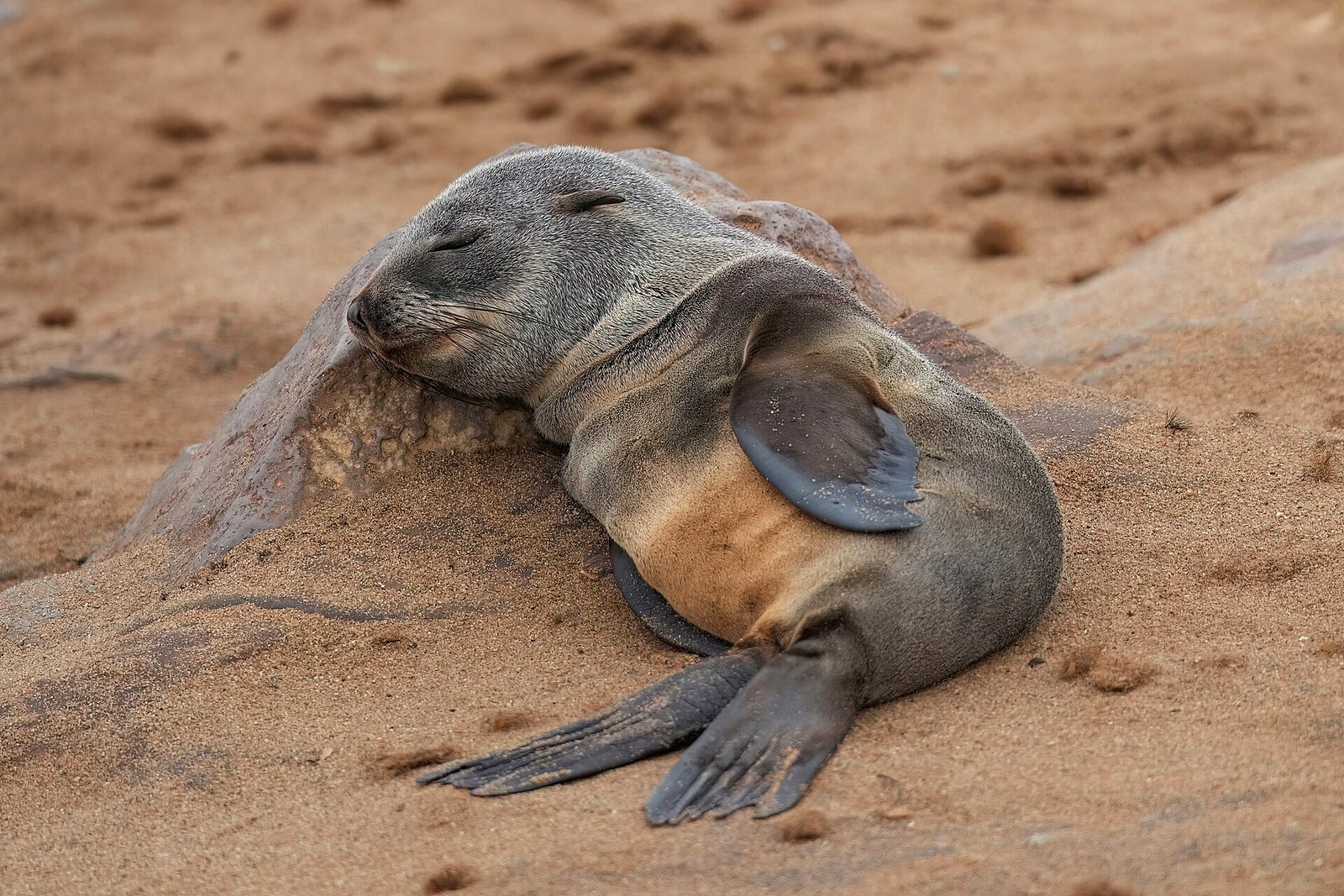
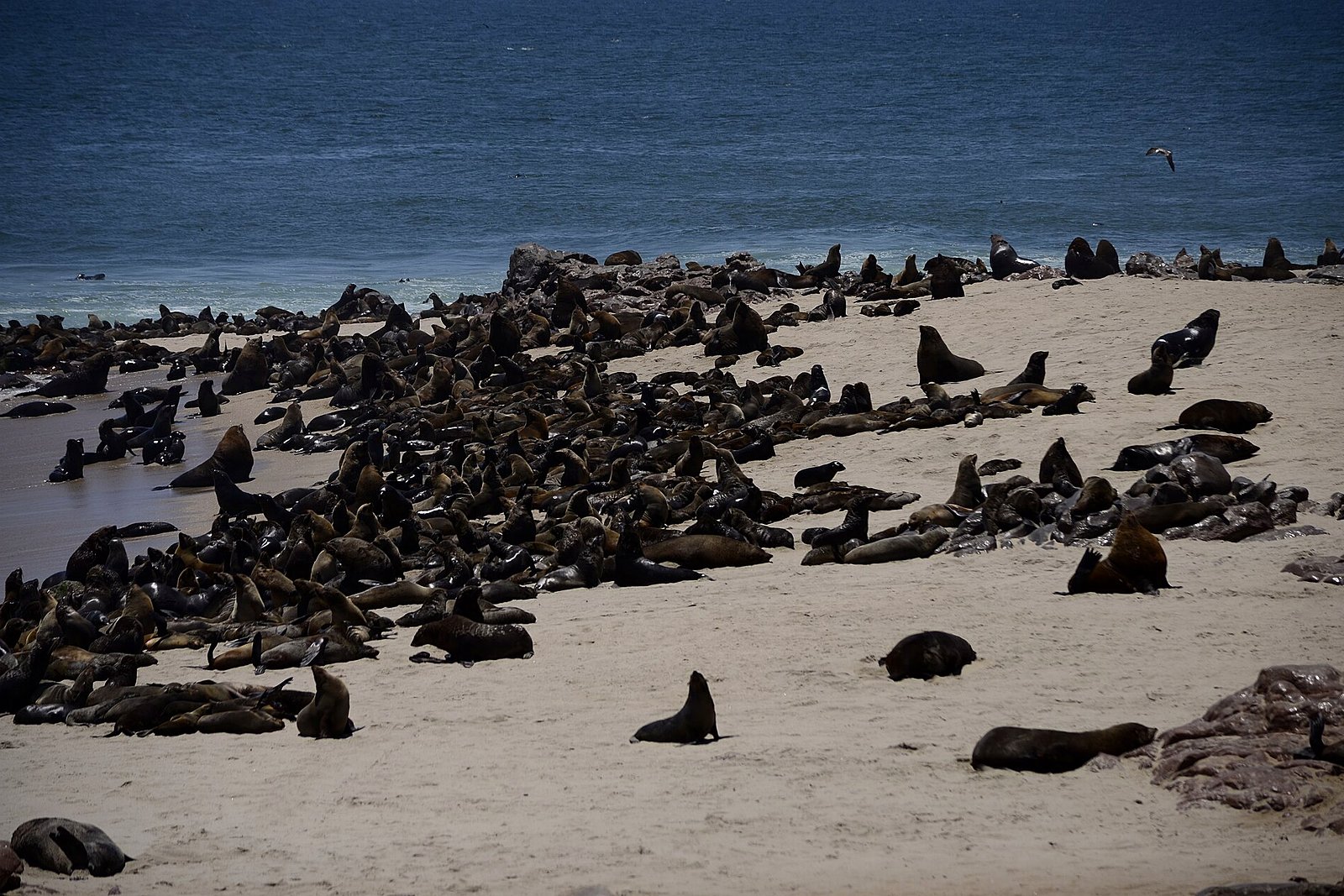
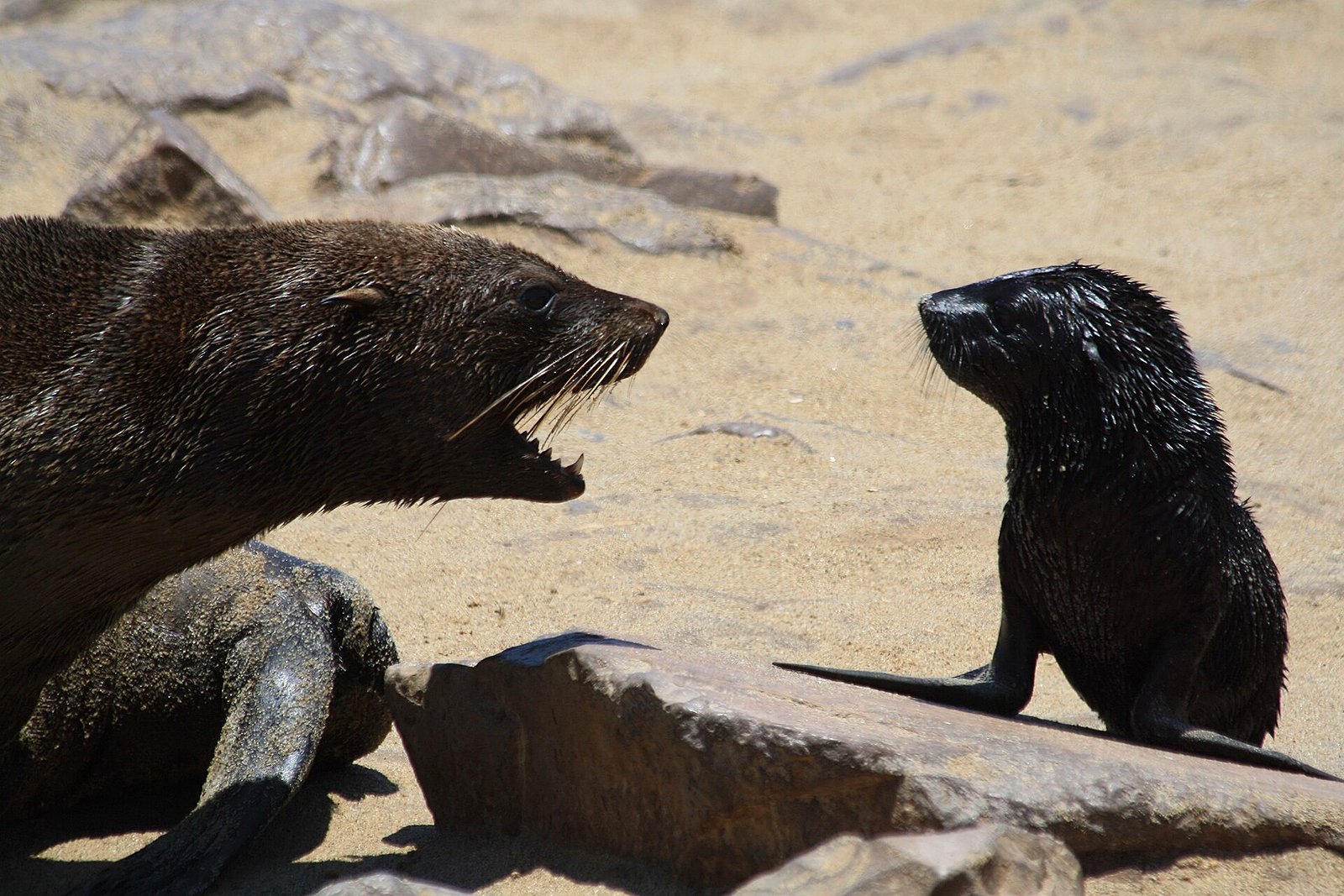
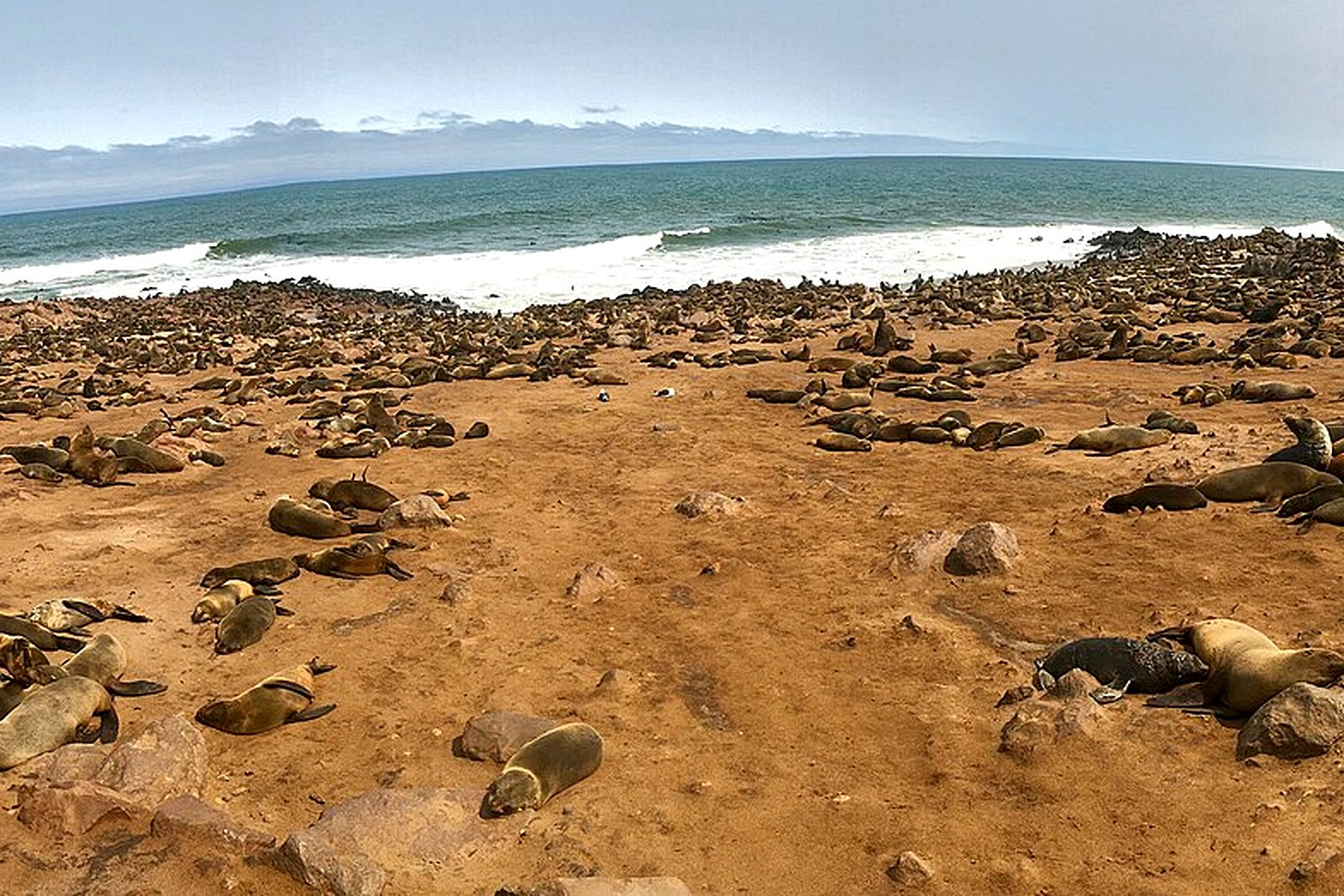
The cool, fog-bound Atlantic edge. Best November to March, when the coast is at its mildest and sunniest — ideal for Swakopmund's adventures, Walvis Bay's flamingos and dolphins, and the Cape Cross seal colony.
NamibRand & the Kalahari
Dark-sky and dune-grassland reserves. Rewarding year-round; the dry season brings the clearest stargazing, while the green season paints the plains gold and green.
Fish River Canyon
The great southern canyon. Best May to September — the only window the famous multi-day hike is permitted, when temperatures are safe and the trail is open.
Best Time for Specific Travellers
| Traveller | Best time | Notes |
|---|---|---|
| First-time safari | July – September | Reliable weather, easy Etosha sightings, classic desert-and-wildlife circuit. |
| Photographers | May–June & Jan–Mar | Crisp dune light & fog, or storm skies, green contrast and the rare flood. |
| Honeymooners | May – June or Sept | Comfortable temperatures, dramatic desert, softer shoulder rates. |
| Families & self-drivers | June – August | Cool, dry, easy roads, malaria risk lower, school-holiday alignment. |
| Birders | November – March | Migrants, breeding plumage, flamingos on a flooded Etosha Pan. |
| Value seekers | April – May & November | Shoulder months: fine conditions at a fraction of peak pricing. |
| Stargazers | May – September | Clear, dry winter skies over NamibRand's International Dark Sky Reserve. |
Weather & What to Pack by Season
| Season | Weather | Pack |
|---|---|---|
| Dry / winter (May–Aug) | Warm sunny days 20–26°C; cold nights 0–8°C, near freezing in the desert | Warm layers, beanie & gloves for dawn, fleece, neutral daywear, sunhat, high-SPF sunscreen, lip balm |
| Late dry (Sept–Oct) | Hot & very dry; 30–38°C by day, mild nights; dusty | Lightweight breathable clothing, wide-brim hat, buff for dust, refillable water bottle, strong sun protection |
| Green / wet (Nov–Apr) | Hot 30–40°C inland; short afternoon storms; cooler foggy coast | Light rain shell, quick-dry clothing, insect repellent, binoculars, warm layer for the coast |
Whatever the season, Namibia is a land of long gravel-road distances and big temperature swings, so pack layers, keep hydrated, and bring a good camera with a wide lens for the dunes and a zoom for Etosha. Malaria risk is low and largely confined to the far north (Etosha and above) in the wet summer; consult your doctor. Most of the country, including the desert and coast, is malaria-free.
When to Book — and How Season Affects Price
Namibia's best lodges — especially the intimate desert camps around Sossusvlei and the private Etosha-region reserves — have limited beds and sell out early in peak season.
- Peak season (July–October): the most in-demand and expensive window, with the best desert lodges booked 6–12 months ahead. If you want the classic winter circuit, plan early.
- Shoulder (April–May, November): the value sweet spot — excellent conditions or the atmospheric start of the green season, at softer rates and with far more availability.
- Green season (December–April): the lowest rates of the year and gloriously quiet parks, ideal for photographers and birders — but the festive period (late December to early January) spikes back to premium pricing.
Because Namibia is a country of vast distances and specialist lodges, timing and routing matter enormously. At Beyond Africa Safaris we build every Namibia journey privately around your dates, interests and pace — matching the right region to the right season so nothing is left to chance.
The Verdict: So When Should You Go?
For the definitive Namibia safari — Etosha's crowded waterholes, sharp desert light, comfortable touring — go in the dry season, May to October, with September the sweet spot for wildlife density and June–July for the crispest dune photography. If your heart is set on dramatic storm skies, a green-flushed desert, flamingos on Etosha Pan, or the once-in-a-blue-moon flooding of Sossusvlei — and you love a quieter, better-value trip — then the green season, January to April, is your window.
Namibia has no wrong season, only different masterpieces. Tell us which one you want to witness, and we will build the journey around it.
Ready to plan your Namibia safari? Speak to a Beyond Africa Safaris specialist or explore our private Namibia safari packages — every journey is tailor-made to the perfect season for you.