Key Takeaways
- The best time to visit Angola is the dry season, from May to October — known locally as the cacimbo — with cooler, easier travel, the best wildlife viewing in Kissama, comfortable desert journeys and clear highland days; June to August is the all-round sweet spot
- Wildlife in Kissama (Quiçama) National Park is easiest to see in the late dry season, July to October, when thinning vegetation and shrinking water draw animals together
- The green rainy season, November to April, is hot and humid but sends the Kalandula Falls into full thunder, fills the country with migrant birds and delivers the greenest scenery and the lowest prices
- Angola's desert south — Namibe and Iona National Park — stays dry and travellable almost year-round, cooled by the Atlantic's Benguela current and its famous coastal fog
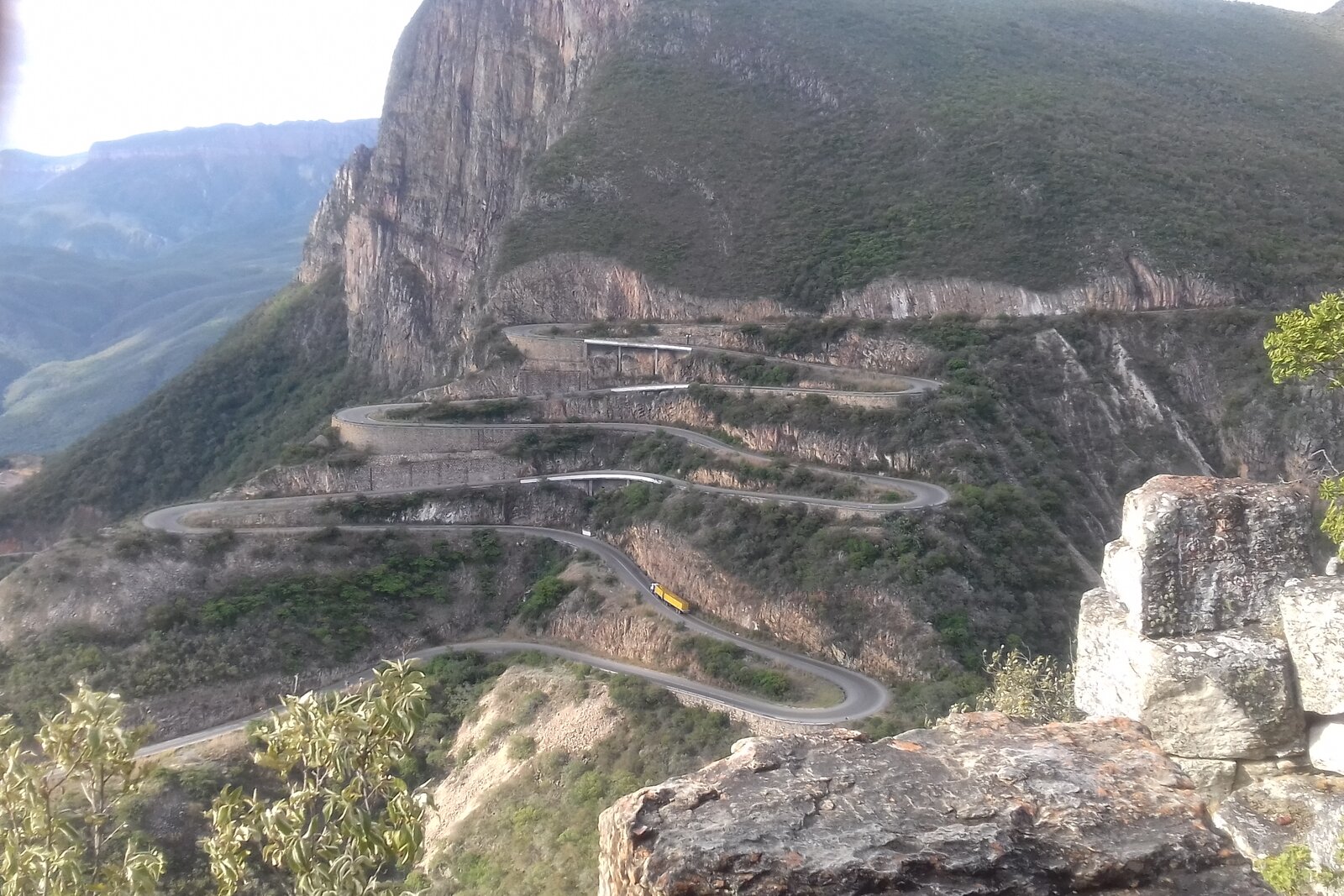
- The southern highlands around Lubango, including the Tundavala escarpment and the Serra da Leba pass, are cool all year and can be genuinely cold at night in the dry season, so pack layers
- Angola is an emerging frontier safari destination best explored as a fully guided, tailor-made journey; see our ultimate Angola safari and travel guide for parks, lodges, flights and how to build a trip
TL;DR: The best time to visit Angola is the dry season, May to October, called the cacimbo, when cooler, drier weather makes travel far easier, wildlife in Kissama gathers around water (best July to October), the Namibe and Iona deserts are comfortable, and the Lubango highlands are clear — with June to August the finest all-round window. The green rainy season, November to April, is hot and humid but sends the Kalandula Falls into full flood, brings migrant birds and lush scenery, and offers the lowest prices, though heavy rain (peaking January to March) can make remote roads difficult. The desert south stays travellable almost all year, and the southern highlands are cool in every season. Angola is a frontier destination, best arranged as a fully guided, tailor-made trip. Below you will find a full month-by-month guide, a wildlife and landscape calendar, region-by-region timing, weather and packing notes, and exactly when to book.
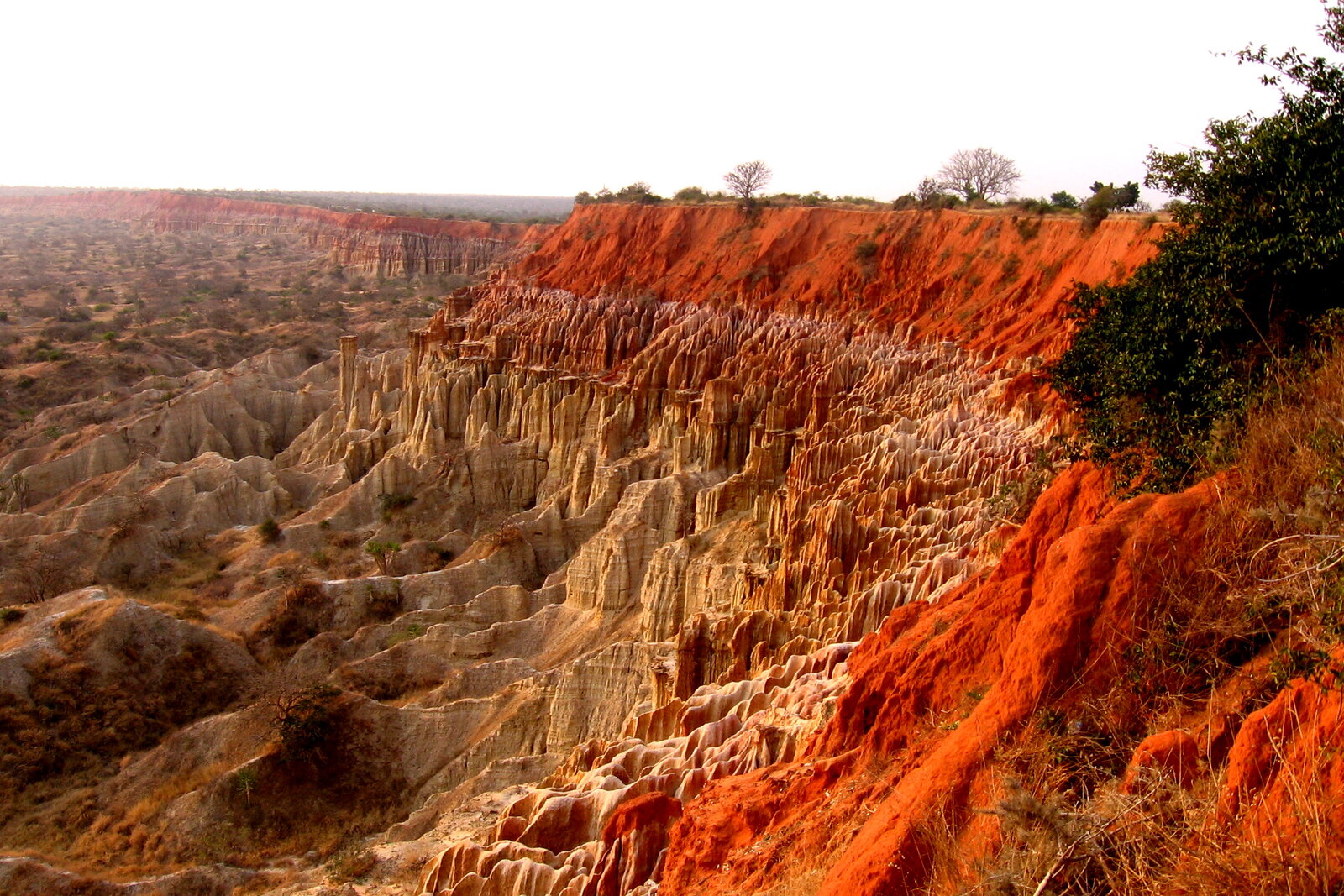
Angola is one of Africa's last true frontiers, a vast, little-visited country the size of France, Spain and Portugal combined, where thundering waterfalls, thousand-year-old desert plants, empty Atlantic beaches and a wildlife recovery story sit almost entirely off the tourist map. This is a place of enormous variety: the mighty Kalandula Falls in the north, the elephants and restored herds of Kissama, the Namib desert dunes of Iona meeting the cold Atlantic in the far south, and the cool, misty highlands around Lubango. Getting the timing right across such a big and varied country is the key to a smooth, rewarding trip.
In short: the best time to visit Angola is the dry season, from May to October. Angolans call it the cacimbo, and it is the coolest, driest and most comfortable stretch of the year, when rain retreats, roads firm up and travel across this huge country becomes far more reliable. It is the prime window for wildlife in Kissama, for desert journeys through Namibe and Iona, for clear days in the southern highlands, and for the surf and empty beaches of the coast. If you want Angola at its most accessible, come between June and August.
But the calendar has a second act. The green rainy season, from November to April, is hotter and more humid, yet it transforms the country: the Kalandula Falls swell to their most spectacular, the bush turns emerald, migrant birds arrive in force and prices drop to their lowest. The heaviest rains fall from January to March and can make remote roads and river crossings difficult, so this is a season for the flexible traveller rather than a first, wildlife-focused trip. This guide walks you through the whole year, region by region, so you can choose the Angola that is right for you.
The Short Answer: Best Time to Visit Angola by Priority
| If your priority is... | Best months | Why |
|---|---|---|
| Best overall (wildlife + travel) | June – August (dry / cacimbo) | Cool, dry, reliable roads; good game viewing and desert travel |
| Wildlife in Kissama | July – October (late dry) | Thin bush and shrinking water concentrate the restored herds |
| Kalandula Falls at full power | February – May | The falls thunder in and just after the rains, still accessible by May |
| Desert (Namibe & Iona) | May – October (dry, comfortable) | Cooler desert days, clear skies, easiest overland access |
| Cool highlands (Lubango) | Year-round (crisp May–Sep) | Tundavala & Serra da Leba clear and cool; cold nights in winter |
| Green scenery, birds & lowest prices | November – April (green season) | Lush, dramatic and quiet — but hot, humid and wetter roads |
Keep this table in mind as you read on. Below we unpack Angola's two great seasons in depth, lay out the wildlife and landscape calendar, then break the year down month by month so you can pin your dates with confidence.
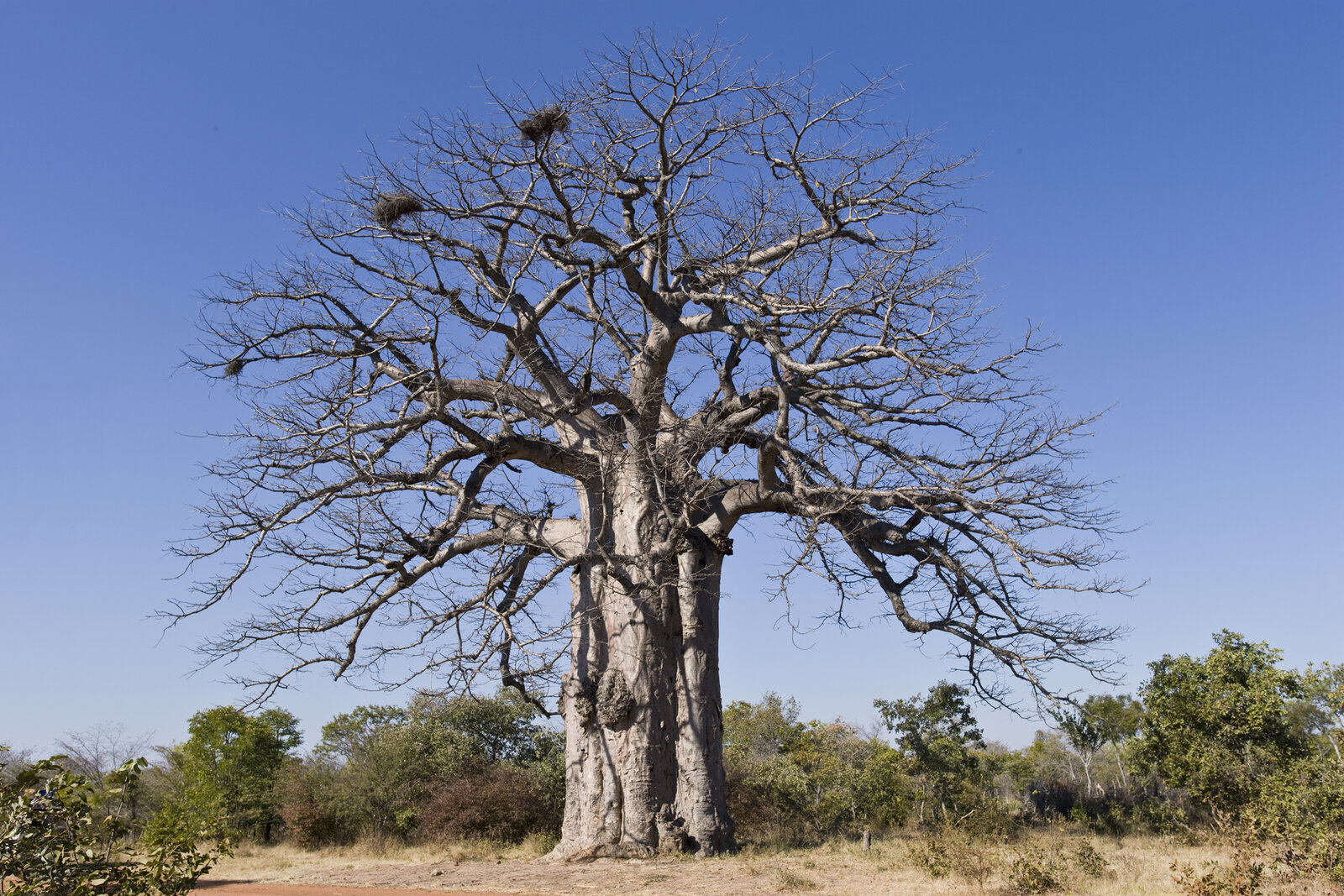
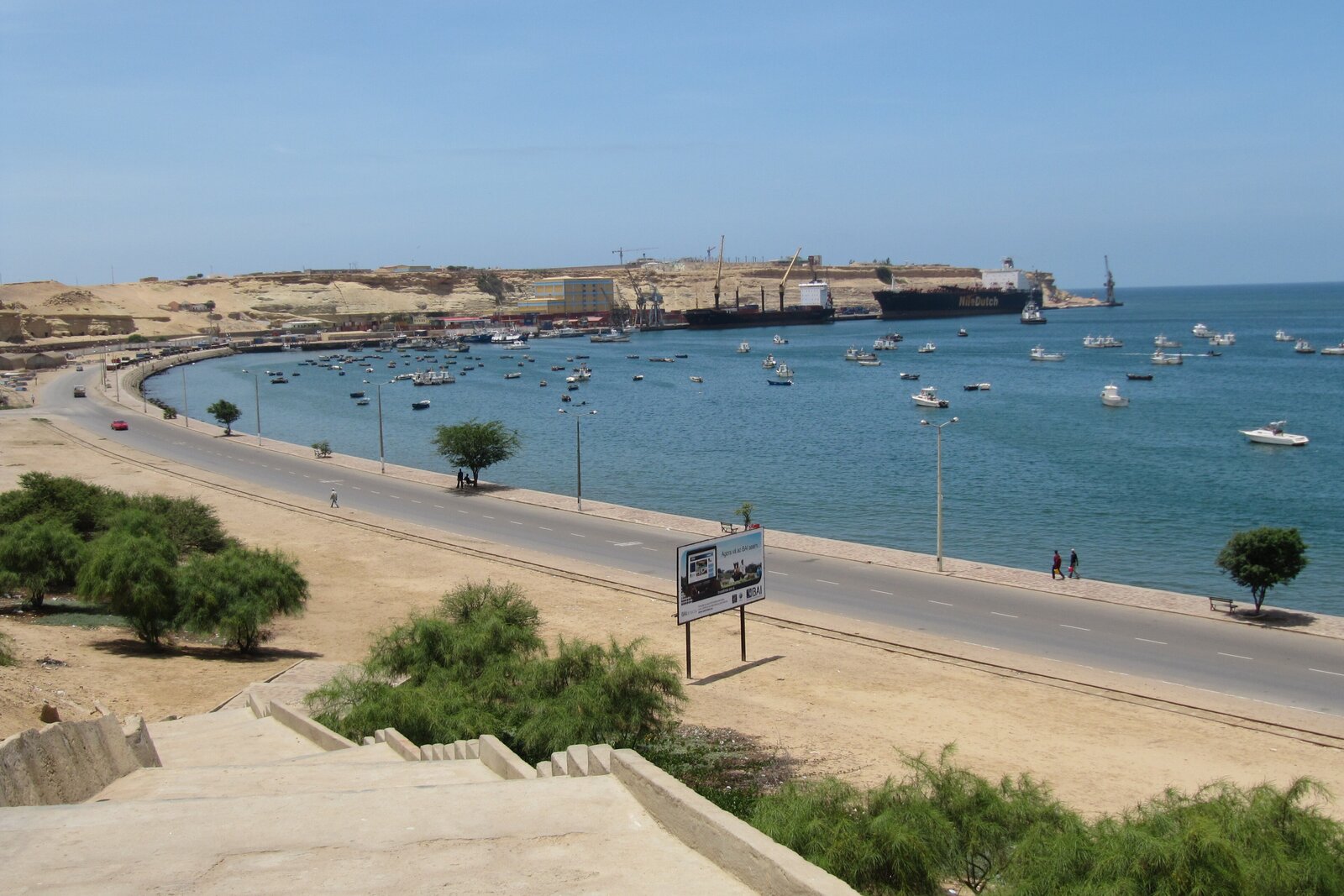
The Dry Season / Cacimbo (May–October): Angola at Its Best
If there is a single best time to visit Angola, this is it. From May to October the dry season — the cacimbo — settles over the country: rainfall drops away, humidity eases and days become cooler and clearer, especially in the interior and the highlands. The roads that turn to mud in the rains firm up, river crossings become passable, and travel across Angola's enormous distances becomes far more reliable. For a country where so much movement is overland, and where infrastructure is still developing, this dry-season firmness matters enormously.
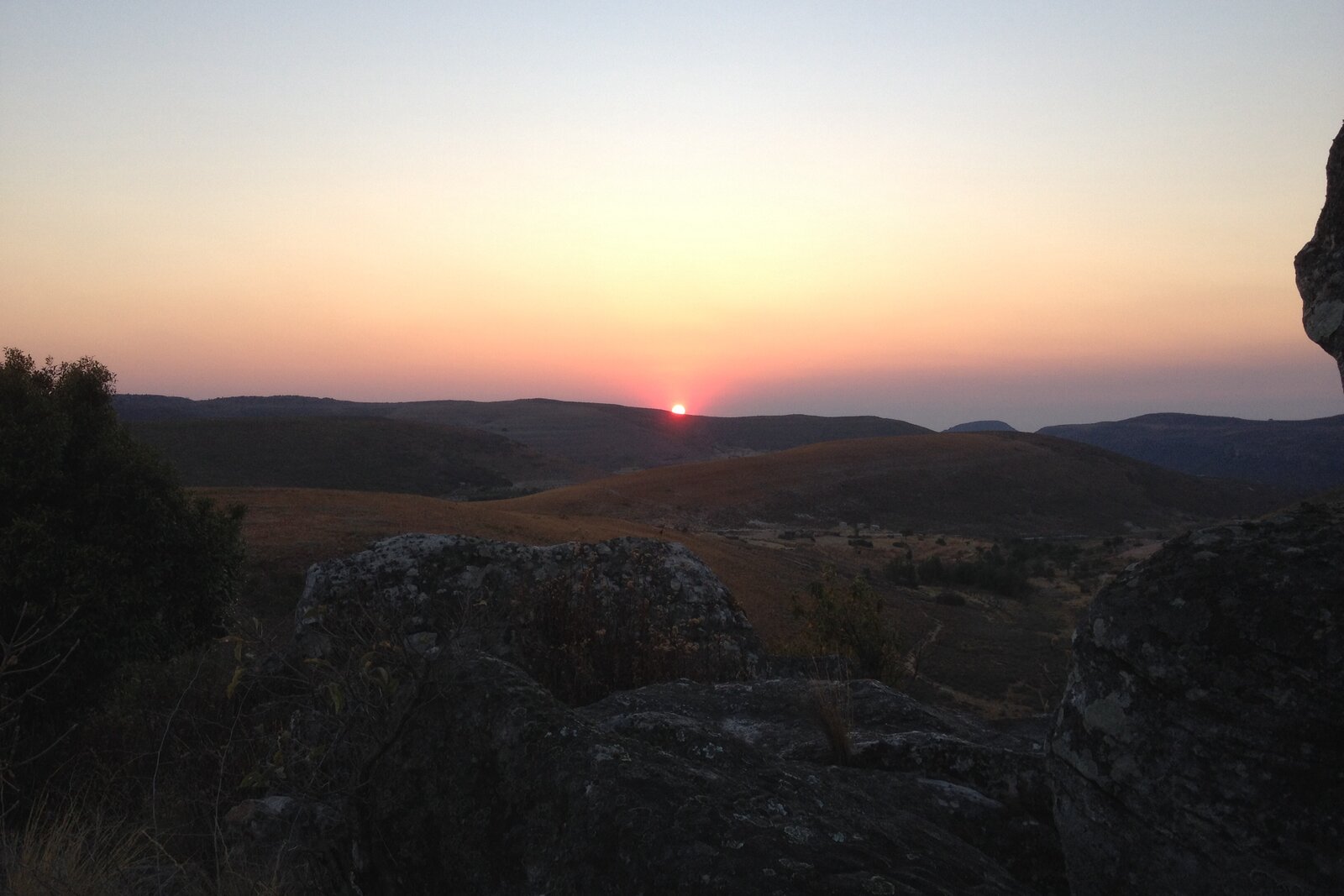
This is the season for wildlife and for landscapes alike. In Kissama (Quiçama) National Park, the accessible reserve south of Luanda where elephants, giraffe, roan and eland were restored through the famous Operation Noah's Ark, the thinning bush and shrinking waterholes of the late dry season draw animals into the open and make game drives far more productive, best from July to October. In the desert south, the Namibe and Iona landscapes are comfortable and clear, ideal for exploring the welwitschia plains, the baobabs and the great dunes that spill toward the Atlantic. And in the cool Lubango highlands, the Tundavala escarpment and the Serra da Leba pass are at their crispest, with long, clear views.
Along the coast, the dry season brings the cool, misty weather that the Benguela current wraps around Angola's shoreline. Mornings can be grey and foggy at Namibe and Luanda, and the sea is bracing, so this is not classic tropical-beach weather, but it makes coastal travel comfortable and it is the best window for the surf breaks that draw a small band of adventurers to the southern coast between about June and August. Nights in the highlands can be genuinely cold in July and August, a surprise for many first-time visitors, so warm layers are essential away from the lowlands.
The trade-off is modest. Skies are often overcast and hazy along the coast, the highland nights are chilly, and the very late dry season can look dusty and bleached before the rains break. But for cool, comfortable travel, reliable roads, the best game viewing in Kissama and the easiest access to the desert and highlands, the dry season — and especially June to August — is the finest all-round time to visit Angola.
The Green Season (November–April): Waterfalls, Birds & Value
Angola's second act is the green rainy season, from around November to April. It is hotter and more humid than the cacimbo, with afternoon thunderstorms building through the period and the heaviest, most sustained rain falling from January to March. Rain in Angola usually comes as dramatic downpours rather than all-day drizzle, and the country responds with an explosion of colour, the dry plains turning green almost overnight.
This is the season of water. The Kalandula Falls in Malanje — among the largest waterfalls in Africa by volume — swell to their most spectacular in and just after the rains, roaring across their full width with spray drifting high above the gorge, and remain impressive and accessible into May. Rivers run full, the Kwanza and other waterways are at their most alive, and the whole landscape photographs at its lushest. It is also the best birding season, when resident species breed and migrants arrive, and it brings the lowest prices and the quietest parks of the year.
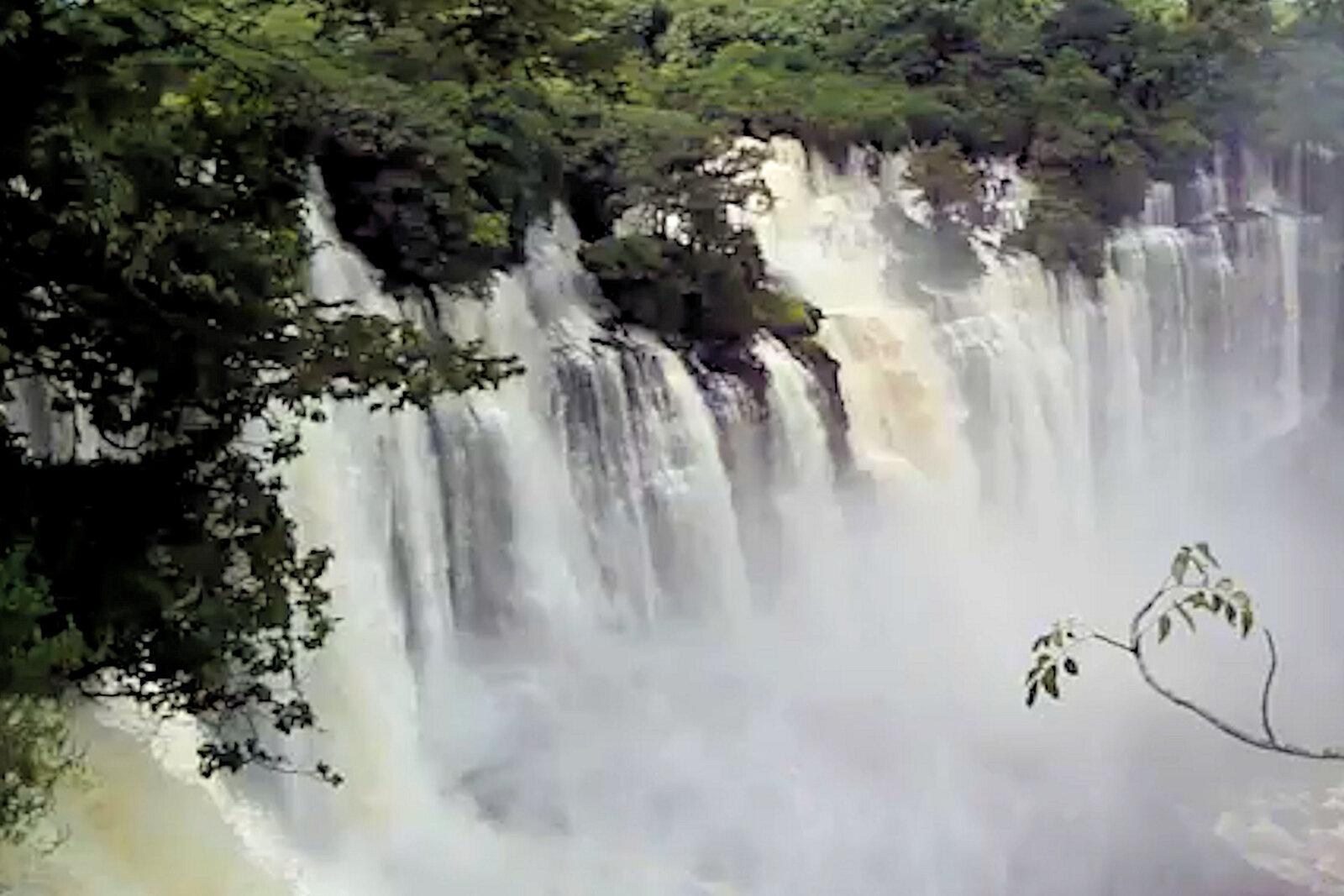
The trade-offs are real, though. The heat and humidity build steadily, the heaviest rains from January to March can make remote roads and river crossings difficult or impassable, and the thicker bush makes wildlife in Kissama harder to spot than in the dry months. Some of the most remote areas become hard to reach. In return, you get dramatic skies, thundering falls, emerald scenery, superb birding and the best value of the year. The desert south stays travellable even now, as Namibe and Iona receive very little rain, so a green-season trip focused on the falls, the highlands and the desert can work beautifully for the flexible traveller.
The Wildlife & Landscape Calendar
Angola is more of a landscape and frontier-wildlife destination than a big-game safari like Kenya or Botswana, and several of its highlights have their own season. If a particular experience is the reason for your trip, use this calendar to pin your dates — then choose your region to match.
| Highlight | Best months | Where & notes |
|---|---|---|
| Kissama wildlife (elephant, giraffe, roan) | Jul – Oct (late dry) | Kissama NP south of Luanda; thin bush concentrates the herds |
| Kalandula Falls in full flood | Feb – May | Malanje; most powerful in and just after the rains |
| Desert & welwitschia plains | May – Oct | Namibe & Iona; dry all year, most comfortable in the cacimbo |
| Giant sable antelope (specialist) | Dry season (permits required) | Cangandala & Luando; Angola's rare national symbol, the palanca negra |
| Birding | Nov – April (green season) | Migrants arrive, residents breed; superb across the country |
| Coast & surf | Jun – Aug | Southern coast; cool, foggy mornings and the best swells |
| Cool highlands (Tundavala, Serra da Leba) | Year-round (cold nights May–Sep) | Lubango area; clear dry-season views, green in the rains |
The key insight is that Angola's two seasons suit slightly different trips: the dry season (May–October) for wildlife, desert travel and reliable roads, and the green season (November–April) for the waterfalls, birding, lush scenery and value. Both can deliver a wonderful journey; the desert south and the cool highlands work well in either.
Angola Month by Month
Here is the year in detail, so you can match your available dates to conditions across Angola's regions — the wildlife parks, the desert, the highlands and the coast.
January
Deep in the green season: hot, humid and among the wettest months, with heavy afternoon thunderstorms and the landscape at its most emerald. Remote roads can be difficult, and Kissama's thick bush hides wildlife, but the Kalandula Falls are building toward full power, birding is superb and prices are low. A month for the flexible traveller focused on scenery, birds and the desert south rather than game viewing.
February
Still firmly in the rains, hot and humid, with the Kalandula Falls approaching their most spectacular. Travel to remote areas remains challenging, but the falls, the greenery and the birdlife are at their best. The desert around Namibe and Iona stays dry and travellable, making a falls-and-desert combination a rewarding green-season option.
March
The last of the heavy rains, and often the wettest stretch, though showers begin to ease toward month's end. The countryside is lush, the rivers full and the waterfalls thunderous. Wildlife viewing is still limited by thick vegetation, but photographers and birders willing to work around the weather are rewarded with dramatic, empty landscapes and low-season prices.
April
A transitional month as the rains retreat: still warm and green, with the Kalandula Falls still powerful and roads slowly improving. This shoulder period can offer a fine balance of lush scenery, strong waterfalls and easing travel before the dry season proper. A good time for those who want green landscapes without the peak of the rains.
May
The dry season, the cacimbo, begins. Rain drops away, humidity eases, days turn cooler and clearer, and roads firm up across the country. The Kalandula Falls are still impressive from the recent rains yet far easier to reach, the bush is still green, and travel becomes reliable. An excellent, well-balanced month as peak season opens.
June
Prime dry-season conditions: cool, dry and comfortable, with clear interior skies and misty, mild coasts. Roads are at their best, the desert and highlands are superb, and wildlife in Kissama becomes easier to find as the bush thins. Nights in the Lubango highlands turn cold. One of the finest months to visit Angola.
July
Peak cacimbo: cool, dry and reliable, with the best travel conditions of the year. Kissama's game viewing improves further as water shrinks, the desert is comfortable, the highlands are crisp and clear, and the southern coast offers its best surf. Highland nights can be genuinely cold, so pack warm layers. An outstanding all-round month.
August
Still peak dry season and one of the best months overall: cool, dry and stable, with excellent game viewing in Kissama, easy desert and highland travel, and the coast at its most bracing and beautiful. The land is drier and dustier now, and highland nights remain cold. Comfortable, reliable and rewarding across every region.
September
The dry season continues, warming gradually as the peak passes. Wildlife viewing in Kissama is at its best in the late dry conditions, with animals concentrated around water and the thinnest bush of the year. The desert and highlands remain excellent, and the days grow a little warmer. A superb month, especially for game viewing.
October
The late dry season: warmer and dustier, with the first build-up toward the rains and occasional early showers by month's end. Kissama's game viewing remains strong before the bush greens up, and the desert stays comfortable. A fine month for wildlife, with the season's best concentrations, though the landscape looks parched before the rains break.
November
The green season begins as the first rains arrive, gently at first, freshening the bush and lifting the dust. Warm and increasingly humid, with afternoon showers building. Wildlife viewing becomes harder as the bush thickens, but the landscape greens, birding improves and prices ease. A pleasant transitional month between the seasons.
December
Firmly into the green season, warm and humid with regular afternoon thunderstorms and the countryside turning lush. The Kalandula Falls strengthen, birding is excellent and the festive period brings a little more domestic travel. Remote roads become more variable, but the desert south stays dry and the scenery is at its freshest and greenest.
Best Time by Region
Angola is vast, and its regions keep their own rhythm. The best one for you depends on what you want to see. Here is how the timing shifts across the country.
Kissama (Quiçama) National Park
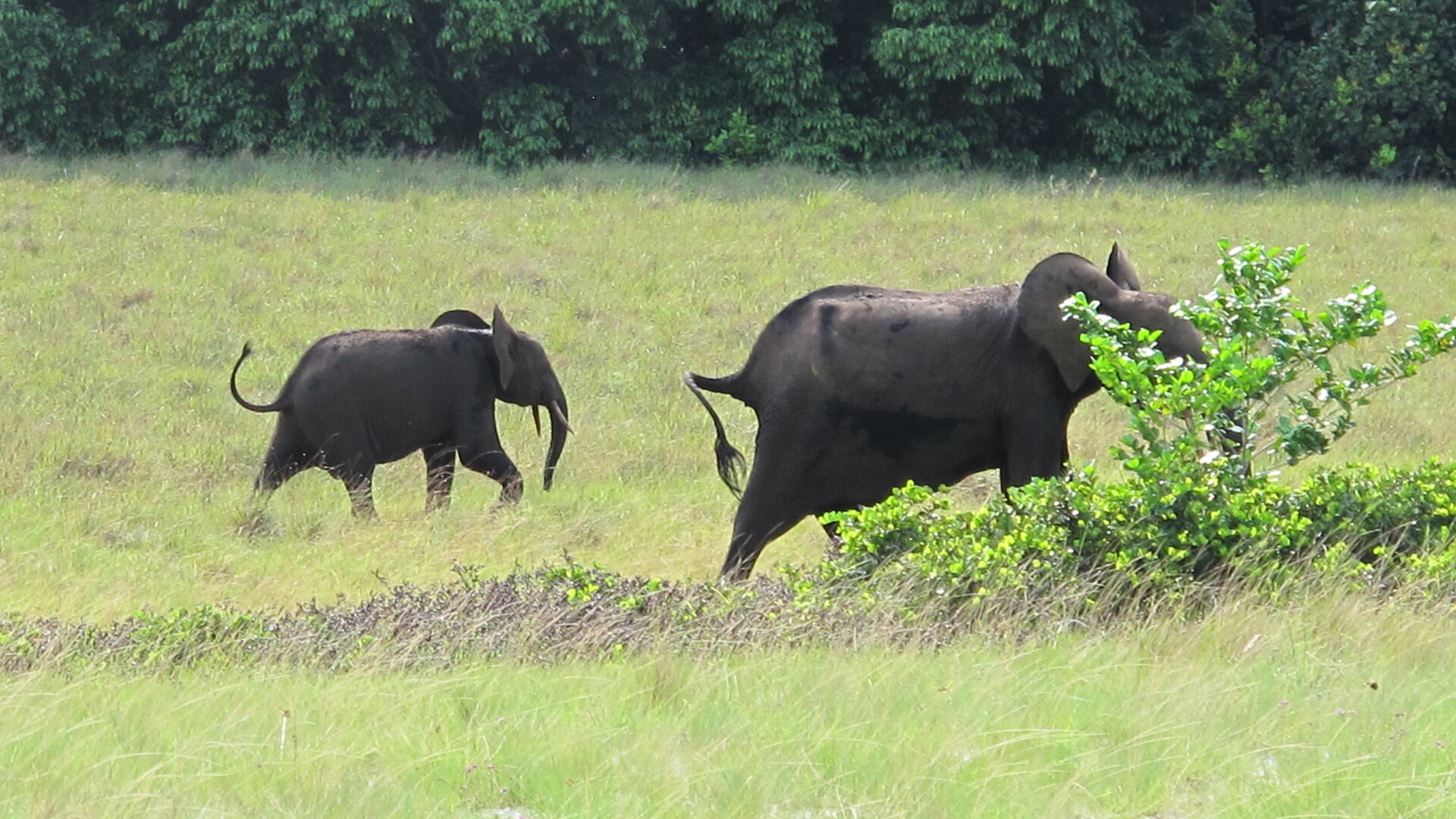
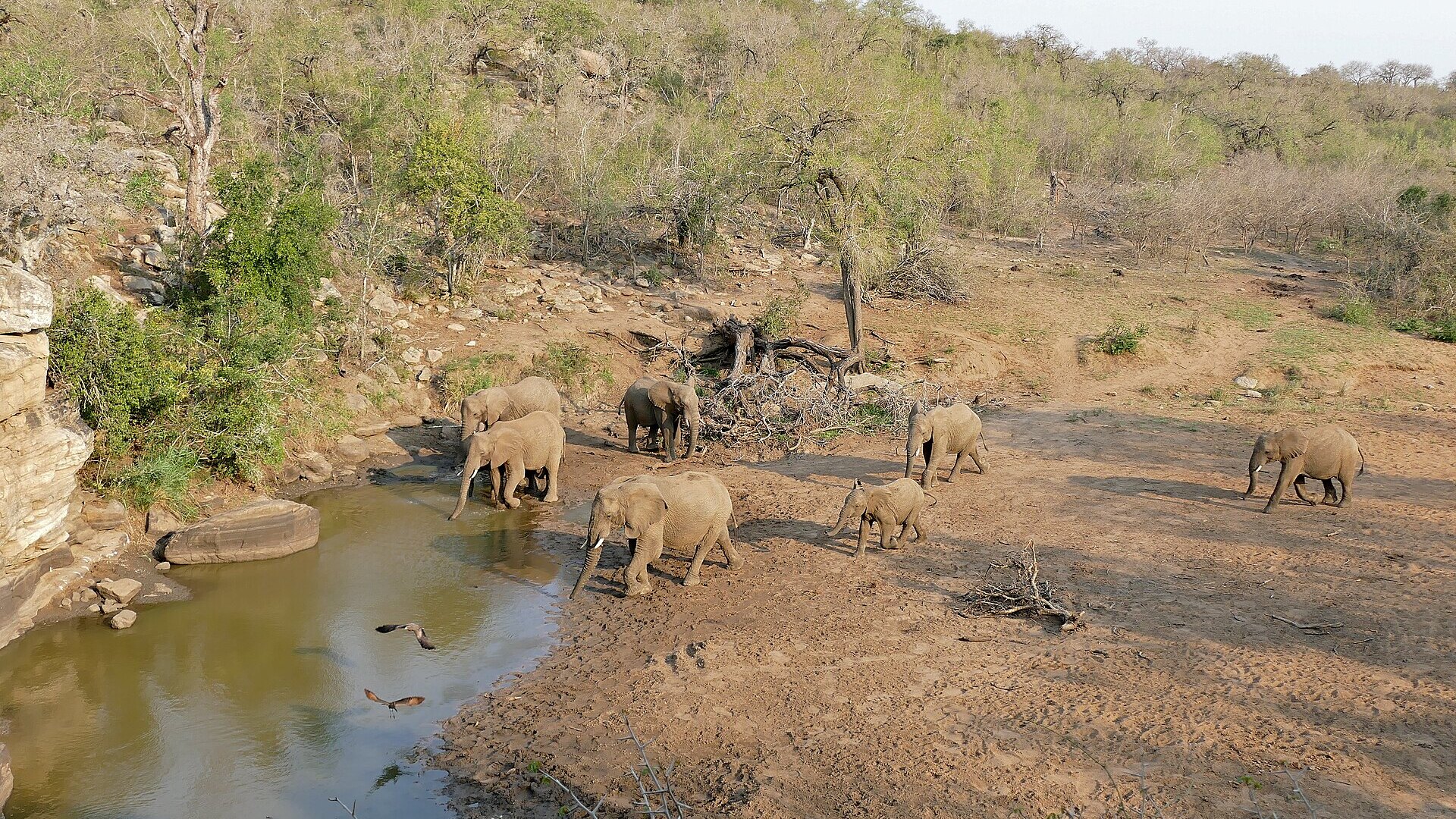
Angola's most accessible park, just south of Luanda, where elephants, giraffe, roan and eland were restored through Operation Noah's Ark. Kissama is best in the late dry season, July to October, when thinning bush and shrinking water draw the herds together and make game drives most productive. The green season turns it lush but hides the wildlife, so time a Kissama-focused trip for the dry months.
Namibe & Iona National Park (the desert south)
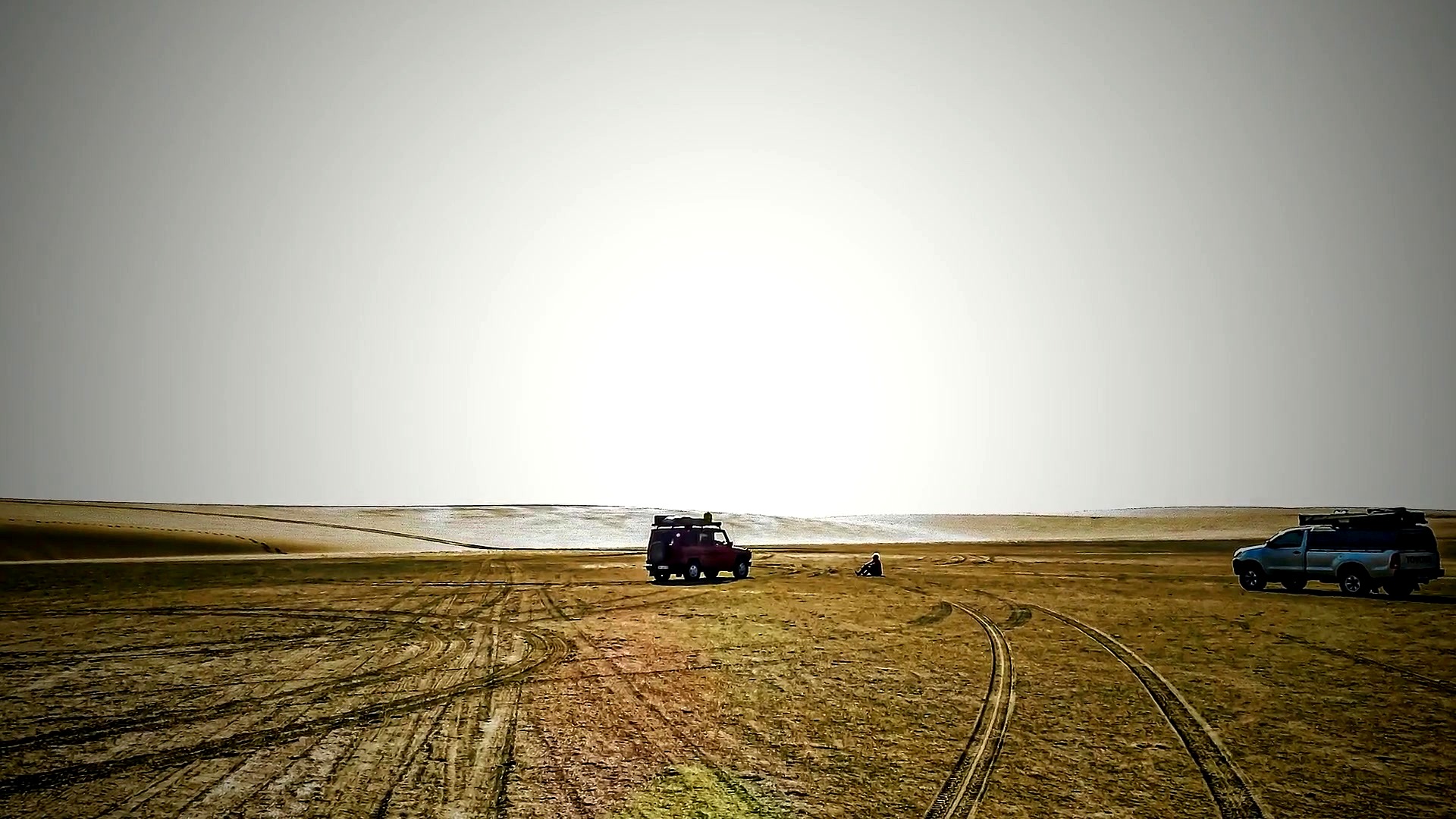
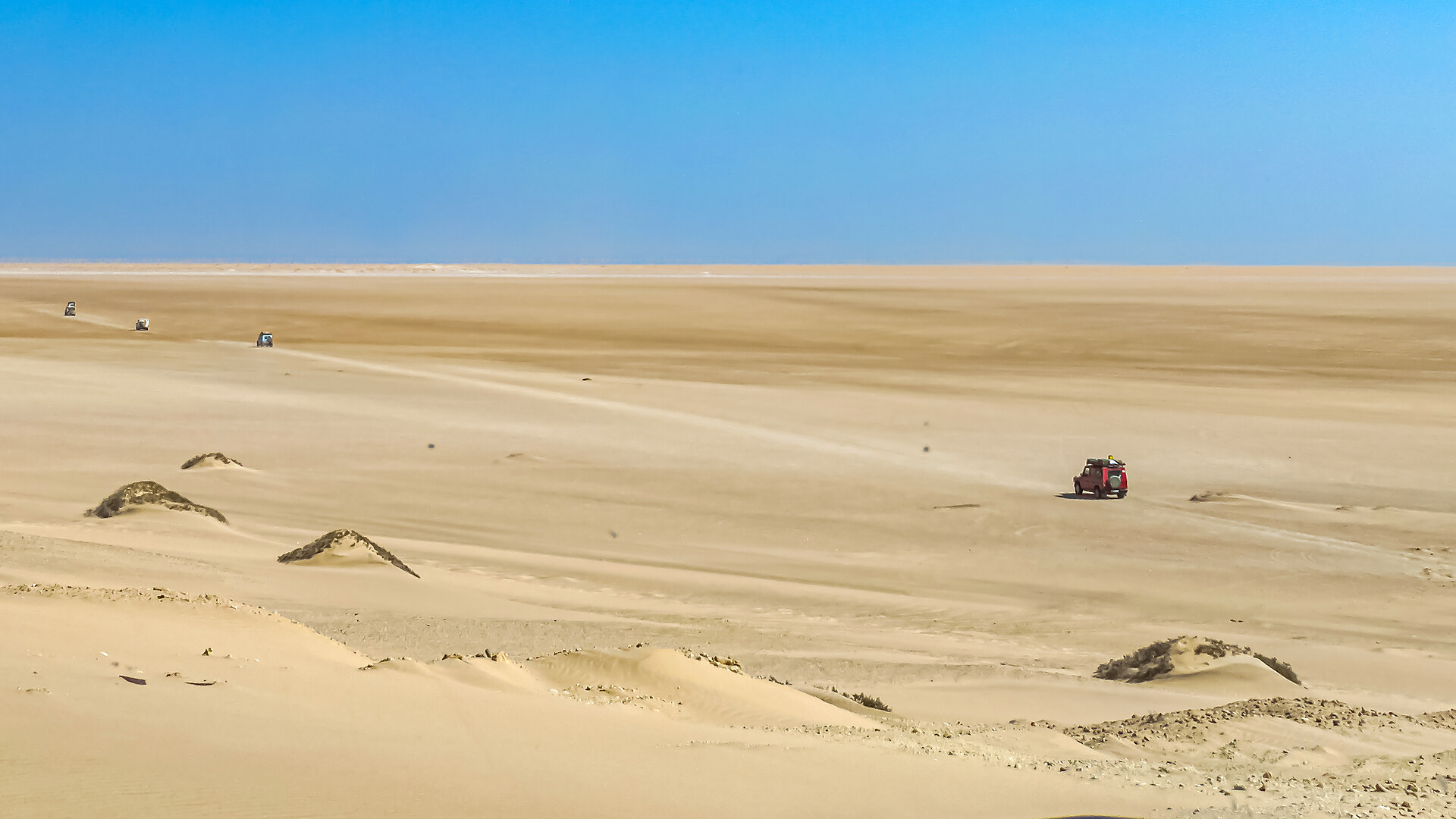
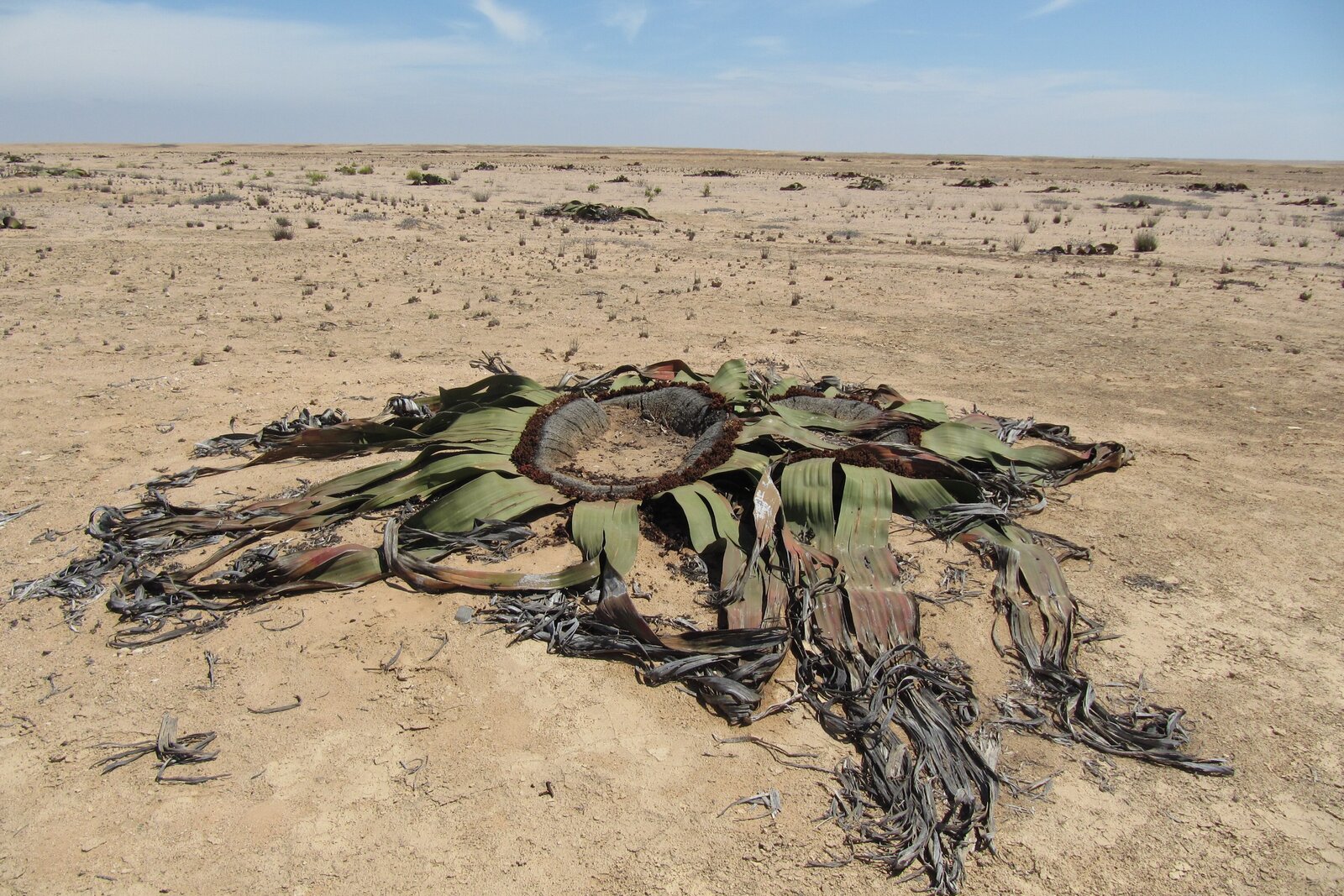
Angola's largest and wildest park, where the Namib desert dunes meet the cold Atlantic, dotted with baobabs and thousand-year-old welwitschia. Iona and the wider Namibe region receive very little rain, so they are travellable almost year-round, but the dry season, May to October, brings the most comfortable temperatures, clearest skies and easiest overland access. Coastal fog from the Benguela current is common in the mornings in any season.
Malanje & the Kalandula Falls
The green heart of northern Angola, home to the mighty Kalandula Falls and the strange Black Rocks of Pungo Andongo. The falls are at their most spectacular in and just after the rains, roughly February to May, when they thunder across their full width, and remain impressive and far easier to reach into the early dry season. Nearby Cangandala is one of the last refuges of the rare giant sable antelope, viewable only on specialist, permit-based visits.
Lubango & the southern highlands
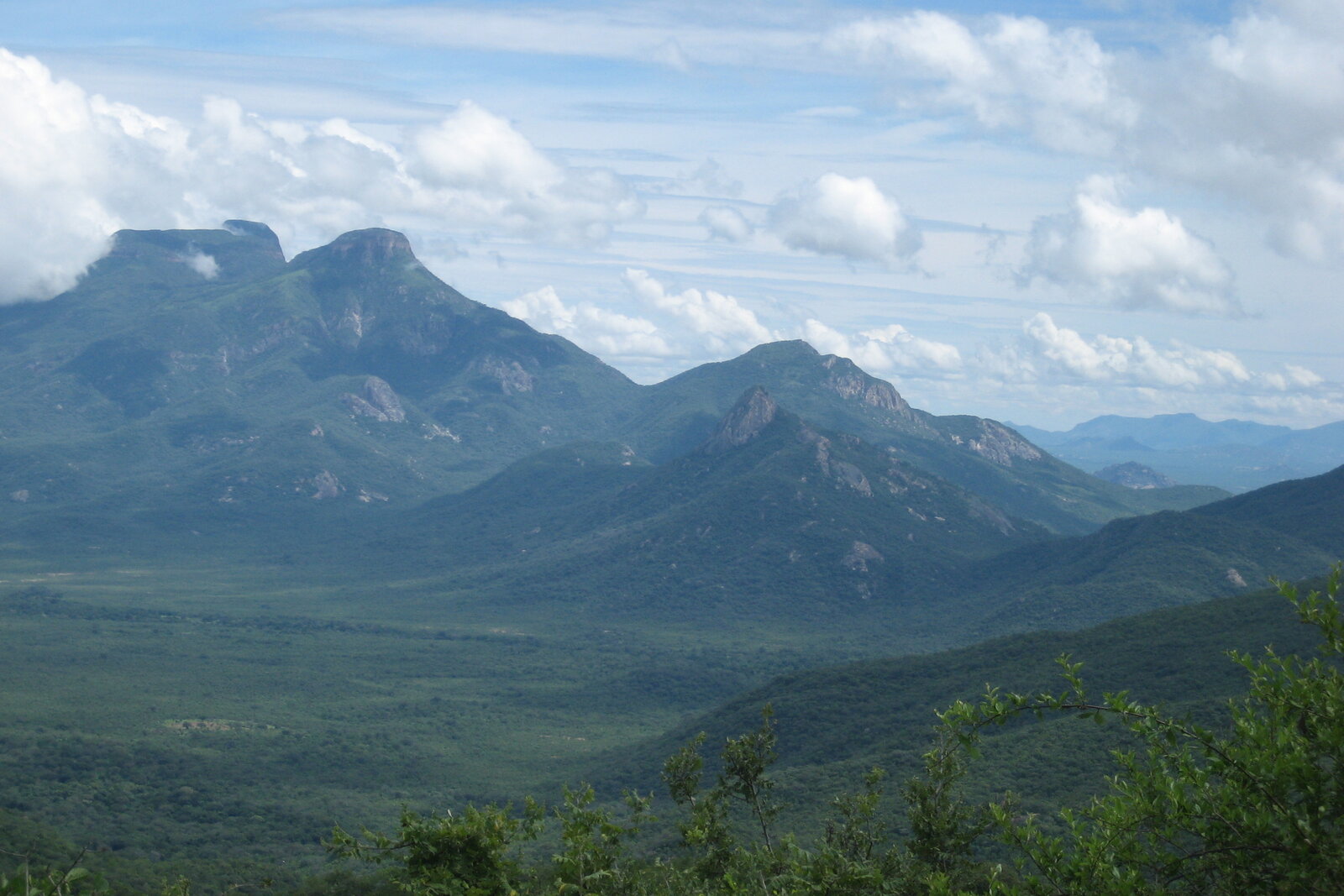
Angola's cool, scenic highlands, home to the dramatic Tundavala escarpment and the winding Serra da Leba pass. Cool all year and genuinely cold at night in the dry season, the highlands are clearest and most comfortable in the dry season, May to September, when the escarpment views run for miles, and green and lush in the rains. Pack warm layers whenever you come.
Best Time for Specific Travellers
For first-time frontier safaris
May to October, the dry season, for the easiest travel, the most reliable roads, the best game viewing in Kissama and comfortable access to the desert and highlands, with June to August the sweet spot. This is the window that shows Angola at its most accessible, and the one we recommend for a first trip.
For wildlife & Kissama
July to October, the late dry season, when the bush thins and animals gather around shrinking water. This is when Angola's restored herds are easiest to see, and it pairs naturally with clear desert and highland travel in the same dry window.
For the Kalandula Falls & green scenery
February to May for the falls at their thunderous best, with April and May offering full-flow falls and easing roads. This is also the season for lush landscapes, full rivers and the greenest photography, ideal for travellers who prioritise scenery over game viewing.
For the desert & the coast
May to October for the most comfortable conditions in Namibe and Iona, clear skies over the welwitschia plains and dunes, and the best surf on the southern coast from June to August. The desert stays travellable even in the green season, but the cacimbo is the easiest and most pleasant time to explore it.
For photographers, birders & solitude
The dry season offers the clearest light on the desert, highlands and wildlife, while the green season (especially November and February to April) brings emerald landscapes, thundering waterfalls, migrant birds and near-total solitude — for those willing to work around the heat, humidity and wetter roads.
Weather & What to Pack by Season
Angola's climate varies enormously with region and altitude, from the hot, humid north to the cool desert coast and the crisp southern highlands, so packing is about layers and flexibility as much as season. Getting it right makes a real difference to your comfort across such varied country.
| Season | Typical temps | Conditions | Pack essentials |
|---|---|---|---|
| Dry / cacimbo (May–Oct) |
Coast day 20–25°C; highlands can near 0°C at night | Cooler, dry, clear interior; misty coast; cold highland nights | Layers, warm fleece/jacket for highlands, neutral clothing, sturdy shoes, sun protection, binoculars |
| Green season (Nov–Apr) |
Interior day 28–33°C; warm, humid nights | Hot, humid, afternoon storms; heaviest rain Jan–Mar | Light breathable clothing, good rain jacket, waterproof bags, high-factor sunblock, strong insect repellent |
| Desert south (year-round) |
Warm days, cool nights; little rain any month | Dry, clear, foggy coastal mornings; big day-night swings | Warm layer for mornings, sun hat, high-factor sunblock, dust protection for cameras, plenty of water |
Whenever you travel, pack for range: lightweight, quick-dry clothing in neutral colours for warm days, a warm fleece or jacket for cold highland nights and foggy coastal mornings, and a good rain jacket in the green season. Sturdy closed shoes suit rough ground, high-factor sunscreen and a hat are essential in the strong sun, and insect repellent matters, as much of Angola is a malaria area, so antimalarials and covering up at dusk are important. A dust-proof bag protects cameras in the desert and a waterproof one shields them in the rains, and binoculars transform both wildlife and birdwatching. Because Angola's distances are huge and its infrastructure still developing, allow generous travel time and expect long transfers between regions.
When to Book — and How Season Affects a Trip
Angola is one of Africa's least-visited safari destinations, with a small number of lodges and camps, limited internal flights and long overland distances, so forward planning matters more here than in almost any established safari country. Getting your dates, permits and logistics locked in early protects the whole trip.
The dry season (May–October) is the peak window, with the best travel conditions and the strongest game viewing, and the limited good accommodation in Kissama, Namibe and the highlands fills first for these months, so secure dry-season dates several months in advance, and further out for the July-to-September heart of the season. The green season (November–April) is quieter and better value, but with harder roads and thicker bush it suits flexible travellers focused on the falls, birding and the desert. Specialist experiences such as tracking the rare giant sable antelope require permits and careful timing, so build those in early.
Because so much of an Angola trip depends on internal flights, careful overland logistics, permits and a handful of small lodges, it is best arranged as a fully guided, tailor-made journey rather than pieced together independently. A deposit typically secures a booking, with the balance due closer to travel. For the full picture of parks, lodges, flights, visas and sample itineraries, read our ultimate Angola safari and travel guide, then explore our real bookable journeys below or contact our team.
The Verdict: So When Should You Go?
There is no wrong time to visit Angola — only the right time for you. If you want the easiest travel, the most reliable roads, the best game viewing in Kissama and comfortable access to the desert and highlands, and you are planning a first frontier trip, come in the dry season, May to October, and build around June to August for the finest all-round conditions, or July to October if wildlife is your priority. This is Angola at its most accessible.
If your dream is the Kalandula Falls at full thunder, emerald landscapes and superb birding, come in the green season, and time your falls visit for February to May, when they roar across their full width and the roads are beginning to ease. And if the desert and the highlands are your goal, the Namibe and Iona wilderness and the cool Lubango escarpments reward travel in almost any month, with the dry season the most comfortable of all.
Whichever season calls to you, Angola will reward you like few places left on the continent — a genuine frontier of waterfalls, deserts, highlands and wild coast, almost entirely to yourself. When you are ready to turn a date into a journey into Africa's last great frontier, read our ultimate Angola safari and travel guide, browse the journeys below, or contact our team to plan a privately guided trip built around the perfect time for you.