Key Takeaways
- The best time to visit Uganda is during the two dry seasons: June to August (the long dry) and December to February (the short dry) — firm trails for gorilla trekking, clear skies for game drives and the easiest travel conditions across the country
- Gorilla trekking in Bwindi and Mgahinga is possible year-round, but the dry seasons deliver firmer, less muddy trails, thinner vegetation for better gorilla visibility, and the most comfortable trekking conditions — especially in the steepest sectors like Nkuringo
- Gorilla permits cost $800 USD for foreign non-residents and sell out 6 to 12 months in advance for peak-season dates — book as early as possible to secure your preferred date and sector
- Uganda has two wet seasons: the long rains (March to May, April wettest) and the short rains (October to November) — trails are muddier and roads more challenging, but permits are easier to get, lodge rates drop, and the forest is at its most beautiful
- For savanna game viewing in Queen Elizabeth, Murchison Falls and Kidepo Valley, the dry seasons concentrate animals at permanent water sources and thin the bush for easier spotting
- September is a quiet sweet spot — drier than the wet months, fewer crowds than the peak dry season, and a transition window where permits may still be available
TL;DR: The best time to visit Uganda is during the two dry seasons, June to August and December to February, when gorilla-trekking trails in Bwindi and Mgahinga are firm, the savanna parks deliver their clearest game viewing, and travel across the country is at its easiest. June to August is the long dry — the classic peak season for all of Uganda — while December to February is the short dry, equally excellent and slightly less busy. Gorilla permits ($800 USD) sell out 6 to 12 months ahead in peak season, so book early. The wet seasons (March to May and October to November) are muddier and more physically demanding, but bring lower rates, fewer trekkers, lush green forests and superb birding. September sits in a sweet spot between the long dry and the short rains: drier, quieter, and often the last month to find permits for the year. Below you will find a full month-by-month guide, gorilla permit logistics, region-by-region timing (Bwindi/Mgahinga, Queen Elizabeth, Murchison Falls, Kibale, Kampala), best-time-by-traveller, weather and packing notes, and exactly when to book. Read this alongside our ultimate Uganda travel guide.
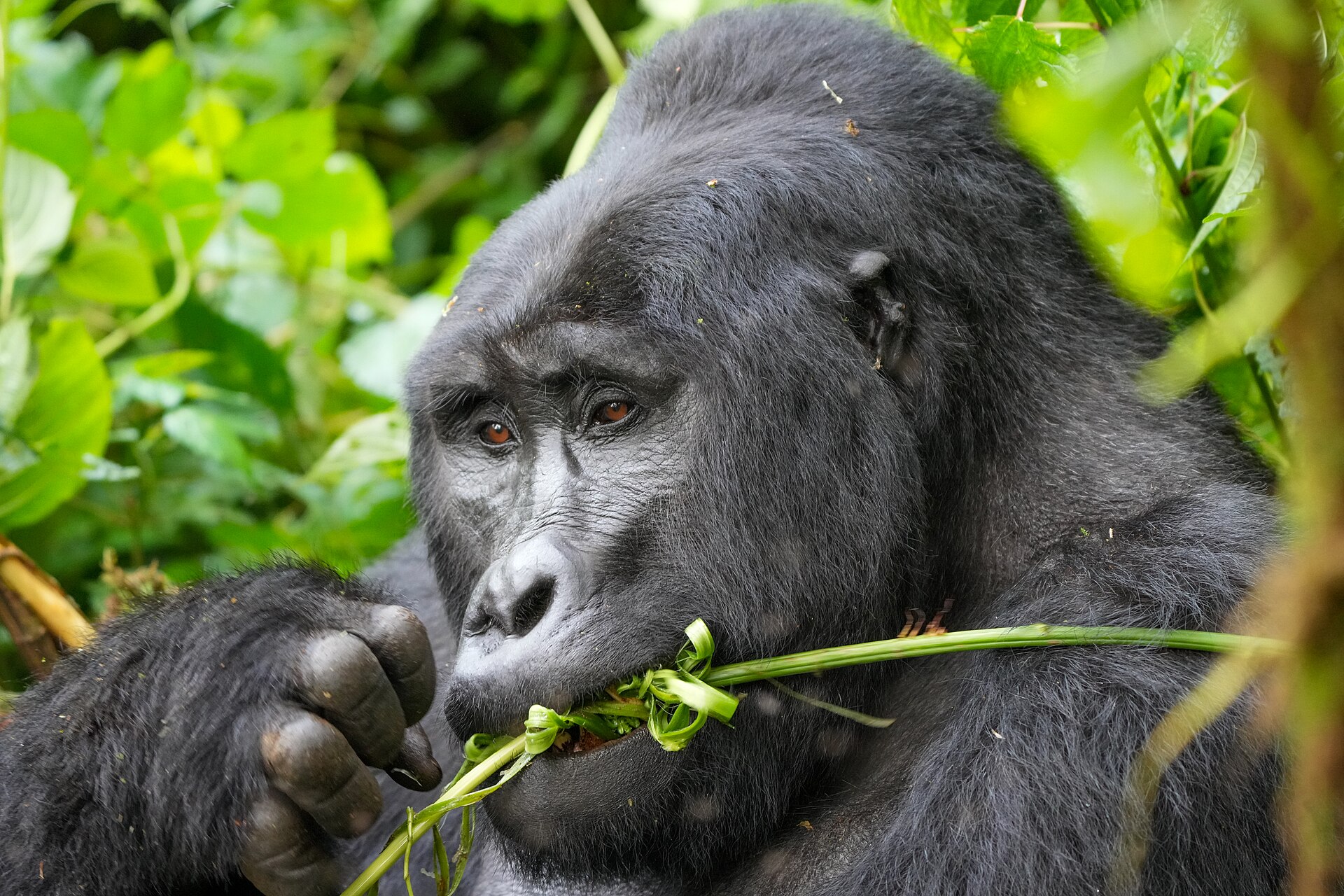
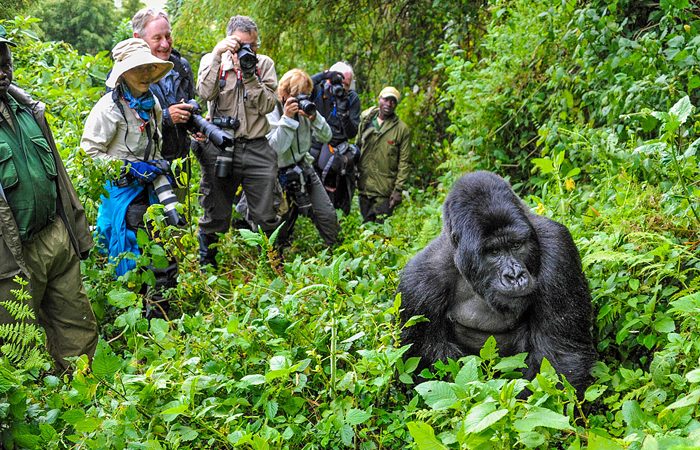
Uganda is the Pearl of Africa — Winston Churchill called it that, and after a century it still fits. This is a country of impenetrable mountain forests and mist-shrouded volcanoes, of thundering Nile waterfalls and lion-filled savanna, of equatorial snow and emerald crater lakes. And at the heart of it all, the reason most travellers come, is the chance to sit in the green half-light of Bwindi Impenetrable Forest and lock eyes with a silverback mountain gorilla.
Getting the timing right makes a real difference. Uganda sits on the equator, so it does not have a classic winter and summer — instead the year is shaped by rainfall, with two dry seasons and two wet seasons driven by the movement of the Inter-Tropical Convergence Zone. The best time to visit Uganda is during the two dry seasons: June to August (the long dry) and December to February (the short dry). These are the months when gorilla-trekking trails are firmest, vegetation is thinnest, savanna game viewing is clearest and the roads are most reliable. But the wet season has its own power — and for the right traveller, it can be one of Africa's most rewarding windows.
In short: if gorilla trekking is your priority, come in the dry season, book your permit as far ahead as possible, and expect Uganda at its most accessible and dramatic. If you want lush green forests, fewer trekkers, lower lodge rates and an explosion of migratory birdlife, the wet season can deliver an experience that the dry months never quite match. This guide walks you through every month, every park and every consideration so you can choose the Uganda that is right for you.
The Short Answer: Best Time to Visit Uganda by Priority
| If your priority is... | Best months | Why |
|---|---|---|
| Best overall | Jun – Aug & Dec – Feb | Dry seasons: firm trails, clear skies, best game viewing, easiest travel |
| Gorilla trekking (Bwindi/Mgahinga) | Jun – Aug & Dec – Feb | Firm, drier trails; thinner vegetation; best visibility |
| Chimpanzee trekking (Kibale) | Jun – Sep & Dec – Feb | Dry trails; chimps highly active and vocal, easier to locate |
| Savanna game drives (QE/Murchison) | Jun – Sep & Dec – Feb | Animals at water holes; sparse bush; best Ishasha tree-climbing lions |
| Birdwatching | Oct – Nov & Mar – May | Wet season; migratory species arrive, breeding plumage, 1,000+ species |
| Fewest crowds & best value | Mar – May & Oct – Nov | Wet seasons: lower rates, easier permits, lush green forests |
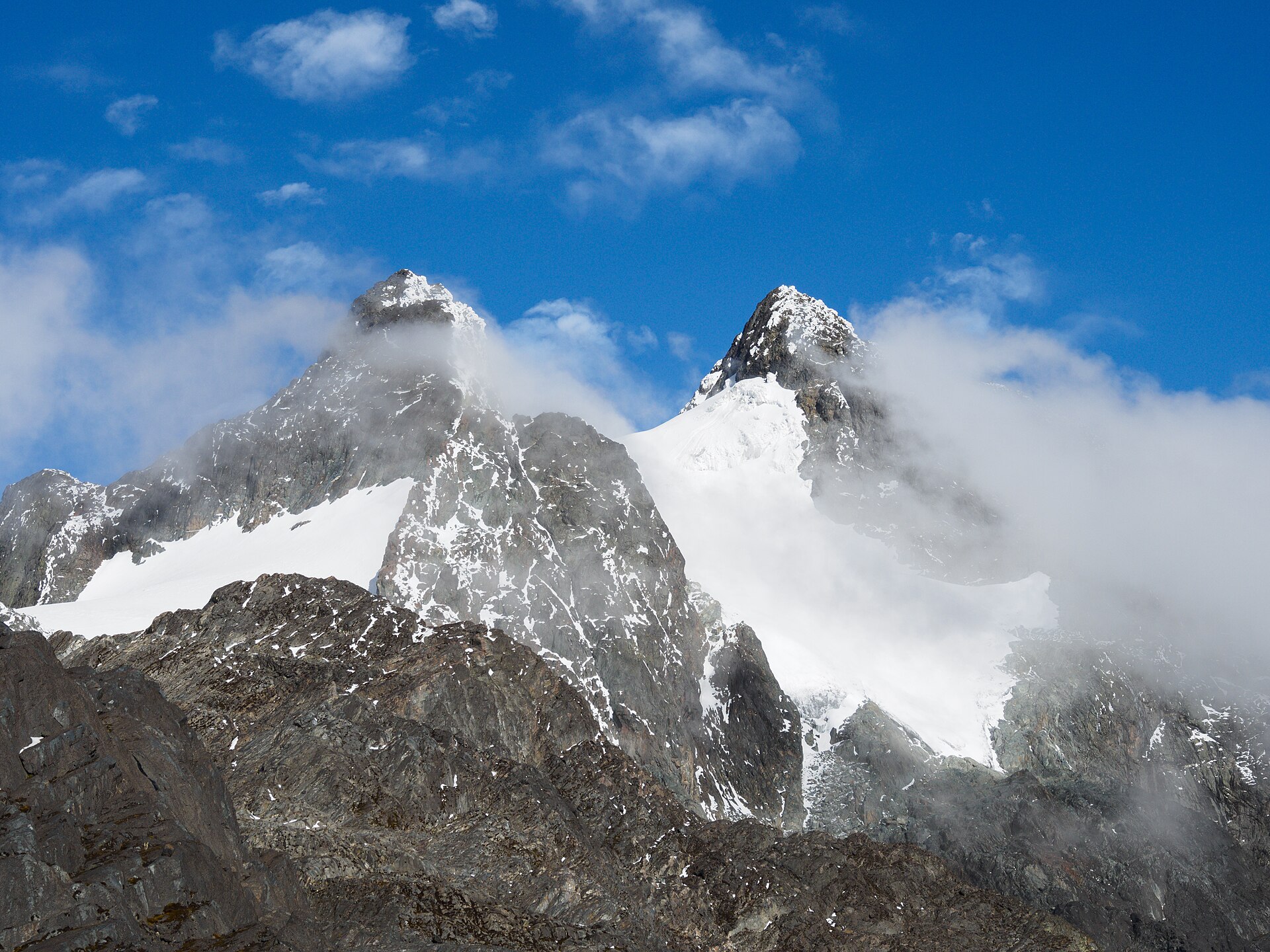
| Rwenzori trekking | Jun – Aug & Dec – Feb | Driest trails, clearest summit views, safest conditions |
Keep this table in mind as you read on. Below we unpack Uganda's climate framework, the critical gorilla-permit logistics, the two seasons in depth, then break the year down month by month and region by region so you can pin your dates with confidence.
Uganda's Climate: How the Seasons Work
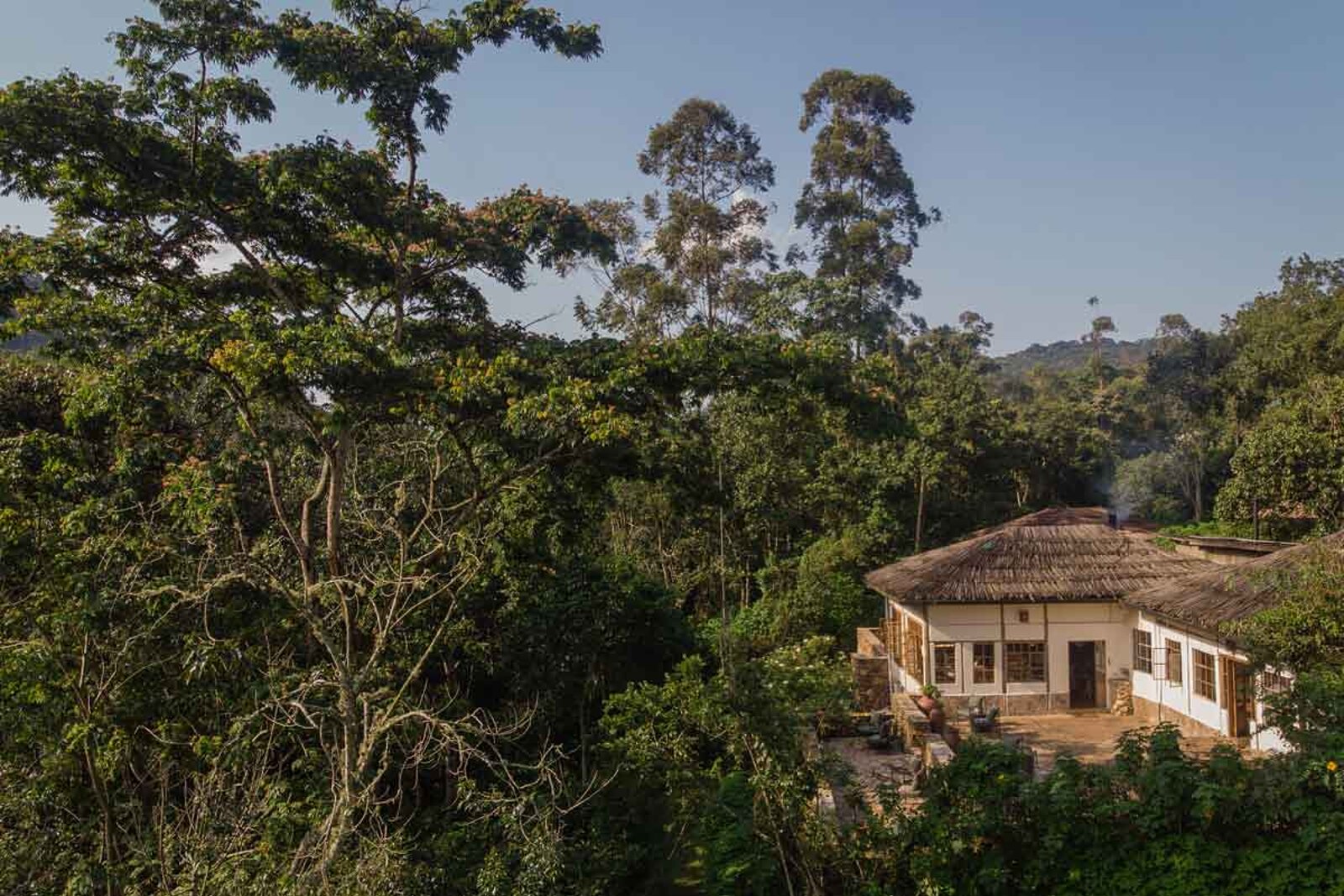
Uganda sits squarely on the equator, and its climate is shaped by altitude and rainfall rather than temperature. Most of the country lies between 1,000 and 1,500 metres above sea level, which tempers the tropical heat into a pleasantly warm year-round climate — typically 25 to 29 degrees Celsius in the lowlands and a cooler 15 to 23 degrees in the highlands around Bwindi and the Rwenzoris. There is no cold season in any meaningful sense; it is the rain that defines the year.
Uganda has two dry seasons and two wet seasons, driven by the movement of the Inter-Tropical Convergence Zone across East Africa. The long dry season runs from June to August, when the ITCZ moves north and the rains retreat. The short dry season runs from December to February, a briefer but equally reliable window. Between them come the long rains from March to May (with April typically the wettest month of the year) and the short rains from October to November, which are generally lighter and more unpredictable than the long rains.
This double-season pattern means Uganda offers two peak windows rather than one — a real advantage for planning. It also means that the transitions between wet and dry are gradual rather than abrupt, so the shoulder months of September (between long dry and short rains) and December (between short rains and short dry) can be excellent, drier-than-expected windows that many travellers overlook.
Gorilla Permit Logistics: The Key to Planning
If gorilla trekking is the centrepiece of your Uganda trip — and for most travellers it is — then the permit is the single most important booking you will make, and it needs to come first. Everything else in your itinerary, from flights to lodges, should be built around the date your permit confirms.
Permits cost $800 USD per person for foreign non-residents, a flat rate year-round with no seasonal discount. They are issued by the Uganda Wildlife Authority (UWA) and allocate you to a specific gorilla family, a specific sector of Bwindi Impenetrable National Park (or Mgahinga Gorilla National Park), and a specific date. Each habituated gorilla family receives a maximum of eight visitors per day, which keeps the total number of daily permits across Bwindi relatively small — and demand, especially in the dry seasons, consistently exceeds supply.
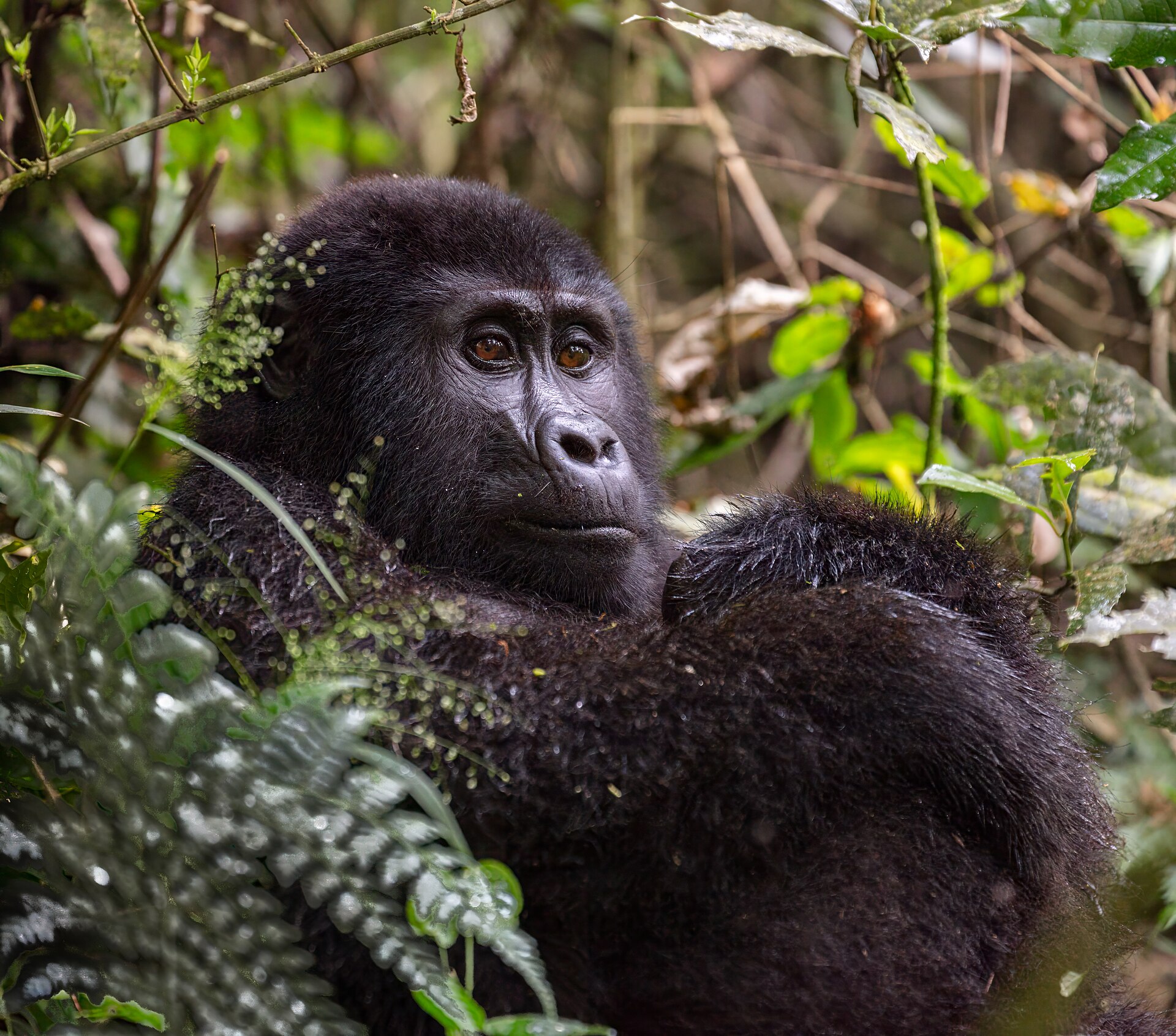
For the peak dry-season months of June, July, August, December and January, book your permit 6 to 12 months in advance. These months sell out fastest, especially for the popular Buhoma and Rushaga sectors, which have the highest concentration of habituated families and the most accessible trails. For the wet-season months, permits are generally easier to obtain — sometimes just a few weeks ahead — and this is one of the green season's genuine advantages.
Bwindi's four trekking sectors each have a different character. Buhoma, in the north, is the original trekking base and the most accessible. Rushaga, in the south, has the most habituated families and the greatest flexibility. Ruhija, in the east, sits at higher altitude with montane habitat. And Nkuringo, in the southwest, is the steepest, most physically demanding sector — a real challenge in the wet season when trails turn to mud, but spectacular in the dry months. Mgahinga Gorilla National Park, on the Virunga volcanoes, has just one habituated family and far fewer permits, making it harder to book but offering a different volcanic landscape.
A practical tip that many first-time visitors miss: many travellers fly into Kigali, Rwanda, and drive four hours to southern Bwindi (Rushaga or Nkuringo), rather than driving nine to ten hours from Entebbe or Kampala. This Rwanda route is faster, saves a full day of driving, and is especially smart if you are combining Uganda gorilla trekking with a wider East Africa itinerary.
The Dry Seasons (Jun–Aug & Dec–Feb): Prime Gorilla & Safari Conditions
If there is a single best time to visit Uganda, it is the dry seasons — and of the two, the long dry from June to August is the classic peak. This is when Uganda delivers its most comfortable, most accessible, most rewarding travel conditions across every park and activity.
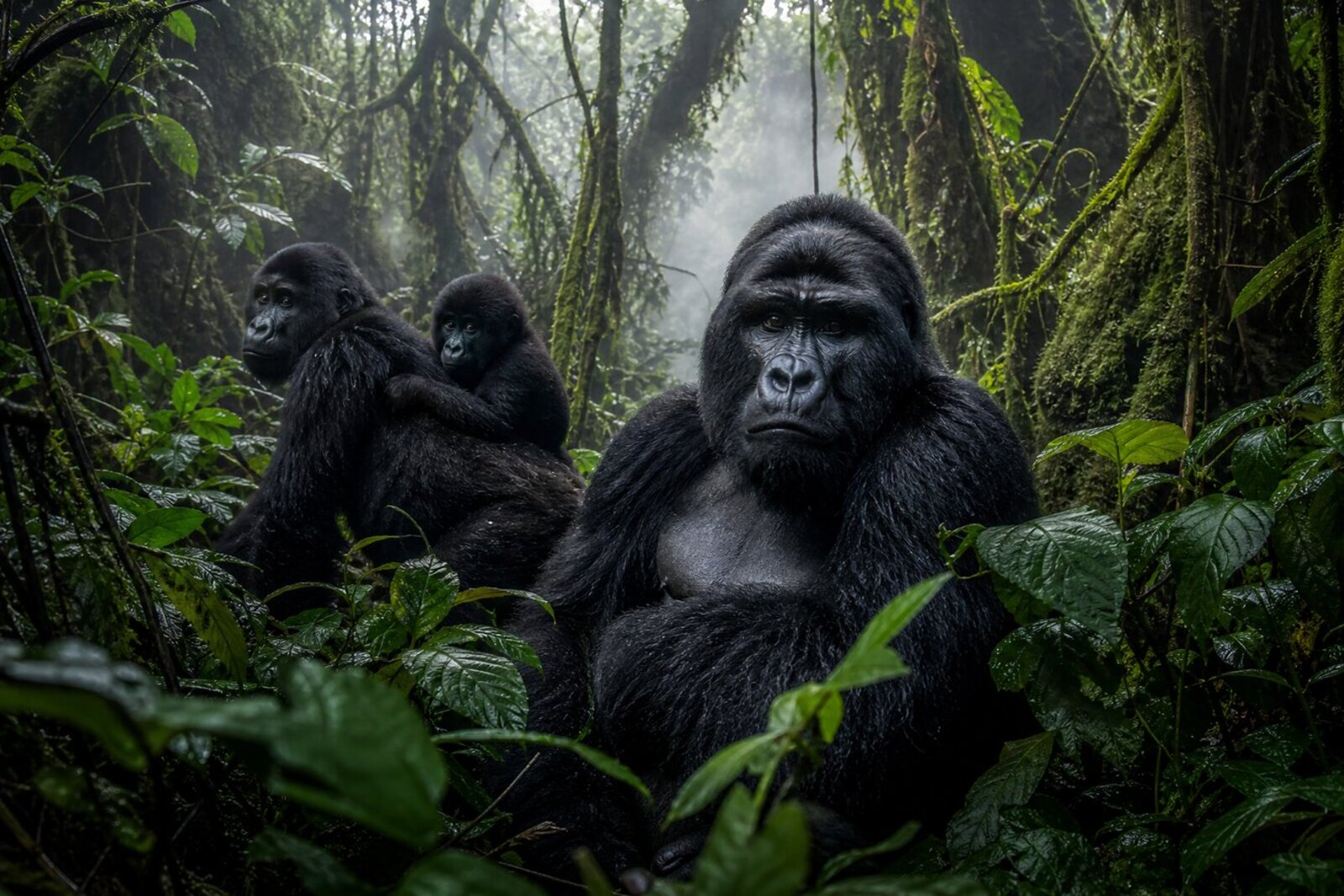
In Bwindi, the dry season means firmer trails, less mud, and notably thinner vegetation. The forest understorey opens up, gorilla families are easier to spot through the thinning canopy, and the steep, switchback trails — especially in Nkuringo and the higher sectors — are dramatically more manageable. Trekking times are more predictable, and the physical challenge, while still real, is far less gruelling than the same trek in the rains. Gorillas themselves are active year-round, but in the wet season they may stay at lower altitudes where food is abundant, sometimes meaning shorter treks — a small consolation for the mud.
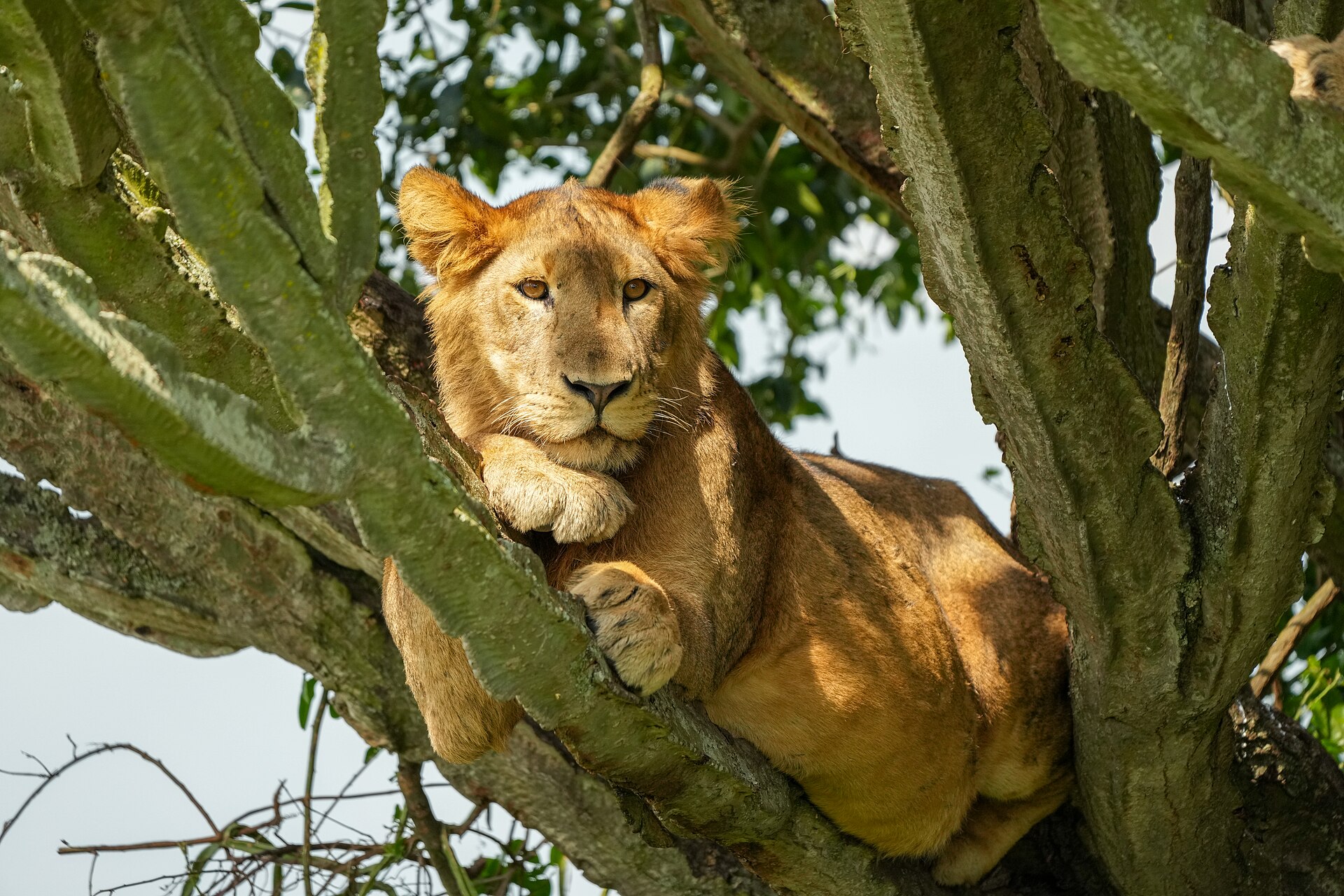
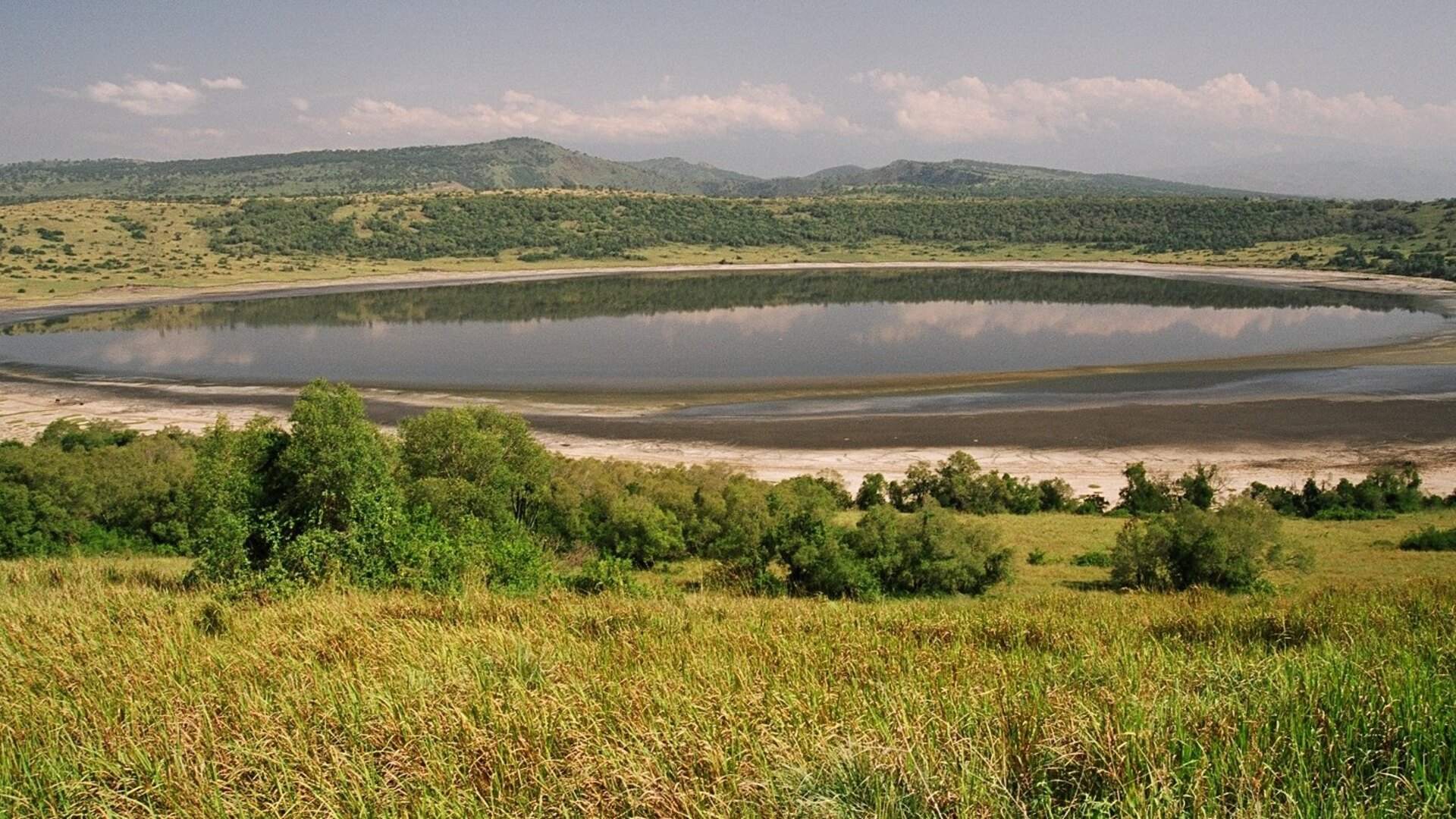
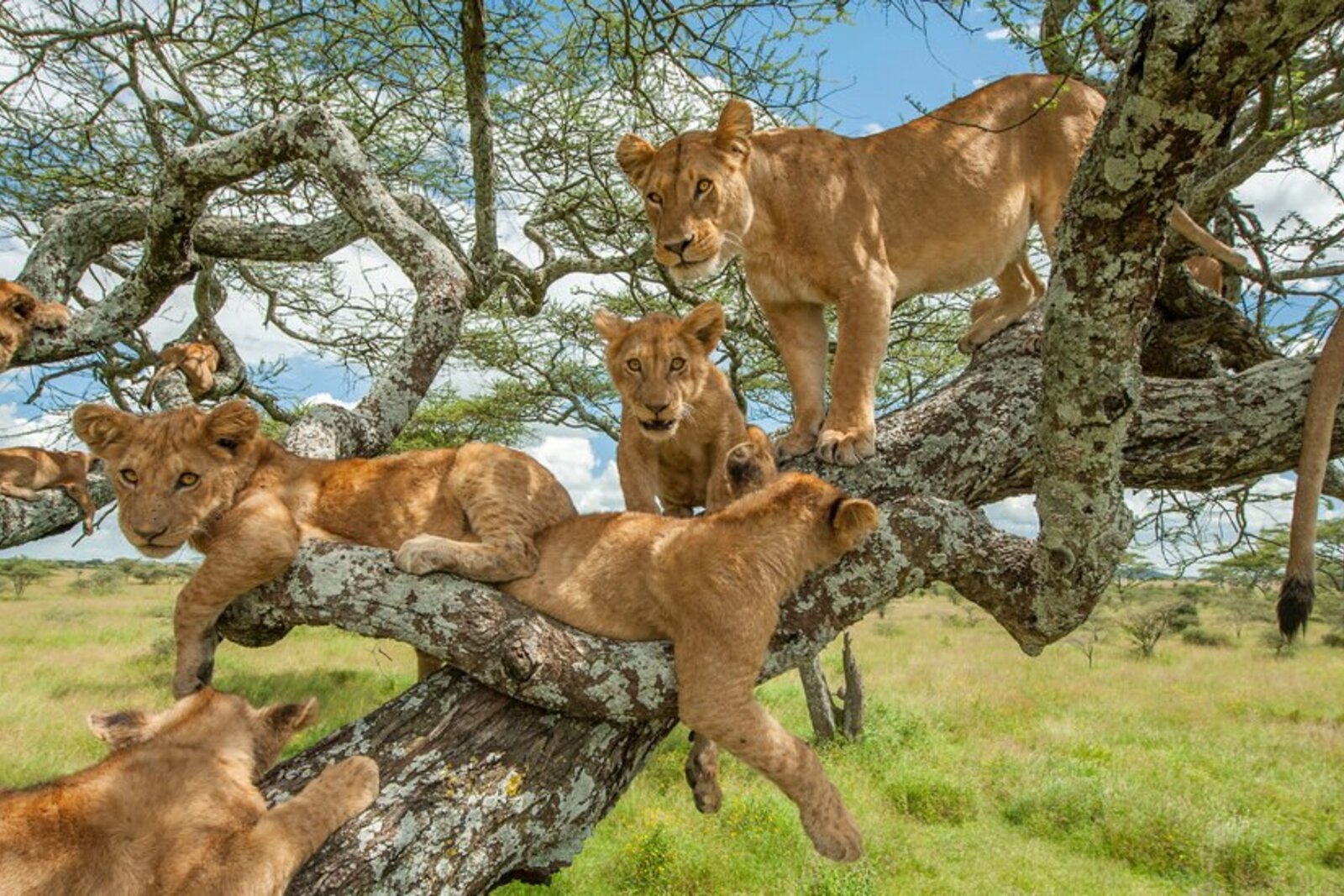
In the savanna parks, the dry season transforms the game-viewing equation. At Queen Elizabeth National Park, animals concentrate along the Kazinga Channel and the open plains of Ishasha, where the famous tree-climbing lions — one of only two populations on Earth that habitually climb and sleep in fig trees — are significantly easier to find when the bush is thin and water is scarce. The best times to see them: early morning (6 to 9 AM), midday (when the heat drives them into the shade of the trees to escape tsetse flies), and late afternoon (3 to 6 PM). Allow at least one full day and two game drives in Ishasha for the best chance.
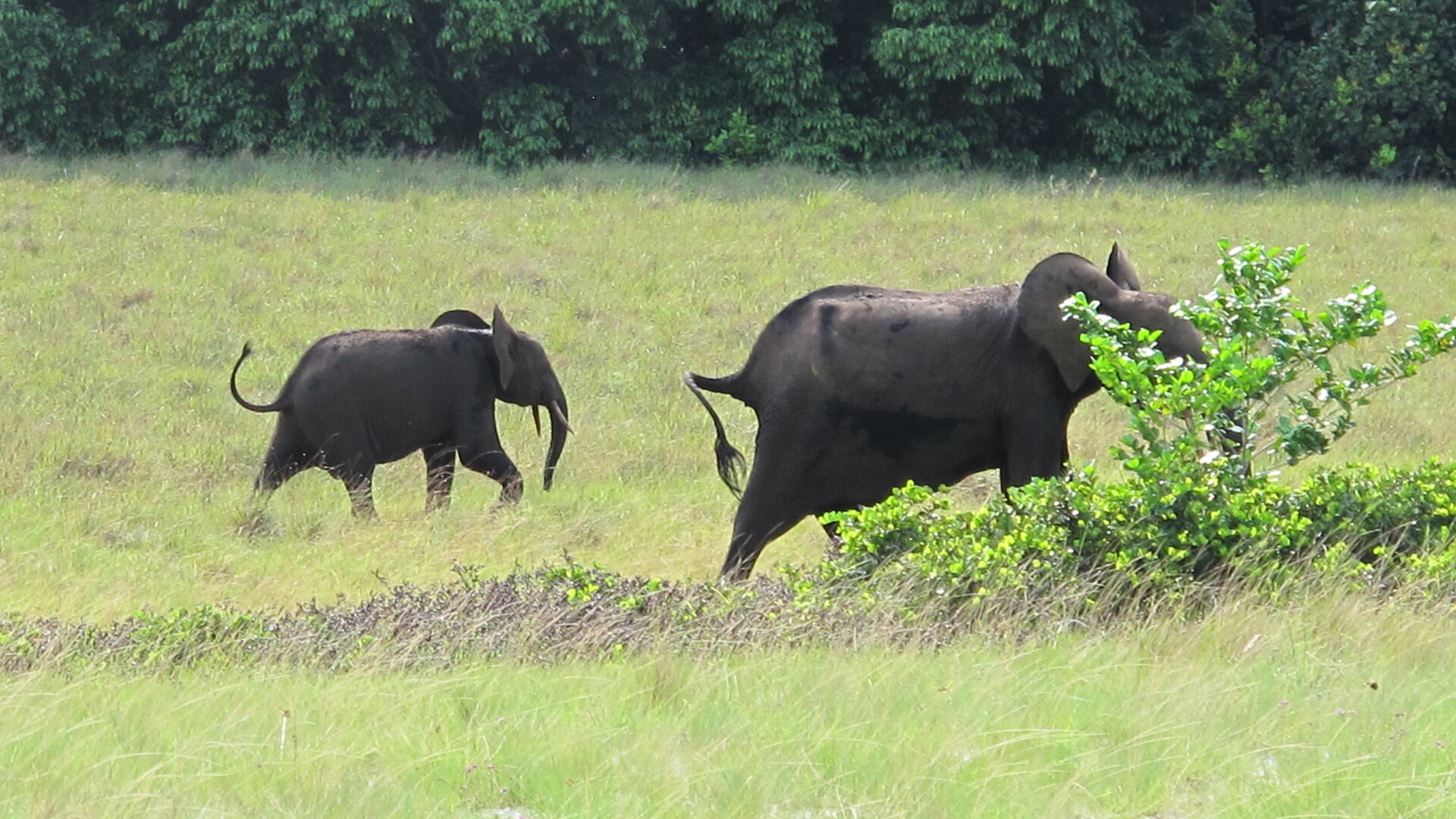
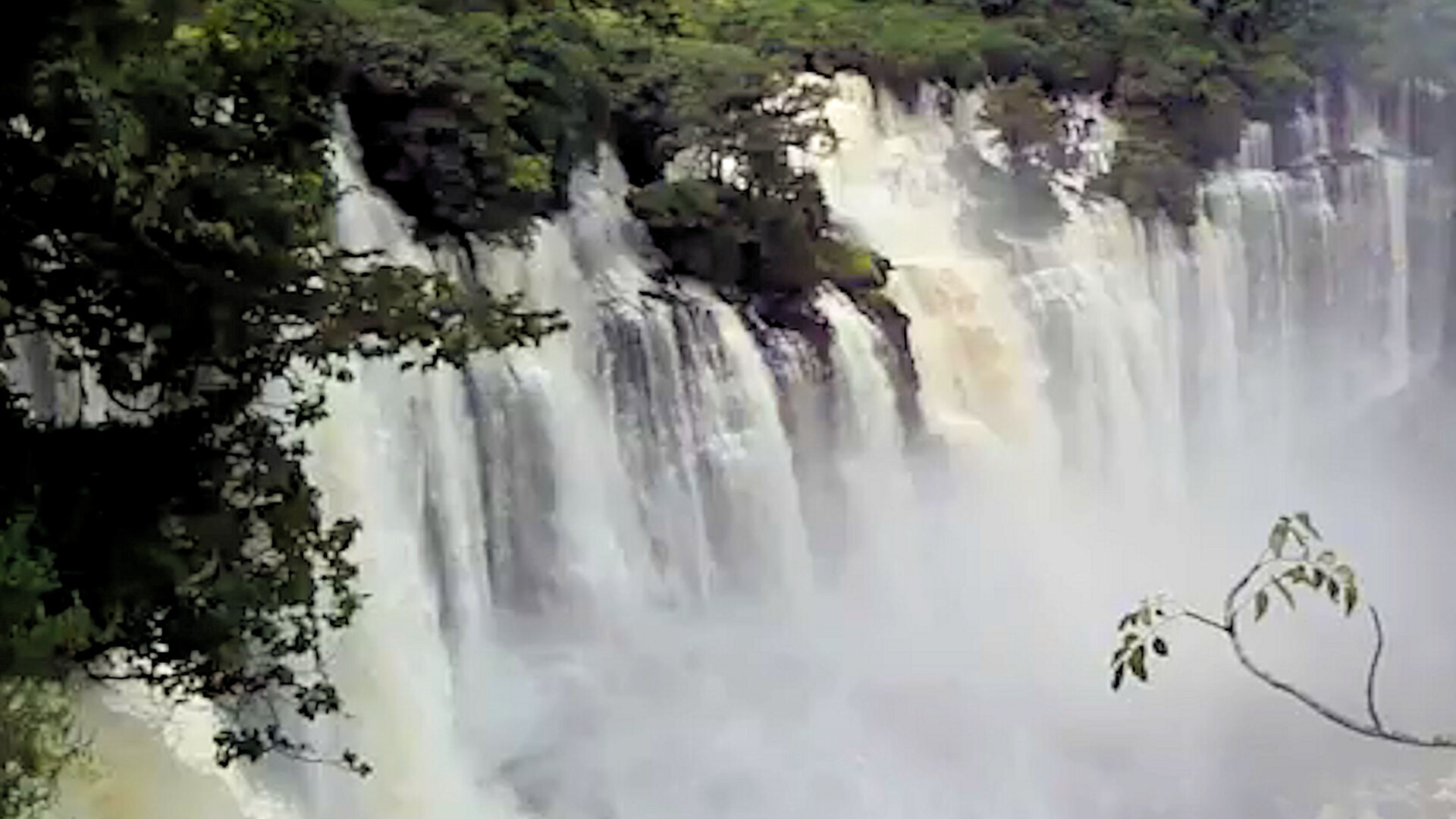
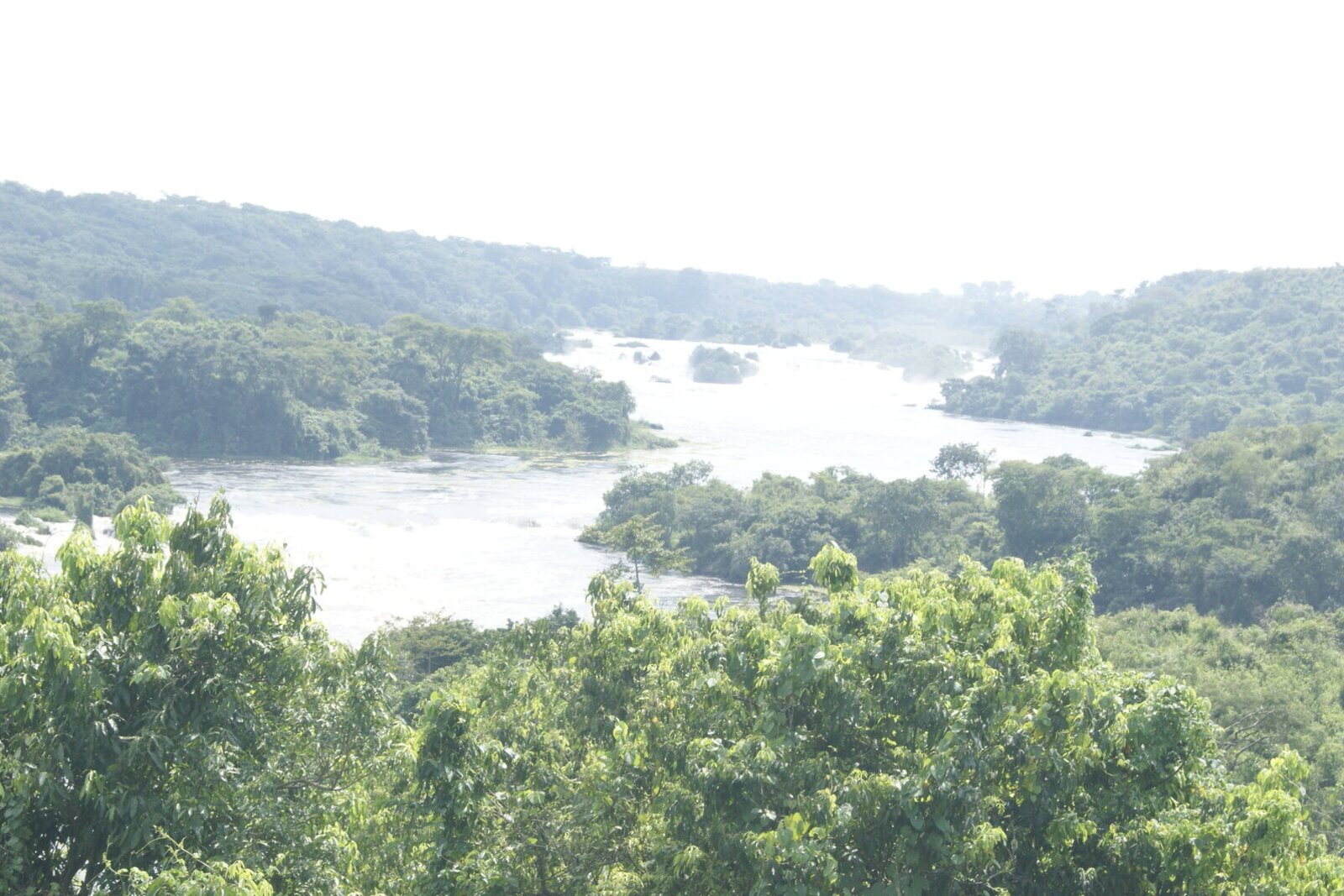
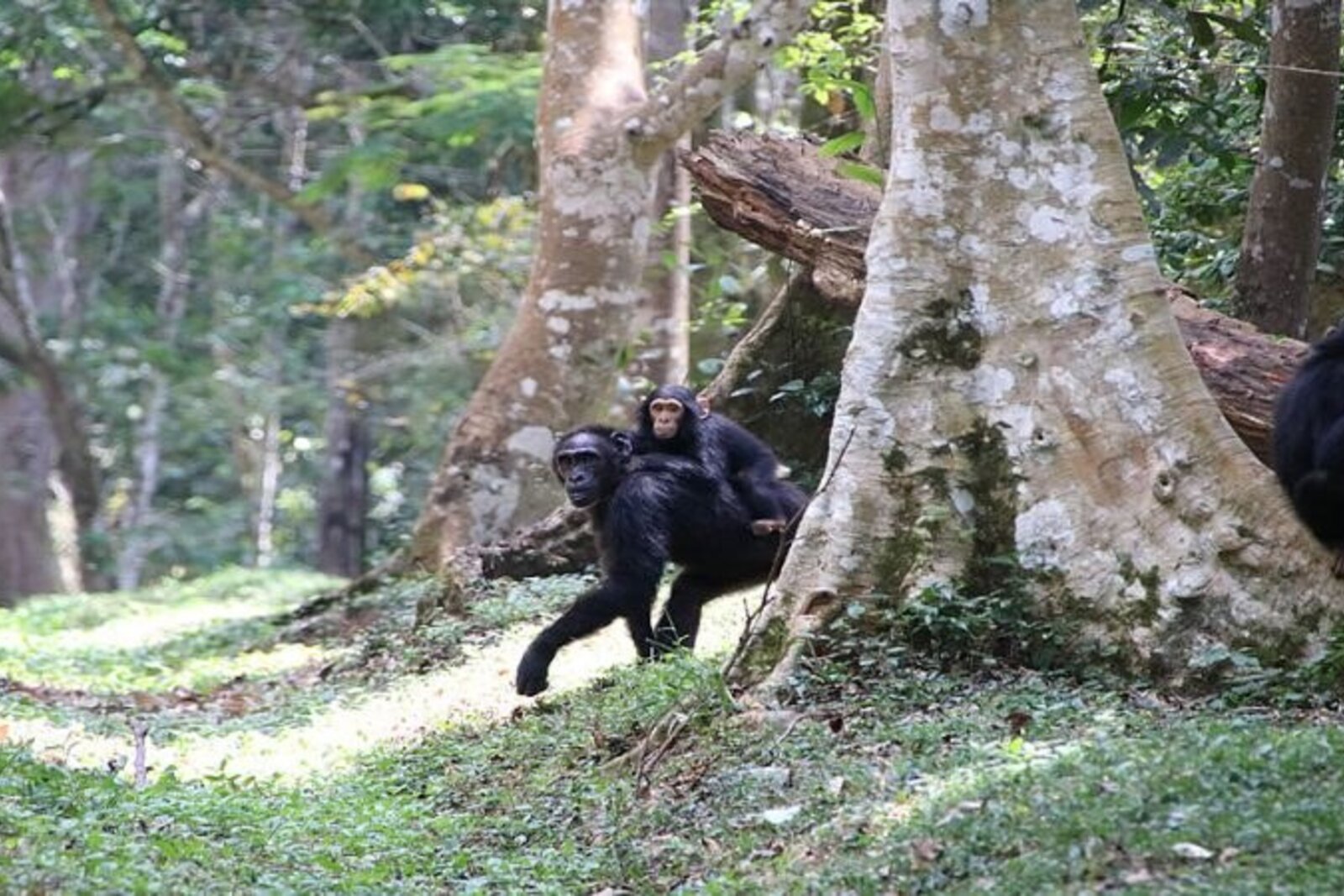
At Murchison Falls National Park, the dry months push animals to the banks of the Victoria Nile and the permanent water holes, making game drives and the spectacular boat trip to the base of the falls particularly rewarding. Kibale Forest is equally improved: dry trails mean easier navigation through the dense rainforest, and the 1,500-plus chimpanzees are highly active and vocal, making them easier to locate and track.
The short dry season, December to February, is equally good for all of these activities. February is one of the driest months of the entire year. The difference is timing and crowds: the December to February window aligns with the northern-hemisphere winter holidays, bringing more visitors (especially over Christmas and New Year), while the June to August window draws the summer-holiday crowd. Both are excellent — the choice comes down to your available dates and permit availability.
The Wet Seasons (Mar–May & Oct–Nov): Lush, Green & Full of Rewards
The wet season in Uganda gets a worse reputation than it deserves. Yes, the trails are muddier, the roads more challenging and the rain more persistent — but for the right traveller, it can be one of Africa's most atmospheric and rewarding windows, and there are genuine practical advantages too.
The long rains, March to May, are the wettest period, with April typically the heaviest month. Rain usually comes in intense afternoon downpours rather than all-day grey, so mornings are often usable. The forest, already dense, becomes a wall of green — beautiful for photography, if harder to navigate on foot. Trails in Bwindi can become seriously muddy, especially in Nkuringo and the higher sectors, and the physical demands of the trek increase considerably. Waterproof gear, gaiters and sturdy ankle-supporting boots are not optional.
The short rains, October to November, are lighter and less predictable. October can be quite pleasant, with rain arriving in sporadic afternoon bursts rather than sustained downpours, and many days are perfectly trekable. November is wetter but still far less challenging than April. Both months are transitional — conditions vary from year to year — and savvy travellers who are flexible can find unexpectedly good weather.
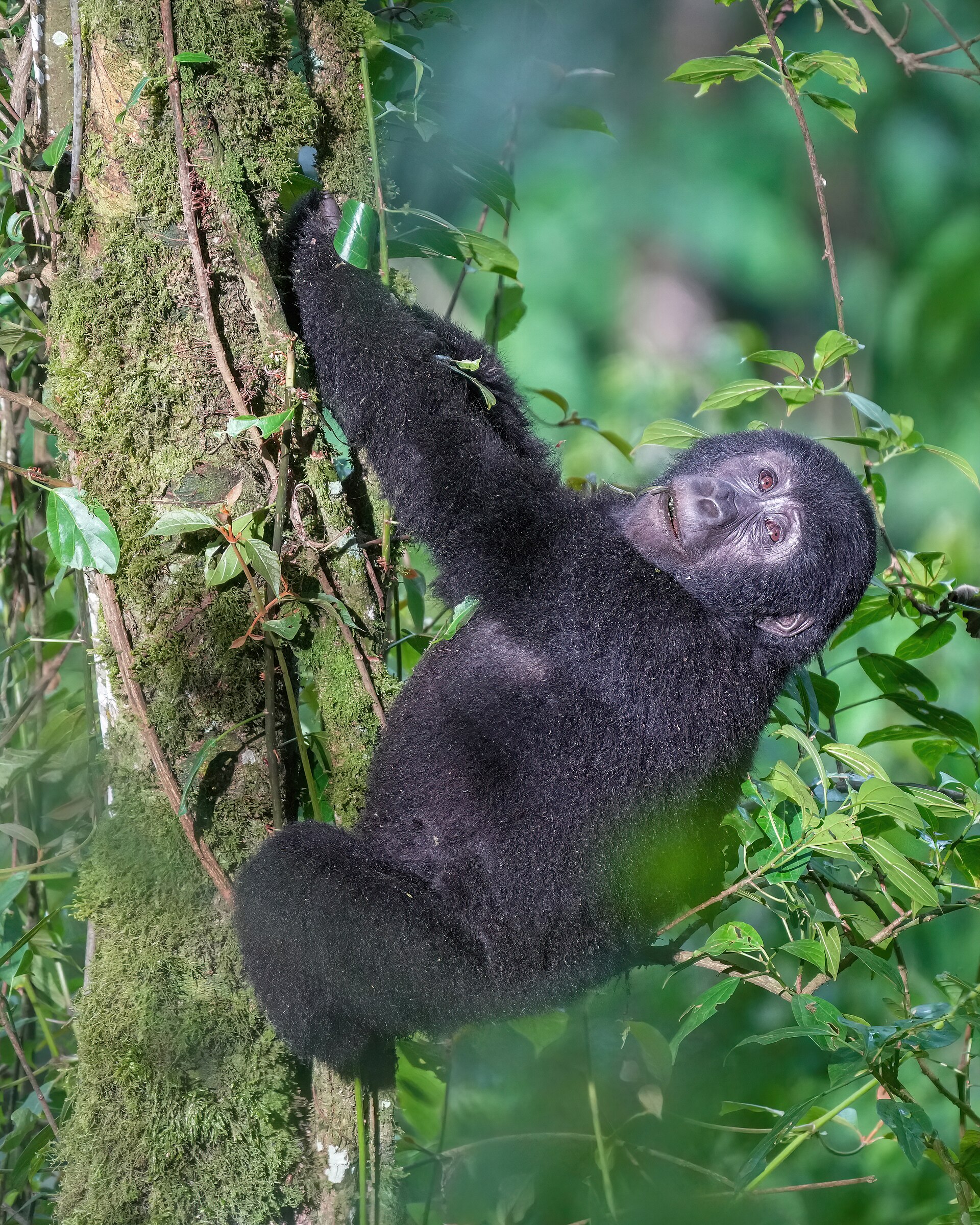
The rewards of the wet season are real. Gorilla permits are far easier to obtain — often available just weeks before the date, sometimes even on short notice, which is unheard of in the dry peak. Lodge rates drop significantly, and the trails are shared with fewer trekkers, making the encounter feel more intimate. The forest itself is at its most photogenic: deep, rich, dripping greens, dramatic mist and cloud, and a 'deep forest' atmosphere that many photographers actively seek out. And there is one interesting ecological nuance: in the wet season, gorillas may descend to lower altitudes where food is more abundant, which can sometimes mean shorter treks to reach the family.
For birdwatchers, the wet season is unambiguously the best time. Uganda is one of Africa's richest birding destinations, with over 1,000 species recorded, and the wet months — especially October to November and March to May — bring a flood of Palearctic and intra-African migrants. Breeding plumage is on display, the forests and wetlands are alive with calls, and species that are absent or inconspicuous in the dry season are suddenly everywhere. If birding is your primary goal, the green season is the season to come.
Uganda Month by Month
Here is the year in detail, so you can match your available dates to conditions on the ground.
January
Short dry season: clear skies, high sunshine and one of the best all-round months. Excellent for every park — gorilla trekking trails are firm, Murchison and Queen Elizabeth deliver strong game viewing, and Kibale's chimps are active and vocal. A popular month, so book permits and lodges well ahead.
February
One of the driest months of the year and an outstanding time to visit. Prime conditions for gorilla trekking, savanna game drives and Rwenzori trekking. Still in high demand for permits. Warm, sunny days with very little rain — a genuine all-round peak.
March
Transition month: the long rains begin, with increasing afternoon showers. The landscape greens rapidly. Gorilla trekking is still very much possible, but trails are softening. A more adventurous, better-value month for those willing to accept some rain. Permits easier to obtain.
April
The wettest month of the year. Heavy afternoon downpours, muddy trails, challenging roads in places. Low season — the cheapest rates and fewest visitors. Gorilla trekking is physically demanding but still runs daily. The forest is at its most beautiful, deep and green. Excellent for birding as migratory species arrive.
May
Rains decreasing but the landscape remains lush and green. Trails are still muddy but conditions improve through the month. The forest is stunningly beautiful. Quieter, cheaper and more intimate than the peak — a good month for flexible travellers who want value and atmosphere.
June
The long dry season begins and conditions improve rapidly. Trails firm up, the bush thins and the savanna parks start delivering excellent game viewing. Peak season begins: high demand for permits and lodges. A wonderful, comfortable month for all of Uganda.
July
Peak dry season: firm trails, sparse vegetation, clear skies. Prime gorilla trekking conditions — the gold standard. Murchison Falls and Queen Elizabeth are at their game-viewing best. Permits sell out months in advance. Book as far ahead as possible.
August
Excellent dry-season conditions continue. Sparse vegetation makes gorilla and general game viewing superb. Popular with families and the international summer-holiday crowd. Another month where permits are in very high demand.
September
A transition month and a genuine sweet spot. The long dry is ending but the short rains have not yet arrived in earnest. Fewer crowds than the July–August peak, often still dry and comfortable, and one of the last windows to find permits for the year. A smart choice for savvy travellers.
October
The short rains begin, with unpredictable afternoon showers. Trail conditions vary, but many days are perfectly manageable. Excellent for birdwatching as migratory species arrive from the north. Lower rates and easier permit availability. A rewarding green-season month for the flexible.
November
Short rains continue, generally lighter than the long rains of March to May. Good birding, lower rates, fewer trekkers. Trails are wetter but rarely as challenging as April. A decent value month that gives way to the short dry in December.
December
The short dry season begins and rainfall tapers. Conditions improve rapidly through the month. Popular for holiday travel — the festive period brings high demand for permits and lodges, especially around Christmas and New Year. An excellent, reliable month for all of Uganda.
Best Time by Region
Uganda is compact but geographically diverse, and conditions vary from the montane forests of the southwest to the semi-arid savannas of the northeast. Here is how the timing changes across the country's key regions.
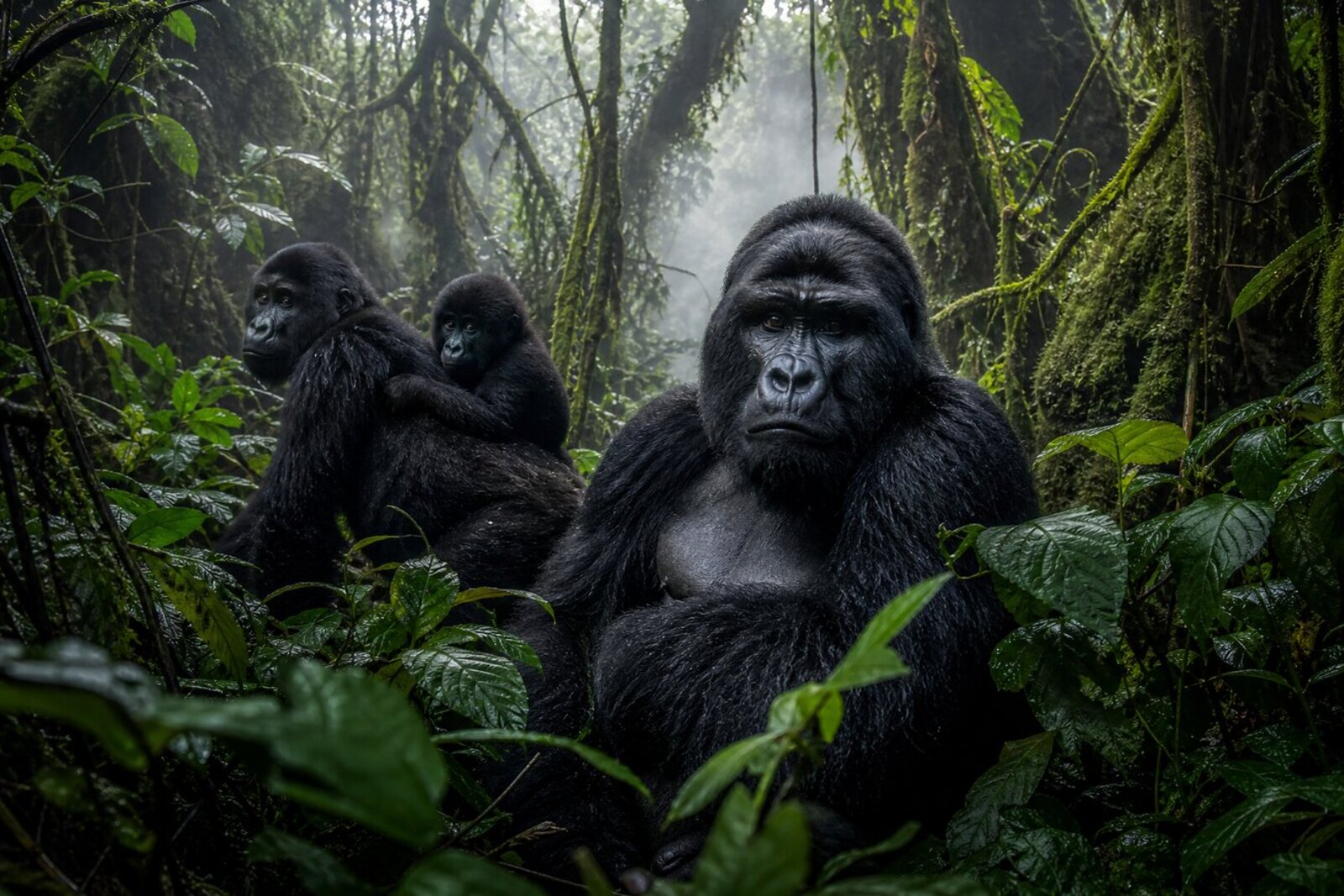
Bwindi Impenetrable National Park (Gorilla Trekking)
The undisputed centrepiece of Uganda tourism. Best months: June to August and December to February (the dry seasons), when trails are firmest, vegetation thinnest and trekking conditions most comfortable. Bwindi sits at 1,160 to 2,607 metres, so even in the dry season expect cool, misty mornings and the possibility of brief showers — this is, after all, a tropical montane rainforest. The wet season (March to May and October to November) is muddier and more physically demanding, especially in the steep Nkuringo sector, but gorilla families are active year-round, permits are easier to get, and the forest is at its lush, atmospheric best.
Mgahinga Gorilla National Park (Virunga Volcanoes)
Uganda's slice of the Virunga volcano chain, shared with Rwanda and the DRC. Best months mirror Bwindi: June to August and December to February. Mgahinga has just one habituated gorilla family (the Nyakagezi group), so permits are limited and in high demand year-round. The volcanic terrain drains faster than Bwindi's clay soils, so wet-season trekking here is slightly less challenging — but still muddy. The golden monkey trek, unique to the Virungas, follows the same seasonal pattern.
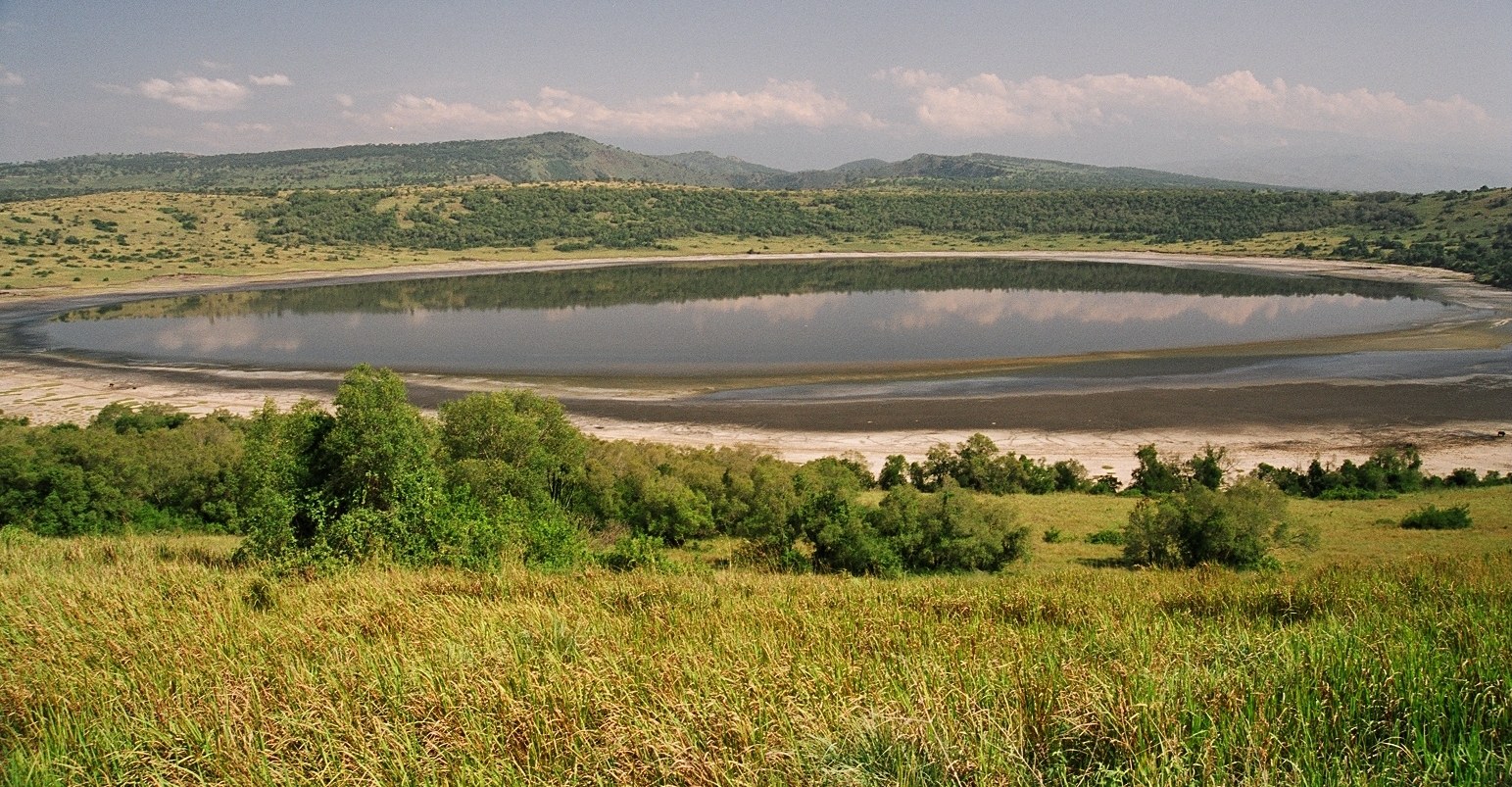
Queen Elizabeth National Park
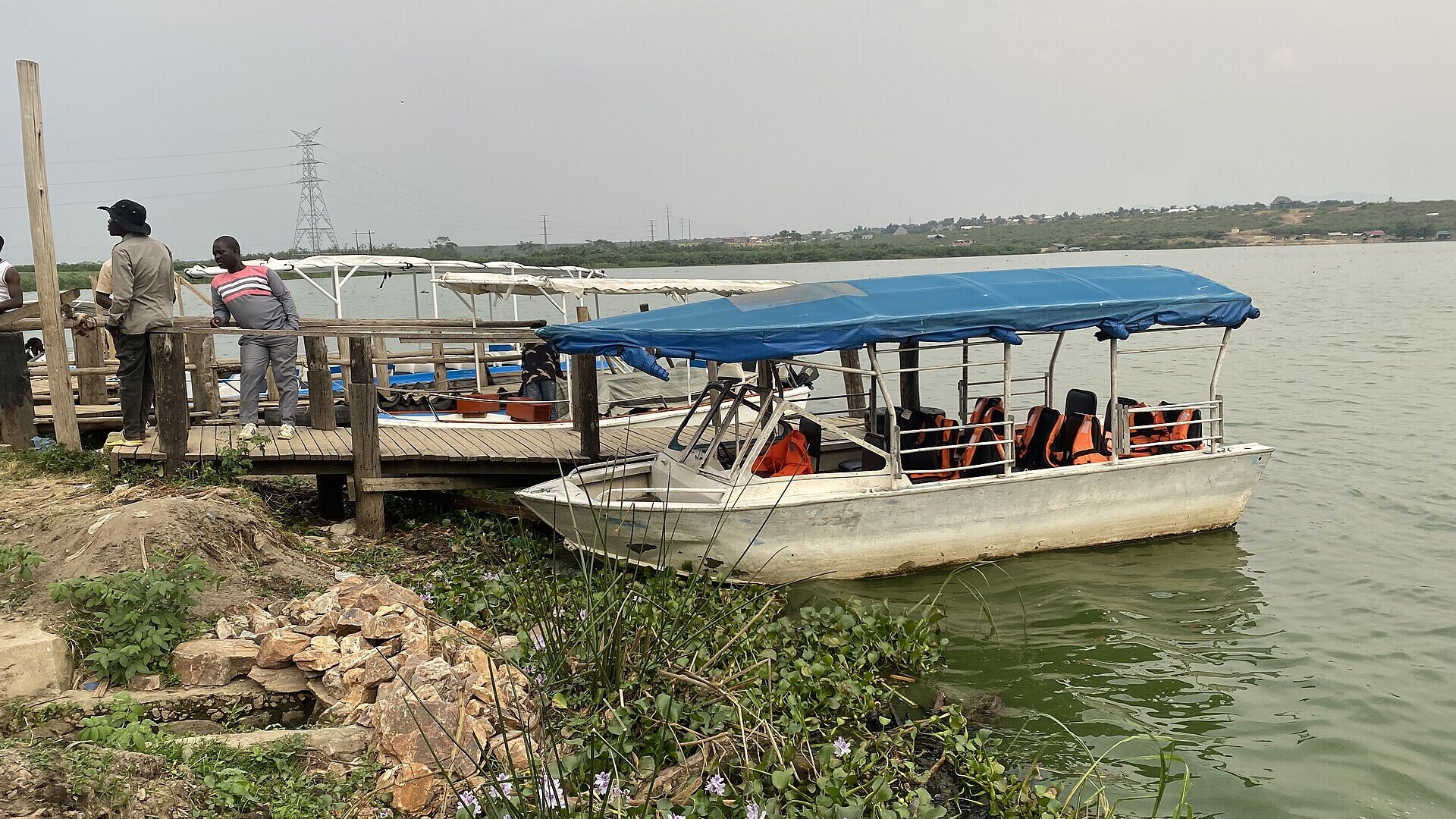
Best months: June to September and December to February. The dry season concentrates animals along the Kazinga Channel and the open Ishasha plains. The Ishasha tree-climbing lions are significantly easier to spot when the bush is thin and the fig trees stand out against sparse vegetation. The Kazinga Channel boat cruise — hippo, elephant, buffalo and huge Nile crocodiles — is superb year-round but at its most spectacular in the dry months, when animals crowd the water's edge. The wet season transforms the park into a green, atmospheric landscape with excellent birding but more difficult secondary roads.
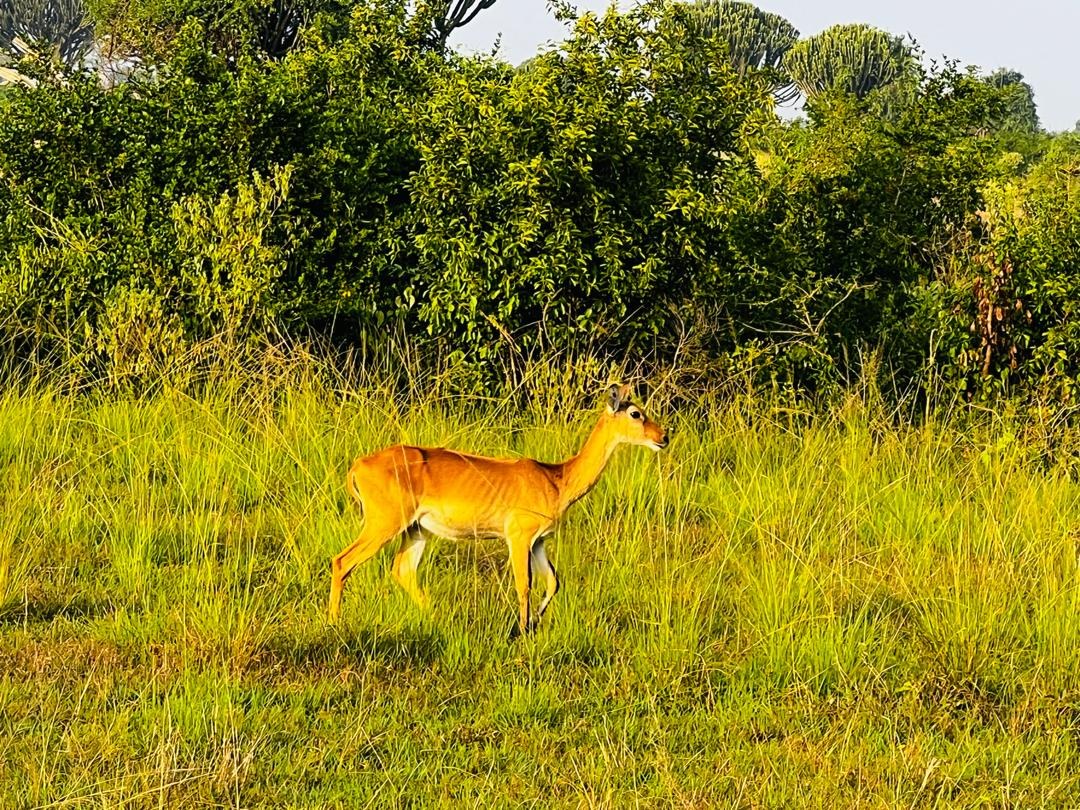
Murchison Falls National Park
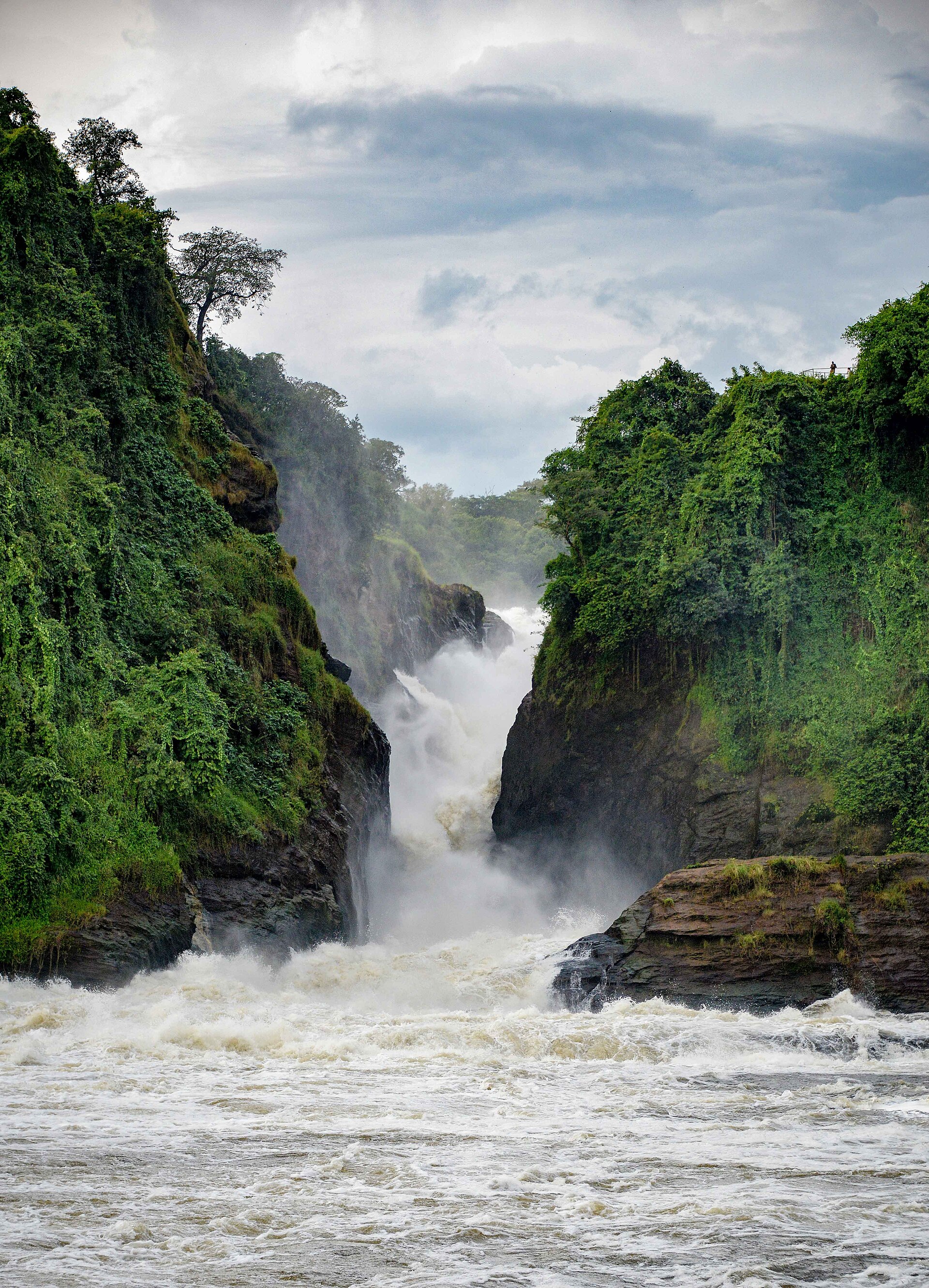
Best months: December to February and June to September. Uganda's largest park is accessible year-round and sits in a relatively dry part of the country, but the dry seasons push animals to the river and water holes for the best concentrations. The boat trip up the Nile to the base of the falls is unforgettable in any season. Wet-season secondary roads can become difficult, and the landscape, while vibrantly green, reduces game-viewing visibility.
Kibale Forest National Park (Chimpanzee Trekking)
Best months: June to September and December to February. Home to more than 1,500 chimpanzees — the world's premier chimp-tracking destination. Dry trails mean easier navigation through the dense rainforest, and chimps are highly active and vocal in the dry months, making them easier to locate. Tracking typically takes around three hours once the chimps are found. Book permits in advance for peak-season dates.
Kampala & Entebbe
Uganda's gateway cities are pleasant year-round, with warm days and cooler evenings thanks to the altitude (around 1,190 metres) and the proximity to Lake Victoria. The dry seasons are drier and sunnier, but Kampala's urban attractions — the Kasubi Tombs, Uganda Museum, the vibrant Owino Market, and the Entebbe Botanical Gardens — are enjoyable in any month.
Best Time for Specific Travellers
For gorilla trekkers
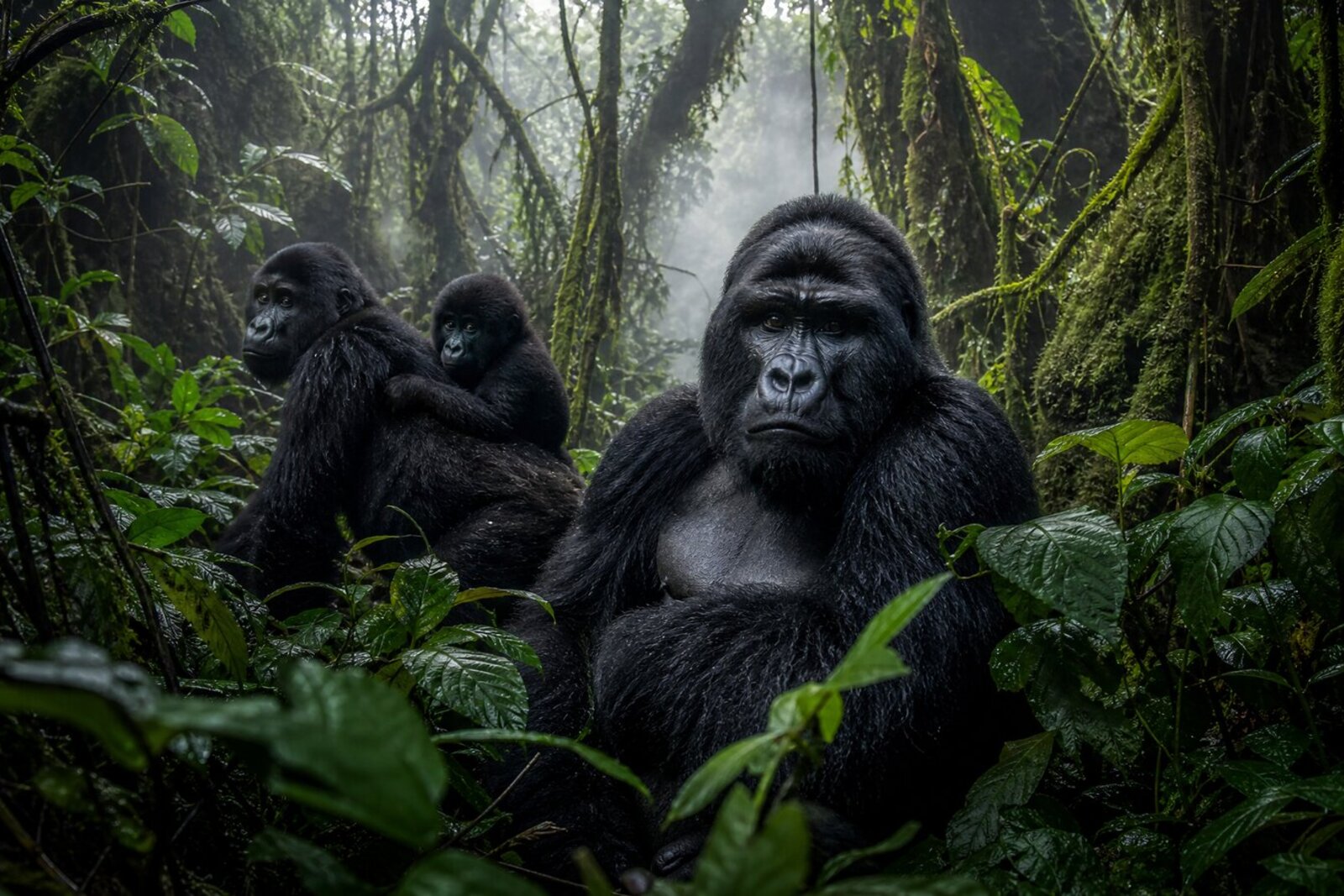
The dry seasons, June to August and December to February, for the firmest trails, best visibility and most comfortable trekking. Book your $800 permit 6 to 12 months ahead. If you want lower rates and fewer fellow trekkers and can handle mud, the wet season (especially October to November) is a legitimate alternative — just bring waterproof boots and gaiters.
For wildlife photographers
Two schools. For dramatic, atmospheric 'deep green' forest photography with mist and clouds, come in the wet season — the forest is extraordinary. For clear, sunlit wildlife shots with thinner vegetation and animals concentrated at water, the dry season wins. July and August are the peak photographic months for savanna parks.
For families
The dry seasons align with major school holidays (June to August for the northern hemisphere, December to January for the festive period). Dry, firm trails are significantly easier for less experienced trekkers. Note that children under 15 are not permitted to trek gorillas; families with younger children should focus on chimp trekking in Kibale (no age restriction for habituation experiences) and the savanna parks.
For birdwatchers
Come in the wet season, October to November or March to May, when migratory species flood the country, breeding plumage is on display, and Uganda's 1,000-plus species list is at its most active. Bwindi, Kibale, the Bigodi Wetland Sanctuary and the Murchison Falls delta are all extraordinary birding destinations in the green months.
For honeymooners & luxury travellers
June to August or December to February for the most comfortable, photogenic conditions. Combine gorilla trekking in Bwindi with the Kazinga Channel boat cruise, Ishasha tree-climbing lions and a Lake Bunyonyi stopover for the classic luxury Uganda circuit. Read alongside our Uganda honeymoon safari guide.
For budget-conscious travellers
The wet seasons (March to May and October to November) bring the lowest lodge rates, easier permit availability and far fewer visitors. The $800 gorilla permit is the same year-round, but everything else — lodges, flights, transfers — is notably cheaper. Combine wet-season gorilla trekking with value-season rates for the most affordable Uganda safari.
Weather & What to Pack by Season
Uganda's highland climate and the physical demands of gorilla trekking make packing especially important. Get this right and you will be comfortable on the trail and in the parks.
| Season | Typical temps | Conditions | Pack essentials |
|---|---|---|---|
| Dry seasons (Jun–Aug & Dec–Feb) |
Highlands 15–23°C; lowlands 25–29°C | Firm trails, clear skies, thinner vegetation; cool mornings in Bwindi | Sturdy ankle-supporting hiking boots, long trousers, long sleeves, warm fleece for early mornings, gardening gloves for grabbing vegetation, sunscreen, hat |
| Wet seasons (Mar–May & Oct–Nov) |
Highlands 15–22°C; lowlands 24–30°C | Muddy trails, afternoon rain, lush dense vegetation | Waterproof hiking boots, gaiters (essential), full rain jacket and trousers, waterproof camera bag, extra socks, gardening gloves, strong insect repellent |
Year-round gorilla-trekking essentials: sturdy, ankle-supporting hiking boots are non-negotiable — the trails involve steep gradients, roots and uneven ground in any season. Long trousers and long-sleeved shirts protect against nettles, thorns and insects. Gardening-style gloves are invaluable for grabbing vegetation as you climb. A warm fleece or softshell is needed for early mornings in Bwindi (1,500 metres-plus) even in the dry season. Strong insect repellent and long sleeves guard against tsetse flies in the savanna parks and mosquitoes everywhere — Uganda is a malaria area, so take antimalarial prophylaxis year-round and consult your doctor before travelling. Bring a waterproof camera bag or dry bag regardless of season — rain can appear without warning in equatorial mountain forest.
When to Book — and How Season Affects Price
Timing your booking matters as much as timing your trip. Uganda's gorilla permits are the bottleneck, and the best lodges in Bwindi and across the safari circuit fill well ahead of the peak seasons.
Uganda runs on three pricing tiers. Peak season covers the dry months — June to August and December to February — when the parks are busiest, permits are hardest to secure and lodge rates are at their highest. Shoulder months — September and late November/early December — offer good conditions at softer rates and are often the smartest-value window. Green (low) season, the heart of the rains from March to May and October to November, brings the lowest rates and the fewest visitors, along with easier permit access and the lush, atmospheric forests that many photographers prize.
As a rule: book your gorilla permit 6 to 12 months ahead for peak-season dates, and build everything else — flights, lodges, internal transfers — around it. For the wet season you can often book with shorter lead time, though the best lodges still reward advance planning. A deposit typically secures the permit, with the balance due before the trek date. For the wider logistics — how to get to Bwindi, visas, driving routes and domestic flights — read our complete ultimate Uganda travel guide.
The Verdict: So When Should You Go?
There is no wrong time to trek gorillas — the great apes are there every day of the year, and the encounter will move you whenever you go. But the conditions around the encounter change with the seasons, and matching your expectations to the calendar will make the difference between a great trip and an extraordinary one.
If you want the most comfortable, most accessible Uganda — firm trails, clear skies, thin vegetation and the best savanna game viewing — come in the dry season, June to August or December to February. Book your gorilla permit as early as possible, secure your Bwindi lodge, and build a circuit that takes in Queen Elizabeth's tree-climbing lions, Murchison Falls and Kibale's chimpanzees. This is Uganda at its classic peak, and it earns that reputation.
If you want the road less travelled — lush green forests, mist-wreathed mountains, intimate treks with fewer fellow visitors, superb birding and notably lower prices — come in the wet season, March to May or October to November. Pack waterproofs and gaiters, embrace the mud, and discover a Uganda that the dry-season crowds never see. The gorillas are just as magnificent.
And if you want the best of both worlds, target September — the sweet spot between the long dry and the short rains, when the trails are drying out, the crowds have thinned and permits may still be available. It is one of the smartest months on Uganda's entire calendar.
Whichever season calls to you, Uganda will deliver an encounter you will carry for the rest of your life. When you are ready to turn a date into a journey, explore our Uganda gorilla and wildlife safaris, read the full ultimate Uganda travel guide, or contact our team to plan a privately guided trip built around the perfect time — and the perfect permit — for you.