Key Takeaways
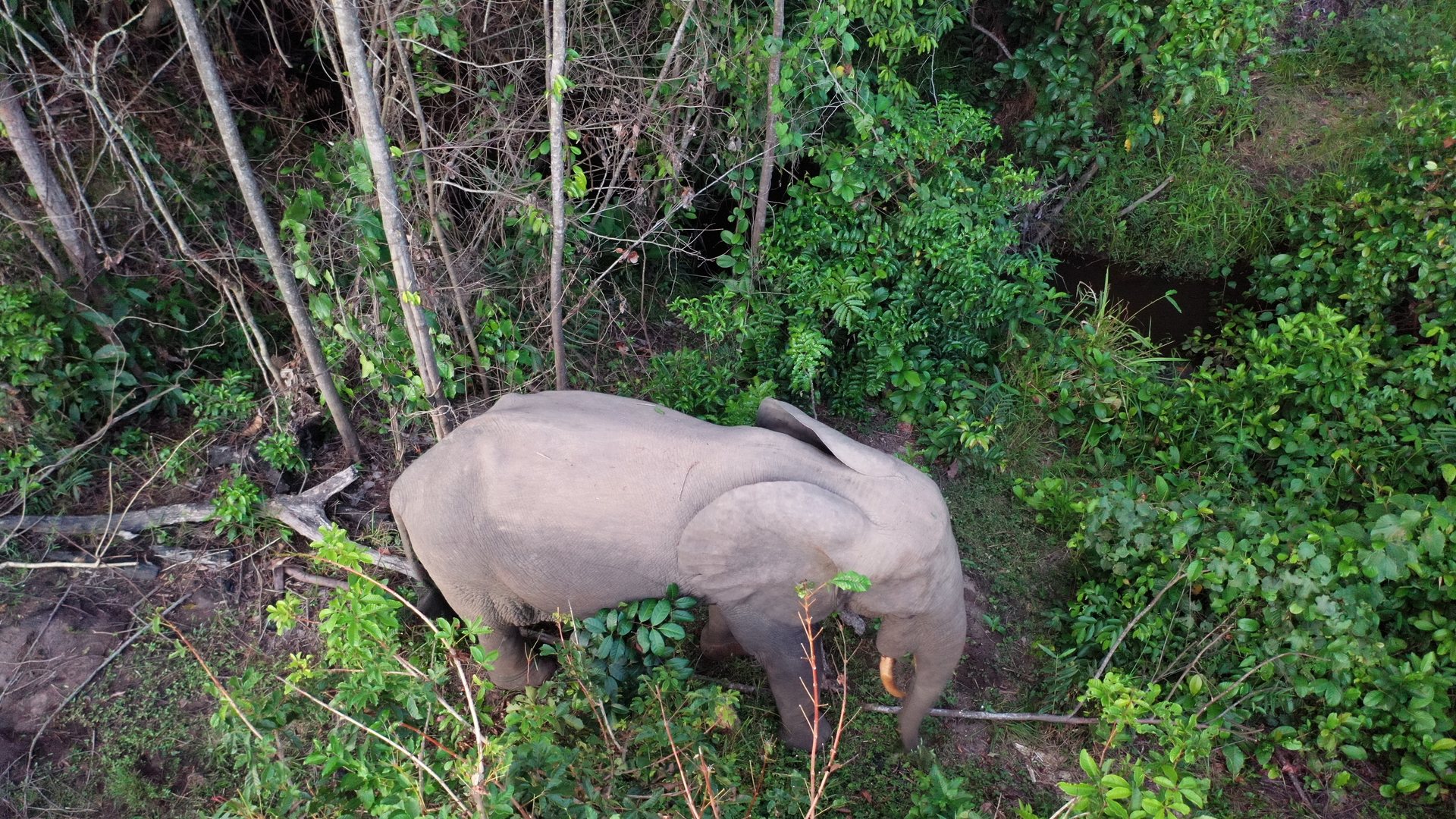
- The best time to visit Gabon is the long dry season, June to September — cooler, drier days, easier forest walking, beach-walking forest elephants and surfing hippos in Loango, and migrating humpback whales offshore
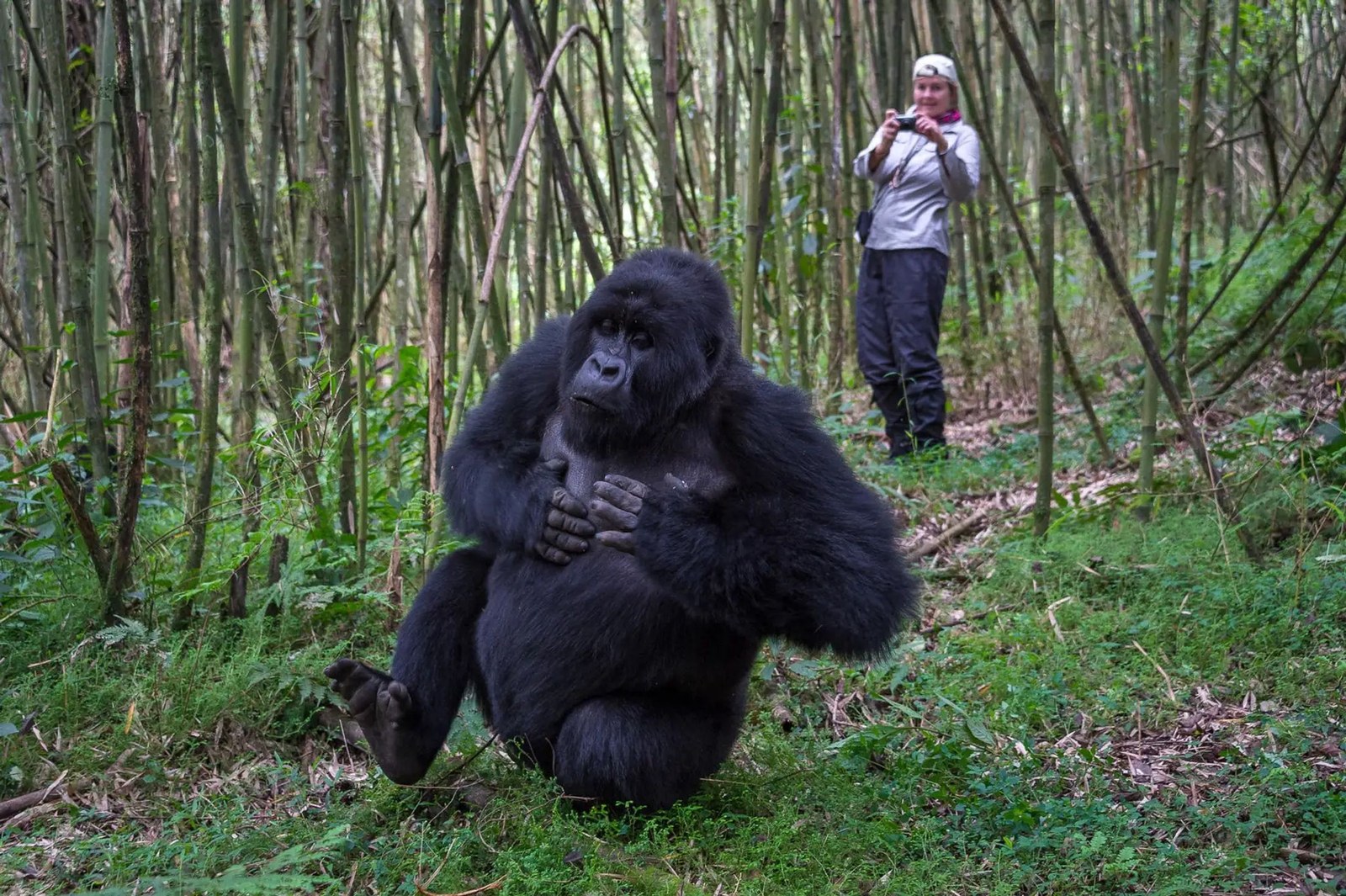
- The short dry season, December to February, is the other prime window: hot and humid but excellent for gorilla and chimpanzee tracking and for watching leatherback turtles nest (peak November to January)
- Humpback whales pass the Gabon coast from around July to September, peaking August to September — a highlight of the long dry season
- Gabon sits on the equator and has four seasons — two dry, two wet — so it is warm and humid year-round; timing is about rainfall, forest access and wildlife rather than temperature
- The two rainy seasons (the long rains of March to May and the short rains of October to mid-December) bring heavy downpours and some lodge closures, but also lush forest and full rivers
- Gabon pairs superbly with the wider region: see our ultimate Gabon safari and travel guide for parks, lodges, flights and how to build a trip
TL;DR: The best time to visit Gabon is the long dry season, June to September, when cooler, drier weather makes forest walking easier, Loango's forest elephants and surfing hippos are at their most active on the beaches, and humpback whales migrate along the coast (peak August–September). The short dry season, December to February, is hot and humid but ideal for gorilla and chimpanzee tracking and for nesting leatherback turtles (peak November–January). The two rainy seasons — the long rains of March–May and the short rains of October to mid-December — bring heavy downpours, greener forest, full rivers and some lodge closures. Gabon straddles the equator, so it stays warm and humid all year; timing is about rain, forest access and wildlife, not temperature. Below you will find a full month-by-month guide, a wildlife calendar, park-by-park timing, weather and packing notes, and exactly when to book.
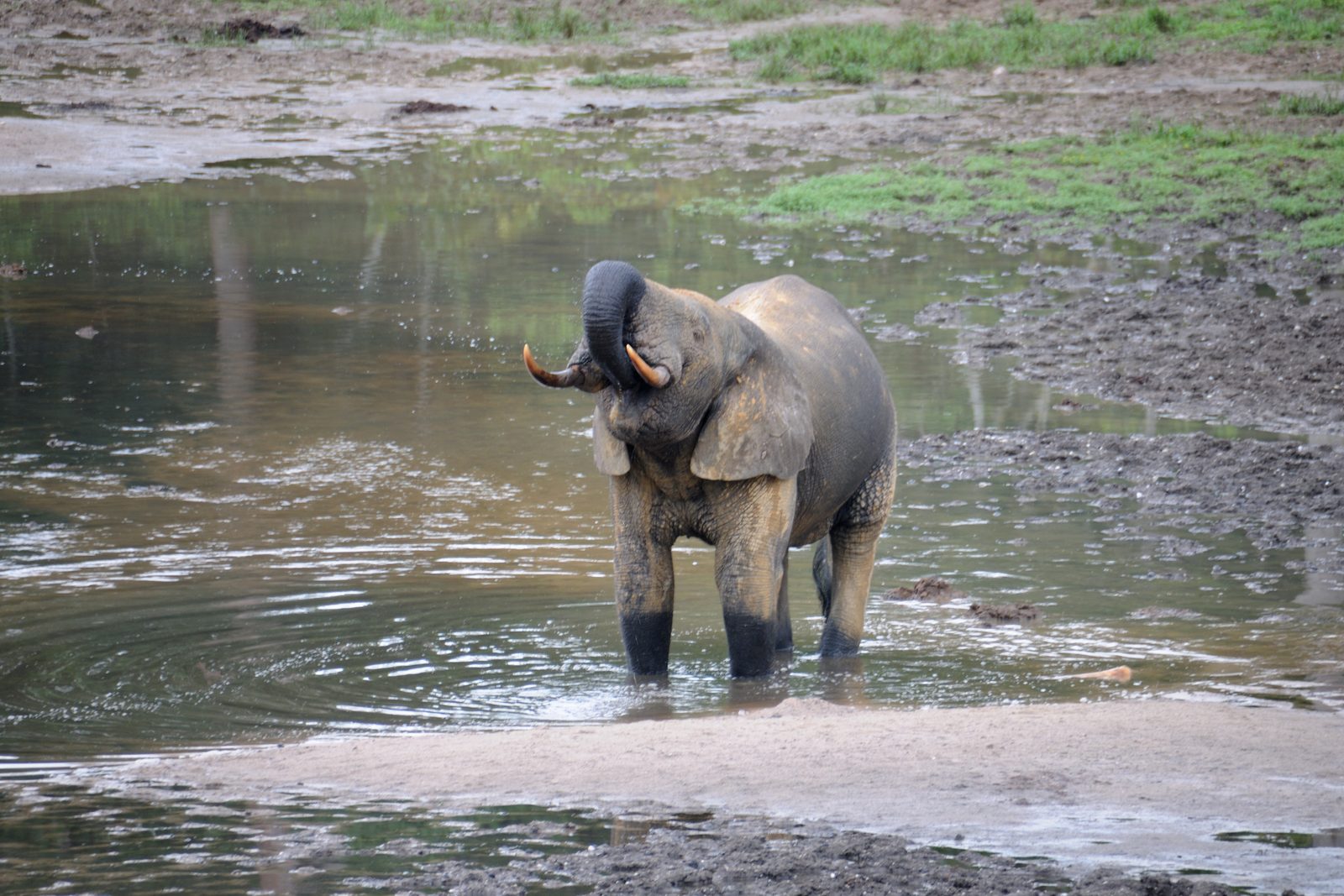
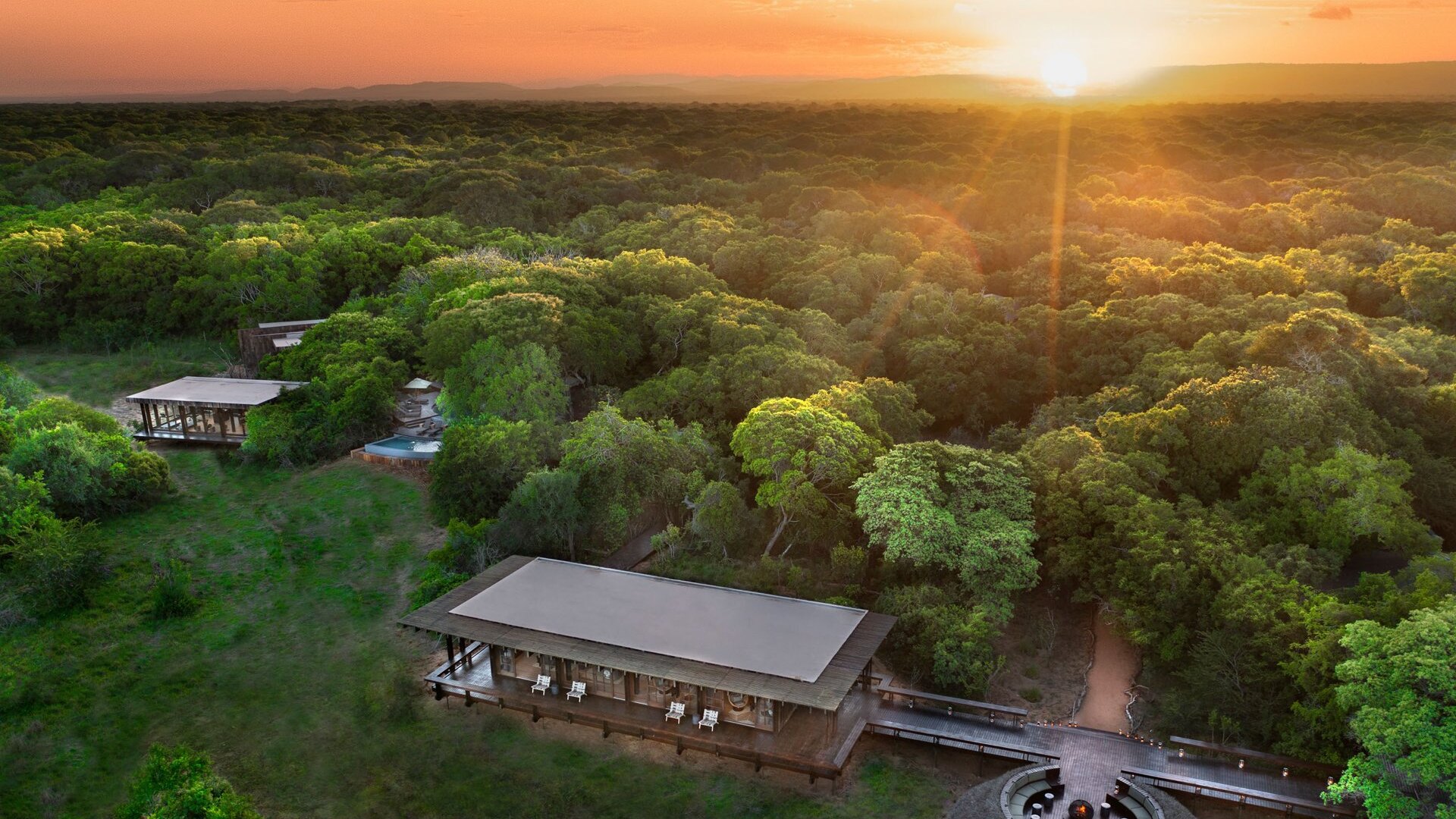
Gabon is one of Africa's last great wildernesses, a country nearly nine-tenths covered in rainforest, sitting squarely on the equator where the Congo Basin meets the Atlantic. It is the place where forest elephants stroll along empty surf beaches, where hippos body-surf in the ocean, where western lowland gorillas move through the trees and humpback whales pass just offshore. Because it lies on the equator, Gabon does not swing between a hot summer and a cool winter; instead its year is shaped by rainfall, split into four seasons — two dry, two wet — and getting the timing right is the difference between smooth forest travel and washed-out tracks.
In short: the best time to visit Gabon is the long dry season, from June to September. These are the coolest, driest and most comfortable months, when the rains retreat, the forest tracks firm up and wildlife viewing is at its best. It is the peak season for Loango National Park's beach-walking forest elephants and surfing hippos, the prime window for humpback whales along the coast, and the easiest time for walking safaris and boat trips through the flooded forest. If you want Gabon at its most accessible and iconic, this is your window.
But the calendar has a second act. The short dry season, December to February, is hotter and more humid but every bit as rewarding for wildlife: it is a superb time for gorilla and chimpanzee tracking and it overlaps the leatherback turtle nesting season, when giant turtles haul out onto Gabon's beaches under cover of darkness. The two rainy seasons in between — the long rains of March to May and the short rains of October to mid-December — bring heavy downpours, some lodge closures and greener, wilder forest. This guide walks you through the whole year so you can choose the Gabon that is right for you.
The Short Answer: Best Time to Visit Gabon by Priority
| If your priority is... | Best months | Why |
|---|---|---|
| Best overall (wildlife + weather) | June – September (long dry) | Cooler, drier, easy forest travel; elephants, hippos & whales |
| Humpback whales | July – September (peak Aug–Sep) | Migrating humpbacks pass the coast off Loango & Mayumba |
| Gorilla & chimp tracking | June – Sep & Dec – Feb | Drier forest floor; easier, safer walking in Loango |
| Leatherback turtle nesting | November – January | Giant turtles nest at Pongara & Mayumba after dark |
| Mandrill hordes (Lopé) | June – September | Drier savanna-forest mosaic makes huge troops easier to find |
| Fewest crowds & green forest | March – May (long rains) | Lush, dramatic and quiet — but wet, with some lodge closures |
Keep this table in mind as you read on. Below we unpack Gabon's four seasons in depth, lay out the wildlife calendar, then break the year down month by month so you can pin your dates with confidence.
The Long Dry Season (June–September): Gabon at Its Best
If there is a single best time to visit Gabon, this is it. From June to September the long dry season settles over the country: rainfall drops away, humidity eases and — thanks to the cool Benguela current offshore — the coast enjoys its most comfortable, overcast-but-dry conditions of the year. The forest tracks firm up, the rivers drop to navigable levels and travel between camps and parks becomes far more reliable. For a country where so much movement is on foot, by boat or by small plane, this dry-season firmness matters enormously.
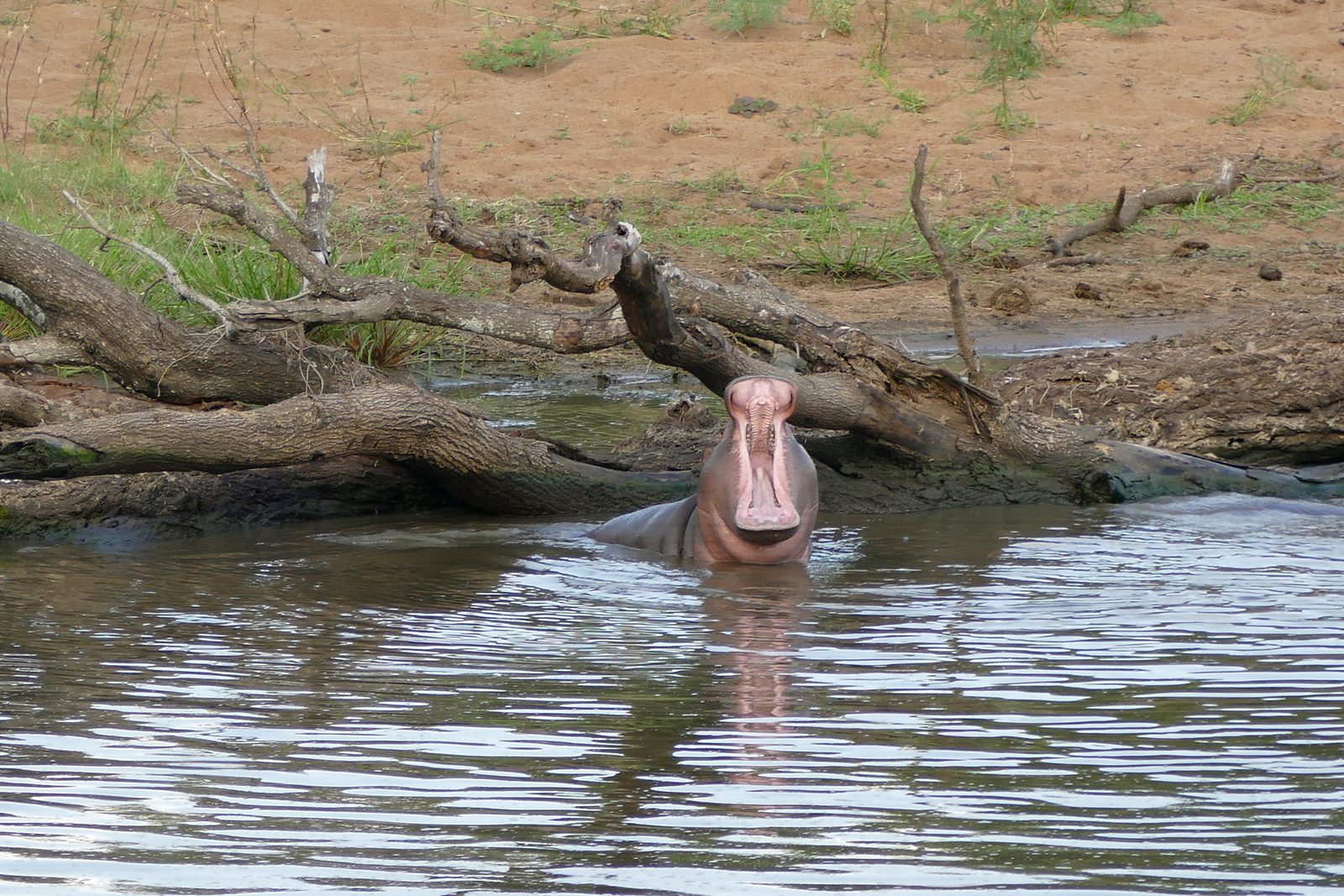
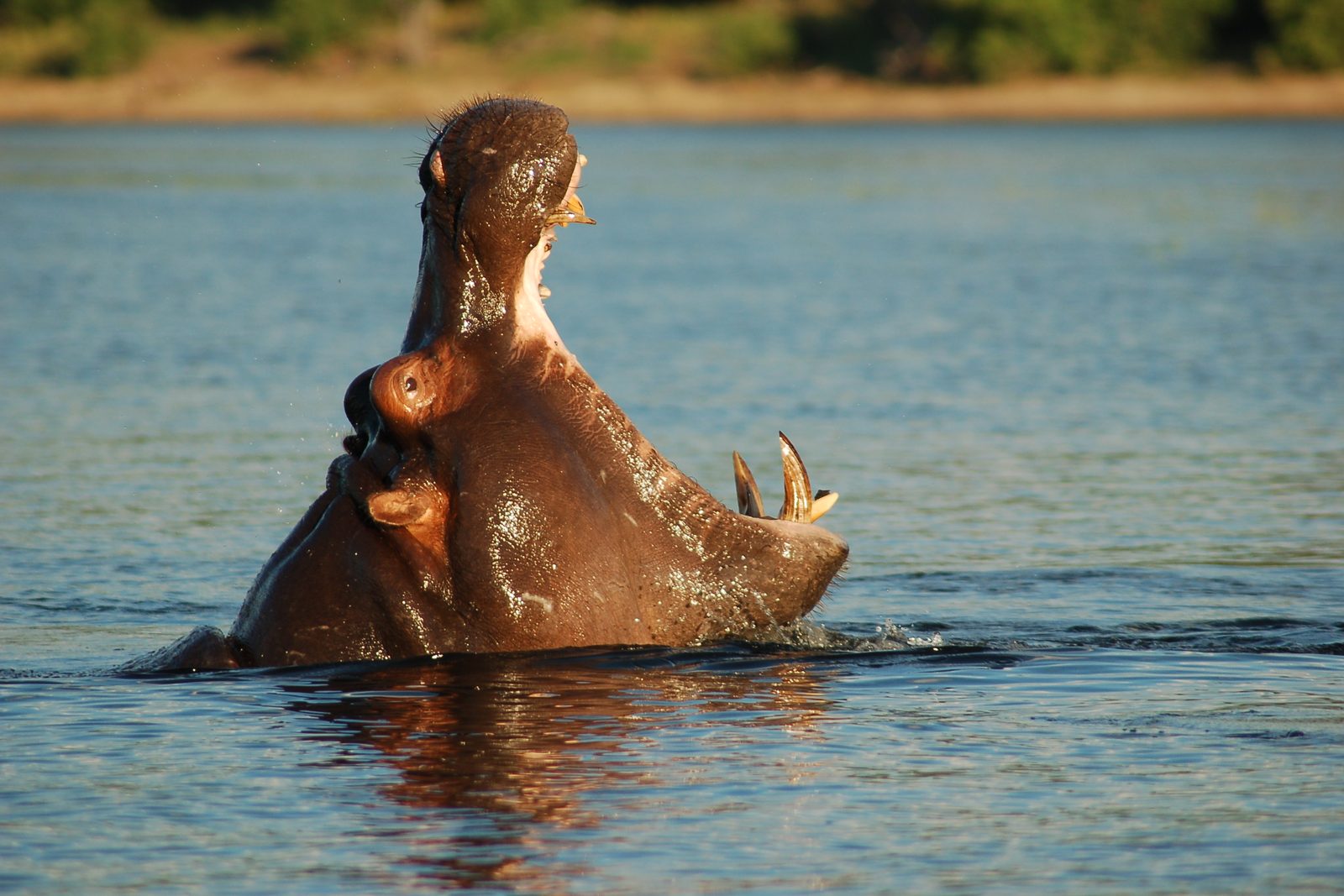
This is the season Gabon is famous for. In Loango National Park, forest elephants, buffalo and red river hogs emerge onto the beaches and grassy lagoon edges, and the park's celebrated 'surfing hippos' are most readily seen along the surf line. It is the easiest time for walking safaris and for boat trips into the Akaka flooded forest, and the drier ground makes gorilla and chimpanzee tracking more comfortable and productive. Cloud cover is common along the coast, keeping temperatures pleasant, while rain is scarce and brief.
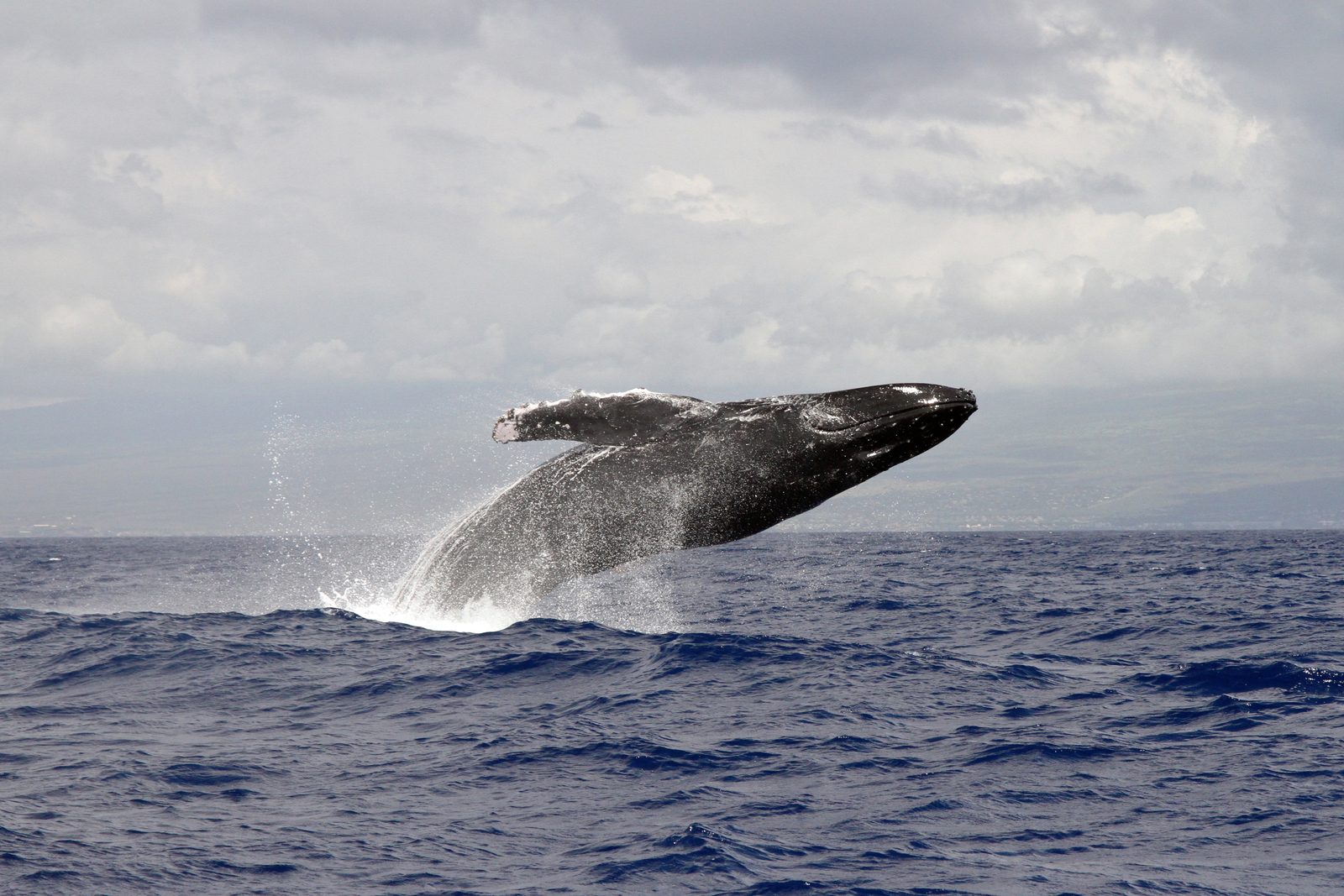
The long dry season also brings Gabon's great marine spectacle. Humpback whales migrate along the coast from around July to September, peaking in August and September, and can be seen on boat trips off Loango and Mayumba, often breaching within sight of the shore. Offshore, dolphins are common year-round. Inland, in Lopé National Park, the drier savanna-forest mosaic makes it the best time to search for the country's astonishing mandrill hordes — troops that can number in the hundreds, the largest gatherings of non-human primates on Earth.
The trade-off is modest. Coastal skies are often grey rather than blue in these months, so this is not a season for classic tropical-beach sunbathing, and the most sought-after camps book out well ahead. But for wildlife, comfort and reliable travel, the long dry season — and especially July to September — is the finest all-round time to visit Gabon.
The Short Dry Season (December–February): Gorillas & Nesting Turtles
Between the two rainy spells comes a second dry window, the short dry season from around mid-December to February. It is hotter and more humid than the long dry season, with more sunshine and blue skies along the coast, and brief, sharp showers still possible. For many wildlife travellers it is Gabon's other prime window, and it holds two experiences the long dry season cannot fully match.
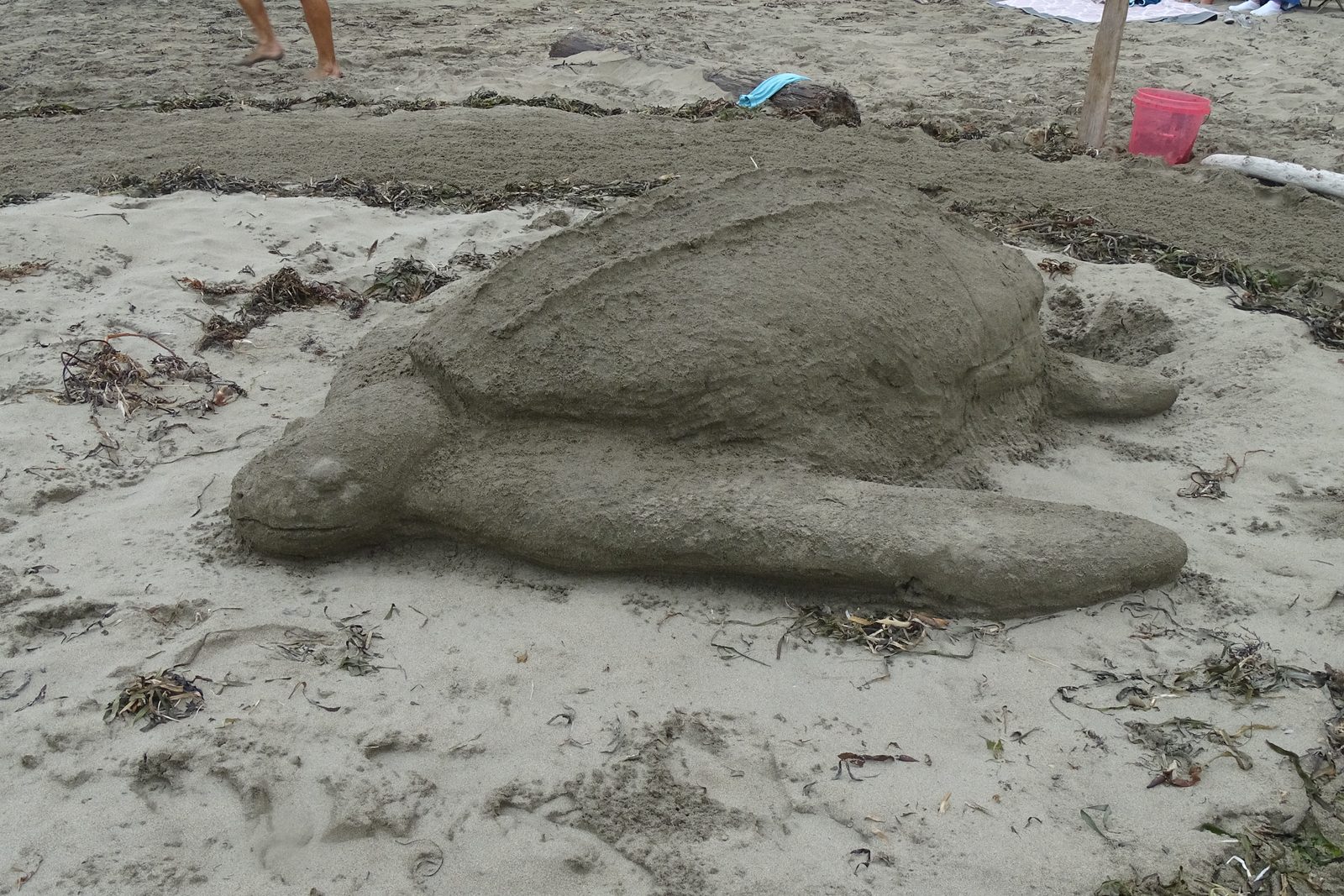
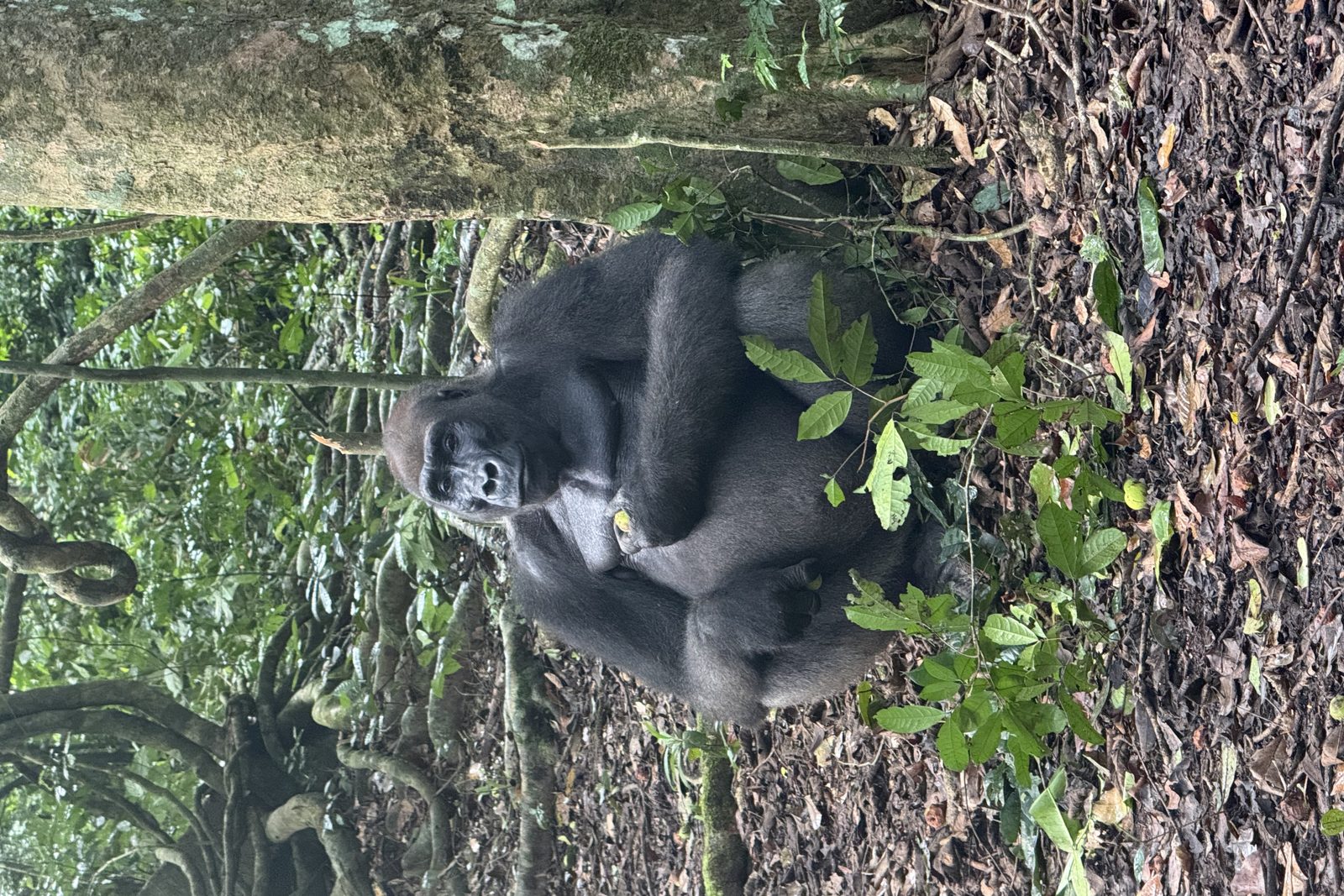
First, it is an excellent time for gorilla and chimpanzee tracking in Loango and the interior forests, when the drier ground and thinner undergrowth make walking easier and encounters more reliable. Second, and unique to these months, it overlaps the leatherback turtle nesting season. Gabon protects some of the most important leatherback nesting beaches on the planet, above all at Pongara near Libreville and at Mayumba in the far south, and from November to January giant leatherbacks — the largest turtles alive — haul out after dark to lay their eggs, with hatchlings emerging into the new year.
The short dry season is also the sunniest time on the coast, so it suits travellers who want a little more blue sky with their wildlife. The heat and humidity are higher, insects are more active, and rain can still interrupt a day, so lightweight, breathable clothing and good sun protection matter. But for the combination of primate tracking and the extraordinary sight of nesting leatherbacks, December to February is a magical time to be in Gabon.
The Rainy Seasons (March–May & October–December): Green, Wild & Quiet
Gabon has two rainy seasons, and they bracket the dry windows. The short rains arrive around October and run to mid-December, and the long rains fall from March to May, the wettest and most intense stretch of the year. Rain in equatorial Gabon typically comes as heavy, dramatic downpours — often in the afternoon or overnight — rather than constant grey drizzle, and the forest responds with an explosion of green.
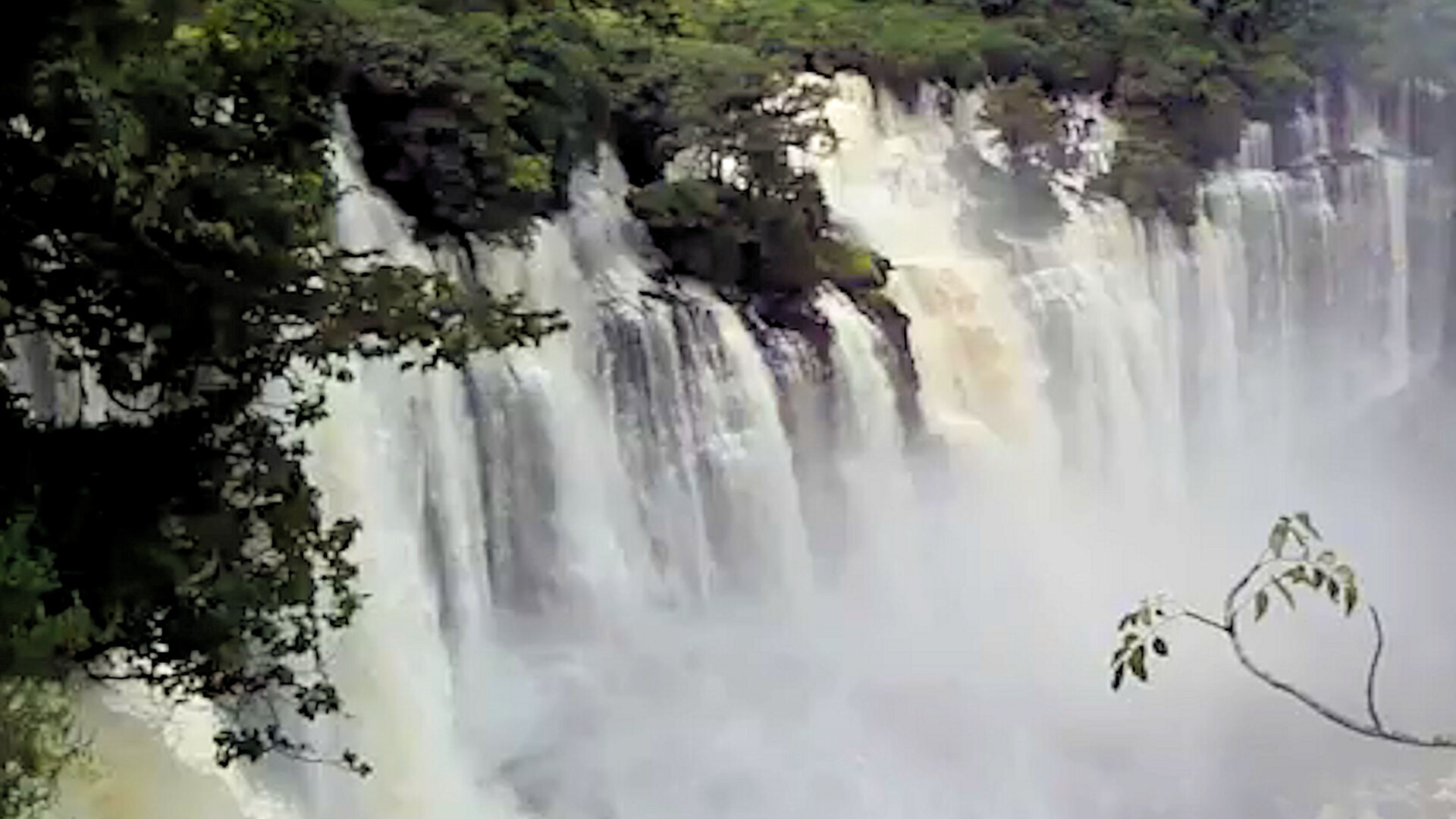
These are the low-season months, and they come with real trade-offs. The long rains in particular can make forest tracks and airstrips difficult, river levels rise, and a number of camps — including parts of Loango — close for the wettest weeks, so this is not the time for a first, wildlife-focused trip. Humidity is high and insects are at their most active. In return, the forest is at its most lush and photogenic, the waterfalls of Ivindo thunder at full volume, the rivers are ideal for boat travel where camps remain open, and you will likely have the wilderness almost entirely to yourself.
The short rains of October to mid-December are gentler than the long rains and can still make for good travel between showers, shading into the excellent short dry season that follows. If you are a photographer, a birder or a returning traveller who values solitude and dramatic skies over easy logistics, the rainy seasons have their own wild appeal — but always check which camps are open before you plan around them.
The Wildlife Calendar: A Season-by-Season Guide
Gabon's wildlife is its greatest asset, and several of its icons have their own season. If a particular encounter is the reason for your trip, use this calendar to pin your dates — then choose your park to match.
| Wildlife icon | Best months | Where & notes |
|---|---|---|
| Forest elephants | Year-round (best Jun–Sep) | Loango beaches & lagoon edges; most visible in the long dry season |
| Surfing hippos | Year-round (best Jun–Sep) | Loango's surf line — the only place on Earth hippos take to the sea |
| Humpback whales | Jul – Sep (peak Aug–Sep) | Loango & Mayumba coast; dolphins year-round |
| Western lowland gorillas | Jun – Sep & Dec – Feb | Loango habituation; drier ground eases forest tracking |
| Mandrills | Jun – Sep | Lopé National Park; giant hordes easiest in the drier months |
| Leatherback turtles (nesting) | Nov – Jan | Pongara & Mayumba beaches; hatchlings into the new year |
| Chimpanzees & forest wildlife | Year-round (best dry months) | Buffalo, red river hog, birds & monkeys across the parks |
The key insight is that Gabon's two dry windows suit slightly different trips: the long dry season (June–September) for beaches, elephants, hippos, whales and mandrills, and the short dry season (December–February) for primate tracking and nesting turtles. Both deliver superb forest access; the rains between them are for the intrepid.
Gabon Month by Month
Here is the year in detail, so you can match your available dates to conditions in the forest, on the coast and in the water.
January
Short dry season: hot, humid and among the sunnier months on the coast, with brief showers still possible. Excellent for gorilla and chimpanzee tracking on drier ground, and the tail of the leatherback nesting season, with hatchlings emerging on the beaches. A rewarding, warm month for wildlife with a little more blue sky.
February
The last of the short dry season, hot and humid, with good forest access before the long rains build. Primate tracking remains strong and the coast is relatively sunny. A fine month to combine gorillas and forest wildlife, though the wettest weather is not far off.
March
The long rains set in: heavy, dramatic downpours, high humidity and rising rivers turn the forest a vivid green. Travel becomes harder and some camps begin to close, so this is a month for the flexible and the intrepid rather than a first safari. Photographers and birders willing to work around the weather are rewarded with lush, empty wilderness.
April
Typically the wettest month of the year, at the heart of the long rains. Many camps close, tracks and airstrips can be difficult, and logistics are at their most challenging. The upside is dramatic skies, thundering waterfalls and total solitude, but April is best avoided for a wildlife-focused first trip to Gabon.
May
The long rains begin to ease towards month's end, a transitional period as the forest stays green and lush but travel slowly improves. Camps that closed for the wettest weeks start to reopen. A quiet, atmospheric shoulder month for those happy to trade guaranteed access for green forest and few other visitors.
June
The long dry season begins and Gabon opens up. Rain drops away, humidity eases, coastal cloud keeps temperatures comfortable, and forest tracks firm up. Loango's wildlife becomes more active along the beaches and lagoons, and walking safaris and boat trips hit their stride. An excellent month as peak season starts.
July
Prime long-dry-season conditions: cool, dry and reliable, with the best forest access of the year. Humpback whales begin arriving off the coast, forest elephants and hippos are active in Loango, and gorilla and mandrill tracking are at their best. One of the finest months to visit Gabon.
August
Peak season and arguably the best month of all. Cool, dry and stable, with humpback whales at their most numerous offshore, Loango's beaches alive with elephants and buffalo, and superb primate tracking. Skies are often overcast but rain is scarce. Book well ahead, as the top camps fill for these dates.
September
The long dry season continues at its best: excellent forest access, active coastal wildlife and the tail of the whale season, with humpbacks still likely early in the month. Comfortable temperatures and reliable travel make September another outstanding month for a Gabon safari.
October
The short rains begin, gently at first, with increasing afternoon showers and building humidity as the dry season ends. Wildlife viewing is still good early in the month and the forest greens up again. A transitional month that can offer good value and quieter camps between the seasons.
November
Firmly into the short rains, warm and humid with frequent downpours, but also the start of the leatherback turtle nesting season on Gabon's beaches. Forest travel is more variable, yet the turtles — and the greening forest — give November its own strong appeal for wildlife travellers.
December
The short rains fade into the short dry season around mid-month, and conditions improve steadily: sunnier, drier and warm. Leatherback nesting is in full swing, gorilla and chimp tracking is good, and the festive period draws a few more visitors. Early December is wetter; later December opens one of Gabon's best wildlife windows.
Best Time by Park & Region
Gabon's parks each have their own rhythm, and the best one for you depends on what you want to see. Here is how the timing shifts region by region.
Loango National Park
Gabon's flagship, where forest meets ocean and elephants walk the beaches. Loango is at its best in the long dry season (June–September) for beach wildlife, surfing hippos, whales and easy forest walking, and again in the short dry season (December–February) for gorilla tracking and, on nearby beaches, nesting turtles. Some camps close in the long rains, so confirm dates carefully outside the dry windows.
Lopé National Park
A savanna-forest mosaic in the interior, famous for its enormous mandrill hordes and its accessibility by road and rail from Libreville. Lopé is best in the long dry season (June–September), when the drier ground and thinner cover make the mandrills, forest buffalo and monkeys easier to find, and the rivers are ideal for boat trips.
Ivindo National Park & Langoué Baï
Deep-forest Gabon at its most pristine, home to the thundering Kongou and Mingouli falls and to Langoué Baï, a forest clearing where elephants, gorillas and buffalo gather. Ivindo rewards the drier months for forest travel and clearer baï viewing, while the waterfalls are at their most powerful in and just after the rains.
Pongara & Mayumba (the turtle coast)
Gabon's globally important leatherback nesting beaches. Pongara, just across the estuary from Libreville, and Mayumba in the far south are at their best from November to January, when leatherbacks nest after dark and, later, hatchlings emerge. Combine a turtle visit with the short dry season's primate tracking for a memorable green-season trip.
Best Time for Specific Travellers
For first-time wildlife safaris
June to September, the long dry season, for the easiest travel, the most active coastal wildlife, the whales and the most reliable forest access. This is the window that shows Gabon at its iconic best, and the one we recommend for a first trip.
For gorilla & chimpanzee tracking
Both dry seasons work well — June to September and December to February — when drier ground and thinner undergrowth make forest walking easier and encounters more reliable. Tracking is physically demanding in the heat and humidity, so pace yourself and follow your guides.
For whales & the coast
July to September for migrating humpback whales off Loango and Mayumba, peaking August to September, when dolphins are common too. This lines up perfectly with the long dry season, so a single trip can combine whales with beach-walking elephants and forest tracking.
For turtles
November to January for nesting leatherbacks at Pongara and Mayumba, with hatchlings into the new year. Pair it with the short dry season's gorilla tracking for a rewarding green-season combination.
For photographers & solitude
The dry seasons offer the best light on wildlife and the easiest access, while the rains (especially October–November and May) bring lush forest, dramatic skies, thundering waterfalls and near-total solitude — for those willing to work around the weather and check which camps are open.
Weather & What to Pack by Season
Gabon's equatorial climate keeps it warm and humid all year, so packing is less about temperature and more about rain, humidity, sun and the demands of forest walking. Getting it right makes a real difference to your comfort in the heat.
| Season | Typical temps | Conditions | Pack essentials |
|---|---|---|---|
| Long dry (Jun–Sep) |
Night 20–23°C; day 26–28°C | Cooler, dry, often overcast on the coast; easy forest travel | Lightweight neutral clothing, sturdy walking shoes, light rain layer, insect repellent, binoculars |
| Short dry (Dec–Feb) |
Night 23–25°C; day 29–31°C | Hot, humid, sunnier coast; brief showers; good forest access | Breathable clothing, high-factor sunblock, insect repellent, quick-dry layers, head torch for turtles |
| Rainy seasons (Mar–May & Oct–Dec) |
Night 22–24°C; day 28–30°C | Hot, very humid, heavy downpours; some camps closed | Good rain jacket, waterproof bags, quick-dry clothing, extra insect repellent, sturdy footwear |
Year-round, pack for a warm, humid forest-and-coast trip: lightweight, quick-dry clothing in neutral colours, sturdy closed walking shoes for forest tracking, a light rain jacket, high-factor sunscreen and strong insect repellent, as mosquitoes and other insects are active in every season. Gabon is a malaria area, so antimalarials and covering up at dusk are important. A dry bag protects cameras and phones on boat trips and in the rain, binoculars transform forest and whale watching, and a head torch is invaluable for after-dark turtle visits. Long sleeves and trousers help against both sun and insects on the trails.
When to Book — and How Season Affects a Trip
Gabon is one of Africa's most exclusive and least-visited safari destinations, with a small number of camps and limited flights into the parks, so forward planning matters more here than almost anywhere on the continent. Getting your dates and logistics locked in early protects the whole trip.
The long dry season (June–September) is the peak window, and the best camps in Loango and Lopé have very few rooms, so they book out many months ahead — as a rule of thumb, secure dry-season dates six to nine months in advance, and further out still for the whale-season heart of July to September. The short dry season (December–February), with its turtles and gorillas, is also popular and rewards early booking. The rainy seasons see reduced rates and quieter parks, but with some camps closed and travel harder, they suit only flexible, experienced travellers who confirm availability first.
Because so much of a Gabon trip depends on light-aircraft transfers, small camps and park logistics, it is best arranged as a fully guided, tailor-made journey rather than pieced together independently. A deposit typically secures a booking, with the balance due closer to travel. For the full picture of parks, lodges, flights, visas and sample itineraries, read our ultimate Gabon safari and travel guide, then explore our real bookable journeys below or contact our team.
The Verdict: So When Should You Go?
There is no wrong time to visit Gabon — only the right time for you. If you want the easiest travel, the most active coastal wildlife and the whales, and you are planning a first, wildlife-focused trip, come in the long dry season, June to September, and build around July to September for the finest all-round conditions and the peak of the humpback migration. This is Gabon at its iconic, accessible best.
If your dream is gorilla and chimpanzee tracking under sunnier skies, or the extraordinary sight of a leatherback turtle nesting on a wild beach, come in the short dry season, December to February, and time a coastal night around the November-to-January nesting window. And if you are a photographer, birder or returning traveller who values green forest, dramatic skies and total solitude over easy logistics, the rainy seasons — checked carefully for camp closures — have a wild beauty all their own.
Whichever season calls to you, Gabon will reward you like few places left on Earth. When you are ready to turn a date into a journey into Africa's 'Last Eden', read our ultimate Gabon safari and travel guide, browse the journeys below, or contact our team to plan a privately guided trip built around the perfect time for you.