Key Takeaways
- The best time to visit the Maldives is the dry season, December to April — the northeast monsoon brings sunny skies, low humidity, calm seas and the year's best underwater visibility
- January to March are the all-round sweet spot: reliable sunshine, flat lagoons and superb diving, which is also why they are the busiest and priciest months
- The wet season (May to November), driven by the southwest monsoon, is warmer, greener-priced and quieter, with short tropical downpours and choppier seas — but it is the best time for manta rays and whale sharks, when plankton blooms fill Baa Atoll's Hanifaru Bay from around July to October
- The Maldives sits on the equator and outside the tropical cyclone belt, so unlike Mauritius or Madagascar there is no cyclone season — the wet months bring rain and wind, not hurricanes
- The sea stays a bath-warm 27–30°C all year, so timing is about sunshine, sea state and marine life rather than water temperature
- Pair the islands with an African safari: the Maldives makes a natural beach extension after the bush, and our Indian Ocean islands comparison shows how it stacks up against the Seychelles, Mauritius and Zanzibar
TL;DR: The best time to visit the Maldives is the dry season, December to April, when the northeast monsoon delivers sunshine, calm seas, low humidity and the clearest water of the year — perfect for beaches, honeymoons and diving. January to March are the finest all-round months (and the busiest). The wet season, May to November, is warmer-priced, quieter and rainier, with the best manta-ray and whale-shark encounters — above all in Hanifaru Bay from July to October. Whale sharks are seen year-round in South Ari Atoll, turtles are resident all year, and the sea holds a warm 27–30°C throughout. Crucially, the Maldives lies outside the cyclone belt, so the wet season means rain, not storms. Below you will find a full month-by-month guide, a marine-life calendar, atoll-by-atoll timing, best-time-by-traveller advice, weather and packing notes, and exactly when to book.
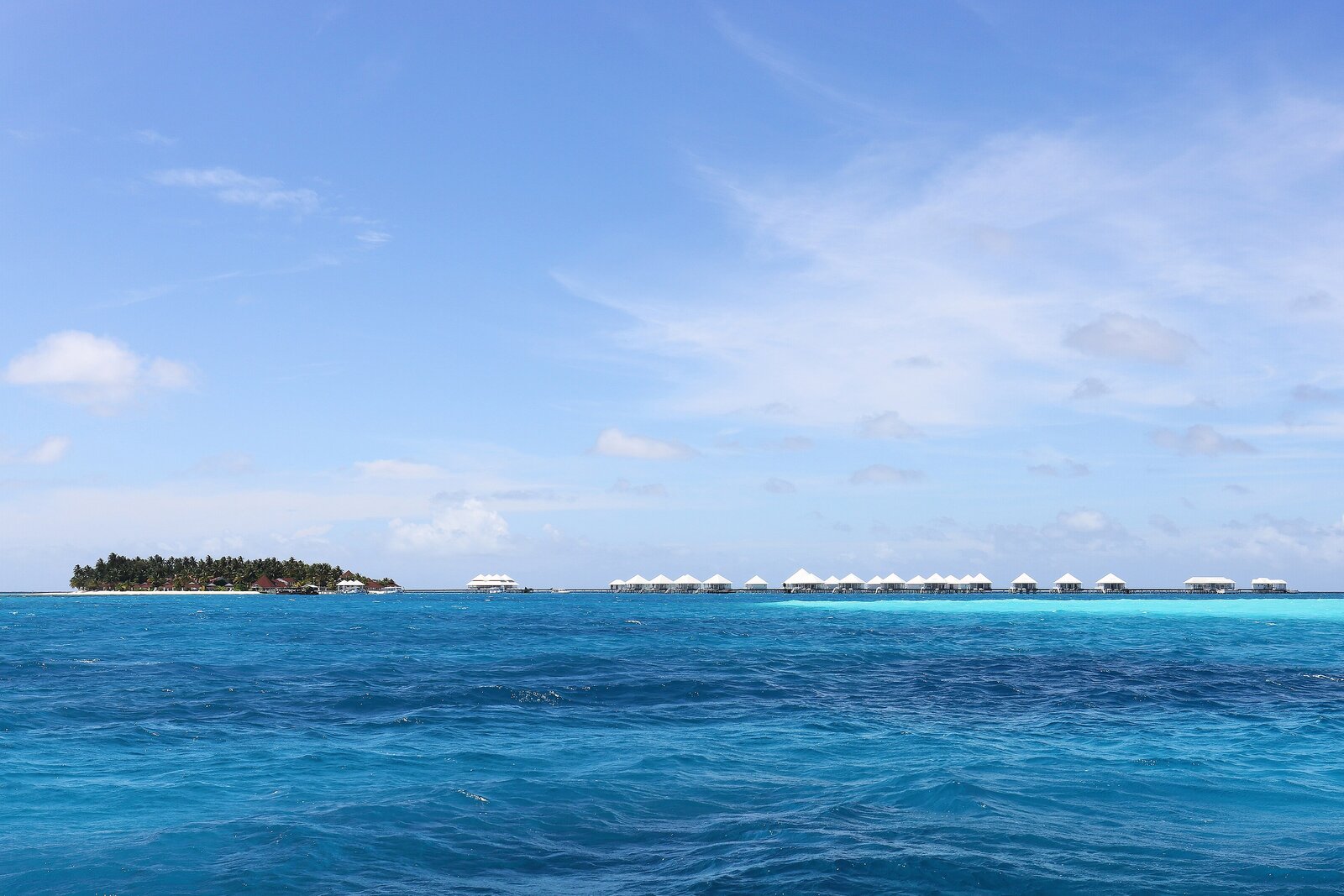
Ask anyone who has watched the sun sink behind a Maldivian atoll when you should go, and the honest answer is that it depends on what you want from the water. This is a nation of nearly 1,200 low coral islands scattered across the equator, and it wears two distinct faces across the year — governed not by hot and cold, but by two monsoons that trade places in the sky. Get the timing right and you can line up cloudless days, mirror-flat lagoons and reefs so clear they feel lit from within. Time it differently and you can trade a little sunshine for the greatest marine spectacle in the Indian Ocean.
In short: the best time to visit the Maldives is the dry season, from December to April. These are the months of the northeast monsoon — locally the iruvai — when the rains ease, humidity drops, the wind lies down and the sea settles into its clearest, calmest state. It is peak sunshine, peak diving visibility and prime honeymoon weather, which is exactly why it is also the busiest and most expensive stretch of the year. If you dream of barefoot island luxury under reliable blue skies, this is your window.
But the story has a second chapter. The wet season, May to November — the southwest monsoon, or hulhangu — turns the Maldives warmer in price and quieter in feel, with short, heavy downpours, more cloud and choppier seas, and the year's lowest rates. It is also when the water fills with giants: plankton blooms draw manta rays and whale sharks in remarkable numbers, above all to Baa Atoll's legendary Hanifaru Bay. This guide walks you through the whole calendar — month by month, marine season by marine season, and atoll by atoll — so you can choose the Maldives that is right for you.
The Short Answer: Best Time to Visit the Maldives by Priority
| If your priority is... | Best months | Why |
|---|---|---|
| Best overall (sun + calm seas) | December – April (peak Jan–Mar) | Sunny, dry, low humidity; flat lagoons and clear water |
| Manta rays | May – November (peak Jul–Oct) | Plankton blooms in Hanifaru Bay; huge feeding aggregations |
| Whale sharks | Year-round (South Ari Atoll) | Resident juveniles; peak with mantas in the wet season |
| Diving & snorkelling visibility | December – April | Calmest seas, least plankton, clearest blue water |
| Honeymoons & beach | December – April | Reliable sunshine, glassy lagoons, golden light |
| Surfing | April – October (peak Jun–Aug) | Southwest-monsoon swells hit the central and southern atolls |
| Best value & fewest visitors | May – November (rainy) | Lowest rates, quiet islands, mantas & whale sharks — but rain and wind |
Keep this table in mind as you read on. Below we unpack the two monsoons in depth, lay out the all-important marine calendar, then break the year down month by month so you can pin your dates with confidence.
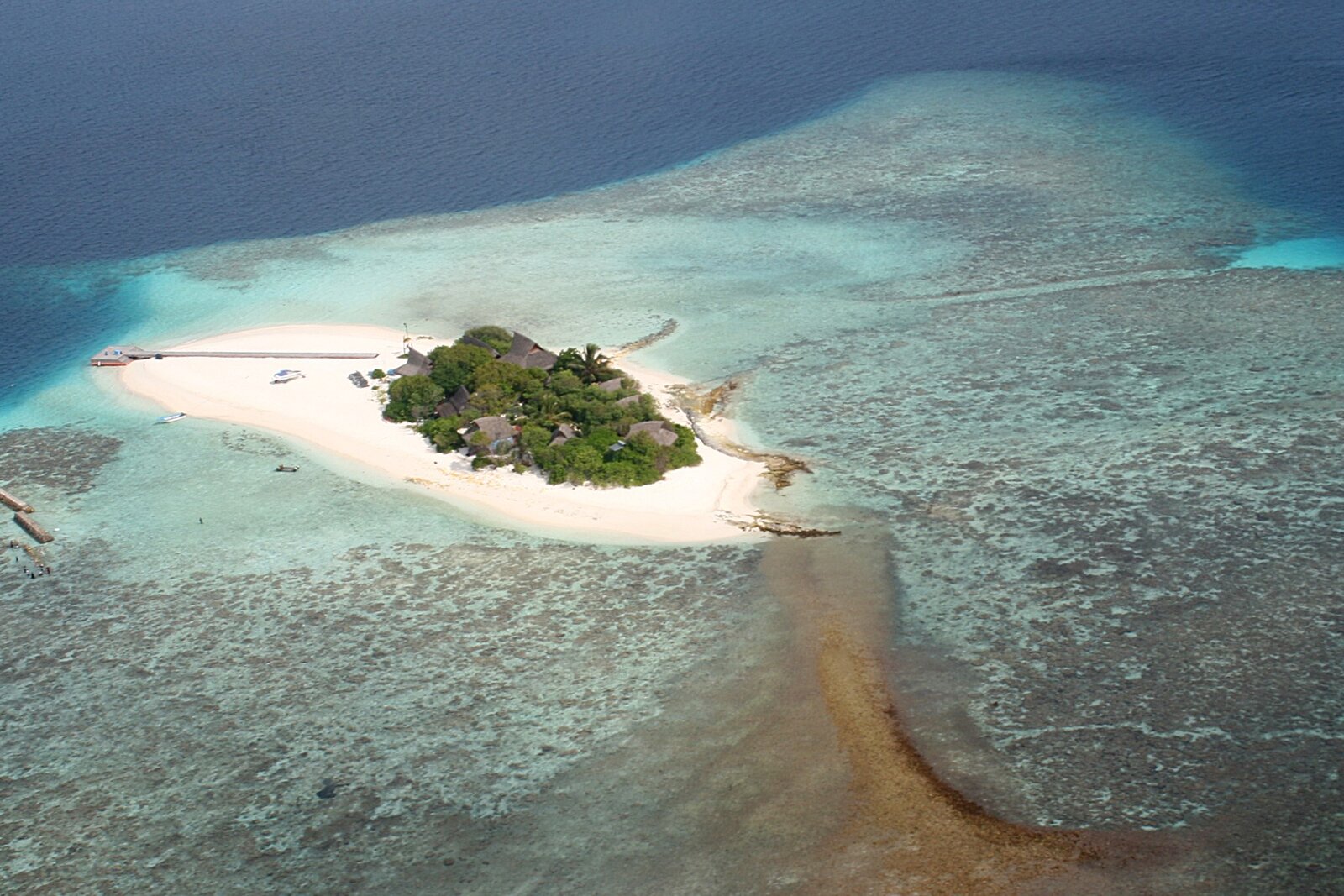
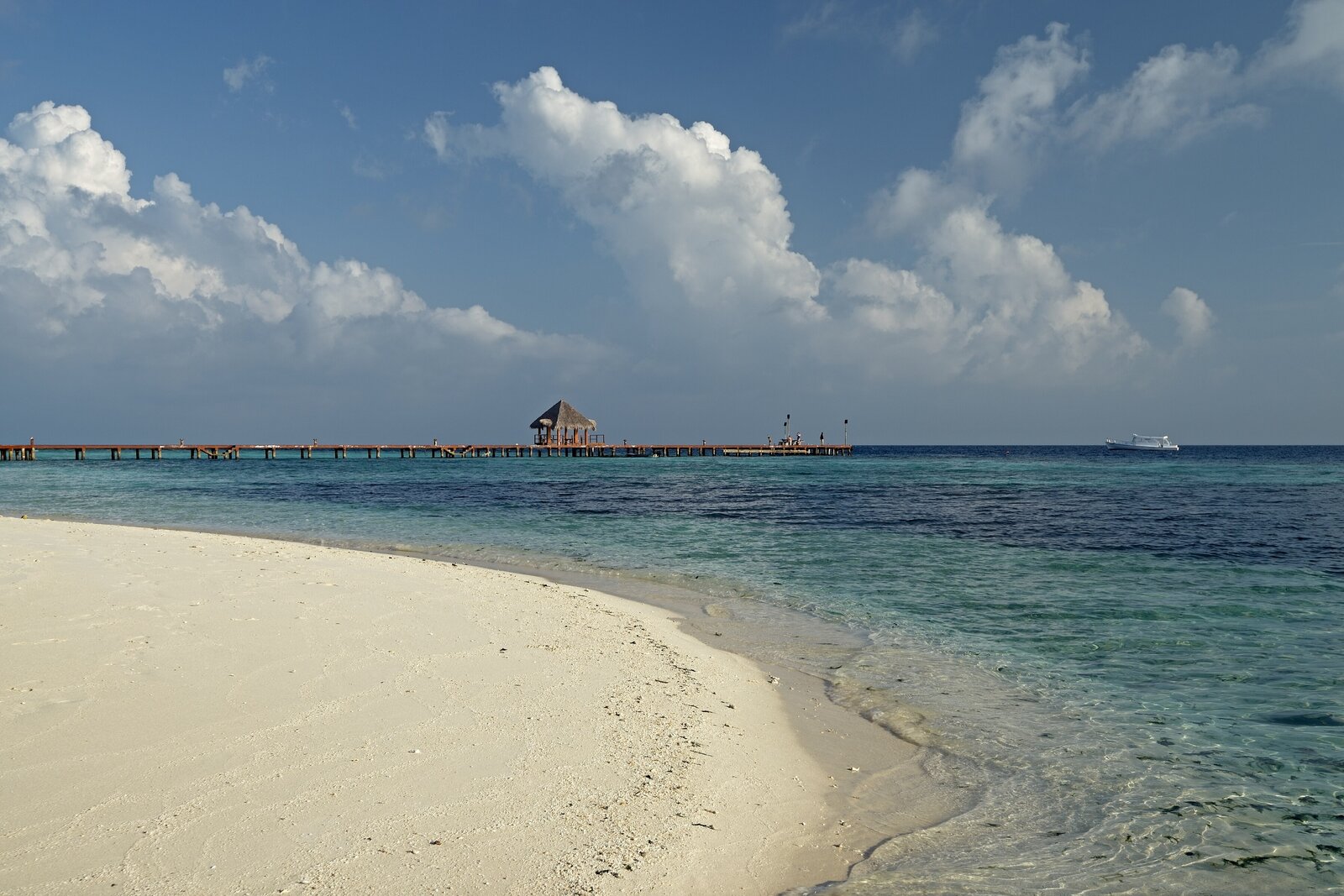
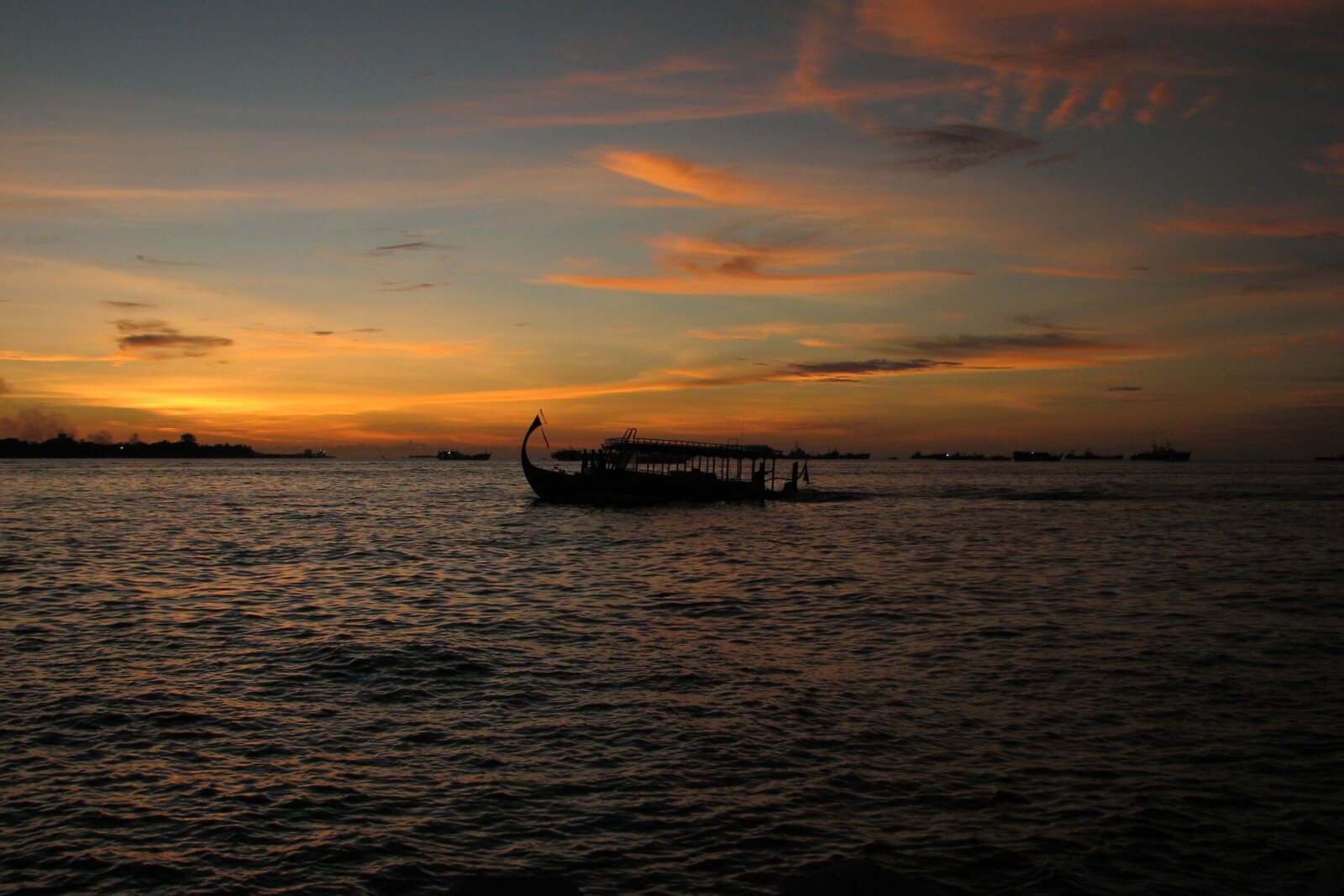
The Dry Season (December–April): Sun, Calm Seas & Clear Water
If there is a single best time to visit the Maldives, this is it. As the northeast monsoon establishes itself in December, the wind swings around, the rains retreat and the air dries out. From December right through to April the atolls enjoy warm, sunny days, gentle breezes and — crucially for a country that is more sea than land — calm, glassy water. This is the Maldives of the postcards: powder-white sandbanks, mirror lagoons and reefs visible from the villa deck.
Daytime temperatures are pleasantly stable, sitting around 29–31°C by day and rarely dropping below the mid-20s at night, with March and April the warmest and most humid of the dry months. Rain is scarce and usually brief, the skies are their most dependable blue, and the light is clean and golden morning and evening — exactly the conditions the overwater villas and barefoot resorts were built for. Sunshine hours peak, and the odds of a full washout day are at their lowest.
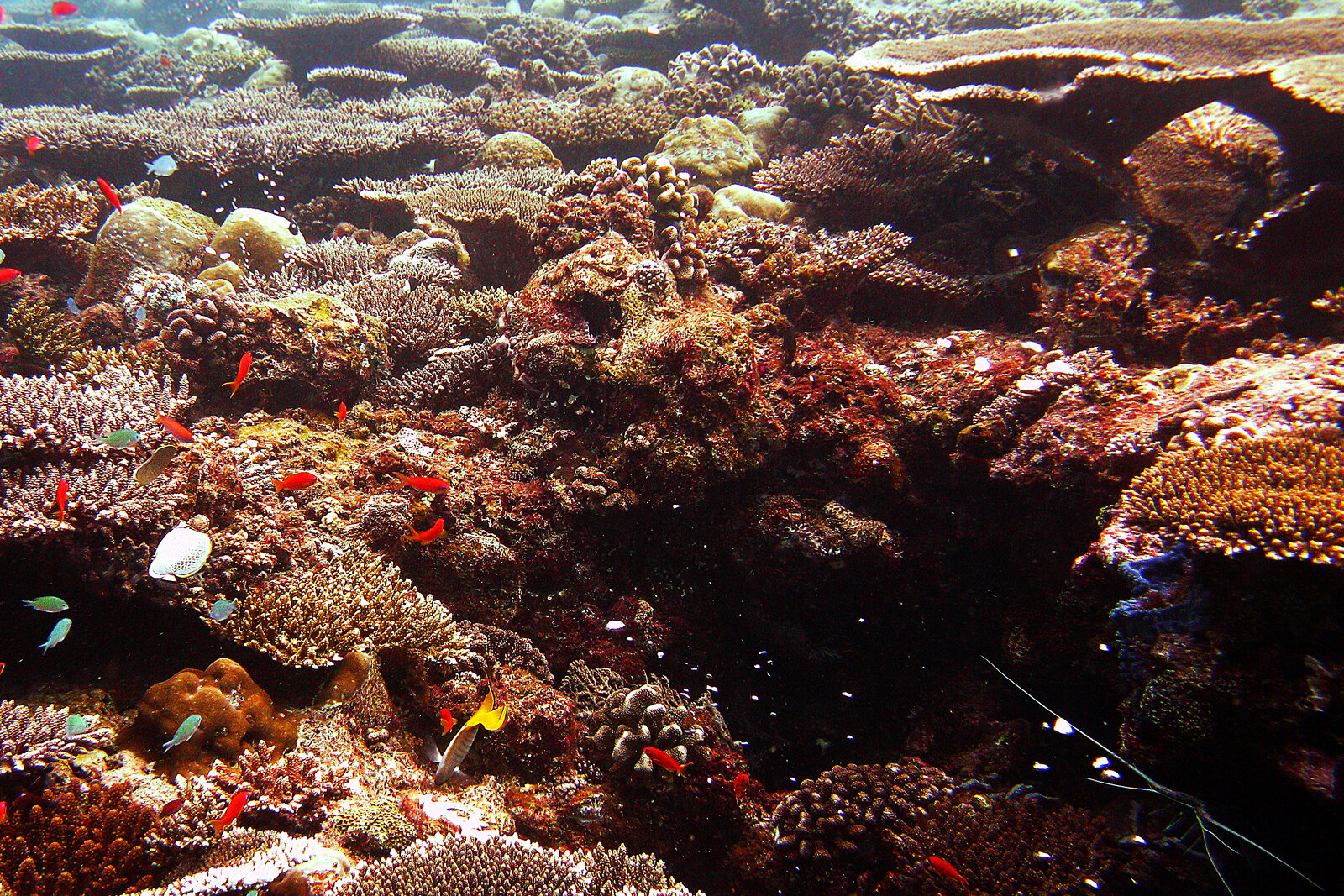
For anything that happens in or under the water, the dry season is prime. Calm seas and low wind mean the best underwater visibility of the year — frequently 25 to 30 metres on the outer reefs — so this is the classic window for diving and snorkelling. The famous channels, thilas and house reefs are at their clearest, boat transfers between islands are smooth, and the shallow lagoons glow the electric turquoise that makes the Maldives instantly recognisable. It is also the finest stretch for a honeymoon or a pure beach holiday, when reliable sun and flat water matter most.
There is one important trade-off. Because it is peak season, the dry months are the busiest and priciest of the year, and the festive fortnight around Christmas and New Year is the single most in-demand — and most expensive — period on the calendar. The clear, plankton-poor water that makes for dazzling visibility also means slightly fewer of the giant filter-feeders close in, so if manta rays and whale sharks are your priority, the wet season serves you better. But for sheer reliability of sun, sea and sand, January to March stand out as the best all-round months to visit the Maldives.
The Wet Season (May–November): Warm, Quiet & Full of Giants
When the southwest monsoon arrives around May, the Maldives changes character. The wind swings to the west, cloud builds, and the afternoons bring heavier, more frequent rain — usually as short, dramatic downpours rather than all-day grey. This is the wet season, also called the green or low season: warmer in atmosphere, quieter in feel and cheaper in price than the dry months, and while it is less famous, it has real rewards for travellers who understand the trade-offs.
Temperatures barely change — the Maldives is warm year-round — but humidity rises and the sea gets choppier, especially on the western, weather-facing sides of the atolls. The single most reassuring fact is what the wet season is not: the Maldives lies almost on the equator, well outside the tropical cyclone belt, so unlike Mauritius, Madagascar or Mozambique there is no hurricane season here. The rain comes and goes, mornings are often bright and usable, and a wet-season week rarely means a washout — just a greater chance of squalls and a bit more wind.
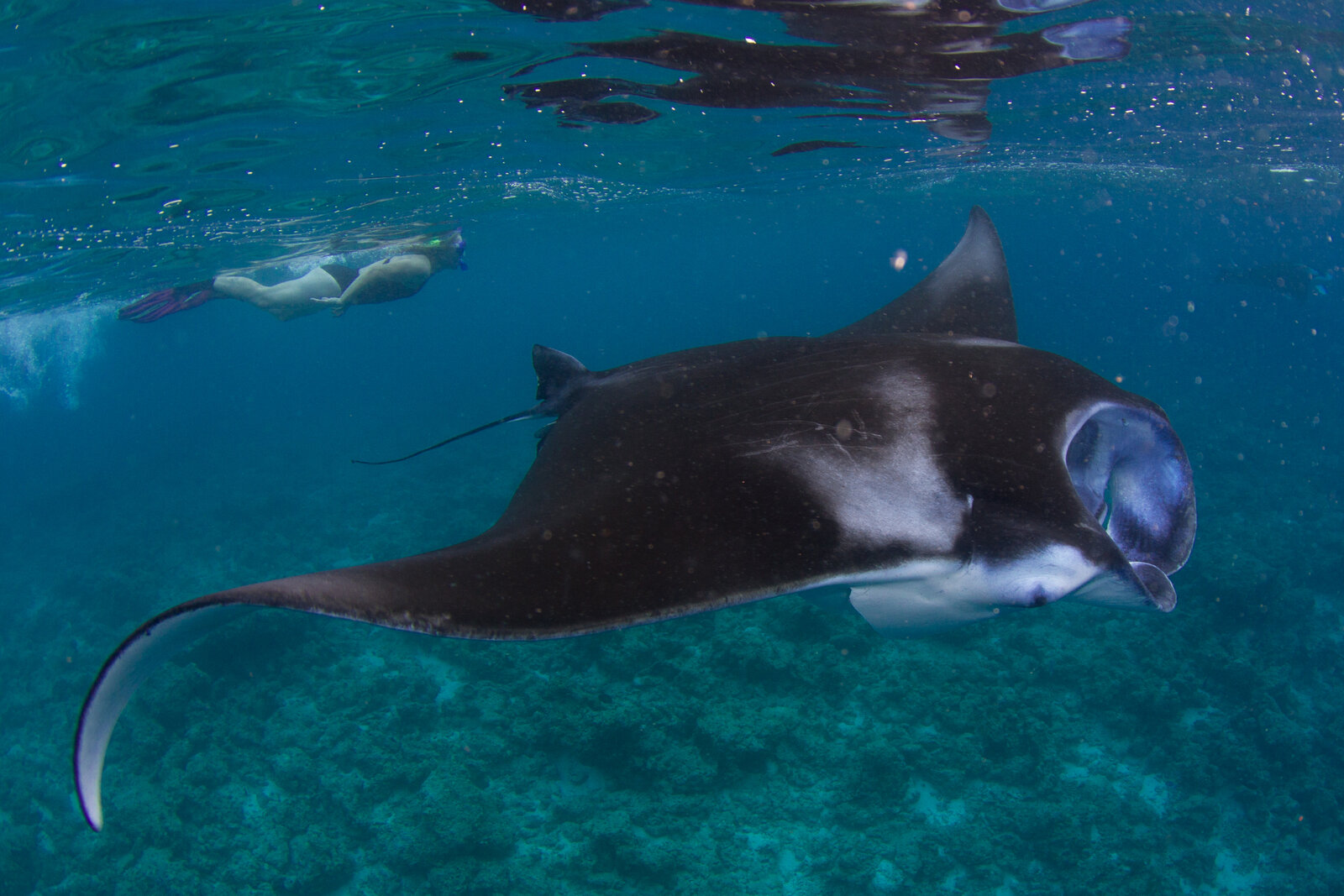
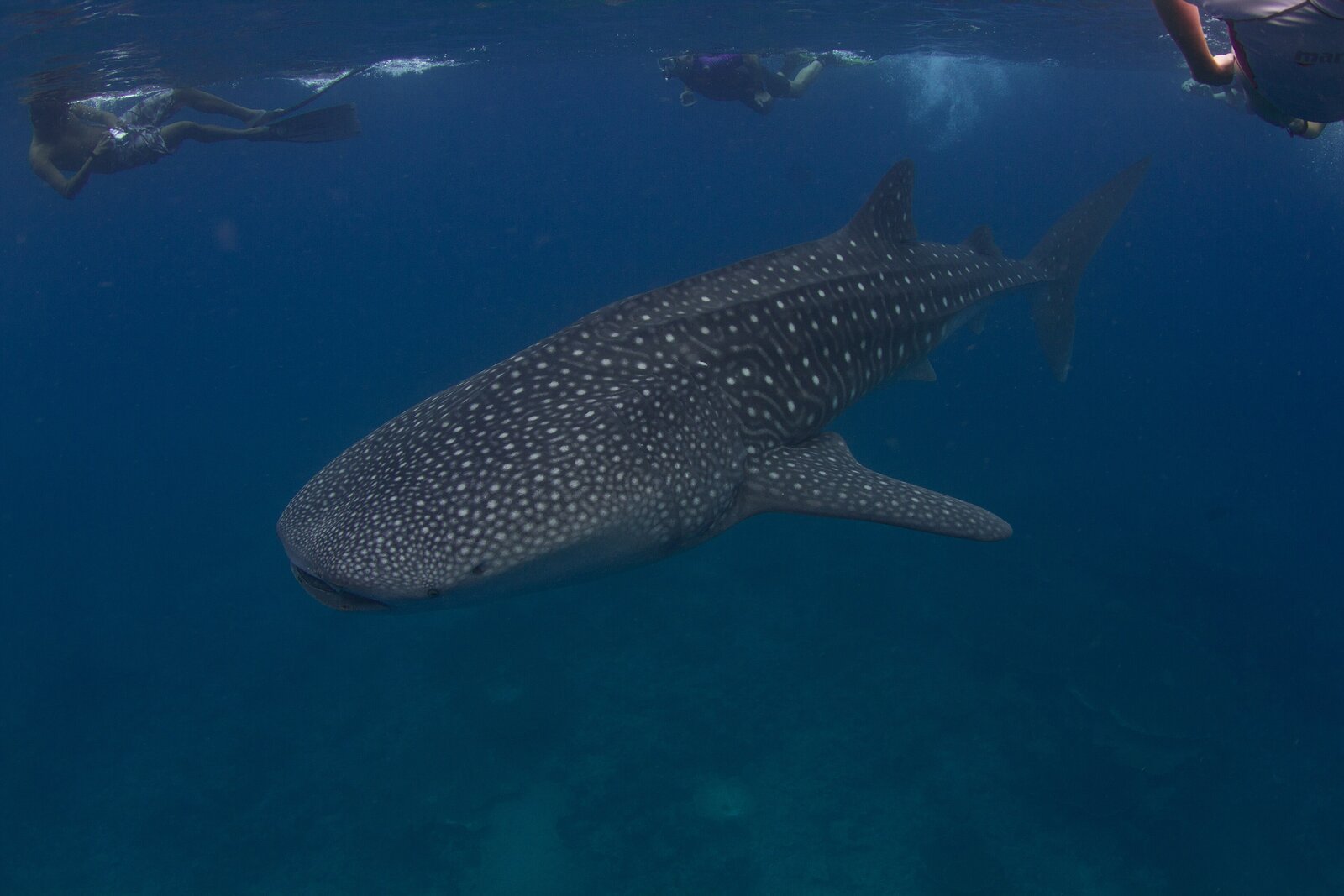
So why come in the wet season at all? Because the water fills with giants. The nutrient-rich currents of the southwest monsoon trigger plankton blooms that draw the Maldives' most sought-after animals close to the surface. This is the best time for manta rays, most reliable from May to November and peaking around July to October, when dozens — sometimes hundreds — gather to feed. The epicentre is Hanifaru Bay in Baa Atoll, a UNESCO Biosphere Reserve where mantas and whale sharks perform barrel-rolling feeding frenzies that are among the great wildlife spectacles of the ocean. Snorkelling amid a cyclone of feeding mantas is a genuine bucket-list experience, and the green season is your best shot at it.
The wet season carries other quiet advantages. It is the cheapest time to travel, with the lowest villa rates and the fewest other guests, so the islands feel gloriously private. The surf is up on the central and southern atolls, drawing surfers to reef breaks that are flat in the dry months. And the diving, while less clear, is far from over — the same plankton that clouds the water feeds the animals divers most want to see. If your priorities are mantas, whale sharks, surfing, value and solitude, and you can accept some rain and wind, the green season has a great deal to offer.
The Marine Calendar: A Season-by-Season Guide
The Maldives' waters are its greatest asset, and each of its marine icons has its own rhythm. If a particular encounter is the reason for your trip, use this calendar to pin your dates — then choose your atoll to match.
| Marine icon | Best months | Where & notes |
|---|---|---|
| Manta ray | May – Nov (peak Jul–Oct) | Hanifaru Bay (Baa Atoll) is world-famous; huge feeding aggregations |
| Whale shark | Year-round (peak with mantas) | South Ari Atoll holds resident juveniles; Hanifaru in the wet season |
| Reef sharks | Year-round | Grey reef & whitetip on the channels; nurse sharks on night dives |
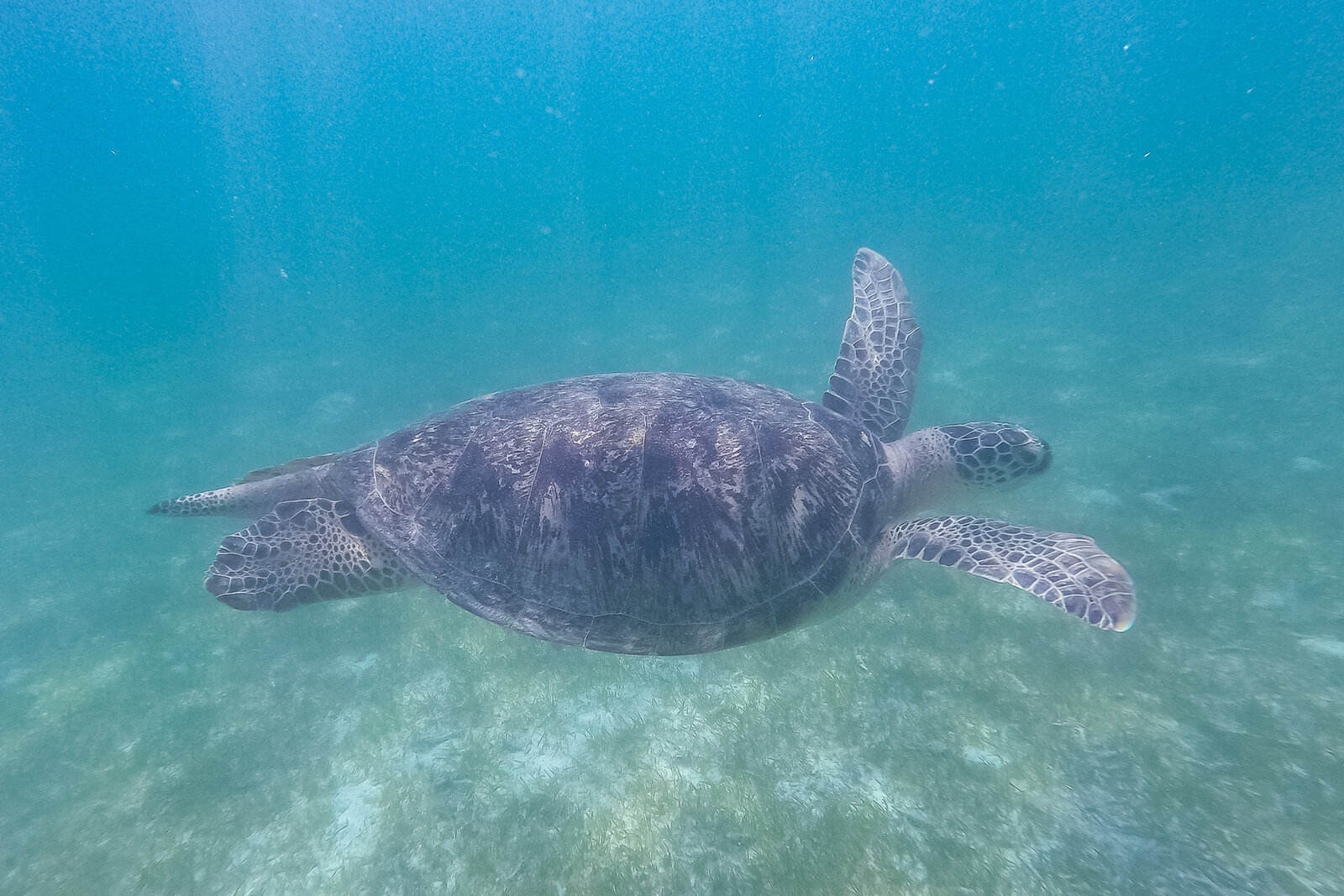
| Turtles | Year-round (nesting warm months) | Green & hawksbill on most house reefs; nesting from around May onward |
| Dolphins | Year-round | Spinner dolphins on sunset dhoni cruises across most atolls |
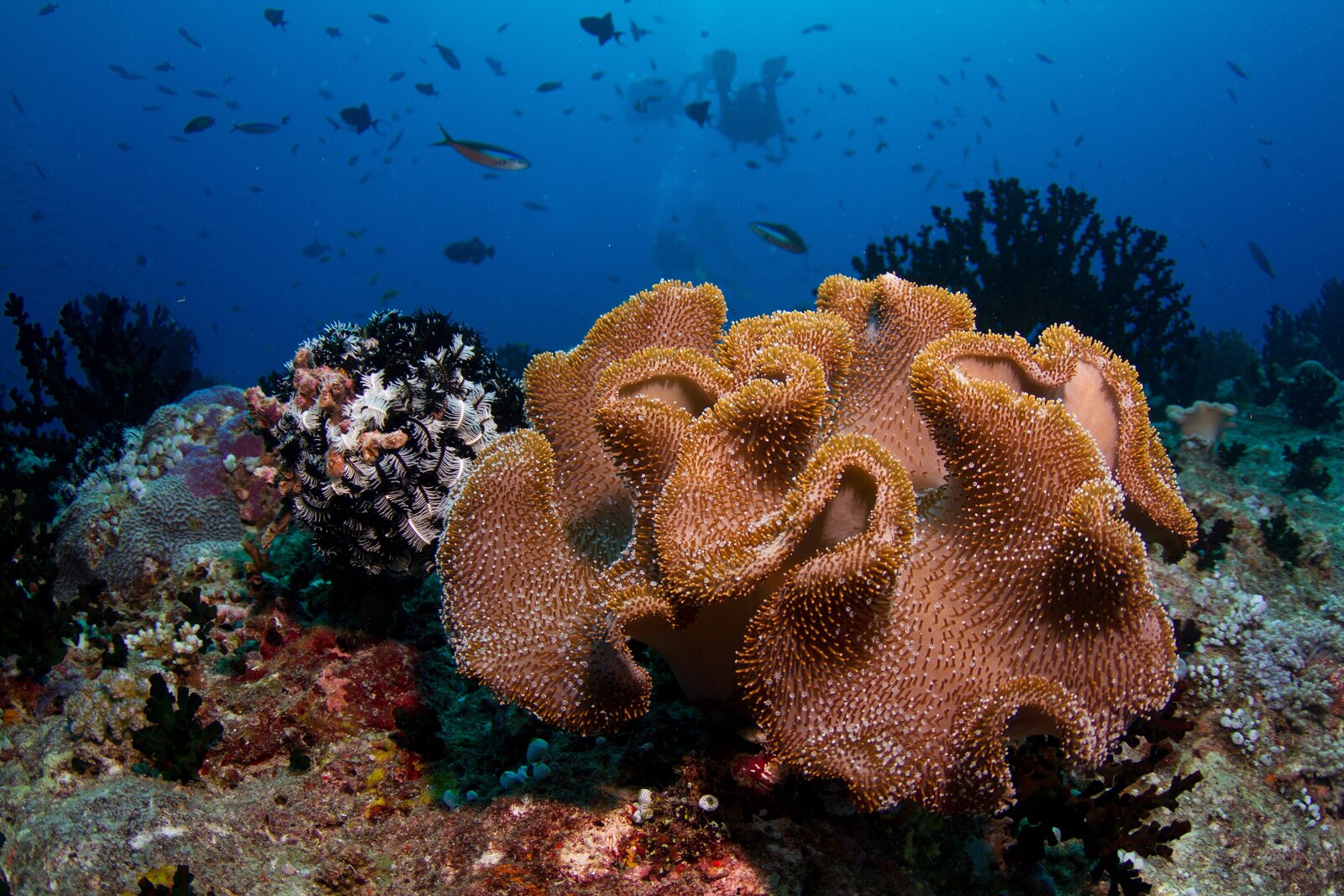
| Coral & reef fish | Year-round (clearest Dec–Apr) | House reefs everywhere; visibility best in the dry season |
| Surf swell | Apr – Oct (peak Jun–Aug) | Central & southern atoll reef breaks; southwest-monsoon groundswell |
The key insight is that the Maldives' two great draws sit at opposite ends of the year: the clearest water and most reliable sun in the dry season, and the biggest manta and whale-shark action in the wet season. The happy overlap is around April to May and again in November, the shoulder weeks when you can often catch decent visibility, softening crowds and the building — or fading — marine spectacle at the same time.
The Maldives Month by Month
Here is the year in detail, so you can match your available dates to conditions on the islands and in the water.
January
Peak dry season: sunny, dry and calm, with low humidity, flat lagoons and superb underwater visibility. Alongside February it is the most reliable month for weather — and, with the festive rush just past, one of the most sought-after. Book well ahead and expect high-season rates for the finest beach and diving conditions of the year.
February
Arguably the best month of all. Consistent sunshine, gentle breezes, glassy seas and the clearest water make February a honeymooner's and diver's dream. It is high season and priced accordingly, but for sheer dependability of blue skies and turquoise calm it is very hard to beat.
March
Still firmly dry and beautiful, with excellent sun and calm seas, though the heat and humidity start to build towards the end of the month. Diving visibility remains outstanding. One of the last months before the shoulder season begins, and a wonderful time for beaches, snorkelling and island-hopping.
April
The warmest, most humid of the dry months and a transitional sweet spot. Weather is still largely sunny and calm early on, while the first manta activity and the surf season begin to stir late in the month. Prices ease from the peak, making April a smart-value window for those who want dry-season conditions without festive crowds.
May
The southwest monsoon arrives and the wet season begins. Expect more cloud, higher humidity and short, heavy showers, with choppier seas on exposed coasts. It is also when the mantas start to gather and rates drop sharply — an excellent-value month for flexible travellers, and the start of the turtle-nesting and surf seasons.
June
Firmly into the green season: warm, humid and changeable, with rain and wind more likely, especially in the afternoons. The trade-offs pay off underwater — manta activity builds and the surf is consistent on the central and southern atolls. Quiet islands and low prices reward those who don't mind a passing squall.
July
The heart of manta season begins. Plankton blooms bring the great filter-feeders into Hanifaru Bay and the atoll channels in growing numbers, and whale sharks join them. Weather is wetter and windier, but the marine spectacle and the low-season value are at their most compelling. A superb month for snorkellers and divers chasing giants.
August
Peak manta and whale-shark season continues, with Hanifaru Bay at its most active on the right tides and moon phases. Expect green-season weather — warm, humid, with showers and breeze — but also the year's best odds of an unforgettable feeding aggregation. Surf is strong, and prices remain keen outside the northern-hemisphere summer holidays.
September
Often among the wettest months, with more cloud and rain, but also one of the best for marine life: mantas and whale sharks are still abundant and the islands are peacefully quiet. For experience-led travellers who value giants, solitude and low rates over guaranteed sun, September can be a hidden gem.
October
The tail of peak manta season and a strong all-round green-season month. Rain remains likely, but sunny spells increase as the month goes on, the mantas and whale sharks are still around, and the surf holds up. Rates are still low, making October a rewarding blend of marine action and value before the dry season returns.
November
A transitional shoulder month as the northeast monsoon reasserts itself. Showers ease, the sun returns more often and the seas begin to calm, while the last of the manta season lingers early in the month. With prices still below the December peak, November is one of the smartest-value windows on the whole calendar.
December
The dry season returns and conditions improve steadily: drier, sunnier and calmer as the month progresses. The festive fortnight around Christmas and New Year is the busiest and most expensive period of the year, so book those dates far ahead — while early December can still offer softer shoulder-season rates with fine weather.
Best Time by Atoll & Region
The Maldives stretches some 870 kilometres from north to south across the equator, so conditions and marine seasons shift as you move through the atoll chain. Here is how the timing changes region by region.
Baa Atoll & Hanifaru Bay
The manta capital of the Maldives, and a UNESCO Biosphere Reserve. Baa Atoll is at its best in the wet season, roughly June to November, when the southwest monsoon funnels plankton into Hanifaru Bay and draws mantas — and whale sharks — into spectacular feeding aggregations, peaking July to October. If mantas are your dream, build your trip around these months and this atoll.
South Ari Atoll (Ari Atoll)
Famous for its resident population of juvenile whale sharks, which can be snorkelled year-round — a rare guarantee anywhere in the world. Diving and manta cleaning stations are excellent too. The dry season brings the clearest water for whale-shark snorkelling, while the wet season adds the mantas; either way, Ari Atoll rarely disappoints.
North & South Malé Atolls
The most accessible atolls, close to the international airport and home to many of the classic resorts and the best-known channel dives. They shine in the dry season (December–April) for calm seas and visibility, but their reef sharks, turtles and manta cleaning stations reward divers year-round. Ideal for shorter stays and first-time visitors.
The far south (Addu & the southern atolls)
Straddling and lying below the equator, the deep south has a subtly different rhythm, with big pelagic diving, manta and whale-shark encounters, and some of the country's best surf breaks. It is a superb wet-season choice for marine life and waves, and rewards travellers willing to go further for wilder, quieter reefs.
Best Time for Specific Travellers
For honeymoons & beach holidays
December to April, and ideally January to March, for warm, dry, calm days, glassy lagoons and golden light — everything a barefoot island honeymoon needs. Pair it with an African safari for the ultimate bush-and-beach trip; our Indian Ocean honeymoon comparison helps you choose the right island.
For divers & snorkellers
Two answers. For the clearest water and best visibility, choose the dry season (December–April). For manta rays and whale sharks in the greatest numbers, choose the wet season (May–November), accepting cloudier, choppier conditions. The shoulder weeks of April–May and November are the best all-round compromise.
For manta & whale-shark encounters
May to November for mantas, peaking July to October in Baa Atoll's Hanifaru Bay. Whale sharks can be found year-round in South Ari Atoll, but the wet season stacks the odds of seeing both giants in one trip.
For surfers
April to October, peaking June to August, when the southwest monsoon sends groundswell to the reef breaks of the central and southern atolls. This is the flip side of the wet season: the same weather that brings the rain brings the waves.
For families & value
The dry-season school holidays suit families wanting reliable sun, while the green season (May–November) offers the lowest rates, the quietest islands and the marine giants — best for flexible, experience-led travellers who don't mind some rain.
Weather & What to Pack by Season
The Maldives' equatorial climate gives it two clear packing profiles, though the difference is more about sea state and rain than temperature. Getting it right makes a real difference to your comfort on the beach and out on the water.
| Season | Typical temps | Conditions | Pack essentials |
|---|---|---|---|
| Dry season (Dec–Apr) |
Night 25–27°C; day 29–31°C | Sunny, dry, low humidity, calm clear seas; NE monsoon | Light resortwear, reef-safe sunblock, hat, sunglasses, snorkel gear, rash vest |
| Wet season (May–Nov) |
Night 25–27°C; day 28–30°C | Warm, humid, showers & breeze, choppier seas; SW monsoon (no cyclones) | Light rain jacket, quick-dry clothes, reef-safe sunblock, dry bag, snorkel gear |
Year-round, pack for a beach and water trip: swimwear, a rash vest for snorkelling, quick-dry clothes, comfortable sandals, high-factor reef-safe sunscreen, a wide-brimmed hat and sunglasses. The sun on the equator is fierce even under cloud, so sun protection matters in every season. A dry bag protects cameras and phones on dhoni and dive-boat trips, and a light layer is welcome on air-conditioned transfers and breezy evening cruises. Note that the Maldives is a Muslim country: on inhabited local islands (as opposed to private resort islands) dress modestly away from the designated bikini beaches, and remember that alcohol is served only on resort islands.
When to Book — and How Season Affects Price
Timing your booking matters almost as much as timing your trip. Maldivian resorts are one island each, with a fixed number of villas and famously seasonal rates, so a little forward planning protects both your dates and your budget.
Broadly, the islands run on three pricing tiers. Peak season covers the best dry-season months — roughly December to April — with the festive fortnight around Christmas and New Year the highest and most in-demand period of all. Shoulder season, typically April to May and November, offers largely good weather at noticeably softer rates and is where savvy travellers find the best balance of price and conditions. Green (low) season, the heart of the wet months from May to November (northern-summer holidays aside), brings the year's lowest rates and the quietest islands — along with the rain, the wind and the mantas.
Because each resort has limited villas, the most sought-after islands — especially over the dry-season peak and the festive period — book out many months in advance. As a rule of thumb, secure peak-season and festive dates six to nine months ahead, and further out still for a specific overwater villa or a honeymoon. For shoulder and green-season trips you can often book with less lead time, though the best value and villas still reward early planning. A deposit typically secures a booking, with the balance due closer to travel.
For how the Maldives compares with the region's other great beach escapes, read our guide to the best Indian Ocean islands compared and our roundup of the best African island holidays. To shape a bush-and-beach trip that pairs an African safari with an island finale, explore our real bookable journeys below or contact our team.
The Verdict: So When Should You Go?
There is no wrong time to visit the Maldives — only the right time for you. If your heart is set on warm, sunny days, mirror-calm lagoons, dazzling visibility and reliable beach weather, come in the dry season, December to April, and build around January to March for the finest all-round conditions. Book early, expect peak prices, and enjoy the Maldives at its postcard best.
If your dream is snorkelling amid a cyclone of feeding manta rays, sharing the water with a whale shark, riding uncrowded reef breaks, or simply having a quiet island to yourself at the year's best prices, come in the wet season, May to November — and accept a little rain and wind as the price of a very special, low-season trip. And if you want the best of both worlds — decent sun and the building or fading marine spectacle — target the April–May or November shoulder weeks, some of the most rewarding windows on the whole calendar.
Whichever season calls to you, the Maldives will deliver. When you are ready to turn a date into a journey — perhaps as the dreamy beach finale to an African safari — explore our Indian Ocean islands comparison, browse the bush-and-beach journeys below, or contact our team to plan a privately guided trip built around the perfect time for you.