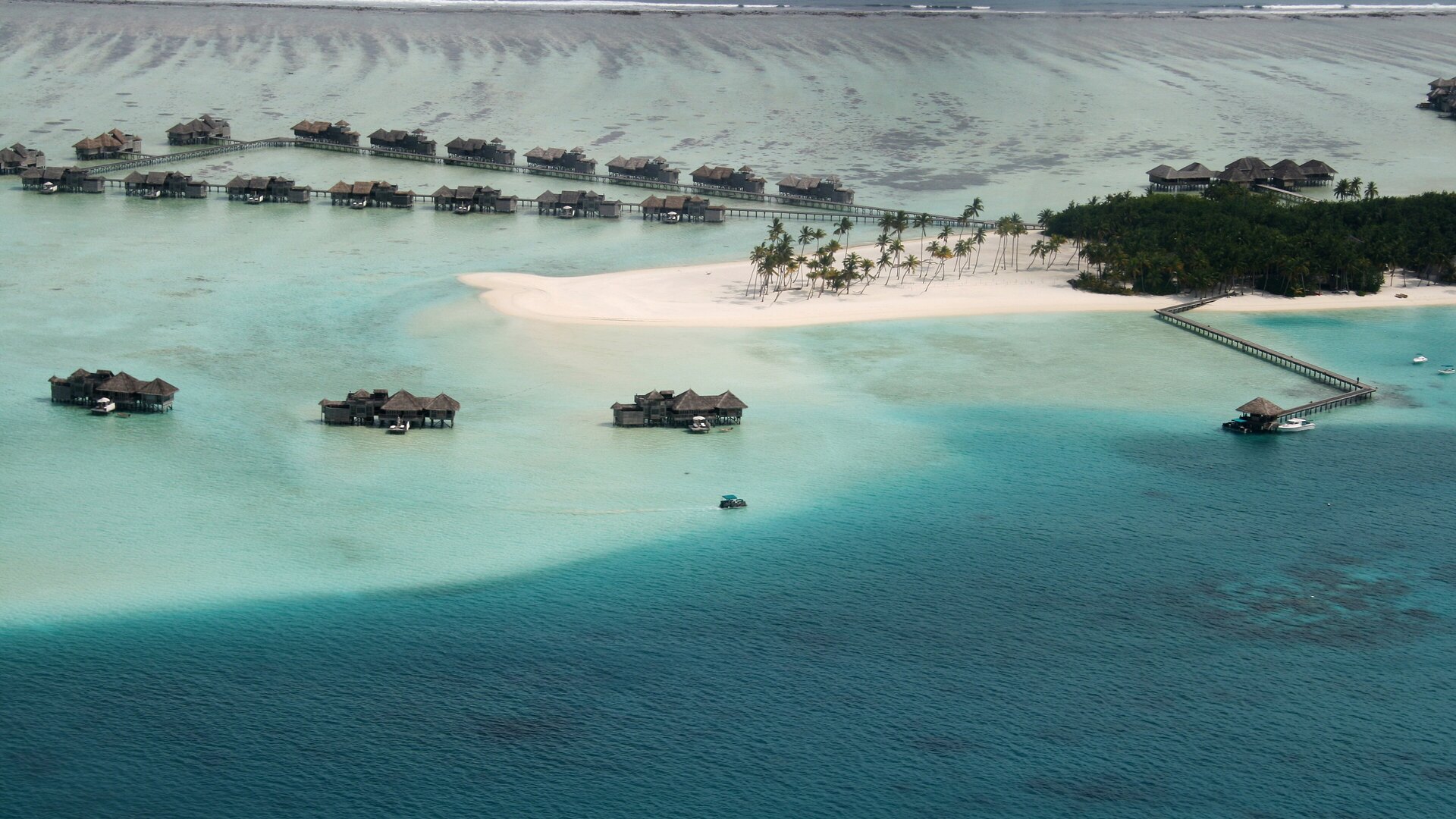
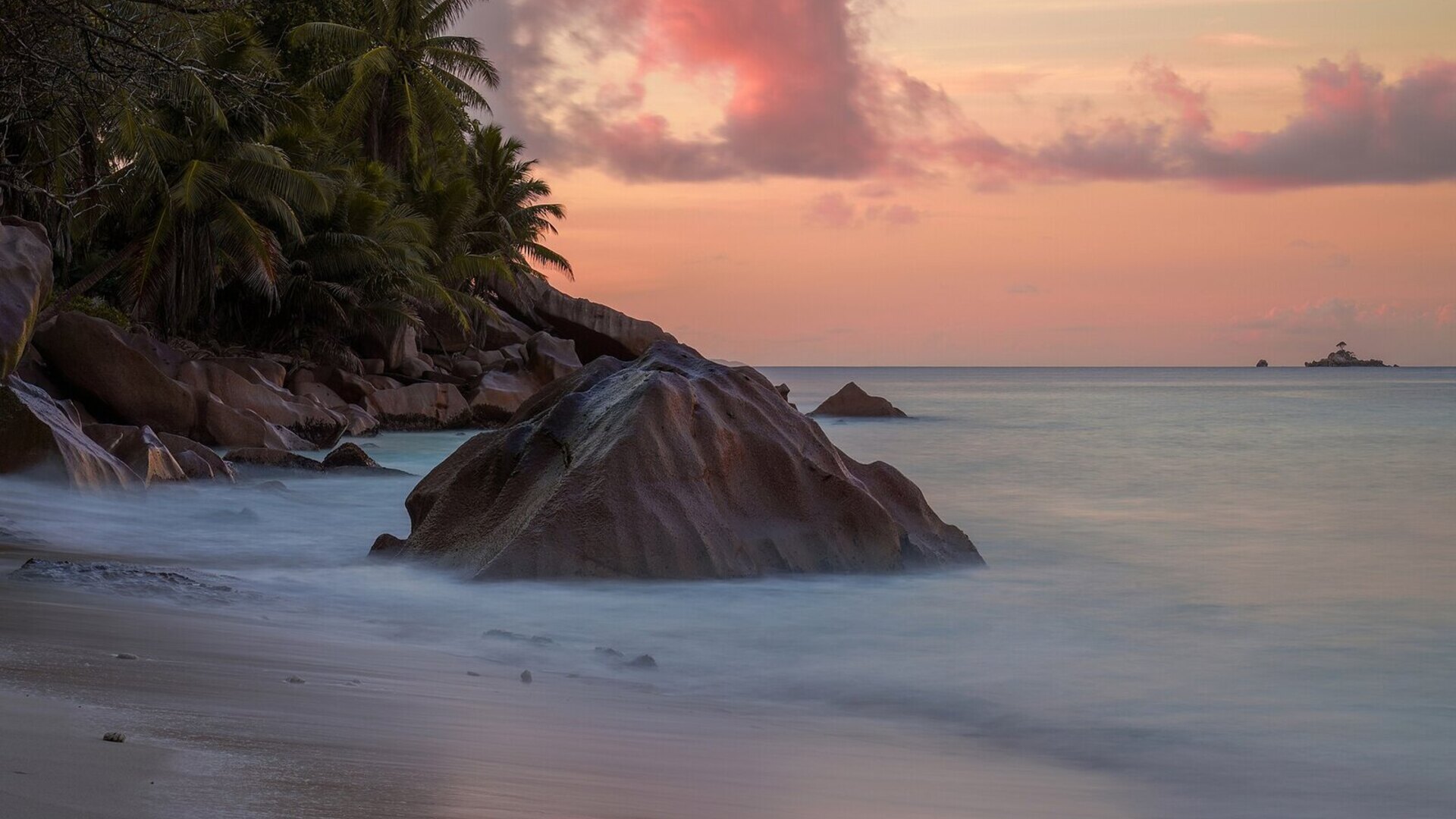
Key Takeaways
- The best time to visit Mauritius is the cool, dry winter from May to December — the southeast trade winds bring sunny days, low humidity, comfortable temperatures and calm, clear lagoons
- September to November are the all-round sweet spot: dry, warming, calm seas and bright lagoons, before the summer heat and rain build
- The warm summer (November to April) is hot and humid with more rain and the island's cyclone season, peaking January to March — but it delivers the warmest sea, the best diving and the greenest landscapes
- Unlike the Maldives, which sits outside the storm belt, Mauritius does have a cyclone season, so summer travellers should watch the forecast and favour flexible bookings; see our best time to visit the Maldives guide for the contrast
- Humpback whales migrate past the island from around July to November (best August–October), while dolphins are resident year-round off the west coast at Tamarin
- Pair the island with an African safari: Mauritius makes a superb beach extension after the bush, and our Indian Ocean islands comparison shows how it stacks up against the Seychelles, Maldives and Zanzibar
TL;DR: The best time to visit Mauritius is the cool, dry winter, May to December, when the southeast trade winds deliver sunshine, low humidity, pleasant temperatures and calm, clear lagoons — perfect for beaches, honeymoons, hiking and kitesurfing. September to November are the finest all-round months. The warm summer, November to April, brings the hottest weather, the warmest sea and the best diving, but also the most rain and the cyclone season (peak January to March). Humpback whales pass from July to November, dolphins are resident all year off Tamarin, and the sheltered west and north coasts stay calmer than the breezier east. Below you will find a full month-by-month guide, a marine-life calendar, coast-by-coast timing, best-time-by-traveller advice, weather and packing notes, and exactly when to book.
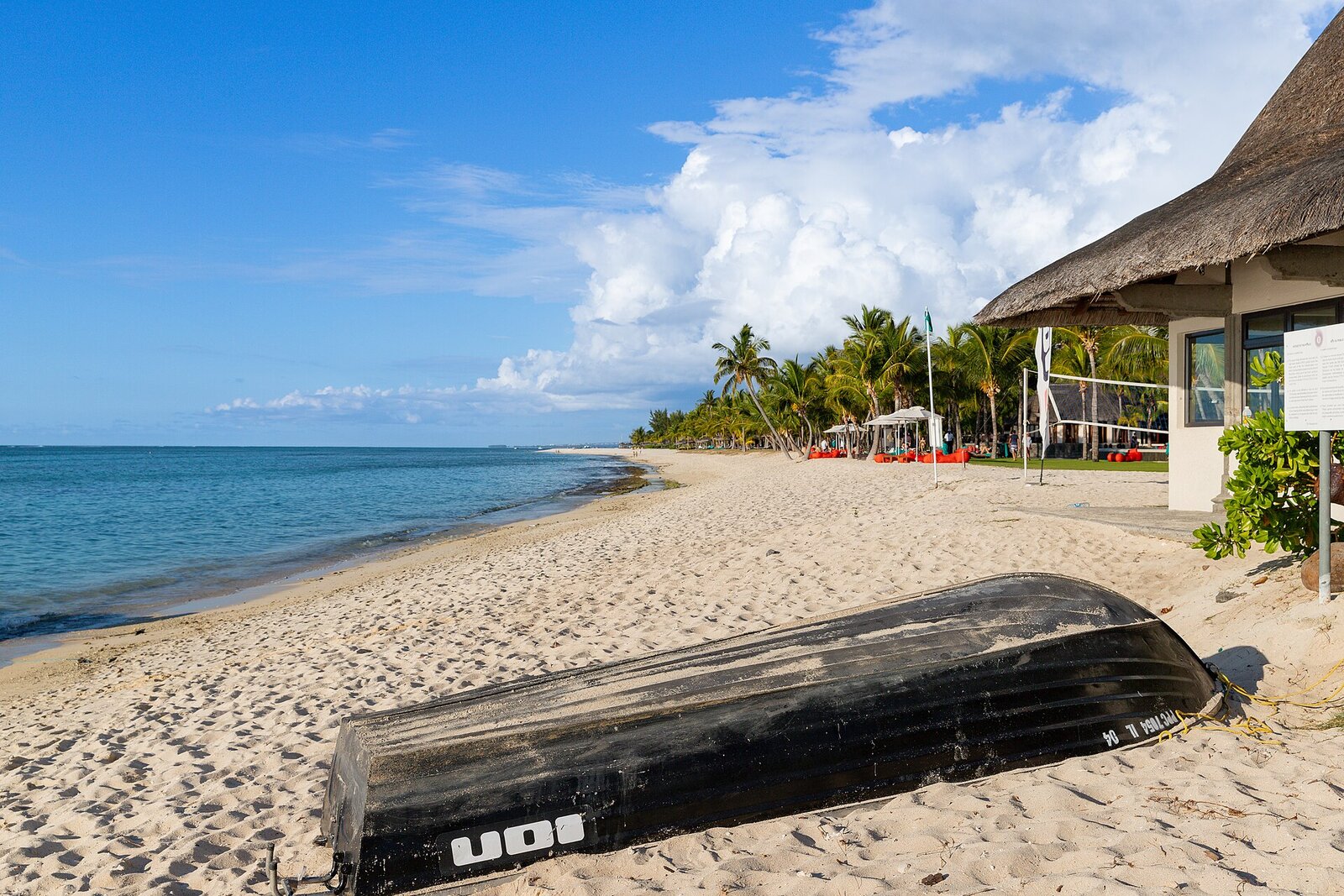
Mauritius sits in the south-west Indian Ocean, well below the equator and firmly within the tropics, and its year is shaped less by wet and dry extremes than by a gentle swing between a cool, dry winter and a hot, humid summer. Ringed almost entirely by a coral reef, the island keeps a lagoon of impossible turquoise on every side, and its interior rises into green mountains and waterfalls. Get the timing right and you can line up warm, sunny days, calm seas and clear water; time it differently and you can trade a little sunshine for the warmest ocean, the best diving and the whales offshore.
In short: the best time to visit Mauritius is the cool, dry winter, from May to December. These are the months of the southeast trade winds, when humidity drops, the rain eases, the skies clear and daytime temperatures settle into a comfortable, sunny warmth. It is prime weather for beaches, honeymoons, hiking and water sports, and the lagoons are at their calmest and clearest. If you dream of reliable sun over a turquoise lagoon, this is your window — and September to November are the pick of it.
But the story has a second chapter. The warm summer, November to April, turns Mauritius hotter, greener and more humid, with heavier, more frequent rain and the island's cyclone season, which peaks from January to March. It is also the season of the warmest sea, the best diving visibility on the leeward coasts and the most vivid landscapes. This guide walks you through the whole calendar — month by month, marine season by marine season, and coast by coast — so you can choose the Mauritius that is right for you.
The Short Answer: Best Time to Visit Mauritius by Priority
| If your priority is... | Best months | Why |
|---|---|---|
| Best overall (sun + calm seas) | May – December (peak Sep–Nov) | Dry, sunny, low humidity; calm, clear lagoons |
| Diving & warm water | October – April | Warmest sea and best visibility on the sheltered coasts |
| Humpback whales | July – November (peak Aug–Oct) | Migrating humpbacks pass the west coast; dolphins year-round |
| Kitesurfing & windsurfing | June – September | Strong, steady southeast trades at Le Morne and the east coast |
| Hiking & the interior | June – September | Cool, dry days for Black River Gorges and Le Morne Brabant |
| Honeymoons & beach | May – December (peak Sep–Nov) | Reliable sunshine, calm lagoons, golden light |
| Best value & fewest visitors | Late January – March, and May | Lowest rates in the summer shoulders — but rain and cyclone risk |
Keep this table in mind as you read on. Below we unpack the two seasons in depth, lay out the marine calendar, then break the year down month by month so you can pin your dates with confidence.
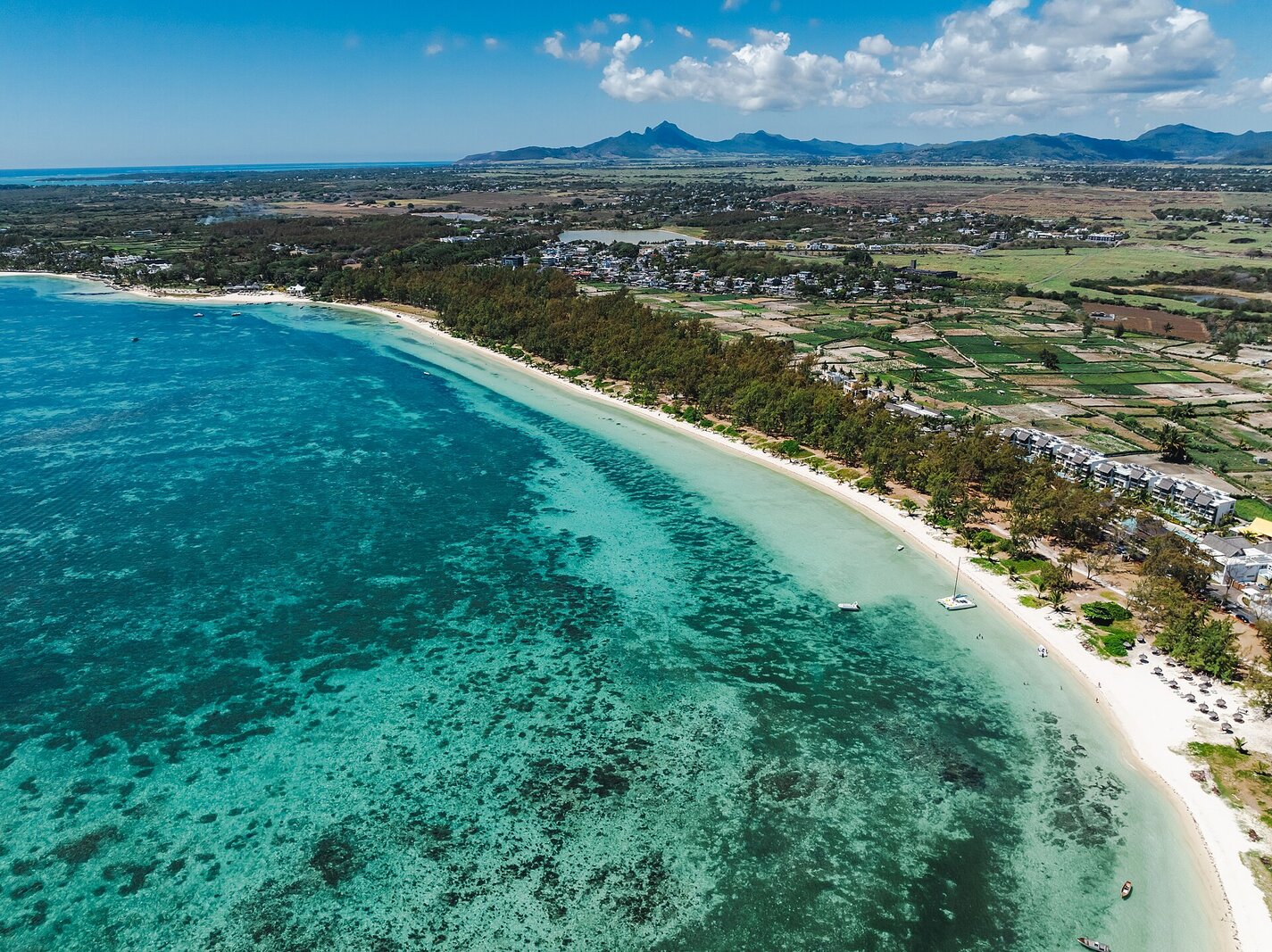
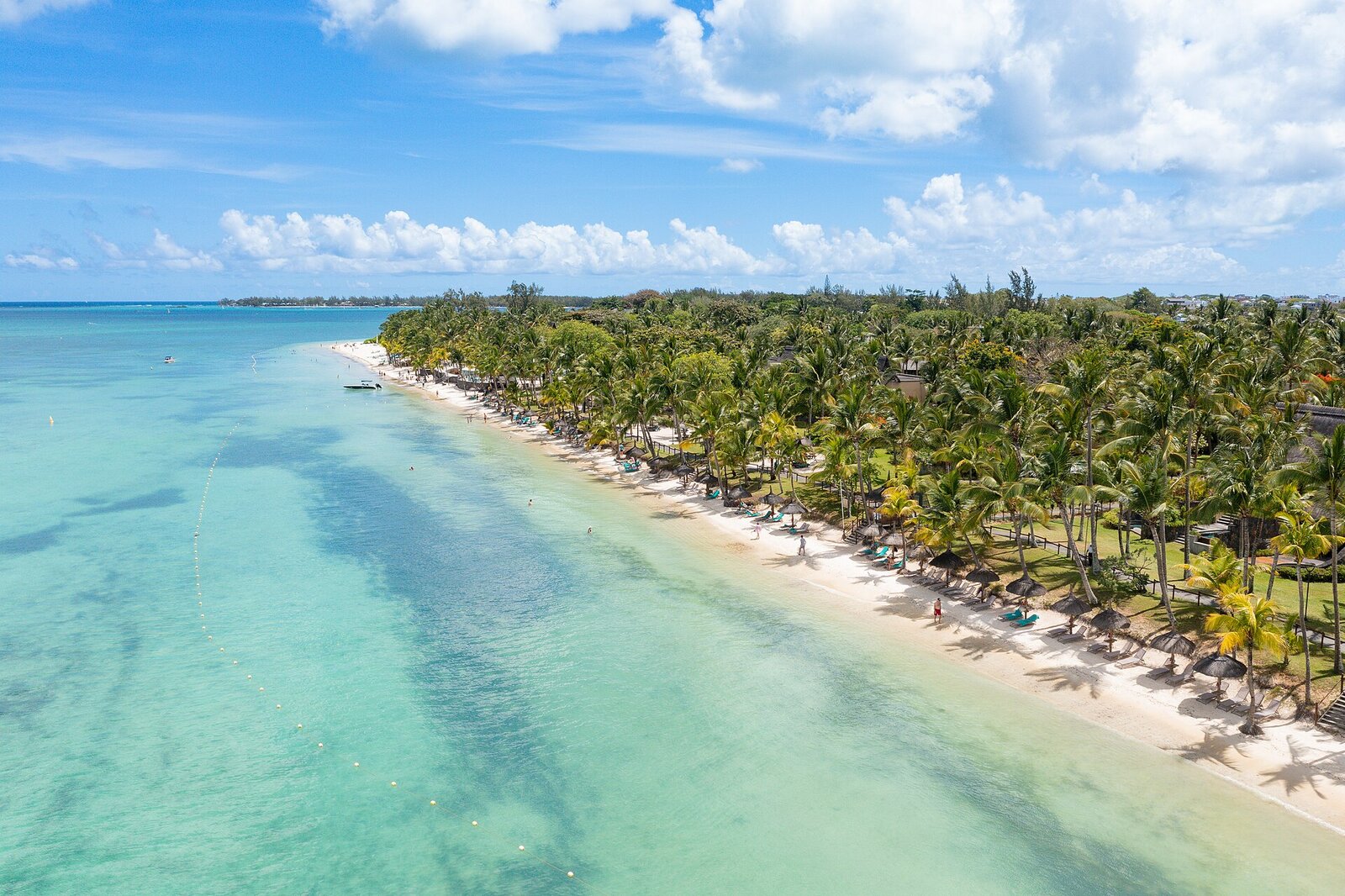
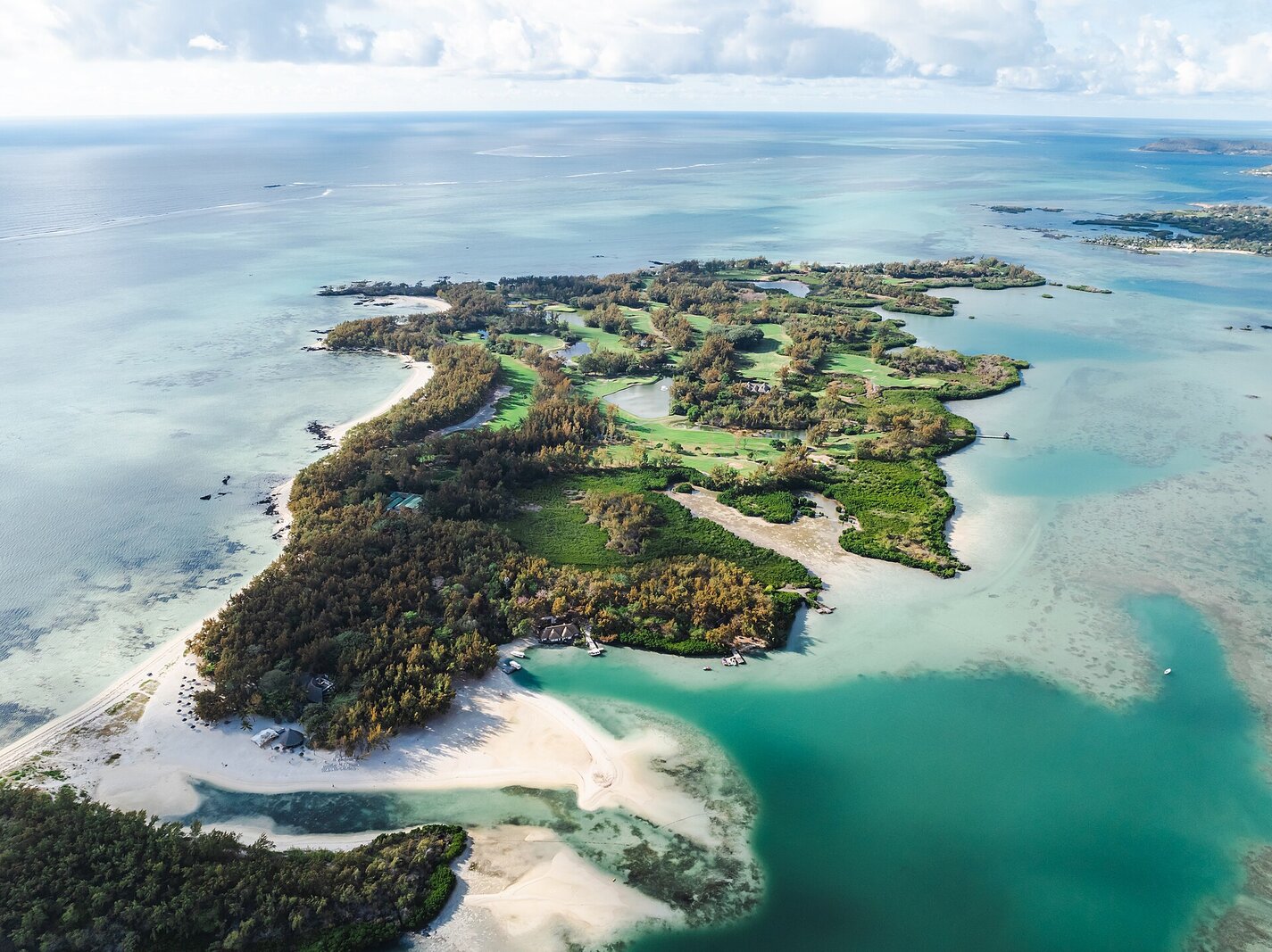
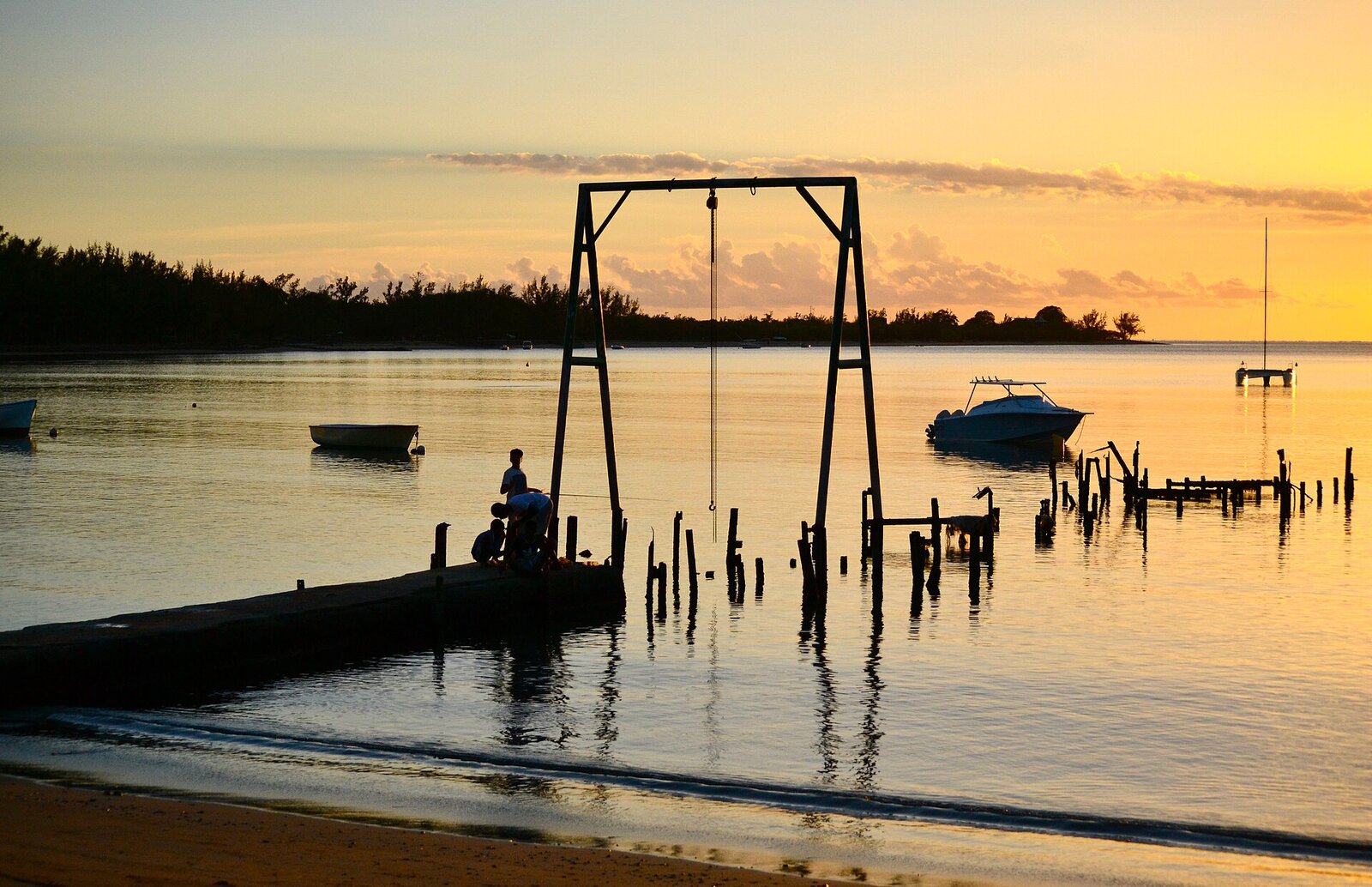
The Cool, Dry Winter (May–December): Sun, Calm Lagoons & Comfortable Days
If there is a single best time to visit Mauritius, this is it. As the southeast trade winds settle in from around May, the summer humidity drains away, the rain eases and the skies clear. From May through to December the island enjoys warm, sunny days, cooler and more comfortable nights, and — crucially for a country defined by its lagoons — calm, clear water on the sheltered coasts. This is the Mauritius of the brochures: turquoise lagoons, powder-white beaches and green mountains under bright, dependable skies.
Daytime temperatures on the coast are pleasant rather than scorching, sitting around 24–27°C by day and dipping into the high teens or low 20s at night, with the cooler, breezier weather most noticeable in the depths of winter around June to August. Humidity is low, the light is clean and the odds of a washout day are at their lowest. It is the most comfortable stretch of the year for anyone who wants to be active — exploring, hiking, sightseeing — rather than simply lying on the sand in tropical heat.
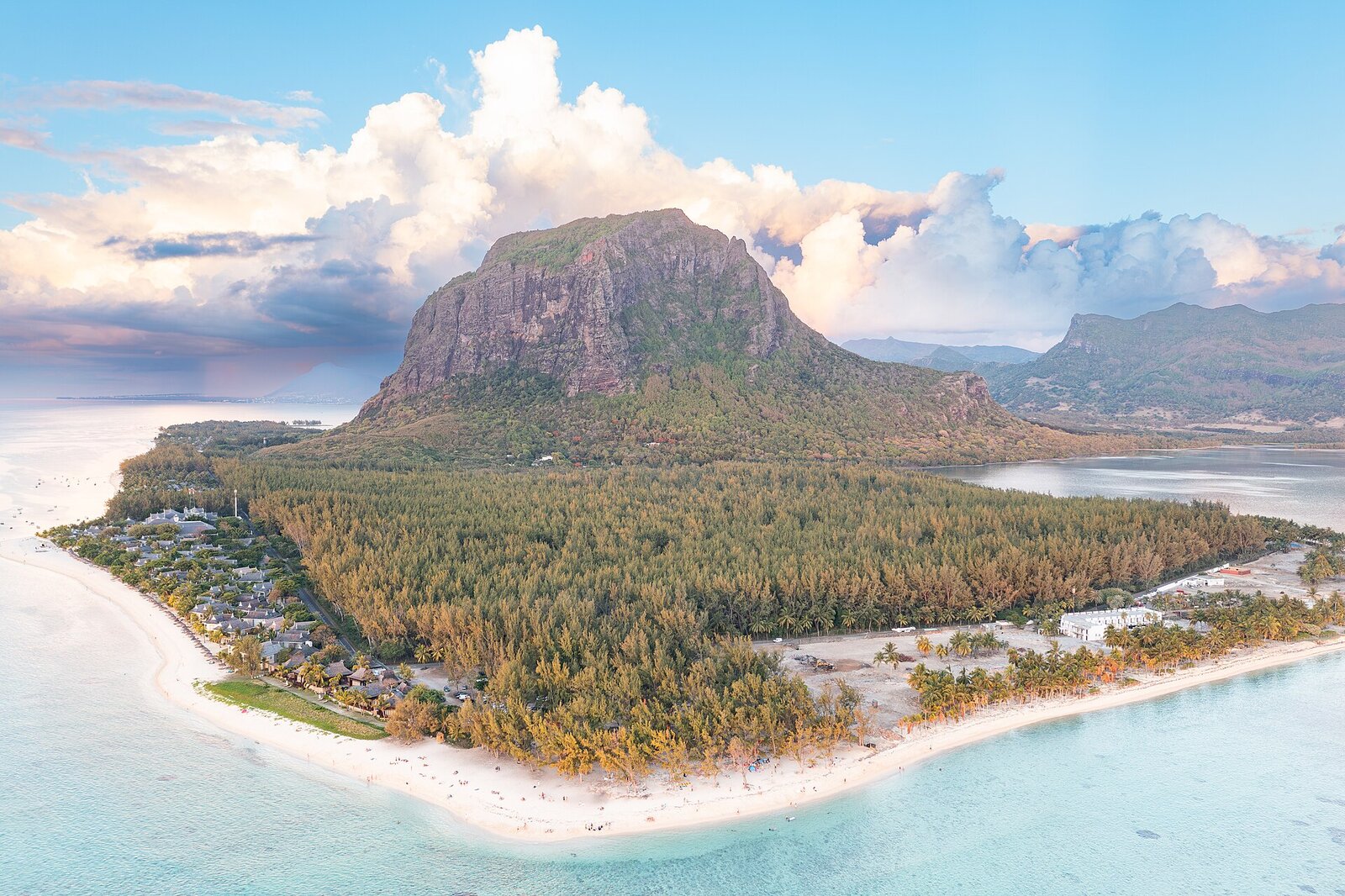
The dry winter is prime for almost everything above the waterline. The beaches and lagoons are at their calmest and clearest on the west and north coasts, the hiking in the Black River Gorges and up Le Morne Brabant is at its most comfortable, and the steady southeast trades make it the world-class season for kitesurfing and windsurfing, above all at Le Morne. It is also the season the humpback whales pass by, and the finest, most reliable stretch for a honeymoon or a pure beach holiday under dependable sun.
There are two trade-offs to keep in mind. The trade winds that make the winter so pleasant also make the east and southeast coasts noticeably breezier and the sea choppier there, so wind-shy beach lovers should favour the sheltered west and north. And the peak festive and northern-summer holiday weeks, particularly around July–August and Christmas, are the busiest and priciest of the season. But for sheer reliability of sun, comfort and calm lagoons, the cool dry winter — and September to November in particular — is the best all-round time to visit Mauritius.
The Warm Summer (November–April): Hot, Green & the Cyclone Season
When the trade winds fade around November, Mauritius changes character. The air turns hot and humid, the afternoons bring heavier and more frequent rain — often as short, dramatic tropical downpours — and the interior turns a vivid, lush green. This is the island's summer: warmer in the sea and the air, greener in the hills, and, importantly, the season that carries Mauritius' cyclone risk. It is less famous than the winter, but it has real rewards for travellers who understand the trade-offs.
Coastal temperatures climb to around 29–33°C by day, humidity is high and the sea reaches its warmest, most inviting temperatures of the year. The defining feature, though, is the weather's greater volatility. Mauritius lies within the south-west Indian Ocean cyclone belt, and the cyclone season runs roughly from November to April, peaking January to March. Most trips are unaffected, but a passing system can bring wind and heavy rain, so summer travellers should watch the forecast, favour flexible bookings and lean towards the more sheltered coasts. This is the clearest contrast with the Maldives, which sits outside the storm belt entirely — a difference we explore in our best time to visit the Maldives guide.
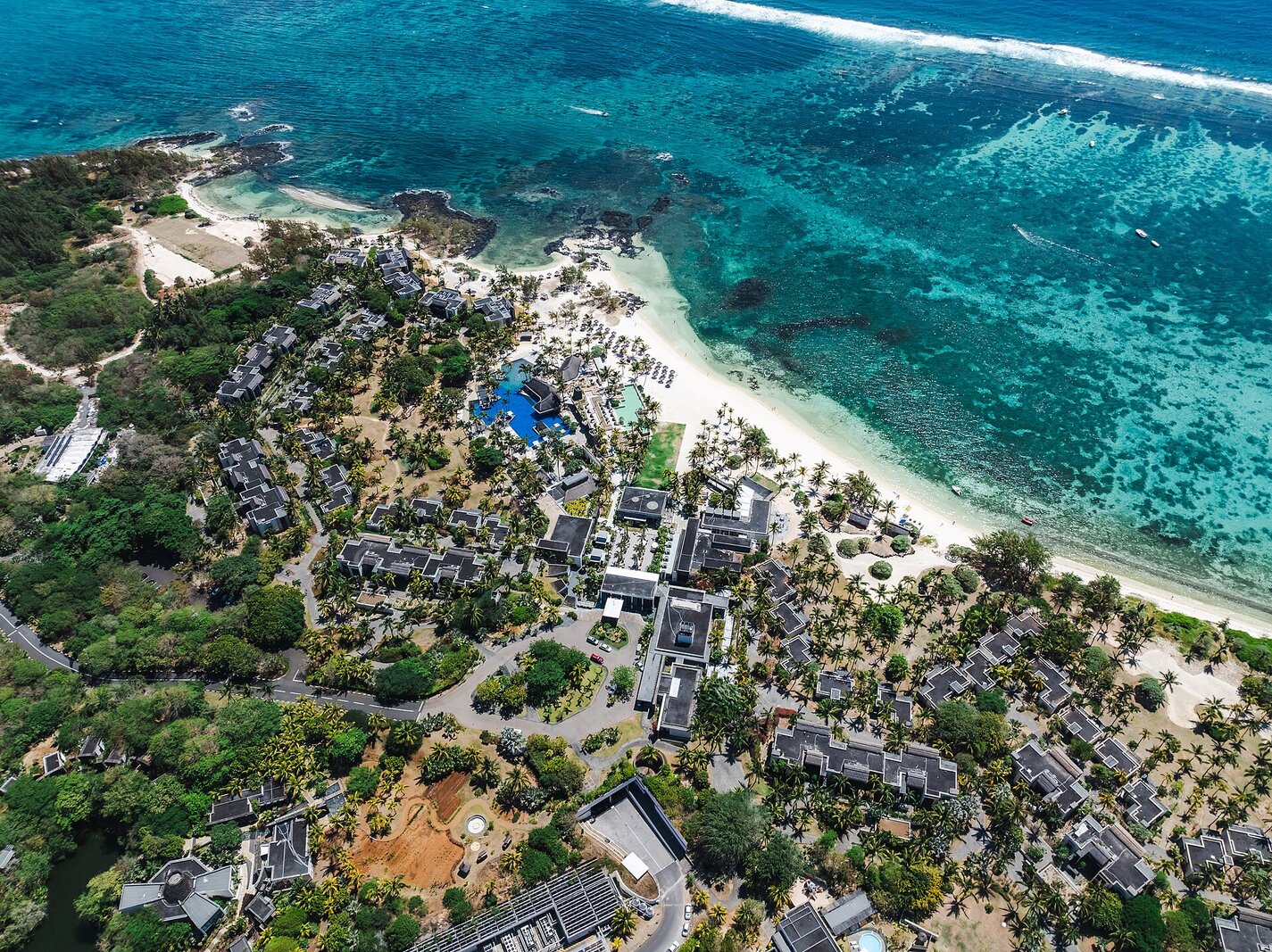
So why come in summer at all? Because the warmth pays off in and under the water. The sea is at its warmest and, on the leeward west and north coasts, the diving is at its best from October to April, with excellent visibility and abundant reef life when the wind lies down. The landscapes are at their greenest and most photogenic, the waterfalls run full, and the gardens and sugarcane fields glow. For divers, photographers and travellers who love a warm ocean and dramatic tropical light, the summer has a great deal going for it.
The summer also holds Mauritius' best-value windows. The rainy shoulders on either side of the festive peak — particularly late January to March, and again in May — bring the lowest rates and the quietest resorts of the year, for travellers willing to accept the heat, the humidity and the cyclone risk. If your priorities are warm-water diving, lush scenery, and value over guaranteed sun, and you can stay flexible, the green season rewards you.
The Marine & Activity Calendar: Season by Season
Mauritius' lagoon and ocean are a huge part of its appeal, and several of its signature experiences have their own season. If a particular encounter or activity is the reason for your trip, use this calendar to pin your dates — then choose your coast to match.
| Experience | Best months | Where & notes |
|---|---|---|
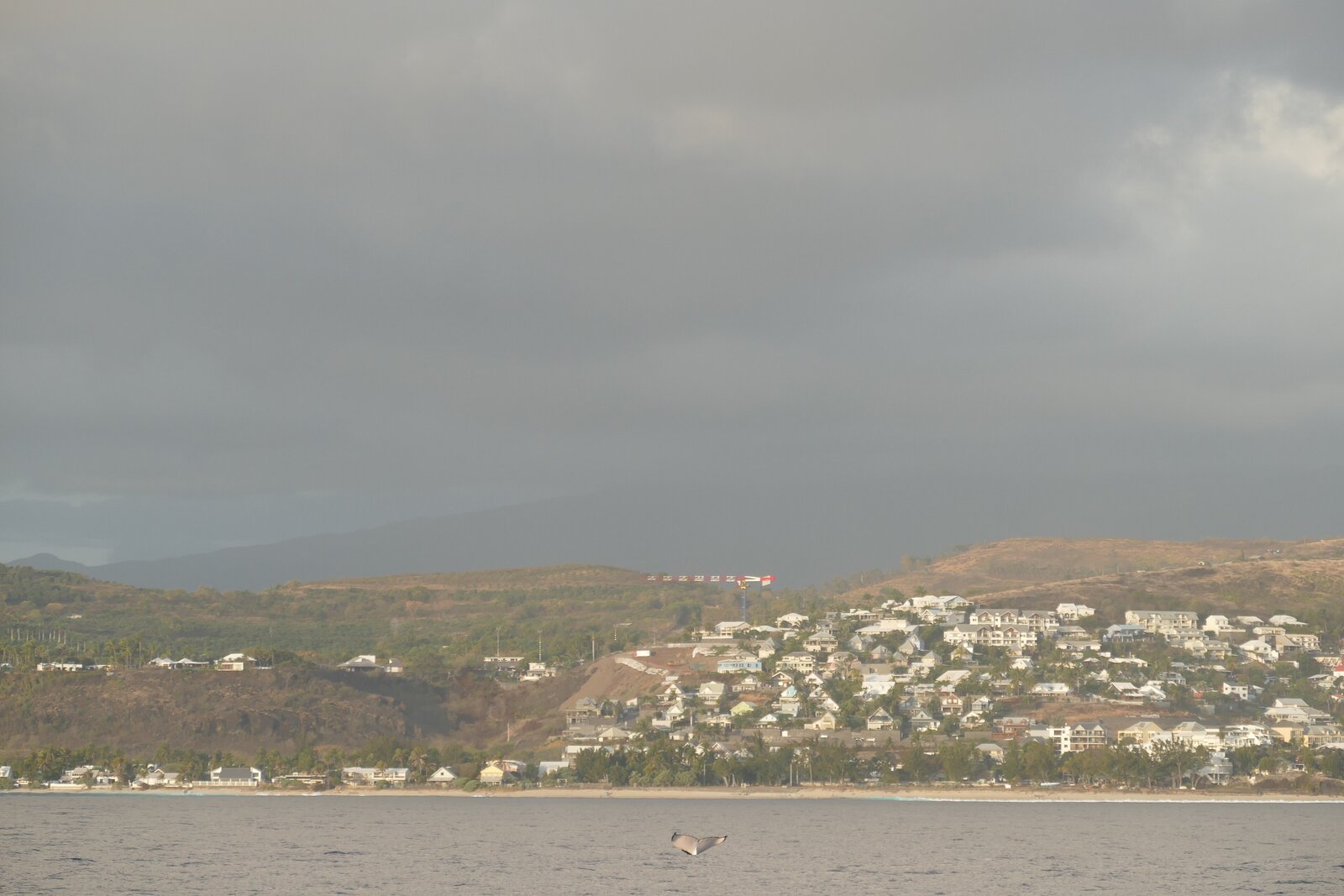
| Humpback whales | Jul – Nov (peak Aug–Oct) | Migrating past the west coast off Tamarin and Le Morne |
| Dolphins | Year-round | Resident spinner & bottlenose pods off Tamarin Bay, west coast |
| Diving & snorkelling | Oct – Apr | Warmest water & best visibility on the sheltered west/north coasts |
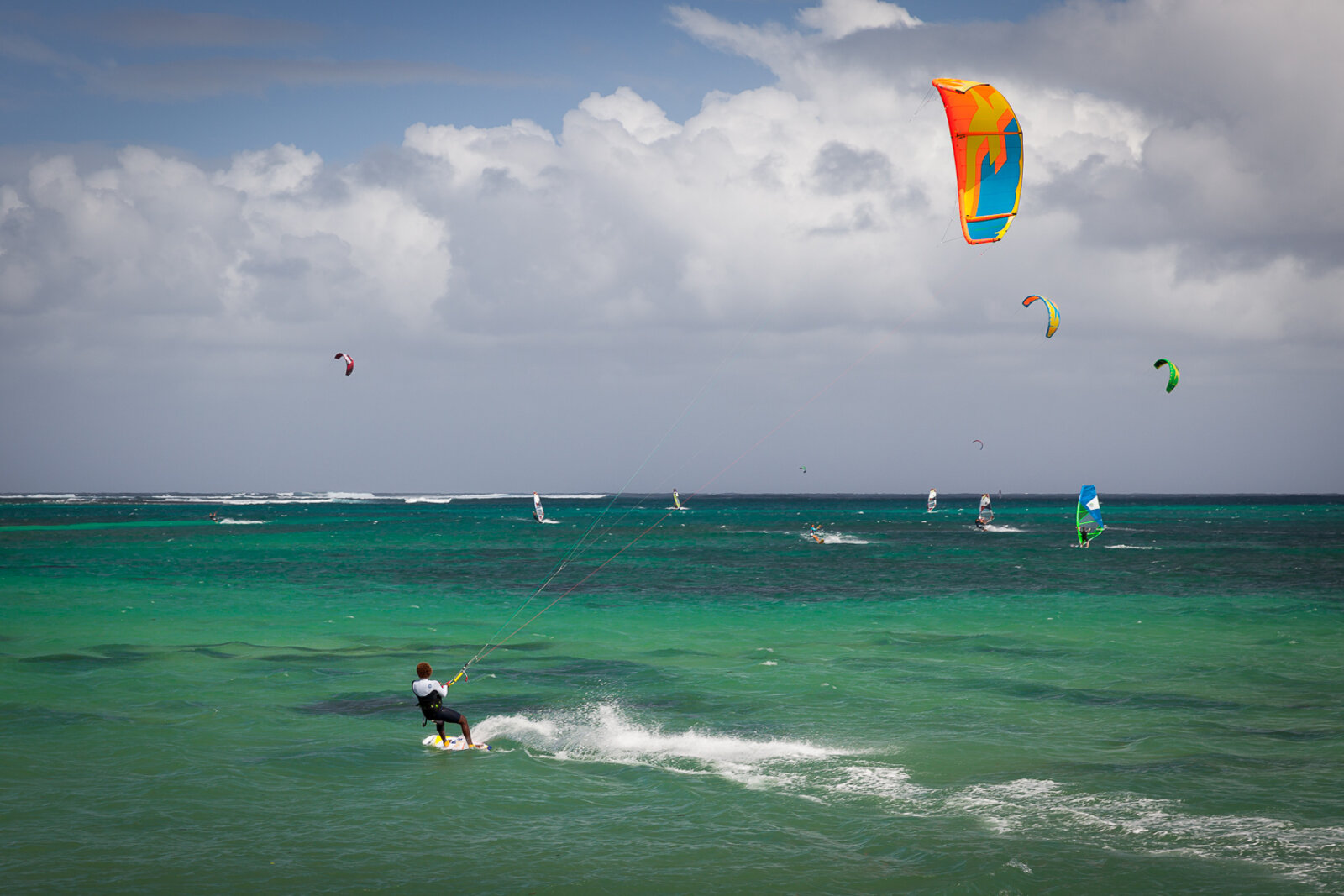
| Kitesurfing & windsurfing | Jun – Sep | Strong, steady southeast trades at Le Morne and the east coast |
| Big-game fishing | Oct – Apr | Marlin, tuna & wahoo in the warm summer waters off the west coast |
| Hiking & the interior | Jun – Sep | Cool, dry days for Black River Gorges & Le Morne Brabant |
| Beaches & lagoons | Year-round (calmest May–Dec) | West & north coasts sheltered; east coast breezier in winter |
The key insight is that Mauritius' great draws split neatly across the year: the most reliable sun, calmest lagoons and best hiking and kitesurfing in the cool dry winter, and the warmest sea, best diving and lushest scenery in the warm summer. The happy overlaps are around October–November and April–May, the shoulder weeks that combine warming or cooling weather, softer crowds and often good marine conditions at the same time.
Mauritius Month by Month
Here is the year in detail, so you can match your available dates to conditions on the island and in the water.
January
High summer: hot, humid and green, with the warmest sea of the year and frequent afternoon downpours. It is peak cyclone season, so watch the forecast and favour flexible bookings and sheltered coasts. Diving is excellent when the weather cooperates, and after the festive rush eases this becomes one of the better-value — if wettest — months.
February
The hottest, most humid month and the heart of the cyclone season, with the highest rainfall of the year. It is also among the quietest and cheapest, with the warmest water for diving and the greenest landscapes. A month for flexible, value-minded travellers who don't mind heat, humidity and the chance of a passing storm.
March
Still hot and humid, with cyclone risk easing towards month's end and the rains beginning to taper. The sea stays warm and the diving good, the island is lush, and prices remain among the year's lowest. A transitional month that rewards those happy to trade guaranteed sun for warmth, greenery and value.
April
A lovely shoulder month as the humidity drops and the weather steadies. Warm, increasingly dry days, a still-warm sea and good diving combine with softening crowds and rates. Cyclone risk fades as the month goes on. April is one of the smartest all-round windows, catching the tail of summer's warm water and the start of winter's calm.
May
The cool, dry winter begins. Humidity falls, rain becomes scarce and the southeast trades establish themselves, bringing comfortable, sunny days and calmer lagoons on the sheltered coasts. Prices are among the year's lowest before the winter high season builds, making May an excellent-value month for beaches and sightseeing alike.
June
Firmly into winter: cooler, drier and less humid, with pleasant sunny days and cooler evenings. The trade winds pick up, launching the kitesurfing and windsurfing season at Le Morne and making it a fine month for hiking the interior. The whales begin to arrive off the west coast. A comfortable, active month with good value early on.
July
One of the coolest, breeziest months, dry and sunny by day with cooler nights and stronger trade winds. It is prime kitesurfing and hiking weather, and humpback whales are increasingly likely off the west coast. The northern-summer holidays make it busier and pricier, but the weather is reliably pleasant for active travellers.
August
Cool, dry and windy, and the heart of whale season, with humpbacks migrating past the west coast alongside the resident dolphins off Tamarin. Kitesurfing is at its best and the hiking is superb. Sheltered west and north-coast beaches are calm and sunny, while the east stays breezy. A wonderful month for marine life and the outdoors.
September
Arguably the best month of all. The weather warms gently, the trades ease a little, the lagoons are calm and clear, and the humpbacks and dolphins are still around. Dry, comfortable and sunny, with fewer crowds than midsummer, September opens the island's finest all-round window for beaches, water and sightseeing alike.
October
A standout month: warm, dry and calm, with bright lagoons, warming seas and the last of the whale season early on. Diving improves as the water warms, the beaches are at their best and the crowds are moderate. Along with September and November, October is one of the most rewarding times to visit Mauritius.
November
The end of the dry season and one of the loveliest months, with warm, mostly dry days, calm seas and excellent all-round conditions before the summer heat and rain arrive. Diving is warming up nicely and prices sit below the festive peak. A superb shoulder-season window that catches the best of both seasons.
December
Summer returns: temperatures and humidity climb, the first heavier showers appear, and the sea warms further. Early December still offers fine, dry weather at shoulder rates, but the festive fortnight around Christmas and New Year is the busiest and most expensive stretch of the year. Cyclone risk begins to build late in the month.
Best Time by Coast & Region
Because Mauritius is ringed by reef and swept by the southeast trades, conditions vary noticeably from one coast to another — and the best coast can change with the season. Here is how the timing shifts around the island.
The west coast (Flic en Flac, Tamarin, Le Morne)
The sheltered, sunny leeward coast, calmest and driest for much of the year and the classic choice for beaches and honeymoons. It is the base for dolphin swims year-round and whale watching from July to November, and Le Morne is the island's kitesurfing capital in the winter trades. A dependable choice in almost any month, and especially fine in the dry winter.
The north coast (Grand Baie, Trou aux Biches, Pereybère)
Lively, sheltered and warm, with calm swimming beaches and the widest choice of resorts, restaurants and nightlife. The north is at its best in the cool dry winter (May–December) for calm lagoons and sunshine, but its protected beaches stay swimmable and pleasant nearly year-round. Ideal for first-timers and families who want convenience and calm water.
The east coast (Belle Mare, Trou d'Eau Douce)
Home to some of the island's most beautiful lagoons and finest luxury resorts, but the most exposed to the southeast trades. The east is breeziest and choppiest in the windy winter months, so for calm beach days it can be best in the warmer, lighter-wind shoulder seasons of October–December and April. The wind, of course, is exactly what windsurfers and kitesurfers come for.
The south & the interior
The wilder, greener side of Mauritius — rugged coast, the Black River Gorges, waterfalls and Le Morne Brabant. The interior and the south are at their best in the cool, dry winter (June–September), when clear, comfortable days make hiking, sightseeing and photography a pleasure and the landscapes stay green from the summer rains.
Best Time for Specific Travellers
For honeymoons & beach holidays
May to December, and ideally September to November, for warm, dry, calm days, glassy lagoons and golden light on the sheltered west and north coasts. Pair it with an African safari for the ultimate bush-and-beach trip; our Mauritius, Seychelles and Zanzibar honeymoon comparison helps you choose the right island.
For divers & snorkellers
October to April for the warmest water and best visibility on the leeward coasts, with the summer months delivering the most vivid reef life. If you want to combine diving with reliable sun, target the October–November and April shoulders, which balance warm water with calmer, drier weather.
For whale & dolphin encounters
July to November for migrating humpback whales off the west coast, peaking August to October. Dolphins — spinner and bottlenose — are resident year-round in Tamarin Bay, so a dolphin swim is possible in any month, while the winter adds the whales.
For kitesurfers, windsurfers & hikers
June to September, when the strong, steady southeast trade winds power the lagoons at Le Morne and the east coast, and the cool, dry days make hiking the Black River Gorges and Le Morne Brabant at their most comfortable. This is winter at its most active and rewarding.
For families & value
The cool dry winter suits families wanting reliable sun and calm, safe swimming on the north and west coasts. For the lowest rates, the summer shoulders of late January to March and May bring the year's best value — best for flexible travellers who accept the heat, rain and cyclone risk.
Weather & What to Pack by Season
Mauritius' tropical climate gives it two clear packing profiles, shaped by the swing between the cool dry winter and the hot humid summer. Getting it right makes a real difference to your comfort on the beach, in the water and up in the hills.
| Season | Typical temps | Conditions | Pack essentials |
|---|---|---|---|
| Cool dry winter (May–Dec) |
Night 17–21°C; day 24–27°C | Sunny, dry, low humidity, breezy on the east; calm western lagoons | Light layers, a warm layer for evenings, reef-safe sunblock, hat, walking shoes, snorkel gear |
| Warm summer (Nov–Apr) |
Night 22–25°C; day 29–33°C | Hot, humid, showers & downpours; warmest sea; cyclone season (Jan–Mar) | Light rain jacket, quick-dry clothes, reef-safe sunblock, insect repellent, dry bag, snorkel gear |
Year-round, pack for a beach and water trip: swimwear, a rash vest for snorkelling, quick-dry clothes, comfortable sandals and high-factor reef-safe sunscreen. In the cool winter, add a light jumper or jacket for breezy evenings and higher ground, and proper walking shoes if you plan to hike. In the warm summer, add a light rain jacket for the downpours and insect repellent for the humid, greener conditions. A dry bag protects cameras and phones on boat and dolphin trips, and a hat and sunglasses matter in every season, as the tropical sun is fierce even on cloudy days.
When to Book — and How Season Affects Price
Timing your booking matters almost as much as timing your trip. Mauritius' resorts are famously seasonal, and the island draws visitors from across Europe, Africa, the Middle East and Asia, so a little forward planning protects both your dates and your budget.
Broadly, the island runs on three pricing tiers. Peak season covers the festive fortnight around Christmas and New Year and the northern-summer holidays of July and August, when demand and rates are highest. Shoulder season — roughly September to November and April to June — pairs some of the year's best weather with softer rates, and is where savvy travellers find the finest balance of price and conditions. Low season, the wetter summer months of late January to March, brings the lowest rates and the quietest resorts, along with the heat, the rain and the cyclone risk.
The most sought-after resorts — especially over the festive period and the winter high season — book out many months in advance. As a rule of thumb, secure festive and peak winter dates six to nine months ahead, and further out still for a specific villa or a honeymoon suite. For shoulder and low-season trips you can often book with less lead time, though the best value and rooms still reward early planning. A deposit typically secures a booking, with the balance due closer to travel, and flexible or refundable rates are especially worth it if you travel during the summer cyclone season.
For how Mauritius compares with the region's other great beach escapes, read our guide to the best Indian Ocean islands compared, our roundup of the best African island holidays, and our pick of the best beaches in Mauritius. To shape a bush-and-beach trip that pairs an African safari with an island finale, explore our real bookable journeys below or contact our team.
The Verdict: So When Should You Go?
There is no wrong time to visit Mauritius — only the right time for you. If your heart is set on warm, sunny days, calm turquoise lagoons, comfortable temperatures and the best conditions for beaches, hiking and kitesurfing, come in the cool, dry winter, May to December, and build around September to November for the finest all-round conditions. Book winter and festive dates early, favour the sheltered west and north coasts, and enjoy Mauritius at its dependable best.
If your dream is the warmest possible sea, the best diving, big-game fishing and the greenest, most dramatic landscapes, come in the warm summer, November to April — and accept the heat, the humidity and the cyclone risk as the price of low rates, quiet resorts and a lush, vivid island. And if you want the best of both worlds — good weather, calmer crowds and often fine marine conditions — target the October–November or April–May shoulder weeks, some of the most rewarding windows on the whole calendar.
Whichever season calls to you, Mauritius will deliver. When you are ready to turn a date into a journey — perhaps as the dreamy beach finale to an African safari — explore our Indian Ocean islands comparison, browse the bush-and-beach journeys below, or contact our team to plan a privately guided trip built around the perfect time for you.