Key Takeaways
- The best time to visit Zanzibar is the long dry season, June to October — cool, dry, sunny days driven by the southern Kusi trade wind, with the calmest seas, best diving visibility and finest beach weather of the year
- There is a second, shorter dry season from December to February — hot, still and bright under the Kaskazi monsoon, ideal for classic beach days, dolphins at Kizimkazi and whale sharks near Mafia
- The long rains fall March to May (the wettest and quietest months, lowest prices, some lodges close) and the short rains touch November (brief afternoon showers, still very usable)
- Kitesurfing at Paje and Jambiani is best on the steady Kusi wind, June to September; a second window runs December to February
- Diving and snorkelling are best in the dry months for calm seas and clear water; whale sharks near Mafia Island run roughly October to February, and humpback whales pass August to October
- For a combined safari-and-beach trip, June to October pairs the northern Tanzania dry season and the Great Migration with Zanzibar's best beach weather — the single strongest window of the year
TL;DR: The best time to visit Zanzibar is the long dry season, June to October, when the cool southern Kusi trade wind brings clear skies, calm seas, superb diving and the year's best beach weather. A second dry season runs December to February — hotter and stiller under the Kaskazi monsoon, perfect for pure beach days and marine life. The long rains (March to May) are the wettest, quietest and cheapest months, while the short rains (November) bring only brief showers. Kitesurfers should aim for June to September; divers and snorkellers for the dry months; and anyone combining a mainland safari with the island should target June to October, when the Serengeti and the beach are both at their best. Below is the full month-by-month guide, the monsoon calendar, the marine and wildlife seasons, region-by-region timing, weather and packing, and exactly when to book. Read this alongside our Zanzibar safari packages guide.
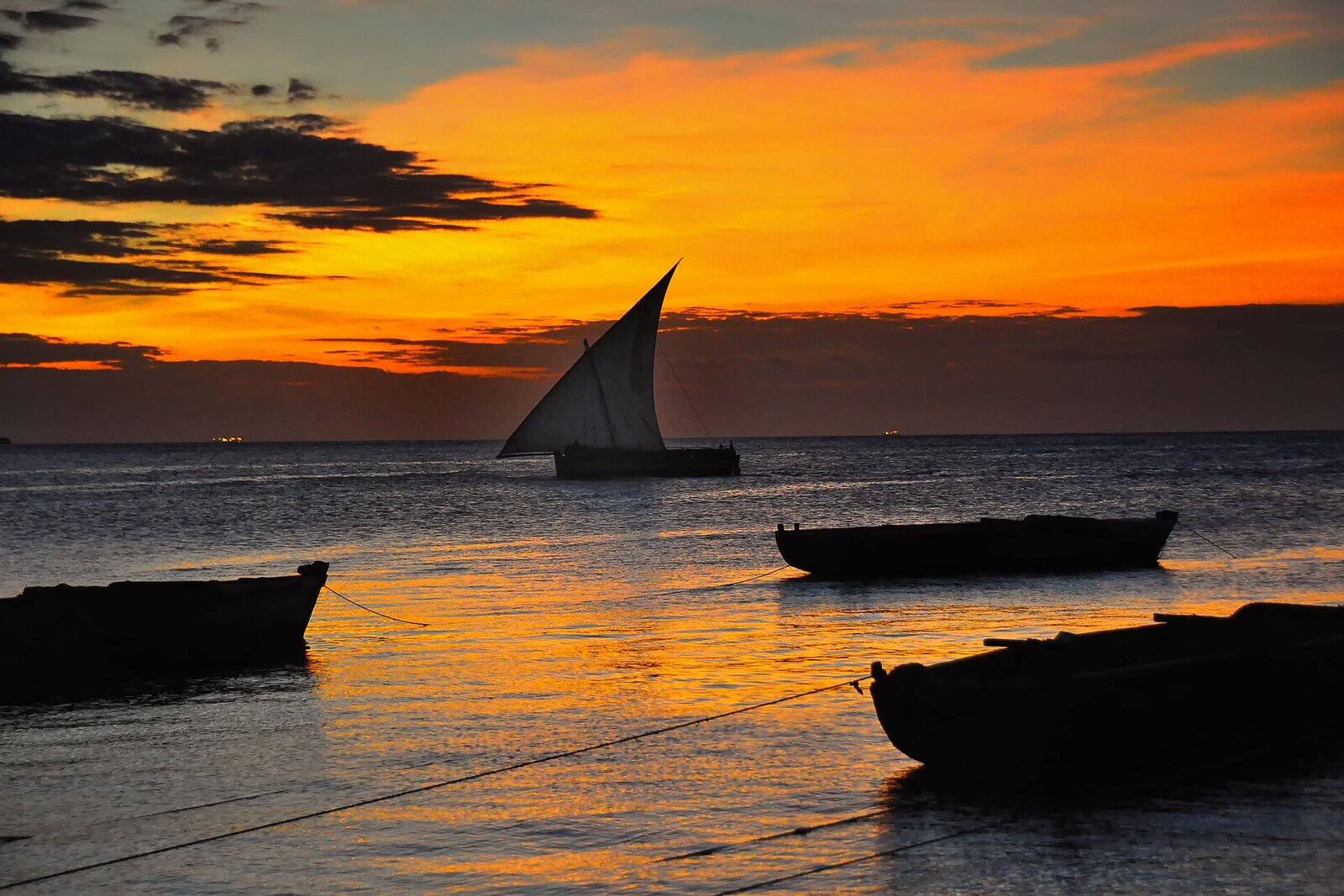
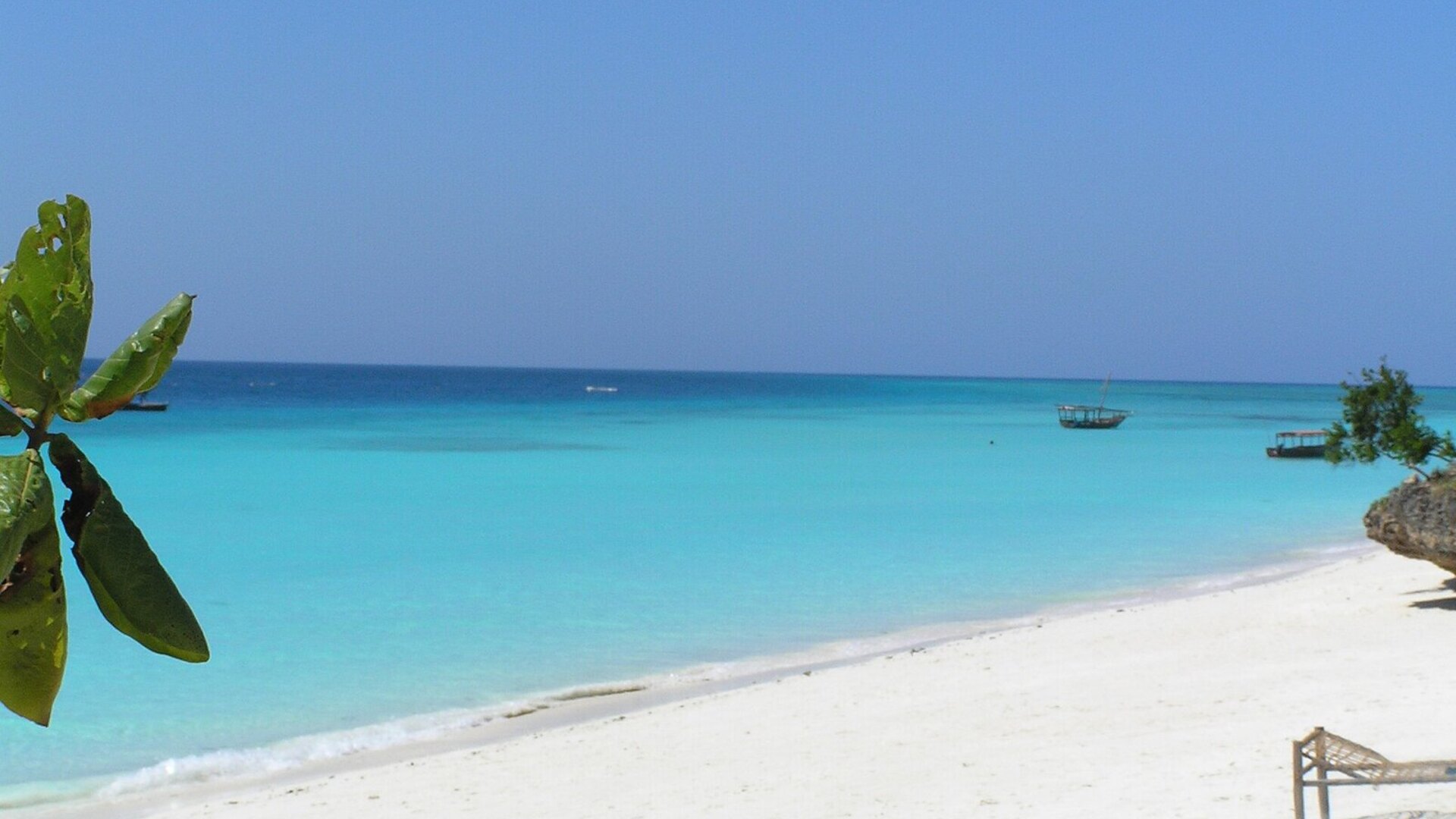
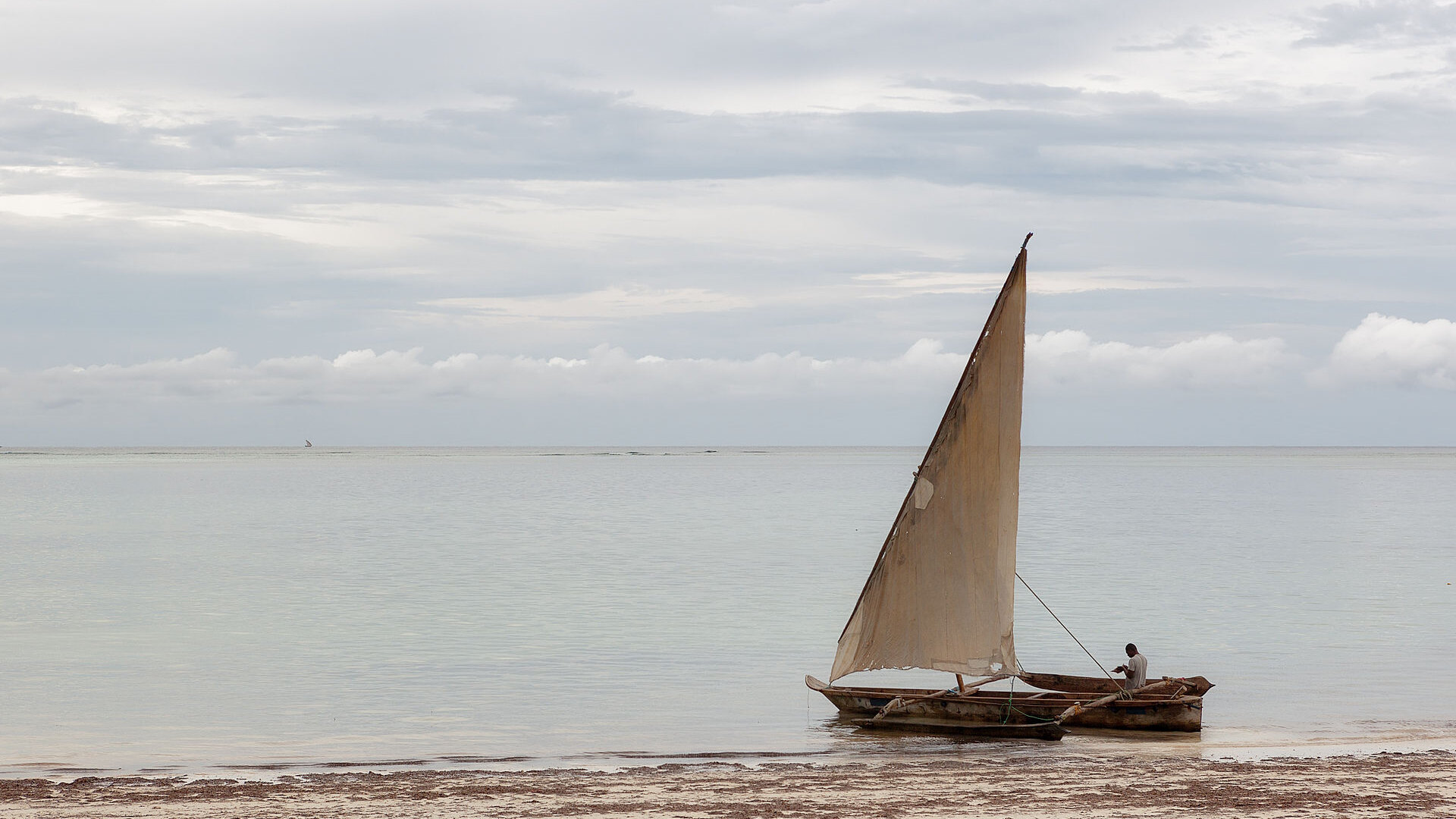
Zanzibar is an island of the senses. The scent of cloves and cinnamon drifting from the spice farms, the call to prayer echoing across the rooftops of Stone Town, the impossible turquoise of the water over white coral sand, the lean of a dhow's sail against a burning sunset. It is one of the Indian Ocean's great tropical destinations — and, for most travellers, the perfect beach counterpoint to a Tanzania safari. But when you visit matters more than you might expect, because Zanzibar's year is governed not by four seasons but by two great monsoon winds and the rhythms they bring.
In short: the best time to visit Zanzibar is the long dry season, from June to October. These are the cool, dry, sunlit months when the southern Kusi trade wind sweeps the humidity away, the seas turn calm and clear, the diving is at its best and the beaches are at their most inviting. If you can travel in this window — and especially if you are combining the island with a northern Tanzania safari during the Great Migration — you will experience Zanzibar at its very finest.
But Zanzibar rewards the traveller who understands its subtleties. There is a second, shorter dry season from December to February that many regulars quietly prefer; there are marine spectacles — whale sharks, dolphins, humpback whales — that follow their own calendar; and there are green-season bargains for those willing to accept a shower or two. This guide walks you through the whole year, wind by wind, month by month and coast by coast, so you can pin your dates with confidence.
The Short Answer: Best Time to Visit Zanzibar by Priority
| If your priority is... | Best months | Why |
|---|---|---|
| Best overall | Jun – Oct | Long dry season: cool, sunny, calm seas, best diving, finest beach weather |
| Safari + beach combo | Jun – Oct | Serengeti dry season and Great Migration align with Zanzibar's best beach months |
| Pure beach & sunshine | Jun – Oct & Dec – Feb | Both dry seasons deliver hot, bright days; Dec–Feb is the hottest and stillest |
| Diving & snorkelling | Jun – Oct & Dec – Feb | Calm seas and best underwater visibility; Mnemba and Pemba at their finest |
| Whale sharks (Mafia) | Oct – Feb | Plankton blooms draw whale sharks to Mafia Island, a short hop south |
| Kitesurfing (Paje) | Jun – Sep (also Dec – Feb) | Steady Kusi trade wind and a reef-protected flat-water lagoon |
| Humpback whales | Aug – Oct | Migrating humpbacks pass Zanzibar and Pemba on their northern route |
| Best value & fewest crowds | Mar – May & Nov | Green season: lowest rates, quiet beaches, lush and atmospheric (some rain) |
Keep this table in mind as you read on. Below we unpack Zanzibar's monsoon framework, the marine and wildlife calendar, then break the year down month by month and coast by coast so you can lock in your dates.
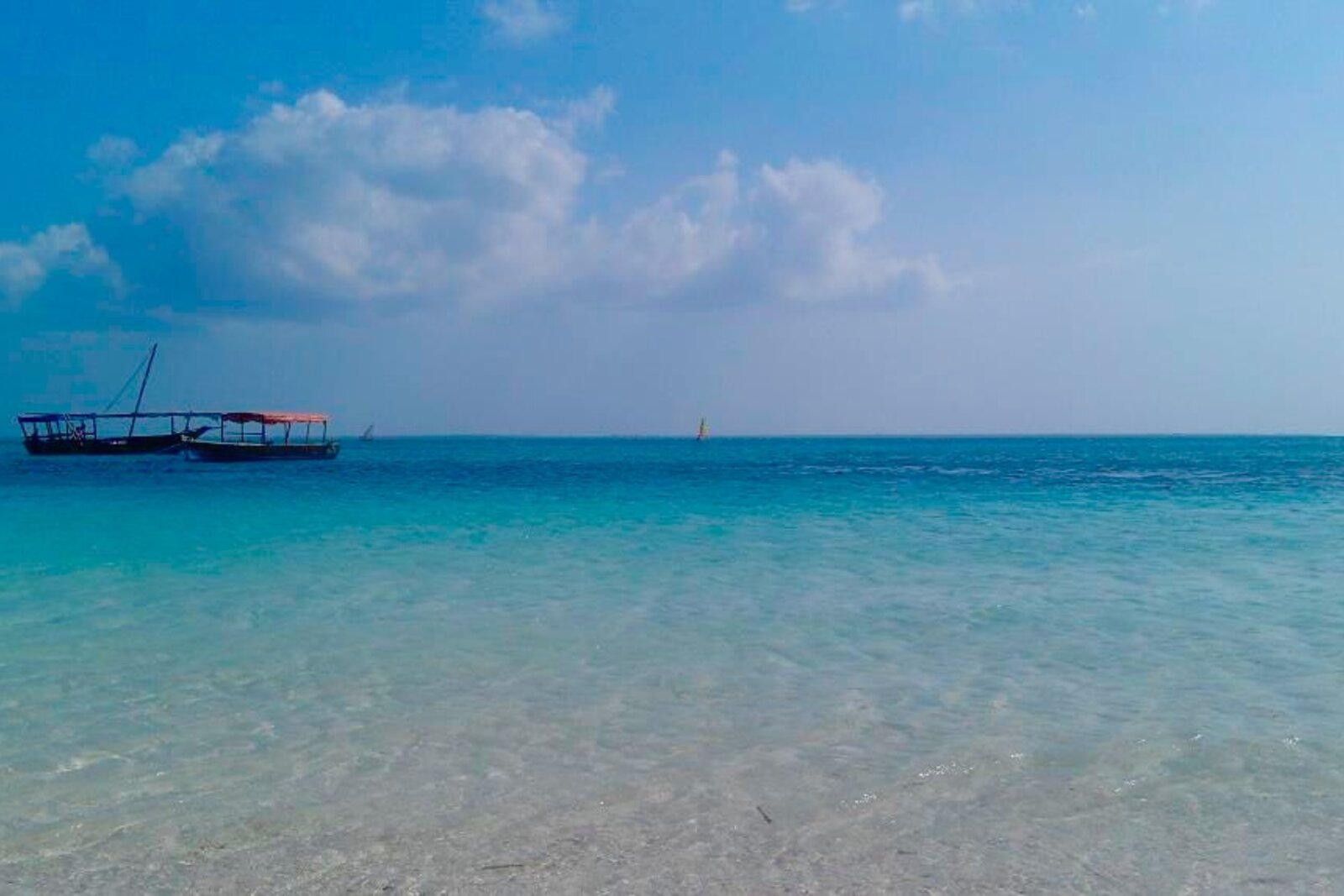
Zanzibar's Climate: How the Two Monsoons Work
Zanzibar lies just six degrees south of the equator in the warm Indian Ocean, roughly 35 kilometres off the Tanzanian coast. That equatorial, maritime position gives it a hot, humid tropical climate year-round — daytime temperatures rarely stray far from 26 to 34 degrees Celsius in any month. What changes through the year is not so much the temperature as the rain and the wind, and those are governed by two monsoons that have shaped Swahili trade and travel for over a thousand years.
The Kaskazi is the northeast monsoon, blowing from roughly December to March. It brings hot, humid, relatively still conditions — the classic postcard beach weather of high sun and glassy afternoons. The Kusi is the stronger southeast monsoon, blowing from roughly June to September or October. It brings cooler, drier air, fresher breezes and the year's most comfortable conditions. Between and around these two winds fall the rains: the long rains (Masika) from March to May, and the short rains (Vuli) in November.
So Zanzibar's year has, in effect, two dry seasons and two rainy seasons. The long dry season (June to October) rides the Kusi and is the best all-round time to visit. The short dry season (December to February) rides the Kaskazi and is hot, bright and superb for beach holidays. The long rains (March to May) are the wettest and quietest stretch, and the short rains (November) are a brief, usually mild interruption. Understanding this rhythm is the key to timing a Zanzibar trip well — and it is why a simple "dry versus wet" framing does not quite capture the island.
The Marine & Wildlife Calendar
Zanzibar's wildlife story is overwhelmingly a marine one, and the ocean runs on its own seasonal clock. If you are coming for the underwater world — or for the whale sharks, dolphins and turtles that draw travellers across the archipelago — the timing matters as much as it does for the beaches.
Diving and snorkelling are best in the two dry seasons, when the seas are calmest and the underwater visibility is at its clearest — often 20 to 30 metres around Mnemba Atoll and the reefs of Pemba Island, widely rated among the finest dive sites in the Indian Ocean. The long rains (March to May) reduce visibility and bring rougher water, and some dive operations scale back.
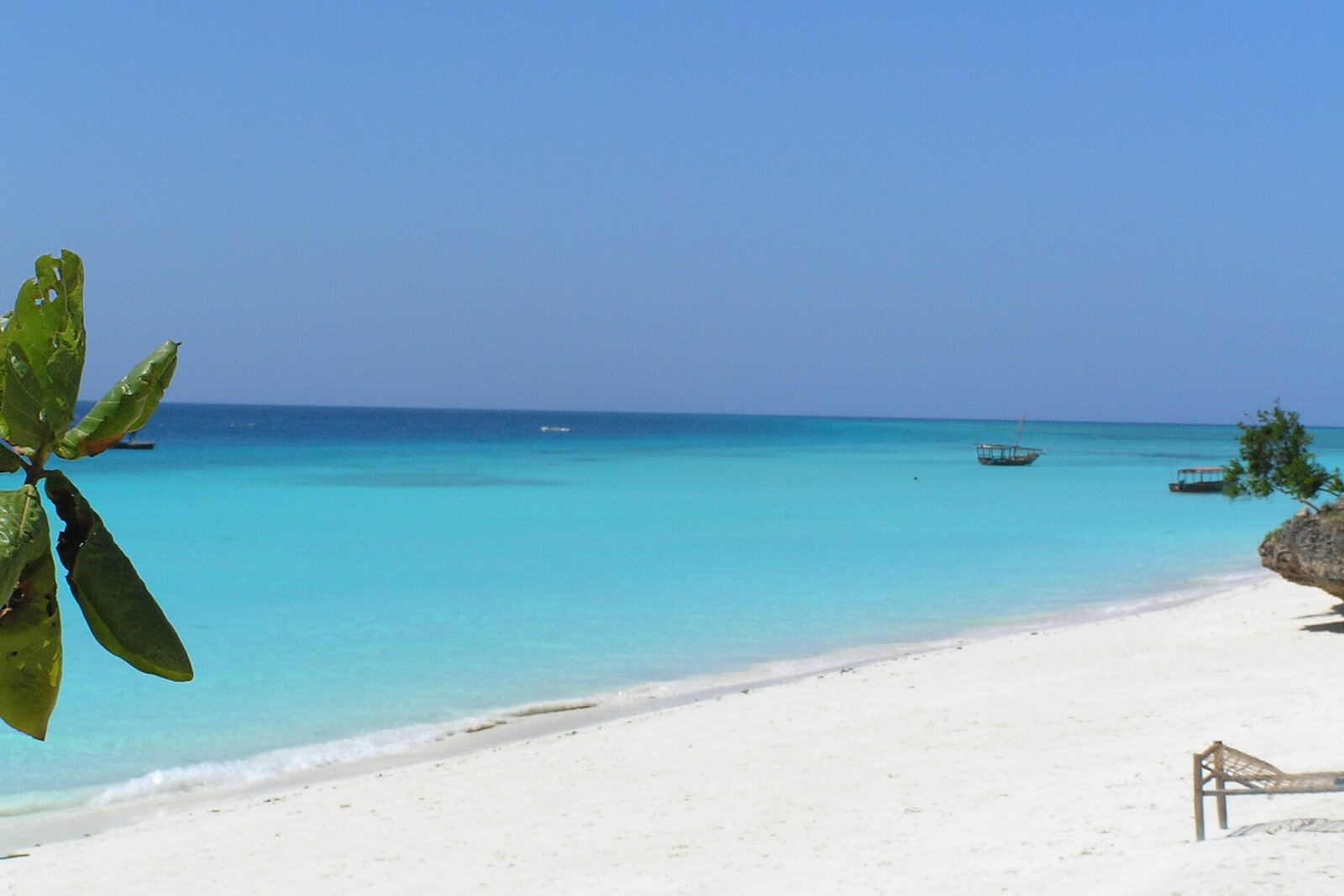
Whale sharks — the ocean's gentle giants — gather around Mafia Island, a short flight south of Zanzibar, from roughly October to February, when plankton blooms draw them close to shore. Snorkelling alongside these animals is one of the great Indian Ocean wildlife encounters, and Mafia is far quieter than Zanzibar's main beaches. Humpback whales migrate past Zanzibar and Pemba on their northern route from roughly August to October, occasionally seen from dive boats and beaches on the outer coasts.
The bottlenose and humpback dolphins of Kizimkazi, on the island's southern tip, are present year-round but are most reliably encountered in the calm conditions of the dry seasons. Green and hawksbill turtles nest on Zanzibar's beaches, and the aquarium sanctuary at Nungwi offers close encounters at any time of year. Ashore, the endemic Zanzibar red colobus monkey — found nowhere else on Earth — is easily seen year-round in Jozani Forest, though the drier months make forest walks more pleasant.
| Highlight | Best months | Where & notes |
|---|---|---|
| Diving & snorkelling | Jun – Oct & Dec – Feb | Mnemba Atoll, Pemba Island; best visibility in the dry seasons |
| Whale sharks | Oct – Feb | Mafia Island (short flight south); plankton-driven, snorkel encounters |
| Humpback whales | Aug – Oct | Passing Zanzibar & Pemba on the northern migration |
| Dolphins (Kizimkazi) | Year-round (best in dry seasons) | Southern tip; choose responsible, no-chase operators |
| Kitesurfing | Jun – Sep (also Dec – Feb) | Paje & Jambiani; steady Kusi trade wind, reef-flat lagoon |
| Red colobus & Jozani Forest | Year-round (drier months easiest) | Endemic monkey; boardwalk through mangroves and forest |
The Long Dry Season (June–October): Zanzibar at Its Best
If there is a single best time to visit Zanzibar, this is it. From June through October the southern Kusi trade wind brings the island's most comfortable, most reliable and most beautiful conditions — cooler air, lower humidity, clear blue skies and calm, clear seas. For most travellers, and especially first-timers, the long dry season is the obvious choice.
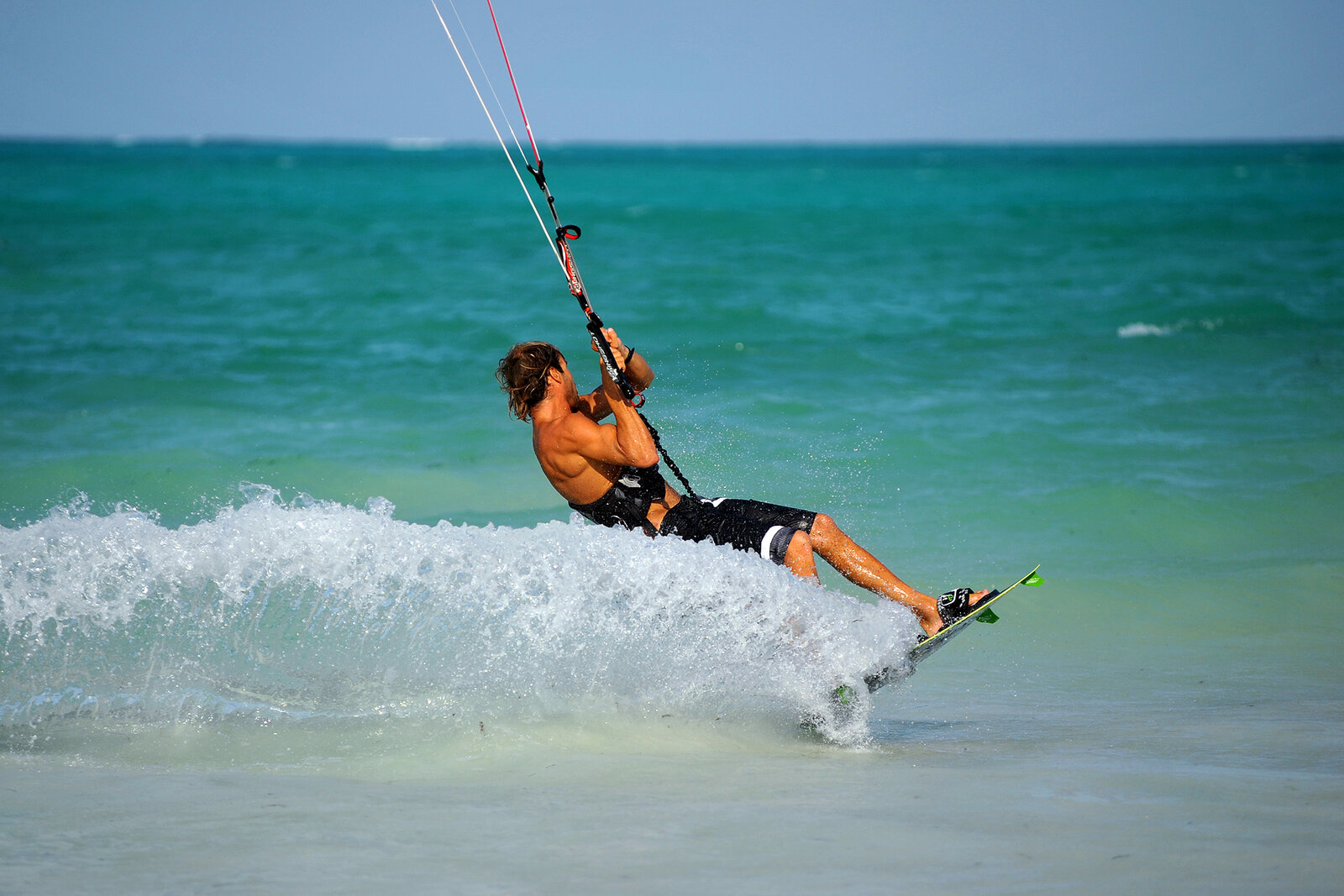
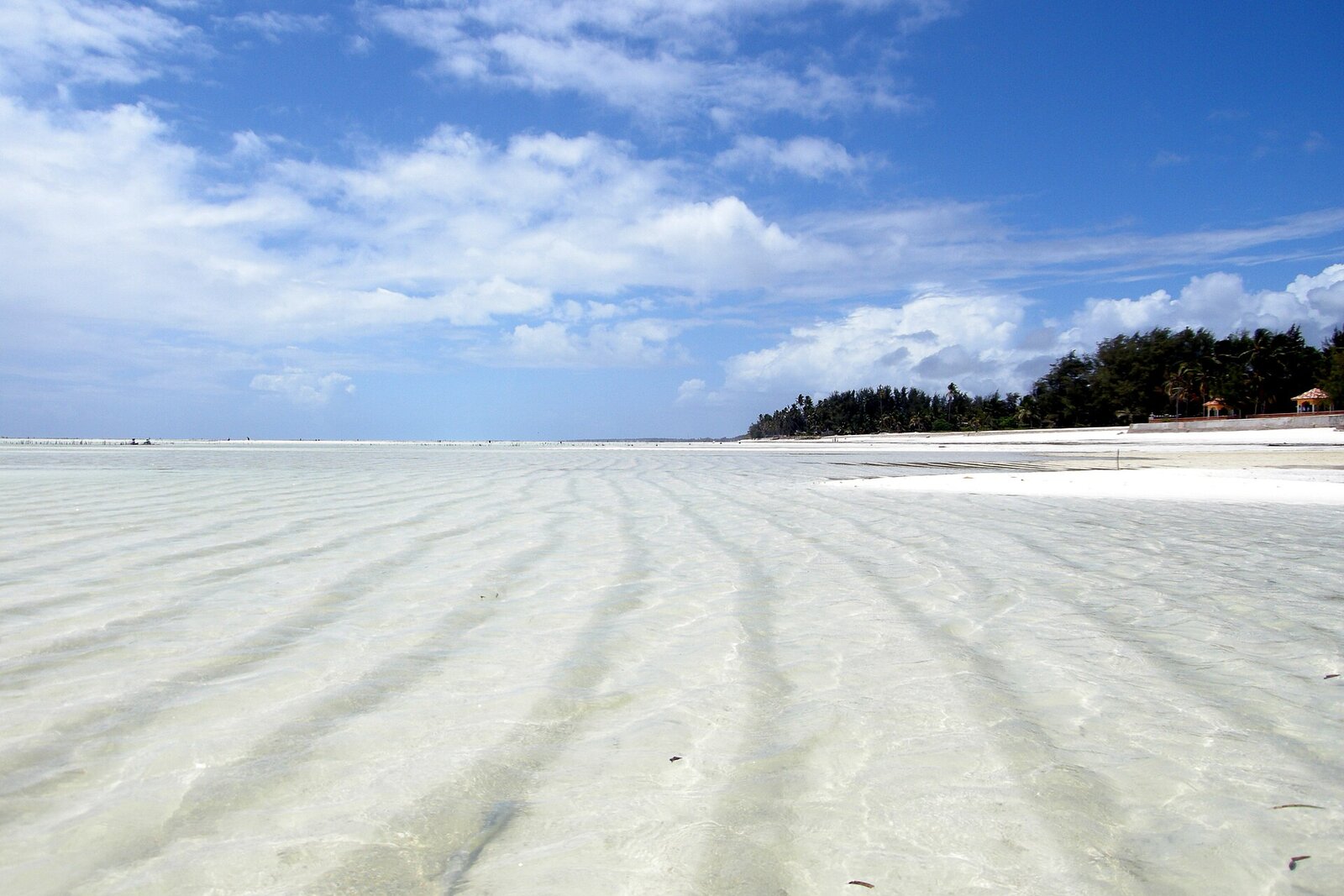
Daytime temperatures sit in a pleasant 26 to 29 degrees Celsius, the nights are fresh enough to sleep easily, and rainfall is minimal. The Kusi keeps the air moving, taking the edge off the tropical humidity that defines the rest of the year. The sea is calm and gin-clear, making this the prime window for diving and snorkelling at Mnemba and Pemba, for kitesurfing at Paje on the steady wind, and for long, lazy days on the northern beaches of Nungwi and Kendwa where the tide barely intrudes.
Crucially, the long dry season aligns almost perfectly with the northern Tanzania safari season. From June to October the Serengeti is dry, wildlife concentrates around water, and the Great Migration thunders across the plains — the Mara River crossings typically peak from July to September. This is why the classic bush-and-beach itinerary — a Serengeti safari followed by a Zanzibar beach finale — works best in exactly these months: you catch both the mainland and the island at their absolute peak. Read our safari and Zanzibar beach combo guide for how to structure it.
The trade-off, of course, is that the long dry season is also the peak tourist season. July and August in particular coincide with the northern-hemisphere summer holidays, and the best beach lodges — along with Mnemba and the top Pemba dive resorts — book out months ahead. Rates are at their highest, and the most popular beaches see their biggest crowds. The reward is worth it, but forward planning is essential. If you want the dry-season conditions with slightly softer rates and fewer people, aim for June, September or October rather than the July–August peak.
The Short Dry Season (December–February): Hot, Bright & Still
Zanzibar's second dry window rides the Kaskazi monsoon from roughly December to February. This is the hottest time of year — daytime temperatures climb to 31 to 34 degrees Celsius, the humidity is higher, and the air is often still and glassy. For many, this is the quintessential tropical-island experience: intense sunshine, warm seas and long, languid beach days.
The short dry season is superb for pure beach holidays, for diving and snorkelling (visibility is excellent and the water is at its warmest), and for the whale-shark season off Mafia Island, which peaks within this window. The festive period from mid-December to early January is popular and prices spike accordingly, but late January and February are quieter and often excellent value between the two peaks.
The main caveat is the heat. If you wilt in high humidity, the June–October window will suit you better. But if you want guaranteed sun, warm water and a classic beach escape — and especially if you are chasing whale sharks — December to February is a wonderful time to be on the island. It is also a strong window for honeymooners; see our guide to the best Zanzibar beaches for honeymooners.
The Rains: Long Rains (March–May) & Short Rains (November)
Zanzibar's rainfall comes in two distinct bursts. The long rains, or Masika, fall from March to May and are the wettest, most humid and least predictable months of the year. April and May in particular can bring heavy, prolonged downpours, higher humidity, rougher seas and reduced underwater visibility. This is the low season: many smaller lodges close, dive operations scale back, and the island is at its quietest.
Yet the green season has its defenders. Rates fall to their lowest of the year, the beaches are all but empty, the island is lush and green, and the rain often comes in short, dramatic afternoon bursts rather than all-day gloom — leaving plenty of bright morning hours. For a budget-conscious traveller who can accept some disruption, or a photographer who loves atmospheric skies, March to May can be a rewarding, low-cost time to visit. Stone Town, being an indoor-friendly cultural destination, remains enjoyable in any weather.
The short rains, or Vuli, arrive in November and are a much milder affair — typically brief afternoon showers separated by long sunny spells, rather than sustained rain. November is a genuine shoulder month: prices are lower than the peak, the crowds are thin, conditions are mostly good, and the short rains rarely spoil a trip. Many experienced Zanzibar travellers rate November as a smart-value alternative to the high season.
Zanzibar Month by Month
Here is the year in detail, so you can match your available dates to conditions on the ground.
January
Hot, humid and bright under the Kaskazi — classic beach weather with high sun and warm, calm seas. Excellent for diving, snorkelling and whale sharks off Mafia. The festive peak has passed, so late January offers good value. One of the best months for pure beach days.
February
The hottest month, still and sunny, with the warmest sea temperatures of the year. Superb for diving, snorkelling and the tail of the whale-shark season. Quiet between the festive and Easter peaks — often excellent value. Ideal if you love intense tropical heat.
March
The transition into the long rains. Early March can still be hot and bright, but humidity builds and the first heavy showers arrive later in the month. Seas begin to roughen. A gamble — early March can be lovely, late March less so.
April
The wettest month: heavy, prolonged rain, high humidity and rough seas. Many lodges close and dive operations scale back. The lowest prices of the year and near-empty beaches, but the least reliable weather. For budget travellers and the flexible only.
May
The long rains continue but begin to ease towards month's end. Still humid and showery, with quiet beaches and low-season rates. Late May can start to feel like the approaching dry season — a transitional month that rewards flexibility.
June
The long dry season begins as the Kusi sets in. Humidity drops, skies clear, seas calm and the beaches come back to life. Cooler, fresher and very pleasant — and quieter than the July–August peak. An outstanding, slightly-better-value month to visit.
July
Peak dry season: cool, dry, sunny and breezy, with calm, clear seas. Superb for diving, kitesurfing and beach days. Aligns with the Serengeti migration for bush-and-beach trips. The busiest and priciest month — book well ahead.
August
Prime dry-season conditions continue — comfortable temperatures, clear skies and calm seas. Humpback whales begin passing the outer coasts. Peak season for beaches and safari combos. High demand: reserve lodges and Mnemba well in advance.
September
One of the finest all-round months: warm, dry and clear, with excellent diving and slightly thinner crowds than mid-summer. The migration is still active on the mainland, and humpbacks may be seen. An excellent choice for the dry-season experience with a little more breathing room.
October
The long dry season's warm finale — sunny, calm and increasingly warm as the Kusi eases. Superb beaches and diving, the start of the whale-shark season off Mafia, and good value before the festive rush. Among the very best months to visit.
November
The short rains (Vuli): brief afternoon showers between long sunny spells, rather than sustained rain. Warm, green and quiet, with lower prices and thin crowds. A genuine shoulder month and a smart-value alternative to the high season.
December
The short dry season begins under the Kaskazi — hot, bright and increasingly still. Excellent beach and diving conditions and the start of the whale-shark peak. The festive period (mid-December onward) is busy and priced accordingly; early December is quieter.
Best Time by Region & Beach
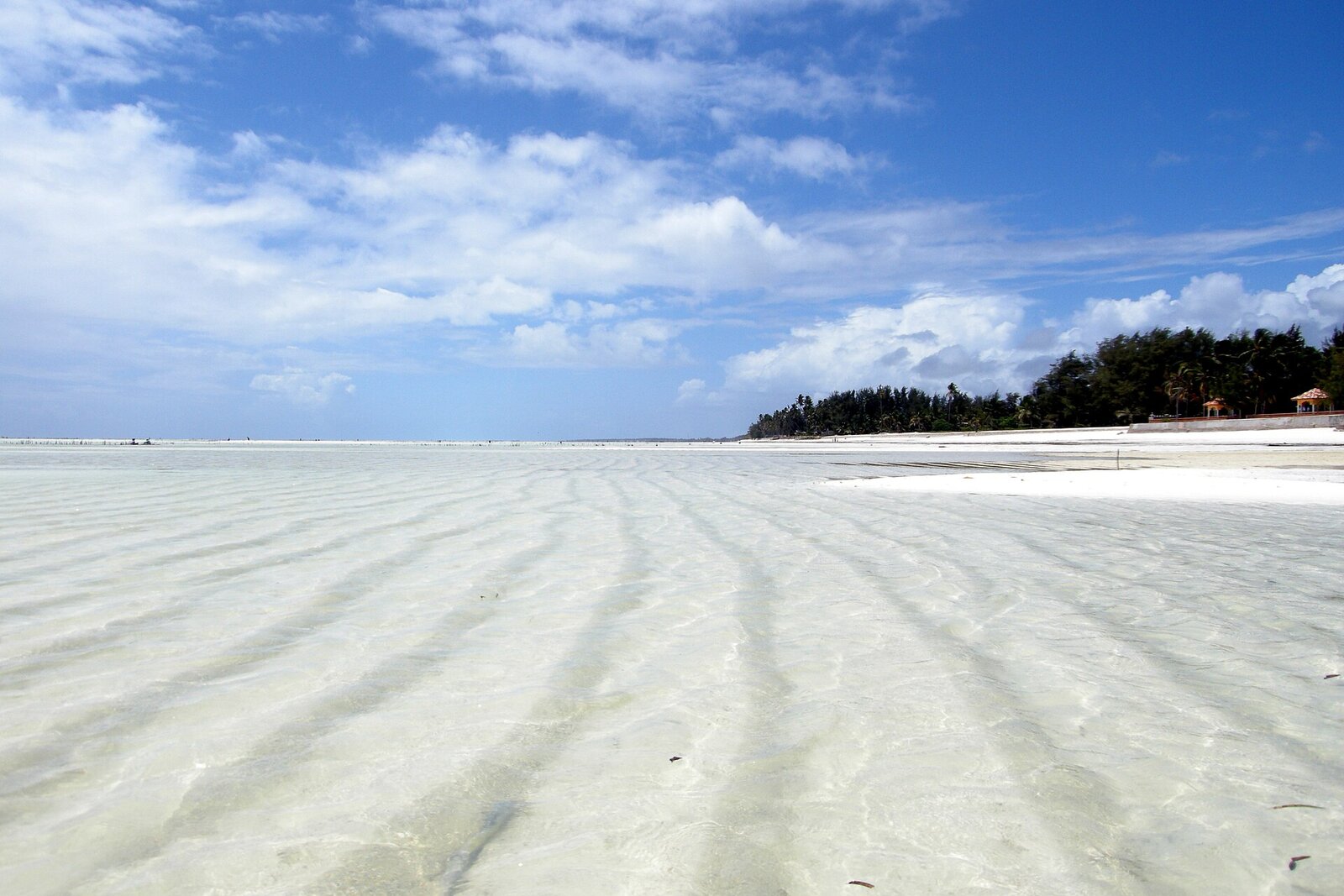
Zanzibar is small, but its coasts behave very differently — above all because of the tide. The east and southeast coasts have a dramatic tidal range, with the sea retreating hundreds of metres at low tide (wonderful for long walks and seaweed farms, less so for swimming on demand), while the northern tip stays swimmable through the tidal cycle. Here is how the timing and character change around the island.
Nungwi & Kendwa (North)
Best: June to October and December to February. Zanzibar's liveliest and most swim-friendly beaches, on the northern tip where the tide has the least effect. Powder-white sand, turquoise water, sunset dhows and a buzzing beach-bar scene. The dry seasons are ideal; Kendwa is slightly calmer than Nungwi. This is the best area if reliable swimming and a lively atmosphere matter to you.
Paje, Jambiani & the Southeast Coast
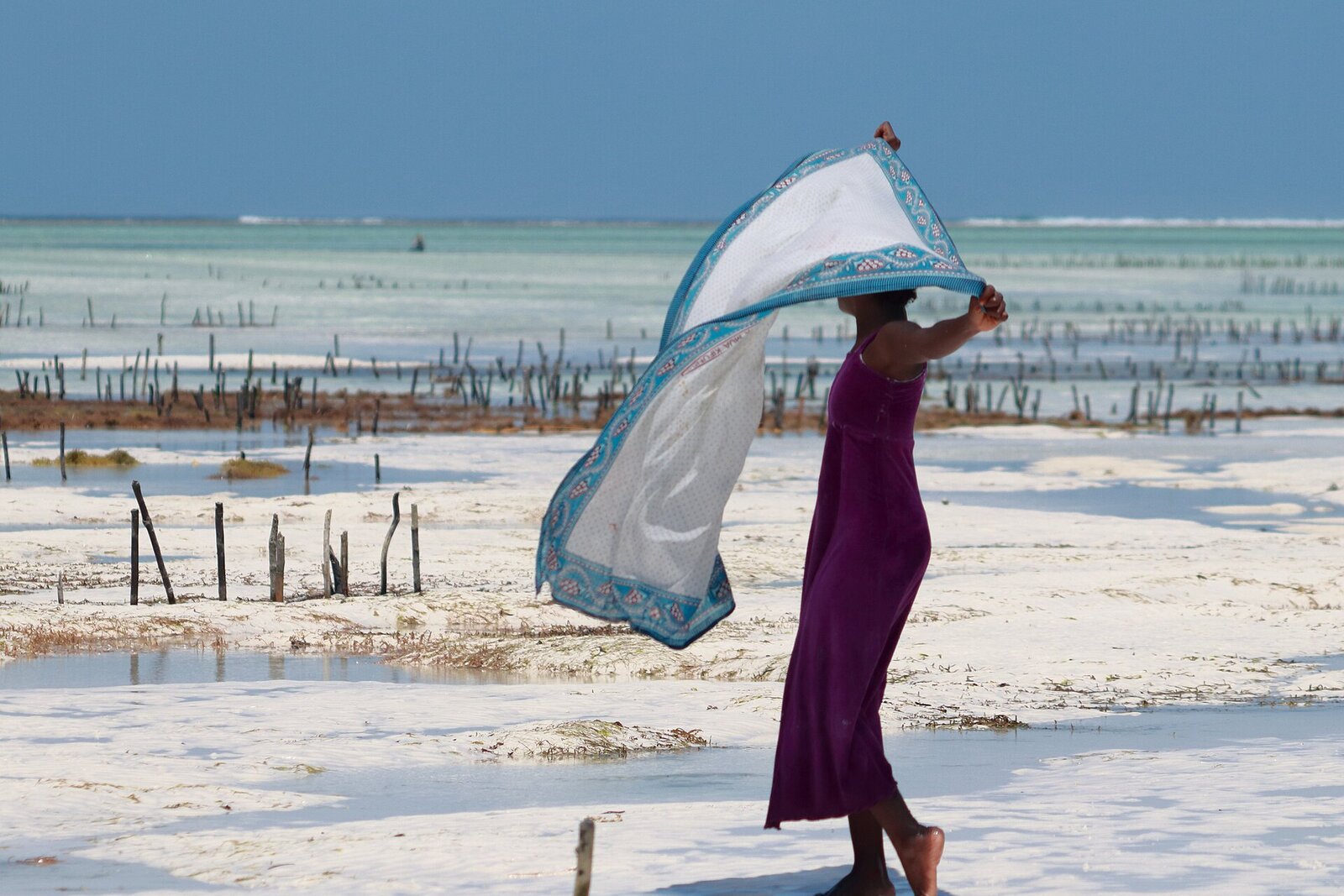
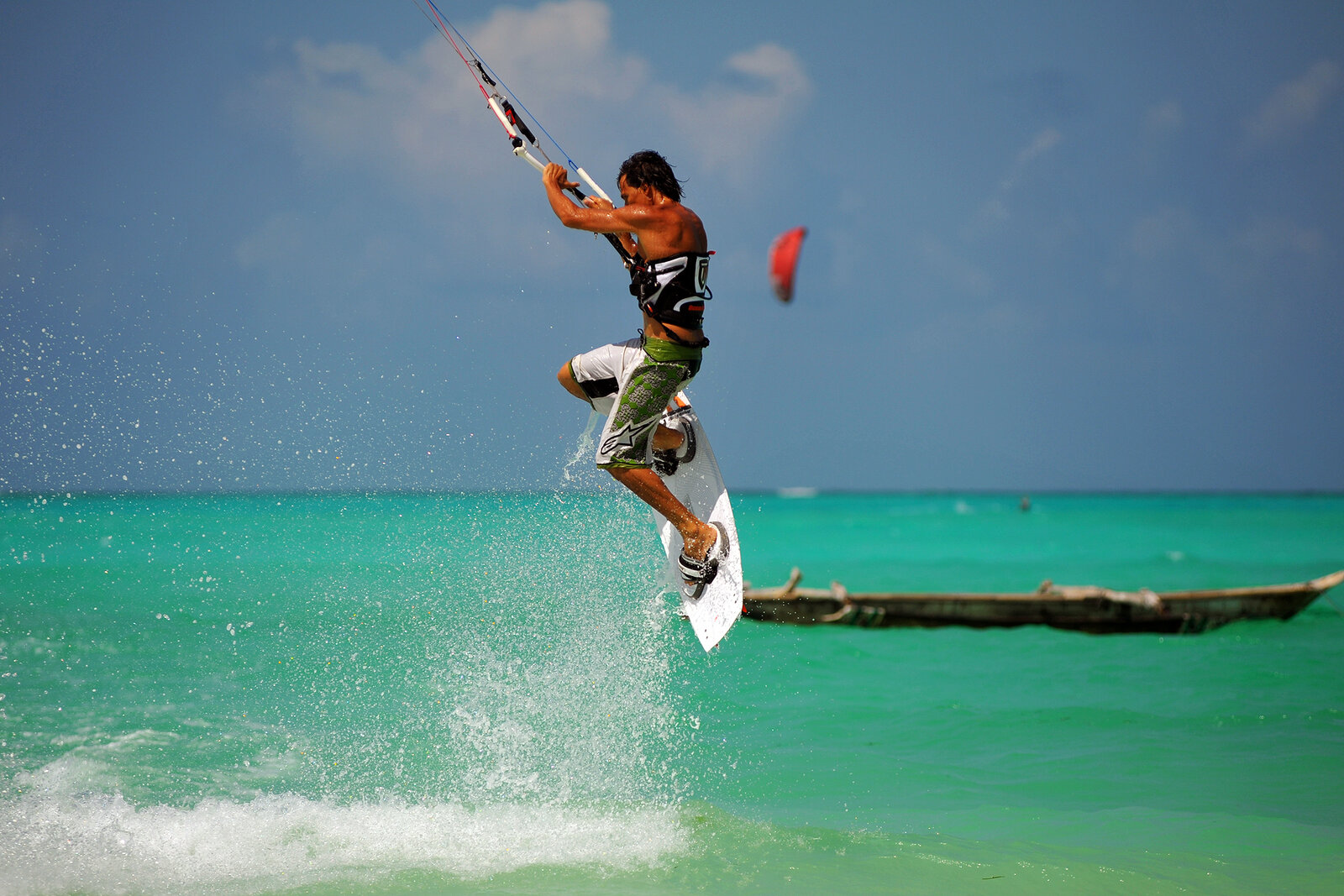
Best: June to September for kitesurfing; the dry seasons generally. The kitesurfing capital of the island, thanks to the steady Kusi wind and a wide, reef-protected lagoon. Long white-sand beaches, a laid-back vibe and dramatic tides — at low tide the sea can be far out, revealing the seaweed farms that are a way of life here. Book kite trips for June to September for the most reliable wind.
Matemwe & the Northeast
Best: June to October and December to February. Quieter and more upmarket, facing Mnemba Atoll — the prime spot for divers and snorkellers who want the island's best reef on their doorstep. The dry seasons deliver the calm, clear water that makes Mnemba so special.
Stone Town
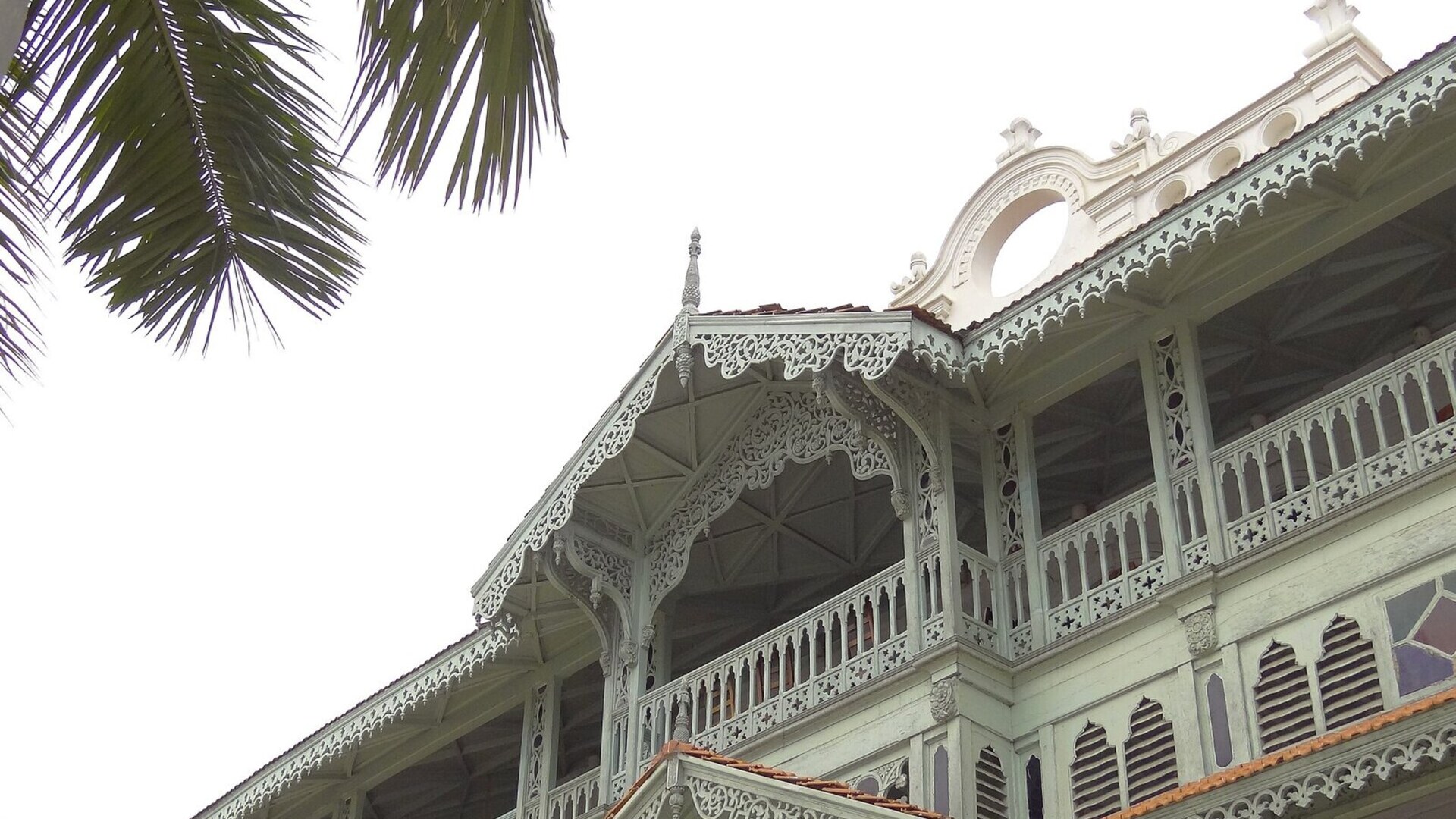
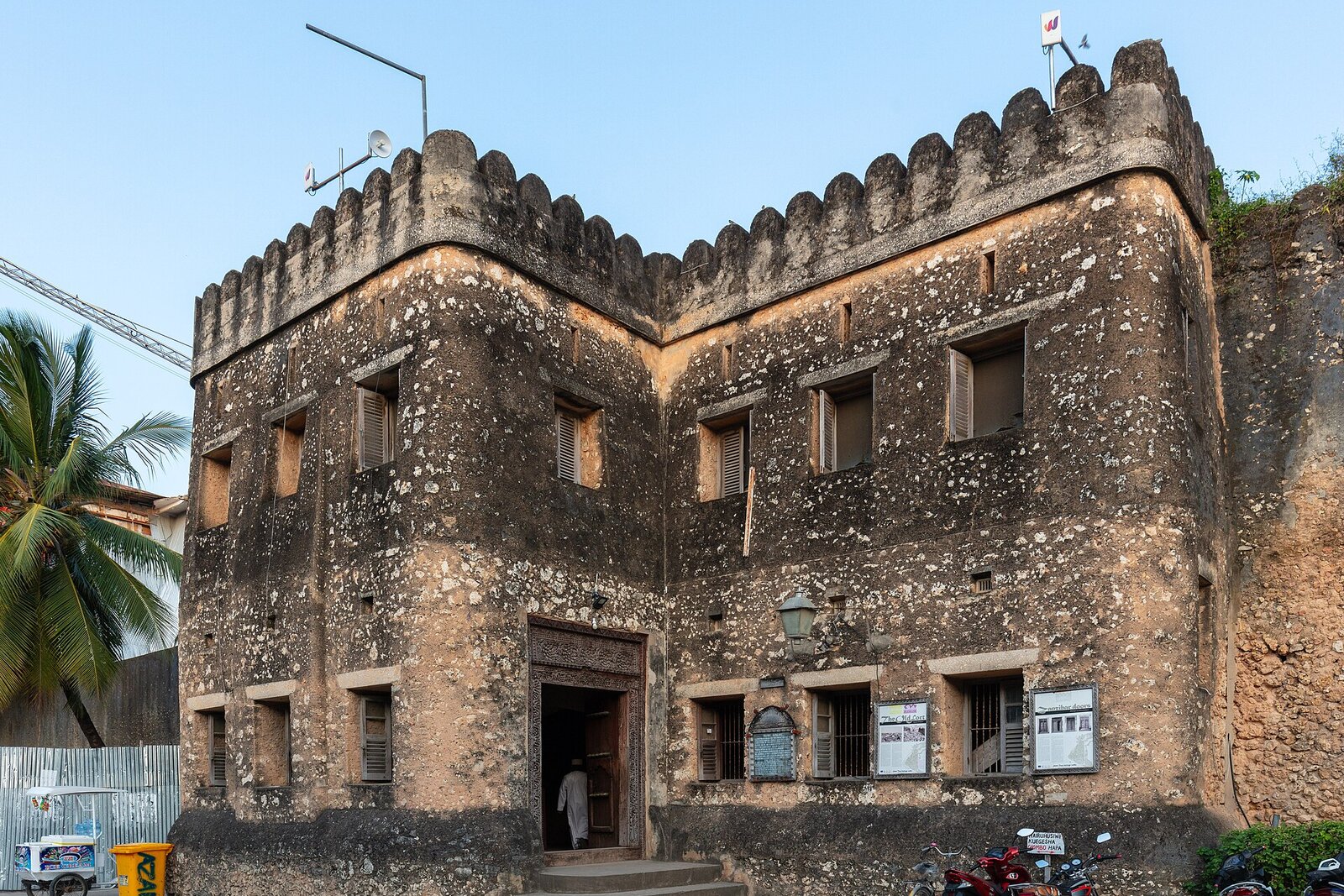
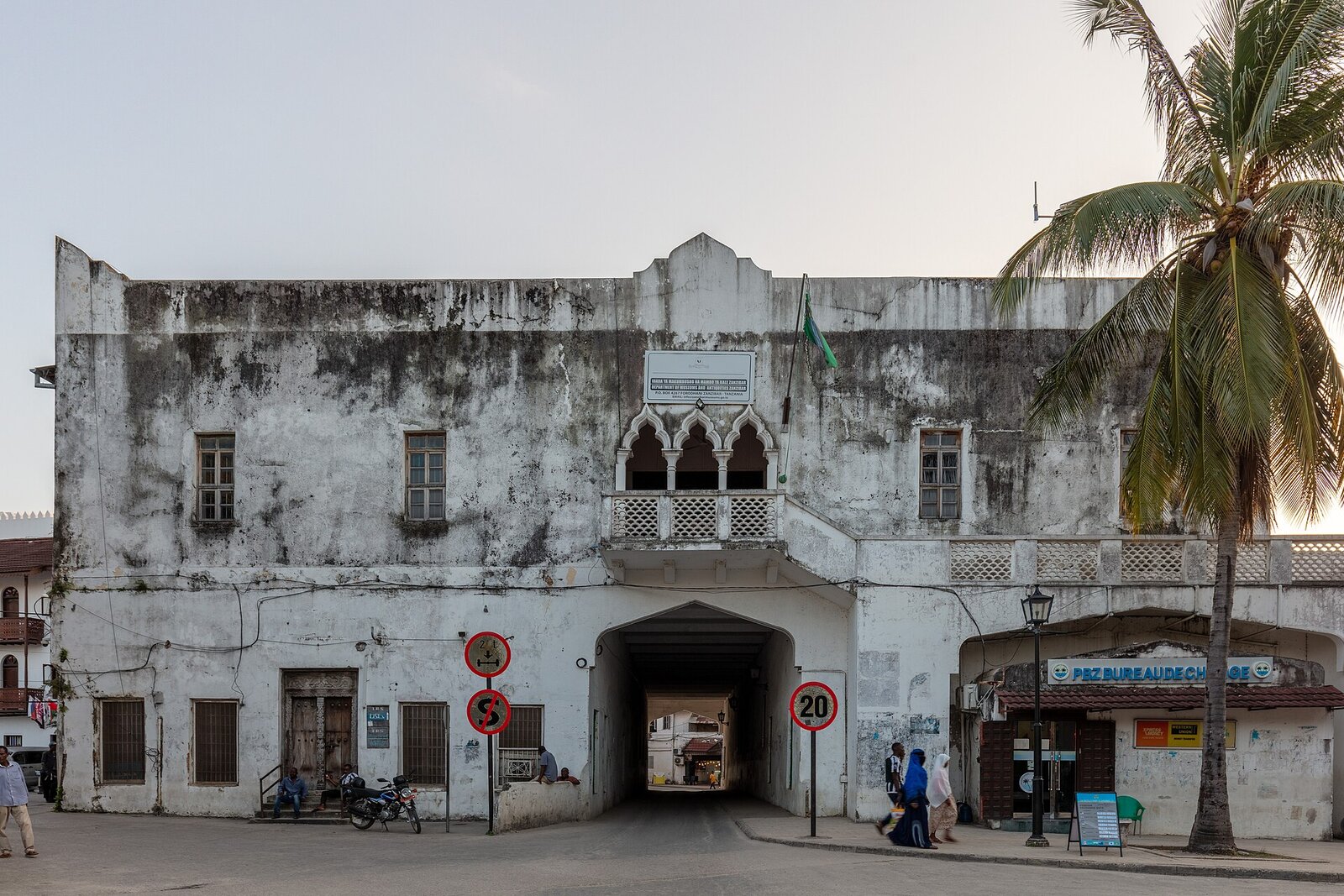
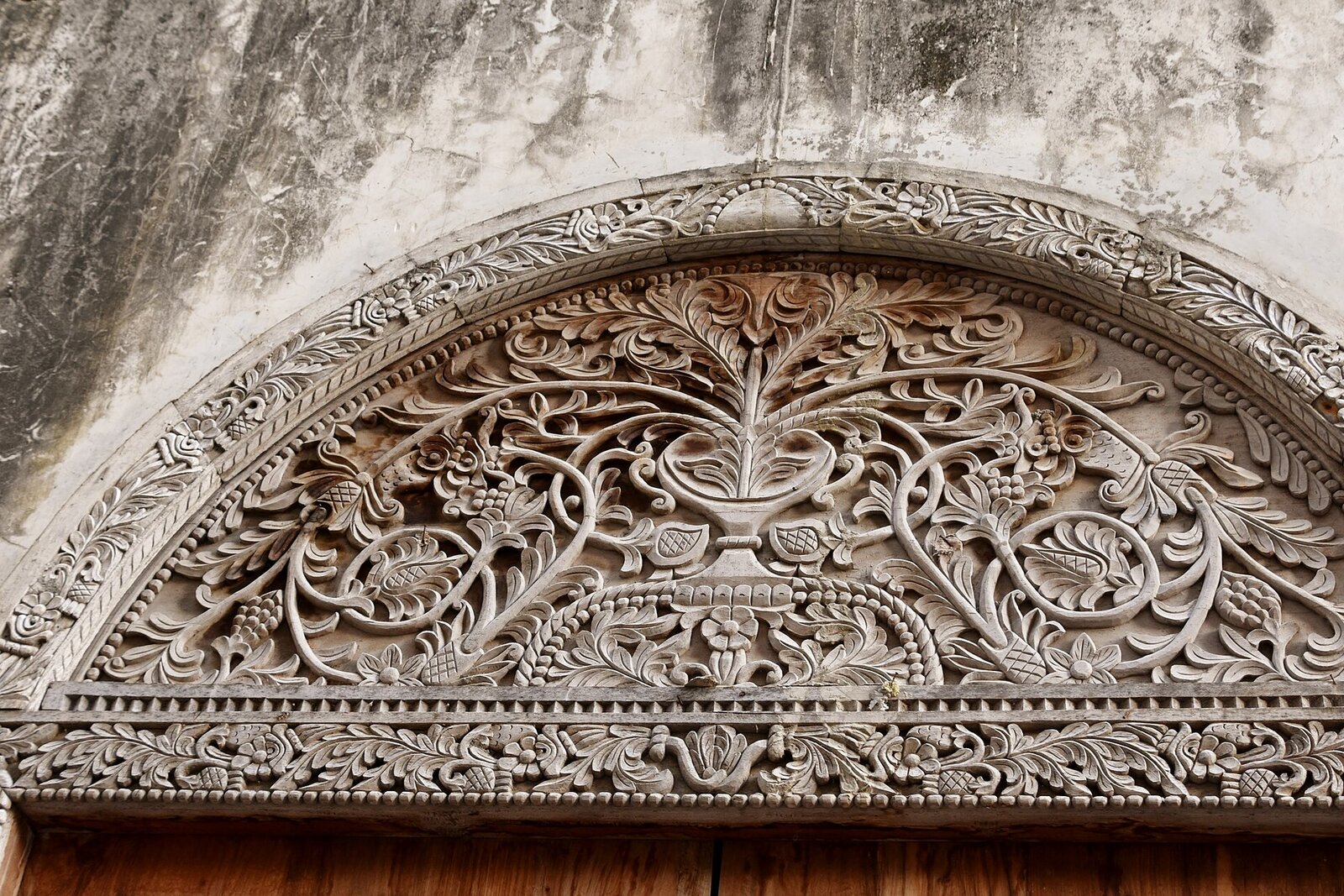
Year-round, best in the dry months. The historic Swahili heart of Zanzibar — a UNESCO World Heritage Site of carved doors, labyrinthine alleys, the Old Fort, the House of Wonders and the bustling Forodhani night market. As a largely indoor, cultural destination it works in any weather, but the dry months make wandering far more comfortable. Allow at least a full day, ideally two.
Kizimkazi (South)
Best in the calm dry seasons. The centre for dolphin encounters and a quieter, more traditional stretch of coast. Choose responsible operators who do not chase or crowd the animals. Easily combined with Jozani Forest and the southeast beaches.
Pemba Island
Best: June to October and December to February. Zanzibar's greener, wilder, far less-visited sister island — and a diving mecca, with steep drop-offs and pristine reefs rated among the finest in the Indian Ocean. Come in the dry seasons for the best visibility and calmest seas. Pemba is for travellers who want seclusion and world-class diving over beach-bar buzz.
Best Time for Specific Travellers
For honeymooners & couples
June to October for cool, dry, romantic conditions and calm seas, or December to February for hot, bright, classic beach days. Both dry seasons are superb; avoid the long rains. Matemwe, Mnemba and the north offer the most idyllic settings — see our guides to the best luxury hotels and resorts in Zanzibar and Zanzibar's private islands and Mnemba.
For divers & snorkellers
The dry seasons (June to October and December to February) for the calmest seas and best visibility at Mnemba and Pemba. For whale sharks, target October to February off Mafia Island. Avoid the long rains (March to May), when visibility drops and some operators scale back.
For kitesurfers
June to September for the steady Kusi trade wind at Paje and Jambiani — the island's world-class kite window. A secondary season runs December to February on the Kaskazi. Book lessons and kite-friendly lodges ahead for the June–August peak.
For safari-and-beach travellers
June to October, without question. This window aligns the northern Tanzania dry season and the Great Migration with Zanzibar's finest beach weather — the strongest bush-and-beach combination of the year. Read alongside our Zanzibar safari packages guide and ultimate Tanzania travel guide.
For families
The dry seasons align with major school holidays (July–August and December). Choose Nungwi or Kendwa in the north for reliable, tide-friendly swimming, and combine beach days with Jozani Forest's red colobus and a Stone Town spice tour for variety. Dry-season conditions make travel with children far easier.
For culture & budget travellers
Stone Town, spice tours and Jozani Forest are rewarding year-round, so culture-focused travellers can happily visit in the green season for the lowest prices. April to May and November bring the best value; November's short rains rarely spoil a trip, making it the sweet spot for budget travellers who still want mostly good weather.
Weather & What to Pack by Season
Zanzibar is hot and humid year-round, so packing is more about sun, sea and modesty than about temperature swings — with a few season-specific additions.
| Season | Typical temps | Conditions | Pack essentials |
|---|---|---|---|
| Long dry (Jun–Oct) |
26–29°C | Cool, dry, breezy; calm clear seas; best all-round | Light layers, a light wrap for breezy evenings, reef-safe sunscreen, hat, snorkel gear, modest wear for Stone Town |
| Short dry (Dec–Feb) |
31–34°C | Hot, humid, still; warm calm seas; classic beach weather | Very light breathable clothes, strong reef-safe sunscreen, hat, plenty of water, rash vest for long snorkels |
| Long rains (Mar–May) |
27–31°C | Wettest, humid, rougher seas; low season | Light rain jacket, quick-dry clothes, waterproof phone/camera pouch, insect repellent, flexible plans |
| Short rains (Nov) |
28–31°C | Brief afternoon showers, otherwise sunny; good value | Light rain layer, standard beach kit, insect repellent, sunscreen |
Year-round essentials: reef-safe sunscreen (the equatorial sun is fierce), a hat and sunglasses, plenty of water, and modest clothing for Stone Town and villages — Zanzibar is a predominantly Muslim society, and covering shoulders and knees away from the beach is respectful and appreciated (women may wish to carry a light scarf). Bring or rent snorkel gear, insect repellent (Zanzibar is a malaria area — consult your doctor about prophylaxis), and water shoes for the reef flats. Note the dramatic tides on the east and southeast coasts, and check tide times if reliable swimming matters to you. A little cash in Tanzanian shillings is useful for markets and tips, and light, quick-dry clothing serves you well in any month.
When to Book — and How Season Affects Price
Zanzibar runs on clear pricing tiers that track the seasons closely. Understanding them helps you balance conditions against cost.
Peak season covers July and August (the long dry season and northern-hemisphere summer) and the festive period from mid-December to early January. Rates are at their highest, and the best beach lodges, Mnemba, and top Pemba dive resorts book out months in advance. High season spans the rest of the two dry windows — June, September, October and late January to February — with excellent conditions at slightly softer rates. Shoulder season in November offers good weather and thinner crowds at lower prices, while green (low) season, March to May, brings the year's cheapest rates and quietest beaches, along with the rains and some lodge closures.
As a rule: book peak-season Zanzibar six to twelve months ahead, especially for July–August, the festive weeks, and the best beachfront and Mnemba properties. For high and shoulder months you can often plan with shorter lead time, though the top lodges still reward early booking. If you are combining the island with a Tanzania safari, book the whole trip as a unit and well ahead — the safari lodges and the beach resorts both peak in the same June–October window. For the wider picture on planning a combined trip, read our Zanzibar safari packages guide and our overview of the best things to do in Zanzibar.
Whenever you come, Zanzibar delivers — the spice-scented alleys of Stone Town, the turquoise shallows and leaning dhows, the reefs of Mnemba and Pemba, and the endless white beaches of the north. But time it to the long dry season, June to October, and you will see the island exactly as it is meant to be seen: cool, clear, calm and utterly beautiful. Let us help you build the perfect Zanzibar trip around the right dates.