Key Takeaways
- The best time to visit Madagascar is the dry season, April to November — comfortable temperatures, clear skies, accessible roads and parks, superb lemur watching and the best beach weather on Nosy Be and the coast
- September and October are the all-round sweet spot: warm, dry days, baby lemurs appearing, excellent birdwatching, and the tail end of whale season — all converging with fewer crowds than the July–August peak
- Humpback whales visit Ile Sainte-Marie from July to September (peaking July–August), when the channel between the island and the mainland becomes a nursery for calving and breeding
- The wet season (December to March) is hot, humid and green, with a real cyclone risk from January to March (especially January–February) — the east coast is most vulnerable, roads flood, and some parks and the Tsingy become completely inaccessible
- Tsingy de Bemaraha is only accessible during the dry season (roughly April/May to November) — the roads are impassable in the rains, and the park closes
- Madagascar's lemurs are visible year-round but are most active and easiest to spot in the dry season when vegetation thins; baby lemurs typically appear September to November
TL;DR: The best time to visit Madagascar is the dry season, April to November, when the island enjoys comfortable temperatures, clear skies, accessible roads, superb lemur watching and calm beach conditions on Nosy Be and the coast. September and October are the finest all-round months, combining warm days, baby lemurs, excellent birdwatching and the end of whale season. Humpback whales calve off Ile Sainte-Marie from July to September, the Avenue of the Baobabs is best May to October, and Tsingy de Bemaraha is only accessible in the dry season. The wet season (December to March) is hot, humid, cheapest, and brings chameleons and reptiles to life — but carries a real cyclone risk in January to March that can close roads and parks. Below you will find a full month-by-month guide, lemur species seasonality, region-by-region timing (Andasibe, Ranomafana, Isalo, Berenty, Avenue of the Baobabs, Tsingy, Nosy Be, Ile Sainte-Marie), best-time-by-traveller, weather and packing, and exactly when to book. Read this alongside our ultimate Madagascar travel guide.
Madagascar is a world apart. Separated from the African mainland for roughly 88 million years, this island continent has evolved a cast of wildlife found nowhere else on Earth — over 100 species of lemur, half the world's chameleons, baobabs that dwarf cathedrals, and rainforests so ancient they predate the dinosaurs' extinction. It is a destination that demands careful timing, because the difference between the dry season and the wet season here is not just comfort — it is access. Get the timing right and you can walk beneath the razor pinnacles of the Tsingy, watch humpback whales calve off a tropical island, photograph lemur mothers with newborns, and stand among the baobabs at sunset. Get it wrong and you may find roads impassable, parks closed and a cyclone warning on your phone.
In short: the best time to visit Madagascar is the dry season, from April to November. These are the cooler, drier months when the national parks are fully accessible, the lemurs are active and visible, the roads are passable (as passable as Madagascar roads get), and the beaches of Nosy Be and the coast are at their most inviting. If you have to choose a single window, September and October stand out as the finest all-round months — warm, dry, alive with baby lemurs and birdsong, and quieter than the peak of July and August.
But Madagascar is also a place of extraordinary regional variety. The east is wet rainforest, the west and south are dry deciduous and spiny desert, the highlands are cool and temperate, and the islands are tropical. Each region has its own seasonal personality, and the marine calendar — especially the humpback whales — adds another layer. This guide walks you through the whole year, region by region and month by month, so you can build the Madagascar trip that is right for you.
The Short Answer: Best Time to Visit Madagascar by Priority
| If your priority is... | Best months | Why |
|---|---|---|
| Best overall | Apr – Nov (peak Sep–Oct) | Dry season: accessible parks, clear skies, lemur activity, best roads |
| Lemur watching | Apr – Nov (baby lemurs Sep–Nov) | Thinner vegetation, easier spotting; newborns from September |
| Humpback whales (Ile Sainte-Marie) | Jul – Sep (peak Jul–Aug) | Calving and breeding in the warm channel; dense pod activity |
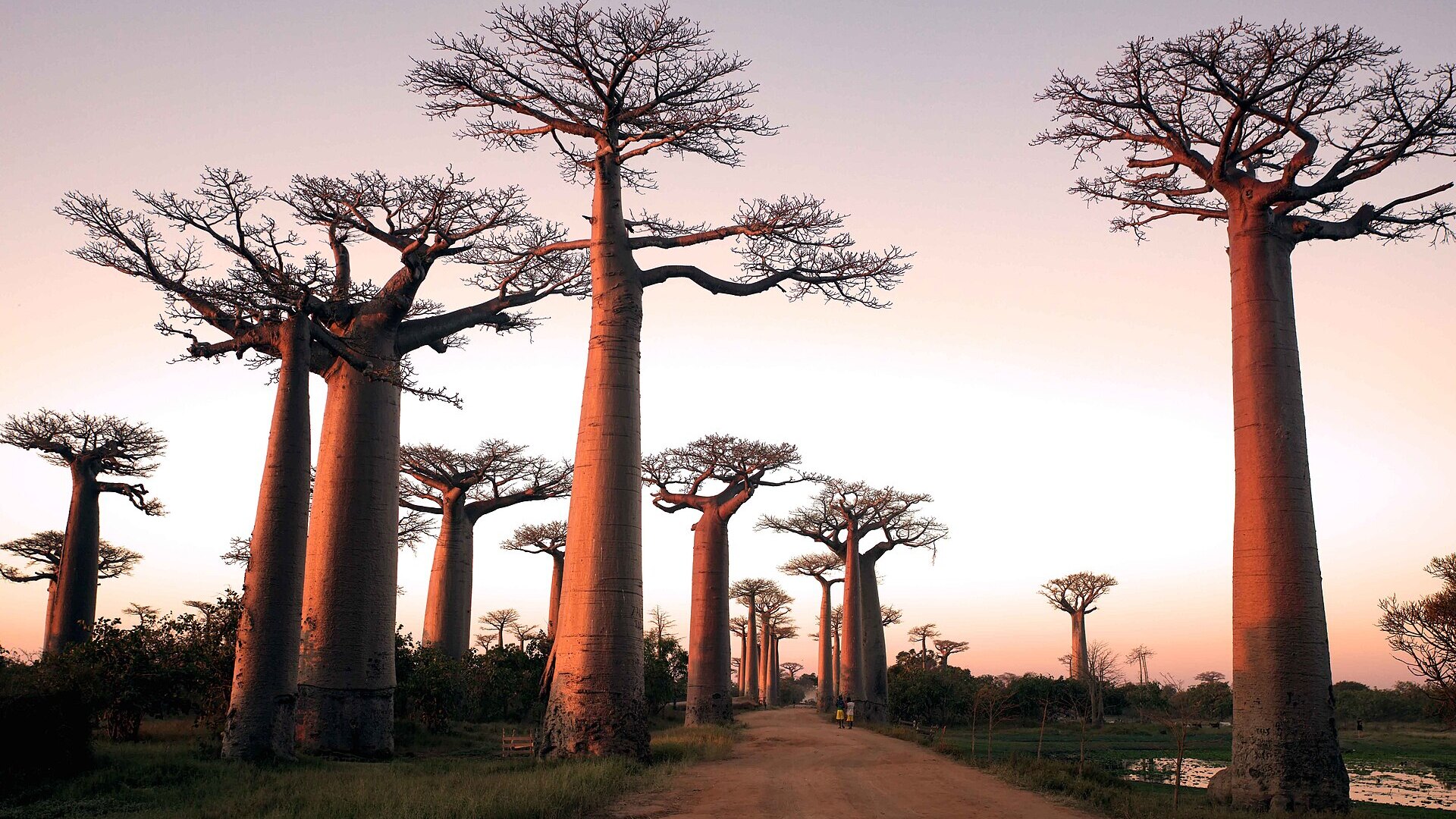
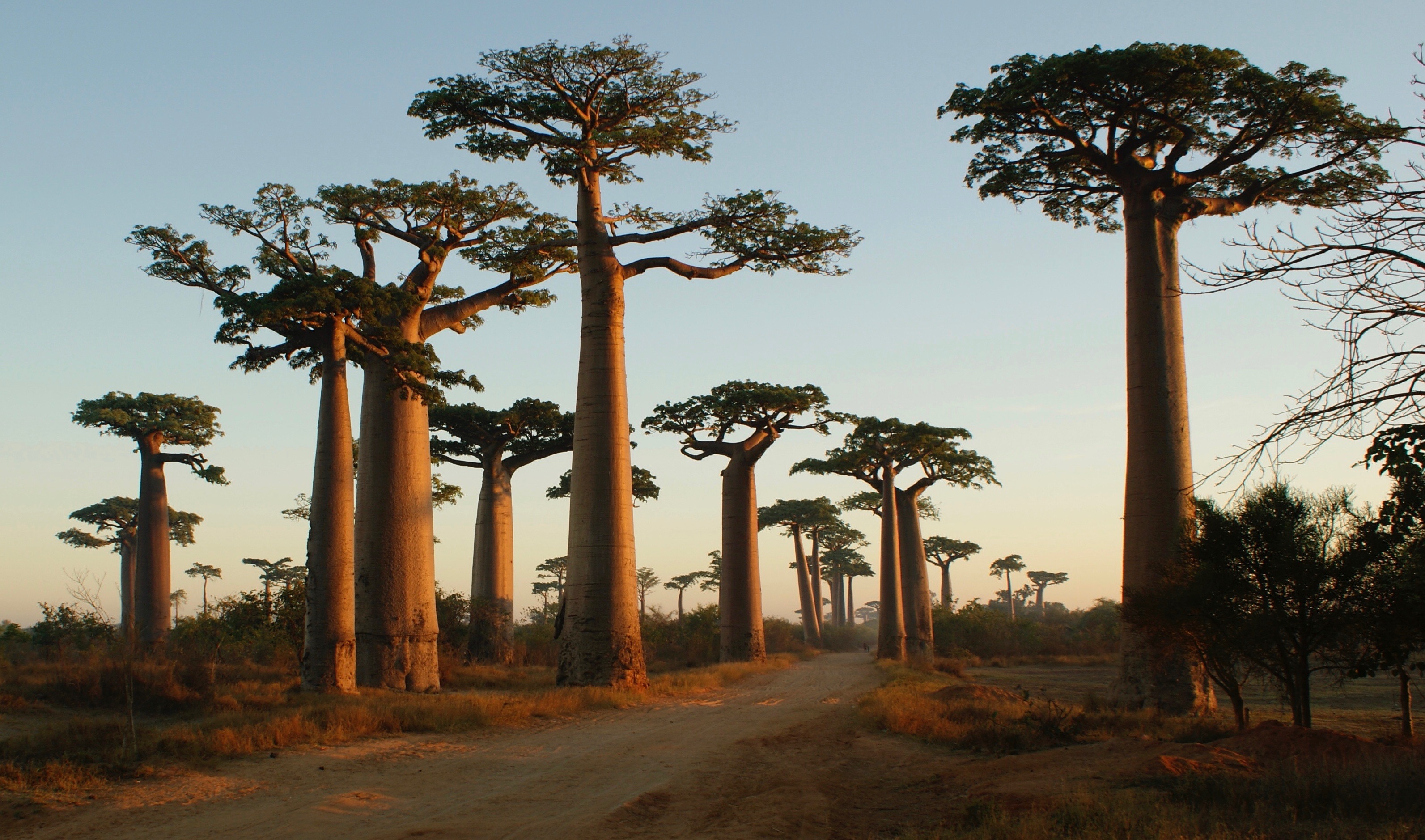
| Avenue of the Baobabs | May – Oct | Leafless silhouettes, accessible roads, golden sunset photography |
| Tsingy de Bemaraha | Apr/May – Nov | Only window — roads impassable and park closed in the rains |
| Beaches & snorkelling (Nosy Be) | Jun – Oct | Calm seas, warm sun, best underwater visibility |
| Birdwatching | Sep – Dec | Breeding season; migratory species arrive, breeding plumage displays |
| Best value & fewest visitors | Apr – May & Nov | Shoulder months: good conditions, lower rates, fewer crowds |
Keep this table in mind as you read on. Below we unpack Madagascar's climate framework, the lemur and wildlife calendar, then break the year down month by month and region by region so you can pin your dates with confidence.
Madagascar's Climate: How the Seasons Work
Madagascar sits in the southern Indian Ocean between roughly 12 and 25 degrees south, placing it firmly in the tropics. But the island is so large — the world's fourth-largest — and so varied in altitude and geography that it contains several distinct climate zones rather than a single uniform tropical pattern.
The year divides broadly into two seasons. The dry season runs from roughly April or May to October or November, when the southeast trade winds dominate, rainfall is scarce and the skies are clear. The wet or rainy season runs from December to March, when the monsoon brings hot, humid conditions, heavy rain and — critically — a genuine tropical cyclone risk, especially from January to March.
But within those broad strokes, the regional variation is dramatic. The east coast (Andasibe, Ranomafana, Ile Sainte-Marie) is the wettest part of the island, receiving rain year-round thanks to the moisture-laden trade winds hitting the eastern escarpment — though even here, the dry season brings noticeably less rain. The west (Morondava, the Tsingy, Anjajavy) is much drier, with a pronounced dry season when roads become passable and the parks fully accessible. The south (Isalo, Berenty, Ifaty) is the driest region of all — semi-arid spiny forest with minimal rainfall. And the central highlands (Antananarivo, Antsirabe) are cooler and more temperate, with chilly nights in the dry season.
This geographic diversity means that Madagascar always has something to offer, and that the best timing depends partly on which regions you plan to visit. The dry season is unambiguously the better time for most itineraries, but the transitions and shoulder months hold real value for those who understand the pattern.
The Lemur & Wildlife Calendar
If you are coming to Madagascar for the wildlife — and the lemurs in particular — the timing matters more than you might expect. Lemurs are visible year-round (they do not migrate or hibernate), but the seasons affect both their behaviour and your ability to see them.
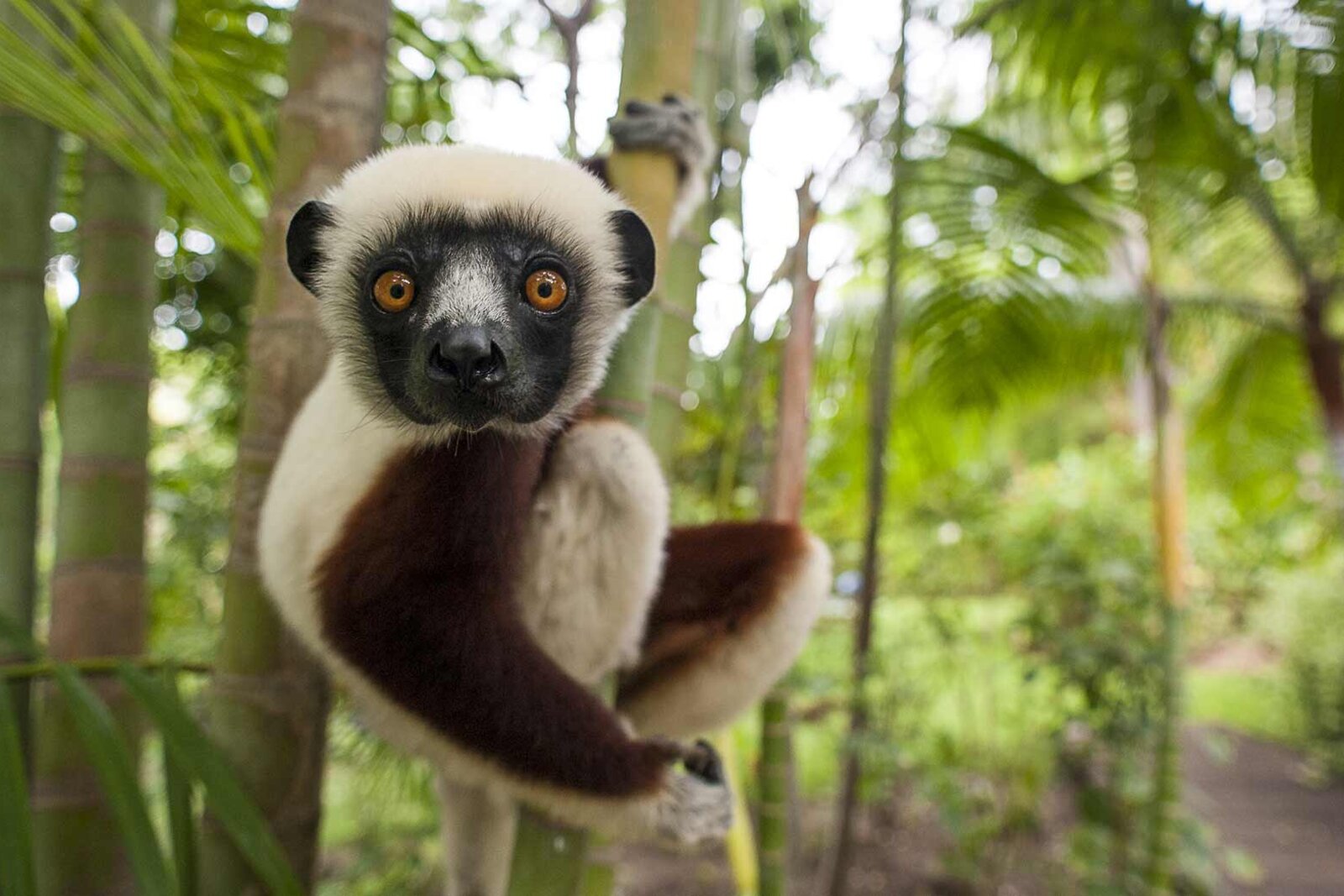
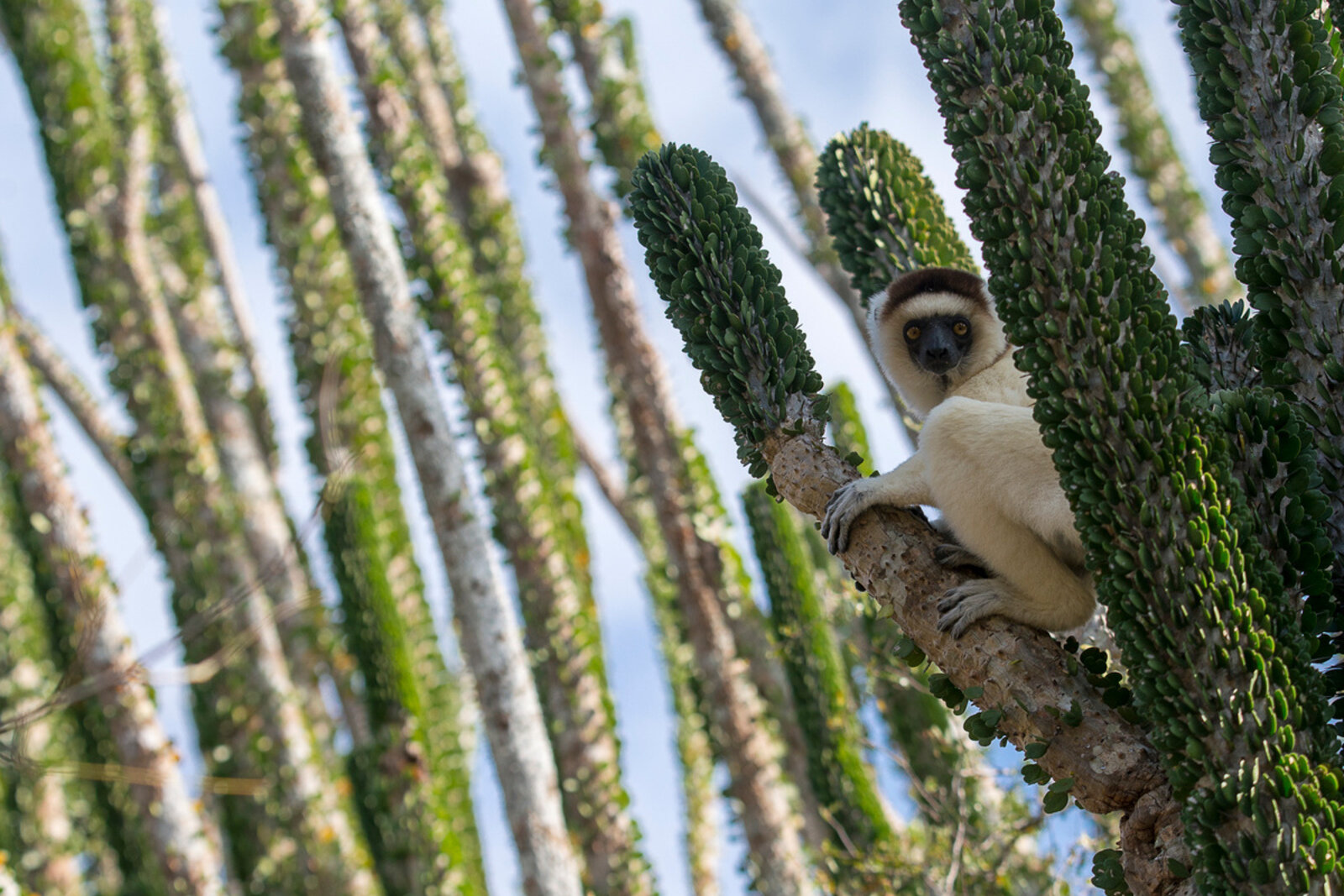
In the dry season, the forest canopy and understorey thin as leaves drop, making lemurs significantly easier to spot. The indri of Andasibe, the sifakas of Berenty, the mouse lemurs of Ranomafana — all are more visible against the lighter, more open vegetation. The iconic indri's morning calls — a haunting, whale-like song that carries for kilometres through the forest — are most frequent from April to November. Guides will tell you that the forest feels alive in the dry season: the calls are constant, the troops are active, and the photography is far easier.
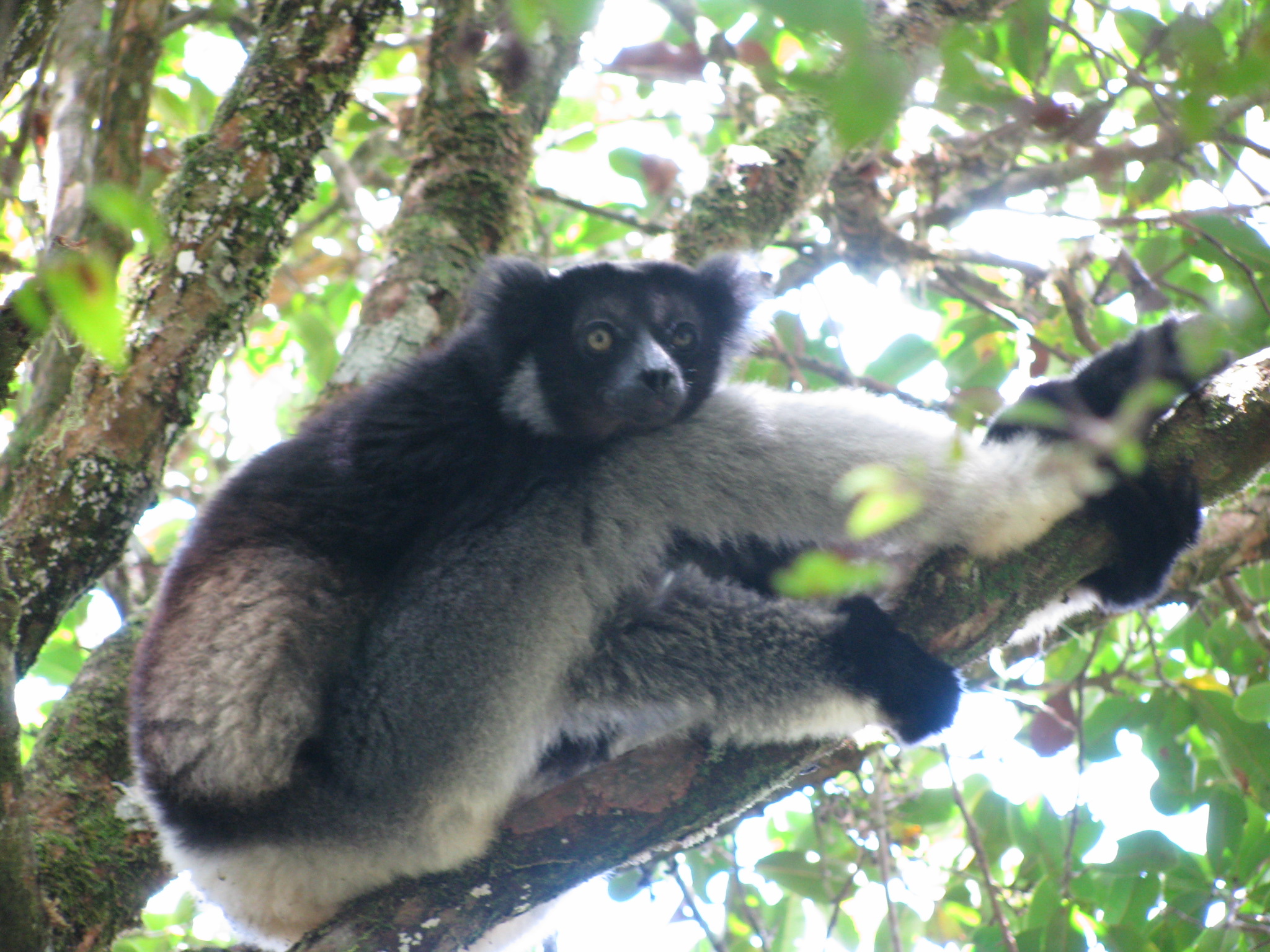
The real prize for wildlife timing is baby lemur season, typically September to November. This is when many species give birth, and the forest fills with tiny, wide-eyed infants clinging to their mothers' backs and bellies. Ring-tailed lemur babies at Berenty, indri infants at Andasibe, sifaka newborns learning to leap — it is one of the most photogenic wildlife spectacles in Africa. September and October, when the babies are newest and the weather is dry and warm, are the peak of this window.
For reptiles and chameleons, the pattern reverses. Madagascar's extraordinary chameleons (half the world's species are here) are more active, more colourful and easier to find in the warmer, wetter months. Night walks in Ranomafana and Andasibe during the wet season can reveal species that are virtually invisible in the cool dry months. If chameleons and reptiles are your primary goal, the shoulder months of November and March — when conditions are warm but the worst rain has not yet hit — are a smart compromise.
Birdwatching is best from September to December, when Madagascar's endemic species are in breeding plumage, nesting activity peaks, and some migratory species are present. The eastern rainforests (Andasibe, Ranomafana, Masoala) are the richest birding habitat.
| Wildlife highlight | Best months | Where & notes |
|---|---|---|
| Lemur watching (general) | Apr – Nov (dry season) | Thinner vegetation, active troops, best visibility across all parks |
| Baby lemurs | Sep – Nov | Newborns clinging to mothers; ring-tails, indri, sifakas |
| Humpback whales | Jun – Sep (peak Jul–Aug) | Ile Sainte-Marie (premier); Nosy Be Jul–Nov; Antongil Bay; Anakao |
| Chameleons & reptiles | Nov – Mar (warm/wet) | Most active and colourful; night walks in Andasibe & Ranomafana |
| Birdwatching | Sep – Dec | Breeding plumage; nesting; migratory species present |
| Whale sharks (Nosy Be) | Jul – Nov | Also Omura's whales off Nosy Be; extended marine season |
The Dry Season (April–November): Lemurs, Baobabs & Whales
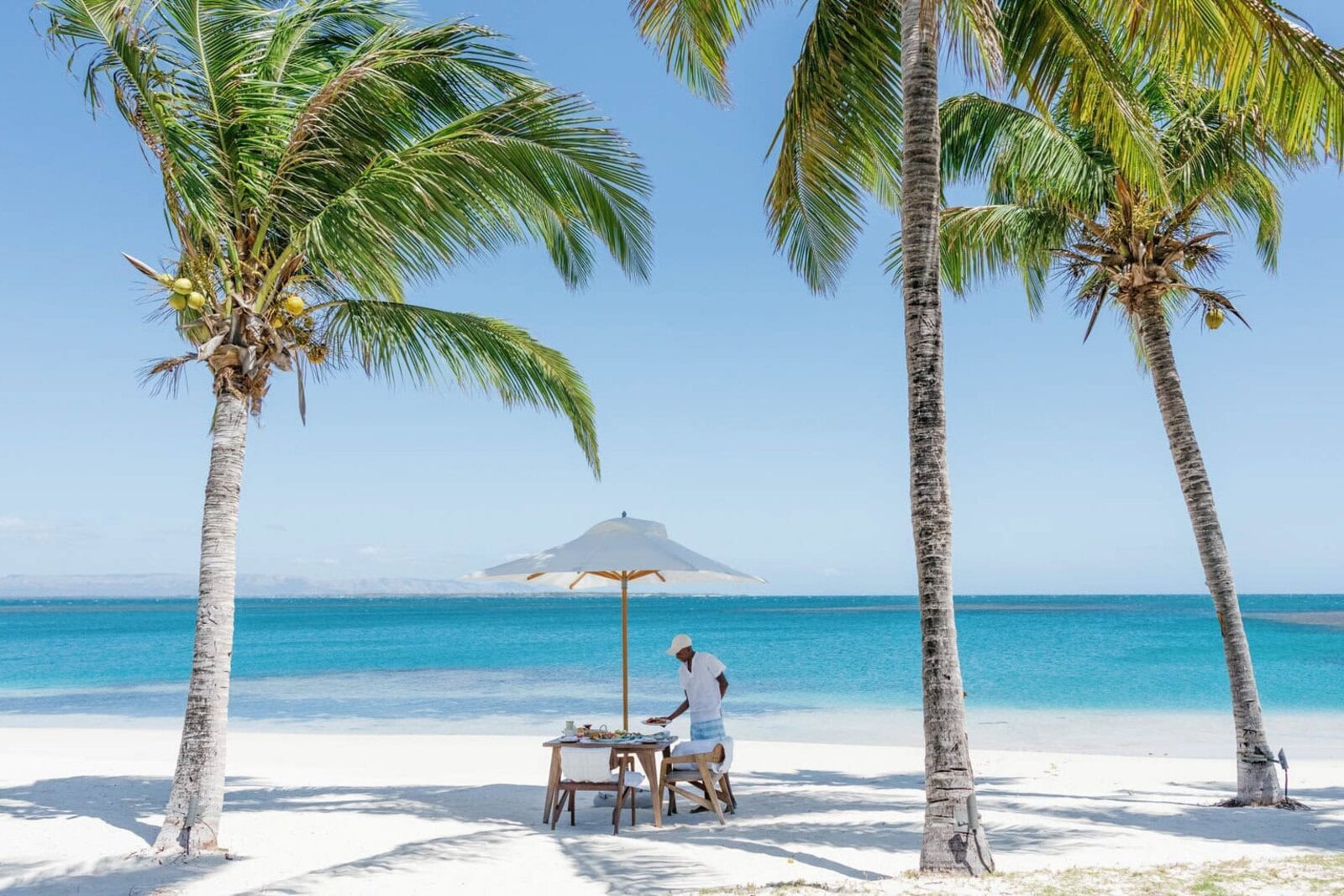
If there is a single best time to visit Madagascar, the dry season is it. From April through to November the island delivers its most comfortable, most accessible and most wildlife-rich conditions — and for most travellers, especially those visiting for the first time, it is the clear choice.
As the wet season fades in April, the rains retreat, the air dries and cools, and the landscapes transform. In the east, the rainforests are still lush but the downpours become less frequent, making trail conditions dramatically better. In the west and south, the deciduous forests drop their leaves, opening up the canopy and creating the stark, photogenic landscapes that define Madagascar's dry country — none more famous than the Avenue of the Baobabs, where the leafless grandidier baobabs stand like giant root systems against the red earth, most spectacular at sunrise and sunset.
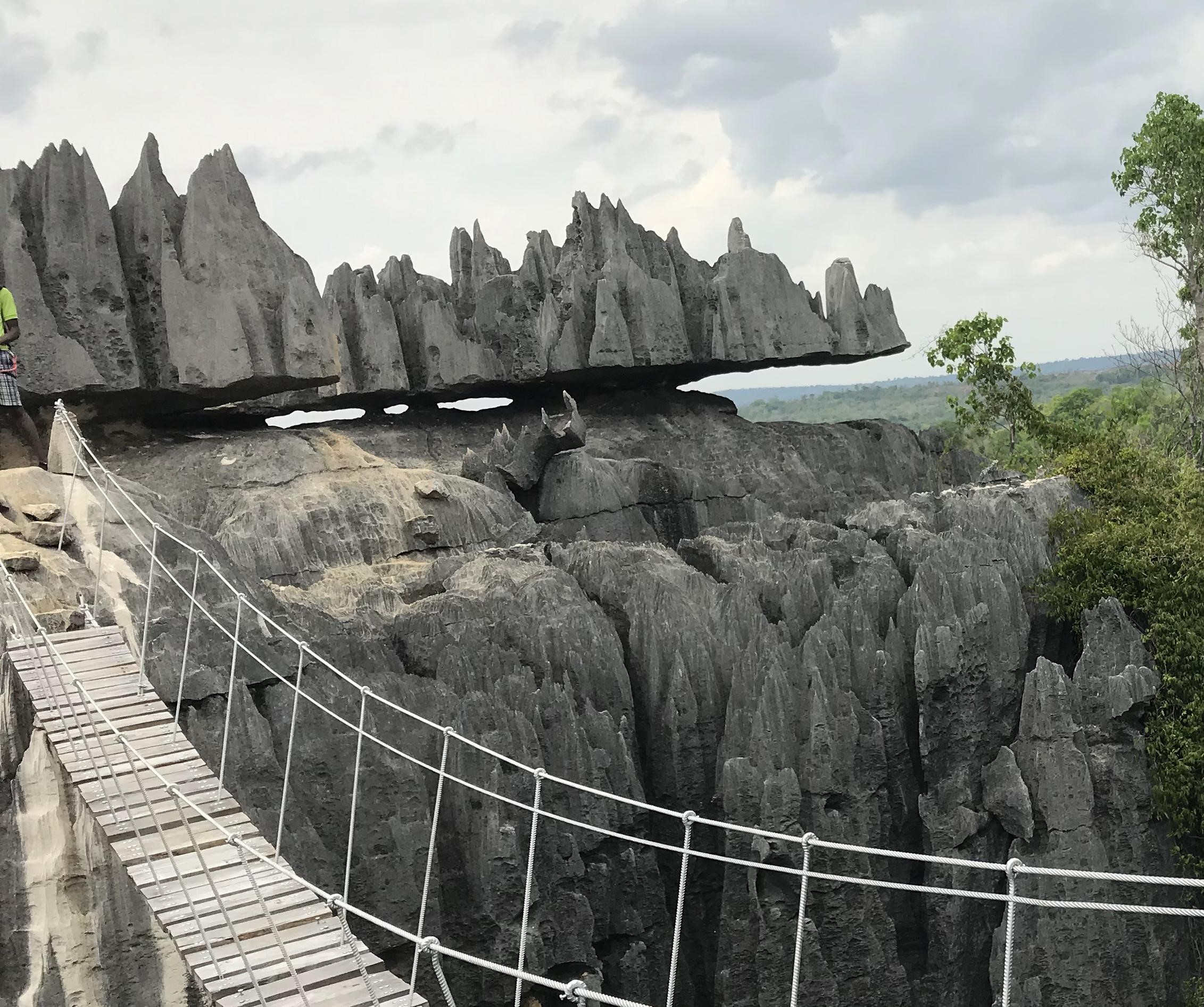
The dry season is when Madagascar's road network — always a challenge — is at its most navigable. This matters enormously because many of the island's greatest attractions, including Tsingy de Bemaraha, are only accessible when the unpaved roads are dry. The Tsingy effectively closes during the wet season, when the route from Morondava becomes an impassable mud track, and reopens only when the ground firms in April or May. For any itinerary that includes the west — the Tsingy, the Avenue of the Baobabs, Kirindy Forest — the dry season is not optional, it is mandatory.
Temperatures through the dry season are pleasant. The central highlands (Antananarivo sits at 1,200 metres) are cool, with daytime temperatures around 20 to 25 degrees Celsius and crisp mornings that can dip to 10 degrees or lower — a warm layer is needed. The coast and lowlands are warmer, typically 25 to 30 degrees, with the south the warmest and driest of all. The deep midwinter of June, July and August brings the coolest conditions but also the clearest skies and the height of the whale season.
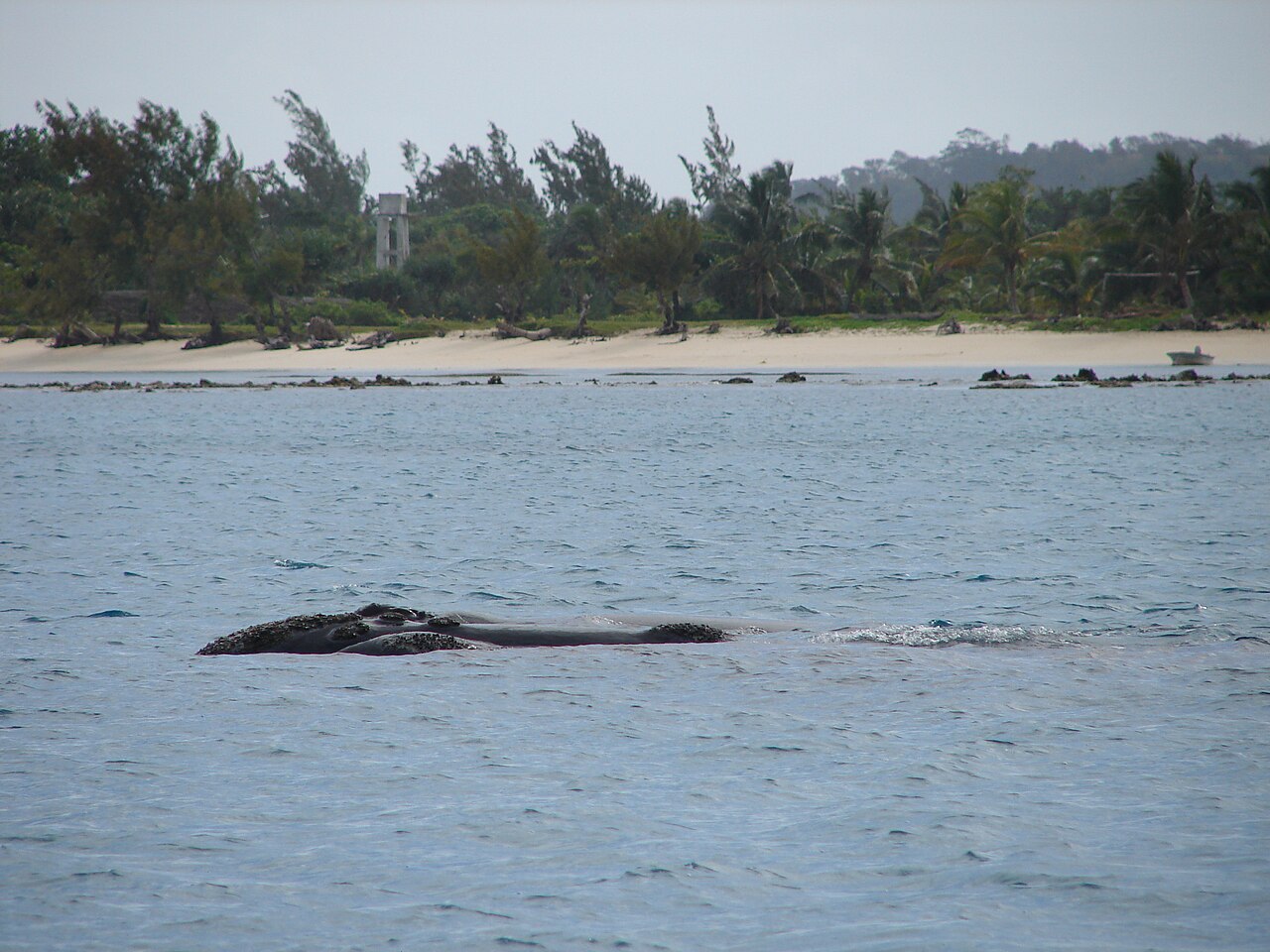
The dry season also delivers Madagascar's headline marine spectacle. Humpback whales migrate to the warm waters around Ile Sainte-Marie from roughly June to September, with the peak in July and August. The narrow channel between the island and the mainland serves as a natural nursery — mothers calve and nurse here, and the whale watching is spectacular, with breaching, tail-slapping and mother-calf pairs visible from boats and sometimes from the shore. It is one of the Indian Ocean's great whale-watching experiences and a powerful reason to time a Madagascar trip to the dry season's core.
Of all the dry-season months, September and October stand out as the finest all-round window. The weather is warming after the cool midwinter, the parks are fully accessible and at their wildlife-richest, baby lemurs are appearing, birdwatching is building towards its peak, and the last whales are still off Ile Sainte-Marie and Nosy Be. They are also slightly less busy than the July–August peak, when European and North American summer holidays drive the highest demand. For a single best answer to when to visit Madagascar, September and October is it.
The Wet Season (December–March): Hot, Green & Full of Life
When the monsoon arrives in December, Madagascar changes dramatically. The air turns hot and heavy, the rains come hard — not all day, but in intense tropical downpours that can drop weeks' worth of water in hours — and the island flushes green. This is the wet season, and while it is less popular for tourism, it has rewards for those who understand the trade-offs.
Daytime temperatures climb into the low-to-mid 30s Celsius on the coast and in the lowlands, and the humidity can be sapping. The central highlands are cooler but still wet. Rain, when it comes, usually arrives in dramatic afternoon thunderstorms, meaning mornings are often bright and usable — a pattern that experienced tropical travellers know how to work with.
The single biggest concern is cyclones. Madagascar sits in one of the Indian Ocean's cyclone corridors, and the risk is real from January to March, peaking in January and February. The east coast is most vulnerable, but cyclones can affect the entire island, causing road closures, flooding, infrastructure damage and park closures that may last days or weeks. Serious storms are not an every-year certainty — some seasons pass without a direct hit — but the risk is genuine and should be factored into any wet-season travel plan.
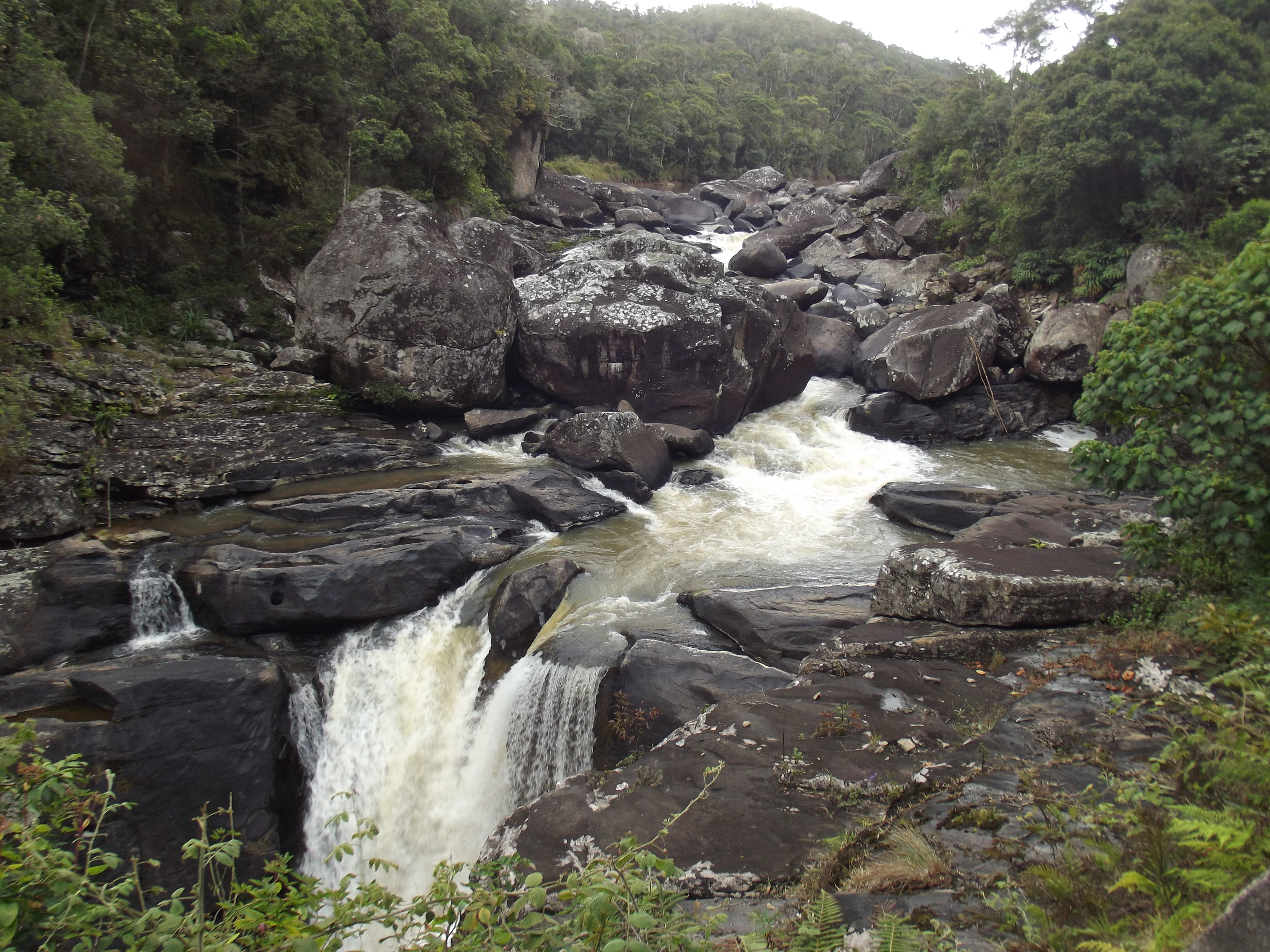
Access is the other major issue. Many of Madagascar's unpaved roads become difficult or impassable in the rains, and the Tsingy de Bemaraha closes entirely. Internal flights — always the most efficient way to cover distance on the island — become even more important, but they too can be disrupted by weather. A four-wheel-drive vehicle and a flexible schedule are essential for any wet-season itinerary.
So why come in the wet season at all? Because the island comes alive in ways the dry months never quite match. Chameleons and reptiles are at their most active, most colourful and most findable — night walks in the eastern rainforests reveal species that are virtually invisible in the cool dry season. The forests themselves are at their lush, dramatic, dripping best. And for the budget-conscious, the wet season brings the year's lowest rates, the fewest visitors and a green, atmospheric Madagascar that many regulars actively prefer for photography.
Madagascar Month by Month
Here is the year in detail, so you can match your available dates to conditions on the ground.
January
Peak wet season: hot, humid and green, with heavy rain and the year's highest cyclone risk. Many parks are difficult to access, the Tsingy is closed, and roads can flood. Chameleons and reptiles are active. The least reliable month for travel logistics — best avoided unless you are experienced and flexible.
February
The cyclone peak alongside January. Still hot, wet and humid, with the most unpredictable weather of the year. Access is challenging, especially in the east and west. The quietest and cheapest month, but the highest risk. Suited to flexible travellers with a strong tolerance for disruption.
March
The tail of the wet season. Rain begins to decrease through the month, the cyclone risk tapers, and the landscapes are at their greenest. Still hot and humid, but conditions are improving. A transitional month that can reward flexibility, especially in the south (Isalo, Berenty) where rainfall is minimal.
April
The dry season begins and conditions improve rapidly. Lush, green landscapes under clearing skies. Andasibe is excellent — the indri calls begin to build. The Tsingy may start to reopen as roads dry. A wonderful shoulder month: good conditions, fewer visitors and softer rates. One of the smartest-value months of the year.
May
Firmly into the dry season. Clear skies, comfortable temperatures and accessible roads. The Avenue of the Baobabs season begins in earnest, and the Tsingy is fully open. Lemur activity is strong across all parks. A superb all-round month — many experienced Madagascar hands rate May as the best-value window.
June
Cool, dry midwinter. Fresh mornings in the highlands, warm pleasant days on the coast. The humpback whale season begins off Ile Sainte-Marie. Nosy Be's beach season is under way with calm seas and good snorkelling. Excellent across the board — the start of peak season.
July
Peak dry season and the busiest month. Cool, dry, clear — the most comfortable conditions of the year. Humpback whale watching hits its stride at Ile Sainte-Marie. Ranomafana is busy. The Avenue of the Baobabs is at its photogenic best. Book lodges and internal flights well ahead.
August
Superb dry-season conditions continue. Cool, clear and dry. Dense humpback whale pod activity off Ile Sainte-Marie — August is especially regarded for mother-calf sightings. Excellent for all national parks. High season: book ahead.
September
The temperatures warm after the cool midwinter, and baby lemurs begin to appear. Birdwatching builds towards its peak. The last whales are off Ile Sainte-Marie. An outstanding all-round month — many consider it the single best month to visit Madagascar. Fewer crowds than July–August.
October
Warm, dry and alive with baby lemurs and birdsong. Excellent for Andasibe (indri) and Ranomafana (golden bamboo lemur). The whale season is ending at Nosy Be but the marine life remains rich. A brilliant, slightly-better-value alternative to September. One of the very best months.
November
Late spring: warmer, with the first light showers possible late in the month. Baby lemurs are still around, birdwatching is excellent, and Nosy Be's whale season is ending. The baobabs may begin to bloom. A good shoulder month that balances conditions, value and fewer visitors.
December
The wet season returns: heat and humidity rise, afternoon storms build. Some parks are still accessible, especially in the south, and the marine conditions at Nosy Be are declining. The festive holidays can bring higher prices for Nosy Be beach lodges. A transitional month — usable, but conditions are deteriorating.
Best Time by Region
Madagascar is vast and geographically diverse, and conditions vary dramatically from the wet east to the dry south. Here is how the timing changes across the island's key destinations.
Andasibe-Mantadia National Park (Eastern Rainforest)
The most accessible of Madagascar's rainforest parks, just three hours east of Antananarivo. Best months: April, May, October and November. Andasibe is accessible year-round — even in the wet season, the paved road from the capital holds up — but the dry-season months deliver drier trails, more active lemur behaviour and the best chances of hearing the indri's iconic morning call, which is most frequent from April to November. Avoid January to March if possible, when trails are slippery and leeches are most abundant.
Ranomafana National Park (Eastern Rainforest)
Home to the golden bamboo lemur, discovered only in 1986. Busiest July to early September; best wildlife viewing October to November (the shoulder months), when the trails are still dry but the crowds have thinned and baby lemurs are appearing. Ranomafana receives rain year-round, so a light rain jacket is wise even in the dry season.
Isalo National Park (Southern Sandstone)
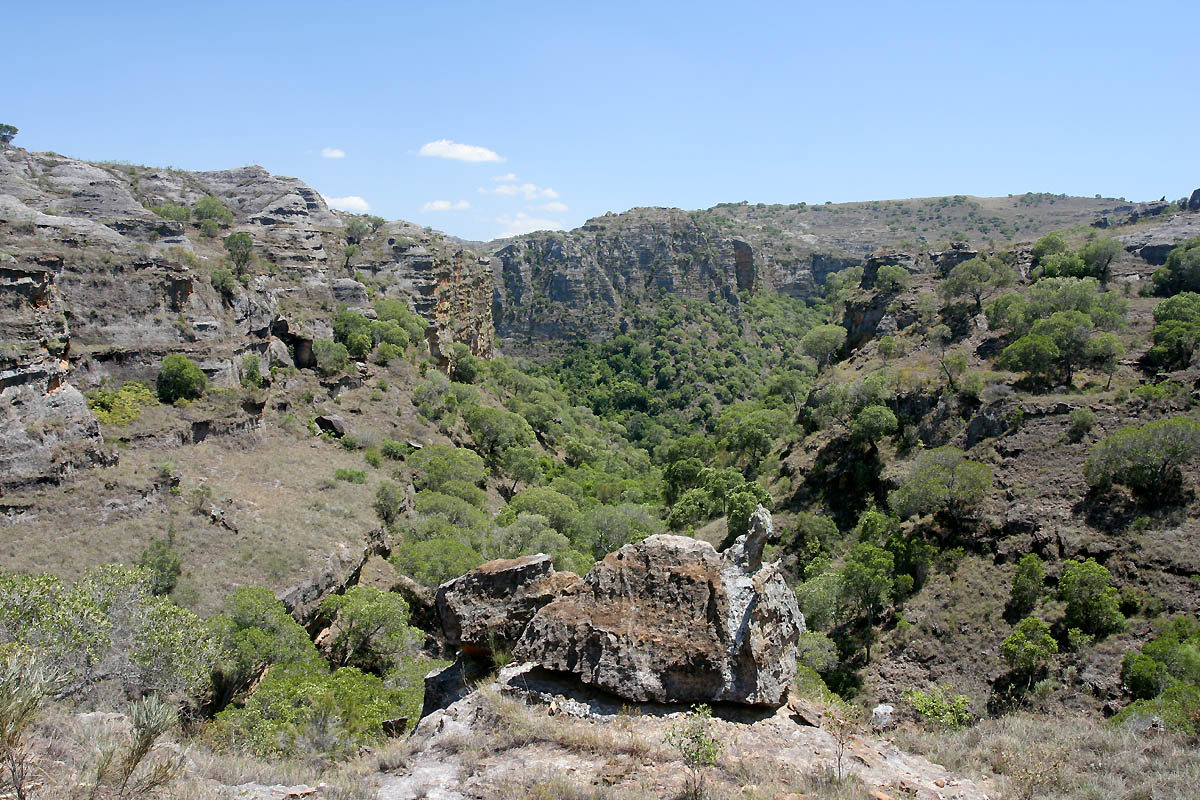
A dry, sandstone landscape of canyons, natural pools and pachypodium succulents. Best in the dry season, May to October. The south receives minimal rainfall even in the wet season, making Isalo one of the more year-round-accessible parks, but the dry months are most comfortable for hiking and the waterfalls are still flowing from residual groundwater.
Berenty Reserve (Southern Dry Forest)
The famous home of ring-tailed lemurs and Verreaux's sifakas. Accessible most of the year thanks to the dry southern climate, but best visited during the dry season for the most comfortable conditions and easiest lemur spotting. Baby ring-tailed lemurs typically appear in September and October.
Avenue of the Baobabs & Kirindy Forest (West)
Best season: May to October. The baobabs are typically leafless in the dry season, creating their famous root-like silhouettes against the red earth. Roads are accessible (the rainy season turns them to impassable mud). The best photography is at sunrise and especially sunset, when the golden light turns the trunks amber. The baobabs — called renala, 'mother of the forest' — are considered sacred; respect local fady (taboos). Fly Antananarivo to Morondava to save the long overland drive.
Tsingy de Bemaraha (West)
Only accessible during the dry season, roughly April/May to November. The roads are impassable in the rains and the park closes. Even in the dry season, reaching the Tsingy requires a committed overland journey or a charter flight. The razor-sharp limestone pinnacles — a UNESCO World Heritage Site — are one of Madagascar's most extraordinary landscapes, but the timing is non-negotiable: come in the dry season or do not come at all.
Nosy Be & the Northern Islands
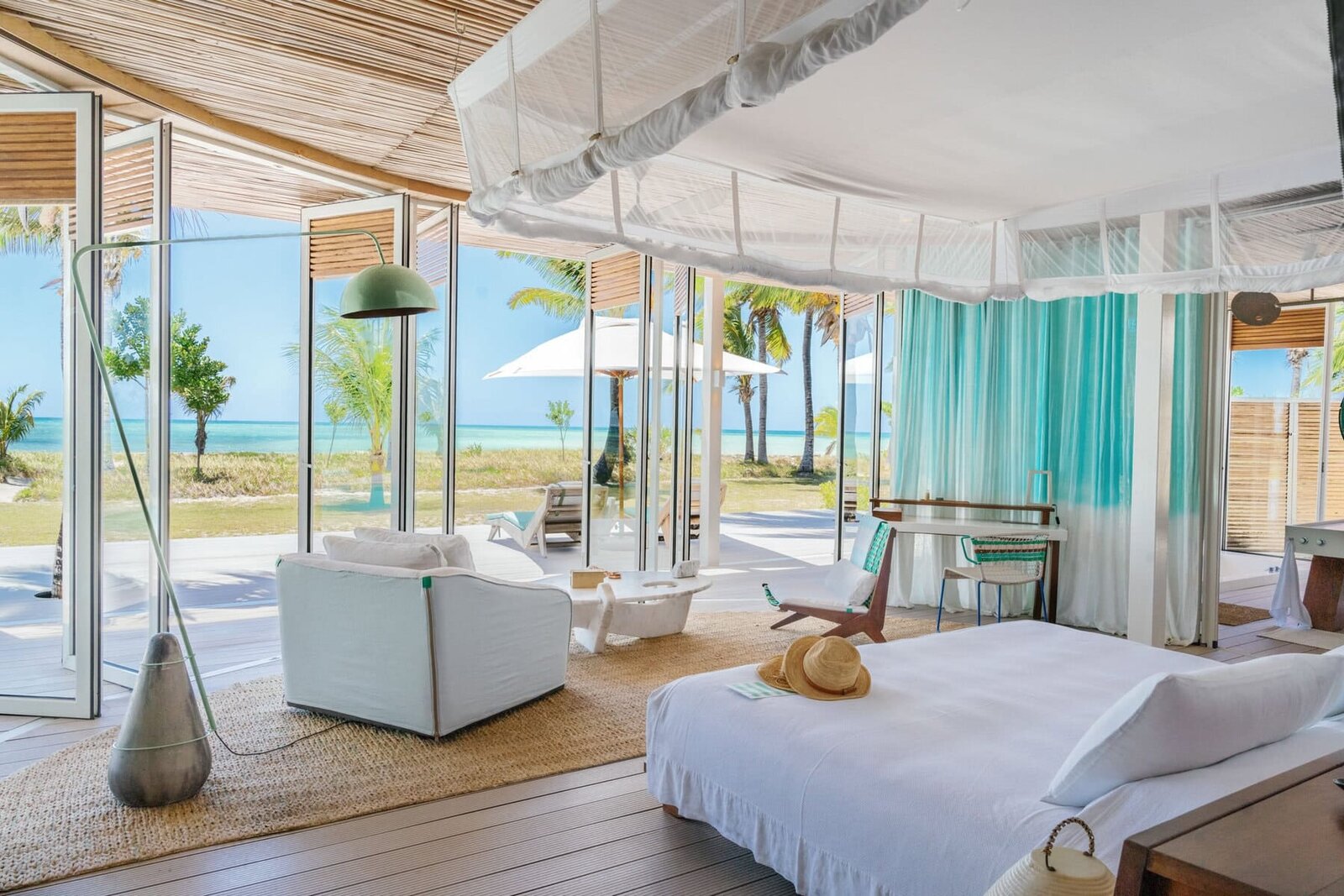
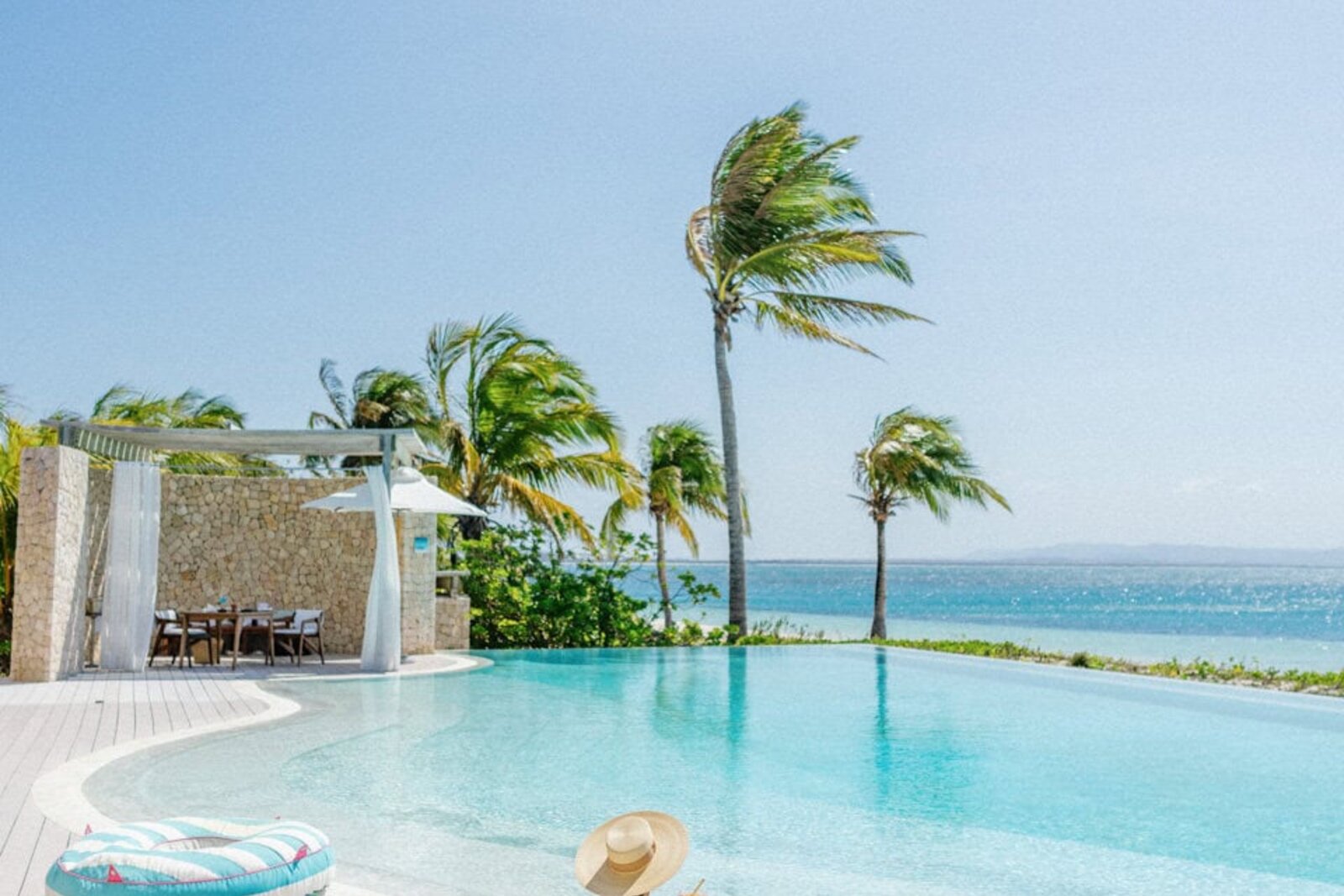
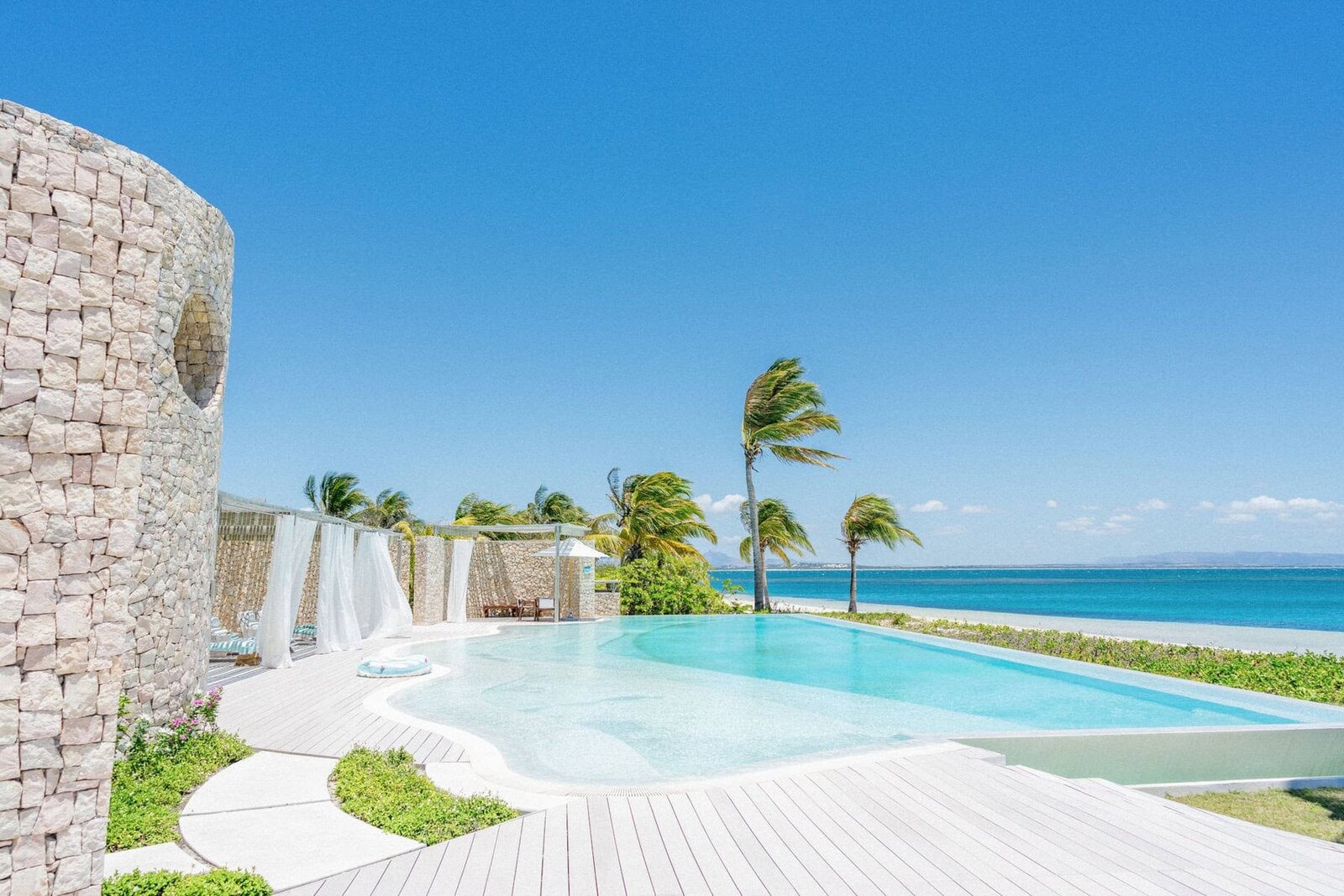
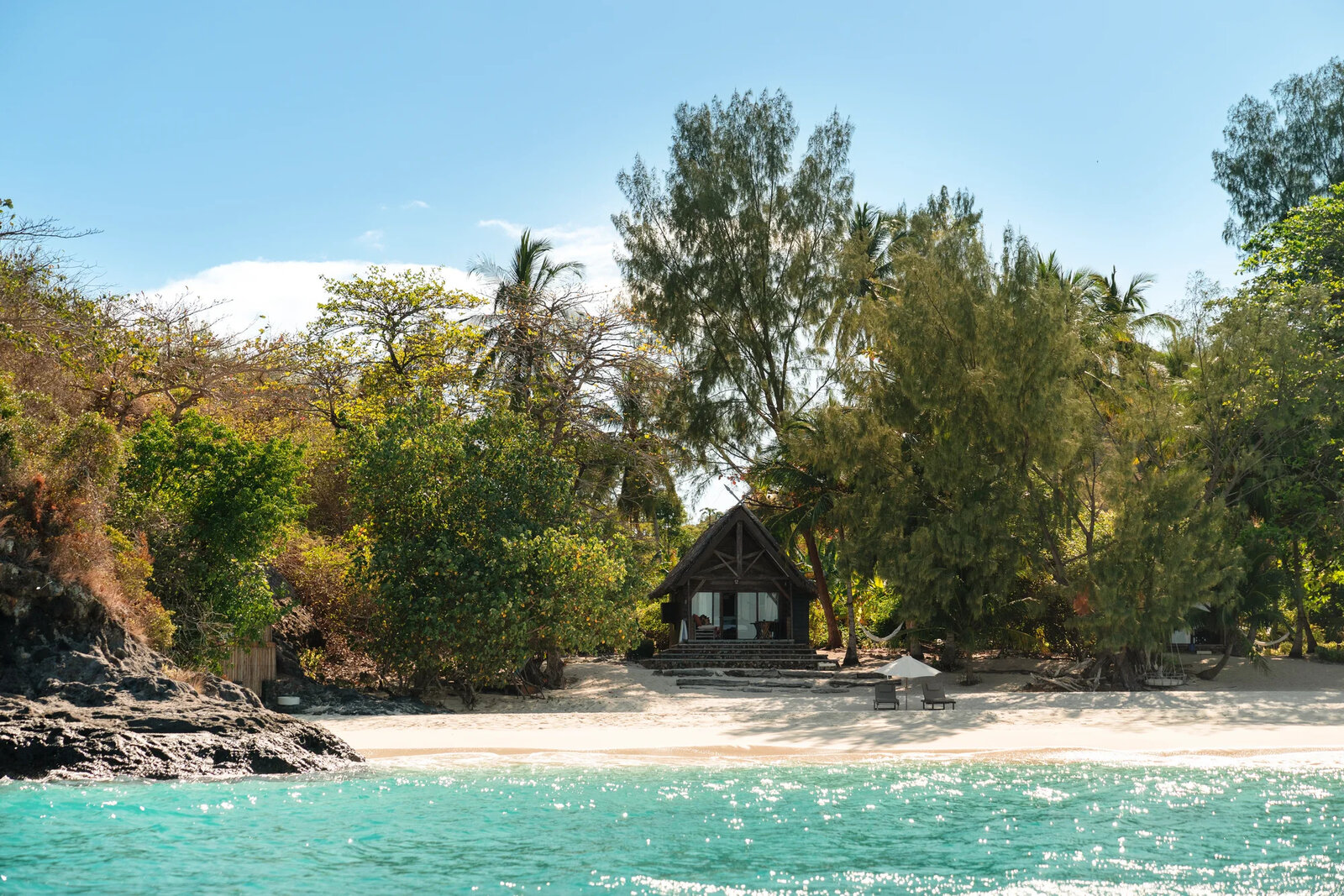
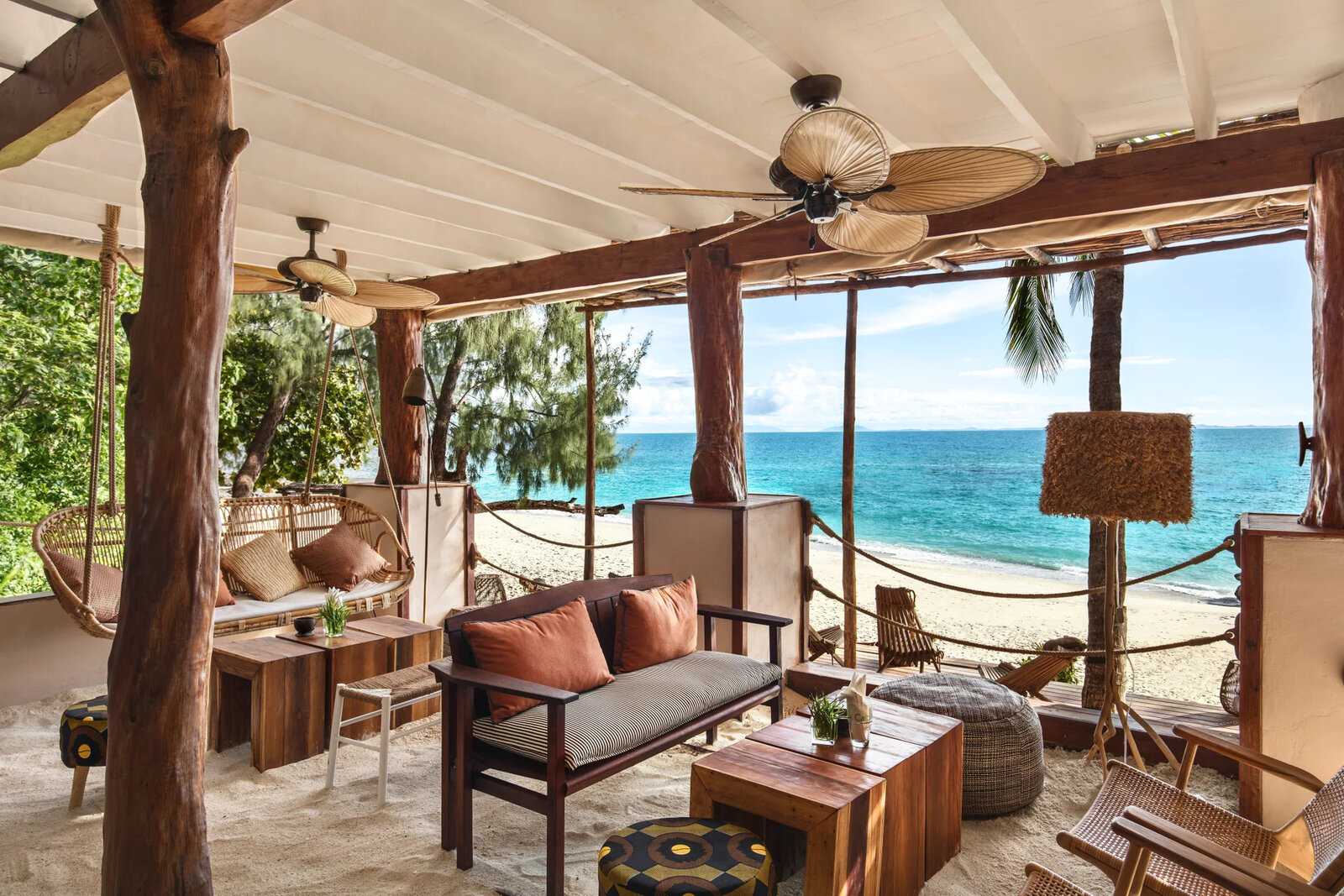
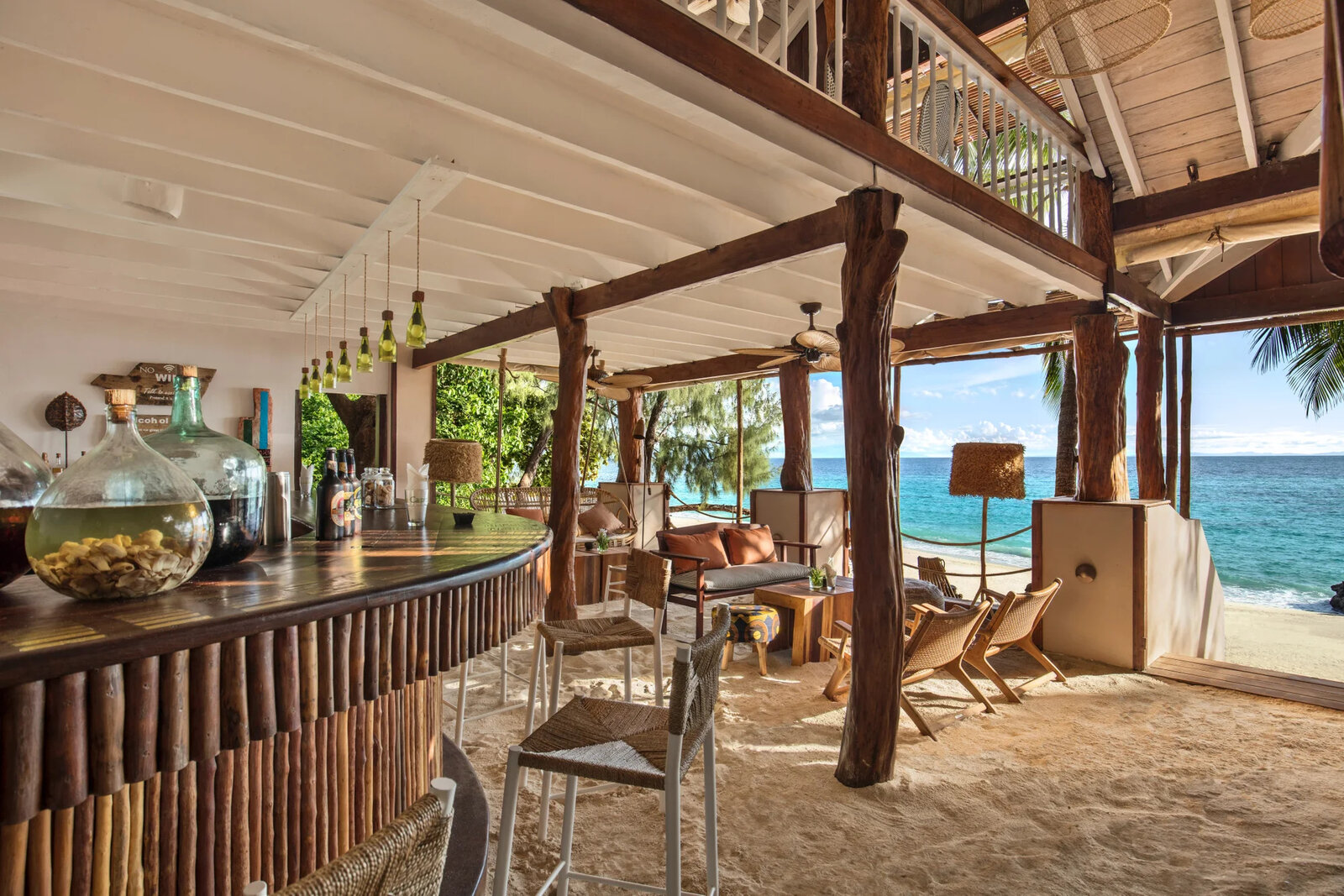
Best: June to October. Calm seas, warm sunshine, excellent snorkelling and diving. Humpback whales from July to November (extended season), whale sharks present, and the possibility of rare Omura's whale sightings. The wet season brings rough seas and reduced visibility. Nosy Be is Madagascar's most developed beach destination, and the dry-season months are its peak — book ahead for July and August.
Ile Sainte-Marie (East Coast Island)
Madagascar's premier whale-watching destination. Humpback whale season: July to September (peak July–August), when the narrow channel between the island and the mainland becomes a nursery. Outside whale season, the island is a quiet, palm-fringed retreat. Swimming with humpbacks is prohibited; use conservation-focused operators such as CetaMada. Access by daily flight from Antananarivo or by ferry from Soanierana-Ivongo.
Best Time for Specific Travellers
For lemur enthusiasts & wildlife photographers
September and October for baby lemurs, active troops, thinner vegetation and warm, dry conditions. The eastern parks (Andasibe, Ranomafana) are richest; combine with Berenty in the south for ring-tails and sifakas. For chameleon photography, the warm shoulder months of November and March offer the best reptile activity.
For whale watchers
July and August for the peak humpback whale season at Ile Sainte-Marie. Book accommodation on the island well ahead — options are limited and demand is high. Combine with Nosy Be for an extended marine itinerary. Read alongside our Madagascar safari guide.
For honeymooners & beach travellers
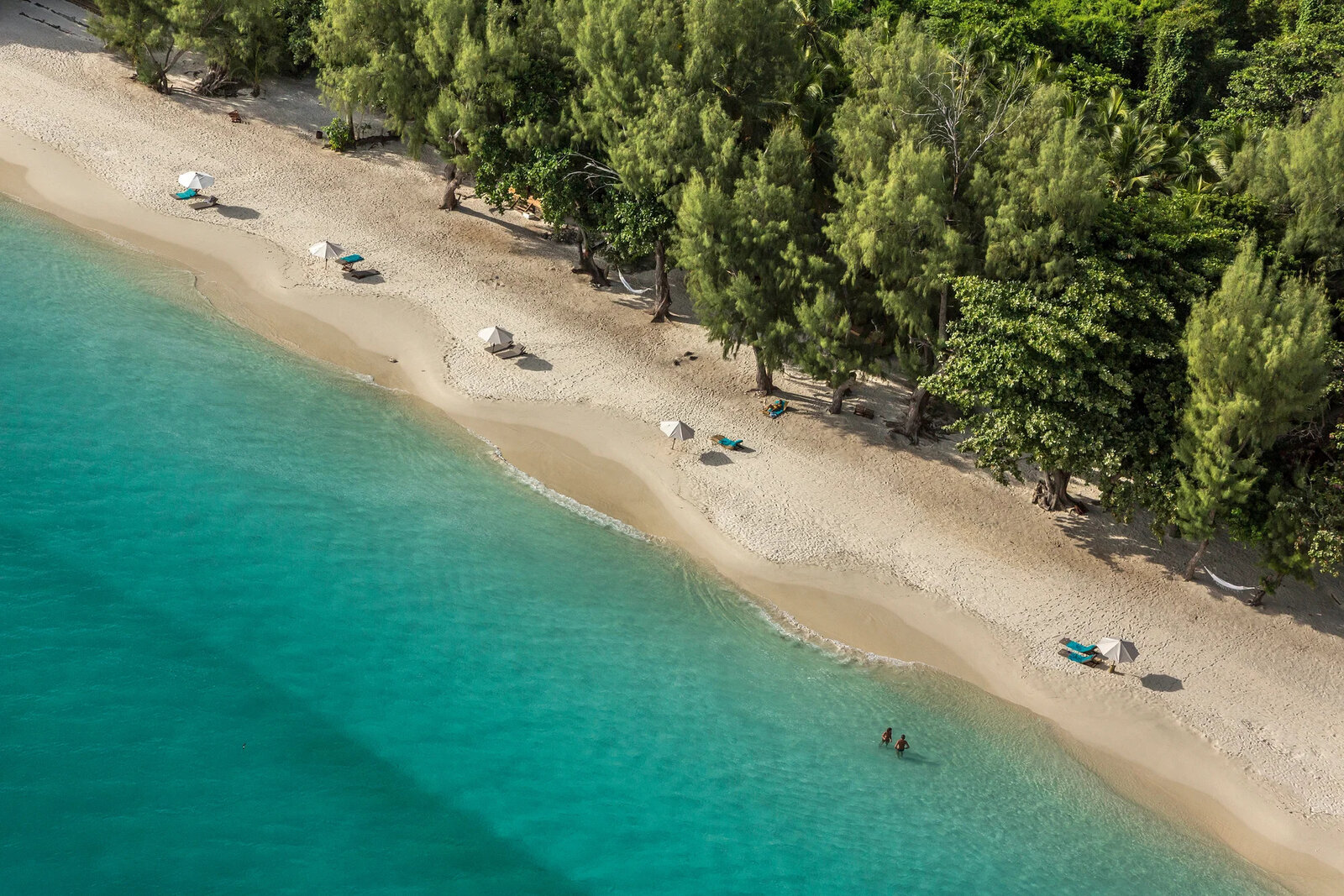
June to October for Nosy Be and the northern islands — calm seas, warm sunshine, superb snorkelling and romantic island-lodge dining. September and October combine the best beach weather with baby-lemur encounters on a two-centre itinerary. Read alongside our Madagascar honeymoon lodges guide.
For adventure travellers & photographers
May to October for the Tsingy de Bemaraha and the Avenue of the Baobabs — the dry season is the only option for both. Combine the west with the eastern rainforests for the full range of Madagascar's landscapes. The baobabs are most photogenic at sunset; the Tsingy requires at least two full days.
For families
The dry season aligns with major school holidays (July–August for the northern hemisphere). Dry conditions make travel more comfortable for children, and the lemurs of Andasibe and Berenty are endlessly fascinating for younger visitors. Note that Madagascar's infrastructure is basic outside the main lodges — families should plan with an experienced operator.
For budget-conscious travellers
April to May and November are the sweet spots — dry-season conditions with shoulder-season rates. The wet season (December to March) is cheapest of all, but the access challenges and cyclone risk make it a gamble for budget travellers who cannot easily absorb disruption.
Weather & What to Pack by Season
Madagascar's climate spans cool highlands, tropical coast and semi-arid south, so packing needs to cover more range than you might expect from a single trip.
| Season | Typical temps | Conditions | Pack essentials |
|---|---|---|---|
| Dry season (Apr–Nov) |
Highlands 10–25°C; coast 20–30°C | Clear, dry, cool in highlands; warm on coast; calm seas | Warm layers for highland mornings, light rain jacket (east coast), sturdy walking shoes, sunscreen, hat, binoculars |
| Wet season (Dec–Mar) |
Highlands 15–28°C; coast 25–35°C | Hot, humid, afternoon storms; cyclone risk Jan–Mar | Light breathable clothes, full rain gear, waterproof bags, strong insect repellent, leech socks for eastern forests |
Year-round, pack for variety. Madagascar's infrastructure is basic, power cuts (delestage) are common, and you will be on unpaved roads. Bring a head torch, a universal plug adapter, a dry bag for cameras and phones, and plenty of insect repellent — Madagascar is a malaria area, so take antimalarial prophylaxis and consult your doctor before travelling. Sturdy, closed walking shoes are essential for the rainforest parks and the Tsingy (where the razor-sharp limestone demands serious footwear). Binoculars and a telephoto lens dramatically improve lemur encounters. A warm fleece for highland mornings and a light rain jacket year-round (the east coast can rain even in the dry season) round out the essentials. A four-wheel-drive vehicle is essential outside the capital, and domestic flights — while limited — save enormous time on an island this size.
When to Book — and How Season Affects Price
Madagascar is not a last-minute destination. The combination of limited domestic flights, a small number of quality lodges and the logistical complexity of moving around the island means that forward planning is essential — especially for the peak months.
The island runs on three pricing tiers. Peak season covers July and August (and the festive Christmas and New Year period for Nosy Be), when the whale season, the European summer holidays and the best dry-season conditions converge. Lodges, internal flights and whale-watching boats are at their busiest, and the best properties book out months in advance. Shoulder season, typically April to June and September to November, offers excellent conditions at noticeably softer rates — and is where savvy travellers find the best value. Green (low) season, December to March, brings the lowest prices and the fewest visitors, along with the heat, rain and cyclone risk.
As a rule: book peak-season Madagascar six to twelve months ahead, particularly for Ile Sainte-Marie whale-watching lodges and the better Nosy Be properties. For shoulder-season trips you can often plan with shorter lead time, though the best lodges and charter flights reward advance booking. A deposit typically secures a reservation. For the wider picture — how to get around, visas, domestic flights and what a trip costs — read our complete ultimate Madagascar travel guide.
The Verdict: So When Should You Go?
There is no wrong time to visit Madagascar — lemurs are there year-round, and every season has its character. But the conditions around your encounters change dramatically, and matching your expectations to the calendar will make the difference between a good trip and an extraordinary one.
If you want the most accessible, most comfortable, most wildlife-rich Madagascar — open parks, dry roads, active lemurs, calm beaches and whales off the islands — come in the dry season, April to November, and build your dates around September and October for the finest all-round conditions, baby lemurs and the tail of whale season. Add Ile Sainte-Marie in July or August if humpback whales are your priority, and the Tsingy and Avenue of the Baobabs any time in the dry window.
If you want lush green forests, reptiles and chameleons at their most active, dramatic tropical storms, empty lodges and the year's best prices, come in the wet season, December to March — and accept heat, humidity, difficult roads and a real cyclone risk as part of the deal. The shoulder months of April to May and November are the smartest-value compromise: dry-season conditions with fewer visitors and softer rates.
Whichever season calls to you, Madagascar will deliver something you have never seen before — because almost everything on this island exists nowhere else on Earth. When you are ready to turn a date into a journey, explore our Madagascar safari packages, read the full ultimate Madagascar travel guide, or contact our team to plan a privately guided trip built around the perfect time for you.