Why Madagascar? The Island That Evolution Forgot
Madagascar is not technically "Africa." It split from the continent 165 million years ago, and then from India 88 million years ago, becoming an island ark where life evolved in total isolation. The result: 90% of Madagascar's wildlife exists nowhere else on Earth.
What you'll see here that you won't see anywhere else:
- Lemurs — 100+ species, from tiny mouse lemurs to the iconic ring-tailed lemurs and the haunting indri (the world's largest living lemur)
- Baobabs — 6 of the world's 9 baobab species are endemic to Madagascar, including the Avenue of the Baobabs
- Chameleons — Half the world's chameleon species live here, including the world's smallest (thumbnail-sized) and largest
- Birds — 250+ bird species, 120 found only here
- Landscapes — Tsingy limestone pinnacles, spiny desert forests, rainforests, coral reefs
Madagascar is the ultimate "add-on" to a mainland Africa safari. After lions, elephants and rhinos, the island offers something completely different — intimate, strange, and scientifically mind-bending.
The Top 5 Destinations for Wildlife & Landscapes
1. Avenue of the Baobabs (Near Morondava)
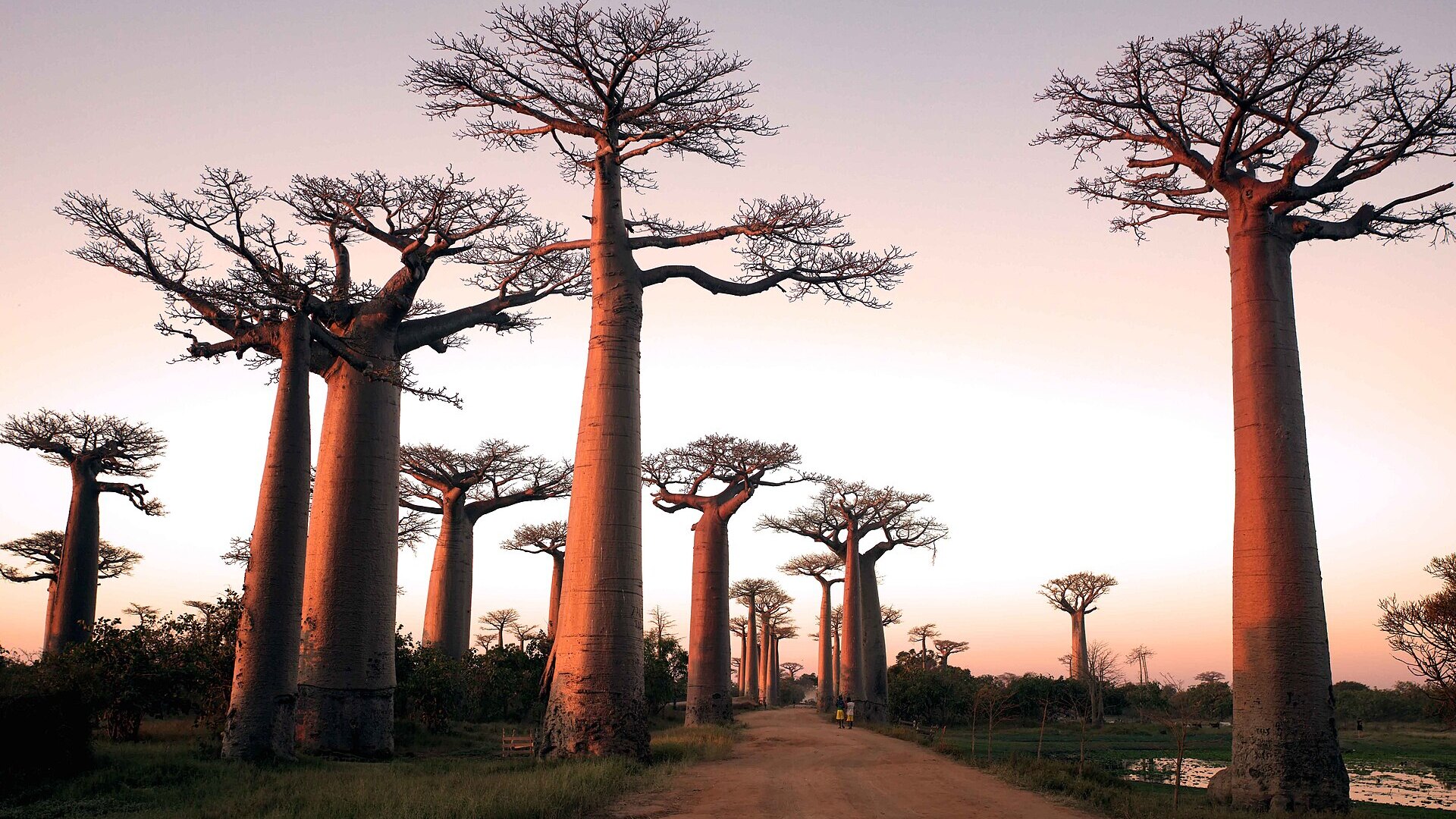
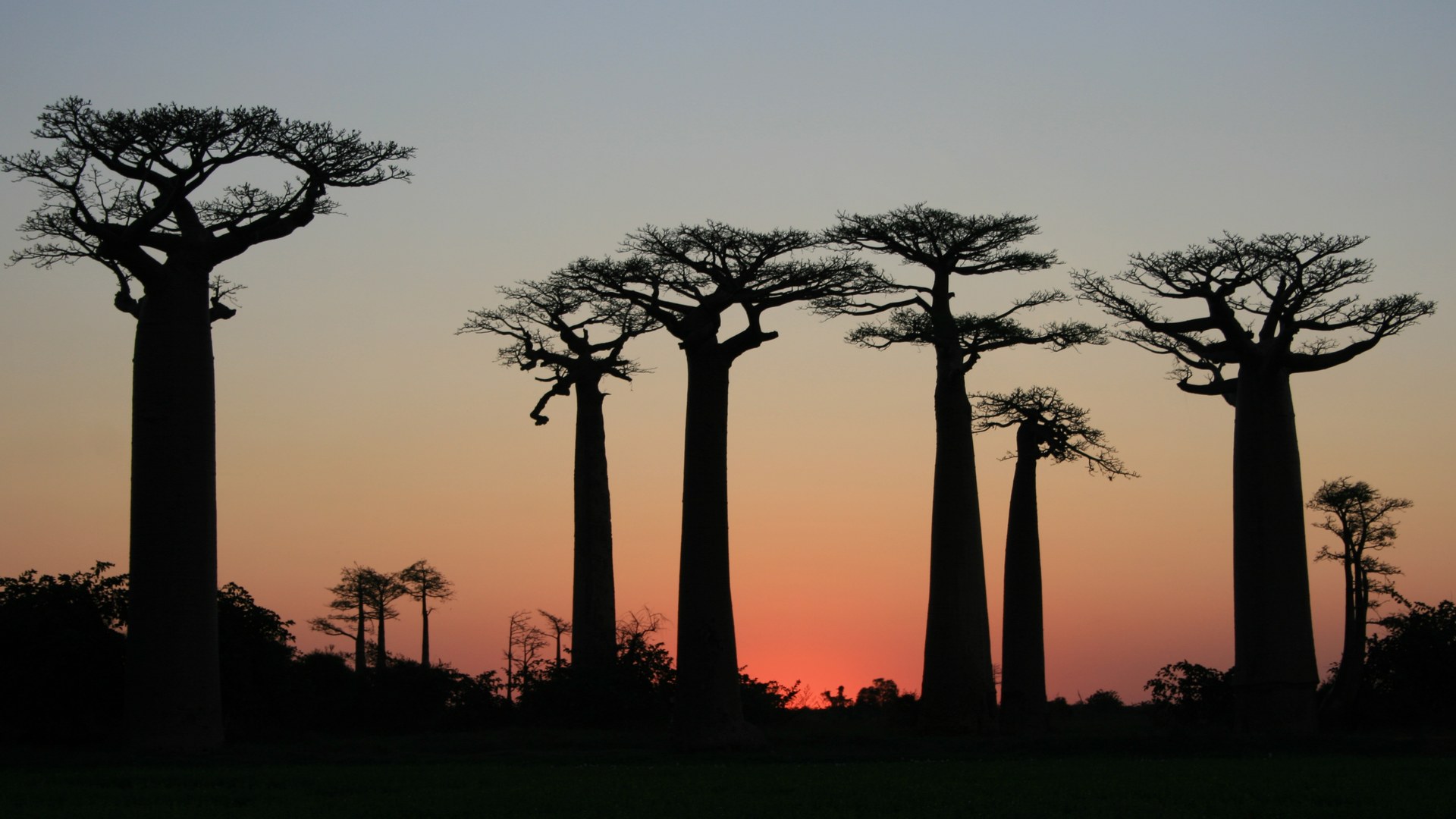
What it is: The most photographed landscape in Madagascar — a dirt road lined with 800-year-old baobab trees (Adansonia grandidieri) that tower like ancient sentinels.
Why visit: Sunset here is otherworldly. The baobabs glow gold, locals walk cattle home, and the light turns the sky orange-pink. This is Madagascar's postcard image — and it's real.
Best combined with: Kirindy Forest Reserve (brown lemurs, fossa), Tsingy de Bemaraha (limestone pinnacles)
Access: Morondava town, then 45-minute drive
2. Andasibe-Mantadia National Park (Rainforest, Indri Lemurs)
What it is: Madagascar's most accessible rainforest, 3 hours east of the capital Antananarivo. Home to the indri — the largest living lemur, famous for its haunting whale-like call.
Why visit:
- Guaranteed indri sightings (they call at dawn — guides track them by sound)
- 11 other lemur species in one park (brown lemurs, diademed sifakas, mouse lemurs)
- Chameleons, leaf-tailed geckos, frogs, and 100+ bird species
- Easy forest walks (well-maintained trails)
Best for: First-time Madagascar visitors, families, photographers
Where to stay: Vakona Forest Lodge, Andasibe Hotel
Access: 3-hour drive from Antananarivo
3. Ranomafana National Park (Rainforest & Golden Bamboo Lemurs)
What it is: A mountainous rainforest park in the southeast, rich in rare lemurs and pristine primary forest.
Why visit:
- Golden bamboo lemurs (critically endangered, only ~500 left)
- 12 lemur species including the greater bamboo lemur and red-bellied lemur
- Waterfalls, natural thermal pools, incredible birding
- Challenging but rewarding treks
Best for: Serious wildlife enthusiasts, birders, hikers
Where to stay: Setam Lodge, Centrest Hotel
Access: 6-hour drive from Antananarivo (or fly to Fianarantsoa, then drive)
4. Isalo National Park (Sandstone Canyons & Ring-Tailed Lemurs)
What it is: A dramatic desert landscape of eroded sandstone formations, canyons, natural swimming pools, and open grasslands.
Why visit:
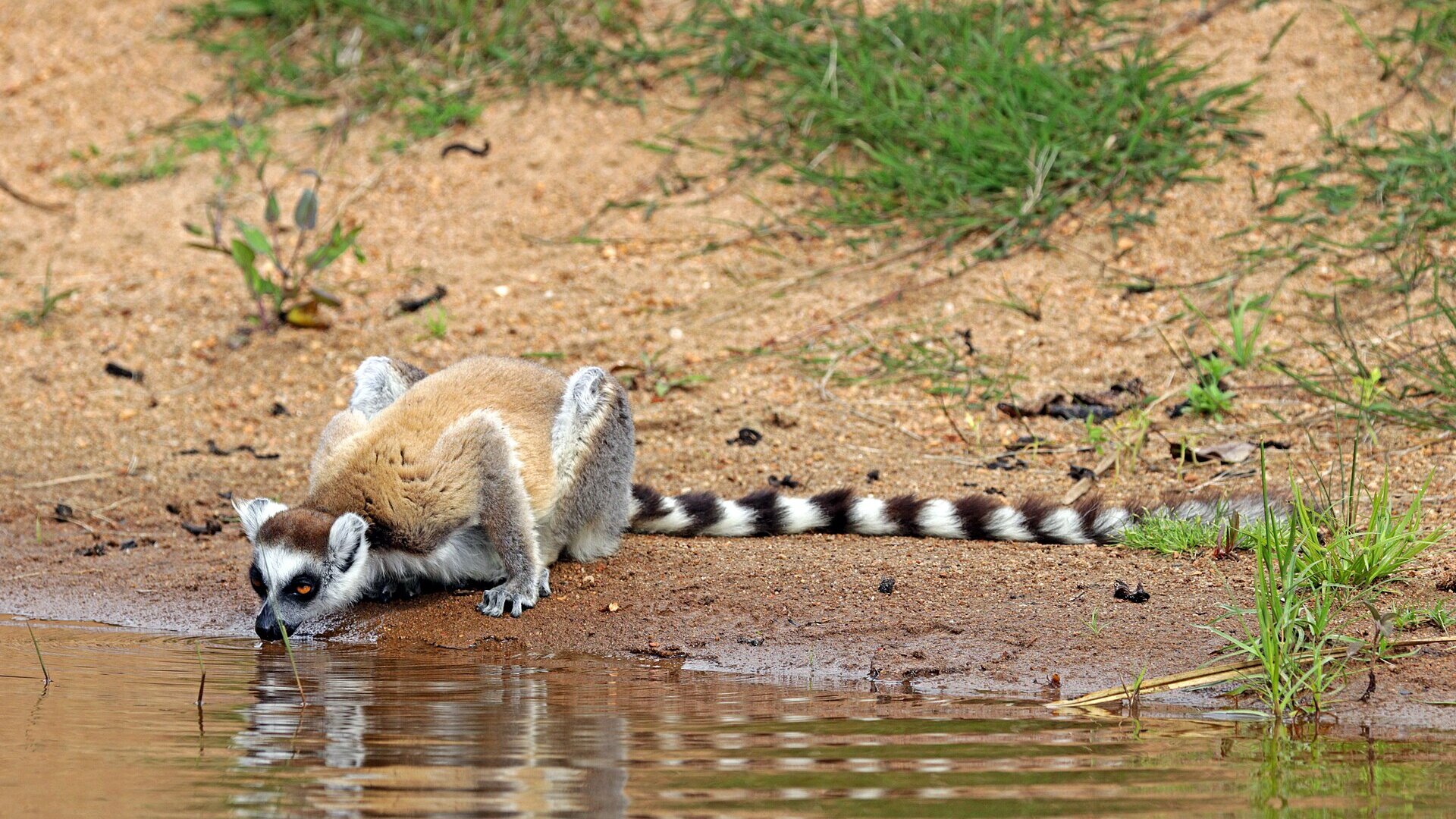
- Ring-tailed lemurs (the most iconic lemurs, with black-and-white striped tails)
- Verreaux's sifakas (the "dancing lemurs" — they hop sideways across the ground)
- Stunning landscapes that feel like Utah or Arizona
- Natural pools for swimming after hikes
Best for: Photographers, landscape lovers, families
Where to stay: Le Relais de la Reine, Isalo Rock Lodge
Access: 8-hour drive from Antananarivo (or fly to Tulear, then drive)
5. Nosy Be & Lokobe Reserve (Beach & Island Wildlife)
What it is: Madagascar's largest island off the northwest coast — white-sand beaches, turquoise water, and a small rainforest reserve (Lokobe) with black lemurs and panther chameleons.
Why visit:
- Combine wildlife with beach relaxation
- Black lemurs at Lokobe Reserve
- Snorkelling, diving, whale sharks (October–December)
- Sunset cruises, spice plantations
Best for: Beach-lovers, honeymooners, post-safari relaxation
Where to stay: Constance Tsarabanjina, Andilana Beach Resort
Access: Fly Antananarivo → Nosy Be (1.5 hours)
The Best Madagascar Safari Itineraries
🦎 Classic Madagascar Wildlife Circuit (10 Days)
Who it's for: First-time visitors wanting lemurs, baobabs, and diverse landscapes
Itinerary:
- Day 1–2: Fly to Antananarivo, drive to Andasibe National Park — indri lemurs, rainforest
- Day 3: Drive back to Antananarivo, fly to Morondava
- Day 4–5: Avenue of the Baobabs (sunset & sunrise), Kirindy Forest (fossa, lemurs)
- Day 6: Drive to Bekopaka, overnight
- Day 7: Tsingy de Bemaraha (limestone pinnacles, hiking)
- Day 8: Fly back to Antananarivo
- Day 9: Drive to Antsirabe (highland town), overnight
- Day 10: Drive back to Antananarivo, depart
Cost: $2,800–$4,500 per person (mid-range to high-end lodges, internal flights included)
🌴 Madagascar Beach & Lemurs (8 Days)
Who it's for: Honeymooners, beach-lovers, families
Itinerary:
- Day 1–3: Andasibe National Park — indri lemurs, rainforest walks
- Day 4–7: Nosy Be island — beaches, Lokobe Reserve (black lemurs), snorkelling
- Day 8: Fly Nosy Be → Antananarivo, depart
Cost: $3,200–$5,800 per person (beach resorts + rainforest lodges)
🏜️ Baobabs, Canyons & Ring-Tailed Lemurs (12 Days)
Who it's for: Photographers, landscape lovers, adventurers
Itinerary:
- Day 1–2: Antananarivo → Andasibe (indri lemurs)
- Day 3–4: Fly to Tulear, drive to Isalo National Park (ring-tailed lemurs, sandstone canyons)
- Day 5: Drive to Ranohira, hike Isalo
- Day 6–7: Drive to Morondava, Avenue of the Baobabs (sunset & sunrise)
- Day 8: Kirindy Forest (fossa, lemurs)
- Day 9: Tsingy de Bemaraha (limestone pinnacles)
- Day 10–11: Fly back to Antananarivo, visit Ambohimanga (royal palaces)
- Day 12: Depart
Cost: $3,500–$6,200 per person (varied accommodation, internal flights)
Combining Madagascar with Mainland Africa Safaris
The ultimate two-continent safari: Mainland Africa (Big Five) + Madagascar (lemurs & baobabs).
🦁 South Africa + Madagascar (15 Days)
Itinerary:
- Days 1–7: South Africa — Kruger or Sabi Sand (Big Five) + Cape Town (Table Mountain, Winelands)
- Days 8–14: Madagascar — Andasibe (indri lemurs) + Avenue of the Baobabs + Nosy Be beach
- Day 15: Fly home from Antananarivo
Why it works: South Africa → Madagascar is a logical flight route (via Johannesburg or Mauritius). You get the Big Five, Cape Town's beauty, lemurs, baobabs, and a beach finale.
Cost: $8,000–$16,000 per person (depending on lodge tier)
🐘 Kenya/Tanzania Migration Safari + Madagascar (16 Days)
Itinerary:
- Days 1–8: Kenya Masai Mara + Tanzania Serengeti (Great Migration) + Ngorongoro Crater
- Days 9–15: Madagascar — Andasibe (indri) + Ranomafana (golden bamboo lemurs) + Isalo (ring-tailed lemurs)
- Day 16: Fly home from Antananarivo
Why it works: The Great Migration is the world's greatest wildlife spectacle; Madagascar is the world's most unique wildlife. Together = the ultimate wildlife journey.
Cost: $12,000–$24,000 per person (fly-in camps + mid-high lodges)
Best Time to Visit Madagascar
✅ Best Overall (May – October)
- Dry season — easier road travel, less rain, clearer skies
- Wildlife active — lemurs more visible, humpback whales off the coast (July–September)
- Comfortable temperatures — 20–25°C (68–77°F)
Peak months: July–September (most popular, highest prices)
⚠️ Shoulder Season (April, November)
- Fewer tourists, lower prices (10–20% off)
- Weather still good, occasional showers
- Lemurs active, landscapes green
❌ Wet Season (December – March)
- Heavy rain, humid, some roads impassable
- Cyclone risk (especially January–March)
- Lower prices (30–40% off), but access limited
- Chameleons and reptiles most active
Best avoided unless: You're a herpetologist or hardcore birder chasing breeding season.
What Does a Madagascar Safari Cost?
Budget Breakdown (Per Person, Based on 10-Day Trip)
| Category | Budget | Mid-Range | High-End | Ultra-Luxury |
|---|---|---|---|---|
| Accommodation (9 nights) | $450–$900 | $1,350–$2,250 | $2,700–$4,500 | $5,400–$9,000 |
| Internal flights (2–3 flights) | $400–$600 | $400–$600 | $600–$800 | $600–$800 |
| Ground transport (4x4, driver) | $300–$500 | $500–$700 | $700–$1,000 | $1,000–$1,500 |
| Park fees & activities | $200–$300 | $300–$400 | $400–$500 | $500–$600 |
| Meals (not included at all lodges) | $150–$300 | $200–$400 | Included | Included |
| Guide fees | $200–$300 | $300–$400 | Included | Included |
| TOTAL | $1,700–$2,900 | $3,050–$4,750 | $5,000–$7,300 | $8,100–$12,500 |
Not included: International flights to Madagascar, visas ($37 USD on arrival), travel insurance, tips, drinks, personal expenses.
Key insight: Madagascar is more affordable than Botswana or Tanzania, and similar in cost to mid-range Kenya or Zambia safaris. South Africa is still cheaper.
Practical Information
🛂 Visas
- On arrival: $37 USD for 30 days (most nationalities)
- Pay in cash (USD or Euros) at Antananarivo airport
- Bring passport photos (2) and proof of onward travel
💉 Health & Vaccinations
- Yellow fever: Not required unless arriving from a yellow fever country
- Malaria: Risk in coastal areas (Nosy Be, east coast) — take prophylaxis
- Typhoid, Hepatitis A & B: Recommended
- Drink bottled water only
🚗 Getting Around
- Internal flights: Essential for long distances (Antananarivo ↔ Morondava, Nosy Be, Tulear) — book with Air Madagascar or Tsaradia
- Road travel: Slow but scenic — many roads are rough, 4x4 required
- Guides: Mandatory in national parks — English-speaking guides available
💰 Currency
- Ariary (MGA) — bring USD or Euros to exchange
- ATMs available in cities (Antananarivo, Nosy Be)
- Credit cards accepted at high-end lodges only
🗣️ Language
- Malagasy (official language) + French
- English spoken at tourist lodges and by guides, but less common in rural areas
📶 Connectivity
- Wi-Fi: Available at high-end lodges in cities, rare in remote parks
- Mobile data: Buy a local SIM (Telma or Airtel) in Antananarivo
Wildlife Checklist: What You'll See in Madagascar
🐵 Lemurs (Primates Found Only in Madagascar)
- ✔Indri — Largest living lemur, haunting whale-like call (Andasibe)
- ✔Ring-Tailed Lemur — Black-and-white striped tail, most iconic (Isalo, Anja)
- ✔Verreaux's Sifaka — "Dancing lemur" (Kirindy, Isalo)
- ✔Golden Bamboo Lemur — Critically endangered (Ranomafana)
- ✔Black Lemur — Blue-eyed males (Nosy Be)
- ✔Mouse Lemur — World's smallest primate (night walks)
- ✔Aye-Aye — Bizarre nocturnal lemur with elongated finger (Aye-Aye Island)
🦎 Reptiles
- ✔Panther Chameleon — Neon colours (Ranomafana, Andasibe, Nosy Be)
- ✔Parson's Chameleon — World's largest chameleon (Andasibe)
- ✔Leaf-Tailed Gecko — Masters of camouflage (rainforests)
- ✔Tomato Frog — Bright red endemic frog (Ranomafana)
🦅 Birds (120 Endemic Species)
- ✔Madagascar Fish Eagle — Critically endangered raptor
- ✔Helmet Vanga — Bright blue endemic bird
- ✔Coua — 10 endemic species of ground-cuckoos
- ✔Velvet Asity — Stunning endemic forest bird
🌳 Iconic Trees & Plants
- ✔Baobabs — 6 endemic species, including the Avenue of the Baobabs
- ✔Pachypodiums — "Elephant's foot" succulent trees (spiny forest)
- ✔Traveller's Palm — Madagascar's national tree
- ✔Orchids — 1,000+ species, many endemic
FAQ — Madagascar Safari Questions
Can I combine Madagascar with a mainland African safari?
Yes — and you should. Madagascar pairs beautifully with South Africa (via Johannesburg), Kenya/Tanzania (via Nairobi or Mauritius), or Mozambique beach destinations. The most popular combination: South Africa (Kruger + Cape Town) + Madagascar (lemurs + baobabs) = Big Five + lemurs in one trip.
How many days do I need for Madagascar?
Minimum 7 days (Andasibe + Nosy Be beach). Ideal: 10–12 days (Andasibe + Avenue of the Baobabs + Isalo or Ranomafana + beach). Ultimate: 15+ days (all the above + Tsingy de Bemaraha limestone pinnacles).
Is Madagascar safe for tourists?
Yes, Madagascar is generally safe for tourists, especially in national parks and tourist zones. Petty theft exists in cities (Antananarivo) — use common sense, avoid walking alone at night, and use hotel safes. Rural areas and parks are very safe. Road travel is slow but not dangerous.
Can I see lemurs in the wild?
Absolutely. Lemurs are habituated in national parks like Andasibe, Ranomafana, and Isalo, meaning they're used to humans and easy to observe closely. Guides track them by sound and movement. Sightings are virtually guaranteed at Andasibe (indri) and Isalo (ring-tailed lemurs).
Do I need a guide?
Yes, guides are mandatory in all national parks. They're worth it — they'll spot chameleons, leaf-tailed geckos, and nocturnal lemurs you'd never find yourself. English-speaking guides are available at all major parks. Guide fees: $15–$30 USD per day.
Is Madagascar malaria-free?
No. Malaria risk exists in coastal areas (Nosy Be, east coast rainforests). Take prophylaxis if visiting these areas. The highland capital (Antananarivo) and Isalo National Park are malaria-free.
Can I self-drive in Madagascar?
Not recommended. Roads are rough, poorly signed, and often impassable in the wet season. Most travelers hire a 4x4 with a driver-guide. Self-drive is only feasible for experienced overlanders with 4x4 experience and flexible schedules.
Why Book Madagascar with Beyond Africa Safaris?
We've been designing African safaris since 2004 — and Madagascar is the natural extension of that expertise. We combine mainland Africa's Big Five safaris with Madagascar's lemurs and baobabs for the ultimate two-continent wildlife journey.
What we offer:
- ✔Field-tested itineraries — we know which lodges, parks, and routes work
- ✔Honest pricing — no hidden fees, transparent costs
- ✔English-speaking guides — arranged in advance
- ✔Seamless logistics — internal flights, 4x4 transport, park permits handled
- ✔Flexible combinations — pair Madagascar with South Africa, Kenya, Tanzania, Botswana or Mozambique
Ready to explore Madagascar? 👉 Get a personalized Madagascar safari quote → 👉 Browse our safari packages → 👉 WhatsApp us: +27 78 471 4852
For the full picture — parks, lemurs, lodges and when to go — see our Madagascar safari and lemurs guide.