Key Takeaways
- Madagascar is a world of its own — over 90% of its wildlife, including lemurs and baobabs, lives nowhere else on Earth.
- The best time to visit is April–November (dry season); September–November is the sweet spot for lemurs, whales and beaches.
- A first trip needs 10–14 days; the classic route pairs eastern rainforest, the Baobabs, Isalo and a Nosy Be beach finish.
- Most visitors get an e-visa / visa on arrival; the currency is the ariary, and internal flights knit the island together.
- Everything is easiest as a private, tailor-made journey — flights, transfers, lodges and guides handled as one.
Why Visit Madagascar?
There is nowhere else like it on Earth. Madagascar broke away from Africa some 160 million years ago and evolved alone, which is why more than ninety per cent of its plants and animals are found nowhere else — around a hundred species of lemur, two-thirds of the world's chameleons, and forests of towering baobabs that look like they were planted upside down. Add powder-white island beaches, coral reefs alive with colour, UNESCO limestone cathedrals and some of the warmest people you will ever meet, and you have a destination that feels less like a country and more like a lost continent.
This guide walks you through everything you need to plan the perfect Madagascar journey in 2026 — the seasons, the regions, the costs, the practicalities and the itineraries — drawing on our years of building these trips as a private travel house that specialises in the island.
Best Time to Visit Madagascar
Madagascar is a dry-season destination, and the best time to visit is April to November. The island sits in the Southern Hemisphere, so its winter (roughly May–September) is cool, dry and comfortable, while its summer (December–March) is hot, wet and includes the cyclone season on the east coast. Timing depends on what you most want to see.
- April–May (early dry season): lush after the rains, waterfalls full, few crowds — a beautiful, green time to travel with excellent wildlife.
- June–August (peak dry winter): cool, clear and reliable — prime for rainforest trekking, the Tsingy and the highlands; bring a fleece for chilly mornings.
- September–November (spring): the sweet spot — baby lemurs, humpback whales off the coast, warming beaches and the baobabs at their most photogenic. Our favourite window.
- December–March (summer / rains): hot and wet, with cyclone risk on the east coast; many rainforest lodges and remote roads close. Best avoided for a first trip.
For most first-timers, we build trips between September and November — the finest all-round window for wildlife, whales and warm island water. We then time each journey around the balance that matters most to you.
Where to Go: Madagascar's Great Regions
Madagascar is vast — the fourth-largest island on the planet — so a great trip strings together two or three regions linked by short internal flights rather than long, punishing drives. These are the areas that matter most.
Nosy Be & the Northern Islands
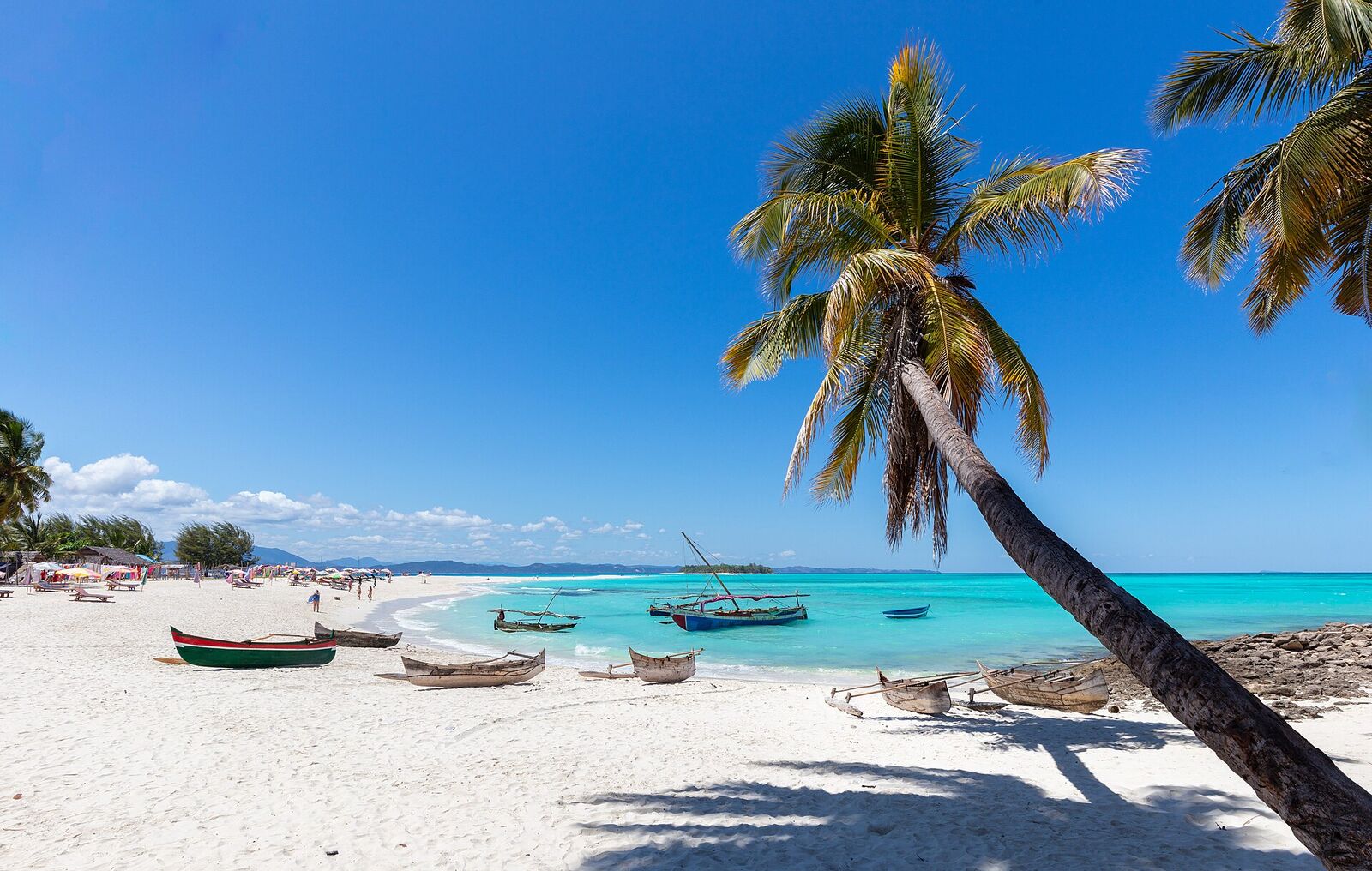
Madagascar's fragrant "big island" and the natural place for a beach finish. White sand, turquoise lagoons, coral reefs, ylang-ylang plantations and a scatter of smaller jewels — Nosy Iranja, Nosy Komba, Nosy Tanikely — make the north the island's beach and diving heartland. Seasonal whale sharks and humpbacks pass offshore. This is where most honeymoons and family holidays end.
Andasibe & the Eastern Rainforest
The most accessible great rainforest in Madagascar, three hours east of the capital. Andasibe-Mantadia is the surest place on Earth to meet the indri — the largest living lemur, whose whale-like dawn song rolls through the misty canopy. Night walks reveal mouse lemurs, chameleons and leaf-tailed geckos. It is the classic first wildlife stop of any trip.
The Avenue of the Baobabs & Morondava
The most photographed scene in Madagascar. On the west coast near Morondava, an avenue of thousand-year-old Grandidier's baobabs turns molten copper and gold at sunset over the plains. It is the island's signature image and an unforgettable golden hour — well worth the detour west.
Tsingy de Bemaraha
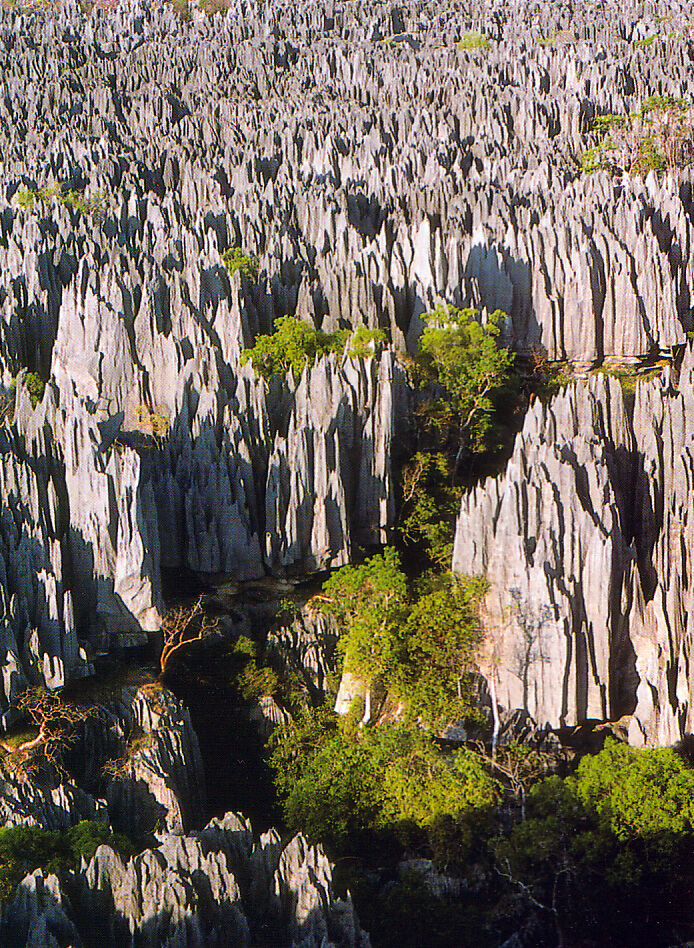
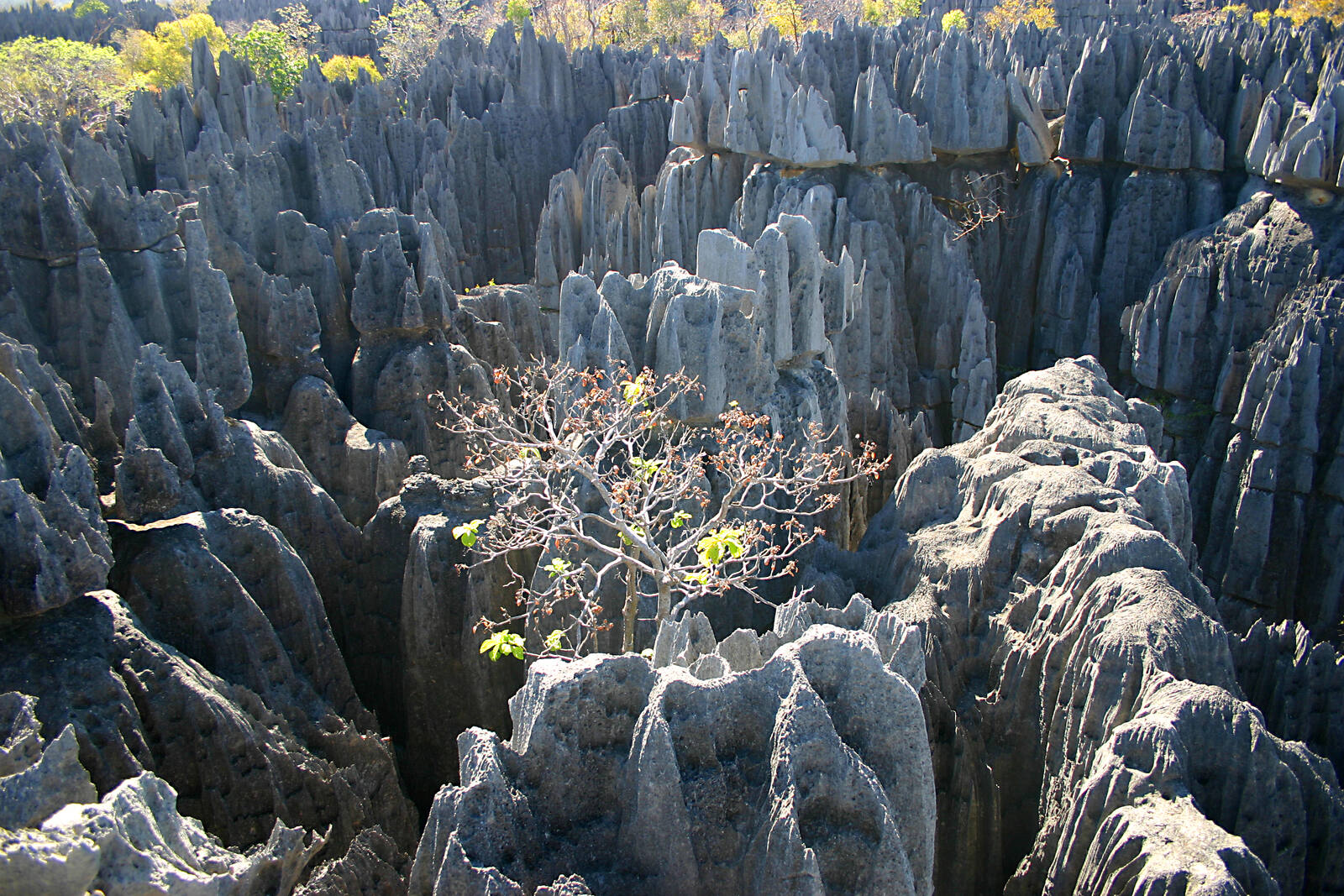
A UNESCO cathedral of razor-sharp limestone pinnacles. Crossed on ladders, walkways and swaying bridges, the Tsingy ("where one cannot walk barefoot") is one of the most extraordinary landscapes on Earth, where Decken's sifaka leap between stone spires. Adventurous, remote and utterly unique.
Isalo National Park & the RN7 Road South
Madagascar's grandest landscape. The Jurassic massif of Isalo — sculpted sandstone canyons glowing amber at dawn, hiding cool natural pools and palm-shaded oases — is the highlight of the legendary RN7 road that runs south from the highlands, passing Ranomafana's rainforest and the vineyards and craft villages of the interior.
Berenty & the Spiny Forest of the South
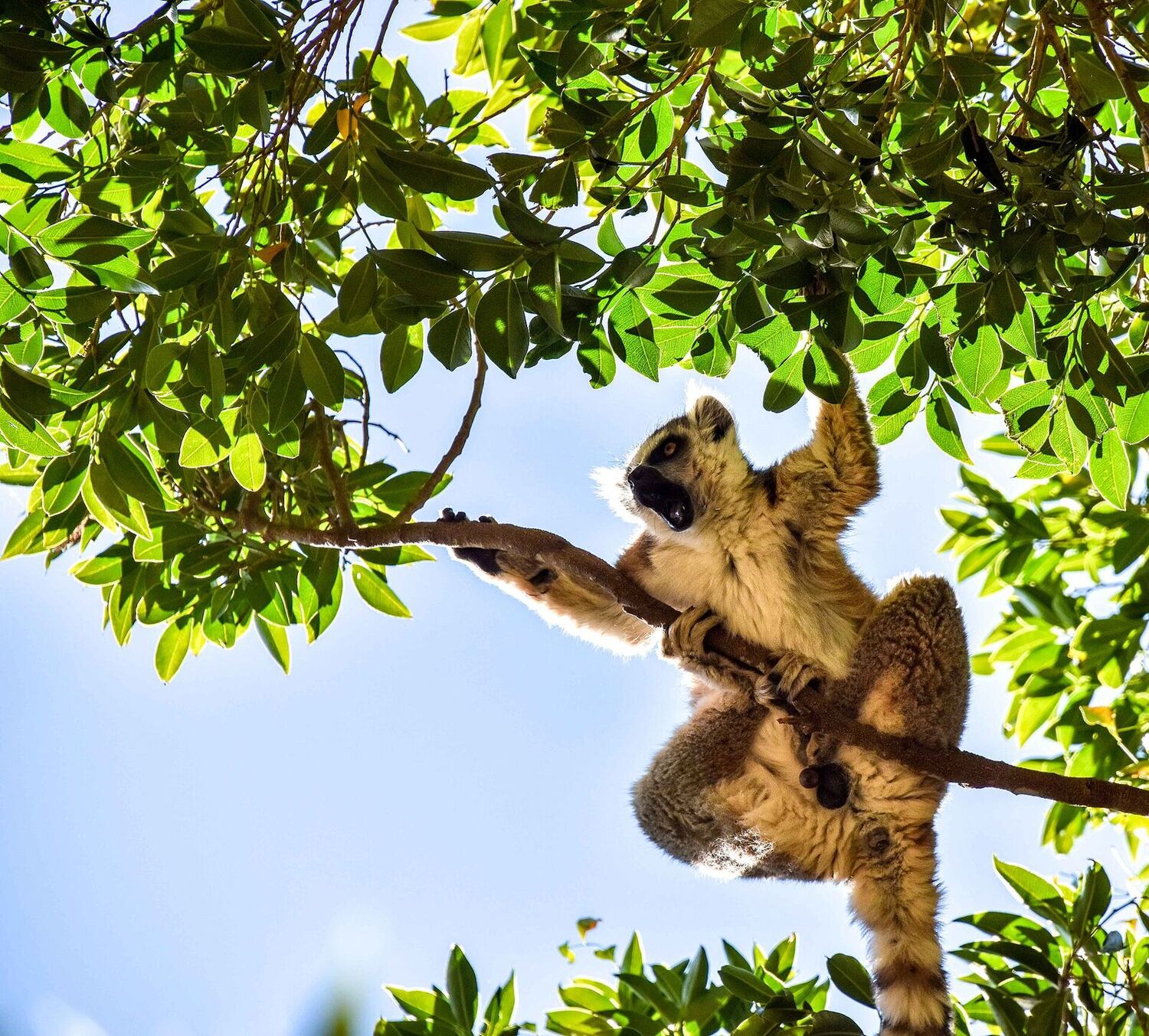
A legendary private reserve in the arid deep south. Here ring-tailed lemurs stroll at your feet and Verreaux's sifaka "dance" across a surreal spiny forest of octopus trees and baobabs. It is one of the great classic Madagascar wildlife experiences.
Related journey: Ultimate Madagascar — 14 Days →
The Best Things to Do in Madagascar
- Meet the lemurs — indri at Andasibe, ring-tails and sifaka in the south, mouse lemurs on night walks.
- Stand beneath the baobabs at sunset on the Avenue near Morondava.
- Cross the Tsingy de Bemaraha on ladders and bridges through a forest of limestone spires.
- Hike Isalo's canyons to hidden natural swimming pools and palm oases.
- Dive and snorkel the coral reefs of Nosy Be, Nosy Tanikely and the northern islands.
- Swim with whale sharks off Nosy Be (roughly September–December) and watch humpbacks on their migration.
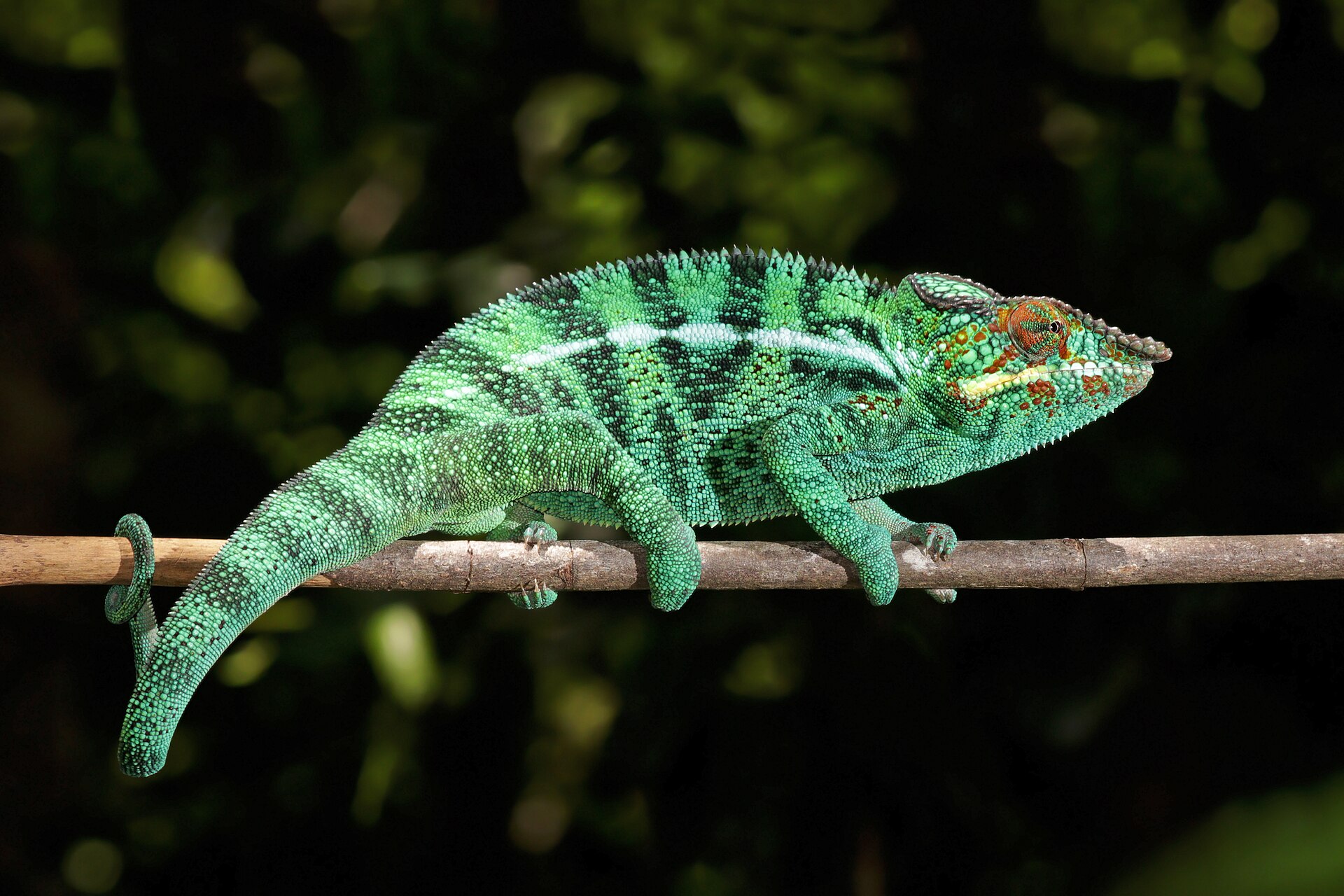
- Spot chameleons and geckos — from the tiny to the two-foot Parson's — on guided forest walks.
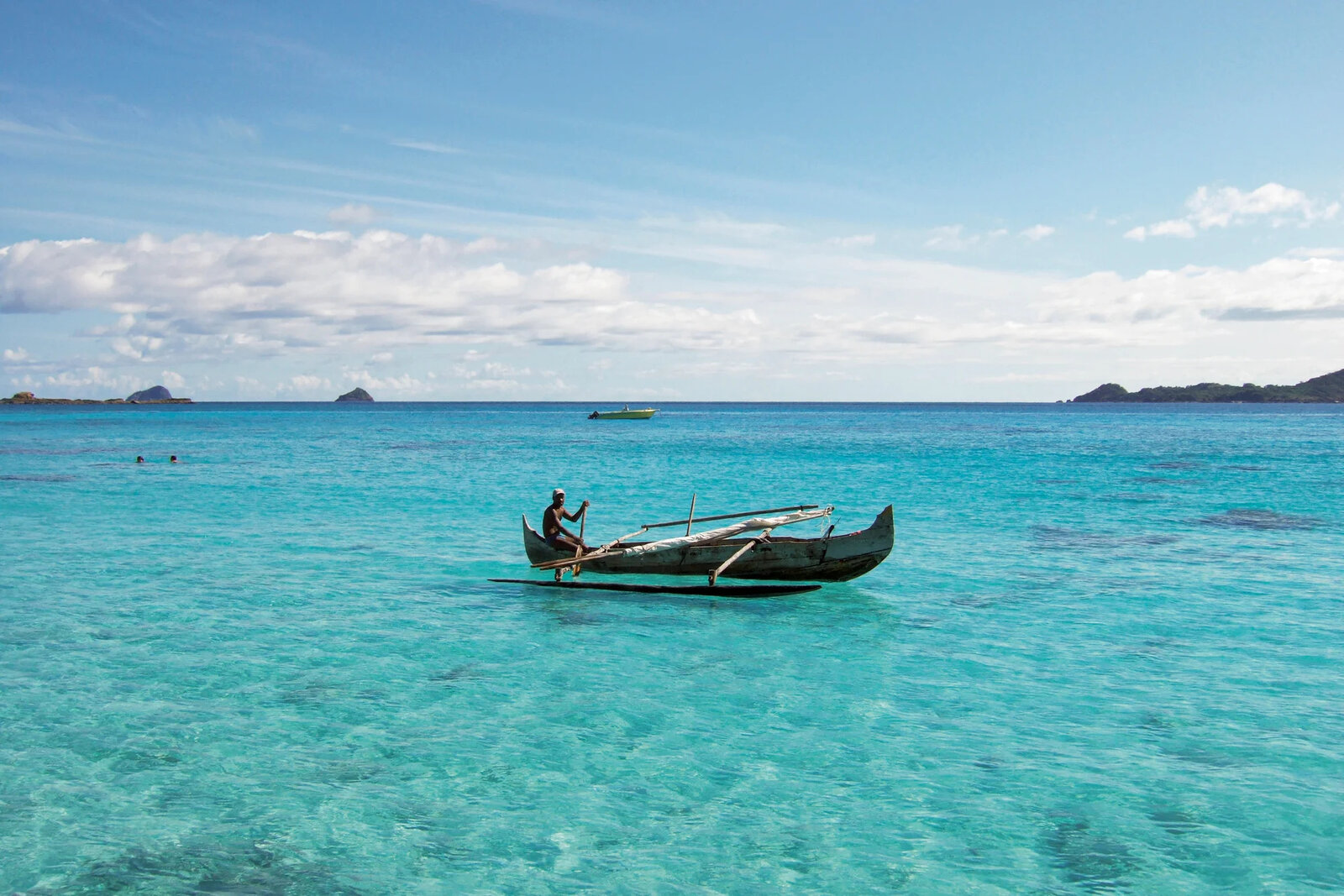
- Sail a pirogue to a deserted sandbank for a castaway picnic.
- Explore the highland culture — the historic royal hill of Ambohimanga and the markets of Antananarivo.
- Taste Malagasy vanilla, chocolate and rum straight from the plantations that made the island famous.
How Many Days Do You Need?
Ten to fourteen days is the sweet spot for a first trip — enough to combine rainforest, the great landscapes and an island beach finish without spending your holiday in transit. Distances are large and internal flights matter, so we plan routes around the island's air links. Here is how the timings tend to work:
| Trip length | What it covers |
|---|---|
| 7–8 days | Andasibe rainforest + a Nosy Be beach finish |
| 10 days | Rainforest, the RN7 south to Isalo, and a beach finish |
| 12–14 days | Add the Baobabs & Tsingy, or the spiny forest of the south |
| 16–18 days | The grand tour — rainforest, west coast, Tsingy, south & islands |
Ready-Made Itineraries
The First-Timer's 8 Days — Lemurs & a Beach
Two nights in the Andasibe rainforest for indri and night walks, then fly north to Nosy Be for four nights of white sand, snorkelling and island-hopping. The perfect, easy introduction — wildlife and beach in one relaxed week. See our Lemurs & Baobabs — 8 Days.
The Classic 10 Days — Rainforest, RN7 & Isalo
Andasibe's rainforest, then the legendary RN7 road south through Ranomafana to the sandstone canyons of Isalo, finishing on the coast. The definitive overland journey for the highlands and great landscapes. See the Rainforest & Highlands route.
The Grand Tour 14 Days — Everything
Rainforest and lemurs, the Avenue of the Baobabs, the Tsingy de Bemaraha, the spiny forest of the south, and a Nosy Be island finish. The trip of a lifetime, covering every side of the island. See the Ultimate Madagascar — 14 Days and the beach-and-wildlife Anjajavy & Nosy Be — 9 Days.
Related journey: Anjajavy & Nosy Be — 9 Days →
Our island stays are built around the finest lodges in the country — the barefoot-elegant beach retreats of the north among them. Here is a taste of Anjajavy le Lodge, a Relais & Châteaux hideaway where private forest meets a turquoise bay.
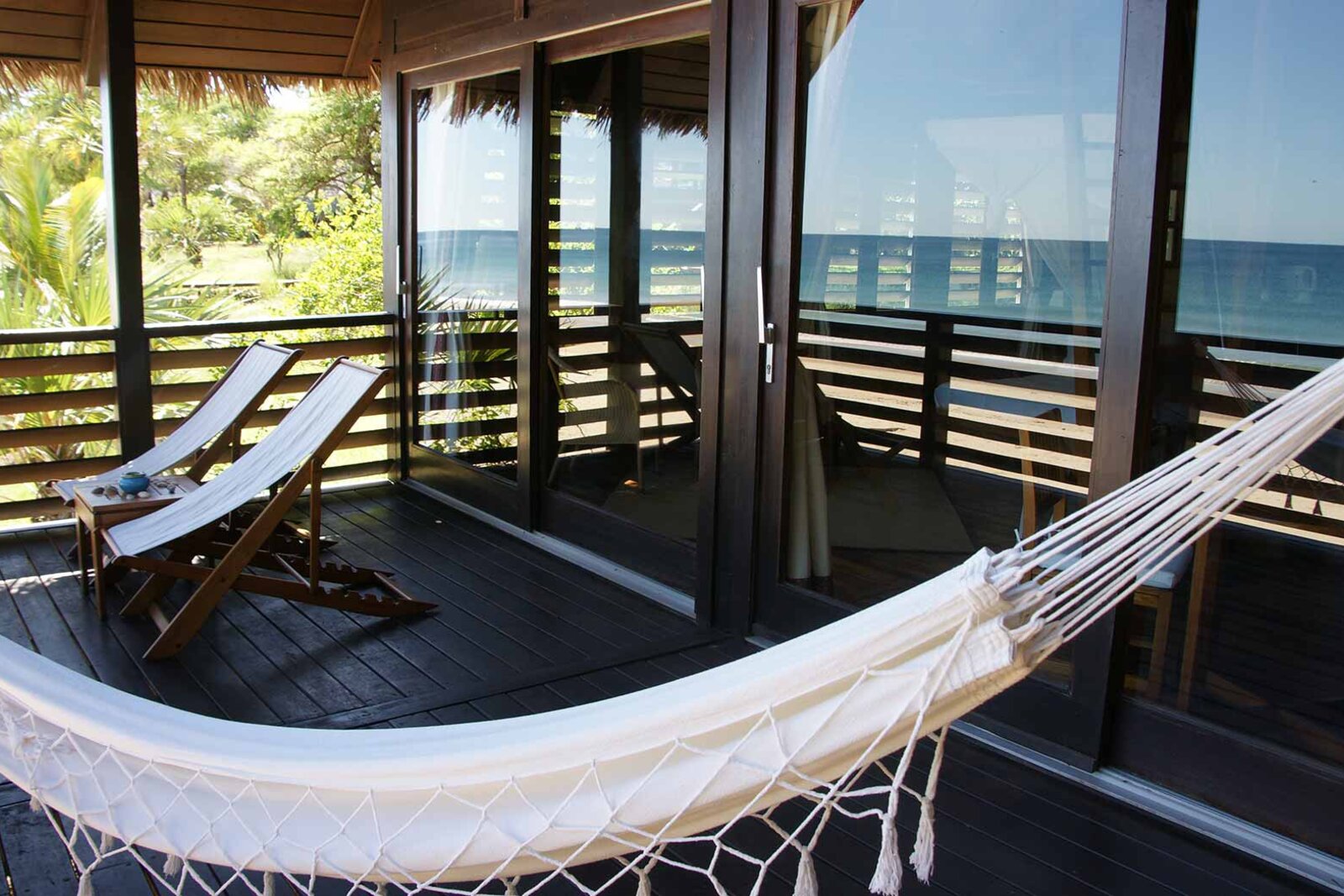
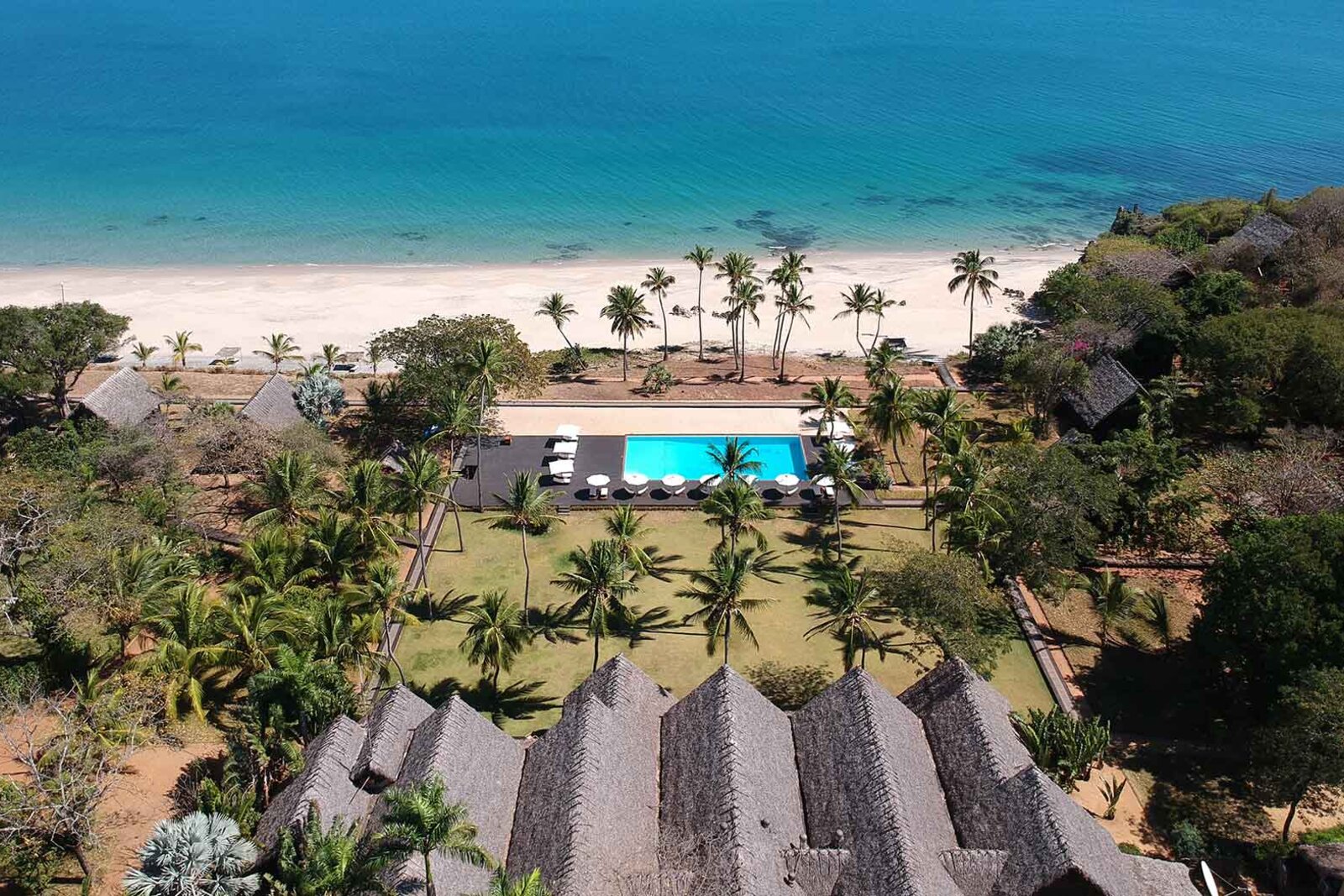
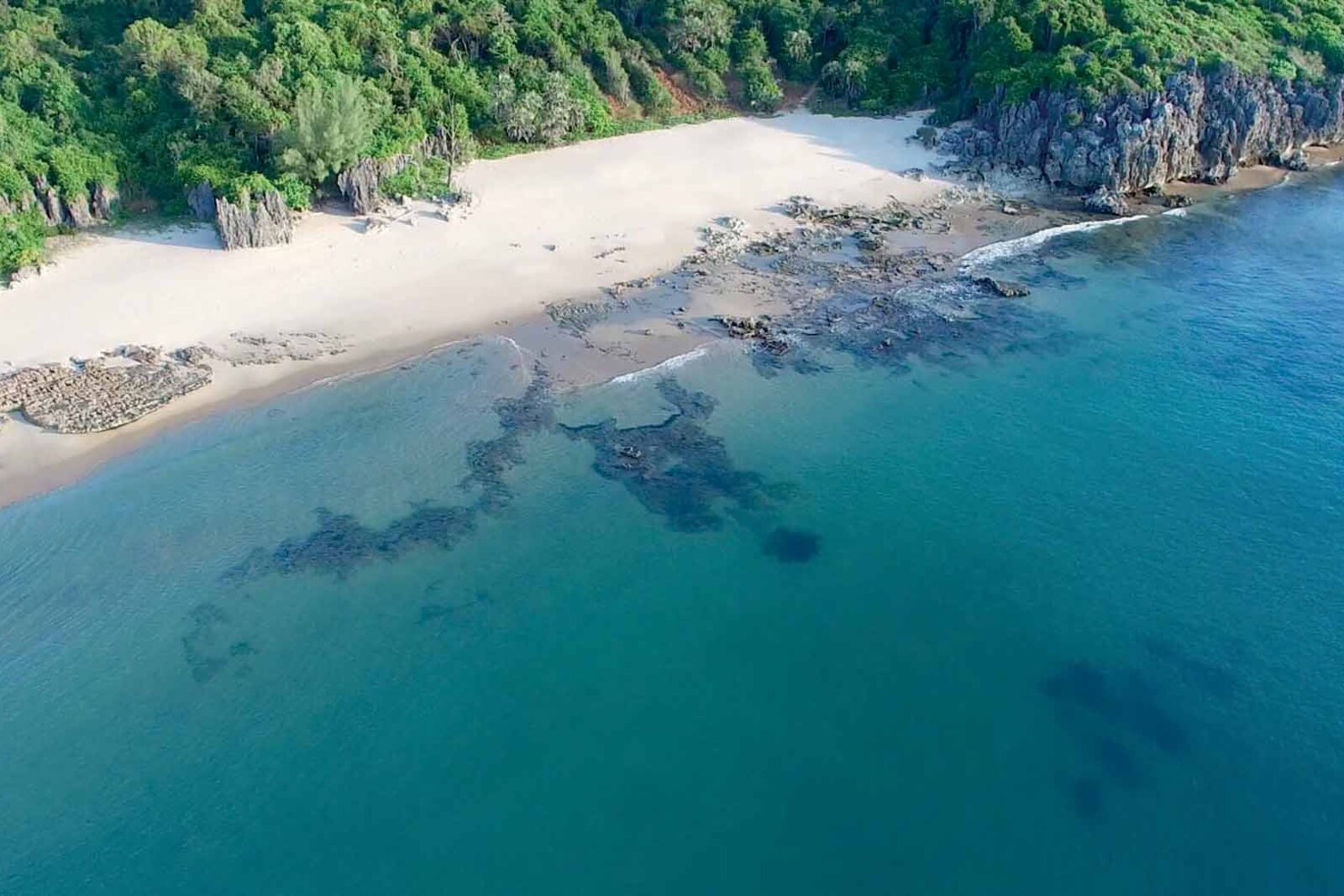
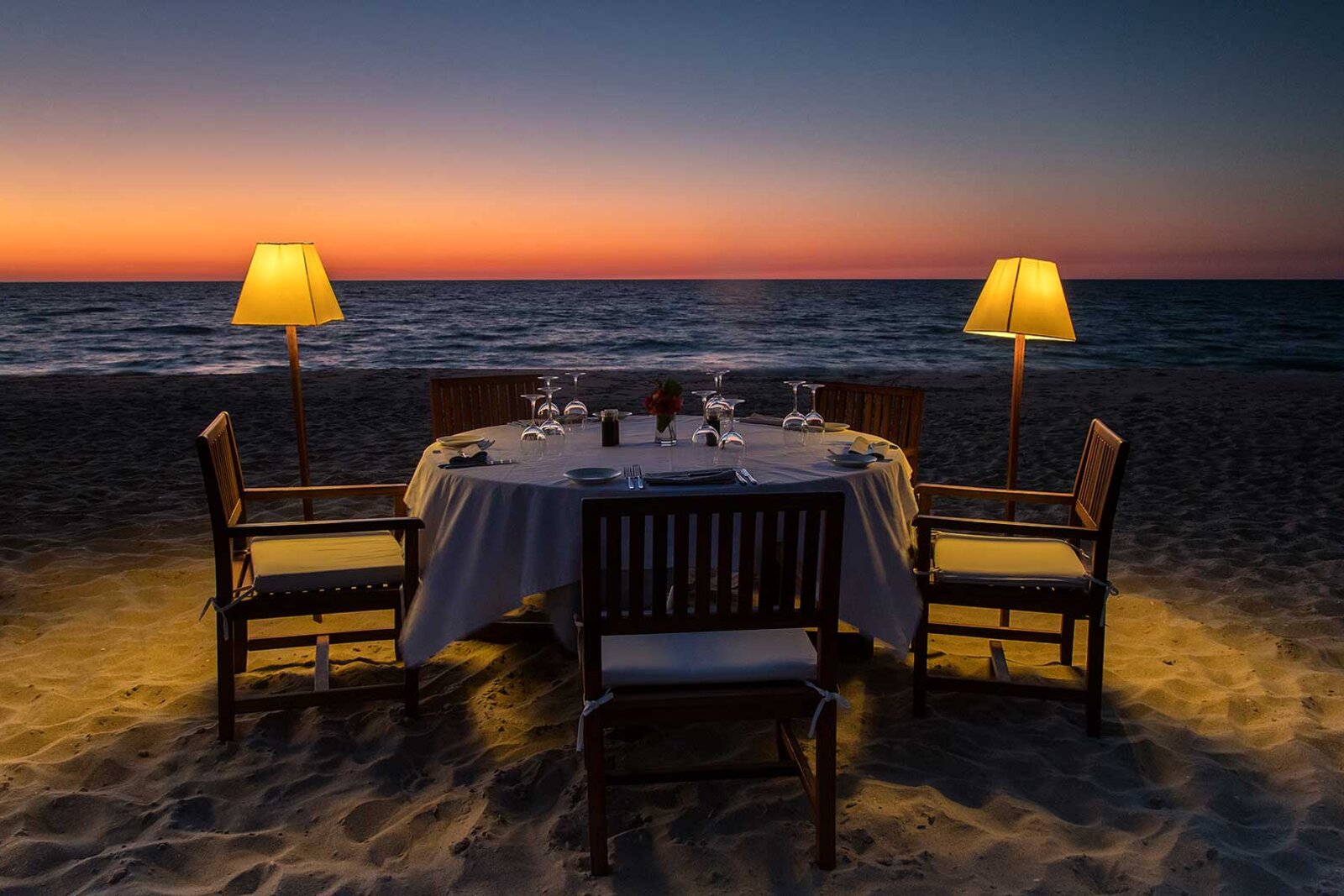
For the full picture of where to stay, see our guides to the best luxury lodges in Madagascar and Madagascar honeymoon lodges.
What Does a Trip to Madagascar Cost?
Madagascar is a specialist destination, and a private trip sits in the mid-to-upper range for Africa — largely because internal flights and expert local guides are essential to travel it well. Costs vary enormously by season and level of comfort, but as a broad guide: comfortable, well-run private journeys deliver excellent value, while the flagship beach lodges of the north and remote fly-in camps sit at the top of the scale. The single biggest variable is how much you fly versus drive — flights save days but add cost, while the RN7 overland route is more affordable and deeply scenic. We build to your budget and are always transparent about where money is best spent.
| Style | Per person, per day (guide) |
|---|---|
| Comfortable | $350–$550 — good lodges, private guide, park fees, most meals |
| Premium | $600–$950 — the best lodges, internal flights, superb guiding |
| Ultra-luxury | $1,000+ — flagship beach lodges, private fly-in, fully inclusive |
Practical Information
- Visas: most visitors need a tourist visa, available as an e-visa online or on arrival at the airport for stays of up to 30, 60 or 90 days. Always confirm the latest requirements for your nationality before travelling; passports should be valid for at least six months.
- Currency: the Malagasy ariary (MGA). Carry cash — cards are accepted in larger hotels and cities but rarely in rural areas. Bring euros or US dollars to exchange.
- Language: Malagasy and French are the official languages; English is spoken at lodges and by guides but less widely elsewhere — a few French phrases go a long way.
- Getting around: internal flights connect the capital with Nosy Be, Morondava and the main hubs and are the key to covering the island; the scenic RN7 links the highlands and south by road. We handle all flights and transfers for you.
- Electricity: 220V, with European-style two-round-pin plugs — bring a universal adapter. Power can be intermittent outside cities.
- Health: Madagascar is a malaria area, so anti-malarial precautions are advised; check routine and recommended vaccinations with a travel clinic before you go, and drink bottled or filtered water.
- Tipping: customary and appreciated — a daily gratuity for guides and drivers, and a little for lodge staff and porters.
Is Madagascar Safe to Visit?
Madagascar is a rewarding and welcoming destination, and travellers who visit with a good local operator have a wonderful, trouble-free time. As anywhere, it pays to travel smart: use arranged transfers and guides, keep valuables discreet in Antananarivo and busy markets, avoid walking after dark in the capital, and follow local advice. The remoteness that makes Madagascar so magical also means good planning matters — reliable vehicles, vetted guides and a team on call turn a complex island into a seamless journey. On a privately arranged trip, the practicalities are handled for you, which is exactly why most first-time visitors travel this way. The reward is one of the most extraordinary and warm-hearted places on Earth.
Food, Culture & the Malagasy Welcome
Malagasy culture is a fascinating blend of African and Southeast Asian roots, reflected in everything from the rice-based cuisine to the famutu (ancestral) traditions of the highlands. Meals centre on fragrant rice with zebu beef, seafood and greens, lifted by the world-famous Bourbon vanilla and fiery sakay chilli. Don't miss fresh coastal seafood, tropical fruit, local chocolate and rum, and the theatre of a beach barbecue at sunset. Above all, it is the warmth of the Malagasy people — their music, markets and easy hospitality — that visitors remember most.
Planning a Madagascar Wildlife Safari?
If wildlife is your main reason for coming — lemur trekking, the national parks and a dedicated nature journey — read our companion Madagascar safari tours guide, which covers the parks, lemur trekking, lodges, sample tour itineraries and costs in depth. For a wider look at the island's wild side, see our Madagascar safari guide.
Why Travel with a Private Travel House
- One team, one point of contact — every internal flight, transfer, lodge and guide handled as a single seamless journey.
- Insider access — the best lodges, the finest naturalist guides, and experiences that are hard to find online.
- Tailor-made to you — your dates, your pace, your interests, your budget, shaped entirely around you.
- On-the-ground support — genuine assistance from arrival to departure on a complex island.
- Peace of mind — safety, logistics and quality all taken care of, so you simply enjoy the wonder.
Plan Your Madagascar Journey
We are a private, tailor-made travel house, and Madagascar is one of our great specialities. Tell us your dates, who is travelling and what you dream of — lemurs and rainforest, the baobabs and the Tsingy, a honeymoon on a turquoise bay or a family island adventure — and we will design a Madagascar journey that is entirely your own, then run it flawlessly from the moment you land.
Ready to plan the perfect trip? 👉 Request a Madagascar quote → 👉 Browse our tours & safari packages → 👉 WhatsApp us: +27 78 471 4852