Key Takeaways
- Malawi — the Warm Heart of Africa — pairs a stunning freshwater lake with revitalised Big Five parks and cool highlands.
- The best time to visit is May–October (dry season) for safari; the lake is glorious almost year-round.
- A great trip needs 8–12 days; the classic route combines Liwonde or Majete safari with a Lake Malawi beach finish.
- Most visitors get a visa on arrival / e-visa; the currency is the kwacha, and the country is compact and easy to travel.
- Everything is easiest as a private, tailor-made journey — flights, transfers, lodges and guides handled as one.
Why Visit Malawi?
Few countries pack so much into so small a space, or welcome you so warmly. Malawi is built around Lake Malawi, one of the great freshwater lakes on Earth — an inland sea of clear water, golden beaches and forested islands, home to more fish species than any other lake in the world. Around it lies a country transformed by conservation: Liwonde and Majete, once emptied by poaching, are now thriving Big Five parks, while the Zomba Plateau and Mount Mulanje rise cool and green above the plains. Best of all is the nickname the country has more than earned — the Warm Heart of Africa — for the genuine friendliness of its people.
This guide walks you through everything you need to plan the perfect Malawi journey in 2026 — the seasons, the regions, the costs, the practicalities and the itineraries — drawing on our years of building these trips as a private travel house.
Best Time to Visit Malawi
The best time to visit Malawi is the dry season, May to October, especially for safari. As the bush thins and animals gather at water, game viewing in Liwonde and Majete peaks, while the lake is warm and inviting for much of the year. Timing depends on what you most want to do.
- May–August (dry, cooler): superb game viewing, pleasant days and cool nights — the prime safari window; bring a layer for early drives.
- September–October (dry, hot): the best wildlife of all as water concentrates the game, and hot, glorious days on the lake — peak all-round season.
- November–April (green / wet season): lush landscapes, dramatic skies, superb birding and newborn animals; some rain, mainly in short afternoon storms. A beautiful, quieter time, though a few bush roads become tricky.
For most first-timers we build trips between May and October, pairing peak safari with warm days on Lake Malawi. We then time each journey around the balance that matters most to you.
Where to Go: Malawi's Great Regions
Malawi is compact and wonderfully varied — you can combine a Big Five safari, an island beach and a mountain plateau in a single, easy trip. These are the regions that matter most.
Lake Malawi & Its Islands
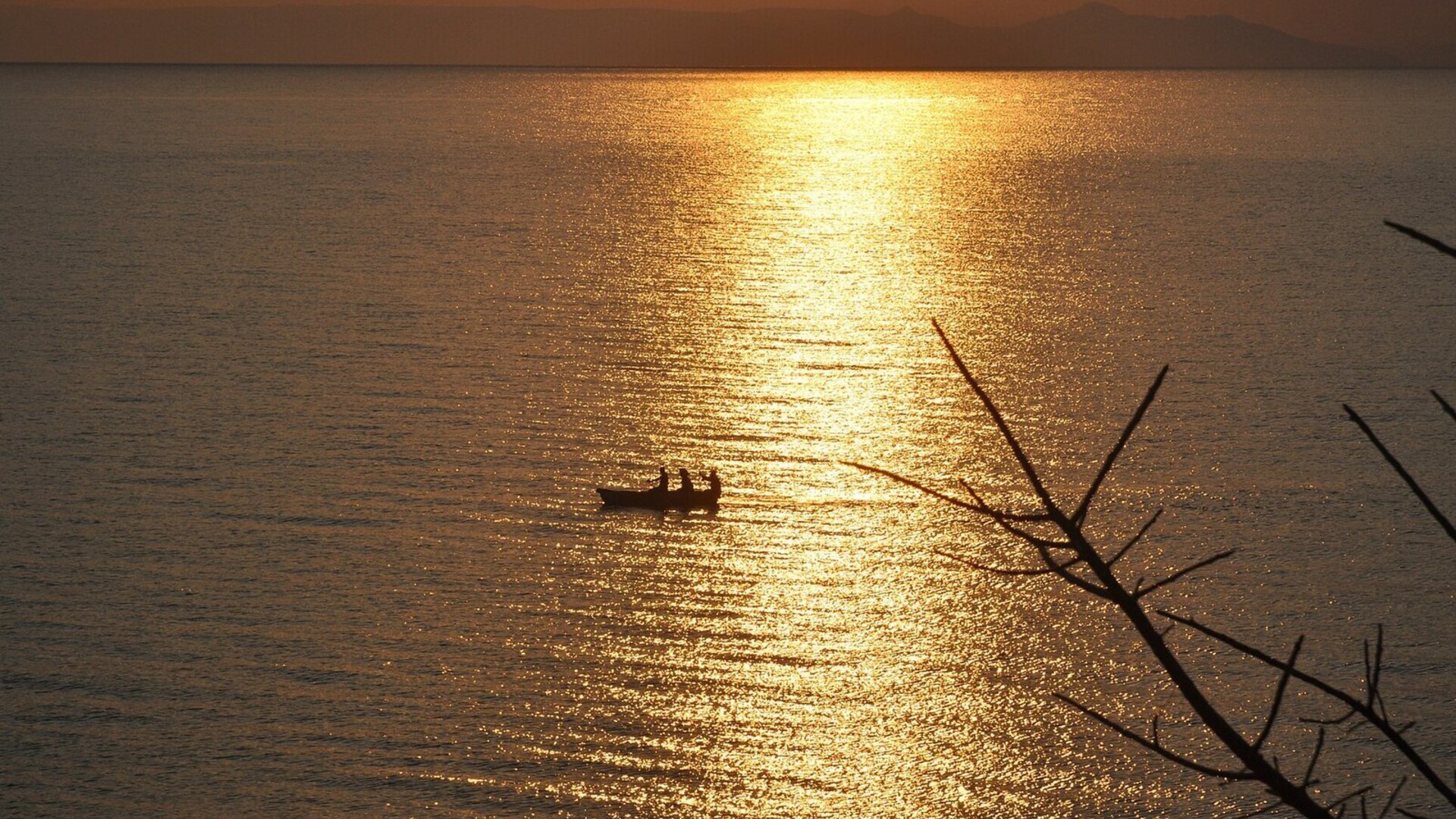
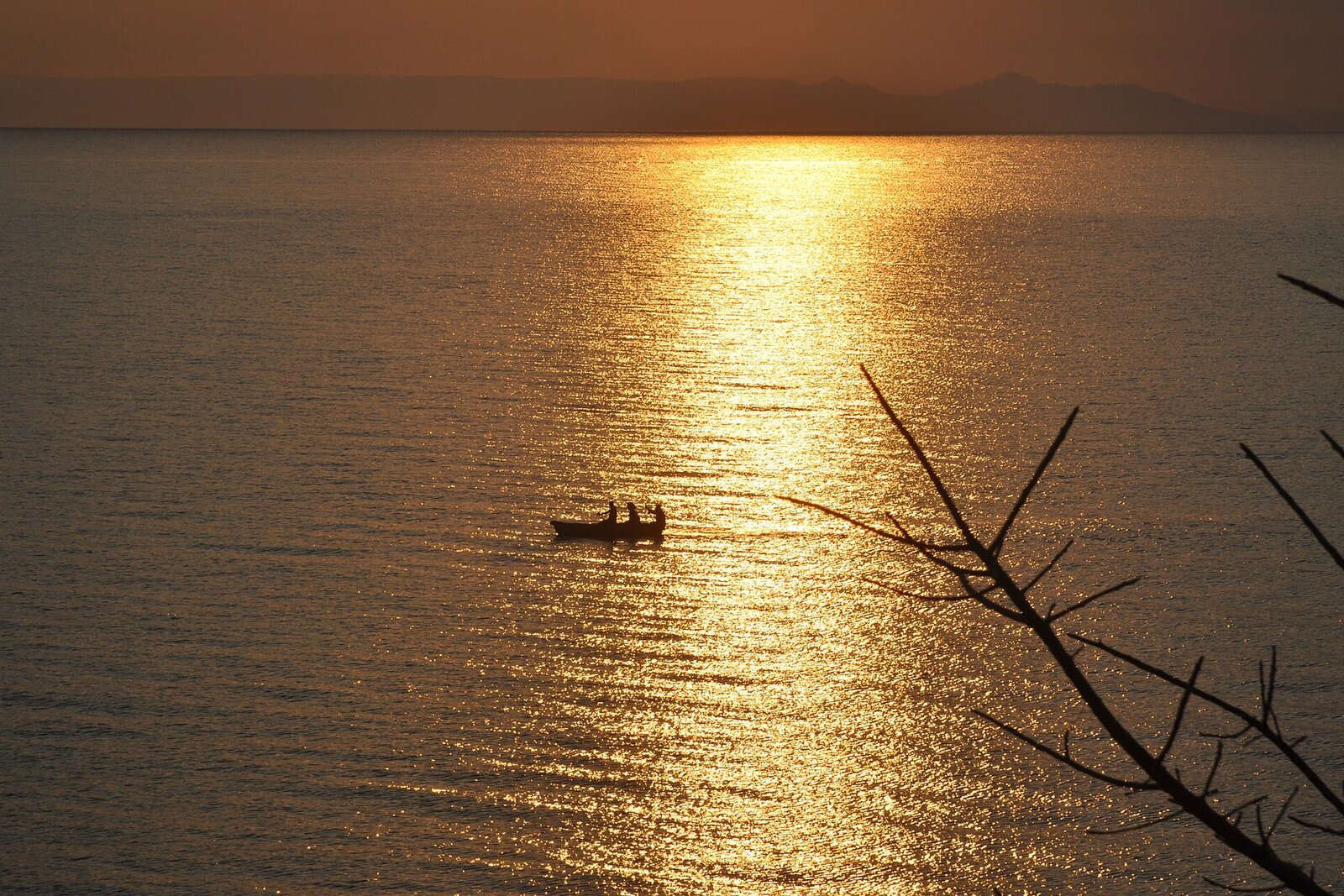
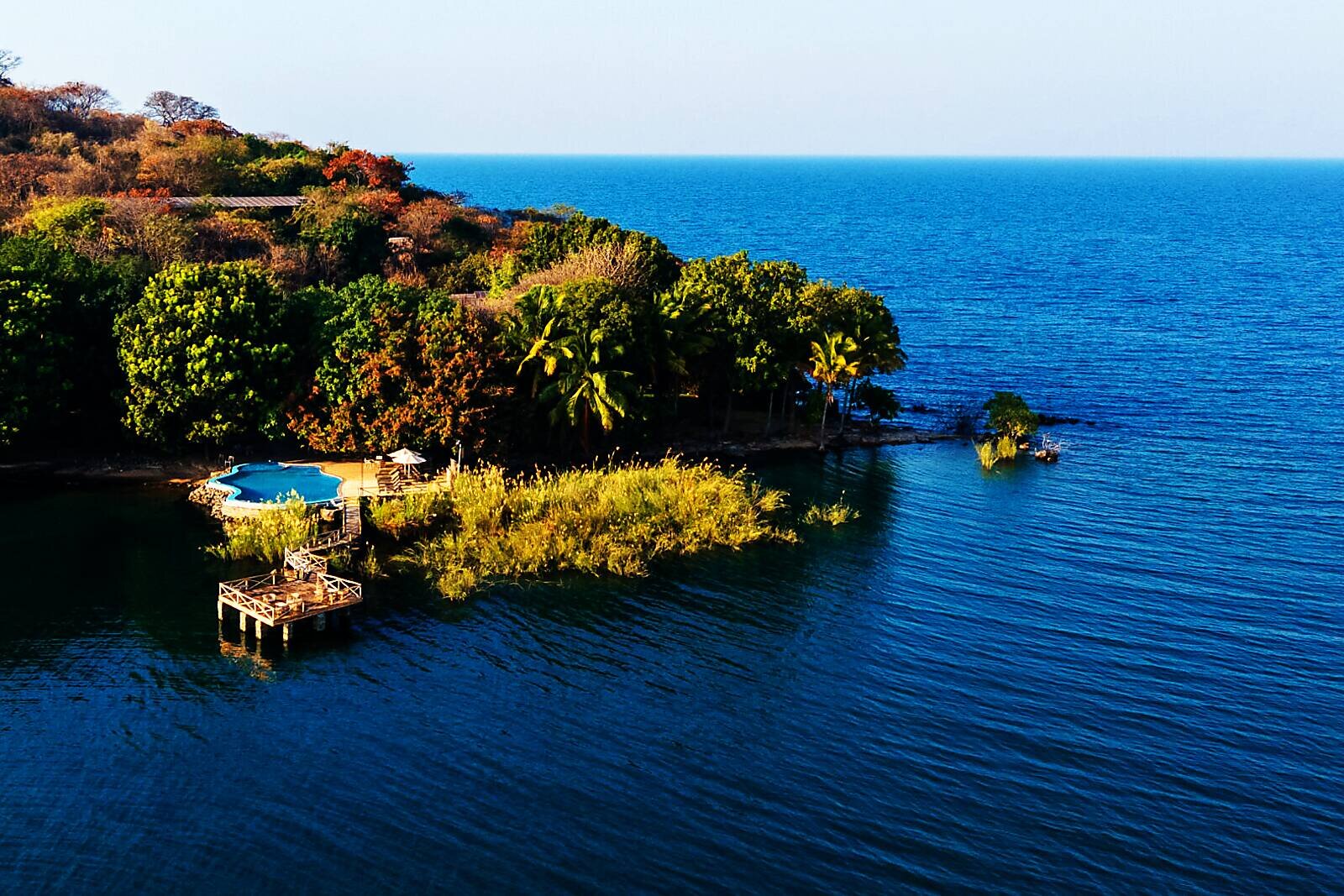
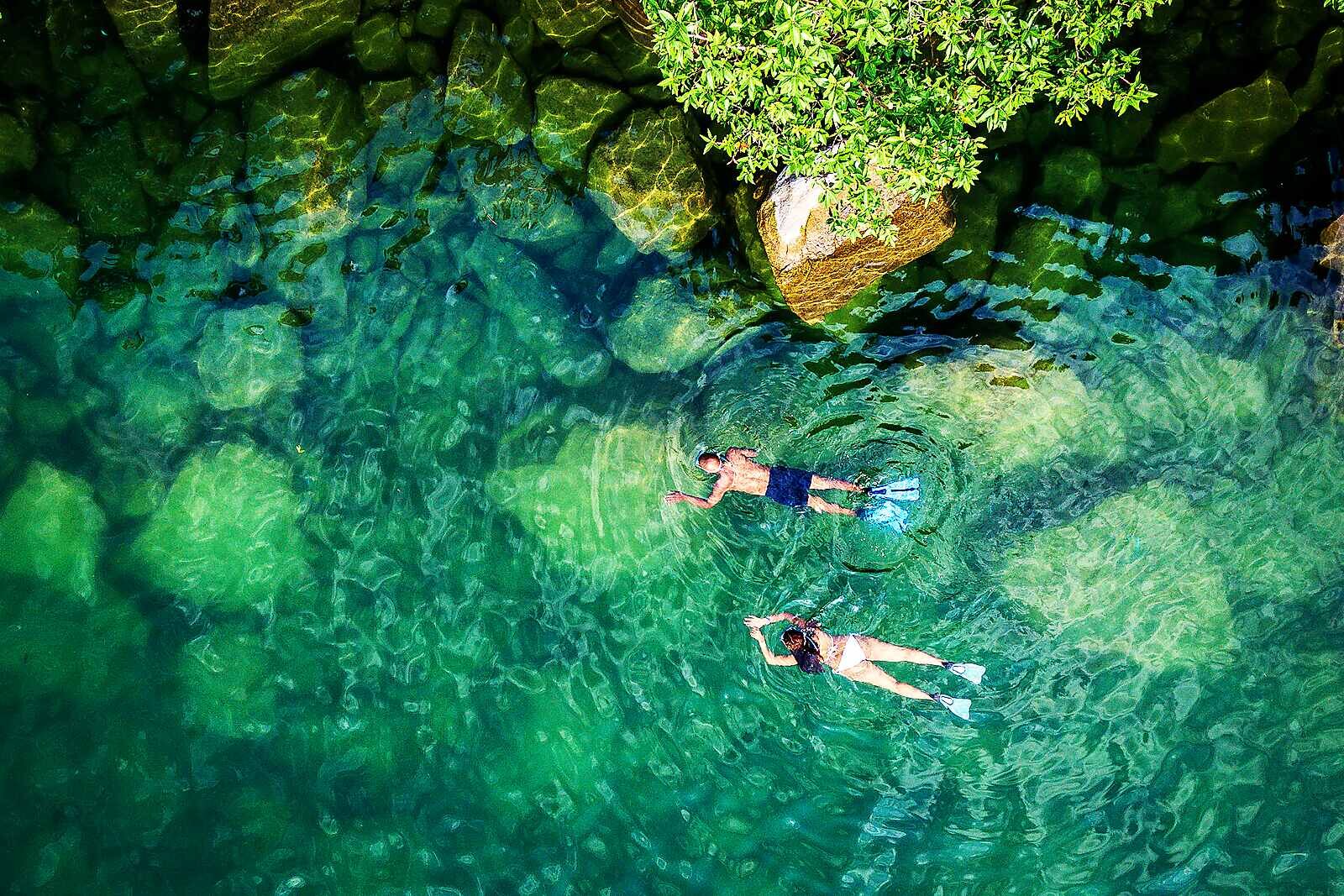
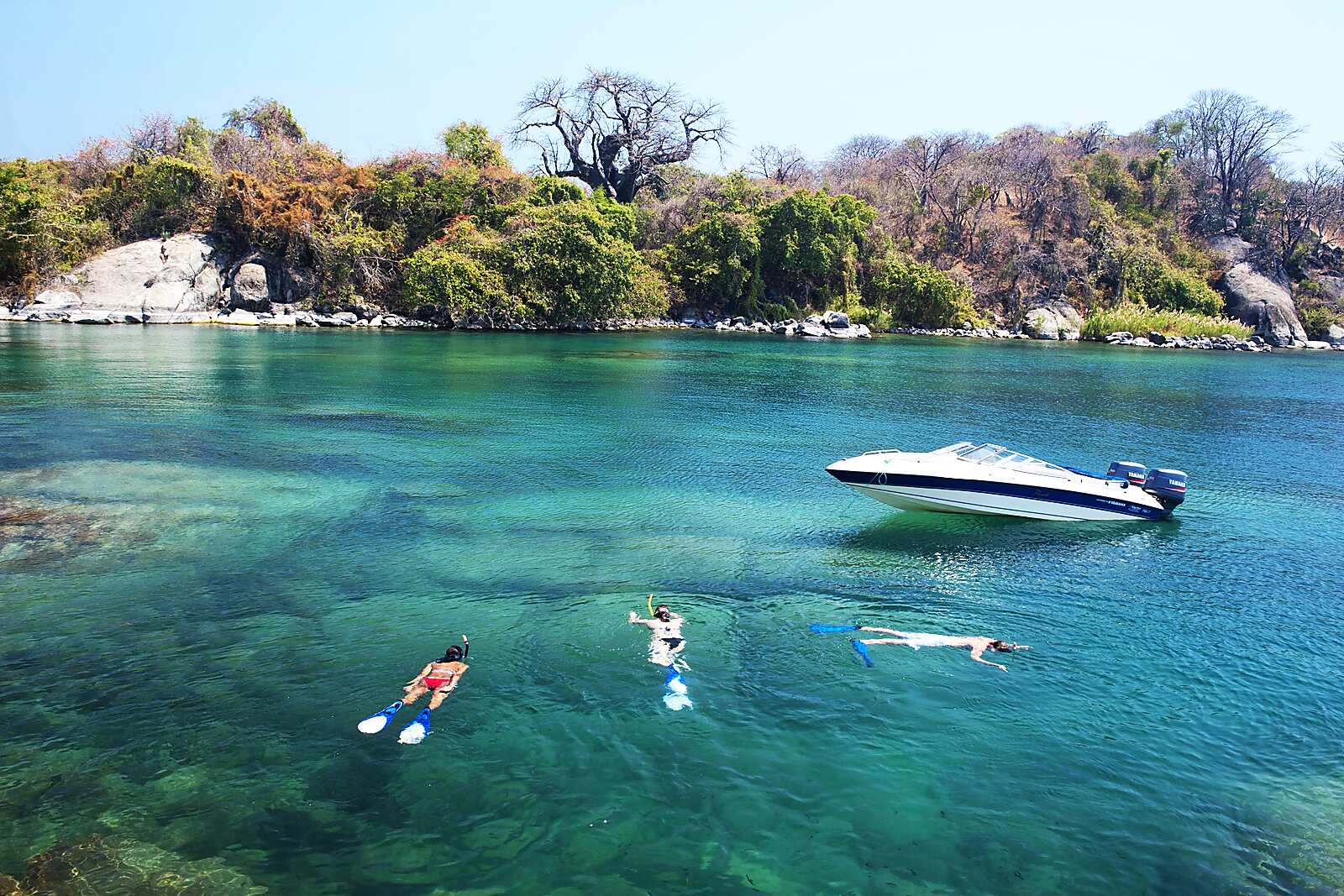
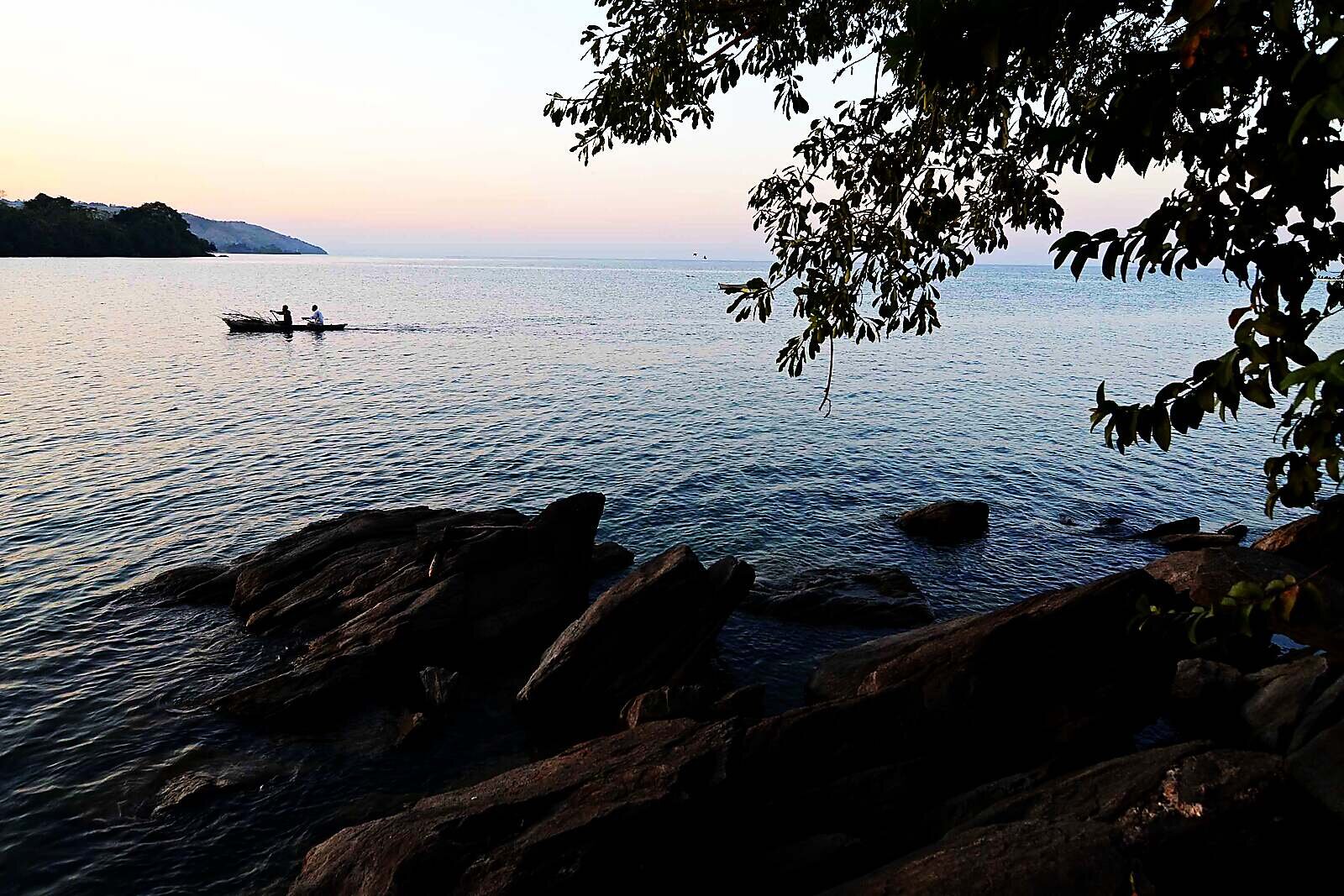
The shimmering heart of the country, and the natural place for a beach finish. Lake Malawi is an inland sea of crystal water and golden sand, fringed by beach lodges and dotted with island hideaways like Likoma, Mumbo and Domwe. Snorkelling and diving among its thousand species of jewel-coloured cichlids — found nowhere else on Earth — is unforgettable, as are kayaking, sailing and simply doing nothing at all.
Liwonde National Park
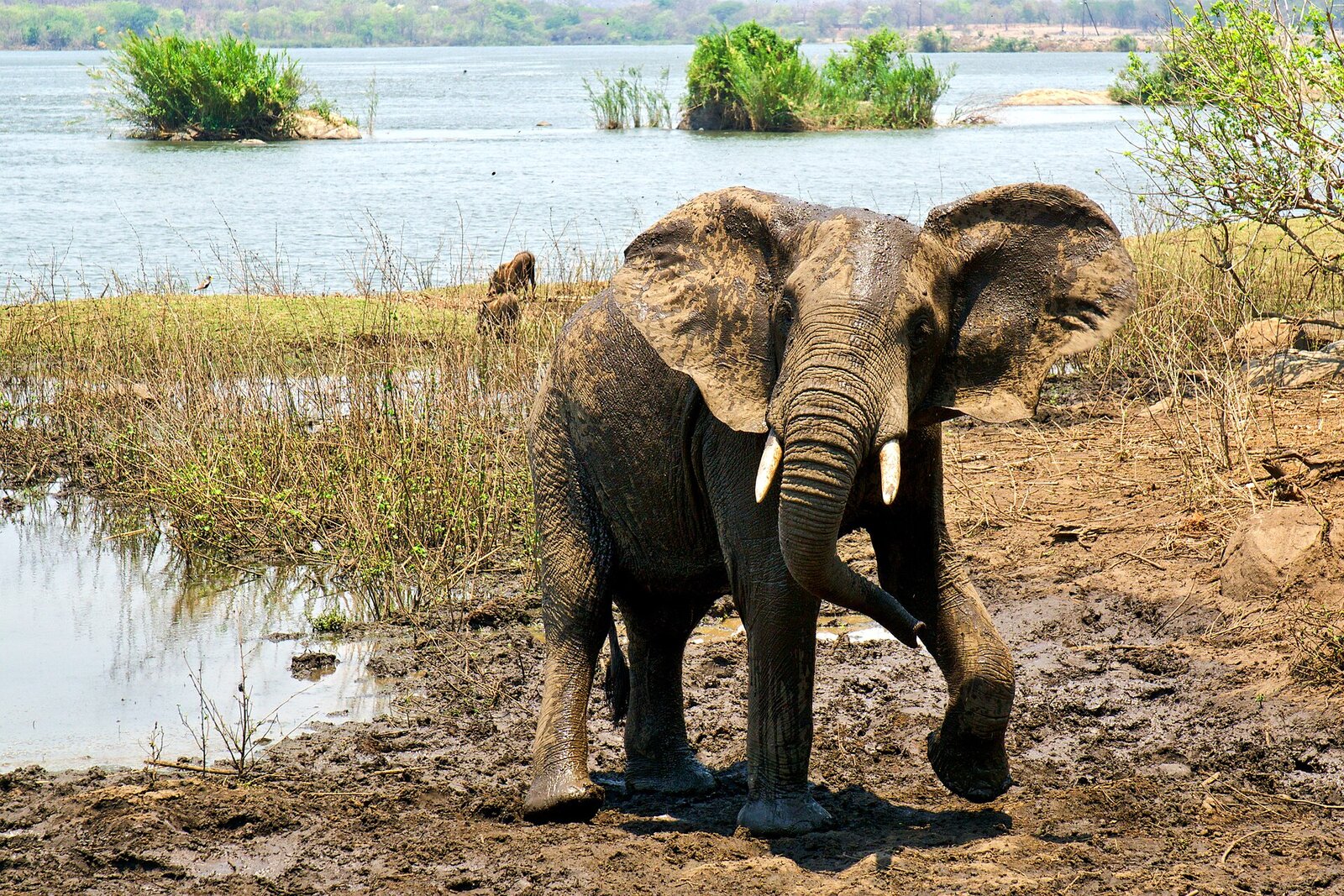
Malawi's premier safari park, along the Shire River. Once devastated by poaching, Liwonde is now a conservation triumph — home to elephants, black rhino, lions, cheetah and one of the densest hippo and crocodile populations in Africa. Boat safaris along the river, past drinking elephants and fish eagles, are the signature experience.
Majete Wildlife Reserve
The greatest comeback story in African conservation. Emptied of wildlife by the early 2000s, Majete was restored animal by animal into a full Big Five reserve — lion, leopard, elephant, buffalo and rhino now thrive here in miombo woodland along the Shire. It is proof of what conservation can achieve, and a superb, uncrowded safari.
Nkhotakota & Nyika
Wild, remote and rewarding. The Nkhotakota Wildlife Reserve, site of one of the largest wildlife translocations ever undertaken, offers pristine miombo wilderness, while the high, rolling grasslands of the Nyika Plateau in the far north — roamed by roan antelope and zebra — feel more like Scotland than Africa.
The Highlands — Zomba & Mulanje
Cool, green and spectacular. The Zomba Plateau, with its viewpoints and forest trails, and the soaring granite massif of Mount Mulanje — the highest peak in Central Africa — offer superb hiking, cool air and tea-estate scenery, a refreshing contrast to lake and bush.
Related journey: Malawi Safari & Lake Beach — 8 Days →
The Best Things to Do in Malawi
- Go on a boat safari along the Shire River in Liwonde, past elephants, hippos and fish eagles.
- Track the Big Five in the restored Majete Wildlife Reserve.
- Snorkel or dive Lake Malawi among a thousand species of jewel-coloured cichlids found nowhere else.
- Stay on an island — Likoma, Mumbo or Domwe — for the ultimate lake escape.
- Kayak and sail the clear waters at Cape Maclear and beyond.
- Hike the highlands — the Zomba Plateau and Mount Mulanje, the roof of Central Africa.
- Watch the wildlife return at Nkhotakota, one of the great rewilding stories.
- Meet the people — village visits, markets and the music that give the Warm Heart of Africa its name.
- Ride the highlands to the lake on a classic bush-and-beach road journey.
- Watch the sun set over the lake from a dhow, drink in hand.
How Many Days Do You Need?
Eight to twelve days is the sweet spot for a first trip — enough to combine a Big Five safari with an island or beach finish, and add the highlands if you have time. Malawi is compact, so distances are manageable and light aircraft link the main areas quickly. Here is how the timings tend to work:
| Trip length | What it covers |
|---|---|
| 5–6 days | Liwonde or Majete safari + a couple of lake nights |
| 8 days | Safari + a proper Lake Malawi beach or island finish |
| 10–12 days | Add a second park, the highlands, or more lake time |
| 14+ days | The grand tour, or combine with Zambia & Victoria Falls |
Ready-Made Itineraries
The Classic 6 Days — Safari & the Lake
Three nights on safari in Liwonde or Majete — boat safaris, game drives and Big Five tracking — then two nights on a Lake Malawi beach to unwind. The perfect compact introduction to bush and lake. See the Malawi Liwonde & Majete Safari — 6 Days.
The Bush & Beach 8 Days
A fuller safari across Liwonde and Majete, then a proper island or beach finish on Lake Malawi for snorkelling, kayaking and rest. Our most popular Malawi journey. See the Malawi Safari & Lake Beach — 8 Days.
The Grand Tour 12–14 Days
Safari in Liwonde and Majete, the wilderness of Nkhotakota or the Nyika Plateau, the highlands of Zomba and Mulanje, and an island finish on the lake — or extend across the border to Zambia's South Luangwa and Victoria Falls for the ultimate regional journey.
Related journey: South Luangwa Explorer — 5 Days →
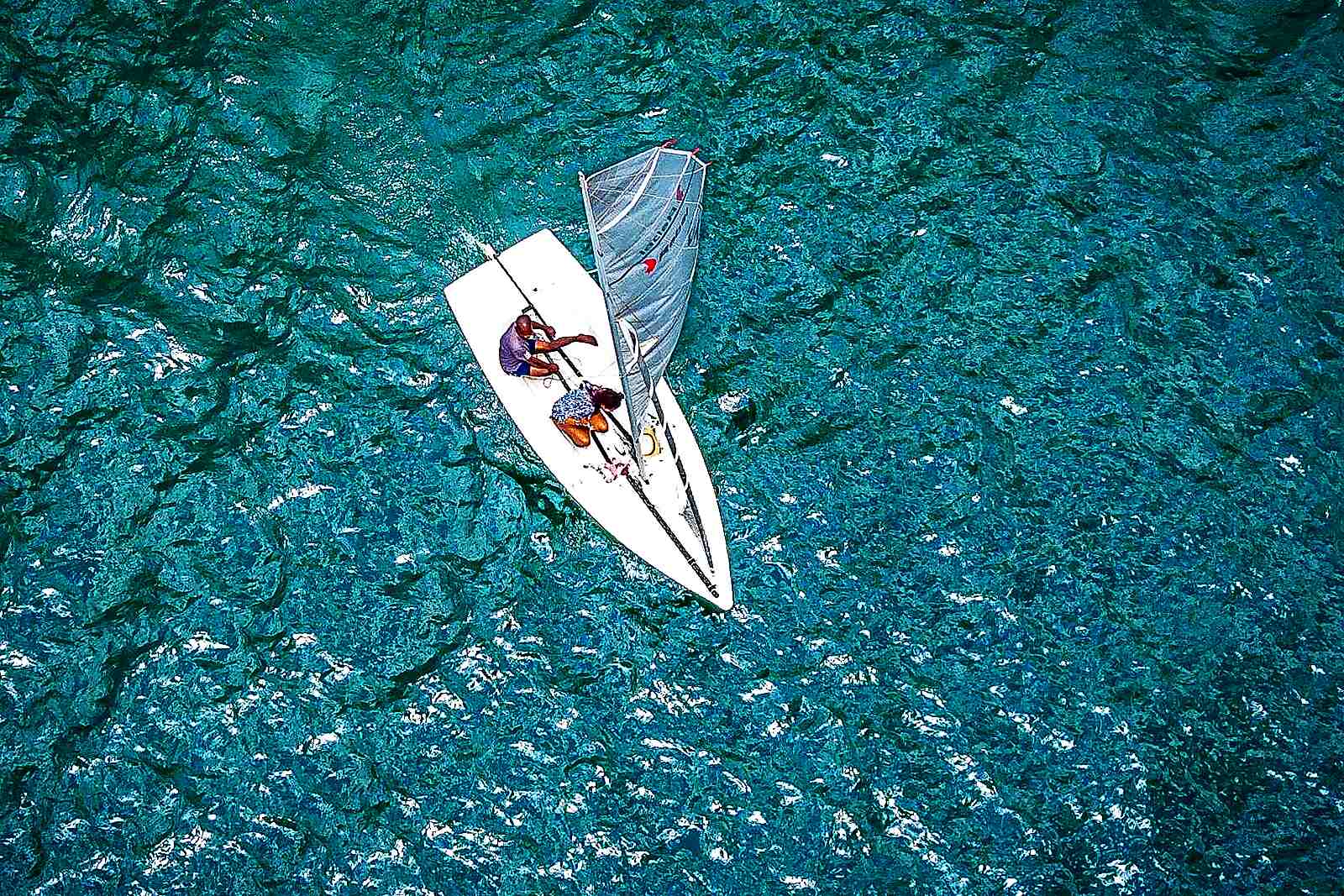
Malawi's finest stays sit right on the water or deep in the bush. Here is a taste of Pumulani, a barefoot-luxury lodge set on a private stretch of Lake Malawi National Park.
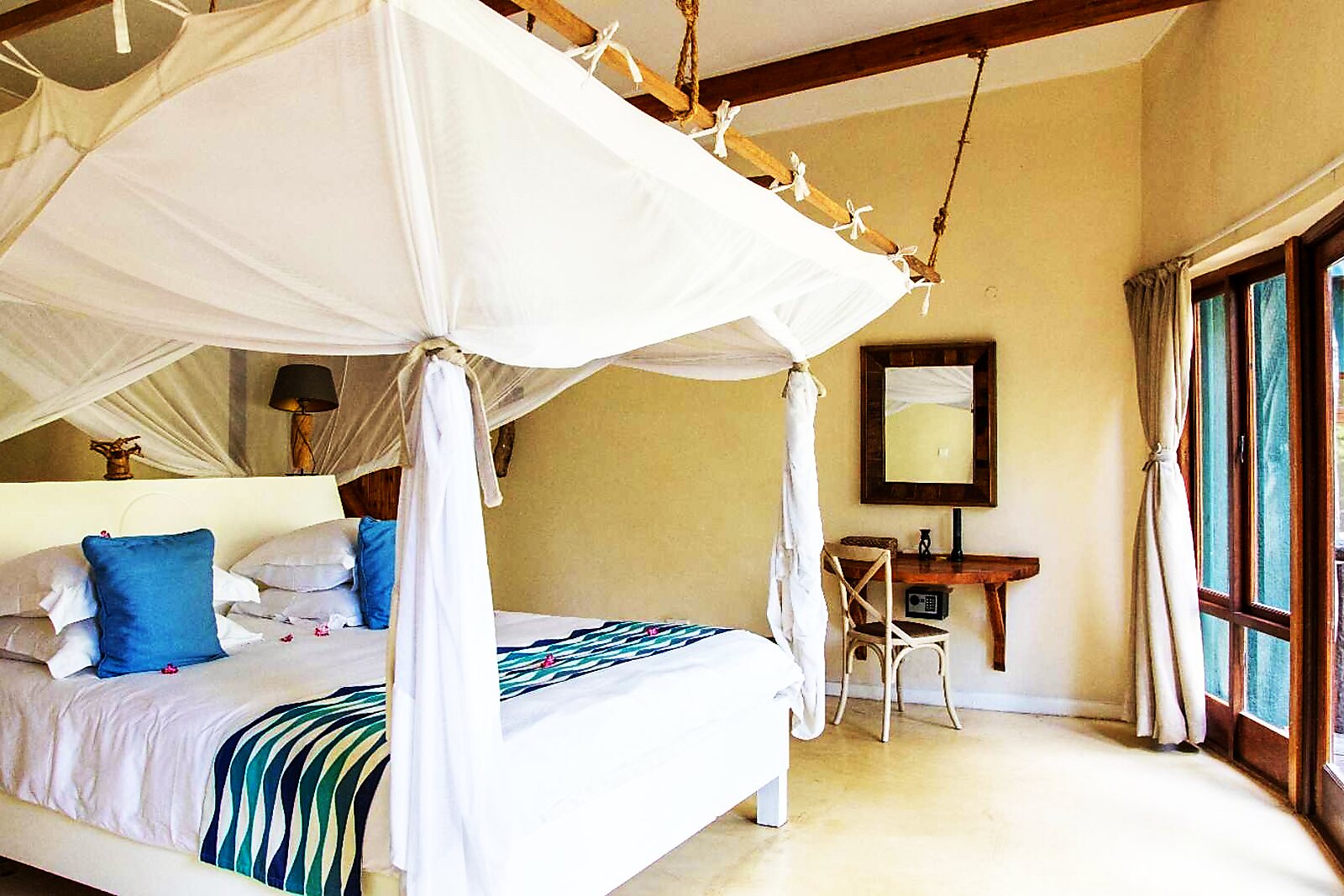
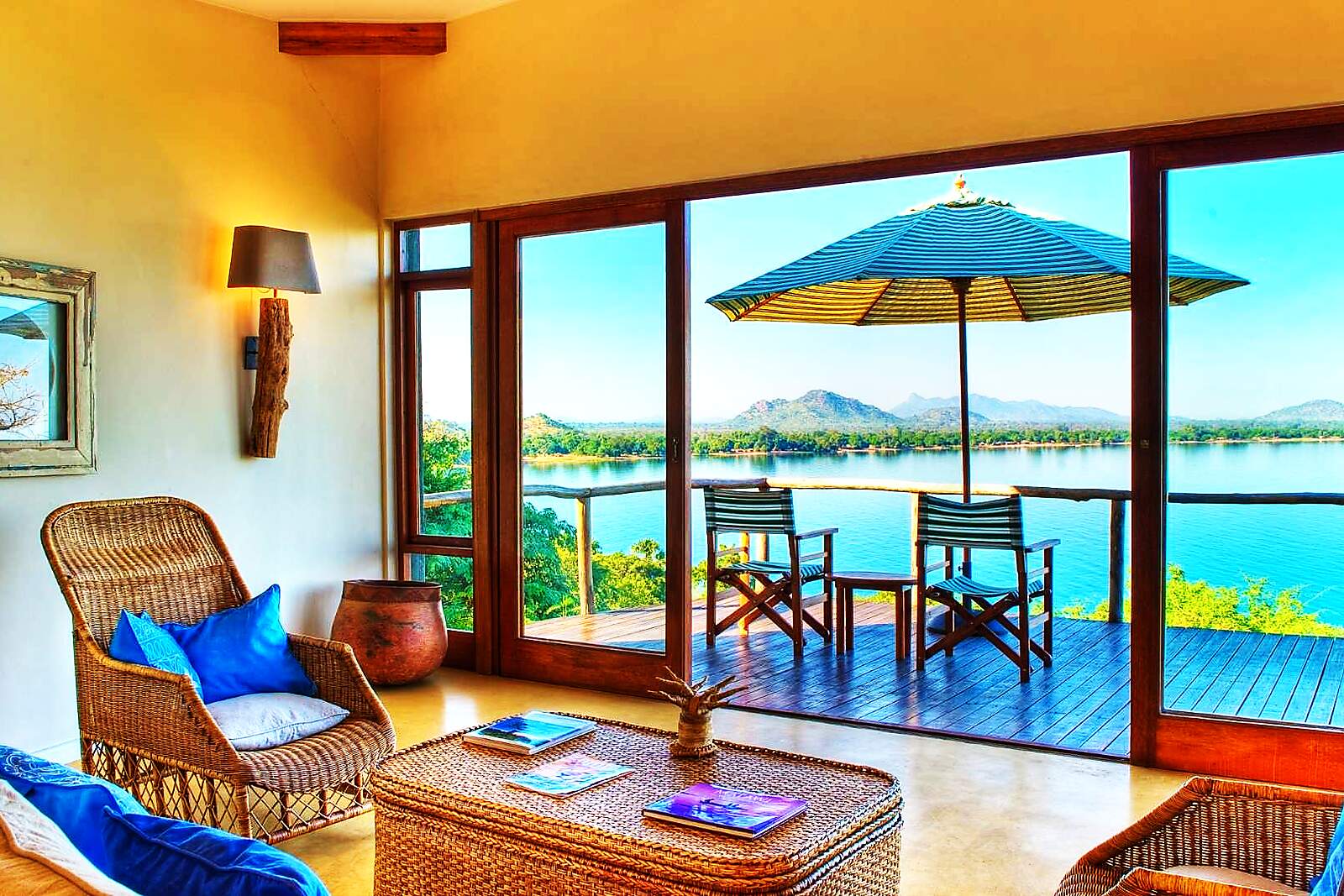
For the full picture of where to stay, see our guides to the best luxury safari lodges in Malawi and honeymooning on Lake Malawi.
What Does a Trip to Malawi Cost?
Malawi offers superb value and a wonderful sense of exclusivity — its parks and lake are uncrowded, and prices are gentler than the big-name safari countries. Costs vary by season and comfort, but as a broad guide: comfortable lodges and beach stays are excellent value, premium safari camps and island lodges sit in the mid-to-upper range, and a handful of flagship lodges reach true luxury. Light-aircraft transfers add cost but save time in a country best explored by a mix of road and air. We build to your budget and are always transparent about where money is best spent.
| Style | Per person, per day (guide) |
|---|---|
| Comfortable | $300–$500 — good lodges & beach stays, guide, park fees, most meals |
| Premium | $550–$900 — the best safari camps & island lodges, light-aircraft hops |
| Ultra-luxury | $950+ — flagship lodges, private transfers, fully inclusive |
Practical Information
- Visas: most visitors need a tourist visa, available as an e-visa online or on arrival at the airport. Always confirm the latest requirements for your nationality before travelling; passports should be valid for at least six months.
- Currency: the Malawian kwacha (MWK). Carry US dollars for lodges and larger payments; cards are accepted in some hotels but cash is essential outside cities.
- Language: English is an official language and widely spoken, alongside Chichewa — communication is easy for most visitors.
- Getting around: the country is compact; good roads link the main areas, and light-aircraft transfers connect safari parks and lake lodges quickly. We handle all transfers and flights for you.
- Electricity: 230V, with the British-style three-pin plug — bring a universal adapter. Power can be intermittent, though lodges typically run generators or solar.
- Health: Malawi is a malaria area, so anti-malarial precautions are advised; check routine and recommended vaccinations with a travel clinic, and drink bottled or filtered water. Bilharzia precautions apply in some untreated lake areas — reputable lodges advise on safe swimming.
- Tipping: customary and appreciated — a daily gratuity for guides and drivers, and a little for lodge staff.
Is Malawi Safe to Visit?
Malawi is widely regarded as one of the safest and friendliest countries in Africa for travellers, and it wears its nickname — the Warm Heart of Africa — with good reason. As anywhere, it pays to travel smart: use arranged transfers and guides, keep valuables discreet in cities and markets, avoid walking after dark in urban areas, and follow local advice. Health precautions matter more than crime here — take anti-malarials, drink safe water, and follow lodge guidance on where to swim in the lake. On a privately arranged trip, the practicalities are handled for you, which is exactly why most first-time visitors travel this way. The reward is a genuinely warm, relaxed and beautiful country.
Food, Culture & the Malawian Welcome
Malawian life revolves around the lake and the land. The national dish is nsima — a maize staple served with relishes, greens and, most memorably, chambo, the sweet lake fish that is a highlight of any trip. Markets brim with tropical fruit, and the country's music, dance and easy hospitality are central to its charm. Village visits, craft cooperatives and a genuine welcome make cultural encounters here feel authentic rather than staged — a big part of why travellers fall for Malawi.
Planning a Malawi Safari?
If wildlife is your main reason for coming — Liwonde's boat safaris, Majete's Big Five and a dedicated bush journey — read our companion Malawi safari tours guide, which covers the parks, lodges, sample tour itineraries and costs in depth. For a wider look at the country's wild side, see our Malawi safari guide.
Why Travel with a Private Travel House
- One team, one point of contact — every flight, transfer, lodge and experience handled as a single seamless journey.
- Insider access — the best lodges and islands, the right guides, and experiences that are hard to find online.
- Tailor-made to you — your dates, your pace, your interests, your budget, shaped entirely around you.
- On-the-ground support — genuine assistance from arrival to departure.
- Peace of mind — safety, logistics and quality all taken care of, so you simply enjoy the country.
Plan Your Malawi Journey
We are a private, tailor-made travel house, and Malawi is one of our favourite countries to send travellers. Tell us your dates, who is travelling and what you dream of — Big Five safari, island beaches, the highlands, a honeymoon on the lake or a bush-and-beach family adventure — and we will design a Malawi journey that is entirely your own, then run it flawlessly from the moment you land.
Ready to plan the perfect trip? 👉 Request a Malawi quote → 👉 Browse our tours & safari packages → 👉 WhatsApp us: +27 78 471 4852