Key Takeaways
- Malawi offers four kinds of travel in one small country — a great freshwater lake, real Big Five wildlife, dramatic highlands and mountains, and warm living culture.
- Lake Malawi and Cape Maclear are the headline — a UNESCO World Heritage lake for beaches, snorkelling and island escapes.
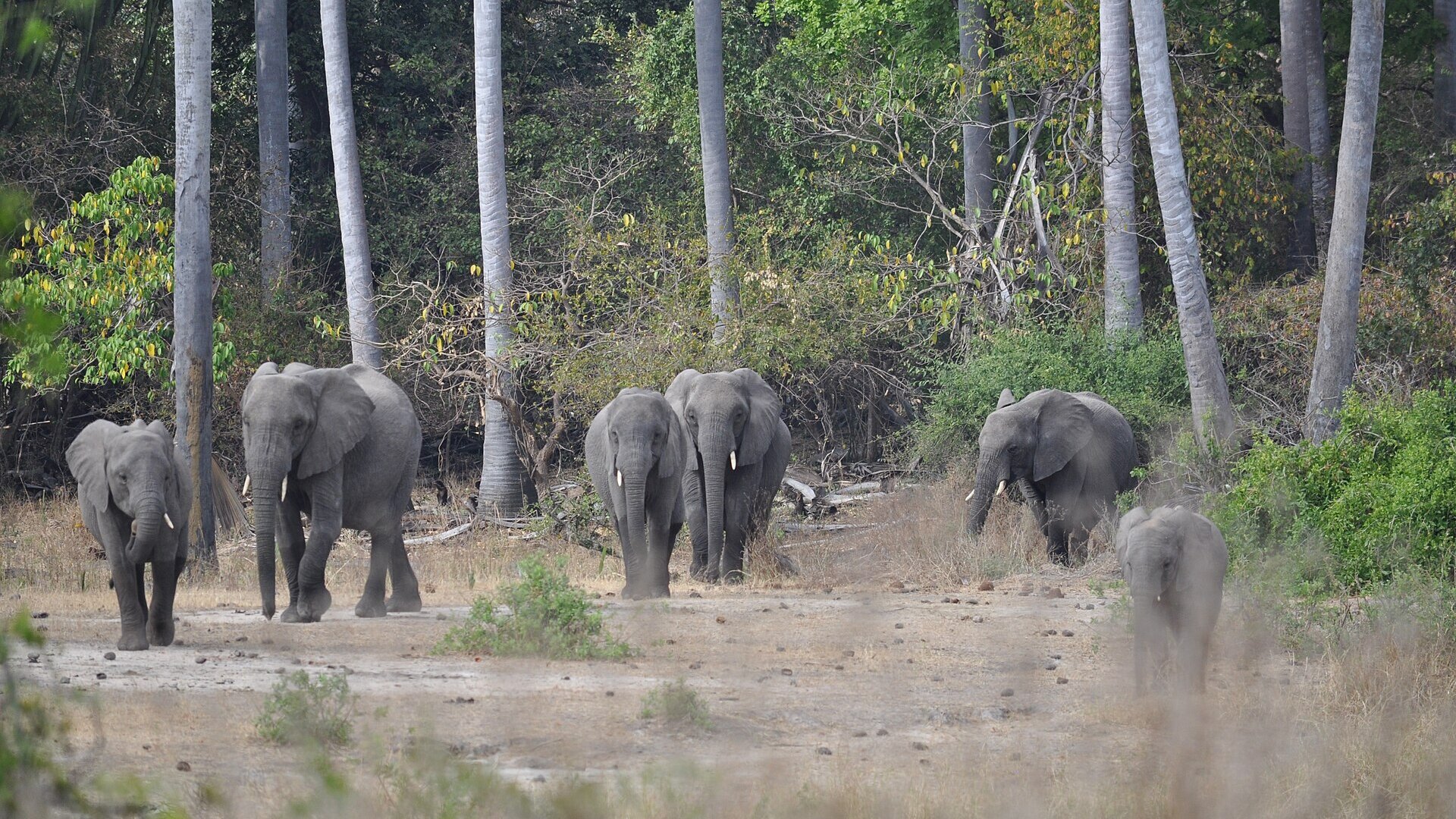
- Liwonde and Majete are the wildlife heart, where a conservation turnaround has brought back elephants, big cats and rhino.
- For scenery, climb the Zomba Plateau, hike Mount Mulanje, or ride the high grasslands of Nyika.
- Best time: the dry season, May to November, is ideal for wildlife and highlands; the lake is beautiful all year.
They call it the Warm Heart of Africa, and within a day of arriving you understand why. Malawi is a small, welcoming country built around one of the great lakes of the world — a shimmering freshwater sea so large it fills the horizon, fringed with sandy beaches and clear water alive with jewel-coloured fish. But there is far more here than the lake. This is a land of elephants along the Shire River, of mist-wrapped highland plateaux and Central Africa's tallest peak, of tea estates and fishing villages, and of people whose warmth is the thing travellers remember most.
This guide ranks the ten best places to visit in Malawi — not as a park checklist, but as a traveller's map of the whole country. For each place we tell you what it is genuinely best for, when to go, how easy it is to reach, and how it fits with the others. If your trip is purely about game drives and safari routing, our companion Top 10 Best Safari Destinations in Malawi covers the wildlife circuits in depth. This article is the bigger picture: everywhere worth going in Malawi, and why.
How to Read Malawi: Four Kinds of Place
Malawi is long and narrow, defined by the lake that runs down most of its length. The country divides naturally into four kinds of experience. Knowing them makes planning simple — most great trips combine two or three, and because the country is compact you can do so without long travel days.
| Experience | Headline Places | Best For |
|---|---|---|
| Lake & Islands | Lake Malawi, Cape Maclear, Likoma Island, Nkhata Bay | Beaches, snorkelling, diving, island escapes, relaxation |
| Wildlife & Parks | Liwonde, Majete, Nyika | Elephants, Big Five, river safaris, highland game |
| Highlands & Mountains | Zomba Plateau, Mount Mulanje, Nyika | Hiking, viewpoints, forests, tea estates, cool air |
| Cities & Culture | Blantyre, Lilongwe, lakeshore villages | Gateways, markets, crafts, history, local life |
The classic Malawi trip pairs the lake with a wildlife park — beach time at Cape Maclear or Likoma followed by elephants along the Shire in Liwonde. But the country rewards imagination: add the highland drama of Zomba and Mulanje, the high grasslands of Nyika, or the culture of Nkhata Bay and Blantyre. Below, the ten places that should shape your trip.
The 10 Best Places to Visit in Malawi
1. Lake Malawi & Cape Maclear — The Freshwater Sea
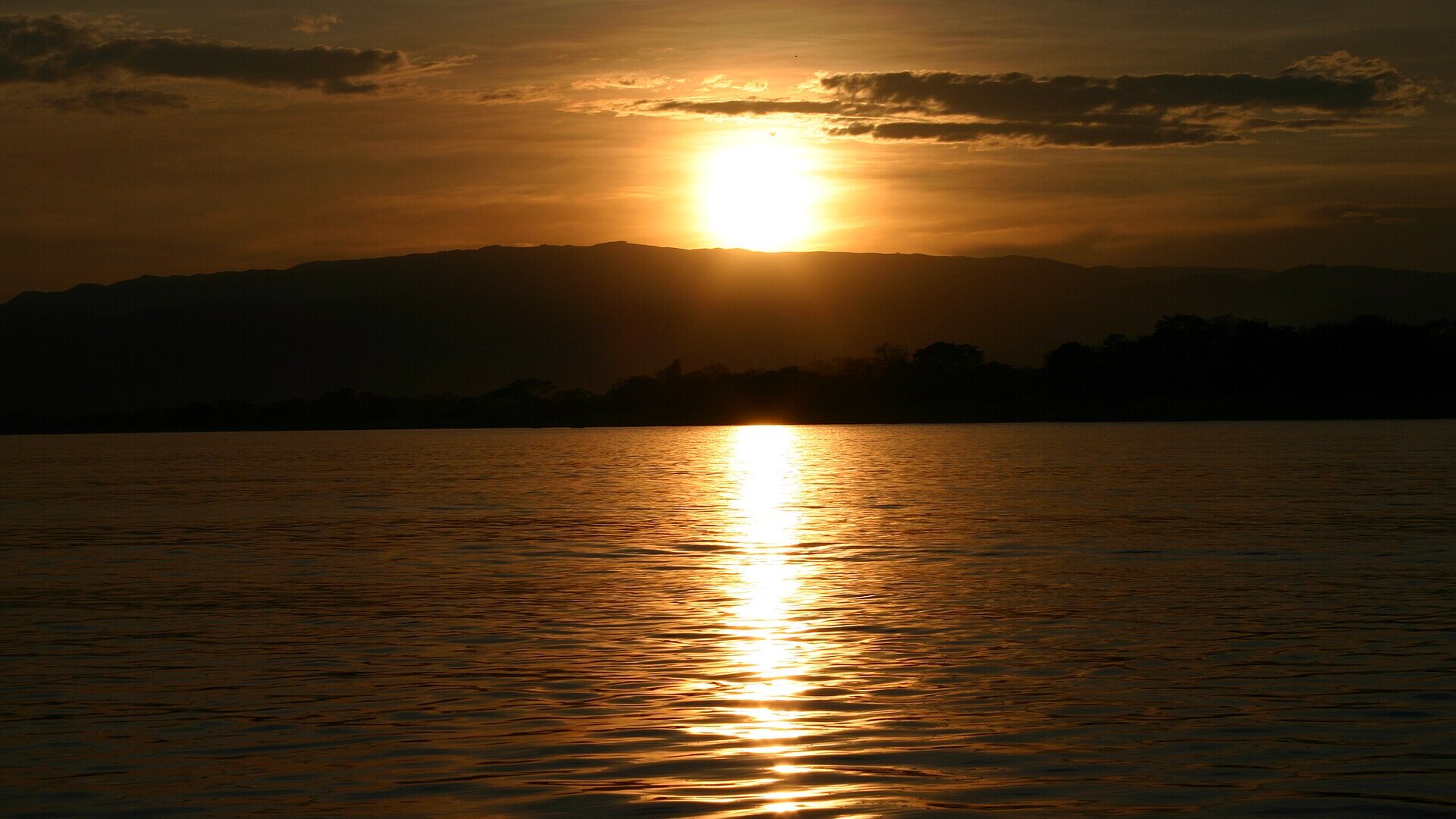
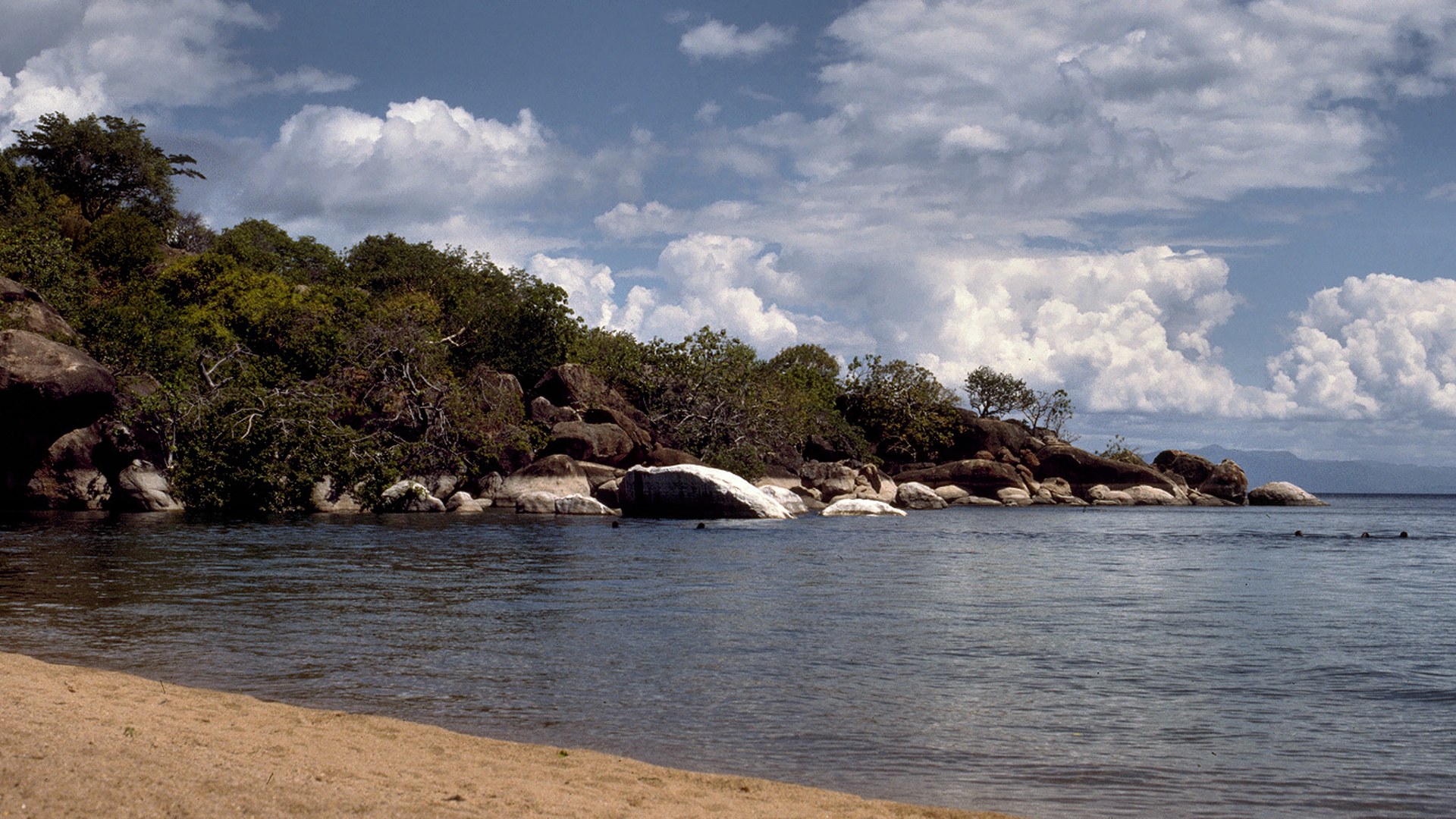
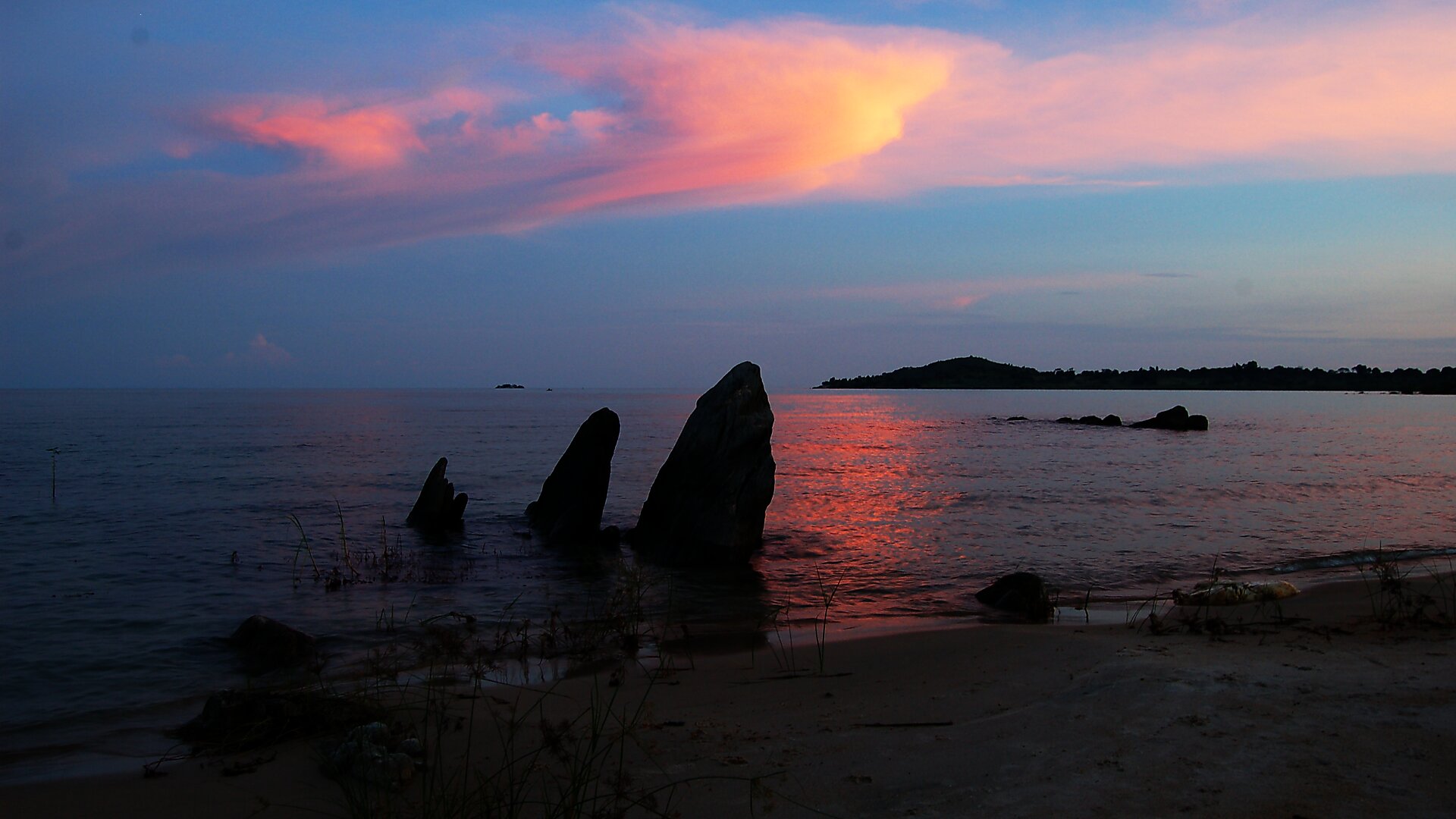
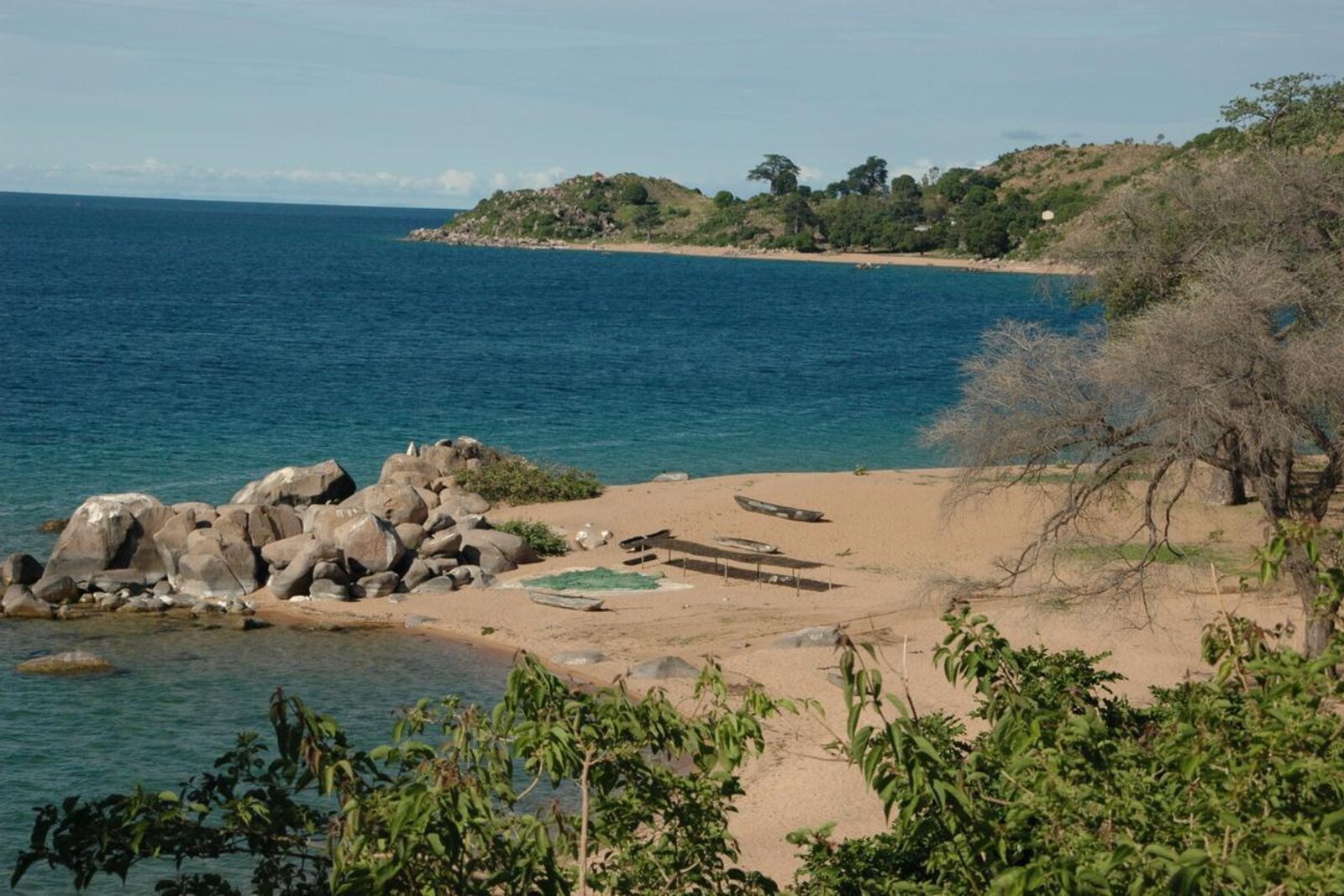
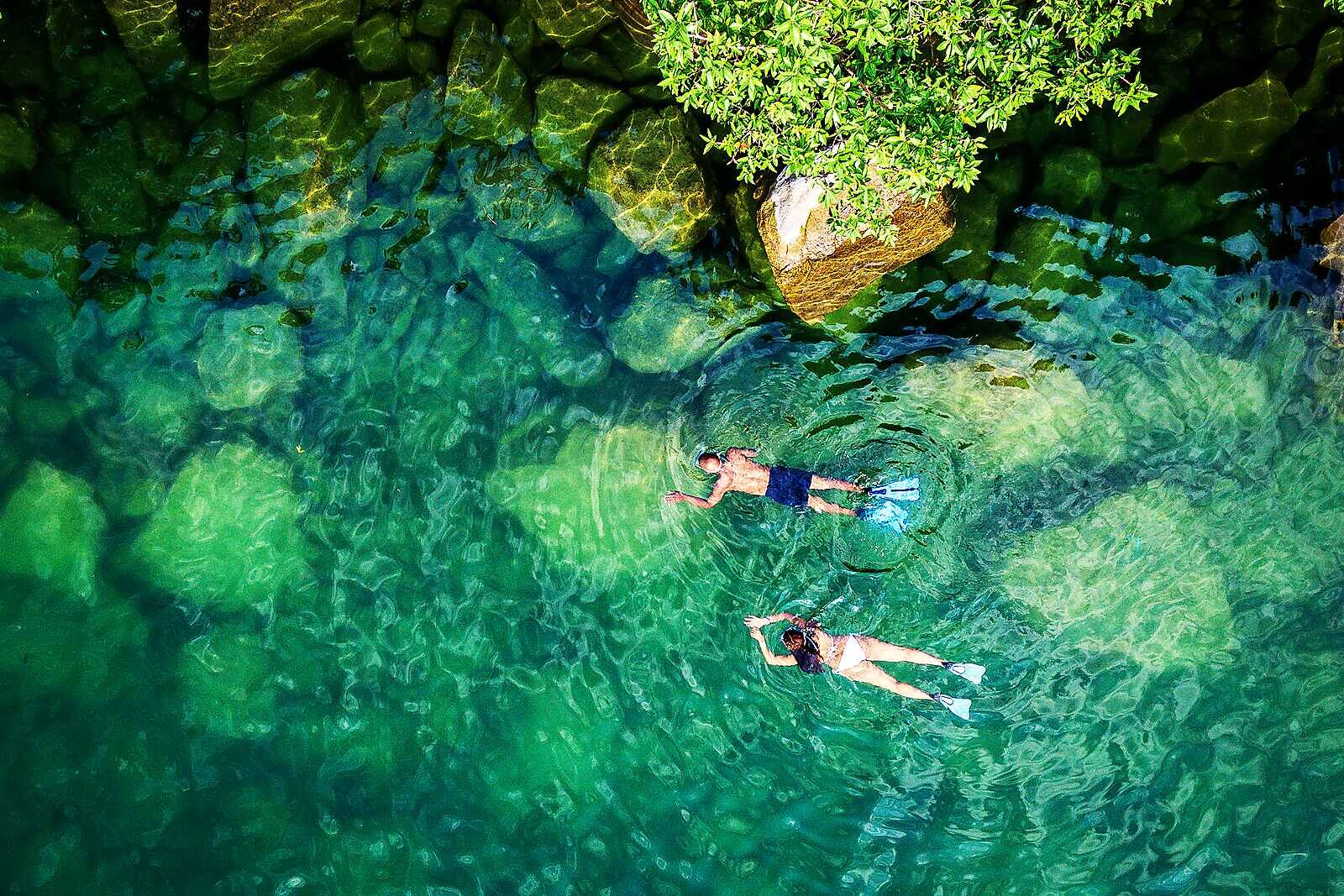
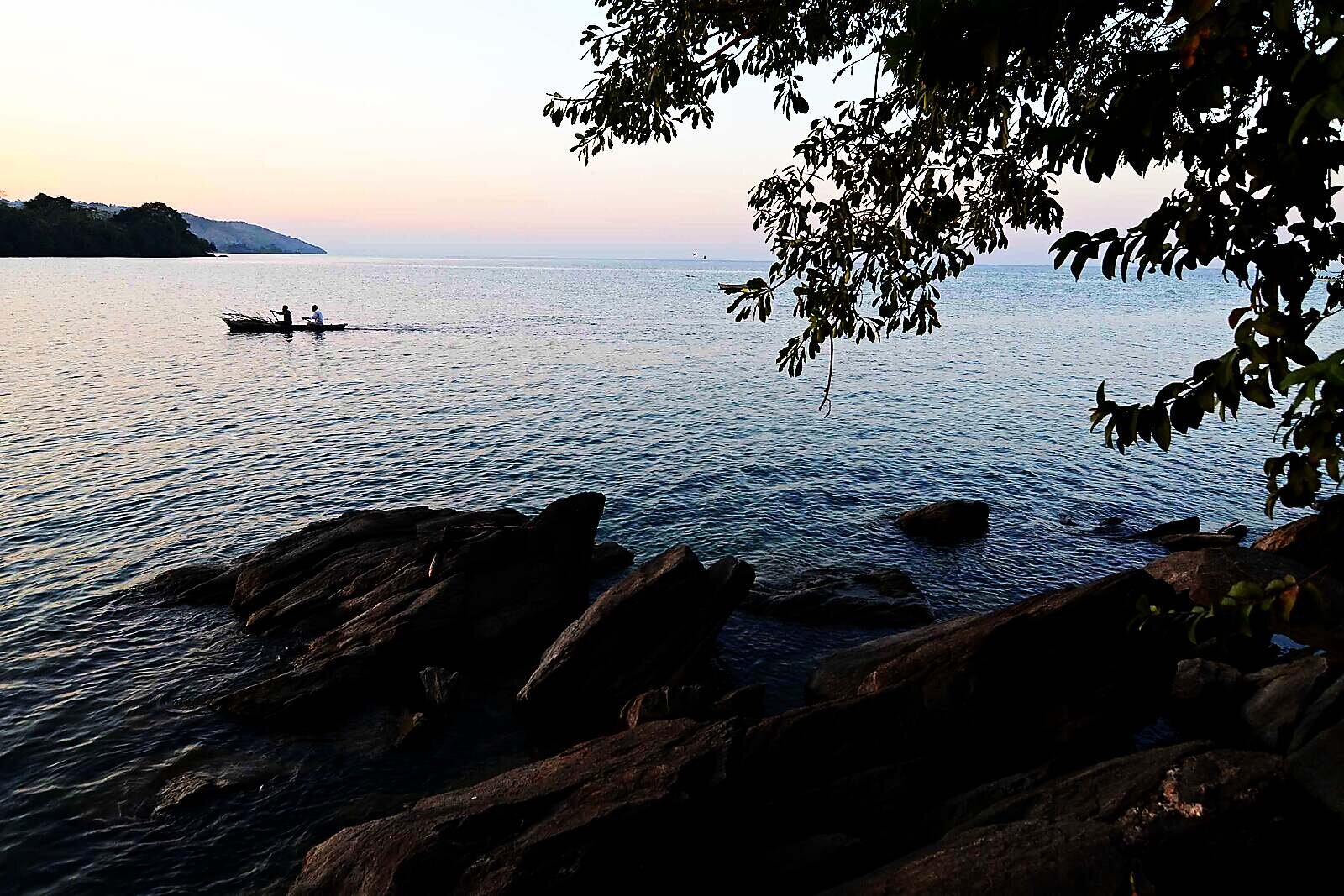
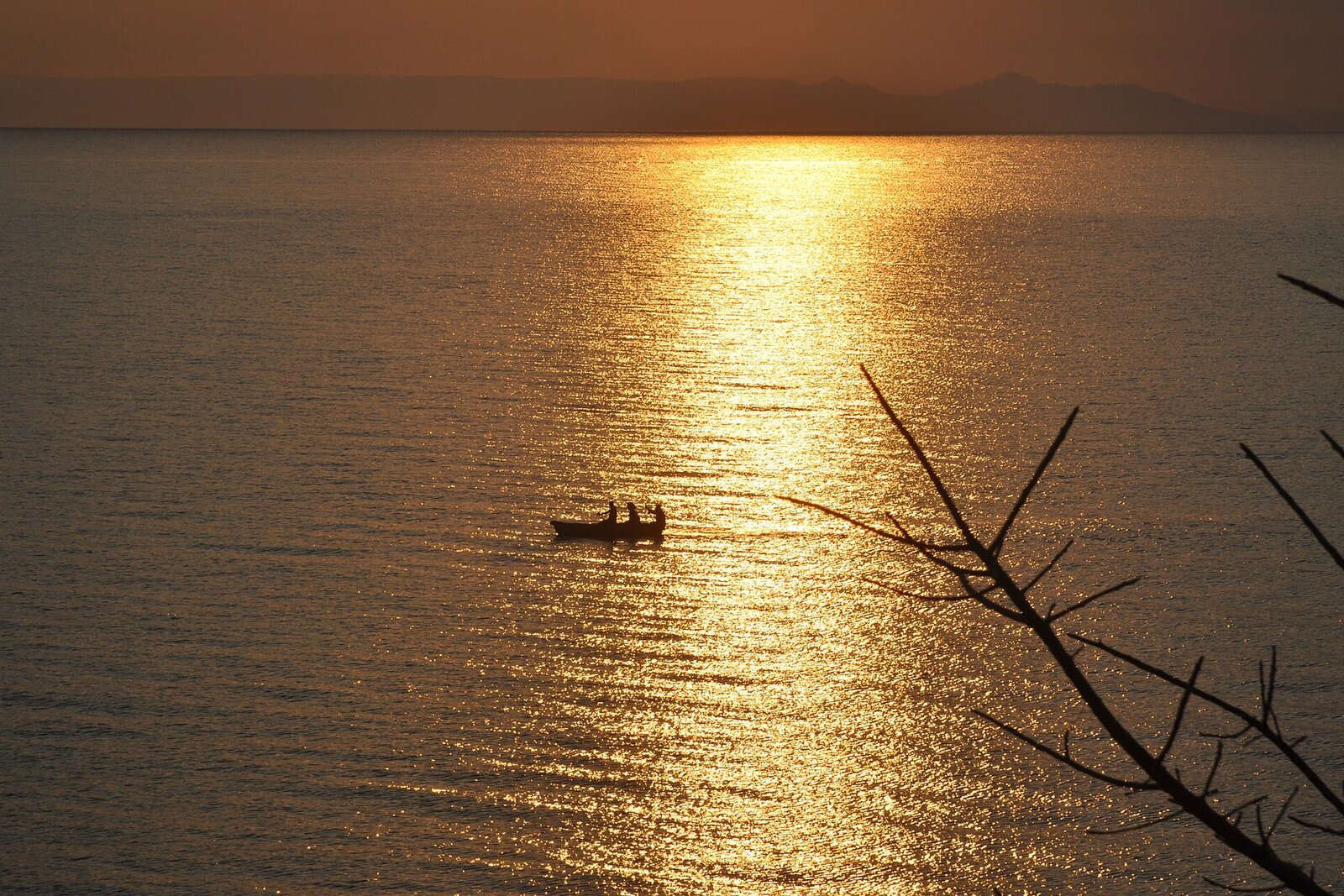
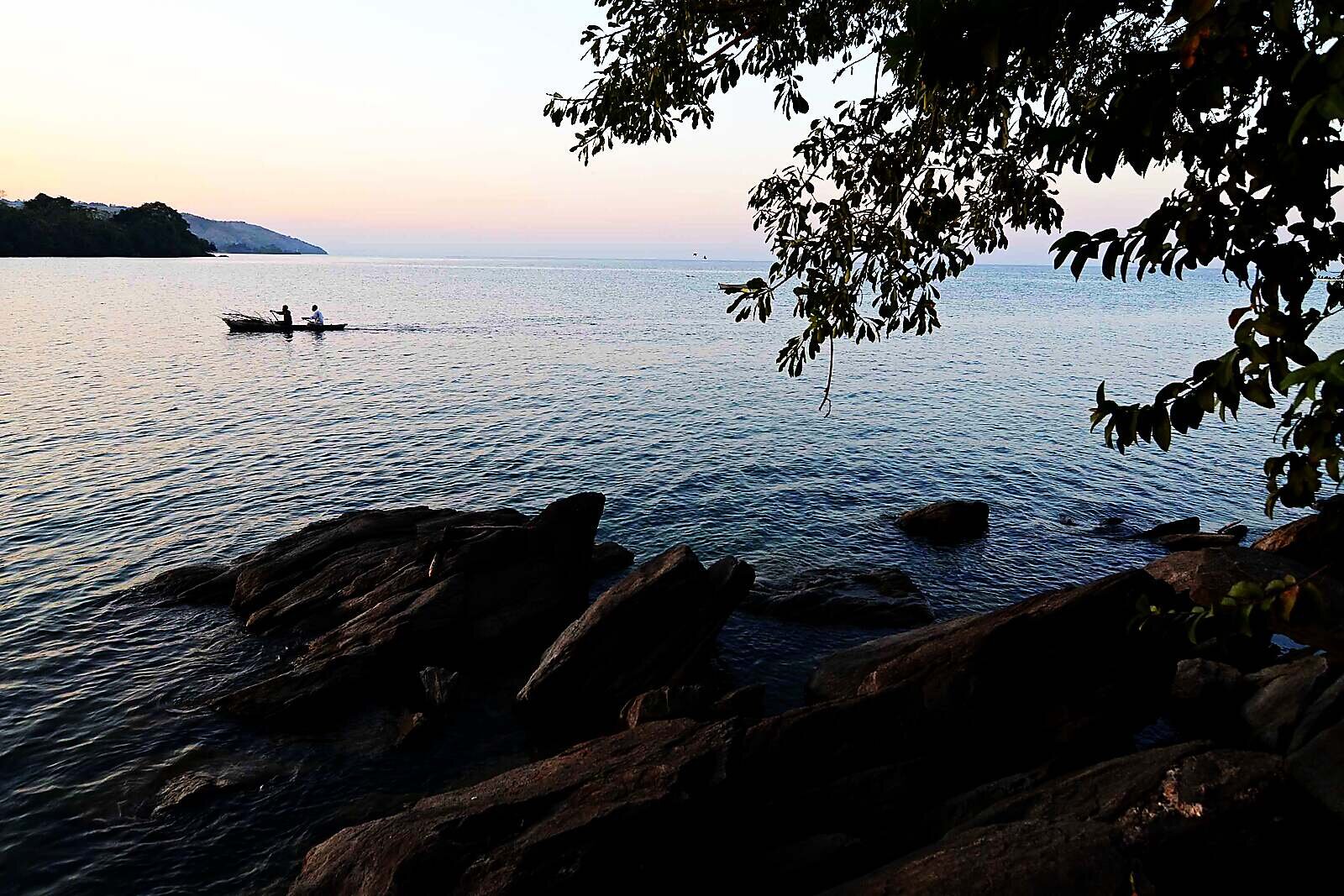
No place in Malawi defines the country like Lake Malawi. Stretching some 580 kilometres down the length of the nation, this vast freshwater lake — a UNESCO World Heritage Site — is so large it feels like an inland ocean, yet its water is warm, clear and safe for swimming. Its jewel is Cape Maclear, a sheltered bay within Lake Malawi National Park, where golden beaches meet rocky islands teeming with hundreds of endemic cichlid fish found nowhere else on Earth. Snorkel among them, kayak to the islands, sail a dhow at sunset, or simply lie on the sand as fishermen haul in their nets. This is Malawi's beating heart.
- Best for: Beaches, snorkelling, kayaking, first-timers, relaxation and families
- When to go: Year-round; May-November for dry, sunny days, the green season for warm swimming
- Access: Easy — road transfer from Lilongwe or a light-aircraft charter to the lakeshore airstrips
- Don't miss: A sunset dhow cruise and a snorkelling trip to the offshore rocks at Cape Maclear.
2. Liwonde National Park — Elephants on the Shire River
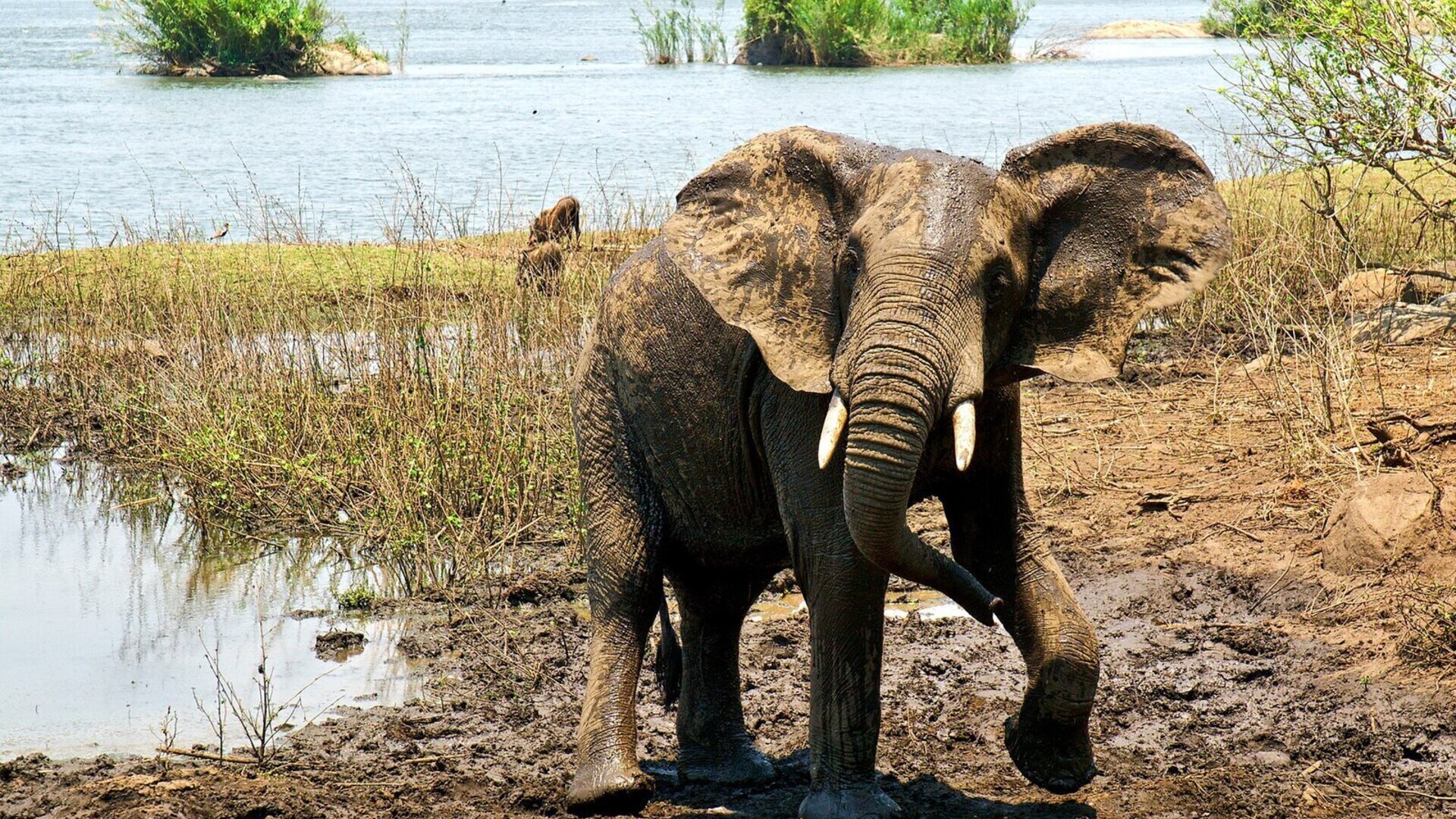
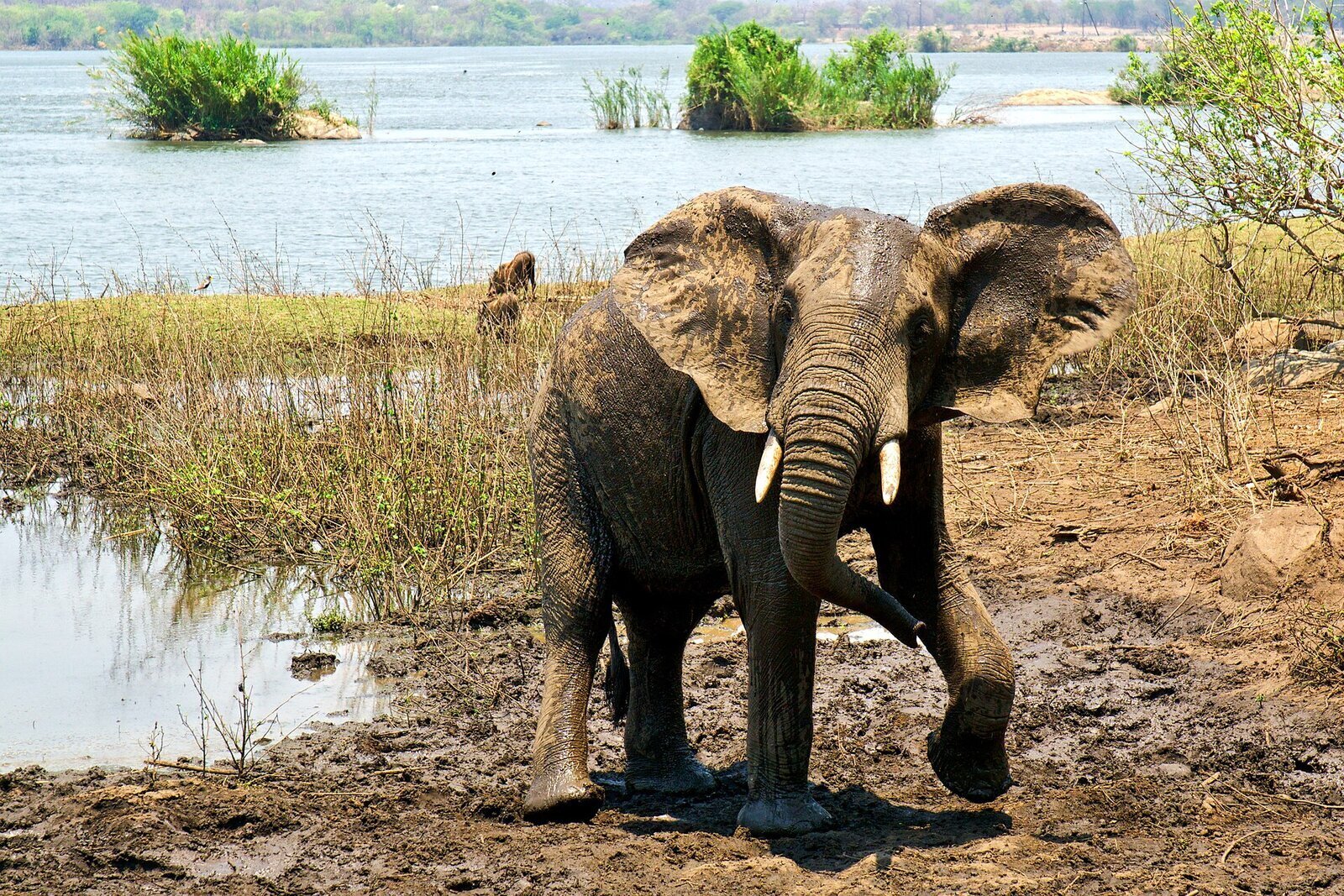
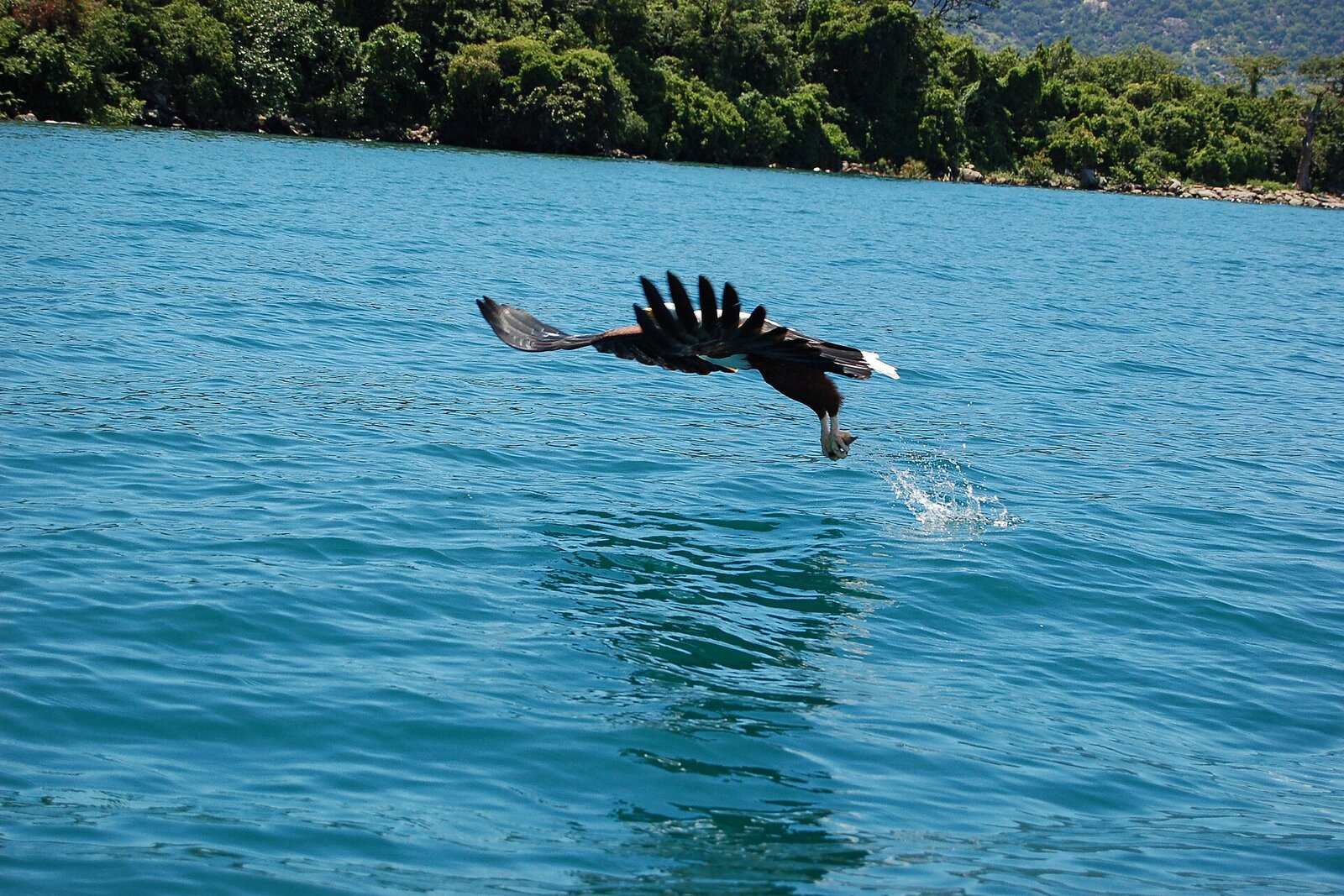
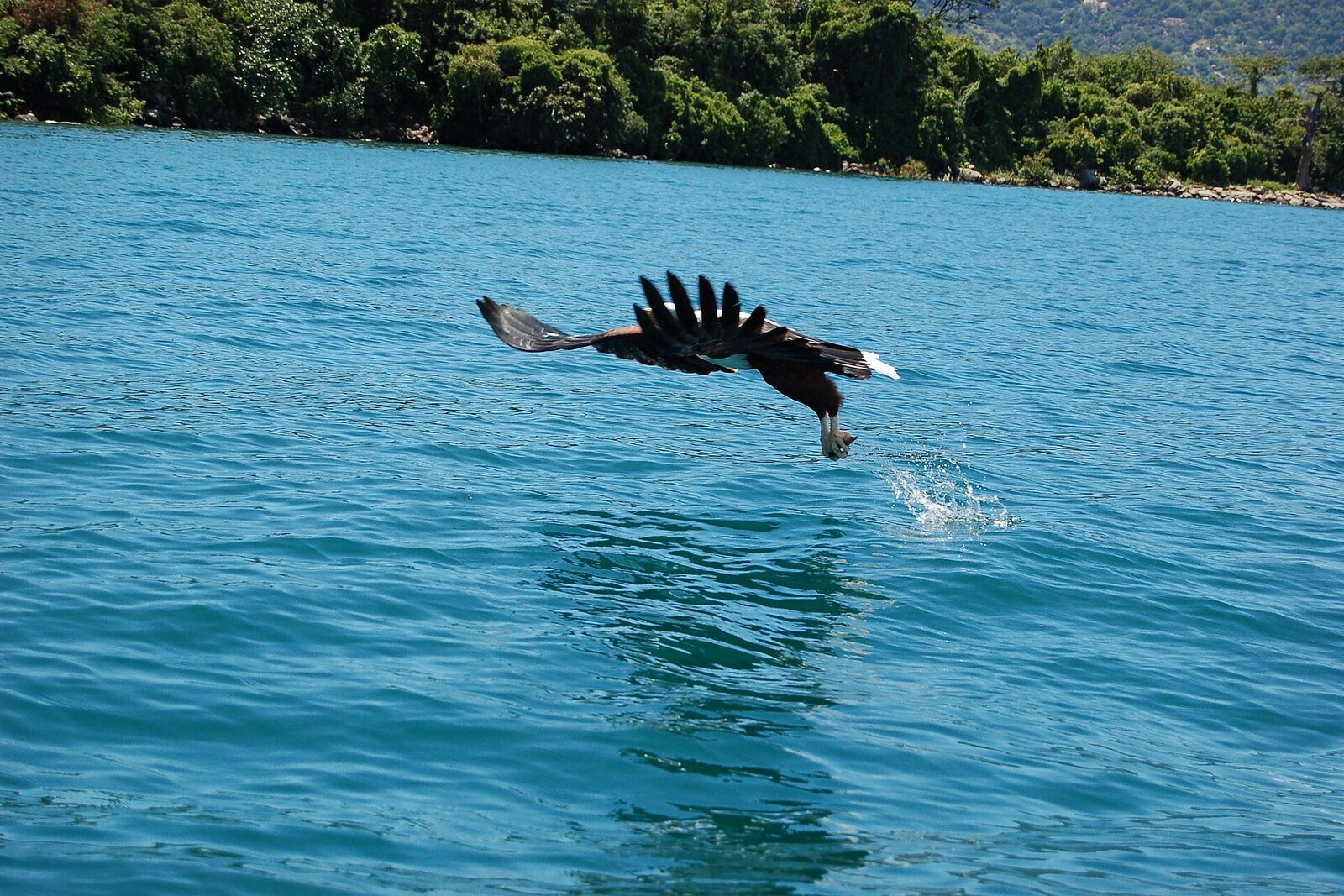
If Malawi has a wildlife soul, it is Liwonde. Following one of Africa's most dramatic conservation turnarounds, this park along the palm-fringed Shire River now brims with life: large herds of elephant drink at the water's edge, hippos and crocodiles crowd the channels, and the air rings with the cry of the African fish eagle. Reintroductions have brought back black rhino, cheetah and lion, making Liwonde a genuine safari destination. The signature experience is a boat safari at golden hour, gliding past elephants and birdlife from the water — an intimate way to meet the wild that few African parks can match.
- Best for: Elephants, boat safaris, birdlife, first safari, river scenery
- When to go: May-November dry season, when animals gather along the shrinking river
- Access: Easy — road transfer from the lake or Lilongwe, or a short charter flight
- Reality: A river boat safari here is one of the most relaxing wildlife experiences in Africa.
3. Zomba Plateau — Highland Forests & Viewpoints
Rising steeply above the old colonial capital of Zomba, the Zomba Plateau is a dramatic tableland of pine and indigenous forest, tumbling waterfalls, trout streams and cliff-edge viewpoints. A network of walking and driving trails leads to famous lookouts such as Emperor's View and Queen's View, where the land falls away to the plains and the shimmer of distant Lake Chilwa. Cool, green and refreshing after the heat of the lowlands, the plateau is perfect for gentle hiking, horse-riding, birdwatching and picnics among the pines. It was once described as one of the most beautiful places in the British Empire — and it still earns the praise.
- Best for: Hiking, viewpoints, cool mountain air, birdwatching, scenic drives
- When to go: May-October for clear views; the plateau is cool year-round
- Access: Road transfer from Blantyre or Liwonde, then a winding drive up the escarpment
- Reality: A refreshing highland contrast to the lake and the bush — allow at least a full day.
Lake Malawi & the Waters of the Warm Heart
4. Mount Mulanje — The Island in the Sky
Soaring abruptly from the surrounding tea estates, the Mulanje Massif is one of Africa's most spectacular mountains — a vast granite island in the sky crowned by Sapitwa Peak, at just over 3,000 metres the highest point in Central Africa. Wreathed in cloud and cut by deep forested valleys, it is a paradise for hikers and climbers, with a network of trails and simple mountain huts linking waterfalls, plateaux and summits. At its foot lie emerald tea plantations where you can walk, tour a factory and stay in a colonial planter's house. Whether you climb for days or simply admire it from below, Mulanje is unforgettable.
- Best for: Hiking and climbing, tea estates, dramatic scenery, adventurous travellers
- When to go: May-October for the driest, safest hiking; avoid the misty peak in heavy rain
- Access: Road transfer from Blantyre, then guided trails from the trailheads at Likhubula
- Reality: Serious hikes need a guide and porters and take two to four days; day walks reward everyone.
5. Likoma Island — Remote Beauty & a Cathedral
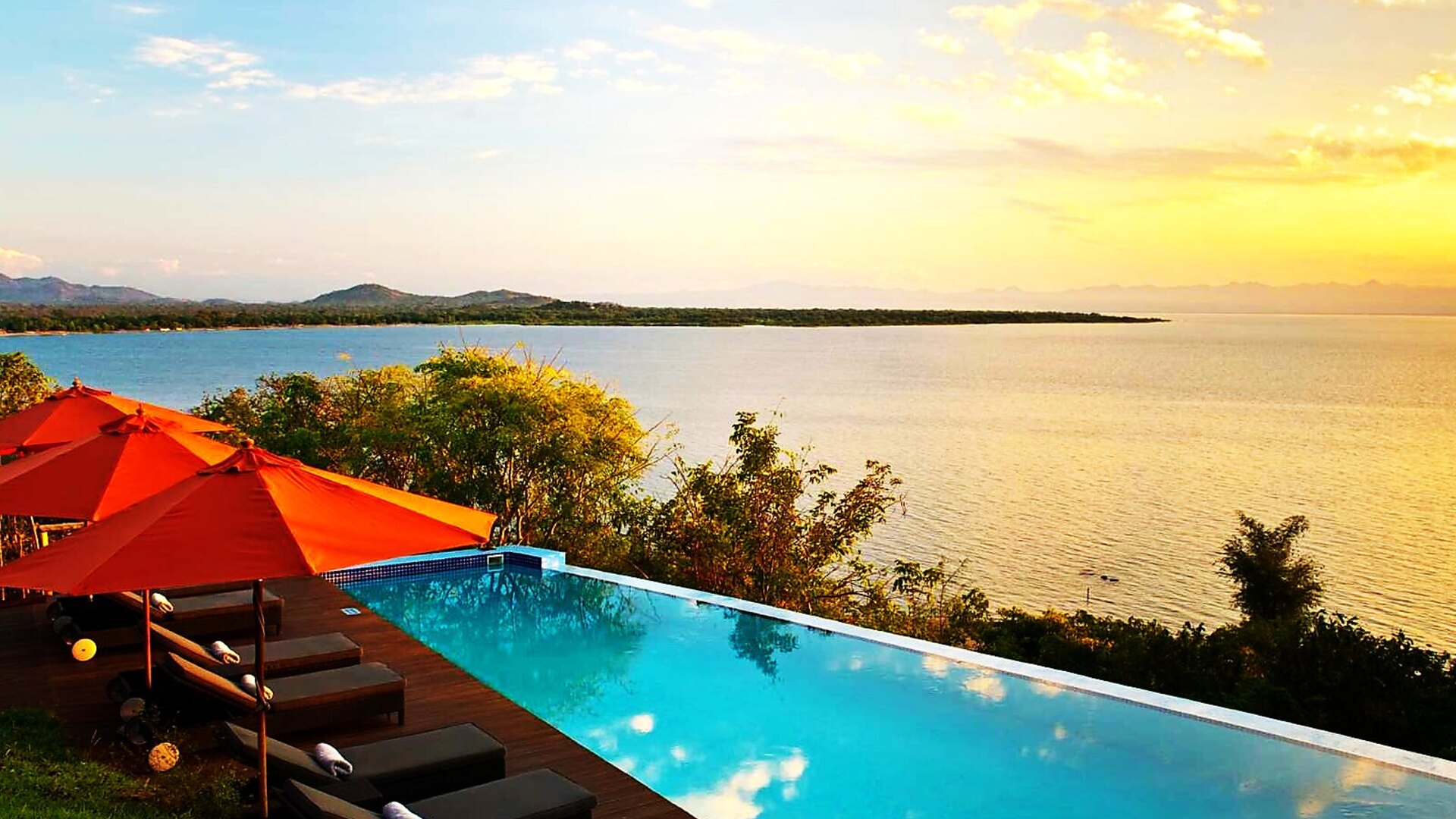
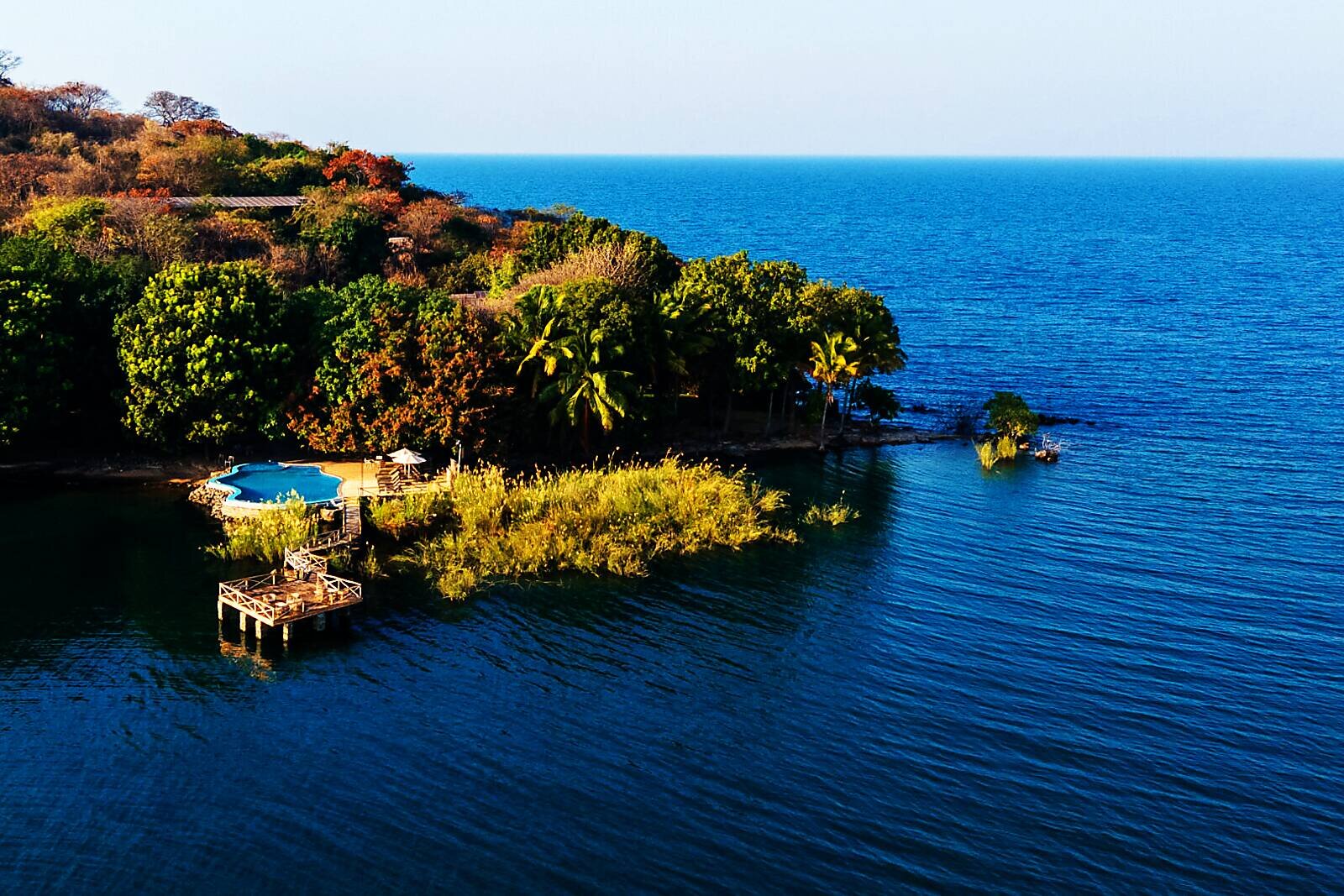
Far out in the lake, closer to the Mozambican shore than to Malawi's own, lies tiny Likoma Island — a place of white-sand coves, baobab trees and startlingly clear water. Its great surprise is the Cathedral of St Peter, an enormous Anglican cathedral built by missionaries in 1903, said to be the size of Winchester Cathedral, standing improbably over a village of a few thousand people. Beyond it, Likoma offers superb snorkelling and diving, sunset walks, and a barefoot, end-of-the-world calm. A luxury lodge and simpler guesthouses make it one of the lake's most magical overnight escapes.
- Best for: Island escape, snorkelling and diving, romance, genuine remoteness
- When to go: Year-round; the dry season offers the calmest, clearest water
- Access: Light-aircraft charter, or the historic MV Ilala ferry across the lake
- Reality: Getting there is part of the adventure — build in flexible time around ferry schedules.
6. Majete Wildlife Reserve — A Big Five Comeback Story
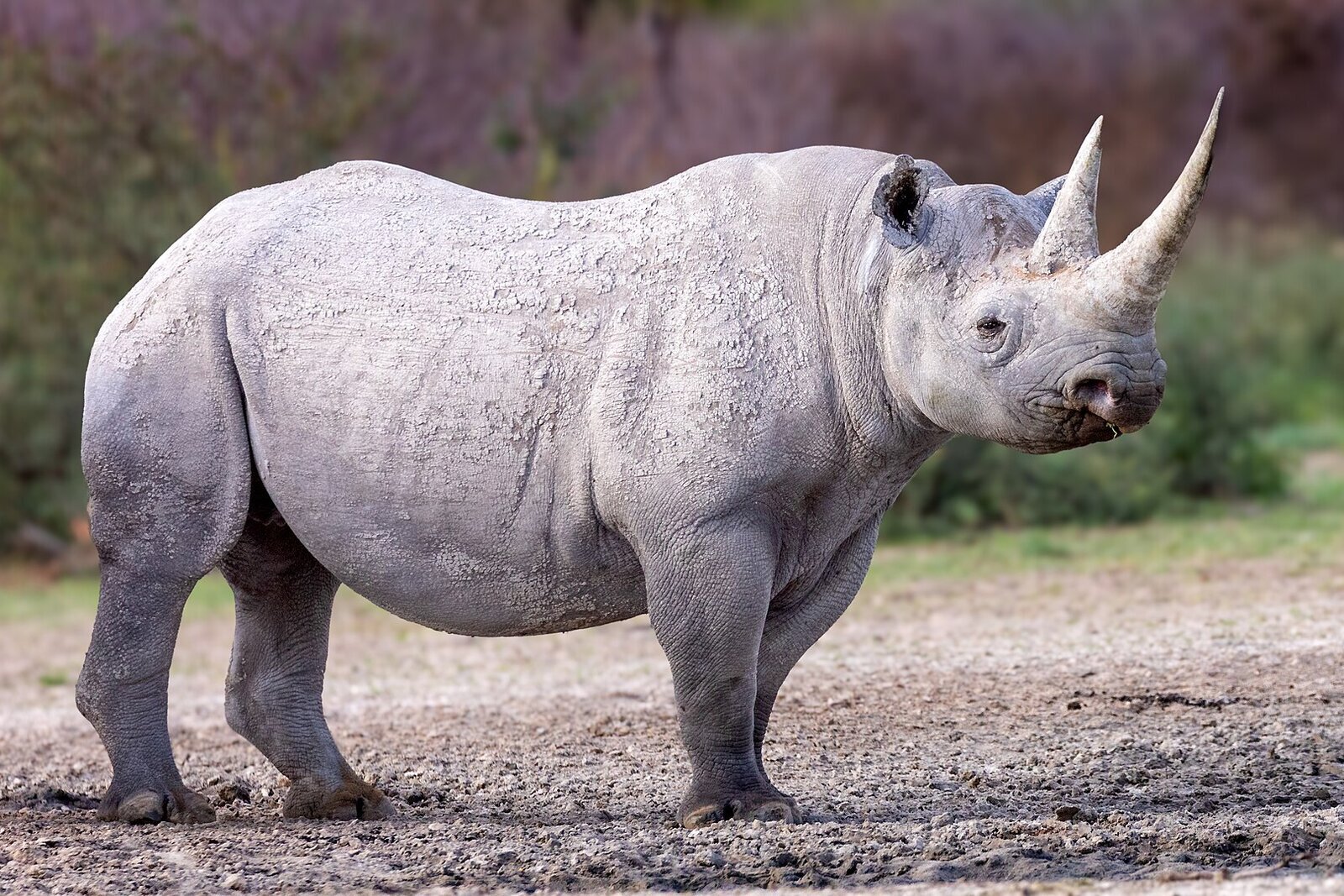
In the lower Shire Valley lies one of Africa's greatest conservation success stories. Two decades ago, Majete had been all but emptied by poaching. Today, after a landmark restoration, it is a thriving Big Five reserve — lion, leopard, elephant, buffalo and black rhino roam a beautiful landscape of miombo woodland and river gorges, and not a single rhino has been lost to poaching since the turnaround. For travellers it means genuine game drives in an uncrowded, malaria-managed park with a real story of hope behind every sighting. Majete pairs naturally with Liwonde for a two-park Malawi safari.
- Best for: Big Five game drives, rhino, a conservation success story, quiet safari
- When to go: May-November dry season for the best wildlife viewing
- Access: Road transfer from Blantyre or Liwonde to the reserve gate
- Reality: One of the most uplifting places to safari anywhere — conservation you can see working.
Malawi's Wild Parks & the Shire River
7. Nyika National Park — The High Plateau
In Malawi's far north rises a landscape unlike anywhere else in the country: Nyika, a vast, rolling highland plateau of grasslands and wildflowers that feels more like the Scottish Highlands than tropical Africa. At over 2,000 metres, the air is cool and clear, and herds of eland, roan, zebra and antelope graze open hills threaded with streams and pockets of montane forest. Leopard prowl at night, and the birding and wildflower displays are exceptional. This is a place for horse-riding, mountain-biking and long walks across wide horizons — a wilderness of space and silence far from any crowd.
- Best for: Highland scenery, horse-riding, walking and biking, wildflowers, solitude
- When to go: May-October for clear skies; wildflowers peak in the green season
- Access: Charter flight or a long, adventurous drive into the northern highlands
- Reality: Remote and high — bring warm layers, and allow time to reach and enjoy it fully.
8. Nkhata Bay — Lakeshore Culture & Diving
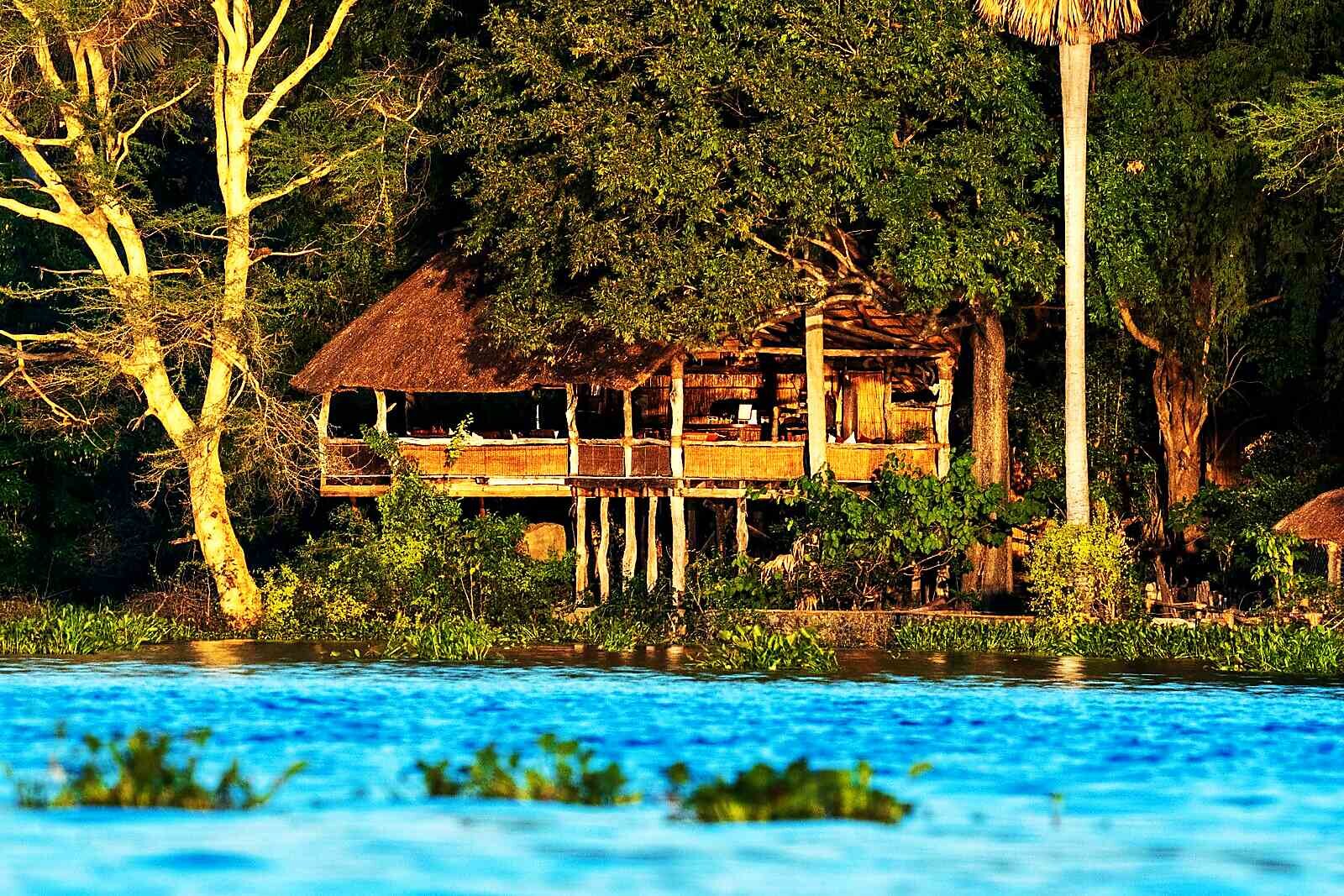
On the northern lakeshore, Nkhata Bay is Malawi's most characterful lake town — a lively, tropical port of steep green hills, fishing boats and a famously relaxed, sociable travellers' scene. The deep, clear water here makes it one of the best places on the lake for freshwater scuba diving and snorkelling, and the surrounding coves hide beaches reachable only by boat or kayak. Beyond the water, Nkhata Bay offers a real taste of Malawian life — vibrant markets, wood-carvers, drumming and the easy warmth that gives the country its nickname. It is the perfect base for the northern lake.
- Best for: Diving and snorkelling, lakeshore culture, backpacker energy, beaches by boat
- When to go: Year-round; dry-season months offer the clearest diving conditions
- Access: Road transfer through the northern highlands, or the MV Ilala lake ferry
- Reality: A social, laid-back hub — great for meeting other travellers and exploring the north.
9. Blantyre — History, Markets & the Southern Gateway
Malawi's oldest city and its commercial capital, Blantyre was founded by Scottish missionaries in 1876 and named after the birthplace of David Livingstone. Set among green hills in the south, it is a bustling hub of markets, craft stalls and everyday Malawian life, with a handful of genuine historical gems — chief among them the beautiful St Michael and All Angels Church, built by missionaries with no formal architectural training. Blantyre is the gateway to the south: Mount Mulanje, the Zomba Plateau, Majete and the lower Shire all lie within easy reach, making it a natural start or end point for a southern-Malawi journey.
- Best for: History and architecture, markets and crafts, southern gateway, local life
- When to go: Year-round; it is a transit and cultural stop rather than a seasonal one
- Access: Chileka International Airport serves the south; good roads to Mulanje, Zomba and Majete
- Reality: Build in a half-day to feel the city, then use it as a springboard to the southern highlights.
10. Lilongwe — The Capital & Gateway to Everywhere
Most Malawian journeys begin in Lilongwe, the calm, green and friendly capital at the heart of the country. Divided between a leafy Old Town of markets and a spacious modern City Centre, it is more relaxed than most African capitals and rewards a little time. Browse the craft markets for wood carvings and Malawian textiles, sample local food, and visit the excellent Lilongwe Wildlife Centre, a sanctuary rescuing and rehabilitating animals from the illegal wildlife trade. Above all, Lilongwe is the gateway — the hub from which roads and light aircraft fan out to the lake, the parks, the highlands and the north.
- Best for: Arrival and departure, markets and crafts, wildlife centre, local culture
- When to go: Year-round; a practical and cultural stop at the start or end of a trip
- Access: Kamuzu International Airport is Malawi's main international gateway
- Reality: Build in a half-day at the start or end — the wildlife centre alone is worth the stop.
Islands, Highlands & the Warmth of Malawi
Building Your Trip: How to Combine Malawi's Best Places
The art of a Malawi trip is combination — pairing the lake with contrasting experiences so each one feels sharper. Here are the routes that work best, matched to how much time you have. For fully costed, pre-designed trips, see our Malawi Safari Tours guide, or explore the wildlife-first routing in Top 10 Best Safari Destinations in Malawi.
The Classic (7-8 days): Lilongwe → Liwonde National Park → Lake Malawi (Cape Maclear). The definitive first trip — elephants on the Shire, then beaches and snorkelling on the lake.
Bush & Beach (8-9 days): Majete → Liwonde → Likoma Island or Cape Maclear. Two-park Big Five safari followed by an island or lakeshore finale.
Highlands & Lake (9-10 days): Blantyre → Mount Mulanje → Zomba Plateau → Lake Malawi. Malawi's scenic south, from mountain and tea estates to the water's edge.
The Full Country (12-14 days): The south (Mulanje, Zomba, Majete, Liwonde) → the lake → the northern highlands of Nyika and Nkhata Bay — for travellers who want every side of Malawi.
💡 Planning Tip: Malawi is compact, but its regions still take time to link by road. Rather than racing to tick every box, choose the lake plus two or three complementary places — a wildlife park, a highland, an island — and give each enough time to breathe. For the ideal months, see Best Time to Visit Malawi.
Best Time to Visit Malawi
| Season | Months | Best For | Notes |
|---|---|---|---|
| Peak Dry | Jul-Oct | ★★★★★ Wildlife, highlands & hiking | Best game viewing in Liwonde and Majete; clear mountain views; warm, dry lakeshore |
| Early Dry | May-Jun | ★★★★★ Green landscapes & comfort | Lush after the rains, pleasant temperatures, fewer visitors, excellent all-round travel |
| Green / Emerald | Dec-Apr | ★★★★☆ Birds, wildflowers & warm swimming | Lush scenery, superb birding, warm lake; some rain and higher humidity |
| Shoulder | Nov | ★★★★☆ All-rounder & value | First rains build; hot and atmospheric, good value, fewer crowds |
Verdict: For a first Malawi trip combining wildlife, highlands and the lake, aim for the dry season (May-November). The lake itself is beautiful year-round, so beach-focused travellers can visit almost any time; for wildflowers and birding, come in the green season (December-April). For a full breakdown, see Best Time to Visit Malawi.
Practical Tips for Visiting Malawi
Flights: Malawi's main international gateways are Kamuzu International Airport in Lilongwe and Chileka International Airport in Blantyre, reached via Nairobi, Addis Ababa, Johannesburg or Dar es Salaam. Internal light-aircraft charters link the lake, the parks and the north quickly.
Health: Malaria precautions are recommended for the lowlands and parks — bring repellent and prophylaxis, and consult your doctor. Bilharzia is present in parts of Lake Malawi; swim where reputable lodges advise and a simple treatment is available after travel.
Currency & costs: The Malawian kwacha is the local currency; US dollars are widely accepted at lodges. Malawi offers some of the best value in the region, from affordable lakeshore lodges to a handful of true luxury camps.
Getting around: Most travellers use a private vehicle with a driver-guide, supplemented by the occasional charter flight and, on the lake, the historic MV Ilala ferry. Roads between main centres are generally good, and distances are modest by African standards.
🦁 Ready to plan your Malawi trip? Browse pre-designed journeys in our Malawi Safari Tours guide, start with the comprehensive Ultimate Malawi Travel Guide, or focus on the wildlife with the Top 10 Best Safari Destinations in Malawi.
Best Places to Visit in Malawi: Frequently Asked Questions
What is the number one place to visit in Malawi?
For most travellers Lake Malawi is the single best place to visit — a vast, clear freshwater lake with sandy beaches, superb snorkelling among endemic cichlid fish, and islands to explore. Cape Maclear, in the UNESCO-listed Lake Malawi National Park, is its most popular stretch. But Malawi's magic is its range: pair the lake with the wildlife of Liwonde or Majete, the highland scenery of Zomba and Mount Mulanje, and the warmth of its people. The best trips combine the lake with at least one other kind of place.
How many days do you need to visit Malawi?
Plan on at least 7-8 days to combine Lake Malawi with one wildlife park such as Liwonde. Add 2-3 days for the highlands of Zomba and Mount Mulanje, or for an island such as Likoma, and a fuller 10-14 day trip lets you reach the northern lakeshore at Nkhata Bay and the high plateau of Nyika. Because Malawi is compact, you can see a surprising amount without long travel days.
What are the best non-safari places to visit in Malawi?
Beyond the wildlife parks, Malawi's standout places are Lake Malawi and Cape Maclear for beaches and snorkelling, the Zomba Plateau for highland forests and viewpoints, Mount Mulanje for hiking and tea estates, Likoma Island for its remote cathedral and clear water, and Nkhata Bay for lakeshore culture and diving. The cities of Blantyre and Lilongwe add history, markets, crafts and local life.
Is Lake Malawi safe for swimming and snorkelling?
Lake Malawi is one of the great freshwater swimming and snorkelling destinations in Africa, with warm, clear water and hundreds of colourful endemic cichlid fish. It is generally very safe around the popular beaches and islands. The main health precaution is bilharzia, which is present in parts of the lake; reputable lodges advise on the safest swimming spots and a simple treatment is available after a trip. Always follow local guidance on currents and conditions.
When is the best time to visit Malawi?
The dry season from May to November is the best all-round time to visit Malawi, with sunny skies, comfortable temperatures and excellent wildlife viewing as animals gather near water in Liwonde and Majete. The lake is beautiful year-round. The green season from December to April brings lush landscapes, superb birding and warmer lake swimming, though some rain. For a full breakdown see our Best Time to Visit Malawi guide.
Can you see wildlife in Malawi?
Yes. Thanks to a remarkable conservation turnaround, Malawi now offers genuine Big Five wildlife viewing. Majete Wildlife Reserve holds lion, leopard, elephant, buffalo and black rhino, while Liwonde National Park is famous for large elephant herds, hippos, crocodiles and fish eagles along the Shire River, plus reintroduced cheetah and rhino. Nyika Plateau offers antelope, zebra and roan in highland grasslands. For the wildlife-first itinerary, see our Top 10 Best Safari Destinations in Malawi.
Is Malawi worth visiting?
Absolutely. Nicknamed the Warm Heart of Africa for the friendliness of its people, Malawi offers a rare combination in one small, easy-to-travel country: a spectacular freshwater lake with beaches and snorkelling, real Big Five wildlife, dramatic highlands and mountains, and a relaxed, uncommercial atmosphere. It is ideal both as a standalone trip and as a lake-and-bush add-on to a safari in Zambia, Tanzania or Zambia's Luangwa Valley next door.
What is the best way to get around Malawi?
Malawi is compact and most travellers get around by road with a private vehicle and driver-guide, which is comfortable and lets you stop at markets and viewpoints along the way. Light aircraft charters link the main areas quickly — useful for reaching Likoma Island, the northern lake or Nyika Plateau. A boat, the historic MV Ilala ferry, or private transfers connect points along the lakeshore. Most itineraries combine road transfers with the odd flight.
How much does a trip to Malawi cost?
Malawi suits a wide range of budgets. Comfortable mid-range lodges and lake resorts typically run about $150-350 per person per night, while luxury lodges in Liwonde, Majete and on private islands can reach $500-900 or more per night. Backpacker and budget lakeshore options are among the most affordable in the region. Internal flights and park fees add to the cost of reaching remote areas. For pre-designed trips, see our Malawi Safari Tours guide.
Final Word: Choosing the Best Places to Visit in Malawi
Malawi's greatness lies in its range — and its warmth. In one small, welcoming country you can snorkel among jewel-coloured fish in a UNESCO lake, watch elephants drink along the Shire River, hike a granite mountain that pierces the clouds, ride across a highland plateau of wildflowers, and end each day with a sunset over the water and a genuine Malawian smile. Few countries pack so much variety into so gentle a journey.
- ✅ First visit? Lake Malawi and Cape Maclear, then elephants on the Shire in Liwonde
- ✅ Love wildlife? Pair Majete's Big Five with Liwonde's river safaris
- ✅ Crave scenery? Climb Mount Mulanje, drive the Zomba Plateau, ride the Nyika highlands
- ✅ Want an island? Likoma Island's clear water and improbable cathedral
The honest advice: don't try to see everything. Choose the lake plus the places that match who you are as a traveller, give each enough time, and let your trip tell one coherent story. Do that, and Malawi — the Warm Heart of Africa — will give you the journey of a lifetime.
Ready to start planning? Explore our Malawi Safari Tours guide, browse the Best Luxury Safari Lodges in Malawi, or begin with the comprehensive Ultimate Malawi Travel Guide.