Key Takeaways
- The best time to visit Malawi is the dry season, May to October — warm sunny days, cool crisp mornings, clear skies and superb conditions for both Lake Malawi diving and bush safari
- September and October are the all-round sweet spot: peak wildlife viewing as animals concentrate at permanent water, the year's best diving visibility (up to 30 metres) in the lake, and the hottest, driest weather
- Lake Malawi diving and snorkelling is best from May to November, with visibility peaking September to November — the lake holds over 1,000 cichlid species, more freshwater fish species than any other lake on Earth
- Liwonde and Majete safari game viewing peaks from July to October when thinning bush and shrinking water concentrate elephants, hippos, the Big Five at Majete, and birdlife along the Shire River
- The wet season (November to April) is hot, humid and green with heavy rain December to March — but it brings spectacular migratory birdwatching, lush emerald landscapes and the year's lowest lodge rates
- Hiking Mount Mulanje and Zomba Plateau is best in the dry season (May–October) — wet-season trails are slippery and dangerous on the mountain
TL;DR: The best time to visit Malawi is the dry season, May to October, when the Warm Heart of Africa offers clear skies, comfortable temperatures, superb lake diving and peak bush safari conditions. September and October are the finest all-round months, combining the year's best wildlife viewing in Liwonde and Majete with extraordinary 30-metre diving visibility in Lake Malawi. The wet season (November–April) is hot, green and cheapest, bringing migratory birds and dramatic landscapes but heavy rain and some impassable roads. For a lake-and-bush combination, July to October aligns the best safari and diving conditions. The Lake of Stars Festival in September adds a cultural highlight. Below you will find a full month-by-month guide, dry and wet season deep-dives, lake vs bush timing, region-by-region advice, best-time-by-traveller, weather and packing, and exactly when to book. Read this alongside our ultimate Malawi travel guide.
Ask anyone who has fallen for Malawi when you should go, and the honest answer is that it depends on whether you are chasing crystal-clear water, big game on the savanna, or both. This small, warm, friendly country — the Warm Heart of Africa — offers one of the continent's most versatile travel calendars: a freshwater lake so vast and clear that it earned UNESCO World Heritage status, bush national parks that rival the big-name destinations at a fraction of the price, and highland hiking country that ranks with the best in southern Africa. But it wears two very different faces across the year, and getting the timing right is the single most important decision you will make.
In short: the best time to visit Malawi is the dry season, from May to October. These are the cooler, drier months when the skies clear, the bush thins, the lake settles into its extraordinary clarity, and the whole country feels comfortable and inviting. It is peak diving and snorkelling season on Lake Malawi, prime safari weather in Liwonde and Majete, and the only safe window for serious hiking on Mount Mulanje and Zomba Plateau. If you dream of kayaking across gin-clear water to a remote island, watching elephants drink from the Shire River at dusk, and trekking through cedar forests on Africa's highest plateau, this is your window.
But the story has a second chapter. The wet season, November to April, transforms Malawi into a steamy, emerald paradise. The rains bring explosive birdlife — migratory species arriving from the Northern Hemisphere in spectacular breeding plumage — and turn the dry brown bush into a vivid green canvas. It is the cheapest, quietest time to travel, and for birders and photographers who can tolerate the heat and the rain, it offers rewards no other season can match. This guide walks you through the whole calendar — month by month, season by season, and region by region — so you can choose the Malawi that is right for you.
The Short Answer: Best Time to Visit Malawi by Priority
| If your priority is... | Best months | Why |
|---|---|---|
| Best overall (lake + safari) | May – October (peak Sep–Oct) | Warm, dry days; clear lake; peak wildlife at water; safe hiking |
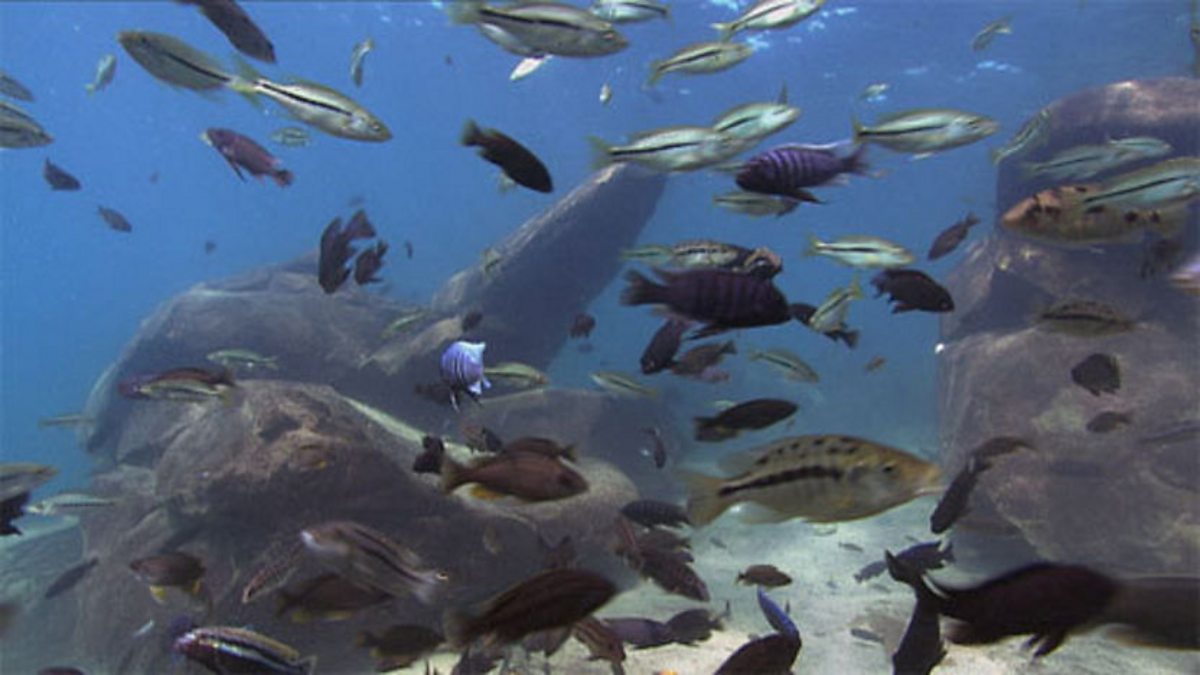
| Freshwater diving & snorkelling | May – November (peak Sep–Nov) | Up to 30m visibility; 1,000+ cichlid species; no tides, no salt, no sharks |
| Safari game viewing (Liwonde & Majete) | July – October (peak Sep–Oct) | Thin bush, animals at permanent water; boat safaris on the Shire |
| Hiking (Mulanje & Zomba) | May – October | Dry, safe trails; clear summit views; cool highland temperatures |
| Birdwatching | November – March | Northern Hemisphere migrants arrive; breeding plumage; lush habitats |
| Lake of Stars Festival | September (typically) | Annual music festival on the lakeshore — peak dry-season energy |
| Best value & fewest visitors | November – April (green season) | Lowest rates, empty parks, green landscapes — but heat & rain |
Keep this table in mind as you read on. Below we unpack the two seasons in depth, then break the year down month by month so you can pin your dates with confidence.
The Dry Season (May–October): Sun, Clear Water & Peak Safari
If there is a single best time to visit Malawi, this is it. As the last rains of April fade, the skies clear, the humidity drops and the country enters six glorious months of warm, dry, comfortable weather. From May right through to October, Malawi offers the kind of days travellers dream about: bright blue skies from dawn to dusk, cool crisp mornings that warm into sunny mid-20s afternoons, and evenings that invite a fleece and a fire under a canopy of southern-hemisphere stars.
Daytime temperatures through the dry season typically sit in the pleasant range of 23 to 28 degrees Celsius on the lakeshore and in the lowland parks, climbing higher in September and October as the heat builds before the rains return. The deep midwinter months of June, July and August bring the coolest, freshest conditions — mornings in the mid-teens, sunny days around 22 to 25 degrees, and nights that are genuinely cool, especially on the highlands of Zomba and Mulanje where a warm jacket is essential. Rain is effectively absent, the air is dry and clear, and the light is clean and golden.
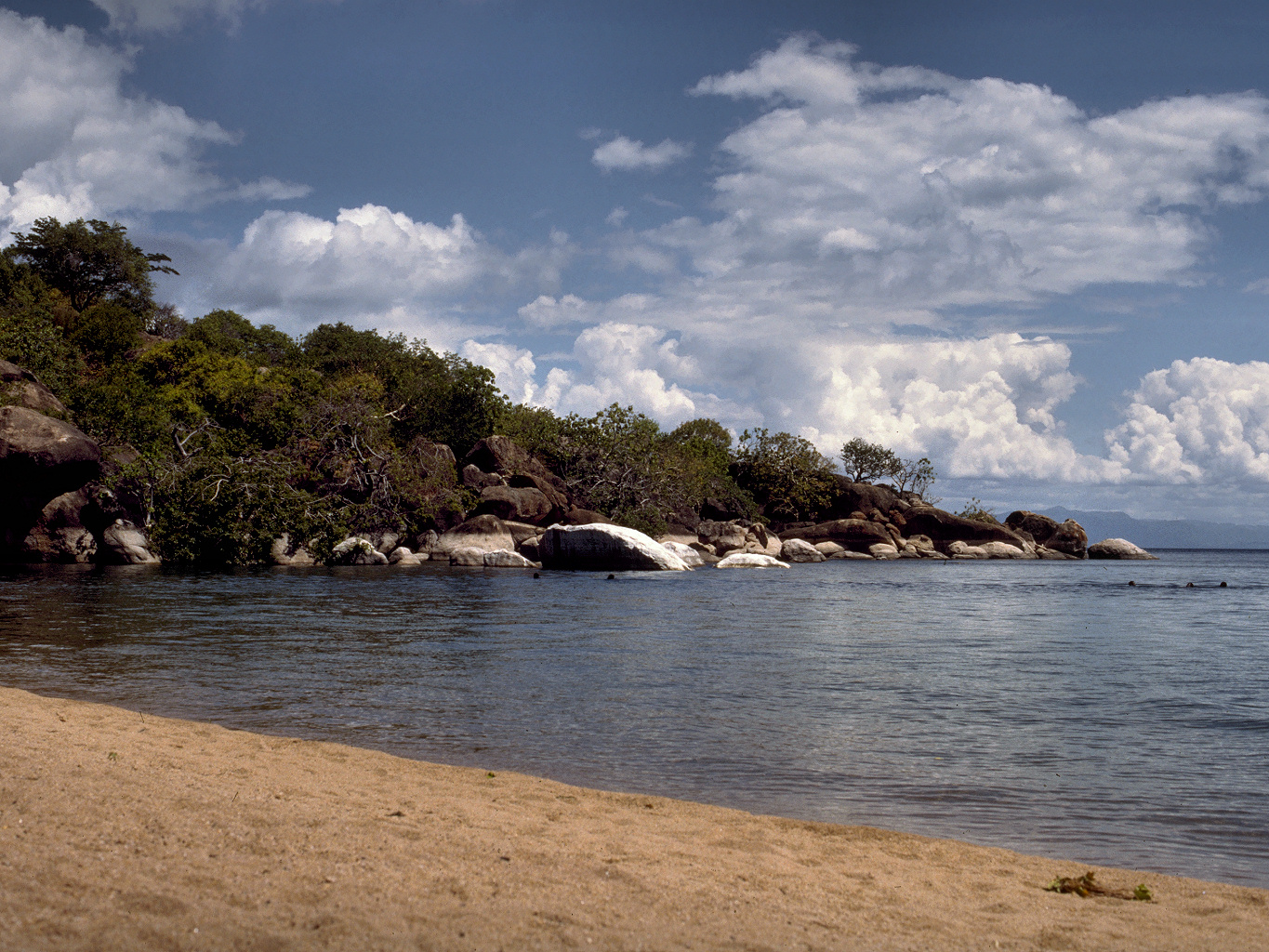
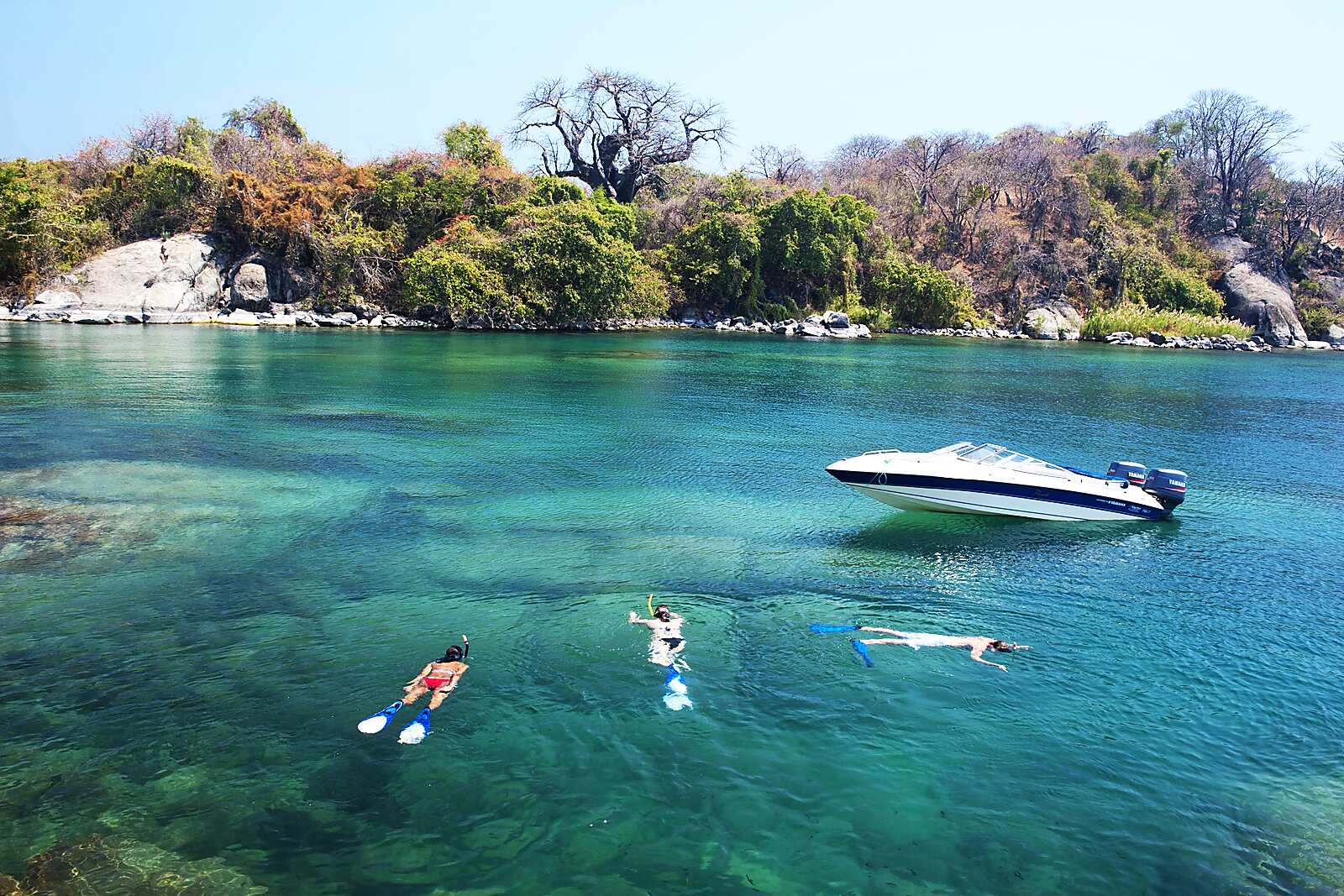
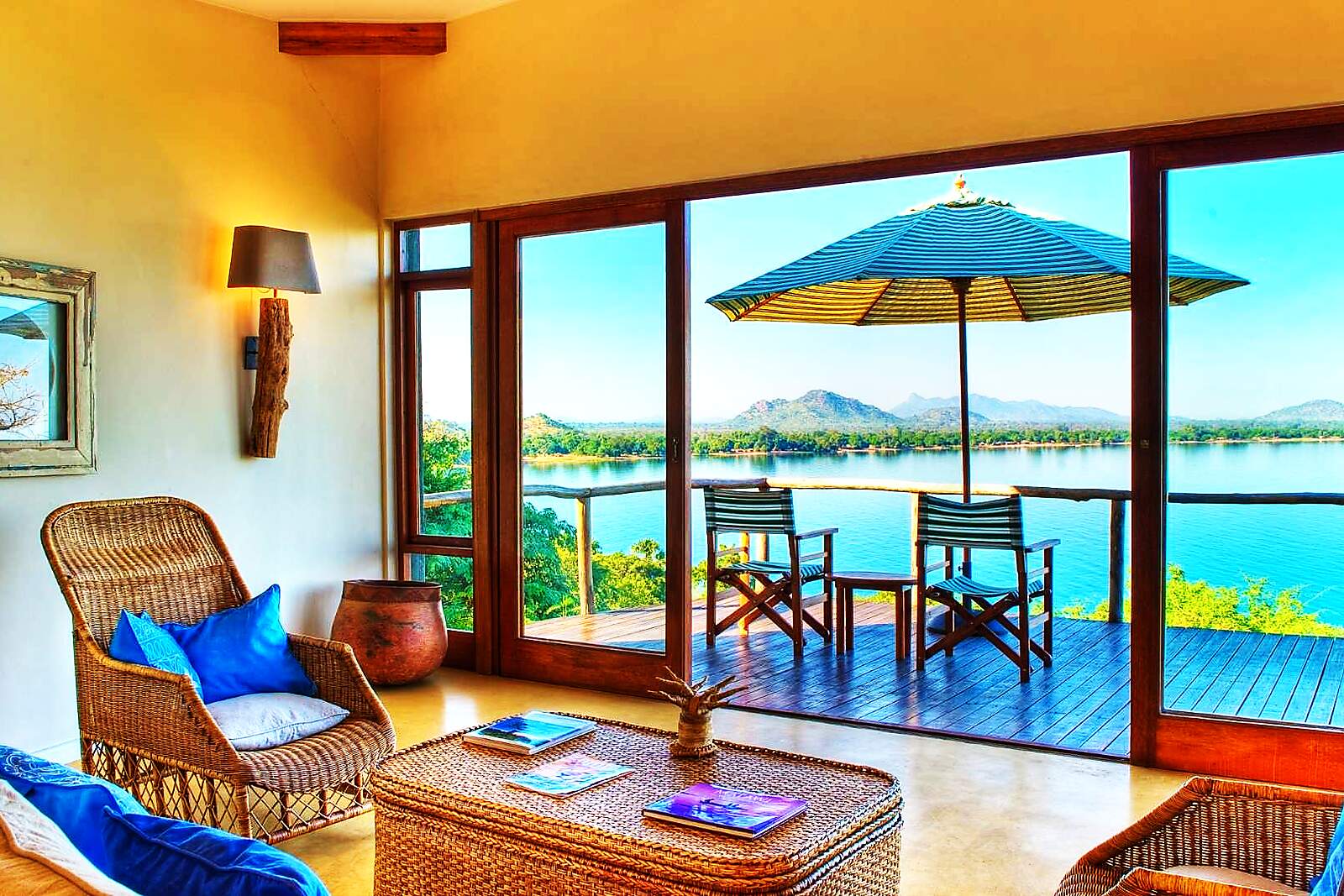
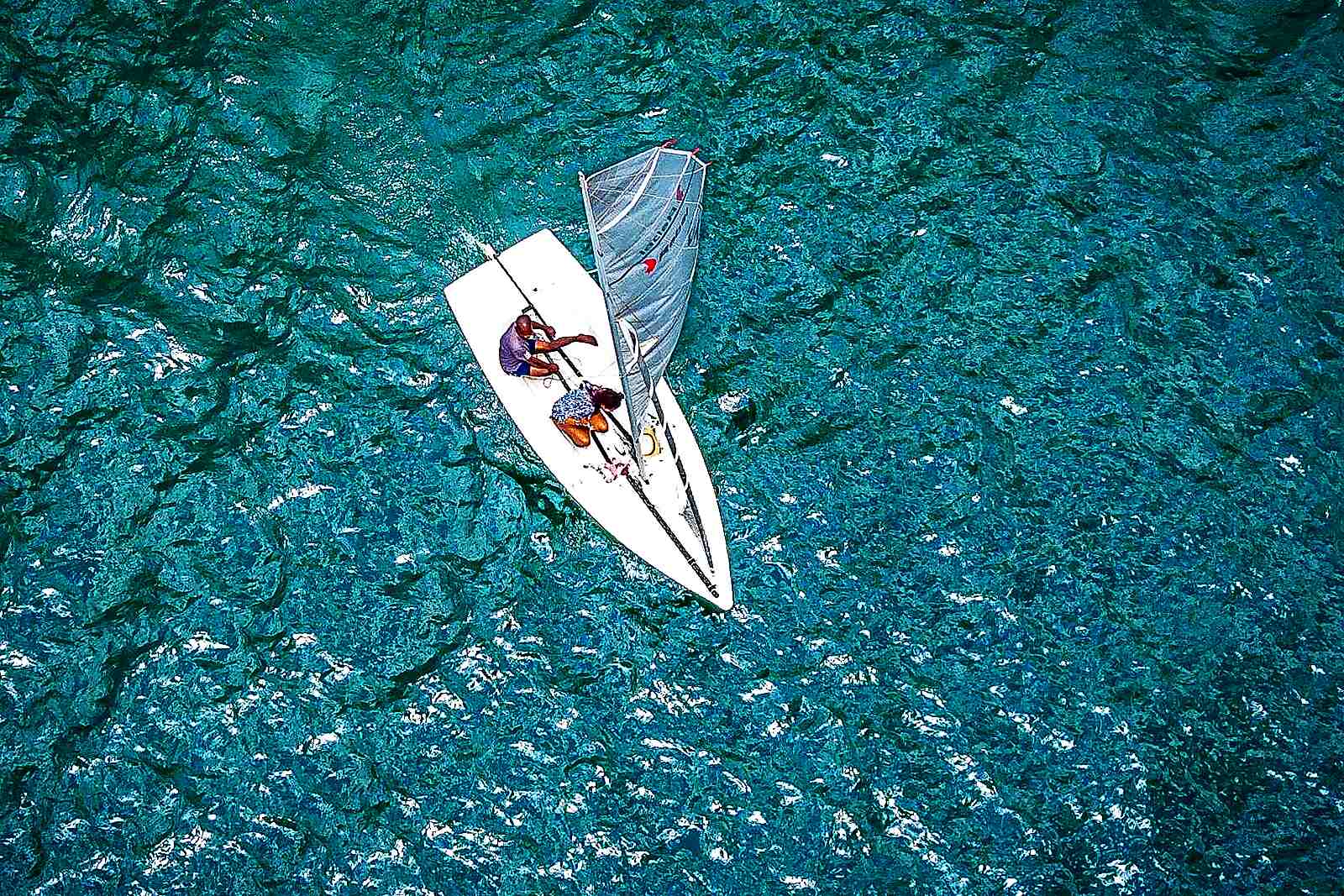
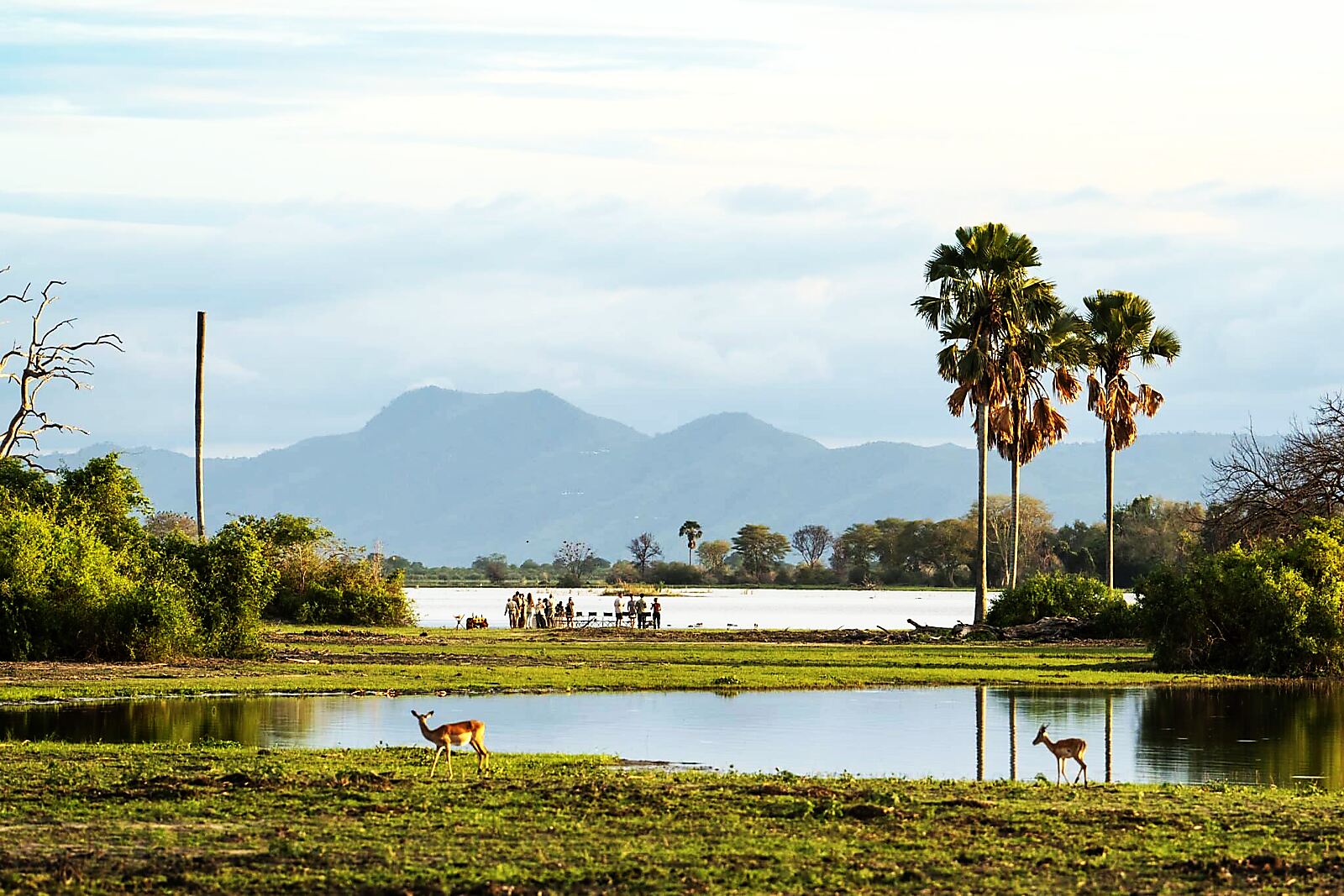
For Lake Malawi — the country's headline attraction — the dry season is transformative. This is the world's third-largest freshwater lake, a UNESCO World Heritage site that holds more fish species than any other lake on Earth: over 1,000 species of cichlid, the vast majority found nowhere else. As the rains stop and river runoff fades, the lake settles into its extraordinary clarity. Diving visibility climbs from a good 15 to 20 metres in the early dry season to a staggering 30 metres at peak, typically in September, October and into November — conditions that would be exceptional on a tropical reef, let alone in fresh water. The lake is warm year-round (22 to 29 degrees Celsius), has no tides, no salt, no sharks and no strong currents, making it one of the most accessible and extraordinary diving environments on the planet.
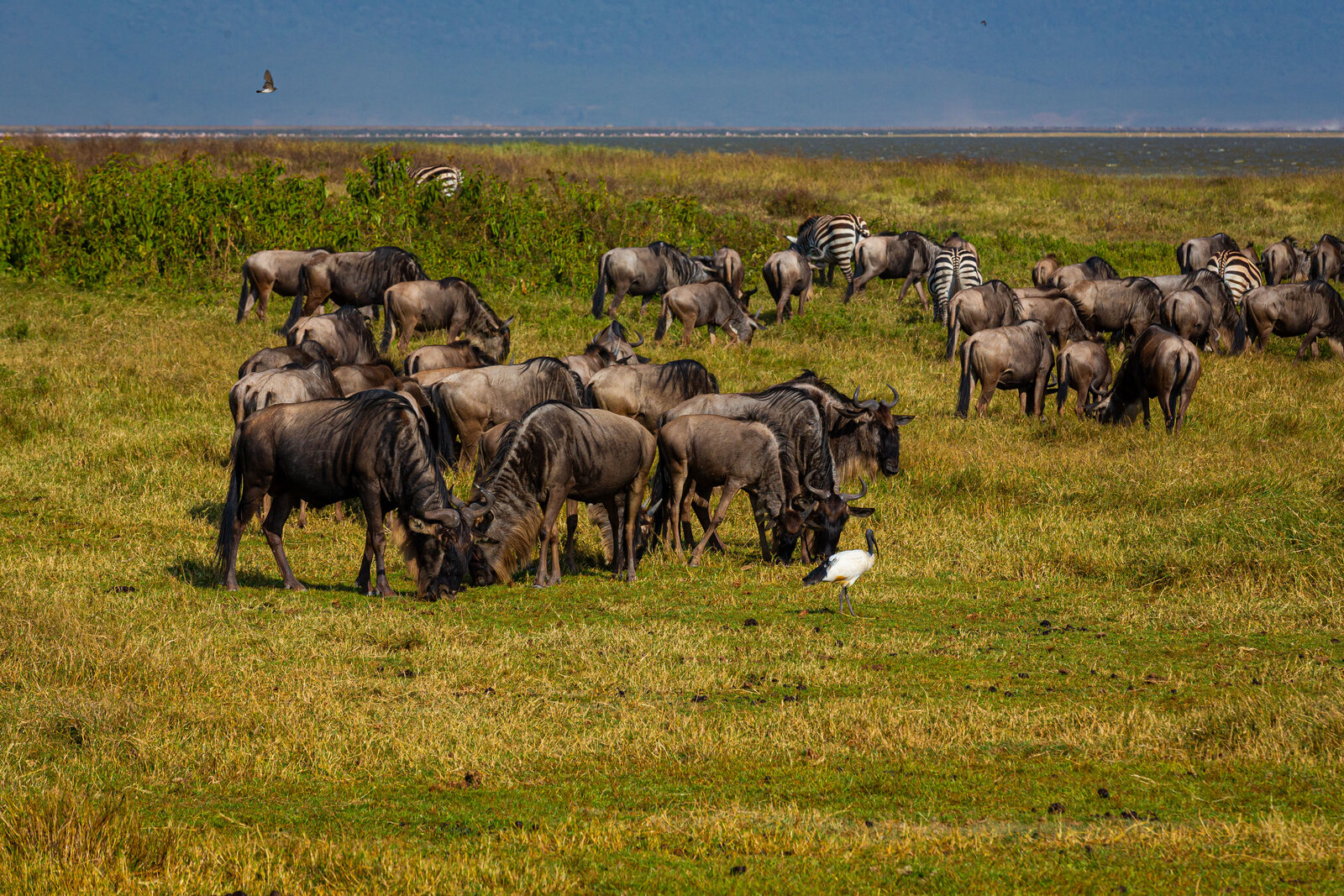
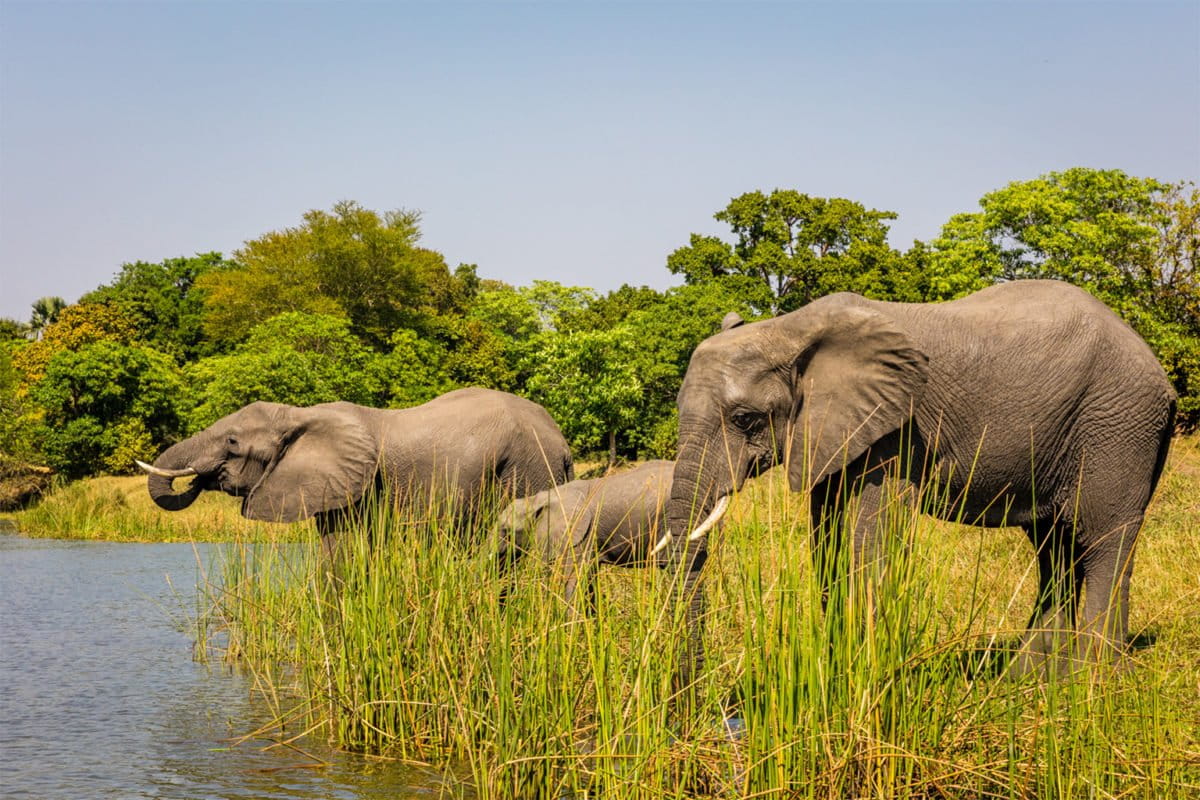
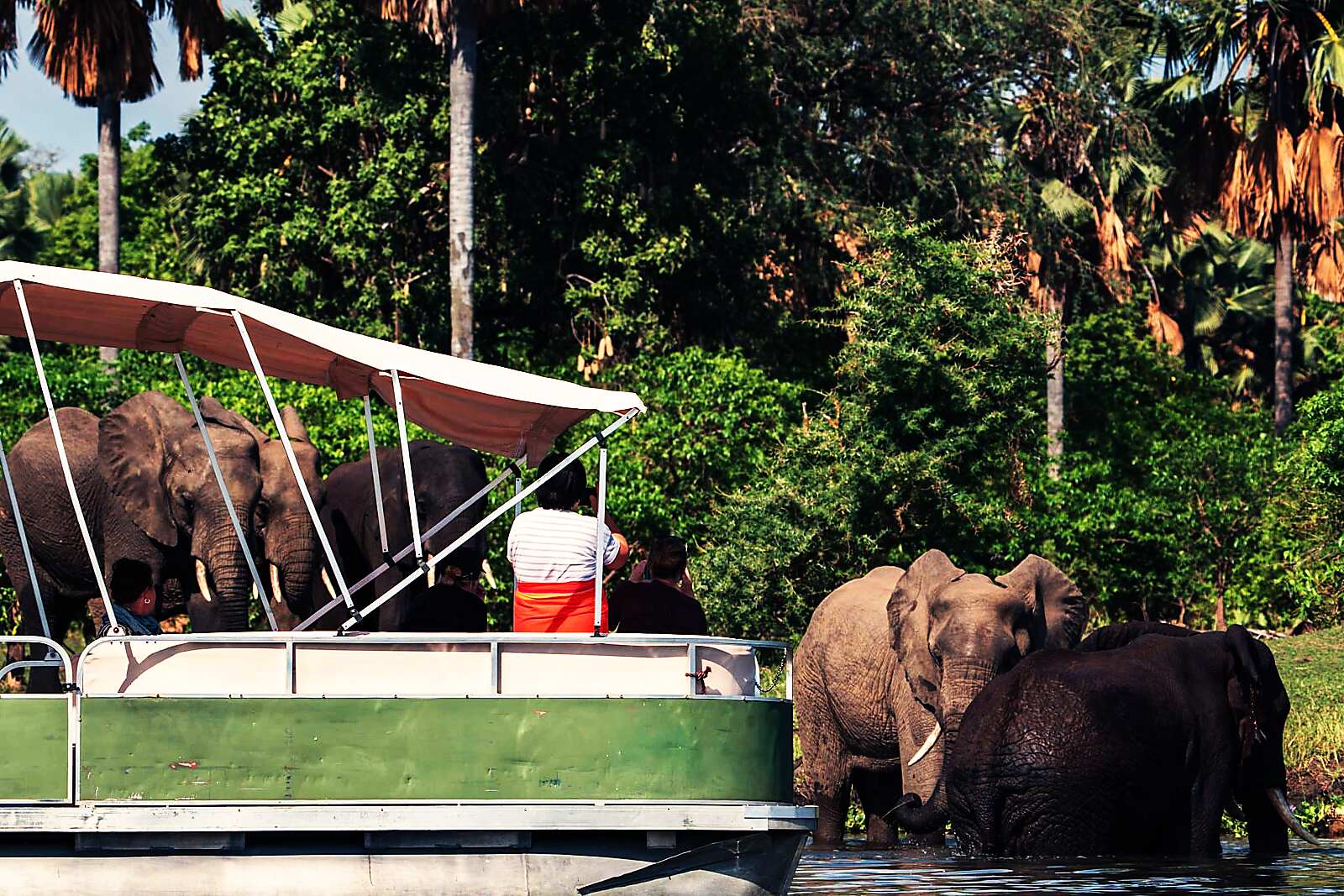
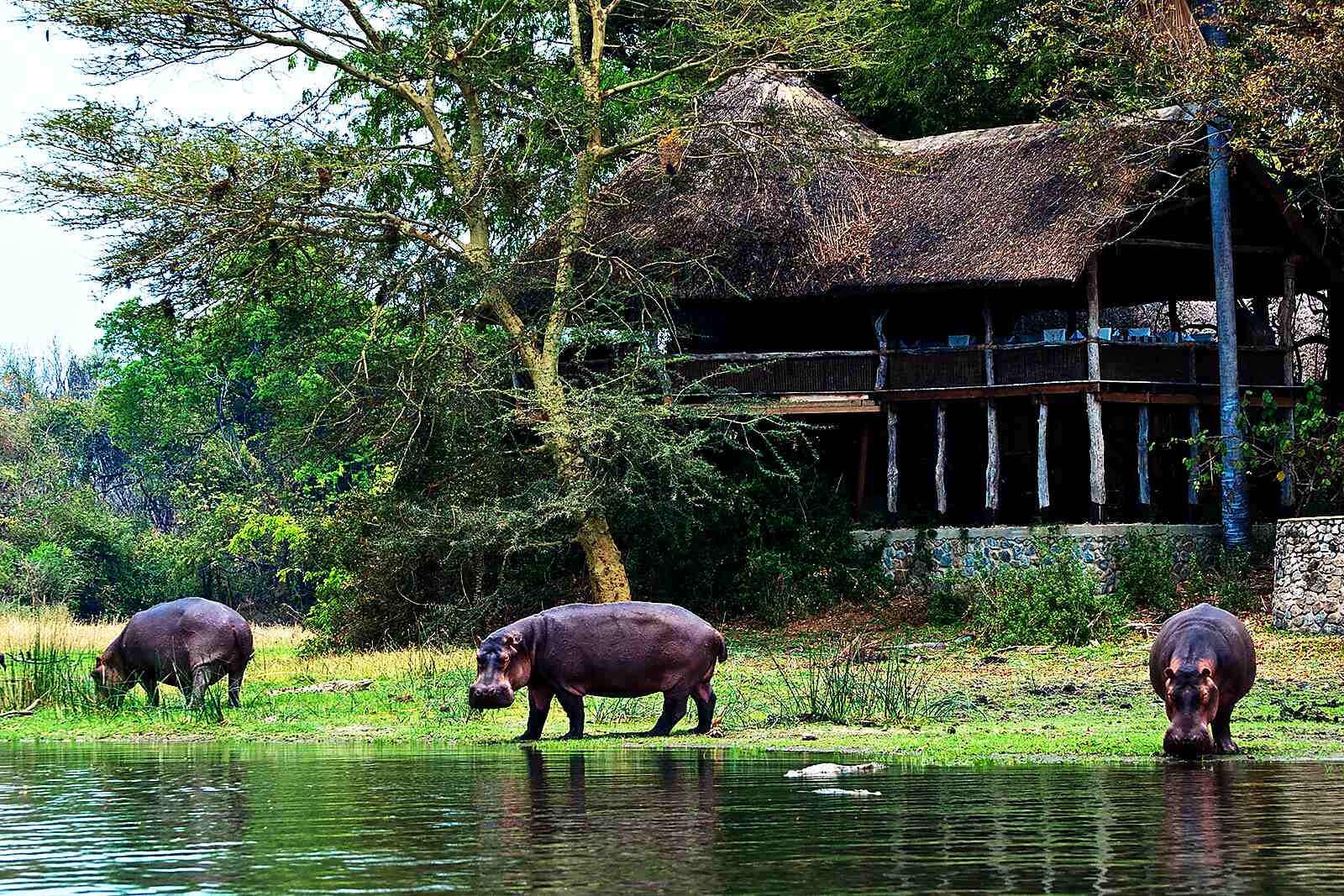
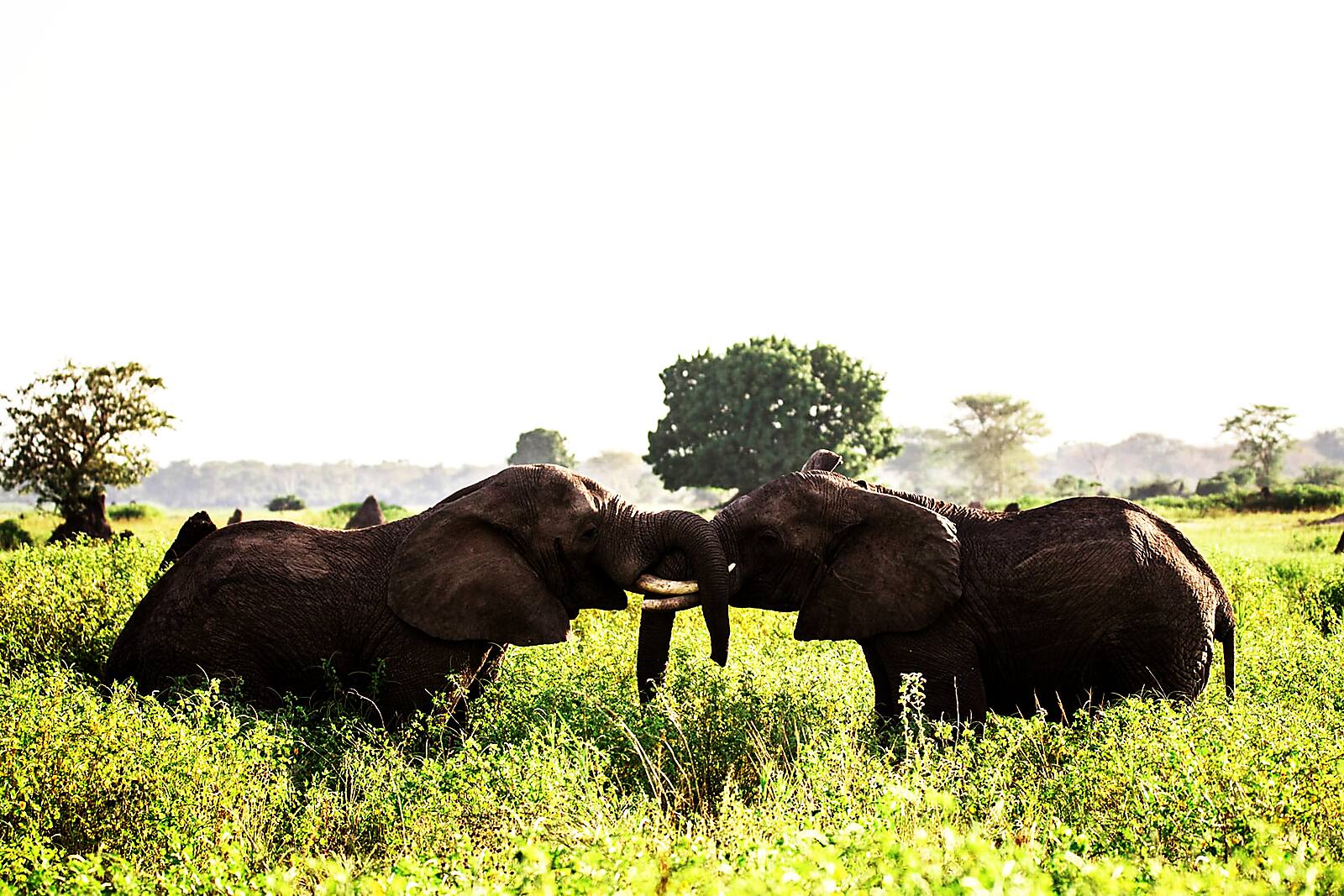
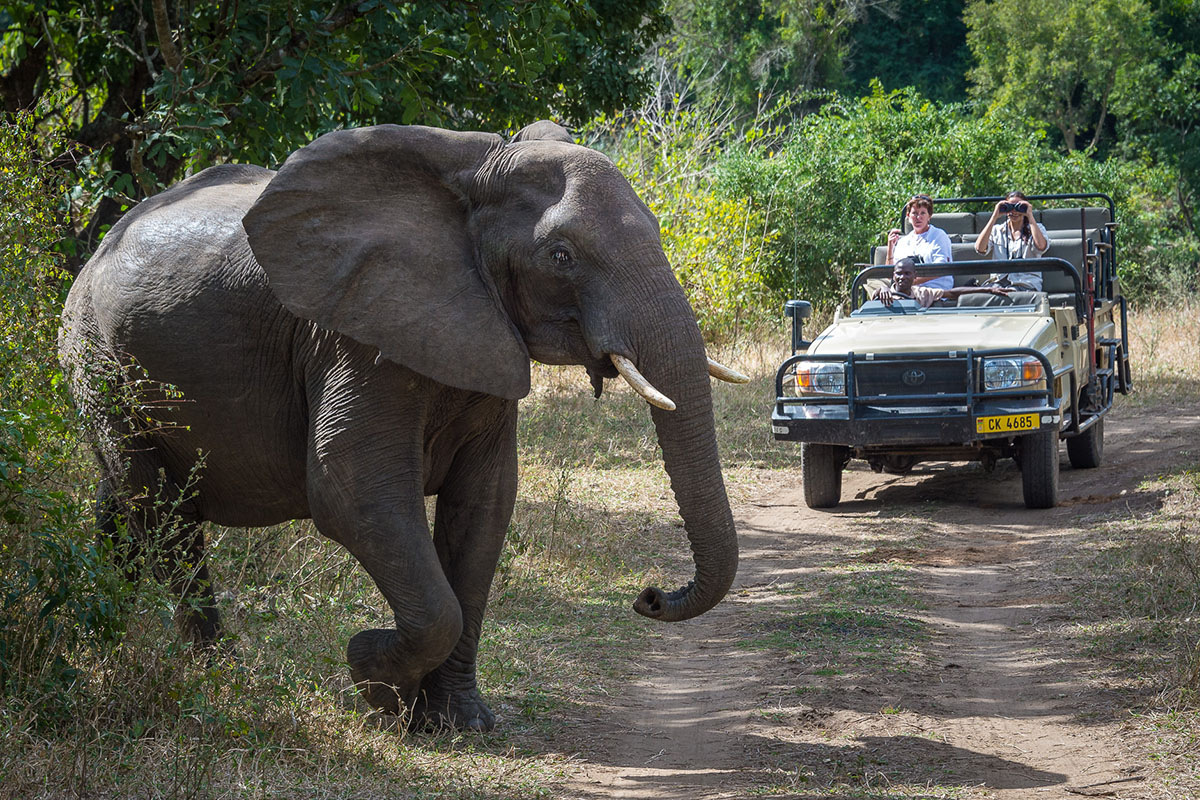
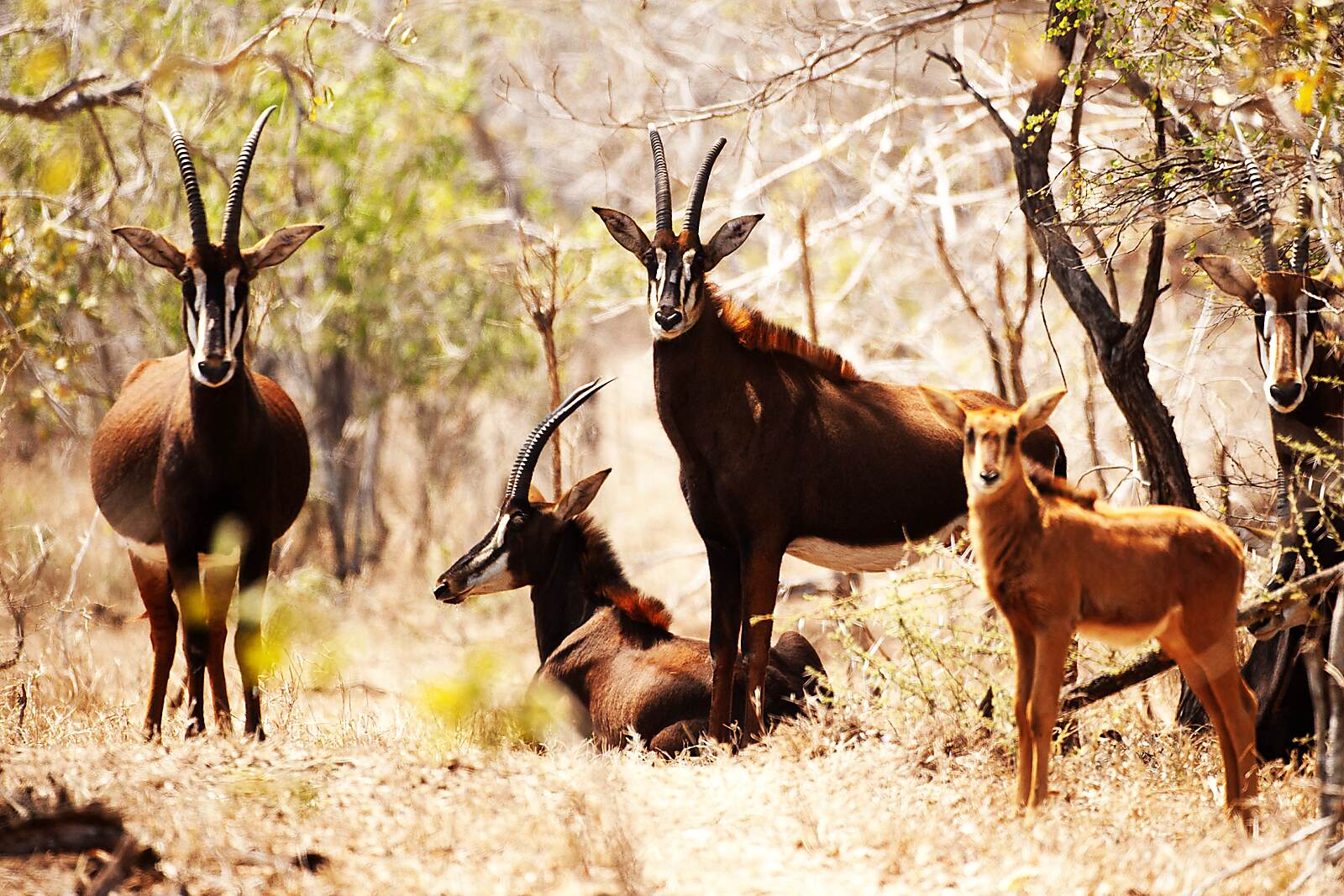
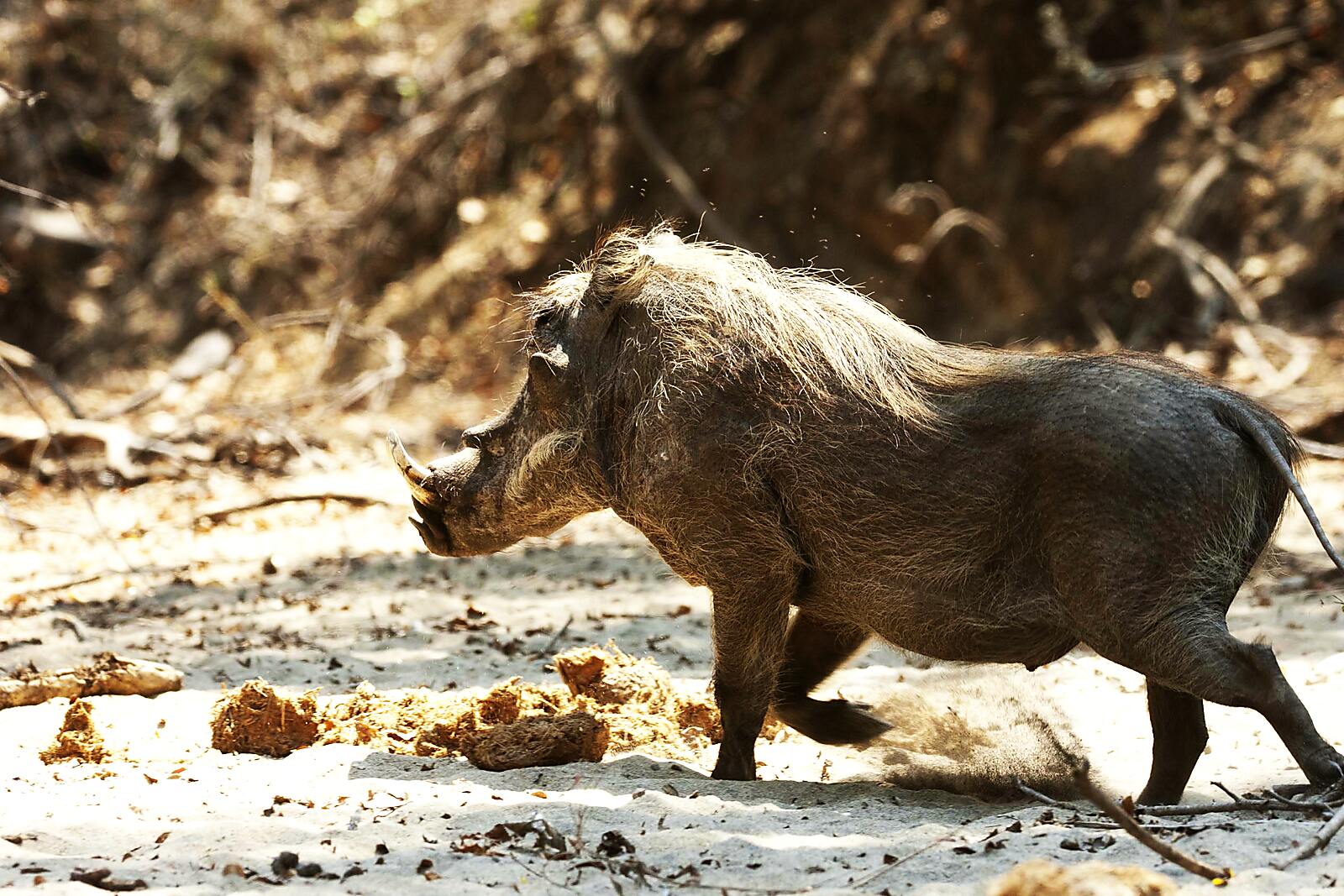
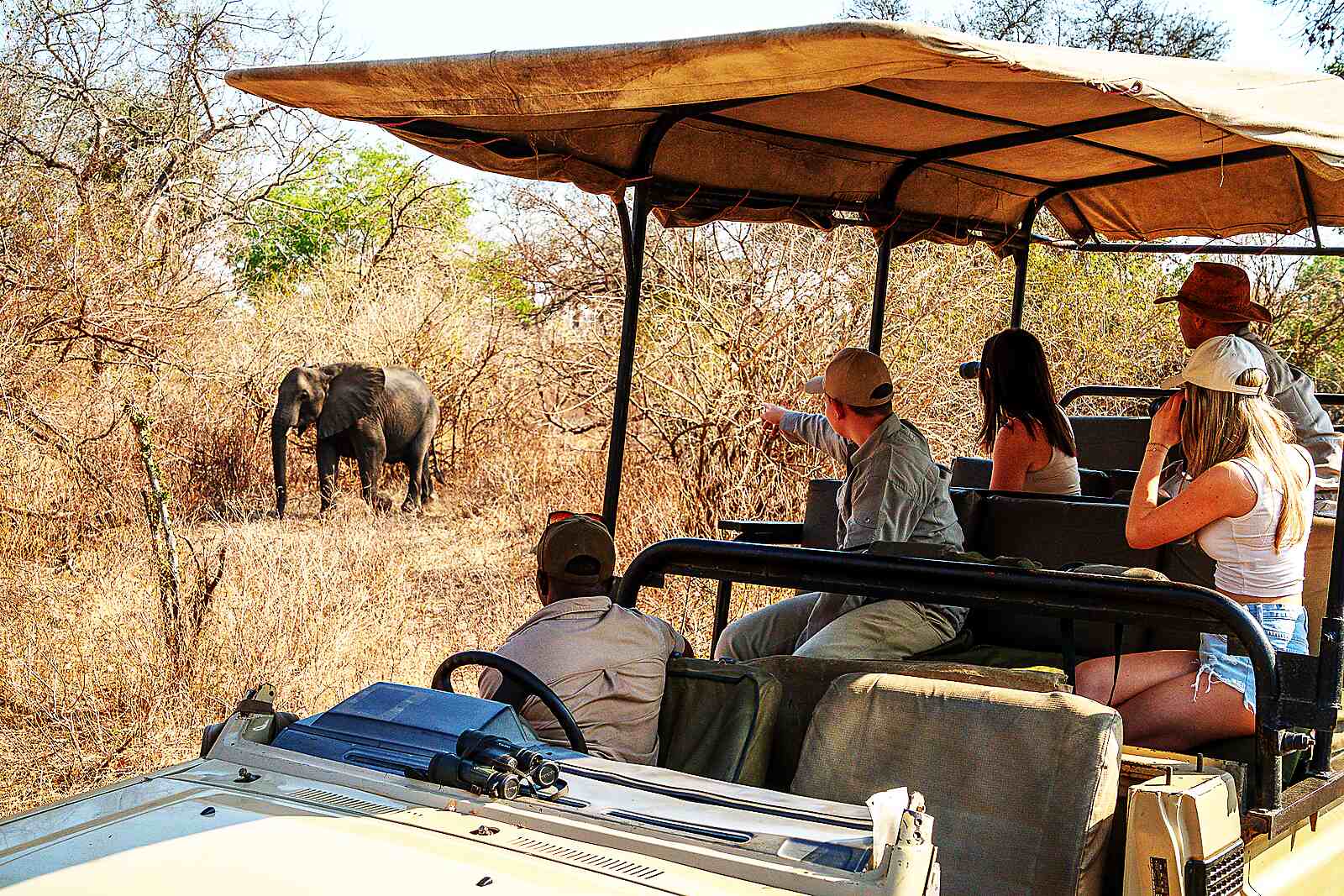
The dry season is equally the prime time for Malawi's bush safari. Liwonde National Park, the country's premier wildlife destination, comes into its own from July to October as the bush thins, the Shire River becomes the only reliable water source, and animals — elephants, hippos, crocodiles, sable antelope, lions, and black rhino — concentrate along the riverbanks in extraordinary density. Boat safaris on the Shire are among the finest wildlife experiences in southern Africa, and in the late dry season they deliver close, intimate encounters that rival anything on the continent. Majete Wildlife Reserve, Africa's newest Big Five reserve — painstakingly restocked animal by animal by African Parks from near-empty — offers superb game drives in the same dry-season window, with lion, leopard, elephant, buffalo and rhino all present.
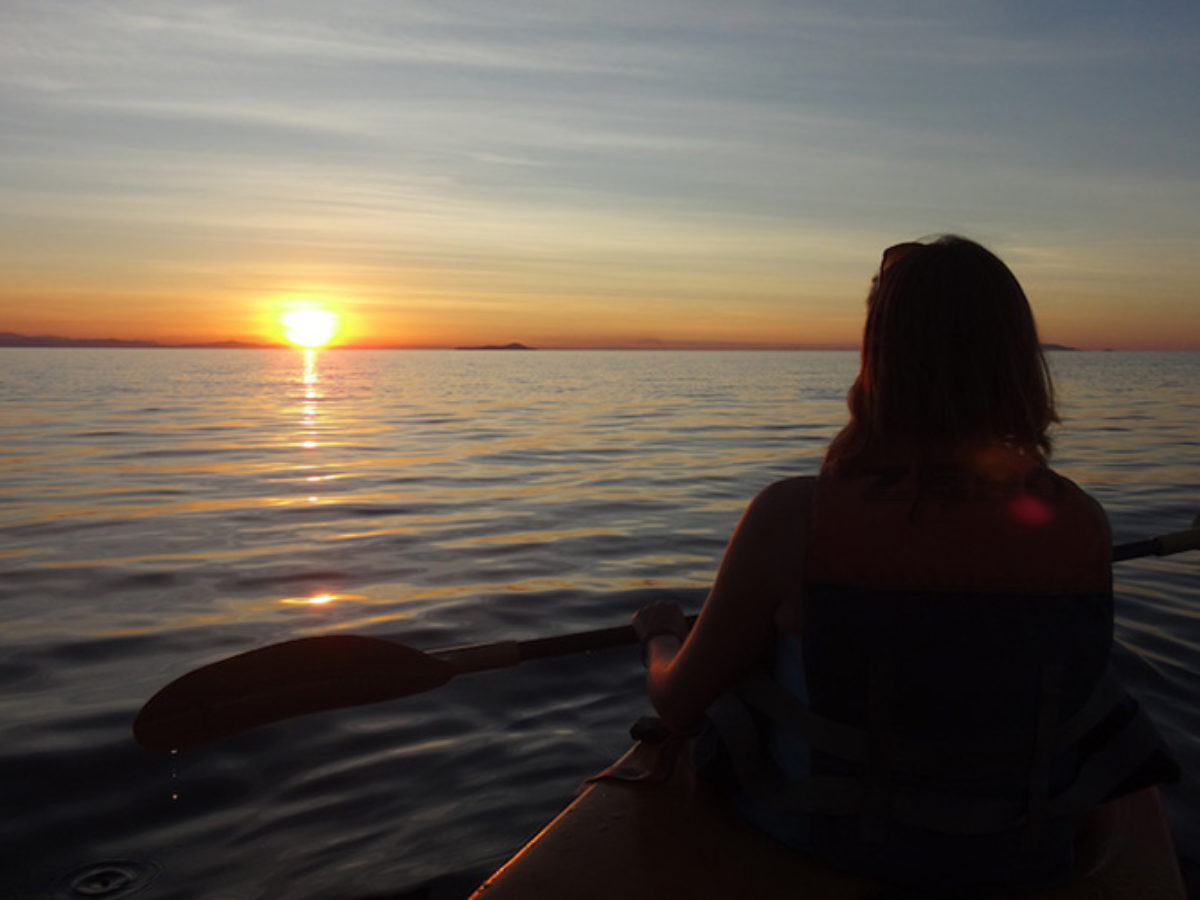
There is one nuance. The middle of the dry season — June through August — can bring brisk southeasterly winds on the lake, which occasionally chop up the surface and can reduce comfort on boats and kayaks. It is rarely a deal-breaker for diving (you go beneath the surface), but if flat, glassy water and perfect snorkelling conditions are your priority, the late dry season — September and October — stands out as the best all-round window: peak visibility, warm still water, peak wildlife on the Shire, and the energy of the Lake of Stars Festival all at once.
The Wet Season (November–April): Green, Hot & Full of Birds
When the first rains arrive in late October or November, Malawi changes character entirely. The dry brown bush flushes emerald green overnight, the air turns warm and heavy with moisture, and the afternoons build towards dramatic thunderstorms that drench the country and feed the rivers. This is the wet season — also called the green season or the low season — hotter, wetter and far quieter than the dry months, and while it is less famous, it has real rewards for travellers who know the trade-offs.
Daytime temperatures climb into the low 30s Celsius, and the humidity can be sapping, especially in the lakeshore lowlands and the Shire Valley. Rain, when it comes, usually arrives as intense afternoon and evening downpours rather than all-day grey, so mornings are often bright and usable. The heaviest rain falls from December to March, and January and February are the wettest months of all. Some secondary roads in the parks become impassable, and a few lodges reduce operations or close entirely during the peak of the rains.
So why come in the green season at all? Because the bush comes alive. The wet months are Malawi's finest birdwatching season, and it is not close. From November to March, migratory species pour in from the Northern Hemisphere — Eurasian bee-eaters, European rollers, Wahlberg's eagles, white storks and dozens more — joining resident species in full breeding plumage. The wetlands around Liwonde, the Vwaza Marsh Wildlife Reserve in the north, and the shores of the lake itself become some of southern Africa's most rewarding birding grounds. If you are a serious birder, there is no substitute for this season.
The green season also carries practical advantages. Lodge rates drop to their lowest, and you will have the parks and the lakeshore largely to yourself. The landscapes are at their most photogenic — vivid green against red earth and dramatic storm-cloud skies. And the lake, while visibility drops somewhat from the dry-season peak (especially in the south where river runoff is heaviest), remains swimmable and beautiful, with northern sites like Nkhata Bay and Likoma Island maintaining good clarity year-round.
The trade-offs are real. The bush is dense, making wildlife harder to spot. The heat is relentless in the lowlands. Some roads and tracks become difficult or impossible without four-wheel drive. And the hiking trails on Mulanje can be genuinely dangerous when wet and slippery. If your priority is a classic lake-and-safari combination with the best weather, the dry season is the safer, stronger choice. But if birding, solitude and value call to you, the green season has a great deal to offer.
Lake Malawi vs Bush Safari: How to Time a Combination
Malawi's greatest strength as a destination is the ability to combine two completely different experiences — freshwater lake life and bush safari — in a single short trip. The country is small enough to move between the lake and the parks in a matter of hours, and the two activities share almost exactly the same seasonal window, which makes planning remarkably simple.
| Experience | Best months | Peak | Key factor |
|---|---|---|---|
| Lake Malawi diving | May – November | Sep – Nov (30m visibility) | Clarity; runoff gone; warm water |
| Liwonde / Majete safari | July – October | Sep – Oct | Animals at water; thin bush |
| Overlap sweet spot | September and October — peak lake clarity and peak bush wildlife at once | ||
The overlap makes itinerary design straightforward: fly into Lilongwe, head south to Liwonde or Majete for two or three nights of boat and game-drive safaris, then north to the lake — Cape Maclear, Likoma or one of the private islands — for three or four nights of diving, snorkelling and beach time. In September or October you will be hitting both halves at their absolute best. A classic seven- to ten-day trip covers both without rushing, and is one of the finest-value safari-and-beach combinations anywhere in Africa.
Malawi Month by Month
Here is the year in detail, so you can match your available dates to conditions on the ground, in the bush and under the water.
January
Peak wet season: hot, humid and green, with heavy afternoon and evening downpours. January is one of the two wettest months and some secondary roads in the parks become difficult. Lake visibility drops, especially in the south. But birdwatching is superb, the landscapes are at their most vivid, and rates are at their lowest. Best for dedicated birders and budget-conscious, flexible travellers.
February
The other peak of the wet season. Conditions mirror January — hot, humid, green and very wet. The heaviest rainfall of the year often falls in February. Some lodges in Liwonde and Majete may run reduced operations. The lake remains warm and swimmable but visibility is at its lowest in the south. Northern sites (Nkhata Bay, Likoma) hold up better. Migratory bird numbers are still high.
March
The tail of the heavy rains. Heat and humidity remain high but the downpours begin to ease late in the month. The bush is lush and impossibly green, the birding remains excellent, and the crowds are still thin. A transitional month that rewards flexibility — come prepared for rain but enjoy improving conditions as the month progresses.
April
The rains taper and the transition to the dry season begins. Humidity drops, the skies start to clear, and the bush begins to dry — though the landscape is still a beautiful green. Some lodges that closed for the peak of the rains reopen. Lake visibility starts to improve as river runoff fades. A good shoulder-season month for those who want green landscapes with fewer wet days.
May
The dry season begins in earnest and conditions improve fast. Clear, sunny days, dropping humidity, cool mornings and warm afternoons. The bush is still green from the rains but the roads are dry and passable. Lake visibility climbs noticeably. May is one of the smartest-value months: excellent conditions, fewer visitors than peak, and many lodges still at shoulder-season rates. Hiking on Mulanje and Zomba becomes safe and enjoyable.
June
Firmly into the dry season. Cool, crisp mornings (mid-teens on the lake, single digits on the highlands), glorious sunny days around 22 to 25 degrees, and clear blue skies. The bush is beginning to thin and the wildlife viewing improves steadily. Diving visibility on the lake is good and climbing. The first month that feels firmly in peak condition — uncrowded, comfortable and beautiful.
July
Peak dry season: sunny, dry and comfortable by day, genuinely cool by night. The bush thins noticeably and animals in Liwonde begin to concentrate along the Shire River — boat safaris become increasingly rewarding. Lake diving is excellent, though midwinter winds can occasionally chop up the surface. Highland hiking is at its best. Popular with South African and European winter-escape travellers, so book key lodges ahead.
August
Superb dry-season weather continues. Wildlife viewing steps up another gear as the dry months deepen and water becomes scarcer in the parks. The lake is calm and clear, and diving visibility is excellent. Cool, dry, sunny — one of the most reliable and comfortable months of the year. High season on the lake islands; reserve your lodge early.
September
Arguably the best month of the year. The weather warms towards the high 20s, the bush is at its driest and most open, and wildlife viewing in Liwonde and Majete reaches its peak as animals crowd the permanent water. On the lake, diving visibility hits its extraordinary 30-metre peak. The Lake of Stars Festival — Malawi's flagship lakeshore music festival — typically takes place in September, adding a vibrant cultural highlight. Demand is high; book well ahead.
October
Hot, dry and brilliant. October is the hottest month of the dry season (low 30s in the lowlands) and the last month before the rains return. Wildlife viewing rivals September — animals are at their most concentrated and visible. Lake visibility remains outstanding. The heat can be intense in the middle of the day, but early mornings and late afternoons are golden. One of the very best months for a lake-and-safari combination.
November
The transition month. The first rains typically arrive in mid-to-late November, and humidity climbs fast. The bush begins to green, migratory birds start to arrive, and the birding season kicks into gear. Lake visibility starts to decline, especially in the south, though northern sites remain good. A brilliant month for birders and a decent shoulder option for divers, but increasingly unpredictable as the wet season approaches.
December
The wet season returns: hot, humid and green, with regular afternoon thunderstorms. Rain builds through the month and some secondary roads begin to deteriorate. Birdwatching is excellent as migrants settle in. Lake swimming is warm and pleasant but visibility drops. The festive period brings a brief uptick in visitors and slightly higher prices on the lakeshore, but the wider month is quiet and green-season priced.
Best Time by Region
Malawi is a small country — roughly 900 kilometres from north to south — but conditions and priorities shift enough across its regions that timing advice is worth tailoring.
Cape Maclear & Lake Malawi National Park
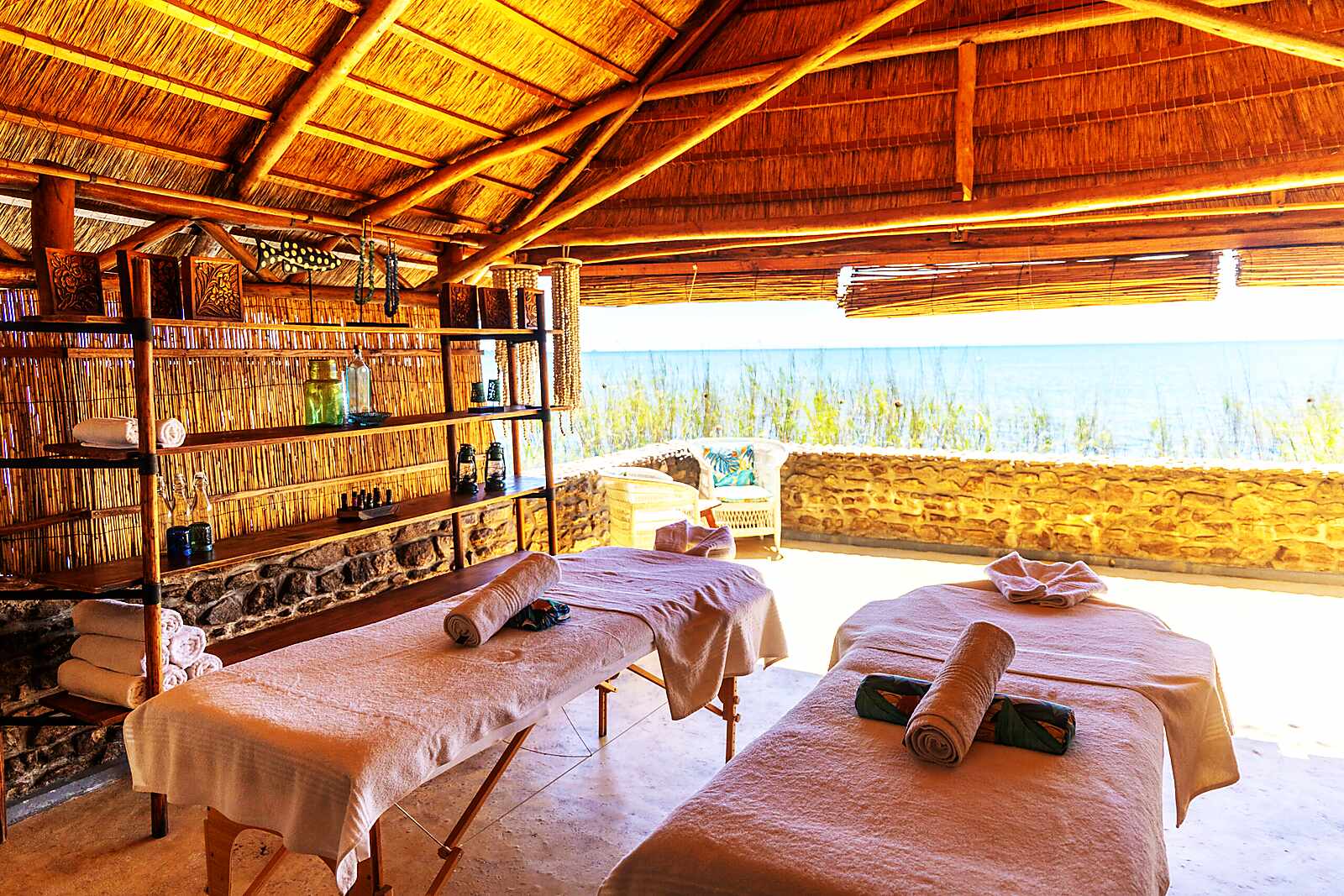
The country's most developed dive and beach hub, centred on the UNESCO-listed lake national park. At its best from May to November, with diving visibility peaking in September to November. The southern location means visibility drops faster with the rains than it does further north. Warm year-round. The dry season is ideal for shore snorkelling, kayaking to Mumbo and Domwe islands, and beach time. Green-season rates are a bargain for those who can tolerate some rain and reduced visibility.
Nkhata Bay
The northern lakeshore's main dive town, with dramatic underwater topography — walls, boulders, crevices — and reliably high clarity. Northern sites maintain better visibility year-round than the south, because there are fewer large river systems feeding runoff into the lake here. A good option even in the shoulder months. The backpacker and independent-traveller hub of the lake.
Likoma Island
Remote, pristine and widely regarded as the best freshwater diving in Malawi. Likoma sits in Mozambican waters, reached by the Ilala ferry or light aircraft from the mainland. Dry-season diving (May–October) is superb, with high clarity and extraordinary fish density. The island's isolation means it is quieter than the mainland throughout the year. Book island lodges well ahead for peak season.
Liwonde National Park
Malawi's premier wildlife park, straddling the Shire River in the south. Best from July to October (peak September–October) when thinning bush and shrinking water create world-class boat-safari conditions. Elephant, hippo, crocodile, sable antelope, lion, black rhino and cheetah are all present. Wet-season birding (November–March) is excellent but the bush is dense and some tracks are impassable. Year-round boat safaris on the river are possible but peak-season visibility is incomparably better.
Majete Wildlife Reserve
Africa's newest Big Five reserve, in the Shire Valley south of Blantyre. Follows the same dry-season pattern as Liwonde: best July to October, with the Big Five (lion, leopard, elephant, buffalo, rhino) all restocked and thriving. Game drives are the main activity. An extraordinary conservation success story and one of the best-value Big Five experiences on the continent.
Mount Mulanje & Zomba Plateau
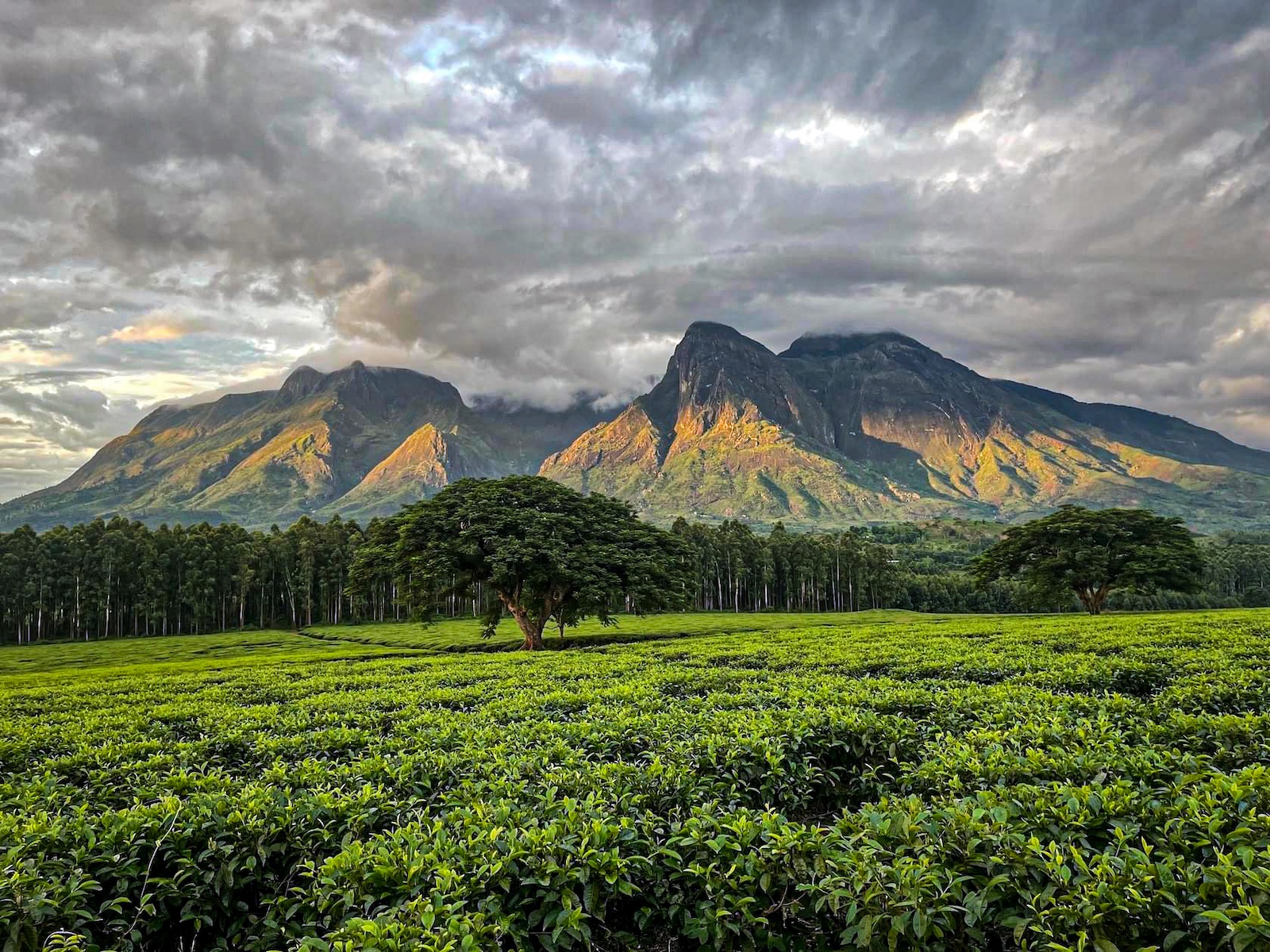
Malawi's two great highland hiking destinations. Strictly dry season, May to October. Mulanje's trails become slippery and genuinely dangerous when wet — the mountain's steep granite faces and sudden mists demand respect. Zomba is gentler but equally best in the dry months. Both offer cool temperatures, stunning views and unique Afromontane forests. Pack warm layers for highland nights.
Best Time for Specific Travellers
For lake-and-safari honeymooners
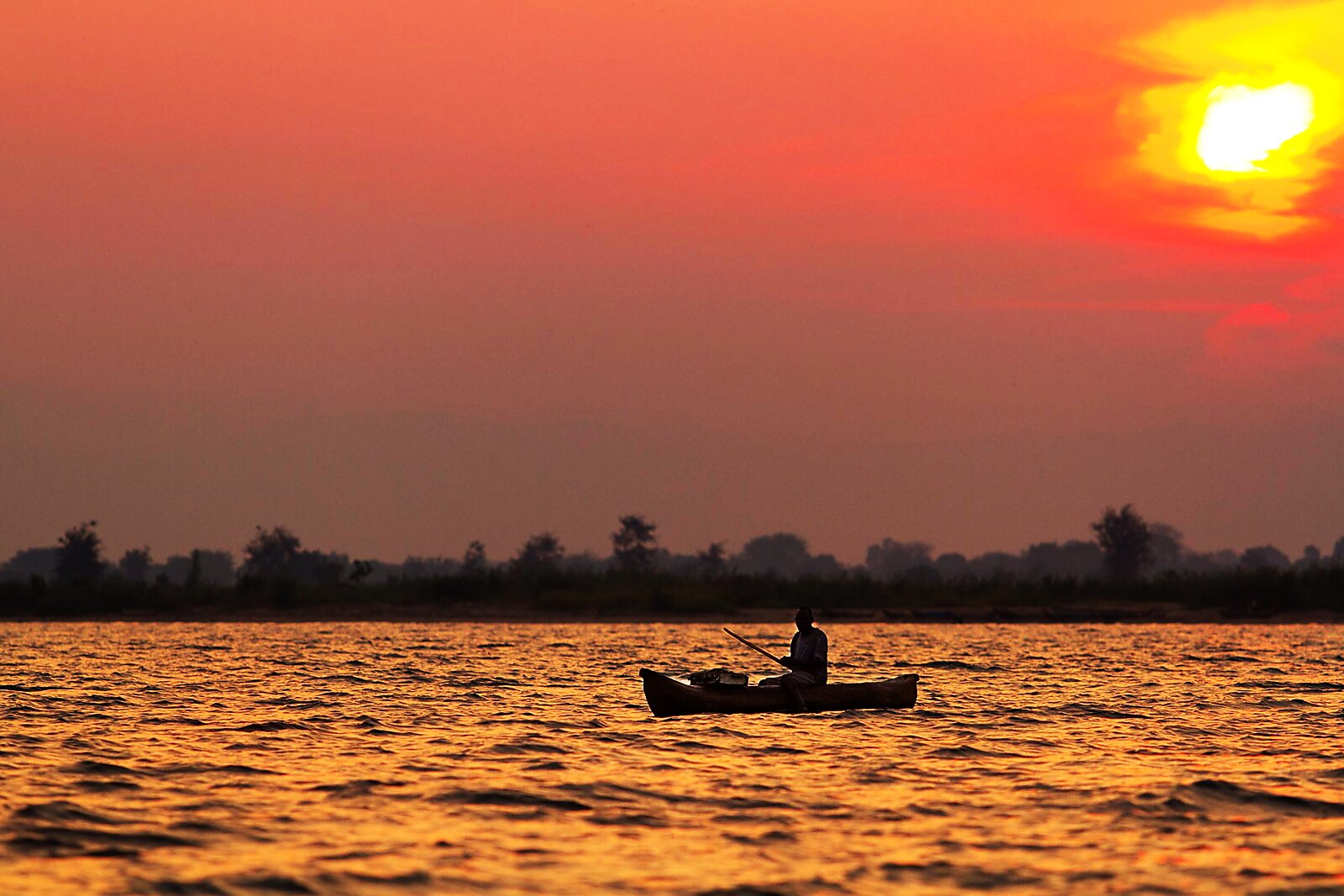
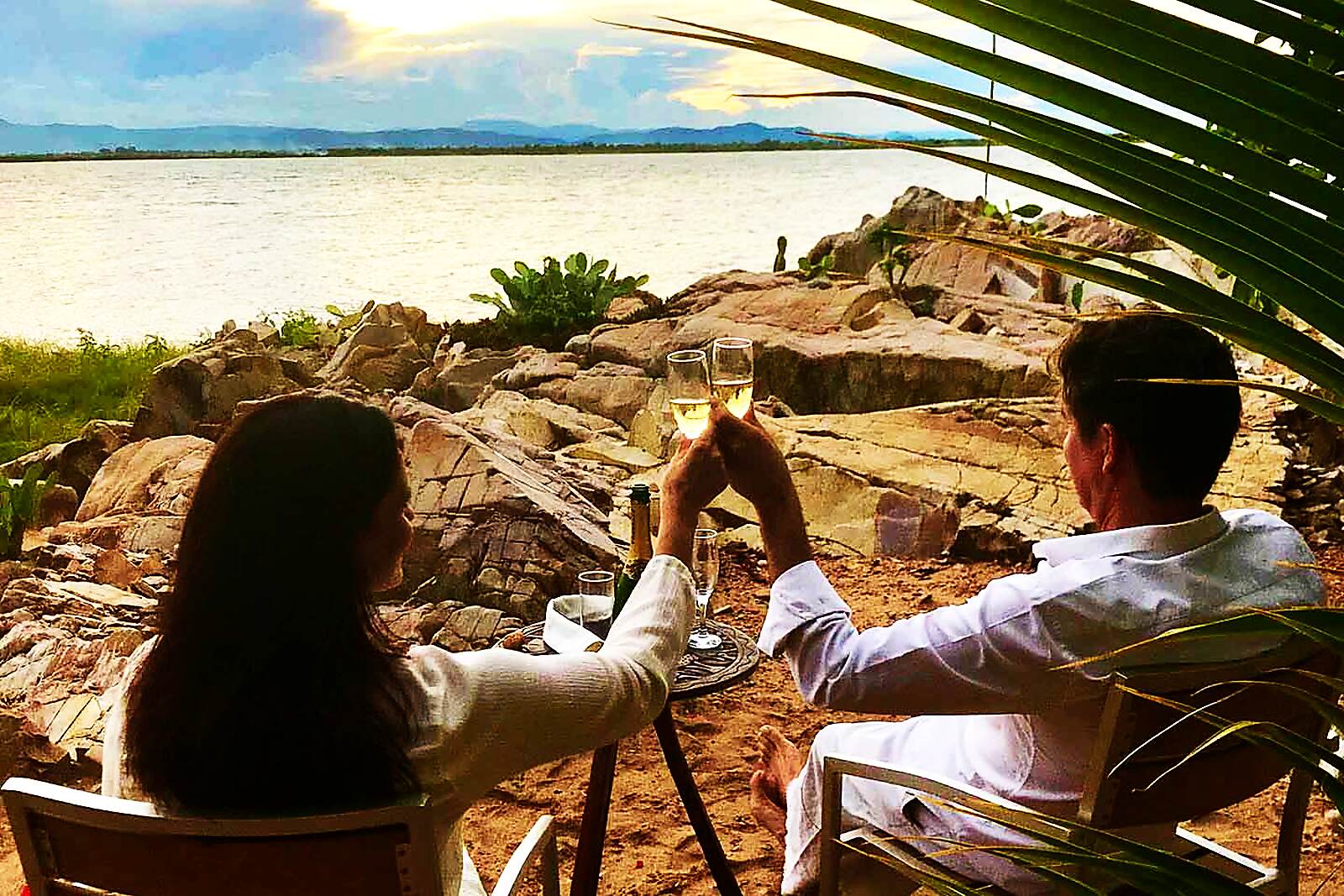
August to October, and ideally September, for warm dry days, the year's clearest lake water, peak wildlife on the Shire and golden sunset light over the islands — everything a romantic Malawi honeymoon needs. Read alongside our Malawi honeymoon guide.
For divers & snorkellers
May to November for the full diving season, with September to November the visibility peak — up to 30 metres of crystal-clear freshwater over rocky cichlid habitats found nowhere else on Earth. No experience quite like it. PADI courses available at Cape Maclear and Nkhata Bay from around $150 to $250.
For safari enthusiasts
July to October for Liwonde's boat safaris and Majete's Big Five game drives. September and October are the all-round peak: driest, hottest, most concentrated wildlife. Combine with the lake for the ultimate Malawi itinerary.
For birders
November to March, when migratory species from the Northern Hemisphere arrive in breeding plumage and the wetlands are at their fullest. Liwonde, Vwaza Marsh and the lakeshore are all superb. Accept heat, humidity and rain as the price of extraordinary birding.
For hikers & adventurers
May to October for Mulanje and Zomba. June to August offers the coolest, most comfortable trekking conditions, while September and October are warmer but drier and offer the clearest summit views. Never attempt Mulanje in the wet season.
For families & value
The dry-season school holidays (July–August) suit families wanting reliable sun and safe swimming. For value, May and November offer excellent conditions at shoulder-season rates. The green season (December–March) is cheapest but the heat and rain make it less family-friendly.
Weather & What to Pack by Season
Malawi's warm subtropical climate gives it two clear packing profiles. Getting this right makes a real difference to comfort, whether you are on the lake, in the bush or on the mountain.
| Season | Typical temps | Conditions | Pack essentials |
|---|---|---|---|
| Dry season (May–Oct) |
Night 10–18°C; day 22–30°C | Warm, sunny, dry, cool mornings; breezy midwinter on the lake | Light layers, warm fleece for mornings/evenings, 3mm wetsuit for diving below 10m, sunblock, hat, sunglasses |
| Wet season (Nov–Apr) |
Night 20–24°C; day 28–33°C | Hot, humid, heavy afternoon storms; some roads impassable | Light breathable clothes, rain jacket, strong insect repellent, sunblock, hat, binoculars for birding |
Year-round, pack for a lake-and-bush trip: swimwear, a rash vest for snorkelling, quick-dry clothes, comfortable sandals and closed shoes, high-factor sunscreen, a wide-brimmed hat and sunglasses. For diving, a 3mm wetsuit is recommended below 10 metres depth, especially in the cooler months of June to August when the thermocline can be noticeable. Malawi is a malaria area — take antimalarial prophylaxis year-round and pack a good insect repellent. Mosquito activity is highest in the warm, wet months. Bilharzia (schistosomiasis) is a potential risk in slow-moving water and reedy shallows — reputable dive and snorkel operators avoid these areas, and medication (Praziquantel) is readily available if needed. A dry bag protects cameras and phones on boat safaris, and a warm jacket is essential for highland evenings and dawn game drives in the dry season.
When to Book — and How Season Affects Price
Malawi is one of Africa's best-value destinations, and the small number of quality lodges means that forward planning protects your dates and your budget.
Broadly, the country runs on three pricing tiers. Peak season covers the prime dry-season months of July to October, when the lake and the parks are at their best and the lodges are busiest. Shoulder season, typically May, June and November, offers excellent conditions at softer rates and is where savvy travellers find the best balance of price and experience. Green (low) season, from December to April, brings the year's lowest rates and the fewest visitors — along with the heat, rain and reduced wildlife visibility that come with the wet months.
Because Malawi's top lodges and island camps have very few rooms — some as few as four or five chalets — the best properties in peak season book out three to six months in advance. Island lodges on Likoma, Mumbo and Nankoma are especially limited, so book as early as you can for August to October stays. For shoulder and green-season trips, you can often book with shorter lead time, but the best value still rewards early planning.
For the wider picture — how to get to Malawi, visas, getting around, health and safety, and what a trip costs — read our complete ultimate Malawi travel guide. To shape the trip itself, explore our real bookable Malawi lake-and-safari journeys and bush combinations below.
The Verdict: So When Should You Go?
There is no wrong time to visit Malawi — only the right time for you. If your heart is set on crystal-clear diving in a freshwater lake found nowhere else on Earth, elephants drinking from the Shire at dusk, and warm sunny days on a white-sand island beach, come in the dry season, May to October, and build around September and October for the finest all-round conditions. Pack a fleece for cool mornings, book your island lodge early, and expect the Warm Heart of Africa at its absolute warmest.
If your dream is the emerald green of a wet-season landscape alive with migratory birds, the solitude of empty parks and the year's best prices, come in the green season, November to April — and accept heat, humidity and rain as the price of a very special, low-season experience. And if you want the best of both worlds, target May or November — the shoulder months that offer a taste of each season at kinder rates.
Whichever season calls to you, Malawi will welcome you with the warmth it is famous for. When you are ready to turn a date into a journey, explore our Malawi lake-and-safari packages, read the full ultimate Malawi travel guide, or contact our team to plan a privately guided trip built around the perfect time for you.