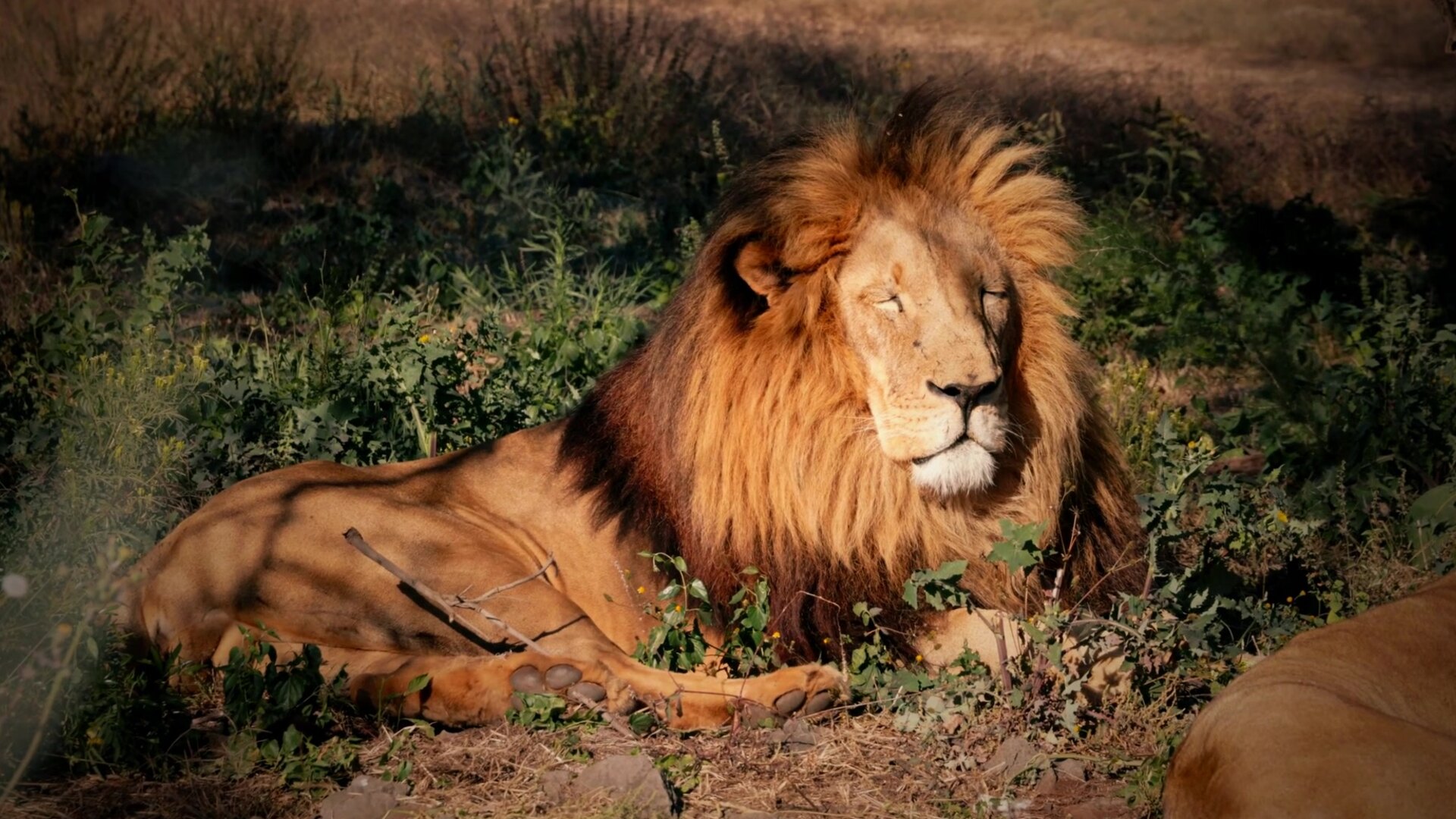
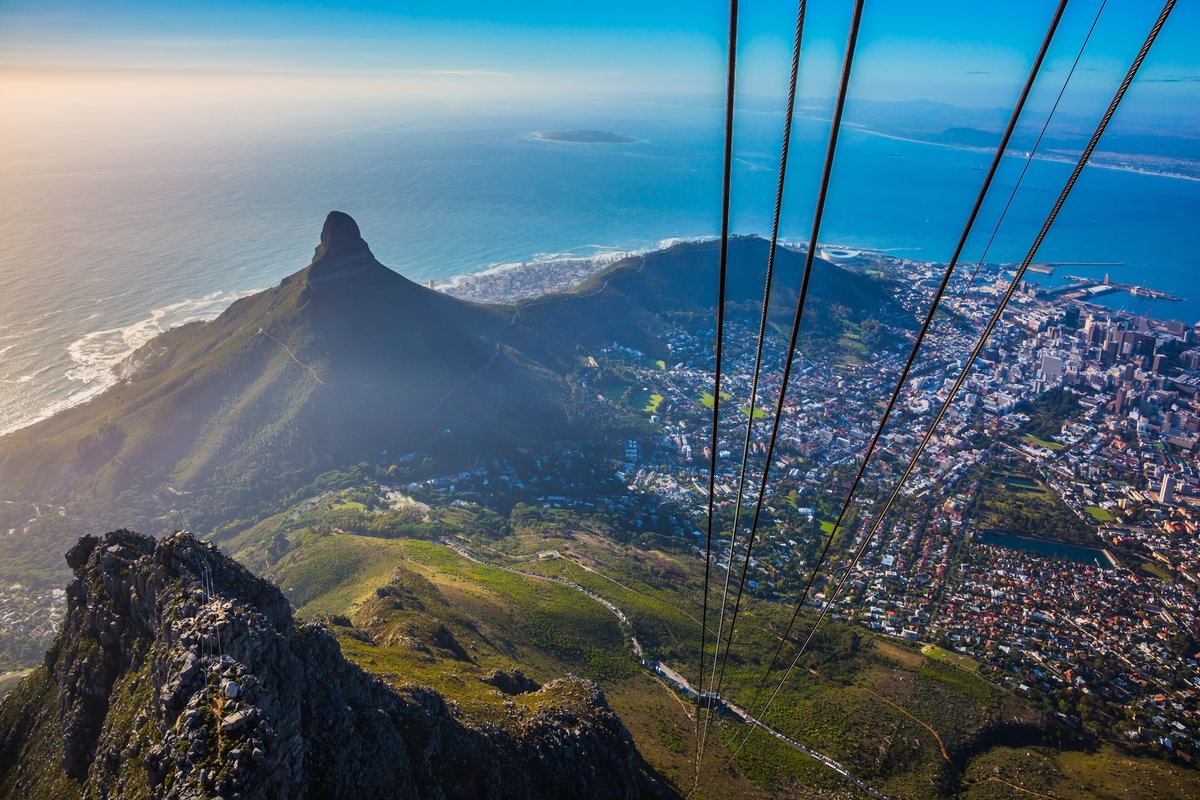
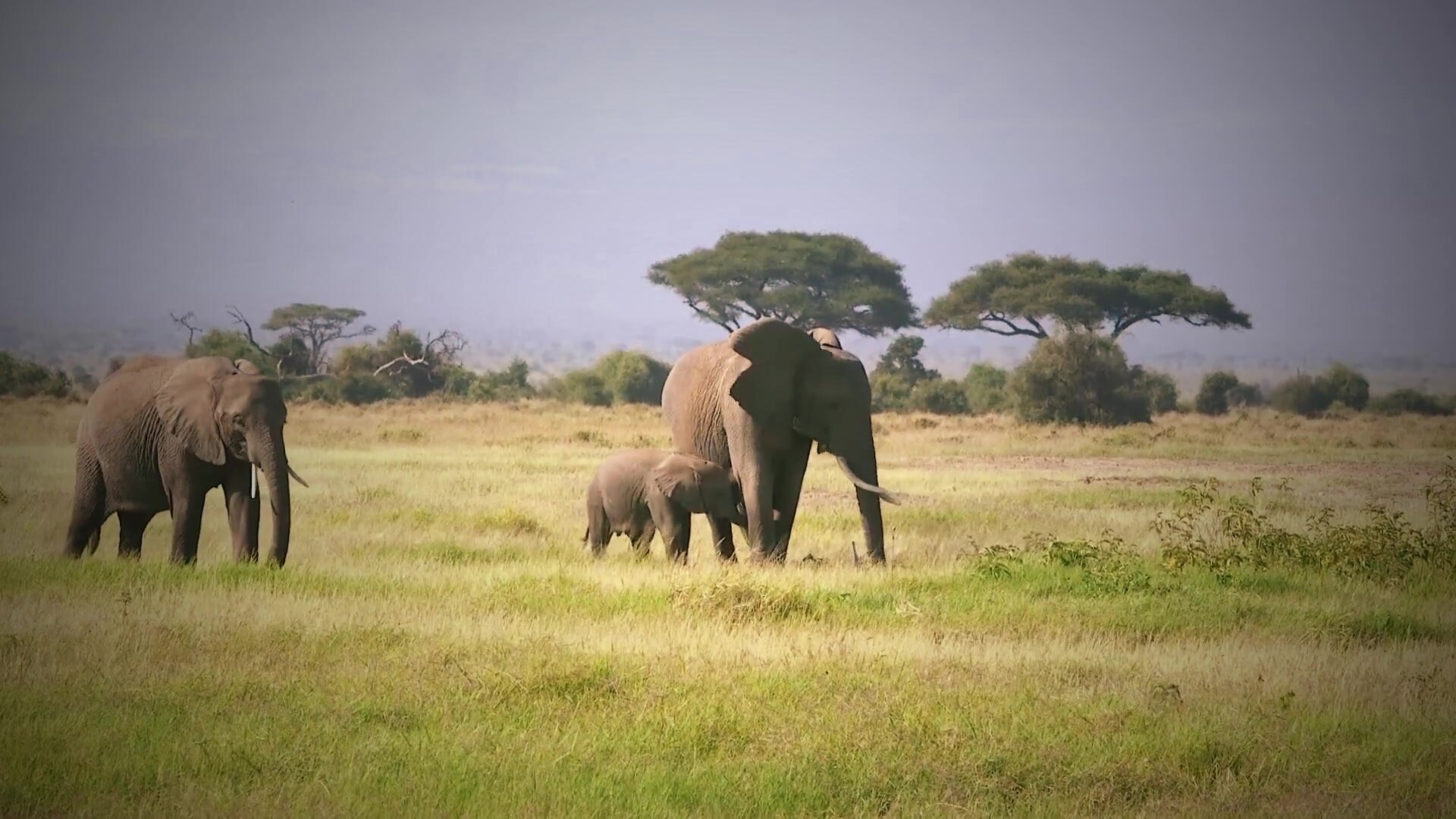
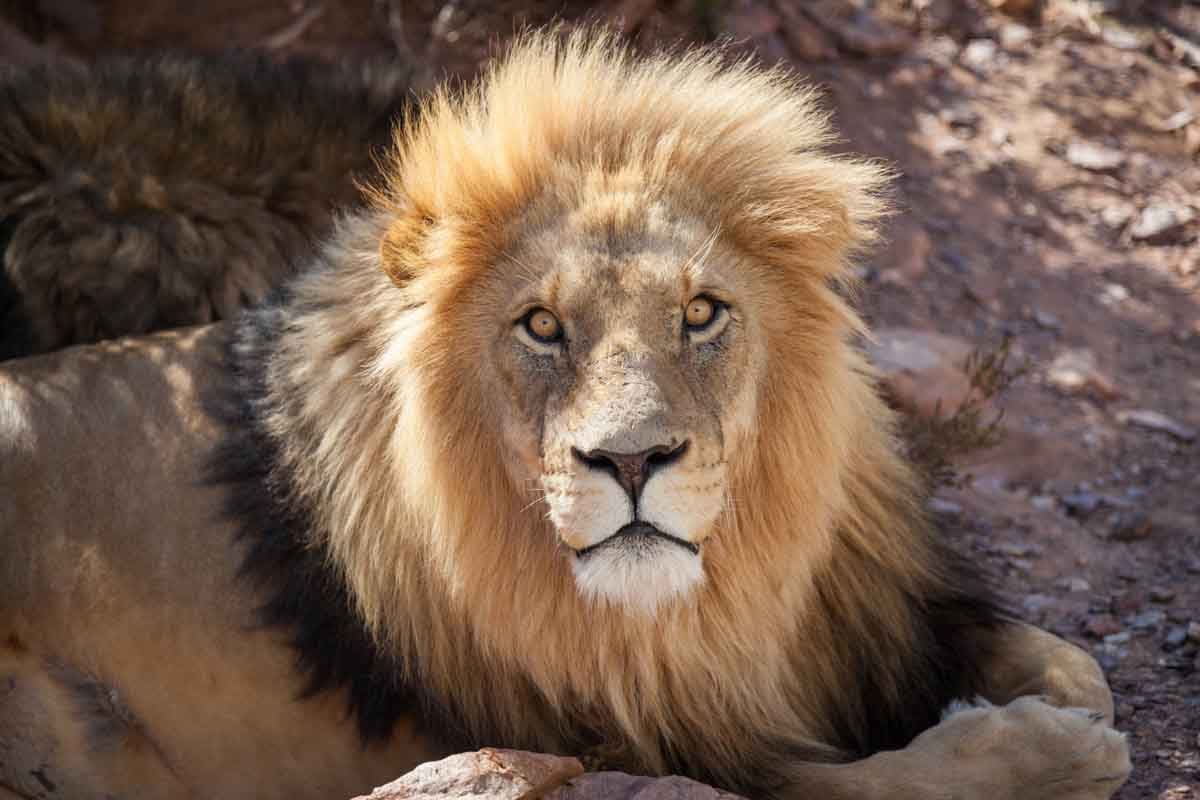
A three-day safari from Cape Town is one of the most common requests we get from people who have the city on their itinerary and want to add real wildlife without stretching the trip. It is very doable — but only if you are honest about distance. Cape Town sits in the far south-western corner of South Africa, a long way from the famous northern parks, so the whole art of a short safari is choosing a Big Five reserve that is genuinely close.
This guide is the straight version. We run these trips for a living from right here in Cape Town, so rather than sell you a dream that does not fit three days, we will lay out the three honest ways to do it, show you what a strong one looks like day by day, tell you what it costs, and — just as importantly — what three days will not do. By the end you will know which route is yours. If you have a little more time, our 5-day safari from Cape Town guide opens up more of the country.
Key Takeaways
- Three days is enough for a real Big Five safari — on a route that stays close to the city.
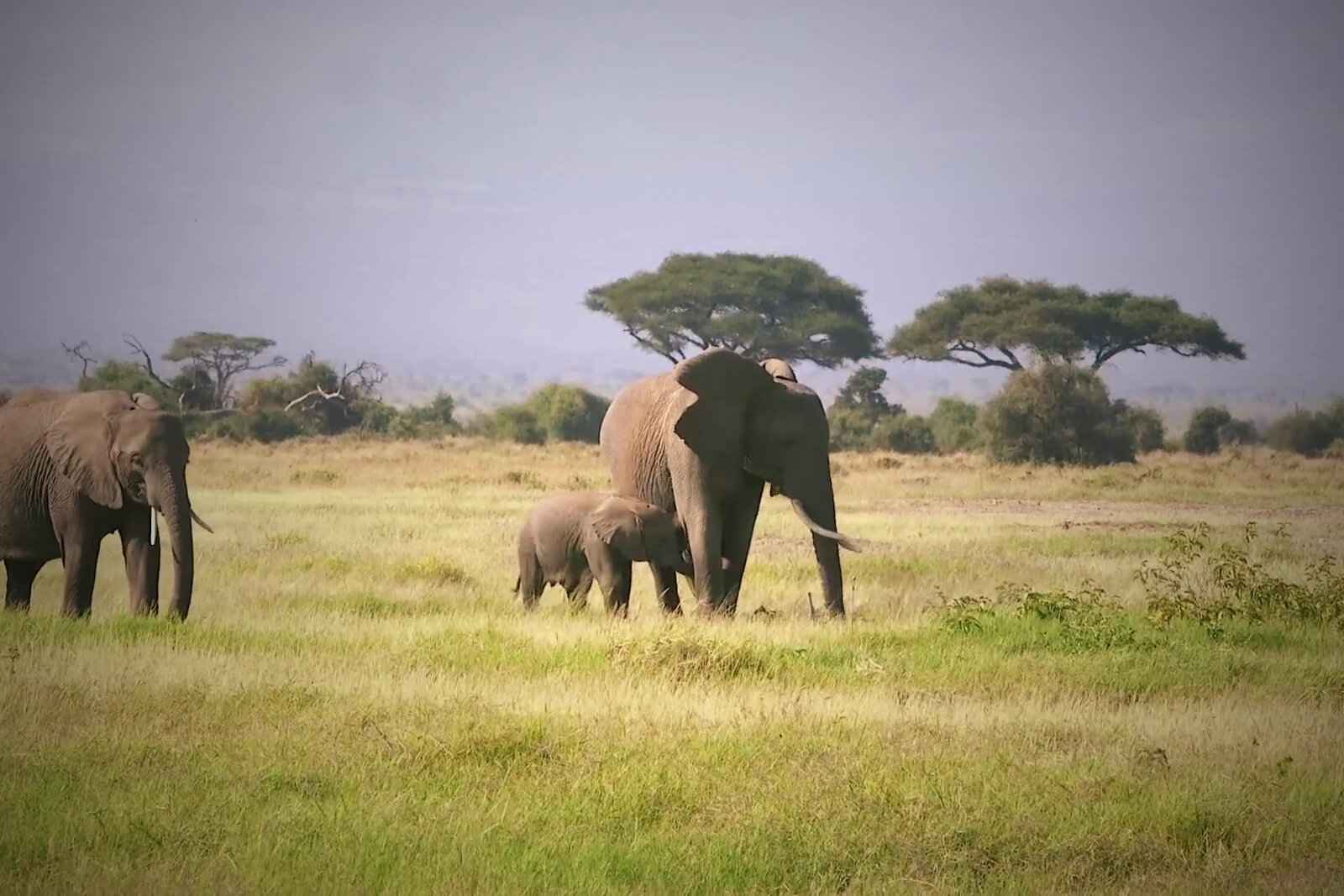
- Closest and simplest: the malaria-free Western Cape and Karoo reserves, two to three hours by road.
- Best all-round: a Garden Route reserve such as Botlierskop or Gondwana, a scenic drive or short flight away.
- Skip the Greater Kruger — the transfers eat three days alive. Save it for a longer trip.
- Almost every 3-day route is malaria-free and the game viewing runs year-round.
The quick answer
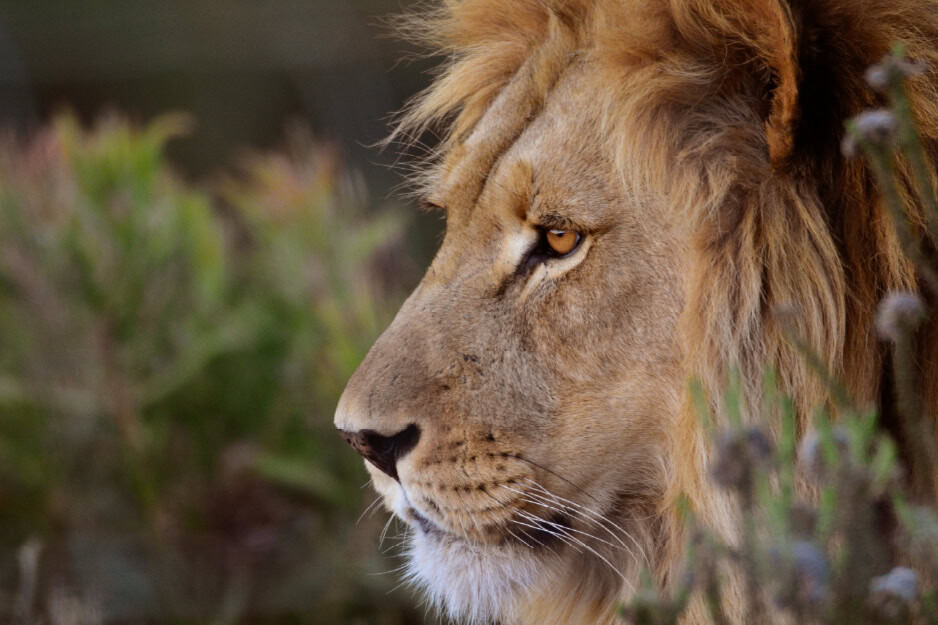
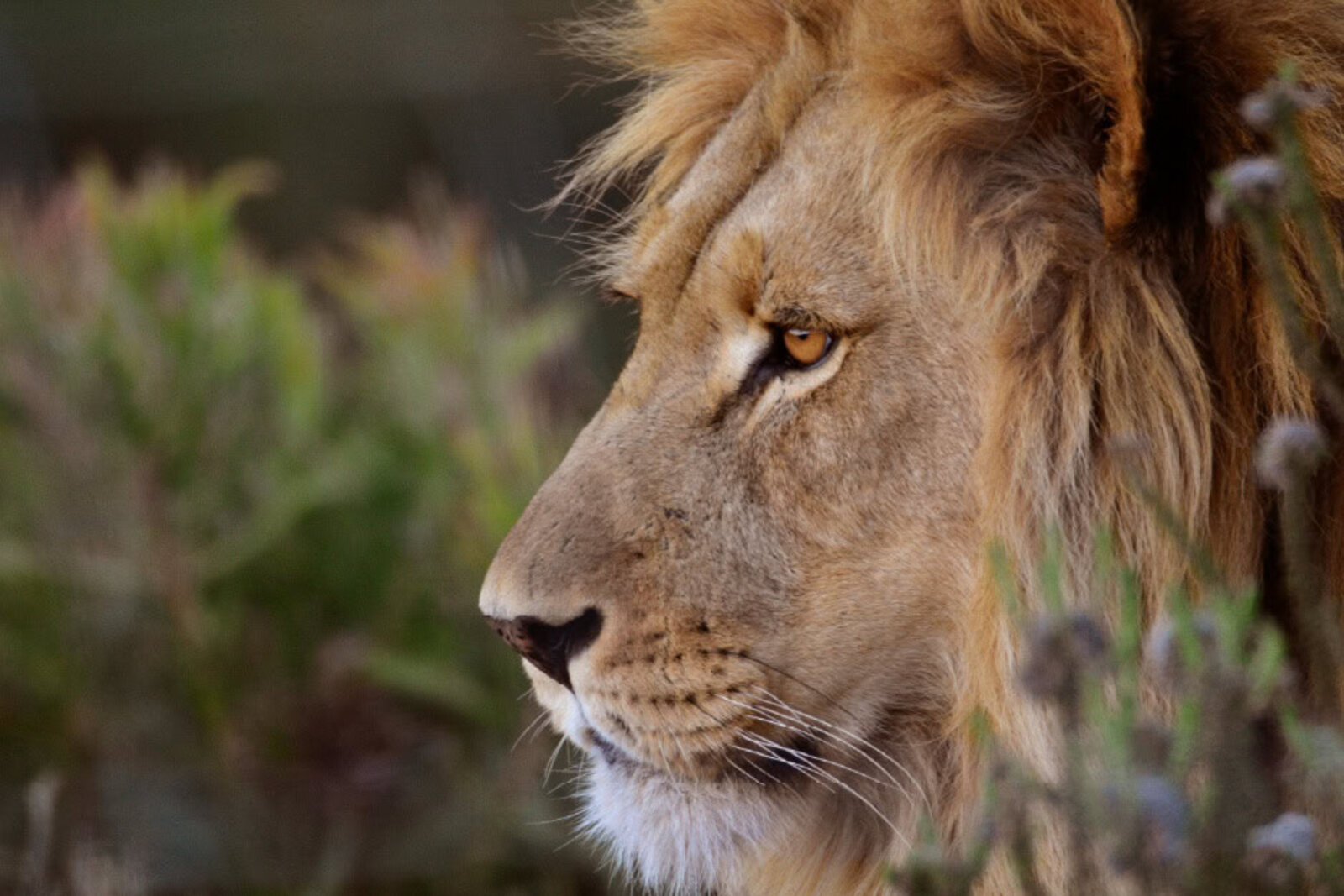
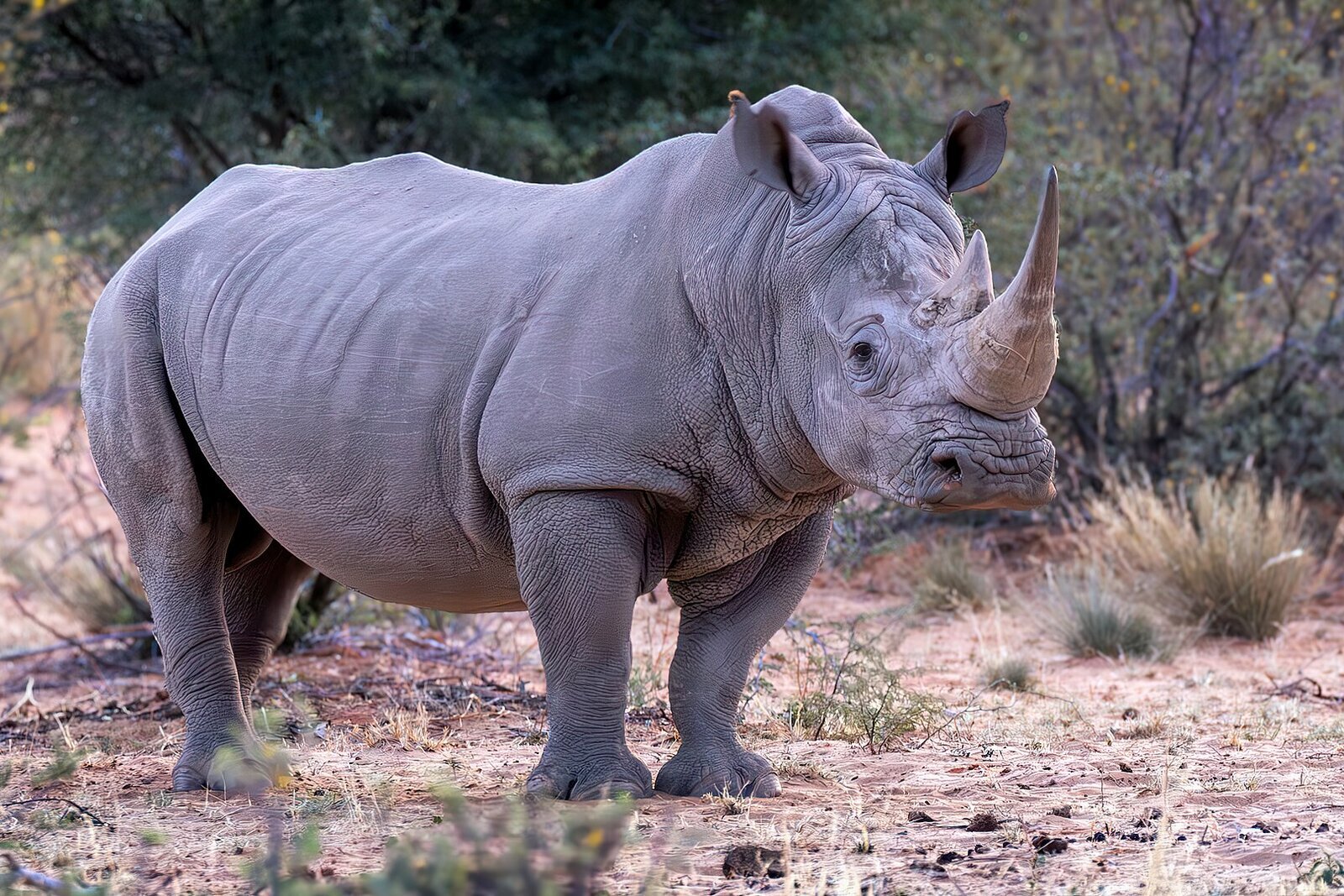
If you only read one paragraph: for most people, the best 3-day safari from Cape Town is one or two nights on a Big Five reserve within easy reach of the city — either a Western Cape or Karoo reserve two to three hours by road, or a Garden Route reserve a scenic drive (or short flight) to the east. You get proper morning and evening game drives, you see the Big Five on reserves built for exactly this, and you are not throwing your short holiday away in transit.
The one thing we would steer you away from is trying to reach the Greater Kruger in three days. It is tempting — it is the safari everyone pictures — but the flights and transfers leave you a single rushed night in the bush. On three days, close is better. Everything below is the detail behind that.
The three honest routes
There are really three ways to run a safari out of Cape Town on a three-day timeline. Each is genuinely good; they just suit different people. Here is the honest shape of each.
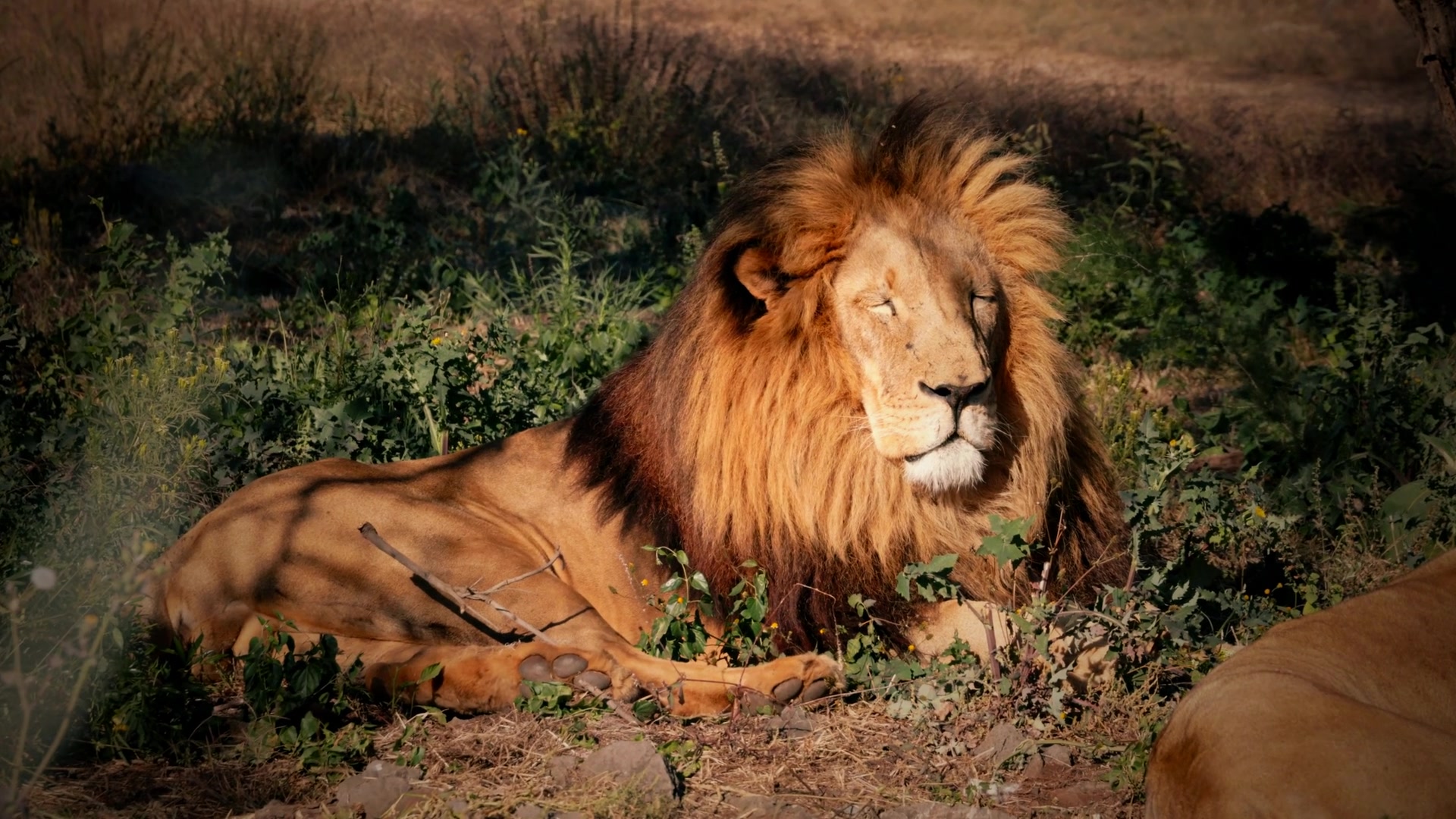
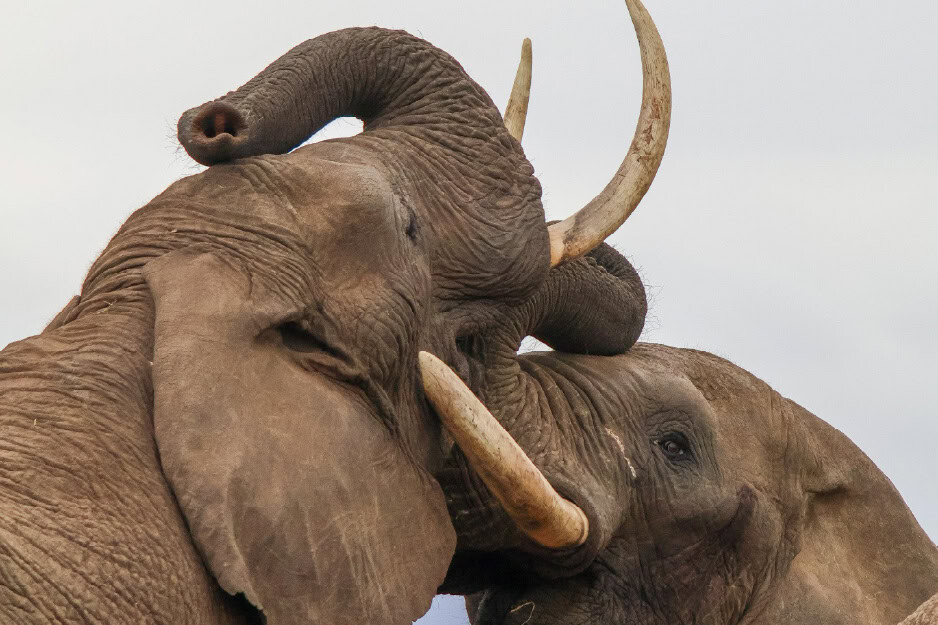
1. The Western Cape and Karoo reserves (closest, simplest). Reserves like Aquila, Inverdoorn and Sanbona sit roughly two to three hours from the city by road. They are malaria-free, they hold the Big Five, and they are the easiest to reach — no flights, no fuss. On a three-day trip these work best as a one or two-night stay, often with a day of Cape Town either side. The game density is a little lower than the Eastern Cape, but the convenience is unbeatable and the fynbos-and-mountain scenery is striking in its own right. Our Cape Town safari tours guide goes deeper on these.
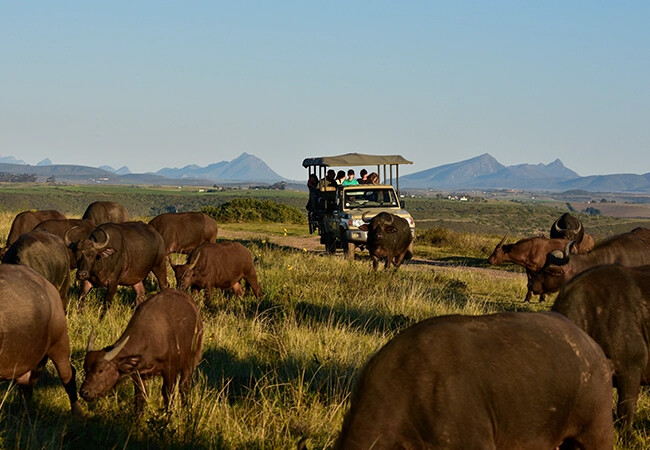
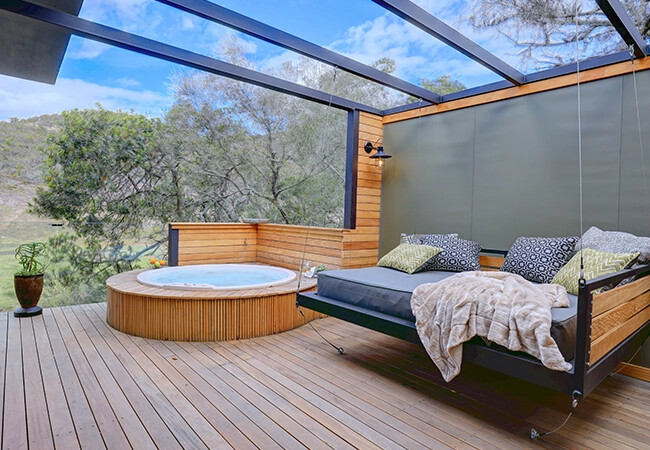
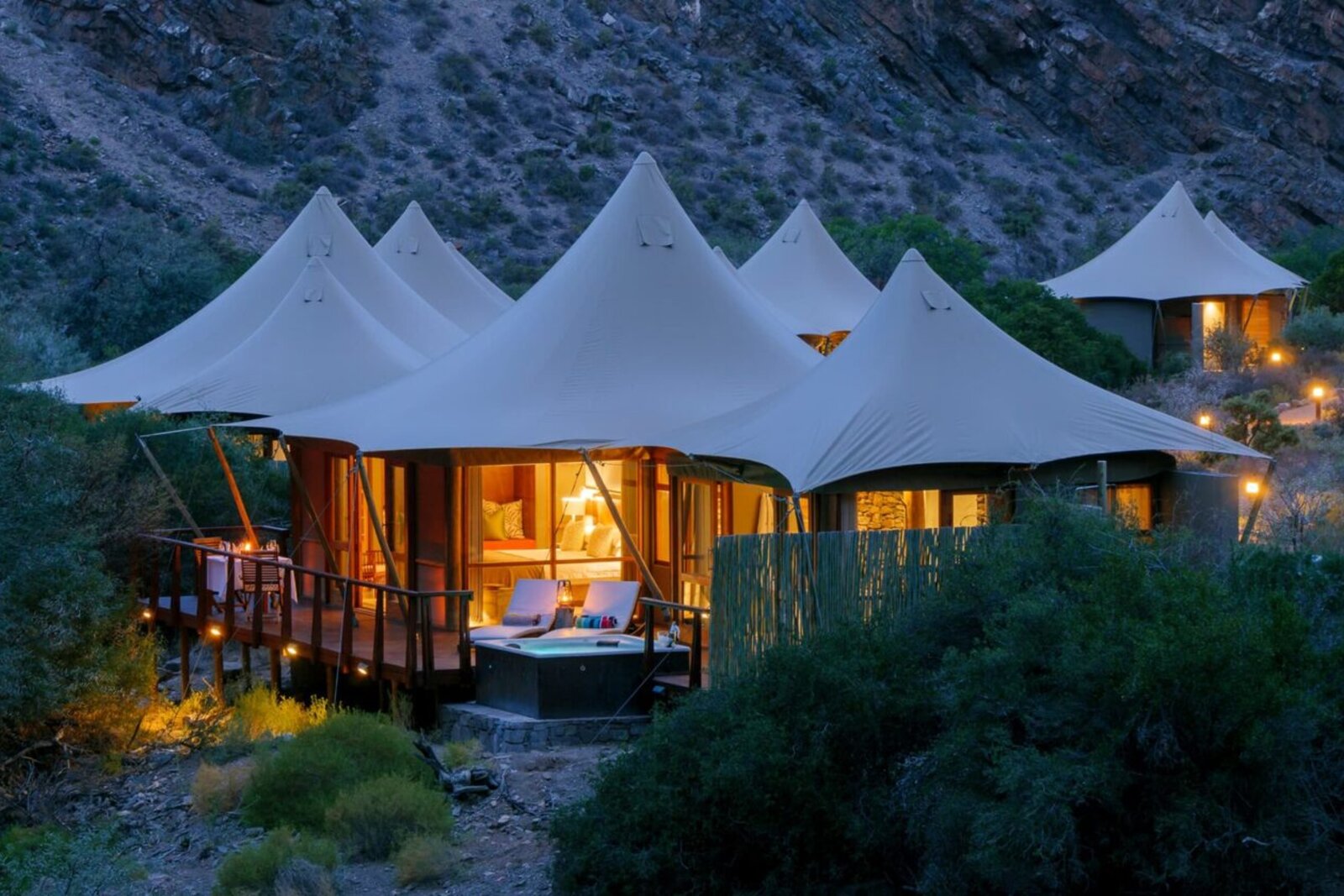
2. The Garden Route reserves (the sweet spot). A scenic drive east — around four to five hours, or a short flight to George — brings you to reserves such as Botlierskop and Gondwana, where Big Five game drives pair with a beautiful coastal setting. This is the route we recommend most for three days: it holds good game, the lodges are excellent, and the drive itself is part of the holiday rather than a transfer to endure. One or two nights here makes a complete short safari.
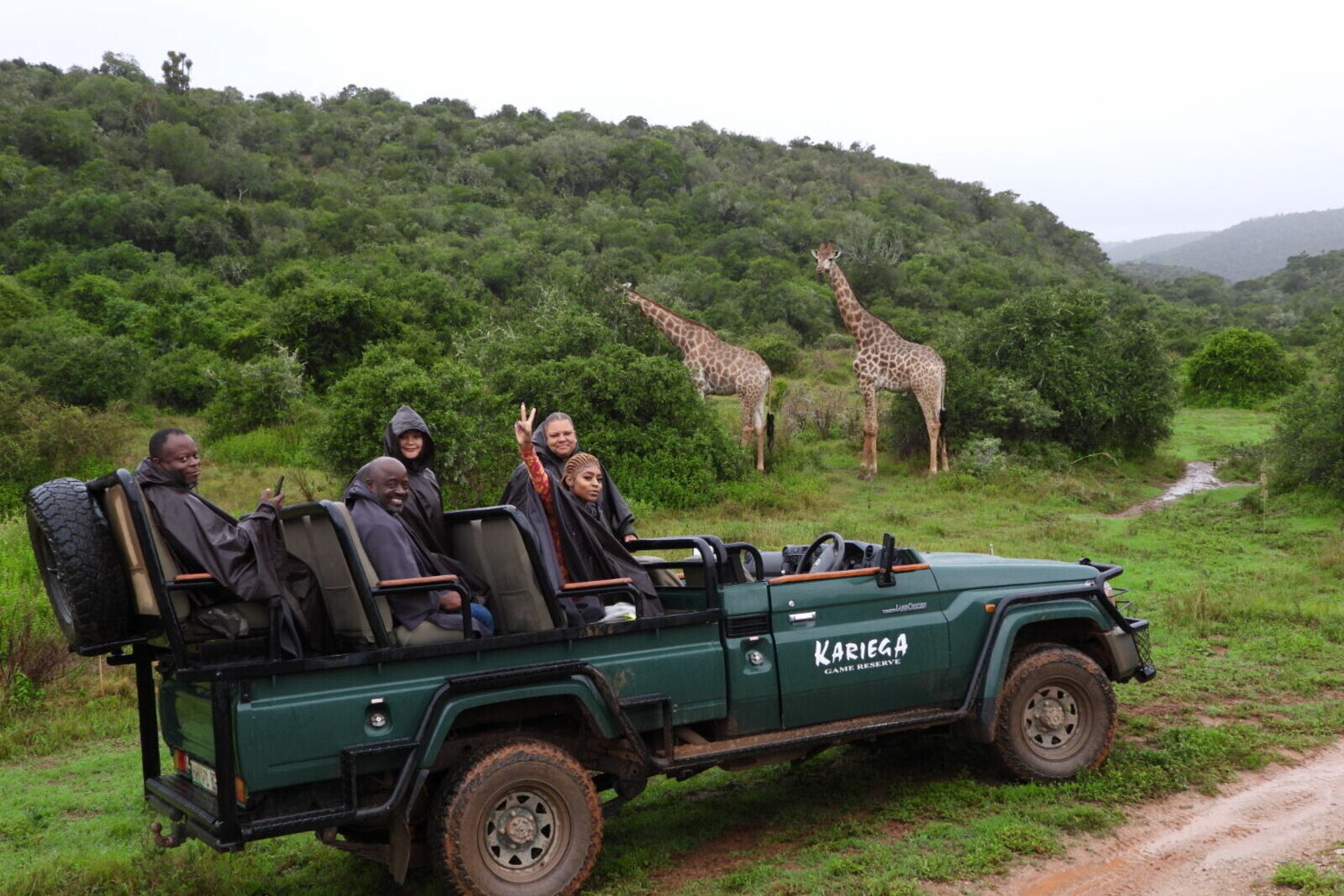
3. The Eastern Cape fly-in (most game, tightest). A one-hour flight from Cape Town to Gqeberha puts you an hour or two from the big private reserves — Shamwari, Amakhala, Kariega, Kwandwe and others. These give you the densest game of any route from Cape Town. On three days it is tight — realistically two nights with the flights at each end — but for travellers who want maximum wildlife and do not mind a busy schedule, it works. For a more relaxed version of the same reserves, give it the extra days in our 5-day safari from Cape Town guide.
A day-by-day sample trip
To make it concrete, here is how we would build the route we recommend most — a Garden Route reserve such as Botlierskop or Gondwana. Treat it as a shape to adjust, not a fixed package; we tailor the reserve and lodge to your budget and dates.
Day 1 — Cape Town to the reserve. Leave the city after breakfast and take the coastal road east, or a short flight to George. You arrive at the reserve in time for lunch, settle in, and head out on your first afternoon game drive, ending with a sundowner in the bush. First night at the lodge.
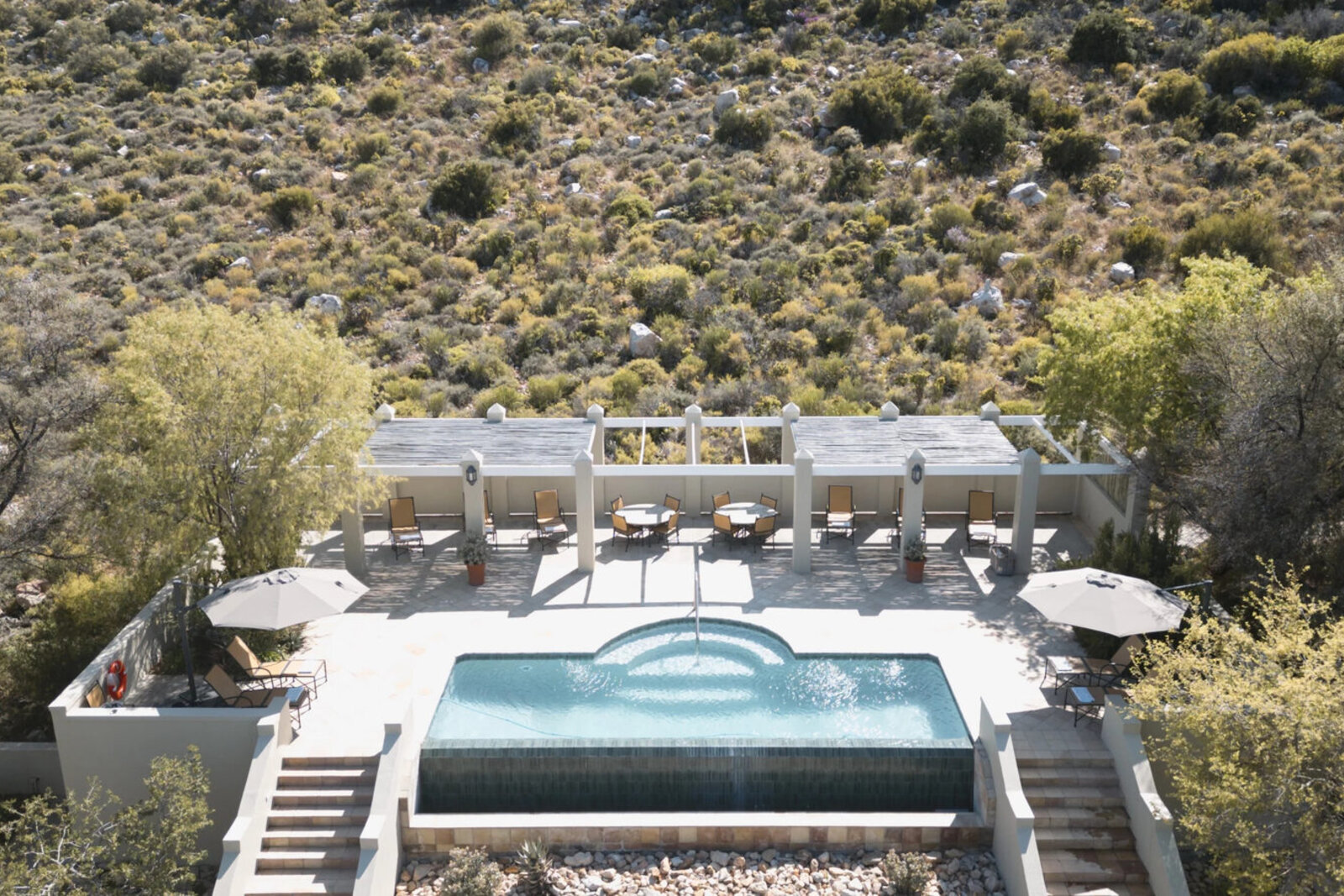
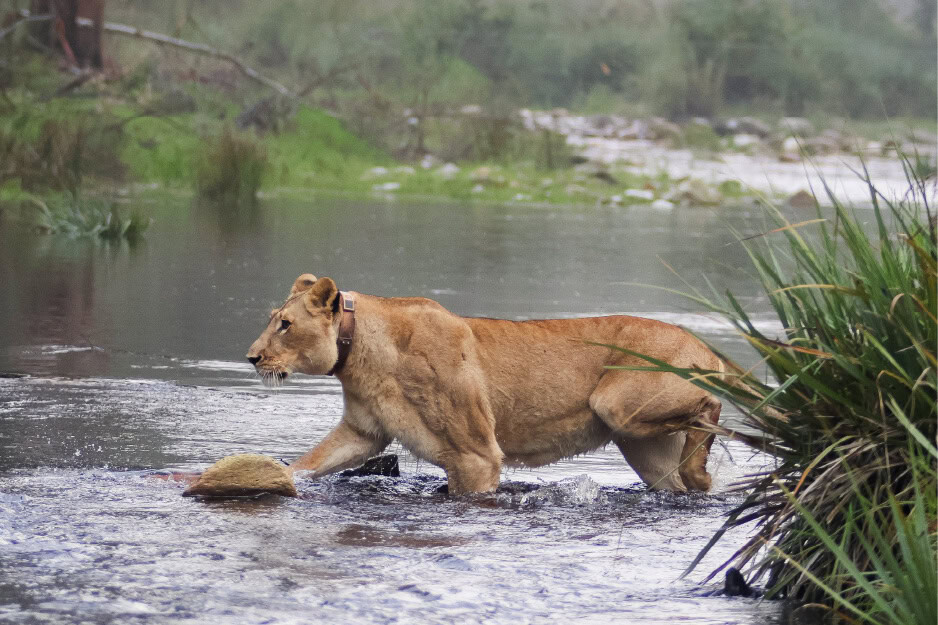
Day 2 — Full day on the reserve. An early morning drive when the animals are most active, back for a long breakfast and the slow middle of the day by the pool, then out again for the afternoon and evening. Two drives, the best light at each end — this is the day the Big Five tends to fill in. A second night at the lodge.
Day 3 — Last morning drive, back to Cape Town. A final early drive and breakfast, then the drive or short flight back to the city. You are home by evening with the bush still in your eyes. If you would rather slow the whole thing down, adding a night turns this into a far more relaxed trip — see our 5-day safari from Cape Town guide for the longer shape.
What three days will not do
It is worth being blunt about the limits, because the biggest mistake people make with a short safari is over-reaching. Three days will not get you to the Greater Kruger and back in any sensible way. The flight from Cape Town to the lowveld, plus the road transfer to a lodge at the far end, burns most of two of your three days — so you pay for the iconic bushveld and then barely set foot in it. That is a trip built around airports, not animals.
Three days also does not leave much room for a slow pace. One or two nights means you are moving with some purpose — arrive, drive, drive again, head home. If you want long lazy afternoons, a second reserve, or city time built in alongside the bush, that is a five to seven-day trip. The honest fix for all of this is simply more time: our 5-day safari from Cape Town and Cape Town and safari combination holidays guides show what the extra days buy you.
Malaria-free, and why it matters
One of the real advantages of a short safari from Cape Town is that every sensible route is malaria-free. The Western Cape, the Karoo, the Garden Route and the Eastern Cape all sit well outside any malaria zone, so there are no tablets to take and nothing to weigh up before you travel. For families with young children, for older travellers, and for anyone who simply does not want the hassle, that matters a great deal.
The only route that is not malaria-free is the fly-in to the Greater Kruger — which, as we said above, does not suit three days anyway. So on a 3-day trip the question answers itself: stay close, and you are malaria-free by default. We spell out every option within reach in our guide to malaria-free safari near Cape Town.
What it actually costs
Price depends far more on the lodge you choose than on the route itself, but here are honest per-person bands to set expectations. These assume shared accommodation and include game drives; a short flight is noted where it applies.
| Route | Rough cost per person | What drives the price |
|---|---|---|
| Western Cape / Karoo (1–2 nights) | From a few hundred USD | No flights; short road transfer |
| Garden Route reserve (3 days) | ~700 – 1,800 USD | Drive or short flight, lodge tier |
| Eastern Cape fly-in (3 days) | ~1,400 – 3,000 USD+ | Flights + lodge tier |
These are starting points, not quotes. Because we tailor every trip, the real number depends on your dates, your lodge and your group size — a family of four travelling together often works out very differently per head to a couple. Tell us your budget and we will show you what it buys rather than squeeze you into a fixed package. For longer trips that pair the city with the bush, see our Cape Town and safari combination holidays.
Best time to go
Here is a genuine advantage of the Cape routes: they are year-round. Unlike the northern parks, the Western Cape, Garden Route and Eastern Cape reserves do not live or die by a single dry season, so there is no truly bad time to come. That said, the cooler, drier months from roughly May to September give you the sharpest game viewing — thinner bush, animals drawn to water, and crisp mornings on the drives. Pack warm layers for those early starts; the Cape winter mornings bite.
Summer, December to February, is hotter and greener, with newborn animals about, but it overlaps with Cape Town's peak beach season, so flights and lodges cost more and book out early. The shoulder months, around March to April and October to November, are a sweet spot of fair weather and softer pricing. On a short three-day trip the timing matters less than on a long one — but a dry-season morning drive is hard to beat.
Which route suits you
Short version, by traveller:
- First-timers short on time: a Garden Route reserve such as Botlierskop or Gondwana — good game, a scenic drive, and a proper lodge, all within reach of the city.
- Budget-first travellers: a one or two-night Western Cape or Karoo reserve added to Cape Town days — the cheapest way to see the Big Five from the city. Our Cape Town Big Five day trips guide covers the shortest options of all.
- Families with young children: a close malaria-free reserve, Western Cape or Garden Route — short transfers beat long days in the car with little ones.
- Couples who want the most wildlife: the Eastern Cape fly-in if you do not mind a busy two nights, or give it the extra days for a calmer pace.
- Anyone set on the Greater Kruger: do not force it into three days — read our 5-day safari from Cape Town guide and give it the time it deserves.
Whichever route fits, we build the whole thing for you from here in Cape Town — transfers or the short flight, reserve, lodge, drives and every hand-off. Tell us your dates, your budget and whether malaria-free is a must, and we will come back with a route that works. The quickest start is our plan my safari form.
The verdict
Three days is genuinely enough for a real Big Five safari from Cape Town — the only mistake is choosing a route that spends your days in transit. For most people, a Garden Route reserve is the sweet spot: good game, a scenic drive, and a lodge you reach the same day you leave the city. If you want it even simpler, the Western Cape reserves deliver the Big Five a couple of hours from Table Mountain. Leave the Greater Kruger for a longer trip, pick the route that fits how you like to travel, and let us handle the rest.