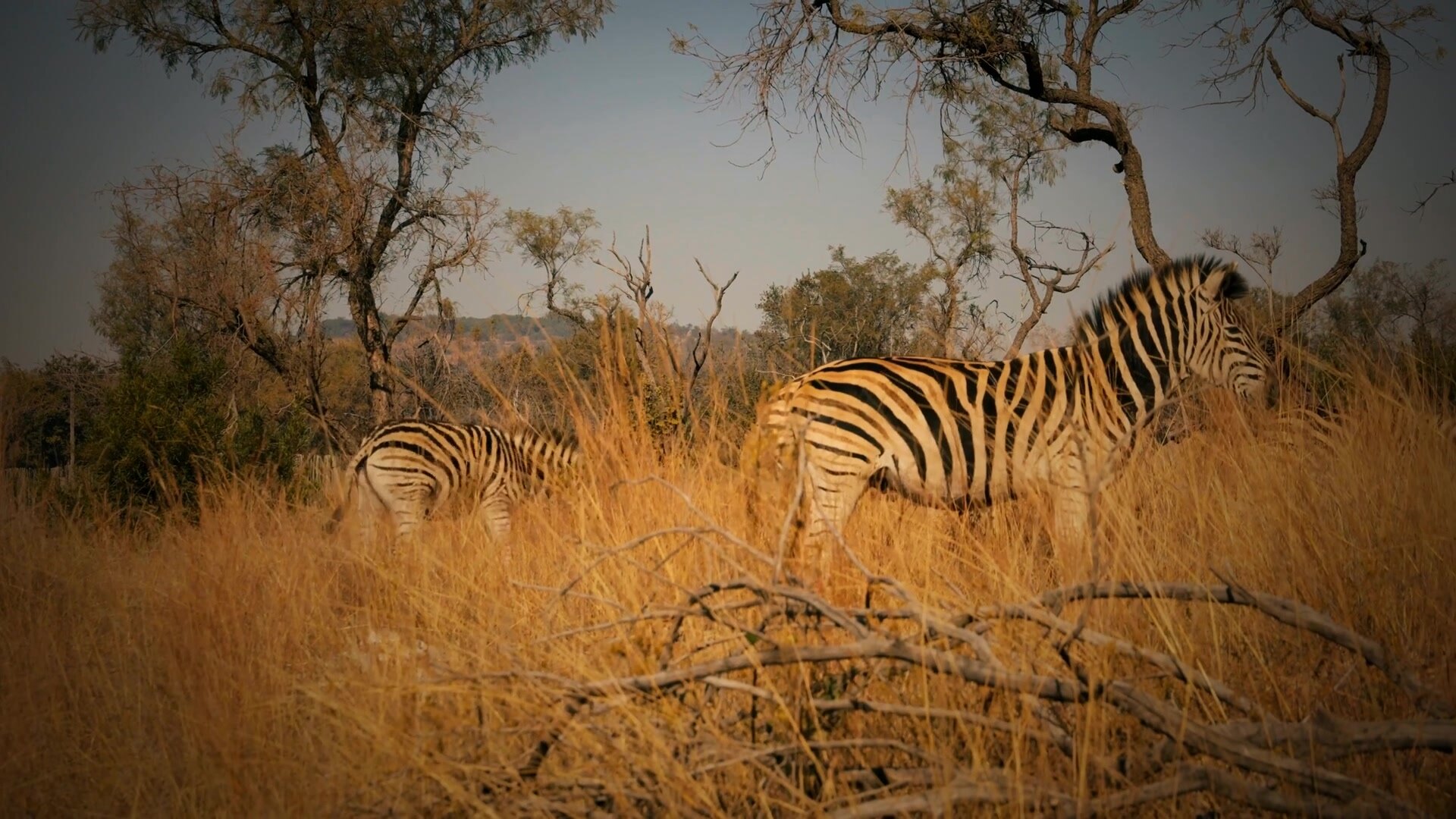
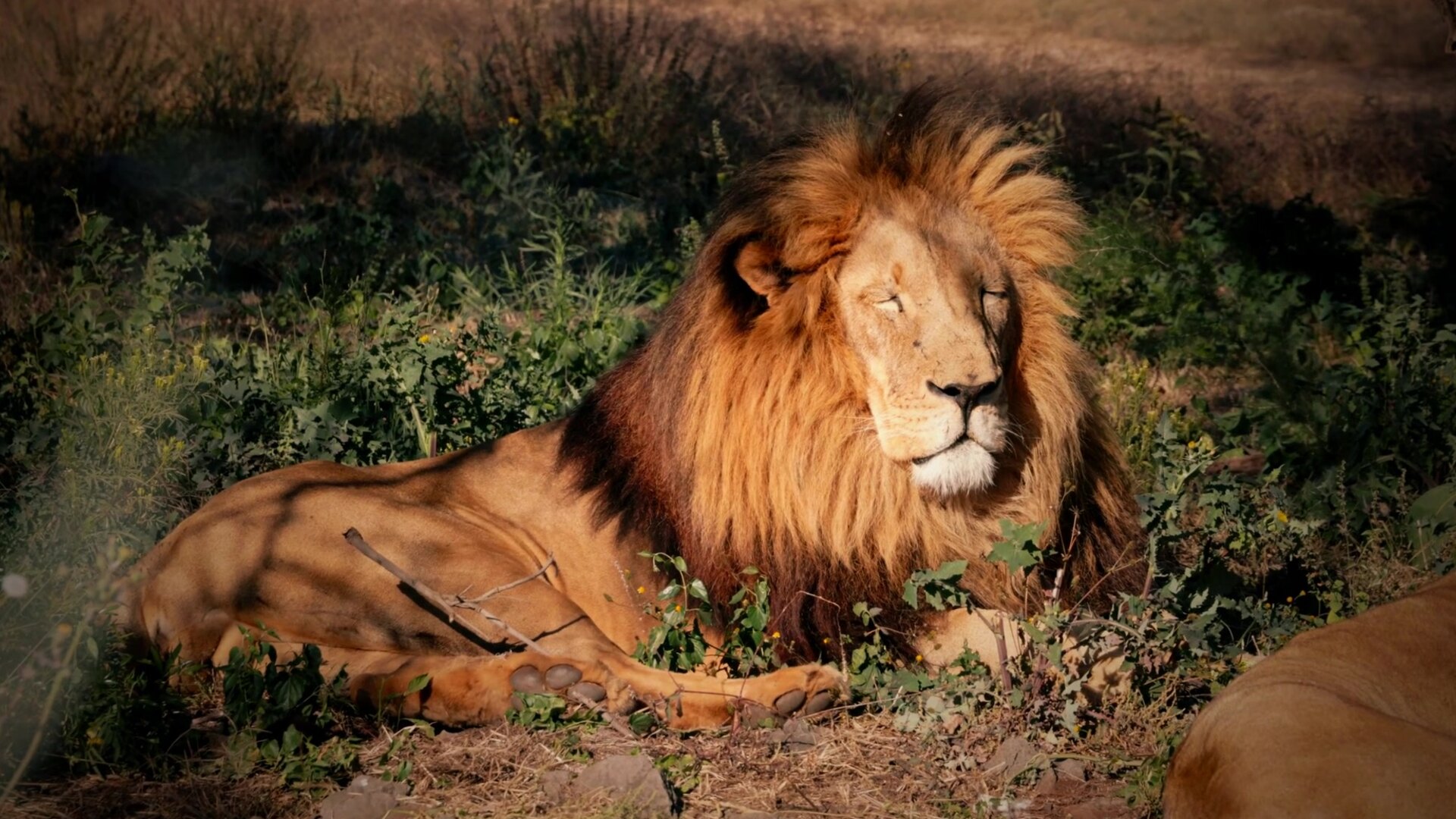
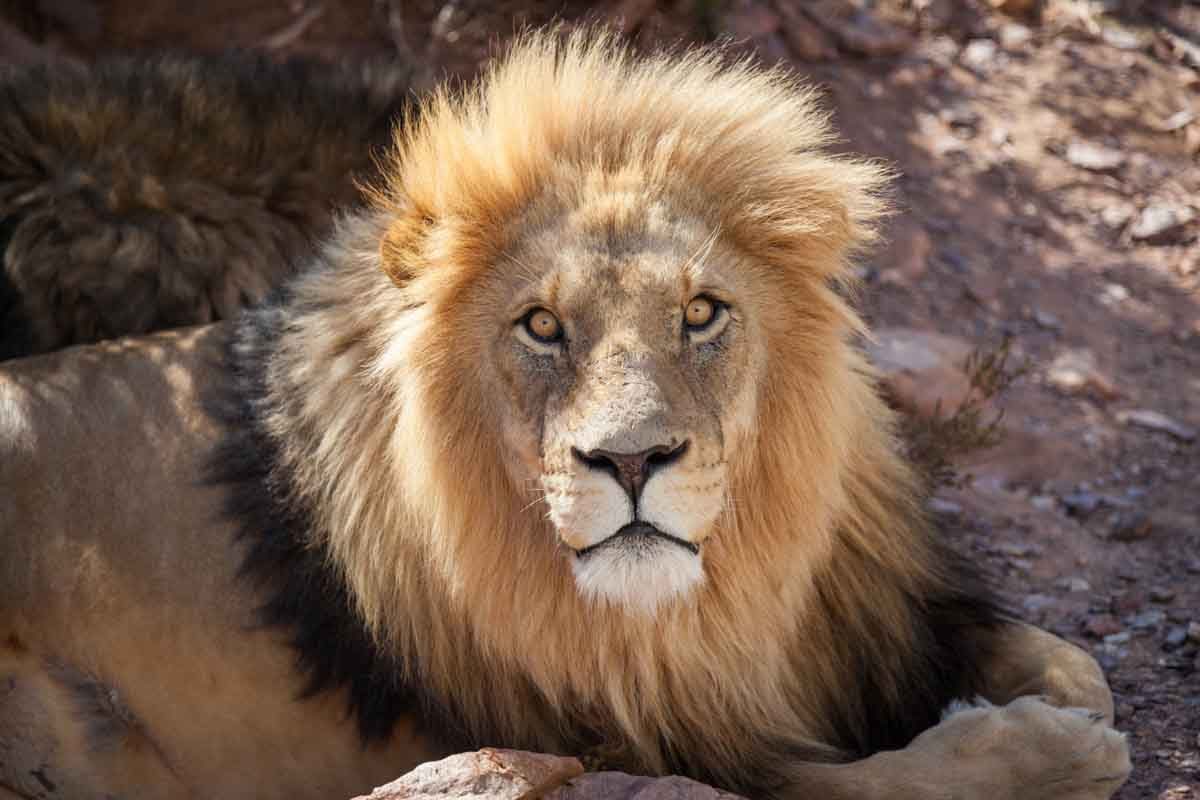
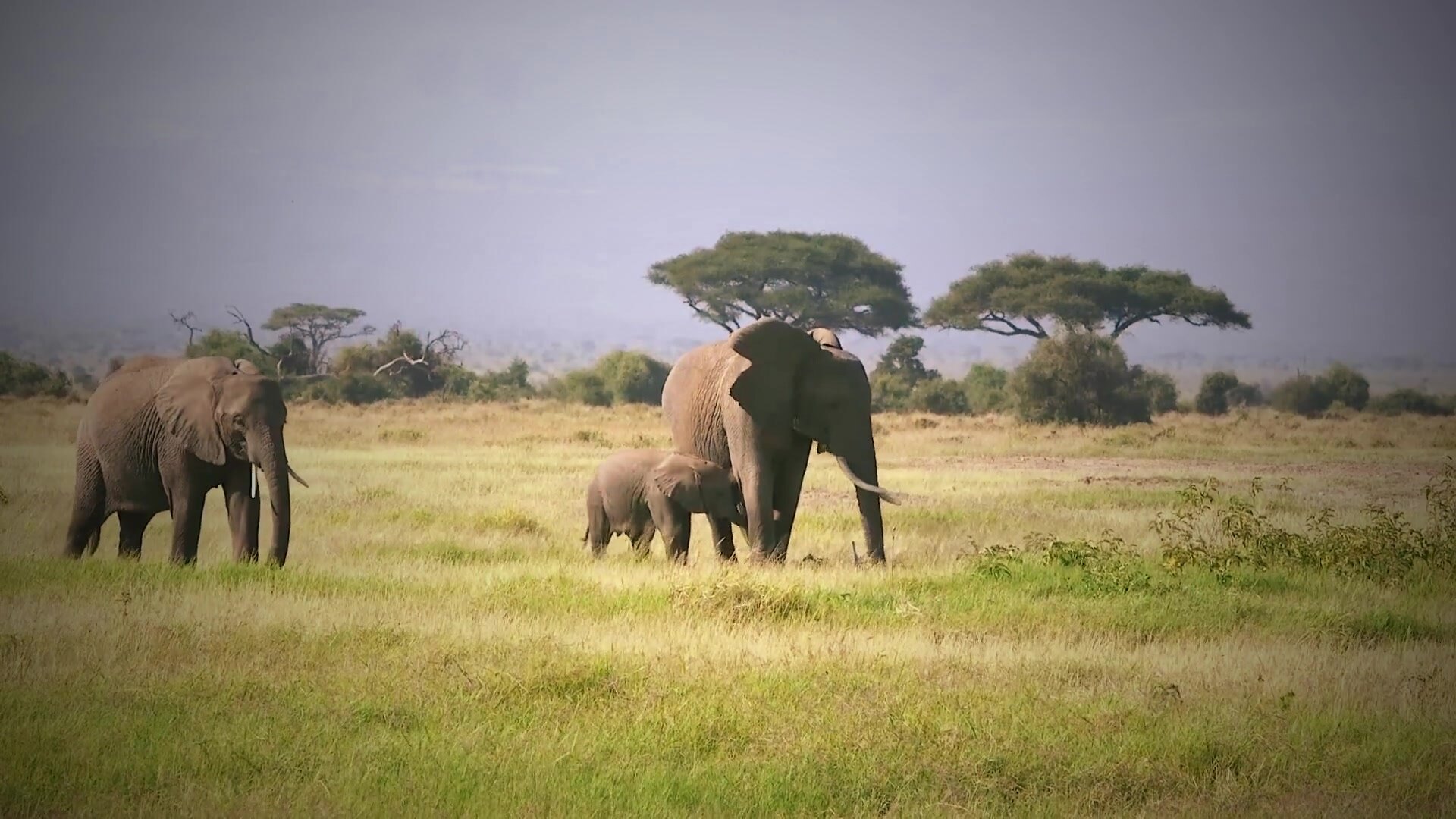
A two-day safari is the shortest trip we will honestly call a real safari. People staying in Cape Town ask us for it constantly — they have the city sorted, they want to see the Big Five, and they have exactly one night to spare. The good news is that one night is enough, as long as you understand what it is and where it goes. Cape Town itself sits in the far south-western corner of the country with no Big Five on its doorstep, so a short safari always means a drive out to the malaria-free reserves of the Karoo, two to three hours away.
This is the straight version, written by a team that runs these trips for a living from right here in Cape Town. We will tell you what two days really gets you, which of the three closest reserves to pick, what the one night looks like hour by hour, what it costs, and when a day trip would do just as well instead. If you find you can spare a second night, our 3-day safari from Cape Town guide picks up where this one ends.
Key Takeaways
- Two days means one night — an afternoon drive on arrival and a dawn drive the next morning, the two times game actually moves.
- You go to the Karoo, not Kruger: malaria-free reserves two to three hours from the city.
- Three real choices: Aquila (closest), Inverdoorn (cheetahs), Sanbona (largest, most exclusive).
- The night is what beats a day trip — a day out misses both the best light windows.
- Malaria-free and year-round, with the sharpest viewing from May to September.
The quick answer
If you read one paragraph: the best 2-day safari from Cape Town is one night on a malaria-free Big Five reserve in the Karoo — drive out after an early start, take an afternoon game drive, sleep over, and do a dawn drive before heading home the second day. The three reserves worth your night are Aquila, Inverdoorn and Sanbona, all within two to three hours of the city by road. That is the whole trip, and done right it is a genuine safari, not a long day in a van.
What two days cannot do is reach the Greater Kruger, the Garden Route reserves or the Eastern Cape in any sensible way — those all need at least one more night. On two days, closest is best. Everything below is the detail behind that one choice.
What a 2-day safari really is
It helps to be precise, because “two days” sounds like more time than it is. A 2-day safari is one overnight. You leave Cape Town in the morning, you are on a reserve by early afternoon, and you come home the following day — so the wildlife part of the trip is really an afternoon, an evening and an early morning. The reason that is enough is timing: on a reserve, the animals move at the edges of the day, and the one night hands you both of those windows.
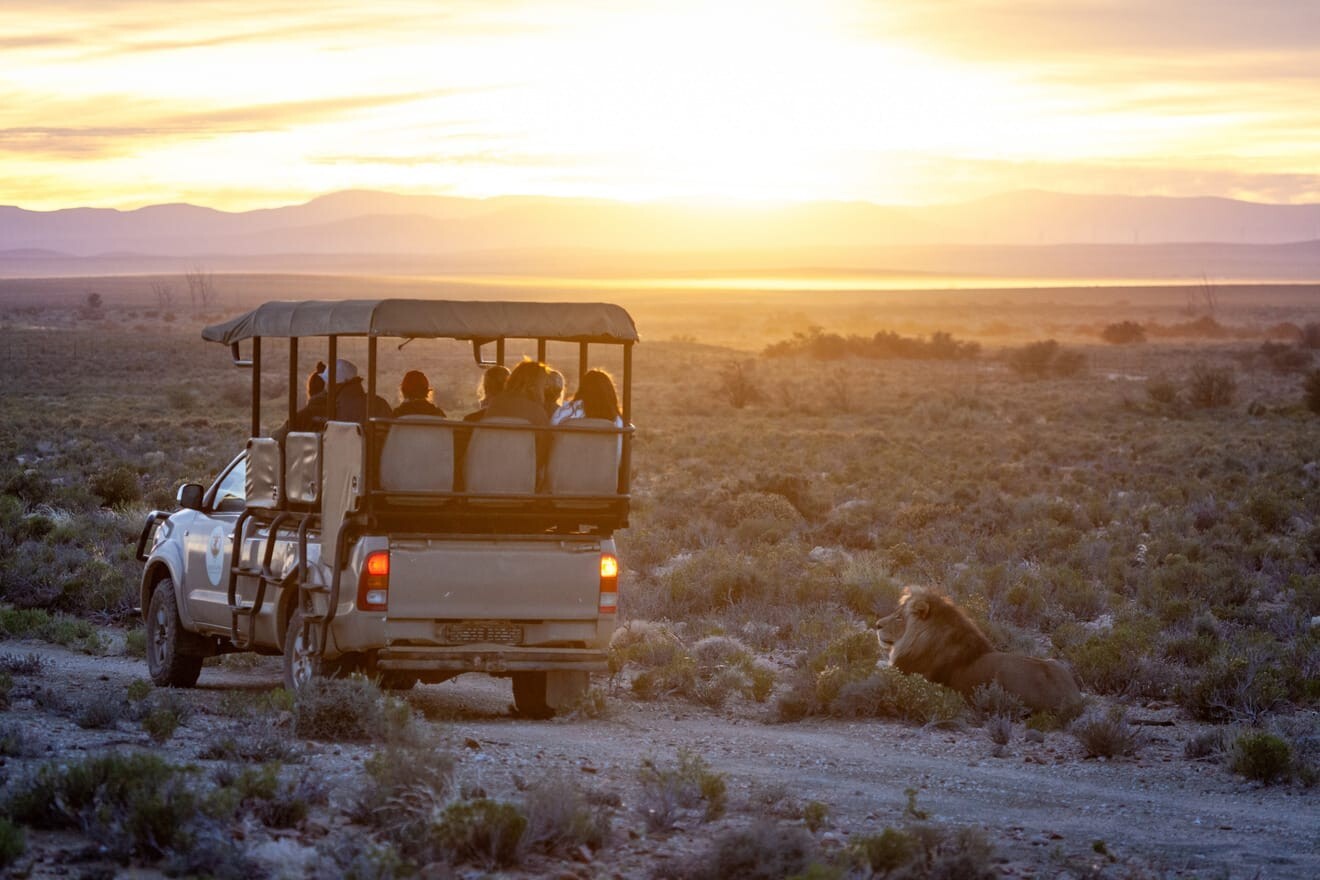
The afternoon drive on day one goes out as the heat drops, when lion, elephant and plains game start to stir, and ends with a sundowner somewhere with a view. Then comes dinner under a Karoo sky with more stars than most people have ever seen, because there is no town for miles. The dawn drive on day two is the other prize — cold, quiet, and the best chance of the day for cats on the move. A day trip gets neither of those; it arrives and leaves in the dead middle of the day. That gap is the entire case for staying over.
The three closest reserves
For a one-night trip you want a reserve you can reach in an afternoon, which in practice means three names. Each holds the Big Five, each is malaria-free, and each suits a slightly different traveller. Here is the honest shape of all three.
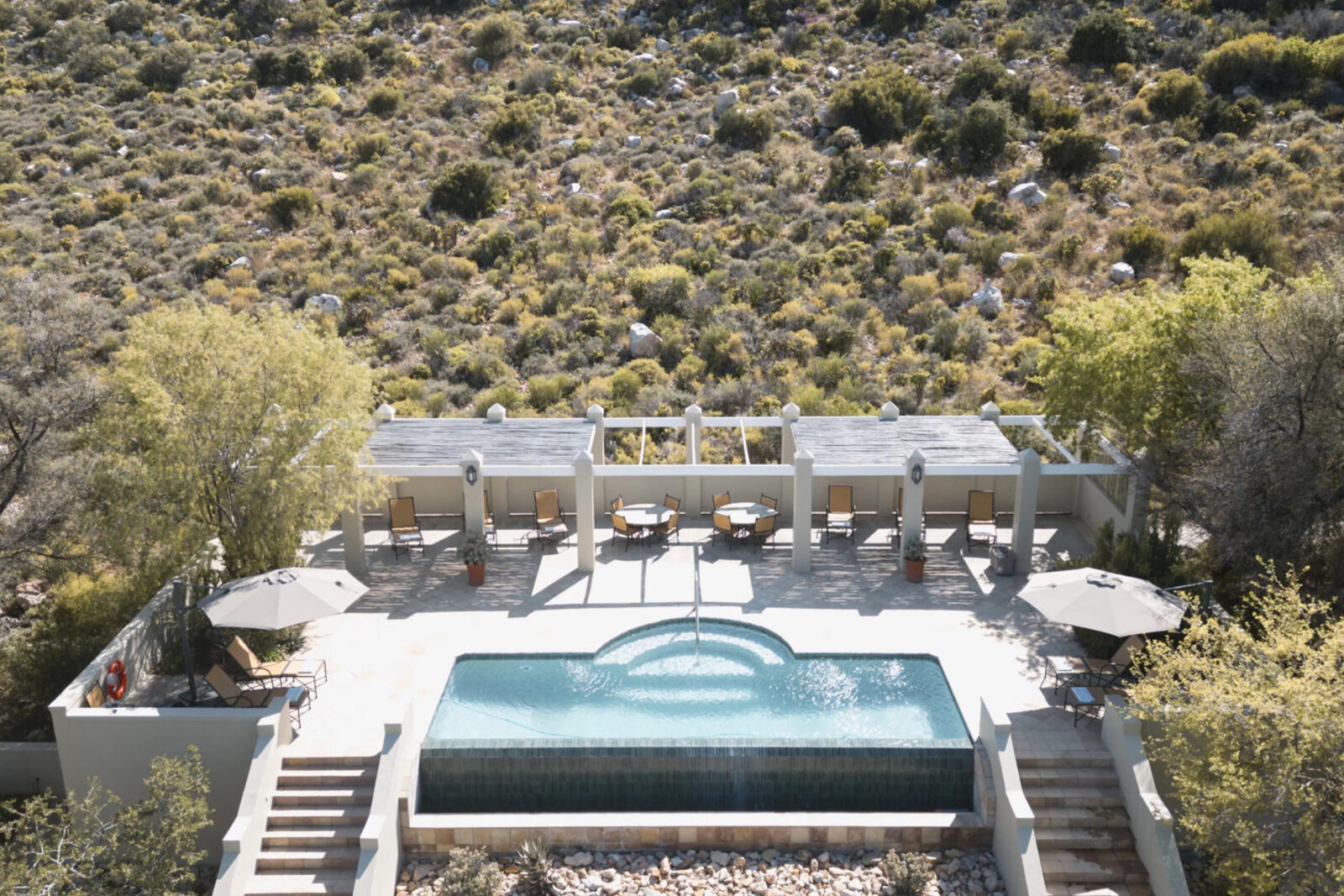
Aquila (closest, easiest). About two hours from the city on good road, Aquila is the nearest Big Five reserve to Cape Town and the one most people picture when they think of a quick overnight. It is set up for exactly this trip — a comfortable lodge, a pool, family-friendly rooms and a children's programme — so it works well for first-timers and families who want the least fuss. The reserve is smaller and the game a touch more managed than the larger properties, but for a single night close to town it is hard to beat for convenience.
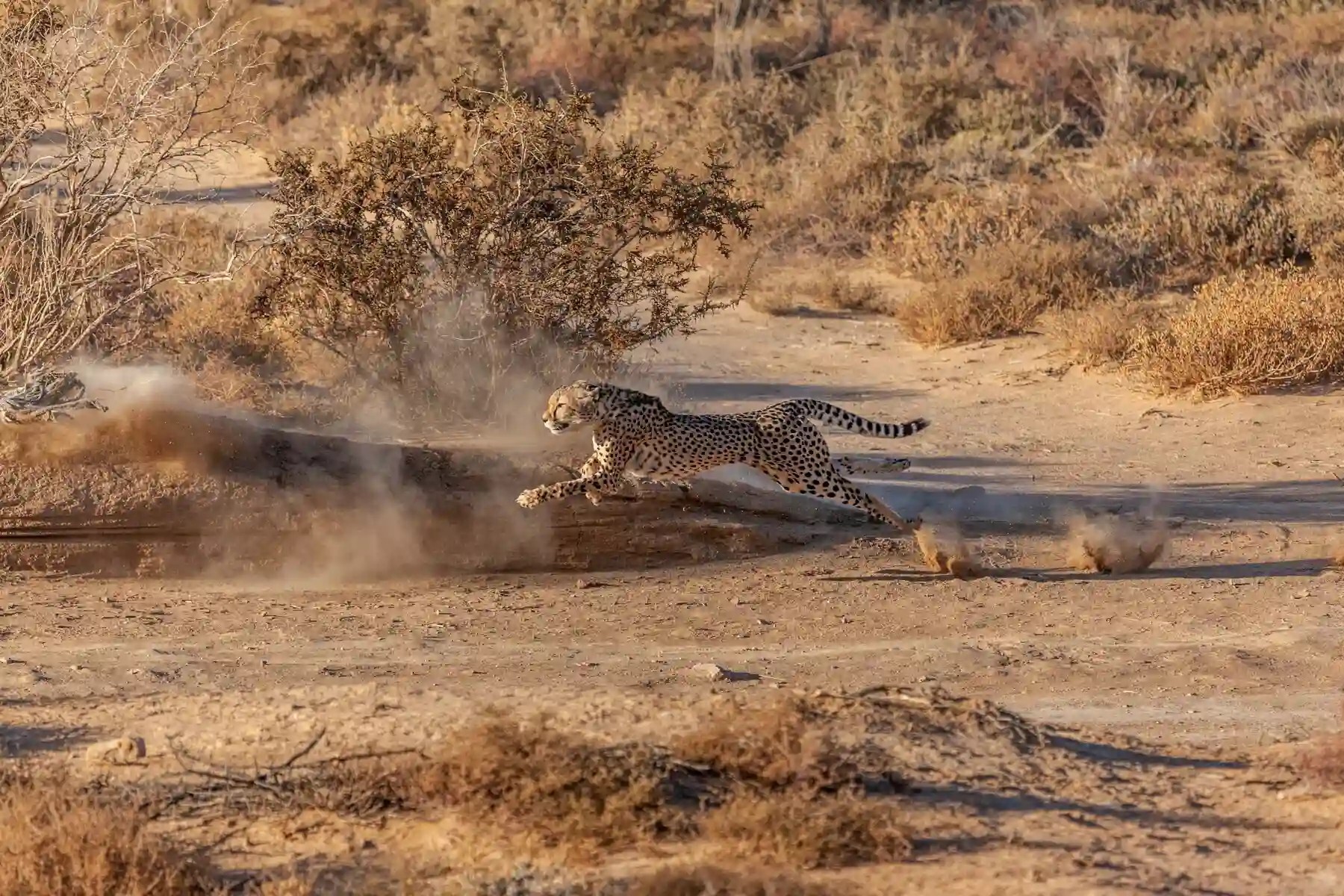
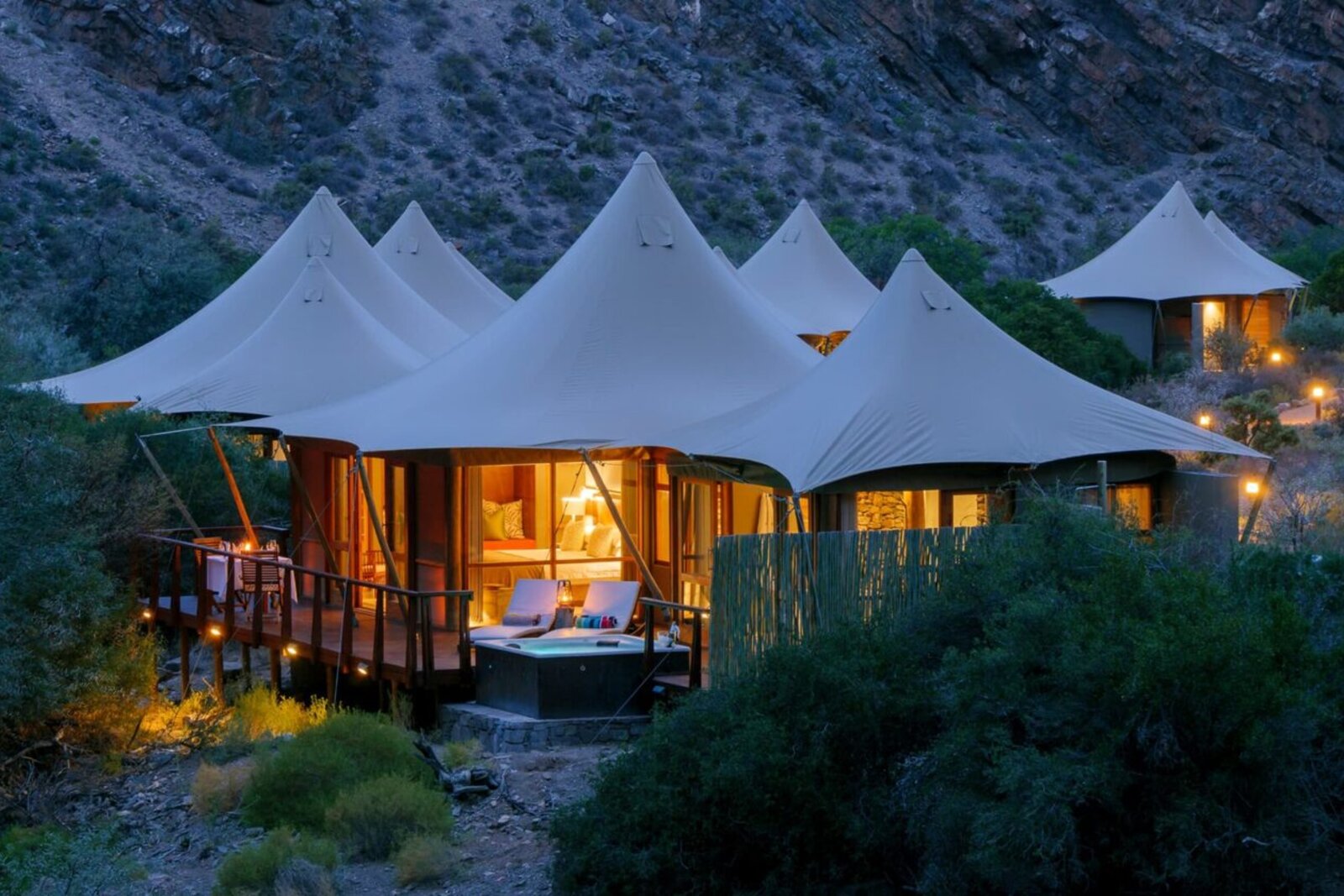
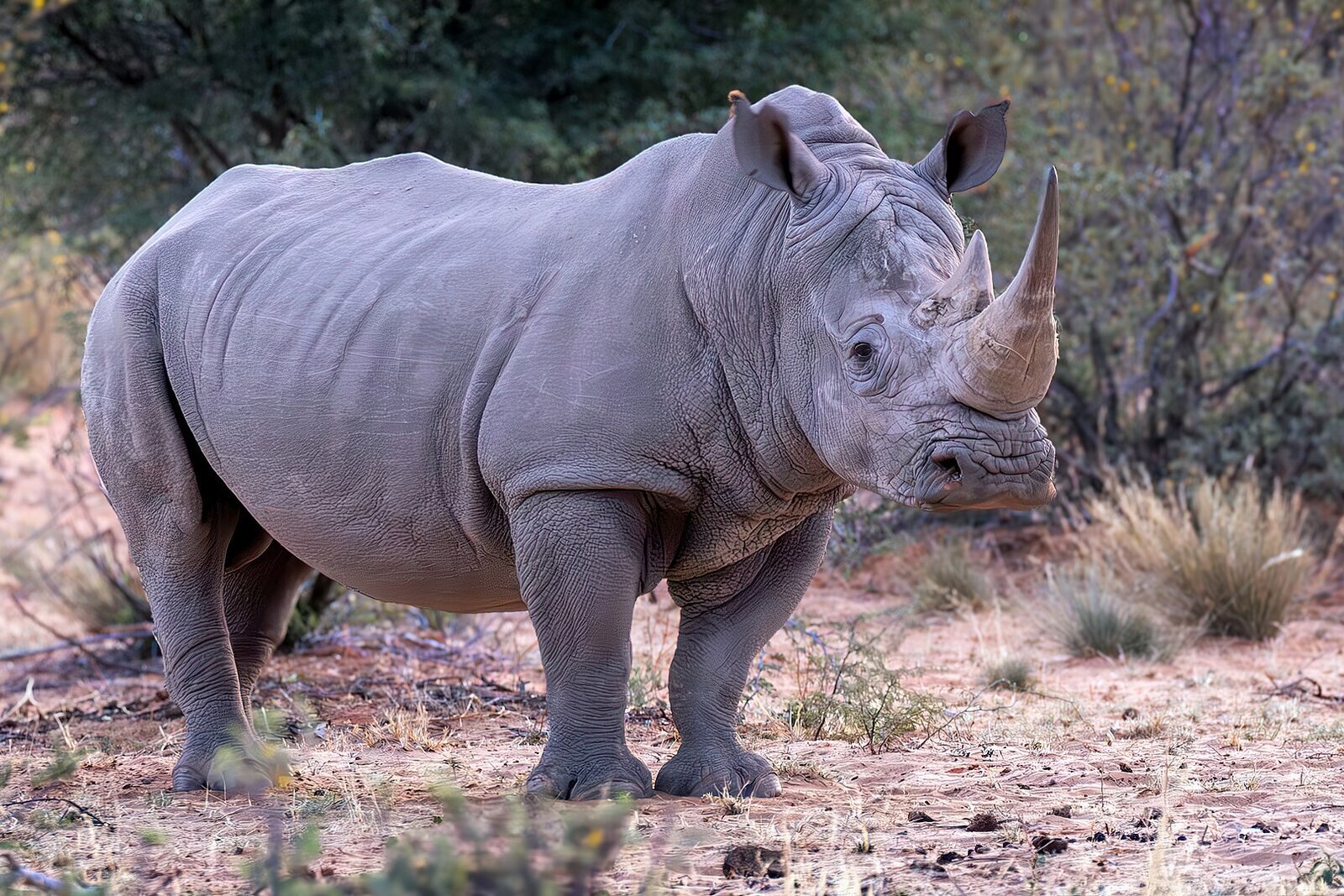
Inverdoorn (the cheetahs). A little further out in the Tankwa Karoo, around two and a half hours away, Inverdoorn is the reserve we send people to most for an overnight. It is larger than Aquila, you cannot self-drive it, and it runs a working cheetah conservation programme — watching those cats run at full stretch is the thing guests talk about afterwards. The lion, elephant, buffalo and rhino are all here, and one afternoon-and-morning on the property is a proper safari. Our Inverdoorn Game Reserve review looks at it in detail.
Sanbona (largest, most exclusive). About three hours from the city, Sanbona is a different scale altogether — a vast wilderness reserve better suited to people who want space, quiet and a higher level of lodge for their night. It is the pick for couples and for travellers who would rather pay more for exclusivity than save the drive time. On two days it is at the far edge of what is comfortable, but for the right traveller the extra half hour buys a lot of wilderness.
A day-by-day sample trip
To make it real, here is how we build the overnight we book most — Inverdoorn in the Tankwa Karoo. Treat it as a shape to adjust, not a fixed package; the reserve and the room grade move to suit your budget and your dates.
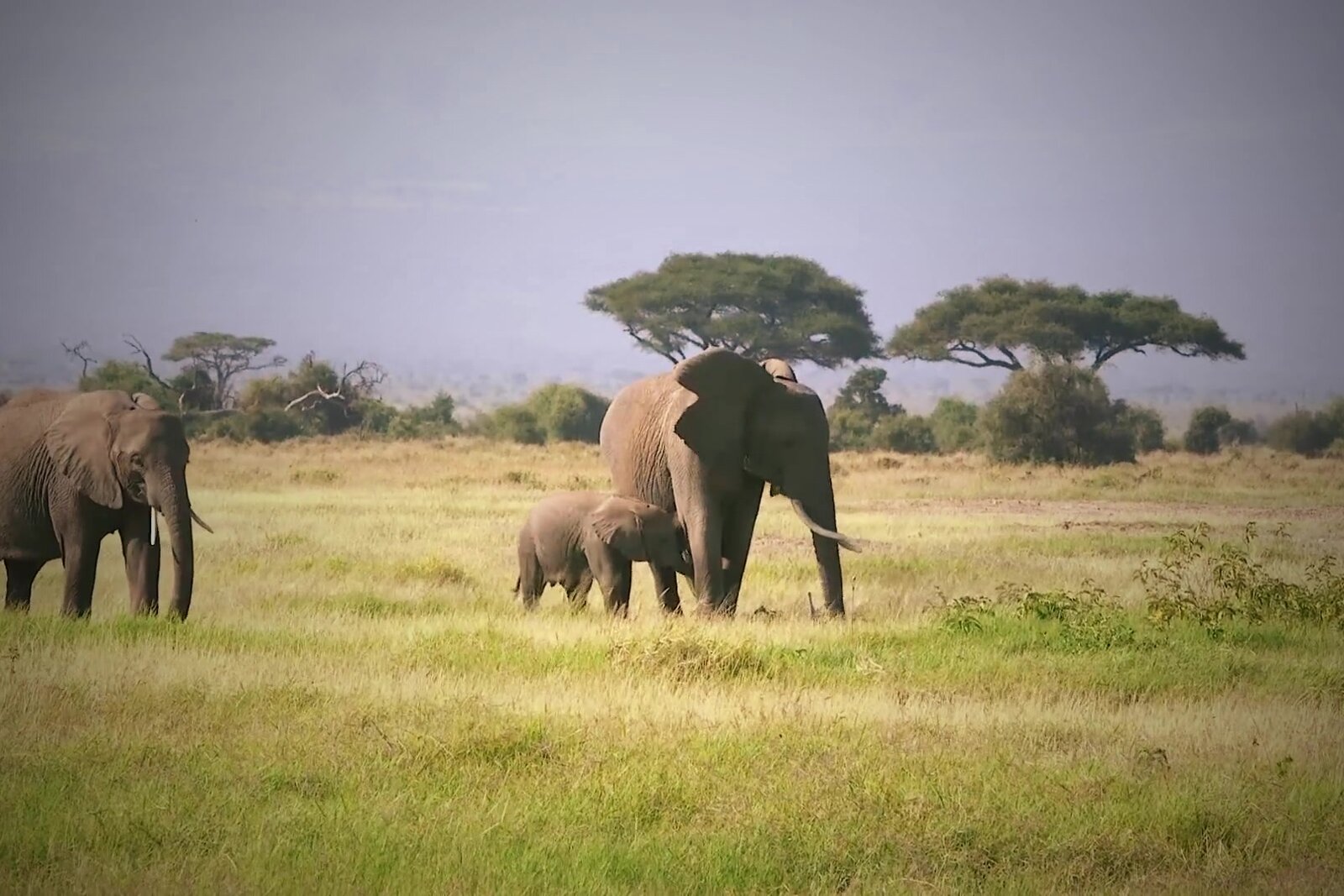
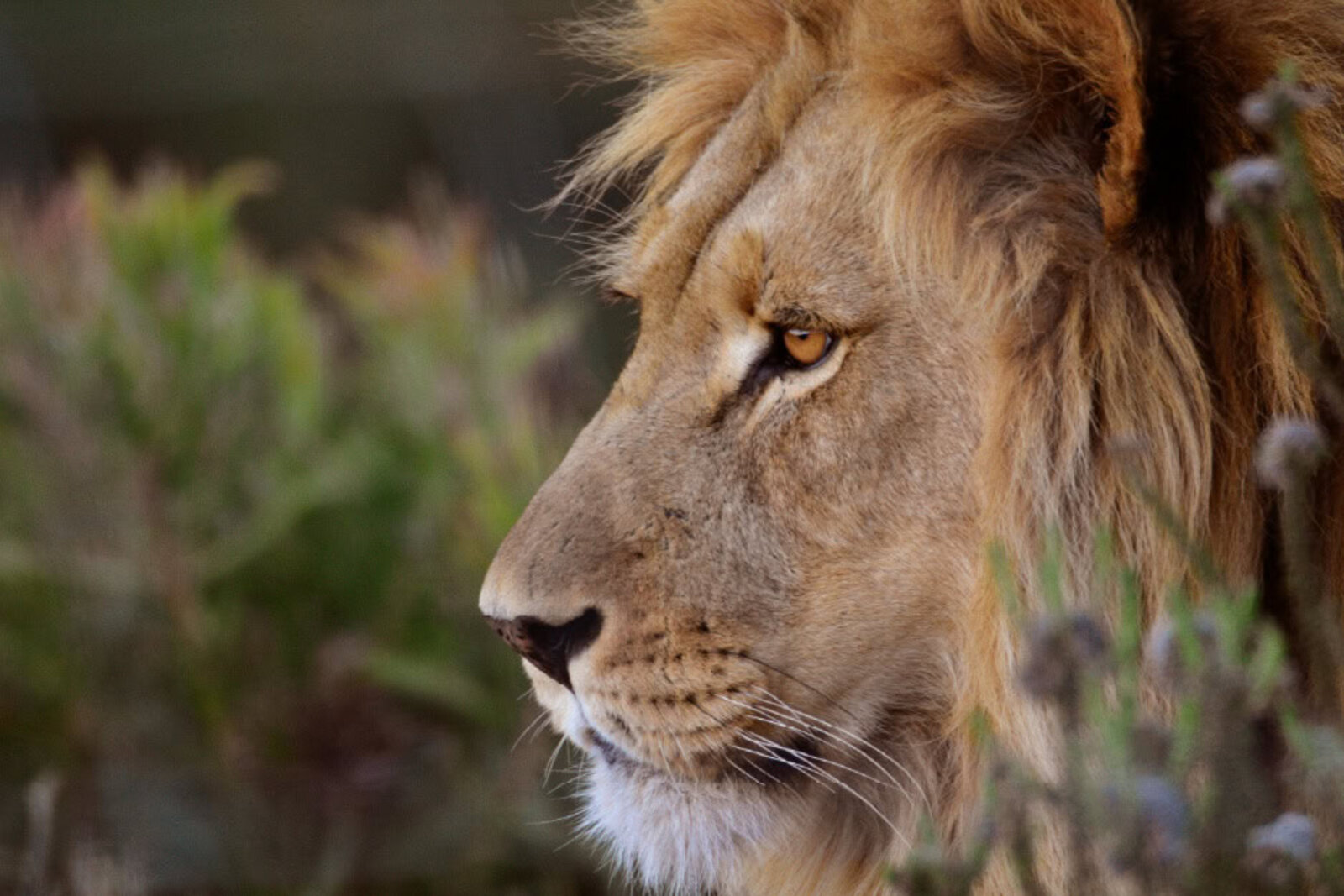
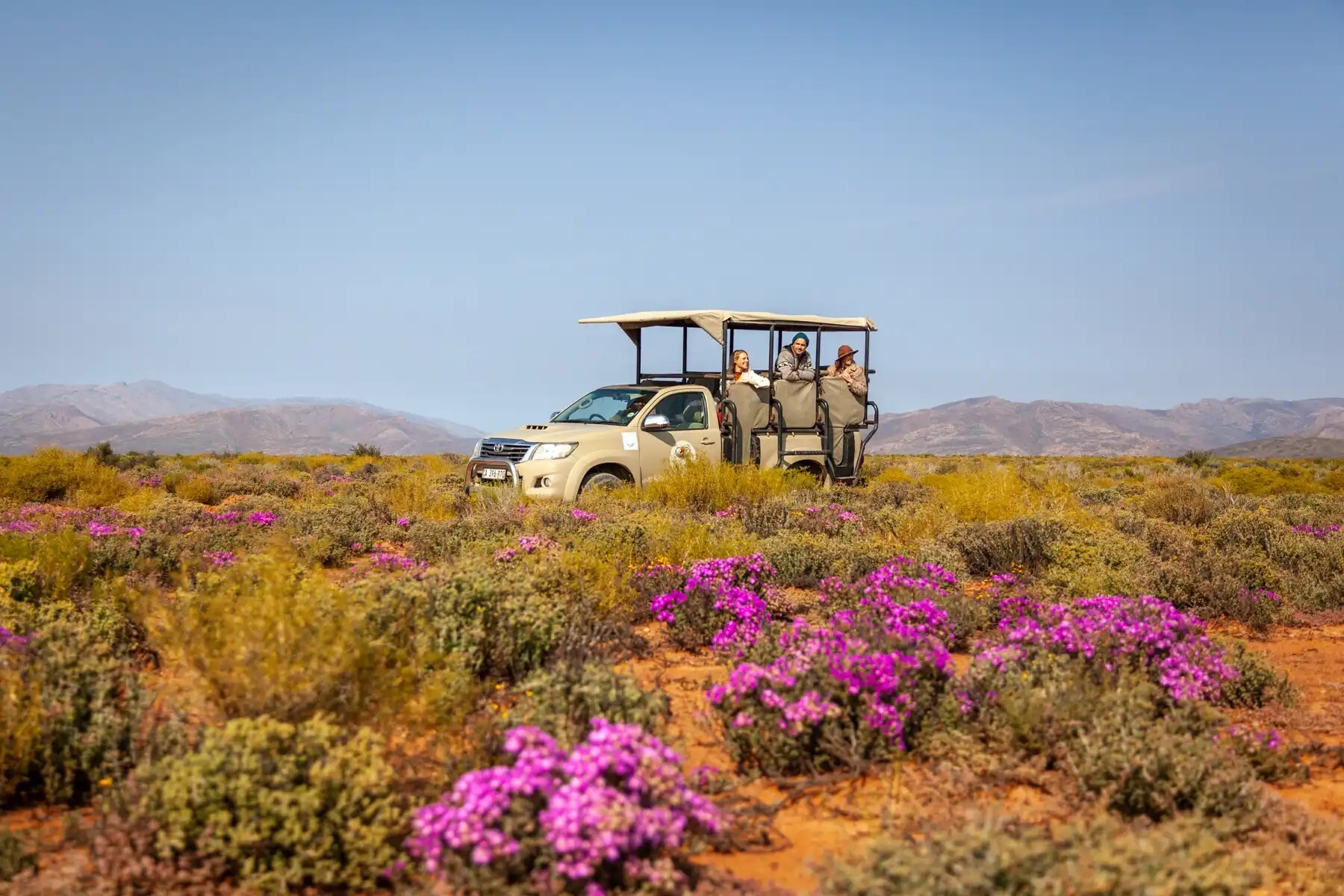
Day 1 — Cape Town to the Karoo. A late-morning pick-up from your hotel and the drive out over the Ceres mountains, two and a half hours onto the open plains. You arrive in time for lunch at the lodge, settle into your room, and head out on the afternoon game drive as the day cools — this is when the lion and the plains game come back onto their feet. The drive ends with a sundowner, then dinner under the stars and your one night on the reserve.
Day 2 — Dawn drive and home. Up before first light for the morning drive, the best window of the trip, when the air is cold and the cats are still moving. Back for a long breakfast, and if the reserve runs it, the cheetah encounter before you leave. Then the drive back to Cape Town, home by early-to-mid afternoon with the bush still on you. If you would rather not rush the second morning, adding one night turns this into a far calmer trip — our 3-day safari from Cape Town guide shows that longer shape.
Day trip or overnight?
This is the real question behind a 2-day safari, so here is the honest answer. A day trip is a long day: you leave the city early, reach the reserve mid-morning, take one drive through the quiet middle of the day, have lunch, and are back in Cape Town by evening. It works, it is cheaper, and if you are genuinely pressed for time it will still show you Big Five. What it cannot give you is the good light — you arrive and leave during the hours when most animals are resting in the shade.
The overnight is a different trip for not much more money. By staying one night you swap that single midday drive for an afternoon drive and a dawn drive, which is where the real sightings happen, plus a night under the Karoo sky that most people remember longer than the game. If the budget stretches to it, the night is almost always worth it. If it does not, there is no shame in the day trip — our Cape Town Big Five day trips guide lays out the best of those honestly, and our malaria-free safari near Cape Town guide covers every reserve in range.
What it actually costs
Price turns on the reserve and the room far more than on anything else. Here are honest per-person bands for the one night, assuming shared accommodation and including transfers, meals and both game drives.
| Reserve / tier | Rough cost per person (one night) | What drives the price |
|---|---|---|
| Aquila / Inverdoorn, lodge room | ~350 – 550 USD | Shared transfer, standard room |
| Karoo reserve, suite / private transfer | ~600 – 1,000 USD | Upgraded room, private vehicle |
| Sanbona, exclusive lodge | ~1,000 USD+ | Luxury lodge, larger reserve |
These are starting points, not quotes. Because we tailor every trip, the real number depends on your dates, the reserve, the room grade and your group size — a family travelling together often works out very differently per head to a couple. Tell us the budget and we will show you what it buys rather than squeeze you into a fixed package. If you later decide to add a night or two, our 5-day safari from Cape Town guide shows what the extra time opens up.
Best time to go
A genuine advantage of the Karoo reserves is that they run year-round — unlike the northern parks, they do not live or die by a single dry season, so there is no truly bad time to come. That said, the cooler, drier months from roughly May to September give the sharpest game viewing: thinner bush, animals drawn to water, and crisp, clear mornings on the dawn drive. Pack warm layers and a beanie for those early starts, because the Karoo winter mornings are genuinely cold before the sun comes up.
Summer, December to February, is hotter and greener, with newborn animals about, but it overlaps Cape Town's peak season, so lodges cost more and book out early. The shoulder months either side — March to April and October to November — are a fair-weather sweet spot with softer pricing. Whichever month you pick, note the drive times shift with the season: afternoon drives leave around 15h30 in winter and 16h00 in summer, and dawn drives go out between roughly 05h30 and 06h00.
Which reserve suits you
Short version, by traveller:
- First-timers who want the least fuss: Aquila — closest to the city, set up for exactly this overnight, easy with no self-drive worries.
- Anyone who wants the best single night: Inverdoorn — larger, the cheetah programme, and the reserve we book most. Read our Inverdoorn review.
- Couples after space and a higher-end lodge: Sanbona — the largest and most exclusive, worth the extra half hour on the road.
- Families with young children: Aquila or Inverdoorn — both malaria-free, both short enough that the drive out is manageable with little ones. Our best family game reserves in the Western Cape guide helps you choose.
- Anyone set on the Greater Kruger: do not force it into two days — give it the time it needs in our 5-day safari from Cape Town guide.
Whichever reserve fits, we build the whole night for you from here in Cape Town — the transfer out, the room, the meals, both drives and the run home. Tell us your dates and how many you are, and we will come back with the one night done properly. The quickest start is our plan my safari form.
The verdict
Two days is the shortest real safari from Cape Town — and the one night is the whole point of it. Staying over on a malaria-free Karoo reserve hands you the afternoon and the dawn, the two windows a day trip always misses, for not much more money. Pick Aquila for the easy option, Inverdoorn for the best single night, or Sanbona if you want the space and the higher-end lodge. Leave the Greater Kruger for a longer trip, and let us handle the drive, the room and the drives so the one night works exactly as it should.