Key Takeaways
- Kenya offers five kinds of travel in one country — world-class wildlife, an Indian Ocean coast, a fast-moving capital city, highland mountains and living Swahili and Maasai culture.
- The Masai Mara is the wildlife heart and stage of the Great Migration, but the best trips add a beach, a mountain or a city for contrast.
- Diani Beach and the Lamu Archipelago are the two coastal places most travellers build a finale around — resort sands, and a car-free UNESCO island.
- For something different, cycle among wildlife at Hell's Gate, trek Mount Kenya, or meet the last two northern white rhinos at Ol Pejeta.
- Best time: the dry seasons — late June to October and January to February — are ideal for wildlife and the coast; the Great Migration reaches the Mara from roughly July to October.
Ask most travellers what they know about Kenya and they will say one word: safari. They are right — but only partly. This is the country of the Masai Mara and the Great Migration, yes, but it is also home to Diani Beach and the powder-white sands of the Indian Ocean; to Lamu, a car-free Swahili island older than almost any town on the coast; to Mount Kenya, the second-highest peak in Africa; and to Nairobi, the only capital on Earth with a national park — and wild lions — on its doorstep. Kenya is not one holiday. It is five.
This guide ranks the ten best places to visit in Kenya — not as a park checklist, but as a traveller's map of the whole country. For each place we tell you what it is genuinely best for, when to go, how easy it is to reach, and how it fits with the others. If your trip is purely about game drives and safari routing, our companion Top 10 Best Safari Destinations in Kenya covers the circuits in depth. This article is the bigger picture: everywhere worth going in Kenya, and why.
How to Read Kenya: Five Kinds of Place
Kenya is compact by African standards, and the country divides naturally into five kinds of experience. Knowing them makes planning simple — most great trips combine two or three.
| Experience | Headline Places | Best For |
|---|---|---|
| Iconic Wildlife | Masai Mara, Amboseli, Samburu, Lake Nakuru | First-timers, the Great Migration, guaranteed big game |
| Coast & Islands | Diani Beach, the Lamu Archipelago, the South Coast | Beaches, diving, Swahili culture, honeymoons, the finale |
| City & Gateway | Nairobi & Nairobi National Park | Wildlife on the city edge, museums, food, arrival & departure |
| Mountains & Highlands | Mount Kenya, the Aberdares, Laikipia | Trekkers, hikers, cool highland lodges, conservation |
| Rift Valley & Adventure | Hell's Gate, Lake Naivasha, Lake Nakuru | Cycling, walking, boat trips, flamingos, geothermal drama |
The classic Kenya trip pairs iconic wildlife with a coastal finale — a Masai Mara safari followed by Diani or Lamu. But the country rewards imagination: add Mount Kenya for a summit, Hell's Gate for cycling among wildlife, or Nairobi for a surprisingly wild city day. Below, the ten places that should shape your trip.
The 10 Best Places to Visit in Kenya
1. Masai Mara National Reserve — The Greatest Wildlife Show on Earth
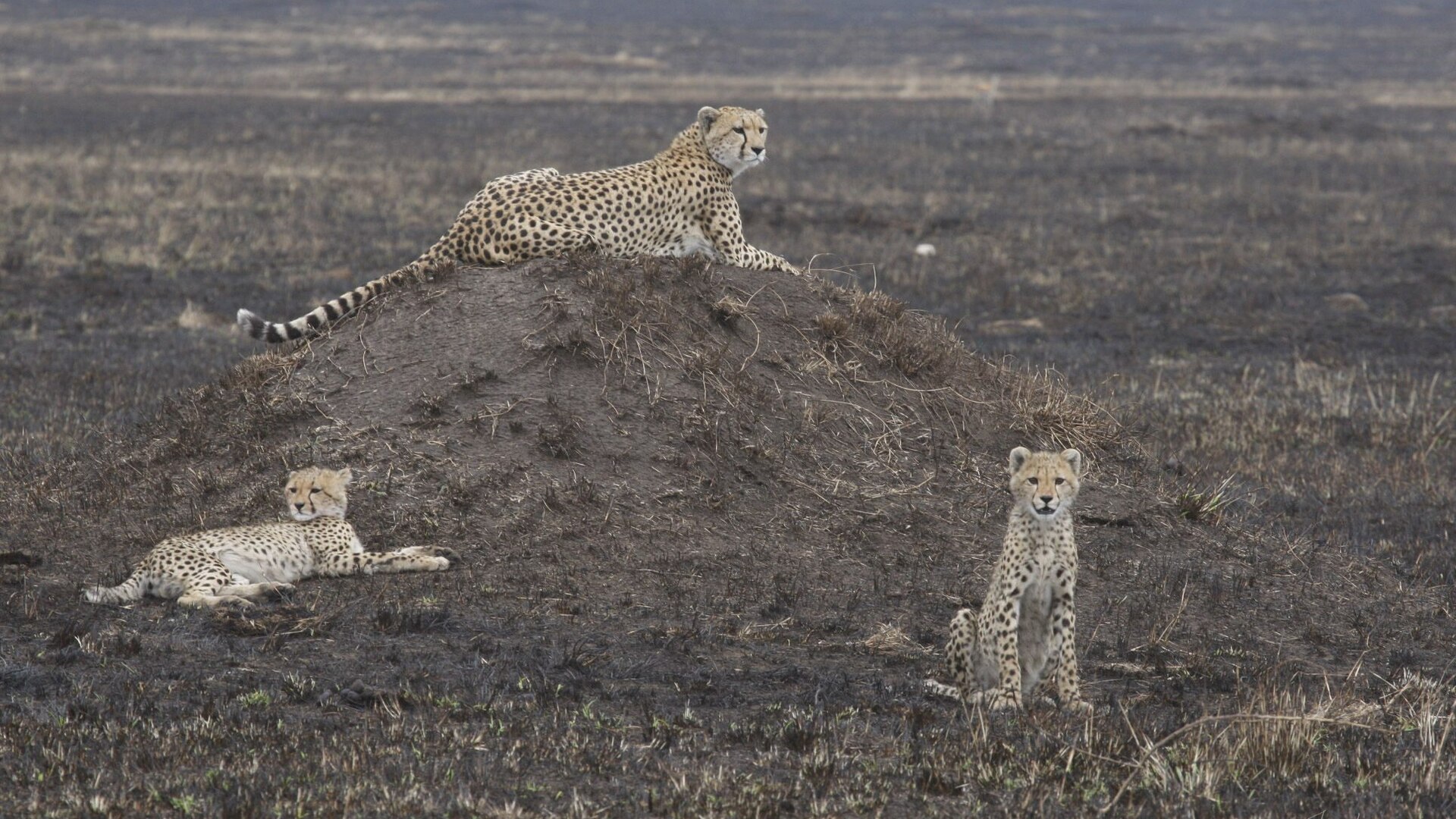
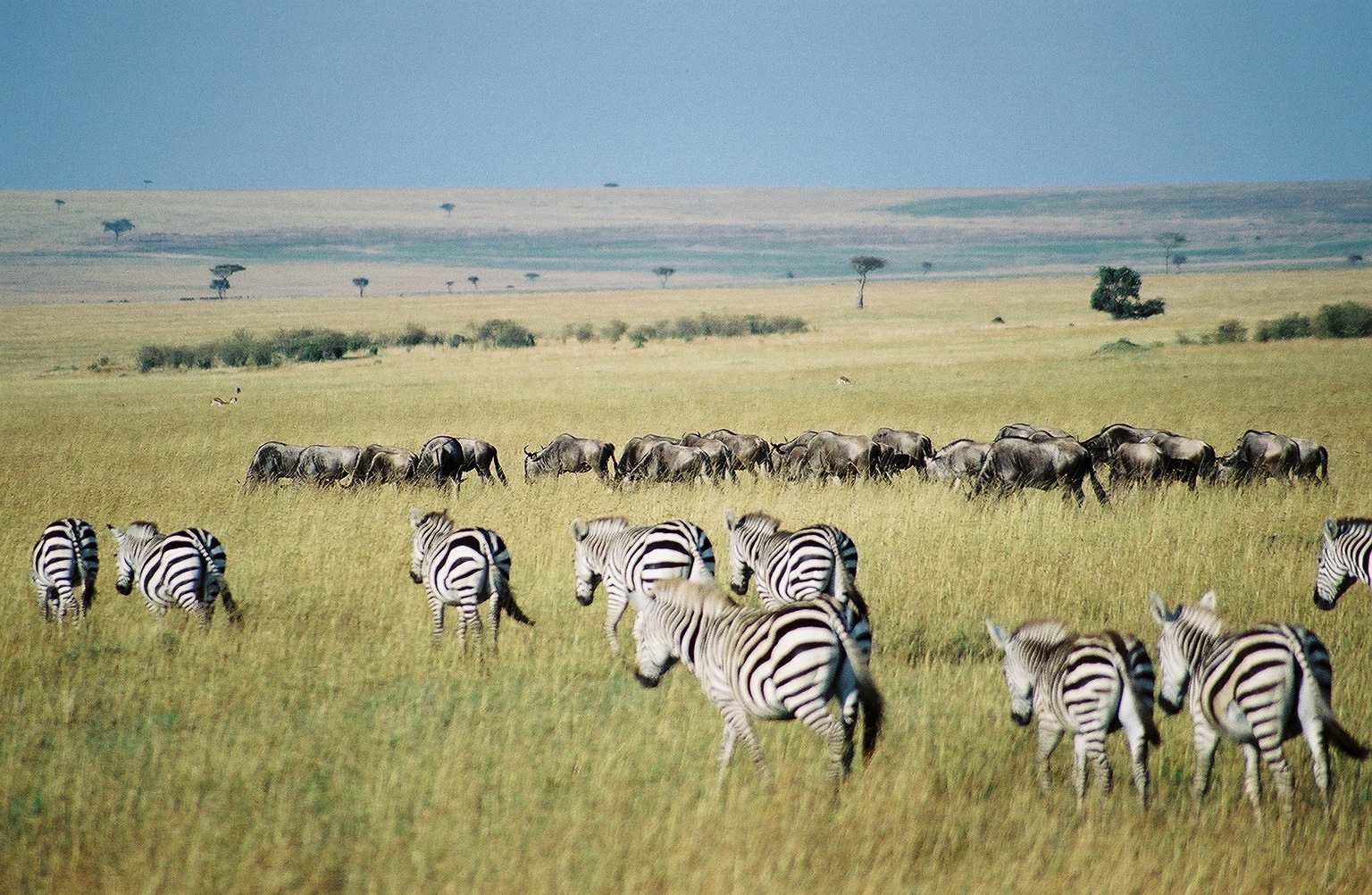
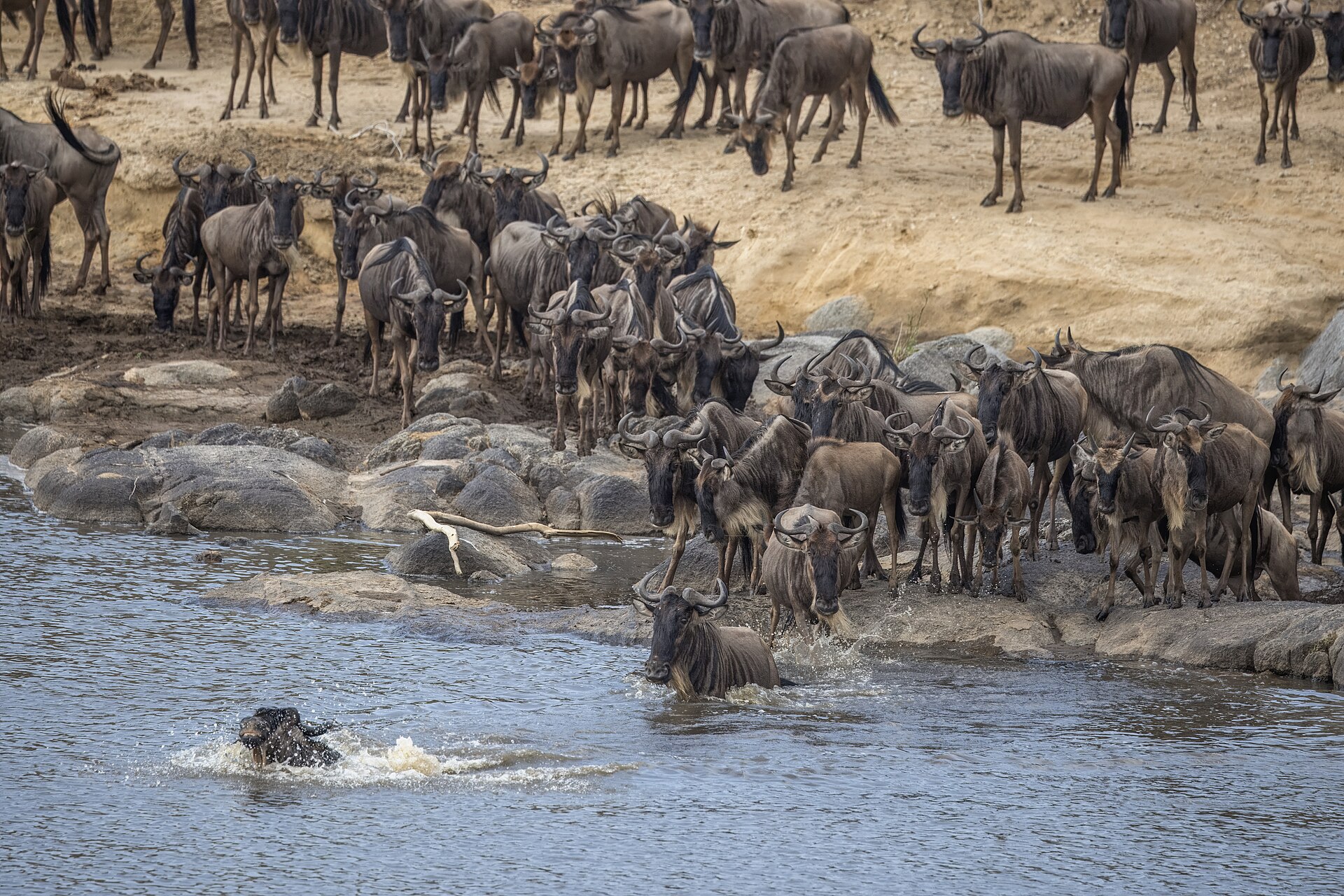
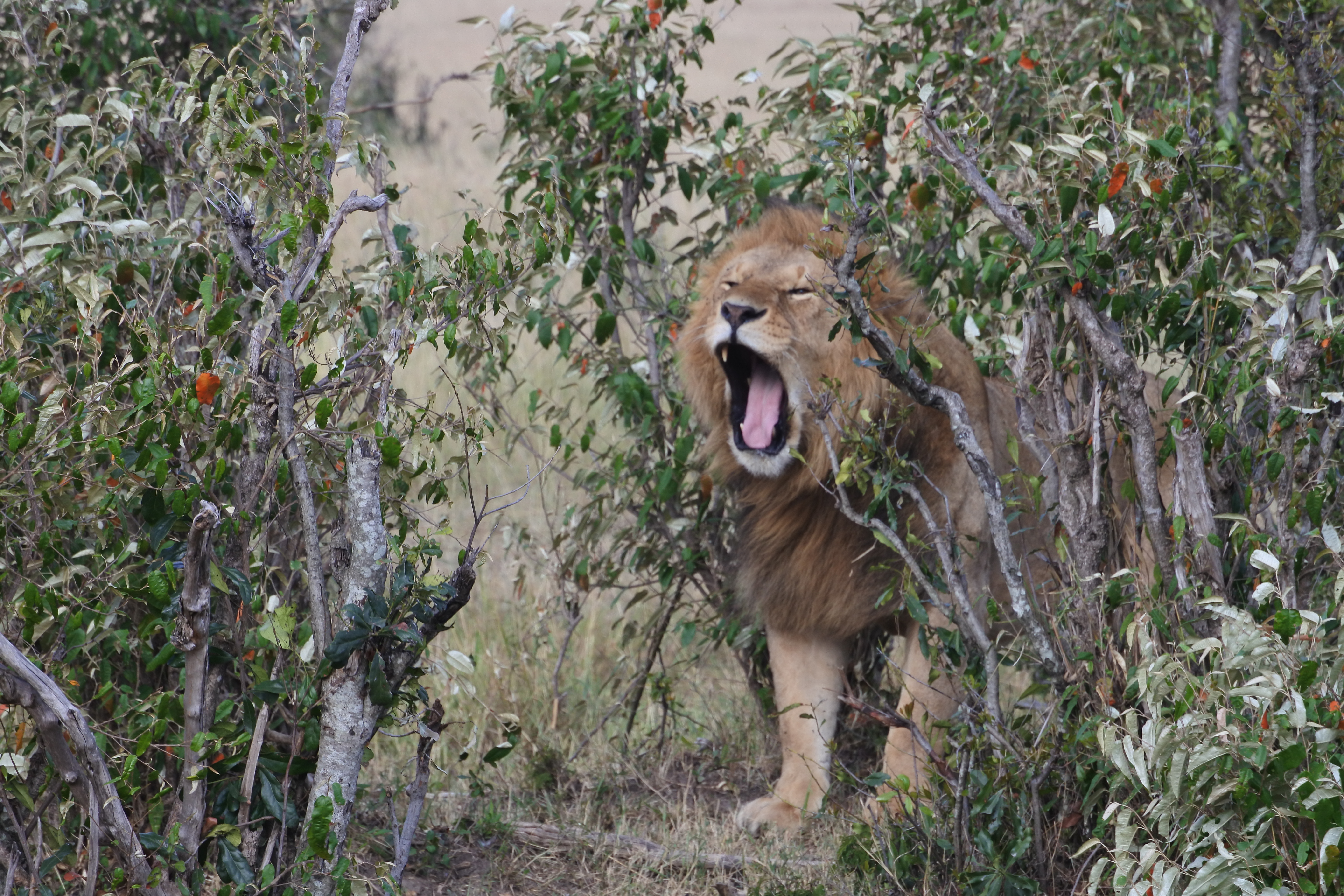
No place in Kenya is more famous, and the reputation is deserved. The Masai Mara's rolling grasslands hold the highest big-cat density in the country, and from roughly July to October they stage the climax of the Great Migration — more than a million wildebeest and zebra pouring across the Mara River in the continent's most dramatic river crossings. Beyond the migration, the Mara delivers lion, cheetah, elephant and leopard year-round, alongside the living culture of the Maasai who share this land.
- Best for: The Great Migration, big cats, first-time safari wonder, Maasai culture
- When to go: July–October for the migration and river crossings; year-round for resident game
- Access: Easy — short flights from Nairobi to Mara airstrips, or a scenic road transfer
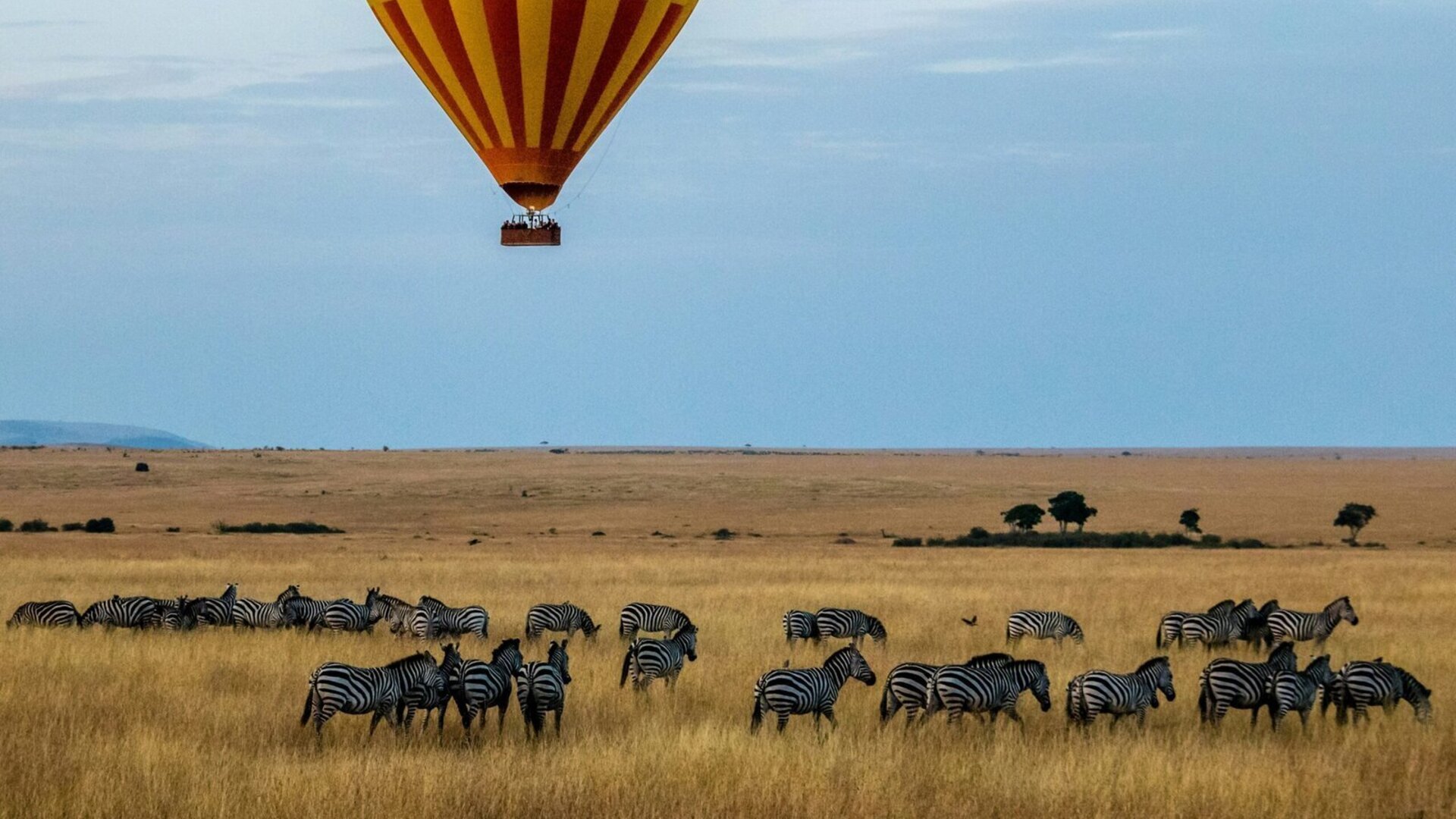
- Don't miss: A dawn hot-air-balloon flight over the plains. For timing, see our Best Time to Visit Kenya for the Great Migration guide.
2. Nairobi & Nairobi National Park — The Wild Capital
Most Kenya journeys begin in Nairobi, and it deserves more than a night in transit. This is the only capital city on Earth with a full national park on its doorstep — a place where you can photograph lion, rhino, giraffe and buffalo with skyscrapers on the horizon. Add the moving David Sheldrick elephant orphanage, the Giraffe Centre, the Karen Blixen Museum and a genuinely exciting food scene, and Kenya's capital becomes a destination in its own right.
- Best for: Wildlife on the city edge, elephants and giraffes, museums, arrival and departure days
- When to go: Year-round; the park's game is easiest to see in the dry months
- Access: Nairobi is Kenya's main international gateway — everything is within a short drive
- Reality: Build in a full day at the start or end of your trip — the orphanage and park pair perfectly in one morning.
3. Diani Beach & the South Coast — Kenya's Indian Ocean Playground
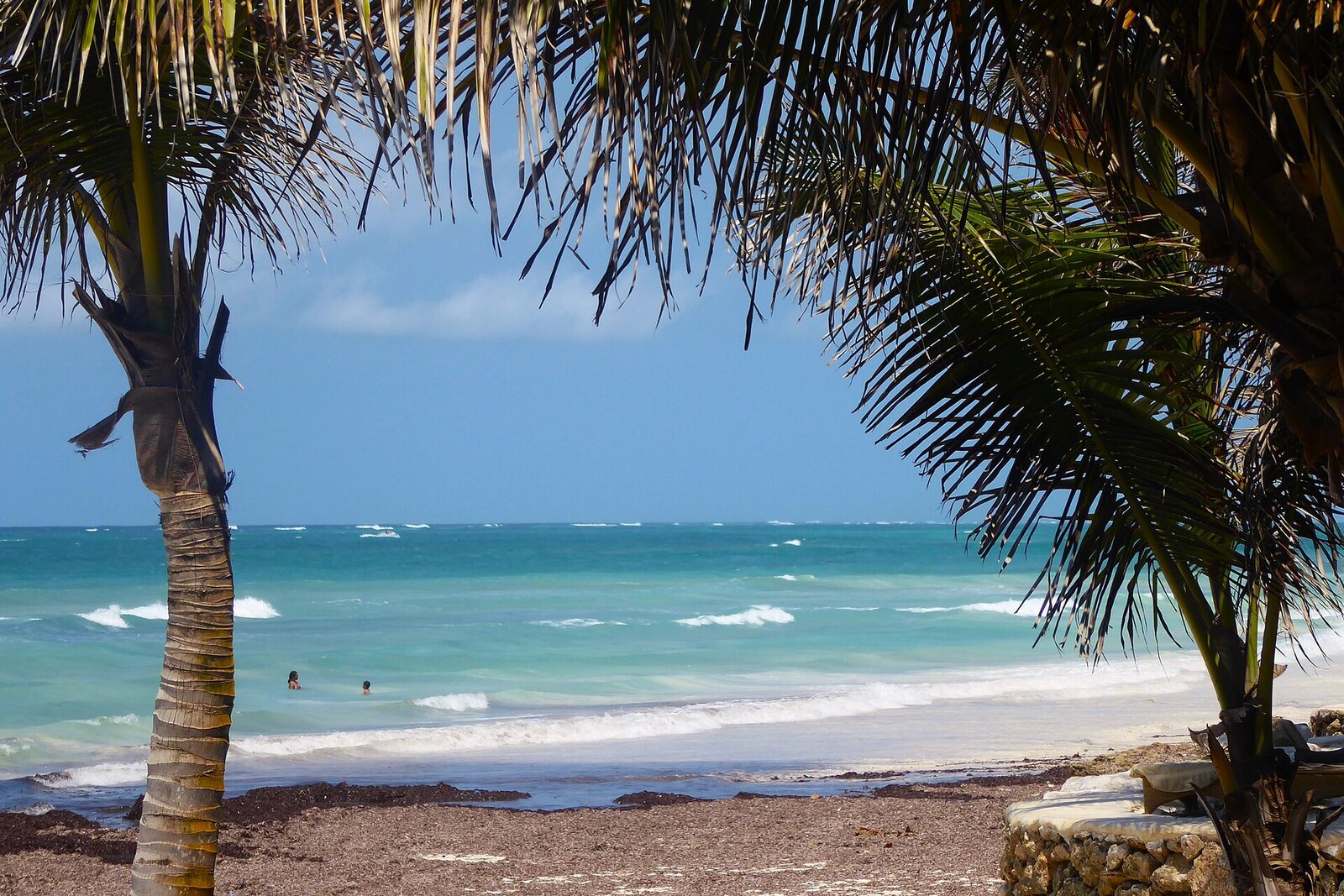
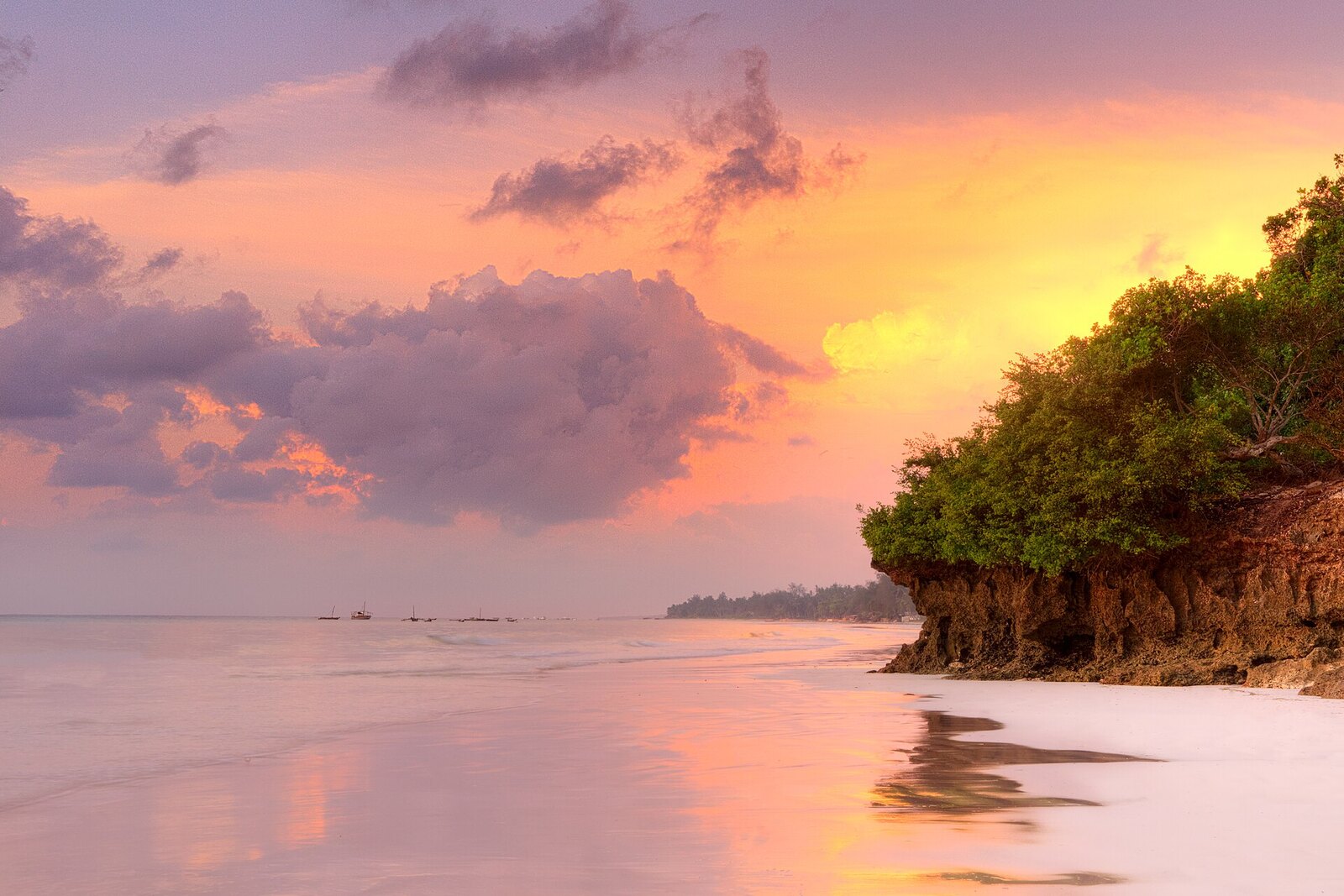
Diani Beach, south of Mombasa, is the most celebrated stretch of Kenya's coast — a long ribbon of powder-white sand and warm turquoise water backed by palms and coral reef. Beyond lazing on the beach you can dive and snorkel the reef, kitesurf in the steady breeze, sail a traditional dhow, or take a boat to the sandbanks and marine park offshore. It is the classic counterpoint to the dust and adrenaline of safari — the place most travellers end their trip.
- Best for: Beaches, diving and snorkelling, watersports, honeymoons, the post-safari finale
- When to go: December–March and July–October for the driest, sunniest coastal weather
- Access: Short flights from Nairobi or the Mara to Ukunda (Diani) or Mombasa
- Don't miss: A dhow sail at sunset and a day trip to the offshore marine park. For more, see our Best Beaches in Kenya guide.
The Wildlife Icons — Masai Mara, Amboseli & the Great Parks

4. Amboseli National Park — Elephants Beneath Kilimanjaro
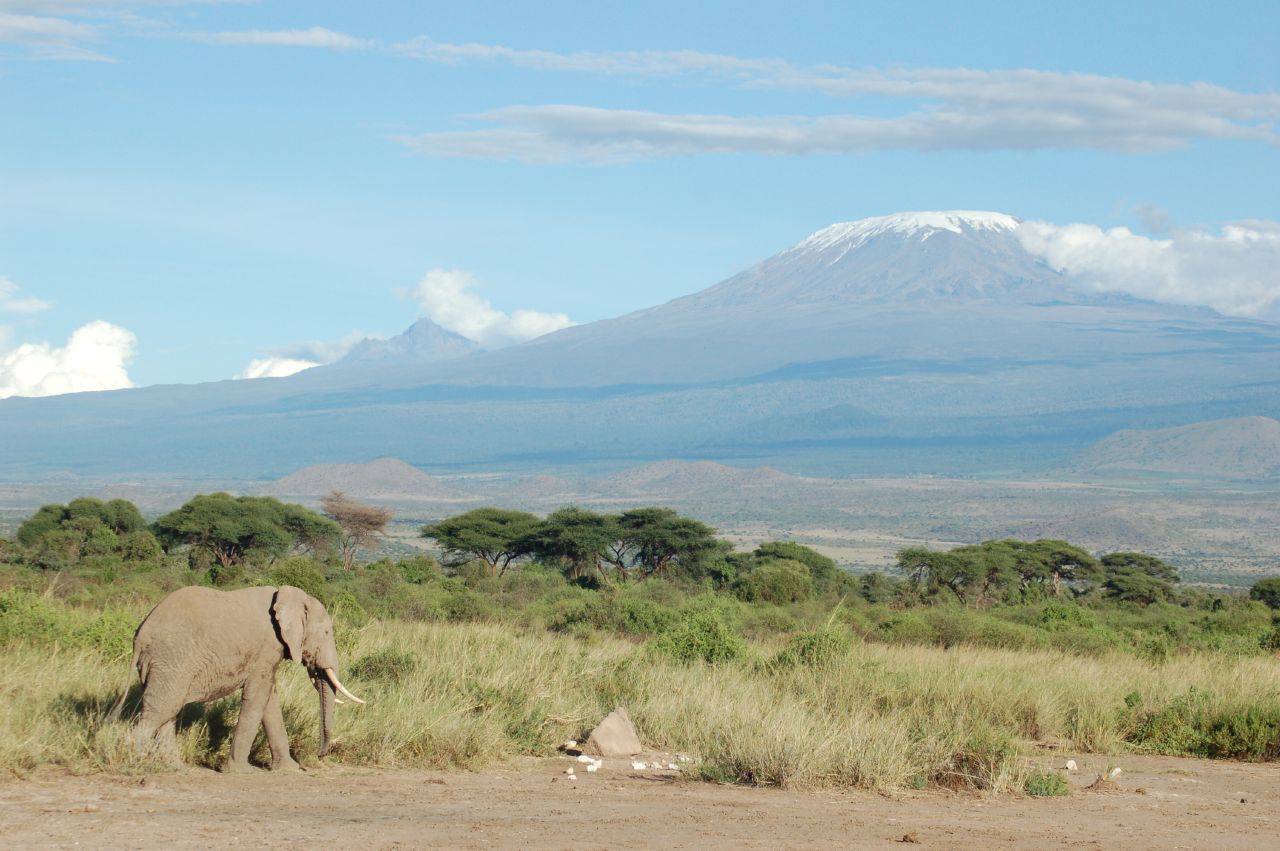
Amboseli gives you the postcard image of Africa: great herds of elephants crossing dusty plains beneath the snow-capped dome of Mount Kilimanjaro, which rises just across the border in Tanzania. The park is famous for its big, old tuskers and for some of the most reliable elephant viewing on the continent, along with lion, cheetah, giraffe and a swamp system that draws huge numbers of birds and plains game in the dry season.
- Best for: Elephants, Kilimanjaro backdrops, photography, big skies
- When to go: June–October and January–February, when the mountain is clearest and game concentrates near the swamps
- Access: Easy — short flights or a road transfer from Nairobi
- Reality: Mornings offer the best chance of a clear Kilimanjaro before cloud builds; two nights is plenty.
5. The Lamu Archipelago — A Car-Free Swahili Island
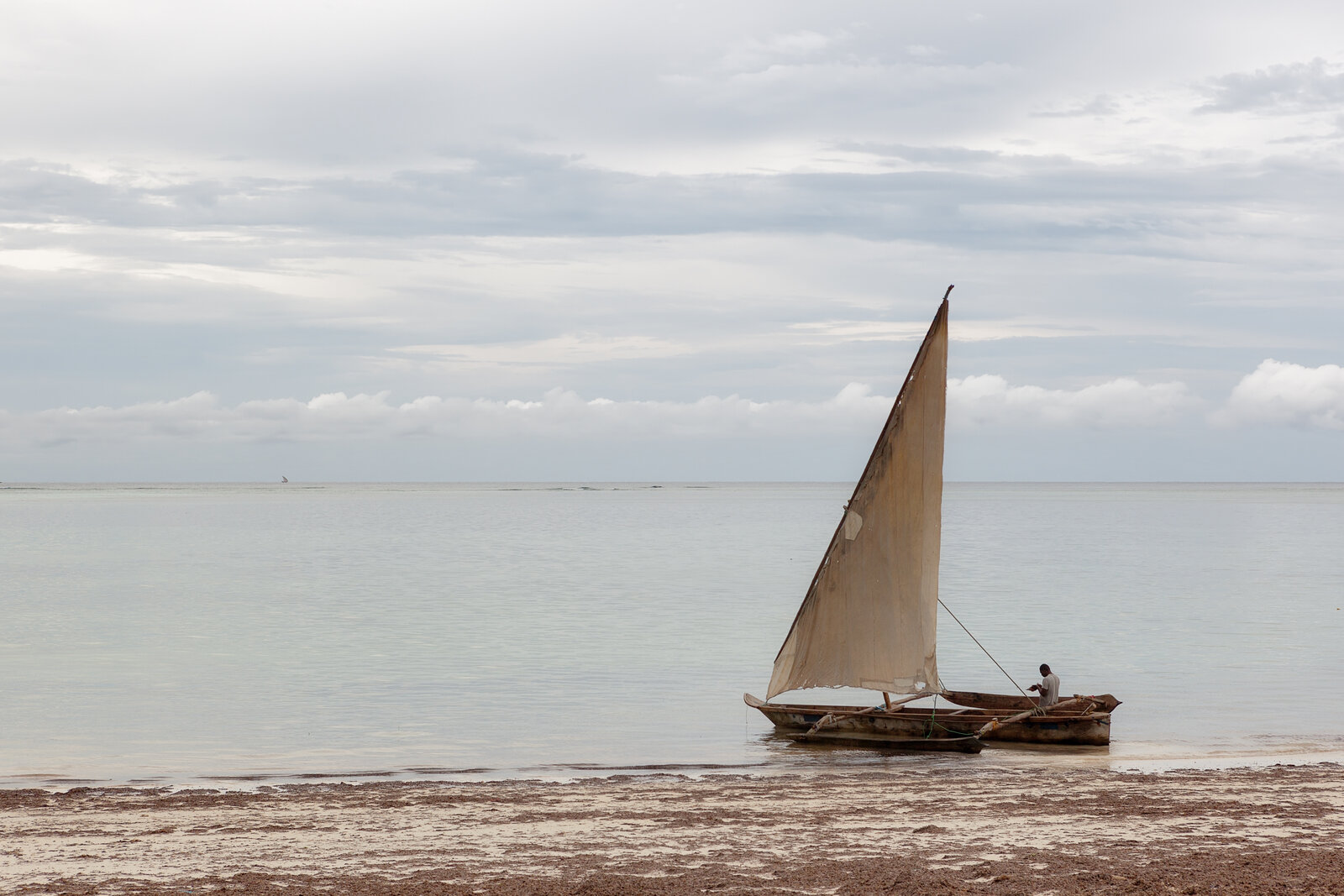
On Kenya's far north coast, Lamu Old Town is one of the oldest and best-preserved Swahili settlements in East Africa, and a UNESCO World Heritage Site. There are almost no cars here — transport is on foot, by donkey or by dhow — and life moves to the rhythm of the tides. Wander a labyrinth of coral-stone houses and carved doors, sail a wooden dhow between islands, and unwind on quiet beaches at Shela. Lamu is for travellers seeking culture, history and calm rather than resort polish.
- Best for: Swahili history and culture, dhow sailing, slow travel, atmosphere
- When to go: December–March for the sunniest, calmest coastal conditions
- Access: Flights from Nairobi and the coast to Lamu's Manda Island airstrip, then a short boat transfer
- Reality: This is a place to slow down — allow at least three nights to absorb its rhythm.
6. Mount Kenya — Africa's Second-Highest Peak
Rising to 5,199 metres, Mount Kenya is the highest mountain in the country and the second-highest in Africa after Kilimanjaro — a UNESCO-listed massif of glaciers, tarns, alpine moorland and rare giant lobelias. Serious mountaineers tackle the twin summits of Batian and Nelion, but most trekkers aim for Point Lenana (4,985m), a demanding but non-technical trekking peak. Even from the surrounding highland lodges, the mountain's forests hold elephant, buffalo and rare bongo antelope.
- Best for: Trekkers, hikers, highland scenery, cool-climate lodges
- When to go: January–February and August–September for the driest, clearest climbing conditions
- Access: Trailheads a few hours north of Nairobi; the Nanyuki area is the main base
- Reality: Allow 4–5 days to trek Point Lenana with proper acclimatisation; the longer routes are more scenic.
7. Lake Nakuru & the Rift Valley Lakes — Rhinos & Flamingos
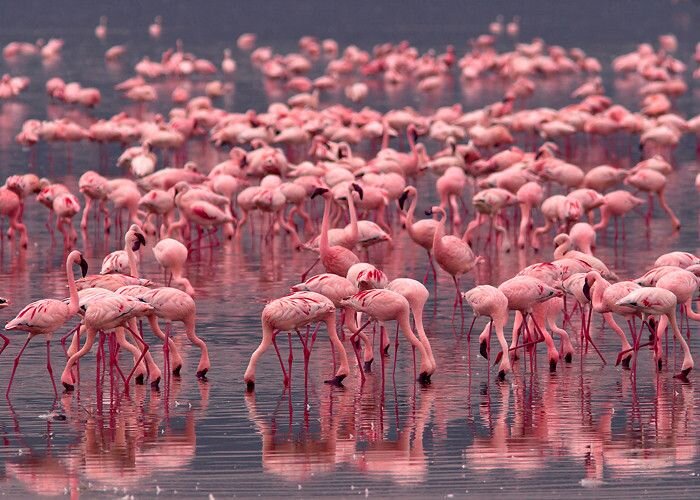
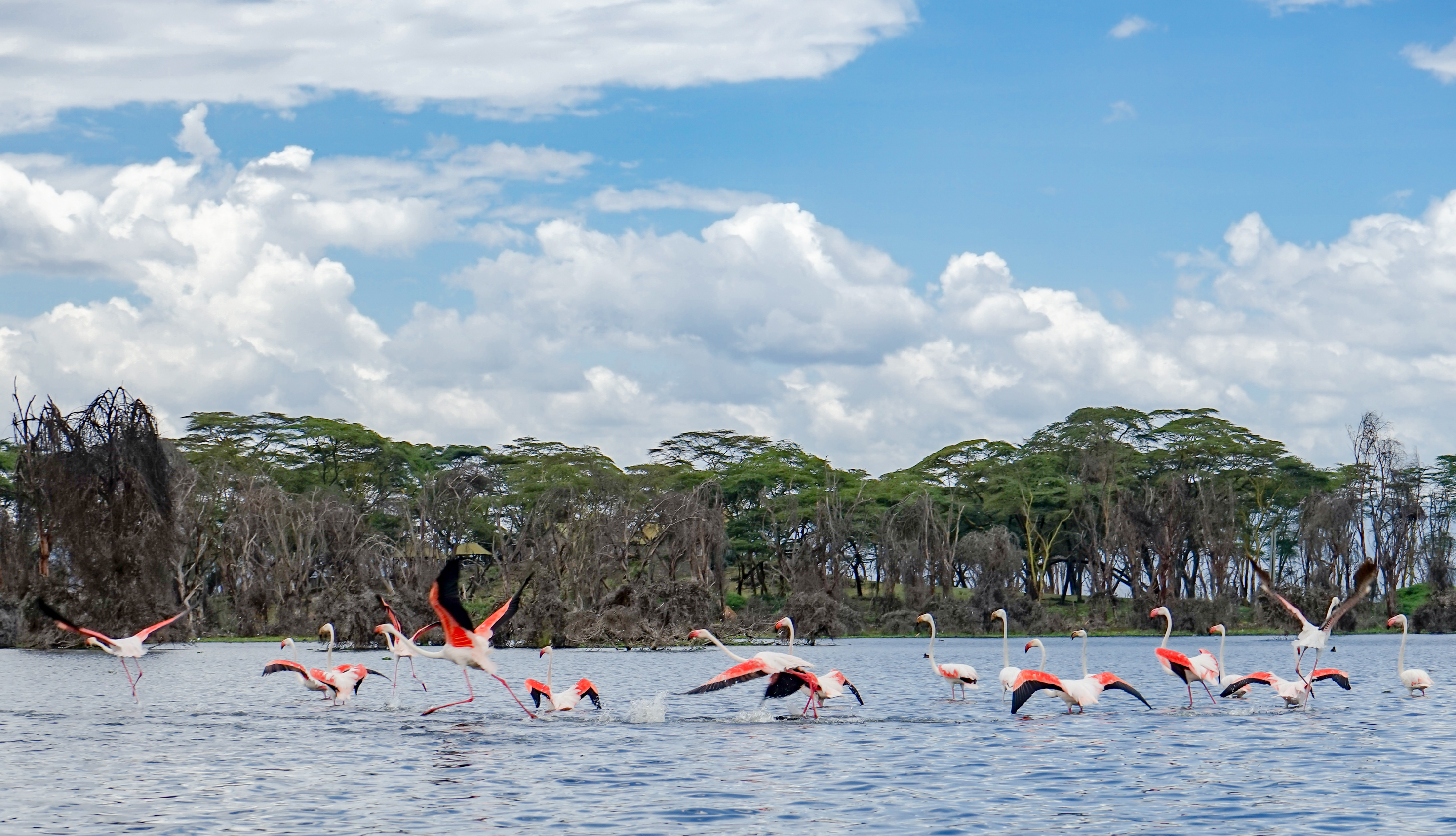
In the heart of the Great Rift Valley, Lake Nakuru National Park is one of Kenya's most rewarding compact parks. It is a fenced rhino sanctuary holding both black and white rhino, a stronghold of the endangered Rothschild's giraffe, and — when water levels suit — a shoreline rimmed pink by thousands of flamingos. Lion, leopard and huge numbers of waterbirds complete a park you can explore fully in a day.
- Best for: Rhino, Rothschild's giraffe, flamingos, birdlife, an easy Rift Valley add-on
- When to go: Year-round for game; flamingo numbers vary with water levels
- Access: Easy — a scenic drive from Nairobi through the Rift Valley
- Reality: Often combined with the Mara or Naivasha; one full day is enough to see the highlights.
City, Coast & Culture — Nairobi, Diani & the Swahili Shore
8. Samburu & the Northern Frontier — The Special Five
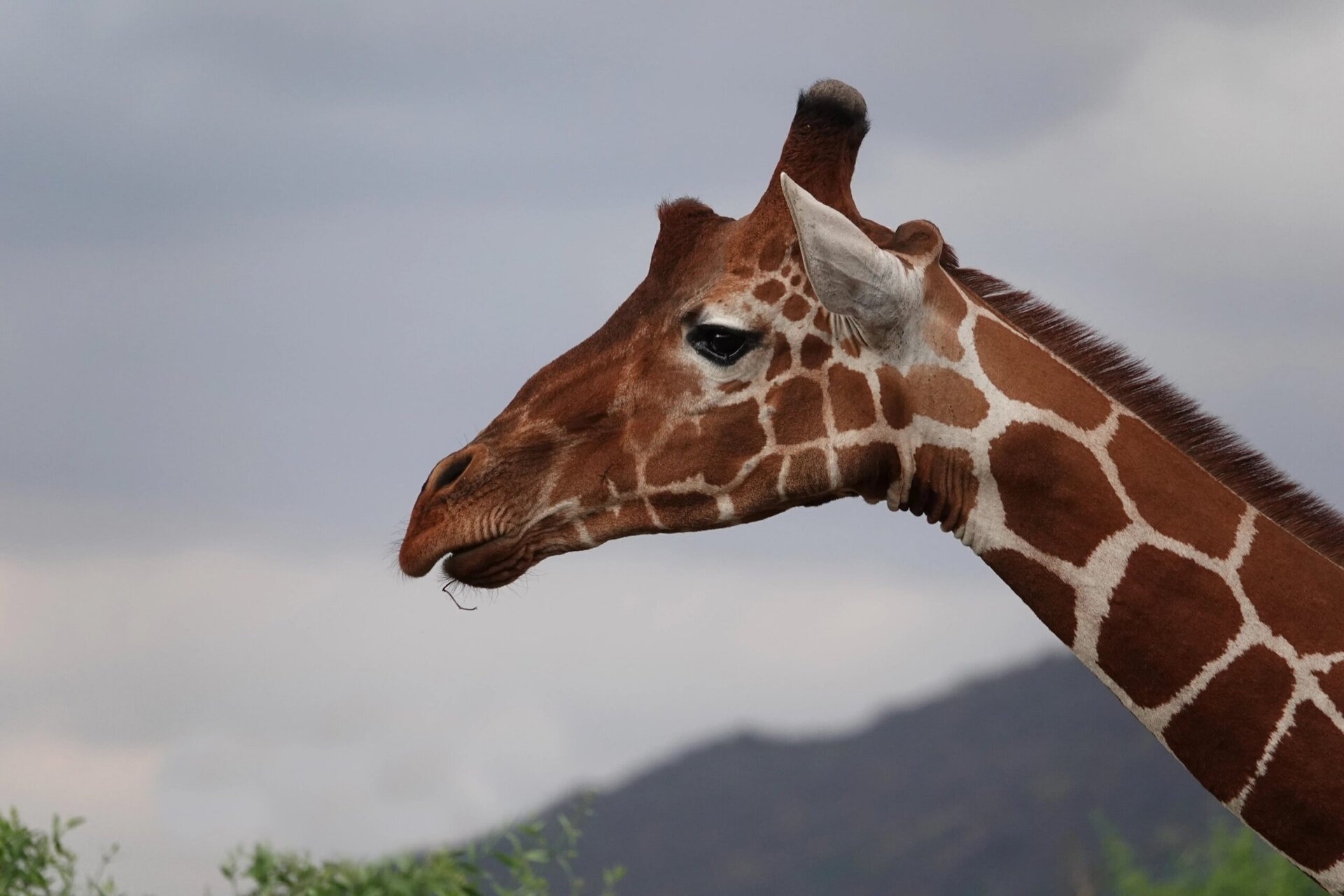
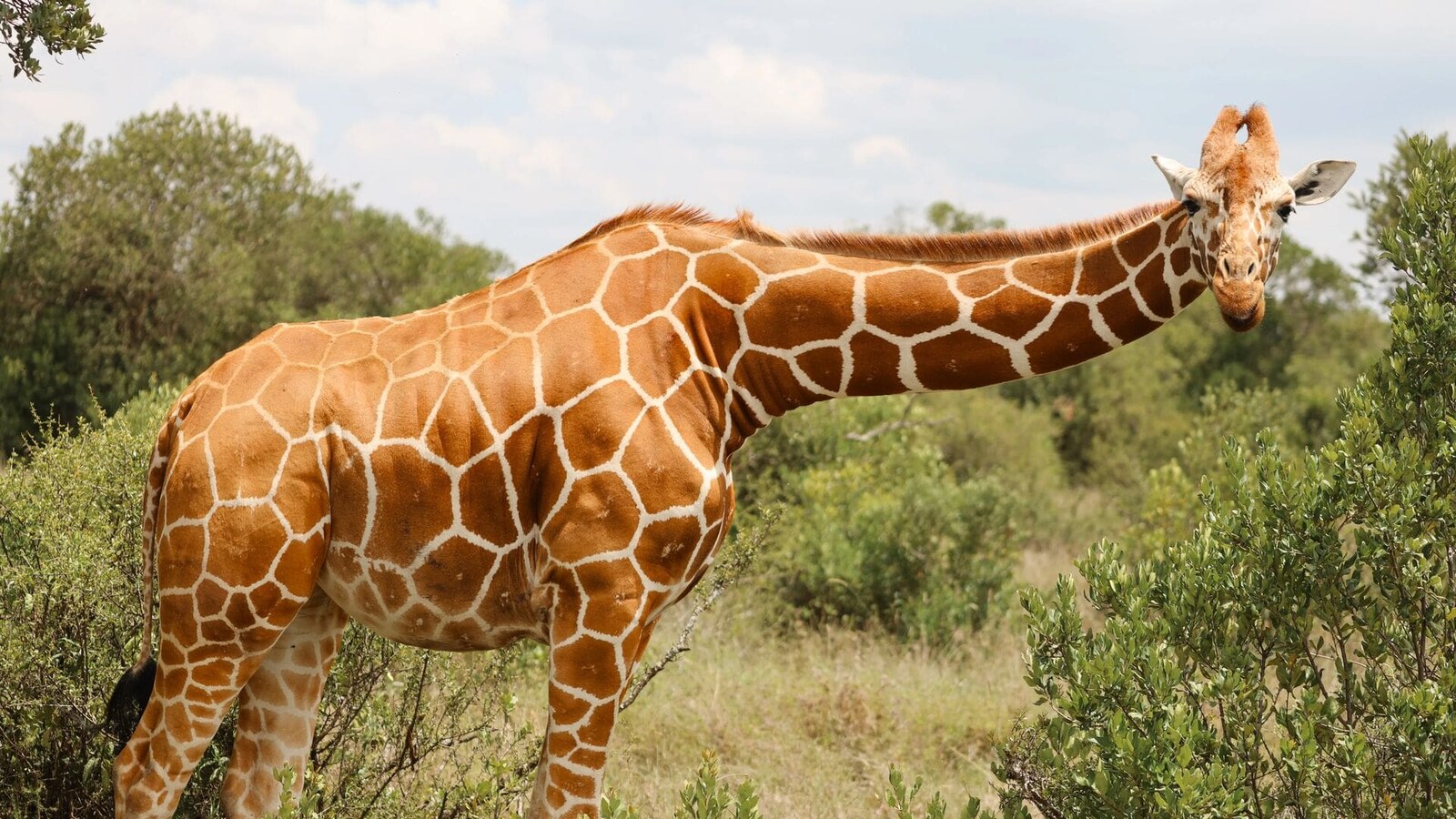
North of Mount Kenya, the semi-arid Samburu National Reserve and its neighbours along the Ewaso Ng'iro River offer a rawer, less-crowded Kenya. This is the home of the "Samburu Special Five" — Grevy's zebra, reticulated giraffe, Somali ostrich, gerenuk and beisa oryx — species you will not see in the south, alongside elephant, lion and leopard drawn to the river. The proud culture of the Samburu people adds to a landscape that feels genuinely wild.
- Best for: Unique dry-country species, fewer crowds, dramatic scenery, culture
- When to go: June–October and December–March for the best dry-season game
- Access: Short flights from Nairobi, or a road transfer via Mount Kenya
- Reality: Pairs beautifully with Laikipia or Ol Pejeta for a northern-Kenya loop away from the Mara crowds.
9. Ol Pejeta Conservancy — Home of the Last Northern White Rhinos
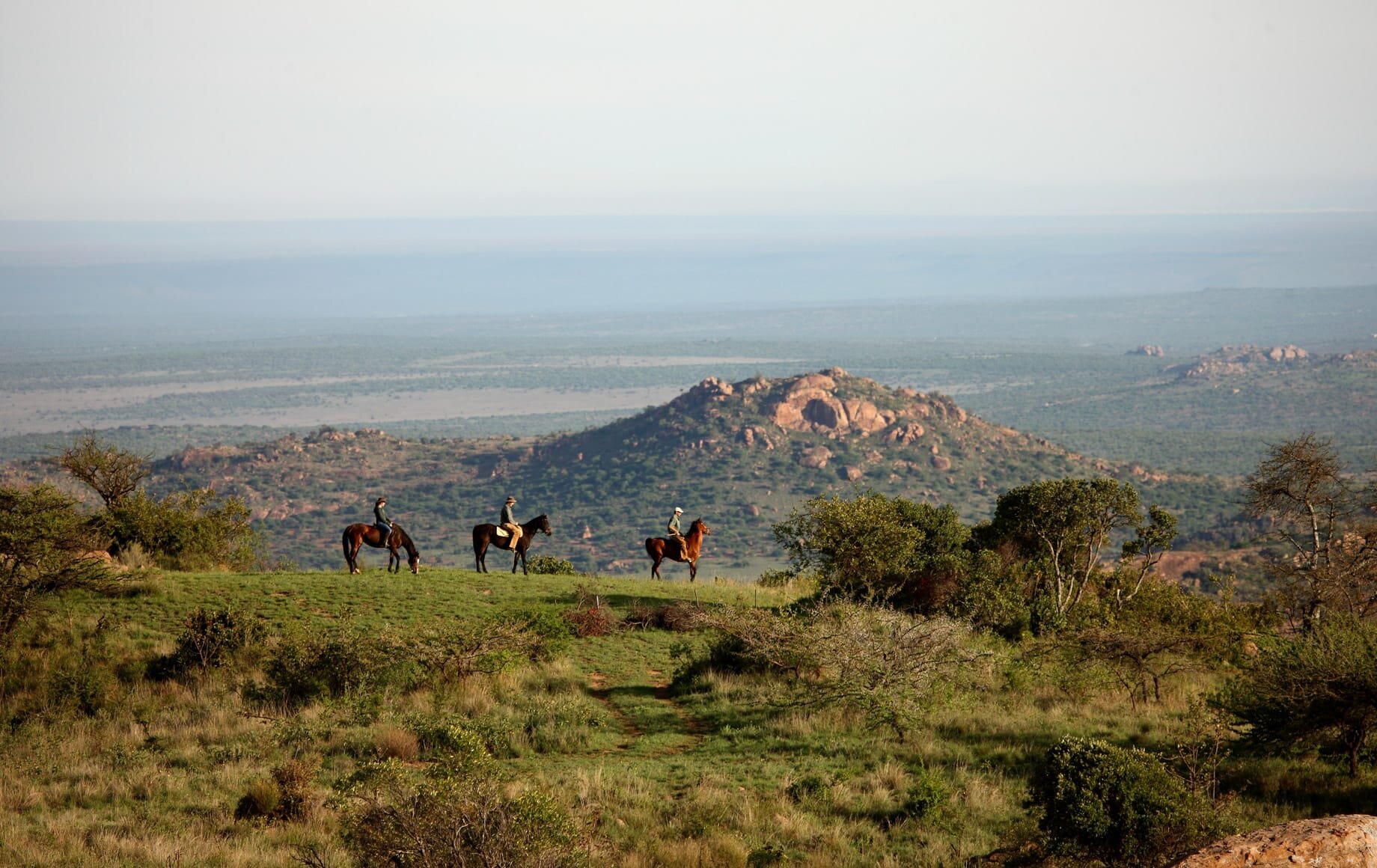
On the Laikipia plateau, Ol Pejeta Conservancy is one of Africa's great conservation success stories and East Africa's largest black rhino sanctuary. It is also home to the world's last two northern white rhinos, protected around the clock, and to a chimpanzee sanctuary rescuing animals from the illegal trade. Big cats, elephant and the full Big Five roam here, and because it is a private conservancy you can enjoy activities banned in national parks — night drives, guided walks and even lion tracking.
- Best for: Rhino conservation, walking and night drives, chimpanzees, Big Five with fewer vehicles
- When to go: June–October and January–February for the driest game viewing
- Access: Short flights to Nanyuki, or a road transfer from Nairobi via Mount Kenya
- Reality: A private-conservancy experience like this is the best way to get out of the vehicle and closer to the wild.
10. Hell's Gate & Lake Naivasha — Cycle and Walk Among Wildlife
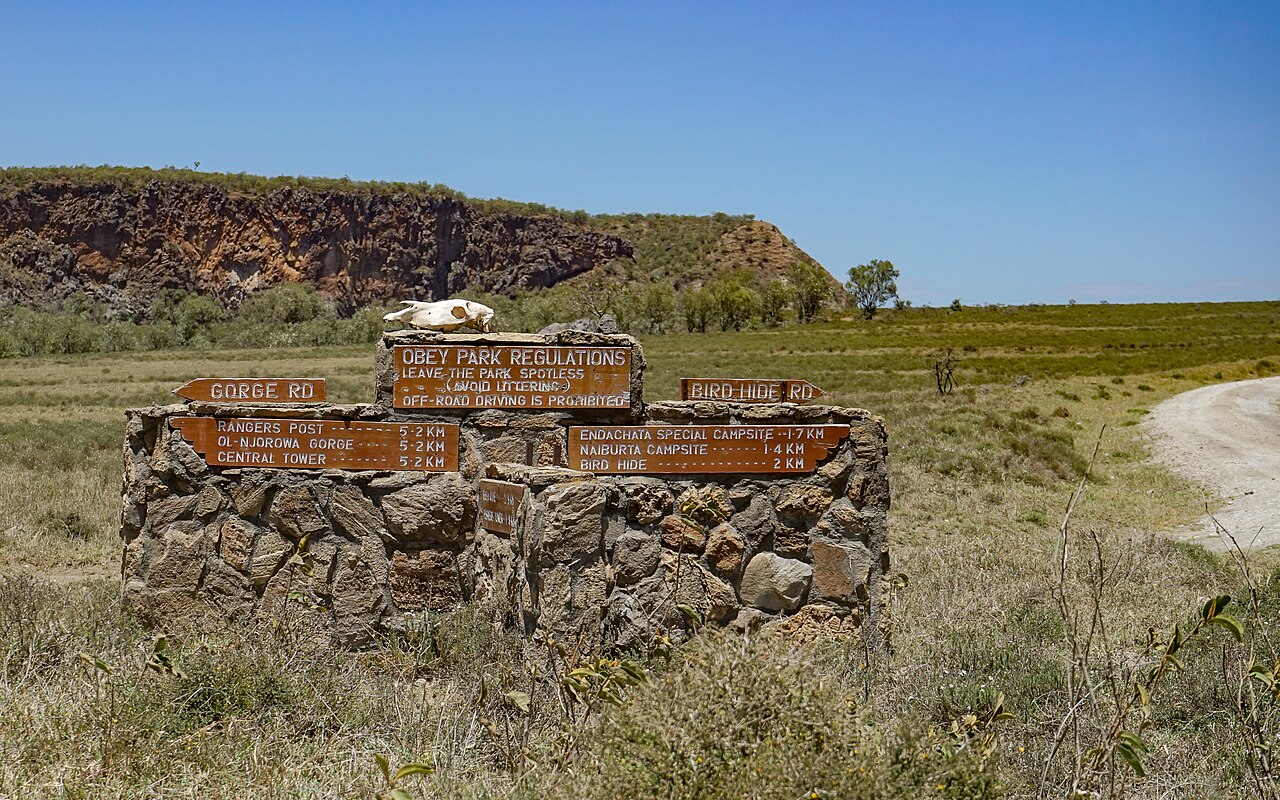
For something few safari countries can offer, Hell's Gate National Park lets you cycle and walk among wildlife — there are no big predators to keep you in a vehicle, so you pedal past zebra, giraffe and buffalo beneath towering red cliffs, then hike into a dramatic gorge of hot springs and geothermal steam that helped inspire the landscapes of The Lion King. Next door, Lake Naivasha adds boat trips among hippos and a birdwatcher's paradise of over 400 species.
- Best for: Cycling and walking safaris, gorge hikes, boat trips, adventure on a budget
- When to go: Year-round; the dry months are best for cycling and clear gorge walks
- Access: Very easy — under two hours from Nairobi, on the Rift Valley route to the Mara
- Reality: A brilliant, active add-on between Nairobi and the Mara — rent a bike at the gate and explore on two wheels.
Rift Valley, Highlands & Conservation — Hell's Gate, Naivasha & Laikipia
Building Your Trip: How to Combine Kenya's Best Places
The art of a Kenya trip is combination — pairing contrasting experiences so each one feels sharper. Here are the routes that work best, matched to how much time you have. For fully costed, pre-designed trips, see our Kenya Safari Tours guide, or design a tailor-made itinerary via Private Safari Tours Kenya.
The Classic (7 days): Nairobi → Lake Nakuru → Masai Mara. The definitive first trip — the wild capital, a Rift Valley park and the Mara's big cats and migration, with easy logistics.
Bush & Beach (10 days): Masai Mara safari → fly to Diani or Lamu. The most popular honeymoon and family route — wildlife first, then white sand and Swahili culture.
Wildlife & Adventure (10–12 days): Amboseli → Hell's Gate & Naivasha → Masai Mara, with Mount Kenya or Ol Pejeta added for trekking and rhino. The active traveller's Kenya.
The Explorer (10–14 days): Samburu and the northern frontier → Ol Pejeta → the Mara, for travellers who want the wildest, least-crowded corners.
💡 Planning Tip: Kenya is compact, but its regions are reached by different short flights. Rather than racing to tick every box, choose two or three complementary places — a park, a mountain or a beach — and give each enough time to breathe. For a realistic budget, see How Much Does a Kenya Safari Cost.
Best Time to Visit Kenya
| Season | Months | Best For | Notes |
|---|---|---|---|
| Peak Dry | Jul–Oct | ★★★★★ Migration, wildlife, coast | The Great Migration reaches the Mara; best all-round game viewing; sunny coast; book early |
| Short Dry | Jan–Feb | ★★★★★ Wildlife, coast, trekking | Warm, dry and clear; superb Diani & Lamu weather; excellent Mount Kenya climbing |
| Long Rains | Apr–May | ★★★☆☆ Value & quiet | Lowest rates and fewest crowds; lush landscapes; some coastal camps close |
| Shoulder | Jun & Nov | ★★★★☆ All-rounder | Drying (Jun) or short rains (Nov); good value, fewer vehicles |
Verdict: For a first Kenya trip covering wildlife and the coast, aim for the dry seasons — late June to October or January to February. For the Great Migration and the Mara river crossings, target July to October. For detailed, month-by-month timing, see Best Time to Visit Kenya for the Great Migration.
🦁 Ready to plan your Kenya trip? Browse pre-designed journeys in our Kenya Safari Tours guide, compare accommodation in the Best Kenya Safari Lodges, or design a tailor-made trip via Private Safari Tours Kenya. Focused on game drives? See the Top 10 Best Safari Destinations in Kenya.
Best Places to Visit in Kenya: Frequently Asked Questions
What is the number one place to visit in Kenya?
For most travellers the Masai Mara is the single best place to visit, thanks to the Great Migration and the highest concentration of big cats in Kenya. But Kenya's magic is its range: Amboseli for elephants beneath Kilimanjaro, Diani and Lamu for beaches and Swahili culture, Mount Kenya for trekkers, and Ol Pejeta for rhino conservation. The best trips combine two or three contrasting places rather than chasing a single highlight.
How many days do you need to visit Kenya?
Plan on at least 7 days for a classic trip taking in Nairobi, a Rift Valley park such as Lake Nakuru, and the Masai Mara. Add 3–5 nights for a Diani or Lamu beach finale, 4–5 days if you want to trek Mount Kenya, or a few extra days for the northern frontier of Samburu and Ol Pejeta. Around two weeks lets you combine wildlife, a mountain or adventure, and the coast comfortably.
What are the best non-safari places to visit in Kenya?
Beyond the wildlife parks, Kenya's standout non-safari places are Diani Beach and the South Coast for resort sands and diving, the Lamu Archipelago for car-free Swahili culture, Mount Kenya for trekking, Hell's Gate for cycling and gorge hikes, and Nairobi for its museums, food and elephant orphanage. Together they turn a safari into a rounded Kenyan journey.
Can you combine a safari and the beach in Kenya?
Yes — bush and beach is Kenya's most popular route. A typical trip enjoys a Masai Mara or Amboseli safari first, then takes a short flight to Diani Beach or the Lamu Archipelago for a few nights of sand, sea and Swahili culture. Allow around 10 days in total. Because coastal flights connect directly from the safari airstrips, the switch from game drives to the ocean is quick and easy.
Where can you see the Great Migration in Kenya?
The Kenyan act of the Great Migration takes place in the Masai Mara National Reserve and its bordering conservancies, when the herds cross north from Tanzania's Serengeti. Expect the dramatic Mara River crossings from roughly July to October, with September and October often the peak. Choose a camp near the river for the best chance of witnessing a crossing.
Is Diani or Lamu better?
They suit different travellers. Diani Beach offers more resorts, watersports and easy access, making it ideal for families, honeymoons and first visits to the coast. Lamu is quieter, older and car-free, and it is the better choice for culture, history and slow, atmospheric travel. Many visitors pick Diani for a relaxed beach finale and save Lamu for a return trip focused on Swahili heritage.
Which places in Kenya are best for avoiding crowds?
The north and the private conservancies. Samburu, Laikipia and Ol Pejeta receive far fewer visitors than the Masai Mara, so you enjoy sightings with few other vehicles — and conservancies allow walking and night drives. On the coast, the Lamu Archipelago is far quieter than Diani, and Hell's Gate feels wonderfully wild despite being close to Nairobi.
Is Kenya safe to visit?
Kenya is a well-established safari destination, and the main tourist areas — the Masai Mara, Amboseli, the central parks, the conservancies and the coast — are considered safe for visitors. As anywhere, take normal precautions in Nairobi and Mombasa, use reputable operators, and follow guide advice on safari and the mountain. Most visits are trouble-free.
How much does a trip to Kenya cost?
Costs vary widely by style. Mid-range safaris typically run about $300–550 per person per night, while luxury and private-conservancy camps can reach $800–1,500+ per night. A Mount Kenya trek and coastal stays range from budget to high-end, and internal flights add a few hundred dollars per leg. For a detailed breakdown, see our How Much Does a Kenya Safari Cost guide.
Final Word: Choosing the Best Places to Visit in Kenya
Kenya's greatness lies in its range. In one compact country you can watch a million wildebeest cross the Mara River, photograph elephants beneath Kilimanjaro, cycle among zebra beneath geothermal cliffs, meet the last northern white rhinos, trek Africa's second-highest peak, and finish with your toes in the Indian Ocean on a car-free Swahili island. Few places on Earth offer such contrast in a single trip.
- ✅ First visit? Nairobi and the Masai Mara, then a few nights on the coast
- ✅ Adventure seeker? Cycle Hell's Gate, trek Mount Kenya, then reward yourself with a safari
- ✅ Want something rarer? The northern frontier of Samburu and Ol Pejeta's rhinos
- ✅ Craving culture and calm? The car-free Swahili island of Lamu
The honest advice: don't try to see everything. Choose the places that match who you are as a traveller, give each enough time, and let your trip tell one coherent story. Do that, and Kenya will give you the journey of a lifetime.
Ready to start planning? Explore our Kenya Safari Tours guide, browse the Best Kenya Safari Lodges, or begin with the comprehensive Ultimate Kenya Travel Guide.