Key Takeaways
- Kenya is four safaris in one country. Southern Kenya (Masai Mara, Amboseli, Tsavo), the Rift Valley lakes (Nakuru, Naivasha), the Northern Frontier conservancies (Laikipia, Ol Pejeta, Samburu) and the Coast (Diani) each offer a completely different experience.
- First timers should start in the south. The Masai Mara and Amboseli deliver the highest concentration of iconic wildlife — big cats, the migration, and elephants beneath Kilimanjaro — with the easiest logistics.
- The conservancies are Kenya's secret weapon. Laikipia and Ol Pejeta offer night drives, walking and rhino encounters that the national parks legally cannot — with a fraction of the vehicles.
- Finish on the beach. A few nights at Diani or the wider Kenyan coast turns a great safari into the classic "bush-and-beach" journey.
- Best time: the dry season, late June to October, for the clearest game viewing and the Mara river crossings; January to February for warm, quieter game viewing.
Kenya is where the safari was born, and it still does it better than almost anywhere — but the choice of where to go can overwhelm even seasoned travellers. Do you base yourself in the Masai Mara for big cats and the migration, stand beneath Kilimanjaro with Amboseli's elephants, track rhino on foot in a private conservancy, or finish with your toes in the Indian Ocean? The honest answer is that Kenya rewards travellers who understand it as four distinct safari worlds — and then combine the right pieces for the trip they actually want.
This guide ranks the ten safari destinations in Kenya worth building a trip around — not as a checklist of parks, but as trip-planning building blocks. For each, we tell you what it is genuinely best for, when to go, how easy it is to reach, and how to chain it with the others. If you want a pure park-by-park ranking, see our Top 10 National Parks in Kenya. If wildlife species are your priority, our Big Five Safari Kenya guide goes animal by animal. This article is about the bigger question: where should you go, and in what order?
How to Read Kenya: The Four Safari Regions
Before choosing destinations, understand the geography. Kenya's safari areas cluster into four regions, and knowing them makes every other decision simple.
| Region | Headline Destinations | Best For |
|---|---|---|
| Southern Kenya | Masai Mara, Amboseli, Tsavo East & West | First-timers, big cats, the migration, elephants beneath Kilimanjaro |
| Rift Valley Lakes | Lake Nakuru, Lake Naivasha, Hell's Gate | Flamingos, rhino, scenery, easy add-ons between parks |
| Northern Frontier | Laikipia, Ol Pejeta, Samburu, Meru | Private conservancies, night drives, rhino, exclusivity, return visitors |
| The Coast | Diani, the wider Kenyan coast | Beach finales, honeymoons, diving and culture |
Most first safaris combine Southern Kenya + a Diani beach finale. Repeat visitors gravitate to the Northern Frontier conservancies for solitude, walking and rhino. Below, the ten destinations that make each region sing — ranked by how much they should shape your trip.
The 10 Best Safari Destinations in Kenya
1. Masai Mara — Kenya's Big-Cat Kingdom
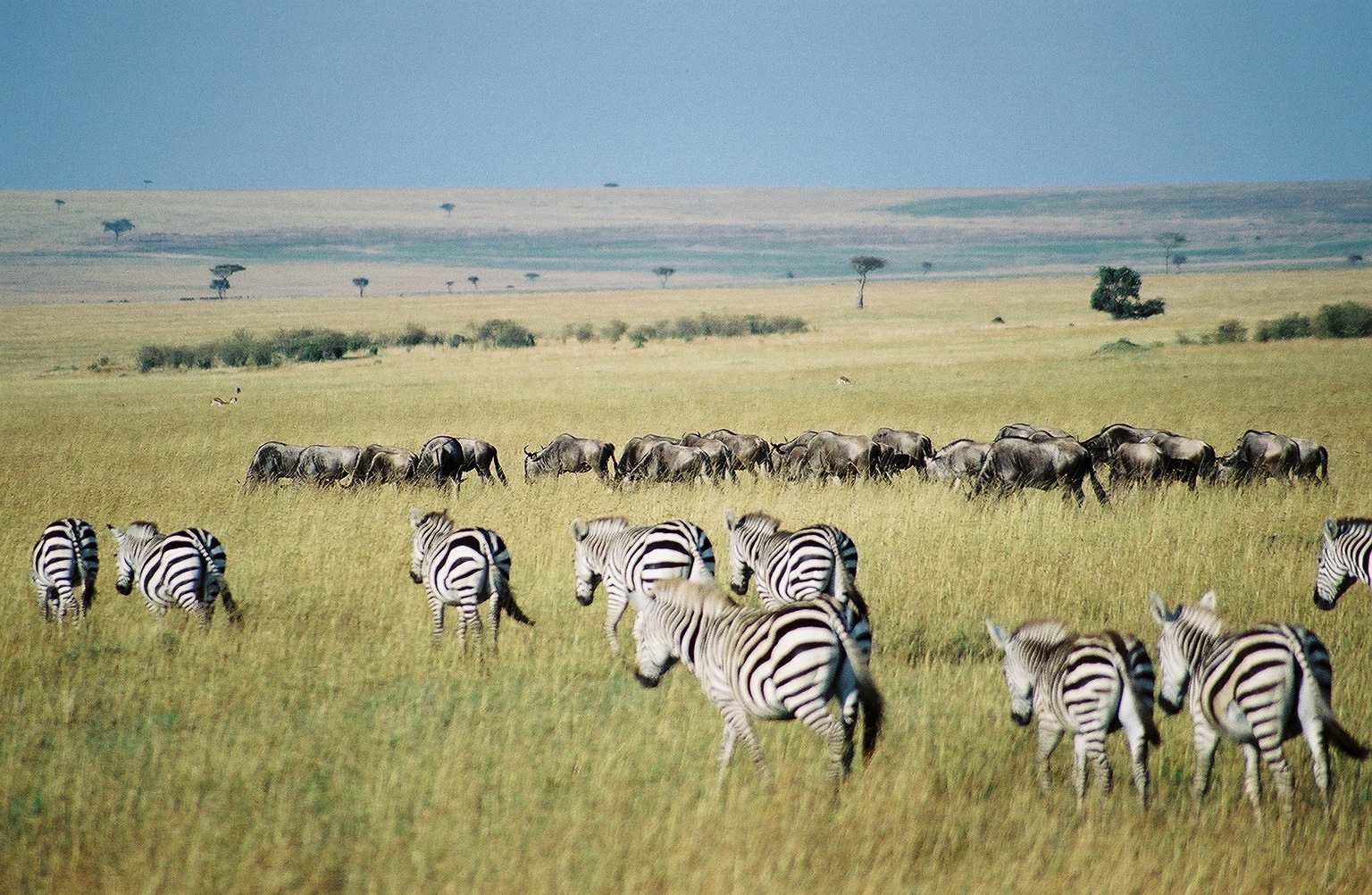
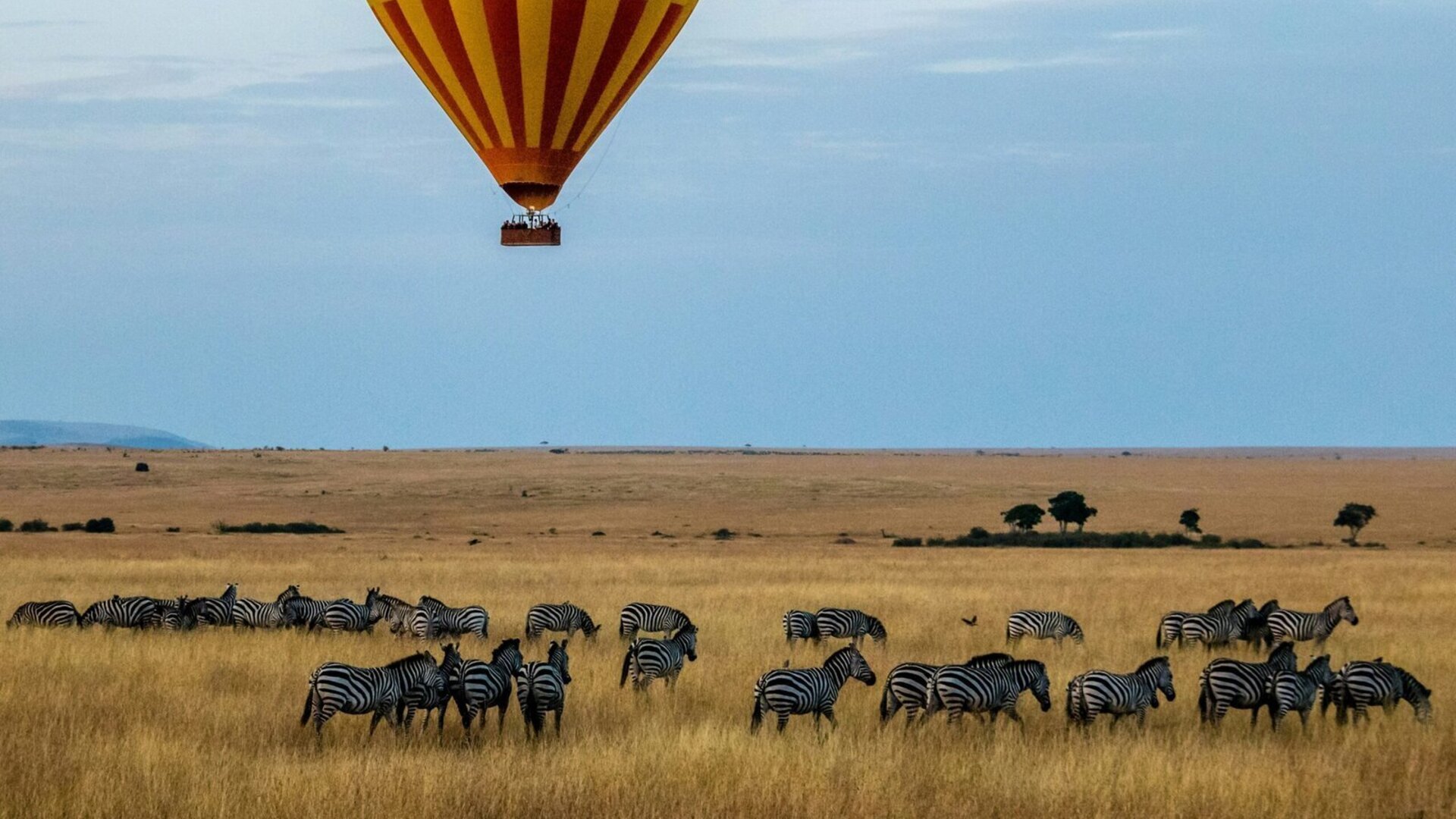
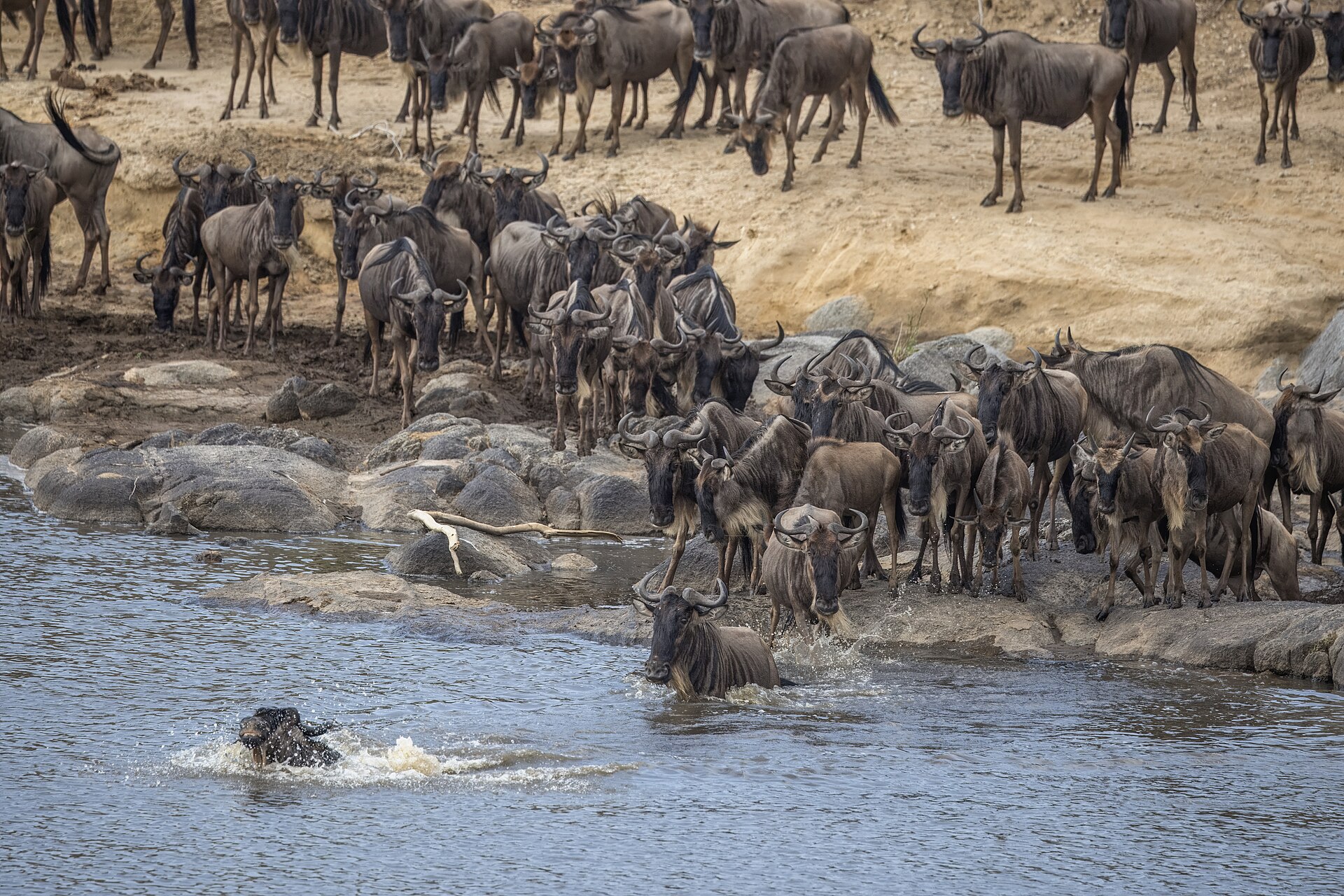
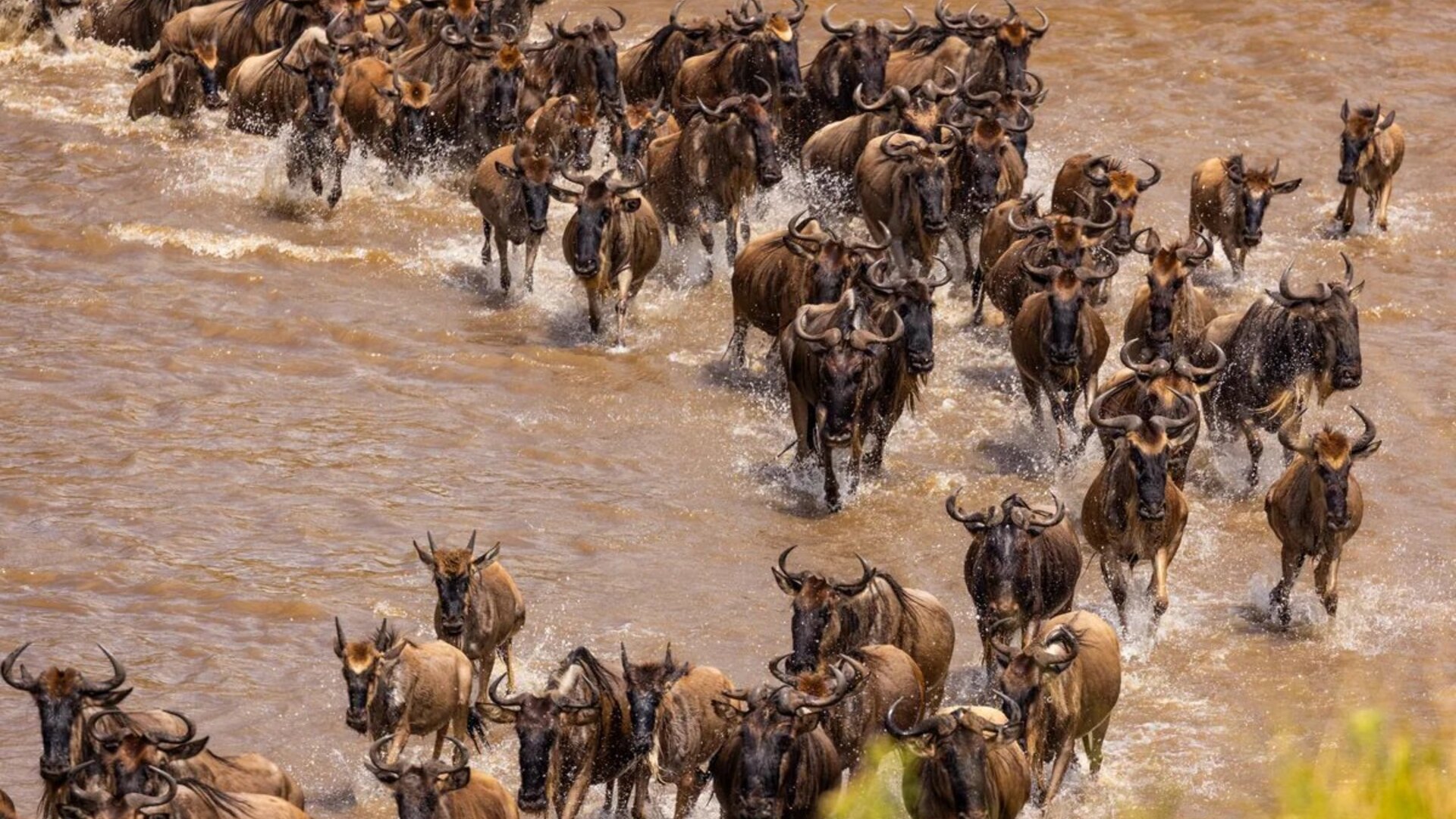
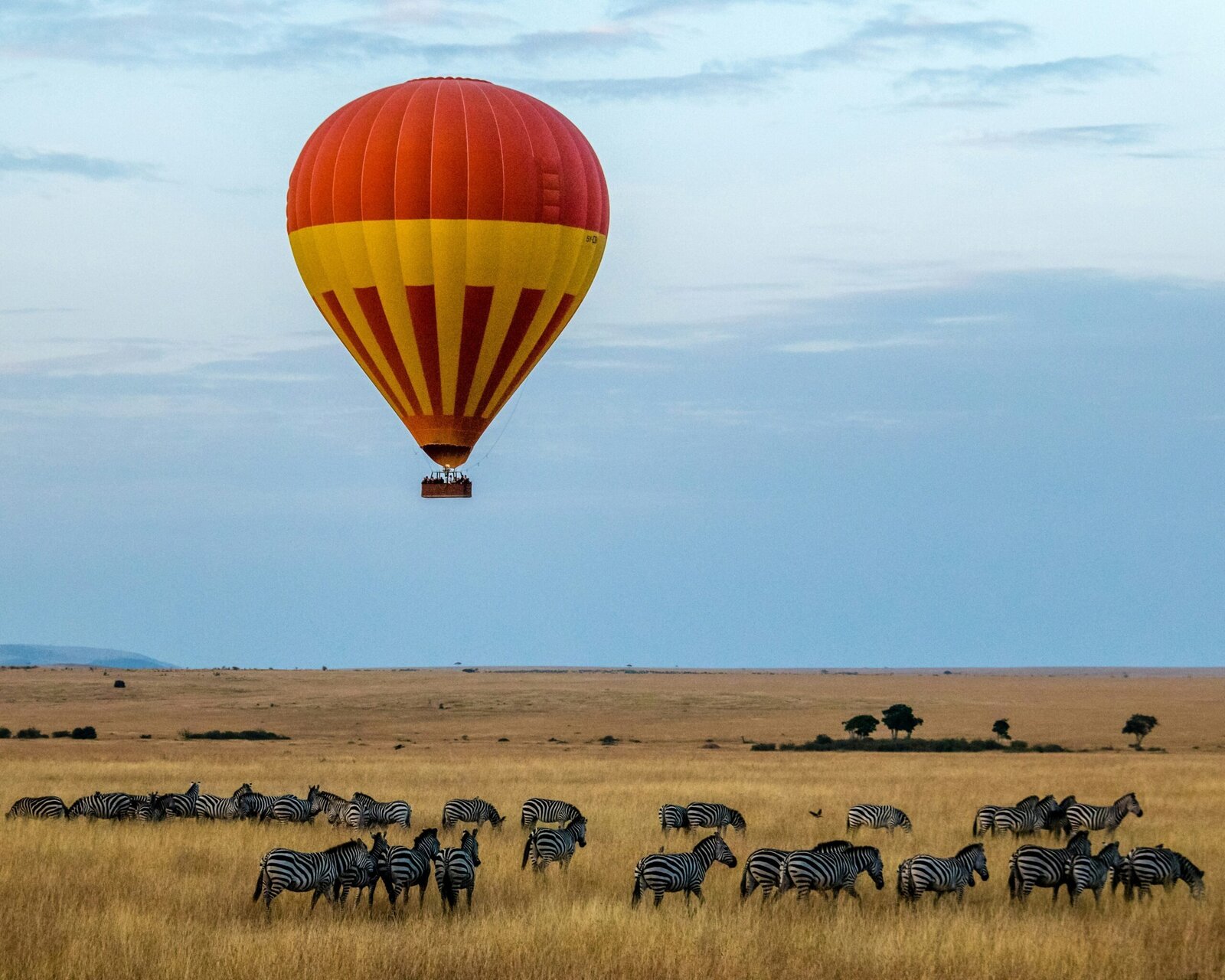
No safari destination in Kenya is more famous, and for once the reputation is earned. The Masai Mara is the northern extension of the Serengeti ecosystem, and from roughly July to October it hosts the dramatic Mara River crossings of the Great Migration. Year-round it delivers the finest big-cat viewing in Africa — lion, cheetah on the open plains, and leopard in the riverine woodlands — plus surrounding private conservancies that offer walking and night drives.
- Best for: Big cats, the Great Migration river crossings, first-time safari wow-factor
- When to go: July–October for the migration and crossings; year-round for resident big cats
- Access: Easy — a short flight from Nairobi to one of several airstrips, or a scenic drive
- Reality: The reserve itself can get busy at peak sightings; staying in a surrounding conservancy buys you space and activities the reserve doesn't allow. For the full picture, see our Masai Mara Safari Guide and Best Time for the Great Migration in Kenya.
2. Amboseli — Elephants Beneath Kilimanjaro
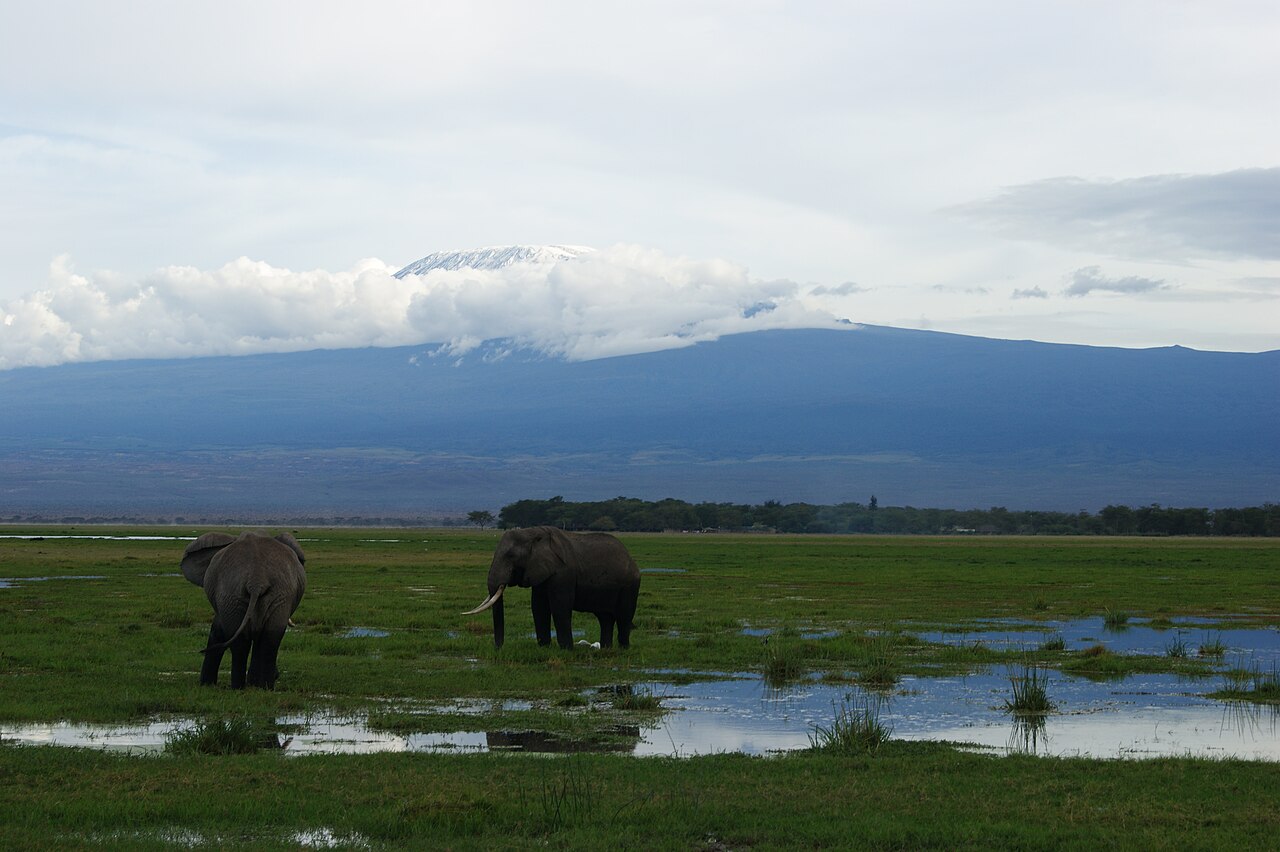
Few images are more iconic than a herd of big-tusked elephants crossing Amboseli's plains with snow-capped Mount Kilimanjaro filling the sky behind them. Amboseli National Park is Kenya's premier elephant destination and one of the best places on the continent to photograph these giants, with swamps fed by Kilimanjaro's meltwater drawing wildlife into open, easy-to-view country.
- Best for: Elephants, Kilimanjaro backdrops, photography, open-plain game viewing
- When to go: June–October and January–February, when skies are clearest for the mountain
- Access: Easy — a short flight or scenic drive from Nairobi
- Reality: Kilimanjaro often hides in cloud by mid-morning; dawn and late afternoon give the classic mountain shots. Two nights is plenty, and it pairs beautifully with the Mara or Tsavo.
3. Tsavo East & West — Red Elephants & Wild Scale
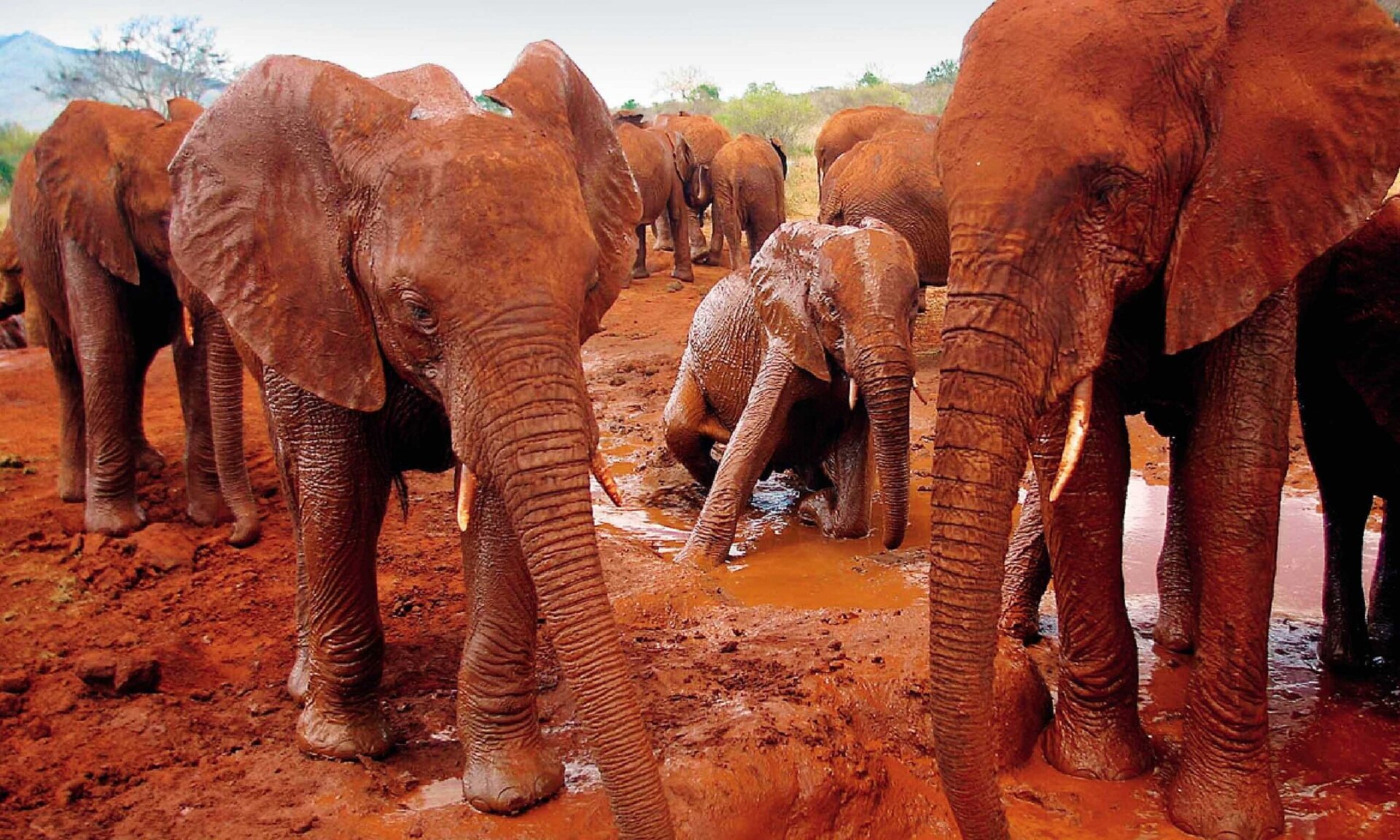
Together, Tsavo East and Tsavo West form one of the largest protected areas on Earth and Kenya's great wilderness in the south. Tsavo is famous for its "red elephants" — dust-bathed in the region's ochre soil — as well as huge herds of buffalo, big cats, and West's lush oasis of Mzima Springs with its underwater hippo hide. It sits perfectly on the route between Nairobi, Amboseli and the coast.
- Best for: Wild scale and space, red elephants, a stop between Amboseli and the coast
- When to go: June–October for the concentrated dry season; green season for dramatic skies
- Access: Easy — road or rail from Nairobi and Mombasa, or fly in
- Reality: Tsavo is vast, so game is more spread out than the Mara — but that scale and solitude are exactly the appeal, and it's the natural bridge to a beach finale.
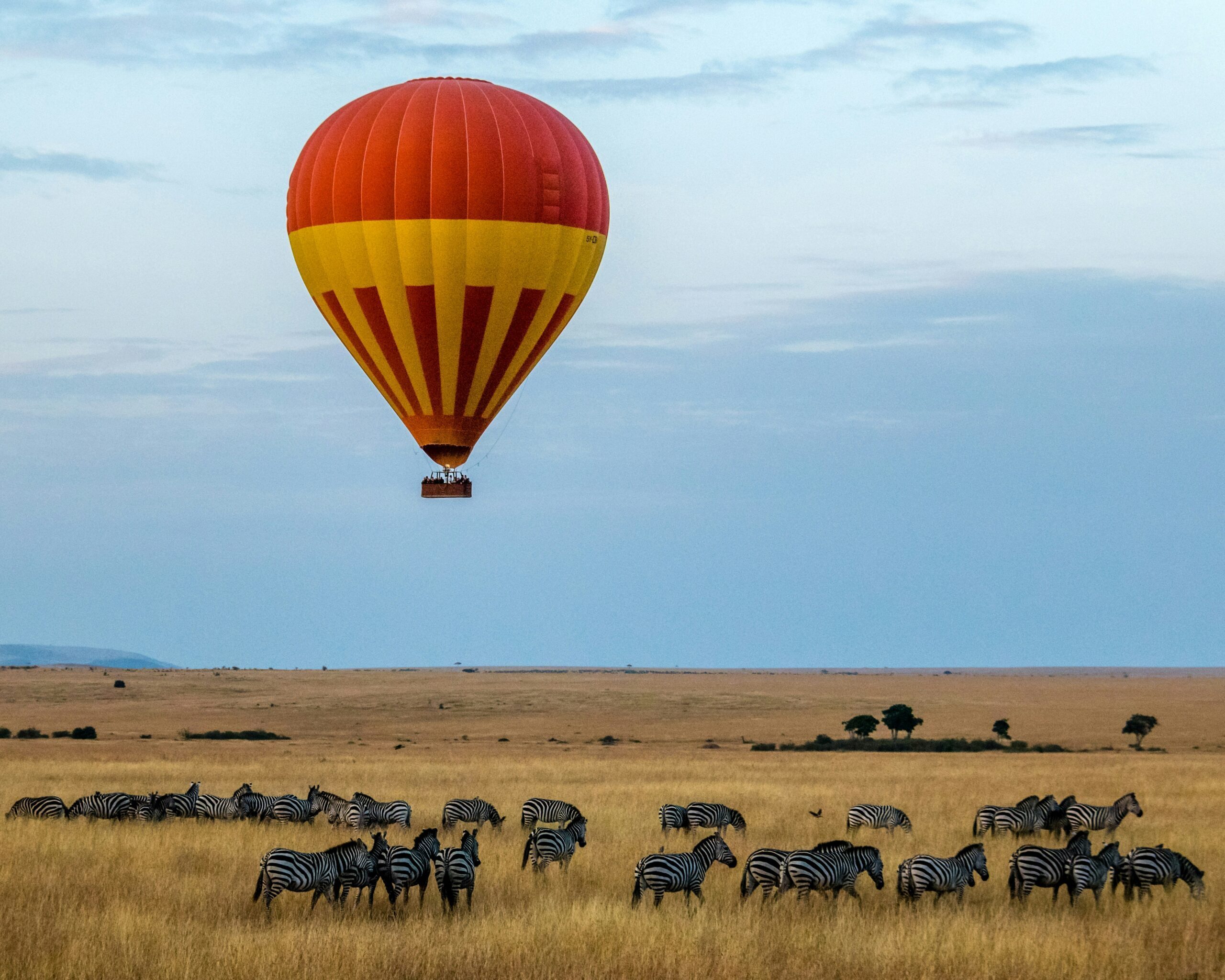
Southern Kenya — The Mara, Amboseli & Tsavo
4. Lake Nakuru & the Rift Valley Lakes — Rhino & Flamingos
Where the Great Rift Valley slices through Kenya, a string of lakes creates some of the country's most photogenic scenery. Lake Nakuru National Park is the star — a fenced sanctuary that is one of Kenya's most reliable places to see both black and white rhino, backed by shorelines that can turn pink with flamingos. Nearby, Lake Naivasha and Hell's Gate add boat trips, walking and cycling among wildlife.
- Best for: Rhino, flamingos and birdlife, scenery, an easy stop between the Mara and the north
- When to go: Year-round for rhino; flamingo numbers vary with water levels and are unpredictable
- Access: Very easy — a scenic drive from Nairobi, on the route to the Mara or Laikipia
- Reality: Flamingo spectacles come and go with the lake's chemistry, so treat them as a bonus — the reliable rhino viewing is the real draw.
5. Laikipia Plateau — Kenya's Conservancy Heartland
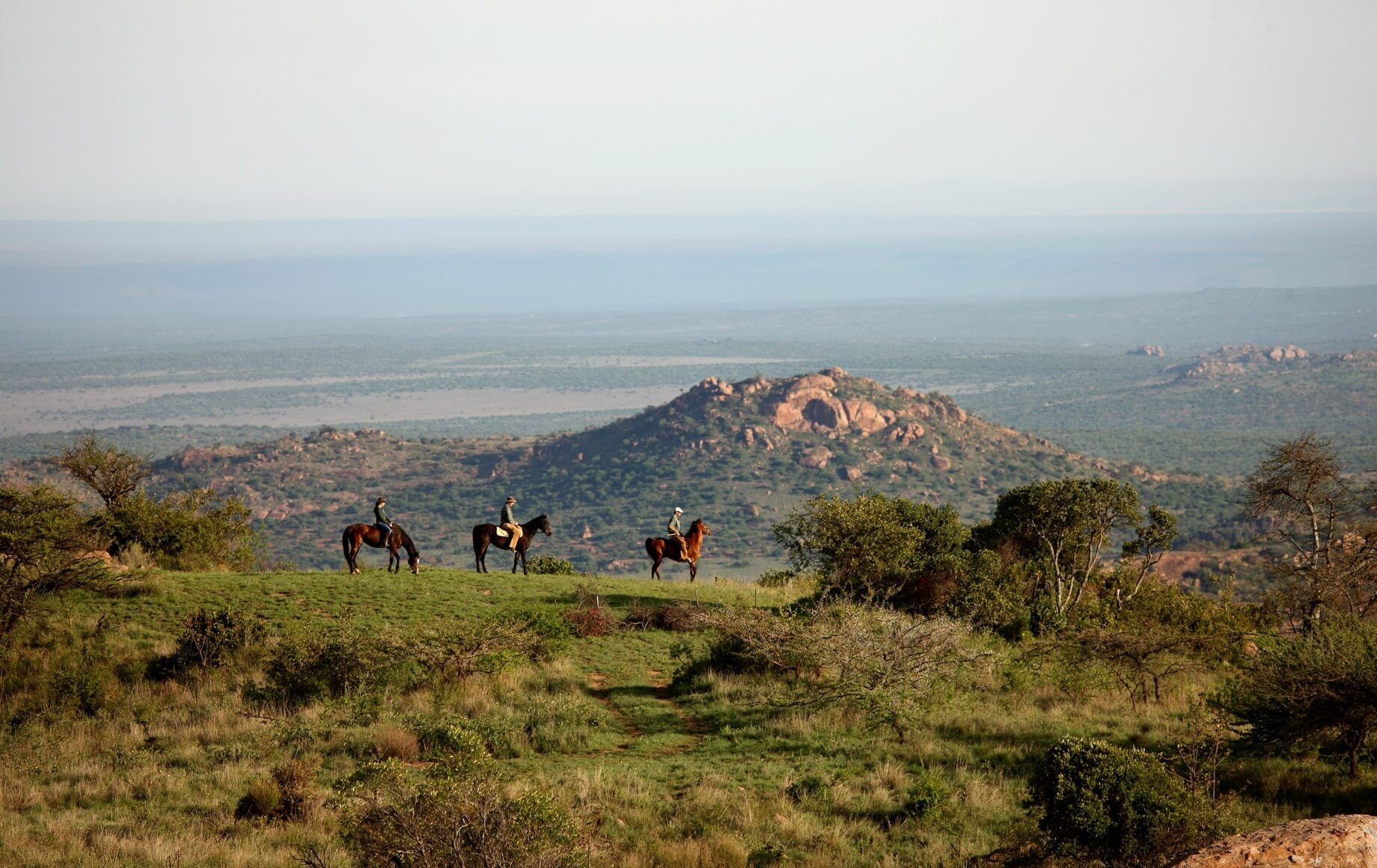
North of Mount Kenya, the Laikipia Plateau is not a national park but a mosaic of private and community conservancies — and it is where Kenya's most exclusive safaris happen. Because they are privately managed, Laikipia's conservancies offer what parks cannot: night drives, guided walking safaris, horseback and camel safaris, and superb populations of elephant, big cats and endangered species, all shared with only a handful of guests.
- Best for: Exclusivity, walking and night drives, conservation-led travel, return visitors
- When to go: June–October and January–February for the driest, easiest game viewing
- Access: Fly-in from Nairobi to a conservancy airstrip is the easiest route
- Reality: Laikipia is where you go to escape the crowds entirely. For detail, see our Laikipia Plateau Safari Guide.
6. Ol Pejeta Conservancy — Rhino Stronghold & Night Drives
Ol Pejeta, on the Laikipia plateau, deserves its own place on any list. It is East Africa's largest black rhino sanctuary, home to the world's last two northern white rhino, and a chimpanzee sanctuary — all set against the backdrop of Mount Kenya. As a private conservancy it also offers night drives, guided walks and lion-tracking experiences you simply cannot do in a national park, making it one of Kenya's most rewarding single destinations.
- Best for: Rhino (including the last northern whites), night drives, hands-on conservation, families
- When to go: Year-round; the dry months of June–October and January–February are best for game
- Access: Easy — a short flight or drive from Nairobi, often combined with Samburu
- Reality: Ol Pejeta packs more variety into one conservancy than almost anywhere in Kenya, and it's superb for first-timers and families alike.
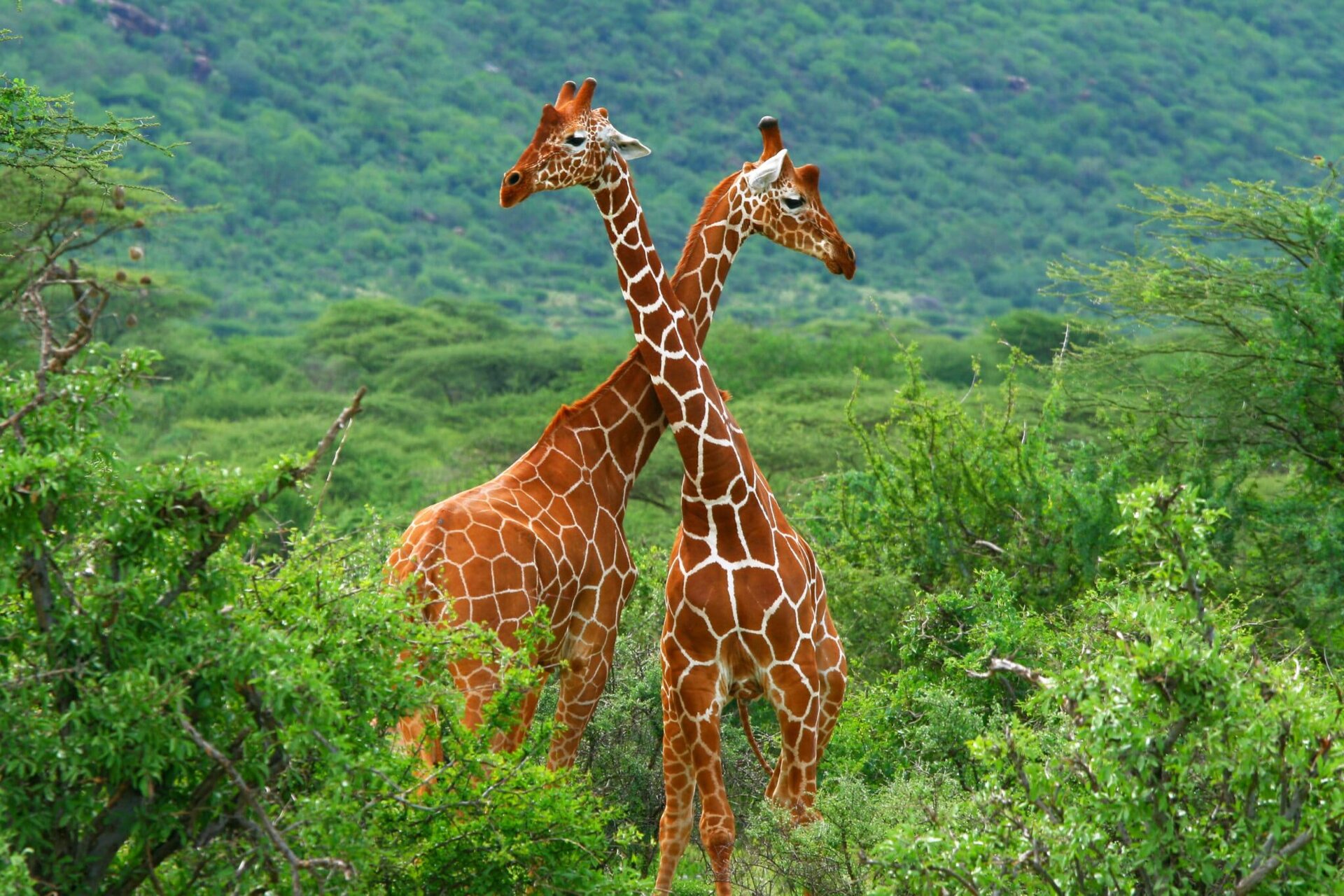
7. Samburu — The Special Five of the North
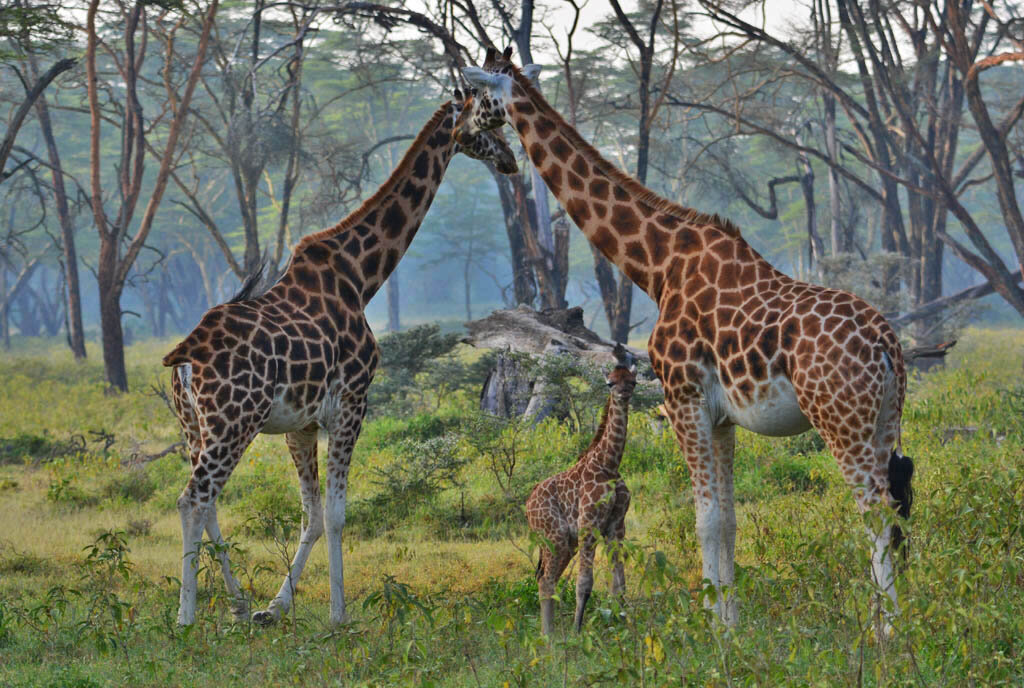
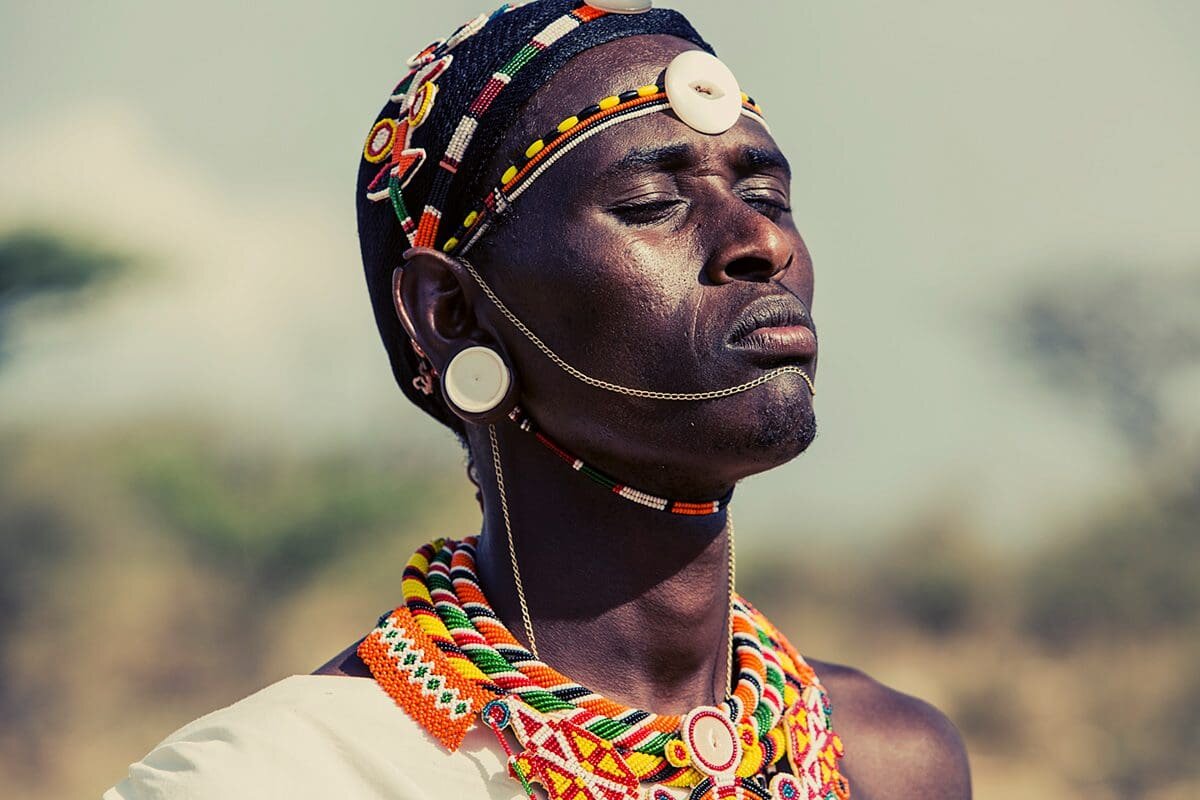
Across the Ewaso Ng'iro River in Kenya's arid north, Samburu National Reserve offers a completely different safari. This is the land of the "Special Five" — Grevy's zebra, reticulated giraffe, Somali ostrich, gerenuk and the beisa oryx — species you will not see in the southern parks. Elephant, lion and leopard thrive along the river, and the culture of the Samburu people adds real depth to a visit.
- Best for: Rare northern species, dramatic desert scenery, culture, a distinctive second stop
- When to go: June–October and December–March for the driest game viewing
- Access: A short flight from Nairobi, or a drive combined with Ol Pejeta and Laikipia
- Reality: Samburu feels wilder and more remote than the south, and its unique wildlife makes it the perfect contrast to a Mara-and-Amboseli trip.
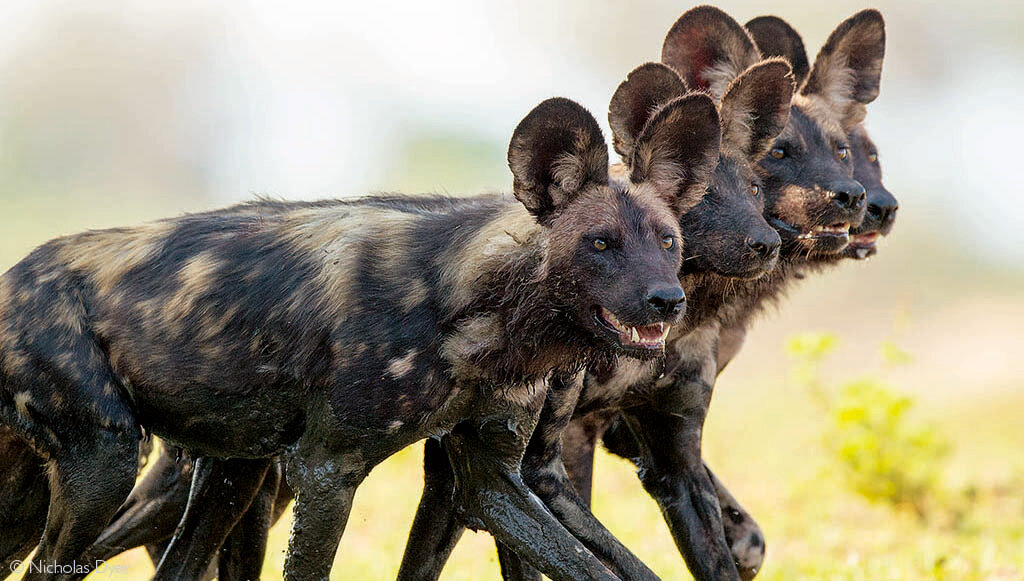
The Rift Valley & the Northern Frontier — Nakuru, Laikipia, Ol Pejeta & Samburu
8. Meru National Park — Born Free's Wild Eden
Immortalised as the home of Elsa the lioness in Born Free, Meru National Park is one of Kenya's most beautiful and least-visited parks. Fed by streams tumbling off Mount Kenya, its lush landscape of doum palms, rivers and open savanna holds elephant, lion, leopard, and a fenced rhino sanctuary — all enjoyed in near-total solitude far from the safari crowds.
- Best for: Solitude, lush scenery, rhino, travellers seeking the road less travelled
- When to go: June–October for the driest conditions and easiest access
- Access: A short flight from Nairobi, or a drive via Mount Kenya's foothills
- Reality: Meru rewards those who want genuine wilderness without the vehicles — a wonderful add-on to a northern-frontier trip.
9. Mount Kenya & the Aberdares — Highland Forests & Water
Kenya's central highlands offer a cool, green counterpoint to the plains. Around Mount Kenya — Africa's second-highest peak — and in the neighbouring Aberdare range, montane forest and moorland shelter elephant, buffalo, the rare bongo antelope and leopard. Famous forest lodges with floodlit waterholes let you watch wildlife come and go through the night, a uniquely atmospheric Kenyan experience.
- Best for: Highland scenery, forest lodges and waterhole viewing, cool climate, a scenic transit stop
- When to go: June–October and January–February for the clearest mountain weather
- Access: An easy drive from Nairobi, often on the way north to Laikipia or Samburu
- Reality: Rarely a destination on its own, but a memorable overnight that breaks up the drive north and adds landscape variety.
10. Diani & the Kenyan Coast — The Bush-and-Beach Finale
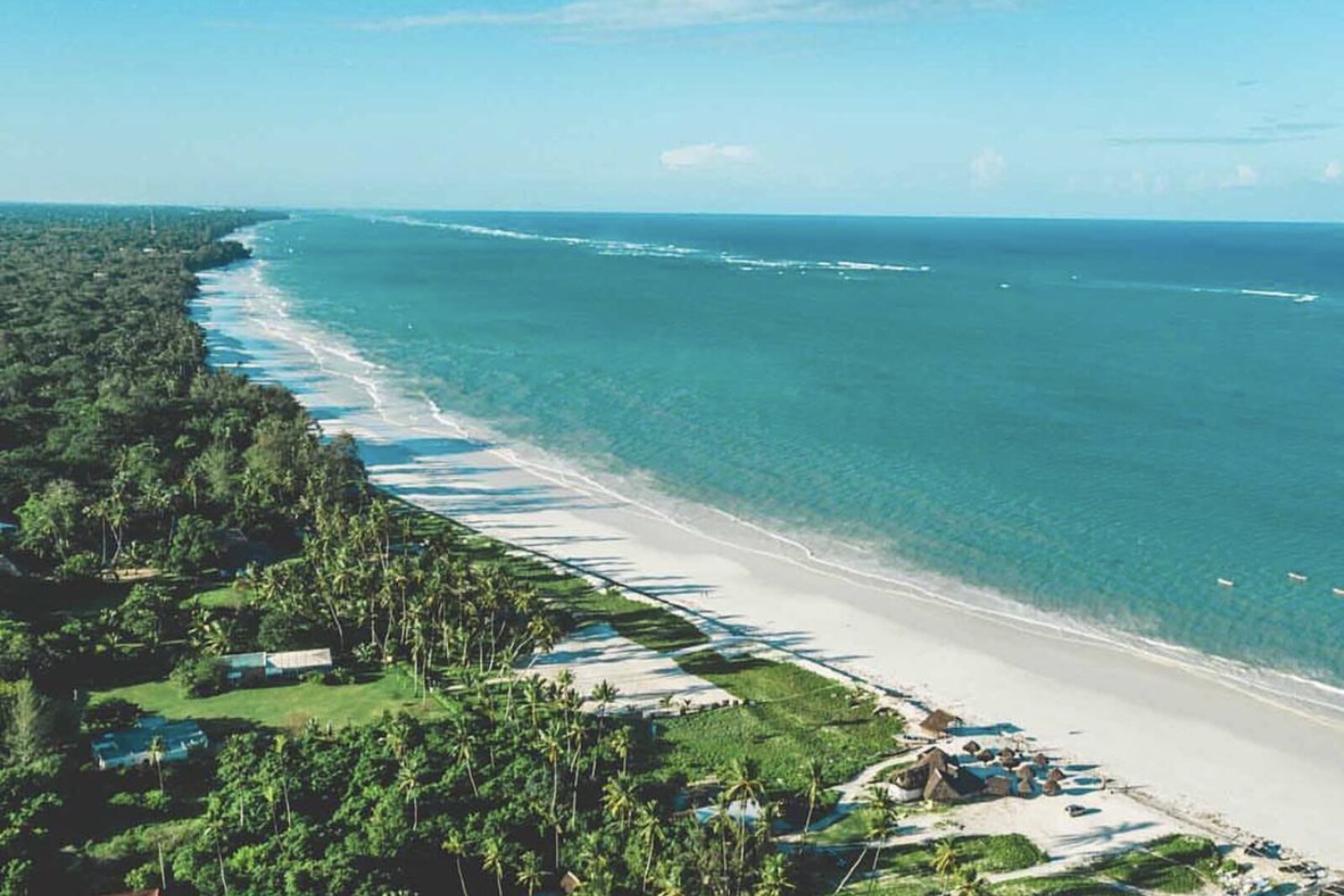
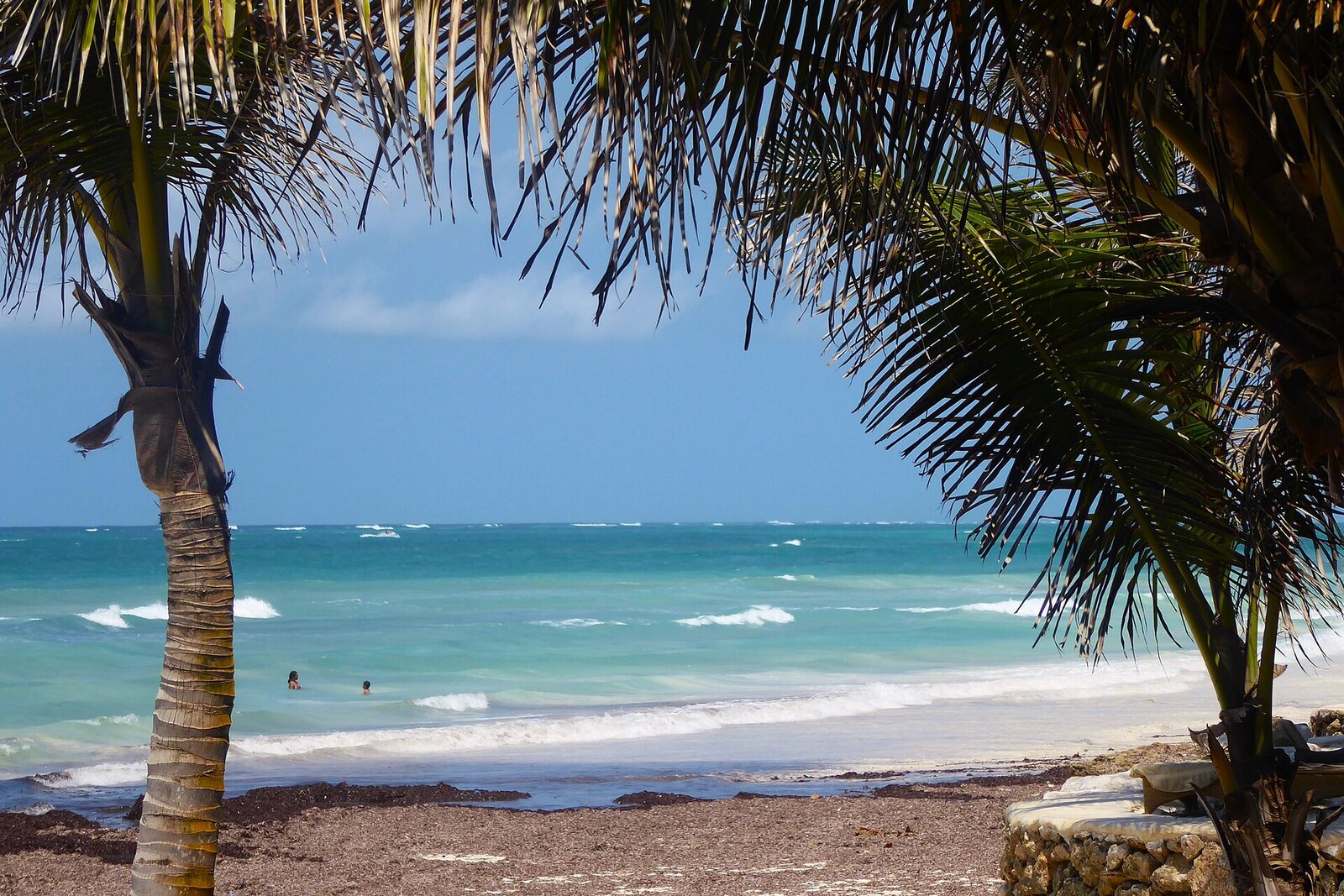
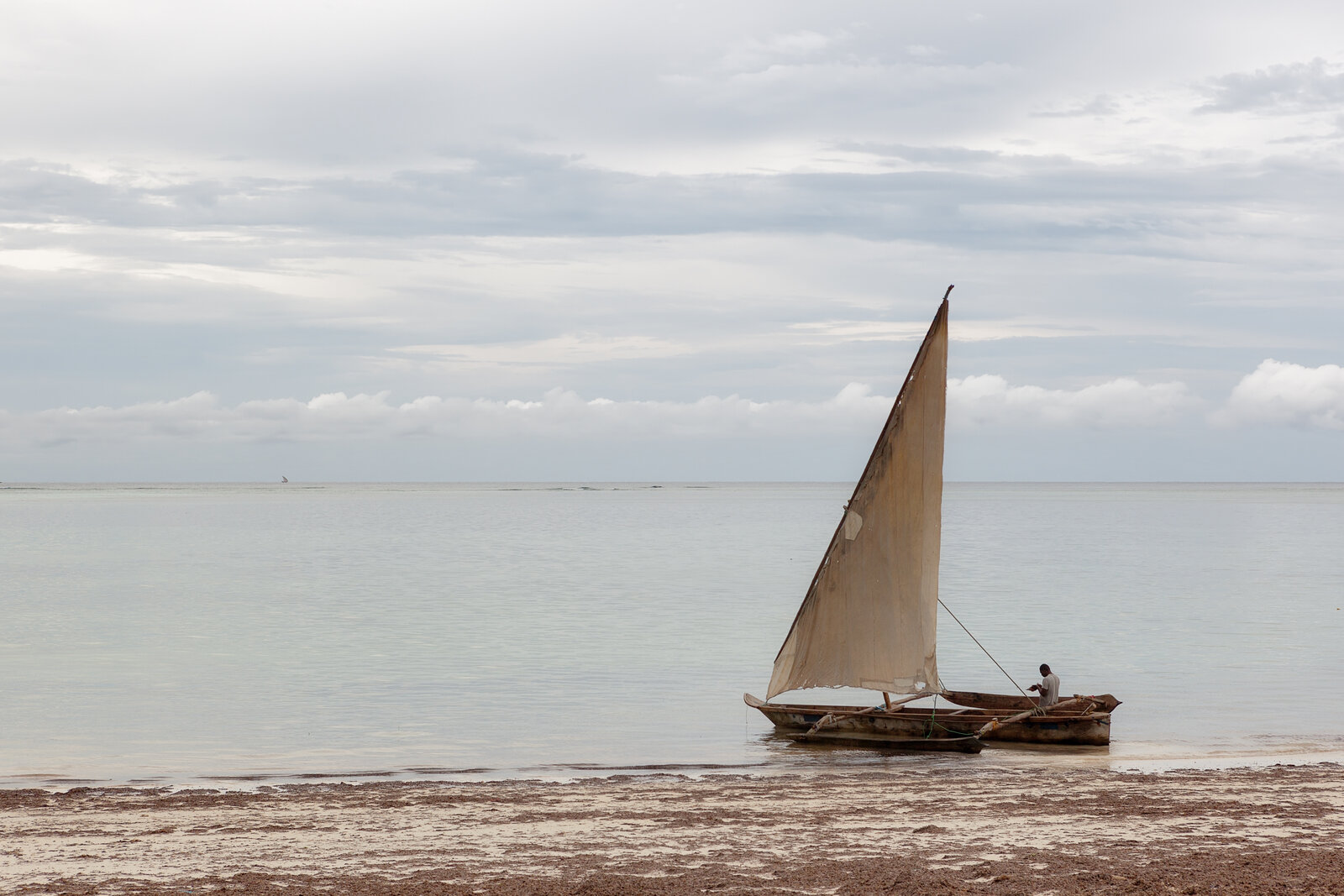
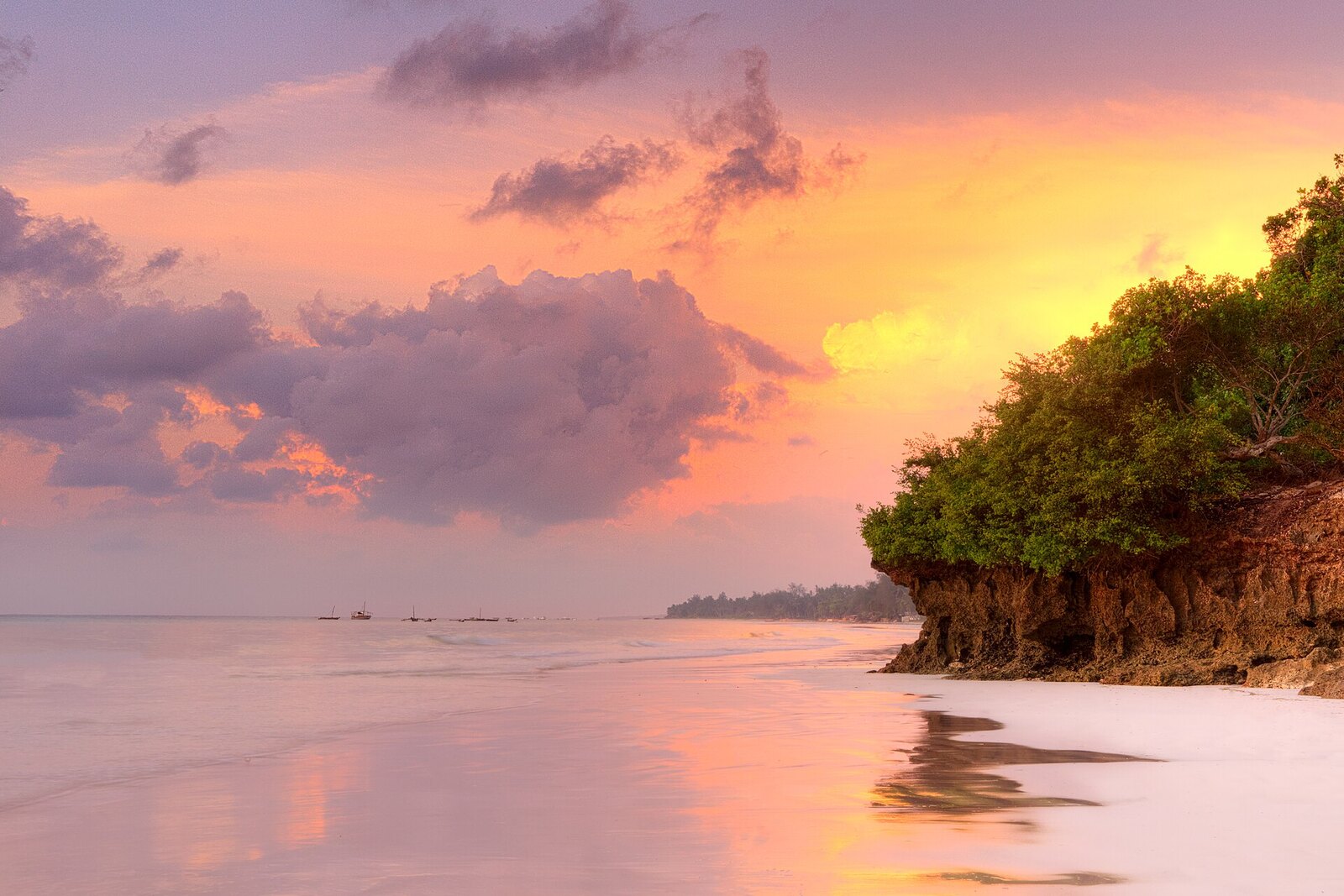
End your safari where the savanna gives way to the Indian Ocean. Diani Beach — repeatedly named among Africa's finest — pairs powder-white sand and warm turquoise water with coral reefs, dhow sailing, and easy access from the Mara or Tsavo. Along the wider coast, historic Lamu and the marine parks add culture and world-class snorkelling. It is the classic way to turn a great safari into an unforgettable holiday.
- Best for: Beach relaxation, honeymoons, diving and snorkelling, the safari finale
- When to go: December–March and June–October for the driest, sunniest coastal weather
- Access: Short flights from the Mara, Nairobi or Amboseli to Diani or Mombasa
- Reality: Three to five nights is the sweet spot after a safari. See our Kenya Safari and Beach Holidays guide for how to combine them.
The Coast — Diani & the Indian Ocean
Building Your Kenya Safari: How to Combine the Destinations
The art of a Kenya safari is combination. Here are the routes that work best, matched to how much time you have. These are frameworks — for fully costed, pre-designed trips see our Kenya Safari Tours guide, and for tailor-made departures our Private Safari Tours Kenya page.
The Classic South (7 days): Amboseli → Lake Nakuru → Masai Mara. The definitive first safari — elephants beneath Kilimanjaro, Rift Valley rhino, and the big cats of the Mara, with easy fly-and-drive logistics.
Bush & Beach (10 days): Amboseli → Masai Mara → fly to Diani. The most popular honeymoon and family route — wildlife then white sand.
The Northern Frontier (7–8 days): Ol Pejeta → Samburu → Laikipia. Rhino, the Special Five, night drives and walking with almost no crowds — ideal for a second Kenya trip.
The Grand Tour (10–12 days): Amboseli → Lake Nakuru → Laikipia/Ol Pejeta → Masai Mara → the coast. For travellers who want the full range of Kenya's landscapes in one journey.
💡 Planning Tip: Don't try to see everything in one trip. Kenya's parks are linked by short flights and long drives, and chaining too many in a week means more time in transit than on safari. A focused 7–10 day route through one or two regions almost always beats a rushed dash across the whole country. For a realistic budget, see How Much Does a Kenya Safari Cost.
Best Time to Visit Kenya's Safari Destinations
| Season | Months | Game Viewing | Notes |
|---|---|---|---|
| Peak Dry | Jul–Oct | ★★★★★ Exceptional | Best all-round wildlife; Mara river crossings; thin bush; book early |
| Short Dry / Green | Jan–Feb | ★★★★★ Superb | Warm, clear skies for Kilimanjaro; excellent game; quieter than peak |
| Long Rains | Apr–May | ★★★☆☆ Variable | Lowest rates and fewest crowds; lush landscapes; some roads muddy |
| Shoulder | Jun & Nov | ★★★★☆ Very Good | Drying (Jun) or short rains (Nov); good value, fewer vehicles |
Verdict: For a first Kenya safari, aim for the dry season (late June–October), which also brings the Mara river crossings. If you want warm, clear weather and thinner crowds, January to February is superb across the south. For detailed migration timing, see Best Time for the Great Migration in Kenya.
🦁 Ready to plan your Kenya safari? Browse pre-designed trips in our Kenya Safari Tours guide, compare accommodation in the Best Kenya Safari Lodges, or design a tailor-made trip via Private Safari Tours Kenya. Want the full park ranking? See the Top 10 National Parks in Kenya, and for wildlife the Big Five Safari Kenya guide.
Kenya Safari Destinations: Frequently Asked Questions
What is the best safari destination in Kenya?
For most travellers the Masai Mara is the single best destination, thanks to the Great Migration river crossings and the finest big-cat viewing in Africa. But the honest answer depends on your trip: Amboseli is unbeatable for elephants beneath Kilimanjaro, Ol Pejeta and Laikipia for rhino and exclusive conservancy safaris, Samburu for rare northern species, and Diani for a beach finale. The strongest trips combine two or three complementary destinations.
Which Kenya safari region should a first-timer choose?
First-time visitors should focus on Southern Kenya — Amboseli, Lake Nakuru and the Masai Mara. It offers the highest concentration of iconic wildlife, the Great Migration, and the easiest logistics, with short flights linking the parks. Add a few nights at Diani for a classic bush-and-beach finale.
How many days do you need for a Kenya safari?
Plan on at least 6–7 days to do Southern Kenya justice — enough for Amboseli, Lake Nakuru and a few nights in the Masai Mara. Add 3–5 nights for a Diani beach finale, or 7–8 days for a separate northern-frontier circuit through Ol Pejeta, Samburu and Laikipia. Trying to combine everything in under ten days usually means too much time in transit.
What is the difference between a Kenyan national park and a conservancy?
National parks and reserves (like the Masai Mara reserve, Amboseli and Tsavo) are government-managed and open to all vehicles, with rules that prohibit off-road driving, night drives and walking. Private and community conservancies (like those in Laikipia, and Ol Pejeta) are managed by limited numbers of camps, so they can offer night drives, guided walks, off-road sightings and far fewer vehicles. Many of Kenya's best safaris combine both.
Can you combine a Kenya safari with the beach?
Yes — it is one of the most popular ways to travel. After a southern safari, a short flight takes you to Diani or the wider Kenyan coast for white-sand beaches, coral-reef snorkelling, dhow sailing and Swahili culture. Three to five nights on the coast is the ideal finale, especially for honeymoons and families.
Where can you see the Great Migration in Kenya?
The Great Migration enters Kenya through the Masai Mara, where the herds cross the Mara River from roughly July to October before returning south to Tanzania's Serengeti later in the year. The dramatic river crossings are the highlight, though timing varies each year with the rains. For the month-by-month picture, see our Best Time for the Great Migration in Kenya guide.
Which Kenya destination is best for avoiding crowds?
The Northern Frontier conservancies. Laikipia, Ol Pejeta, Samburu and Meru receive a fraction of the visitors the Masai Mara sees, so you can enjoy sightings with few or no other vehicles — plus walking, night drives and rhino tracking. If you want the Mara without the crowds, stay in one of its surrounding private conservancies rather than the main reserve.
Is Kenya or Tanzania better for safari?
Both are outstanding and often combined. Kenya is more compact, with easier logistics, superb big-cat viewing in the Mara, the world's best elephant-and-Kilimanjaro scenery in Amboseli, and private conservancies offering night drives, walking and reliable rhino. Tanzania offers greater scale — the vast Serengeti, the Ngorongoro Crater and remote southern wildernesses. For accessible, activity-rich safaris in one country, Kenya is hard to beat.
How much does a Kenya safari to these destinations cost?
Costs vary widely by region and comfort level. Mid-range southern-Kenya safaris typically run about $300–550 per person per night, while luxury conservancy camps in Laikipia and the Mara can reach $800–1,500+ per person per night, driven up by fly-in access and exclusivity. A week-long southern-Kenya safari commonly costs $2,500–6,000+ per person. For a detailed breakdown, see our How Much Does a Kenya Safari Cost guide.
Final Word: Choosing Your Kenya Safari Destinations
Kenya's greatness lies in its range. You can watch lions hunt on the Mara plains, photograph big-tusked elephants beneath Kilimanjaro, track rhino on foot in a private conservancy, meet the rare Special Five of the arid north, and finish with your toes in the warm Indian Ocean — all in one country, and all within easy reach of Nairobi.
- ✅ First safari? Southern Kenya — Amboseli, Lake Nakuru, the Masai Mara — then Diani
- ✅ Been before? The Northern Frontier — Ol Pejeta, Samburu, Laikipia — for rhino, walking and solitude
- ✅ Craving the wild? Meru and the vast spaces of Tsavo, far from the crowds
- ✅ Want it all? Combine regions over 10–12 days, or return for a second, different Kenya
The honest advice: pick the region that matches who you are as a traveller, give it enough days to breathe, and let the destinations you choose tell a single, coherent story rather than a rushed checklist. Do that, and Kenya will give you the safari of a lifetime.
Ready to start planning? Explore our Kenya Safari Tours guide, browse the Best Kenya Safari Lodges, or begin with the comprehensive Ultimate Kenya Travel Guide.