KEY TAKEAWAYS — BIG FIVE SAFARI KENYA
- All Five Present: Kenya hosts ALL Big Five species — lion, leopard, elephant, buffalo everywhere; rhino concentrated at Ol Pejeta, Lake Nakuru, Lewa & select conservancies.
- Masai Mara: Reliably delivers four of five (lion, leopard, elephant, buffalo); rhino present in Mara Triangle but less common.
- Rhino Specialists: Ol Pejeta Conservancy, Lake Nakuru National Park, and Lewa Wildlife Conservancy are Kenya's rhino strongholds — essential for completing your Big Five checklist.
- Best Season: Dry months (June–October, January–February) offer thinner vegetation and concentrated wildlife around water sources for optimal sighting reliability.
- Honest Assessment: YES, you can see all five in one Kenya safari if you combine Masai Mara (or Amboseli/Tsavo) with a dedicated rhino destination.
Kenya: Africa's Premier Big Five Safari Destination
The "Big Five" — lion, leopard, African elephant, Cape buffalo, and rhinoceros — were originally named by early 20th-century big-game hunters who identified these as the most dangerous and challenging animals to track on foot. Today, the term represents the ultimate wildlife photography and safari observation goal, a bucket-list ambition for travelers worldwide.
Kenya stands as one of Africa's most accessible and rewarding Big Five destinations. Unlike many countries where rhino populations are critically depleted or confined to single reserves, Kenya has successfully rebuilt black rhino numbers across multiple sanctuaries while protecting the four other species in virtually every major national park.
Why Kenya excels for Big Five safaris:
- Diversity of habitats — from Masai Mara's golden savannahs to Laikipia's high-altitude plains, Amboseli's acacia woodlands, and Tsavo's volcanic wilderness.
- Rhino conservation success — Ol Pejeta Conservancy, Lake Nakuru, and Lewa Wildlife Conservancy have become international models for black and white rhino protection.
- Year-round accessibility — most parks remain open in both wet and dry seasons, with excellent infrastructure for lodge-based and mobile tented safaris.
- Photographic opportunities — Kenya's open plains and savannah ecosystems allow for unobstructed sightings and dramatic landscape backdrops.
The honest answer to "Can you see all Big Five in Kenya?" is a confident yes — provided you structure your itinerary to include at least one rhino-specialist destination alongside the classic big cat and elephant territories.
The Big Five Species in Kenya: Where to See Each Animal
Understanding where each species thrives — and seasonal sighting reliability — is the foundation of a successful Big Five safari. Kenya's ecosystems support different densities of the five, with some parks excelling for specific animals.
African Lion
Sighting Reliability: ★★★★★ Excellent across most parks
Lions are Kenya's most reliably spotted Big Five member. As apex predators requiring large territories and abundant prey, they thrive in Kenya's open savannahs.
Best locations for lion sightings:
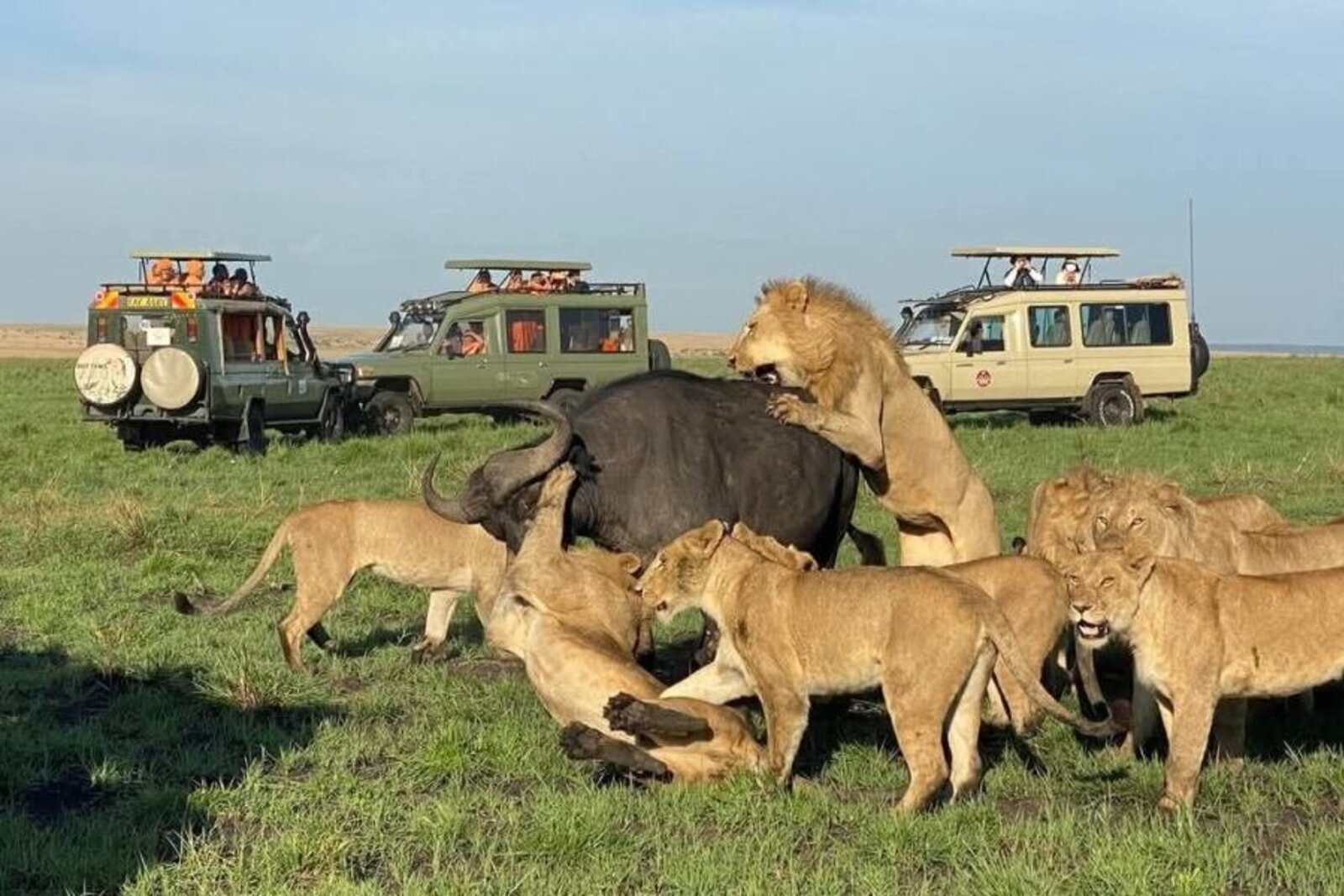
- Masai Mara National Reserve — Kenya's lion capital, with some of Africa's highest densities. Prides are habituated to safari vehicles, allowing close-up encounters. The Marsh Pride and other coalitions are globally famous from wildlife documentaries.
- Amboseli National Park — Good lion populations, though they often retreat into acacia thickets during the heat of the day. Dawn and dusk drives yield best results.
- Laikipia Plateau (Ol Pejeta, Lewa, Solio) — Conservancy-based lion populations with lower tourism pressure than Masai Mara.
- Tsavo East & West — Home to the infamous "Tsavo Lions," historically known for mane-less males. Sightings require more effort due to thicker vegetation.
- Samburu National Reserve — Smaller populations but excellent sightings along the Ewaso Ng'iro River.
Best time: Year-round, with dry season (July–October, January–February) offering easier tracking as lions concentrate near permanent water.
African Leopard
Sighting Reliability: ★★★☆☆ Moderate to Good (requires skilled guides)
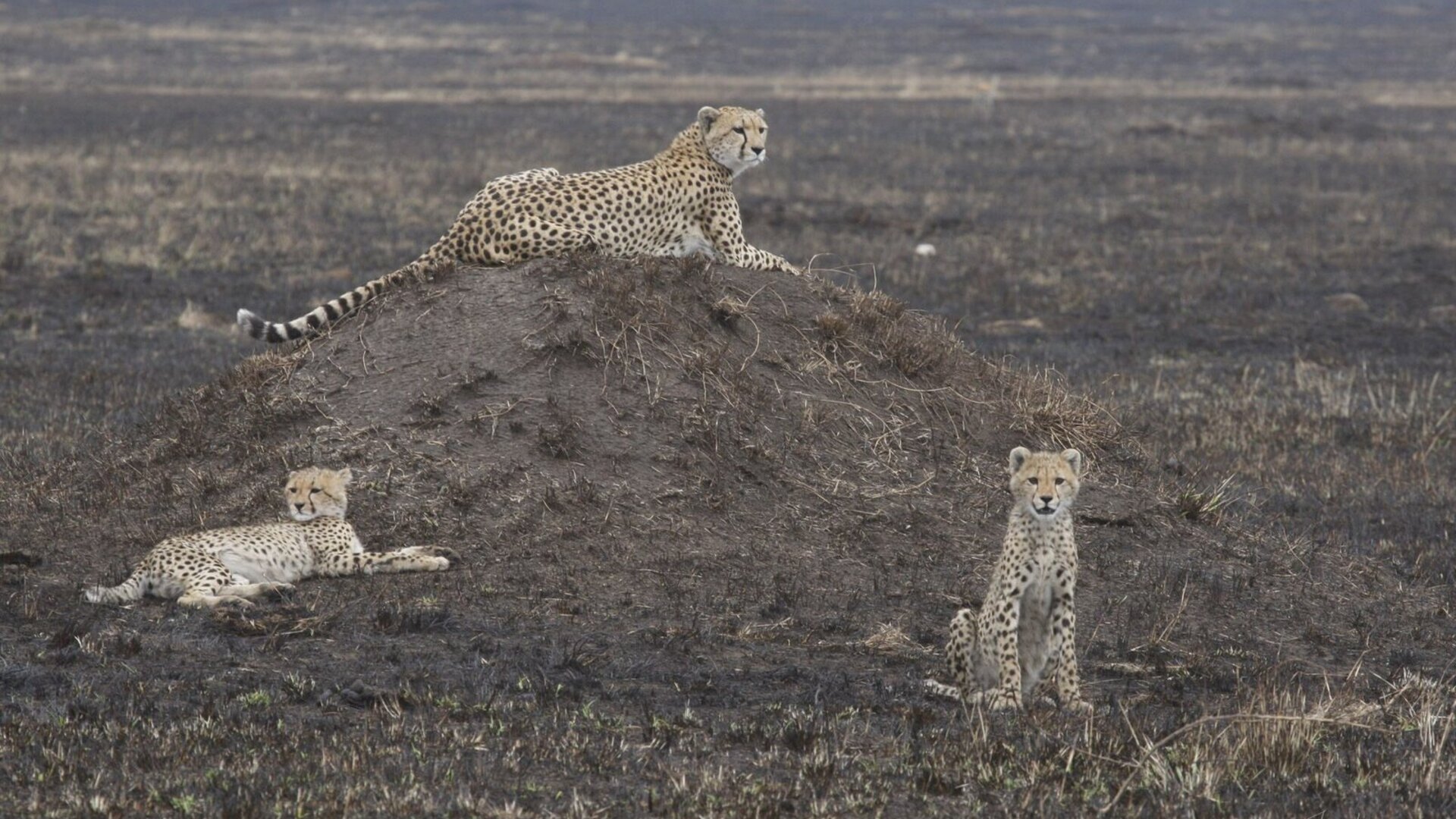
The most elusive of the Big Five, leopards are solitary, predominantly nocturnal, and masters of camouflage. Kenya's leopard populations are healthy, but sightings demand patience and expert tracking.
Best locations for leopard sightings:
- Masai Mara — Particularly the Mara Triangle and conservancies (Olare Motorogi, Mara Naboisho), where night drives and off-road permissions increase odds. Look for leopards draped in fever trees along the Mara River.
- Samburu National Reserve — Leopards here are surprisingly habituated, often seen on rocky outcrops and riverine forests.
- Laikipia conservancies — Private conservancies allow night drives, when leopards are most active.
- Aberdare National Park — Floodlit waterholes at "tree hotels" (The Ark, Treetops) offer rare nocturnal leopard encounters.
- Lake Nakuru — Acacia woodlands around the lake's perimeter harbor leopards, though sightings are less frequent.
Best time: Dry season when leopards hunt more actively and are forced to water sources. Early morning and late afternoon drives are most productive.
African Elephant
Sighting Reliability: ★★★★★ Excellent everywhere
Kenya's elephant populations have rebounded strongly, with herds visible in virtually every major park. Elephants are the easiest of the Big Five to encounter due to their size, daylight activity, and large home ranges.
Best locations for elephant sightings:
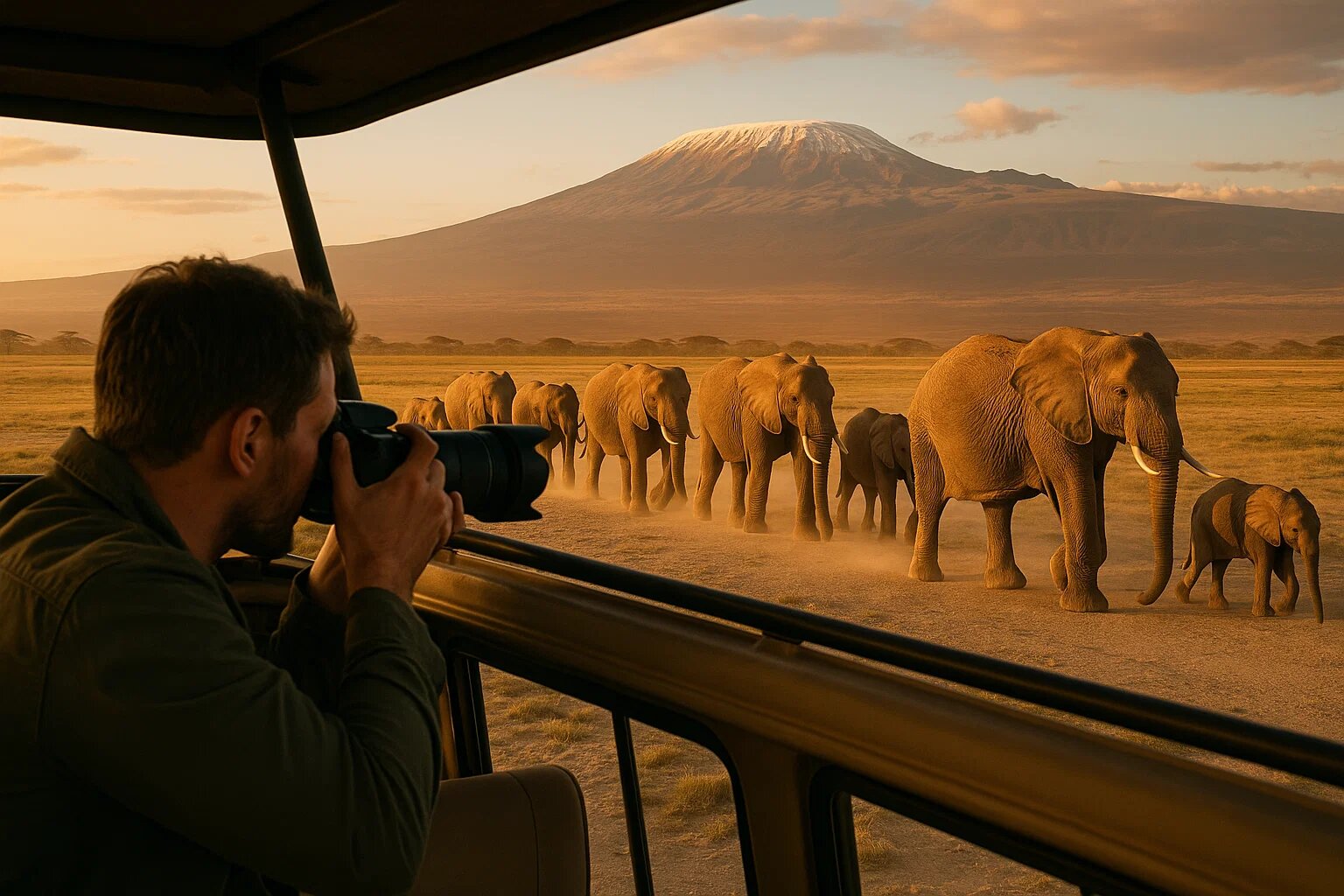
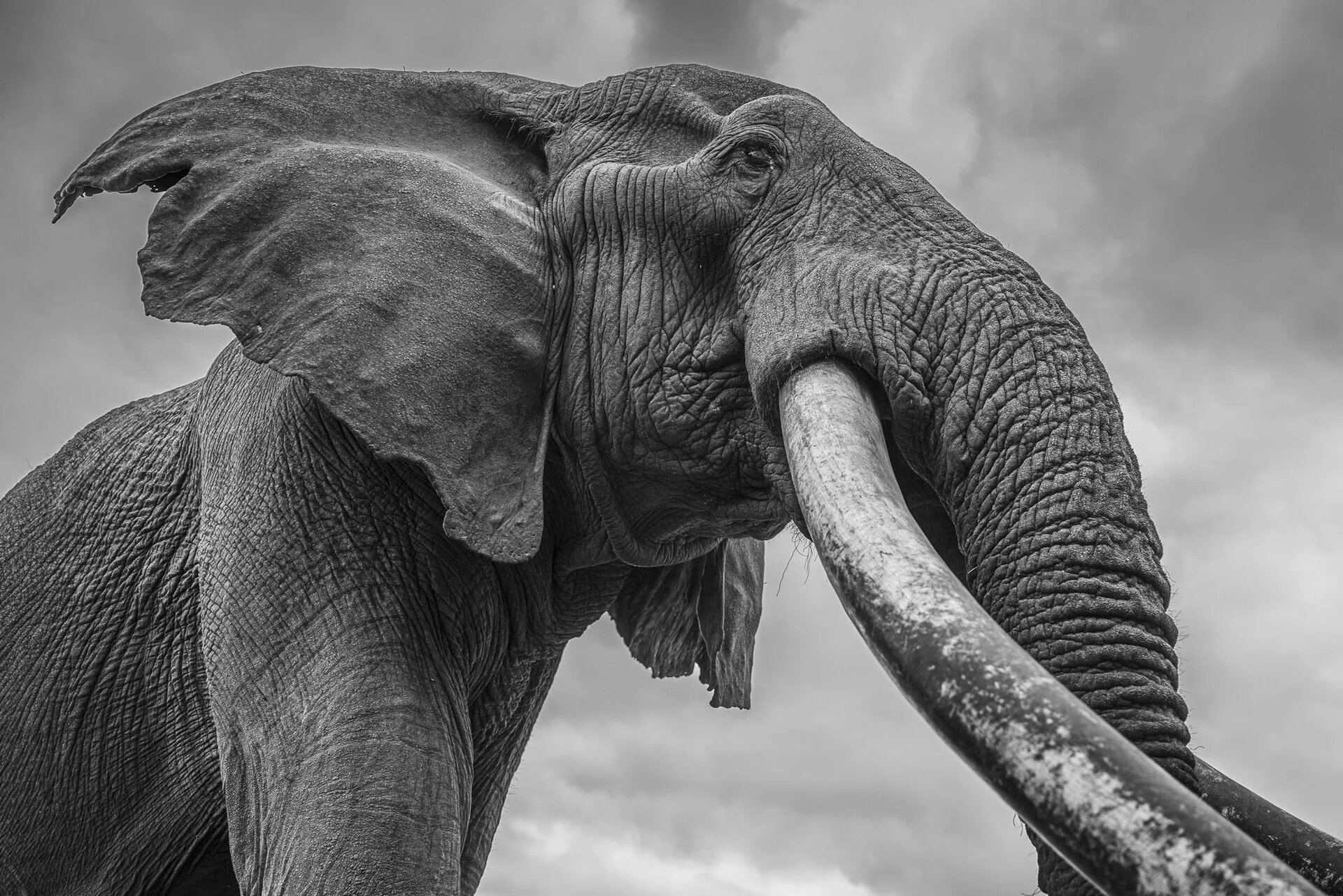
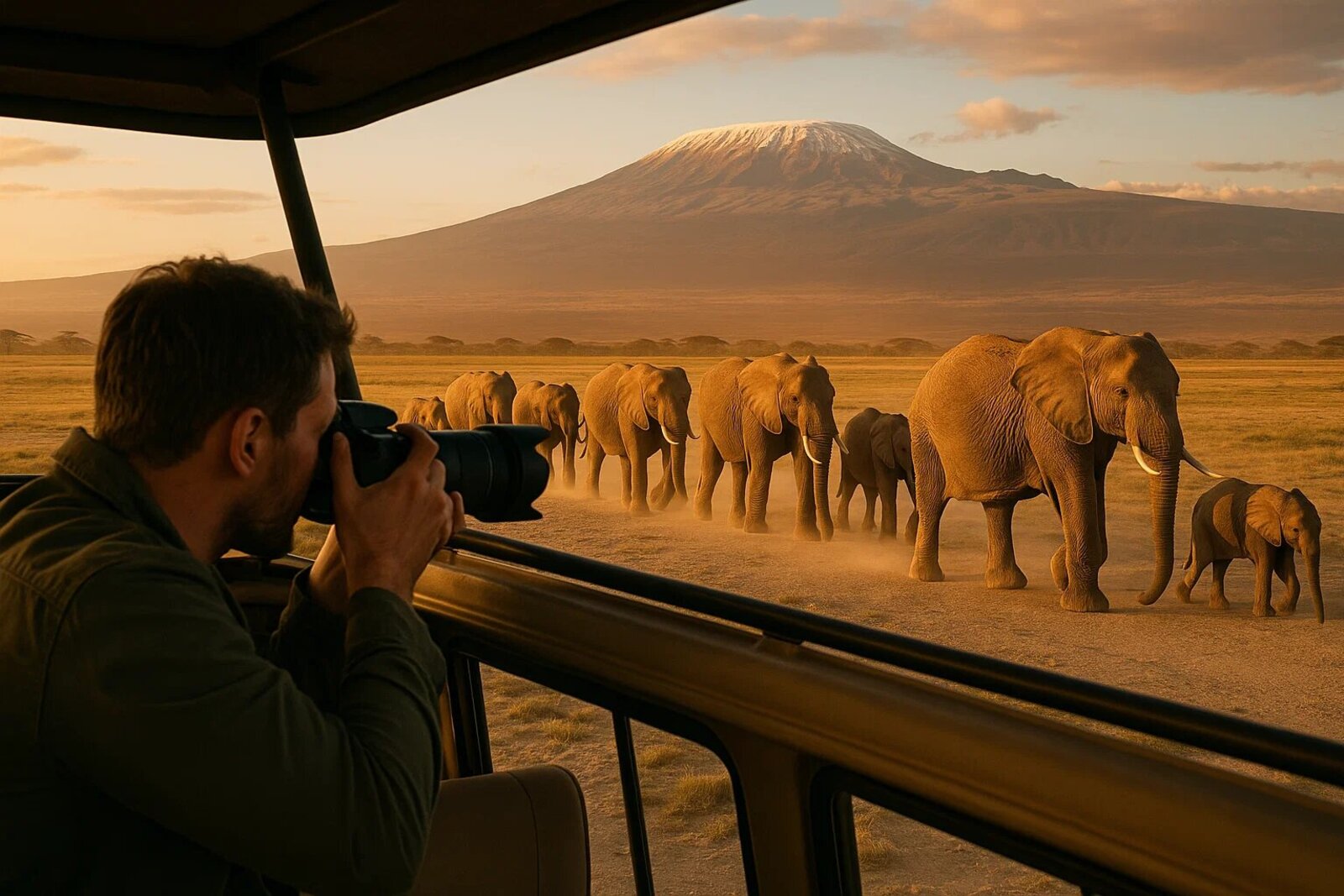
- Amboseli National Park — World-famous for massive tuskers with Mount Kilimanjaro as a backdrop. Amboseli's swamps attract hundreds of elephants year-round.
- Tsavo East & West — Kenya's largest elephant population (over 12,000), famously "red elephants" dusted in volcanic soil. Herds of 50+ are common.
- Samburu National Reserve — Distinct population of Samburu elephants adapted to arid conditions, often seen crossing the Ewaso Ng'iro River.
- Masai Mara — Large breeding herds throughout the reserve, particularly along the Mara and Talek rivers.
- Laikipia — Elephants roam between conservancies, often in mixed groups with buffalo.
Best time: Year-round. Wet season (March–May, November) can bring larger herds to fresh grazing areas.
Cape Buffalo
Sighting Reliability: ★★★★★ Excellent across most parks
Buffalo are ubiquitous in Kenya, forming massive herds (sometimes 500+) in areas with permanent water and grazing. They are considered one of Africa's most dangerous animals when threatened or wounded, despite their docile appearance.
Best locations for buffalo sightings:
- Masai Mara — Huge herds throughout the year, often seen on the plains alongside wildebeest and zebra.
- Lake Nakuru National Park — Buffalo congregate in grasslands around the lake, often with hundreds in a single herd.
- Amboseli — Large herds in the Amboseli swamps and acacia woodlands.
- Tsavo — Particularly Tsavo West around Mzima Springs.
- Laikipia and Samburu — Smaller herds but reliable sightings.
Best time: Year-round. Dry season concentrates herds at water sources for easier viewing.
Rhinoceros (Black & White)
Sighting Reliability: ★★★☆☆ to ★★★★☆ (highly location-dependent)
Rhinos are the scarcest Big Five member in Kenya due to decades of poaching. However, Kenya has become an African leader in rhino conservation, with dedicated sanctuaries rebuilding populations.
Best locations for rhino sightings:
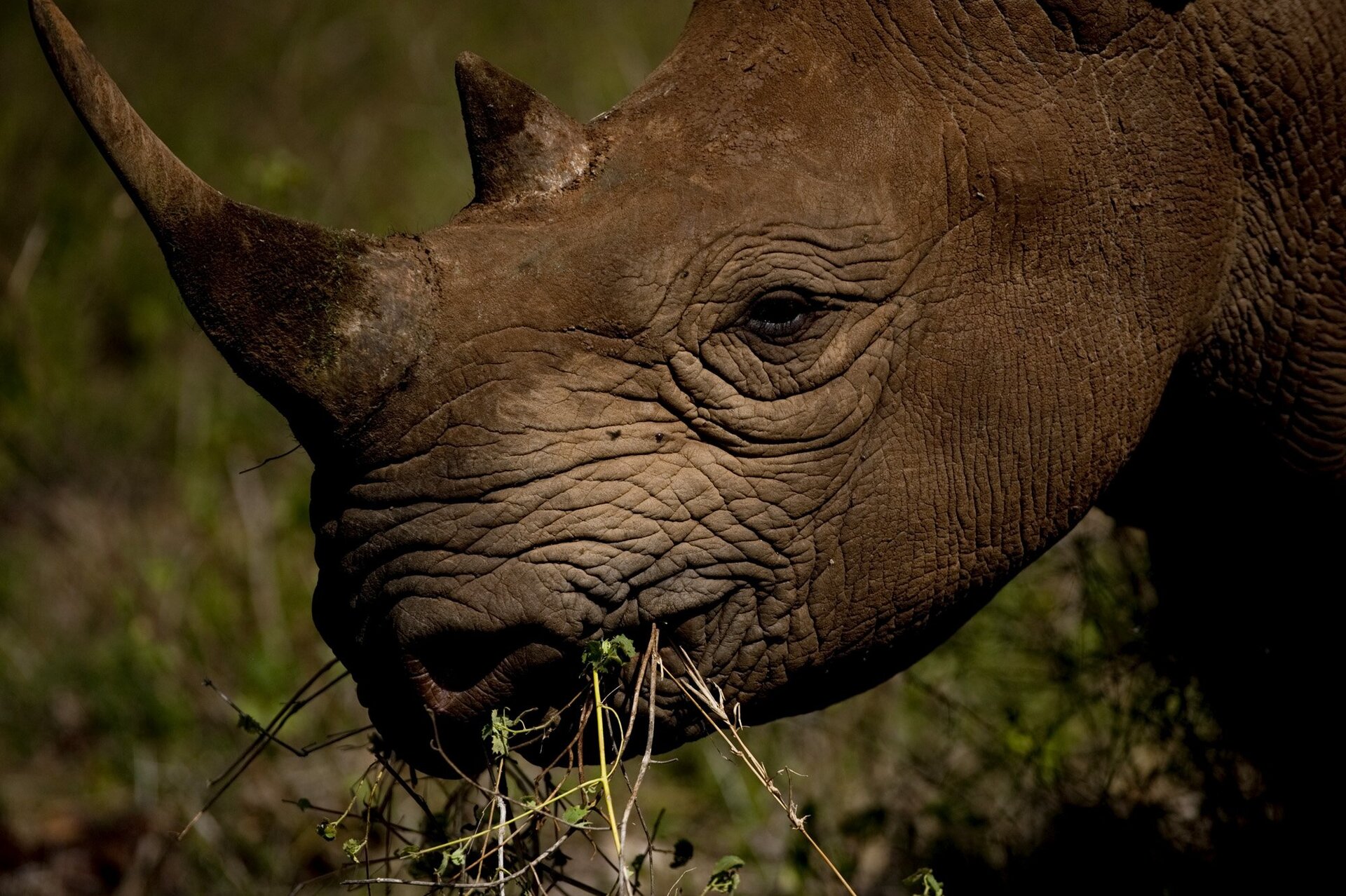
- Ol Pejeta Conservancy (Laikipia) — Kenya's highest rhino density, hosting both black and white rhinos. Ol Pejeta is home to the last two remaining northern white rhinos on Earth. Sighting probability: ★★★★★
- Lake Nakuru National Park — Established rhino sanctuary with excellent black and white rhino populations. Sighting probability: ★★★★☆
- Lewa Wildlife Conservancy — Pioneer of rhino conservation in Kenya, with over 180 rhinos. Sighting probability: ★★★★★
- Solio Ranch (private conservancy) — World's highest density of black rhinos. Sighting probability: ★★★★★
- Masai Mara (Mara Triangle sector) — Small black rhino population, sightings are rare but possible. Sighting probability: ★★☆☆☆
- Tsavo West National Park (Ngulia Rhino Sanctuary) — Fenced sanctuary protecting black rhinos. Sighting probability: ★★★★☆
- Meru National Park — Rhino sanctuary with both species. Sighting probability: ★★★☆☆
- Nairobi National Park — Excellent rhino sightings within sight of Nairobi's skyline. Sighting probability: ★★★★☆
Best time: Year-round in sanctuaries. Early morning drives increase odds as rhinos are more active in cooler temperatures.
Kenya Big Five Parks & Conservancies: Species Sighting Matrix
Not all parks offer equal Big Five opportunities. Use this matrix to plan your itinerary based on which species are your priority.
| Park / Conservancy | Lion | Leopard | Elephant | Buffalo | Rhino |
|---|---|---|---|---|---|
| Masai Mara National Reserve | ★★★★★ | ★★★★☆ | ★★★★★ | ★★★★★ | ★★☆☆☆ |
| Ol Pejeta Conservancy | ★★★★☆ | ★★★☆☆ | ★★★★☆ | ★★★★☆ | ★★★★★ |
| Lake Nakuru National Park | ★★★☆☆ | ★★★☆☆ | ★★★☆☆ | ★★★★★ | ★★★★★ |
| Amboseli National Park | ★★★★☆ | ★★☆☆☆ | ★★★★★ | ★★★★★ | ☆☆☆☆☆ |
| Tsavo East & West | ★★★☆☆ | ★★☆☆☆ | ★★★★★ | ★★★★☆ | ★★★☆☆ |
| Lewa Wildlife Conservancy | ★★★★☆ | ★★★☆☆ | ★★★★☆ | ★★★☆☆ | ★★★★★ |
| Samburu National Reserve | ★★★★☆ | ★★★★☆ | ★★★★★ | ★★★☆☆ | ☆☆☆☆☆ |
| Nairobi National Park | ★★★★☆ | ★★★☆☆ | ☆☆☆☆☆ | ★★★★☆ | ★★★★★ |
Key Insights:
- For all five in one trip: Combine Masai Mara + Ol Pejeta or Lake Nakuru.
- Easiest four: Masai Mara delivers lion, leopard, elephant, buffalo reliably.
- Rhino specialists: Ol Pejeta, Lewa, Lake Nakuru, Nairobi NP.
- Elephant strongholds: Amboseli, Tsavo, Samburu.
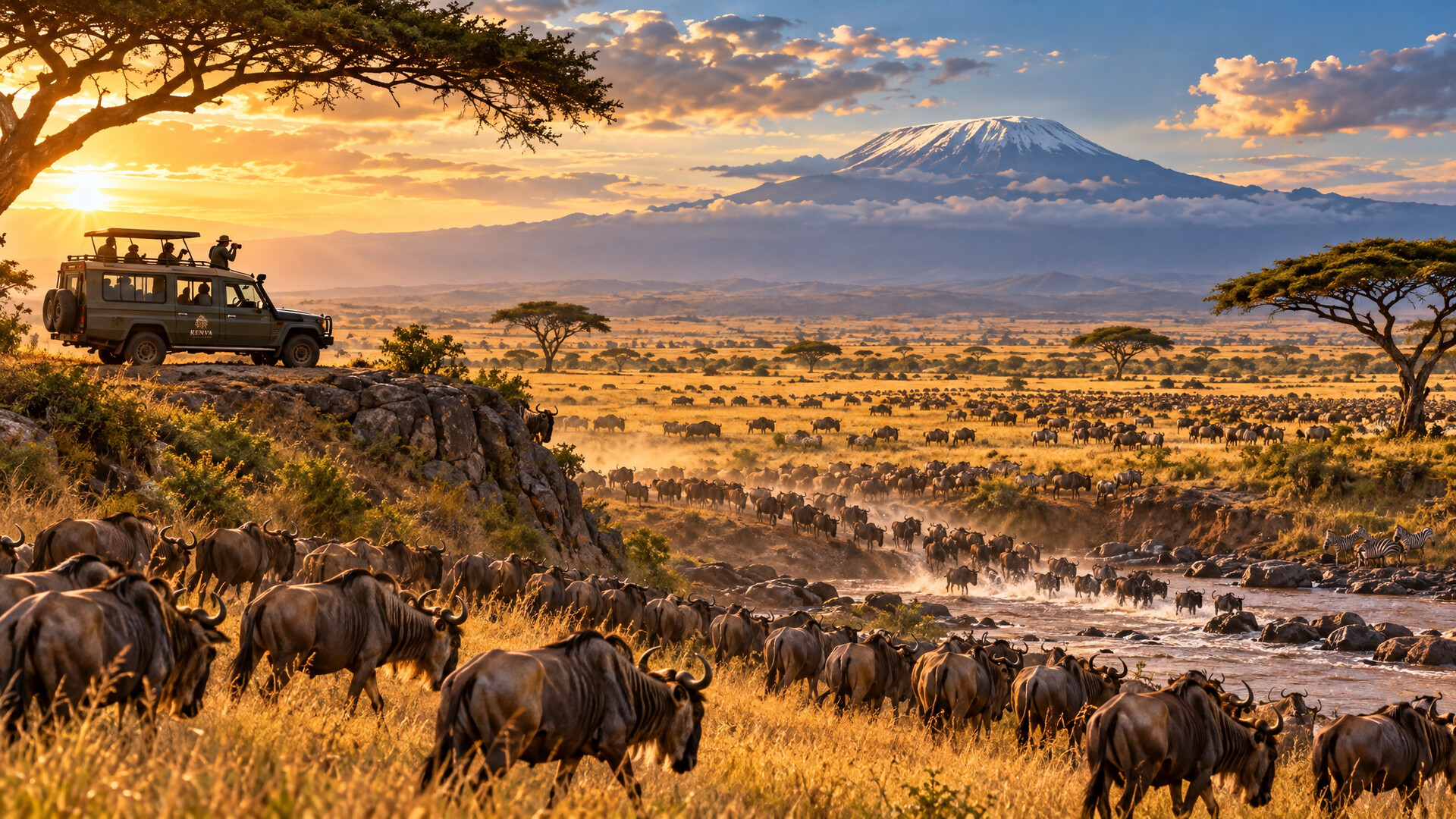
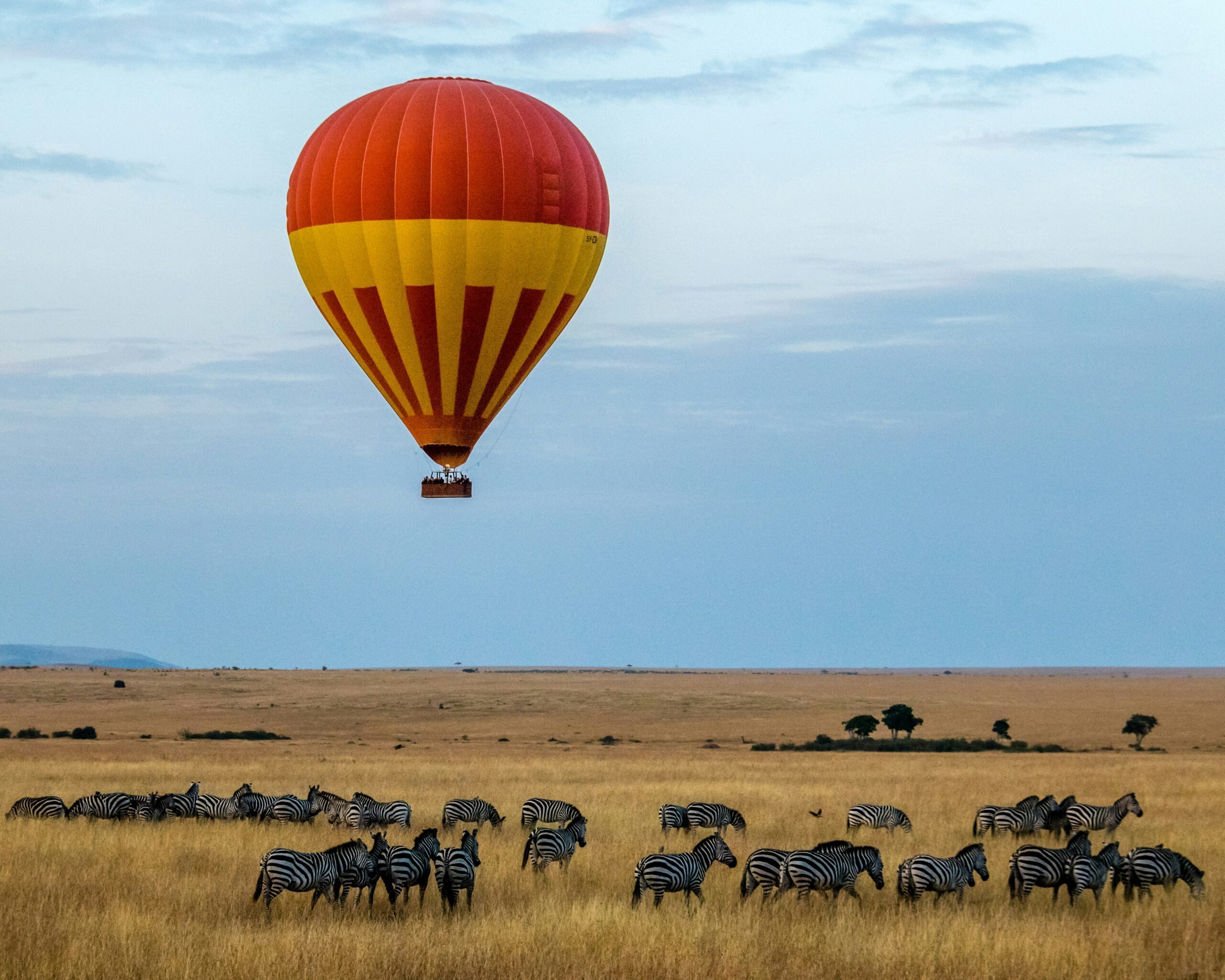
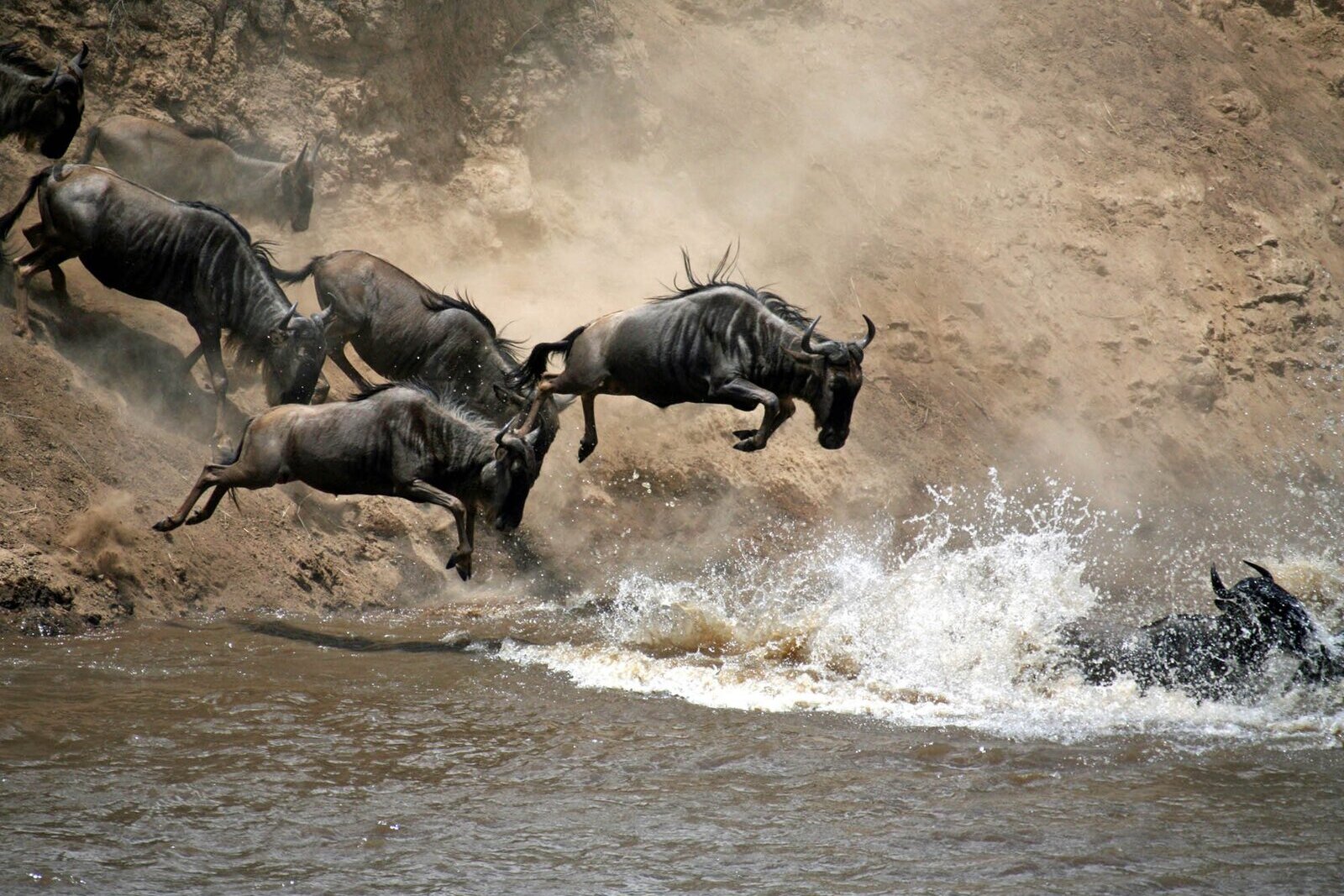
Masai Mara Big Five Moments
Kenya Big Five Seasonal Calendar: When to See Each Species
Kenya's equatorial location ensures year-round wildlife viewing, but seasonal patterns dramatically affect sighting quality and vegetation density.
| Season | Months | Lion | Leopard | Elephant | Buffalo | Rhino |
|---|---|---|---|---|---|---|
| Peak Dry | Jul–Oct | Excellent — congregate at rivers | Very Good — forced to water sources | Excellent — large herds at swamps | Excellent — massive herds visible | Very Good — active mornings |
| Short Rains | Nov | Good — dispersing but visible | Moderate — more nocturnal | Good — birthing season begins | Good — herds spread out | Good — less active midday |
| Short Dry | Jan–Feb | Excellent — hunting wildebeest calves | Very Good — optimal tracking | Excellent — young calves present | Excellent — recongregate | Very Good — clear sightlines |
| Long Rains | Mar–May | Moderate — dense vegetation | Challenging — peak camouflage | Good — widespread grazing | Good — dispersed herds | Moderate — thick bush cover |
| Early Dry | Jun | Very Good — improving visibility | Good — more daytime activity | Very Good — moving to rivers | Very Good — reforming herds | Very Good — easier to spot |
Verdict: The July–October dry season is objectively the best for Big Five safaris in Kenya, offering:
- Thinnest vegetation for clear sightlines
- Wildlife concentrated at permanent water sources
- Masai Mara's Great Migration (bonus mega-herds)
- Optimal weather for game drives
Budget travelers: May and November (shoulder seasons) offer lower rates with decent sighting reliability — just accept thicker vegetation and occasional rain.
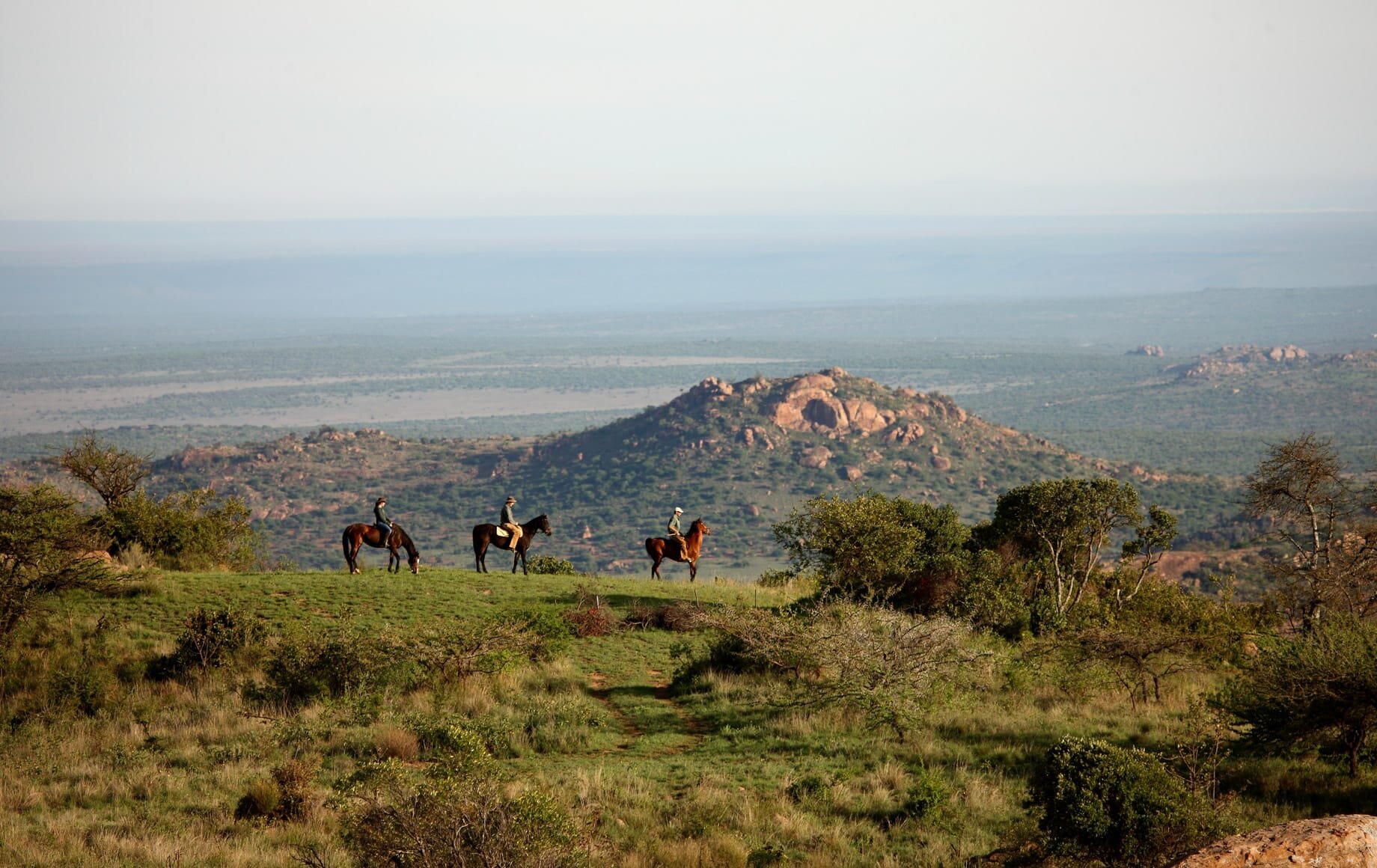
Laikipia & Ol Pejeta Rhino Stronghold
Honest Assessment: Can You See All Big Five in One Kenya Safari?
The answer is YES — but it requires strategic itinerary planning. Here's the reality:
Four of Five is Easy
Lion, leopard, elephant, and buffalo are present in almost every major Kenyan park. A 4–5 day safari in the Masai Mara alone will reliably deliver these four species.
Rhino is the Fifth Wheel
Rhino populations were decimated across Kenya by 1980s poaching, dropping from ~20,000 to fewer than 300 black rhinos. Thanks to aggressive conservation efforts, numbers have rebounded to ~900+ black rhinos and ~750 white rhinos today — but they remain confined to protected sanctuaries.
Where to Complete Your Big Five:
If you want to see all five in a single Kenya safari, you must include at least one of these rhino destinations:
- Ol Pejeta Conservancy — highest rhino density in East Africa (140+ rhinos). Combine with 3–4 days Masai Mara for the full set. Recommended itinerary: 3 nights Masai Mara + 2 nights Ol Pejeta.
- Lake Nakuru National Park — excellent rhino sanctuary with both black and white rhino. Often paired with Masai Mara on Kenya's classic "southern circuit." Recommended itinerary: 3 nights Masai Mara + 2 nights Lake Nakuru.
- Lewa Wildlife Conservancy — pioneer rhino conservancy with 180+ rhinos. Combine with Samburu for a "northern circuit" Big Five safari. Recommended itinerary: 3 nights Samburu + 2 nights Lewa.
- Nairobi National Park — surprisingly good rhino sightings just outside Kenya's capital. Use as a day trip before/after Amboseli or Masai Mara. Recommended itinerary: Half-day Nairobi NP + 4 nights Masai Mara.
Sample All-Five Itinerary (7 Days):
- Day 1: Nairobi arrival, half-day Nairobi National Park (rhino, lion, buffalo)
- Days 2–4: Masai Mara (lion, leopard, elephant, buffalo)
- Days 5–6: Ol Pejeta Conservancy (rhino, confirm all five)
- Day 7: Return Nairobi, depart
This itinerary guarantees all Big Five with high probability, covering Kenya's two strongest Big Five ecosystems.
💡 Planning Tip: If you're visiting Tanzania's Serengeti alongside Kenya's Masai Mara, note that Tanzania's rhino populations are concentrated in Ngorongoro Crater and Serengeti's remote sectors — you're still better off completing your Big Five in Kenya at Ol Pejeta or Lake Nakuru for guaranteed rhino encounters.
Sample Big Five Safari Itineraries for Kenya
Masai Mara + Ol Pejeta Classic (7 Days)
Best for: First-time Big Five seekers, photographers, couples
- Days 1–4: Masai Mara National Reserve (lion, leopard, elephant, buffalo)
- Days 5–6: Ol Pejeta Conservancy (rhino, complete Big Five)
- Day 7: Nairobi departure
Why it works: Combines Kenya's best big cat destination (Mara) with the country's premier rhino sanctuary (Ol Pejeta). High success rate for all five species.
Northern Circuit Big Five (10 Days)
Best for: Adventurous travelers, repeat Kenya visitors
- Days 1–3: Samburu National Reserve (lion, leopard, elephant)
- Days 4–6: Lewa Wildlife Conservancy (rhino, complete Big Five)
- Days 7–9: Masai Mara (maximize big cat sightings)
- Day 10: Nairobi departure
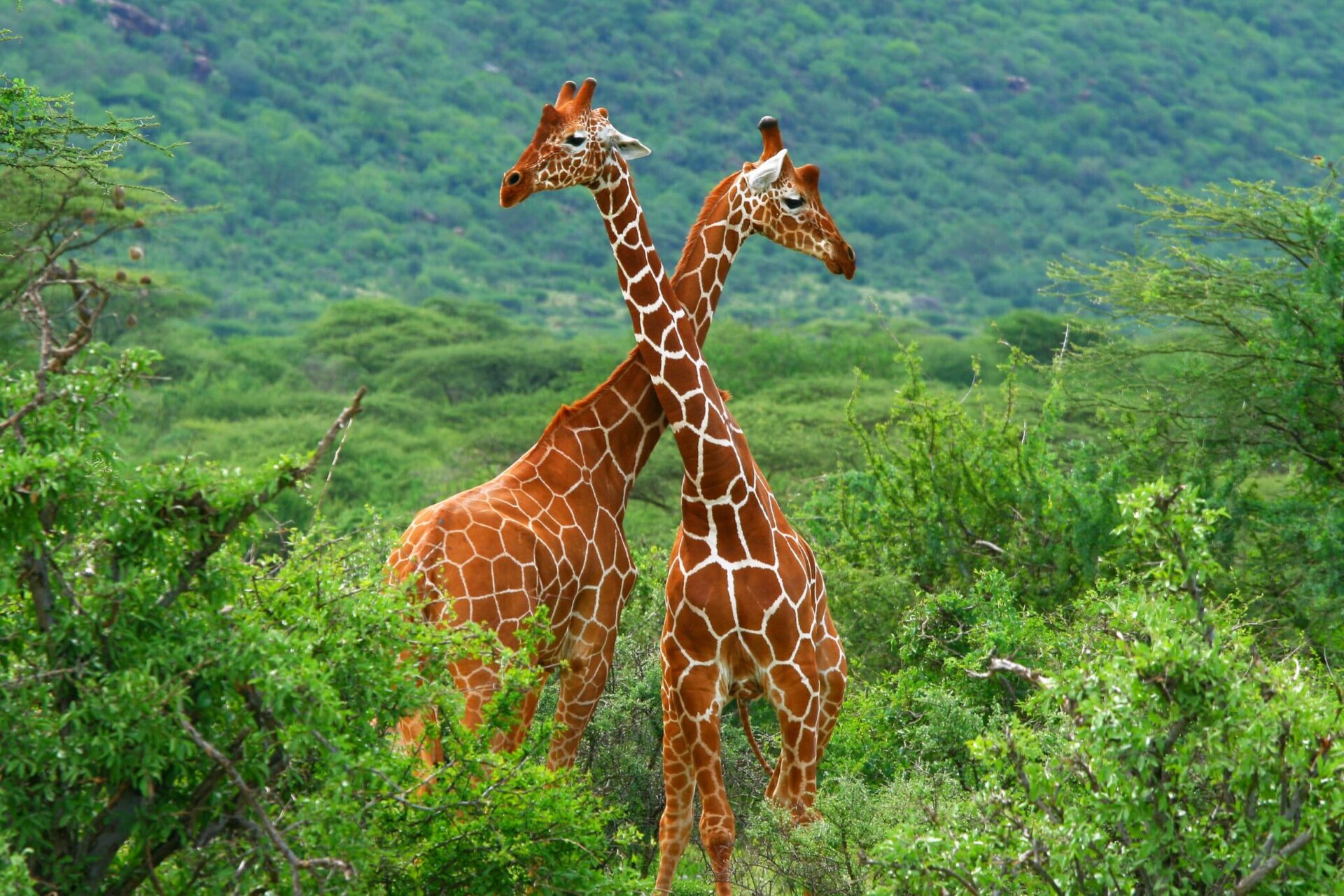
Why it works: Explores Kenya's less-visited northern parks for unique wildlife encounters (Grevy's zebra, reticulated giraffe, Somali ostrich) alongside the Big Five.
Budget Big Five (5 Days)
Best for: Budget travelers, short trips
- Day 1: Nairobi National Park day trip (rhino, lion, buffalo)
- Days 2–4: Masai Mara (lion, leopard, elephant, buffalo)
- Day 5: Lake Nakuru en route to Nairobi (rhino, buffalo herds)
Why it works: Maximizes Big Five sightings in minimal time, using Nairobi NP and Lake Nakuru as rhino "insurance."
Luxury Big Five & Beach (12 Days)
Best for: Honeymooners, luxury travelers
- Days 1–3: Ol Pejeta Conservancy (rhino + private conservancy luxury)
- Days 4–7: Masai Mara conservancies (lion, leopard, all-five complete)
- Days 8–12: Diani Beach, Kenya coast (Indian Ocean relaxation)
Why it works: Completes Big Five in premium accommodations, then transitions to beach for post-safari relaxation.
Amboseli Elephant Herds & Big Five Portfolio
Big Five Safari Planning Tips for Kenya
Choose the Right Accommodations
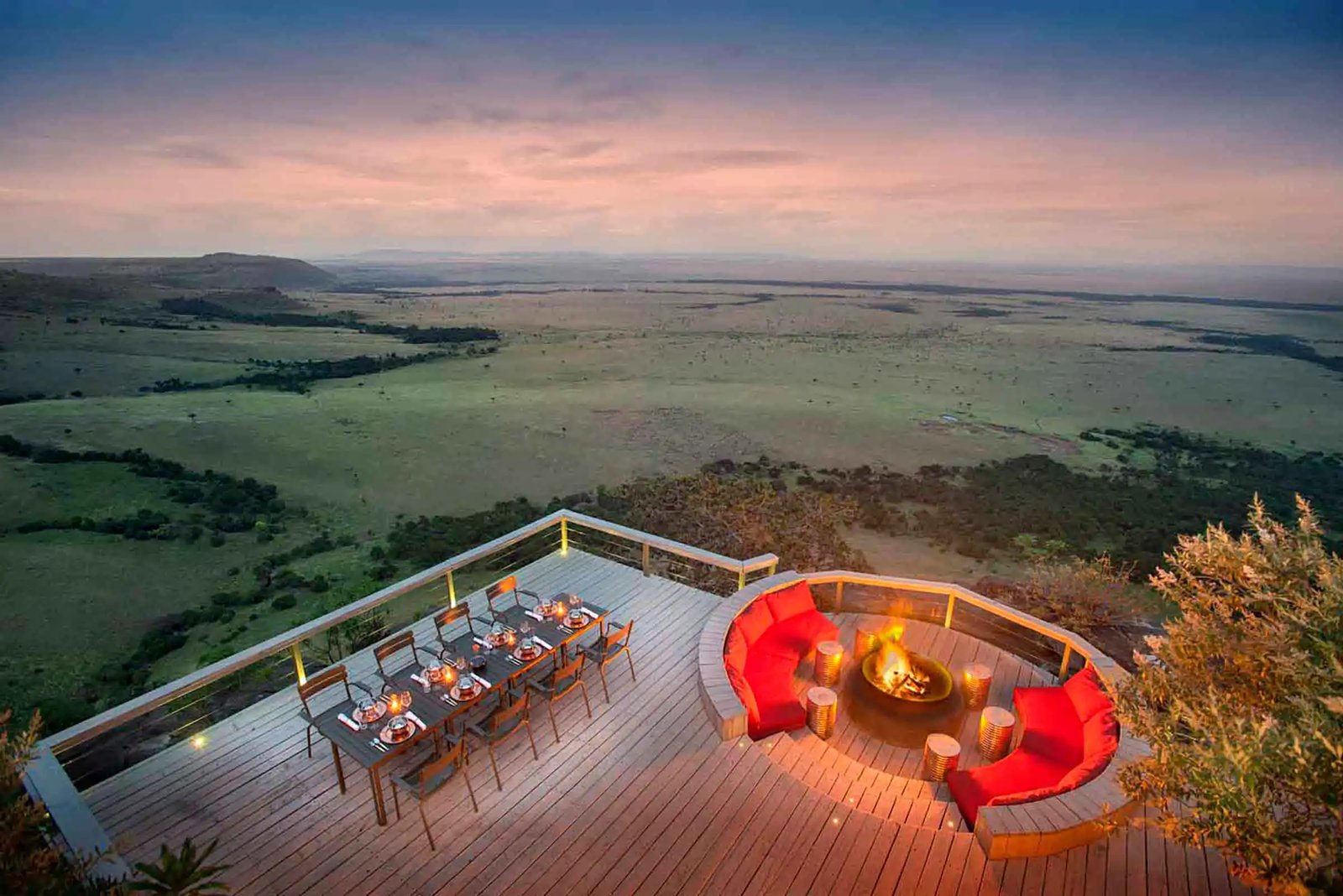
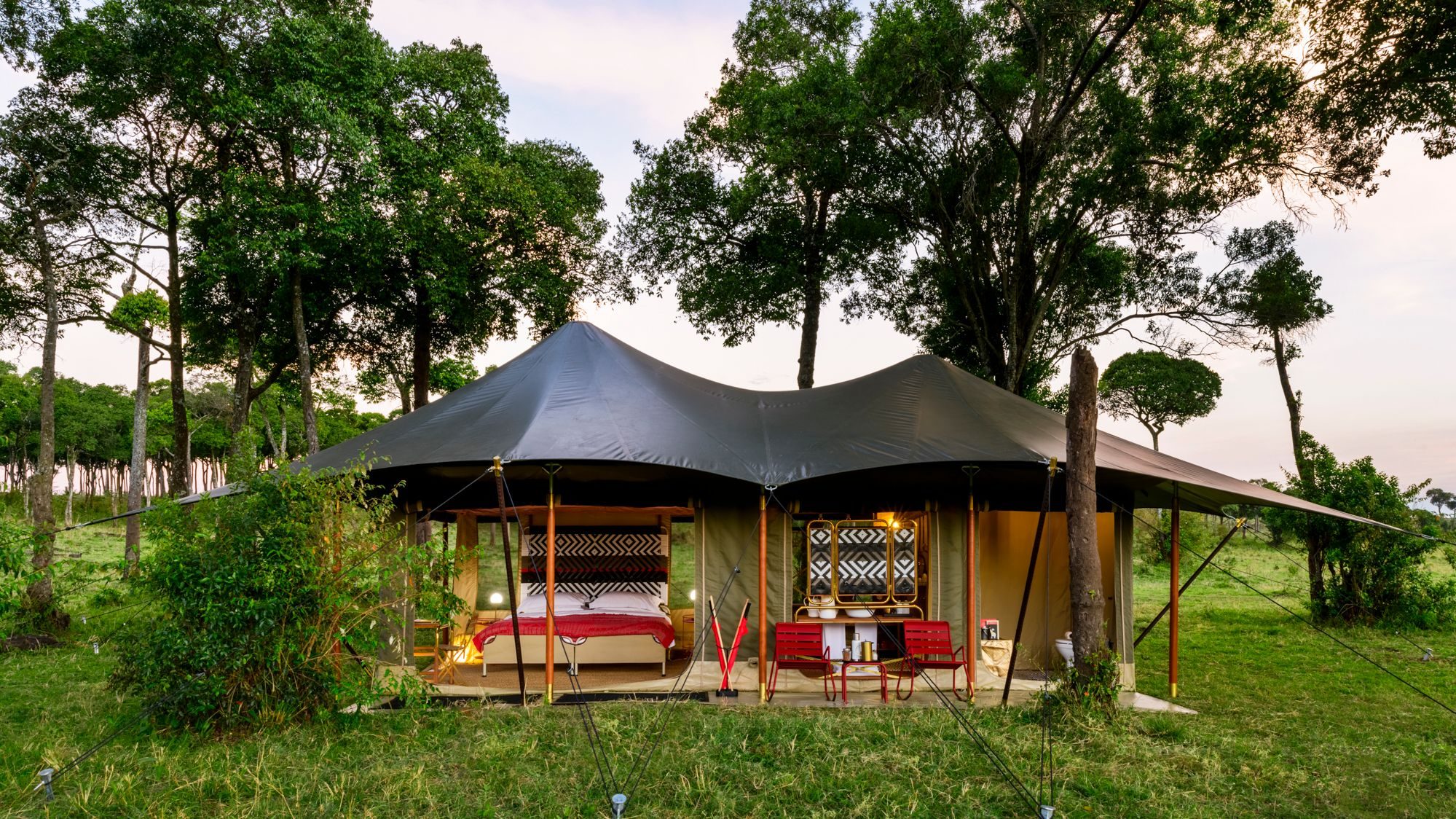
Luxury lodges vs. tented camps: Both offer excellent Big Five access. Lodges (e.g., Angama Mara, Fairmont Mount Kenya Safari Club) provide permanent structures with pools and spas. Tented camps (e.g., Porini camps, Ol Pejeta Bush Camp) deliver authentic bush immersion with mobile or semi-permanent setups.
Conservancies vs. national parks: Private conservancies (Olare Motorogi, Mara Naboisho, Ol Pejeta) allow night drives, off-road driving, and walking safaris — all prohibited in national parks. This significantly improves leopard sighting odds.
Hire Expert Guides
Big Five tracking requires skill. Professional guides use:
- Radio networks — guides communicate sightings to maximize guest success
- Tracking skills — reading spoor (footprints), scat, and alarm calls
- Animal behavior knowledge — predicting lion pride movements, leopard territory boundaries
Budget safaris with untrained drivers dramatically reduce your Big Five success rate.
Manage Expectations for Leopard
Leopards are solitary, nocturnal, and masters of camouflage. Even in leopard-rich areas like Samburu or Masai Mara conservancies, sightings require patience and luck. If leopard is your priority:
- Book lodges offering night drives (conservancies only)
- Stay minimum 4–5 nights in one location to allow multiple attempts
- Visit in dry season when leopards are forced to water sources
Pack Appropriately
Big Five safaris demand:
- Neutral-colored clothing (khaki, olive, beige) — bright colors spook wildlife
- Binoculars — essential for distant buffalo herds and tree-dwelling leopards
- Camera with telephoto lens — 200mm+ for wildlife photography
- Layers — mornings are cold (10–15°C), afternoons hot (25–30°C)
- Sun protection — open safari vehicles offer no shade
Respect Safety Protocols
The Big Five earned their name as Africa's most dangerous animals. Never:
- Exit your vehicle unless explicitly permitted by your guide
- Approach buffalo herds on foot (unpredictable and aggressive when cornered)
- Stand up or make sudden movements during big cat sightings
- Ignore guide instructions during rhino encounters (rhino charge without warning when threatened)
Support Conservation
Kenya's Big Five populations exist thanks to dedicated conservation efforts. Support these by:
- Choosing conservancy-based lodges — conservancy fees directly fund anti-poaching patrols and community benefits
- Visiting rhino sanctuaries — your park fees fund rhino protection programs
- Avoiding unethical operators — never book with companies offering walking safaris in big cat territories or close-approach rhino "encounters"
Combine with Other Kenya Highlights
Big Five safaris pair beautifully with:
- Beach extensions — Diani Beach, Watamu, or Lamu for post-safari relaxation
- Cultural experiences — Maasai village visits, Samburu cultural tours
- Great Migration — if visiting July–October, align with Masai Mara river crossings
🦁 Already planning your Kenya Big Five safari? Explore our Kenya Safari Packages guide for pre-designed itineraries, or check How Much Does a Kenya Safari Cost for detailed pricing breakdowns. For personalized luxury experiences, see our Luxury Safari Kenya and Private Safari Tours Kenya articles. Broader trip planning? Start with the Ultimate Kenya Travel Guide.
Big Five Safari Kenya: Frequently Asked Questions
Which Kenya park is best for seeing all Big Five?
No single park reliably offers all five. Ol Pejeta Conservancy and Lake Nakuru National Park come closest, hosting all five species with good sighting probabilities. However, the optimal strategy is combining Masai Mara (lion, leopard, elephant, buffalo) with either Ol Pejeta or Lake Nakuru (rhino) for guaranteed Big Five coverage.
Can you see rhino in Masai Mara?
Yes, but rarely. A small population of black rhinos exists in the Mara Triangle sector of Masai Mara National Reserve, but sightings are uncommon (estimated 2–5% guest success rate). For reliable rhino encounters, visit dedicated sanctuaries like Ol Pejeta, Lake Nakuru, or Lewa.
What is the best time of year for Big Five safaris in Kenya?
The dry season from July to October offers optimal conditions: thinner vegetation for clear sightlines, wildlife concentrated at water sources, and comfortable weather. The short dry season (January–February) is also excellent. Avoid the long rains (March–May) when thick vegetation and muddy roads reduce sighting quality.
How many days do you need for a Big Five safari in Kenya?
Minimum 5–7 days to see all five with good probability. This allows 3–4 days in a big cat stronghold (Masai Mara, Samburu) plus 2–3 days in a rhino sanctuary (Ol Pejeta, Lake Nakuru). Shorter safaris (3–4 days) can achieve four of five but rhino sightings become uncertain.
Is Amboseli good for Big Five?
Amboseli excels for four of five — it's world-famous for elephants, with excellent lion and buffalo populations and occasional leopard sightings. However, Amboseli has no rhinos. Pair Amboseli with Lake Nakuru or Nairobi National Park to complete your Big Five.
Which is better for Big Five: Kenya or Tanzania?
Both countries offer excellent Big Five safaris. Kenya's advantages: easier rhino access (Ol Pejeta, Lake Nakuru), better road infrastructure, and stronger conservancy model. Tanzania's advantages: Ngorongoro Crater (all five in one caldera), larger Serengeti ecosystem. For first-time Big Five seekers, Kenya's dedicated rhino sanctuaries give it a slight edge.
Are private conservancies better than national parks for Big Five?
Yes, for leopard in particular. Private conservancies (Olare Motorogi, Mara Naboisho, Ol Pejeta) permit night drives and off-road tracking, dramatically improving leopard sighting odds. National parks prohibit these activities. For lion, elephant, buffalo — both are excellent. For rhino — dedicated sanctuaries (whether conservancy or national park) are essential.
What is the average cost of a Big Five safari in Kenya?
Budget safaris: $200–350/person/night. Mid-range: $400–700/person/night. Luxury: $800–1,500+/person/night. A 7-day mid-range Big Five safari (Masai Mara + Ol Pejeta) typically costs $3,500–5,000 per person, including accommodations, game drives, park fees, and domestic flights. For detailed breakdowns, see our Kenya Safari Cost Guide.
Why are rhinos so hard to see compared to the other Big Five?
Rhino populations were decimated by poaching in the 1970s–1990s, dropping from tens of thousands to critically low numbers. While conservation efforts have successfully rebuilt populations in dedicated sanctuaries, rhinos remain confined to fenced or intensively protected areas. Unlike lions or elephants which roam freely across parks, rhinos are geographically restricted — hence their scarcity outside specific reserves.
Final Verdict: Kenya Delivers World-Class Big Five Safaris
Kenya stands among Africa's premier Big Five destinations, offering:
- ✅ All five species present — lion, leopard, elephant, buffalo, and rhino (in sanctuaries)
- ✅ Diverse ecosystems — from Masai Mara savannahs to Laikipia highlands, Amboseli wetlands to Tsavo wilderness
- ✅ Accessible rhino populations — Ol Pejeta, Lake Nakuru, and Lewa make rhino sightings achievable
- ✅ Strong conservation model — conservancy partnerships fund anti-poaching and community benefits
- ✅ Year-round viewing — with peak seasons (July–October, January–February) for optimal conditions
The honest answer: Can you see all Big Five in Kenya? Absolutely — but you must plan deliberately. Combine a big cat stronghold (Masai Mara, Samburu, Amboseli) with a rhino sanctuary (Ol Pejeta, Lake Nakuru, Lewa) for the full suite.
Kenya's Big Five legacy isn't just about ticking off a checklist — it's about witnessing apex predators on their own terms, encountering massive elephant herds beneath Kilimanjaro, and supporting conservation models that have pulled rhinos back from the brink of extinction.
Ready to plan your Kenya Big Five safari? Browse our curated Kenya Safari Packages, dive into Best Kenya Safari Lodges for accommodation insights, or explore comprehensive planning resources in our Ultimate Kenya Travel Guide.