KEY TAKEAWAYS — BIG FIVE SAFARI TANZANIA
- All Five Present: Tanzania hosts ALL Big Five species — lion, leopard, elephant, buffalo everywhere; rhino concentrated in the Ngorongoro Crater and a handful of protected Serengeti sectors.
- Ngorongoro Crater: One of the rare places on Earth where you can realistically see all five species in a single day inside one caldera — the crown of any Tanzanian Big Five safari.
- Serengeti: Reliably delivers four of five (lion, leopard, elephant, buffalo) with some of the highest big-cat densities in Africa; the Seronera Valley is world-renowned for leopard.
- Rhino Reality: Black rhino is the hard one — the Ngorongoro Crater is Tanzania's most dependable place to see it, with a small, intensively protected population.
- Best Season: The dry months (June–October, January–February) offer thinner vegetation and concentrated wildlife around water for optimal sighting reliability.
- Honest Assessment: YES, you can see all five in one Tanzania safari — the classic Northern Circuit (Serengeti + Ngorongoro + Tarangire) is engineered for exactly that.
Tanzania: Africa's Complete Big Five Safari Destination
The "Big Five" — lion, leopard, African elephant, Cape buffalo, and rhinoceros — were originally named by early 20th-century big-game hunters who identified these as the most dangerous and challenging animals to track on foot. Today, the term represents the ultimate wildlife photography and safari observation goal, a bucket-list ambition for travelers worldwide.
Tanzania stands among the most rewarding Big Five destinations on the continent. It is home to the Serengeti — one of Africa's greatest wildlife ecosystems — and to the Ngorongoro Crater, a collapsed volcanic caldera so rich in resident game that it is one of the few single locations on Earth where all five species can be seen in a single day.
Why Tanzania excels for Big Five safaris:
- Ecosystem scale — from the endless Serengeti plains to Tarangire's baobab-studded elephant country, the forest-fringed shores of Lake Manyara, and the vast, wild wilderness of Ruaha and Nyerere in the south.
- The Ngorongoro advantage — a self-contained caldera where lion, leopard, elephant, buffalo, and the elusive black rhino share a compact, game-dense floor.
- Exceptional big-cat densities — the Serengeti supports some of the highest lion concentrations in Africa, and the Seronera Valley is celebrated worldwide for leopard sightings.
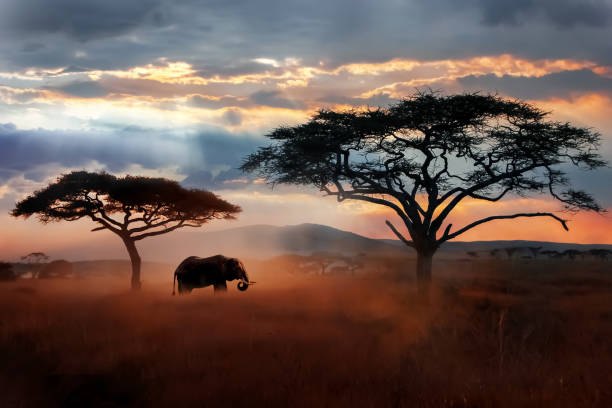
- Legendary elephant herds — Tarangire in the dry season delivers some of the largest elephant gatherings in northern Tanzania.
The honest answer to "Can you see all Big Five in Tanzania?" is a confident yes — provided you include the Ngorongoro Crater, which remains the country's most reliable stage for completing the set with a rhino sighting.
The Big Five Species in Tanzania: Where to See Each Animal
Understanding where each species thrives — and seasonal sighting reliability — is the foundation of a successful Big Five safari. Tanzania's ecosystems support different densities of the five, with some parks excelling for specific animals.
African Lion
Sighting Reliability: ★★★★★ Excellent across most parks
Lions are Tanzania's most reliably spotted Big Five member. As apex predators requiring large territories and abundant prey, they thrive across the country's savannahs and open plains.
Best locations for lion sightings:
- Serengeti National Park — Tanzania's lion capital, with some of the highest densities in Africa. Prides are habituated to safari vehicles, and the central Seronera region is famous for resident coalitions.
- Ngorongoro Crater — A resident lion population lives on the crater floor, frequently seen hunting or resting among the plains game.
- Ruaha National Park — Southern Tanzania's stronghold, known for exceptionally large prides that hunt buffalo and giraffe.
- Tarangire National Park — Good lion populations, including the park's famed tree-climbing behaviour during the wet months.
- Nyerere National Park (formerly Selous) — Healthy lion numbers across a vast, uncrowded wilderness.
Best time: Year-round, with the dry season (June–October, January–February) offering easier tracking as lions concentrate near permanent water.
African Leopard
Sighting Reliability: ★★★☆☆ Moderate to Good (requires skilled guides)
The most elusive of the Big Five, leopards are solitary, predominantly nocturnal, and masters of camouflage. Tanzania's leopard populations are healthy, but sightings demand patience and expert tracking.
Best locations for leopard sightings:
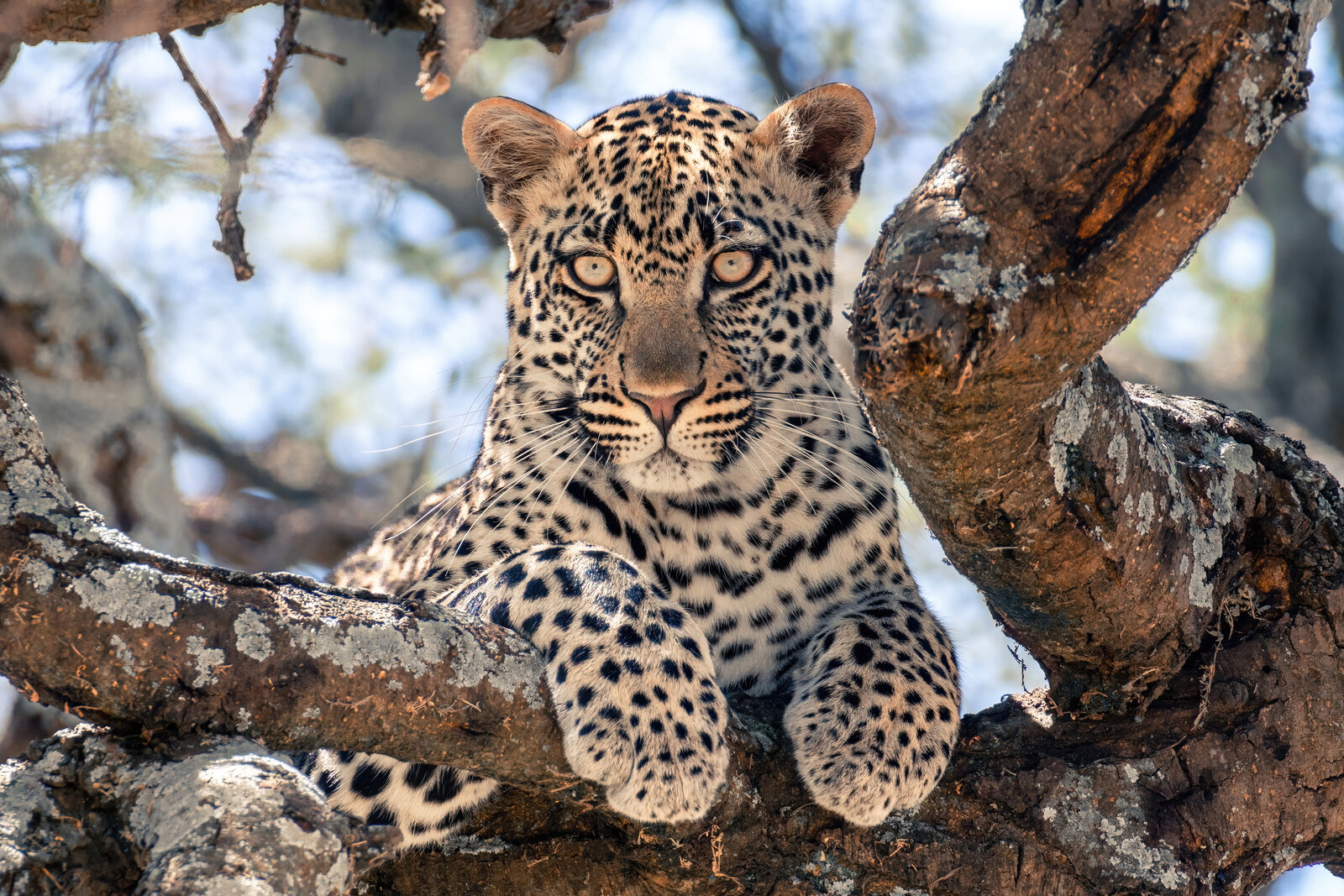
- Serengeti (Seronera Valley) — One of the finest leopard-viewing areas in all of Africa. The riverine sausage trees and acacias along the Seronera River are classic leopard territory, and daytime sightings draped along a branch are a Serengeti signature.
- Ruaha National Park — Excellent leopard density along the Great Ruaha River and rocky kopjes.
- Tarangire National Park — Leopards frequent the riverine woodland and giant baobabs.
- Lake Manyara National Park — Dense groundwater forest harbours leopard, though sightings require luck.
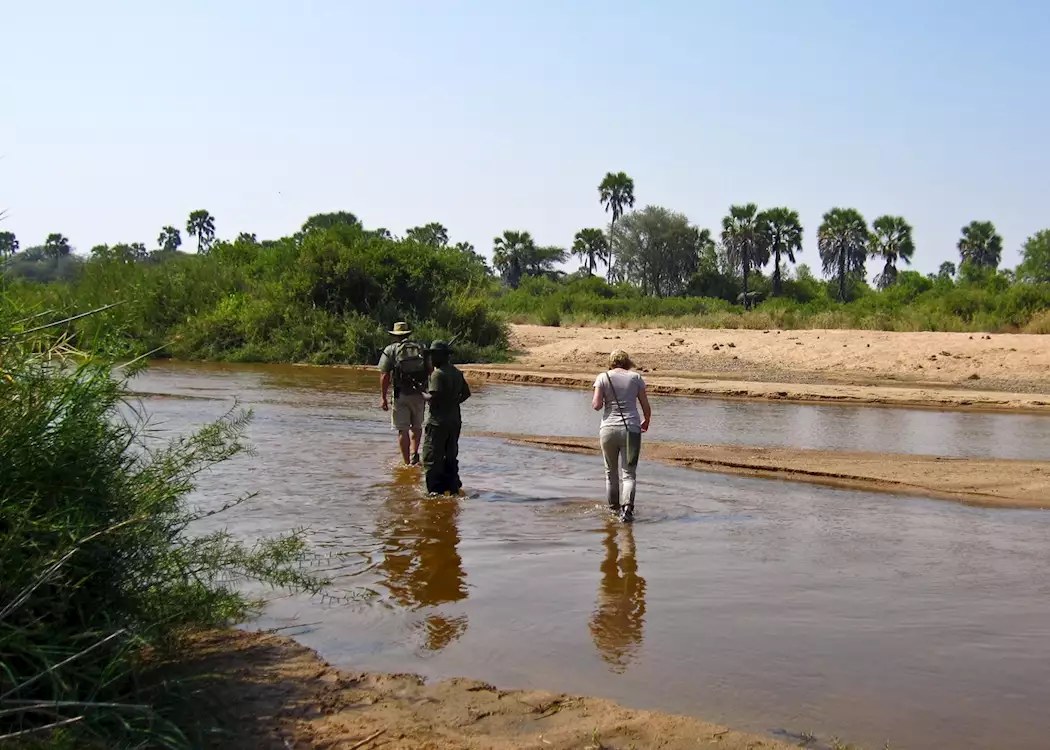
- Nyerere National Park — Boat and walking safaris occasionally reveal leopards along the Rufiji River channels.
Best time: Dry season when leopards hunt more actively and vegetation thins. Early morning and late afternoon drives are most productive.
African Elephant
Sighting Reliability: ★★★★★ Excellent everywhere
Tanzania's elephant populations are among the largest in East Africa, with herds visible across virtually every major park. Elephants are the easiest of the Big Five to encounter due to their size, daylight activity, and large home ranges.
Best locations for elephant sightings:
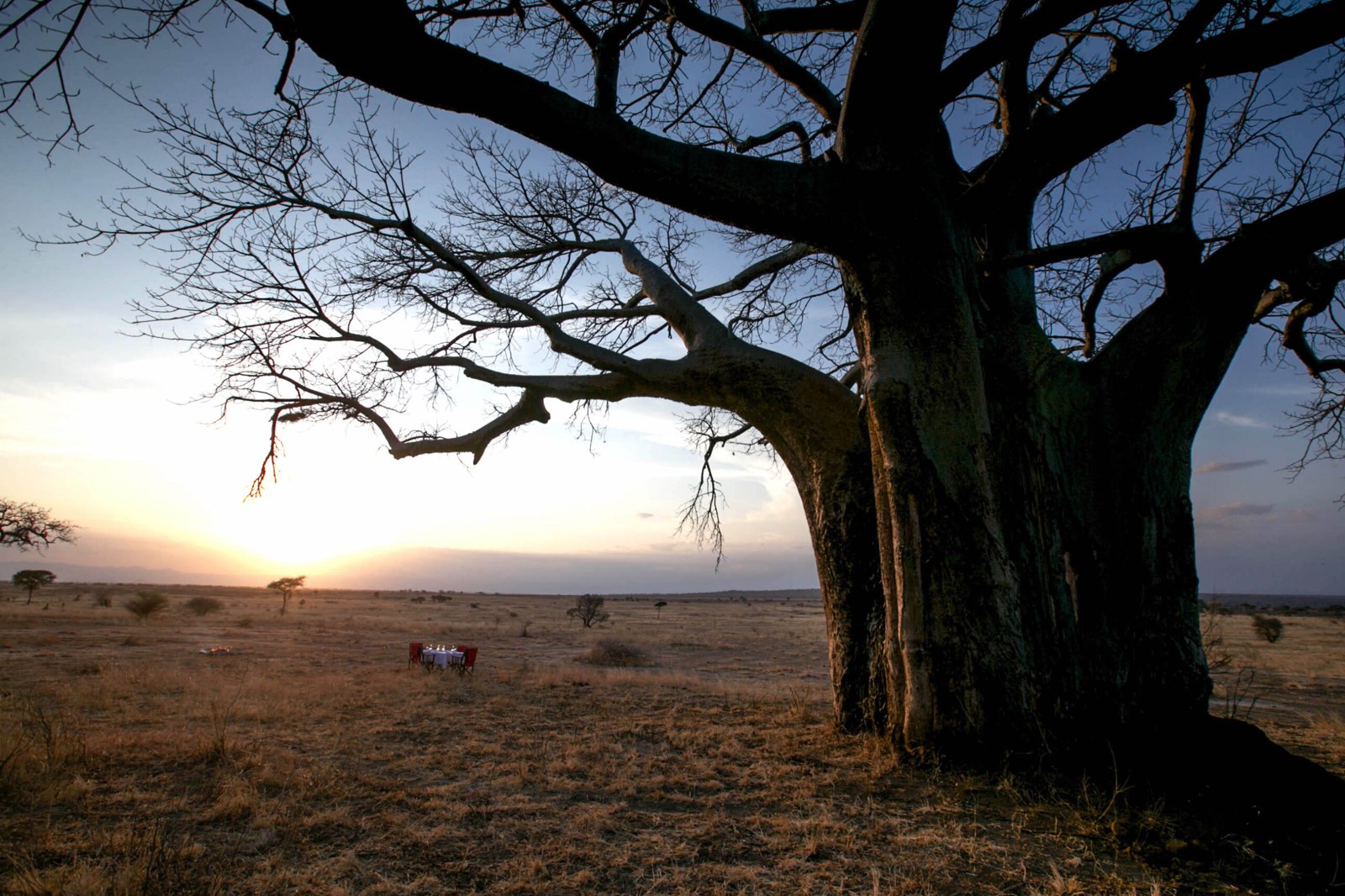
- Tarangire National Park — Legendary for its elephants. In the dry season, hundreds gather along the Tarangire River, weaving between ancient baobabs — one of the great elephant spectacles in Africa.
- Ruaha National Park — Southern Tanzania's largest elephant population, with big breeding herds along the river.
- Serengeti National Park — Breeding herds throughout the woodlands, particularly in the north and around the Seronera and Grumeti rivers.
- Ngorongoro Crater — Old bulls with enormous tusks are frequently seen in the Lerai Forest on the crater floor.
- Nyerere National Park — Large herds across the Rufiji River floodplains.
Best time: Year-round. The dry season concentrates herds along rivers, while the green season brings widespread grazing and young calves.
Cape Buffalo
Sighting Reliability: ★★★★★ Excellent across most parks
Buffalo are ubiquitous in Tanzania, forming massive herds in areas with permanent water and grazing. They are considered one of Africa's most dangerous animals when threatened or wounded, despite their placid appearance.
Best locations for buffalo sightings:
- Ngorongoro Crater — Large resident herds graze the crater floor year-round, often alongside the other Big Five.
- Serengeti National Park — Big herds throughout the plains and woodlands, frequently near water.
- Katavi National Park — Remote western Tanzania is famed for some of the largest buffalo herds on the continent, numbering in the many hundreds.
- Tarangire and Lake Manyara — Reliable herds around the rivers and lake margins.
- Ruaha and Nyerere — Abundant across the southern wilderness.
Best time: Year-round. The dry season concentrates herds at water sources for easier viewing.
Rhinoceros (Black Rhino)
Sighting Reliability: ★★★☆☆ (highly location-dependent — the Ngorongoro Crater is the realistic option)
Rhinos are by far the scarcest Big Five member in Tanzania. Decades of poaching decimated populations, and the country's rhinos today are black rhino confined to a few intensively protected areas. There is no meaningful wild white rhino population to view.
Best locations for rhino sightings:
- Ngorongoro Crater — Tanzania's most dependable place to see a wild black rhino. A small, closely guarded population lives on the crater floor, often visible at a distance in the short-grass plains near the Lerai Forest. Binoculars are essential. Sighting probability: ★★★★☆
- Serengeti (Moru Kopjes sector) — A protected black rhino population exists in the central Serengeti, but sightings are genuinely rare and cannot be relied upon. Sighting probability: ★★☆☆☆
- Mkomazi National Park — Home to a fenced rhino sanctuary focused on breeding and protection rather than general game viewing. Sighting probability: ★★☆☆☆
Honest note: If seeing a rhino matters to you, build your itinerary around the Ngorongoro Crater and start early — rhinos are most active and visible in the cool of the morning.
Best time: Year-round on the crater floor. Early morning drives dramatically increase your odds.
Tanzania Big Five Parks: Species Sighting Matrix
Not all parks offer equal Big Five opportunities. Use this matrix to plan your itinerary based on which species are your priority.
| Park | Lion | Leopard | Elephant | Buffalo | Rhino |
|---|---|---|---|---|---|
| Serengeti National Park | ★★★★★ | ★★★★☆ | ★★★★☆ | ★★★★★ | ★★☆☆☆ |
| Ngorongoro Crater | ★★★★★ | ★★★☆☆ | ★★★★☆ | ★★★★★ | ★★★★☆ |
| Tarangire National Park | ★★★★☆ | ★★★☆☆ | ★★★★★ | ★★★★☆ | ☆☆☆☆☆ |
| Lake Manyara National Park | ★★★★☆ | ★★★☆☆ | ★★★★☆ | ★★★★☆ | ☆☆☆☆☆ |
| Ruaha National Park | ★★★★★ | ★★★★☆ | ★★★★★ | ★★★★★ | ☆☆☆☆☆ |
| Nyerere National Park (Selous) | ★★★★☆ | ★★★☆☆ | ★★★★★ | ★★★★☆ | ☆☆☆☆☆ |
Key Insights:
- For all five in one destination: The Ngorongoro Crater is the only place in Tanzania that realistically delivers all five, thanks to its resident black rhino.
- Easiest four: The Serengeti and Ruaha deliver lion, leopard, elephant, and buffalo reliably.
- Rhino stronghold: Ngorongoro Crater — start early and pack binoculars.
- Elephant strongholds: Tarangire, Ruaha, and Nyerere.
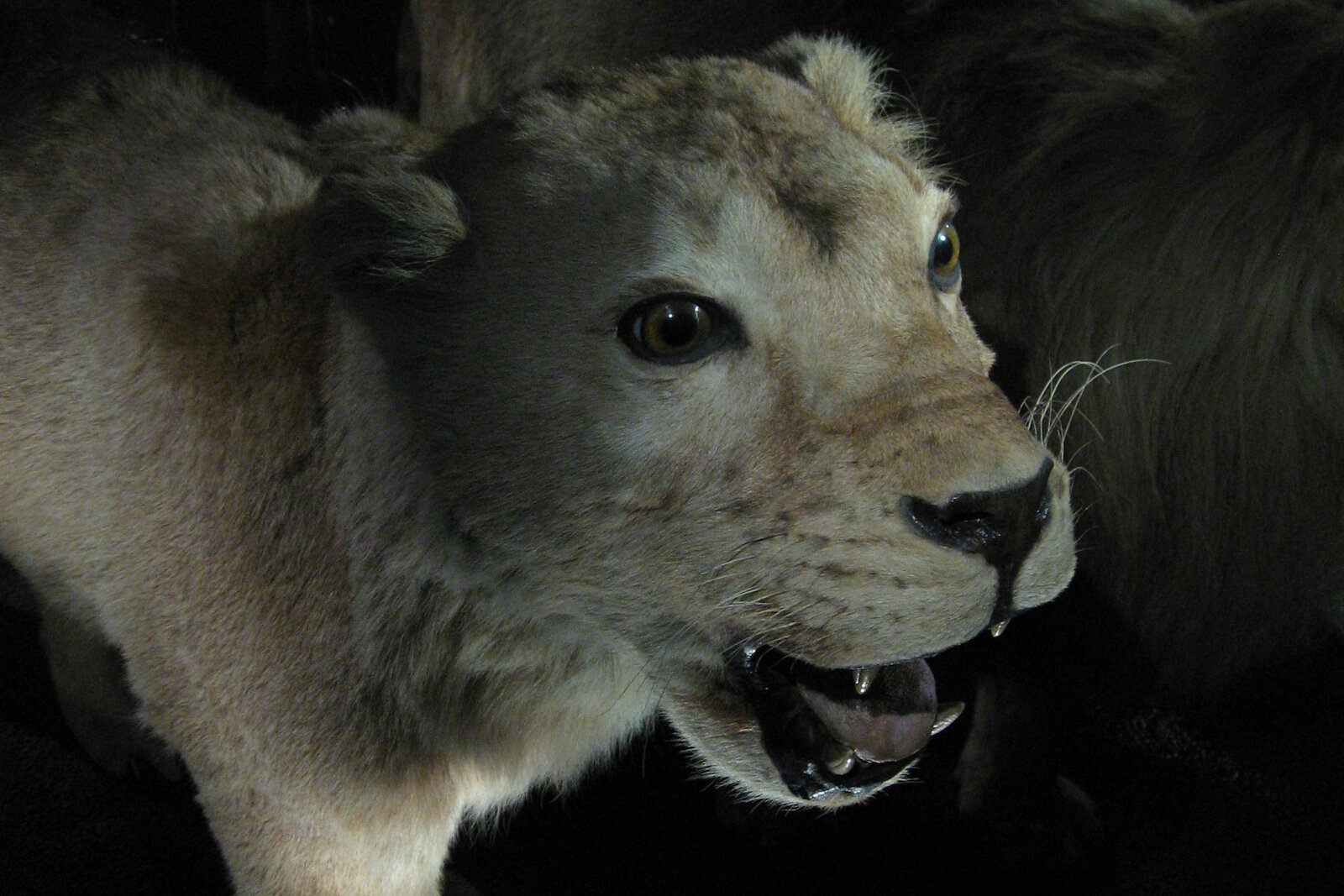
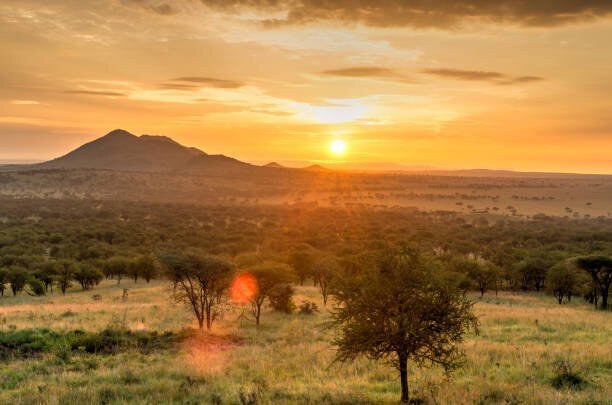
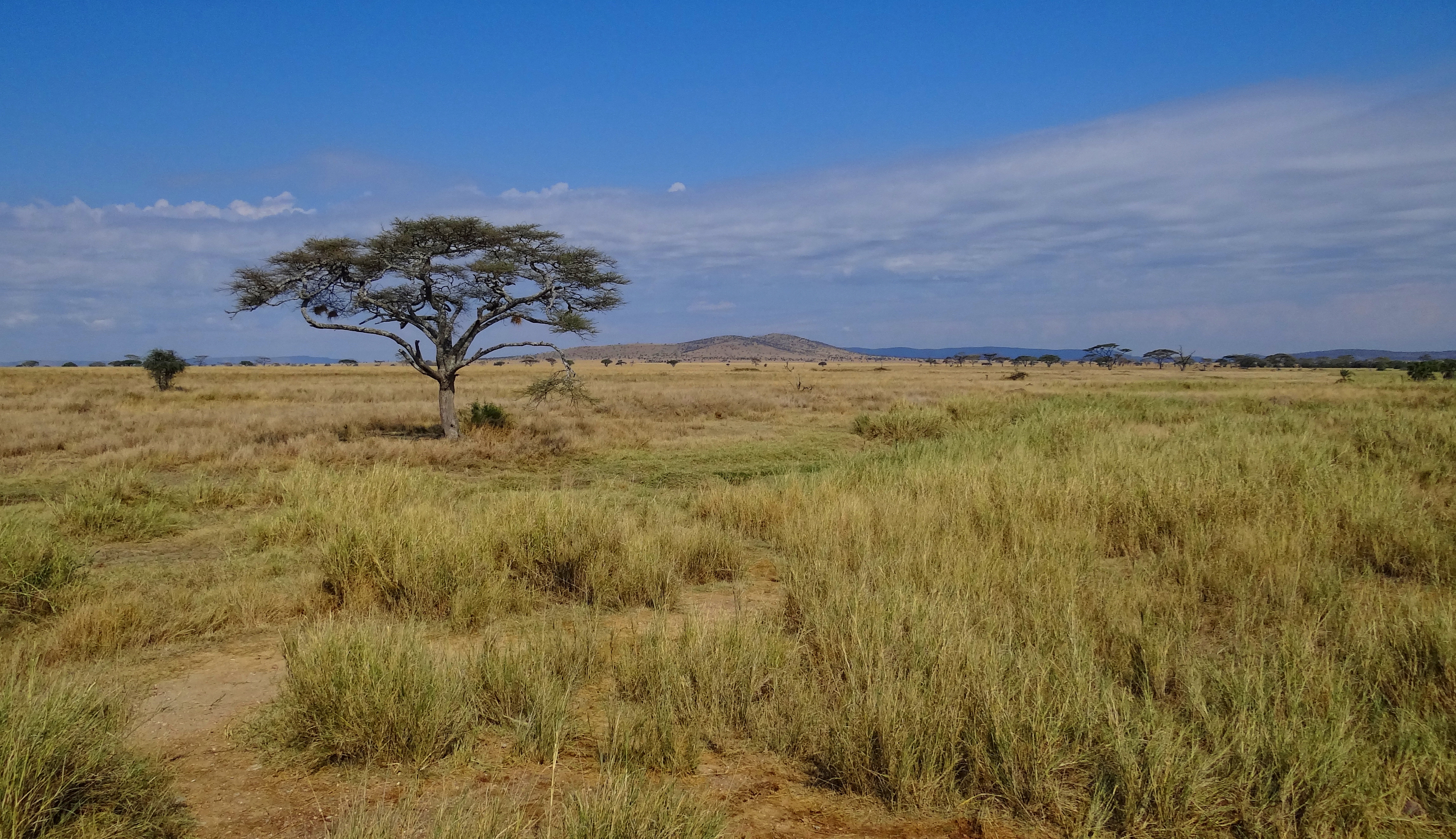
Serengeti Big Cat Country
Tanzania Big Five Seasonal Calendar: When to See Each Species
Tanzania offers year-round wildlife viewing, but seasonal patterns dramatically affect sighting quality and vegetation density — especially in the Serengeti, where the Great Migration shifts the drama across the ecosystem.
| Season | Months | Lion | Leopard | Elephant | Buffalo | Rhino |
|---|---|---|---|---|---|---|
| Peak Dry | Jul–Oct | Excellent — congregate at rivers | Very Good — forced to water sources | Excellent — huge herds at Tarangire | Excellent — large herds visible | Very Good — clear crater sightlines |
| Short Rains | Nov–Dec | Good — dispersing but visible | Moderate — more nocturnal | Good — herds spread to fresh grazing | Good — herds spread out | Good — crater viewing steady |
| Green / Calving | Jan–Feb | Excellent — hunting on the calving plains | Very Good — active in southern Serengeti | Very Good — young calves present | Excellent — large herds on green grass | Very Good — crater floor lush |
| Long Rains | Mar–May | Moderate — dense vegetation | Challenging — peak camouflage | Good — widespread grazing | Good — dispersed herds | Moderate — crater still reliable |
| Early Dry | Jun | Very Good — improving visibility | Good — more daytime activity | Very Good — moving to rivers | Very Good — reforming herds | Very Good — easier to spot |
Verdict: The June–October dry season is objectively the best for Big Five safaris in Tanzania, offering:
- Thinnest vegetation for clear sightlines
- Wildlife concentrated at permanent water sources
- The Serengeti's Great Migration river crossings (a spectacular bonus)
- Optimal weather for game drives
Budget-conscious travelers: The green season (November, March–May shoulder months) offers lower rates, dramatic skies, and newborn wildlife — just accept thicker vegetation and occasional rain. The Ngorongoro Crater remains a reliable Big Five stage year-round.
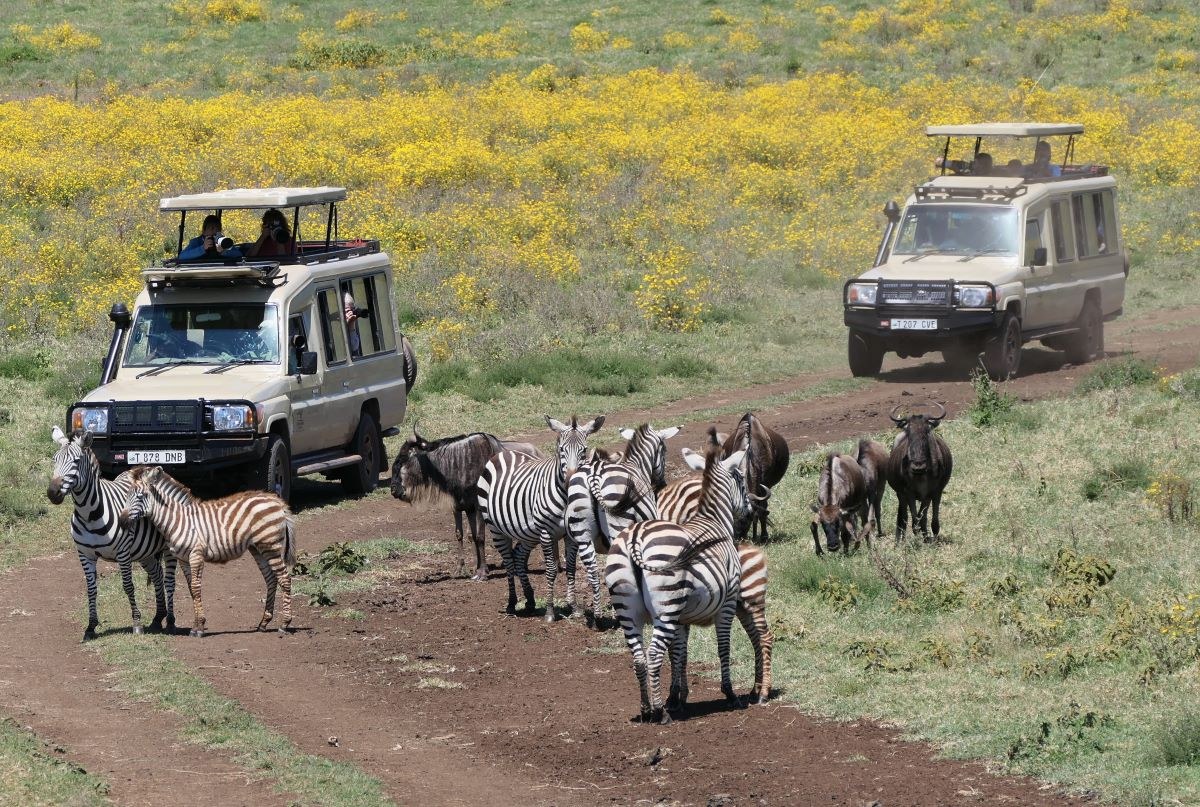
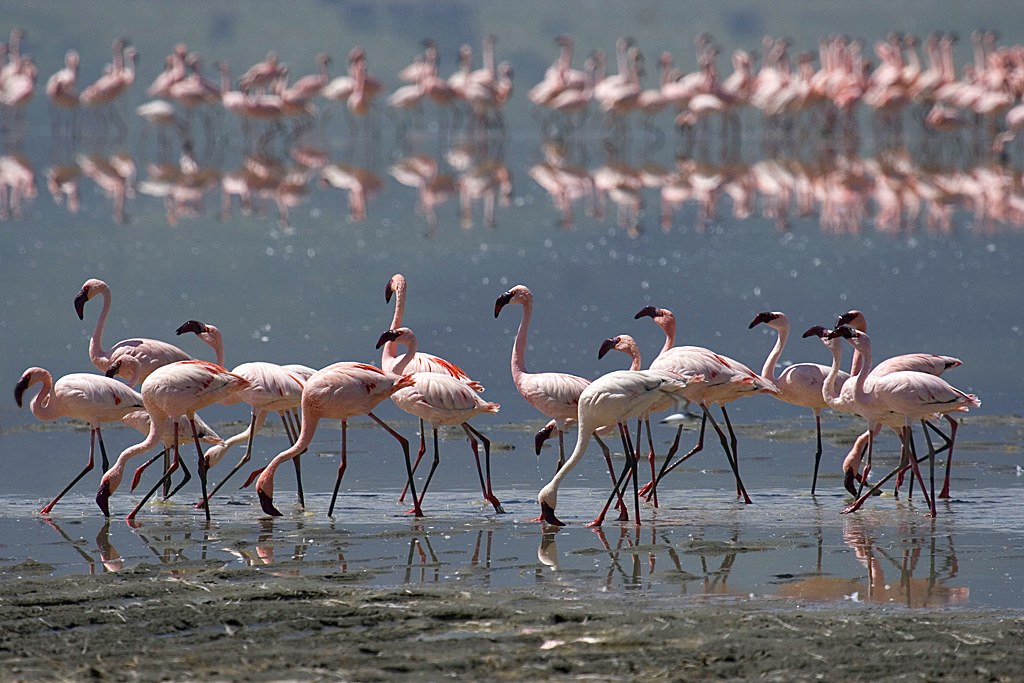
Ngorongoro Crater — The Big Five Amphitheatre


Honest Assessment: Can You See All Big Five in One Tanzania Safari?
The answer is YES — and Tanzania makes it more achievable than almost anywhere in Africa, thanks to one extraordinary location. Here's the reality:
Four of Five is Easy
Lion, leopard, elephant, and buffalo are present across almost every major Tanzanian park. A few days in the Serengeti — or in Ruaha in the south — will reliably deliver these four species.
Rhino is the Fifth Wheel
Tanzania's rhino were reduced to critically low numbers by poaching. Today the black rhino you can realistically hope to see lives on the Ngorongoro Crater floor, in a small, intensively protected population. A rare, protected group also exists in the Serengeti's Moru Kopjes, but those sightings cannot be counted on.
Where to Complete Your Big Five:
If you want to see all five in a single Tanzania safari, the Ngorongoro Crater is the key that unlocks it:
- Ngorongoro Crater — the only place in Tanzania where all five species regularly share one location. A full day on the crater floor gives you lion, elephant, buffalo, a good chance of rhino, and a possibility of leopard. Recommended: at least one full crater day, entering at the gate opening.
- Serengeti + Ngorongoro combination — the Serengeti secures big cats and elephant in numbers, while the crater adds the rhino. Recommended itinerary: 3 nights Serengeti + 1–2 nights Ngorongoro.
- Full Northern Circuit — Tarangire (elephants), Lake Manyara (forest game), Serengeti (big cats), and Ngorongoro (rhino) chained together is the classic route engineered to deliver the complete Big Five. Recommended itinerary: 6–8 days across all four.
Sample All-Five Itinerary (7 Days):
- Day 1: Arusha arrival, transfer to Tarangire (elephants, lion, buffalo)
- Day 2: Tarangire full day + Lake Manyara en route
- Days 3–5: Serengeti (lion, leopard, elephant, buffalo)
- Day 6: Ngorongoro Crater full day (rhino — complete the Big Five)
- Day 7: Return to Arusha, depart
This itinerary covers Tanzania's strongest Big Five ecosystems and finishes in the one caldera where the rhino makes the set complete.
💡 Planning Tip: The Ngorongoro Crater floor is busiest late morning. Enter as the gate opens, head straight for the short-grass plains and Lerai Forest where rhino and elephant concentrate, and carry good binoculars — the crater's black rhino are often viewed at a respectful distance to protect them.
Sample Big Five Safari Itineraries for Tanzania
Northern Circuit Classic Big Five (7 Days)
Best for: First-time Big Five seekers, photographers, couples
- Days 1–2: Tarangire National Park (elephant, lion, buffalo)
- Days 3–5: Serengeti National Park (lion, leopard, elephant, buffalo)
- Day 6: Ngorongoro Crater (rhino, complete Big Five)
- Day 7: Arusha departure
Why it works: Combines Tanzania's best big-cat destination (Serengeti) and elephant stronghold (Tarangire) with the country's only reliable rhino stage (Ngorongoro). High success rate for all five species.
Serengeti & Ngorongoro Focus (6 Days)
Best for: Travelers short on time who still want all five
- Days 1–4: Serengeti National Park (maximise big cats and elephant)
- Days 5–6: Ngorongoro Crater (rhino and dense resident game)
Why it works: A streamlined route pairing the Serengeti's abundance with the crater's completeness — the most efficient way to target the full Big Five in northern Tanzania.
Southern Wilderness Big Four+ (7 Days)
Best for: Adventurous travelers, repeat visitors seeking solitude
- Days 1–4: Ruaha National Park (lion, leopard, elephant, buffalo)
- Days 5–7: Nyerere National Park / Rufiji River (boat safaris, wild dog, big herds)
Why it works: Tanzania's uncrowded south delivers exceptional lion, leopard, elephant, and buffalo. Note that rhino are not part of the southern circuit — pair with a northern crater visit if a full Big Five is essential.
Luxury Big Five & Zanzibar Beach (11 Days)
Best for: Honeymooners, luxury travelers
- Days 1–2: Tarangire (elephant herds, private lodge)
- Days 3–5: Serengeti (lion, leopard, all-cats)
- Day 6: Ngorongoro Crater (rhino, complete Big Five)
- Days 7–11: Zanzibar beach extension (Indian Ocean relaxation)
Why it works: Completes the Big Five in premium camps and lodges, then transitions to the spice-island beaches of Zanzibar for post-safari relaxation.
Tarangire & the Elephant Herds

Big Five Safari Planning Tips for Tanzania
Choose the Right Accommodations
Luxury lodges vs. tented camps: Both offer excellent Big Five access. Permanent lodges provide comfort and views (particularly the celebrated crater-rim lodges overlooking Ngorongoro). Mobile and semi-permanent tented camps follow the Serengeti's seasonal game movements, putting you closer to the migration and the big cats.
Northern circuit vs. southern parks: The north (Serengeti, Ngorongoro, Tarangire, Manyara) is the classic Big Five route with the only reliable rhino. The south (Ruaha, Nyerere) offers wilder, quieter game viewing but no rhino — choose based on whether completing all five is essential.
Hire Expert Guides
Big Five tracking requires skill. Professional guides use:
- Radio networks — guides communicate sightings to maximise guest success
- Tracking skills — reading spoor, scat, and alarm calls
- Animal behaviour knowledge — predicting lion pride movements and leopard territories along the Seronera River
Budget safaris with untrained drivers dramatically reduce your Big Five success rate.
Manage Expectations for Rhino and Leopard
Two of the five demand realism in Tanzania. Rhino are essentially limited to the Ngorongoro Crater and are often seen at distance — bring binoculars and enter early. Leopard are solitary and elusive, though the Serengeti's Seronera Valley offers some of the best odds in Africa. For both:
- Prioritise the Ngorongoro Crater for rhino
- Spend at least three nights in the Serengeti for leopard
- Travel in the dry season for clearer sightlines
Pack Appropriately
Big Five safaris demand:
- Neutral-coloured clothing (khaki, olive, beige) — bright colours spook wildlife
- Binoculars — essential for distant crater rhino and tree-dwelling leopards
- Camera with telephoto lens — 200mm+ for wildlife photography
- Layers — the Ngorongoro highlands are cold at dawn (5–12°C), while the plains are hot by midday
- Sun protection — open safari vehicles offer no shade
Respect Safety Protocols
The Big Five earned their name as Africa's most dangerous animals. Never:
- Exit your vehicle unless explicitly permitted by your guide
- Approach buffalo herds on foot (unpredictable and aggressive when cornered)
- Stand up or make sudden movements during big cat sightings
- Crowd or pressure the crater's rhino — keep the distance your guide sets
Support Conservation
Tanzania's Big Five populations — especially its rhino — exist thanks to intensive protection. Support these by:
- Choosing responsible operators — park and conservation fees fund anti-poaching patrols
- Respecting rhino viewing distances — the Ngorongoro population is closely guarded for good reason
- Avoiding unethical operators — never book with companies offering off-road pursuit of animals or close-approach rhino "encounters"
Combine with Other Tanzania Highlights
Big Five safaris pair beautifully with:
- Zanzibar beaches — spice-island relaxation after the bush
- The Great Migration — align a Serengeti visit with river crossings (June–July) or calving (January–February)
- Cultural experiences — Maasai community visits in the Ngorongoro highlands
🦁 Already planning your Tanzania Big Five safari? Explore our Tanzania Safari Packages guide for pre-designed itineraries, or check How Much Does a Tanzania Safari Cost for detailed pricing breakdowns. For personalized luxury experiences, see our Luxury Safari Tanzania and Private Safari Tours Tanzania articles. Broader trip planning? Start with the Ultimate Tanzania Travel Guide.
Big Five Safari Tanzania: Frequently Asked Questions
Which Tanzania park is best for seeing all Big Five?
The Ngorongoro Crater is the single best place — it is one of the rare locations on Earth where lion, leopard, elephant, buffalo, and black rhino all live in one compact caldera, making all five achievable in a single day. For the strongest overall trip, combine the Serengeti (big cats and elephant in abundance) with a full Ngorongoro Crater day for the rhino.
Where can you see rhino in Tanzania?
The Ngorongoro Crater is Tanzania's most reliable place to see a wild black rhino, thanks to a small, intensively protected population on the crater floor. A rare protected group also exists in the Serengeti's Moru Kopjes, but sightings there cannot be relied upon. There is no meaningful wild white rhino population to view. Bring binoculars and enter the crater early for the best odds.
What is the best time of year for Big Five safaris in Tanzania?
The dry season from June to October offers optimal conditions: thinner vegetation for clear sightlines, wildlife concentrated at water sources, and the Serengeti's dramatic migration river crossings. The green/calving season (January–February) is also excellent for predators. Avoid the long rains (March–May) when thick vegetation reduces sighting quality — though the Ngorongoro Crater remains reliable year-round.
How many days do you need for a Big Five safari in Tanzania?
Minimum 6–7 days to see all five with good probability on the Northern Circuit. This allows a couple of days for Tarangire's elephants, three nights in the Serengeti for big cats, and a full Ngorongoro Crater day for the rhino. Shorter safaris (4–5 days) focused on Serengeti and Ngorongoro can still achieve all five, but leave less margin.
Is the Serengeti good for Big Five?
The Serengeti excels for four of five — it has some of the highest lion densities in Africa, the Seronera Valley is superb for leopard, and elephant and buffalo are common. Rhino, however, are extremely rare in the Serengeti (a protected group in the Moru Kopjes). Pair the Serengeti with the Ngorongoro Crater to complete your Big Five.
Which is better for Big Five: Tanzania or Kenya?
Both are outstanding. Tanzania's edge is the Ngorongoro Crater, where all five roam one caldera, plus the sheer scale of the Serengeti. Kenya's edge is easier rhino access across several sanctuaries (Ol Pejeta, Lake Nakuru) and a strong conservancy model. For a single location that can deliver the whole Big Five in a day, Tanzania's Ngorongoro Crater is hard to beat.
Can you see the Big Five and the Great Migration on the same trip?
Yes. A Northern Circuit safari can combine both — the Serengeti hosts the Great Migration alongside resident lion, leopard, elephant, and buffalo, while a Ngorongoro Crater day adds the rhino. Time your visit for June–July (river crossings) or January–February (calving) to see the migration at its most dramatic while still completing your Big Five.
What is the average cost of a Big Five safari in Tanzania?
Mid-range safaris typically run $400–800 per person per night, and luxury from $900–1,800+ per person per night, reflecting Tanzania's higher park fees (especially the Ngorongoro Crater conservation fee). A 7-day Northern Circuit Big Five safari usually costs $4,000–7,000 per person including accommodation, game drives, park fees, and transfers. For detailed breakdowns, see our Tanzania Safari Cost Guide.
Why are rhinos so hard to see compared to the other Big Five?
Rhino populations across Tanzania were decimated by poaching in the 1970s–1990s, dropping from thousands to critically low numbers. While conservation has stabilised a small black rhino population, they remain confined to intensively protected areas — chiefly the Ngorongoro Crater. Unlike lions or elephants that roam freely across parks, rhinos are geographically restricted, which explains their scarcity everywhere else.
Final Verdict: Tanzania Delivers World-Class Big Five Safaris
Tanzania stands among Africa's premier Big Five destinations, offering:
- ✅ All five species present — lion, leopard, elephant, buffalo, and black rhino (in the Ngorongoro Crater)
- ✅ A one-caldera wonder — Ngorongoro is one of the few places on Earth to see all five in a single day
- ✅ Serengeti abundance — some of the highest big-cat densities in Africa, plus the Great Migration
- ✅ Legendary elephants — Tarangire's dry-season herds are among the continent's finest
- ✅ Year-round viewing — with peak seasons (June–October, January–February) for optimal conditions
The honest answer: Can you see all Big Five in Tanzania? Absolutely — and often more easily than elsewhere, because the Ngorongoro Crater brings all five together in one place. Combine the Serengeti's cats and elephants with a full crater day for the rhino, and the set is complete.
Tanzania's Big Five legacy isn't just about ticking off a checklist — it's about witnessing apex predators on the endless Serengeti, standing among Tarangire's baobabs as elephant herds pass, and glimpsing one of Africa's most closely guarded black rhino on the floor of a collapsed volcano.
Ready to plan your Tanzania Big Five safari? Browse our curated Tanzania Safari Packages, dive into Best Tanzania Safari Lodges for accommodation insights, or explore comprehensive planning resources in our Ultimate Tanzania Travel Guide.