Key Takeaways
- Kenya is the birthplace of the safari, home to the Masai Mara and the Great Migration — the greatest wildlife show on earth.
- The best time to safari is July–October, when the migration reaches the Mara and the dry season concentrates game; January–February is a superb, sunny second window.
- A classic trip pairs a Masai Mara & Amboseli safari with the beaches of Diani or the Swahili coast — bush and beach in one journey.
- Most visitors need an electronic travel authorisation (eTA) and a yellow-fever certificate if arriving via an at-risk country.
- Everything is easiest as a private, tailor-made journey — flights, transfers, camps and guides handled as one.
Why Visit Kenya?
Kenya is where the African safari was born, and it remains one of the most rewarding wildlife destinations on the planet. Nowhere else can you watch the Great Migration cross the Mara River in a cloud of dust and drama, photograph elephants beneath the snows of Kilimanjaro, track rare northern species in Samburu, and then fly to the Indian Ocean to end your journey on a palm-lined beach. Add the flamingo lakes of the Rift Valley, the red-earth wilderness of Tsavo and the warm hospitality of the Kenyan people, and you have a country that delivers the full spectrum of Africa in a single, seamless trip.
This guide walks you through everything you need to plan the perfect Kenyan journey in 2026 — the seasons, the parks and reserves, the migration, the costs, the practicalities and the itineraries — drawing on our years of building these trips as a private travel house.
Best Time to Visit Kenya
Kenya is a year-round safari destination, but the best time depends on what you want to see. The dry seasons deliver the easiest game viewing, and the Great Migration reaches the Masai Mara in the second half of the year.
- July–October (dry season & migration): the prime window — the Great Migration is in the Mara, with river crossings, thin bush and superb game viewing across the country.
- January–February (short dry season): warm, sunny and excellent for game viewing, with lush green scenery from the short rains and fewer crowds.
- June & November (shoulder months): good value and good game, with quieter camps and pleasant weather.
- March–May (long rains): the greenest, quietest and best-value months, with some camps closed; showers are usually short and the landscapes are beautiful.
The perfect answer for most first-timers is July–October to catch the migration and the classic dry-season safari, or January–February for warm, sunny game viewing. We time every trip around the wildlife and the experience that matters most to you. For a deeper look at the seasonal case for dry-season game viewing, see our guide to why winter is the best time for an African safari.
Where to Go: Kenya's Great Parks & Reserves
Kenya's highlights fall into a handful of extraordinary parks and reserves, each with a distinct character. A great trip strings two or three of them together, often finishing on the coast.
The Masai Mara
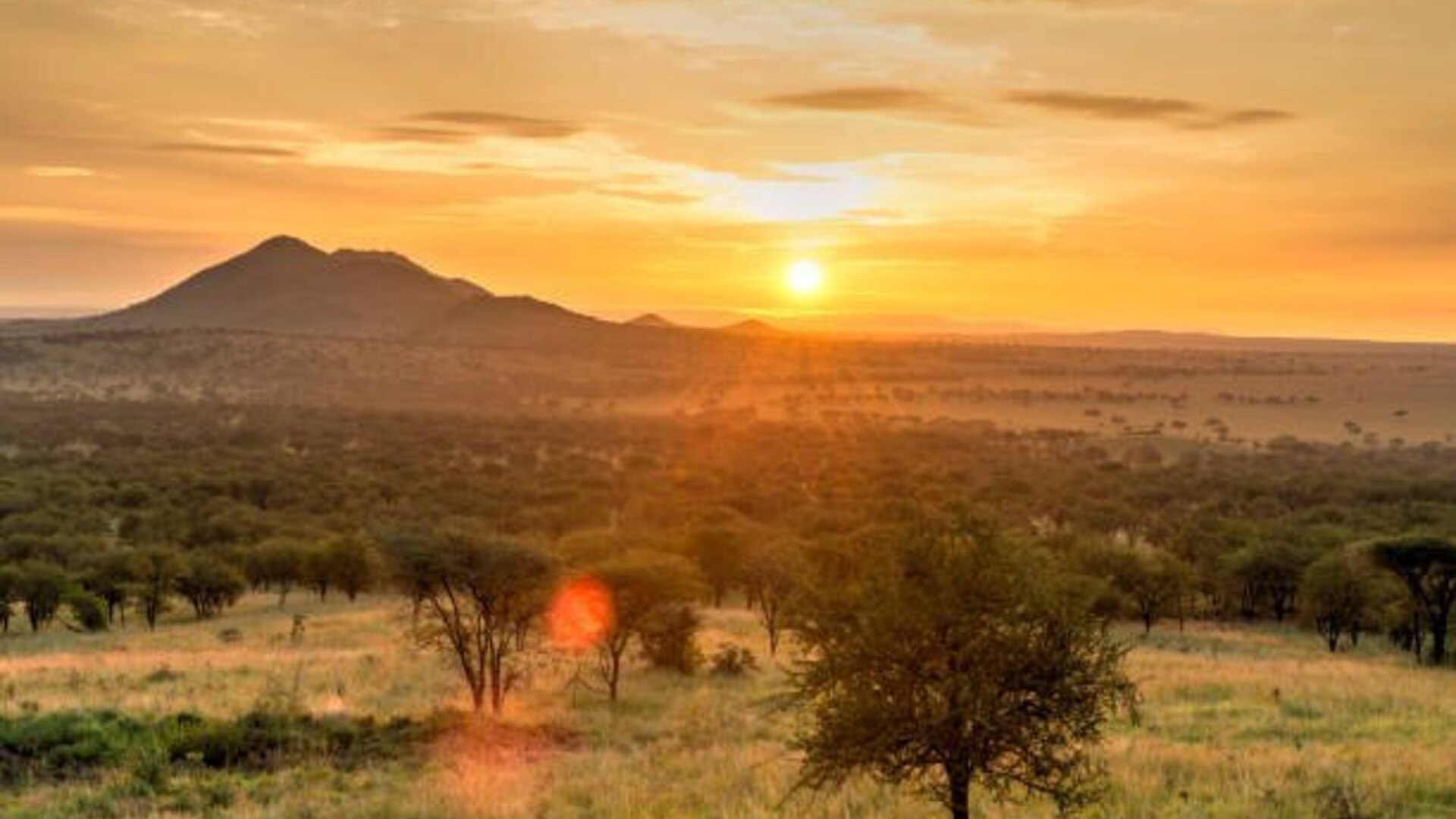
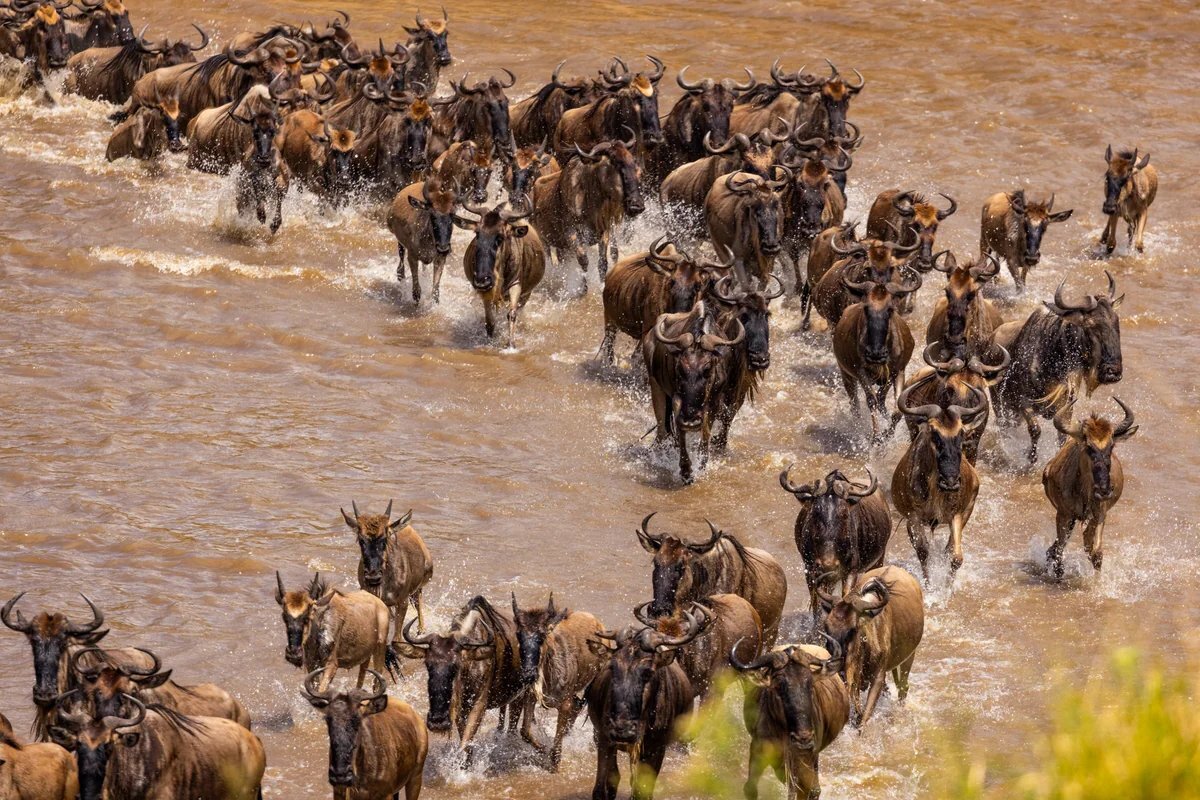
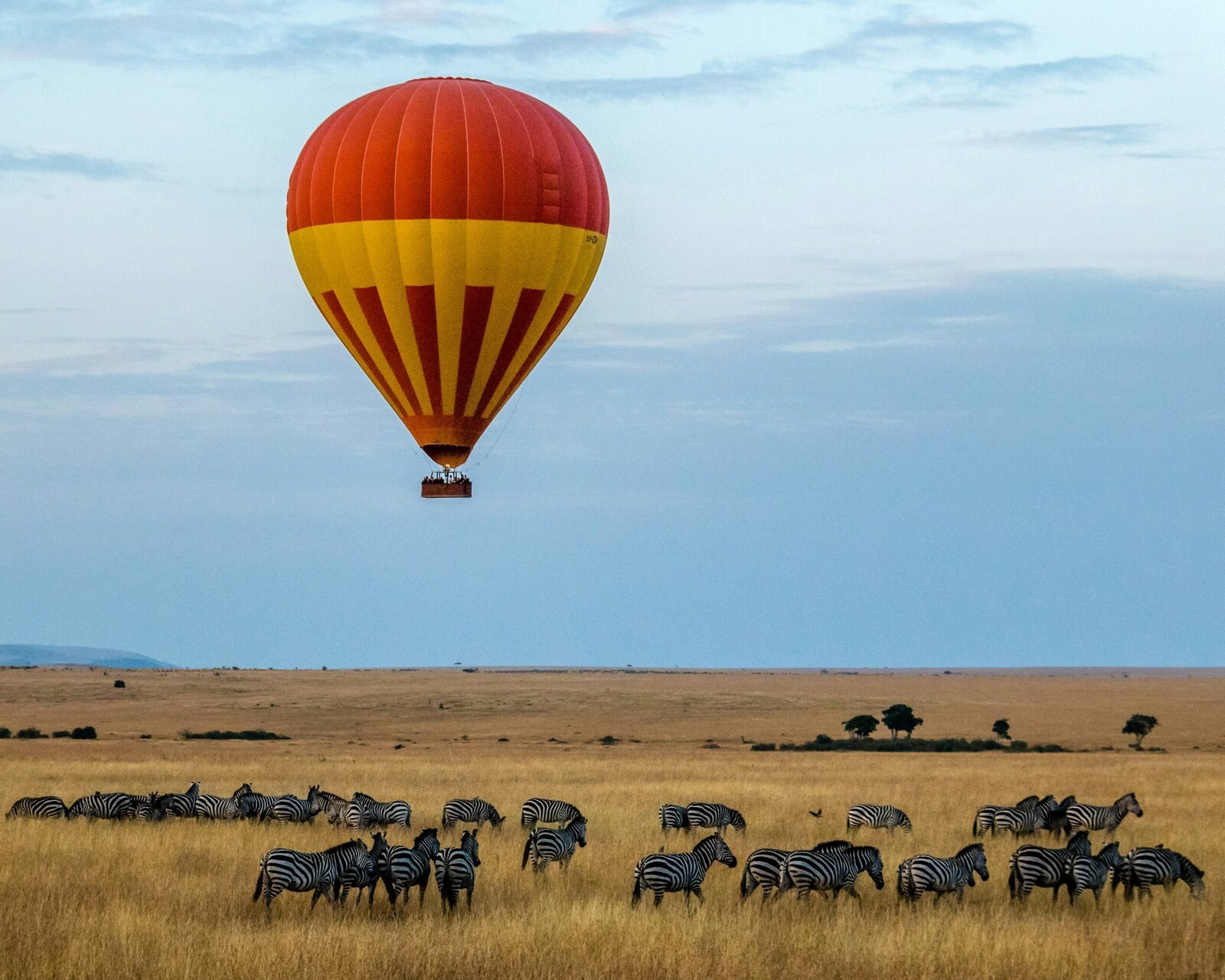
Kenya's flagship reserve and the northern stage of the Great Migration. Rolling golden grasslands hold some of the highest densities of big cats in Africa, and from roughly July to October the plains fill with wildebeest and the drama of the Mara River crossings. The surrounding private conservancies add exclusive, off-road game viewing. Allow three to four nights minimum.
Amboseli National Park
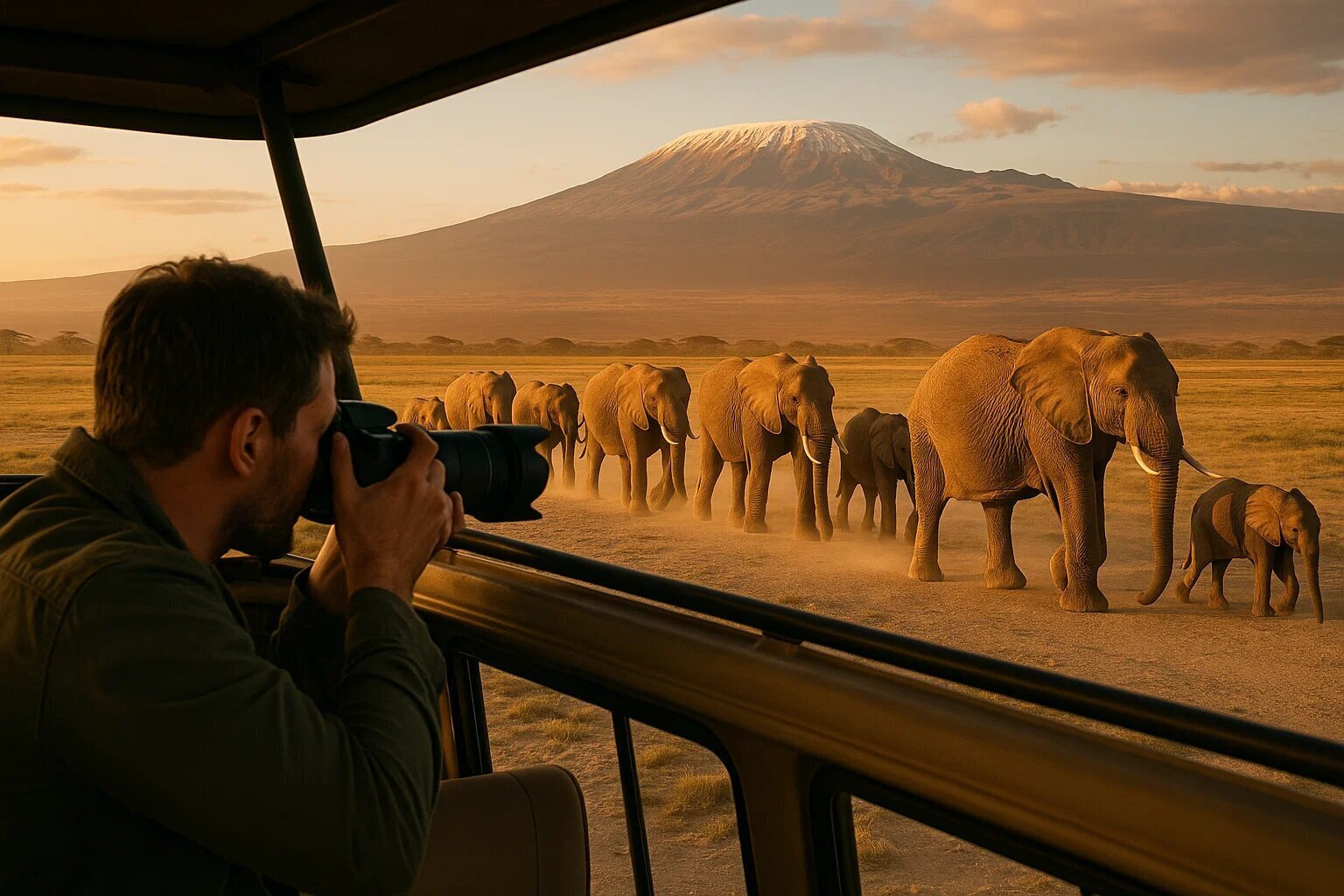
The home of the elephant, framed by Mount Kilimanjaro. Amboseli offers some of the most iconic images in African travel — great elephant herds crossing the plains beneath Africa's highest peak. Its swamps draw wildlife year-round, and the photography, especially at dawn and dusk, is simply unforgettable.
Related journey: Amboseli & Tsavo Southern Kenya Safari — 7 Days →
Samburu & the North
Kenya's wild, arid north, home to species found nowhere else on the classic circuit. Along the Ewaso Ng'iro River, Samburu and neighbouring Laikipia deliver the "Samburu Special Five" — Grevy's zebra, reticulated giraffe, gerenuk, Beisa oryx and Somali ostrich — plus superb elephant and big-cat viewing in a dramatic, uncrowded landscape.
Tsavo East & Tsavo West
Kenya's largest wilderness — vast, red-earthed and wonderfully wild. Famous for its "red elephants" dusted in ochre soil, Tsavo offers big-country safaris, dramatic lava flows and the crystal springs of Mzima. Easily combined with Amboseli or a coastal finish, it is Kenya at its most epic and untamed.
Lake Nakuru & the Rift Valley Lakes
The shimmering, flamingo-fringed lakes of the Great Rift Valley. Lake Nakuru is a rhino sanctuary famous for its birdlife and pink flocks of flamingo, while Lakes Naivasha and Bogoria add boat safaris, hippos and hot springs. A scenic, wildlife-rich addition en route between Nairobi and the Mara.
Diani & the Swahili Coast
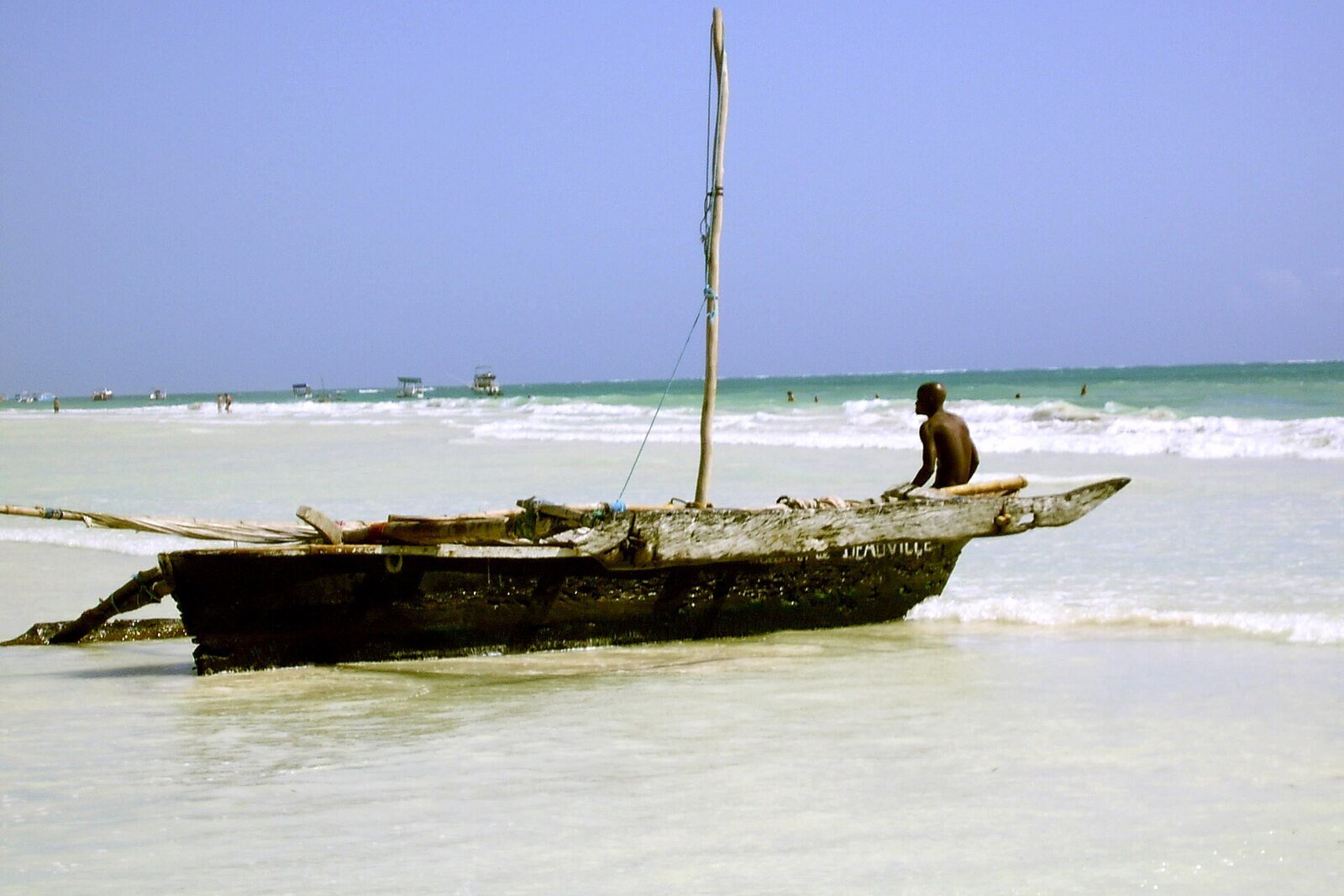
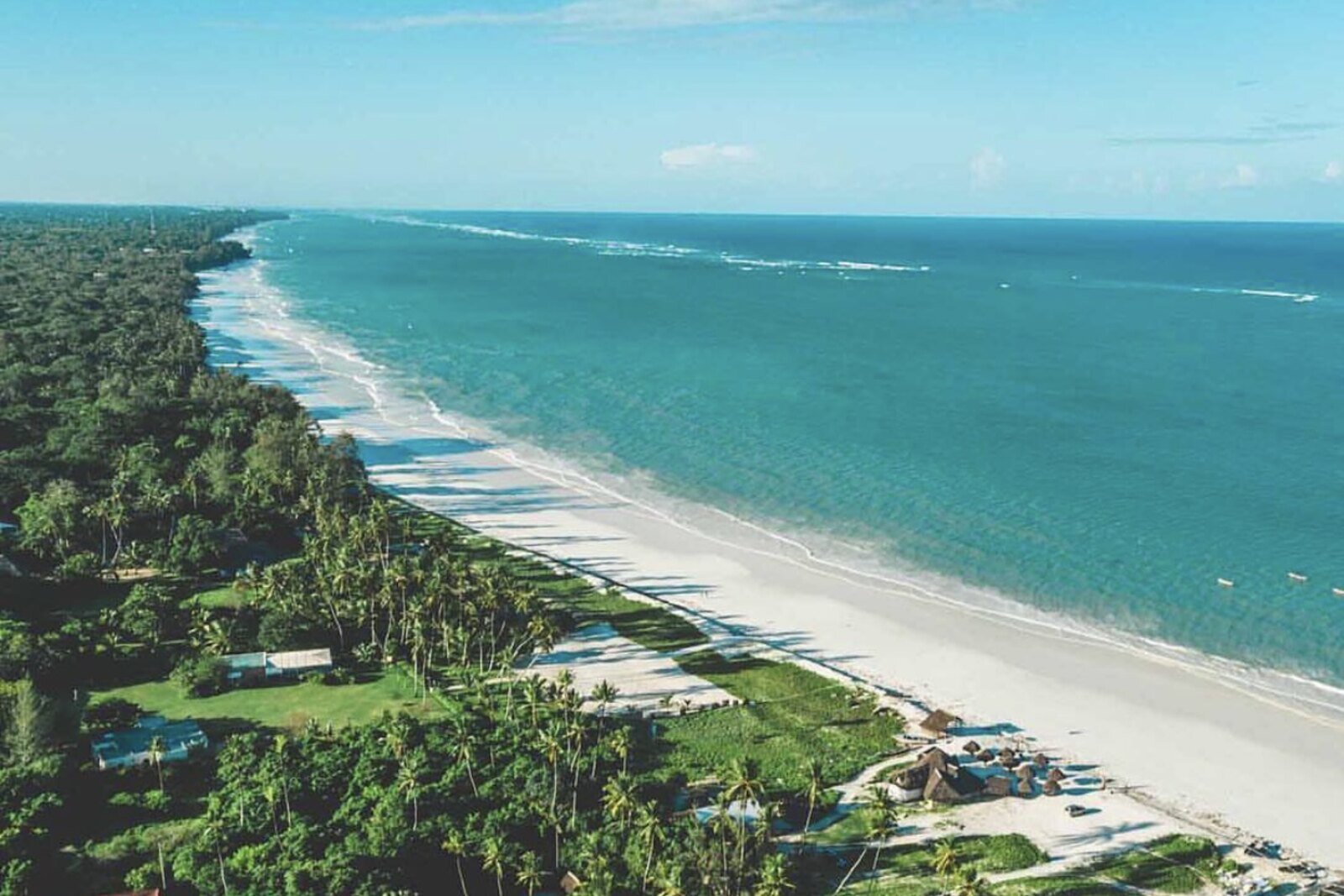
The perfect beach finale to any Kenyan safari. An hour's flight from the bush, the Indian Ocean coast delivers powder-white sand, warm turquoise water, coral reefs and the Swahili soul of Mombasa, Lamu and Diani. Allow three to five nights to truly unwind.
Related journey: Masai Mara & Seychelles Safari-Beach Combo — 9 Days →
The Best Things to Do in Kenya
- Witness the Great Migration — the Mara River crossings from roughly July to October.
- Photograph elephants beneath Kilimanjaro in Amboseli at dawn.
- Take a hot-air balloon safari over the Masai Mara at sunrise.
- Track the "Samburu Special Five" in Kenya's wild north.
- Meet the Maasai and Samburu and learn about their timeless cultures.
- See the flamingos of the Rift Valley lakes.
- Fly to the coast for Diani's beaches, Lamu's old town and coral reefs.
- Visit a rhino or elephant sanctuary and support real conservation.
- Enjoy a bush breakfast on the plains as the sun climbs.
- Toast a sundowner as the African sky turns to fire.
How Many Days Do You Need?
Seven to ten days is the sweet spot for a first trip — enough to combine two or three great parks with a few nights on the coast without rushing. Here is how the timings tend to work:
| Trip length | What it covers |
|---|---|
| 4–5 days | A short safari — the Masai Mara, or Amboseli & Tsavo |
| 7 days | The classic circuit — Masai Mara, Amboseli & the Rift Valley |
| 8–10 days | A safari circuit plus a Diani or Swahili-coast beach finish |
| 12–14 days | The grand tour — Mara, Amboseli, Samburu & the coast |
Ready-Made Itineraries
The First-Timer's 7 Days
The Masai Mara, Amboseli and the Rift Valley lakes — the classic Kenyan circuit, timed to the migration, staying in superb tented camps. The perfect introduction to the Kenyan safari.
The Bush & Beach 8–10 Days
A safari circuit followed by a flight to Diani or the Swahili coast for white-sand beaches, coral reefs and dhow sunsets — the definitive Kenyan combination of wildlife and ocean.
The Honeymoon & Grand Tour
A tailor-made blend of the Mara, Amboseli, the wild north of Samburu and a barefoot-luxury coastal finish — the safari of a lifetime, shaped entirely around you.
Related journey: Kenya Giraffe, Samburu & Masai Mara Safari — 7 Days →
What Does a Trip to Kenya Cost?
Kenya offers superb value across the full range of safari, from mid-range camps to world-class private conservancies. National-park and conservancy fees, fly-in camps and the quality of the guiding all shape the price, but Kenya generally delivers more accessible safari than some of its neighbours while still offering flagship luxury at the top end. The green season and mid-range camps offer excellent value, while private-conservancy lodges and migration-season Mara camps sit at the premium end. The coast spans everything from characterful beach hotels to barefoot-luxury resorts. We build every trip to your budget and are transparent about where your money goes furthest.
Practical Information
- Entry: most visitors need an electronic travel authorisation (eTA), applied for online in advance. Always confirm the latest requirements for your nationality before travelling.
- Health: a yellow-fever certificate is required if you arrive from an at-risk country; anti-malarial precautions are strongly advised for the safari parks. Consult a travel clinic before you go.
- Currency: the Kenyan shilling (KES); US dollars are widely accepted for tourism, park fees and tips. Cards are accepted in cities and lodges.
- Language: Swahili and English are both official and widely spoken; English is the language of tourism.
- Getting around: light-aircraft flights link the parks and the coast quickly and comfortably; road transfers are used on parts of the circuit. We handle all internal flights and transfers.
- Electricity: 240V, with UK-style three-square-pin plugs — bring a universal adapter.
- Tipping: customary — a daily gratuity for guides and camp staff is expected and appreciated.
Is Kenya Safe to Visit?
Kenya is a welcoming, established safari destination that hosts hundreds of thousands of travellers every year. On safari, you are in the expert hands of professional guides and reputable camps, and the wildlife parks and conservancies are among the safest, most controlled environments in African travel. In cities and on the coast, the usual sensible precautions apply — keep valuables discreet, use arranged transfers, and follow local advice. On a privately arranged trip with vetted guides and quality camps, the logistics of safety are handled for you, which is exactly why most first-time visitors travel this way.
Food & Culture
Kenyan food is hearty and flavourful — think nyama choma (grilled meat), sukuma wiki, ugali and fresh tropical fruit, with fragrant Swahili seafood curries scented with coconut and spice along the coast. On safari, camps deliver surprisingly excellent dining, from bush breakfasts to candlelit dinners under the stars. Culturally, Kenya is home to the Maasai, the Samburu and more than 40 ethnic groups, and a visit to a village, a Nairobi cultural site or a Swahili old town adds real depth to any journey.
Why Travel with a Private Travel House
- One team, one point of contact — every flight, transfer, camp and experience handled as a single seamless journey.
- Insider access — the best camps, the right migration positioning, the finest guides and experiences.
- Tailor-made to you — your dates, your pace, your interests, your budget, shaped entirely around you.
- On-the-ground support — genuine 24/7 assistance from arrival to departure.
- Peace of mind — safety, logistics and quality all taken care of, so you simply enjoy the wild.
Plan Your Kenyan Journey
We are a private, tailor-made travel house, and East Africa is our specialty. Tell us your dates, who is travelling and what you dream of — the Great Migration, a first Big Five safari, a bush-and-beach honeymoon or a grand family adventure — and we will design a Kenyan journey that is entirely your own, then run it flawlessly from the moment you land.
Ready to plan the perfect trip? 👉 Request a Kenya quote → 👉 Browse our tours & safari packages → 👉 WhatsApp us: +27 74 315 5782