We're Open8am–6pm SAST
WishlistPartner Portal
← Back to BlogSafari

Why Winter Is the Best Time for an African Safari (2026): The 7 Reasons

Audio EditionListen to this story
0:000:00
Narrated by George — audio edition

Key Takeaways

  • Winter (May–September) is prime safari season in South Africa — the dry season delivers the best game viewing of the year.
  • Animals concentrate around shrinking waterholes, and the thin bush makes them far easier to spot.
  • Expect clear blue skies, no rain and mild days — plus cold mornings that keep predators active.
  • Fewer mosquitoes and lower malaria risk make winter the safest and most comfortable time to travel.
  • Winter safari pairs beautifully with the Cape Whale Coast, where whale season also runs June–November.

Wait — Winter Is the Best Time for Safari?

Yes. In South Africa, the dry winter months from May to September are the finest time of year to go on safari. It catches many first-time travellers off guard — surely summer, warm and green, must be better? But the reality of game viewing is the opposite. Winter's dry season strips the bush bare, dries up seasonal water, and forces wildlife to gather in dramatic numbers around the few remaining rivers and waterholes. The result is game viewing at its most reliable, most concentrated and most spectacular.

Below are the seven reasons winter wins for safari — and why, when travellers ask us for the best chance of a complete Big Five sighting, we so often point them to the golden months of the dry season.

Winter in the Greater Kruger — golden grass, thin bush and wildlife on the move.

The 7 Reasons Winter Wins for Safari

1. Animals Gather at the Water

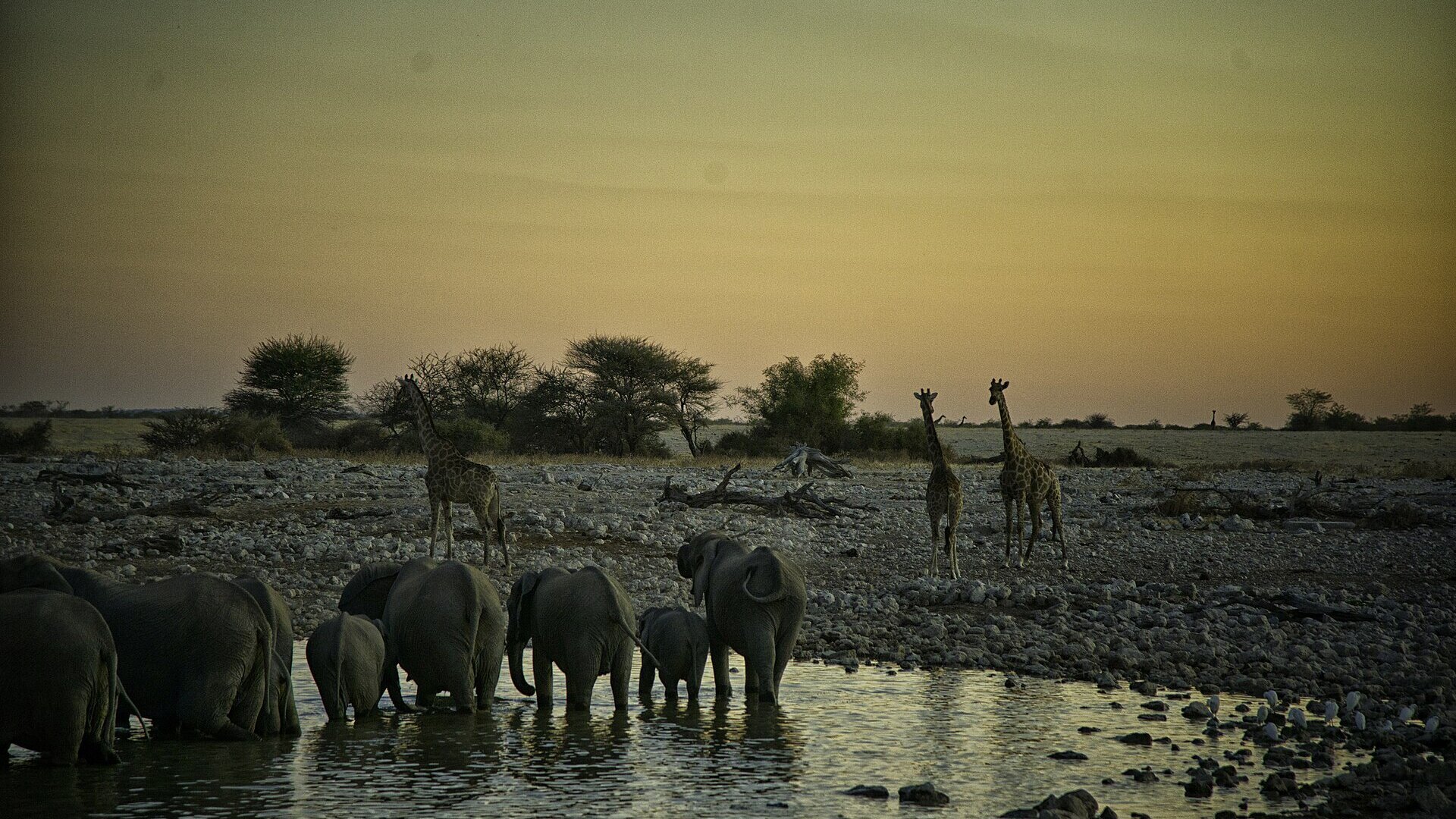
This is the single biggest reason. As the dry season deepens, seasonal pans and streams disappear, leaving only permanent rivers and waterholes. Wildlife has no choice but to come to them — and it does, in extraordinary numbers. Elephants, buffalo, antelope and the predators that follow all converge on the water, turning every river bend and waterhole into a natural theatre. A lodge built beside water becomes a non-stop show.
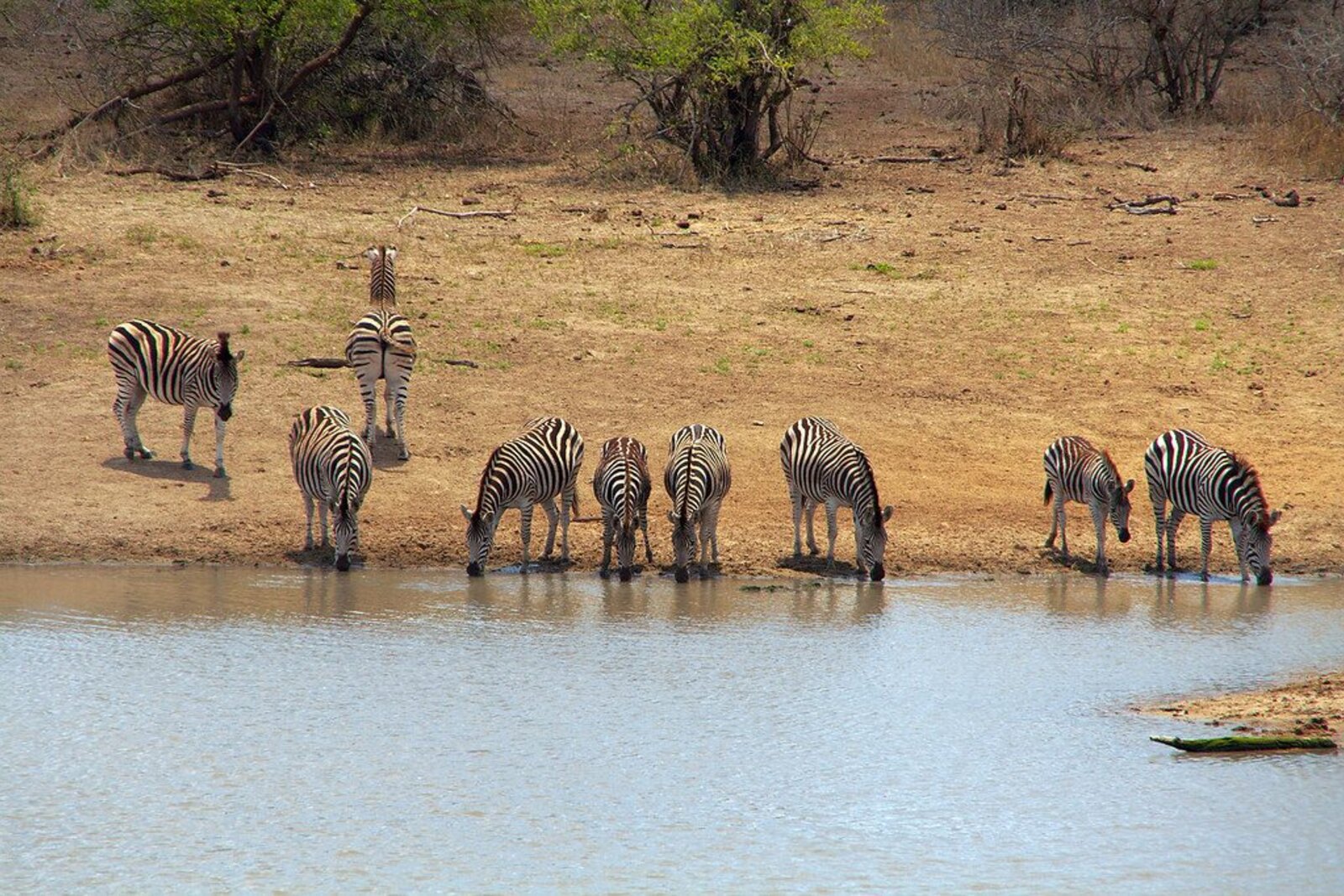
Animals gathered at a dry-season waterhole in the Greater Kruger
Dry-season waterholes become the beating heart of the bush.

Related journey: Classic Kruger Safari — 4 Days →

2. The Bush Is Thin and Open

Winter strips the vegetation right back. Grass is short and golden, trees lose their leaves, and the dense green curtain of summer is gone. That means you can see far deeper into the bush — spotting a leopard draped in a tree, a lion pride resting in the shade or a rhino in the distance becomes dramatically easier. Better visibility is one of the biggest advantages the dry season offers.
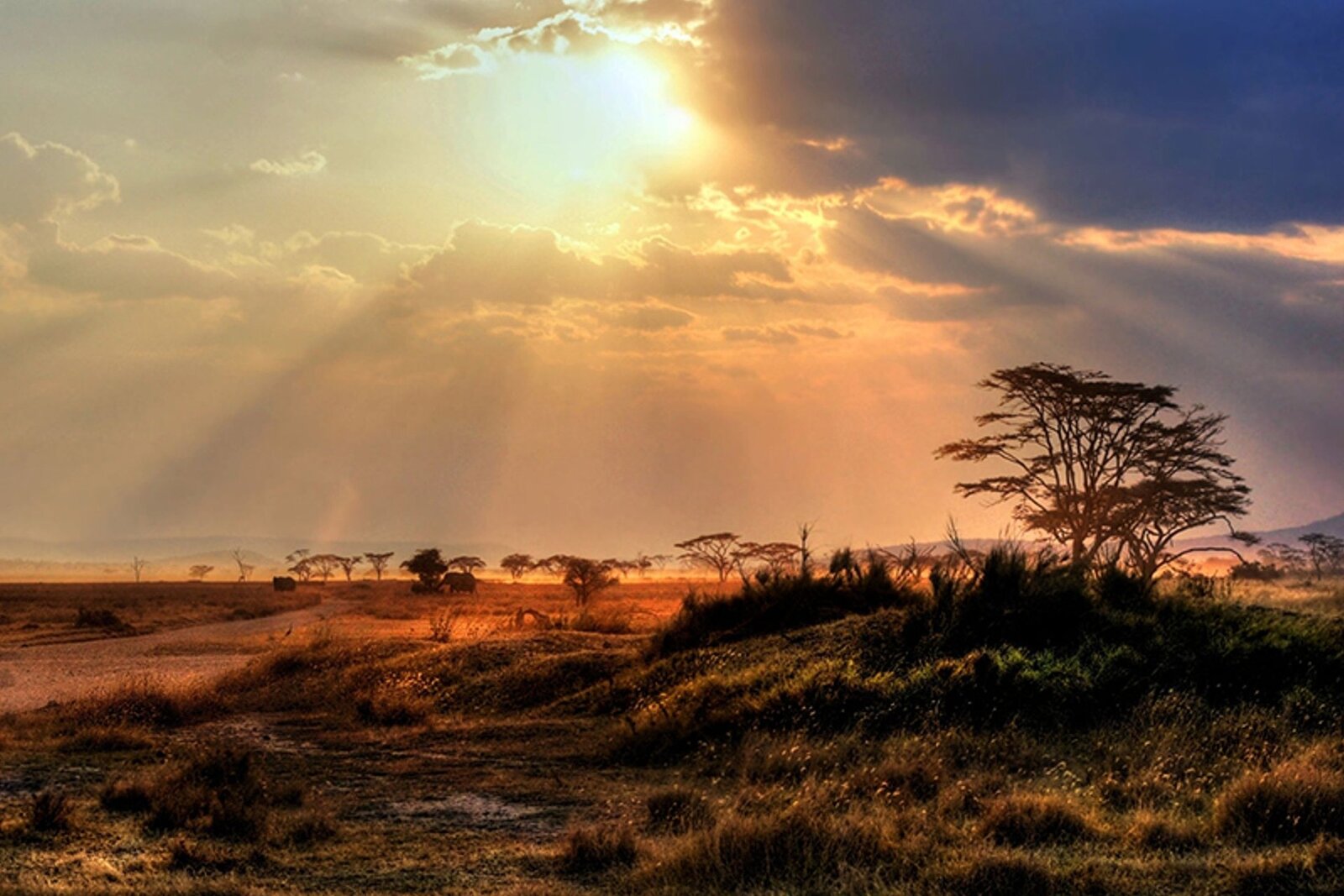
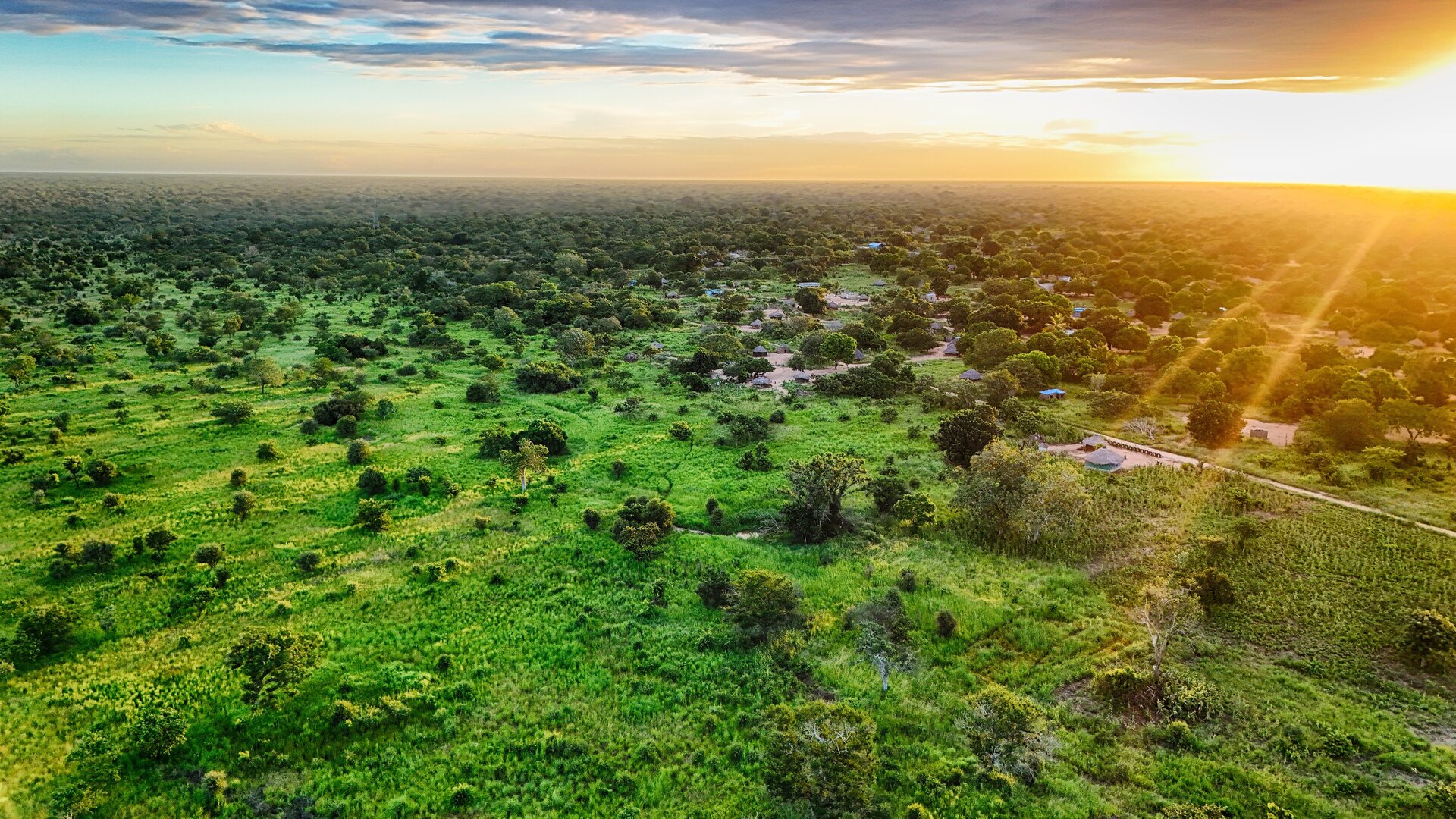
Open golden savanna in the dry winter season
Thin, golden bush means you can see far deeper — and spot far more.

3. Clear Skies and No Rain

Winter is the dry season, and that means reliably clear, sunny days. Rain is rare, skies are a deep cloudless blue, and game drives are almost never washed out. The dry air is also crisp and clear — superb for photography, with none of the summer haze. Day after day of blue-sky game drives is one of winter's simple, dependable pleasures.

4. Cool Mornings Keep Predators Active

Cold winter mornings are a gift for predator sightings. Lions, leopards and cheetahs are far more active — and stay active later into the morning — when temperatures are cool, rather than retreating to shade as they do in the summer heat. The crisp dawn game drive, wrapped in a blanket with a hot drink, is when the bush is at its most alive, and winter delivers this magic every day.
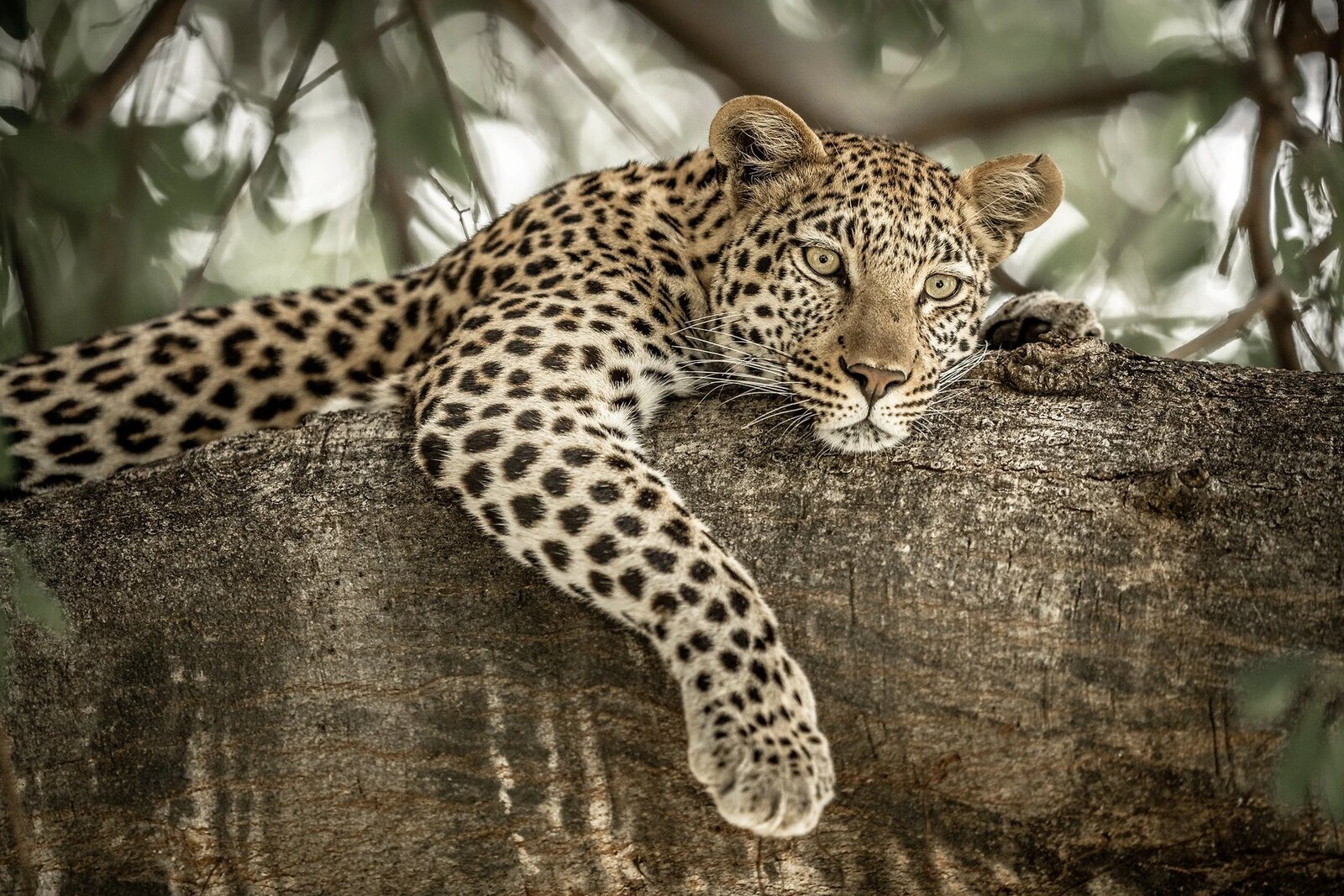
A leopard active in the cool morning light of the dry season
Cool mornings keep the big cats moving — prime time for predator sightings.

5. Fewer Mosquitoes and Lower Malaria Risk

The dry season means far fewer mosquitoes. With little standing water, mosquito numbers drop sharply, making winter the most comfortable time to be in the bush — and reducing the malaria risk in areas like the Kruger and Sabi Sand to its lowest of the year. For travellers who are cautious about malaria, winter is the reassuring choice (and malaria-free reserves in the Eastern Cape and Madikwe are excellent year-round).

6. Comfortable Daytime Temperatures

Winter days are mild and pleasant — ideal for time in an open safari vehicle. Afternoons are typically warm and sunny without the fierce heat of summer, so full-day game drives and bush walks are comfortable rather than draining. Just remember the mornings and evenings are genuinely cold, so layers are essential.

7. It Pairs Perfectly with Whale Season

Winter safari lines up beautifully with the Cape's whale season. From June to November, Southern Right whales gather along the Cape Whale Coast — exactly when the bush is at its best. That makes winter the perfect time to combine a Big Five safari with Cape Town and a coastal whale-watching leg, for a trip that has the best of both worlds in a single season. Discover the ocean's own Big Five in our guide to the Marine Big Five of South Africa.
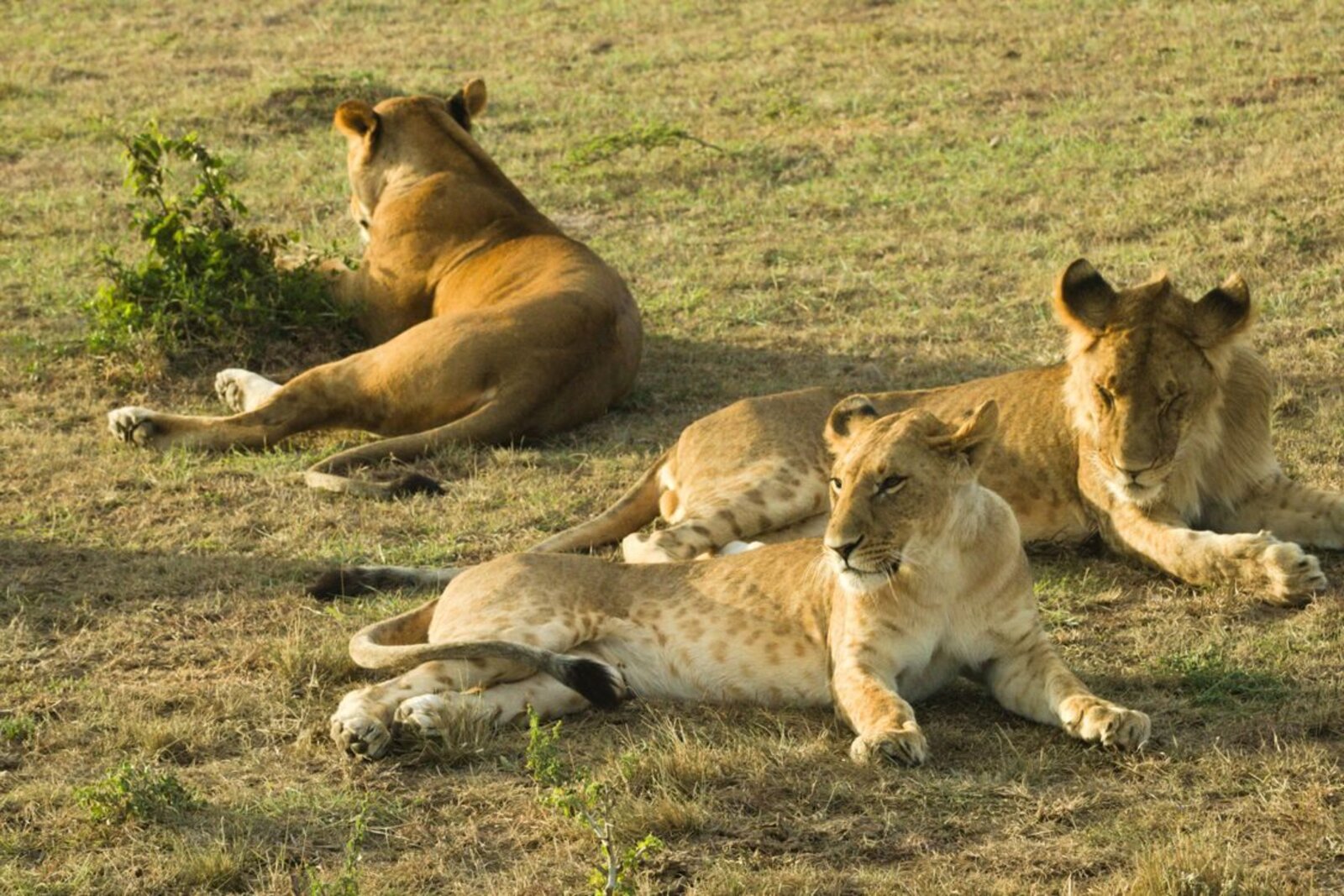
A lion pride in the golden light of the dry season
Golden-hour prides — winter is when the bush performs at its best.

Related journey: Luxury Sabi Sands Safari — 5 Days →


The Trade-Offs (and Why They Rarely Matter)

Winter is not perfect for everyone, and honesty matters. The bush is at its most beautiful and green in summer, with newborn animals and spectacular birdlife — so photographers who prize lush landscapes and migrant birds sometimes prefer the green season. Winter mornings are cold, the scenery is dry and golden rather than verdant, and the peak months can be busier. But for the single most important thing most travellers want — the best possible chance of seeing the Big Five, clearly and often — winter wins comfortably.

  Winter (Dry) Summer (Green)
Game viewingExcellent — best of the yearGood, but harder
WeatherDry, sunny, cold morningsHot, occasional storms
SceneryGolden, sparseLush, green
Mosquitoes / malariaFewest, lowest riskMore, higher risk
Birdlife / newbornsQuieterPeak — migrants & babies

What to Pack for a Winter Safari

  • Warm layers — mornings and evening drives are genuinely cold; bring a fleece, a warm jacket, a beanie and gloves.
  • Neutral daytime clothing — light, breathable layers for the mild, sunny afternoons.
  • A windproof outer layer for open-vehicle game drives at dawn.
  • Sun protection — the winter sun is still strong; pack a hat, sunglasses and sunscreen.
  • Binoculars and a camera — the clear, dry air and open bush make for superb viewing and photography.

Plan Your Winter Safari

We are a private, tailor-made travel house based in Cape Town, and we design winter safaris that make the most of every golden morning. Tell us your dates and whether you want the classic Sabi Sand and Kruger, a malaria-free family reserve, or a safari-and-whale-season combination with the Cape — and we will build the perfect dry-season journey, then run it flawlessly from the moment you land.

Ready for prime safari season? 👉 Request a winter safari quote → 👉 Browse our tours & safari packages → 👉 WhatsApp us: +27 74 315 5782
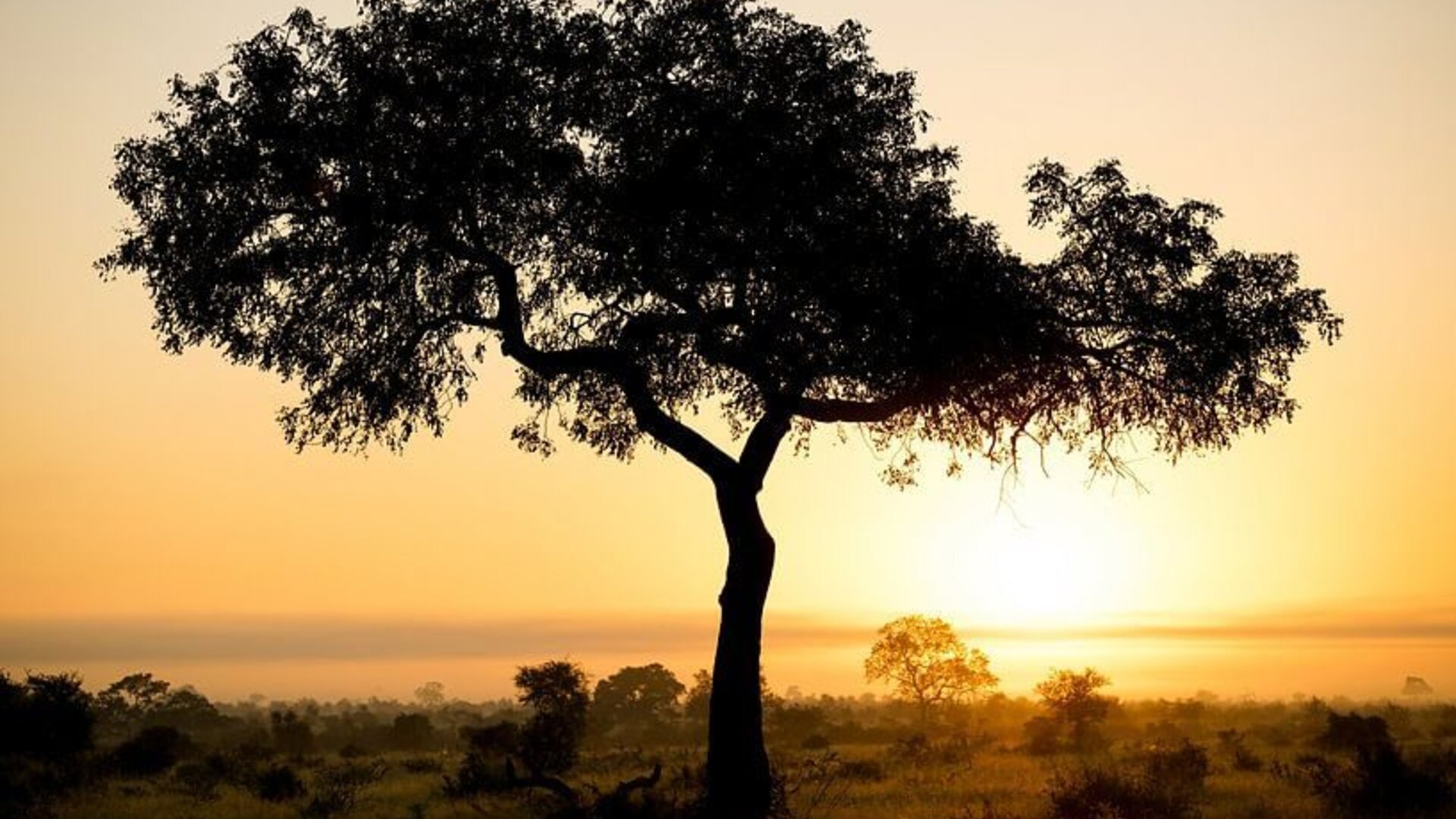
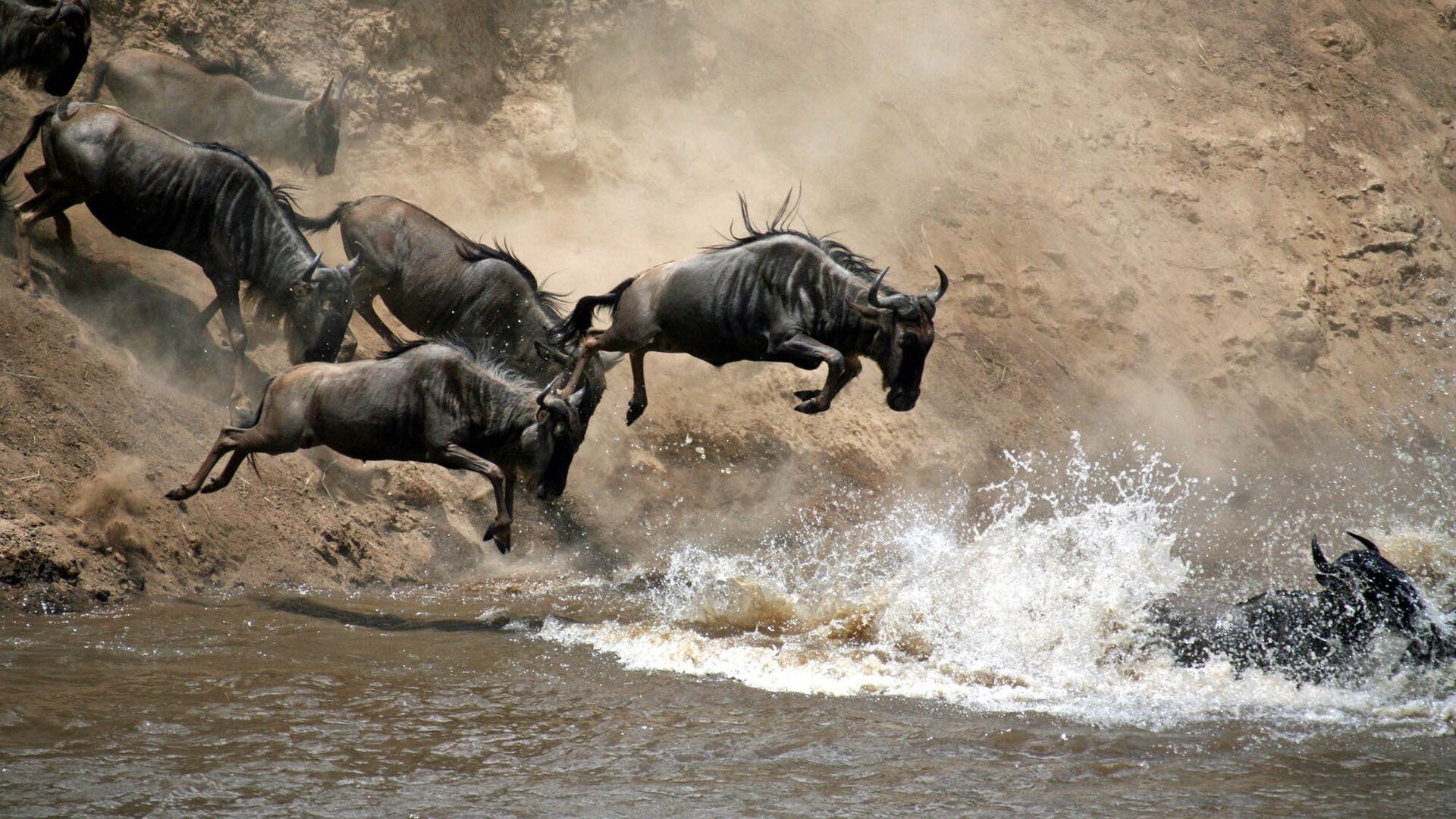
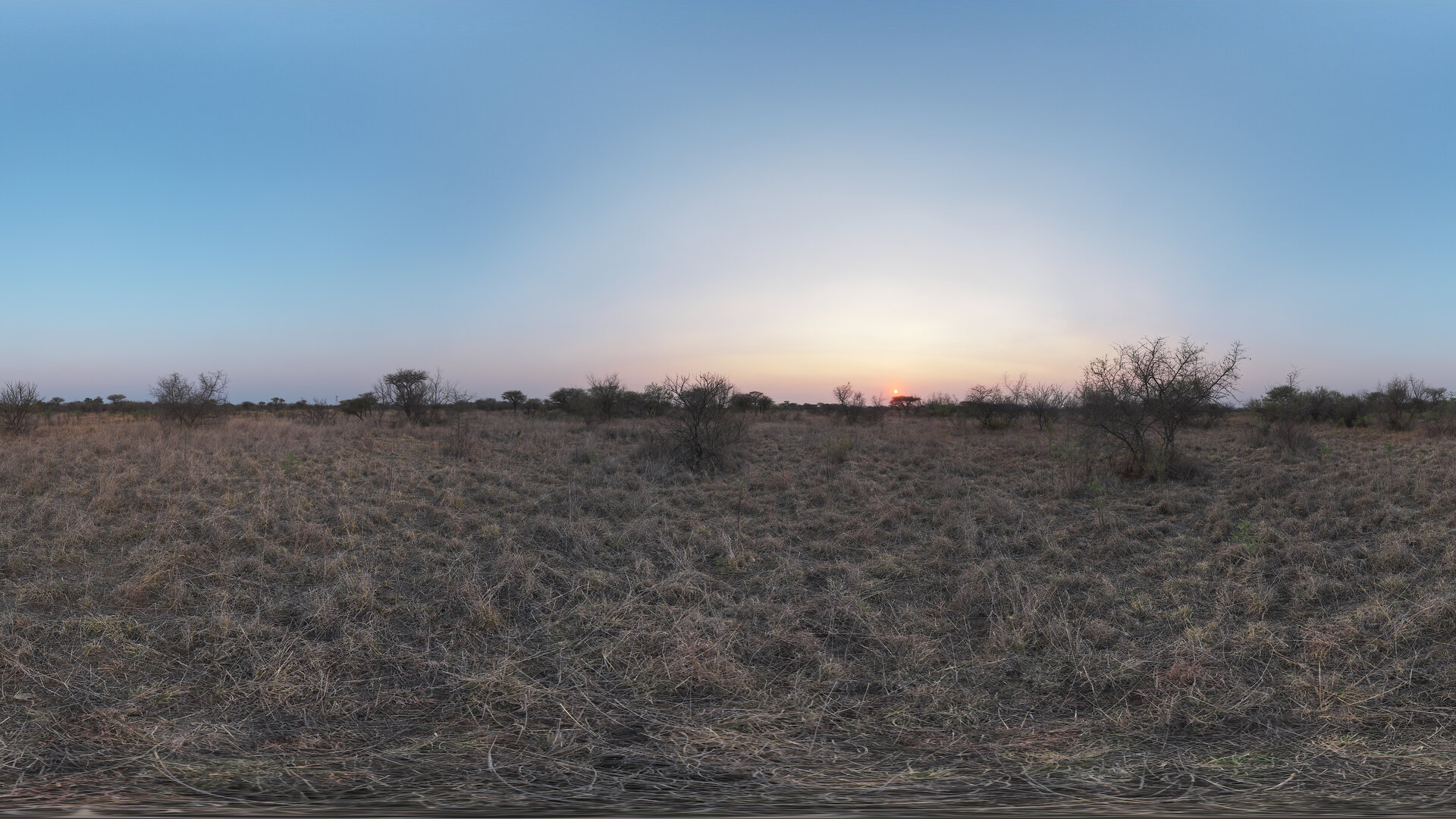
Prime Safari Season

It sounds counter-intuitive — the best time for an African safari is winter. But ask any guide, and they will tell you the dry, golden months from May to September deliver the finest game viewing of the entire year.

Here are the seven reasons winter is prime safari season in South Africa — thinner bush, thirsty animals gathered at water, blue skies, fewer mosquitoes and lower malaria risk — and how we build the perfect winter safari around them.

Frequently Asked Questions

Winter (May–September) is the dry season in South Africa, and it delivers the best game viewing of the year. As seasonal water dries up, animals gather in large numbers around permanent rivers and waterholes, while the thinning bush makes them far easier to spot. Add clear skies, no rain, cool mornings that keep predators active, and fewer mosquitoes, and winter becomes prime safari season.

The South African winter runs from about May to September, with June, July and August the coldest and driest months. This is the peak dry season and the best window for game viewing. April and October are excellent shoulder months, offering many of winter's advantages with slightly warmer weather and fewer crowds.

Mornings and evening game drives are genuinely cold — near freezing at dawn in the bush — so warm layers, a jacket, beanie and gloves are essential. However, daytime temperatures are usually mild and sunny, making the middle of the day pleasant. Lodges provide blankets and hot drinks on early drives, so the cold is easily managed and well worth it for the game viewing.

Yes. With little standing water in the dry season, mosquito numbers fall sharply, making winter the most comfortable time to be in the bush and reducing the malaria risk in areas like the Kruger and Sabi Sand to its lowest of the year. For extra reassurance, malaria-free reserves in the Eastern Cape and Madikwe offer superb Big Five viewing all year round.

For the best game viewing — clear, concentrated sightings of the Big Five — winter wins comfortably. Summer (the green season, November–April) is more beautiful and lush, with newborn animals and spectacular birdlife, but the dense vegetation and widely available water make animals harder to find. Most first-time travellers who want to maximise wildlife sightings should choose winter.

Absolutely, and the timing is perfect. The Cape's whale season runs from June to November — exactly the winter safari window. That means you can pair a Big Five safari in the Sabi Sand or Kruger with Cape Town and a whale-watching leg on the Cape Whale Coast, enjoying both at their seasonal best in one trip. It is one of our most popular winter itineraries.

Pack warm layers for the cold mornings and evening drives — a fleece, a warm jacket, a beanie and gloves — plus lighter neutral clothing for the mild, sunny afternoons. A windproof outer layer is invaluable in open game-drive vehicles at dawn. Don't forget sun protection (the winter sun is still strong), binoculars and a camera to make the most of the clear, open conditions.

Winter is the most popular safari season, so the best lodges do book up well in advance and rates can be higher in the peak months of July and August. That said, excellent value is still available, especially in the shoulder months of May, June and September. We recommend booking early for winter travel and can suggest the best value lodges and dates within the season.

Make It Happen

Safari Packages

Ready to experience it yourself?

Let our local experts craft a private journey around the places you just read about.

Explore ToursPlan My Trip
Curated For You

You May Also Like

A mountain gorilla in the misty forests of Volcanoes National Park, Rwanda, at golden hourSafari

The Ultimate Rwanda Travel & Safari Guide (2026): Everything You Need to Plan the Perfect Trip

Rwanda is one of the great emotional journeys of African travel — a small, green, mountainous country that delivers an experience few places on earth can match: standing metres from a family of wild mountain gorillas in the mist of the Virunga volcanoes. This is the Land of a Thousand Hills, where the forests of Volcanoes National Park hold the gorillas and golden monkeys, the ancient Nyungwe canopy shelters chimpanzees and a thrilling suspended walkway, and the revived plains of Akagera now offer Big Five game viewing. Add the serene shores of Lake Kivu and the clean, safe, welcoming capital of Kigali, and you have a destination of remarkable beauty and dignity. This is our definitive 2026 Rwanda travel guide, written by a private travel house that has built these journeys for years: when to go and why, how the gorilla permits work, the great parks and experiences, what a trip really costs, visas and practicalities, safety, and the ready-made primate-and-safari itineraries — from a focused gorilla trek to a grand primate-and-plains odyssey — that we craft for travellers again and again.

1 Aug 2026 · 20 min read
The towering red dunes of Sossusvlei in the Namib Desert at golden hourSafari

The Ultimate Namibia Travel & Safari Guide (2026): Everything You Need to Plan the Perfect Trip

Namibia is Africa at its most epic and elemental — a country of colossal skies, ancient deserts and roads that run to the horizon. This is the land of Sossusvlei, where the world's tallest sand dunes glow crimson at dawn above the ghostly white floor of Deadvlei; of Etosha, where wildlife gathers around floodlit waterholes on the edge of a vast salt pan; of Damaraland, home to desert-adapted elephant and rhino; and of the eerie, beautiful Skeleton Coast, where the dunes meet the cold Atlantic surf. Add the adventure hub of Swakopmund and the immense Fish River Canyon, and you have one of the world's great road-trip and fly-in safari destinations. This is our definitive 2026 Namibia travel guide, written by a private travel house that has built these journeys for years: when to go and why, the great regions, self-drive versus fly-in, what a trip really costs, visas and practicalities, safety, and the ready-made itineraries — from a first-timer's highlights loop to a grand desert-and-wildlife odyssey — that we craft for travellers again and again.

1 Aug 2026 · 20 min read
Table Mountain rising above Cape Town at golden hour — the gateway to a South African journeySafari

The Ultimate South Africa Travel Guide (2026): Everything You Need to Plan the Perfect Trip

South Africa is, quite simply, one of the most rewarding countries on earth to travel. In a single trip you can track leopards in the Sabi Sand at dawn, stand atop Table Mountain by lunch, taste world-class wine in a 300-year-old Cape estate, and watch whales breach off the Garden Route — all connected by good roads, short flights and some of the finest lodges and guides anywhere. This is our definitive 2026 South Africa travel guide, written by a private travel house based in Cape Town: when to go and why, the regions and highlights that matter, what a trip really costs, visas and practicalities, safety, food and wine, and the ready-made itineraries — from a first-timer's ten days to a grand three-week odyssey — that we build for travellers again and again. Whether you are planning your first visit or your fifth, everything you need is here.

1 Aug 2026 · 22 min read
Simple, Personal, Expert-Led

How It Works

From first message to the trip of a lifetime — planning your safari with us is effortless.

  1. 1

    Share Your Dream

    Tell us who is travelling, your dates and what you long to see. One quick message is all it takes to begin.

  2. 2

    We Design It

    Your specialist crafts a private, tailor-made itinerary — the right camps, the right season, every detail considered.

  3. 3

    Refine Together

    We fine-tune the journey with you until every day feels perfect, then handle flights, transfers and permits.

  4. 4

    Travel With Confidence

    Set off knowing every detail is handled and a dedicated specialist is on call from your first game drive to home.

Your Journey Starts Here

Let Our Experts Craft Your Perfect Safari

Every itinerary is handcrafted by our team of local specialists who have spent 18+ years exploring Southern and East Africa. From Big Five game drives to gorilla trekking — we create journeys that stay with you forever.

Start PlanningChat with Us
Chat