Key Takeaways
- Namibia offers Africa's most cinematic scenery — the red dunes of Sossusvlei, the wildlife of Etosha and the wild Skeleton Coast.
- The best time for wildlife is May–October (dry season), when game gathers at Etosha's waterholes; the desert is spectacular year-round.
- Namibia is a superb self-drive and fly-in destination, combining desert, wildlife and coast on excellent roads or by light aircraft.
- Most visitors travel visa-free for short stays; always confirm requirements for your nationality.
- Everything is easiest as a private, tailor-made journey — routes, flights, lodges and guides handled as one.
Why Visit Namibia?
Namibia is one of the most visually spectacular countries on earth — a place of vast deserts, dramatic wildlife and extraordinary space. Nowhere else can you climb the world's tallest dunes at sunrise, watch elephants and rhino thrive in a true desert, track game around floodlit waterholes on the edge of a giant salt pan, and stand on a fog-shrouded coast littered with shipwrecks and seal colonies. It is a photographer's dream, a self-driver's paradise and a fly-in safari of rare originality — clean, safe, well-organised and utterly unlike anywhere else in Africa.
This guide walks you through everything you need to plan the perfect Namibian journey in 2026 — the seasons, the regions, self-drive versus fly-in, the costs, the practicalities and the itineraries — drawing on our years of building these trips as a private travel house.
Best Time to Visit Namibia
Namibia is a year-round destination, but the dry season is best for wildlife while the desert dazzles in every season. The country's arid climate means clear skies for most of the year, with distinct wet and dry windows.
- May–October (dry season): the prime wildlife window — game concentrates at Etosha's waterholes, the weather is clear and mild, and the desert light is superb. Cool nights, warm days.
- July–September (peak): the finest game viewing, with animals gathered at water and pleasant, dry conditions across the country.
- November–December (early summer): hotter, with the first dramatic thunderstorms; the desert is still magnificent and the crowds are thinner.
- January–April (green season): occasional rains bring green landscapes, newborn animals, superb birding and the chance of flowing desert rivers; some days are hot, but value is excellent.
The perfect answer for most first-timers is May–October for wildlife and comfortable touring, with July–September the standout months. The dunes and canyons, however, are breathtaking all year. We time every trip around the game and the experience that matters most to you. For a deeper look at the seasonal case for dry-season game viewing, see our guide to why winter is the best time for an African safari.
Where to Go: Namibia's Great Regions
Namibia's highlights fall into a handful of extraordinary regions, each with a distinct character. A great trip strings two or three of them together, blending desert, wildlife and coast.
Sossusvlei & the Namib Sand Sea
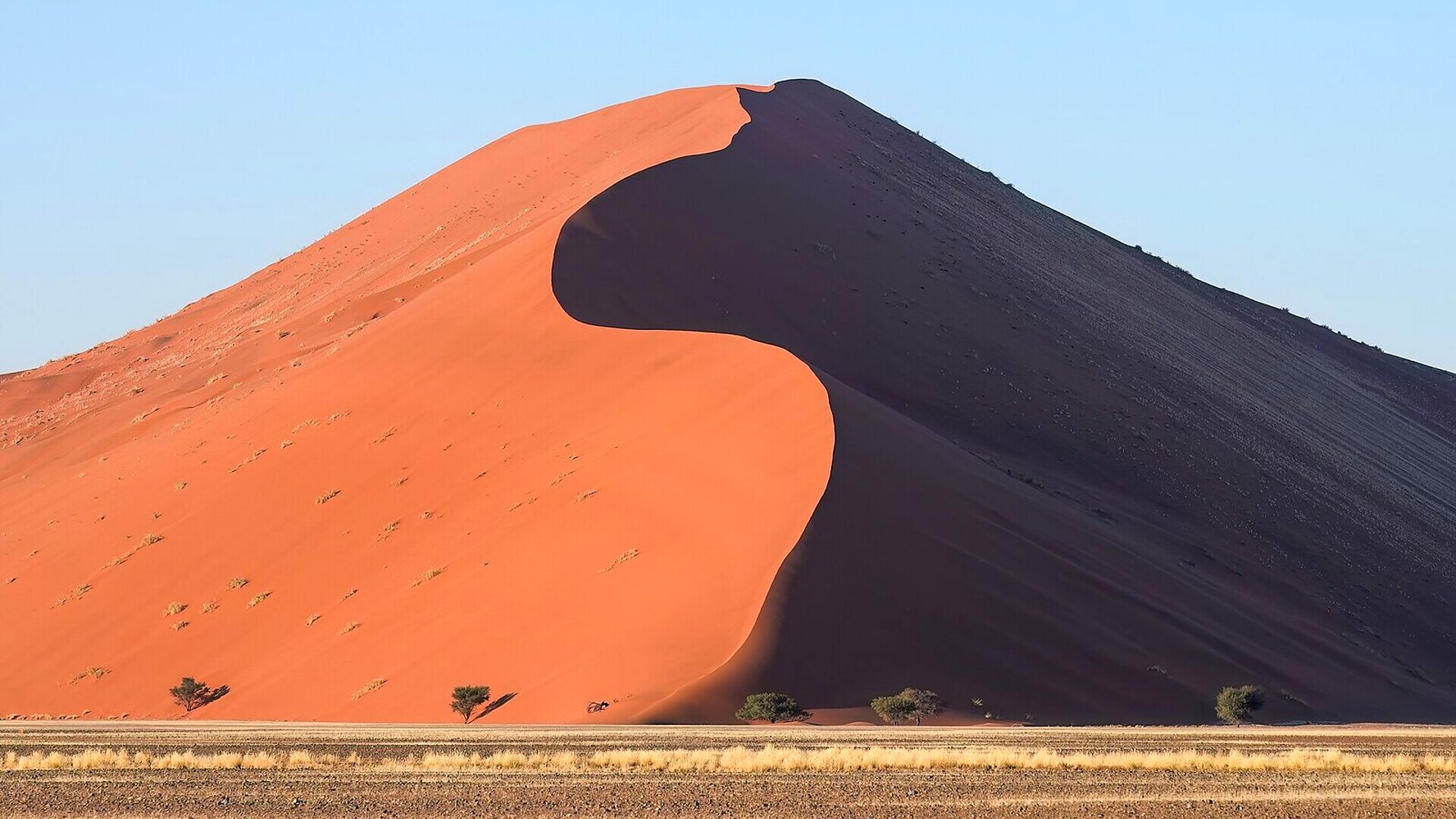
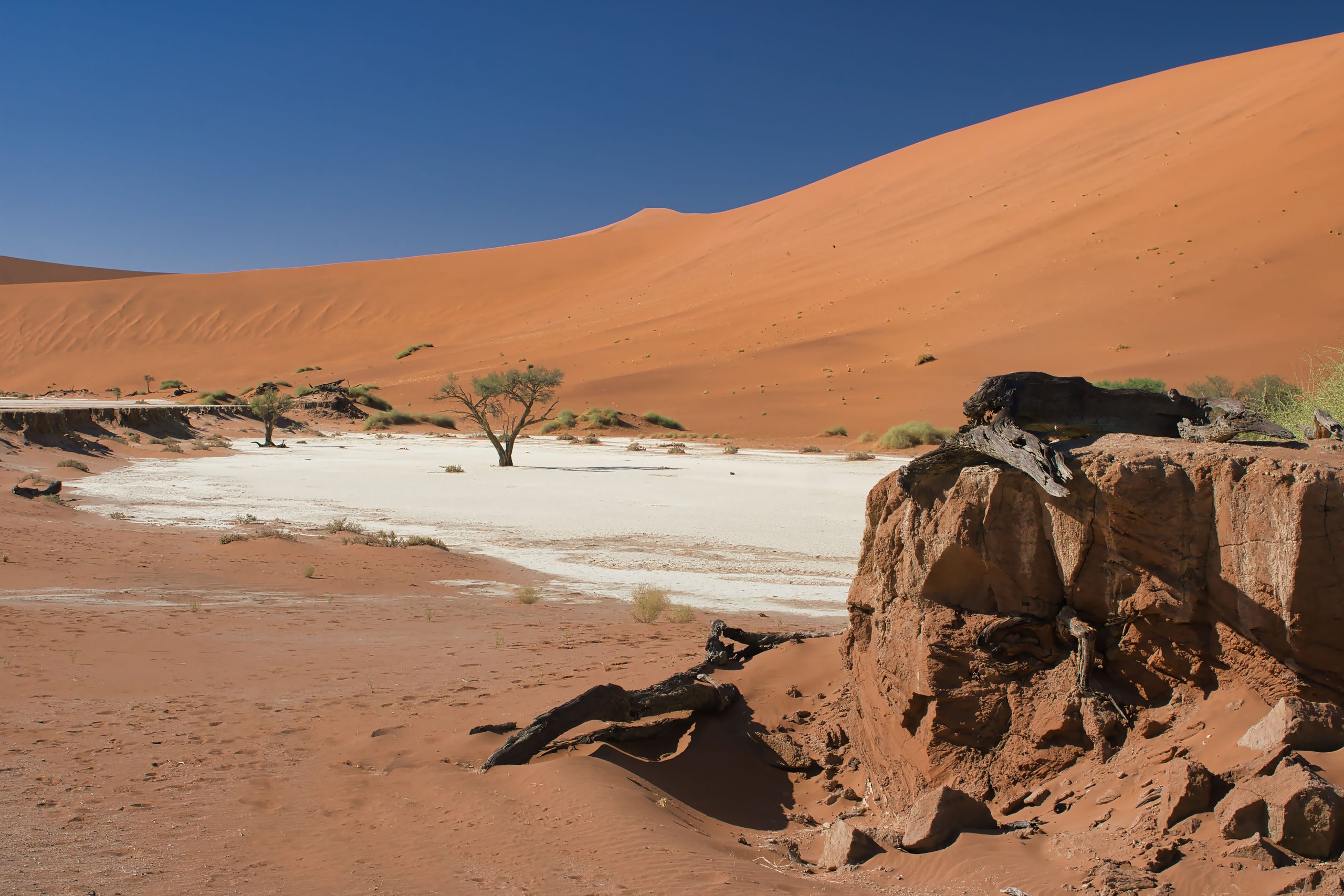
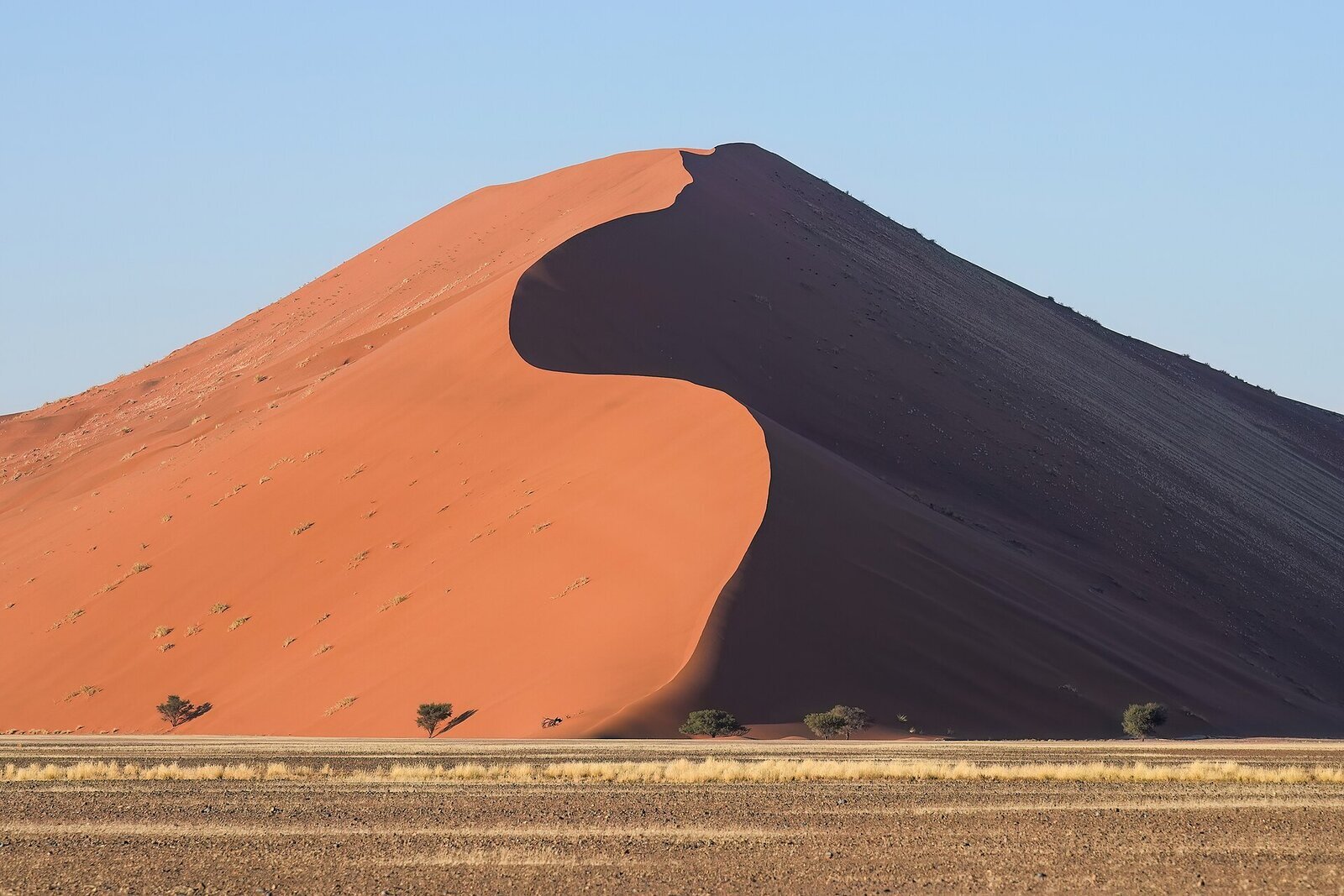
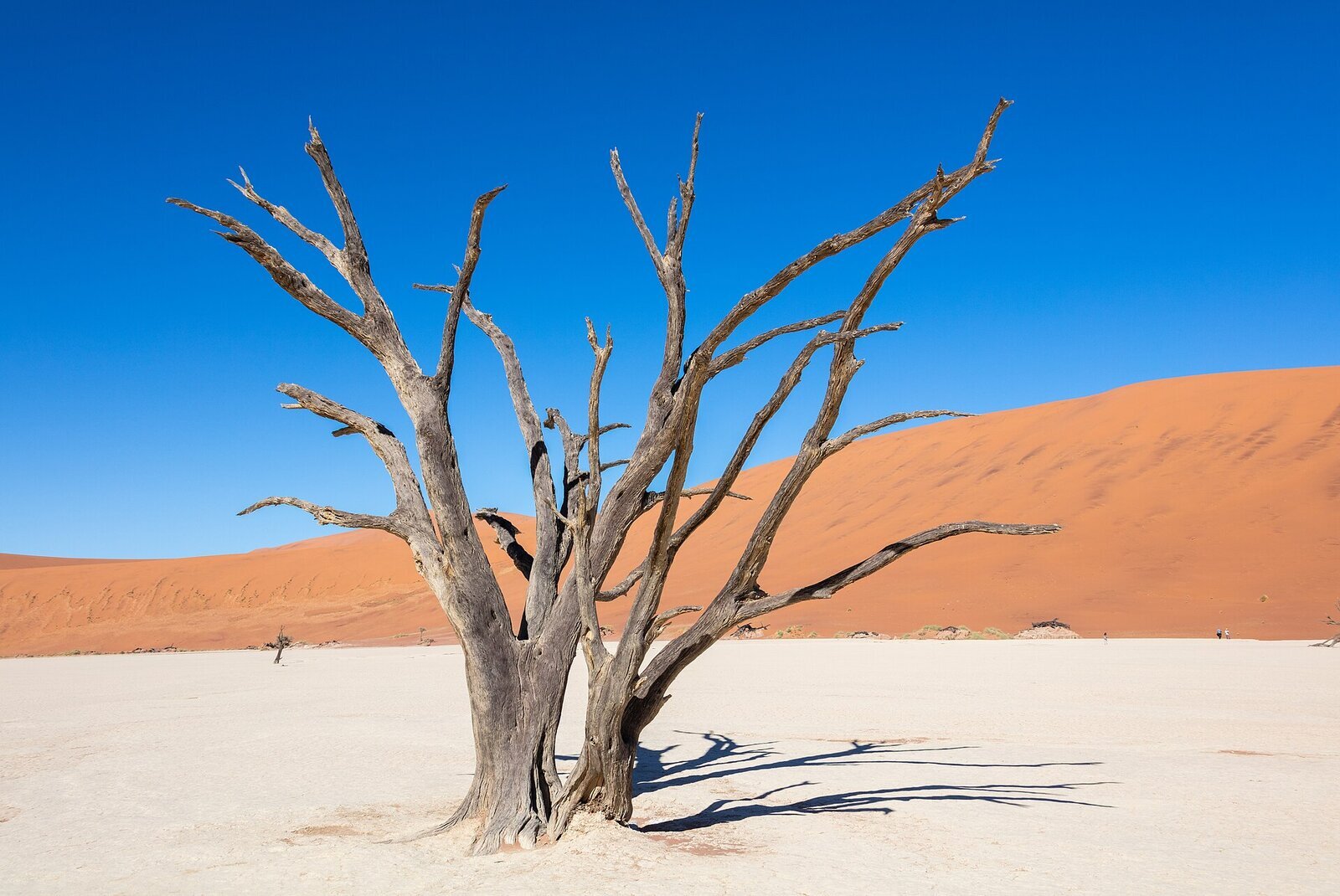
The most iconic landscape in Namibia — the world's tallest sand dunes. In the ancient Namib-Naukluft, colossal apricot-red dunes rise above the white clay pan of Deadvlei with its ghostly, blackened trees. Climb Dune 45 or Big Daddy at sunrise, and take a scenic flight or balloon over the sand sea for a truly unforgettable perspective. Allow two nights.
Etosha National Park
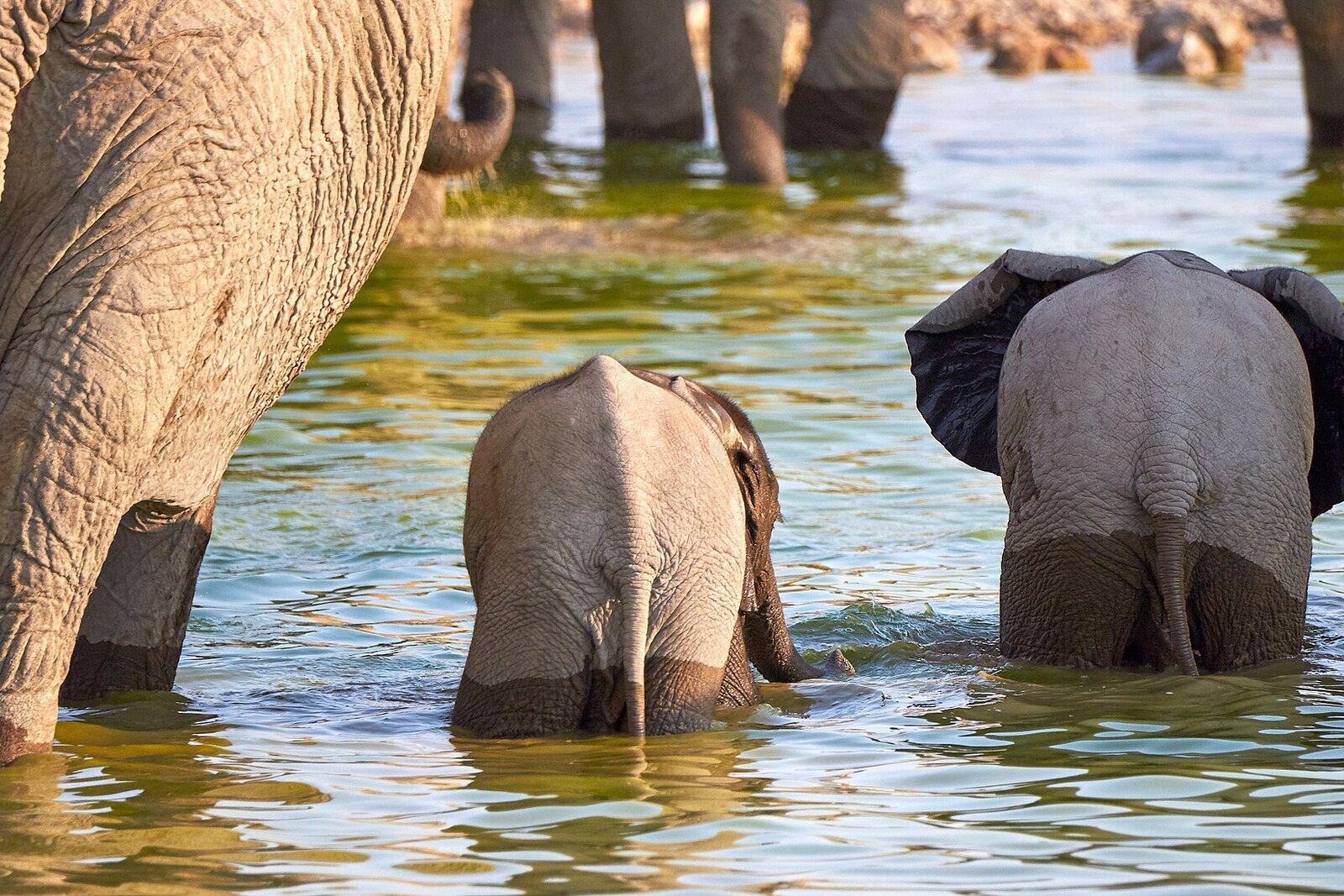
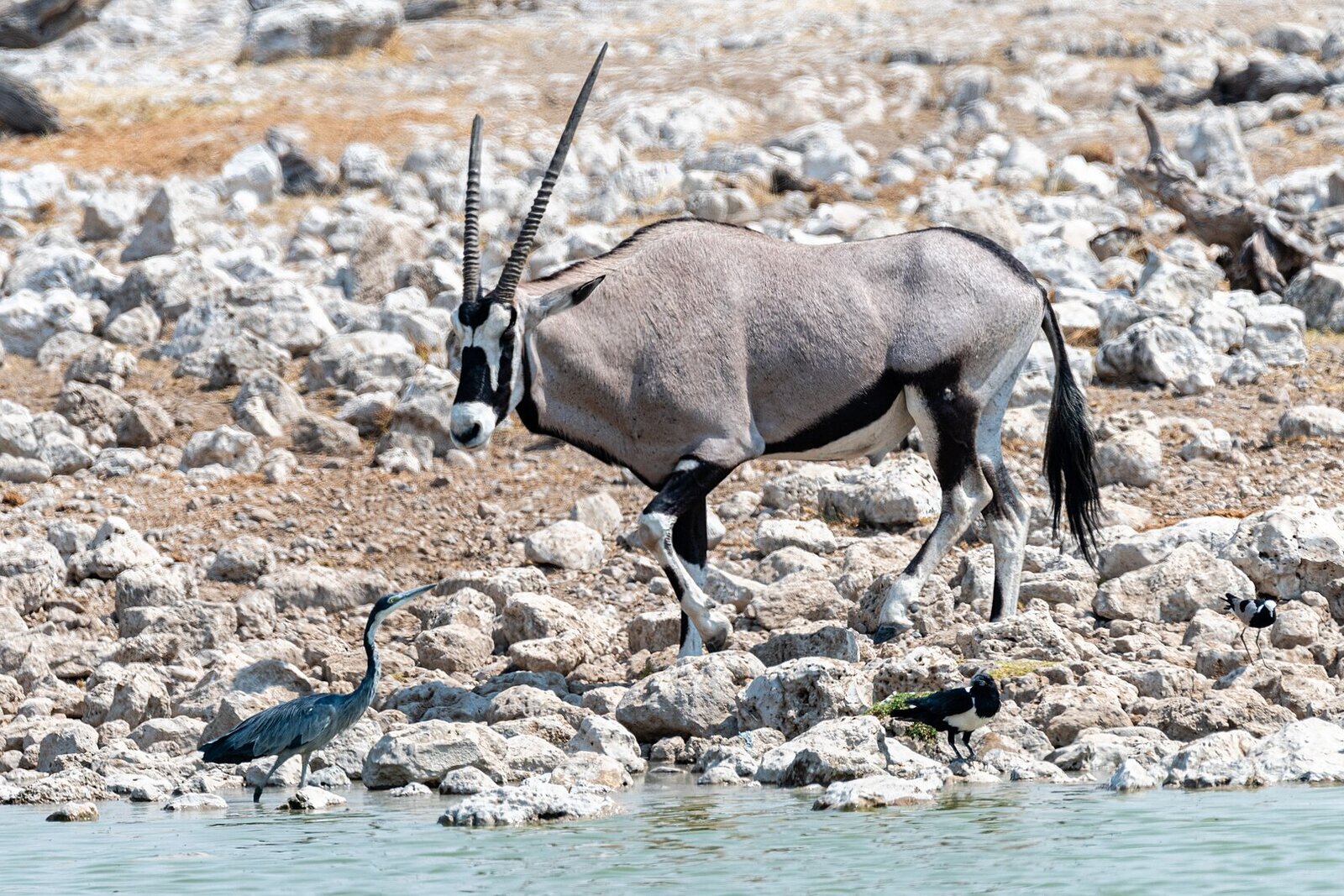
Namibia's premier wildlife destination, built around a vast salt pan. In the dry season, elephant, lion, rhino, giraffe and huge herds of plains game gather at Etosha's waterholes, making for exceptional, easy game viewing — including floodlit waterholes at camp where wildlife comes to you after dark. Allow two to three nights.
Related journey: Namibia Desert & Wildlife Explorer — 10 Days →
Damaraland & Kaokoland
A raw, rust-red wilderness of mountains, valleys and desert-adapted wildlife. Damaraland is home to the remarkable desert elephant and black rhino, ancient rock engravings at Twyfelfontein, and the towering Brandberg. Remote Kaokoland is the land of the Himba people. This is Namibia at its most wild and cinematic.
The Skeleton Coast
One of the most haunting, beautiful coastlines on earth. Where the dunes meet the cold Atlantic, the fog-shrouded Skeleton Coast is strewn with shipwrecks, seal colonies and desert wildlife, accessed by scenic fly-in safaris. Eerie, empty and utterly unforgettable — a highlight of any grand Namibian journey.
Swakopmund & the Coast
Namibia's charming seaside adventure capital. With its German-colonial architecture, cafés and cool Atlantic air, Swakopmund is the hub for desert adventure — quad-biking and sandboarding the dunes, scenic flights, and marine cruises to see seals, dolphins and pelicans at nearby Walvis Bay. A lively, welcome contrast to the desert.
Fish River Canyon & the South
One of the largest canyons in the world — vast, ancient and awe-inspiring. In Namibia's dramatic south, the Fish River Canyon plunges in a series of colossal bends, best admired from the rim viewpoints or, for the hardy, on a multi-day hike. The surrounding Ai-Ais region adds hot springs and quiver-tree deserts.
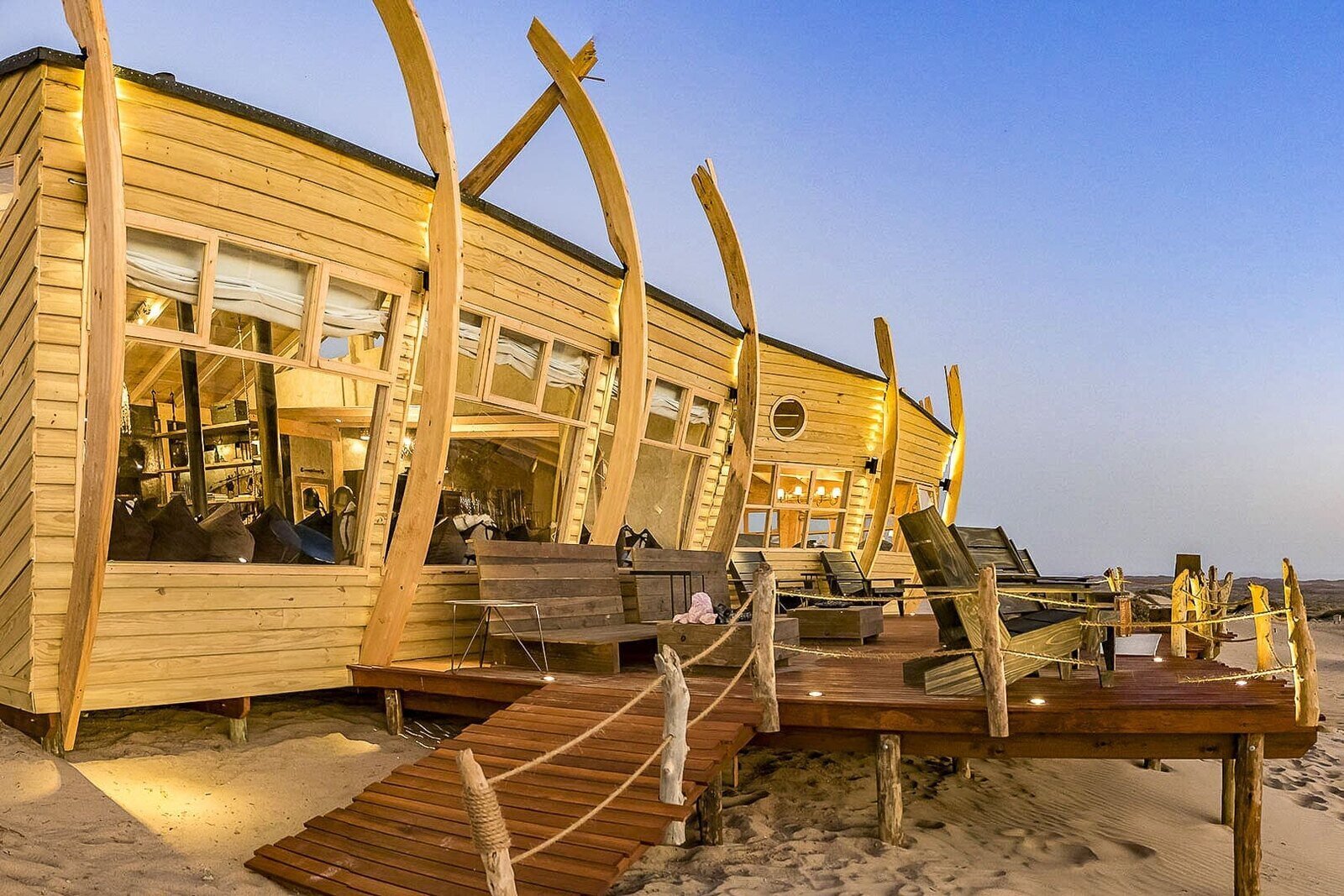
Related journey: Luxury Namibia Highlights — 8 Days →
The Best Things to Do in Namibia
- Climb the red dunes of Sossusvlei at sunrise and walk the ghostly Deadvlei.
- Watch wildlife at Etosha's waterholes, including floodlit night viewing.
- Track desert elephants and rhino in Damaraland.
- Take a scenic flight over the Namib sand sea and Skeleton Coast.
- Sandboard or quad-bike the dunes at Swakopmund.
- Cruise Walvis Bay for seals, dolphins and pelicans.
- Marvel at the Fish River Canyon, one of the largest on earth.
- Meet the Himba people of Kaokoland.
- Stargaze under some of the clearest, darkest skies in the world.
- Toast a sundowner as the desert glows gold and crimson.
How Many Days Do You Need?
Eight to ten days is the sweet spot for a first trip — enough to combine the great dunes, Etosha's wildlife and the coast without rushing across Namibia's vast distances. Here is how the timings tend to work:
| Trip length | What it covers |
|---|---|
| 5–6 days | A short highlights trip — Sossusvlei, Swakopmund & a taste of the desert |
| 8 days | The classic loop — Sossusvlei, Swakopmund & Etosha |
| 10 days | Dunes, coast, Etosha & Damaraland — the definitive Namibia journey |
| 12–14 days | The grand tour — add the Skeleton Coast, Kaokoland & the south |
Ready-Made Itineraries
The Highlights 8 Days
Sossusvlei's red dunes, the adventure coast of Swakopmund and the wildlife of Etosha — the classic Namibian loop, by guided self-drive or private fly-in, staying in superb desert lodges.
The Desert & Wildlife 10 Days
The great dunes, the Atlantic coast, Etosha's waterholes and the desert-adapted wildlife of Damaraland — the definitive Namibian journey of scenery and game.
The Honeymoon & Grand Tour
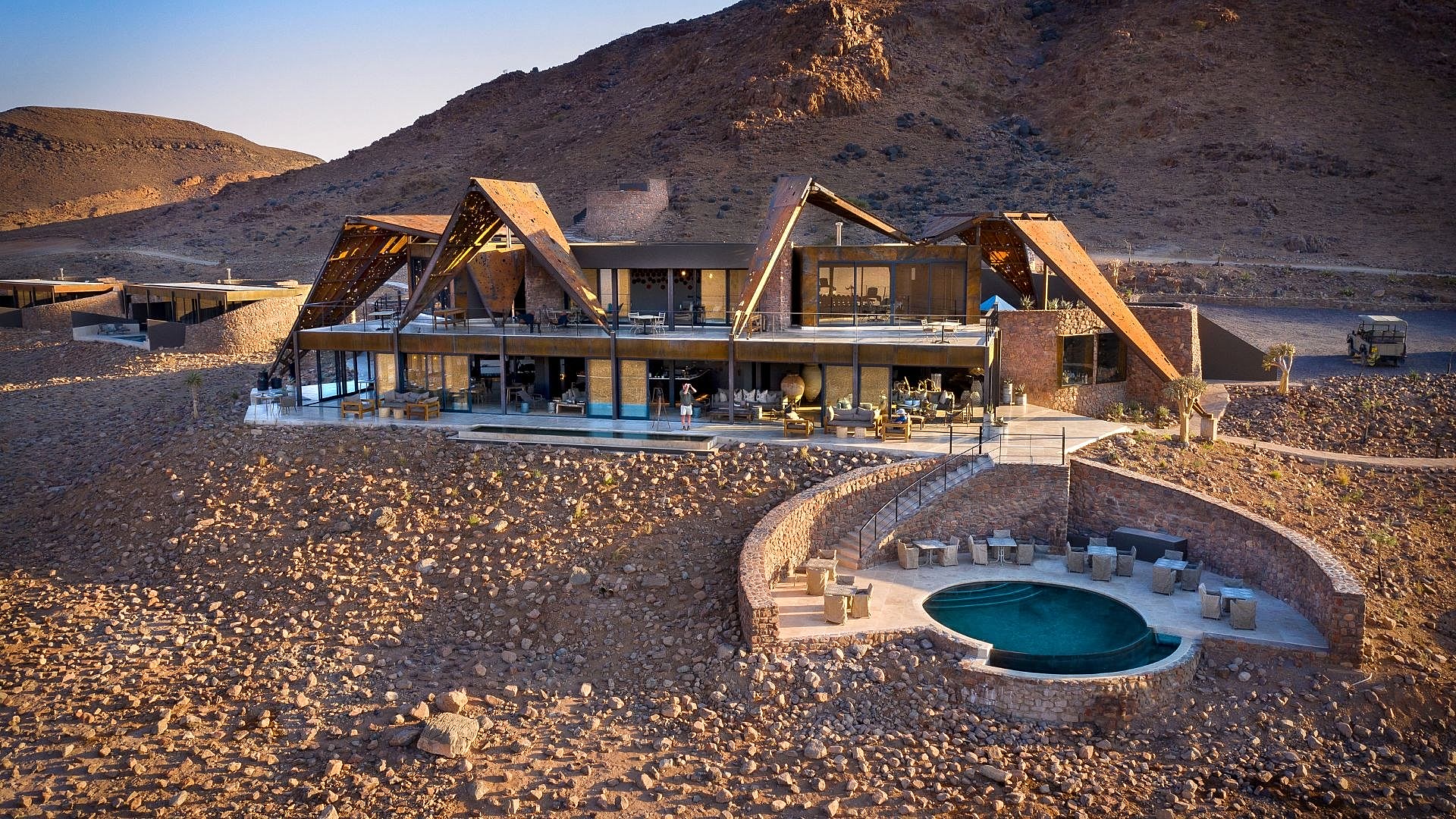
A tailor-made fly-in blend of Sossusvlei, the Skeleton Coast, Damaraland and Etosha in barefoot-luxury lodges — or a combination with Cape Town or Victoria Falls for the ultimate Southern African adventure.
Related journey: Ultimate Namibia Fly-In Safari — 12 Days →
Self-Drive or Fly-In?
Namibia is one of the world's great self-drive destinations — but a fly-in safari opens up its most remote corners. The roads are excellent and well-signposted, distances are vast but the driving is straightforward, and a guided or self-drive road trip lets you set your own pace through spectacular scenery. A fly-in safari, by contrast, saves long transfers and reaches otherwise inaccessible areas like the Skeleton Coast and remote Kaokoland, often in exclusive luxury. Many of our finest itineraries combine the two. We advise on the right balance for your time, budget and appetite for adventure, and handle every vehicle, flight and lodge.
What Does a Trip to Namibia Cost?
Namibia offers excellent value across a wide range of styles, from comfortable guided self-drives to exclusive fly-in luxury. A self-drive trip staying in mid-range lodges is one of the more affordable ways to experience Africa's great scenery, while private fly-in safaris to remote desert camps sit at the top of the luxury scale. Park fees are modest, and the green season offers particularly good value. Costs are shaped mainly by your choice of self-drive versus fly-in and the standard of lodge. We build every trip to your budget and are transparent about where your money goes furthest.
Practical Information
- Entry: many nationalities travel visa-free for short tourist stays; always confirm the latest requirements for your nationality before travelling.
- Health: most of Namibia is low-risk for malaria, but precautions are advised for the northern regions (Etosha, the Caprivi) in the wet season. Consult a travel clinic before you go.
- Currency: the Namibian dollar (NAD), pegged to and interchangeable with the South African rand (ZAR); cards are widely accepted.
- Language: English is the official language; Afrikaans, German and several local languages are also spoken.
- Getting around: excellent roads make self-drive easy (a 4x4 is useful for remote areas), while light-aircraft flights link the remote camps. We handle all vehicles, flights and transfers.
- Electricity: 220–240V, with South-African-style three-round-pin plugs — bring a universal adapter.
- Distances: Namibia is vast and sparsely populated — fuel up, carry water, and allow generous driving times between stops.
Is Namibia Safe to Visit?
Namibia is one of the safest, most stable and best-organised countries in Africa, and a superb destination for first-timers and self-drivers alike. Crime rates are low by regional standards, the infrastructure is excellent, and the wildlife areas and lodges are professionally run. On the road, the main considerations are practical — long distances, gravel roads and wildlife near highways — all of which we plan for. In towns, the usual sensible precautions apply. On a privately arranged trip, the logistics of safety are handled for you.
Food & Culture
Namibian food blends African, German and South African influences — think excellent game meats, fresh Atlantic seafood at the coast, hearty stews, and German-style bakeries and beer in Swakopmund and Windhoek. Lodges deliver excellent dining, often with a desert view. Culturally, Namibia is home to the Himba, the San, the Herero and many other peoples, and respectful visits to communities, along with the rock art of Twyfelfontein, add real depth and understanding to any journey.
Why Travel with a Private Travel House
- One team, one point of contact — every route, flight, transfer, lodge and experience handled as a single seamless journey.
- Insider access — the best lodges, the right routing, expert guides and the finest desert experiences.
- Tailor-made to you — self-drive or fly-in, your dates, your pace, your budget, shaped entirely around you.
- On-the-ground support — genuine 24/7 assistance from arrival to departure.
- Peace of mind — safety, logistics and quality all taken care of, so you simply enjoy the wild.
Plan Your Namibian Journey
We are a private, tailor-made travel house, and Southern Africa is our home ground. Tell us your dates, who is travelling and what you dream of — the great red dunes, an Etosha wildlife safari, a self-drive adventure or a grand fly-in desert odyssey — and we will design a Namibian journey that is entirely your own, then run it flawlessly from the moment you land.
Ready to plan the perfect trip? 👉 Request a Namibia quote → 👉 Browse our tours & safari packages → 👉 WhatsApp us: +27 74 315 5782