Key Takeaways
- The Masai Mara remains the undisputed number one — the Great Migration, the highest big-cat density in Africa, and rolling savannahs that define the word "safari".
- Kenya pioneered wildlife tourism and still sets the standard. Parks are managed by Kenya Wildlife Service (KWS); reserves by county governments.
- The Northern Circuit (Mara, Amboseli, Tsavo, Samburu) delivers classic Big Five viewing. Western parks (Gombe, Hell's Gate) offer unique experiences like walking safaris and chimp trekking.
- Entry fees were revised in 2026: expect $80–$90 per adult per day for most parks; the Masai Mara ranges $100–$200 depending on season.
- For exclusive, private-concession luxury with guaranteed sightings, see our top luxury lodges guide.
Kenya invented the safari. The word itself is Swahili. And while East Africa's wildlife kingdom now spans borders, Kenya remains the spiritual home of the open-vehicle, golden-light, Big Five experience that the rest of the world tries to replicate. With 23 national parks, 28 national reserves, and the planet's most famous annual wildlife migration, the challenge isn't whether to safari in Kenya — it's which parks deserve your time.
After decades guiding travellers across this country, our team has ranked the ten national parks and reserves in Kenya that deliver the greatest reward — for wildlife density, landscape drama, and those moments that redefine what nature can do. This is the honest, expert shortlist for 2026.
How We Ranked Kenya's National Parks
This ranking evaluates Kenya's public national parks and reserves — the destinations managed by the Kenya Wildlife Service (KWS) or county authorities, where safari experiences are accessible to all. Private conservancies like Ol Pejeta and Lewa, while excellent, are covered separately in our private safari guide.
We weighted five factors: wildlife density and Big Five accessibility, scenic and landscape drama, uniqueness (does it offer something no other park can?), infrastructure and accessibility, and overall visitor experience. Entry fees, crowd management, and 2026 value were also considered. Here is the result.
The Top 10 National Parks in Kenya, Ranked
1. Masai Mara National Reserve — The Great Migration Icon
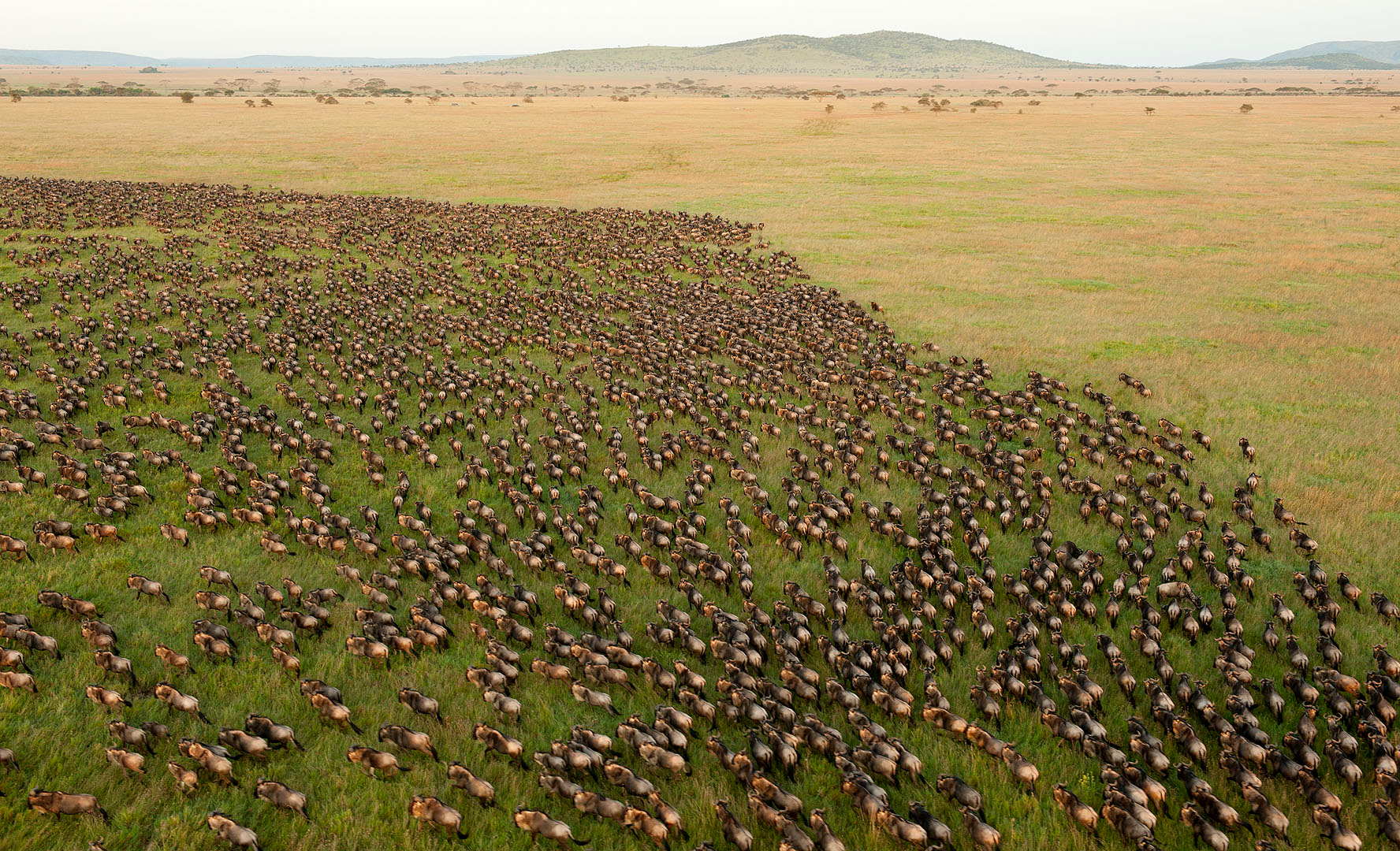
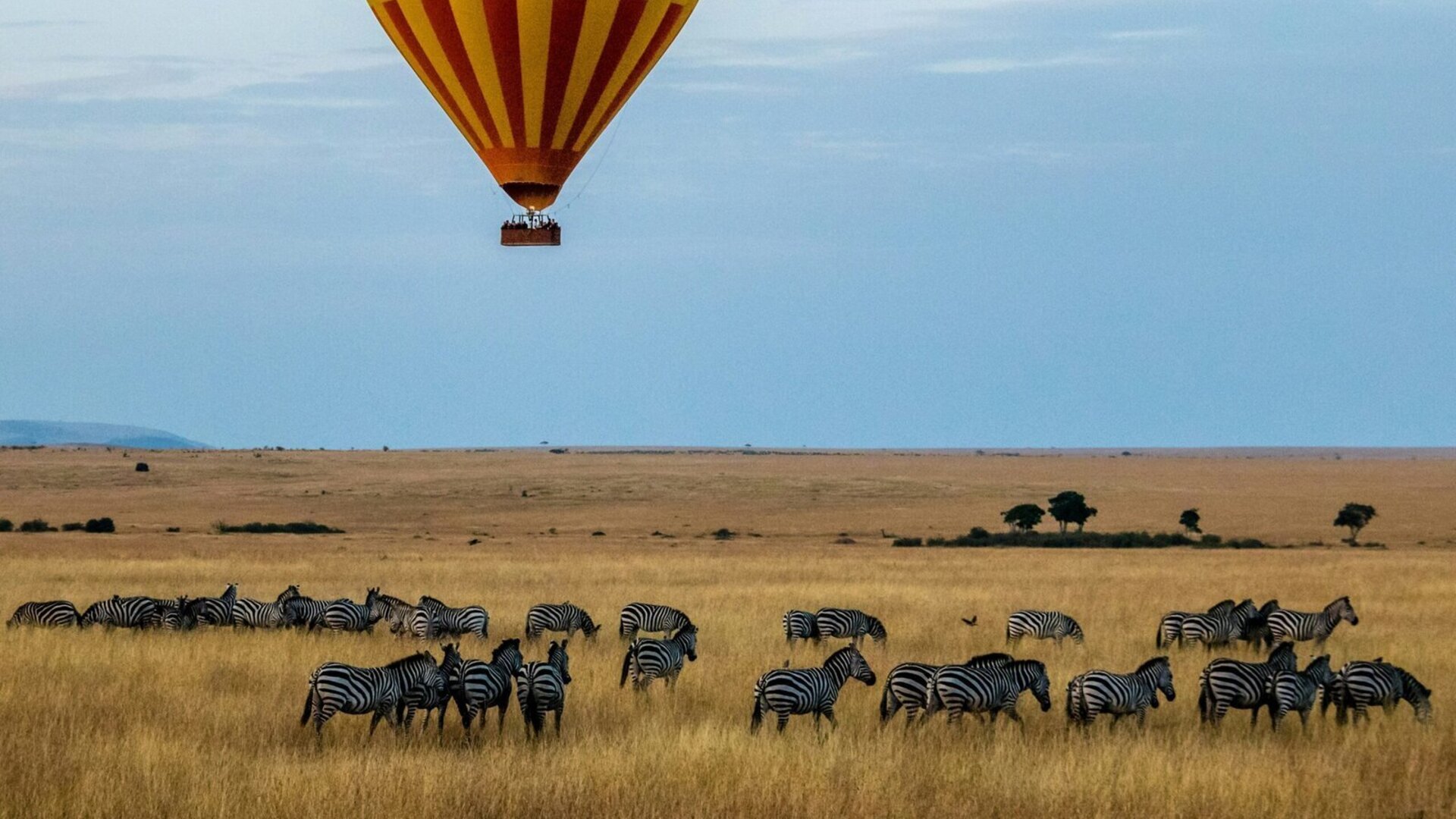
Nothing else in Kenya — or arguably East Africa — comes close. The Masai Mara is where the concept of "safari" crystallized: rolling golden grasslands, riverine forests thick with crocodiles, and the highest concentration of big cats on earth. Between July and October, over 1.5 million wildebeest and zebra cross the Mara River in one of nature's most dramatic spectacles. Outside migration season, the Mara still delivers daily lion, leopard, and cheetah sightings that other parks achieve only occasionally.
The reserve is county-managed, not KWS, which allows for more flexible guiding and off-road tracking in certain zones. For first-time safari-goers and seasoned wildlife photographers alike, the Mara is the benchmark.
- Best for: Great Migration (July–Oct), big cats, first safaris, classic open-savannah experience.
- Wildlife: Lion, leopard, cheetah, elephant, buffalo, rhino (rare), plus 95+ mammal species and 570+ bird species.
- Entry fee (2026): $100–$200 per adult per 24 hours (seasonal pricing).
- Insider tip: Stay in a private conservancy (Mara North, Olare Motorogi, Naboisho) bordering the reserve for exclusive game drives, night drives, and walking safaris — privileges banned in the main reserve.


2. Amboseli National Park — Elephants Beneath Kilimanjaro
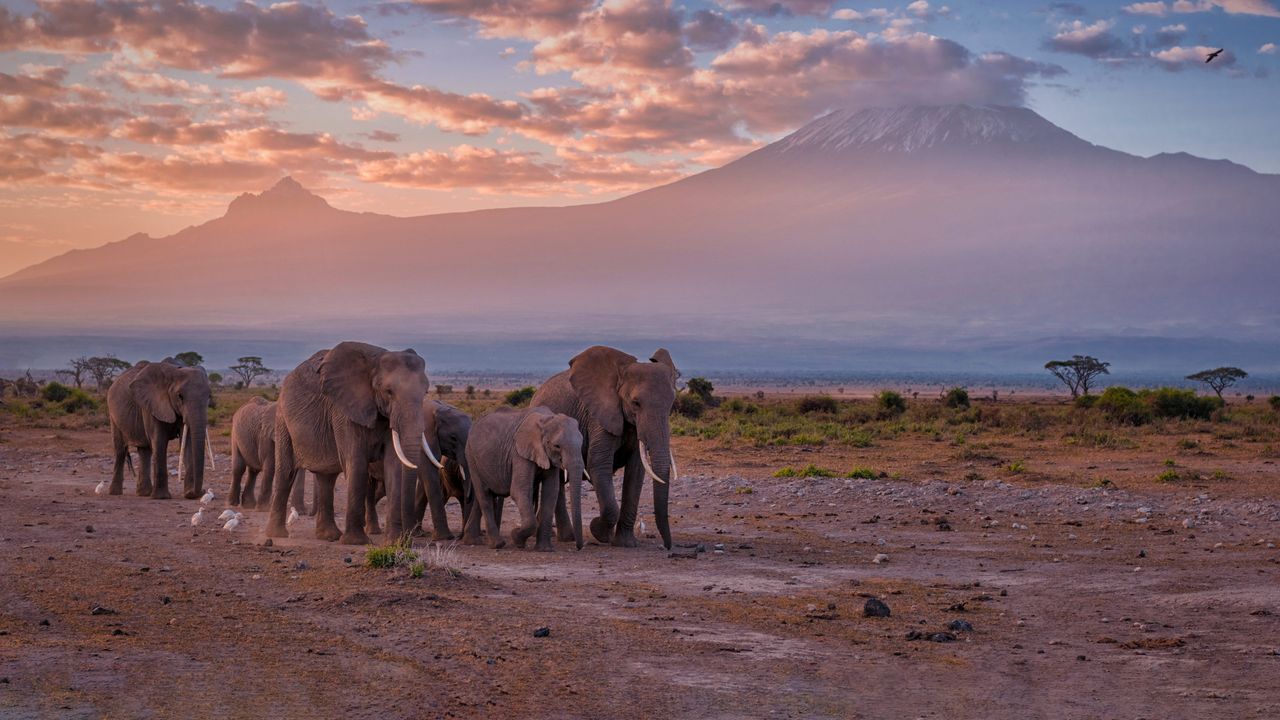
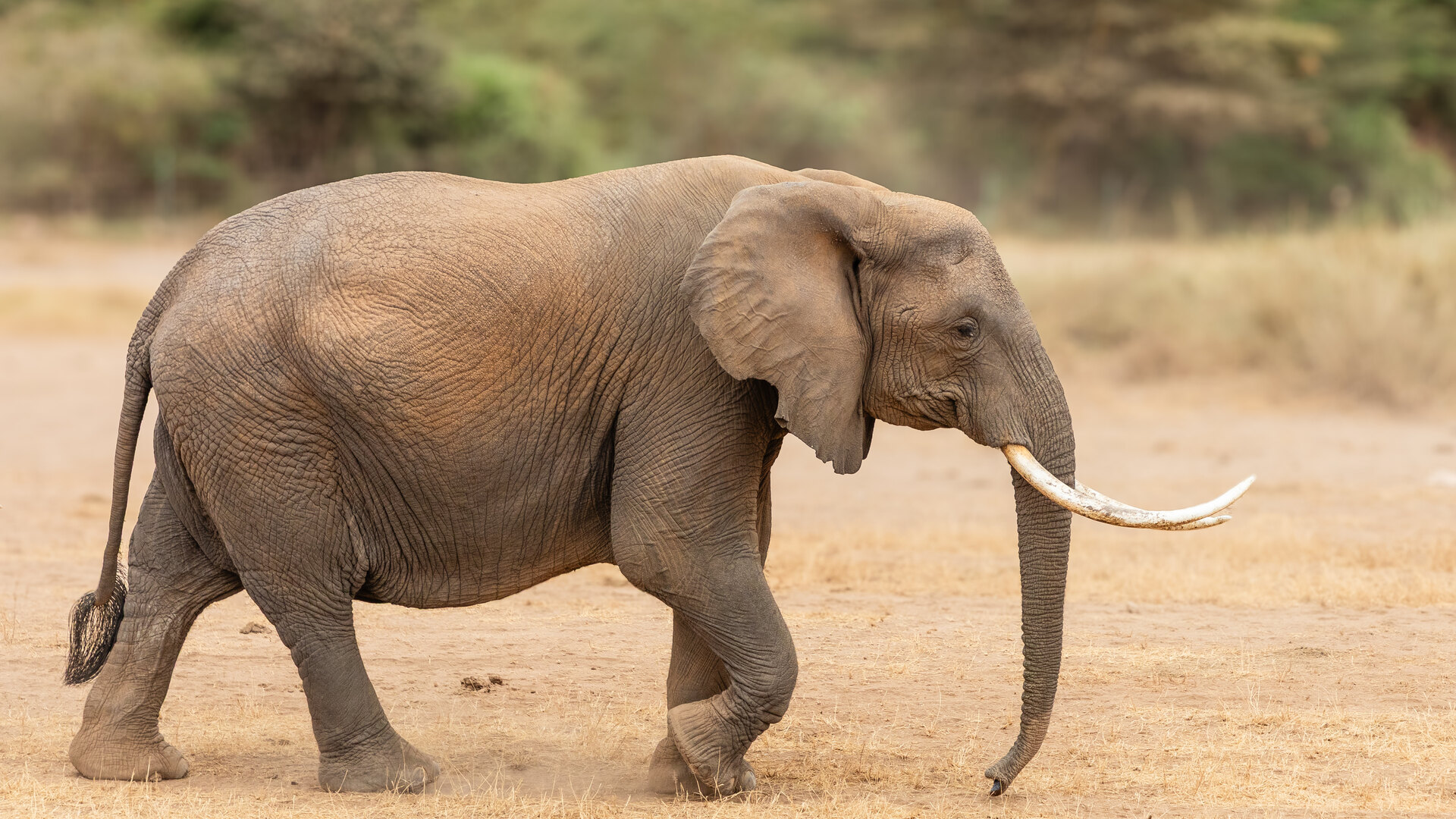
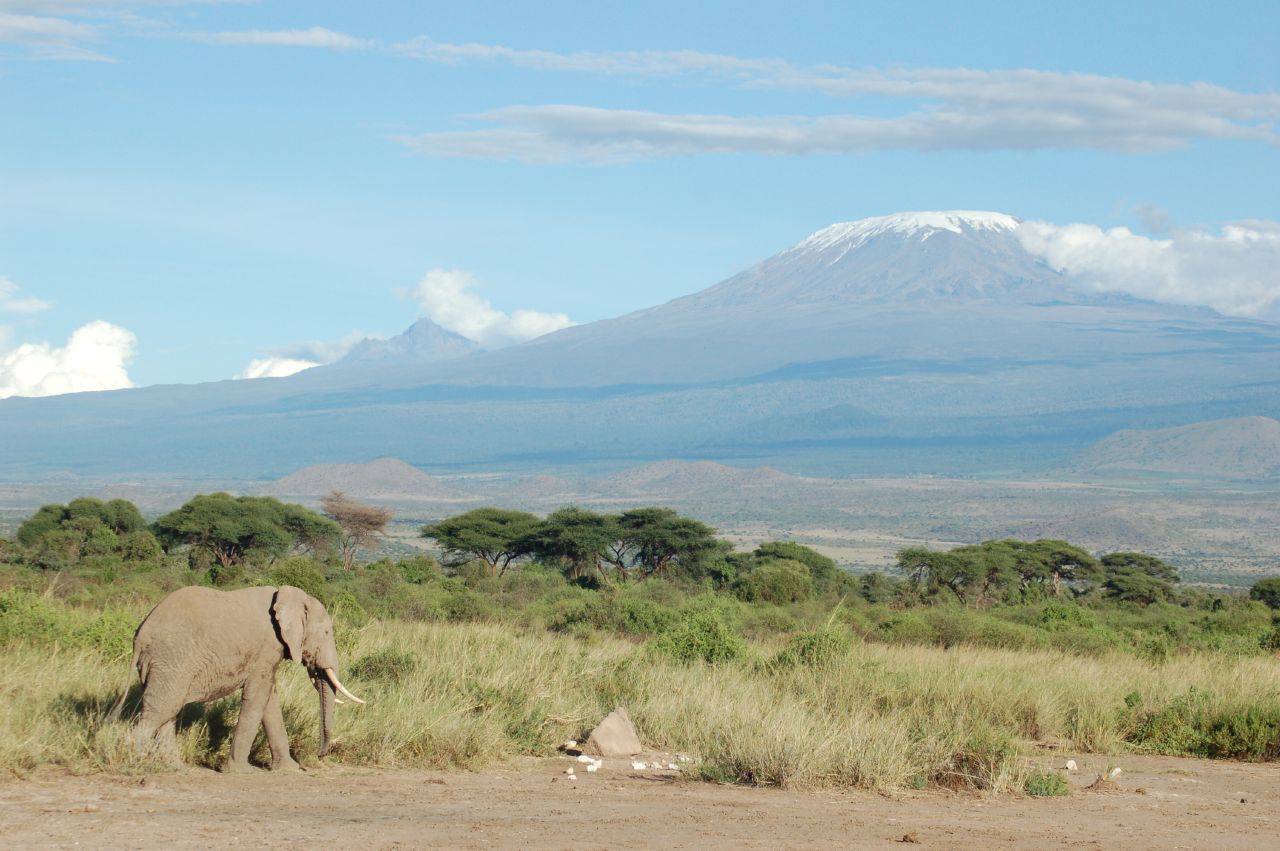
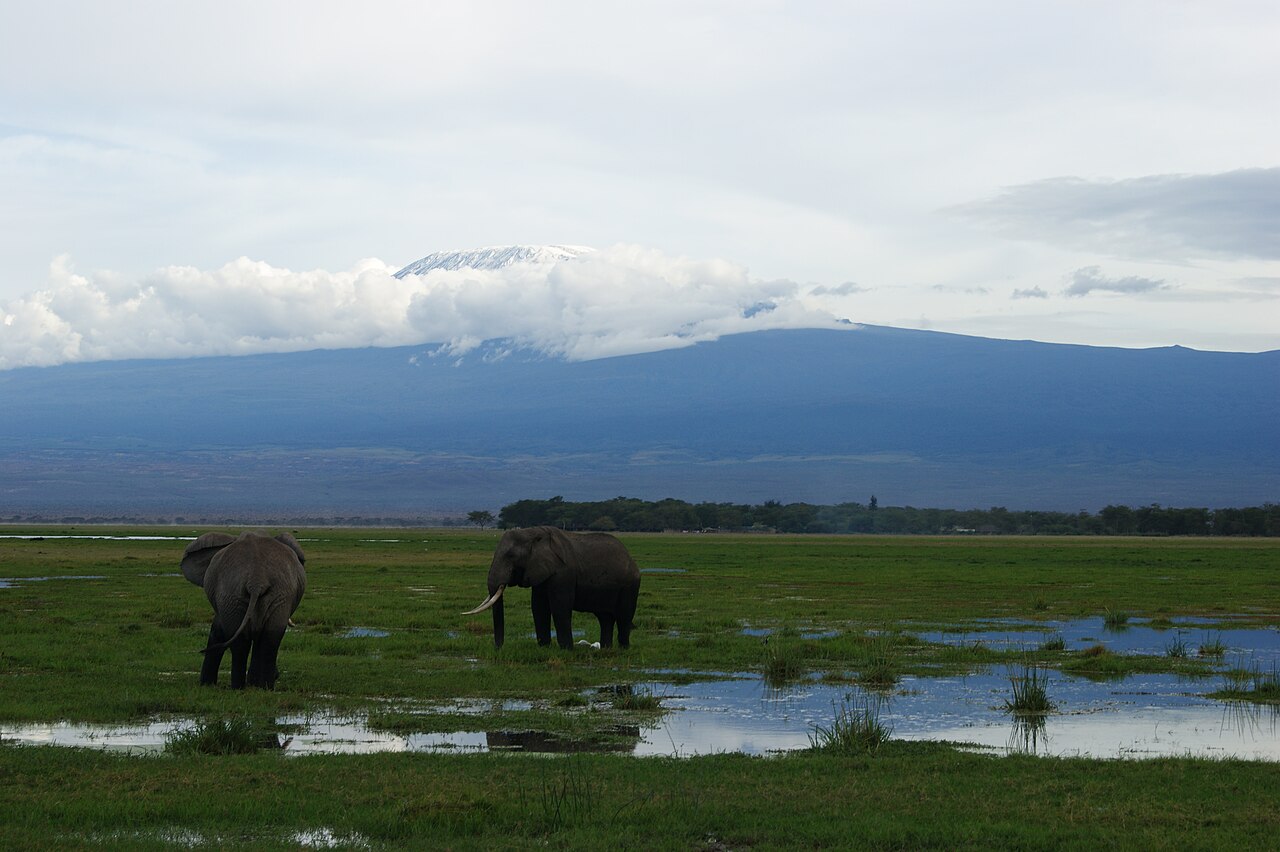
Few safari images are more iconic than an elephant herd silhouetted against the snow-capped dome of Mount Kilimanjaro. That is Amboseli. Located in southern Kenya, this park is home to over 1,600 elephants — some of the largest tuskers remaining in Africa — and offers wildlife photography opportunities unmatched anywhere on the continent.
Amboseli's open plains, fed by underground springs from Kilimanjaro's glaciers, create swamps that draw wildlife year-round. While predators are less common than in the Mara, the elephant sightings alone justify the journey. It is also one of the most accessible parks from Nairobi (4-hour drive or 30-minute flight).
- Best for: Elephants, Mount Kilimanjaro views, photography, short 2–3 day safaris.
- Wildlife: Elephant (star attraction), buffalo, wildebeest, zebra, giraffe, hippo; predators include lion, cheetah, and spotted hyena.
- Entry fee (2026): $80 per adult per 24 hours.
- Insider tip: Morning game drives offer the clearest Kilimanjaro views (clouds roll in by midday). Visit June–October or January–February for the best visibility.


3. Tsavo East & West National Parks — Red Elephants in the Wilderness
Together, Tsavo East and Tsavo West form one of the largest protected ecosystems on earth — 22,000 square kilometers of raw, rugged wilderness. While Tsavo doesn't match the wildlife density of the Mara or Amboseli, it offers something increasingly rare: space, solitude, and the feeling of genuine exploration.
Tsavo East is famed for its "red elephants" — herds that bathe in the park's iron-rich dust, coating themselves in rust-red earth. Tsavo West, more volcanic and dramatic, features the crystal-clear Mzima Springs (viewed from an underwater observatory), Shetani lava flows, and the Ngulia Rhino Sanctuary. Both parks lie between Nairobi and the coast, making them ideal for combining safari with a Mombasa beach holiday.
- Best for: Solitude, vast landscapes, red elephants, combining safari with beach, adventure seekers.
- Wildlife: Elephant (Tsavo hosts Kenya's largest population), lion, leopard, buffalo, giraffe, zebra, gerenuk; Tsavo West has black rhino in the sanctuary.
- Entry fee (2026): $75 per adult per 24 hours (Tsavo East); $80 (Tsavo West).
- Insider tip: Tsavo is massive — focus on specific zones. Voi area (Tsavo East) and Mzima Springs (Tsavo West) are the most rewarding for first-timers.
4. Samburu National Reserve — The Special Five of the North
North of the equator, where Kenya's green highlands give way to arid semi-desert, lies Samburu — a park of stark beauty and species found nowhere else in the country. The Ewaso Ng'iro River, fringed with doum palms and fever trees, sustains wildlife in a landscape that feels more Sahel than savannah.
Samburu is home to the "Samburu Special Five": Grevy's zebra (larger and more finely striped than plains zebra), reticulated giraffe (geometric patterns), Somali ostrich (blue legs), gerenuk (the "giraffe-necked antelope"), and beisa oryx (long, straight horns). Leopards are regularly spotted here, and the cultural experience with the Samburu people adds depth to any visit.
- Best for: Unique northern species, leopard sightings, cultural immersion, off-the-beaten-path adventure.
- Wildlife: Samburu Special Five, elephant, lion, leopard, cheetah, wild dog (rare), plus 450+ bird species.
- Entry fee (2026): $80 per adult per 24 hours.
- Insider tip: Combine Samburu with neighboring Buffalo Springs and Shaba reserves (same ecosystem, separate fees) for a comprehensive northern experience. See our full Samburu National Reserve guide for lodges, timing and the Special Five in depth.
5. Lake Nakuru National Park — Rhino Sanctuary & Flamingo Lake
Once famed for millions of pink flamingos carpeting its alkaline lake, Lake Nakuru has evolved into Kenya's premier rhino sanctuary. Both black and white rhinos roam here in significant numbers, and sightings are almost guaranteed — a rarity in East Africa.
The park is compact (188 sq km), making it perfect for a single full-day game drive. Beyond rhinos, Nakuru is excellent for leopards (often spotted lounging in yellow-barked fever trees), Rothschild's giraffes, and over 450 bird species. Flamingo numbers fluctuate with water levels, but even without the pink spectacle, Nakuru delivers.
- Best for: Rhino sightings, leopards, birdwatching, compact single-day safaris.
- Wildlife: Black rhino, white rhino, Rothschild's giraffe, buffalo, leopard, lion, baboon; flamingos (seasonal).
- Entry fee (2026): $80 per adult per 24 hours.
- Insider tip: Pair Lake Nakuru with Lake Naivasha (boat safaris, hippos) and Hell's Gate (walking/cycling) for a full Rift Valley circuit.
6. Nairobi National Park — Lions Against the City Skyline
Only in Kenya can you photograph a lion with skyscrapers in the background. Nairobi National Park, a mere 7 km from the city center, is unique globally: a fully functioning Big Five ecosystem (minus elephants) within sight of a capital city. It is also Kenya's oldest national park, established in 1946.
Despite its proximity to Nairobi, the park hosts healthy populations of lion, rhino, buffalo, giraffe, and over 100 mammal species. It is a critical refuge for endangered black rhinos and serves as a vital wildlife corridor. For travelers with limited time — a morning before an international flight, for instance — Nairobi National Park offers a genuine safari experience without leaving the city.
- Best for: Short city safaris, rhino sightings, first/last-day game drives, families with young children.
- Wildlife: Lion, black rhino, buffalo, giraffe, zebra, hippo, cheetah, hyena; no elephants.
- Entry fee (2026): $50 per adult per 24 hours.
- Insider tip: Visit the adjacent David Sheldrick Elephant Orphanage and Giraffe Centre for a full wildlife day without leaving Nairobi.
7. Meru National Park — Wild, Remote, and Born Free
Meru is Kenya's hidden gem — a lush, riverine wilderness in the country's eastern foothills, famed as the setting for the Born Free story of Elsa the lioness. It remains one of the least-visited major parks, offering an intimate, uncrowded safari experience.
Meru's landscape — a mosaic of riverine forest, open grassland, and acacia woodland — supports healthy populations of elephant, lion, leopard, cheetah, and the rare Grevy's zebra. The Tana River forms the park's southern boundary, teeming with hippos and crocodiles. For those seeking solitude and raw wilderness, Meru delivers in full.
- Best for: Solitude, diverse landscapes, off-the-beaten-path adventure, Born Free history.
- Wildlife: Elephant, lion, leopard, cheetah, buffalo, Grevy's zebra, reticulated giraffe, hippo, crocodile.
- Entry fee (2026): $70 per adult per 24 hours.
- Insider tip: Meru requires a 4x4 and experienced driver. Best visited June–October (dry season).
8. Hell's Gate National Park — Walk Among the Wildlife
Few parks in Africa allow you to walk, cycle, or rock-climb among wildlife. Hell's Gate is one. With no major predators, visitors can hike through dramatic gorges, cycle past grazing zebras and giraffes, and scramble up volcanic cliffs — all without a vehicle.
The park's towering red cliffs, geothermal steam vents, and narrow gorges are said to have inspired Disney's The Lion King landscape. While it lacks the Big Five, Hell's Gate offers adventure and scenery few parks can match. It is also supremely accessible, just 90 minutes from Nairobi.
- Best for: Walking/cycling safaris, rock climbing, adventure travel, families, photographers.
- Wildlife: Zebra, giraffe, Thomson's gazelle, eland, buffalo, baboon; no major predators (allowing walking).
- Entry fee (2026): $30 per adult per 24 hours.
- Insider tip: Hire a local guide for the gorge hike — flash floods can occur. Combine with Lake Naivasha boat safaris.
9. Aberdare National Park — Misty Highlands & Tree Hotels
The Aberdare Range offers a safari experience unlike any other in Kenya. This is high-altitude, montane forest — cool, mist-shrouded, and dripping with moss. Wildlife comes to you here: the park is famed for its "tree hotels" (The Ark, Treetops), elevated lodges where animals — elephant, buffalo, bongo, leopard, even the rare black serval — emerge from the forest at night to drink at floodlit waterholes.
Aberdare's waterfalls, including the 300-meter Karuru Falls, are among Kenya's most dramatic. The park is also home to elusive species like the bongo antelope, rarely seen elsewhere.
- Best for: Unique tree-hotel experience, waterfalls, rare forest species, cool-climate escape.
- Wildlife: Elephant, buffalo, black rhino, bongo, leopard, black serval, colobus monkey, giant forest hog.
- Entry fee (2026): $60 per adult per 24 hours.
- Insider tip: Pack warm layers — nights are cold at altitude. Book Treetops or The Ark for the full nocturnal wildlife experience.
10. Lake Naivasha & Crescent Island — Hippos, Birds, and Walking Safaris
While technically not a national park, Lake Naivasha and its satellite Crescent Island sanctuary deserve inclusion for their unique appeal. Naivasha is a freshwater lake in the Great Rift Valley, ringed with luxury lodges and home to vast hippo pods and over 400 bird species.
Crescent Island — a private wildlife sanctuary on the lake — allows walking safaris among giraffes, zebras, wildebeest, and waterbuck, with no predators present. Boat safaris on the lake offer close encounters with hippos, fish eagles, and pelicans. Combined with nearby Hell's Gate, Naivasha makes for an adventurous 2–3 day Rift Valley circuit.
- Best for: Boat safaris, walking safaris, birdwatching, romantic getaways, Rift Valley scenery.
- Wildlife: Hippo (hundreds), giraffe, zebra, waterbuck, wildebeest, over 400 bird species.
- Entry fee (2026): Varies by private property; Crescent Island ~$30 per person.
- Insider tip: Stay at Loldia House or Enashipai Resort for lake-facing luxury. Visit November–March for migratory bird spectacles.
Planning Your Kenya Safari: The Essentials
Best Time to Visit Kenya's National Parks
Kenya's safari seasons are defined by rainfall, not temperature. The country sits on the equator, so day length and temperature remain relatively constant year-round. The dry seasons are universally best for wildlife viewing:
- June to October: The primary dry season. Wildlife congregates around permanent water sources; vegetation is thinner, making sightings easier. This is also migration season in the Masai Mara (July–October).
- January to February: A shorter dry window. Excellent for Amboseli (clear Kilimanjaro views) and the Mara (calving season for wildebeest in the Serengeti).
The wet seasons (March–May "long rains"; November–December "short rains") bring lush landscapes, fewer tourists, and lower prices, but game viewing is harder, and some parks become difficult to navigate.
Entry Fees (2026)
Kenya Wildlife Service (KWS) revised park fees in late 2025. As of 2026:
- Premium parks (e.g., Amboseli, Tsavo, Lake Nakuru, Samburu): $75–$90 per adult per 24 hours.
- Masai Mara (county-managed): $100–$200 per adult per 24 hours, depending on season.
- Standard parks (e.g., Nairobi, Hell's Gate): $30–$50 per adult per 24 hours.
Children, residents, and multi-day passes have different rates. Fees are paid via KWS smartcard or M-Pesa.
How Many Days Do You Need?
For a first-time Kenya safari, we recommend 7–10 days to experience 2–3 parks without rushing:
- Classic circuit: 3 nights Masai Mara + 2 nights Amboseli + 2 nights Lake Nakuru = 7 days.
- Northern adventure: 3 nights Mara + 3 nights Samburu + 2 nights Nairobi/Naivasha = 8 days.
- Bush-and-beach: 4 nights Tsavo + 4 nights Diani Beach = 8 days.
Getting Around: Fly or Drive?
Most parks are 4–6 hours by road from Nairobi. Flying via light aircraft saves time and adds aerial views. Scheduled flights operate daily between Nairobi and the Masai Mara, Amboseli, Samburu, and Lewa. Budget $150–$300 per flight segment.
Lodges vs. Camps vs. Public Rest Camps
Kenya offers accommodation for every budget:
- Luxury tented camps (e.g., Angama Mara, Tortilis Amboseli): $600–$1,500+ per person per night, all-inclusive.
- Mid-range lodges/camps: $200–$500 per person per night.
- KWS public rest camps (self-catering bandas): $20–$60 per person per night (bring food/supplies).
Our Recommended Kenya Safari Packages (2026)
The Classic Kenya Safari — Mara, Amboseli & Nakuru (7 Days)
The definitive Kenya experience: witness the Great Migration in the Masai Mara, photograph elephants beneath Kilimanjaro in Amboseli, and track rhinos in Lake Nakuru.
- 3 nights Masai Mara (Mara North Conservancy)
- 2 nights Amboseli National Park
- 2 nights Lake Nakuru National Park
- All game drives, park fees, luxury tented camps, domestic flights
From $4,800 per person (twin share, July–October) | Request Quote
Kenya's Hidden North — Samburu & Meru (6 Days)
Escape the crowds and discover Kenya's wild northern frontier: the Samburu Special Five, leopard-rich riverine forests, and the Born Free landscapes of Meru.
- 3 nights Samburu National Reserve
- 3 nights Meru National Park
- All game drives, park fees, luxury tented camps, road transfers
From $3,200 per person (twin share, year-round) | Request Quote
Kenya Bush & Beach — Tsavo & Mombasa Coast (8 Days)
Combine red-elephant safaris in Tsavo with Indian Ocean luxury: the perfect Kenya honeymoon or family adventure.
- 4 nights Tsavo East/West (Severin Safari Camp or Finch Hattons)
- 4 nights Diani Beach (AfroChic Diani or The Sands at Nomad)
- All game drives, park fees, beachfront luxury, road transfers
From $3,900 per person (twin share, year-round) | Request Quote
Contact us to tailor any itinerary to your dates, budget, and interests. We build every Kenya safari from scratch.
Frequently Asked Questions
Which is better: Masai Mara or Serengeti?
They are the same ecosystem, divided by a political border. The Masai Mara (Kenya) is smaller, easier to access from Nairobi, and has more concentrated wildlife during July–October (the migration). The Serengeti (Tanzania) is vastly larger, more remote, and spreads the migration across more months. For a first-time safari or a shorter trip, the Mara wins. For a multi-week expedition, the Serengeti offers more variation.
Is Amboseli or Masai Mara better for elephants?
Amboseli. While the Mara has elephants, Amboseli's 1,600-strong population includes some of Africa's largest tuskers, and the Kilimanjaro backdrop creates unmatched photographic opportunities.
Can I self-drive in Kenya's national parks?
Yes, most KWS parks allow self-driving in your own or a rental 4x4. However, a professional guide vastly improves sightings, safety, and understanding. Parks like the Masai Mara require a guide.
Do I need malaria prophylaxis for Kenya safaris?
Yes. Most safari parks (Masai Mara, Amboseli, Tsavo, Samburu) lie in malaria zones. Nairobi and the highlands (Aberdare, Mount Kenya) are malaria-free. Consult a travel doctor.
What's the best park for first-time safari-goers?
The Masai Mara. It offers the highest wildlife density, the most iconic landscapes, and the best infrastructure for first-timers. Pair it with Amboseli for elephants and Kilimanjaro views.
Are Kenya's parks safe?
Yes. Kenya pioneered safari tourism and maintains high safety standards. Wildlife attacks are extremely rare when park rules are followed. Political instability is largely confined to border regions far from safari areas.
The Final Word: Which Kenya Park Should You Choose?
If you have one week and this is your first safari, the answer is simple: Masai Mara (3 nights) + Amboseli (2 nights) + Lake Nakuru or Naivasha (2 nights). This circuit delivers the Great Migration (if timed right), elephants beneath Kilimanjaro, rhinos, and Rift Valley scenery — the full Kenya experience.
For returning visitors or those craving solitude, head north to Samburu and Meru, or combine Tsavo with a beach holiday on the coast. Kenya's parks are vast enough to reward a lifetime of returns.
Whatever you choose, Kenya remains the spiritual home of safari — the place where the concept was born, refined, and perfected. These ten parks are where that magic still unfolds daily.
Ready to experience Kenya's national parks? Contact our team to design your tailor-made Kenya safari for 2026.