Key Takeaways
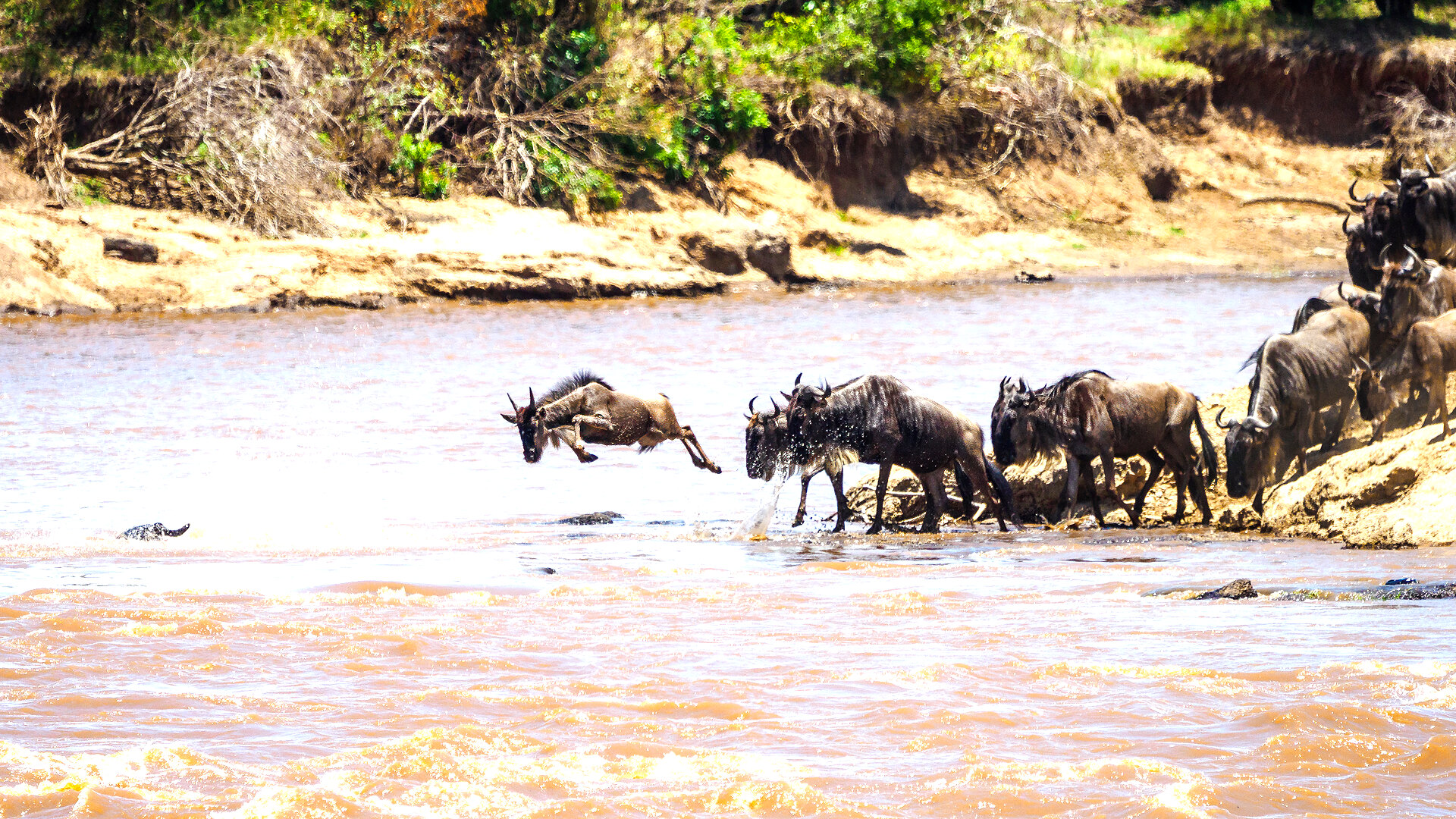
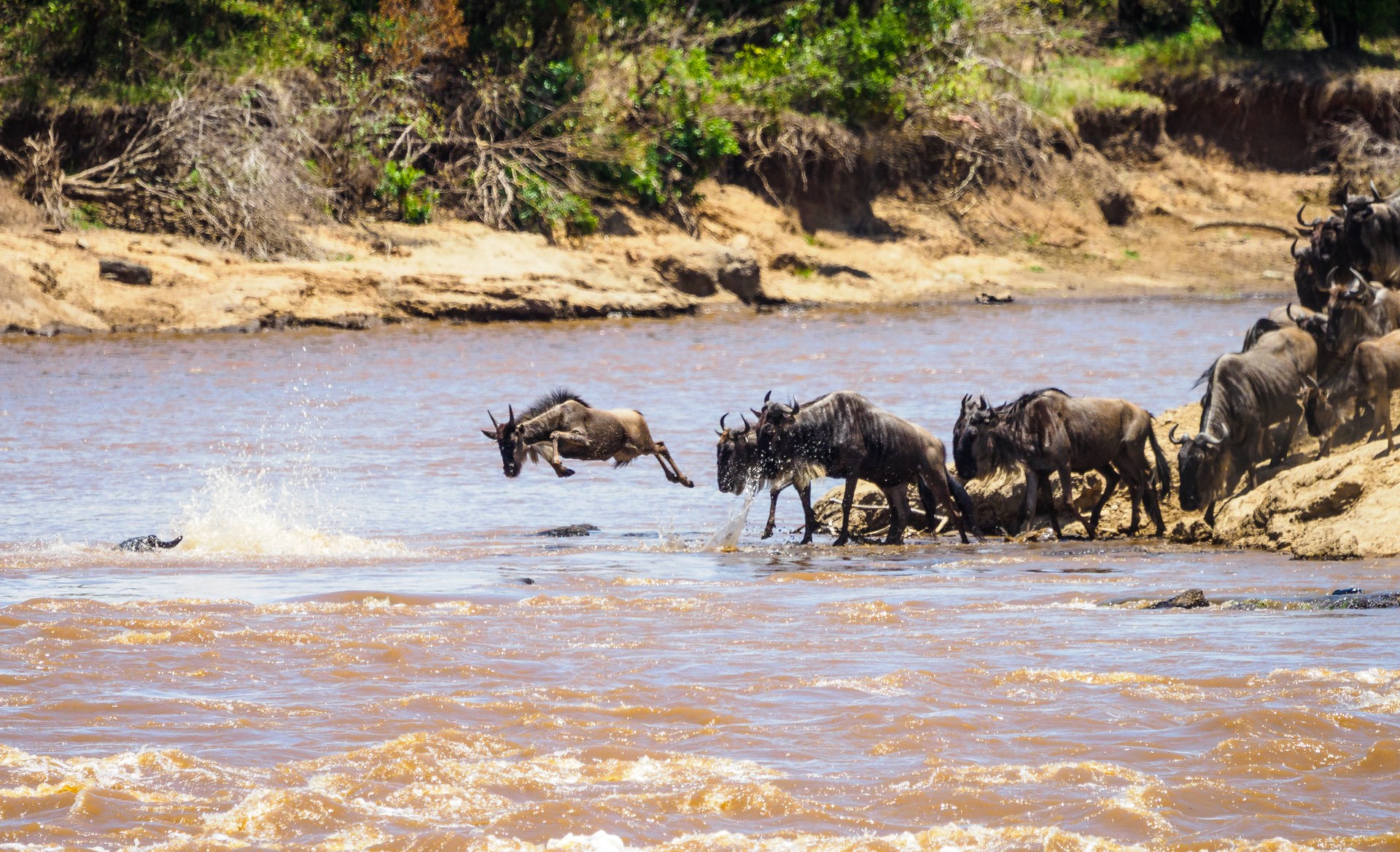
- The migration is in Kenya from roughly July to October. The herds cross north out of the Serengeti into the Masai Mara around July, the famous Mara River crossings peak in August and September, and the animals begin drifting south again through October. For the crossings themselves, that is your window.
- The Mara is the stage — but Kenya is the show. Kenya's real advantage over a Tanzania-only migration trip is how easily the Mara pairs with utterly different parks: Amboseli for elephants under Kilimanjaro, Samburu for species you see nowhere else, Lake Nakuru for flamingos and rhino, Ol Pejeta and Laikipia for the best rhino conservation in Africa.
- Private conservancies beat the reserve for the crossings. The Mara conservancies bordering the national reserve give you off-road driving, night drives and a fraction of the vehicles at a sighting — the difference between watching a crossing in a scrum and watching it in peace.
- Fly, do not drive, between parks. Kenya's light-aircraft network out of Nairobi's Wilson Airport makes a multi-park migration safari genuinely comfortable — the Mara, Amboseli, Samburu and Nakuru are all short hops apart, turning long road days into 45-minute flights.
- Every trip here is private and tailor-made. The packages below are the routes we book most often, not fixed departures. Tell us your dates, party and budget and we build the exact trip around you.
There is a reason "great wildebeest migration safari Kenya" is one of the most searched phrases in African travel: for four months a year, Kenya's Masai Mara holds the single greatest concentration of large mammals on the planet, and the sight of a hundred thousand wildebeest throwing themselves across a crocodile-filled river is something you never forget. We have run this trip for years. What follows is not a brochure — it is exactly how we plan it, when to come, where to stay, and how to turn one reserve into a whole-country journey.
When the great migration is in Kenya (month by month)
The migration is a year-round circular movement between Tanzania's Serengeti and Kenya's Masai Mara. The part that happens in Kenya — and the part everyone wants to see — is the northern leg, when the herds cross the Mara River. Here is the honest timeline for 2026.
| Month | Where the herds are | What you see in Kenya |
|---|---|---|
| Jan–Mar | Southern Serengeti (Tanzania) | No migration in Kenya — but resident game in the Mara and the rest of Kenya is superb and quiet. |
| Apr–Jun | Central & western Serengeti | Herds still south; green-season Kenya is lush, uncrowded and excellent value. |
| Jul | Herds reach the Mara | The front of the migration crosses into the Masai Mara — first crossings begin. |
| Aug–Sep | Masai Mara (peak) | The famous Mara River crossings at their most dramatic; the plains packed with wildebeest and zebra. Prime time. |
| Oct | Mara, starting to drift south | Still excellent crossings and huge herds early in the month; the season winds down toward month-end. |
| Nov–Dec | Returning to Serengeti | Herds move back south; Kenya returns to outstanding resident game viewing with short green-season rains. |
The short version: come to Kenya between late July and October for the crossings, and aim for August and September for the peak. These months book out first — six to twelve months ahead is normal for the best Mara camps. If your dates are fixed outside that window, do not despair: a Kenya safari is world-class all year, and we simply weight the trip toward resident game and the other parks. For the crossings themselves in fine detail, see our companion guide to Masai Mara Great Migration packages — that piece is the Mara-only deep dive; this one is the whole country.
1. Masai Mara — the migration heartland
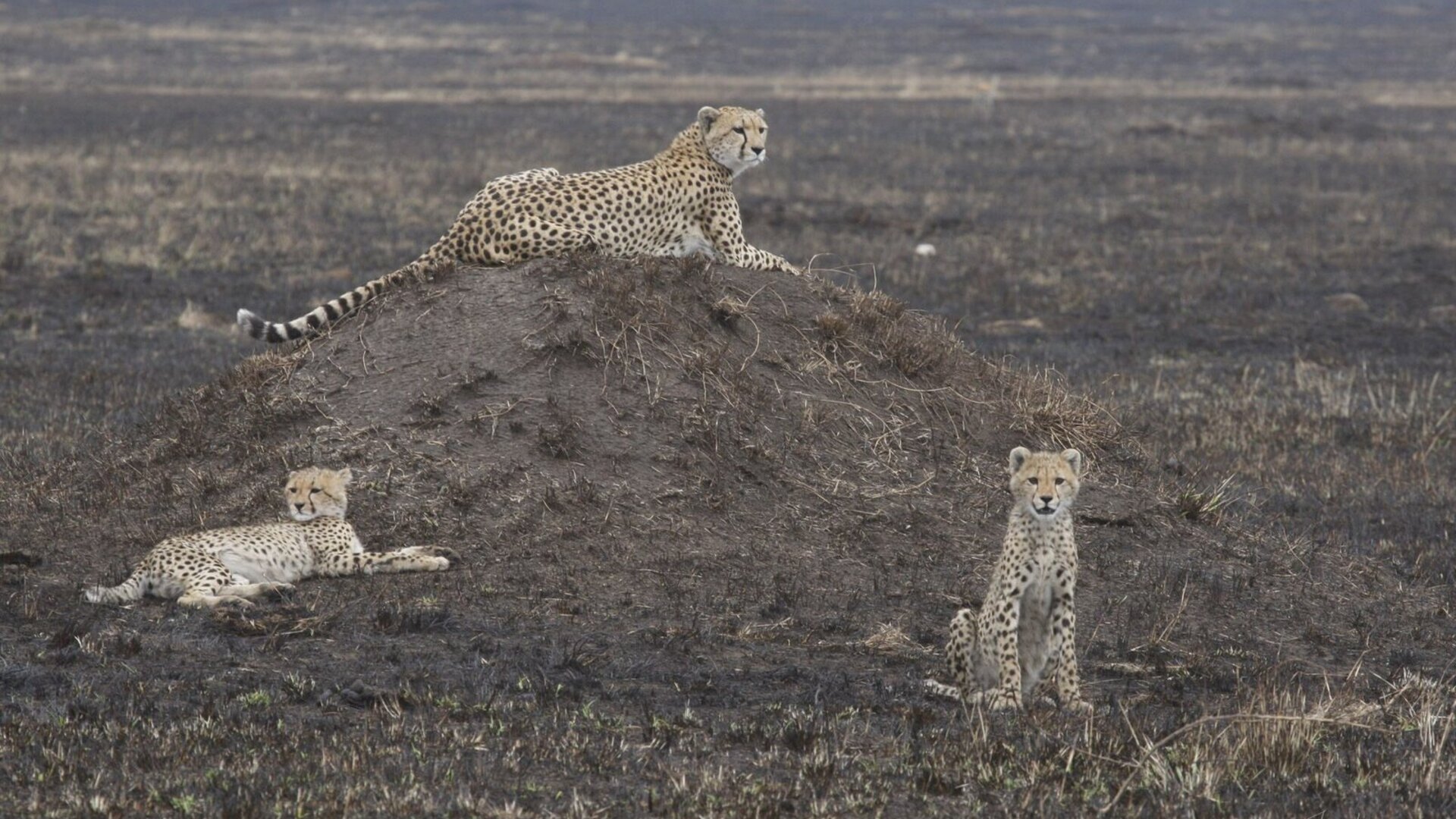
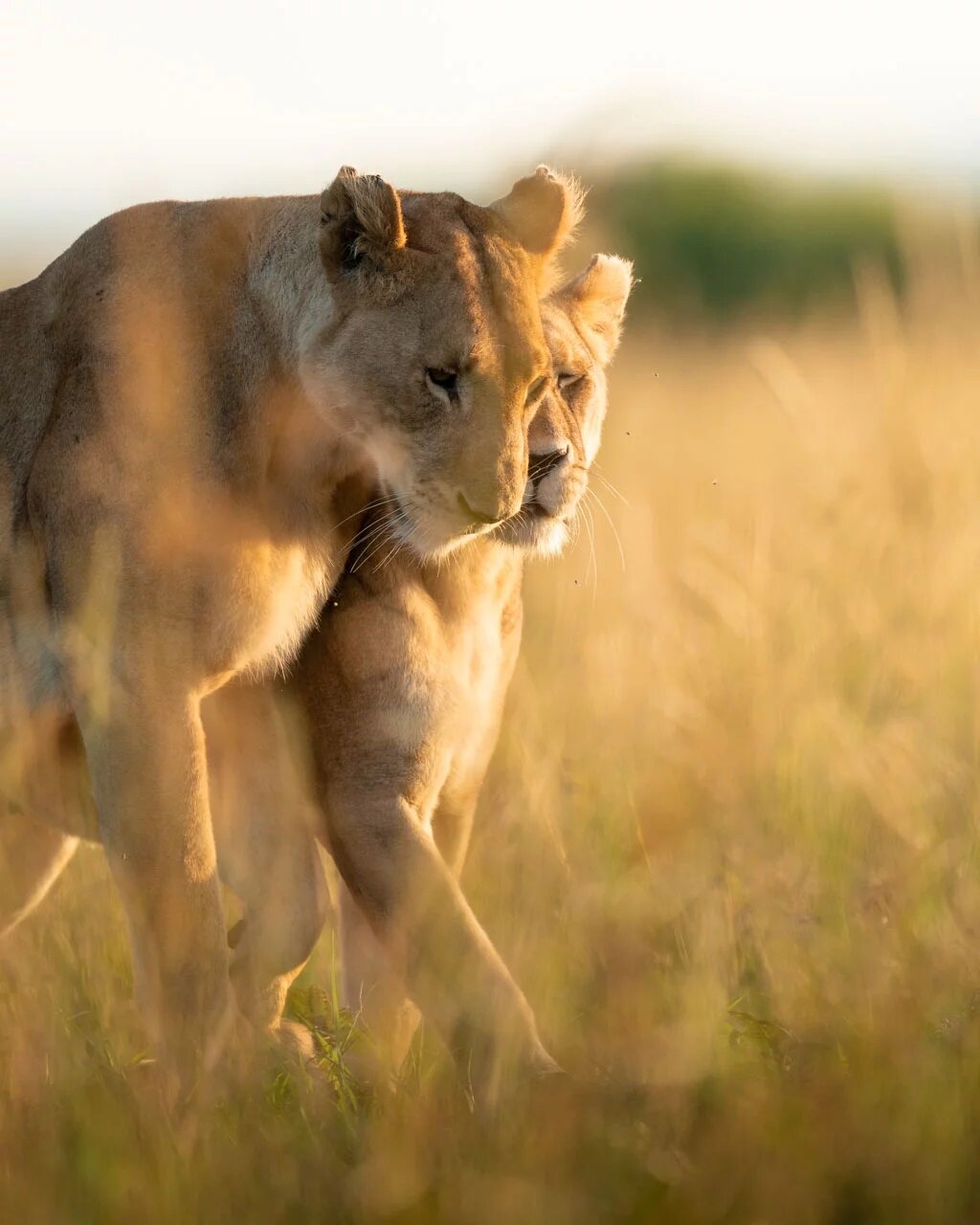
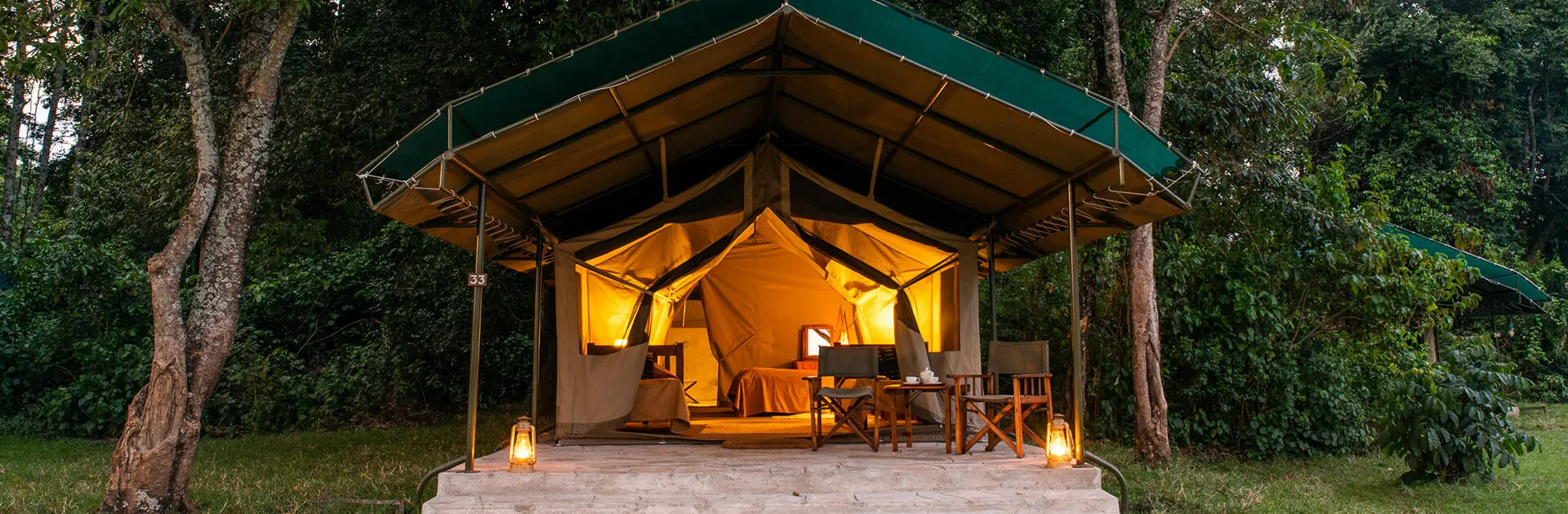
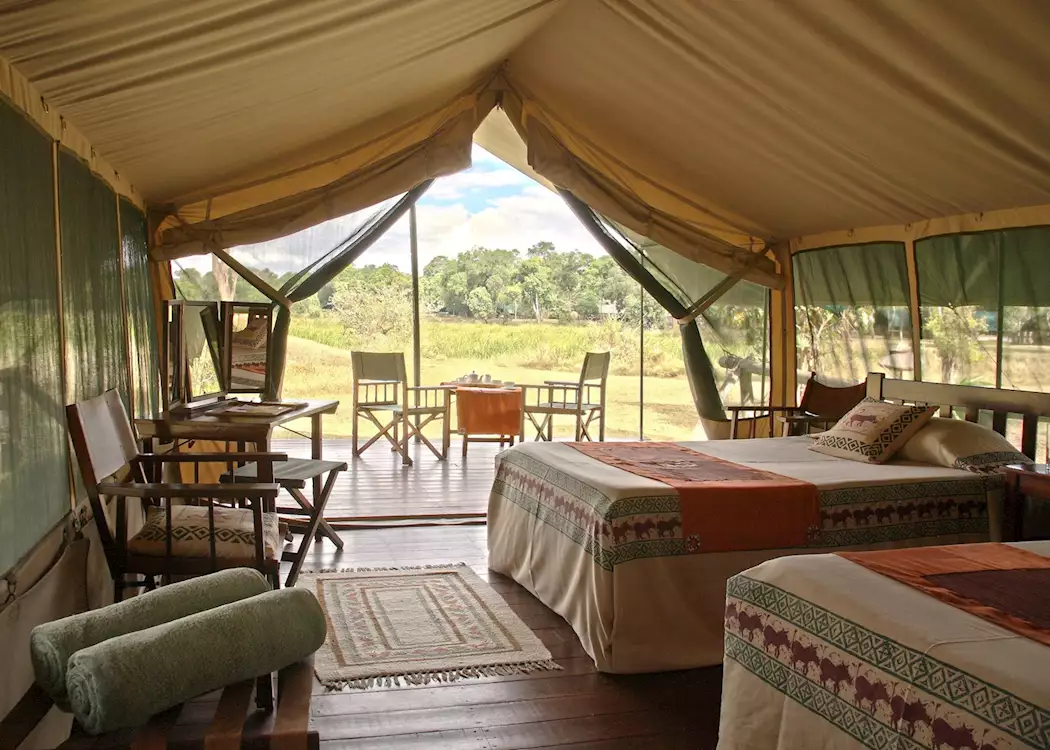
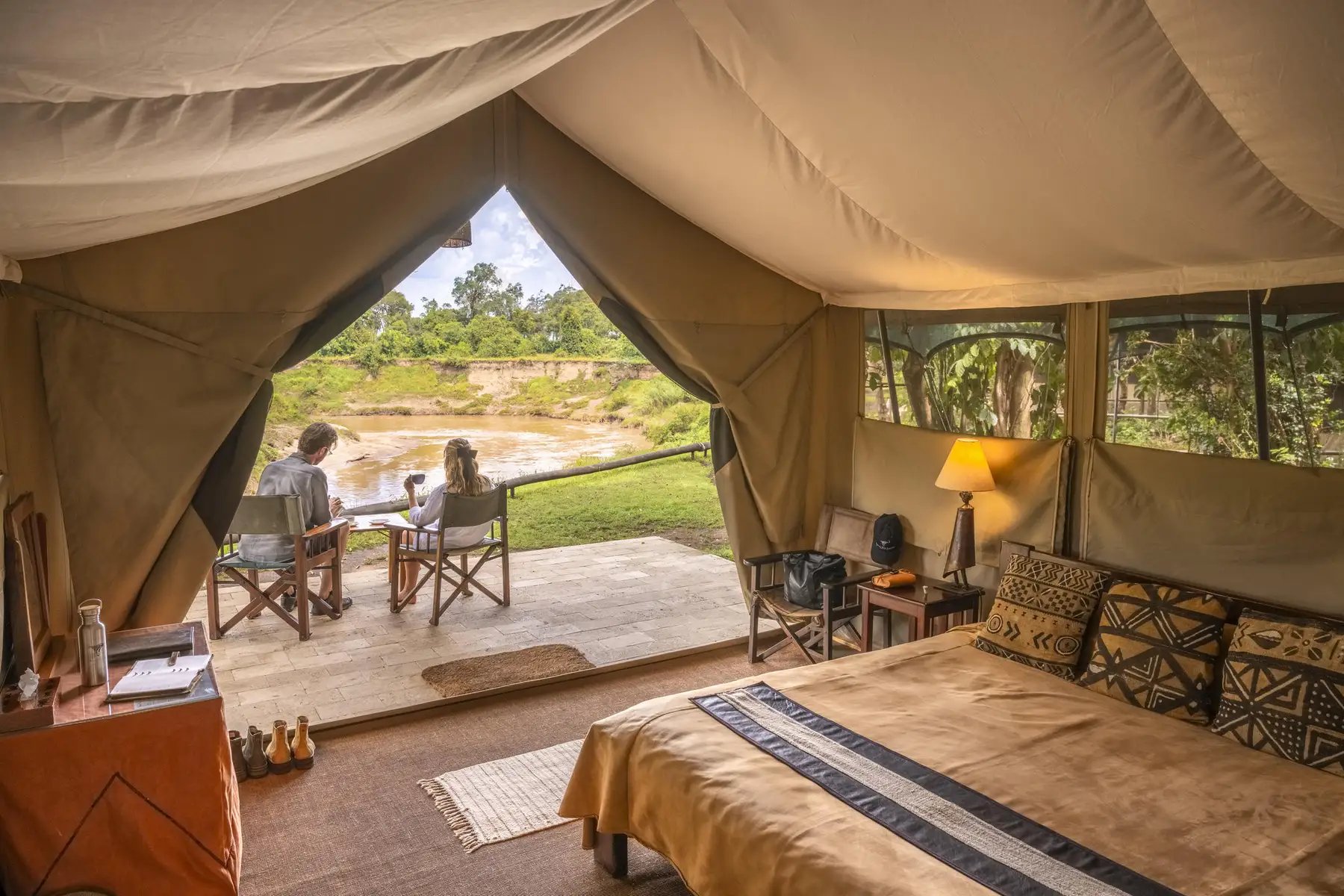
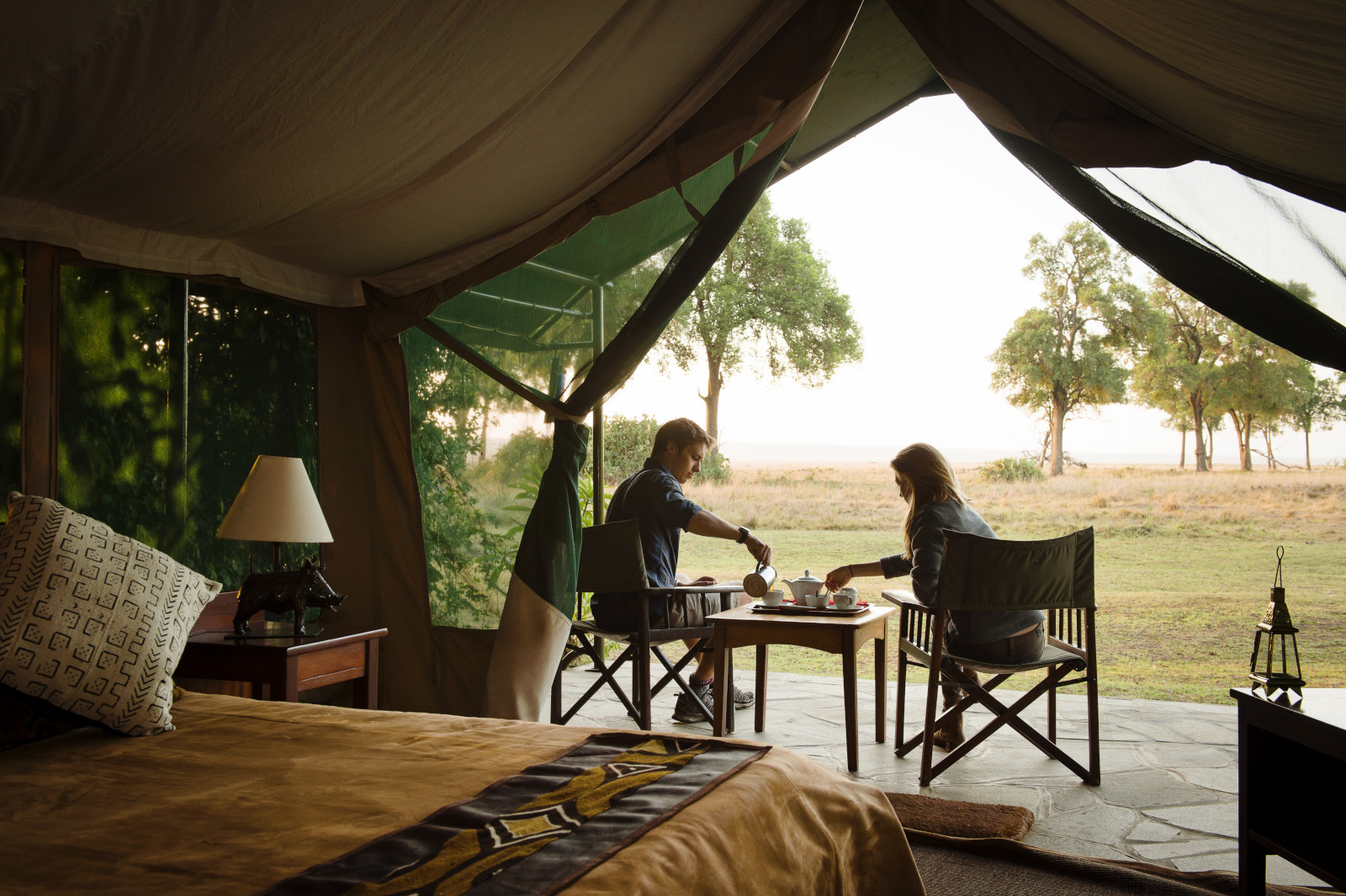
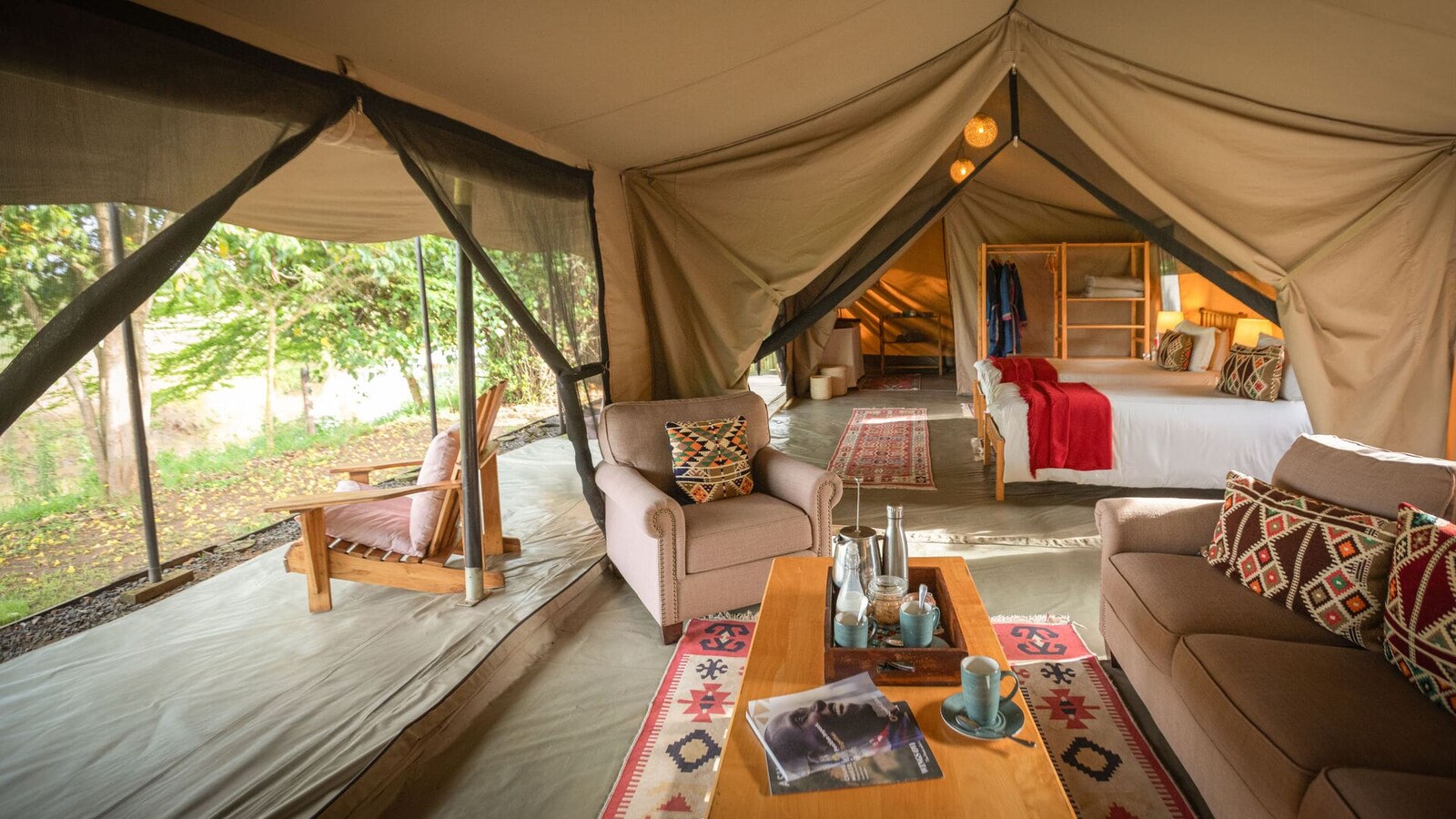
The Masai Mara is where the migration becomes Kenya's own. The national reserve holds the classic river crossings along the Mara and Talek rivers, while the private conservancies that ring it — Mara North, Olare Motorogi, Naboisho and others — give you the same wildlife with off-road access, night drives and far fewer vehicles. For the crossings we almost always base guests in a conservancy camp and drive into the reserve for the river action, so you get the best of both. These are the three Mara camps we book most for the migration.
Angama Mara — the view over the whole migration
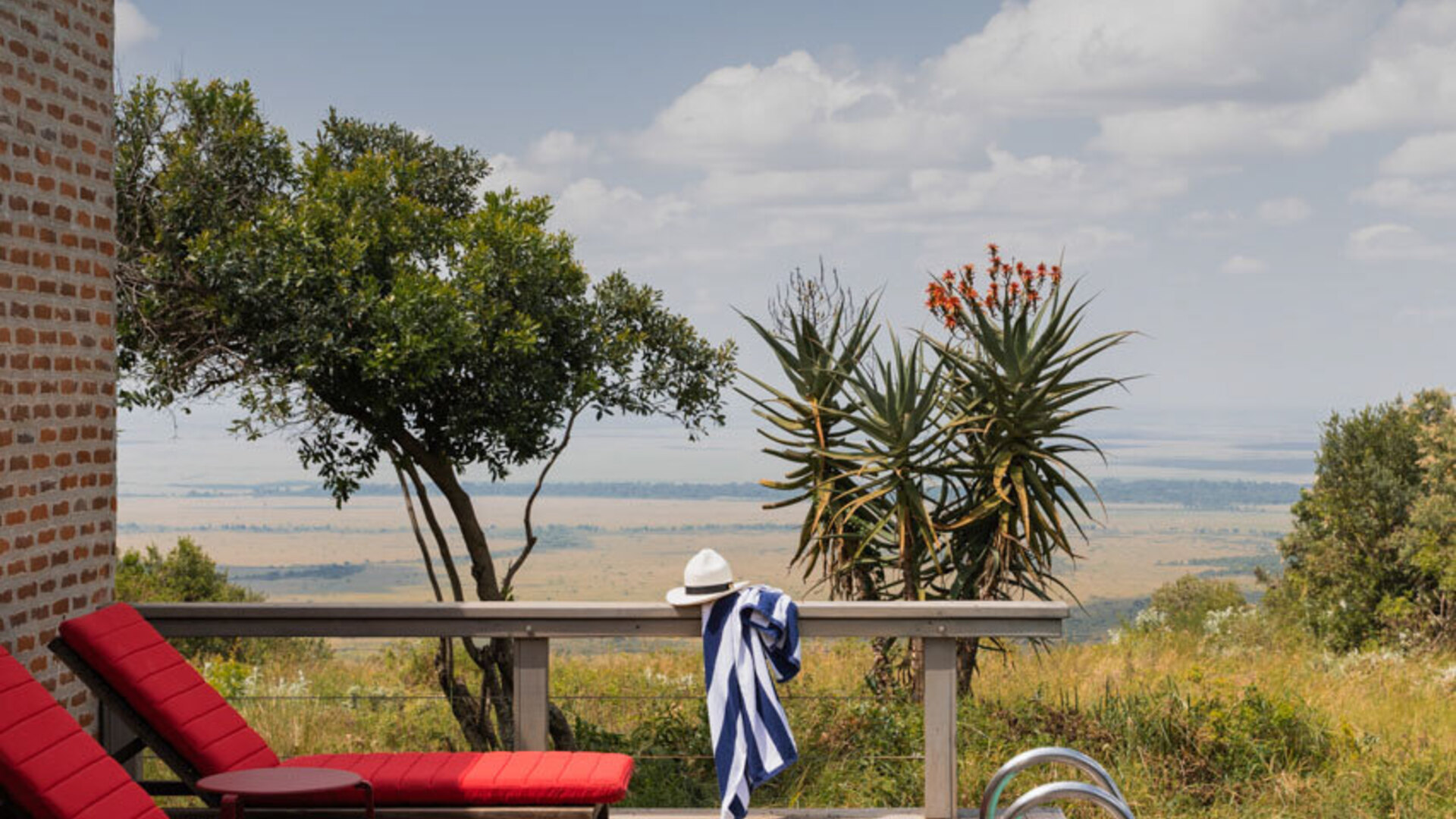
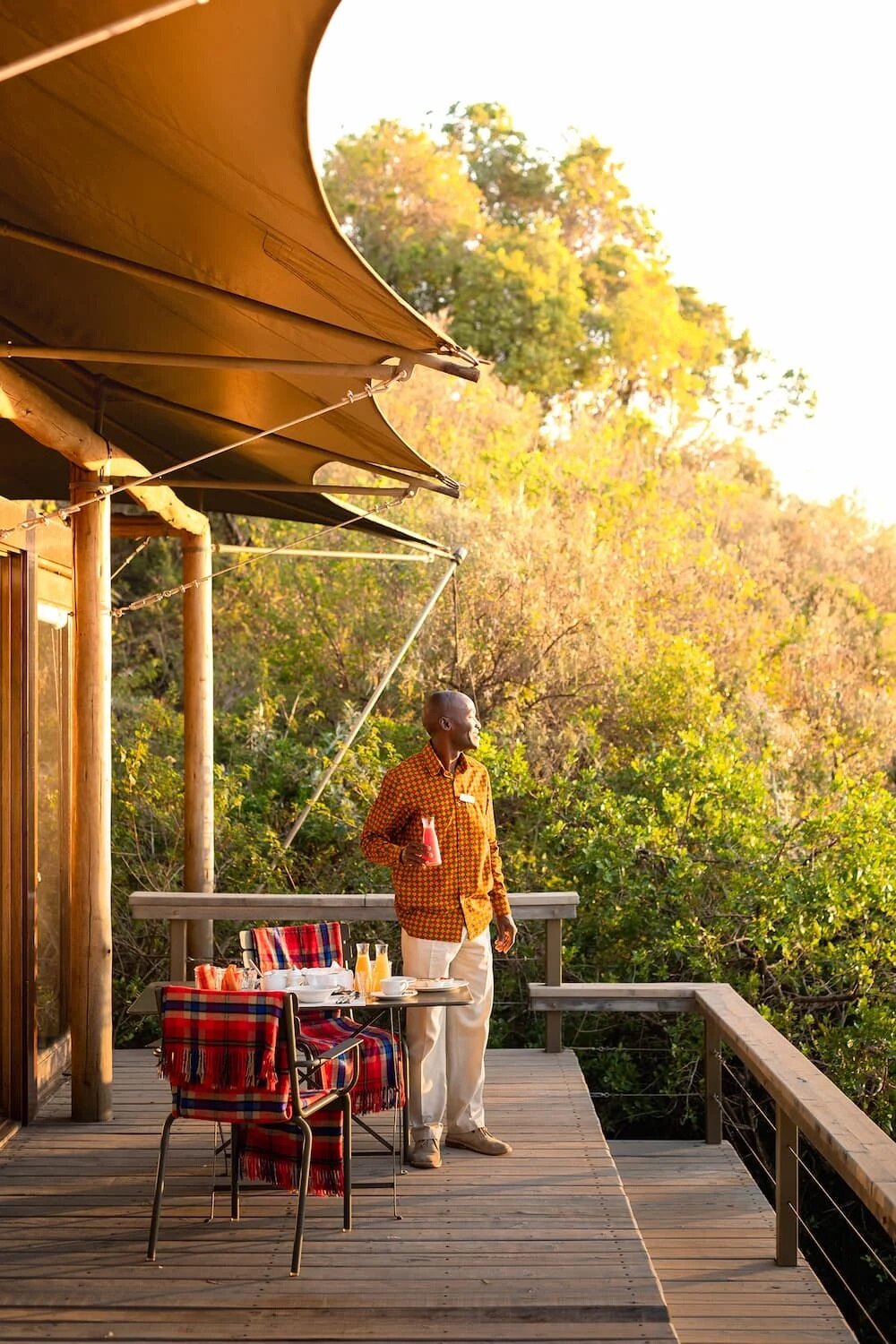
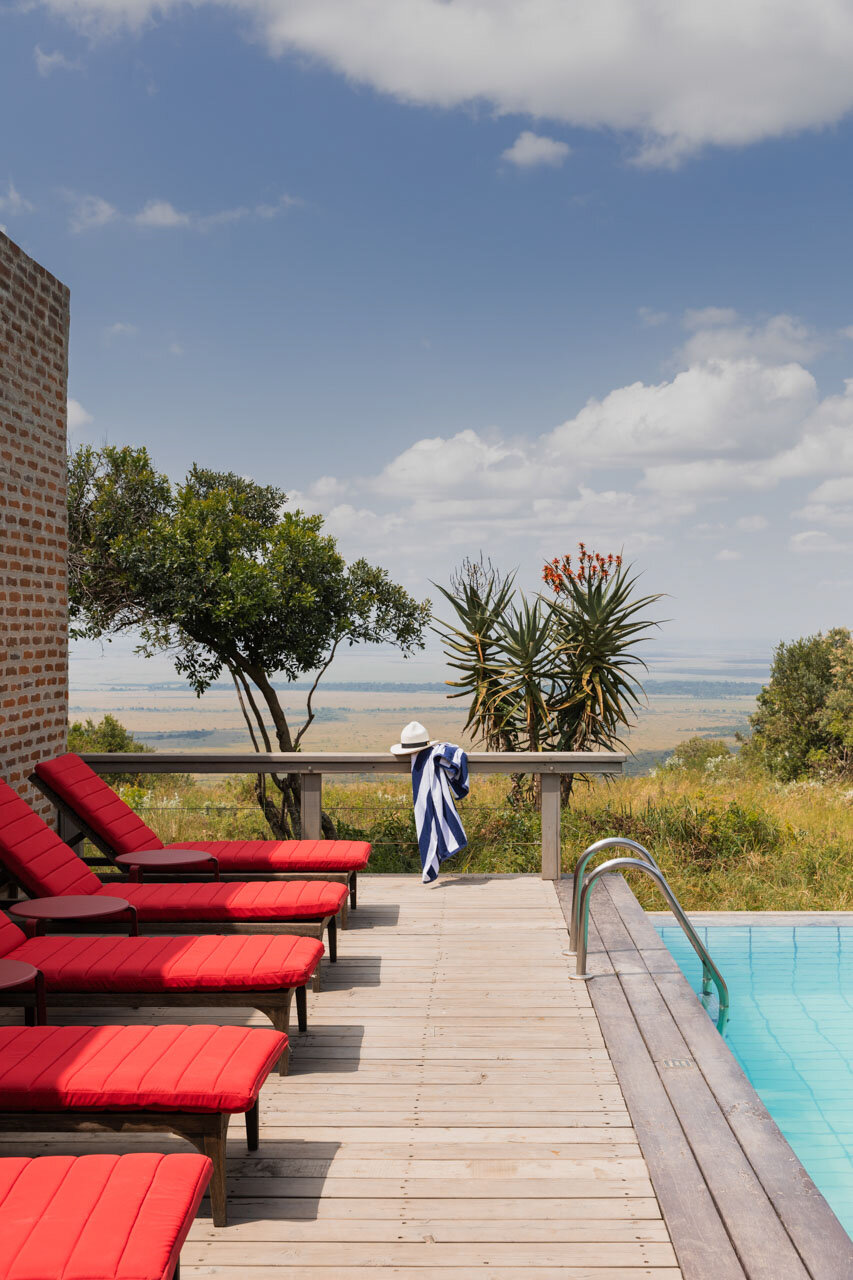
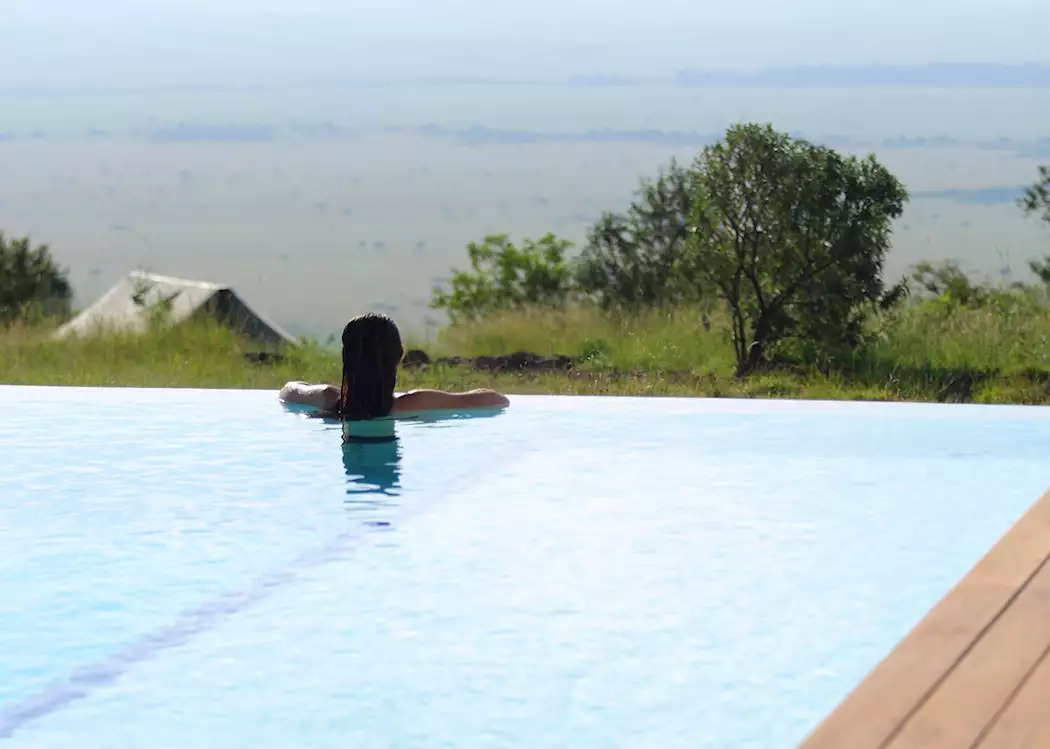
Angama sits high on the Oloololo Escarpment with a floating glass-and-canvas suite design and a view straight down onto the Mara Triangle — the exact plains the herds pour across. It is the most cinematic base in the Mara, with a rim-flow pool over the escarpment and some of the finest guiding in Kenya. For a first migration safari where the setting matters as much as the sightings, nothing beats it.
Mara Plains Camp — an intimate conservancy classic
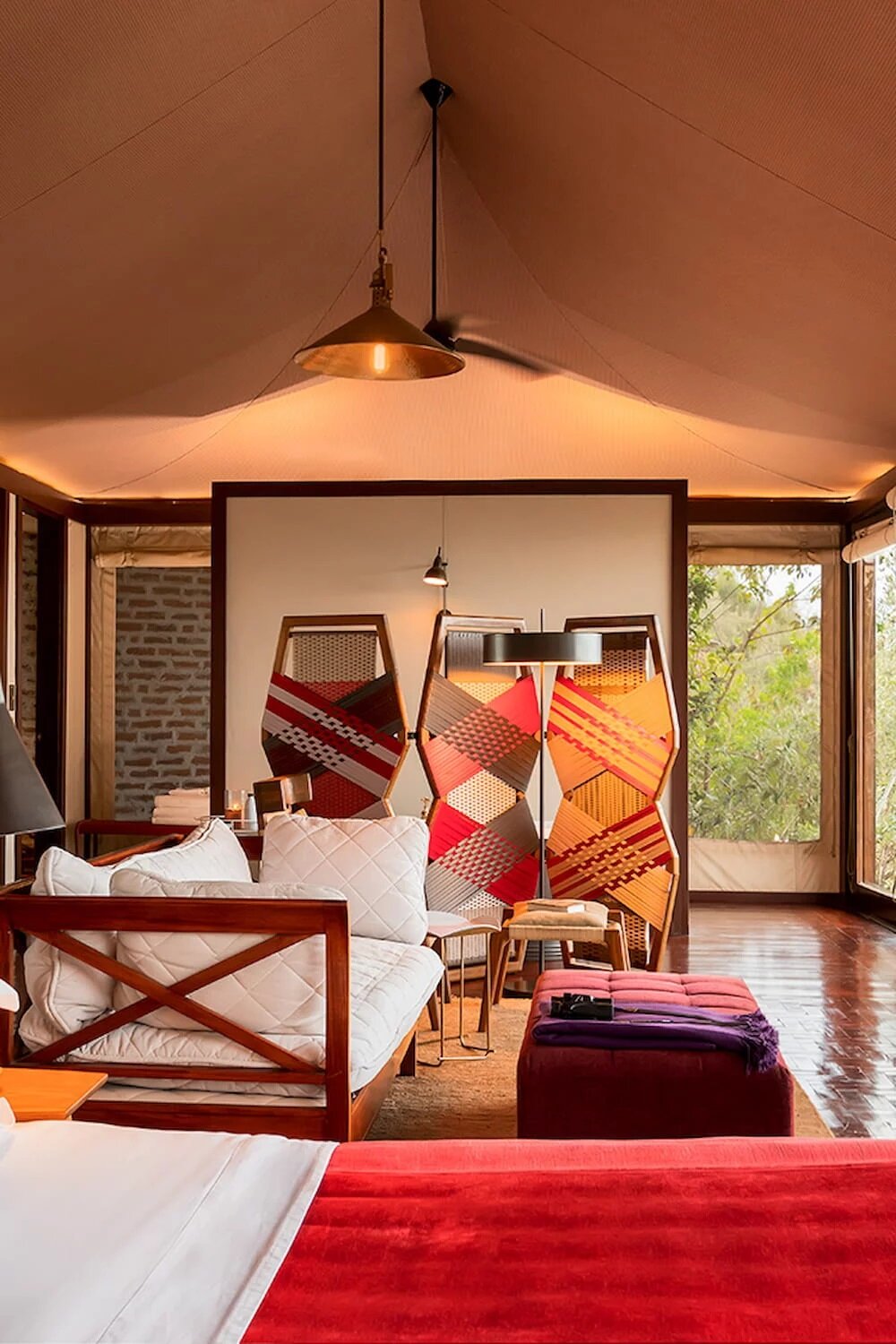
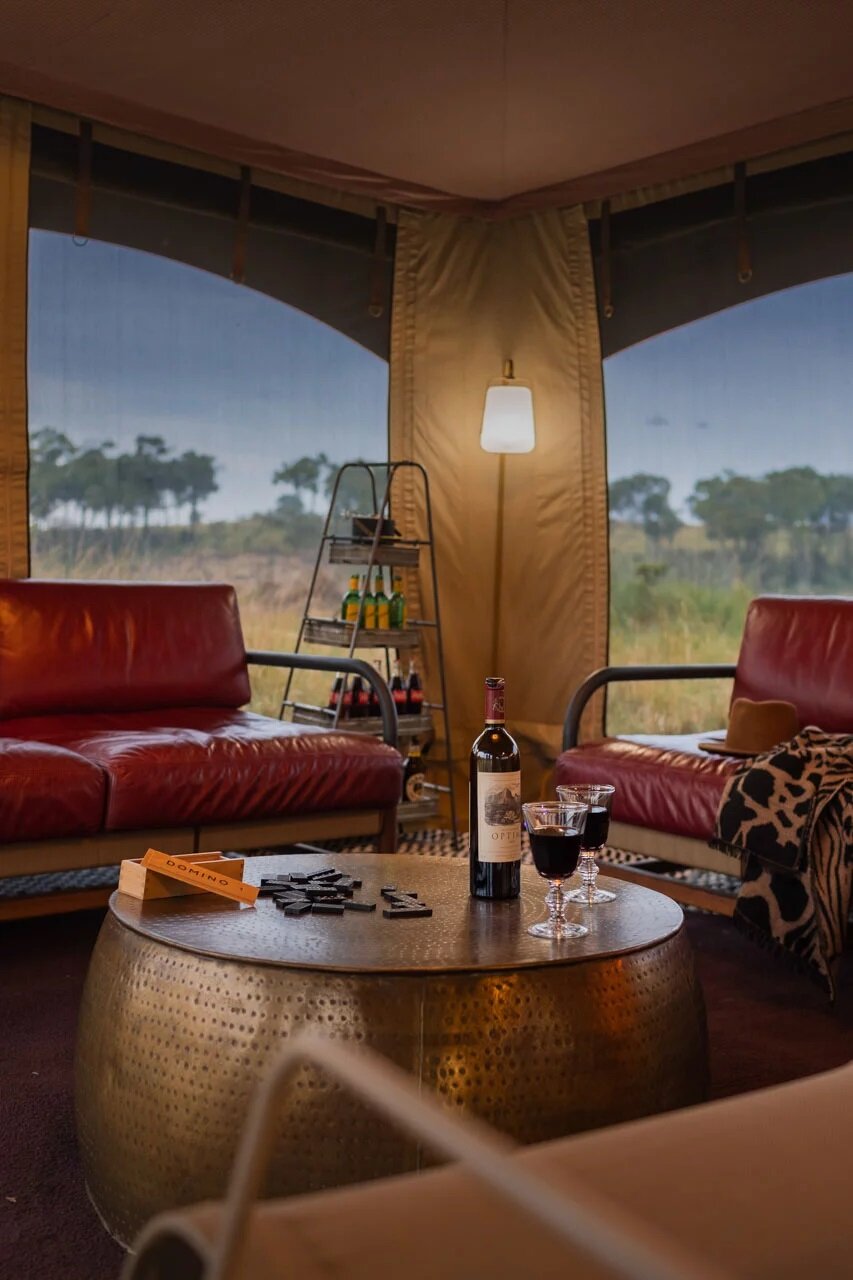
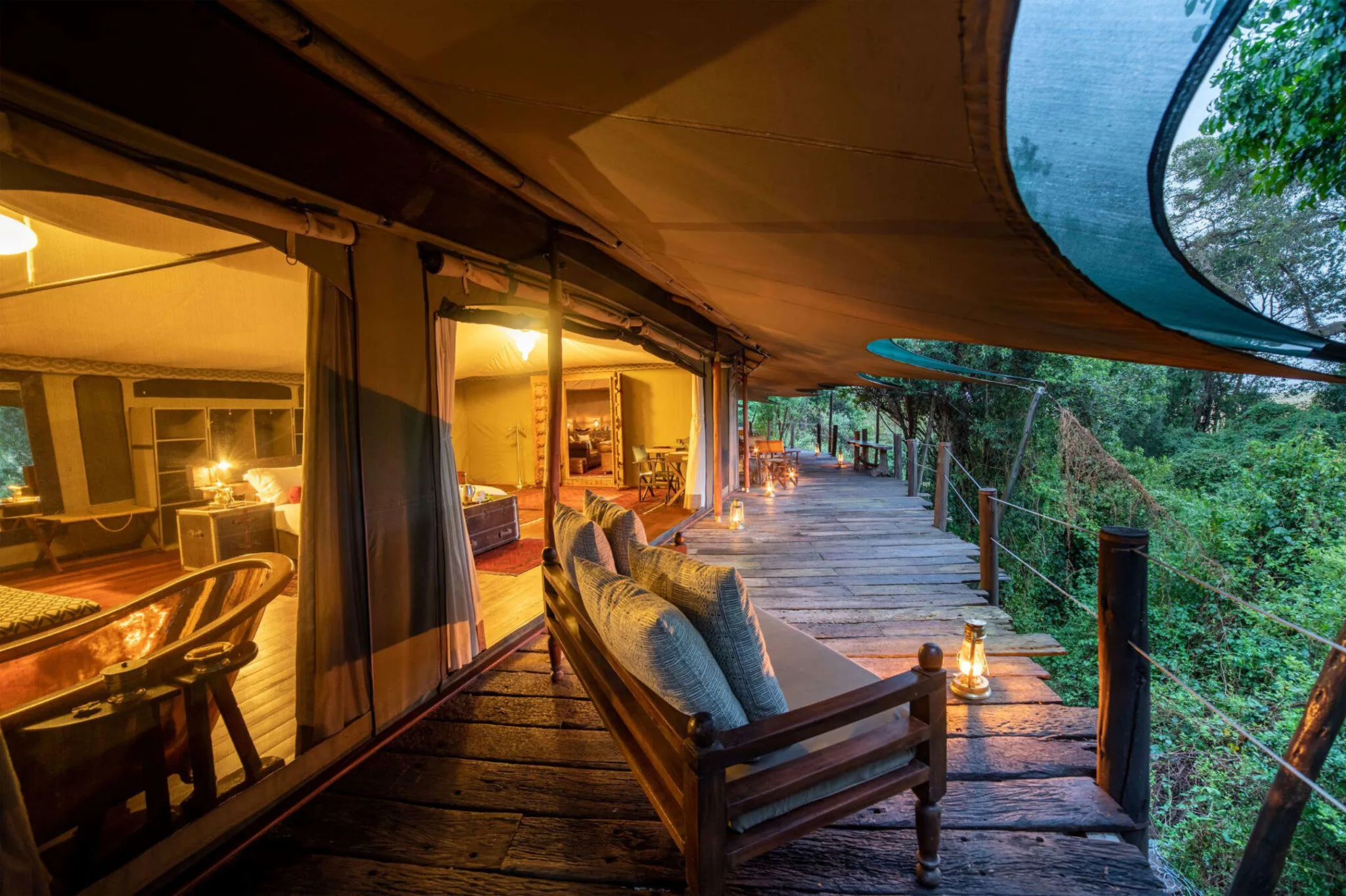
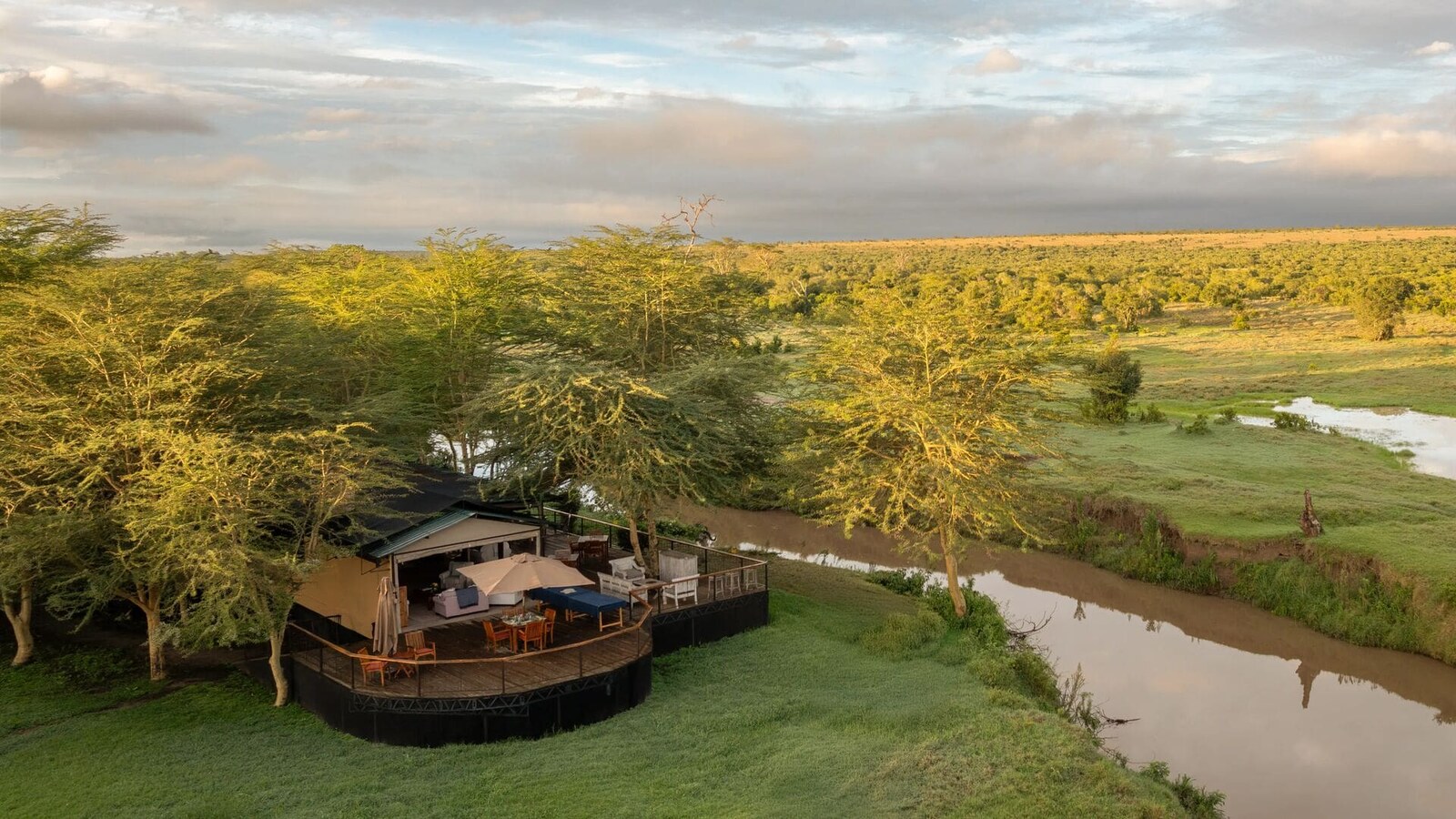
Mara Plains sits in the Olare Motorogi Conservancy, one of the richest big-cat areas in the whole Mara ecosystem, with just seven raised tented suites on a bend of the Ntiakitiak River. The style is old-world safari glamour — copper baths, campaign furniture, private decks over the water — and the guiding, from a low-density conservancy with off-road and night-drive rights, is exceptional. For couples and photographers who want the migration without the crowds, this is our pick.
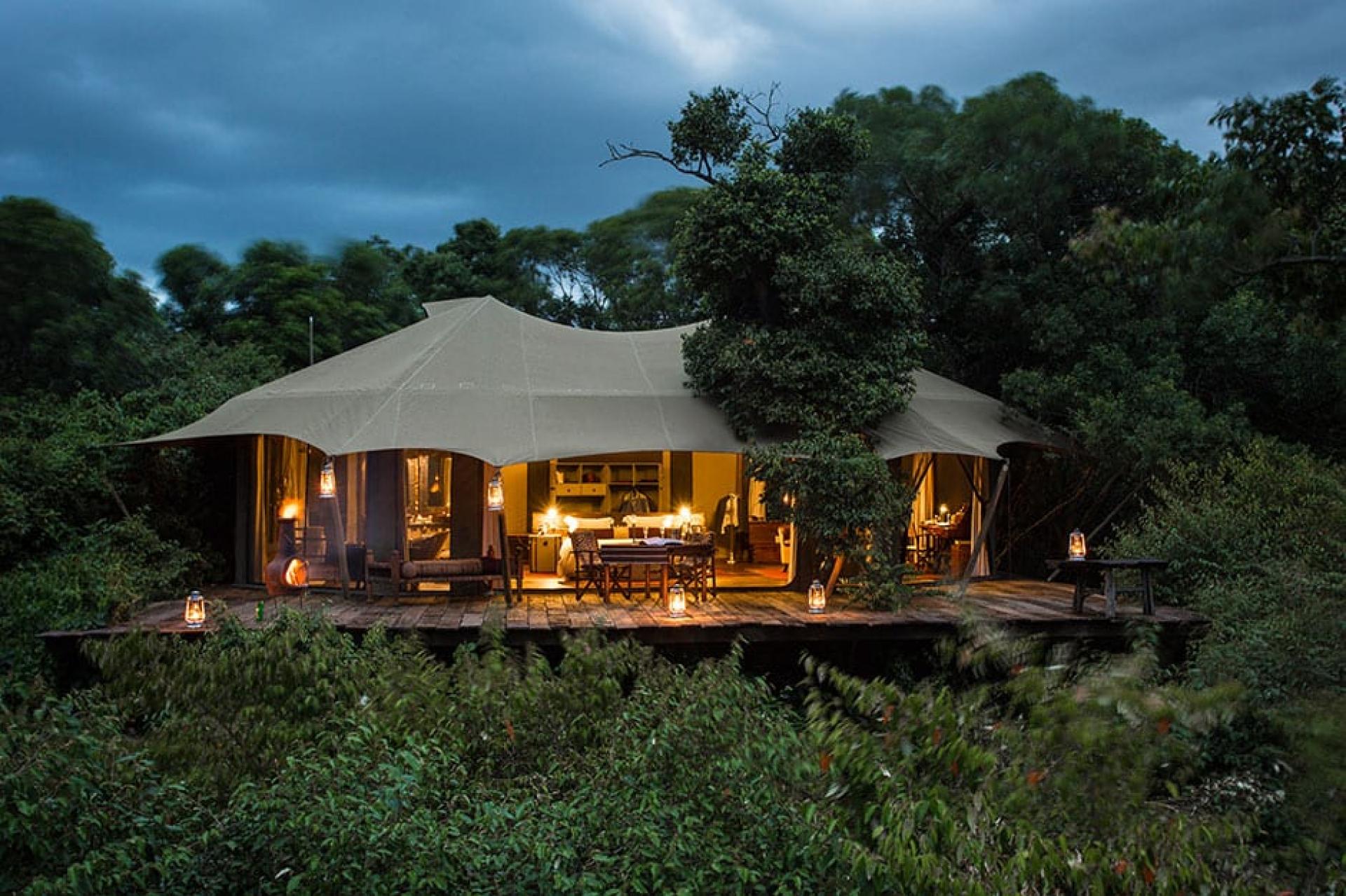
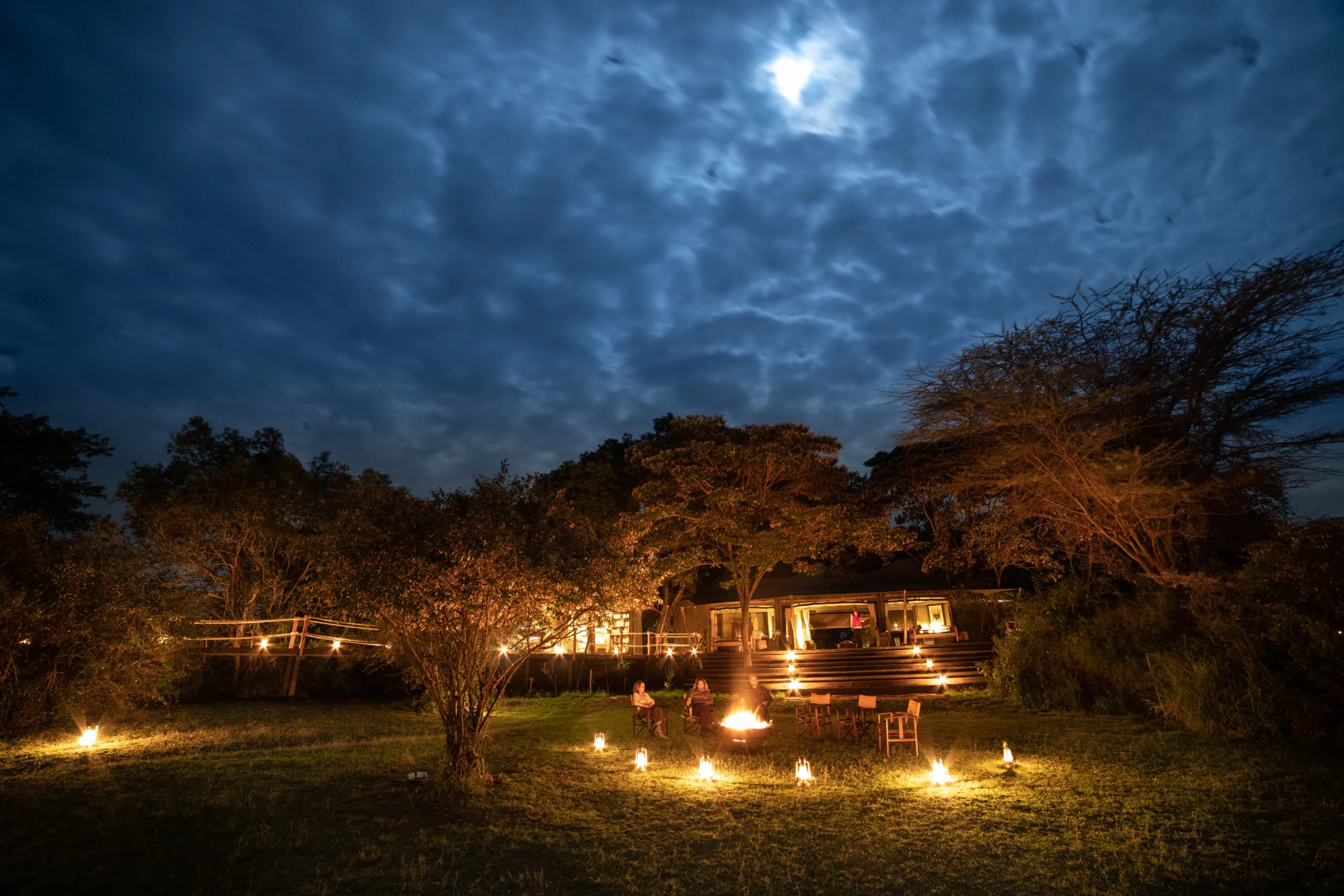
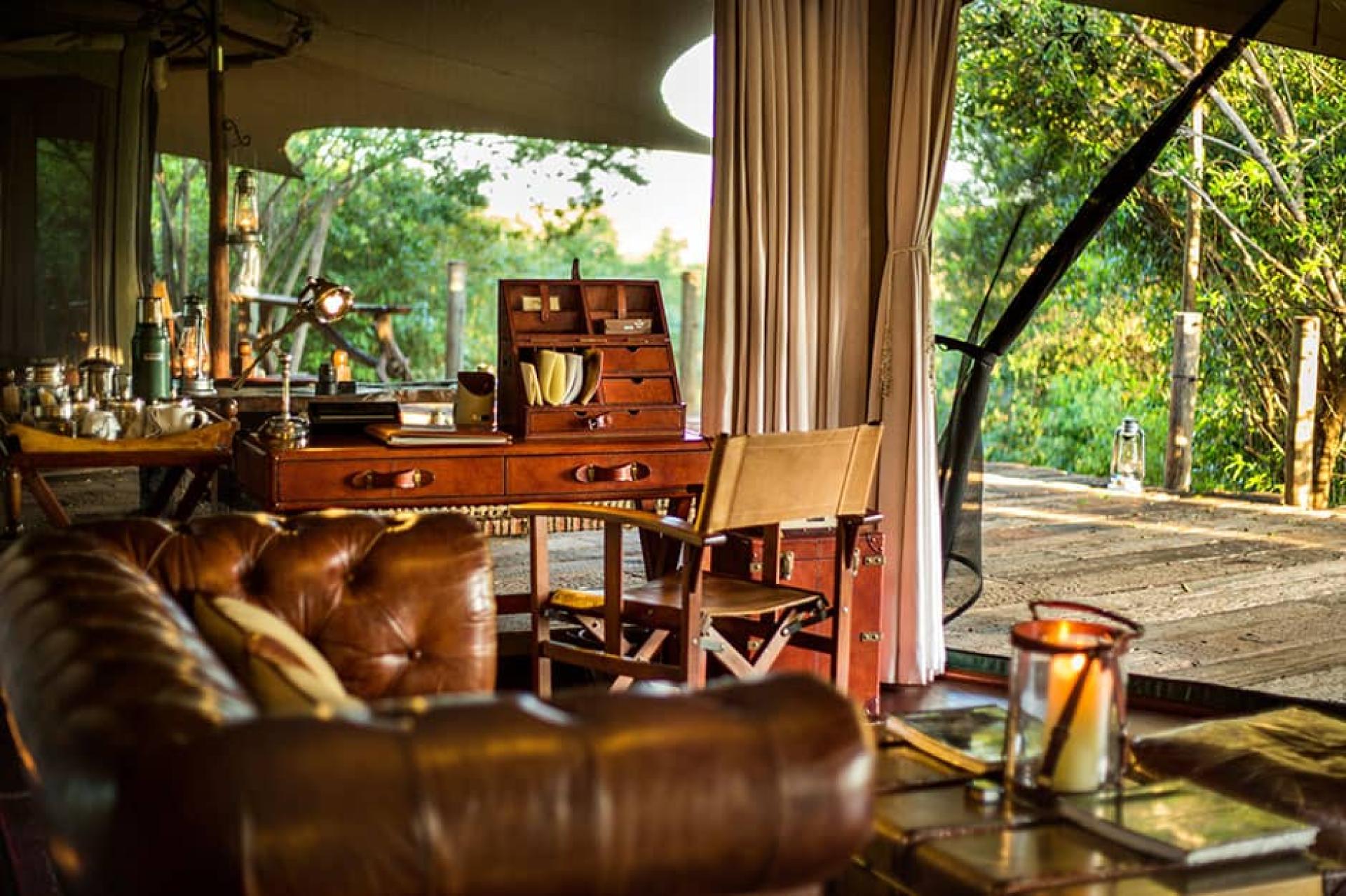
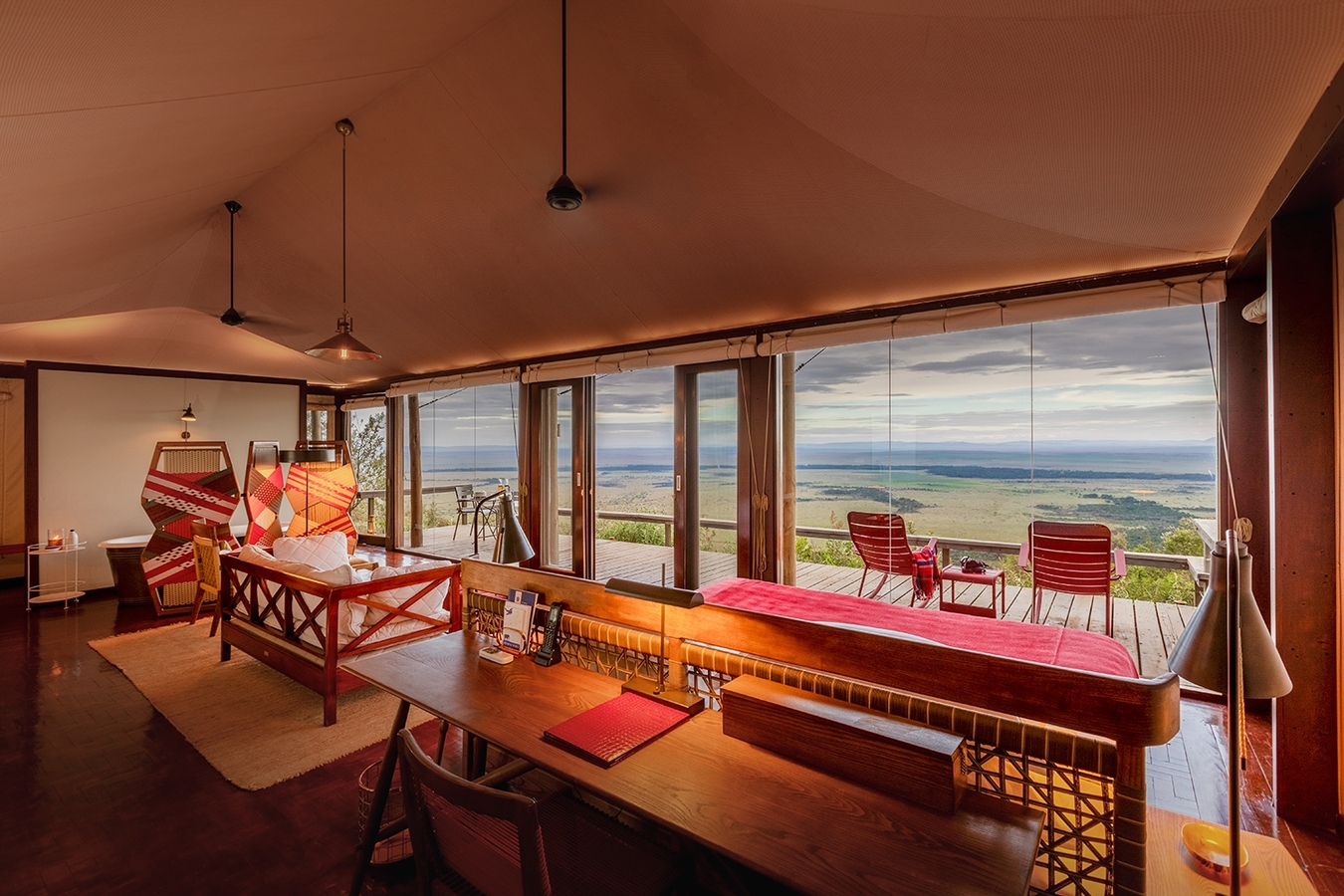
Governors' Camp — riverbank tradition in the reserve
Governors' Camp is the grand old name of the Masai Mara, set right on the Mara River inside the reserve in the game-rich Musiara Marsh area. The classic tents are large and comfortable, some with deep baths, and the position puts you within reach of the busiest crossing points. For travellers who want the traditional heart-of-the-reserve experience and proximity to the river action, Governors' has earned its reputation over decades.
2. Amboseli — elephants beneath Kilimanjaro
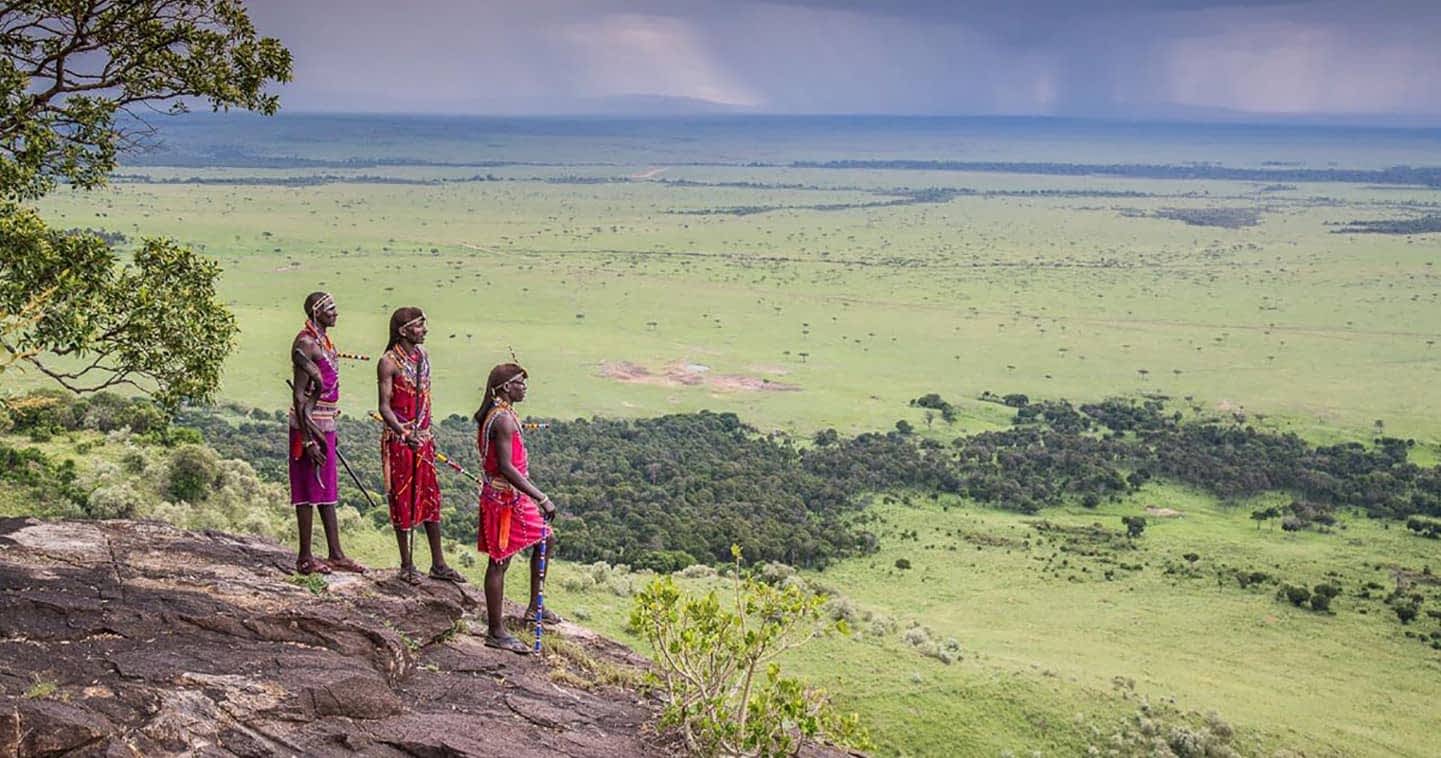
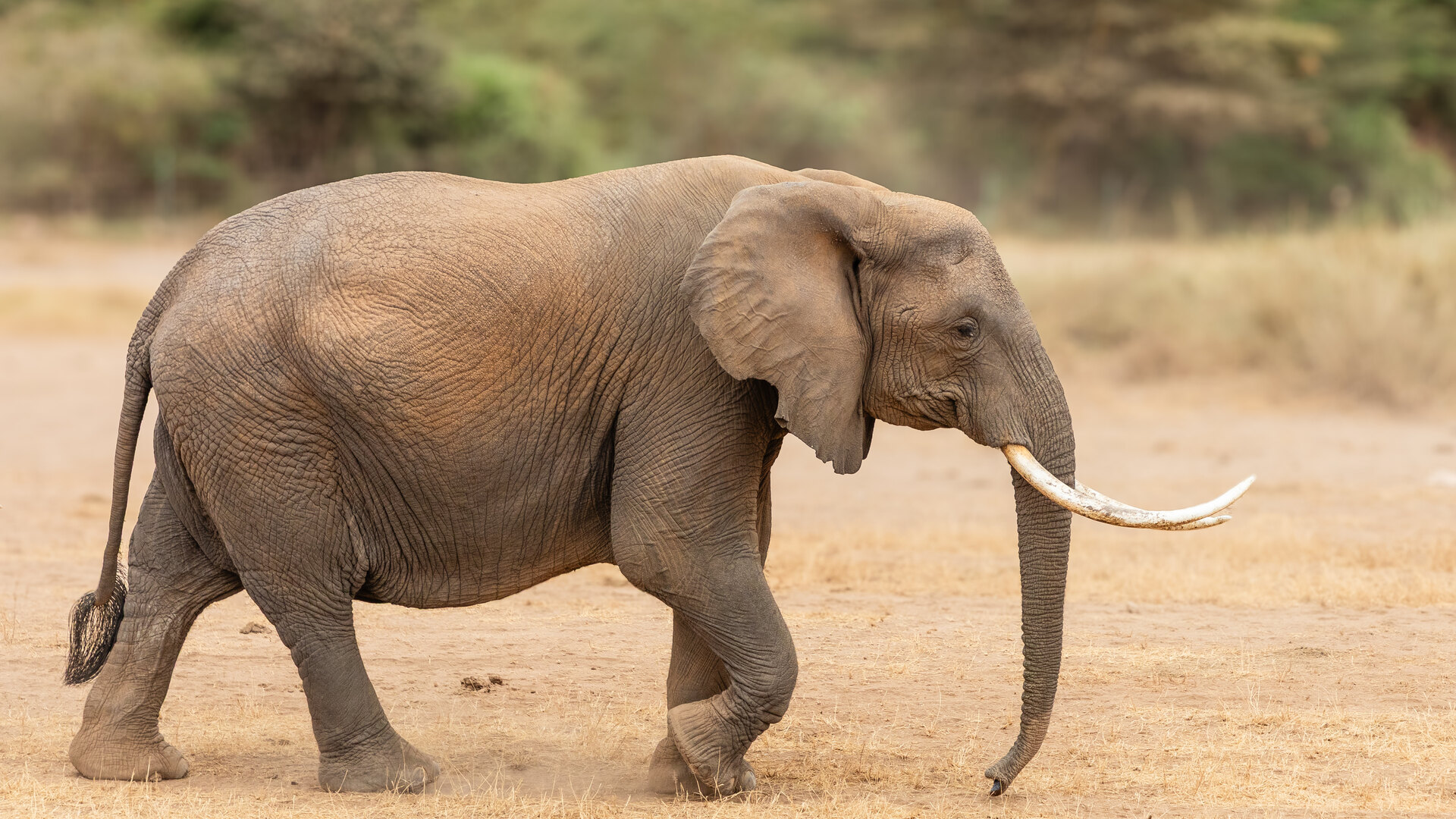
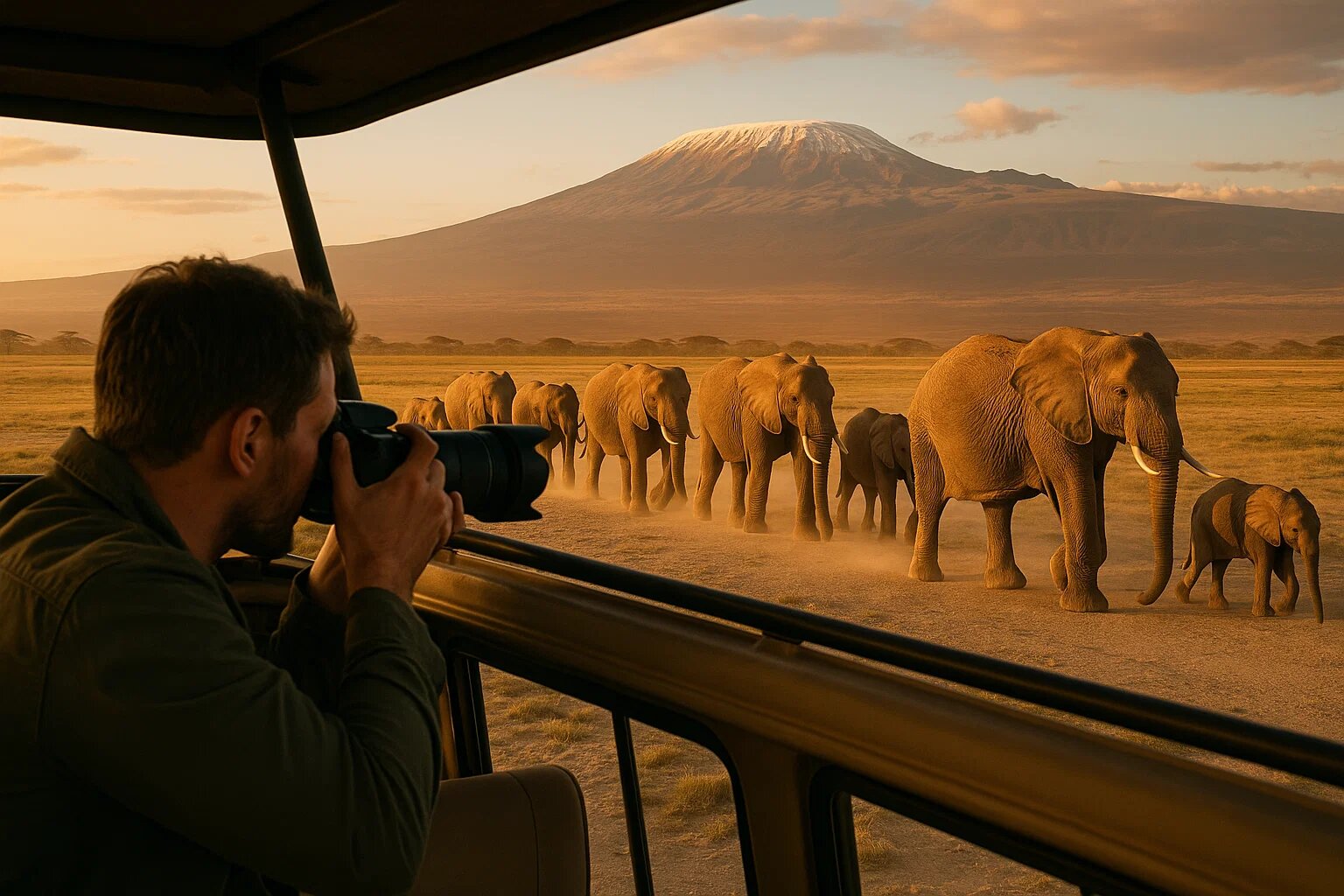
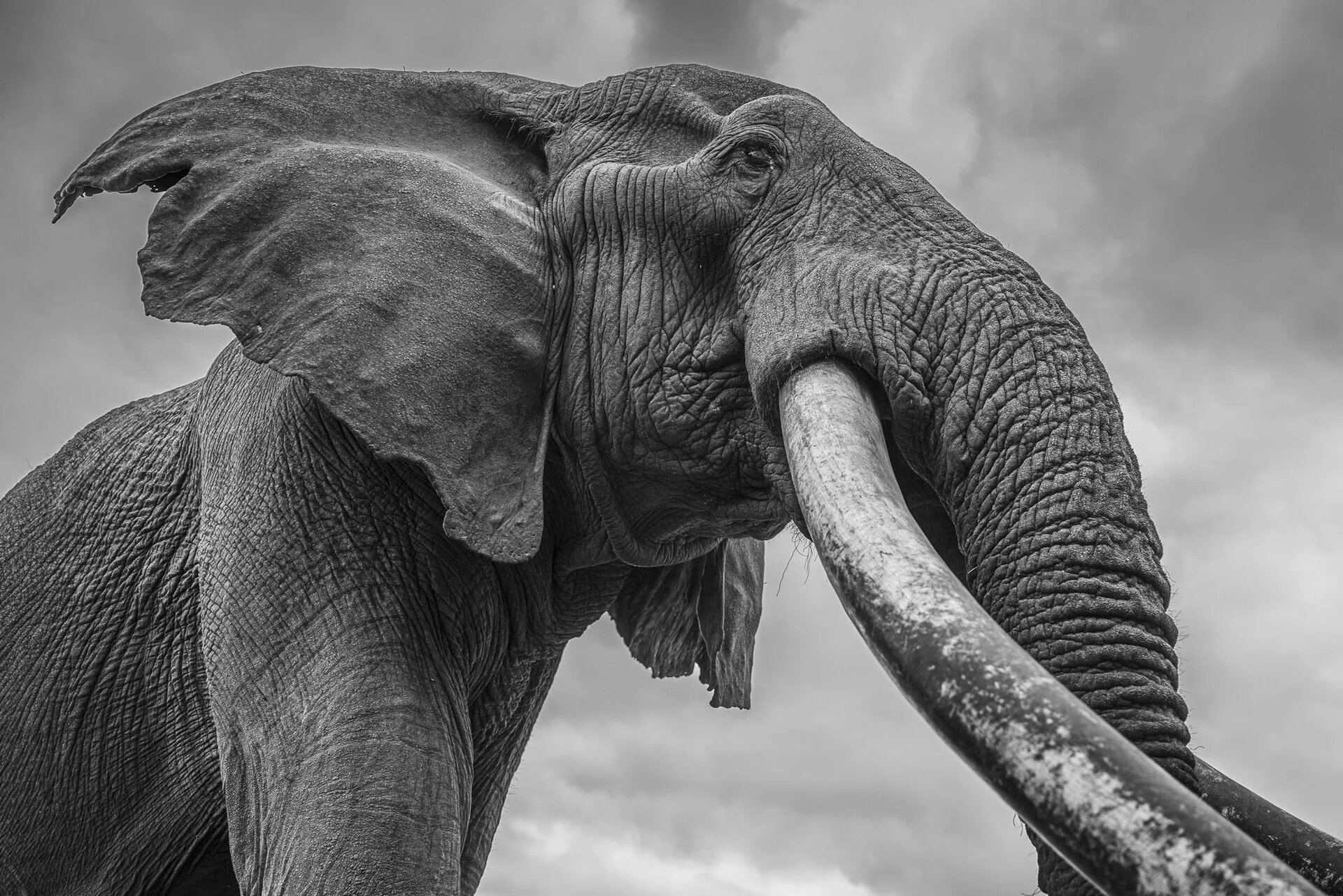
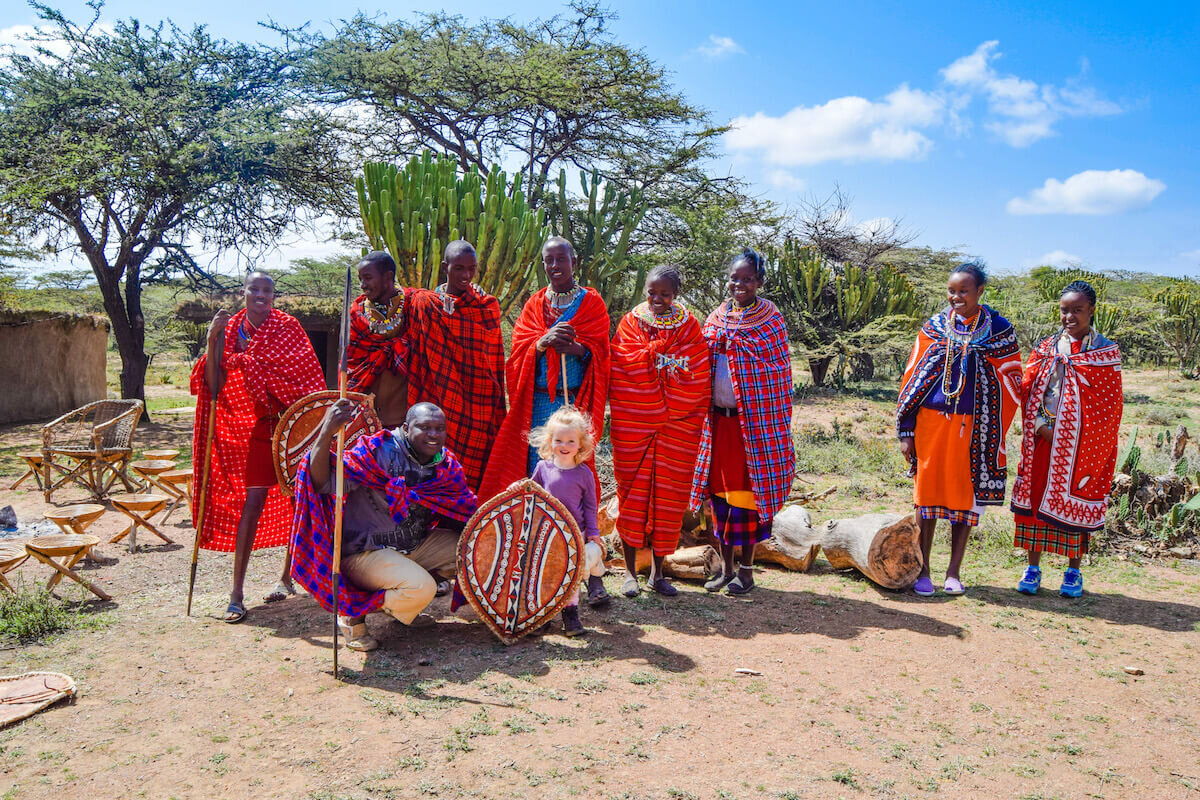
Ninety minutes' flight from the Mara, Amboseli is Kenya's second great set piece: big-tusked elephant herds crossing golden swamps with the snows of Mount Kilimanjaro filling the sky behind them. It is the finest place in Africa to photograph elephants, and pairing it with the Mara gives your safari two completely different landscapes and moods. Add the Maasai communities on its fringes and Amboseli becomes the cultural counterpoint to the Mara's wildlife spectacle.
3. Samburu — the rare species of the north
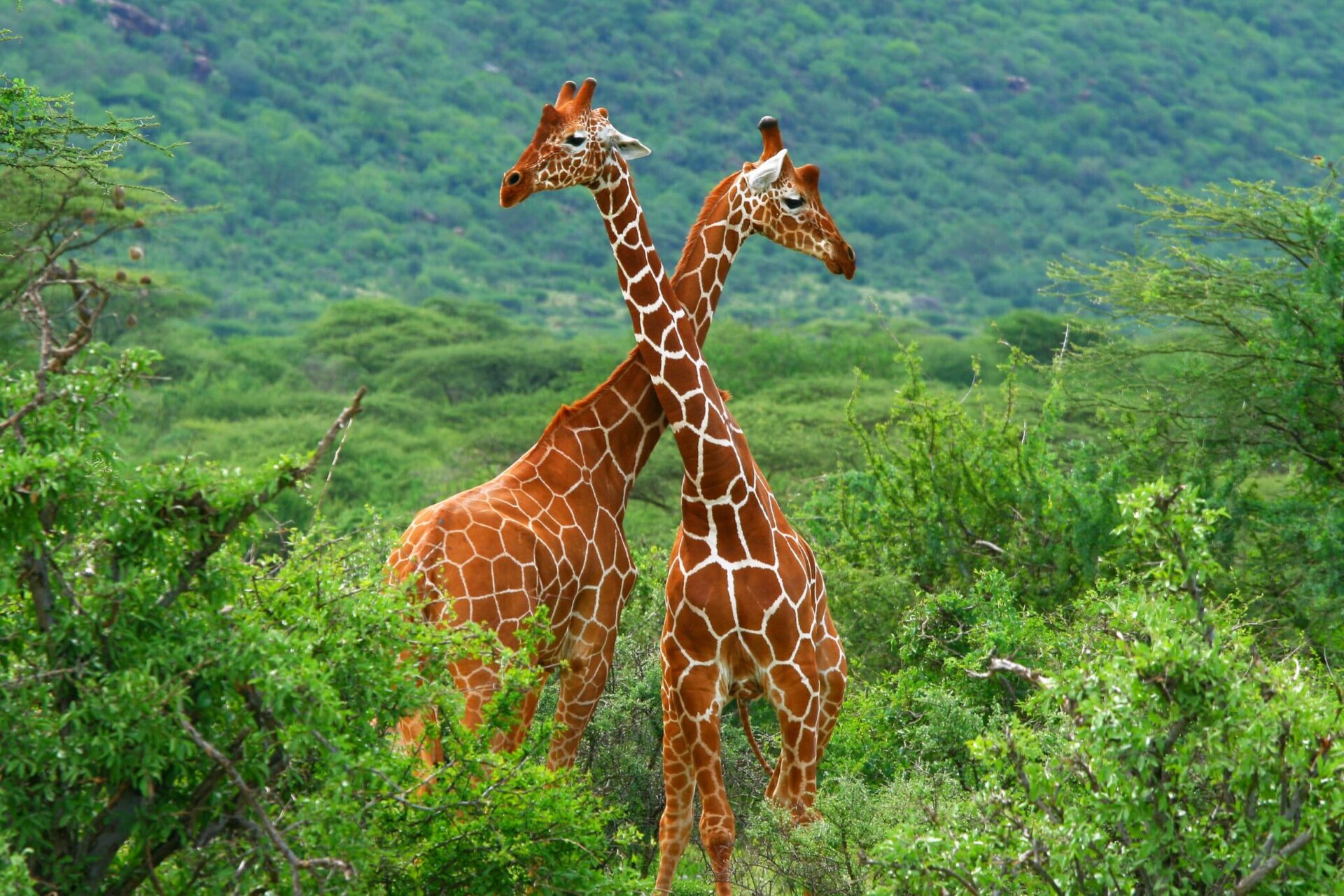
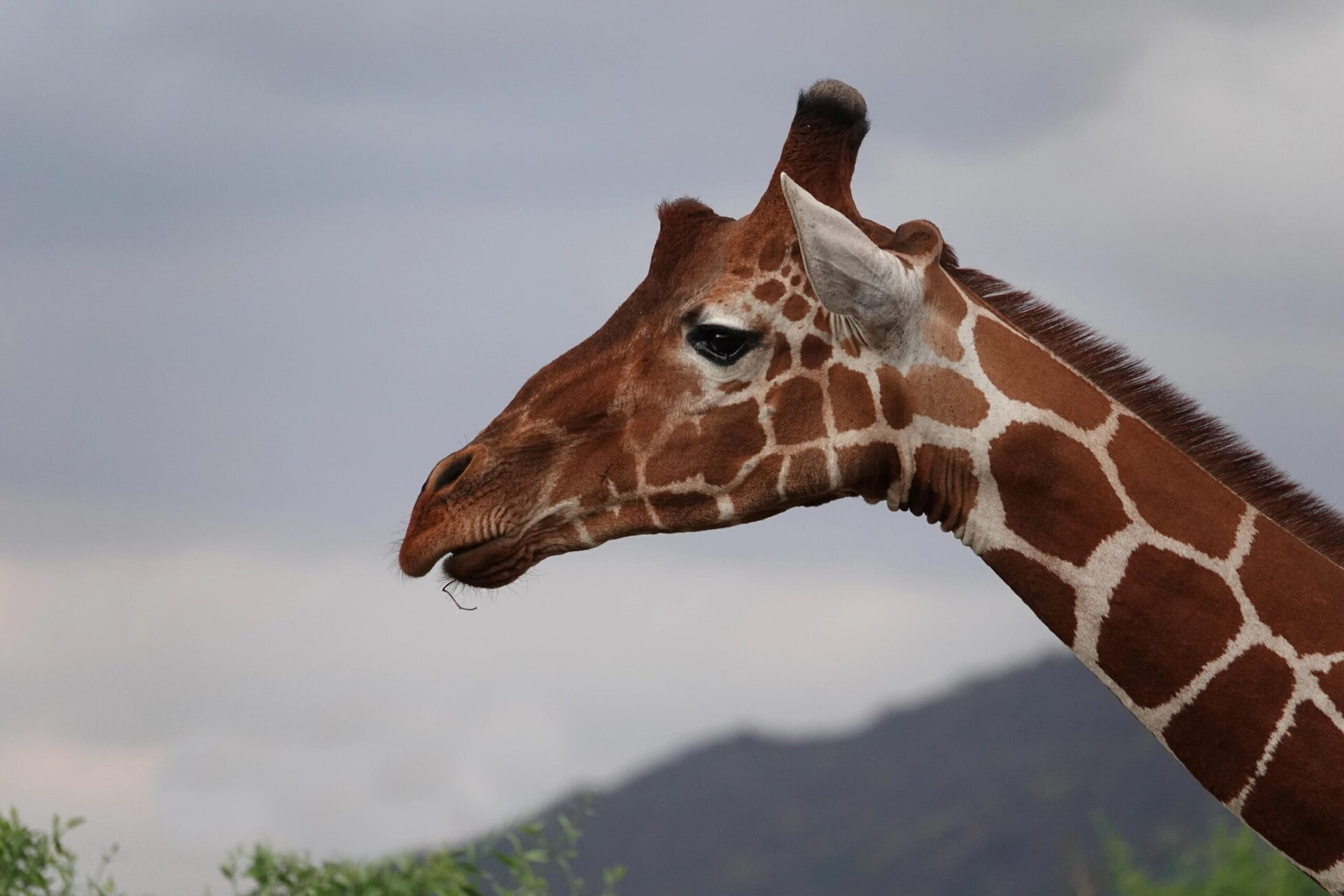
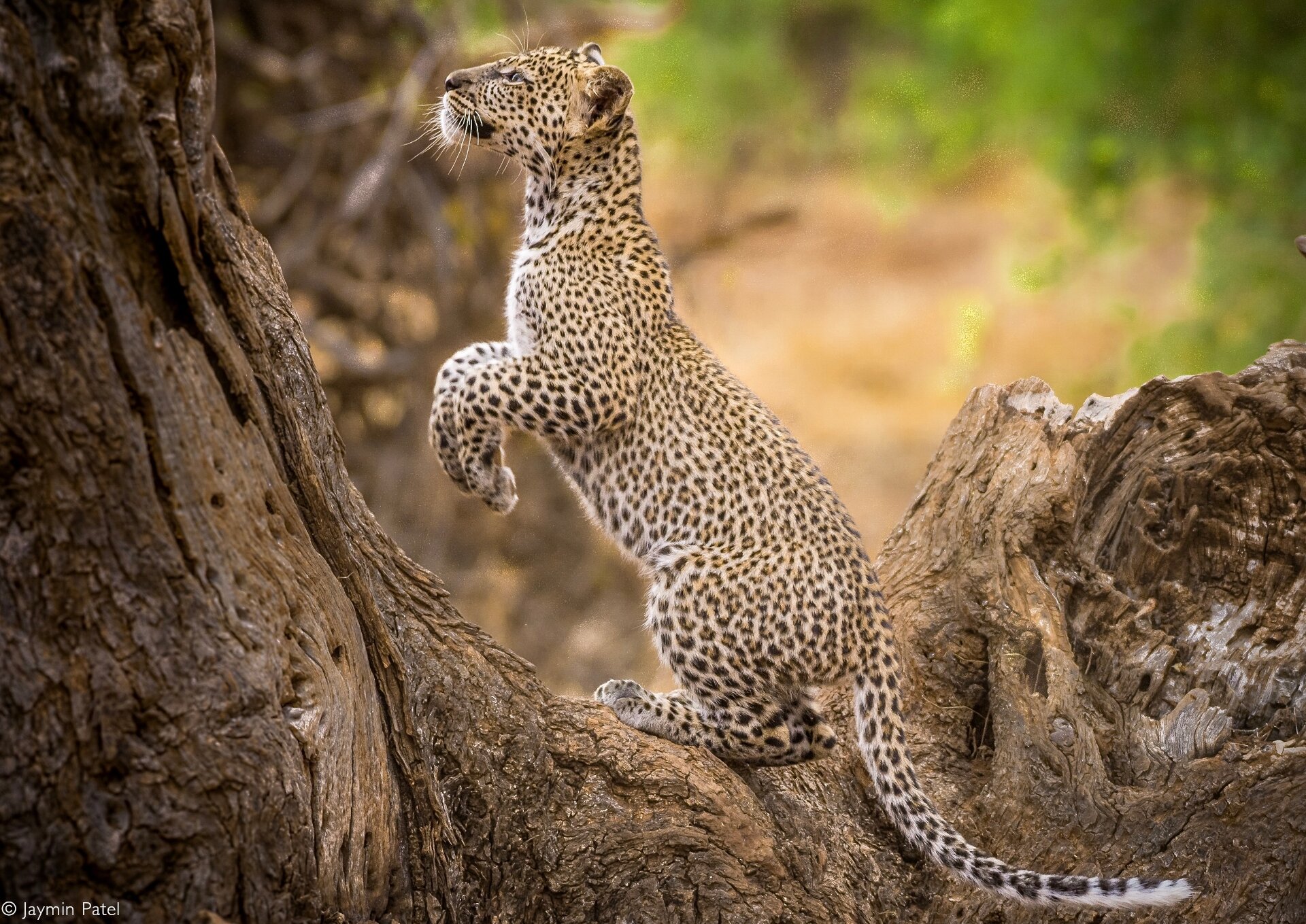
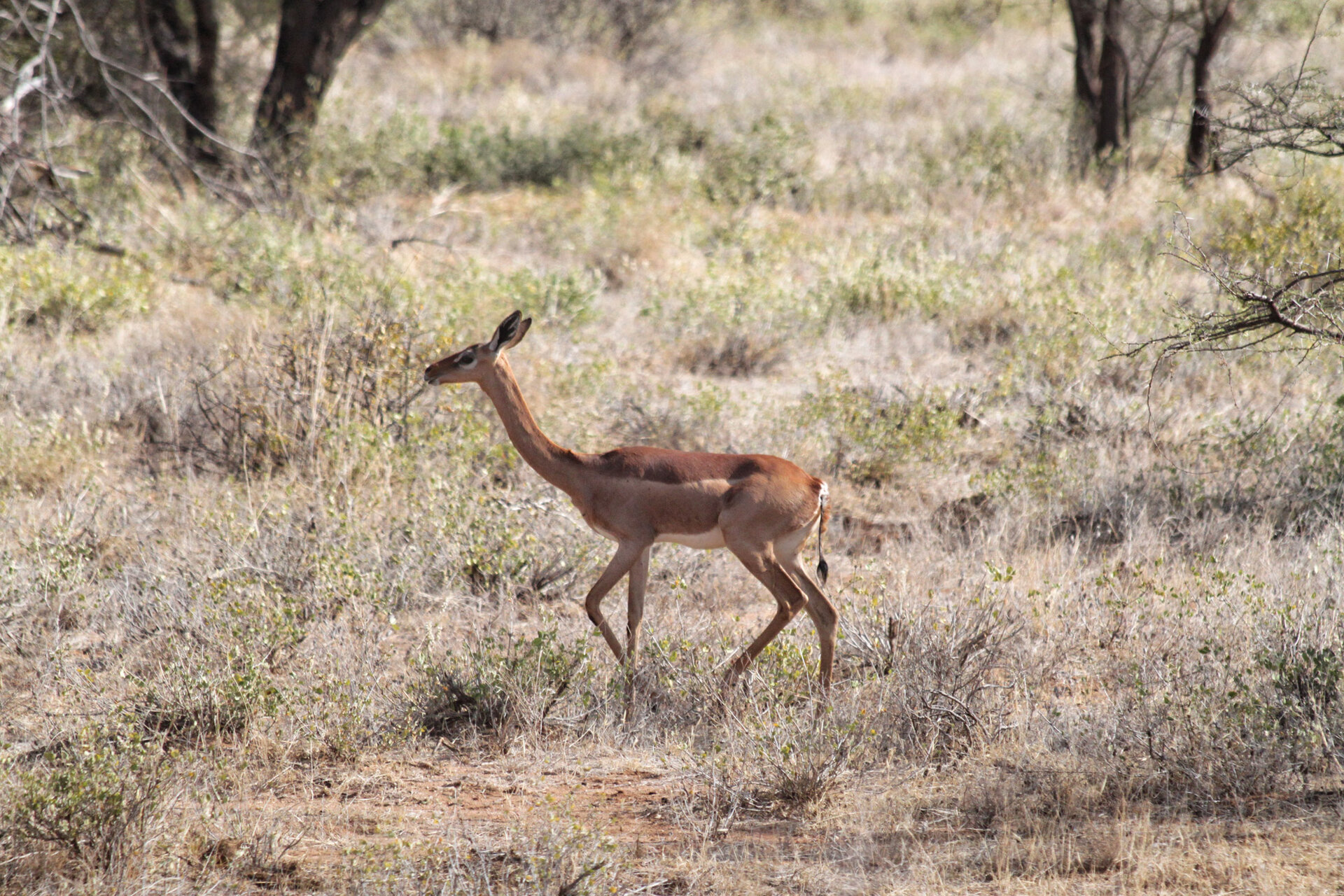
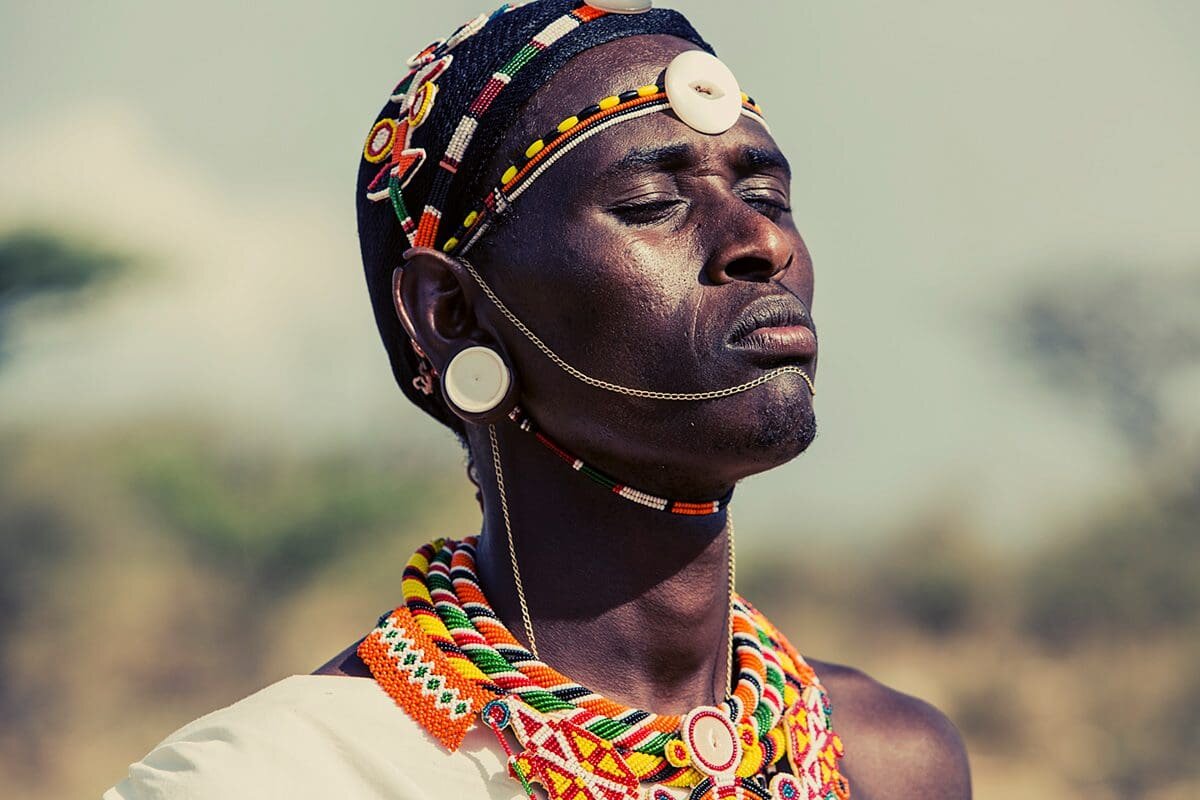
North of the equator, Samburu is a different Kenya entirely: a semi-arid land of doum palms and red earth along the Ewaso Ng'iro River, home to the "Samburu Special Five" you will not see in the Mara — reticulated giraffe, Grevy's zebra, gerenuk, Beisa oryx and Somali ostrich. Leopards are common along the river, elephants come to drink, and the Samburu people bring a proud, distinct culture. Adding Samburu to a migration trip transforms your species list and shows you a side of Kenya most visitors miss.
4. Lake Nakuru & the Great Rift Valley
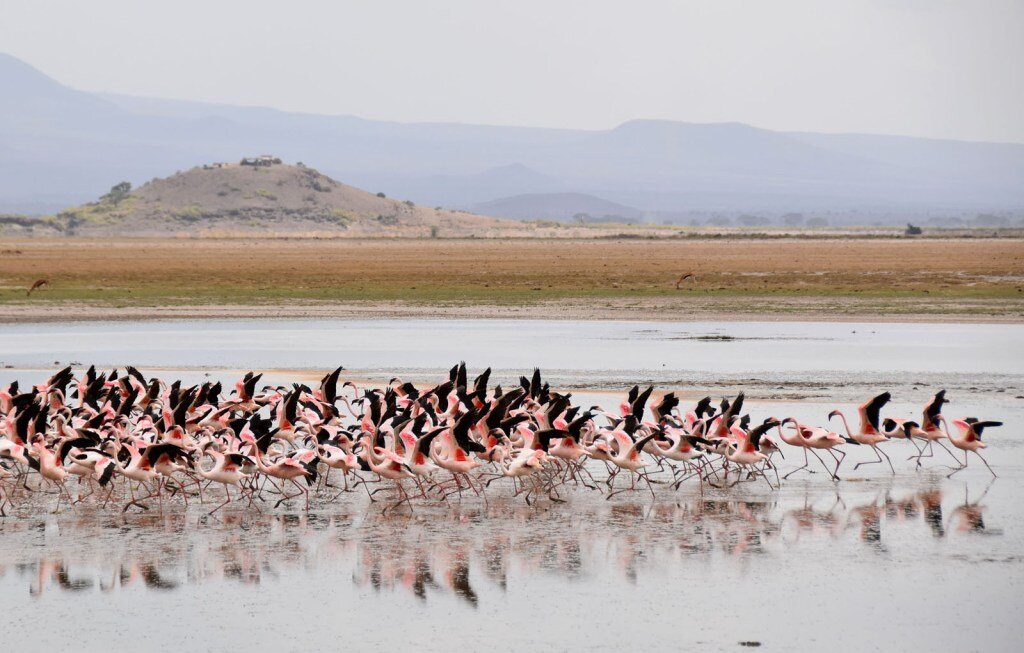
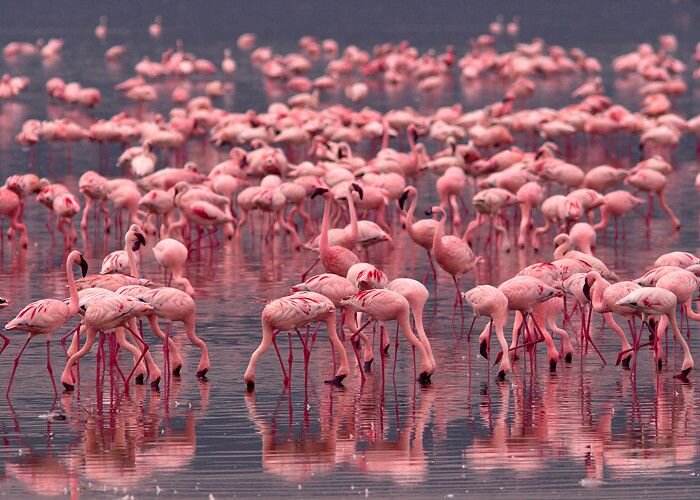
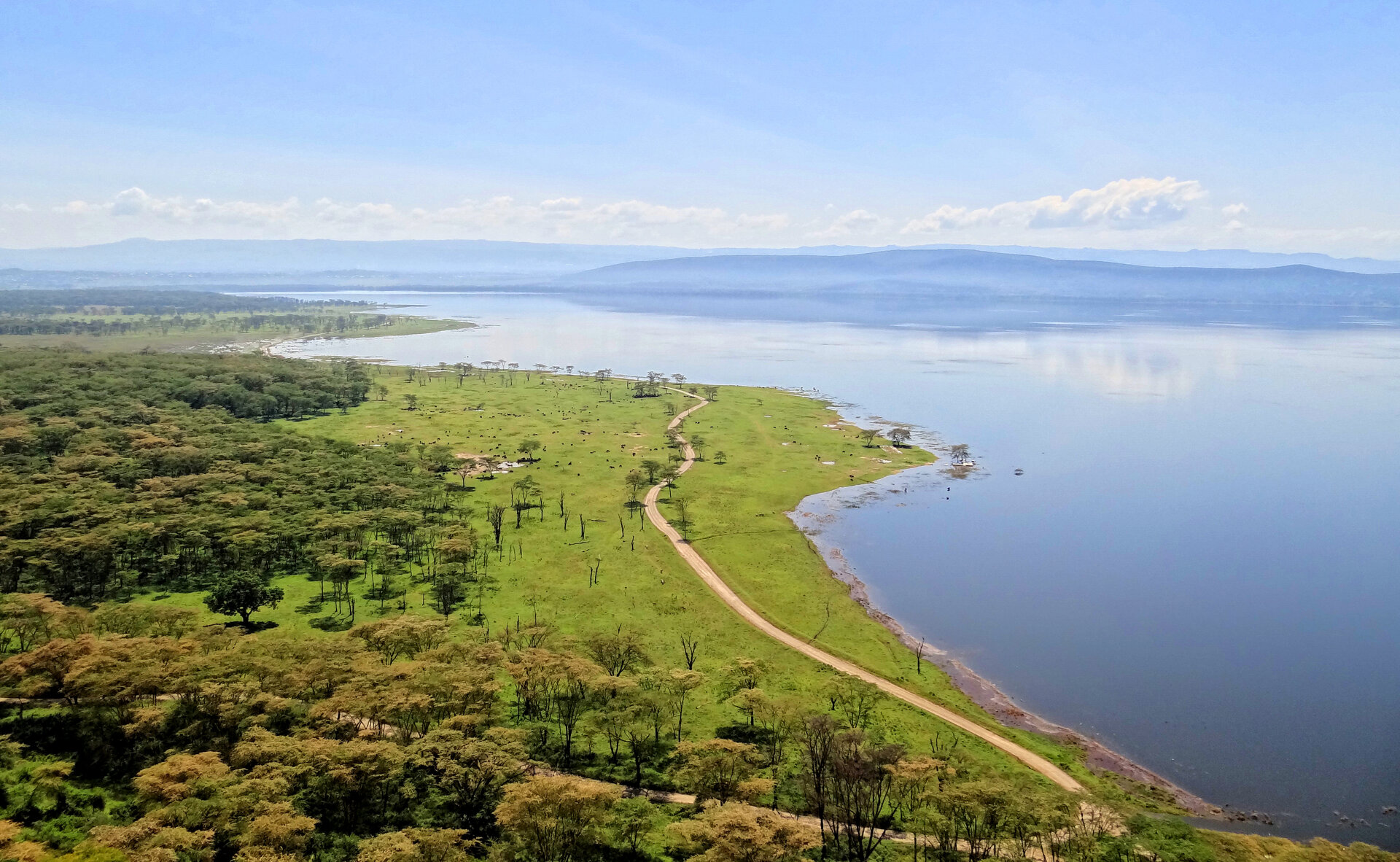
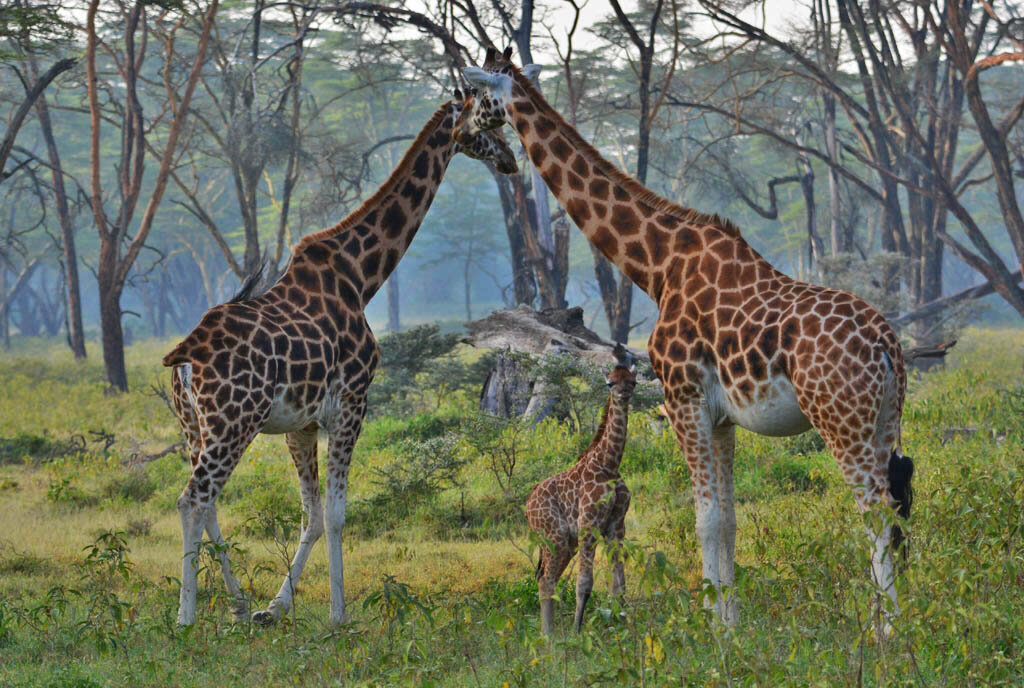
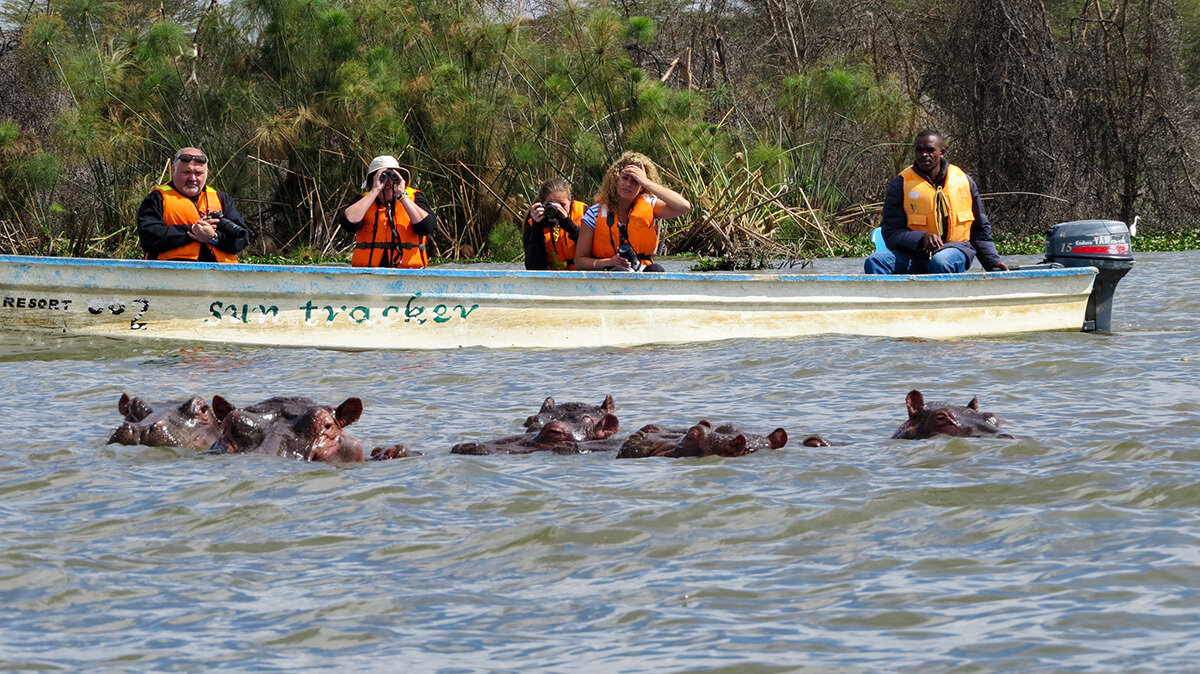
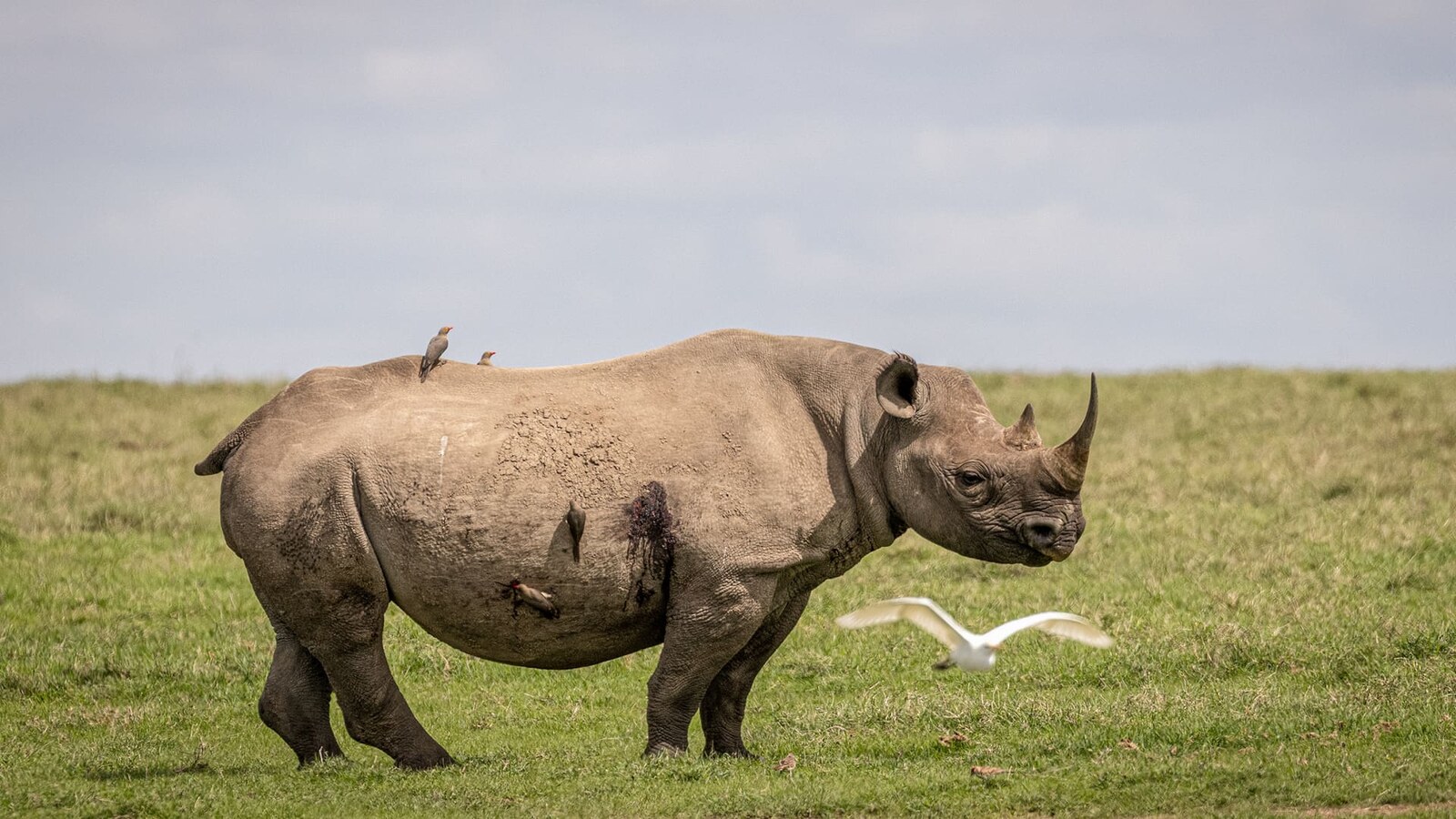
On the drive or short hop between Nairobi and the Mara lies the Great Rift Valley and its string of soda lakes. Lake Nakuru National Park is the jewel: shallow alkaline water fringed at times with tens of thousands of flamingos, a fenced rhino sanctuary that reliably delivers both black and white rhino, and rare Rothschild's giraffe against a backdrop of yellow-barked acacia. It is a compact, high-density park that adds rhino and birding to a migration trip in just a night or two.
5. Ol Pejeta & Laikipia — Africa's rhino stronghold
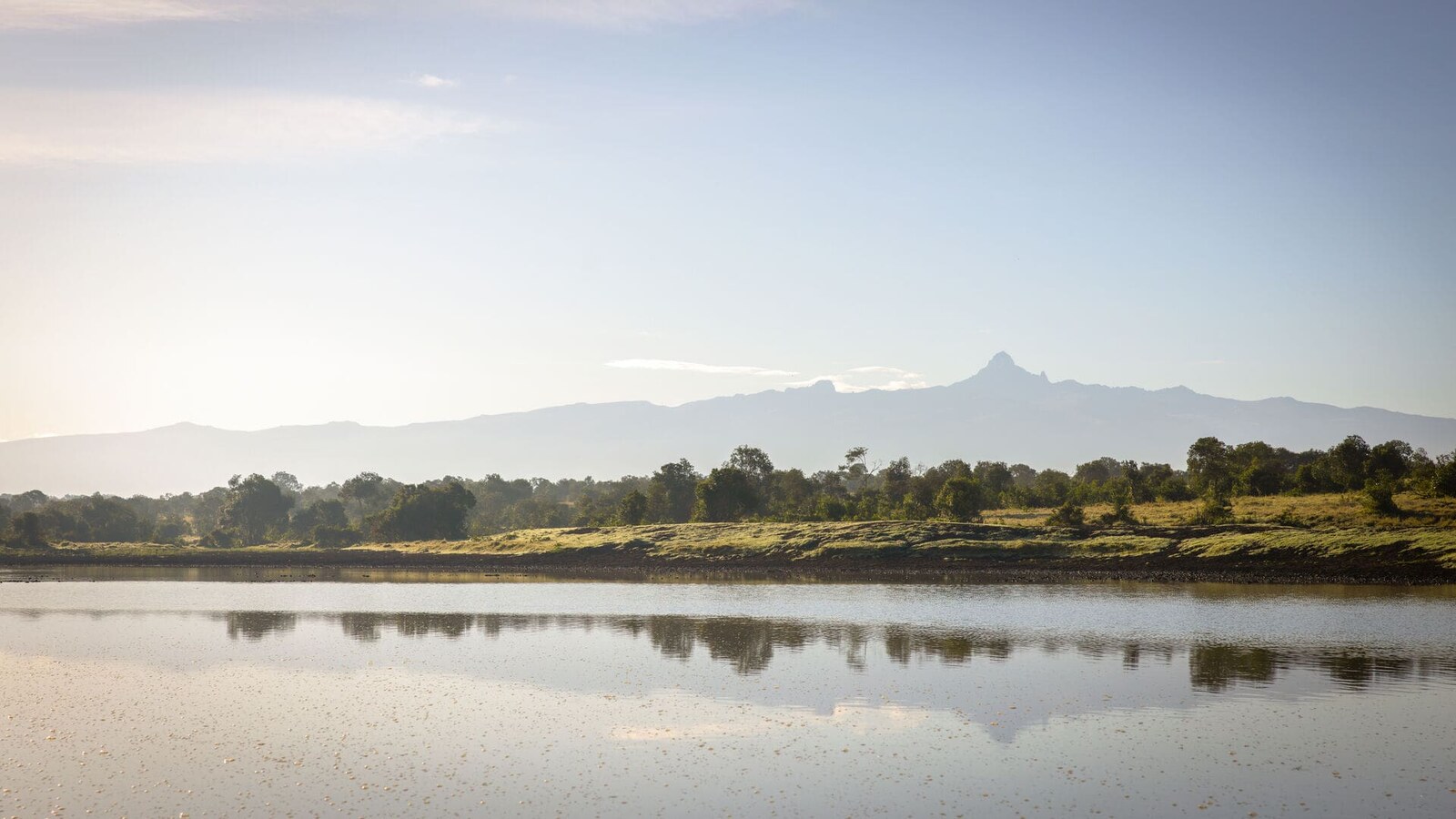
On the Laikipia plateau below Mount Kenya, Ol Pejeta Conservancy is the largest black rhino sanctuary in East Africa and home to the last two northern white rhino on earth. It is conservation you can feel — chimpanzee sanctuary, dawn views of Mount Kenya mirrored in waterholes, superb big cats and low visitor numbers. Pairing Laikipia with the migration ends your trip on the most meaningful note in African travel: the front line of saving a species.
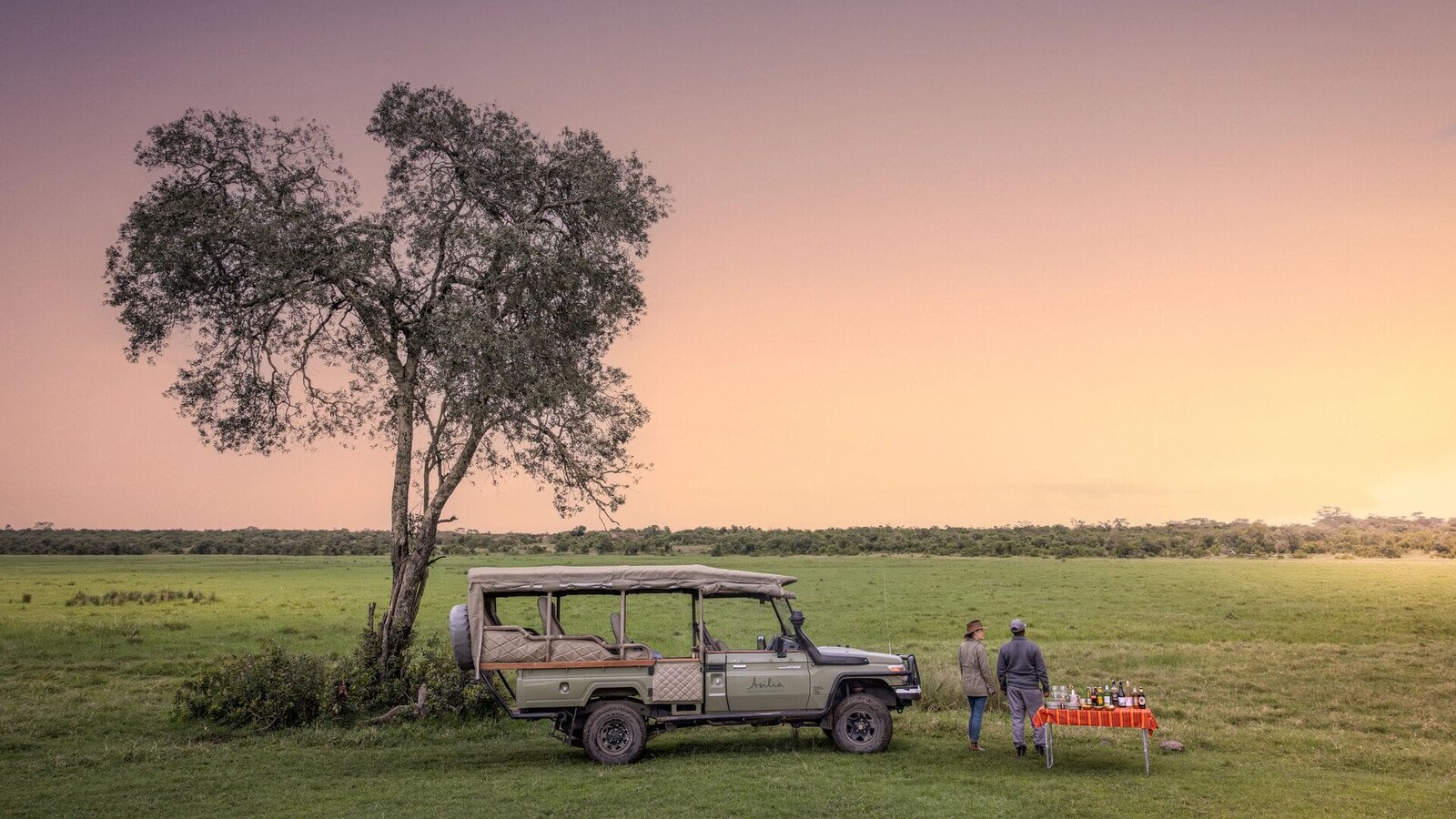
Sample Kenya migration packages we build
These are the routes our own guests take most often. Every one is private, guided and tailor-made — think of them as starting points, not fixed departures.
| Package | Nights | Route | Best for |
|---|---|---|---|
| Mara Migration Express | 4 | Nairobi → Masai Mara conservancy (fly-in) | Short trips focused purely on the crossings. |
| Mara & Amboseli Classic | 6–7 | Amboseli → Masai Mara | Elephants under Kilimanjaro plus the migration — the perfect first Kenya safari. |
| Great Rift & Mara | 7 | Lake Nakuru → Masai Mara | Flamingos and rhino added to the crossings on an easy route. |
| Kenya Multi-Park Grand | 9–11 | Samburu → Ol Pejeta → Lake Nakuru → Masai Mara | The full country — rare northern species, rhino conservation and the migration. |
| Luxury Fly-In Migration | 7–8 | Private light aircraft between premium camps | Maximum comfort and minimum travel time between the best lodges. |
| Mara & Serengeti Cross-Border | 8 | Masai Mara → Serengeti (Kenya & Tanzania) | Following the herds across the border for both countries in one trip — see our 8-day Great Migration package. |
What a Kenya migration safari costs in 2026
Kenya suits a wide range of budgets, which is one of its great strengths over a Tanzania-only migration trip. Prices below are per person sharing, all-inclusive of park and conservancy fees, meals and game activities; internal flights are usually extra.
| Tier | Per person / night | Typical 7-night migration trip | What you get |
|---|---|---|---|
| Mid-range | US$400–650 | US$3,000–4,500 pp | Comfortable tented camps, shared game drives, mostly road transfers. |
| Premium | US$650–1,100 | US$4,500–7,500 pp | Excellent conservancy camps, private guiding, some fly-in legs. |
| Luxury | US$1,100–1,800 | US$7,500–12,000 pp | The finest camps, private vehicle, fly-in throughout, off-road and night drives. |
| Ultra-Luxury | US$1,800–3,000+ | US$12,000–20,000+ pp | Exclusive-use and flagship camps, private aircraft, bespoke everything. |
Peak migration months of August and September carry the highest rates and sell out earliest; the green season from November to May can be twenty to thirty per cent cheaper for the same camps. Families, honeymooners and private groups price differently again — tell us your party and we will give you the exact number.
For a full list of ready-priced wildebeest migration safari packages — across all budgets, Tanzania and Kenya — see our dedicated packages guide.
Kenya vs Tanzania for the migration
We plan both, and the honest answer is that it depends on your dates and your goals. Choose Kenya if you want the crossings between July and October, an easy multi-park circuit, a wide range of budgets, and the world's best conservancies for off-road, low-vehicle sightings. Choose Tanzania if you want the calving season in the southern Serengeti in January and February, or the sheer scale of the Serengeti's endless plains. Many of our most memorable trips actually do both, crossing the border to follow the herds — ask us and we will tell you honestly which fits your calendar.
Getting around: fly, do not drive
Kenya's greatest practical advantage is its light-aircraft network. Scheduled and private flights radiate out of Nairobi's Wilson Airport to airstrips in the Mara, Amboseli, Samburu, Nakuru and Laikipia, turning what would be long, dusty road days into 45-to-90-minute hops. For a multi-park migration safari this is the difference between a relaxed trip and an exhausting one. We build most premium and luxury Kenya itineraries as fly-in circuits, keeping a private vehicle and guide waiting at each airstrip so your safari never pauses. Shorter or mid-range trips can combine a scenic Rift Valley drive with one or two flights to keep costs down.
Let us build your Kenya migration safari
The migration is in Kenya for only a few months a year, and the best Mara camps for August and September book out far ahead. Tell us your dates, your party and your budget, and we will design your exact trip — the right Mara camp for the crossings, the right parks to pair with it, and every flight and transfer handled. Let us bring you to the greatest wildlife show on earth.