Key Takeaways
- The Serengeti remains the undisputed number one — home to the Great Migration, Africa's highest predator density, and landscapes that define the word "wilderness".
- Tanzania operates three safari circuits: Northern (classic, iconic), Southern (remote, wild), and Western (chimps). Most first-time visitors focus on the Northern Circuit.
- The Ngorongoro Crater is the world's most reliable single-day Big Five experience, while parks like Ruaha and Nyerere offer solitude unmatched in East Africa.
- Parks are managed by TANAPA (Tanzania National Parks Authority); fees were revised in 2026 and range from $50–$80 per adult per day depending on the park tier.
- For exclusive, private-concession luxury with guaranteed sightings, see our top luxury lodges guide.
Tanzania holds more protected wilderness than any other country in East Africa. From the Serengeti's endless plains — where the Great Migration unfolds in its full, uninterrupted glory — to the Ngorongoro Crater's enclosed Eden, to remote southern parks where you can safari for days without seeing another vehicle, this is a country built for wildlife.
With 22 national parks spanning savannahs, volcanic calderas, montane forests, and lake shores, the challenge isn't whether Tanzania delivers on safari — it is which parks to prioritize. After decades guiding travellers across this country, our team has ranked the ten national parks in Tanzania that deliver the greatest reward — for wildlife density, landscape drama, uniqueness, and those moments that redefine what nature can do. This is the honest, expert shortlist for 2026.
How We Ranked Tanzania's National Parks
This ranking evaluates Tanzania's national parks managed by TANAPA (Tanzania National Parks Authority) and the Ngorongoro Conservation Area Authority. We weighted five factors: wildlife density and Big Five accessibility, landscape and scenic drama, uniqueness (does it offer something no other park can?), accessibility and infrastructure, and overall visitor experience.
Tanzania's parks are grouped into three circuits: the Northern Circuit (Serengeti, Ngorongoro, Tarangire, Lake Manyara), the Southern Circuit (Ruaha, Nyerere, Mikumi), and the Western Circuit (Mahale, Gombe, Katavi). Most first-time visitors focus on the Northern Circuit for its accessibility and iconic wildlife. Here is the result.
The Top 10 National Parks in Tanzania, Ranked
1. Serengeti National Park — The Great Migration Cathedral
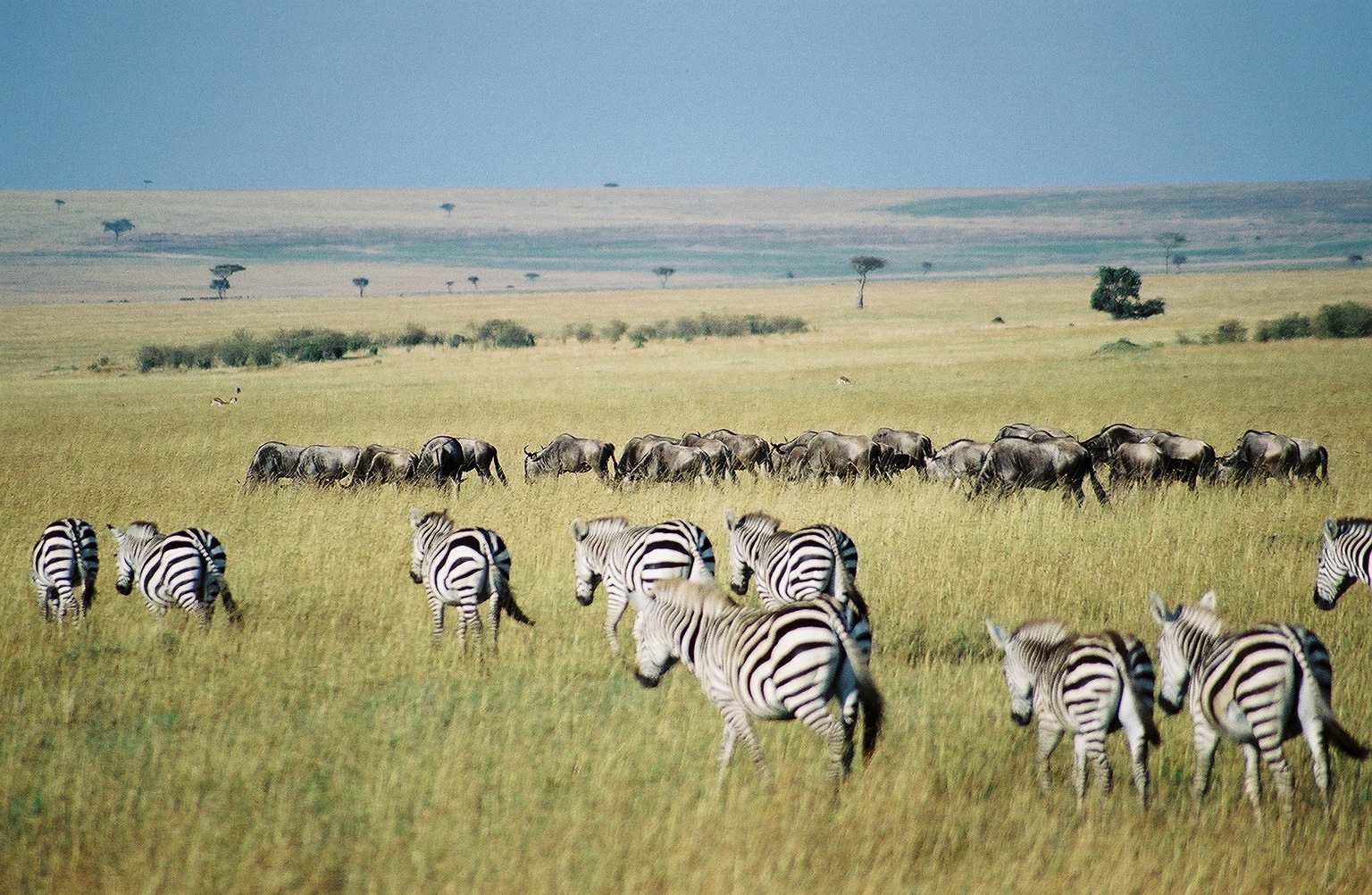
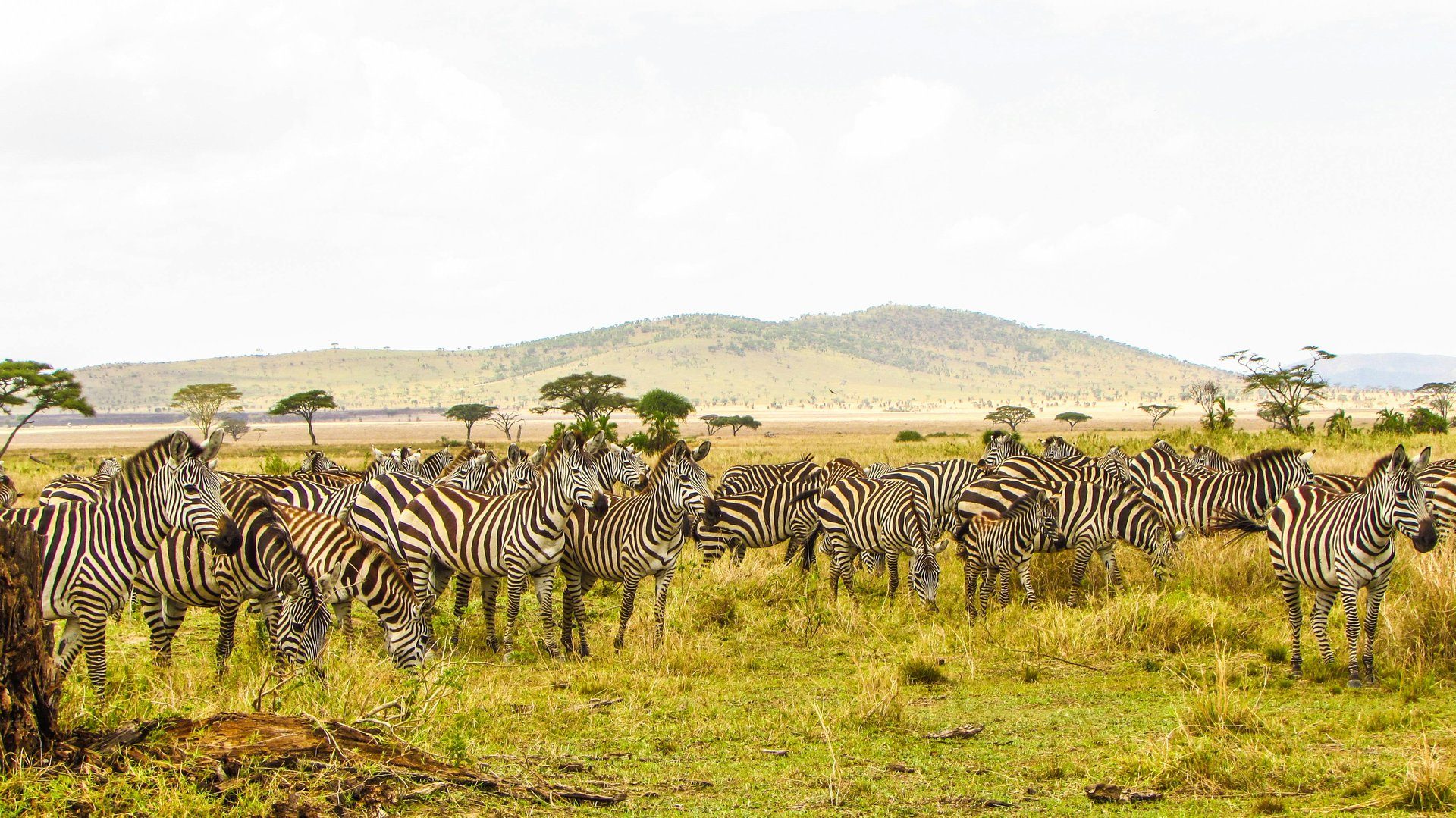
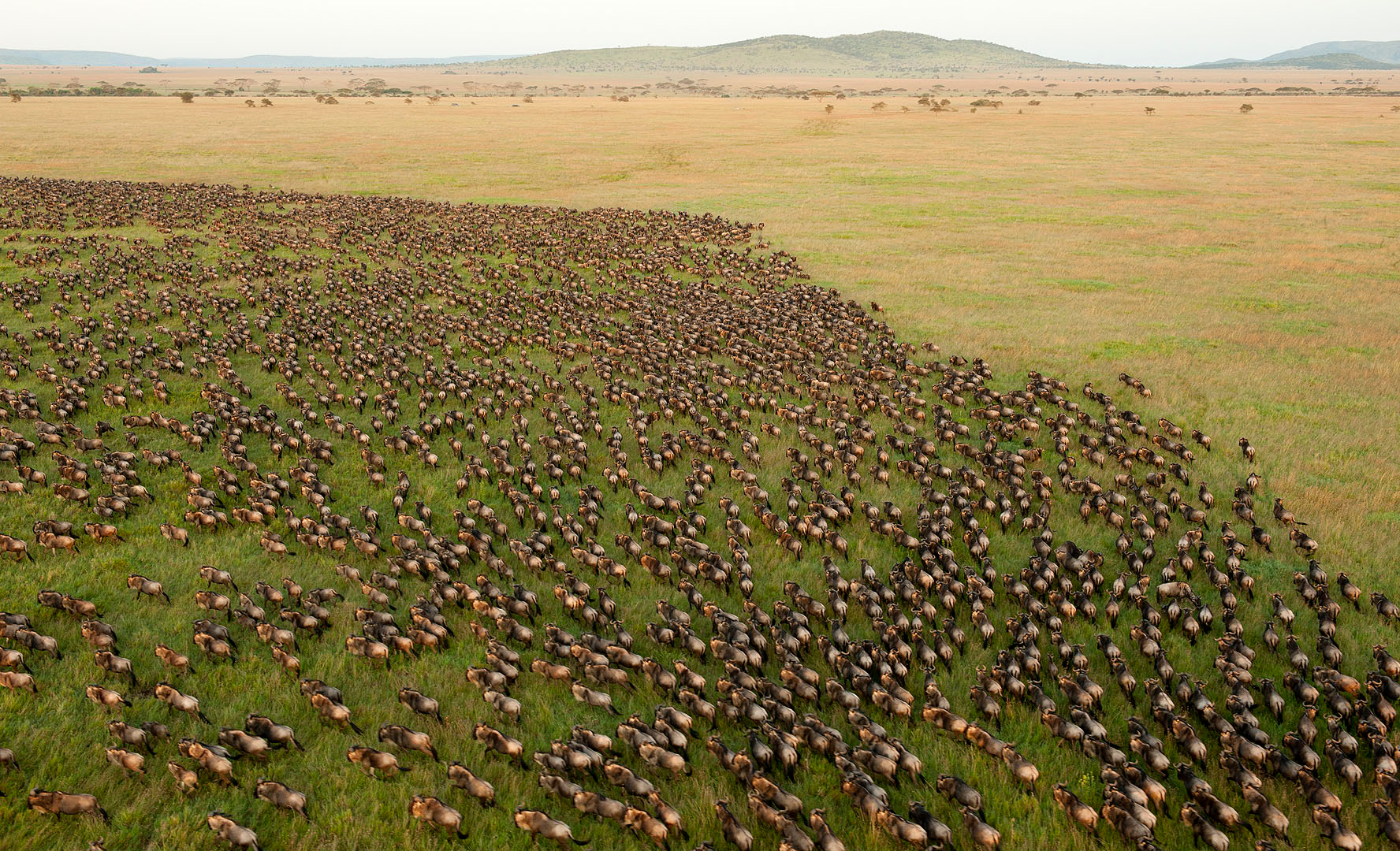
There is only one Serengeti. At 14,750 square kilometers — larger than some countries — it is the stage for the Great Migration, the planet's largest overland animal movement. Between 1.5 and 2 million wildebeest, zebras, and gazelles move in a perpetual clockwise loop, shadowed by the highest concentration of large predators in Africa.
The Serengeti isn't a single ecosystem but a mosaic: endless short-grass plains in the south (calving season, February–March), riverine forests along the Grumeti and Mara Rivers (migration crossings, June–July and August–October), and granite kopjes that shelter lions year-round. It is a UNESCO World Heritage Site and the safari destination against which all others are measured.
- Best for: Great Migration, big cats (lions, leopards, cheetahs), endless plains, hot-air balloon safaris.
- Wildlife: Wildebeest (migration), zebra, Thomson's gazelle, lion (3,000+), leopard, cheetah, hyena, elephant, giraffe, buffalo.
- Entry fee (2026): $80 per adult per 24 hours.
- Insider tip: The Serengeti is vast — choose your zone based on season. Central Seronera is year-round reliable; Northern Serengeti (July–October) offers river crossings; Southern plains (January–March) host calving season.


2. Ngorongoro Conservation Area — The Crater Eden
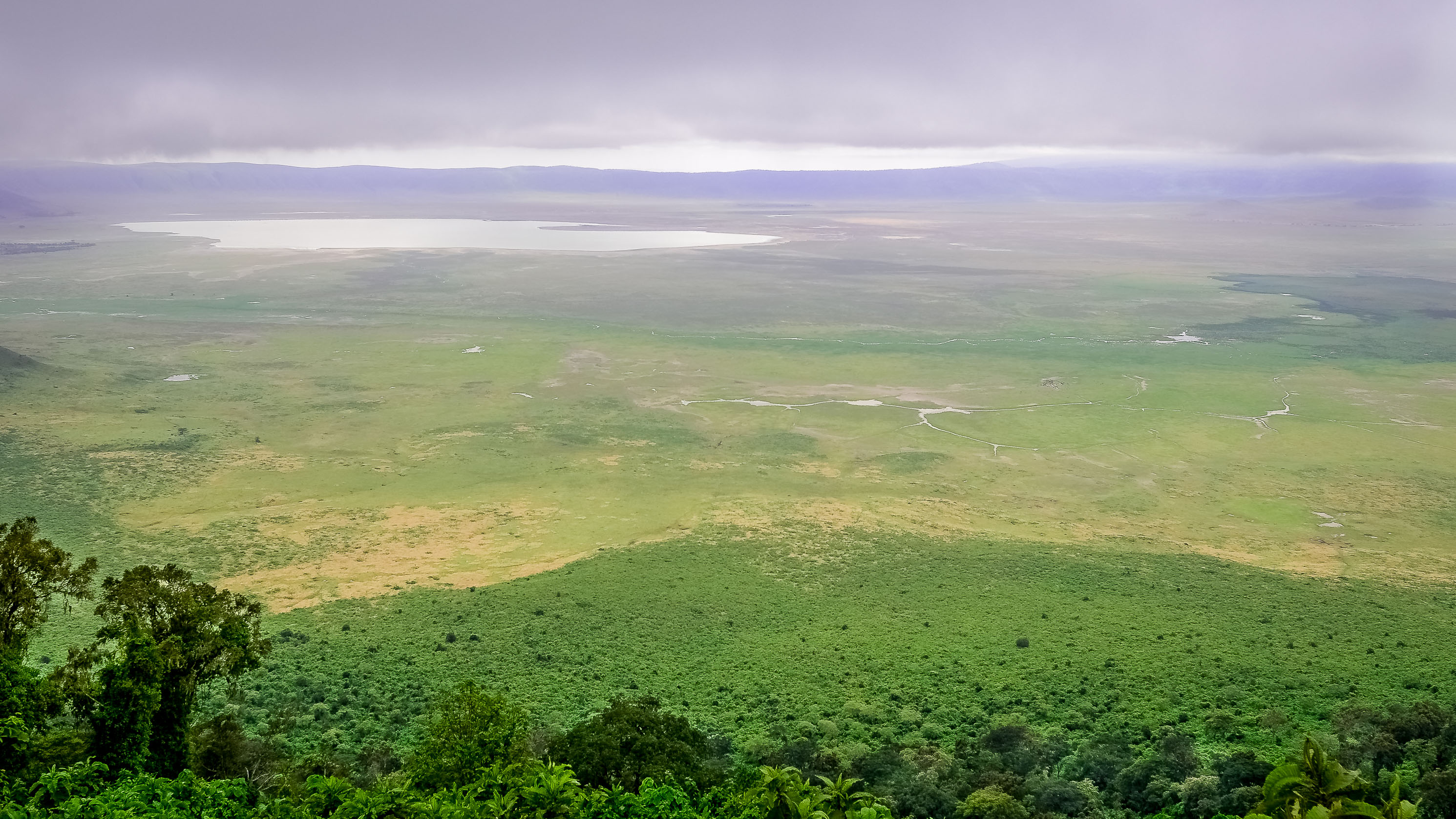
The Ngorongoro Crater is a collapsed volcano — the world's largest intact caldera — and functions as a natural enclosure for approximately 25,000 large mammals. Descending 600 meters to the crater floor feels like entering a lost world: a self-contained ecosystem where lions, rhinos, elephants, buffalo, and leopards roam within sight of soda lakes carpeted with flamingos.
Ngorongoro is the most reliable place in Tanzania to spot the endangered black rhino. It is also the most efficient single-day safari experience — you can see the Big Five before lunch. The crater is part of a larger conservation area that includes the Olduvai Gorge (the "Cradle of Mankind") and Maasai pastoral lands, making it a UNESCO World Heritage Site.
- Best for: Guaranteed Big Five, rhino sightings, single-day safaris, landscapes, photography.
- Wildlife: Black rhino, lion, elephant, buffalo, leopard, hippo, wildebeest, zebra, flamingo, hyena.
- Entry fee (2026): $70 per adult per 24 hours (separate from TANAPA; managed by NCAA).
- Insider tip: Crater drives must begin before 8:00 AM (gate requirement). Stay on the crater rim (e.g., Ngorongoro Crater Lodge) for sunrise views.


3. Tarangire National Park — Land of Giants
Tarangire is Tanzania's elephant sanctuary. During the dry season (June–October), herds numbering in the hundreds migrate to the Tarangire River — the park's lifeline — creating elephant concentrations rivaled only by Botswana's Chobe. Ancient baobab trees, some over 1,000 years old, dot the landscape like sentinels.
While smaller than the Serengeti, Tarangire delivers wildlife density to match during peak season, yet remains uncrowded. It is also excellent for lions, leopards, and pythons coiled in baobab branches — a sight unique to this park.
- Best for: Elephants, baobab trees, uncrowded safaris, dry-season wildlife concentrations.
- Wildlife: Elephant (star attraction), lion, leopard, cheetah, buffalo, wildebeest, zebra, giraffe, over 550 bird species.
- Entry fee (2026): $60 per adult per 24 hours.
- Insider tip: Visit June–October for peak elephant concentrations. Tarangire pairs perfectly with Ngorongoro and Serengeti on a Northern Circuit itinerary.
4. Ruaha National Park — The Lion Kingdom
Tanzania's largest national park, Ruaha is the wild, rugged heart of the Southern Circuit. At 20,226 square kilometers, it is twice the size of the Serengeti, yet receives a fraction of the visitors. The Great Ruaha River sustains one of East Africa's largest elephant populations and the continent's highest density of lions.
Ruaha is raw, remote, and uncompromising — a park for those who prioritize wilderness over comfort. Predator sightings (lion, leopard, cheetah, wild dog) are exceptional, and the landscapes — baobab-studded hills, rocky escarpments, riverine forests — are among Tanzania's most dramatic.
- Best for: Lions, wild dogs, solitude, remote wilderness, serious wildlife photographers.
- Wildlife: Lion (10% of Africa's population), elephant, wild dog, leopard, cheetah, buffalo, greater kudu, sable antelope.
- Entry fee (2026): $50 per adult per 24 hours (Southern Circuit tier).
- Insider tip: Ruaha is best June–October (dry season). Access is via Iringa airstrip (4-hour drive from park) or chartered flight.
5. Nyerere National Park (formerly Selous) — Boat Safaris & Wild Dogs
One of Africa's largest protected areas, Nyerere (formerly Selous Game Reserve, redesignated as a national park in 2019) is defined by the Rufiji River — a vast, hippo-filled artery flanked by riverine forest. What sets Nyerere apart is its diversity of safari activities: boat safaris, walking safaris, fly-camping, and traditional game drives.
The park is also a stronghold for the endangered African wild dog, with one of the continent's most stable populations. The remoteness and low visitor numbers create an intimate, expedition-style safari experience unmatched in Tanzania.
- Best for: Boat safaris, walking safaris, wild dogs, solitude, multi-activity safaris.
- Wildlife: Wild dog, elephant, lion, leopard, buffalo, hippo, crocodile, sable antelope, 440+ bird species.
- Entry fee (2026): $70 per adult per 24 hours.
- Insider tip: Combine Nyerere with a Zanzibar beach extension (easy flight connection from Dar es Salaam). Visit June–October for dry-season wildlife.
6. Lake Manyara National Park — Tree-Climbing Lions & Flamingos
Compact yet diverse, Lake Manyara is a park of contrasts: groundwater forests thick with baboons and blue monkeys, alkaline lake shores pink with flamingos, and acacia woodlands where lions famously climb trees — a behavior rarely seen elsewhere.
While smaller than the Serengeti or Tarangire, Manyara's wildlife density is impressive. The park sits at the base of the Rift Valley escarpment, offering dramatic scenery and excellent birdwatching (over 400 species). It is also supremely accessible, just 2 hours from Arusha.
- Best for: Tree-climbing lions, birdwatching, Rift Valley scenery, short day trips, photography.
- Wildlife: Tree-climbing lions (famous), elephant, buffalo, hippo, zebra, giraffe, flamingos, pelicans.
- Entry fee (2026): $60 per adult per 24 hours.
- Insider tip: Lake Manyara works best as a 1-day stop between Tarangire/Ngorongoro and the Serengeti, not as a standalone destination.
7. Mahale Mountains National Park — Chimpanzee Paradise
On the shores of Lake Tanganyika, where Tanzania meets the Congo, lies Mahale — a remote, montane forest park accessible only by boat or chartered flight. It is home to one of Africa's last remaining wild chimpanzee populations (around 1,000 individuals), habituated for trekking.
Mahale offers an experience unlike any other Tanzanian park: hiking through pristine rainforest, tracking chimps at close range, then returning to a lakeside camp for swimming and kayaking. It is expedition safari at its most exclusive and otherworldly.
- Best for: Chimpanzee trekking, pristine wilderness, remote adventure, lake activities.
- Wildlife: Chimpanzee (star attraction), red colobus monkey, blue monkey, bushbuck, over 350 bird species.
- Entry fee (2026): $80 per adult per 24 hours.
- Insider tip: Mahale requires significant budget ($800–$1,500+ per person per night) and time (minimum 3 nights recommended). Visit May–October (dry season).
8. Mikumi National Park — The Accessible Mini-Serengeti
Often called the "mini-Serengeti," Mikumi is Tanzania's fourth-largest park and the most accessible from Dar es Salaam (4-hour drive). Open floodplains reminiscent of the Serengeti attract large herds of zebra, wildebeest, giraffe, and buffalo, with lions and elephants regularly spotted.
While it lacks the grandeur of northern parks, Mikumi offers excellent value, manageable size, and genuine wildlife encounters without the Northern Circuit's crowds or costs. It is ideal for short safaris or as part of a Southern Circuit itinerary.
- Best for: Accessibility from Dar, budget safaris, short 2–3 day trips, families.
- Wildlife: Elephant, lion, buffalo, giraffe, zebra, wildebeest, eland, sable antelope, hippo.
- Entry fee (2026): $50 per adult per 24 hours.
- Insider tip: Combine Mikumi with Udzungwa Mountains (primate trekking) or Ruaha (fly-in) for a full Southern Circuit experience.
9. Katavi National Park — Tanzania's Most Remote Wilderness
If Ruaha feels remote, Katavi is its wilder sibling. Located in far western Tanzania, this park receives fewer than 1,000 visitors per year, offering a safari experience as close to untouched as Africa allows. Vast seasonal floodplains attract massive buffalo herds (thousands strong) and Tanzania's highest density of hippos.
Katavi is for those who want to feel like the first humans to witness these landscapes. Lions, leopards, and wild dogs roam freely, and dry-season wildlife congregations rival anything in East Africa — but you will have them to yourself.
- Best for: Solitude, buffalo and hippo herds, serious wilderness seekers, photographers.
- Wildlife: Buffalo (massive herds), hippo, elephant, lion, leopard, wild dog, roan antelope, sable antelope.
- Entry fee (2026): $50 per adult per 24 hours.
- Insider tip: Katavi is best June–October (dry season). Combine with Mahale for the ultimate Western Circuit expedition.
10. Arusha National Park — Volcanoes, Giraffes & Day Safaris
Located just 40 minutes from Arusha town, Arusha National Park is small, compact, and perfect for day trips or first/last-day safaris. The park's centerpiece is Mount Meru, Tanzania's second-highest peak (4,566m), which offers multi-day trekking routes.
Arusha's landscapes are diverse: montane forest (home to black-and-white colobus monkeys), the Ngurdoto Crater (a mini-Ngorongoro), and the Momella Lakes (flamingo-covered alkaline waters). While it lacks the Big Five (no lions or rhinos), it offers close encounters with giraffes, buffaloes, and warthogs — including walking safaris.
- Best for: Day safaris, Mount Meru treks, giraffes, colobus monkeys, photography, walking safaris.
- Wildlife: Giraffe, buffalo, colobus monkey, blue monkey, warthog, dik-dik, leopard (rare), flamingos.
- Entry fee (2026): $60 per adult per 24 hours.
- Insider tip: Walking safaris are allowed in designated zones — a rare privilege in Tanzania. Combine with a Mount Meru climb (4-day trek).
Planning Your Tanzania Safari: The Essentials
Best Time to Visit Tanzania's National Parks
Tanzania's safari seasons are dictated by rainfall. The dry season is universally best for wildlife viewing:
- June to October: Peak dry season. Wildlife congregates around permanent water; vegetation thins; roads are passable. This is also peak tourist season, so expect higher prices and more vehicles (especially in the Northern Circuit).
- January to February: A secondary dry window. Perfect for the Serengeti's southern plains (calving season) and Ngorongoro. Excellent for predator action.
The wet seasons (March–May "long rains"; November–December "short rains") bring lush landscapes, dramatic skies, fewer tourists, and lower prices. The "green season" is ideal for birdwatchers and photographers, though game viewing is harder.
Entry Fees (2026)
TANAPA revised park fees in late 2025. As of 2026:
- Premium parks (Serengeti, Mahale): $80 per adult per 24 hours.
- Standard parks (Tarangire, Lake Manyara, Nyerere, Arusha): $60–$70 per adult per 24 hours.
- Remote parks (Ruaha, Mikumi, Katavi): $50 per adult per 24 hours.
- Ngorongoro (separate authority): $70 per adult per 24 hours + $295 crater descent fee per vehicle.
Fees are paid in USD via TANAPA smartcard or mobile money. Children, residents, and East African citizens have different rates.
Which Circuit Should You Choose?
- Northern Circuit (Serengeti, Ngorongoro, Tarangire, Lake Manyara): The classic, accessible, and most iconic. Best for first-time visitors. 7–10 days recommended.
- Southern Circuit (Ruaha, Nyerere, Mikumi): Remote, wild, and exclusive. Best for returning visitors seeking solitude. Fly-in access. 7–10 days recommended.
- Western Circuit (Mahale, Gombe, Katavi): The most remote and expensive. Focused on chimps and raw wilderness. Fly-in only. 10+ days recommended.
How Many Days Do You Need?
For a first-time Northern Circuit safari, we recommend 7–10 days:
- Classic Northern Circuit: 3 nights Serengeti + 2 nights Ngorongoro + 2 nights Tarangire = 7 days.
- Extended Northern: 4 nights Serengeti + 2 nights Ngorongoro + 2 nights Tarangire + 2 nights Lake Manyara = 10 days.
- Southern Expedition: 4 nights Ruaha + 3 nights Nyerere = 7 days.
Our Recommended Tanzania Safari Packages (2026)
The Ultimate Northern Circuit — Serengeti, Ngorongoro & Tarangire (8 Days)
The definitive Tanzania experience: witness the Great Migration in the Serengeti, descend into the Ngorongoro Crater's Big Five arena, and walk among elephants and baobabs in Tarangire.
- 4 nights Serengeti National Park (Central Seronera or Northern Kogatende)
- 2 nights Ngorongoro Crater rim
- 2 nights Tarangire National Park
- All game drives, park fees, luxury tented camps, domestic flights
From $5,400 per person (twin share, June–October) | Request Quote
Southern Wilderness — Ruaha & Nyerere (8 Days)
Escape the crowds and discover Tanzania's wild southern frontier: massive lion prides in Ruaha, boat safaris and wild dogs in Nyerere, and solitude that defines true wilderness.
- 4 nights Ruaha National Park
- 4 nights Nyerere National Park
- All game drives, boat safaris, walking safaris, park fees, luxury camps, chartered flights
From $6,200 per person (twin share, June–October) | Request Quote
Tanzania Safari & Zanzibar Beach (10 Days)
Combine the Serengeti and Ngorongoro with Indian Ocean luxury: the perfect Tanzania honeymoon or family adventure.
- 3 nights Serengeti National Park
- 2 nights Ngorongoro Crater rim
- 5 nights Zanzibar (Mnemba Island or The Residence)
- All game drives, park fees, beachfront luxury, domestic flights
From $5,800 per person (twin share, year-round) | Request Quote
Contact us to tailor any itinerary to your dates, budget, and interests. We build every Tanzania safari from scratch.
Frequently Asked Questions
Serengeti or Masai Mara: which is better?
They are the same ecosystem, divided by a border. The Serengeti is vastly larger (14,750 sq km vs. 1,510 sq km), more remote, and spreads the migration across more months. The Masai Mara is easier to access from Nairobi and has more concentrated wildlife July–October. For a first-time 7-day safari, the Serengeti offers more variation. For a shorter 3–4 day trip, the Mara wins.
Is Ngorongoro worth it if I'm already doing the Serengeti?
Yes. Ngorongoro offers guaranteed Big Five sightings in a single day, including black rhino (rare in the Serengeti). The crater is also geologically and scenically unique — nothing else in East Africa looks like it.
Can I self-drive in Tanzania's national parks?
Technically yes, but it is not recommended. Tanzania requires a licensed guide for most parks, and self-driving voids insurance in many cases. Guided safaris vastly improve sightings and safety.
Do I need malaria prophylaxis for Tanzania safaris?
Yes. All safari parks (Serengeti, Ruaha, Nyerere, Tarangire) lie in malaria zones. Arusha town and Ngorongoro Crater rim are considered low-risk. Consult a travel doctor.
What's the best park for first-time safari-goers?
The Serengeti. It offers the most complete safari experience: vast landscapes, the Great Migration (if timed right), high predator density, and iconic wilderness. Pair it with Ngorongoro and Tarangire for a full Northern Circuit experience.
Is Tanzania more expensive than Kenya for safari?
Generally yes. Tanzania's park fees are higher, and the Northern Circuit is dominated by fly-in camps (more expensive than Kenya's road-accessible lodges). However, Tanzania's Southern Circuit offers better value than Kenya's equivalent.
The Final Word: Which Tanzania Park Should You Choose?
If you have one week and this is your first safari, the answer is simple: Serengeti (3–4 nights) + Ngorongoro (2 nights) + Tarangire (2 nights). This Northern Circuit delivers the Great Migration (if timed right), guaranteed Big Five in the crater, and elephants among baobabs — the full Tanzania experience.
For returning visitors craving solitude, head south to Ruaha and Nyerere, or venture west to Mahale and Katavi for an expedition into Africa's last true wilderness. Tanzania's parks are vast enough to reward a lifetime of returns.
Whatever you choose, Tanzania remains the definitive wildlife kingdom — the place where nature operates at scale, where the migration unfolds uninterrupted, and where wilderness still means something. These ten parks are where that legacy unfolds daily.
Ready to experience Tanzania's national parks? Contact our team to design your tailor-made Tanzania safari for 2026.