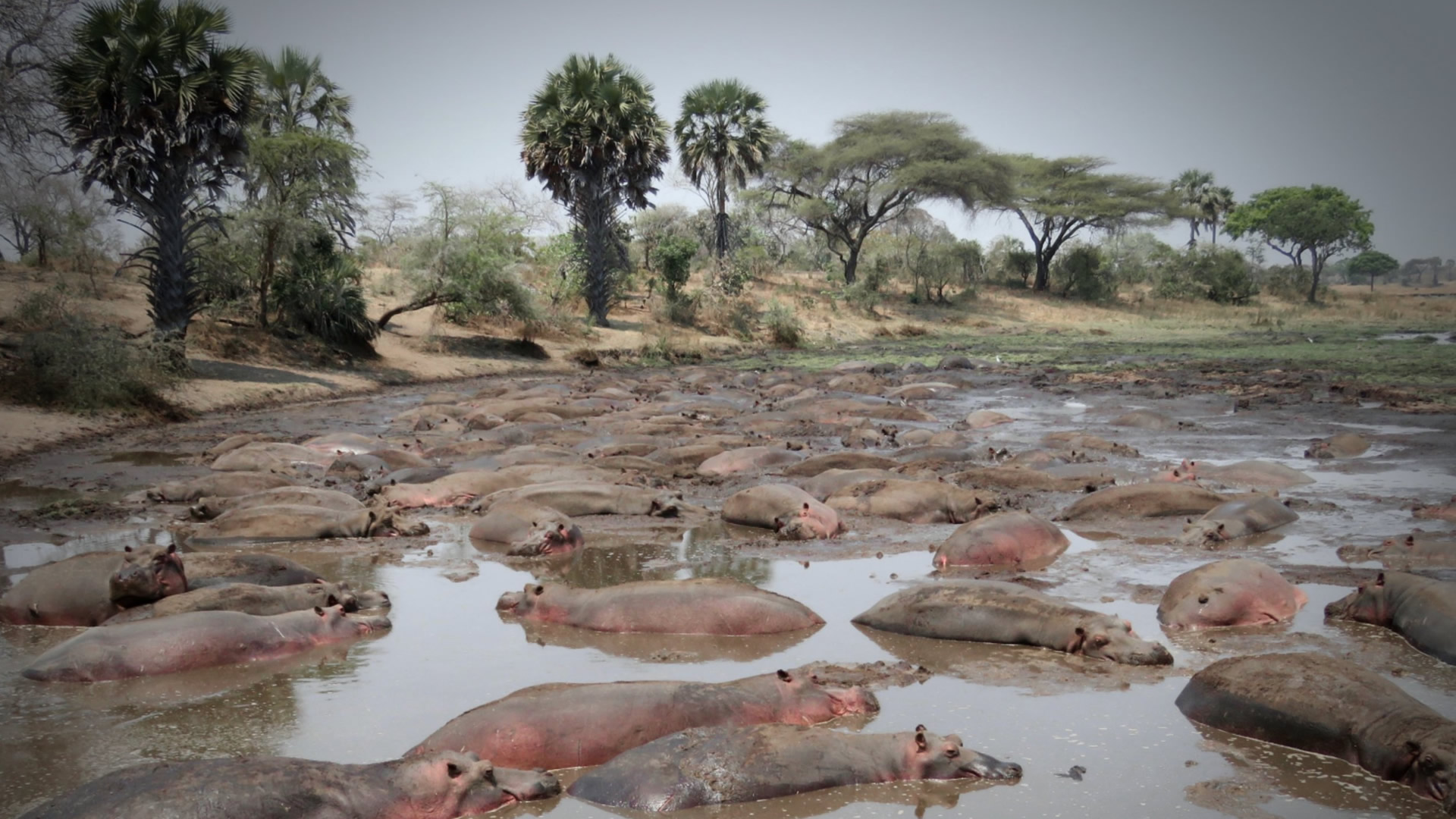
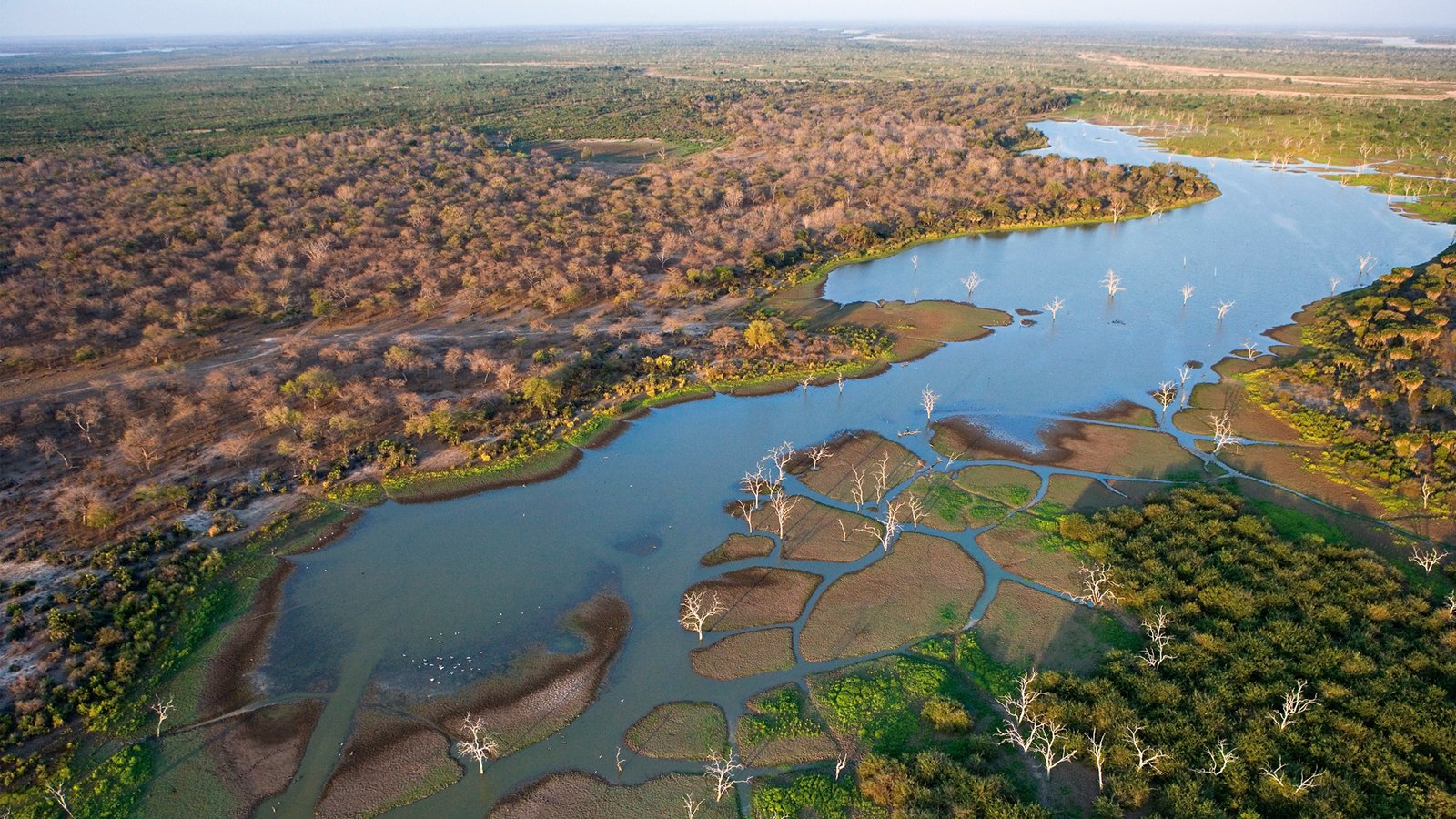
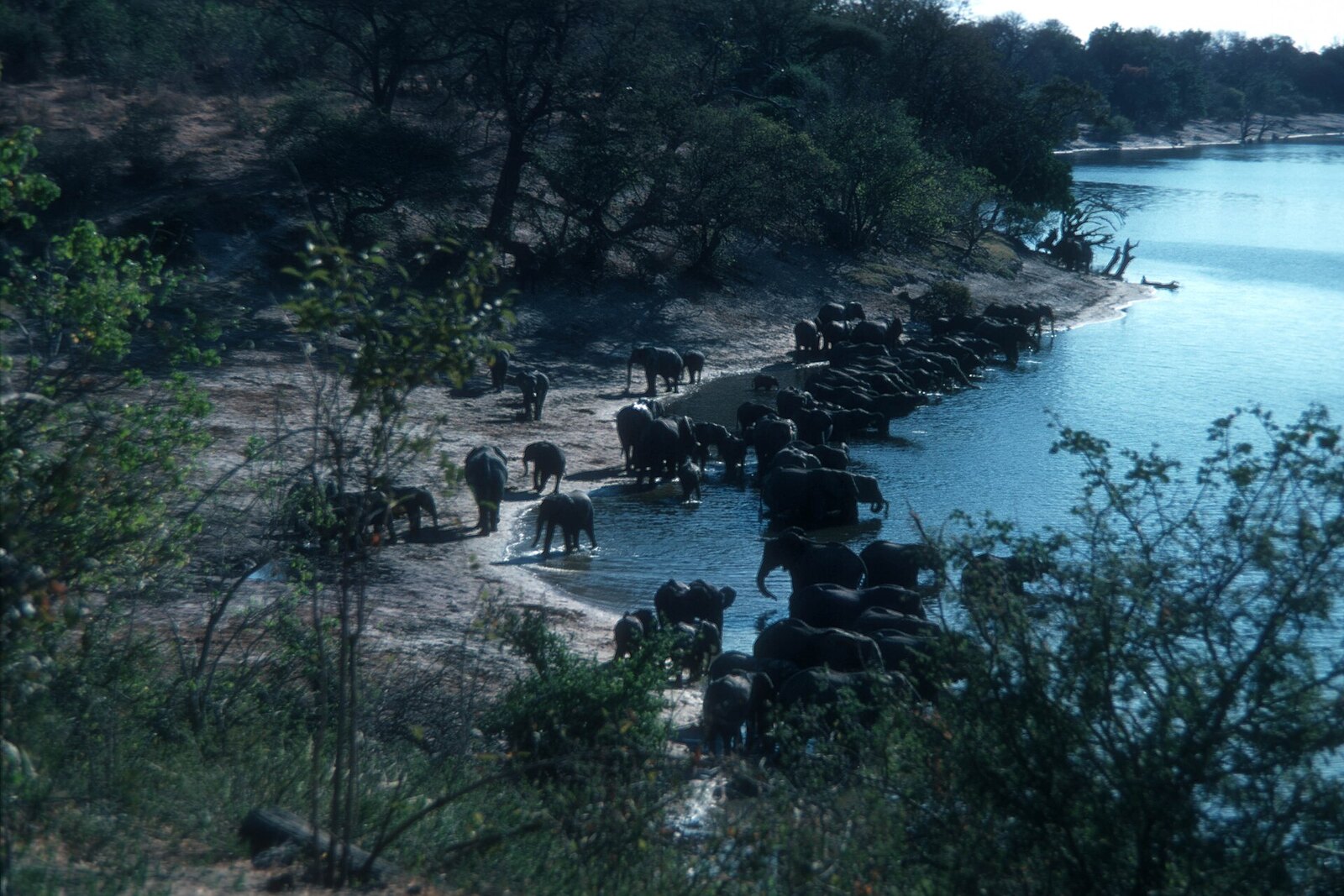
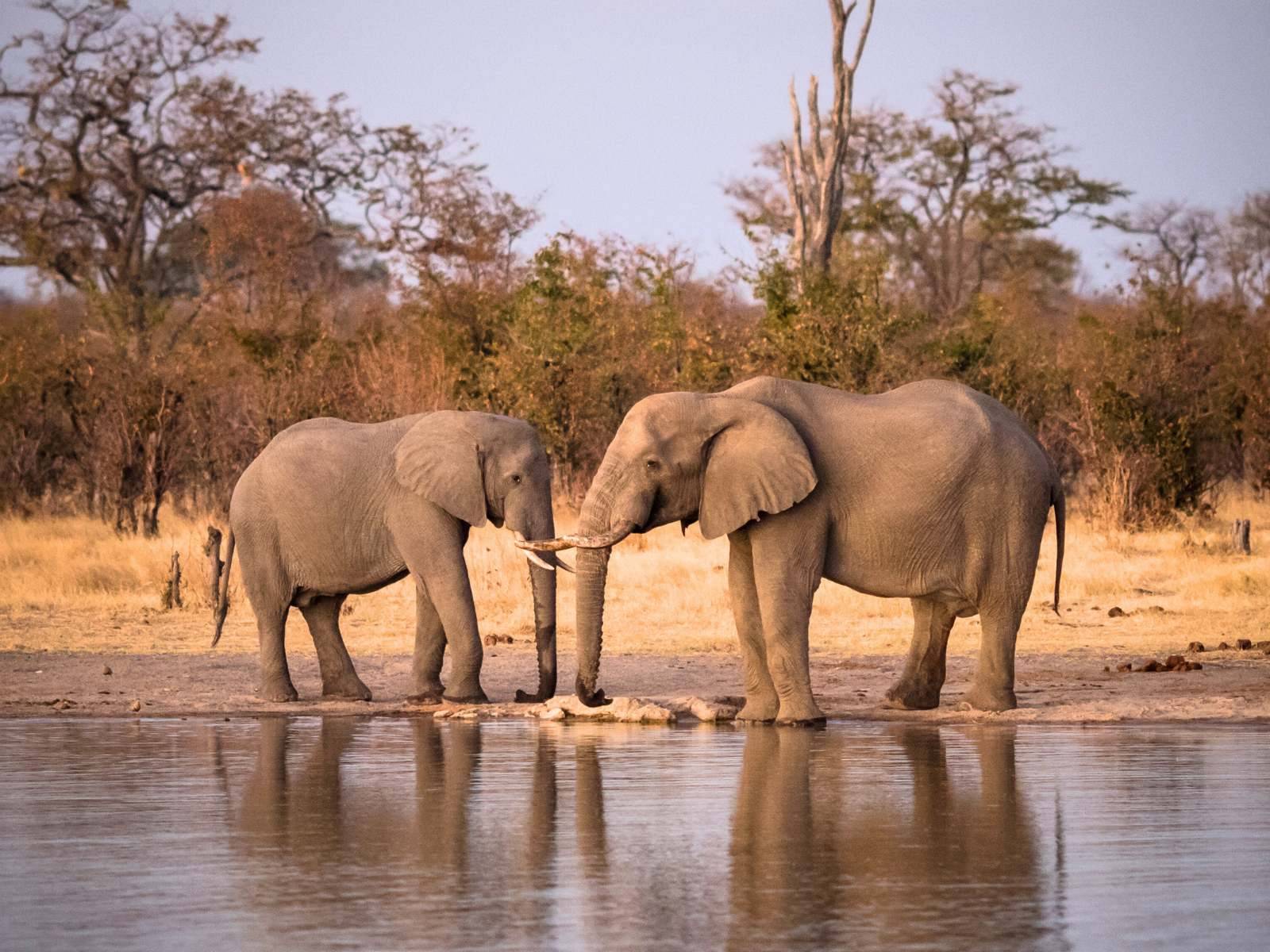
Ruaha is Tanzania's largest national park and one of its best-kept secrets — a wilderness bigger than many countries, yet visited by a tiny fraction of the crowds that fill the north. It sits at a great biological crossroads, where the acacia-and-baobab country of East Africa meets the miombo woodland of the south, so the game list reads like two ecosystems in one: greater and lesser kudu together, sable and roan antelope, and both the East and Southern African races of familiar species. Above all, Ruaha is lion country. The park and its surrounds hold one of the largest lion populations on earth — an estimated ten percent of the global total — organised into some of the biggest prides ever recorded, prides that hunt buffalo and even giraffe. Add roughly ten thousand elephants, healthy numbers of leopard, cheetah and endangered African wild dog, and you have a predator destination of the very first rank. The lifeline is the Great Ruaha River, which in the dry season shrinks to a chain of pools where the drama concentrates: crocodiles, hippo, elephant crossing at dusk, and the constant tension of big cats on the hunt. Wild, uncrowded and profoundly atmospheric, Ruaha is where seasoned safari-goers come when they want Africa at its rawest.
We send you south for the Africa most travellers never reach — vast, silent and thick with lions. Our fly-in itineraries pair Ruaha's giant prides with expert predator guides, in a park where you can drive all morning and see no one but the wildlife.
At a glance, Ruaha National Park spans 20,226 km², 10% of the world's lions, protected since 1964 — and the best time to be here is typically June – October.
Great Ruaha River Game Drive
The river is the park's beating heart in the dry season, and the sand rivers that feed it are where the action gathers. Drive the banks for elephant crossings, buffalo herds, and the big prides that shadow them, with hippo and croc packed into every remaining pool.
- Expert driver-guide
- 4x4 with open sides
- River-circuit route
- Sundowner drinks
Ruaha vs Serengeti: Which Tanzania Safari Is Better?
Tanzania's two headline safari destinations offer completely different experiences. The Serengeti is the iconic, accessible northern circuit star — famous for the Great Migration and classic plains game viewing. Ruaha is the remote, untamed southern alternative — bigger, wilder, and with far fewer tourists. This table helps you choose (or better yet, combine both).
Expert recommendation: Don’t choose — combine both. A fly-in circuit linking the Serengeti’s migration drama with Ruaha’s untamed wilderness delivers the full Tanzania experience, contrasting the iconic north with the wild, crowd-free south.
Why Go
- Track some of the largest lion prides on earth in Tanzania's premier predator park
- Watch the Great Ruaha River shrink to pools where elephant, hippo and croc gather
- See both greater and lesser kudu, plus sable and roan — a rare double bill
- Look for endangered African wild dog, cheetah and leopard in one park
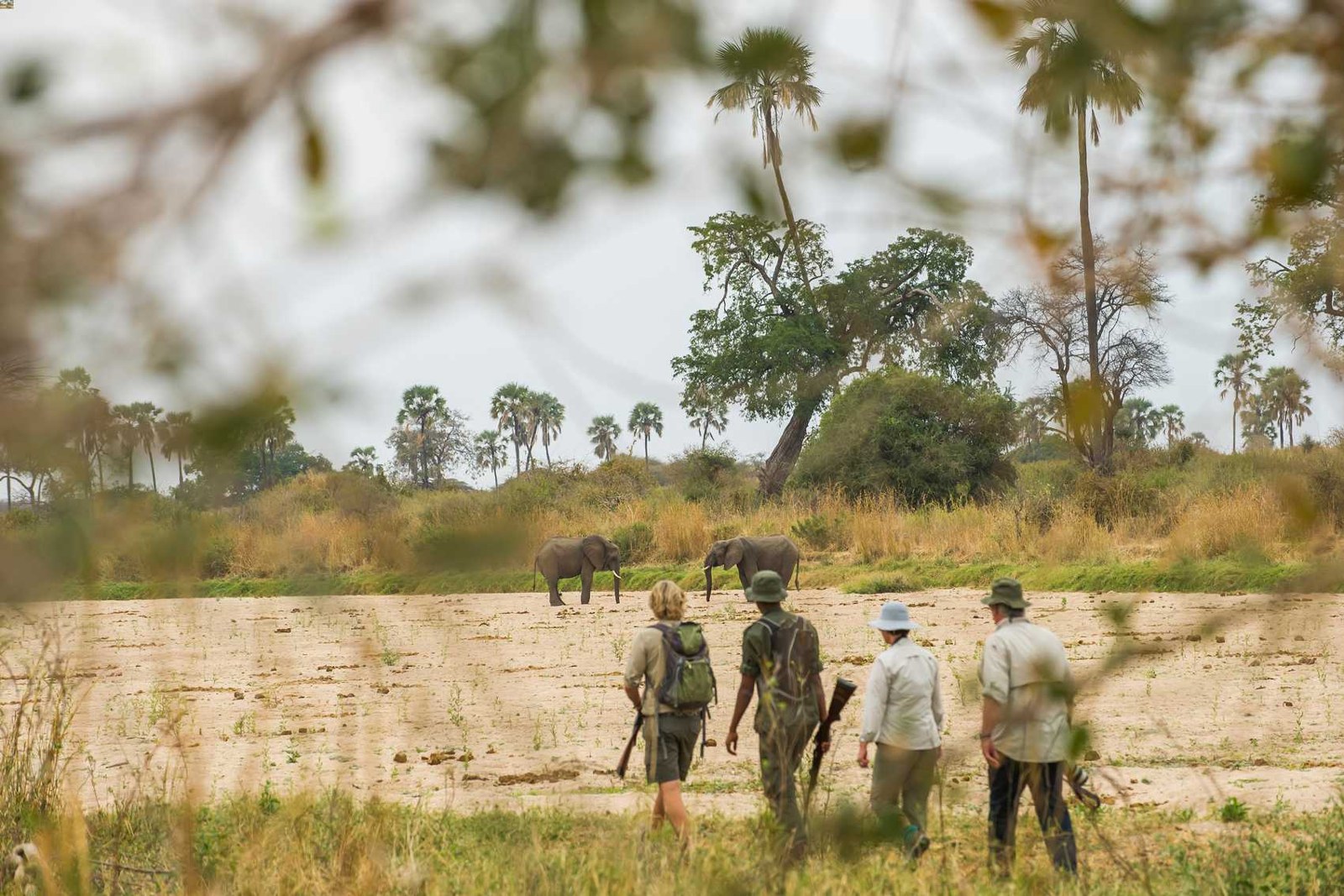
- Walk among giant baobabs on a guided bush walk with an armed ranger
- Enjoy a genuinely remote, crowd-free wilderness far from the northern circuit
Wildlife & Big Game
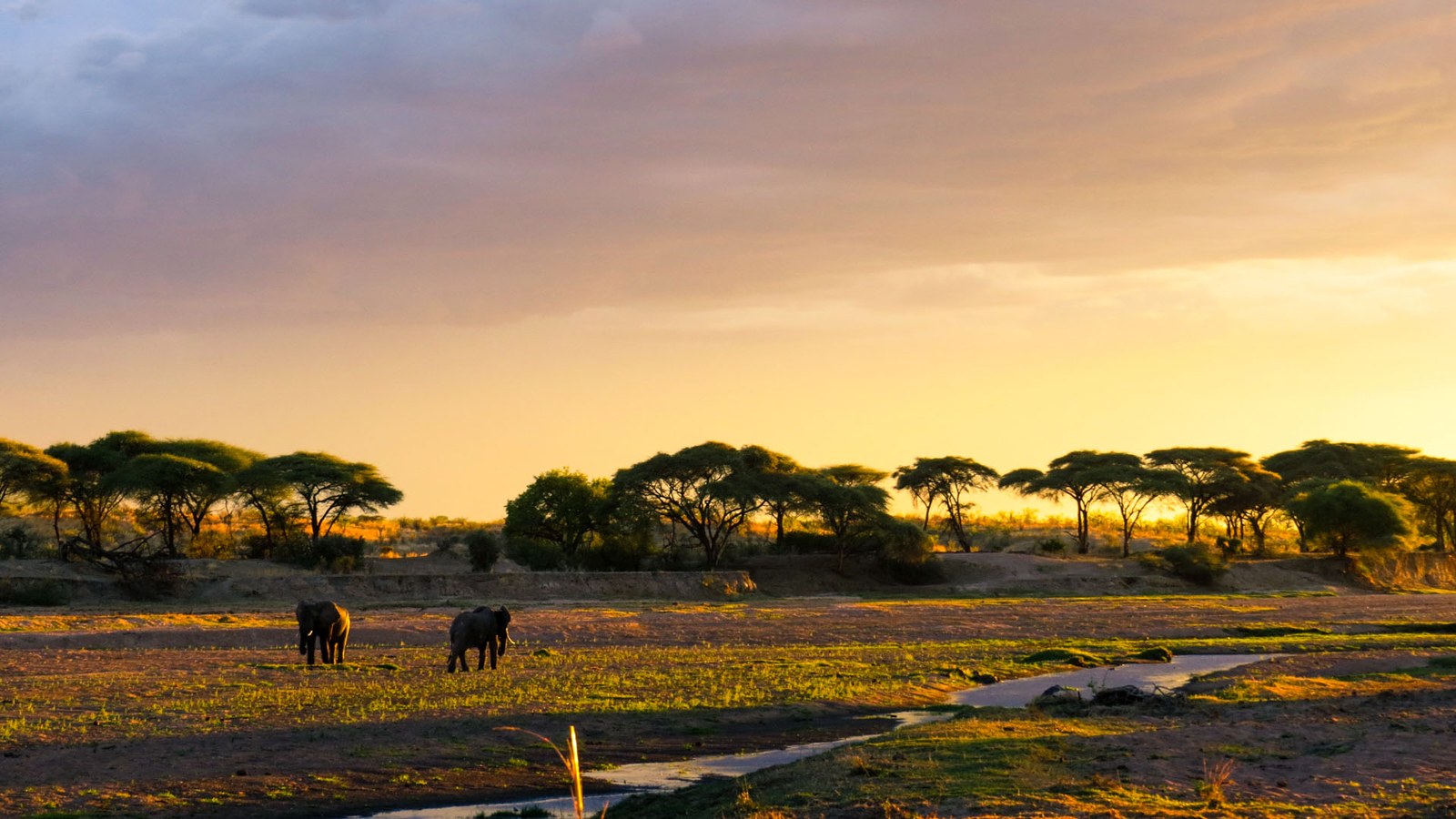
Of the Big Five you can expect Lion, African Elephant, Leopard and Cape Buffalo here. Here is what the guiding team looks for on a typical few days in the bush.
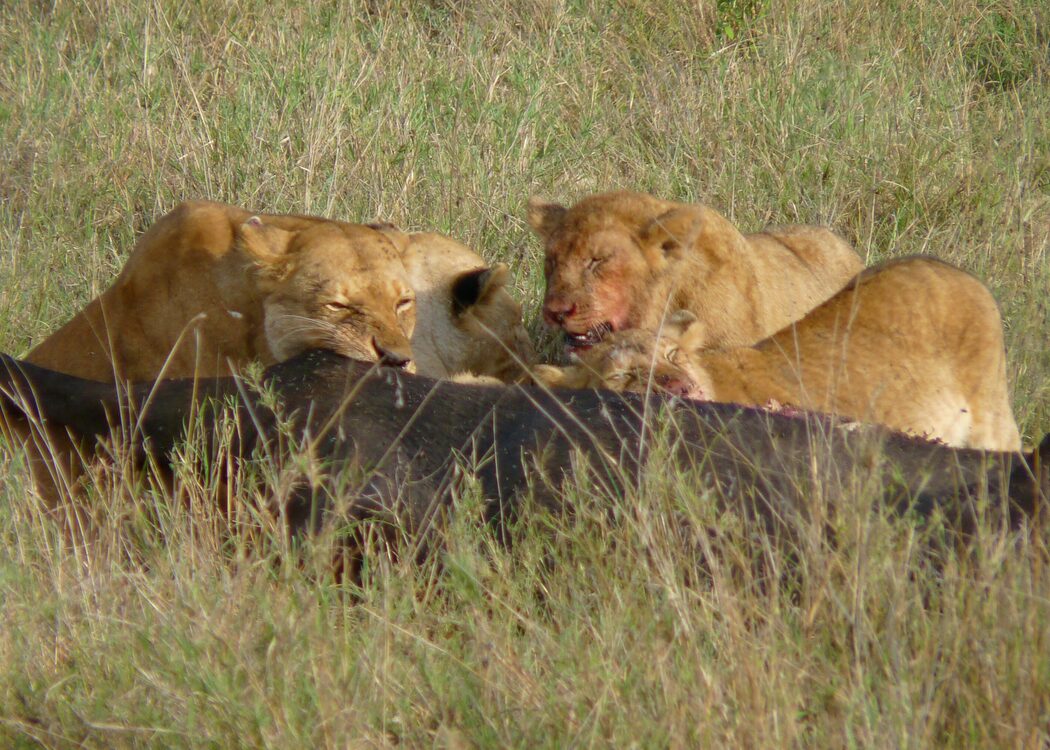
Lion. One of the largest populations on earth, in exceptionally big prides
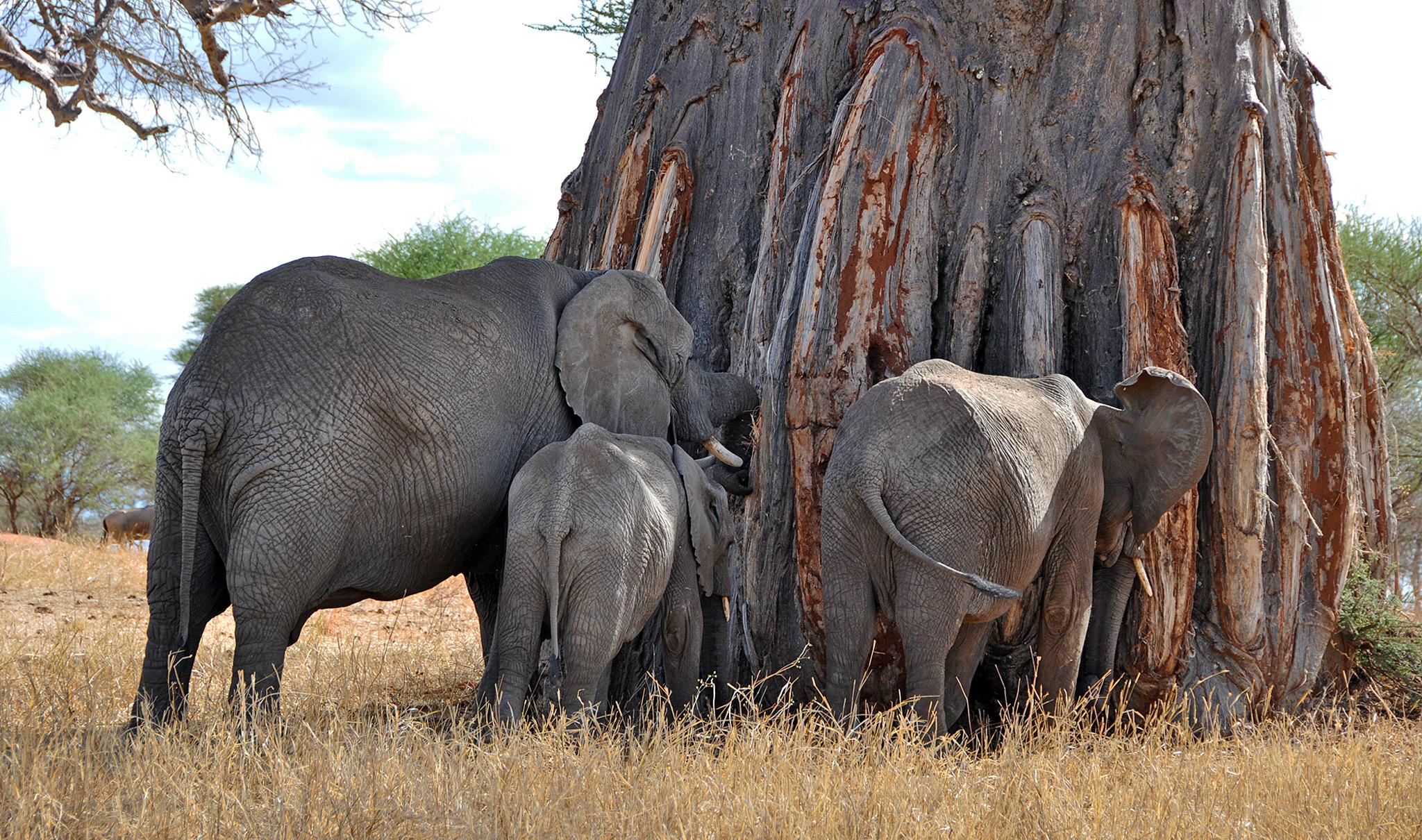
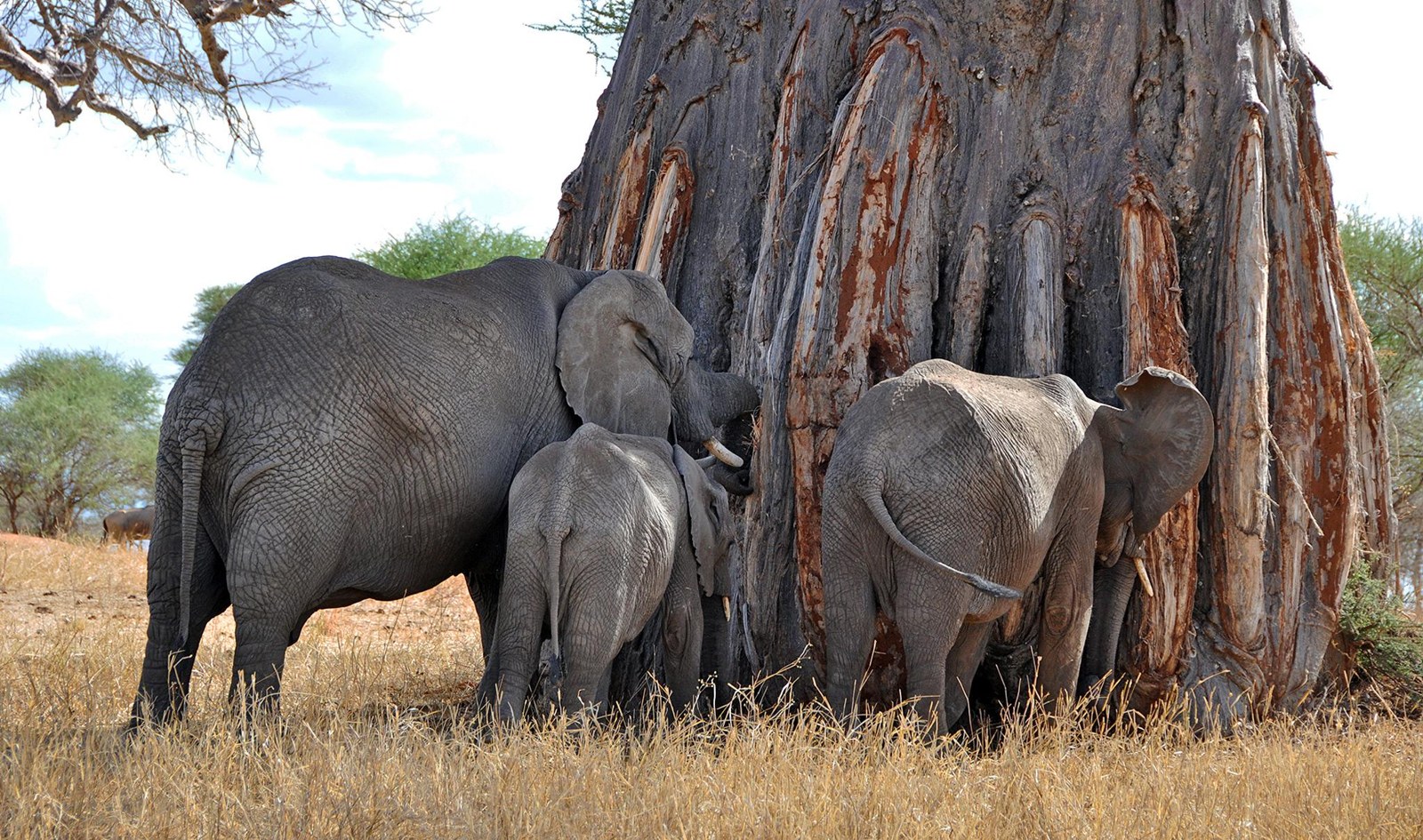
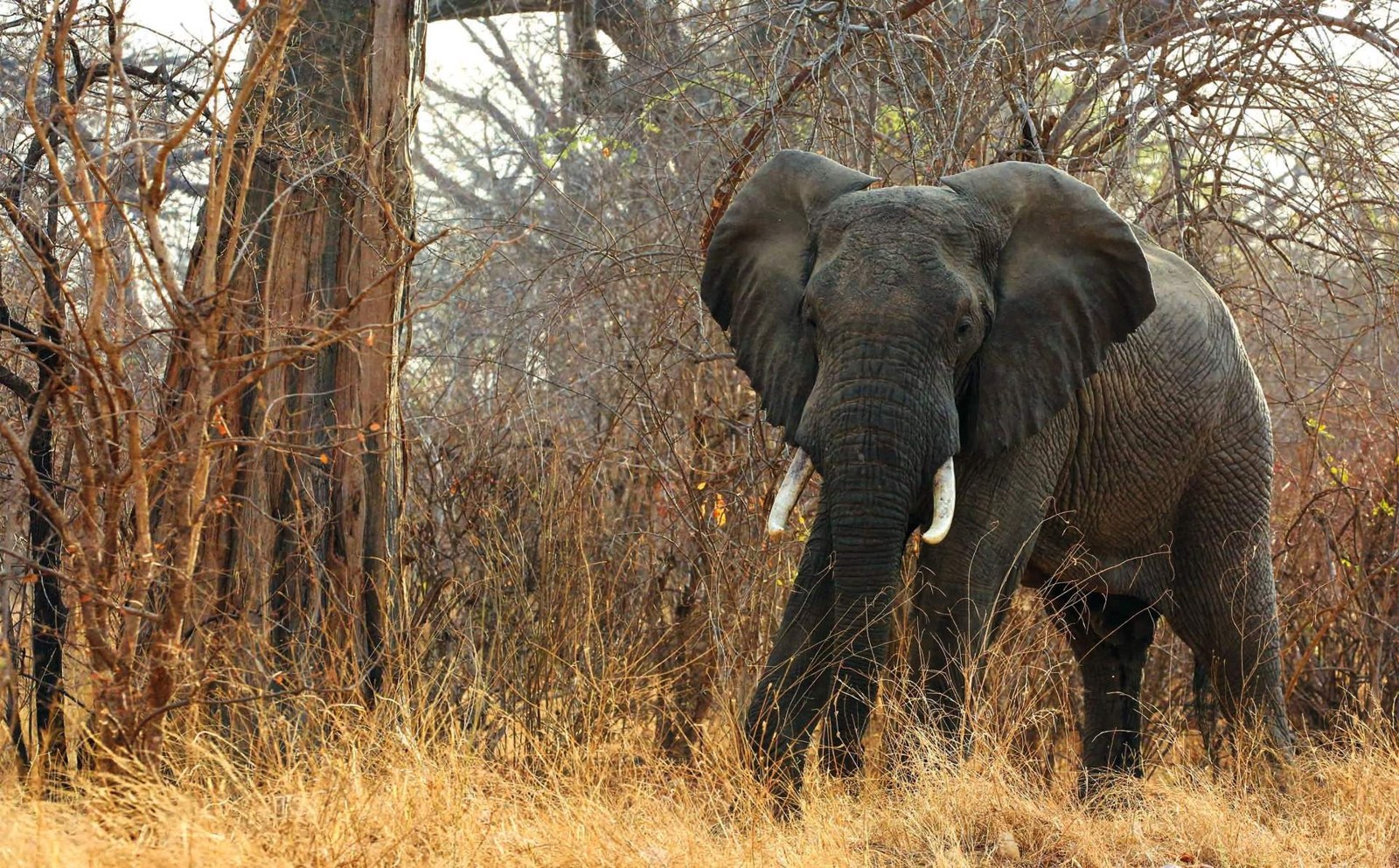
African Elephant. Around ten thousand elephants moving among the baobabs
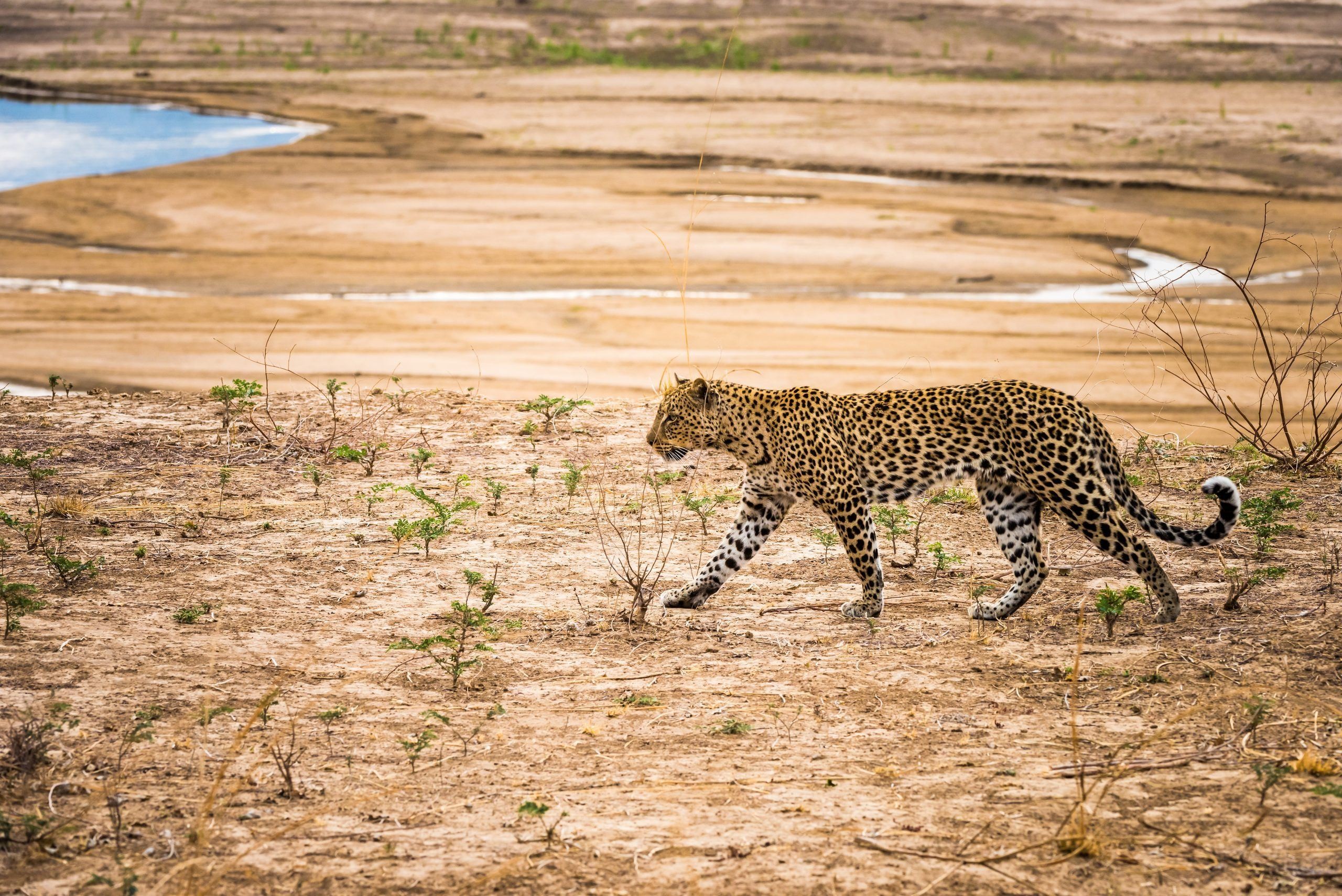
Leopard. Frequently seen in the riverine woodland and rocky kopjes
Cape Buffalo. Huge herds that the big prides hunt in the dry season
African Wild Dog. A vital stronghold for this endangered pack hunter
Cheetah. On the open plains of the park's central grasslands
Masai Giraffe. Browsing among the baobabs and acacia woodland
Greater & Lesser Kudu. Ruaha is one of few parks where both kudu occur together
Ways to Experience Ruaha National Park
Great Ruaha River Game Drive
3–5 hours · Game Drive
The river is the park's beating heart in the dry season, and the sand rivers that feed it are where the action gathers. Drive the banks for elephant crossings, buffalo herds, and the big prides that shadow them, with hippo and croc packed into every remaining pool.
Best for: Predators, Photography, Repeat safari-goers.
Predator-Tracking Safari
Half or full day · Game Drive
Ruaha's guides are specialists in its enormous prides and the wild dog packs that range widely across the park. A focused day of tracking — reading fresh spoor, alarm calls and vulture drops — to find lions on a kill or dogs on the move.
Best for: Big cats, Photography, Serious wildlife.
Guided Walking Safari
2–4 hours · Walking
On foot with an armed ranger, Ruaha's scale and silence take on a different weight. Track big game through baobab country, learn the trees and tracks, and feel the bush at eye level — this is one of Tanzania's finest walking parks.
Best for: Active travellers, Adventure, Small groups.
Baobab & Elephant Viewing
Within game drive · Game Drive
Ruaha's baobab-studded hills are home to roughly ten thousand elephants, and few sights match a herd moving between the great trees in evening light. A drive built around the park's giants, both animal and botanical.
Best for: Photography, Scenery, Families.
Wetland & River Birding
2–3 hours · Birding
With more than 570 species, Ruaha is a birder's park. The river, pools and Usangu wetlands draw fish eagles, herons, storks and seasonal migrants, while the woodland holds specials found in few other places.
Best for: Birders, Photography, Slow safari.
Savannah Sundowners
1 hour · Dining
Pull up on a rocky kopje or river bend as the sun drops behind the baobabs, drink in hand, and watch the light set the savannah alight. A quiet, spacious end to a wild day in Africa's untamed south.
Best for: Couples, Honeymoon, Relaxation.
Lodges We Love
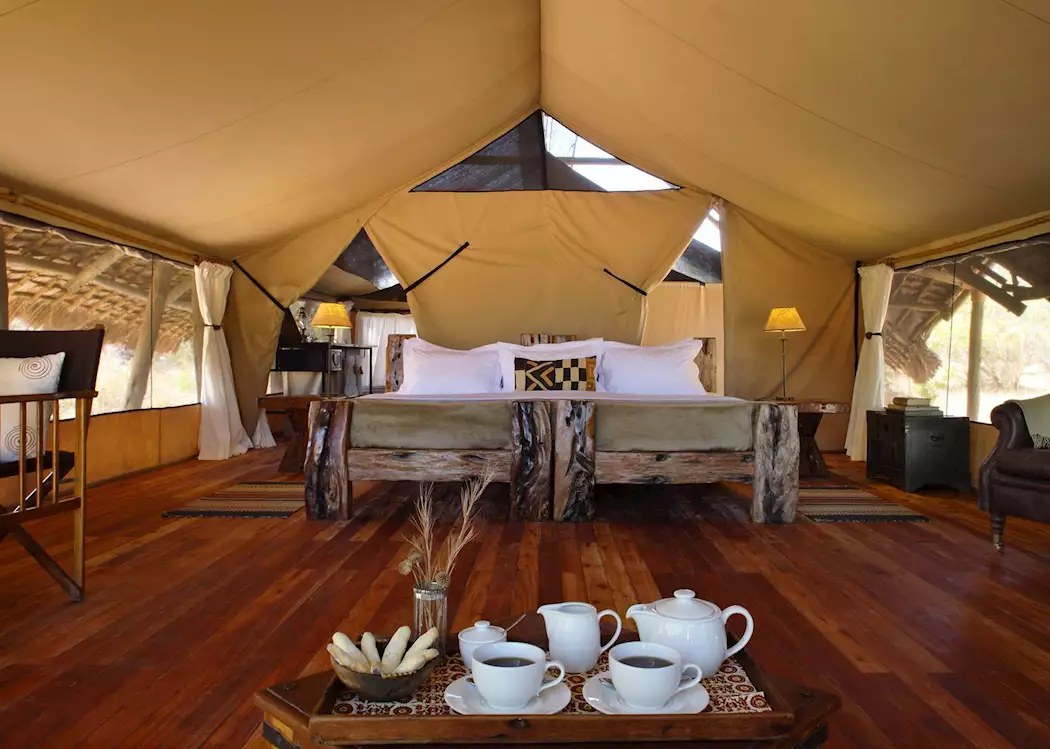
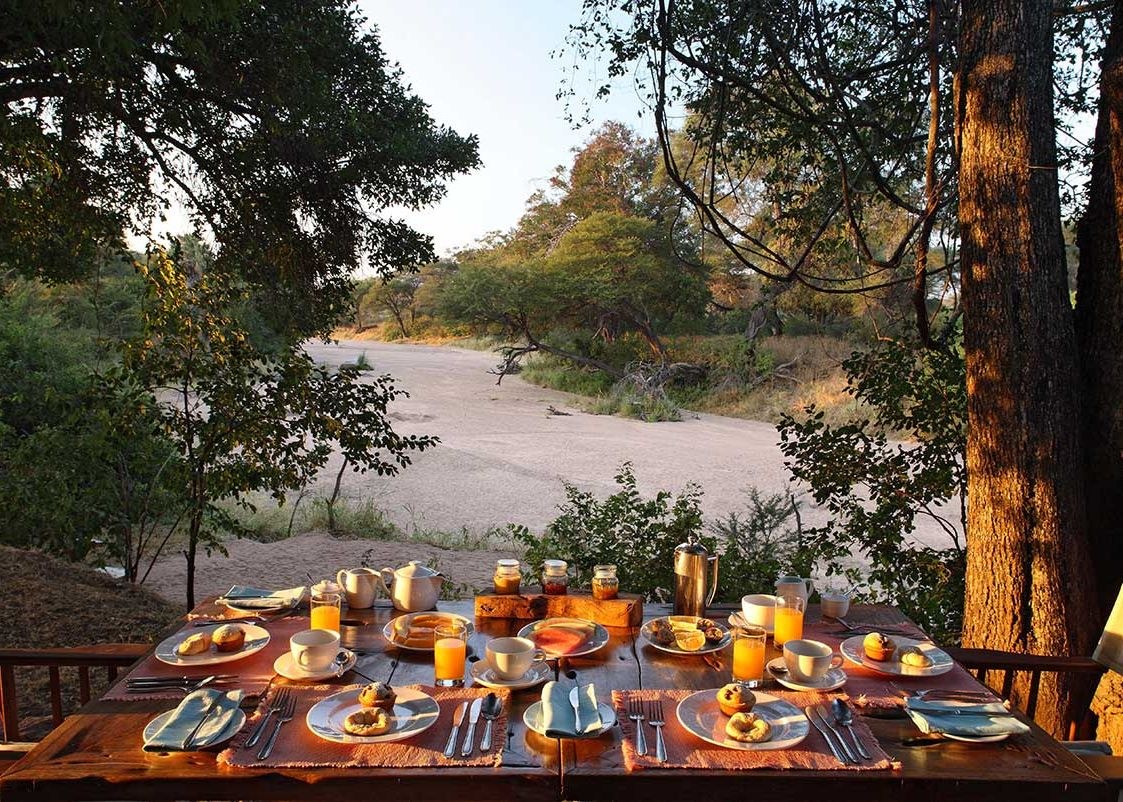
We hand-pick every camp and lodge we use in Ruaha National Park. These are the addresses we return to, chosen for their guiding, their location and the way they make the wilderness feel like your own.
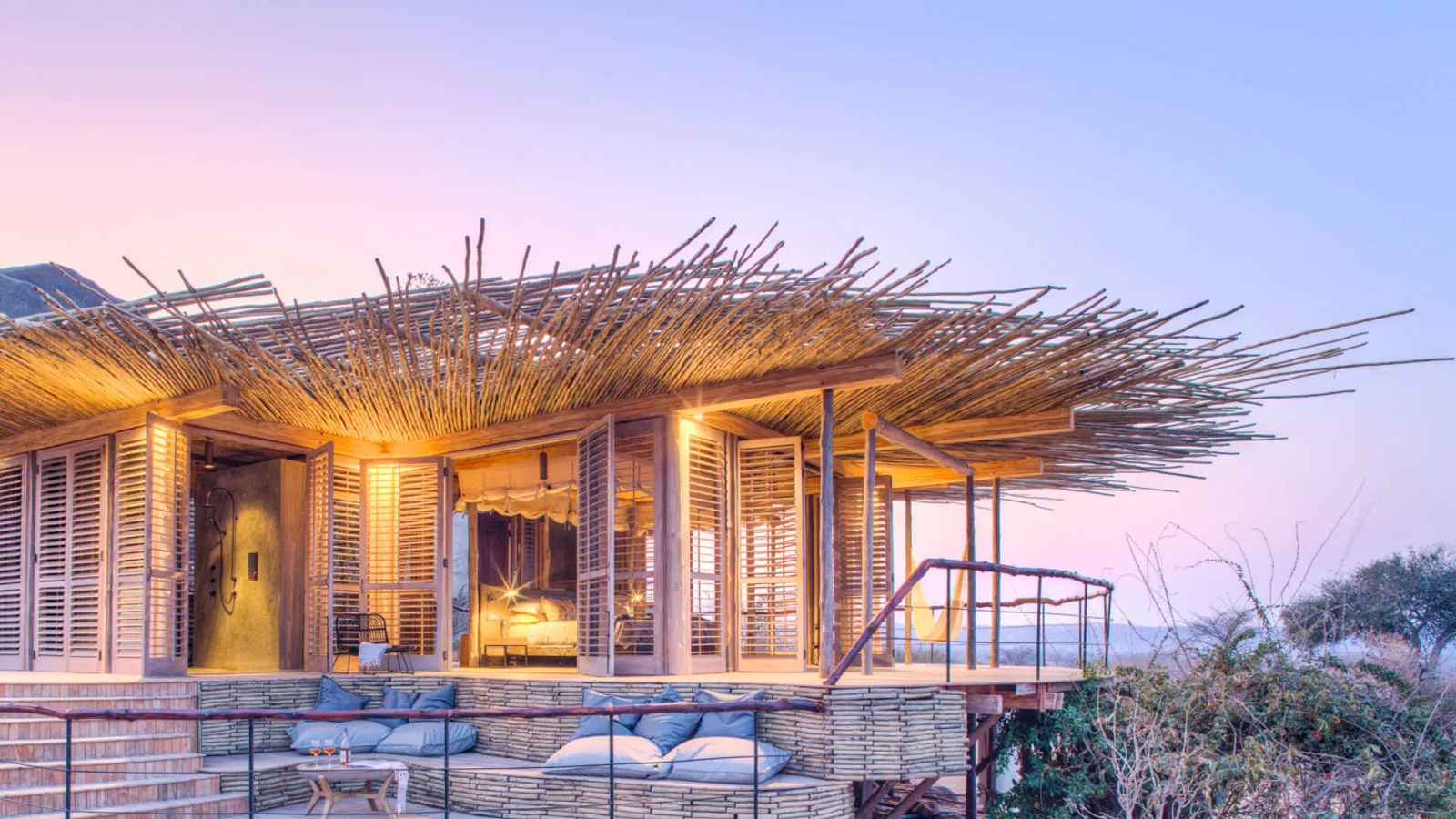
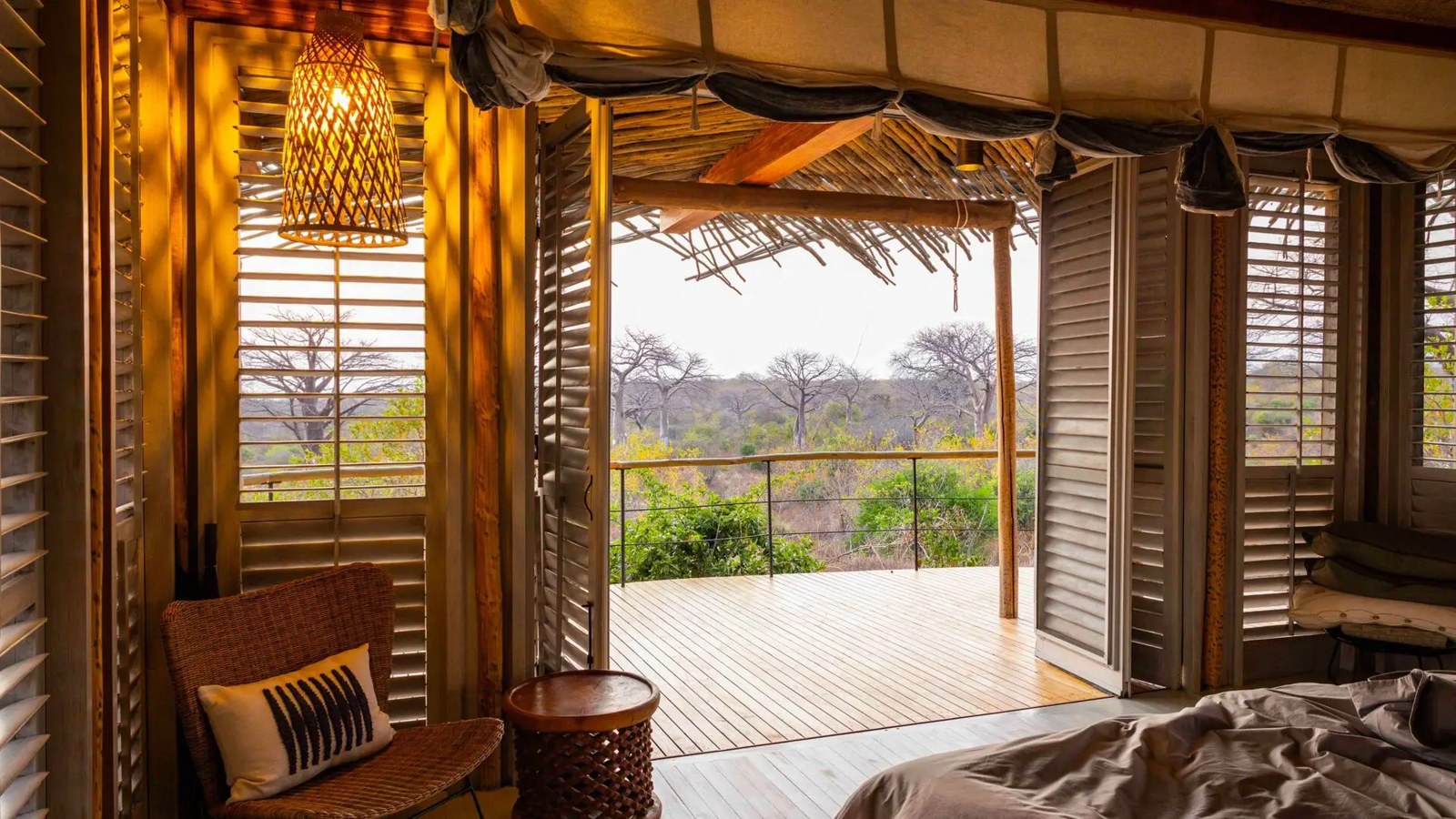
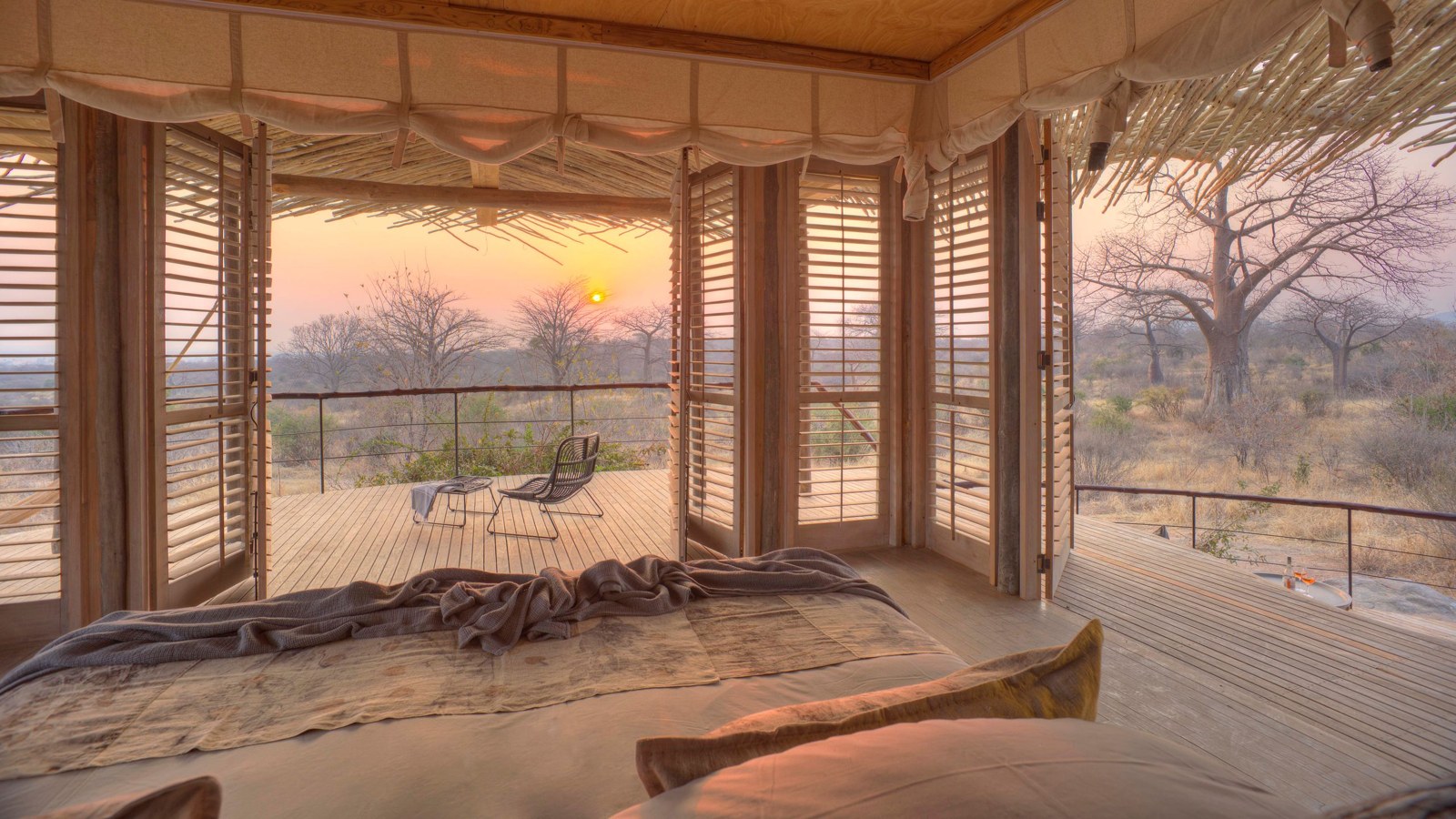
Jabali Ridge by Asilia ★★★★★
From $1050 per person per night. A design-led lodge built into a boulder-strewn ridge with long views over the baobab plains — the most stylish base in Ruaha.
- Eight suites on a rocky kopje
- Infinity pool & spa
- Sweeping baobab views
- Year-round access
Asilia Africa flagship, Condé Nast Traveler recognised
Kwihala Camp by Asilia ★★★★★
From $820 per person per night. A stripped-back, game-focused tented camp in the heart of the action — for guests who want the wildlife front and centre.
- Classic tented camp
- Central game-rich location
- Expert guiding team
- No fences
Asilia Africa
Jongomero Camp ★★★★★
From $780 per person per night. The most isolated camp in the park, on a sand river far from any other lodge — deep-wilderness exclusivity.
- Remote southern Ruaha
- Eight large tents
- Exclusive private wilderness
- Walking & fly-camping
Selous & Ruaha Safari collection
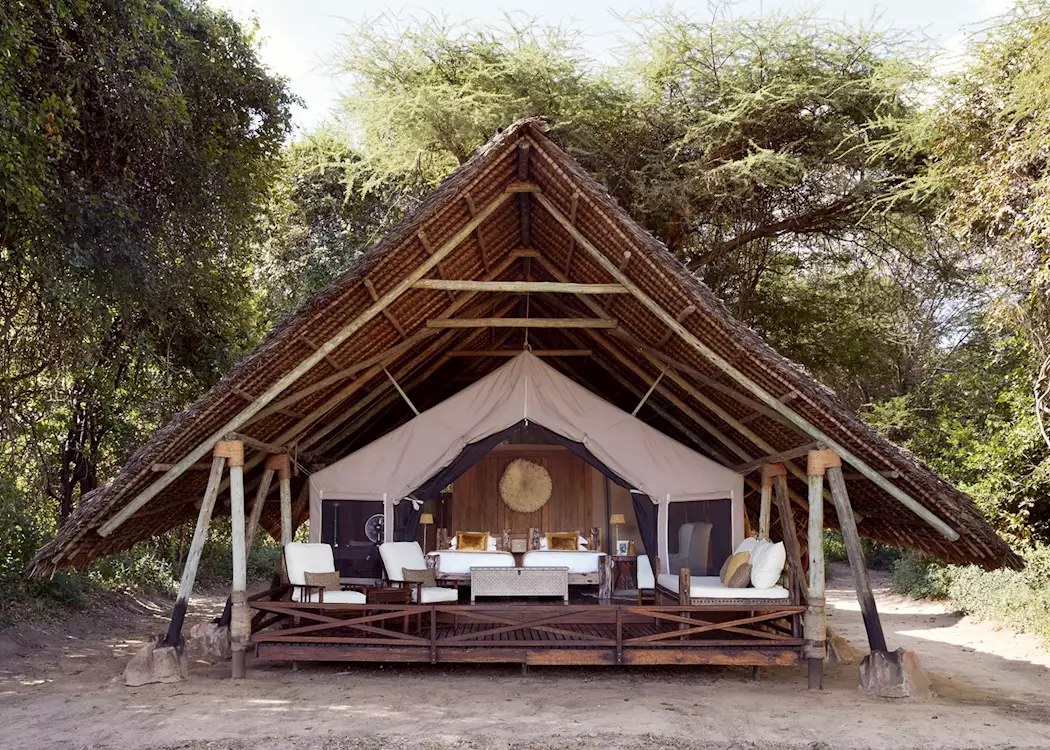
Kigelia Ruaha by Nomad ★★★★
From $700 per person per night. A small, low-impact camp beneath shady sausage trees — authentic, personal and quietly luxurious.
- Six intimate tents
- Under sausage trees
- Classic bush aesthetic
- Strong walking programme
Nomad Tanzania
When to Visit Ruaha National Park — Month by Month
Ruaha’s seasons dictate the safari experience. The dry winter (June–October) concentrates wildlife dramatically along the shrinking Great Ruaha River, creating peak predator action. The green summer (November–May) disperses game but rewards with lush landscapes, newborn animals, and exceptional birding. This month-by-month guide helps you time your visit.
Expert recommendation: June to October is the classic dry-season window for Ruaha, with July–September offering peak predator viewing as the Great Ruaha River dries to isolated pools. For value, fewer tourists, and exceptional birding, consider November–December (early green season) when the bush is lush and wildlife still concentrated.
Ruaha Safari Lodges by Tier & Budget
Note: All luxury and ultra-luxury lodges include full board (meals, drinks, game drives, walking safaris). Park fees (~US$70 pp/day for non-residents) are additional. Most camps are fly-in only via light aircraft from Dar es Salaam, Zanzibar, or Selous (1–2 hours).
Getting There
Ruaha is reached almost exclusively by light aircraft — scheduled flights from Dar es Salaam, Zanzibar or the Selous take one to two hours and land at Msembe or the camp airstrips. The long road drive from Iringa is possible but only for the adventurous. Fly-in safaris are the norm and easily combined with Nyerere for a complete southern circuit.
- Dar es Salaam: ~2 hours by air (Fly-in)
- Iringa: 2.5 hours (130 km)
- Nyerere / Selous: ~1 hour by air (Fly-in)
Combine It With
The finest journeys rarely stop at one destination. Here is how our specialists most often pair Ruaha National Park:
- Nyerere National Park — The natural partner — pair Ruaha's predators with Selous river and boat safaris for the full southern circuit.
- Serengeti Tanzania — Contrast the wild south with the endless plains and Great Migration of the north.
- Zambia South Luangwa — Cross into Zambia for more of the same untamed, walking-safari wilderness.
- Mozambique Bazaruto — Finish on an Indian-Ocean island for the classic bush-and-beach close.
Plan Your Journey
Every trip we craft to Ruaha National Park is private and built around you — your dates, your pace and the wildlife you most want to see. Our specialists have travelled this ground themselves and design each itinerary by hand. Contact our team to begin planning, or explore our Ruaha National Park destination guide for more detail.