Key Takeaways
- Tanzania is four safaris in one country. The Northern Circuit (Serengeti, Ngorongoro, Tarangire), the Southern Circuit (Ruaha, Nyerere/Selous), the Western frontier (Mahale, Katavi) and the Coast (Zanzibar) each offer a completely different experience.
- First timers should start north. The Serengeti, Ngorongoro Crater and Tarangire deliver the highest concentration of iconic wildlife with the easiest logistics.
- The south and west are for the connoisseur — boat safaris on the Rufiji, walking in Ruaha, chimpanzee trekking at Mahale — wild, uncrowded and unforgettable.
- Finish on the beach. A few nights in the Zanzibar Archipelago turns a great safari into the classic "bush-and-beach" journey.
- Best time: the dry season, late June to October, for the clearest game viewing; late January to March for the southern Serengeti calving.
Tanzania protects more wilderness than any country in East Africa, and the sheer choice can overwhelm even seasoned travellers. Do you chase the Great Migration across the Serengeti, descend into the Ngorongoro Crater, drift the Rufiji River in the south, or trek chimpanzees on the shores of Lake Tanganyika? The honest answer is that Tanzania rewards travellers who understand it as four distinct safari worlds — and then combine the right pieces for the trip they actually want.
This guide ranks the ten safari destinations in Tanzania worth building a trip around — not as a checklist of parks, but as trip-planning building blocks. For each, we tell you what it is genuinely best for, when to go, how easy it is to reach, and how to chain it with the others. If you want a pure park-by-park ranking, see our Top 10 National Parks in Tanzania. If wildlife species are your priority, our Big Five Safari Tanzania guide goes animal by animal. This article is about the bigger question: where should you go, and in what order?
How to Read Tanzania: The Four Safari Circuits
Before choosing destinations, understand the geography. Tanzania's safari areas cluster into four circuits, and knowing them makes every other decision simple.
| Circuit | Headline Destinations | Best For |
|---|---|---|
| Northern Circuit | Serengeti, Ngorongoro, Tarangire, Lake Manyara | First-timers, the Great Migration, guaranteed big game, easy logistics |
| Southern Circuit | Ruaha, Nyerere (Selous) | Return visitors, boat & walking safaris, wild and uncrowded |
| Western Circuit | Mahale Mountains, Gombe, Katavi | Chimpanzee trekking, true remoteness, adventurous travellers |
| The Coast | Zanzibar, Mafia, Pemba | Beach finales, honeymoons, diving and culture |
Most first safaris combine the Northern Circuit + a Zanzibar beach finale. Repeat visitors gravitate to the South and West for solitude. Below, the ten destinations that make each circuit sing — ranked by how much they should shape your trip.
The 10 Best Safari Destinations in Tanzania
1. Serengeti National Park — The Great Migration Stage
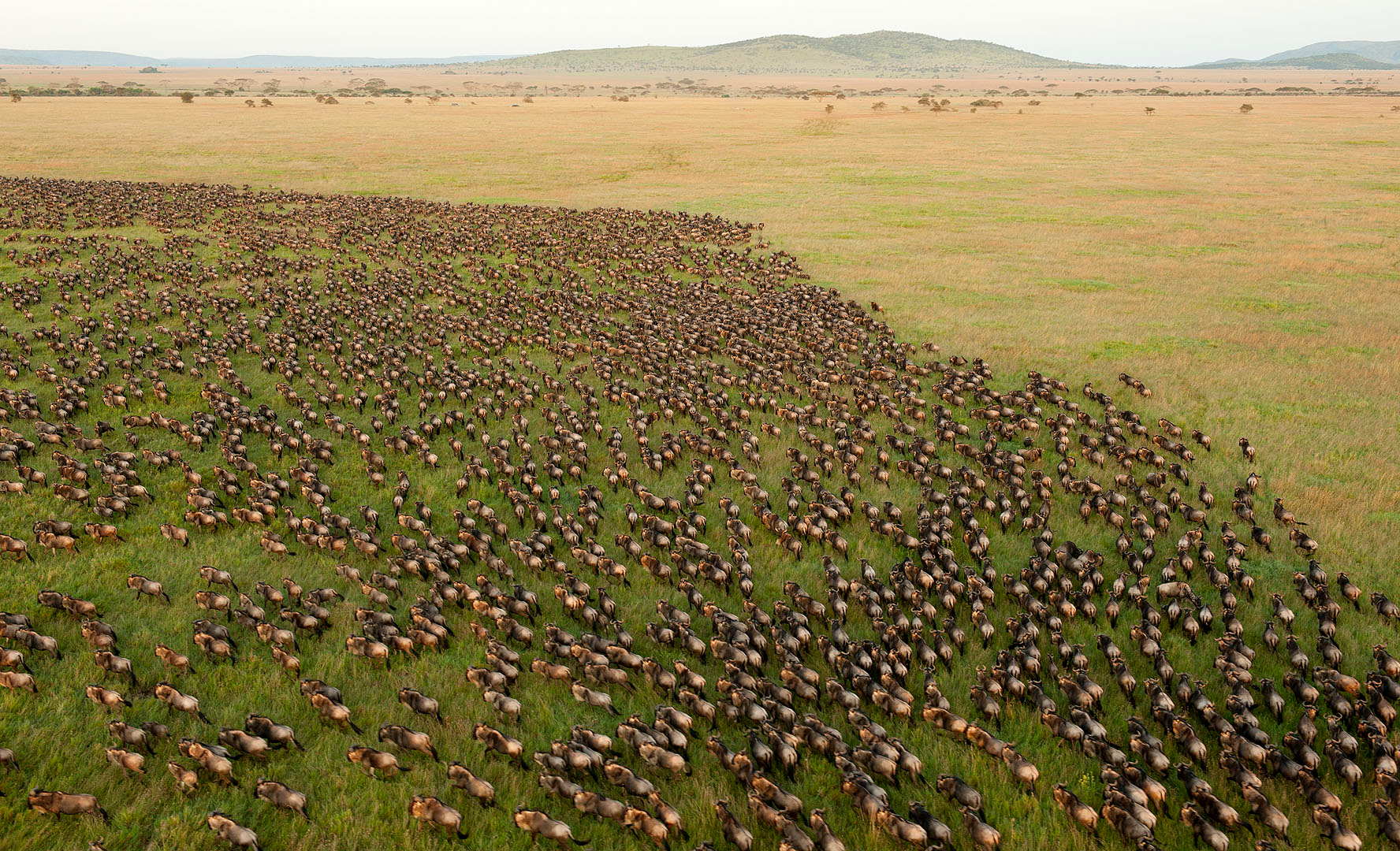
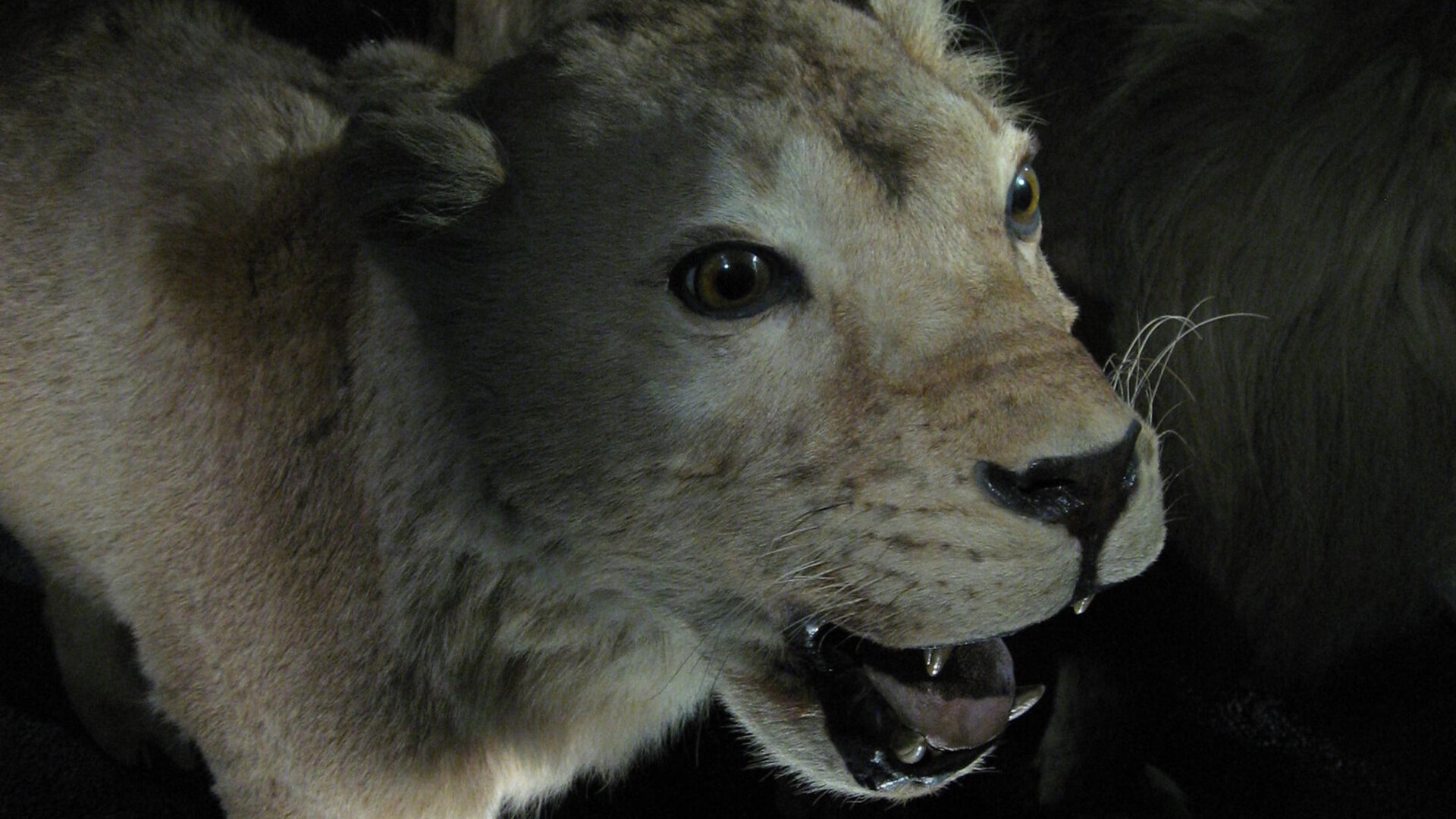
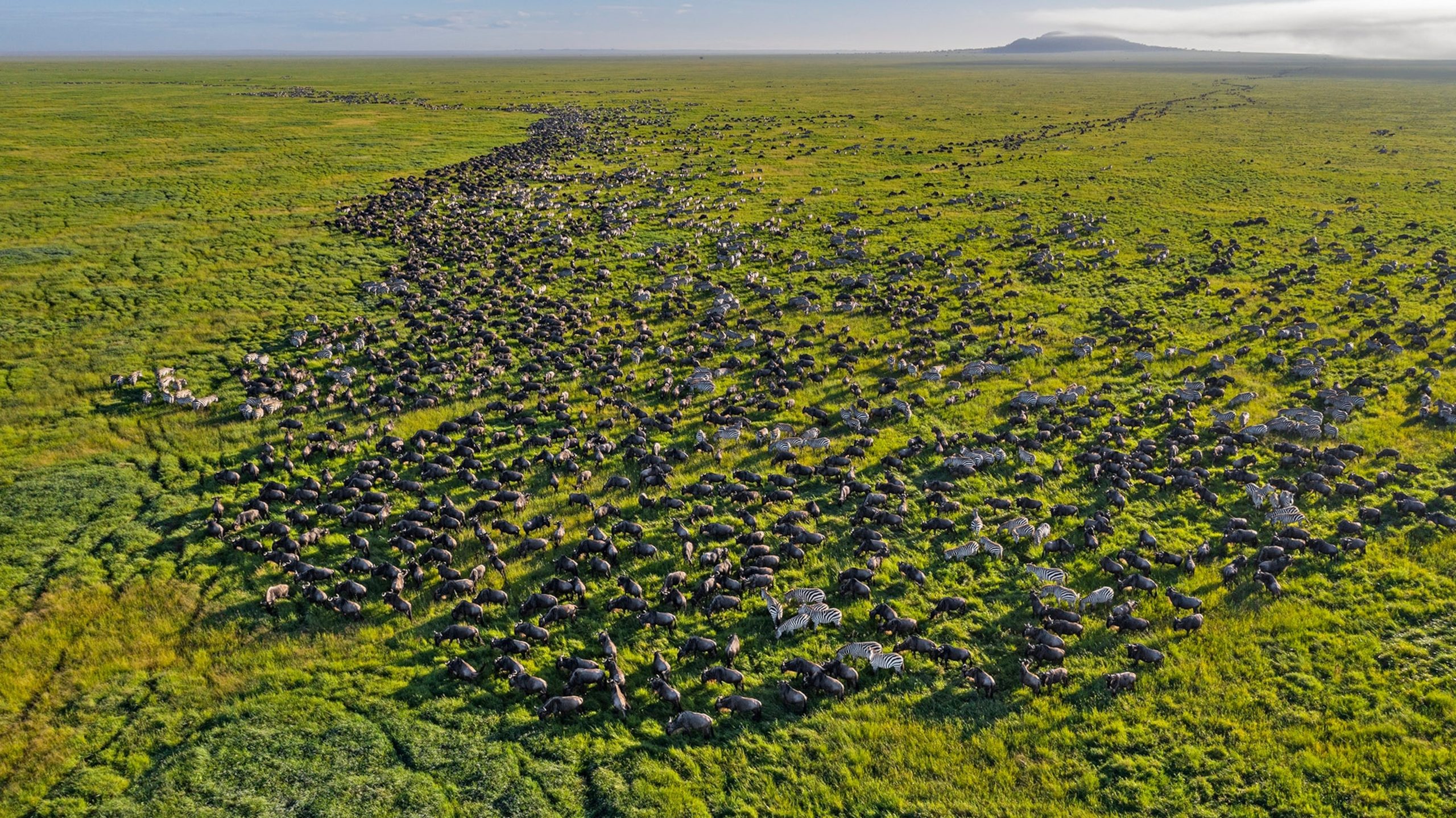
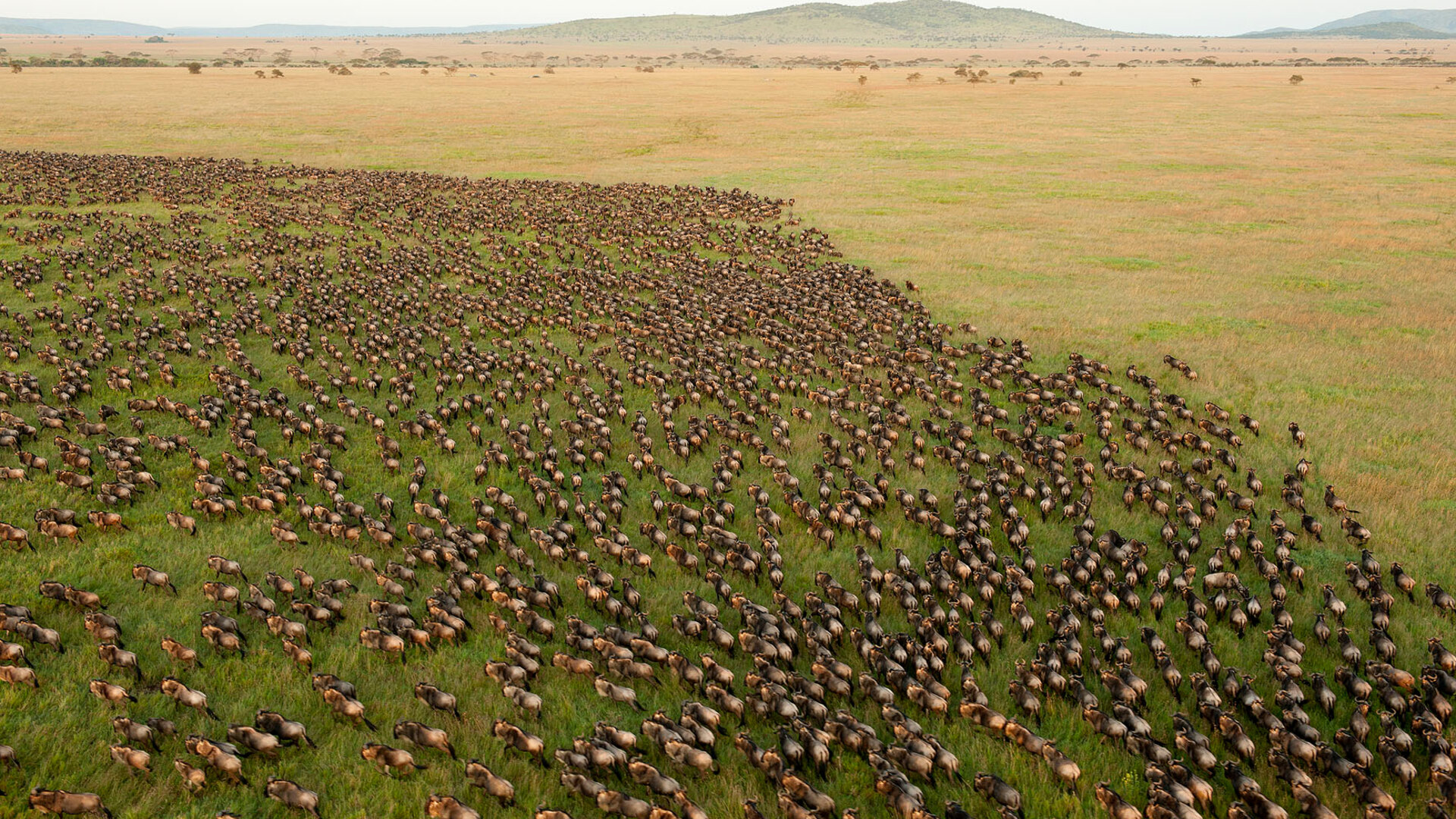
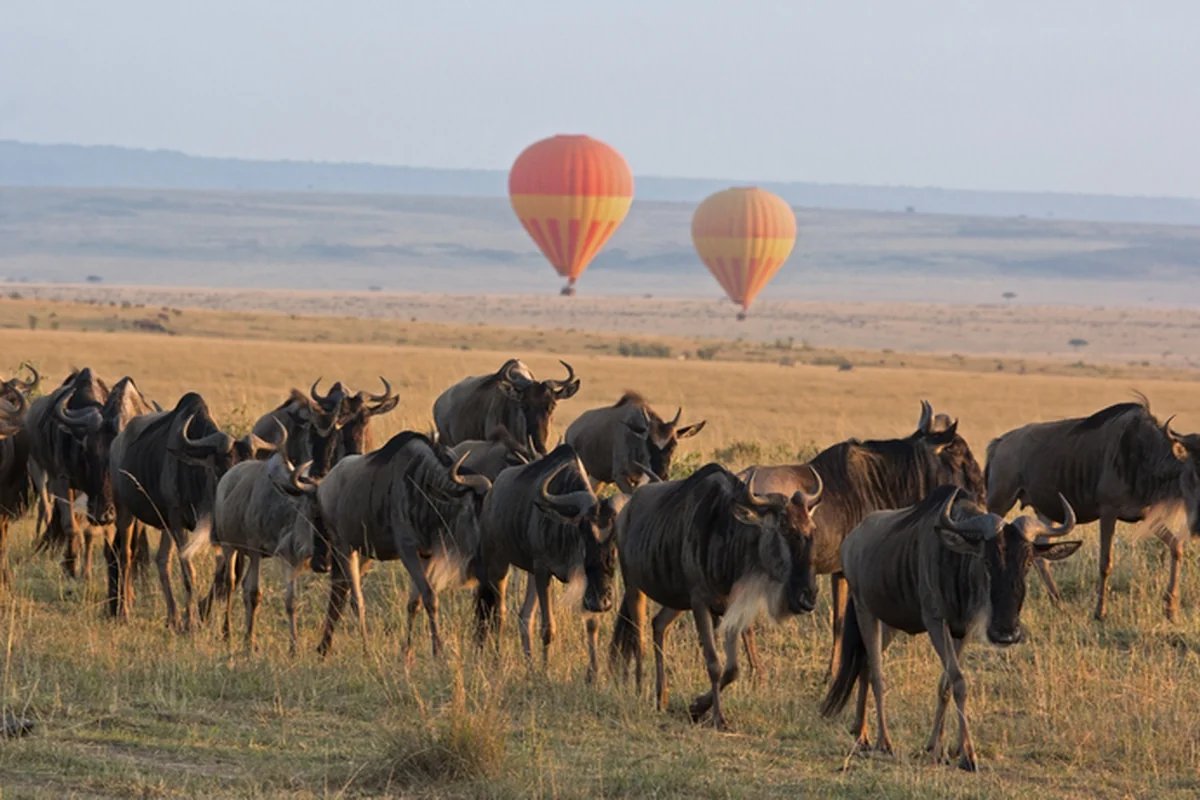
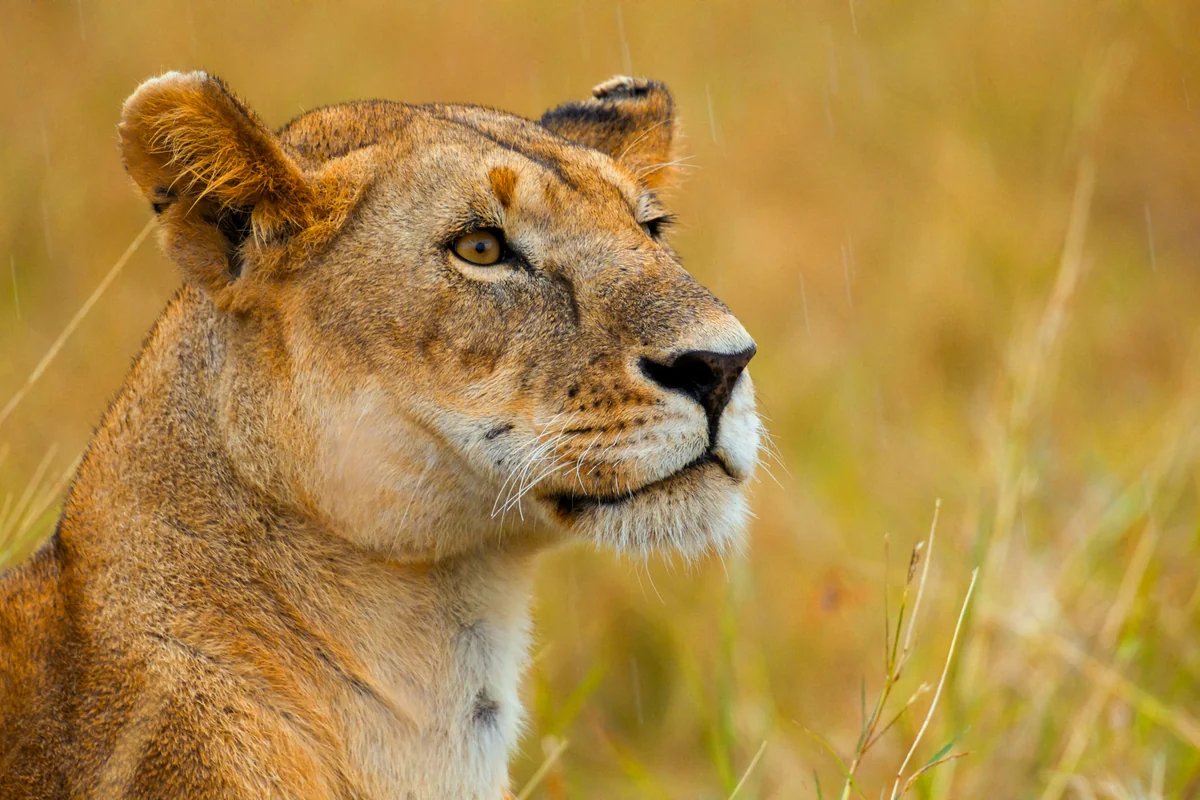
No safari destination on Earth is more famous, and for once the reputation is earned. The Serengeti's endless plains host the Great Migration — roughly two million wildebeest, zebra and gazelle moving in a vast annual circuit — alongside the highest lion density in Africa, cheetah on the short-grass plains, and leopard in the riverine woodlands.
- Best for: The Great Migration, big cats, first-time safari wow-factor
- When to go: Late June–July for Grumeti and northern river crossings; late January–March for the southern calving; year-round for resident game
- Access: Easy — fly into Seronera or the northern/western airstrips, or drive the Northern Circuit
- Reality: The migration moves, so the region you visit must match the season. For the full month-by-month picture, see our Best Time for the Great Migration guide and the in-depth Serengeti Safari Guide.
2. Ngorongoro Crater — The Wildlife Amphitheatre
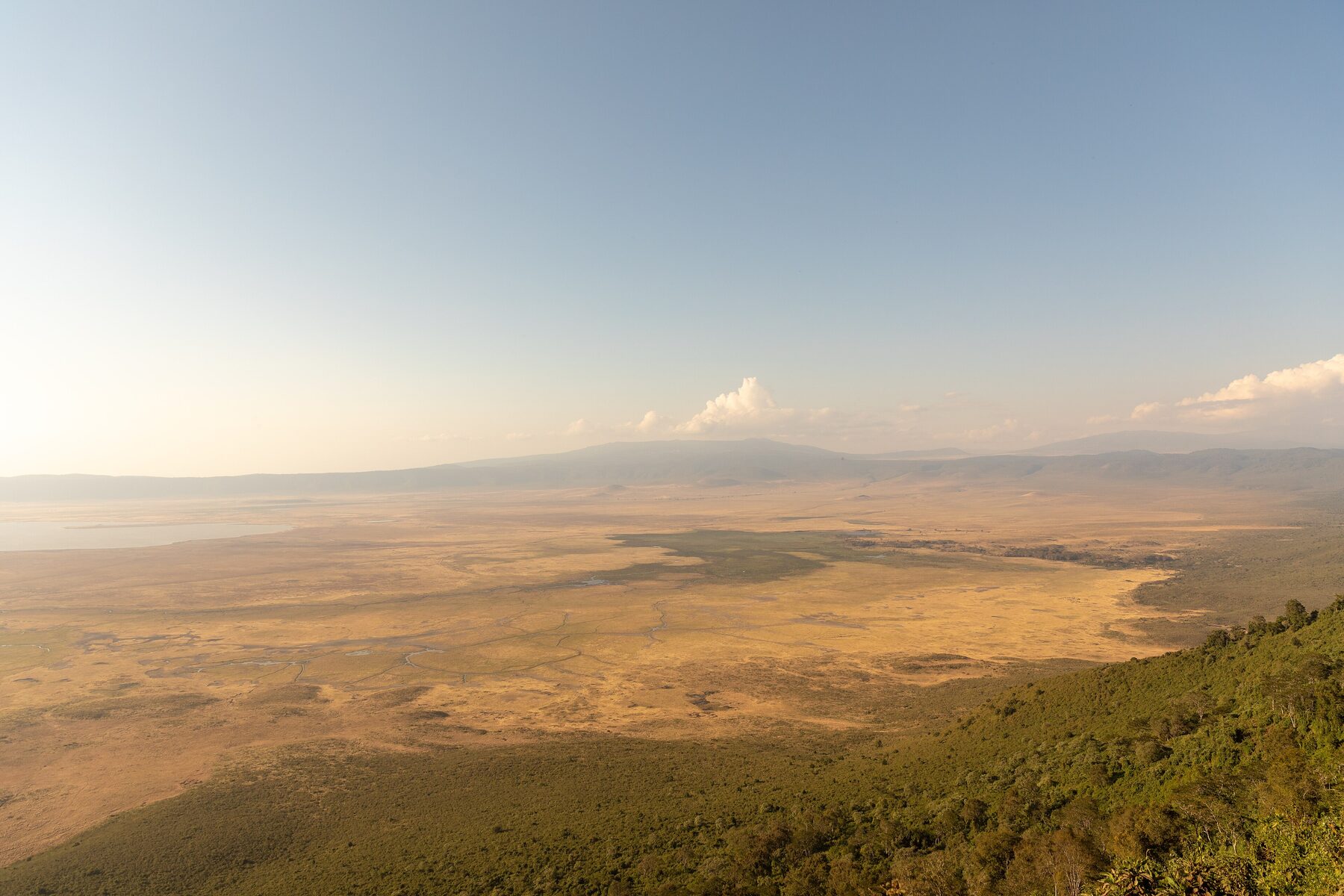
The Ngorongoro Crater is the world's largest intact volcanic caldera and one of the few places you can realistically see all of the Big Five in a single morning. Some 25,000 large animals live on the crater floor, including one of Tanzania's most reliable populations of black rhino. Above the rim, the wider Conservation Area blends wildlife with living Maasai culture.
- Best for: Big Five in one day, black rhino, dramatic scenery, culture
- When to go: Year-round; the crater holds resident game in every season
- Access: Easy — a scenic drive from Arusha or the Serengeti, on the Northern Circuit
- Reality: It is popular and busy on the floor by mid-morning; start at dawn. One full day in the crater is usually enough — pair it with the Serengeti and Tarangire.
3. Tarangire National Park — Land of Elephants & Baobabs
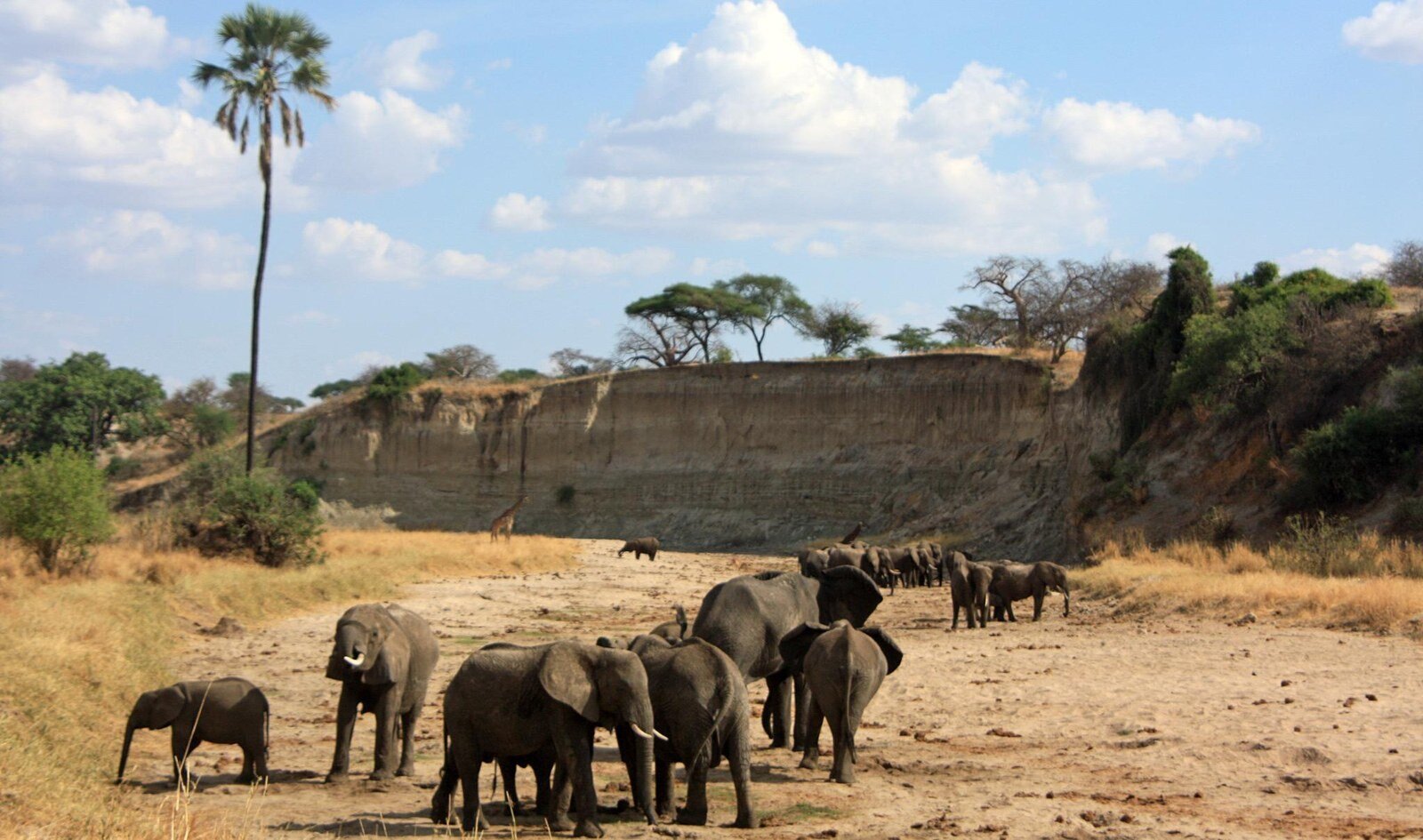
Underrated and often skipped, Tarangire is one of Tanzania's most rewarding stops. In the dry season the Tarangire River draws enormous elephant herds — some of the biggest concentrations in the country — against a landscape studded with ancient baobab trees. Lion, leopard and huge numbers of plains game follow the water.
- Best for: Elephants, baobab landscapes, dry-season density, fewer crowds
- When to go: June–October, when the river is the region's lifeline
- Access: Easy — about two hours from Arusha, the natural first stop on the Northern Circuit
- Reality: Two nights transform a Northern Circuit trip. Skip it and you miss Tanzania's finest elephant theatre.
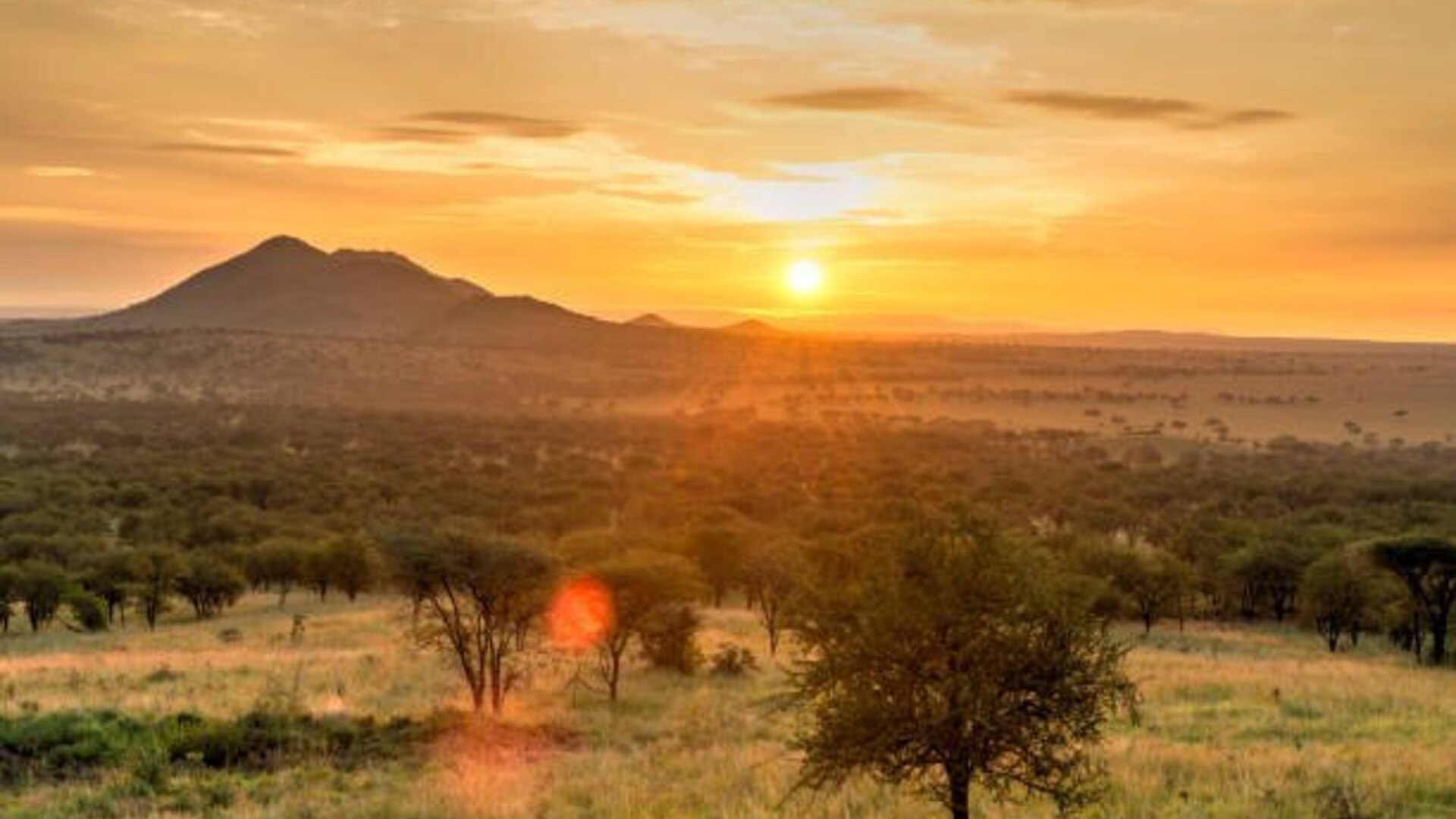
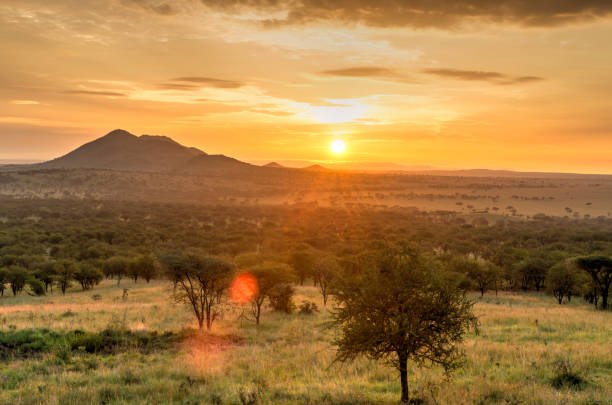
Northern Circuit — Serengeti, Ngorongoro & Tarangire
4. Ruaha National Park — The Wild Southern Heartland
Ruaha is Tanzania's largest national park and the crown jewel of the Southern Circuit. It holds roughly 10% of the world's remaining lions, superb leopard, and one of East Africa's great elephant populations, all across a rugged landscape of baobab-dotted hills and the seasonal Great Ruaha River. Crucially, you will share it with a fraction of the vehicles you'd meet up north.
- Best for: Big prides of lion, wild uncrowded scenery, walking safaris, return visitors
- When to go: June–October for concentrated dry-season game
- Access: A short flight from Dar es Salaam or the Northern Circuit; best reached by air
- Reality: Remote and wild — this is a safari for someone who has done the north and wants solitude and raw predator action.
5. Nyerere National Park (Selous) — Boat Safaris & Wild Dogs
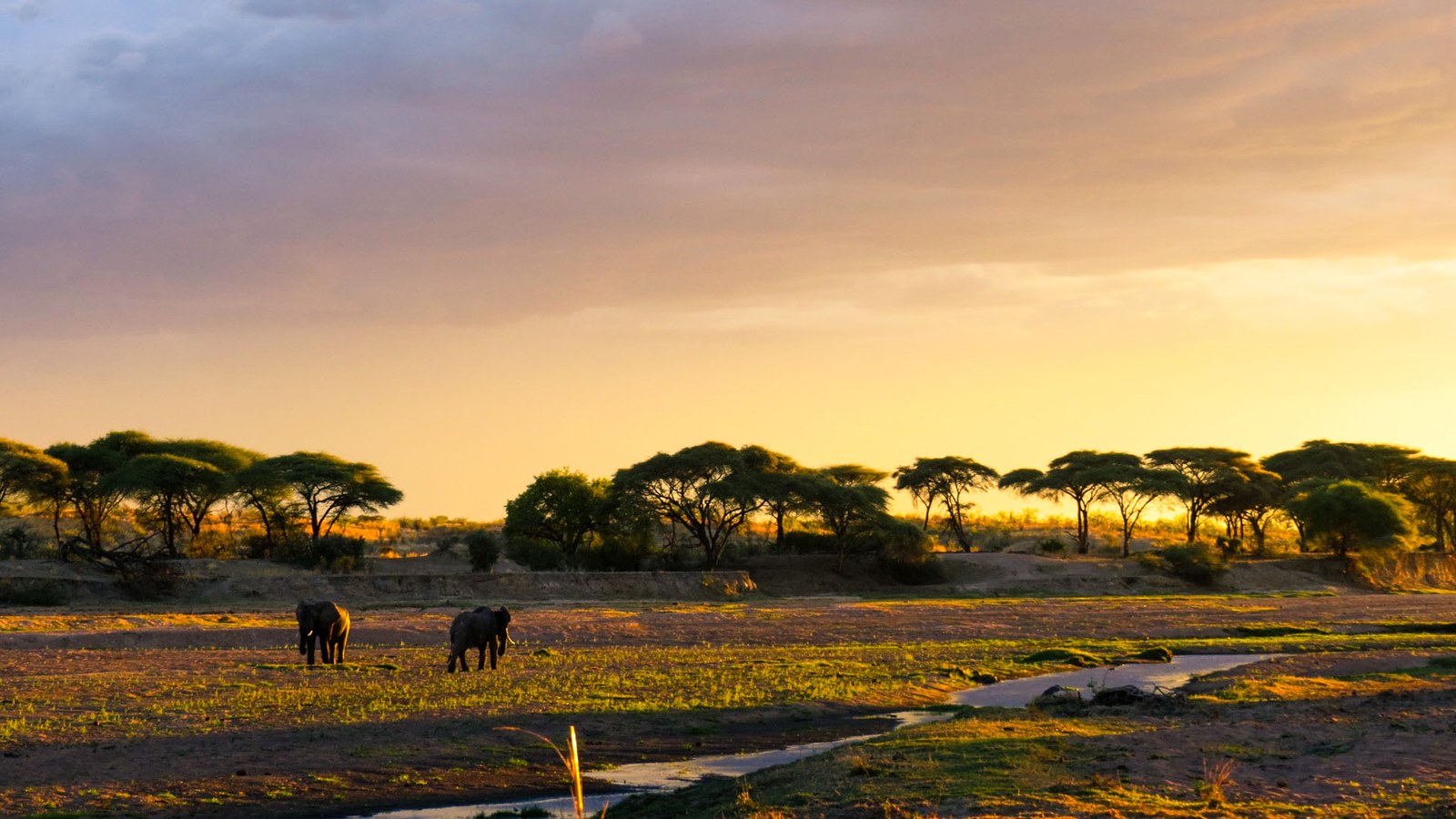
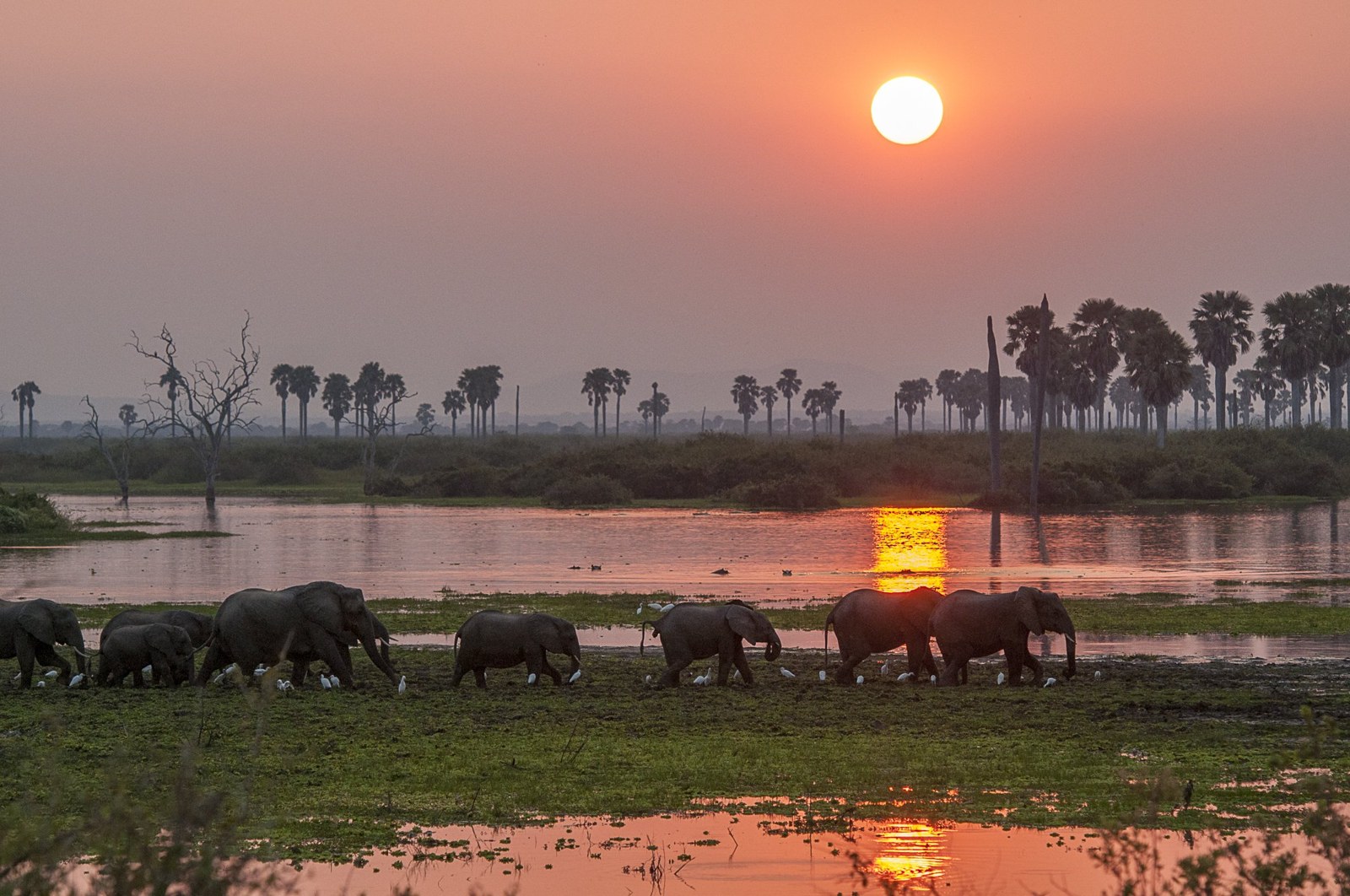
Carved from the legendary Selous Game Reserve, Nyerere National Park is one of Africa's largest protected areas — and it offers something the north cannot: boat safaris on the Rufiji River. Glide past hippo pods, crocodiles and elephants drinking at the banks, then track one of Africa's most important populations of endangered African wild dog on foot or by vehicle.
- Best for: Boat safaris, wild dog, walking safaris, a different pace
- When to go: June–October; the green season is superb for birds but some camps close in the rains
- Access: A short flight or drive from Dar es Salaam — the most accessible southern park
- Reality: The boat and walking options make it the perfect complement to a classic vehicle-based north.
6. Lake Manyara National Park — Tree-Climbing Lions & Flamingos
Compact but beautiful, Lake Manyara is the perfect half-day or overnight stop on the drive between Arusha and the Serengeti. Its groundwater forest, soda lake and escarpment backdrop hold famous tree-climbing lions, big troops of baboons, elephants, and — when conditions are right — thousands of flamingos rimming the lake in pink.
- Best for: Tree-climbing lions, birdlife, a scenic Northern Circuit add-on
- When to go: Dry season for game; November–June for the best birding and flamingos
- Access: Very easy — on the main Northern Circuit road, near Ngorongoro
- Reality: Rarely a destination on its own, but a rewarding, low-cost addition to the north.
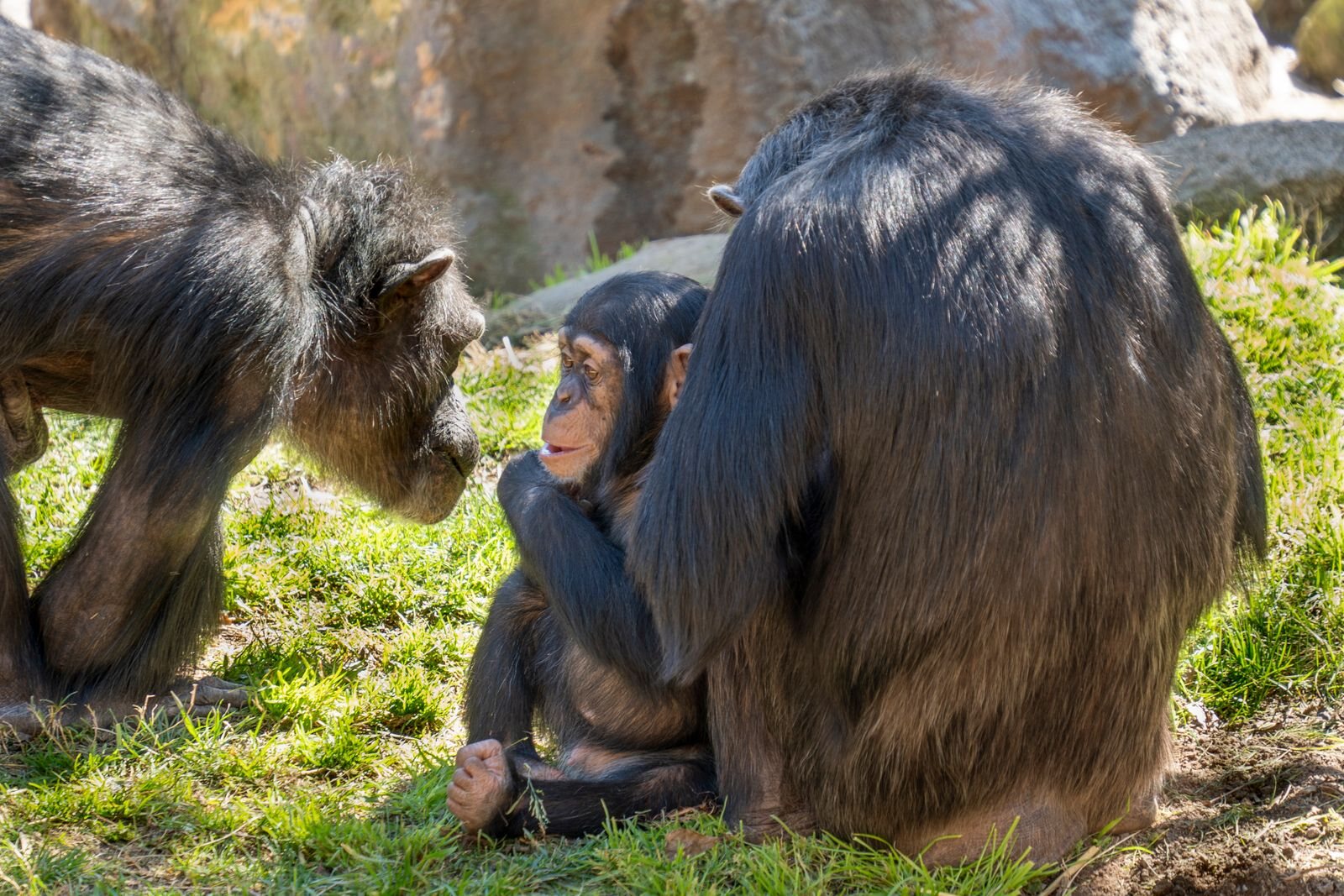
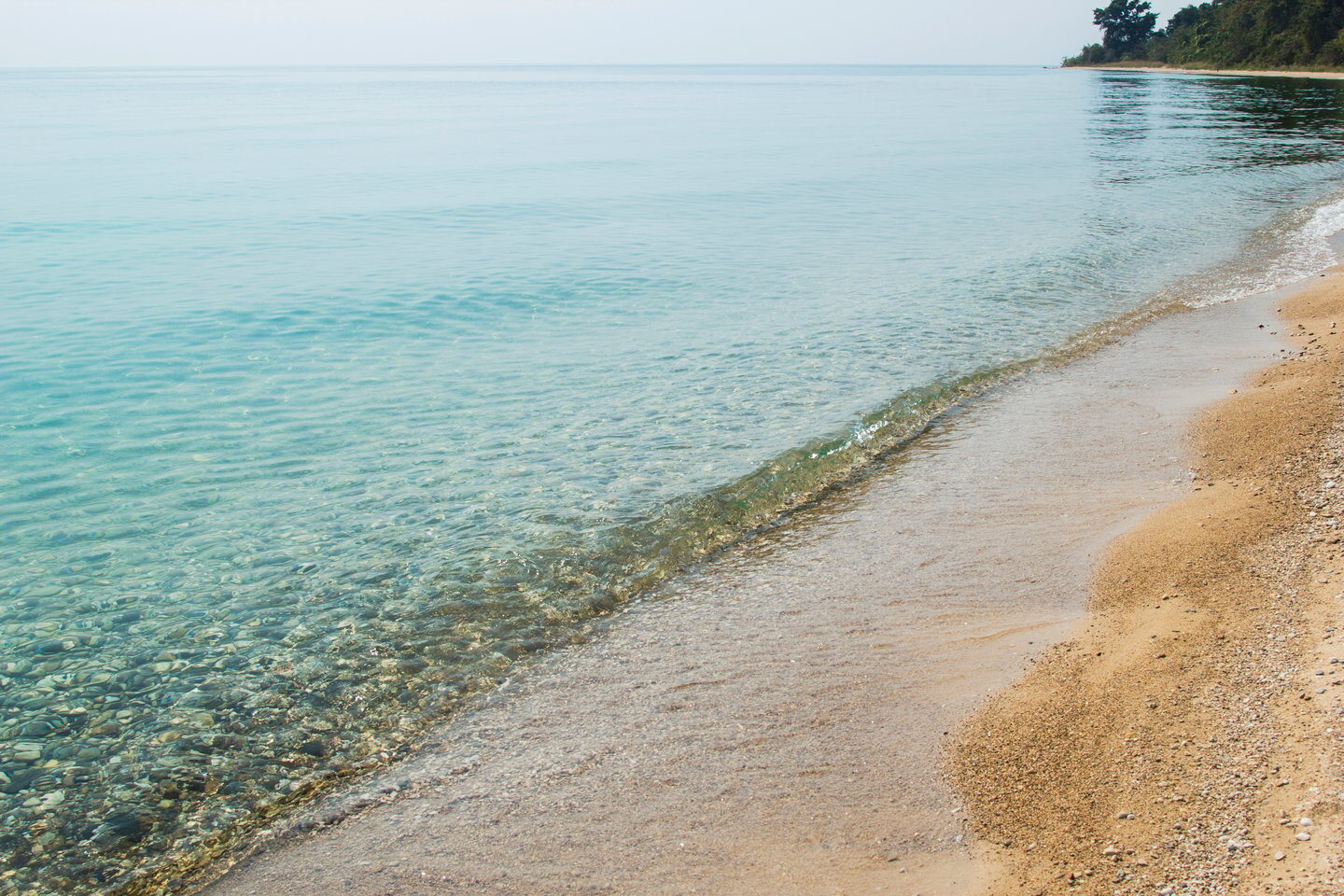
7. Mahale Mountains & Gombe — Chimpanzee Trekking
On the remote eastern shore of Lake Tanganyika, the forested peaks of Mahale Mountains — and, further north, tiny Gombe, where Jane Goodall began her research — offer one of Africa's most moving wildlife experiences: trekking habituated chimpanzees through rainforest, then swimming in the world's clearest lake. This is bucket-list travel at its purest.
- Best for: Chimpanzee trekking, remoteness, adventurous and repeat travellers
- When to go: May–October, the dry season, when chimps are easier to find lower down
- Access: Fly-in only, via Arusha or Dar — the most logistically involved destination here
- Reality: Expensive and remote, but for many it becomes the highlight of a lifetime of travel.
Southern & Western Wilds — Ruaha, Selous & Mahale
8. Katavi National Park — Tanzania's Last Frontier
Few travellers ever reach Katavi, and that is precisely its appeal. Tanzania's third-largest park is a true wilderness where the dry season concentrates staggering numbers of buffalo, hippo and elephant into shrinking floodplains and river pools — scenes of raw, crowd-free drama that feel like Africa fifty years ago.
- Best for: Total remoteness, dry-season spectacle, seasoned safari-goers
- When to go: August–October, when the floodplains dry and wildlife packs the rivers
- Access: Fly-in only, often combined with Mahale for a western-Tanzania adventure
- Reality: Not a first safari — but pair it with Mahale and you have one of the wildest journeys in Africa.
9. Ngorongoro Highlands & Lake Natron — Culture & Raw Landscapes
Beyond the crater rim lies a destination the park-only lists miss entirely. The Ngorongoro Highlands — Empakaai and Olmoti craters, the Maasai grazing lands, and the soda-red expanse of Lake Natron beneath the active volcano Ol Doinyo Lengai — reward walkers and cultural travellers with flamingo-fringed shores, waterfalls and authentic Maasai encounters far from the safari vehicles.
- Best for: Walking, Maasai culture, photography, off-the-beaten-track landscapes
- When to go: June–October for hiking; flamingos gather at Natron in the greener months
- Access: By road from the Northern Circuit — a wild extension beyond the crater
- Reality: A superb, low-cost way to add depth and culture to a classic northern trip.
10. Zanzibar Archipelago — The Bush-and-Beach Finale
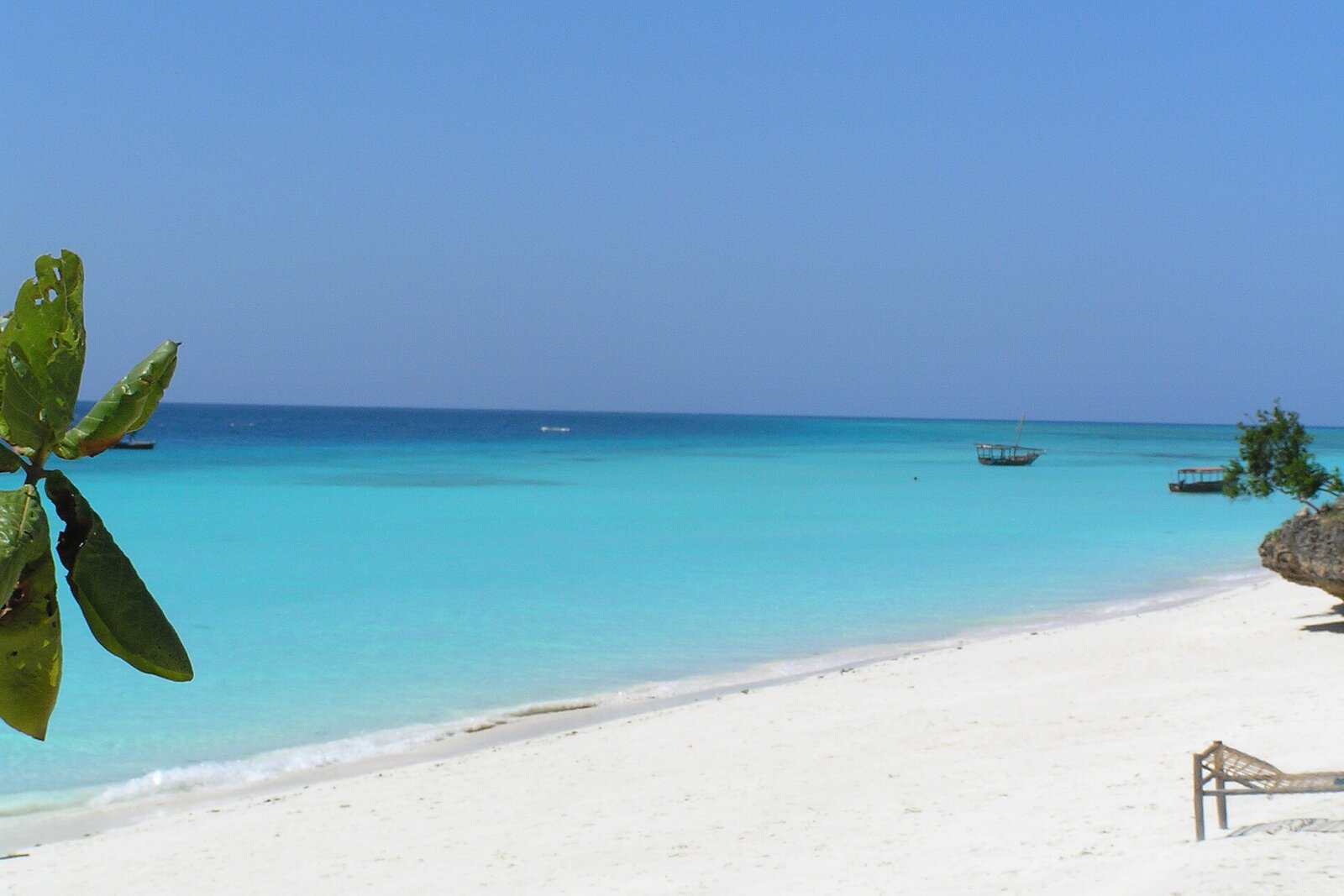
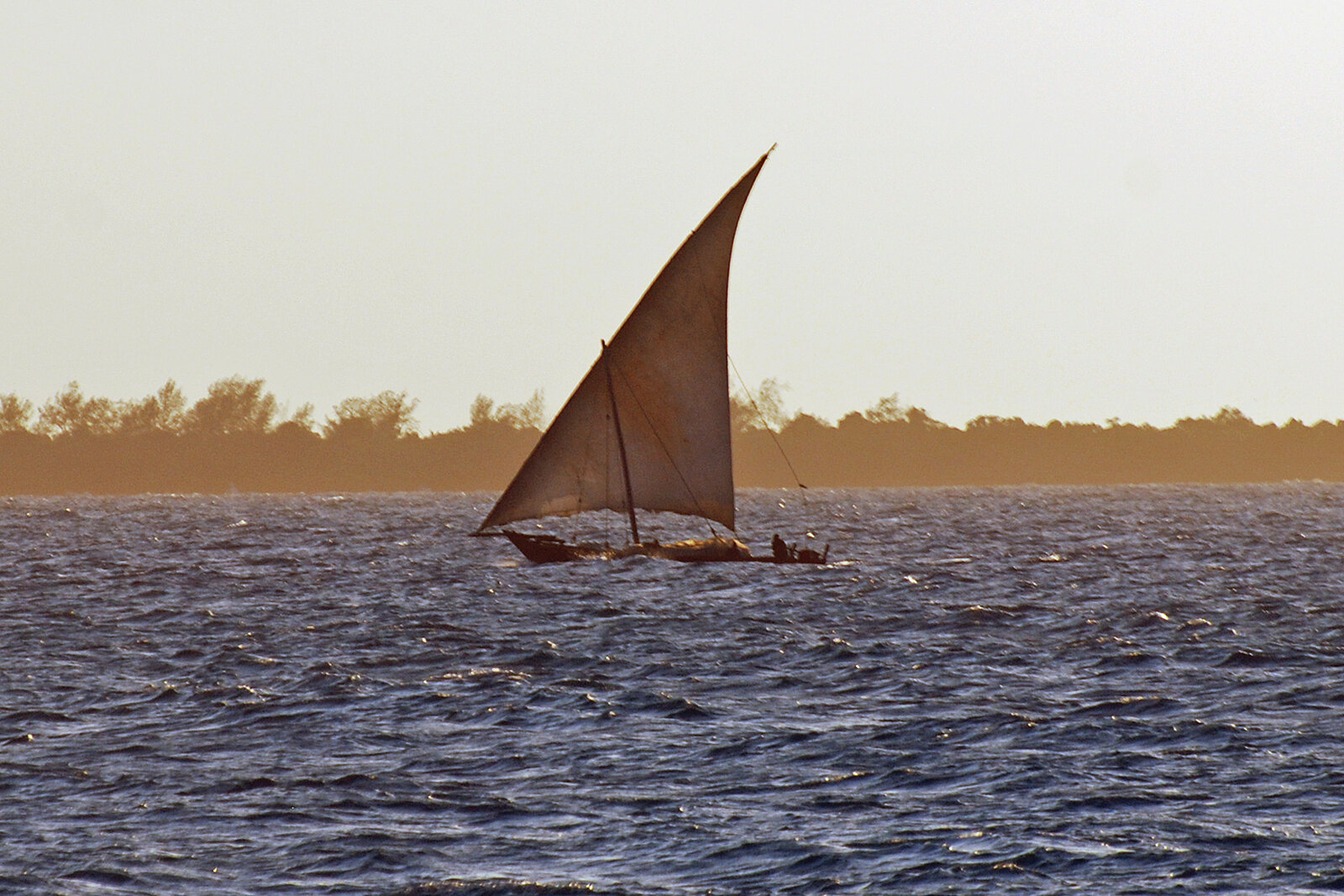
End your safari where the plains give way to the Indian Ocean. The Zanzibar Archipelago — Unguja, Mafia and Pemba — pairs white-sand beaches and turquoise water with the living history of Stone Town, spice farms, and world-class diving and snorkelling (Mafia is famous for its whale sharks). It is the classic way to turn a great safari into an unforgettable holiday.
- Best for: Beach relaxation, honeymoons, diving, culture, the safari finale
- When to go: June–October and December–February for the driest coastal weather
- Access: Short flights from Arusha, the Serengeti or Dar es Salaam
- Reality: Three to five nights is the sweet spot after a safari. For inland trip planning, start with the Ultimate Tanzania Travel Guide.
The Coast — Zanzibar & the Indian Ocean

Building Your Tanzania Safari: How to Combine the Destinations
The art of a Tanzania safari is combination. Here are the routes that work best, matched to how much time you have. These are frameworks — for fully costed, pre-designed trips see our Tanzania Safari Tours guide, and for tailor-made departures our Private Safari Tours Tanzania page.
The Classic North (7 days): Tarangire → Ngorongoro Crater → Serengeti. The definitive first safari — every iconic landscape and the Great Migration, with easy road-and-fly logistics.
Bush & Beach (10 days): Tarangire → Ngorongoro → Serengeti → fly to Zanzibar. The most popular honeymoon and family route — wildlife then white sand.
The Wild South (7–8 days): Nyerere (Selous) → Ruaha. Boat safaris, walking and huge lion prides, with almost no crowds — ideal for a second Tanzania trip.
The Explorer (10–12 days): Mahale → Katavi, or a north-plus-south combination. For travellers who want the wildest corners of the country.
💡 Planning Tip: Don't try to see everything in one trip. The north and south are separate ecosystems reached by different flights — combining them well takes time and budget. A focused 7–10 day route in one or two circuits almost always beats a rushed dash across the whole country. For a realistic budget, see How Much Does a Tanzania Safari Cost.
Best Time to Visit Tanzania's Safari Destinations
| Season | Months | Game Viewing | Notes |
|---|---|---|---|
| Peak Dry | Jul–Oct | ★★★★★ Exceptional | Best all-round wildlife; northern river crossings; thin bush; book early |
| Calving / Green | Jan–Mar | ★★★★★ Superb (south Serengeti) | Wildebeest calving on the southern plains; predator action; lush and quieter |
| Long Rains | Apr–May | ★★★☆☆ Variable | Lowest rates and fewest crowds; some southern/western camps close |
| Shoulder | Jun & Nov | ★★★★☆ Very Good | Drying (Jun) or short rains (Nov); good value, fewer vehicles |
Verdict: For a first Tanzania safari, aim for the dry season (late June–October) across every circuit. If the migration calving and green landscapes appeal, late January to March in the southern Serengeti is magical. For detailed, park-by-park timing, see Best Time for the Great Migration.
🦁 Ready to plan your Tanzania safari? Browse pre-designed trips in our Tanzania Safari Tours guide, compare accommodation in the Best Tanzania Safari Lodges, or design a tailor-made trip via Private Safari Tours Tanzania. Want the full park ranking? See the Top 10 National Parks in Tanzania, and for wildlife the Big Five Safari Tanzania guide.
Tanzania Safari Destinations: Frequently Asked Questions
What is the best safari destination in Tanzania?
For most travellers the Serengeti is the single best destination, thanks to the Great Migration and the highest concentration of big cats in Africa. But the honest answer depends on your trip: the Ngorongoro Crater is unbeatable for seeing the Big Five in one day, Tarangire for elephants, Ruaha and the Selous for wild uncrowded safaris, and Mahale for chimpanzees. The strongest trips combine two or three complementary destinations.
Which Tanzania safari circuit should a first-timer choose?
First-time visitors should choose the Northern Circuit — Tarangire, the Ngorongoro Crater and the Serengeti. It offers the highest concentration of iconic wildlife, the Great Migration, and the easiest logistics, with good roads and short flights linking the parks. Add a few nights in Zanzibar for a classic bush-and-beach finale.
How many days do you need for a Tanzania safari?
Plan on at least 6–7 days to do the Northern Circuit justice — enough for Tarangire, the Ngorongoro Crater and a few nights in the Serengeti. Add 3–5 nights for a Zanzibar beach finale, or 7–8 days for a separate southern or western circuit. Trying to combine north and south in under ten days usually means too much time in transit.
What is the difference between Tanzania's northern and southern circuits?
The Northern Circuit (Serengeti, Ngorongoro, Tarangire, Lake Manyara) is classic, accessible and built around the Great Migration and big-game vehicle safaris. The Southern Circuit (Ruaha and Nyerere/Selous) is wilder and far less crowded, with boat safaris on the Rufiji, walking safaris, big lion prides and endangered wild dog. First-timers usually pick the north; return visitors often prefer the south.
Can you combine a Tanzania safari with the beach?
Yes — it is one of the most popular ways to travel. After a Northern Circuit safari, a short flight takes you to the Zanzibar Archipelago for white-sand beaches, Stone Town's history, spice tours and world-class diving. Three to five nights on the coast is the ideal finale, especially for honeymoons and families.
Where can you see the Great Migration in Tanzania?
The Great Migration happens entirely within the greater Serengeti ecosystem, but the herds move with the seasons. Expect the southern Serengeti and Ndutu for the calving (late January–March), the western corridor and Grumeti around May–June, and the northern Serengeti's Mara River crossings from roughly July to October. Match your camp's location to the season — see our Best Time for the Great Migration guide for the month-by-month picture.
Which Tanzania destination is best for avoiding crowds?
The Southern and Western circuits. Ruaha, the Selous (Nyerere), Katavi and Mahale receive a tiny fraction of the visitors the Northern Circuit sees, so you can enjoy sightings with few or no other vehicles. If you must travel the north in peak season, choose remote private concessions and travel in the shoulder months to reduce the crowds.
Is Tanzania or Kenya better for safari?
Both are outstanding and often combined. Tanzania offers greater scale and diversity — the vast Serengeti, the Ngorongoro Crater, remote southern and western wildernesses, and the Zanzibar coast. Kenya is more compact and offers easier logistics and famously easy rhino viewing in fenced sanctuaries. For sheer variety of destinations within one country, Tanzania is hard to beat.
How much does a Tanzania safari to these destinations cost?
Costs vary widely by circuit and comfort level. Mid-range Northern Circuit safaris typically run about $350–600 per person per night, while luxury and remote fly-in camps in the south and west can reach $1,000–1,500+ per person per night, driven up by charter flights. A week-long Northern Circuit safari commonly costs $3,000–7,000+ per person. For a detailed breakdown, see our How Much Does a Tanzania Safari Cost guide.
Final Word: Choosing Your Tanzania Safari Destinations
Tanzania's greatness lies in its range. You can watch a million wildebeest thunder across the Serengeti, descend into a volcanic crater teeming with rhino and lion, drift a river past drinking elephants, trek chimpanzees through rainforest, and finish with your toes in the Indian Ocean — all in one country.
- ✅ First safari? Northern Circuit — Tarangire, Ngorongoro, Serengeti — then Zanzibar
- ✅ Been before? The wild south — Ruaha and the Selous — for boats, walking and solitude
- ✅ Craving adventure? Mahale and Katavi in the remote west
- ✅ Want it all? Combine circuits over 10–12 days, or return for a second, different Tanzania
The honest advice: pick the circuit that matches who you are as a traveller, give it enough days to breathe, and let the destinations you choose tell a single, coherent story rather than a rushed checklist. Do that, and Tanzania will give you the safari of a lifetime.
Ready to start planning? Explore our Tanzania Safari Tours guide, browse the Best Tanzania Safari Lodges, or begin with the comprehensive Ultimate Tanzania Travel Guide.