Key Takeaways
- A Madagascar safari is about lemurs, chameleons and endemic wildlife — around 90% of species live nowhere else on Earth.
- The prime parks are Andasibe-Mantadia, Ranomafana, Isalo, the Tsingy de Bemaraha, Berenty and Kirindy.
- Wildlife is tracked on foot, by day and on magical night walks — very different from an African game drive.
- The best time is April–November; September–November adds baby lemurs and whales offshore.
- A great wildlife tour runs 8–14 days and is best built private and tailor-made, with flights and guides handled as one.
Madagascar is the most extraordinary wildlife destination on the planet — not for the Big Five, which it does not have, but for a cast of creatures found nowhere else on Earth. A Madagascar safari means tracking around a hundred species of lemur, from the whale-song indri to the dancing sifaka; watching chameleons change colour on a night walk; and hiking through rainforest, canyon and spiny desert to landscapes that feel like another world. This is a walking, watching, endlessly surprising kind of safari — and once seen, never forgotten.
This 2026 guide covers every park worth your time, lemur trekking, the finest lodges, sample itineraries, honest costs, the best time to go, and exactly how to plan a private Madagascar wildlife tour.
Why Choose a Madagascar Safari
Quick Answer
A Madagascar safari delivers the world's most unique wildlife — around 100 species of lemur, two-thirds of the world's chameleons, and endemic forests — tracked on foot in Andasibe, Ranomafana, Isalo, the Tsingy and Berenty.
Different from an African game drive: walking safaris, night walks, dramatic landscapes. Best time: April–November. Cost: roughly $350–$1,000+ per person per day. Ideal length: 8–14 days. The most original wildlife journey on Earth.
A Madagascar safari should be on the list of every serious wildlife traveller. Here is why it is like nothing else.
Wildlife found nowhere else on Earth
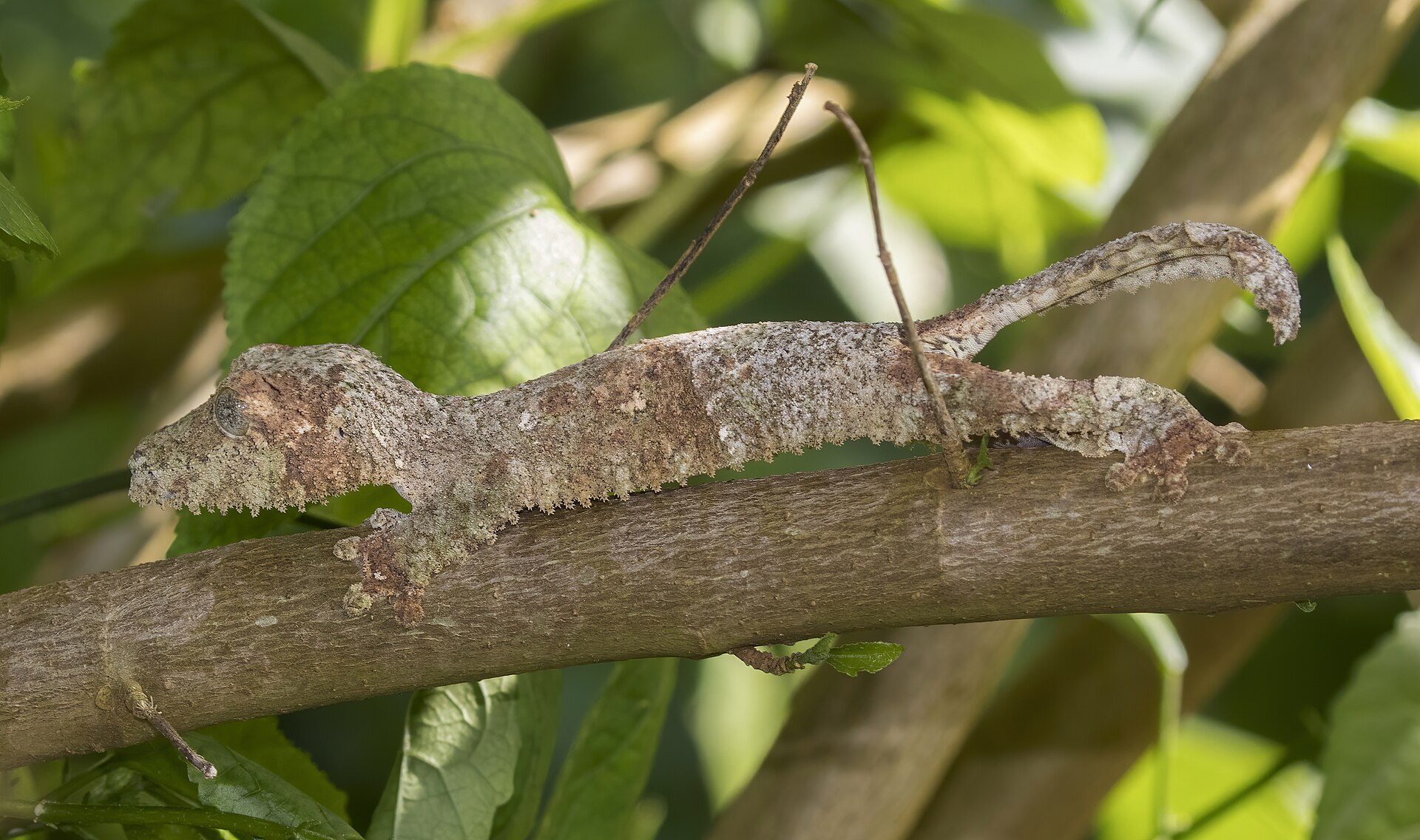
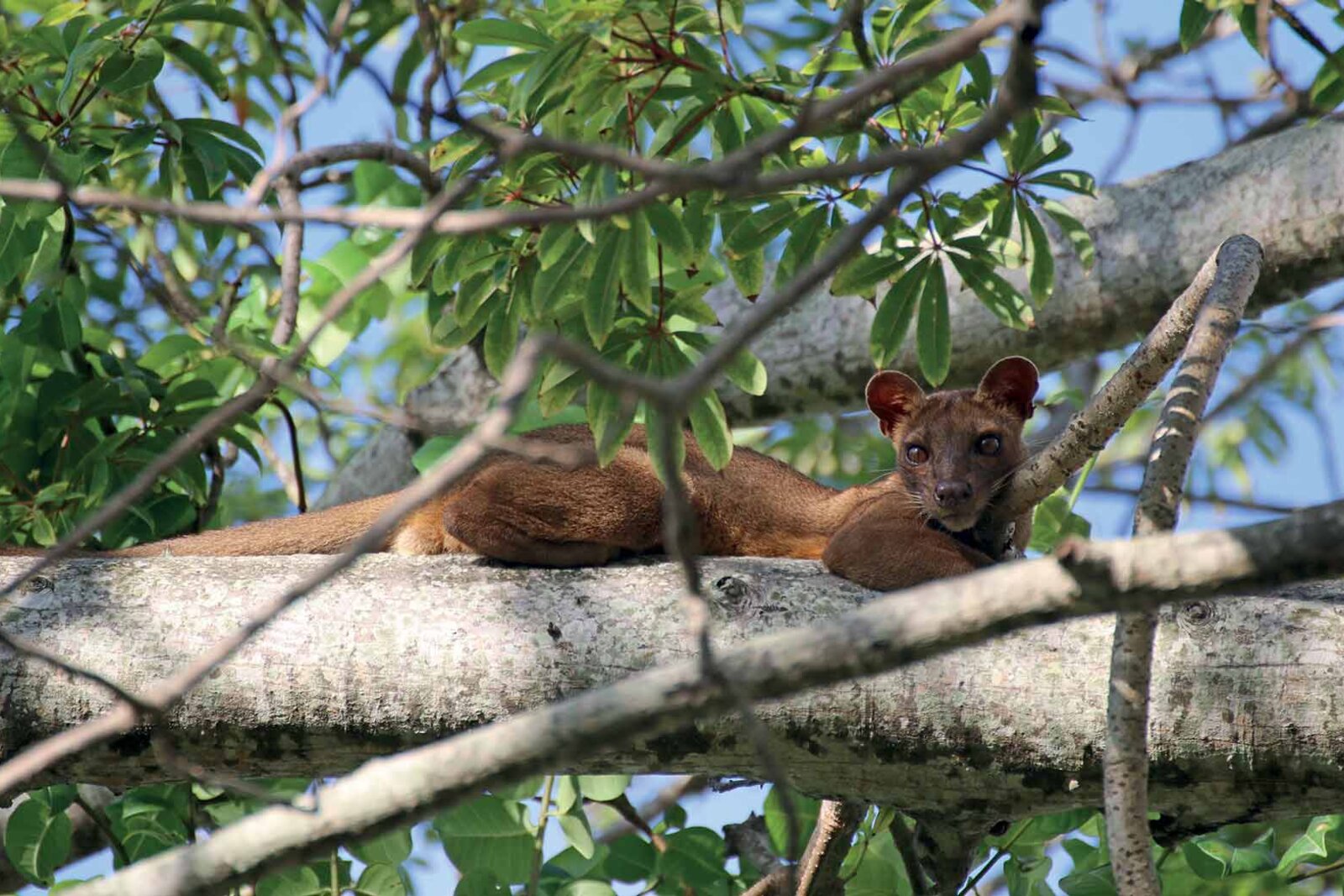
Because Madagascar split from Africa 160 million years ago, more than ninety per cent of its species are endemic. That means lemurs, chameleons, leaf-tailed geckos, tenrecs and the fossa — the island's cat-like top predator — exist only here. For a naturalist, it is the closest thing on the planet to visiting another world.
A walking, watching kind of safari
Unlike an African game drive, a Madagascar safari is largely on foot — guided rainforest walks by day and torchlit walks by night, when the forest comes alive with mouse lemurs, chameleons and geckos. It is intimate, active and deeply rewarding.
Landscapes as wild as the wildlife
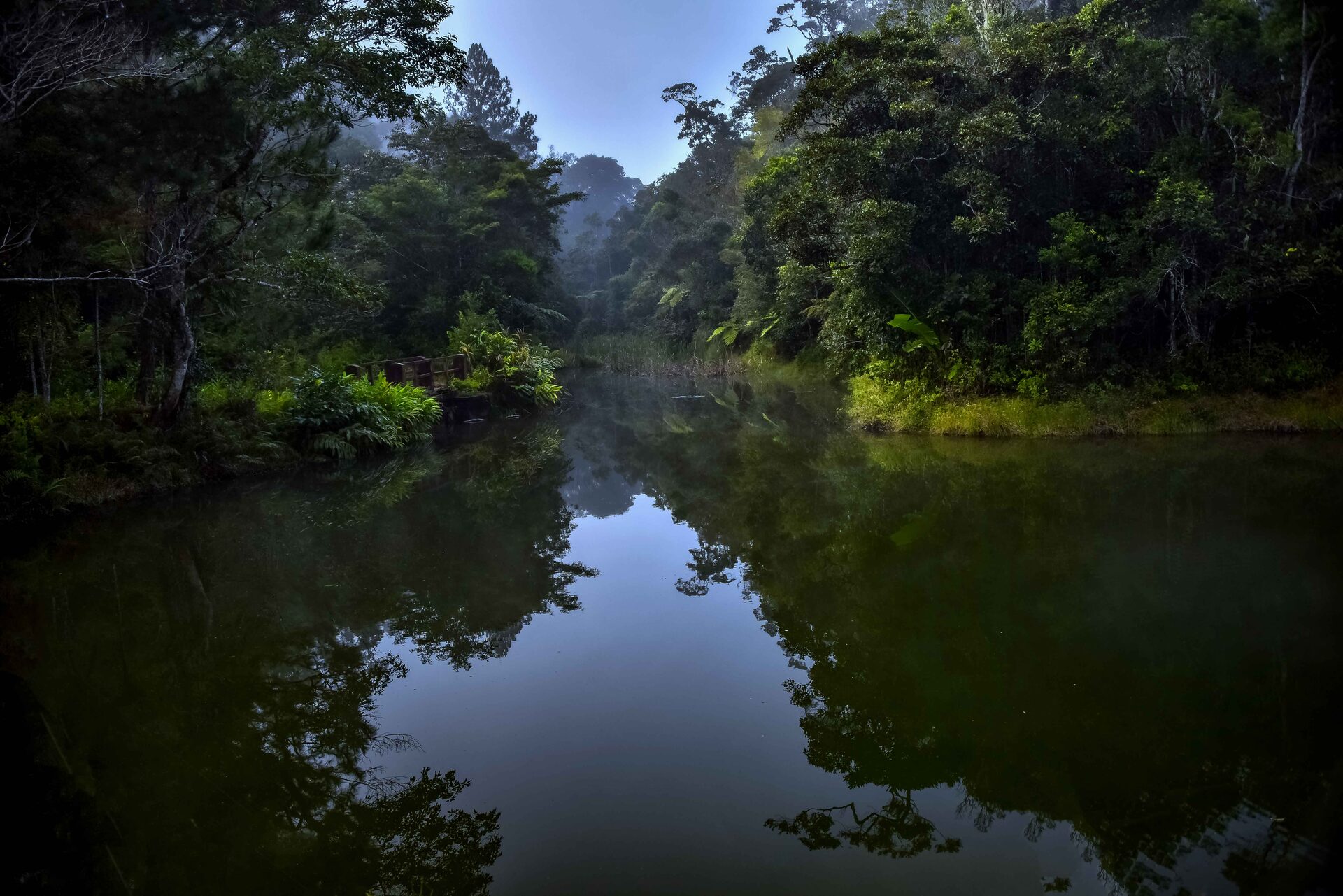
The settings are half the show: the misty canopy of Andasibe, the sandstone canyons of Isalo, the limestone spires of the Tsingy and the surreal spiny forest of the south. Few safaris anywhere offer such variety in a single trip.
The Best National Parks for Wildlife
Madagascar's wildlife is concentrated in a handful of superb parks and reserves. A great safari strings two or three together by short internal flight and scenic road.
Andasibe-Mantadia — the home of the indri
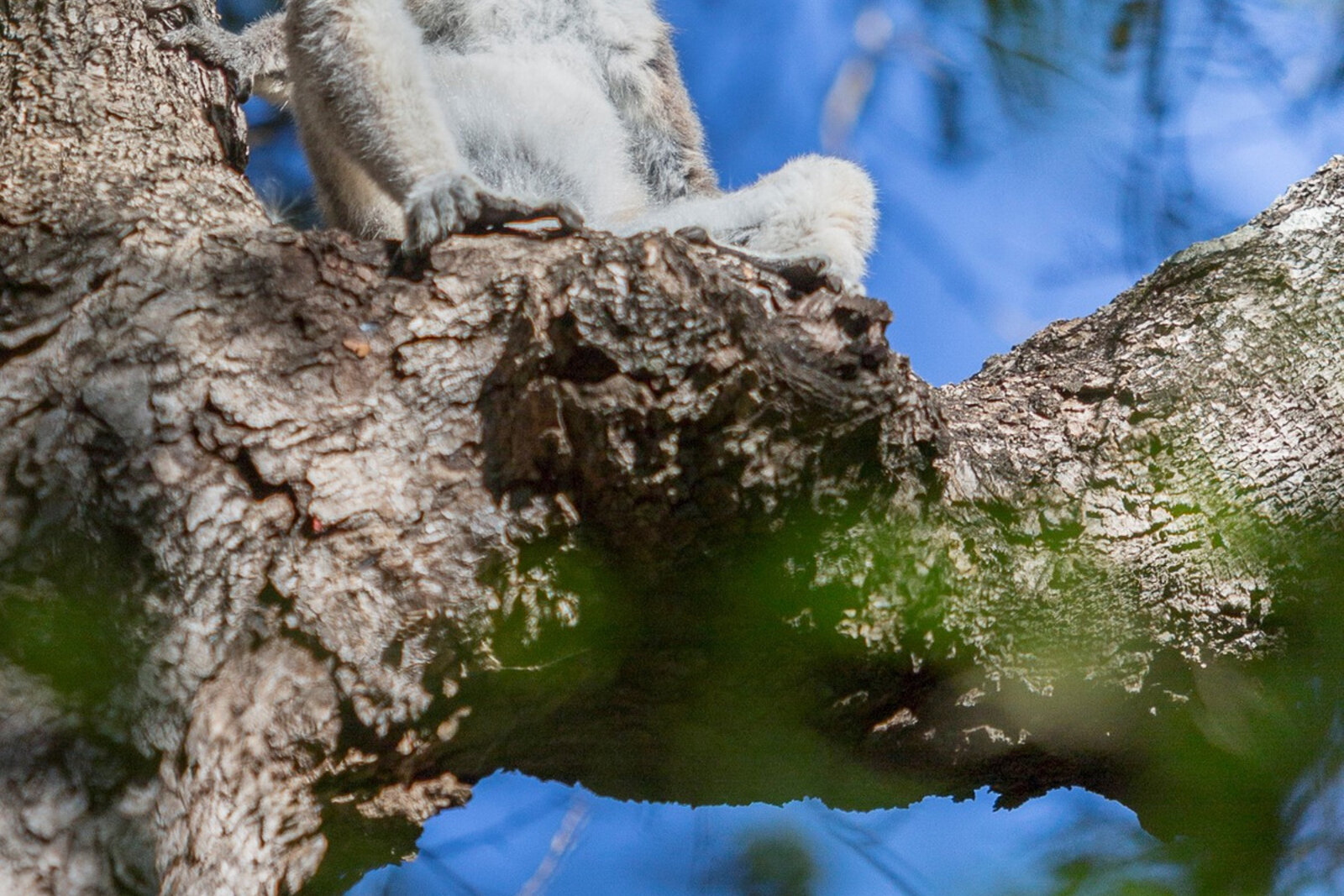
Three hours east of the capital, Andasibe-Mantadia is the most accessible great rainforest in Madagascar and the surest place to meet the indri, the largest living lemur, whose haunting dawn song carries for kilometres. Day walks find diademed sifaka and bamboo lemurs; night walks reveal mouse lemurs, chameleons and geckos. It is the classic first stop of any wildlife tour.
Ranomafana — misty montane rainforest
On the RN7 road south, Ranomafana National Park is a UNESCO rainforest of steep, misty hills, home to the golden bamboo lemur and eleven other lemur species, plus a wealth of chameleons, frogs and birds. Atmospheric, biodiverse and a highlight of the overland route.
Isalo — canyons, oases and ring-tails
Isalo National Park is Madagascar's grandest landscape — a Jurassic massif of sculpted sandstone canyons and natural pools, where ring-tailed lemurs and sifaka gather around the oases. Superb hiking and unforgettable golden-hour scenery.
Tsingy de Bemaraha — a forest of stone
A UNESCO World Heritage Site of razor-sharp limestone pinnacles crossed on ladders and bridges, the Tsingy de Bemaraha shelters Decken's sifaka and endemic birds in one of the most dramatic settings on Earth. Remote, adventurous and utterly unique.
Berenty & Kirindy — classic reserves
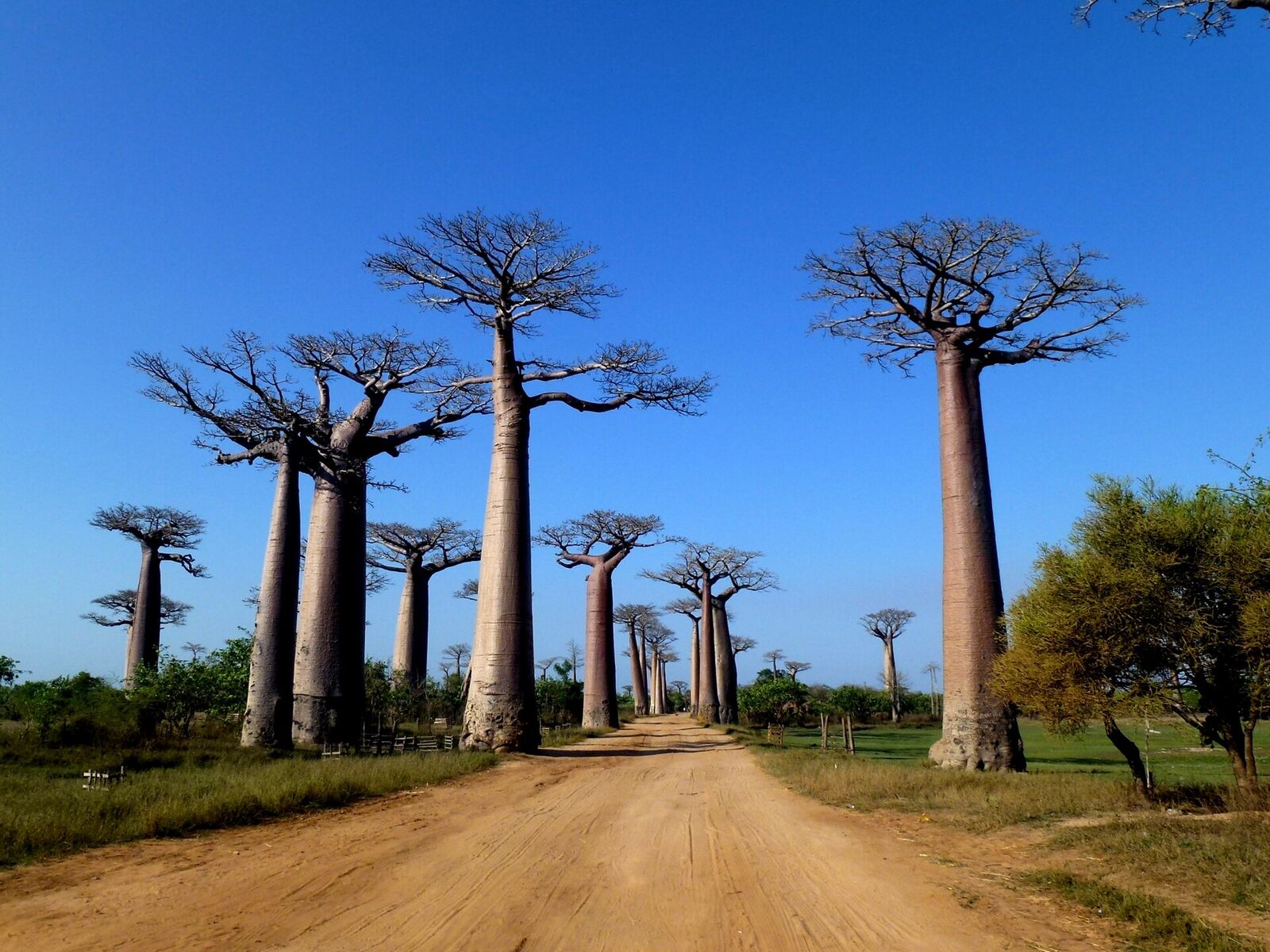
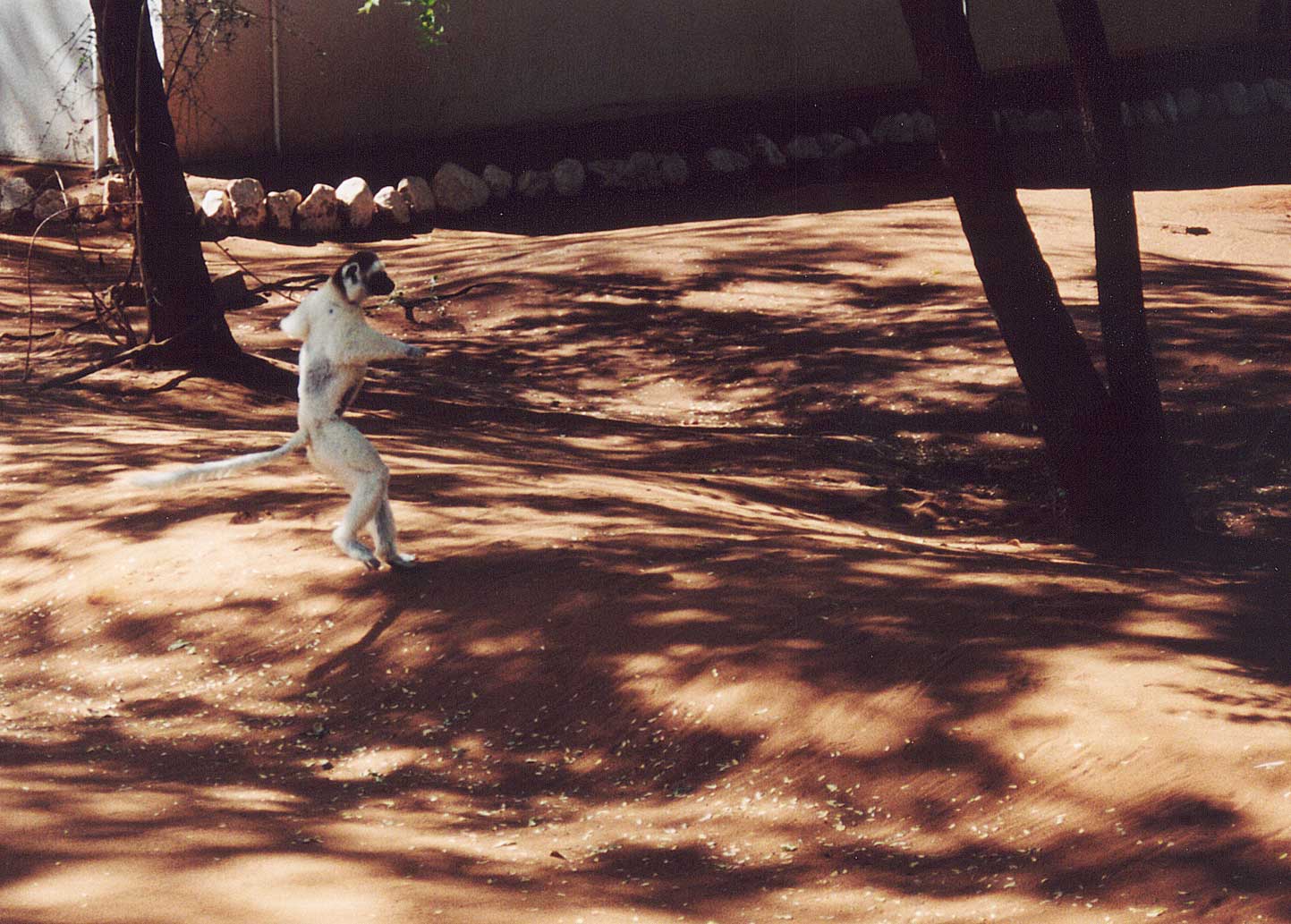
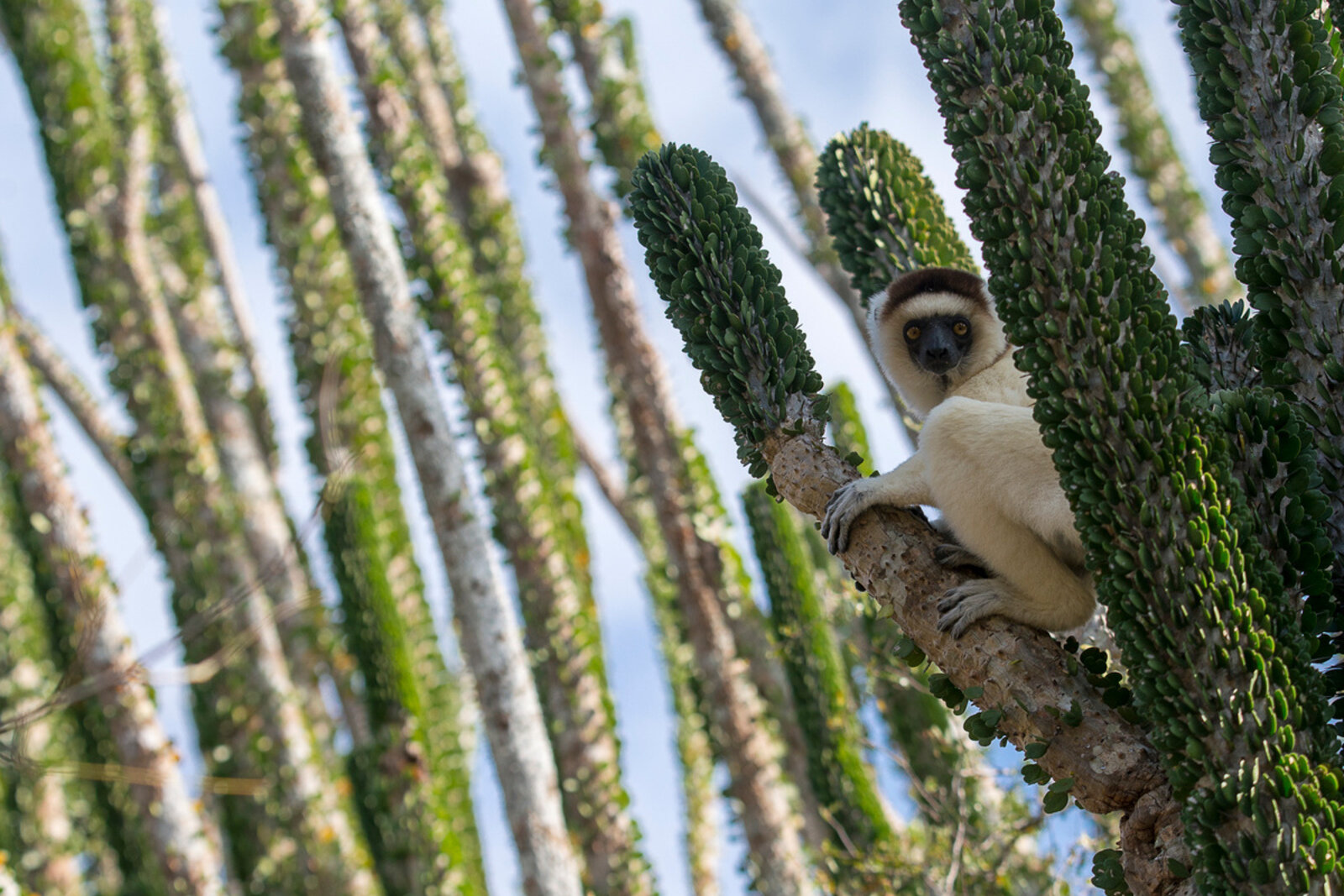
Berenty, in the arid deep south, is the legendary reserve where ring-tailed lemurs stroll at your feet and Verreaux's sifaka "dance" across the spiny forest. In the west, the dry Kirindy Forest is the best place to seek the elusive fossa and giant jumping rat, and pairs naturally with the Avenue of the Baobabs.
Related journey: Rainforest & Highlands — 7 Days →
Lemur Trekking — What to Expect
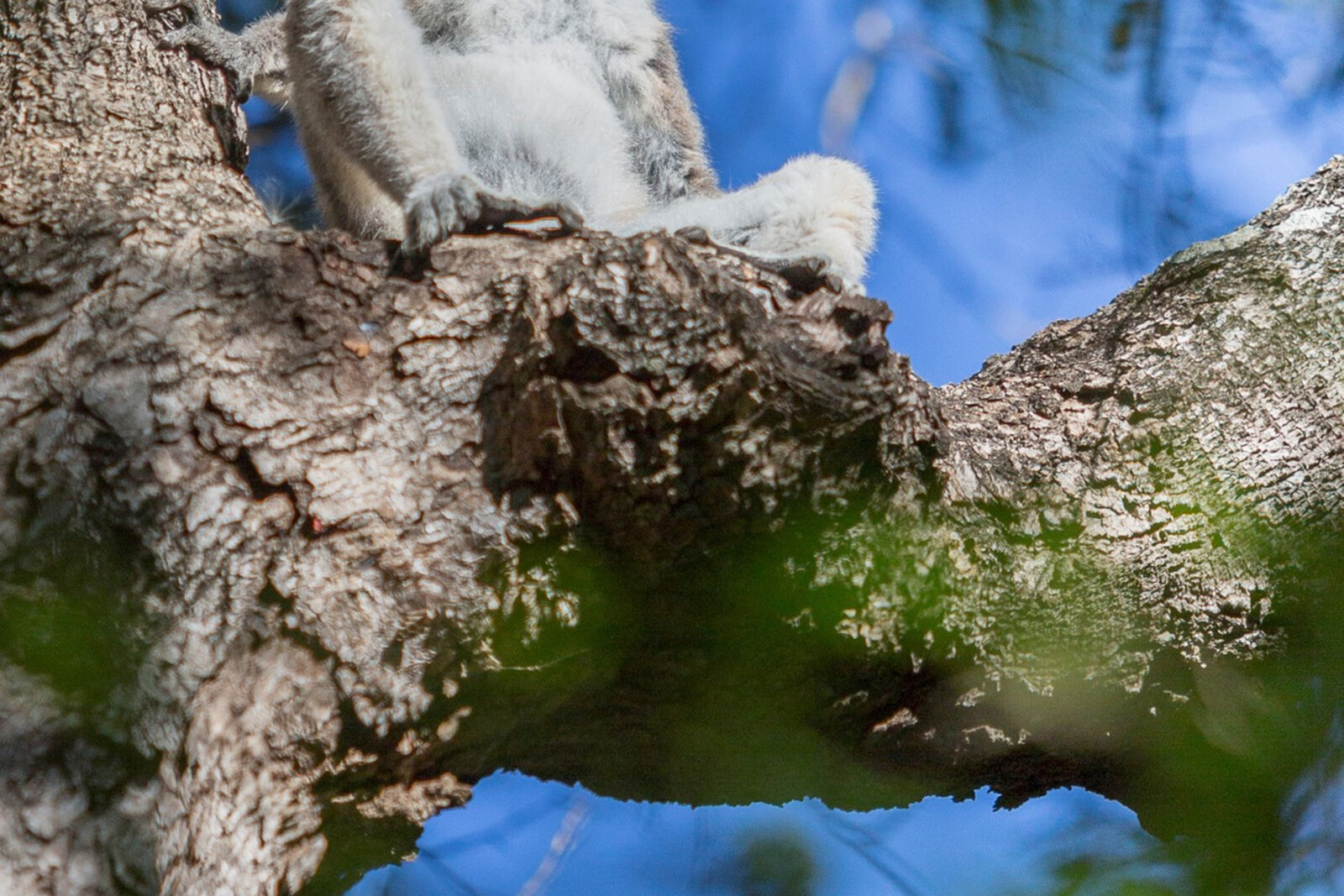
Lemur trekking is the heart of a Madagascar safari, and it is wonderfully accessible. With an expert local guide, most encounters involve gentle-to-moderate walks along forest trails, following calls and movement in the canopy. Many lemurs — especially in reserves like Andasibe and Berenty — are relaxed around people, allowing beautiful, close, ethical viewing without disturbing them.
- Day walks find indri, sifaka, ruffed and bamboo lemurs feeding and moving through the trees.
- Night walks — a Madagascar speciality — reveal nocturnal mouse lemurs, chameleons, geckos and frogs by torchlight.
- Fitness: most trails are moderate; the Tsingy is more demanding, with ladders and scrambling.
- Guides: knowledgeable naturalist guides are essential and included on every tour — they transform the experience.
Madagascar's Finest Safari Lodges
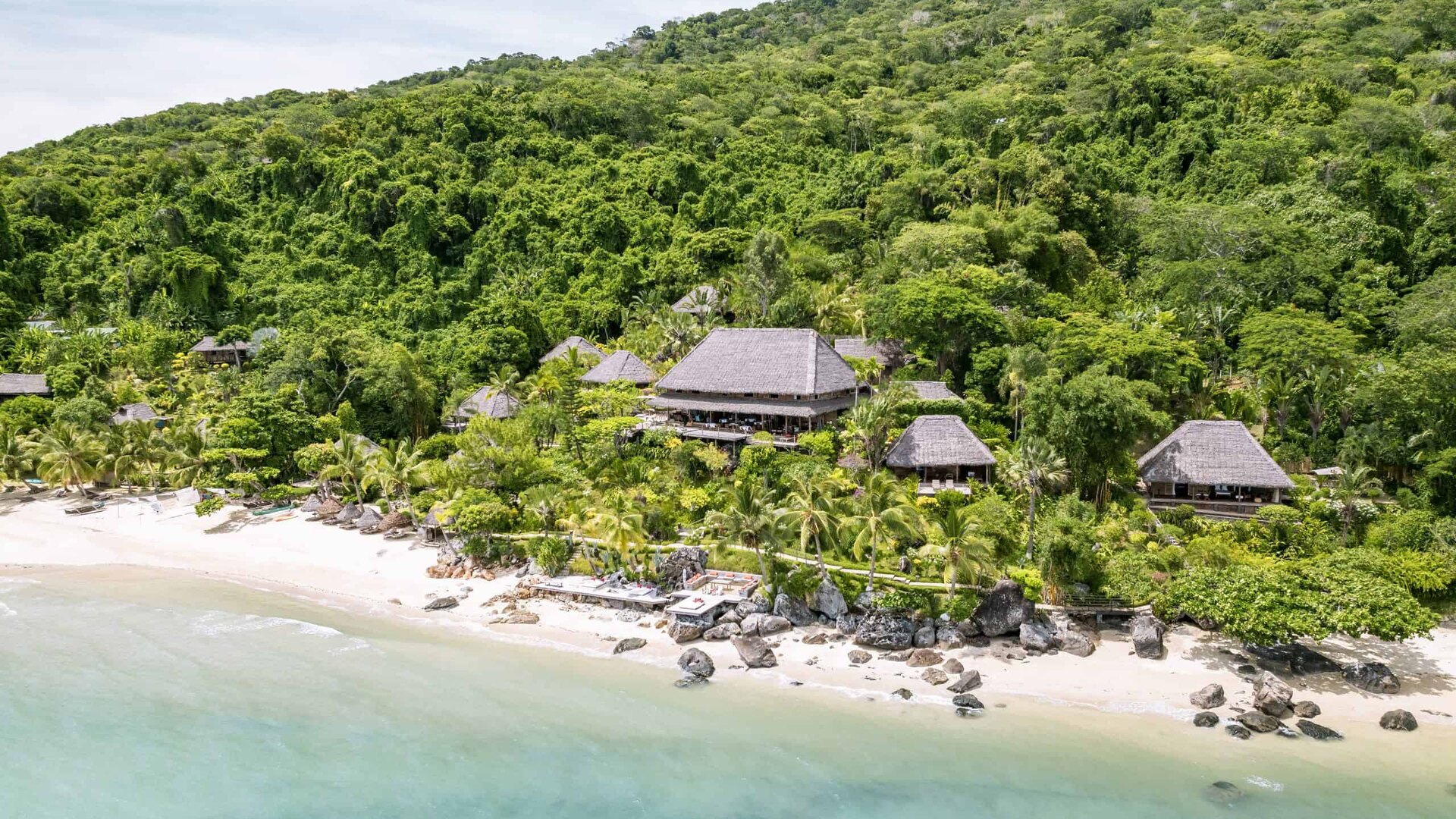
The right lodge turns a wildlife tour into a masterpiece. These are some of the standout stays on our private safaris, chosen for location, comfort and the wildlife on their doorstep — among them Mandrare River Camp, a tented gem set among the lemurs and spiny forest of the deep south.
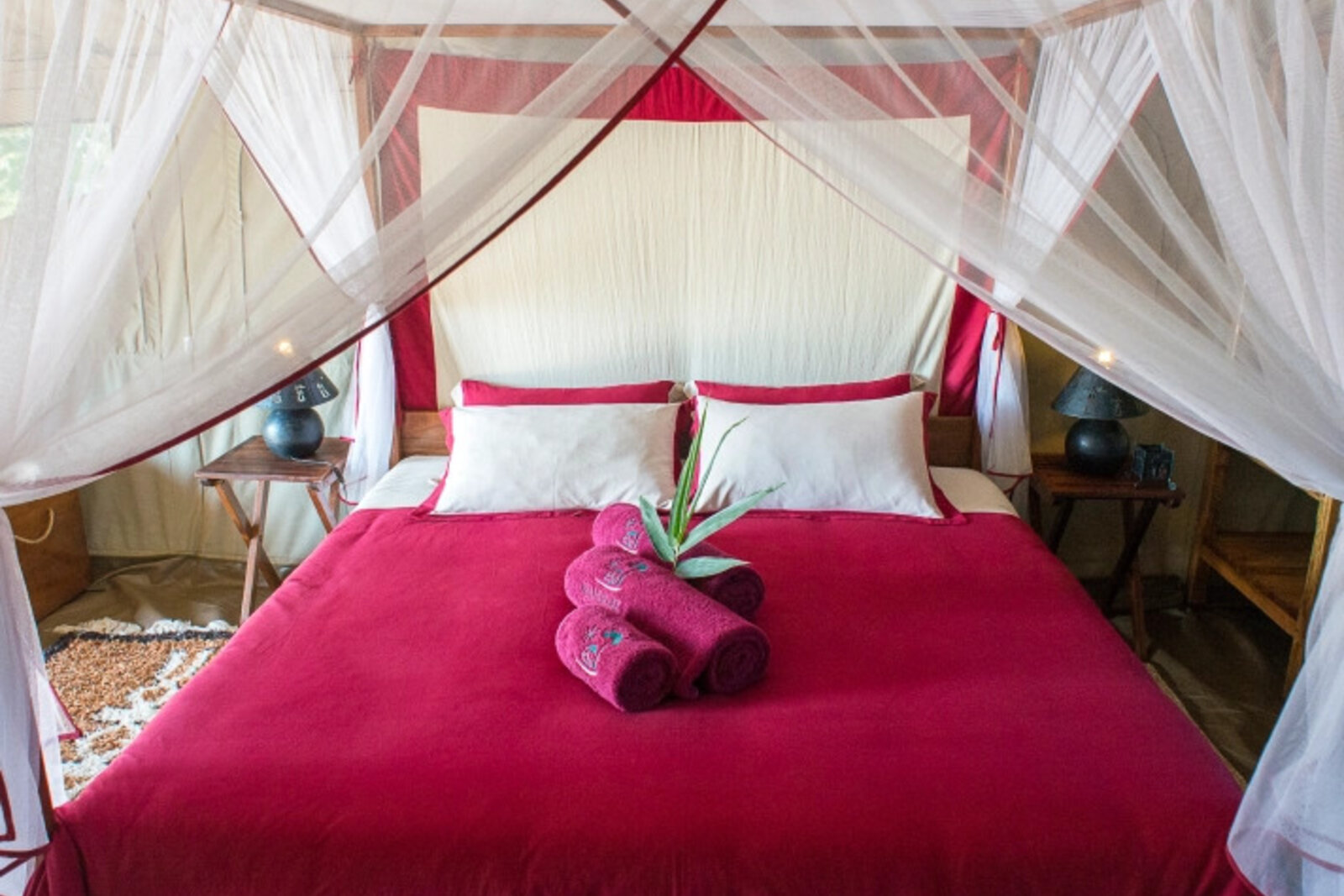
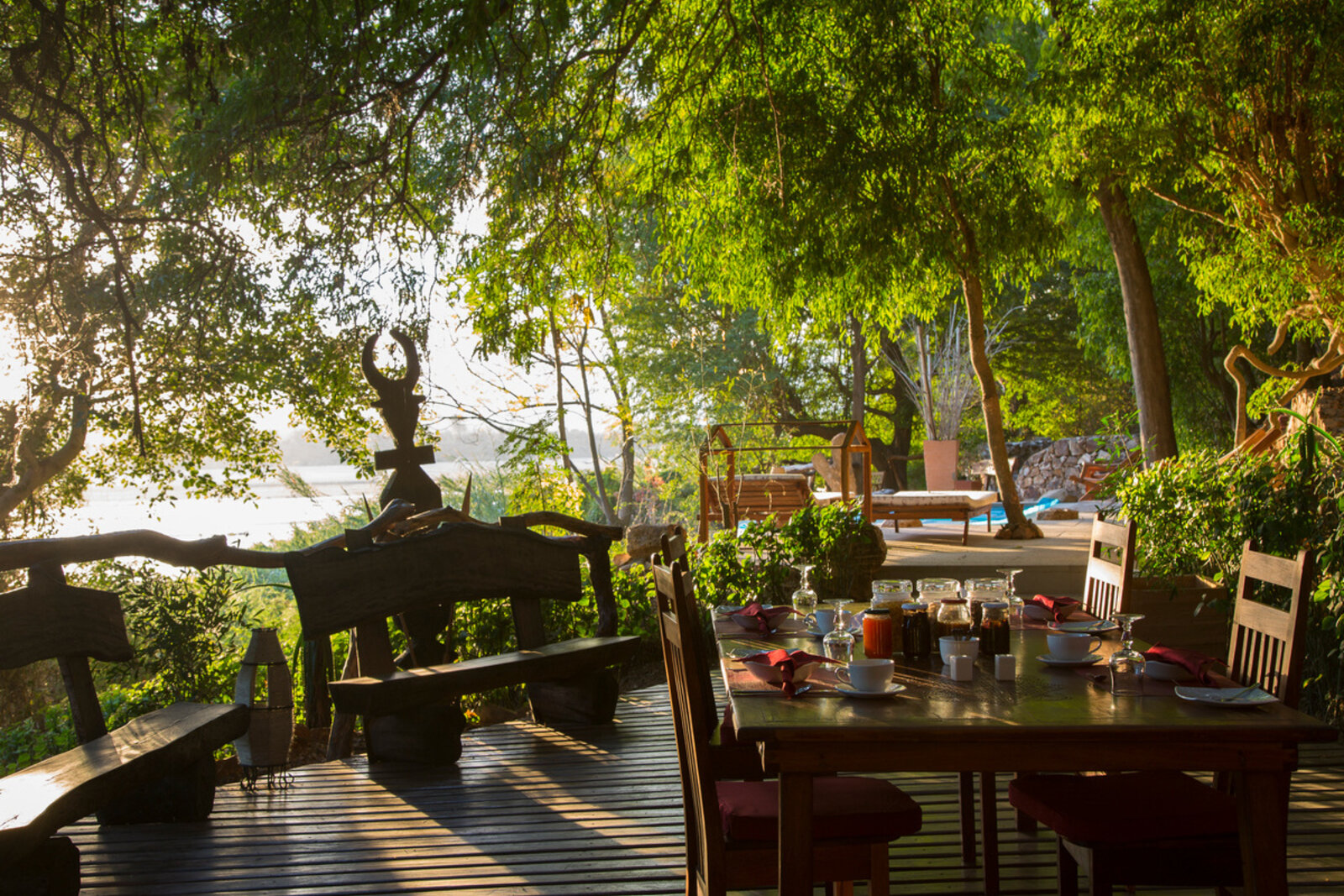
From rainforest eco-lodges at Andasibe and Ranomafana to canyon-edge stays at Isalo and barefoot beach camps in the north, we match every lodge to the wildlife and the season. For the full picture, see our guides to the best luxury lodges in Madagascar and Madagascar honeymoon lodges.
Sample Madagascar Safari Itineraries
Every tour we run is private and tailor-made. These templates show how the days flow and can be extended, upgraded or combined with a beach finish and neighbouring countries.
7–8 Day Rainforest & Lemurs
- Days 1–3: Andasibe-Mantadia — day and night walks for indri, sifaka and chameleons.
- Days 4–6: South along the RN7 to Ranomafana rainforest and the canyons of Isalo.
- Days 7–8: Final walks and departure, or continue to a beach.
The classic wildlife week: the Lemurs & Baobabs — 8 Days and the Rainforest & Highlands — 7 Days.
9 Day Wildlife & Island Finish
- Days 1–4: Rainforest lemur trekking and the great landscapes.
- Days 5–9: Fly north to Nosy Be or Anjajavy for reefs, whales and rest.
Wildlife and beach in balance: the Anjajavy & Nosy Be — 9 Days.
12–14 Day Ultimate Madagascar
The definitive wildlife grand tour — Andasibe and the eastern rainforest, the Avenue of the Baobabs and Kirindy for fossa, the Tsingy de Bemaraha, the spiny forest and Berenty of the south, and an island finish: the Ultimate Madagascar — 14 Days.
Related journey: Ultimate Madagascar — 14 Days →
What a Madagascar Safari Costs in 2026
Madagascar is a specialist wildlife destination, and internal flights and expert naturalist guides are what make it work. A realistic per-person, per-day guide for a fully private safari:
| Level | Per person, per day | What's included |
|---|---|---|
| Comfortable | $350–$550 | Good lodges, private naturalist guide, park fees, most meals |
| Premium | $600–$950 | The best lodges, internal flights, superb guiding, fully inclusive |
| Ultra-luxury | $1,000+ | Flagship lodges, private fly-in, dedicated guide, seamless service |
The biggest variable is how much you fly versus drive the scenic RN7. Booking direct with Beyond Africa Safaris means no resale mark-ups. For the wider picture, see our African safari cost guide.
The Best Time for a Madagascar Safari
Madagascar's seasons shape the wildlife and the walking conditions.
- April–May: lush and green after the rains, waterfalls full, excellent wildlife and few crowds.
- June–August (dry winter): cool, clear and reliable — prime for rainforest trekking, the Tsingy and the highlands.
- September–November (spring): the sweet spot — baby lemurs, active wildlife, humpback whales offshore and warming beaches.
- December–March (rains): hot and wet with cyclone risk on the east coast; many remote parks and lodges close. Best avoided.
For most wildlife tours we build between April and November, with September–November the finest all-round window. See our guide to the best time to go on safari in Africa.
Honeymoons, Families & Photographers
Honeymooners
A Madagascar safari is a wonderfully original honeymoon — lemurs and rainforest by day, a barefoot-elegant island lodge to finish. Pair the wildlife with the reefs and privacy of Nosy Be or Anjajavy for the perfect balance of adventure and romance. See our Madagascar honeymoon lodges.
Families
Children adore lemurs, chameleons and night walks, and the gentle pace of many reserves suits family travel beautifully. We tailor walks and lodges to the ages travelling, making it one of the most engaging wildlife trips a family can take.
Photographers
Habituated lemurs at close range, dramatic light in the canyons and rainforest, and subjects found nowhere else make Madagascar a photographer's dream. We build extra time at the best sites and pace the days around golden hour.
Combining Madagascar with Mainland Africa
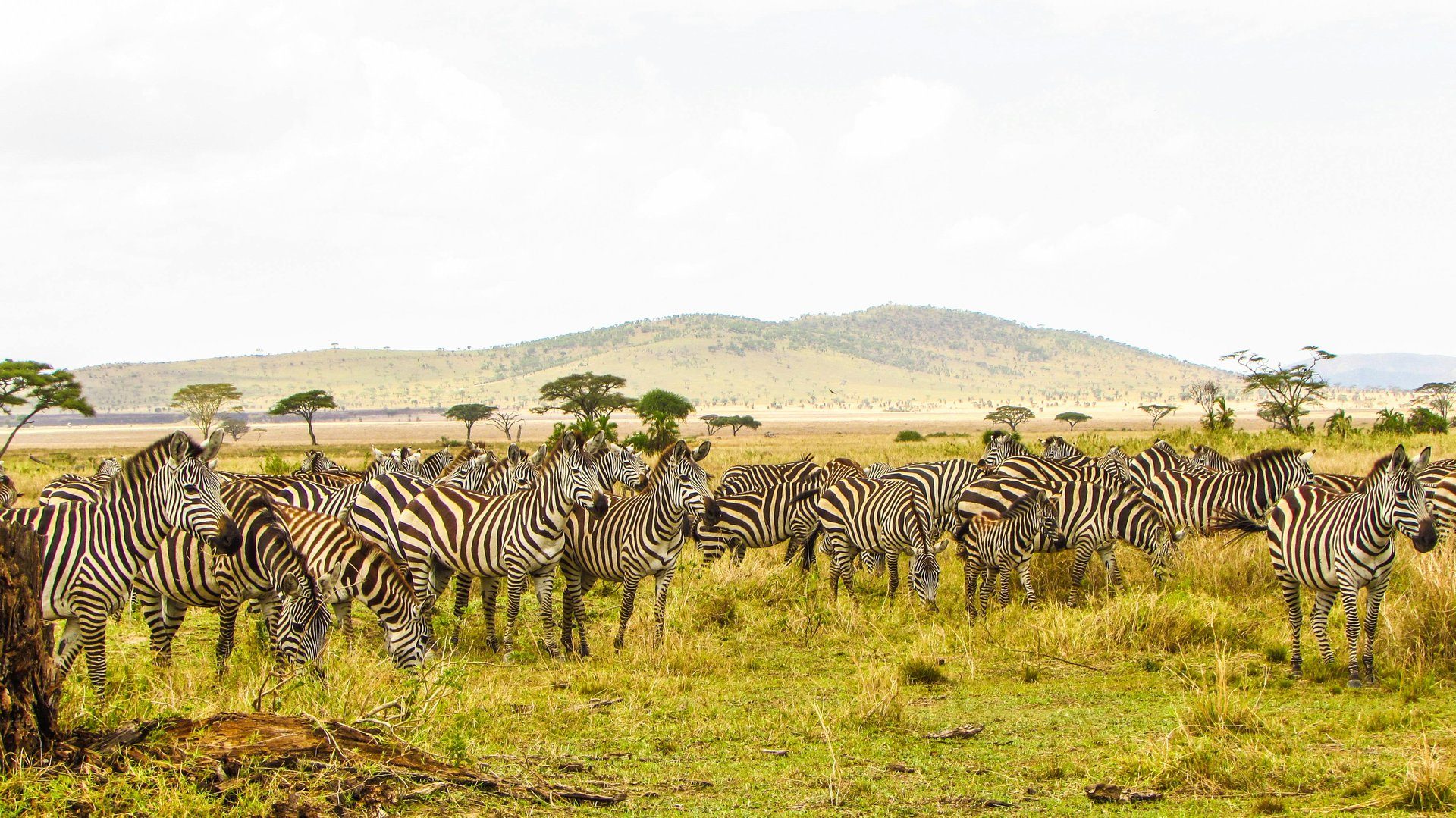
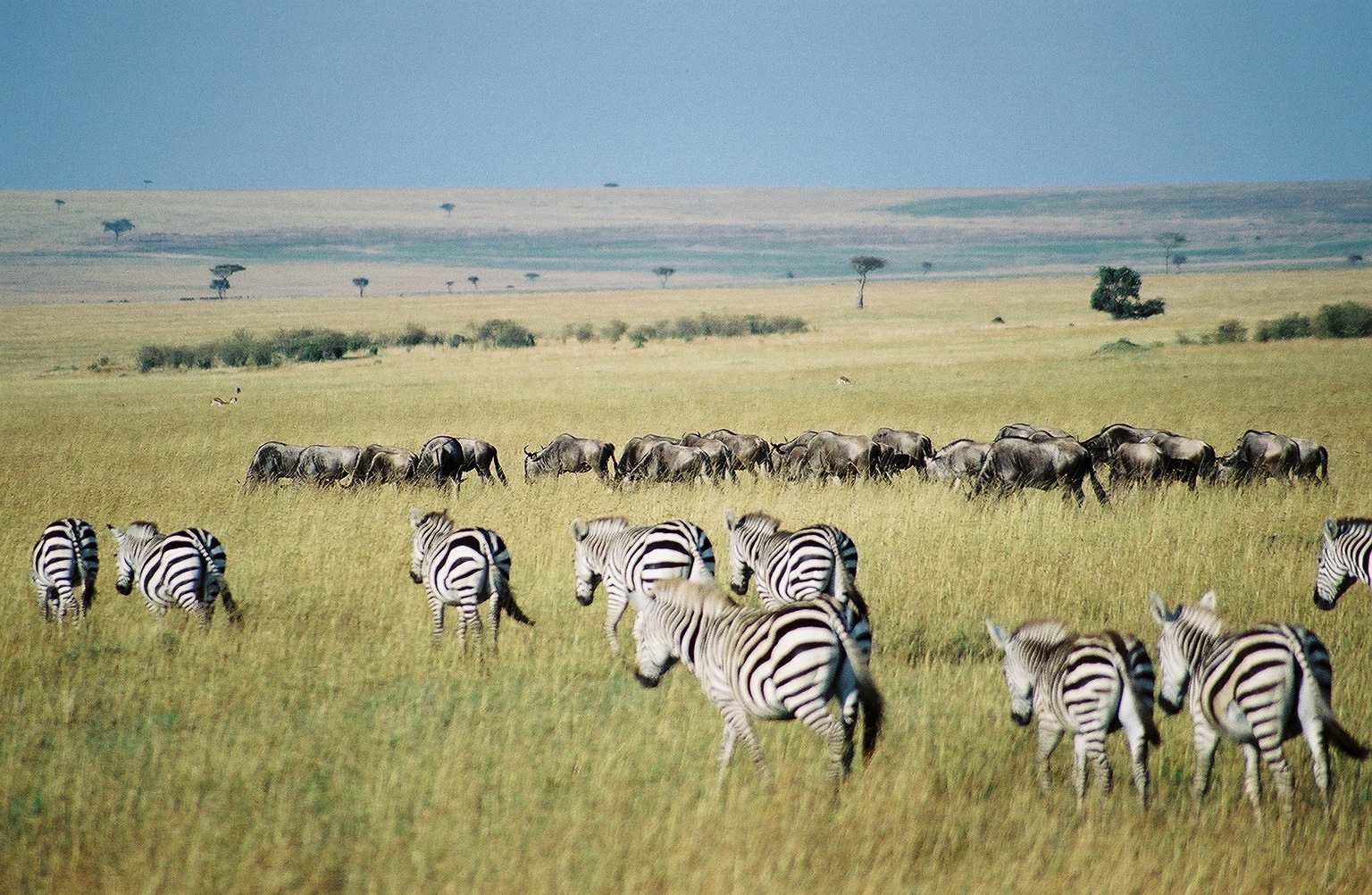
Madagascar makes a spectacular contrast to a mainland safari. Many travellers combine the island's lemurs with the Big Five of South Africa, the waterways of Botswana, or the beaches and reefs of Mozambique. Flights via Johannesburg or Nairobi connect the island to the region, and we weave the whole journey into one seamless private trip.
Planning a Wider Madagascar Trip?
If you want the whole-island picture — beaches, culture, the best time to visit, visas, costs and how to get around — read our companion ultimate Madagascar travel guide. For more on the island's wild side, see our Madagascar safari guide.
How to Book Your Madagascar Safari Tour
From the indri of Andasibe to the ring-tails of Berenty and the fossa of Kirindy, a private safari is the finest way to experience Madagascar's wildlife. Ready to plan? Browse our Madagascar safari packages, read the ultimate Madagascar travel guide, or contact our specialists for a tailor-made, fully private quote.
Ready to plan your Madagascar safari? 👉 Request a Madagascar quote → 👉 Browse our tours & safari packages → 👉 WhatsApp us: +27 78 471 4852