Key Takeaways — Gabon in 60 Seconds
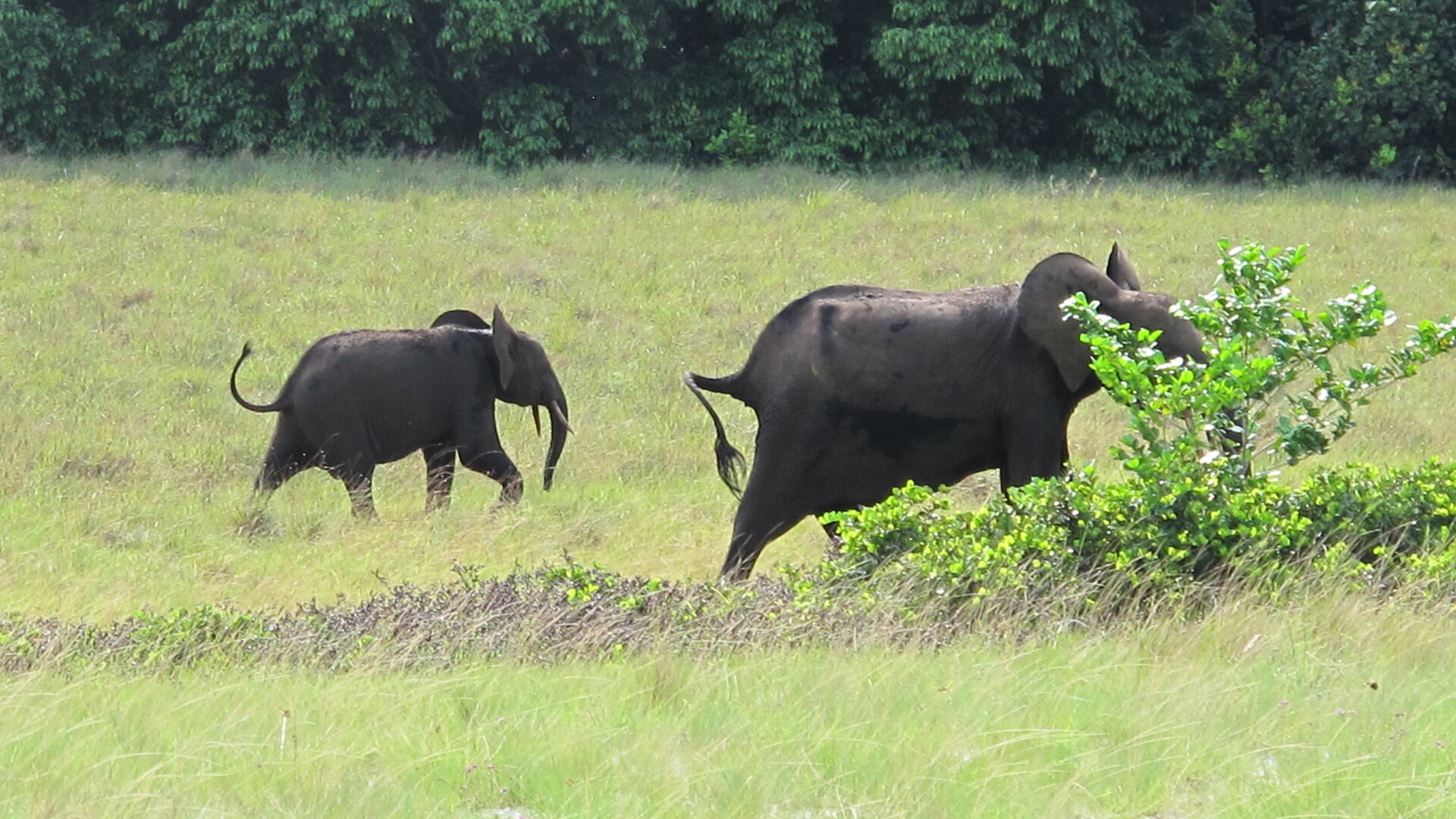
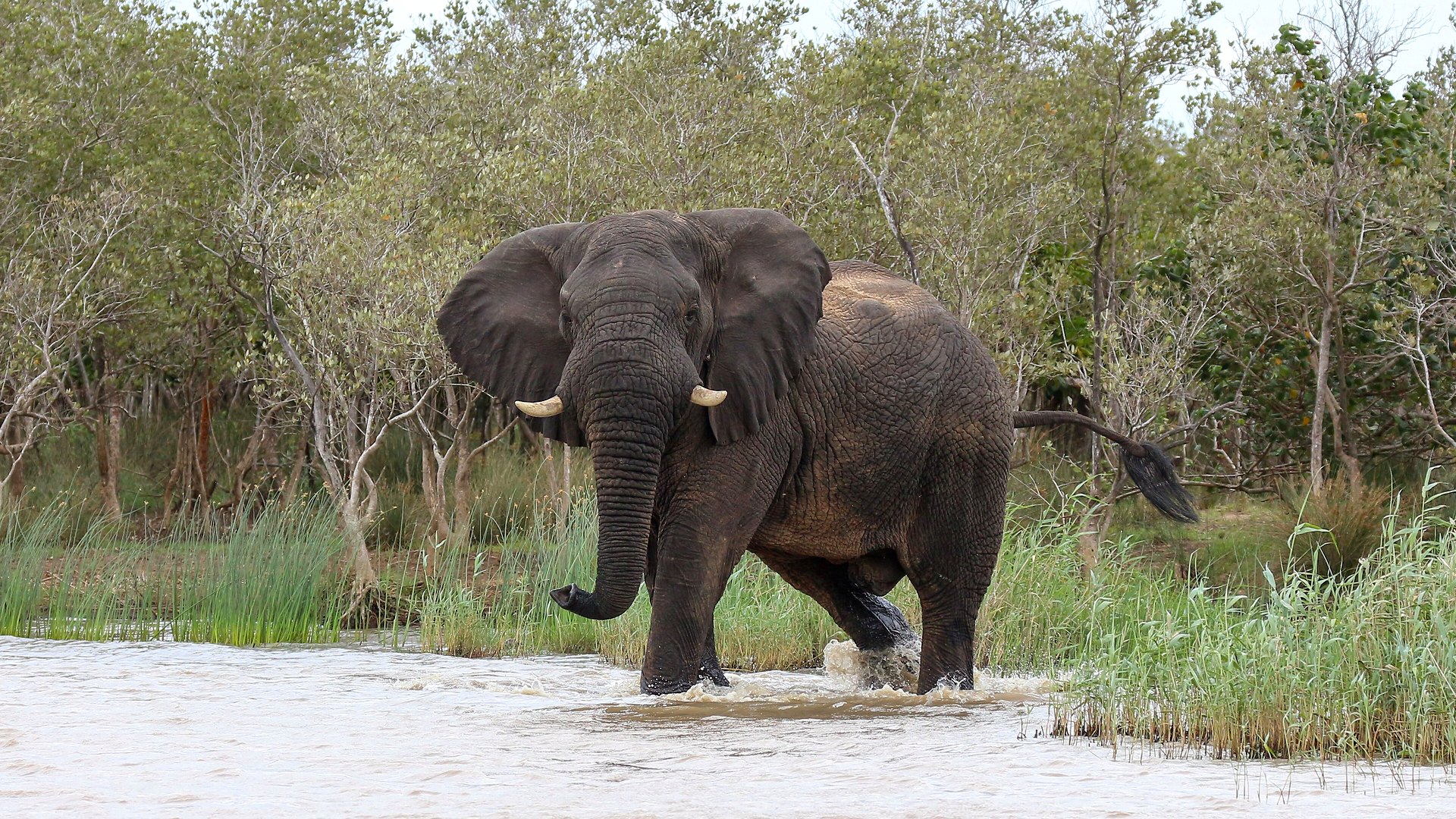
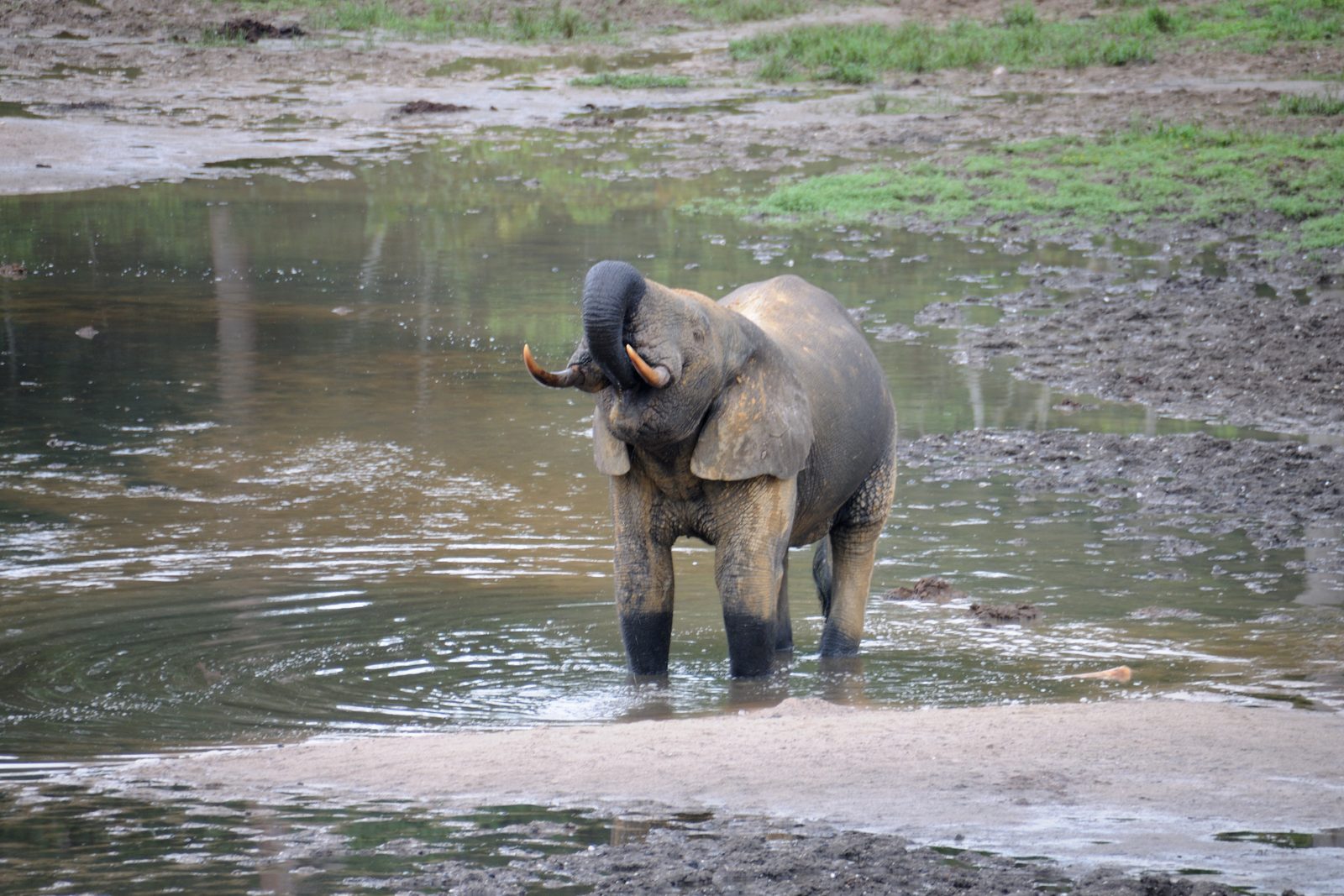
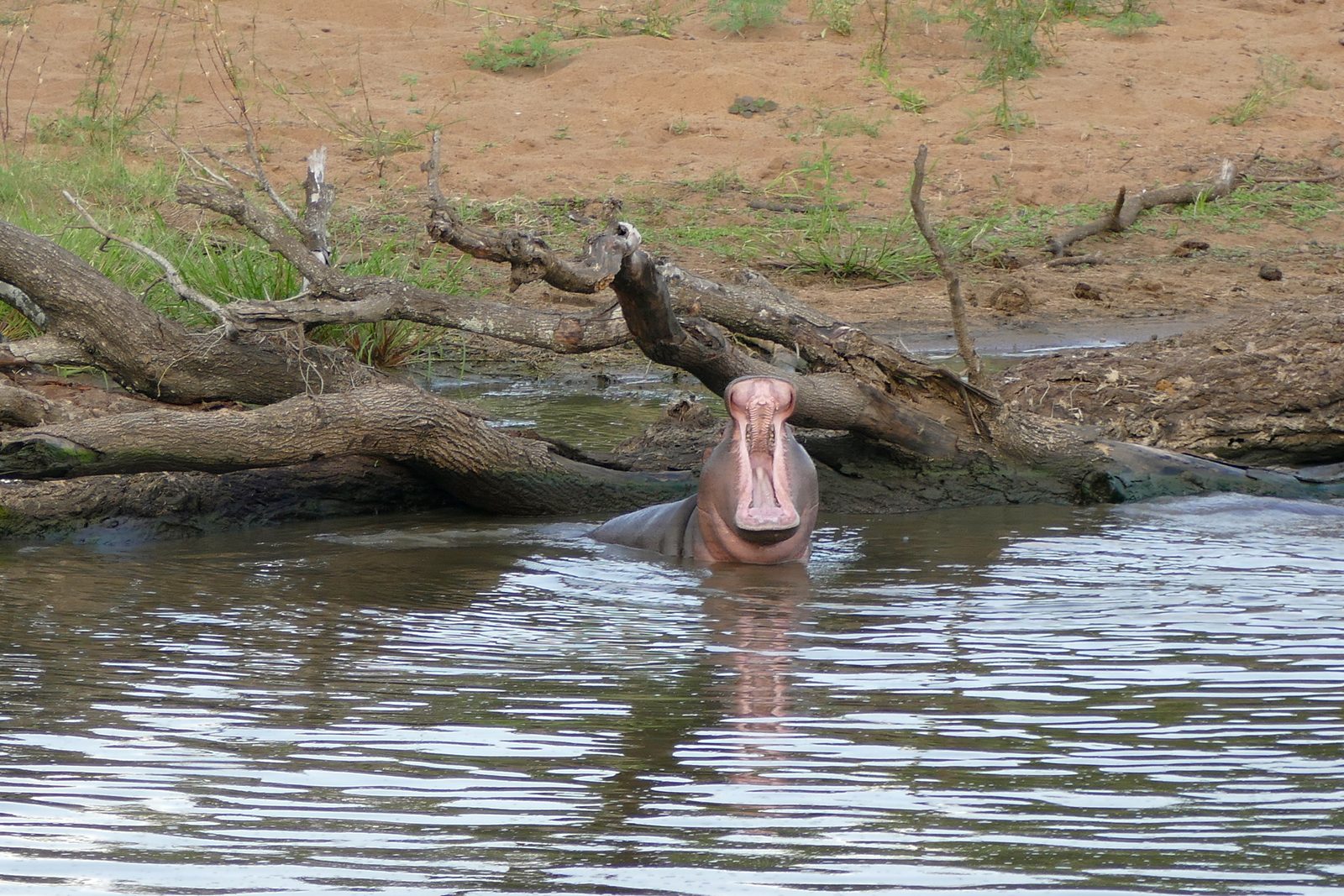
- ◆Beach meets jungle: Gabon is the only place on earth where forest elephants walk the beach and hippos surf the ocean — the spectacle of Loango National Park.
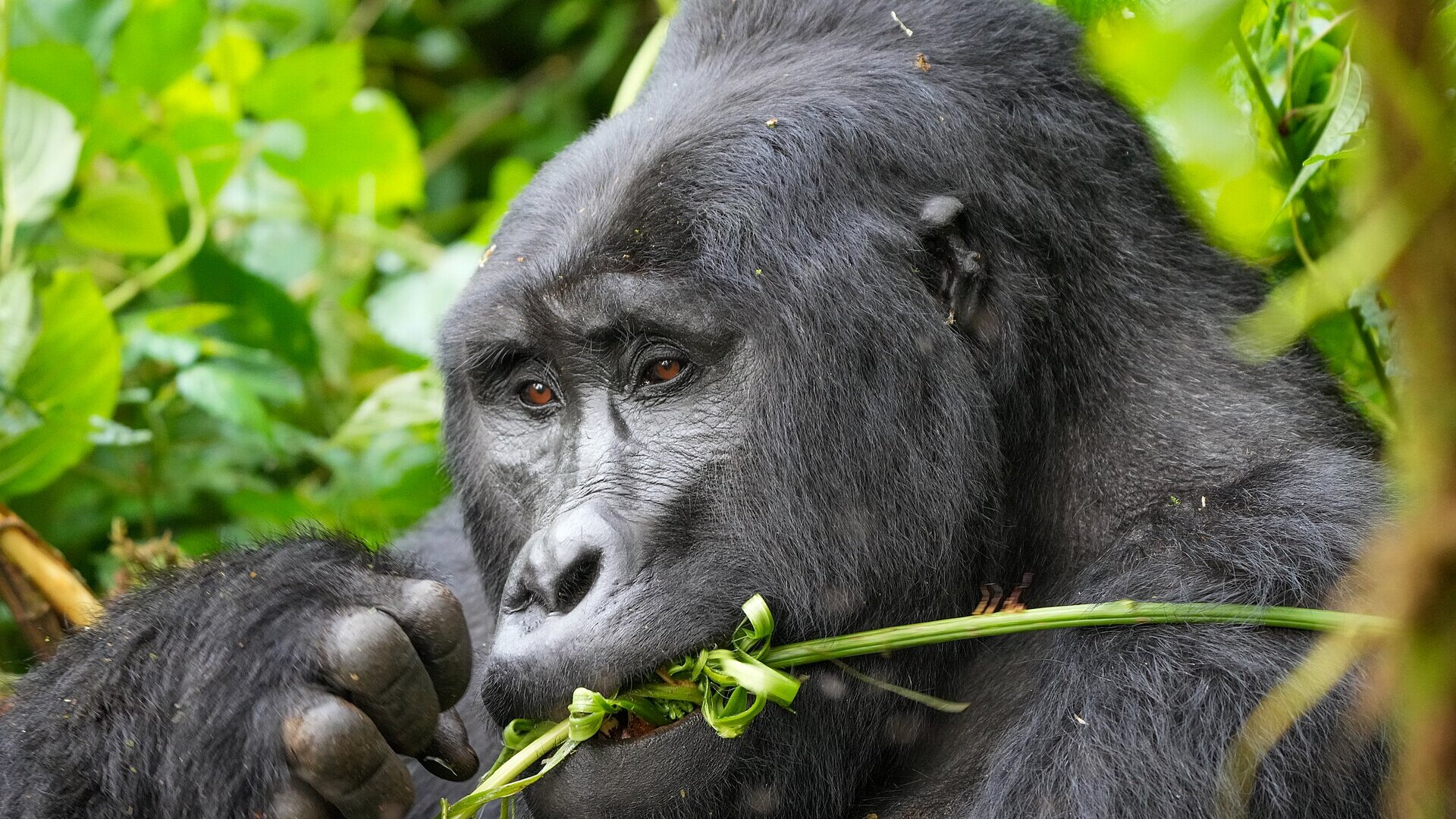
- ◆Great apes & primates: western lowland gorillas and chimpanzees tracked in the forest, plus the largest mandrill troops on earth at Lopé.
- ◆Whales & turtles: humpback whales offshore (Jul–Sep) and one of the world's great leatherback turtle nesting coasts.
- ◆Best time: the long dry season June to September for whales and beach wildlife; Dec–Feb for gorilla tracking.
- ◆Remote & exclusive: Gabon is a specialist, higher-budget destination reached by charter flights — plan it direct with local experts.
Why Gabon Is a Different Kind of Safari
Forget everything the word "safari" usually conjures. There are no golden plains here, no acacia trees, no dawn game drive across the savanna. In Gabon the rainforest runs straight into the Atlantic Ocean, and the great wildlife spectacle is one no other country on earth can offer: a forest elephant walking along a surf-washed beach, a hippo riding the ocean swell, a troop of buffalo grazing the coastal dunes, all beneath a sky where humpback whales breach offshore.
Straddling the equator on the west coast of Central Africa, Gabon is one of the most heavily forested countries on the planet — nearly ninety per cent rainforest, part of the vast Congo Basin, the second-largest tropical forest on earth after the Amazon. In 2002 the country made a visionary decision to set aside thirteen national parks covering more than a tenth of its land, protecting a wilderness so intact and so little visited that it earned a nickname that has stuck: Africa's Last Eden.
This is not a safari of numbers and checklists. The forest is dense, the animals are shy, and sightings are earned rather than guaranteed. What Gabon offers instead is something increasingly rare in the world — genuine wilderness, almost entirely to yourself. You may spend a morning on a beach fifty kilometres long without another human footprint, tracking elephants that emerge from the treeline; an afternoon on a blackwater lagoon among monkeys and kingfishers; a dawn deep in the forest, following a habituated gorilla family through the green half-light. For the traveller who has done the classic safaris and wants the true frontier of African travel, there is nowhere quite like it.
Loango National Park — Africa's Last Eden
If Gabon has a single, unmissable destination, it is Loango National Park. This is the park that gave the country its reputation, a 1,550-square-kilometre mosaic of beach, coastal forest, savanna, mangrove and lagoon on the central Atlantic coast — and the only place on earth where the full cast of Gabon's beach-and-jungle wildlife comes together.
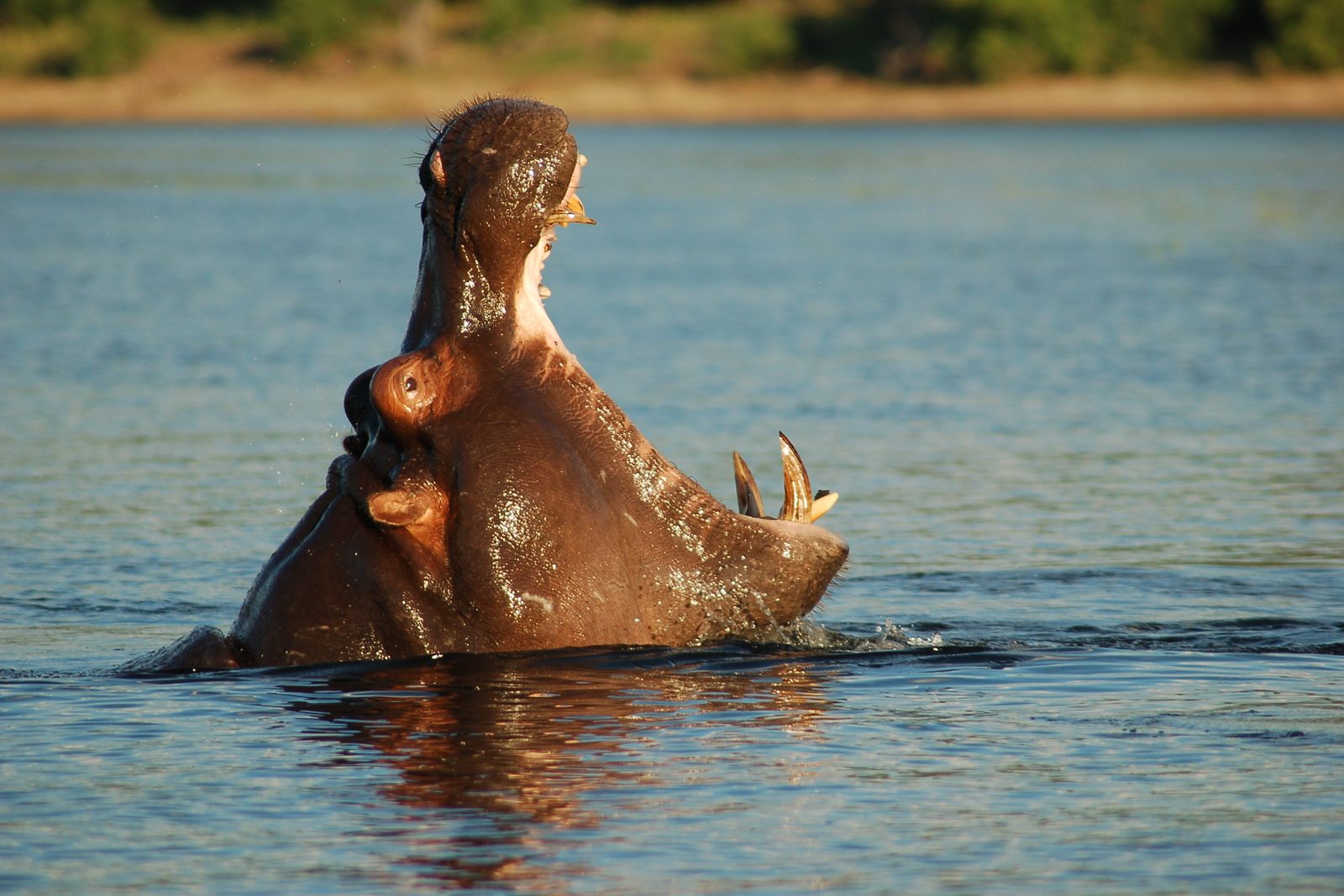
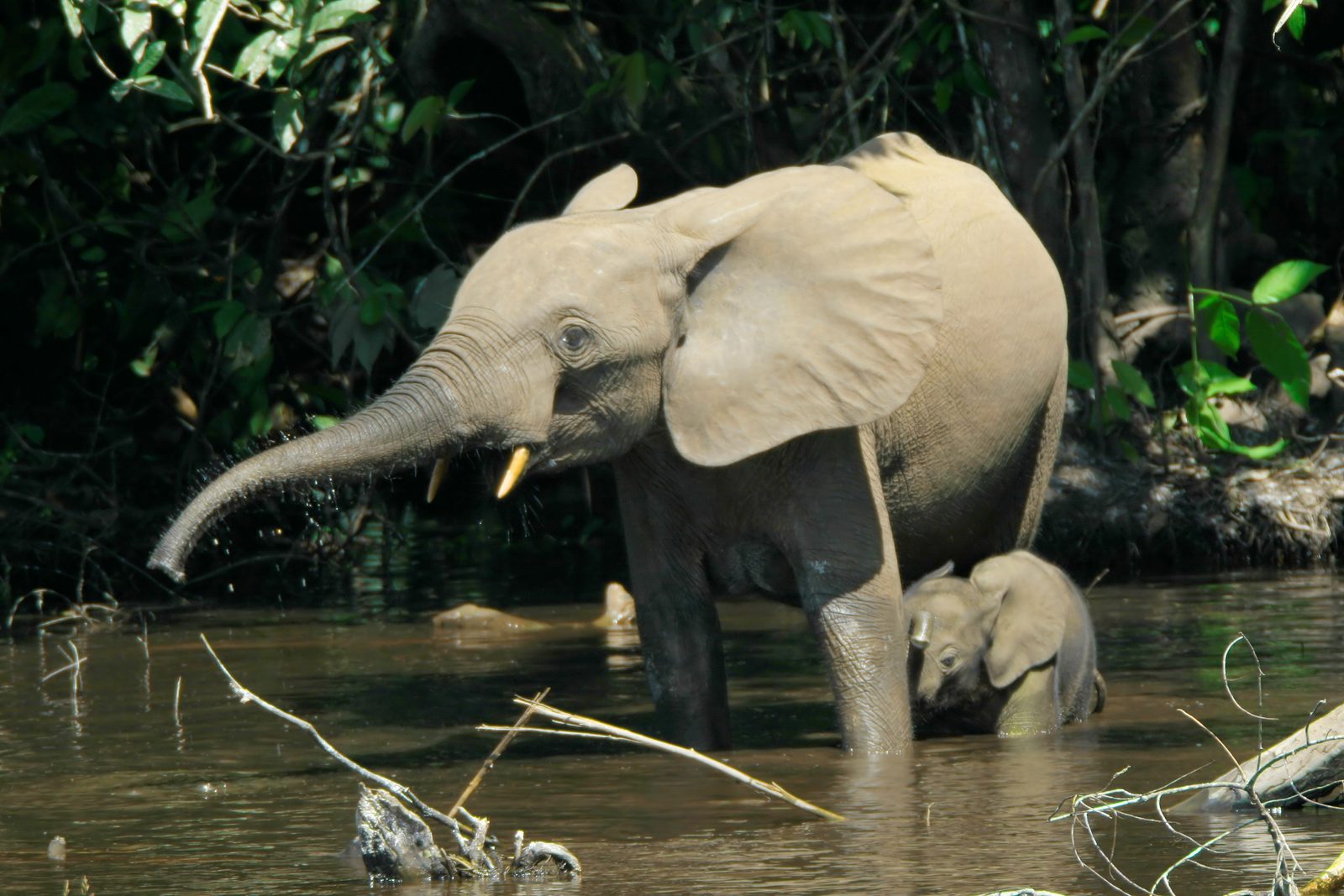
Loango's signature is its coastline. Along kilometres of wild, undeveloped beach, forest elephants emerge from the treeline to walk the sand and feed at the forest edge; forest buffalo graze the coastal grasslands; and the park's famous "surfing hippos" are seen in the ocean surf, a phenomenon found nowhere else and made famous by wildlife films. Red river hogs, sitatunga antelope and several monkey species haunt the forest behind the dunes, while offshore, from July to September, humpback whales breach within sight of the shore.
Behind the beach lies the Iguéla Lagoon, a vast blackwater system explored by boat, where you glide past mangroves and forest alive with birds, monkeys and the occasional elephant come to drink. And in the forest itself, Loango is one of the few places offering western lowland gorilla tracking alongside chimpanzee viewing. To combine, in a single day, a beach walk among elephants, a lagoon cruise, and time with great apes in the forest is the essence of a Loango safari — and it exists nowhere else.
Gorilla & Chimpanzee Tracking
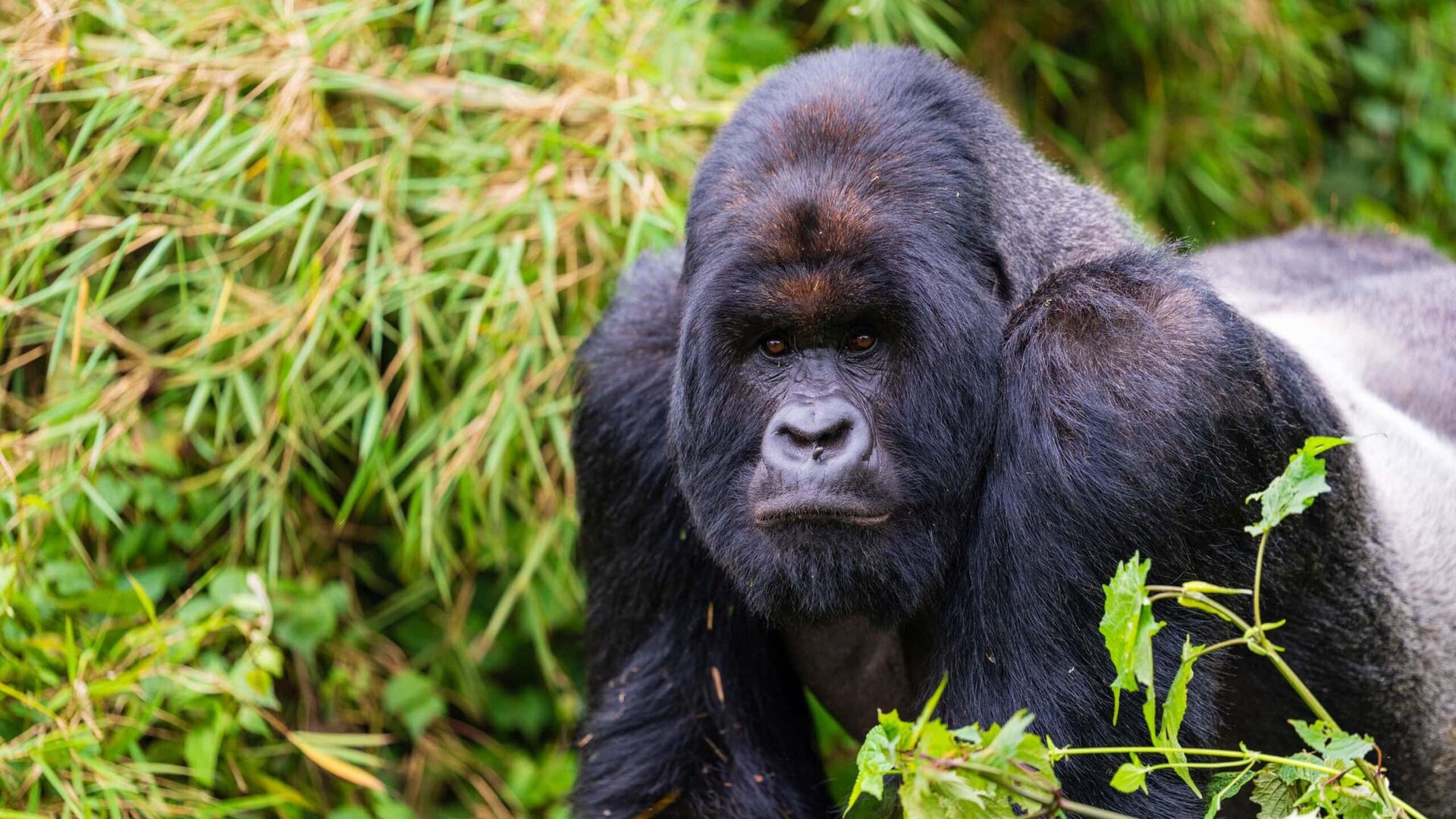
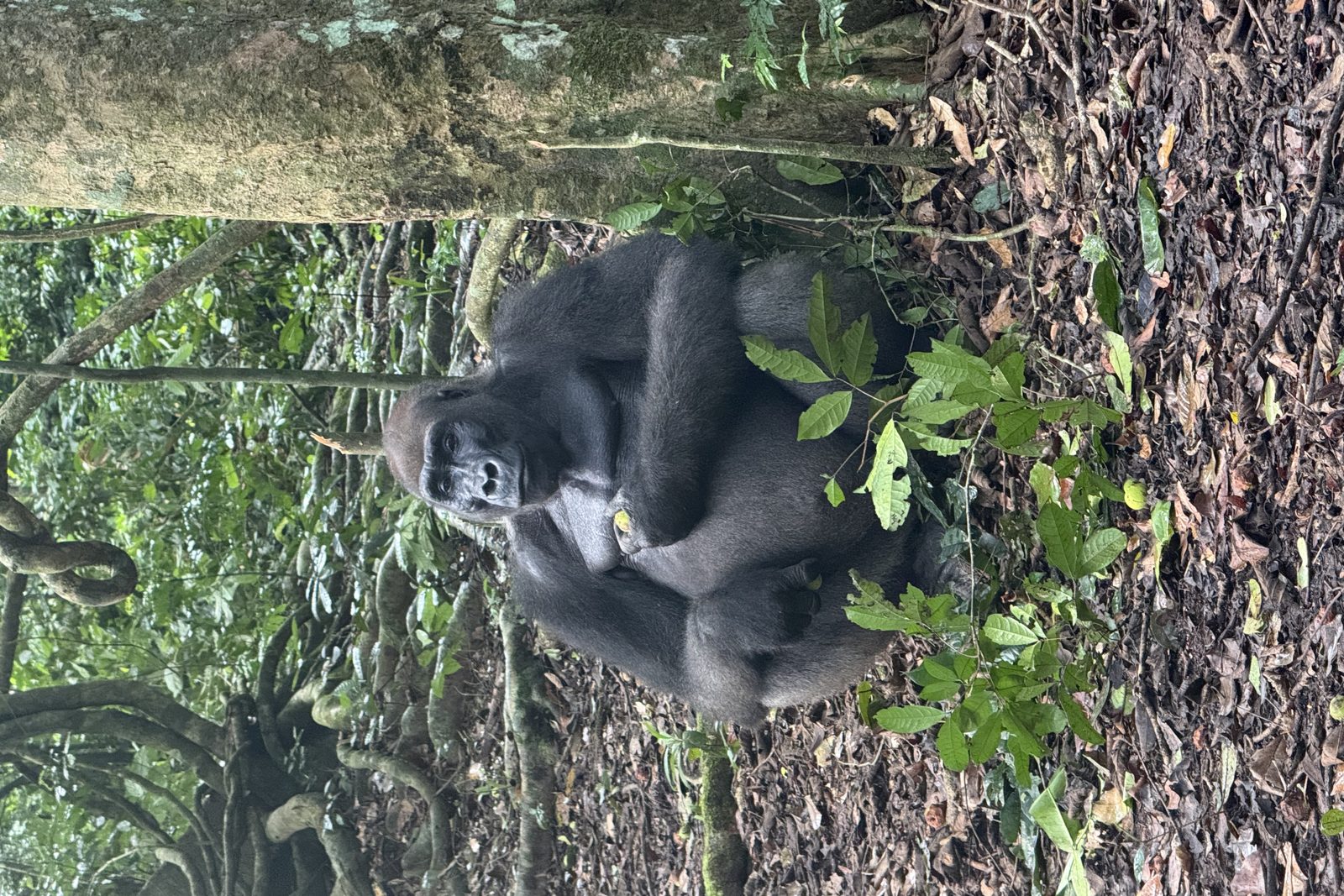
Gabon is one of the great strongholds of Africa's great apes, and tracking them here is a very different experience from the mountain gorilla trekking of Rwanda and Uganda. Gabon's gorillas are western lowland gorillas, a distinct species that lives in dense equatorial rainforest at low altitude rather than on open mountain slopes.
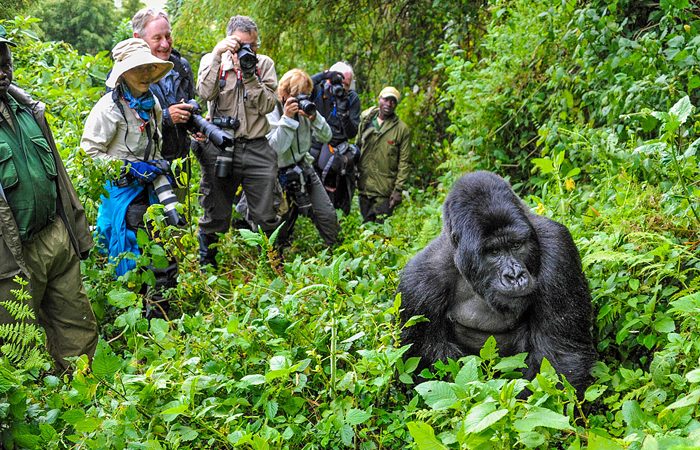
Habituation projects — most accessibly in and around Loango — allow small, carefully managed groups of visitors to track a habituated gorilla family alongside expert guides and the researchers who know them. Because the habitat is thick lowland forest, the tracking can be humid, muddy and physically demanding, and a sighting is earned through patience rather than guaranteed — but to sit quietly a few metres from a silverback and his family in one of their last true refuges is a profound and humbling privilege.
Gabon is equally rewarding for chimpanzees, with habituated communities that can be tracked in the forest, and the country's forests also shelter a remarkable diversity of monkeys — putty-nosed, moustached, crowned and red-capped mangabey among them. All ape tracking is strictly permit-based and managed for the animals' welfare, with small group sizes and health protocols; we secure the permits and build the logistics into your journey.
Ivindo National Park & Langoué Baï
Deep in the interior, Ivindo National Park protects some of the most pristine rainforest in Central Africa and two of Gabon's greatest natural spectacles. The first is the Langoué Baï — a large natural forest clearing, or baï, discovered only in 2000, where the surrounding jungle opens onto marshy grassland fed by mineral-rich springs. To these clearings the forest's most elusive animals are drawn into the open: forest elephants in numbers, western lowland gorillas, forest buffalo, sitatunga and a constant traffic of birds. Watching from a raised platform as gorillas and elephants emerge from the walls of forest is one of the most extraordinary wildlife experiences in Africa — a rare chance to see, in the open, animals that are almost impossible to observe in the dense forest itself.
Ivindo's second wonder is water. The park's rivers tumble over a series of dramatic waterfalls, the greatest of which are the thunderous Kongou Falls — among the most powerful and beautiful in Central Africa — and the Mingouli Falls. Reaching Langoué Baï and the falls is a genuine expedition, involving light-aircraft flights, river travel and forest walks, and it is this remoteness that keeps the park so wild. It is a destination for the traveller who truly wants to reach the heart of the forest.
Lopé National Park — Mandrills & UNESCO Forest
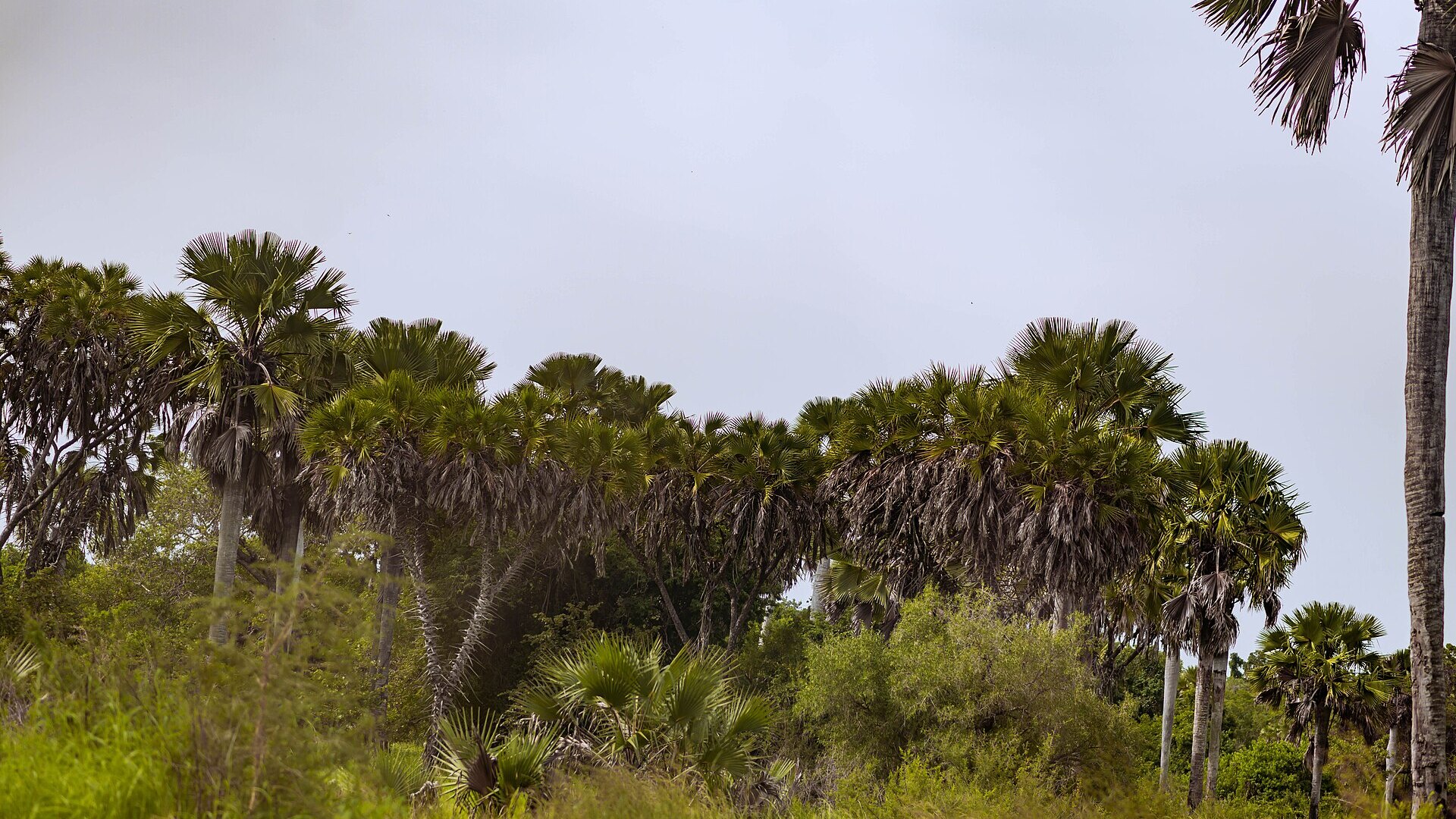
In the centre of the country, Lopé National Park is one of Gabon's oldest protected areas and a UNESCO World Heritage Site — listed both for its nature and for its remarkable human history. Its landscape is unusual and beautiful: a mosaic where the last stretches of ancient savanna, relic of the Ice Age, meet dense equatorial rainforest, creating a rolling, park-like country unlike anywhere else in Gabon.
Lopé's great wildlife claim is its mandrills. This is home to the largest troops of these spectacularly coloured primates on earth — 'super-troops' that can number well over a thousand animals, the biggest gatherings of any non-human primate anywhere. The park also holds forest elephants, buffalo, sitatunga, and a rich community of monkeys and forest birds. Because of its savanna component and road access via the Trans-Gabon railway, Lopé is one of the more reachable of Gabon's parks, and its blend of open country and forest makes wildlife-watching a little easier here than in the deep jungle. The park is also of global importance for its archaeology, with rock art and evidence of human presence in the region stretching back many thousands of years — the reason for its cultural World Heritage listing.
Pongara & the Coast — Turtles & Whales
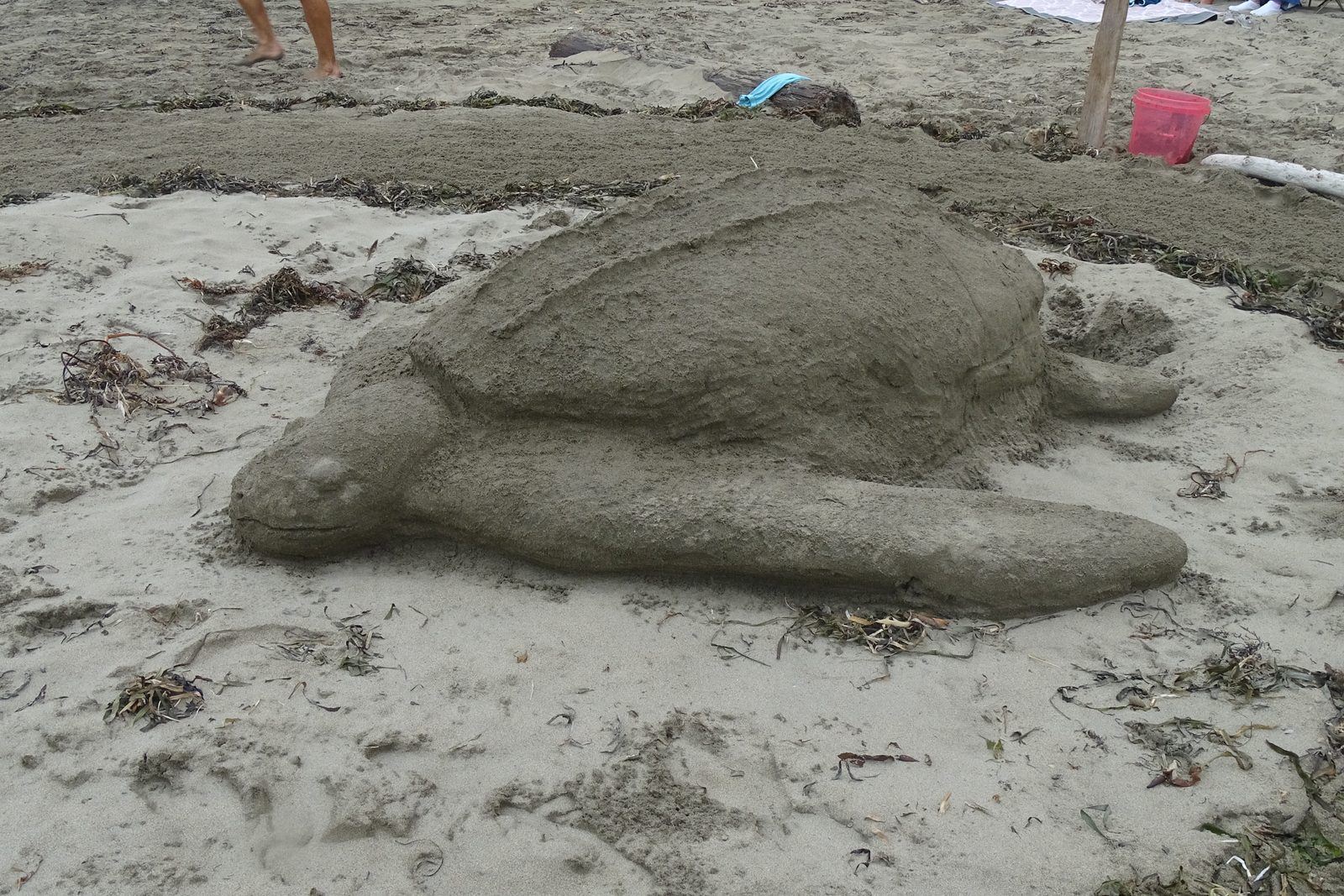
Gabon's Atlantic coast is a wildlife destination in its own right, and two of its spectacles are among the greatest on earth. Just across the estuary from the capital, Pongara National Park protects a long stretch of wild beach that is one of the world's most important nesting sites for the leatherback turtle, the largest turtle on the planet. From roughly November to January, females haul themselves ashore at night to lay their eggs, and in the following months the hatchlings emerge and scramble to the sea — a moving, ancient ritual witnessed on guided night walks with conservation teams.
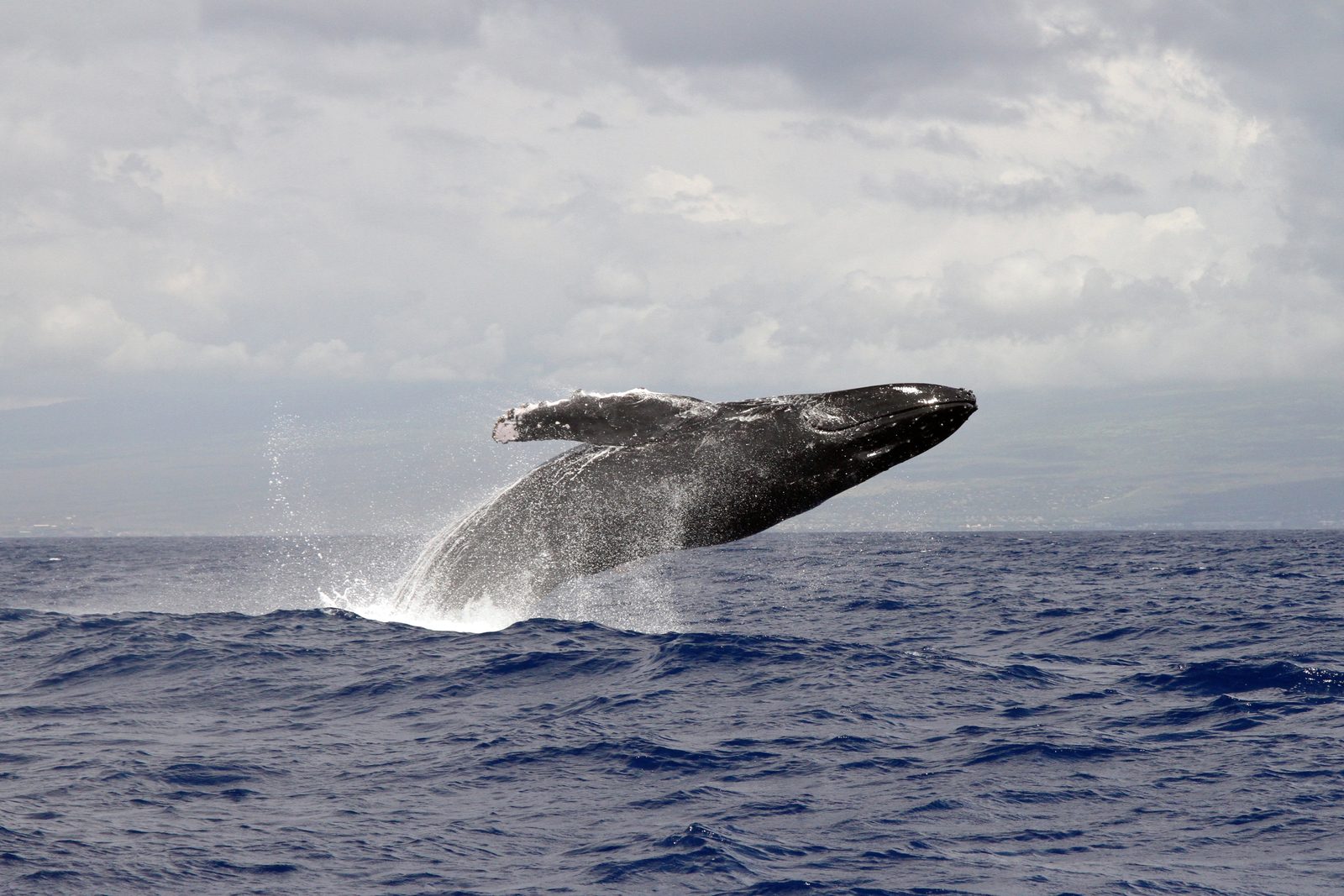
The second is the annual gathering of humpback whales. Each year, from around July to September, humpbacks migrate to Gabon's warm coastal waters to breed and calve, and they can be seen breaching and tail-slapping both on boat excursions and, remarkably, from the beaches of Loango and the coast itself. Atlantic humpback dolphins also frequent these waters. The pairing of nesting turtles and breeding whales makes Gabon's coast one of the most rewarding marine wildlife destinations in Africa, and an easy, spectacular complement to the forest parks inland.
Best Time to Visit Gabon
Gabon sits on the equator, so it is warm and humid all year; the seasons are defined by rain, not temperature. The best window depends on what you most want to see — here is the year at a glance:
| Period | Season | Best For |
|---|---|---|
| Jun–Sep | Long dry season ("Gabon winter") | ★ Peak season: humpback whales (Jul–Sep), beach & coastal wildlife at Loango, best forest access |
| Oct–Nov | Short wet season | Green and lush; heavier rain and some camp closures; turtle nesting begins in November |
| Dec–Feb | Short dry season | ★ Excellent for gorilla & chimp tracking and wildlife; leatherback turtle nesting & hatching on the coast |
| Mar–May | Long wet season | The wettest months; forest travel difficult and many camps closed; lush but challenging access |
In short: the long dry season of June to September is the classic time to visit — the whales are in, the beach wildlife is at its best, and the forest is at its most accessible — while December to February is the sweet spot for gorilla tracking and turtles. The heavier rains of the wet seasons make some camps close and forest travel difficult, so timing matters more in Gabon than in many destinations. We match your journey precisely to the season and to what you most want to experience.
Getting There & Getting Around
Gabon's gateway is its capital, Libreville, served by international flights via European and African hubs — Paris, Istanbul, Addis Ababa, Casablanca and Johannesburg among the common routings. Libreville is where almost every Gabon journey begins, with a night or two to connect, brief and prepare.
From the capital, the wilderness is reached largely by air. The great parks — Loango, Ivindo, and the remoter reserves — are served by scheduled light aircraft and private charter flights, which are an essential and significant part of any itinerary given the distances and the near-total absence of roads into the forest. Lopé is the exception, being reachable by the Trans-Gabon railway and road as well as by air. Within the parks, travel is by 4x4, by boat along the lagoons and rivers, and on foot for tracking and forest walks.
This reliance on charter flights and small camps is exactly why Gabon is both exclusive and expensive, and why it rewards careful, expert planning. Logistics here are not something to improvise; they are the difference between a seamless journey through one of the world's last great wildernesses and a frustrating one. We handle every flight, transfer and connection end to end.
What a Gabon Trip Costs & Sample Itineraries
Gabon is a specialist, higher-budget destination — its remoteness, its small owner-run camps and its reliance on charter flights all raise the cost, and the reward is genuine exclusivity in a wilderness almost no one else visits. Here is an honest guide, per person and excluding international flights:
| Tier | Indicative Cost (per person) | What You Get |
|---|---|---|
| Focused Loango | from US$6,500 (shorter trips) | A concentrated Loango safari — beach wildlife, lagoon cruises and forest walks from a single camp |
| Classic Combination | US$8,000–12,000 (7–10 days) | Loango plus an interior park (Ivindo or Lopé) or the coast, with charter flights and private guiding |
| Comprehensive / Luxury | US$15,000+ (10–14 days) | Gorilla tracking, Loango, the interior clearings and the coast — the full breadth of Gabon, best camps, private throughout |
Below are three of our most popular itinerary frameworks; each is a starting point we tailor entirely to your dates, interests, budget and pace.
Itinerary 1: The Essence of Loango (6 Days)
- 1. Day 1: Arrive Libreville — overnight, briefing and connections.
- 2. Days 2–5: Fly to Loango National Park — beach drives among forest elephants and buffalo, Iguéla Lagoon cruises, forest walks, whale watching in season, and optional gorilla tracking.
- 3. Day 6: Fly back to Libreville for onward international connections.
Itinerary 2: Beach, Forest & Mandrills (9 Days)
- 1. Day 1: Arrive Libreville; overnight and briefing.
- 2. Days 2–5: Loango National Park — beach wildlife, lagoon, forest walks and gorilla tracking.
- 3. Days 6–8: Travel to Lopé National Park — the savanna-forest mosaic, mandrill super-troops, forest elephants and birding.
- 4. Day 9: Return to Libreville for departure.
Itinerary 3: The Grand Gabon (13 Days)
- 1. Days 1–4: Loango — the full beach-and-jungle experience, plus gorilla tracking and whales in season.
- 2. Days 5–8: Ivindo National Park — an expedition to the Langoué Baï forest clearing and the Kongou Falls.
- 3. Days 9–11: Lopé National Park — mandrill super-troops and the savanna-forest mosaic.
- 4. Days 12–13: The coast near Libreville — Pongara for turtles in season — then departure.
How We Plan Your Gabon Journey — Book Direct
We are Beyond Africa Safaris — a specialist operator that plans and books each journey direct on the ground, working with trusted Gabonese guides, camps and pilots. There is no middleman, no reseller mark-up, and no generic package pulled from a brochure. Gabon, more than almost any destination, rewards this approach: its remoteness, its charter logistics and its small, few camps all demand local knowledge and careful, current planning.
Here is how it works:
- Consultation: We start by understanding what draws you — the beach elephants of Loango, gorilla tracking, the forest clearings of the interior, mandrills, whales or turtles — along with your dates, pace and budget.
- Bespoke itinerary: A detailed, day-by-day plan with the right camps, internal charter flights, guides and activities, sequenced to make Gabon's remoteness work for you rather than against you.
- Refinement: We adjust until it is exactly right — add Ivindo's baï, extend Loango, time it for the whales or the turtles, or build in gorilla tracking.
- Booking & logistics: We book every component direct, confirm in writing, and handle the charter flights, park permits, gorilla permits, local guides and transfers end to end.
- Pre-departure & on the ground: A full pack with eVisa guidance, yellow fever and malaria advice, packing lists and a day-by-day briefing — and real support throughout your journey.
Start Planning Your Gabon Journey
Gabon is the safari for travellers who want the true frontier — a forest elephant on an empty beach, a hippo in the ocean surf, a silverback in the green shade of the rainforest, a humpback breaching offshore, and a wilderness you may have almost entirely to yourself. It is one of the last great wild places on earth, and one that demands to be planned with real care.
Tell us what calls to you and when you would like to travel. We will design a journey that takes in the very best of Africa's Last Eden — planned direct, guided by trusted locals, timed to the season, and supported every step of the way.
Contact Beyond Africa Safaris today and start planning your Gabon journey.